How We Get to You
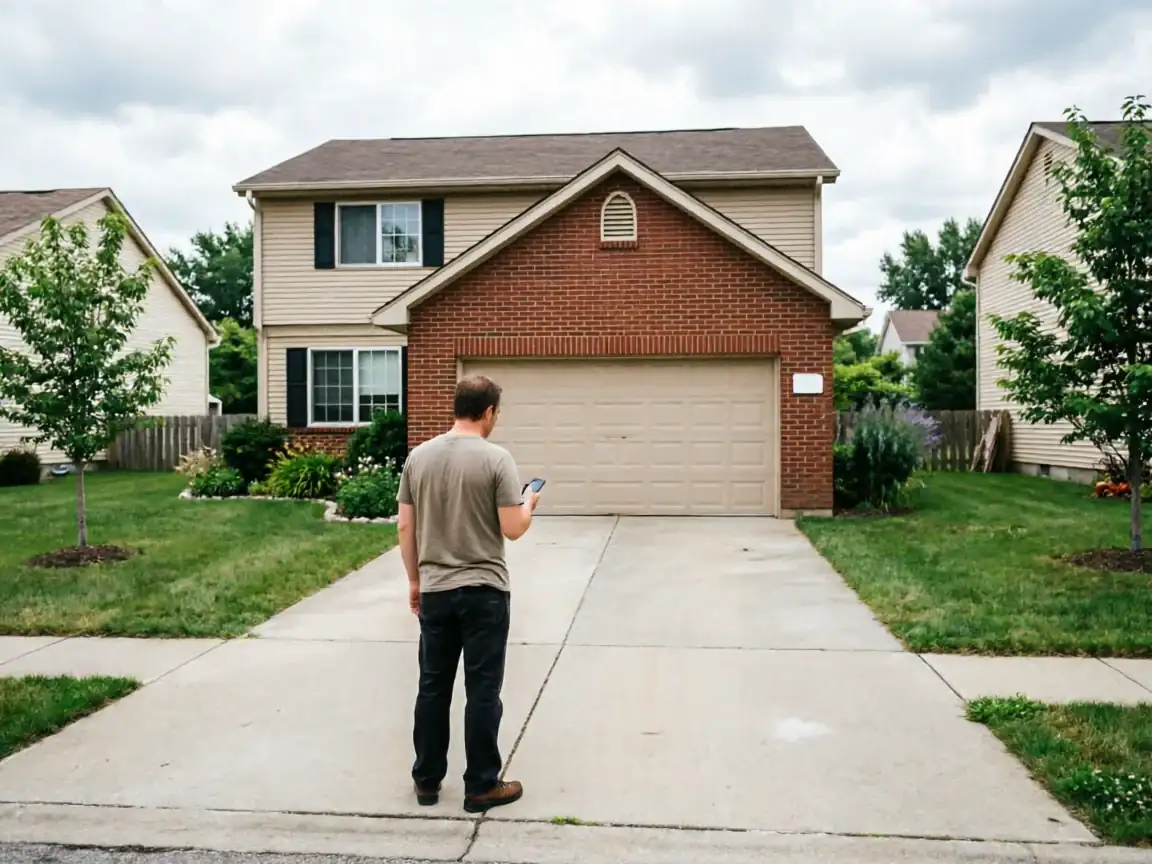
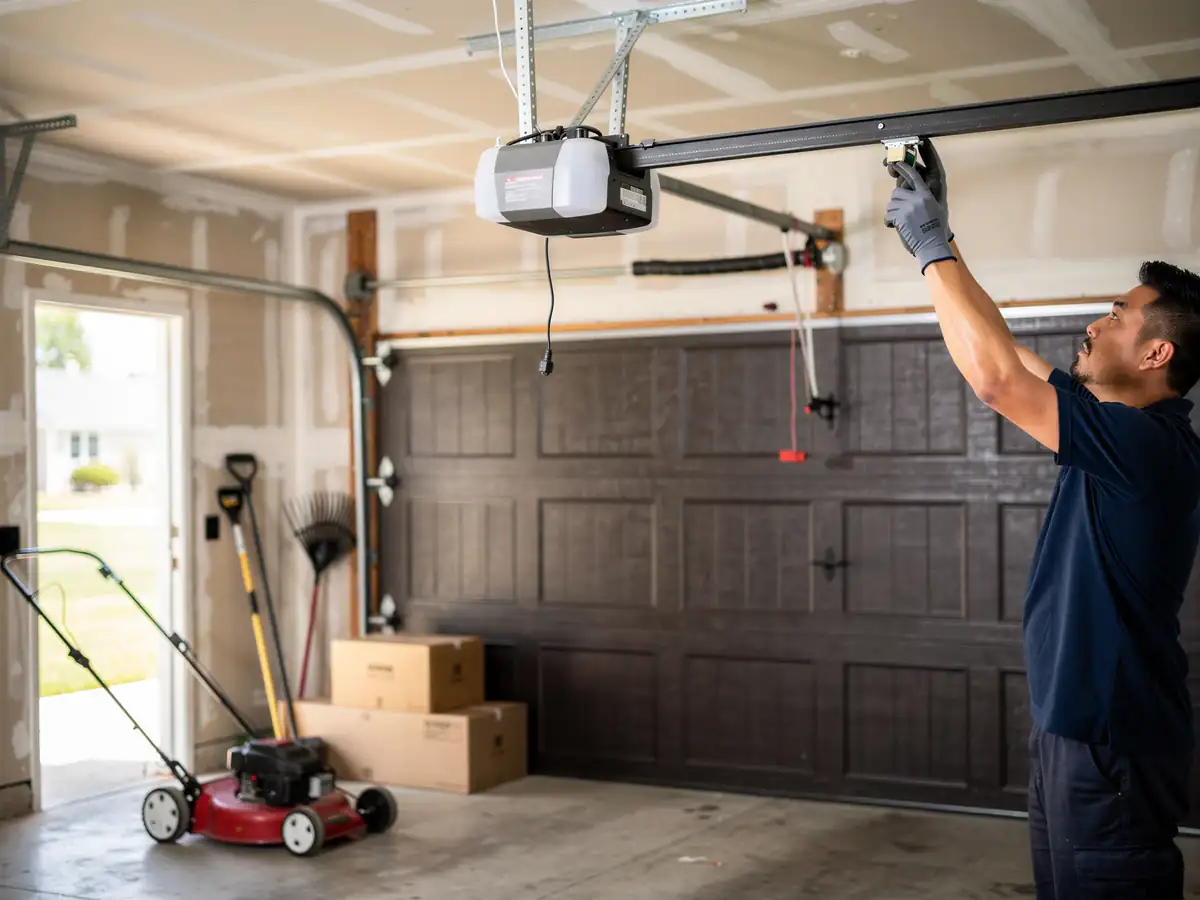
Kent sits about 10 miles from our base in Akron, and that drive shapes how we schedule the day. We don't keep a depot in Kent - we run trucks out from Akron and route them to cover the towns in between, so a Kent job usually gets slotted alongside calls in Stow or Munroe Falls on the way up. That means we're not always the fastest truck on your street, and we won't pretend otherwise. What we can tell you is that Kent is a regular stop, not a special trip, so a tech heading your way already has the common parts for this area loaded before he leaves the shop. If a job needs a part we don't stock - a specific opener logic board, for instance - that part has to come from a supplier, and that adds a day or two. We'd rather tell you that up front than have you wait by the window.
The Houses Here
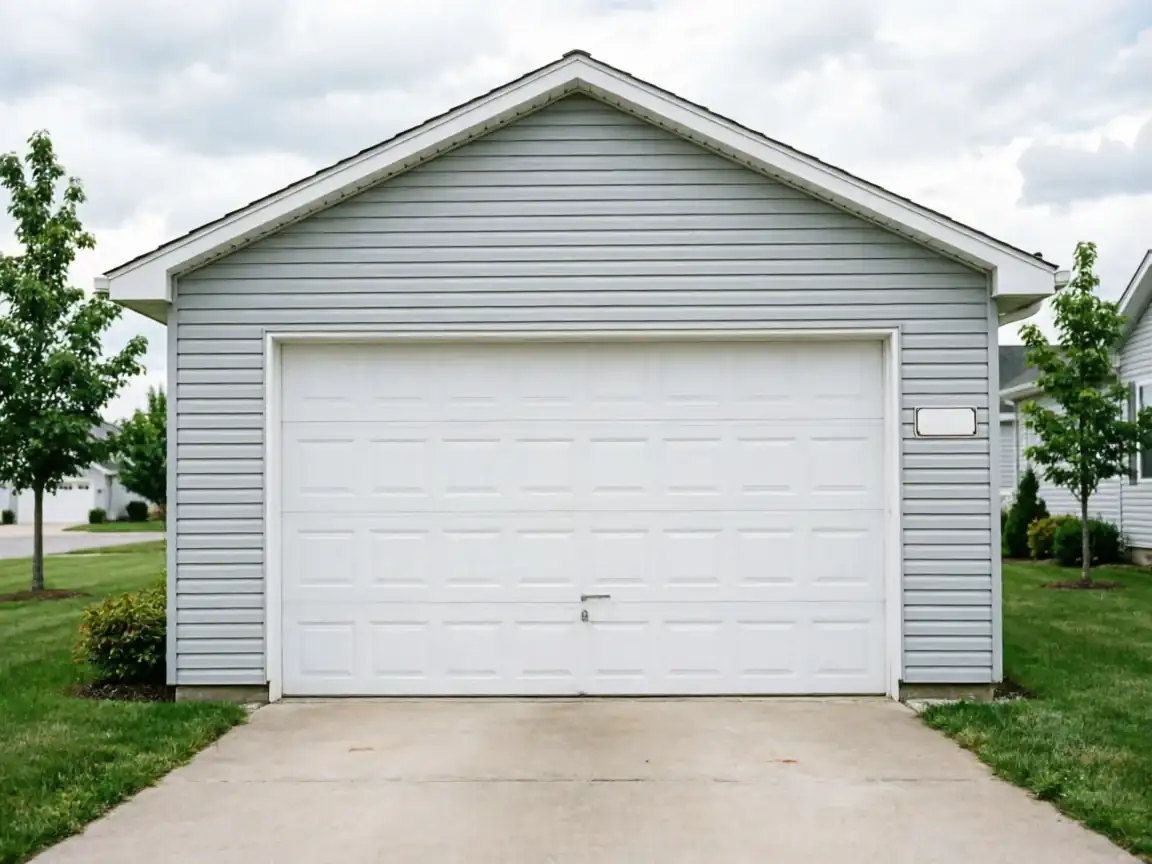
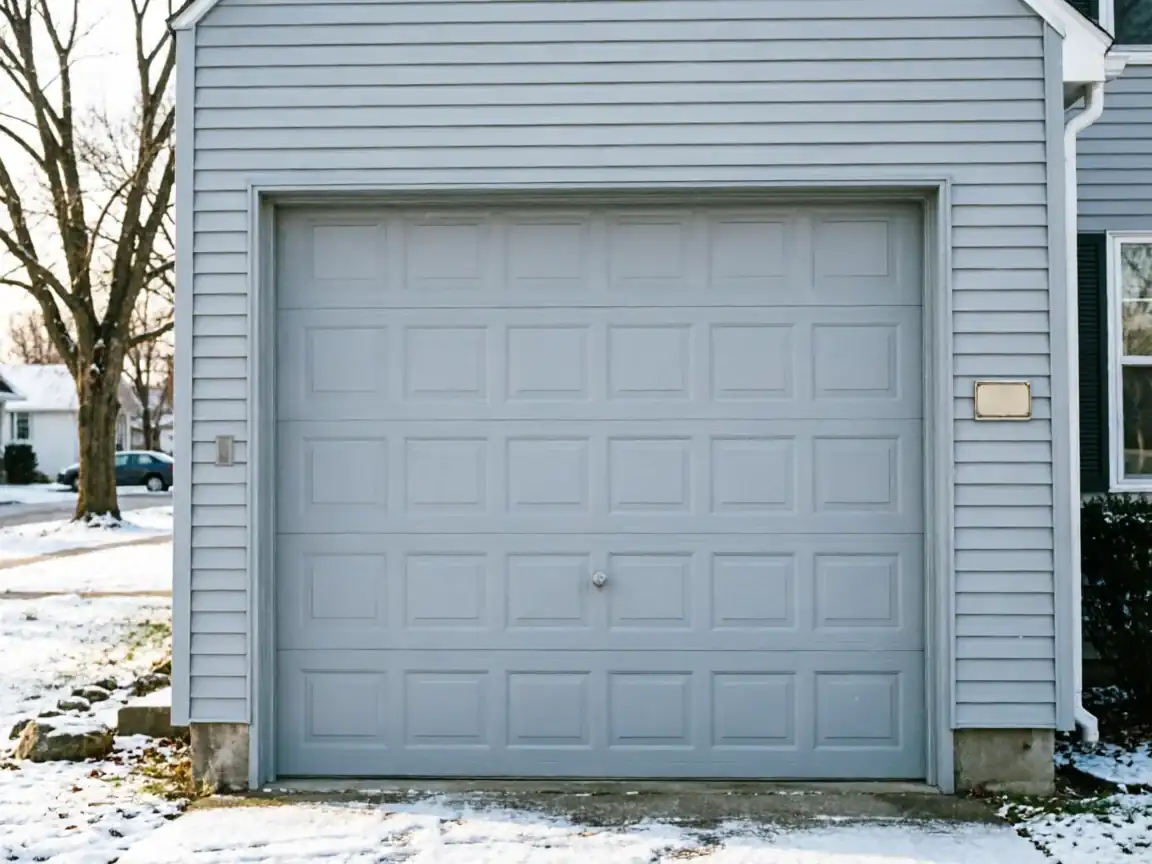
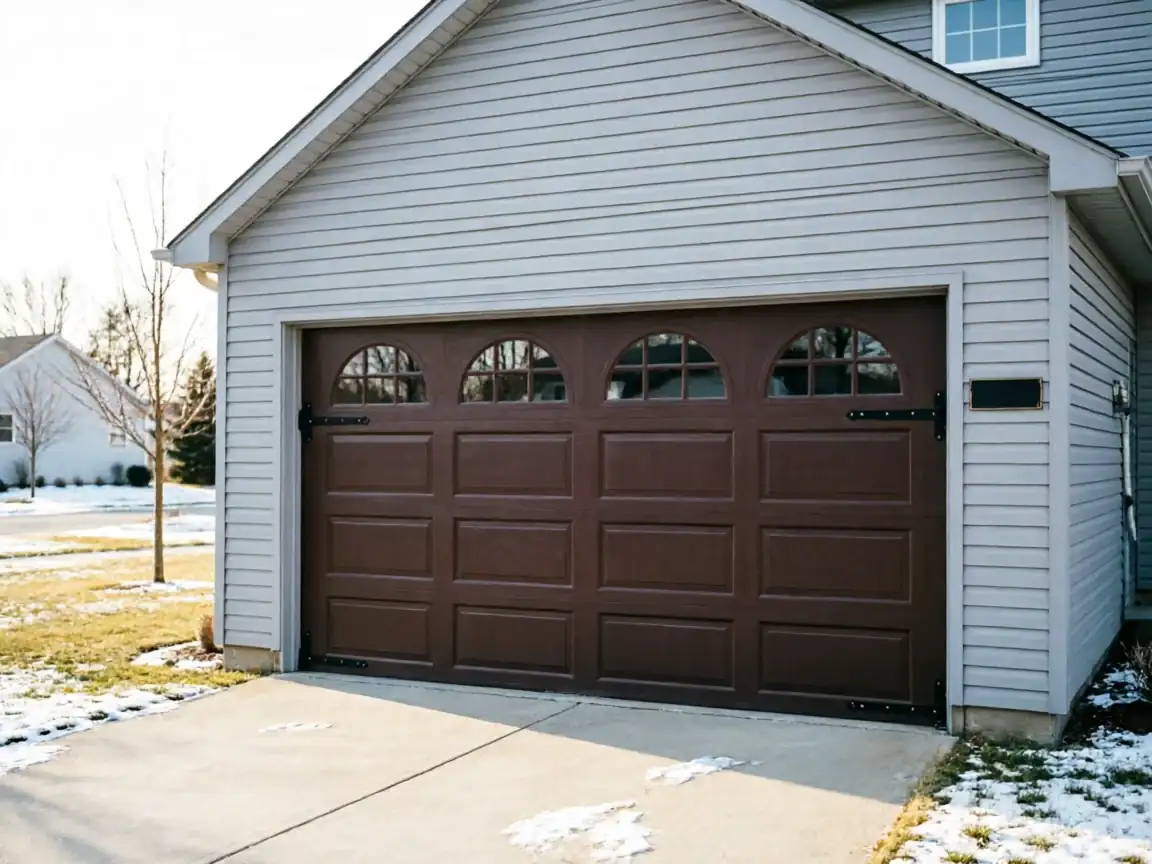
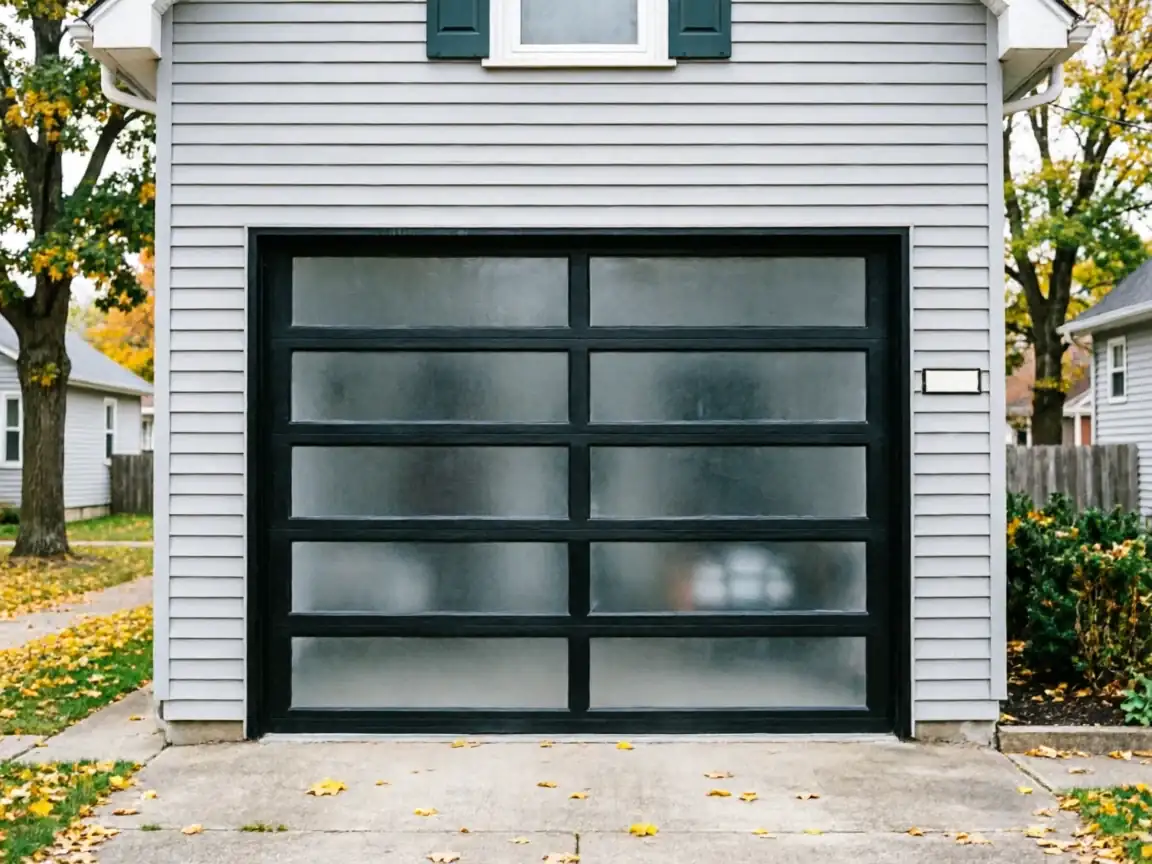
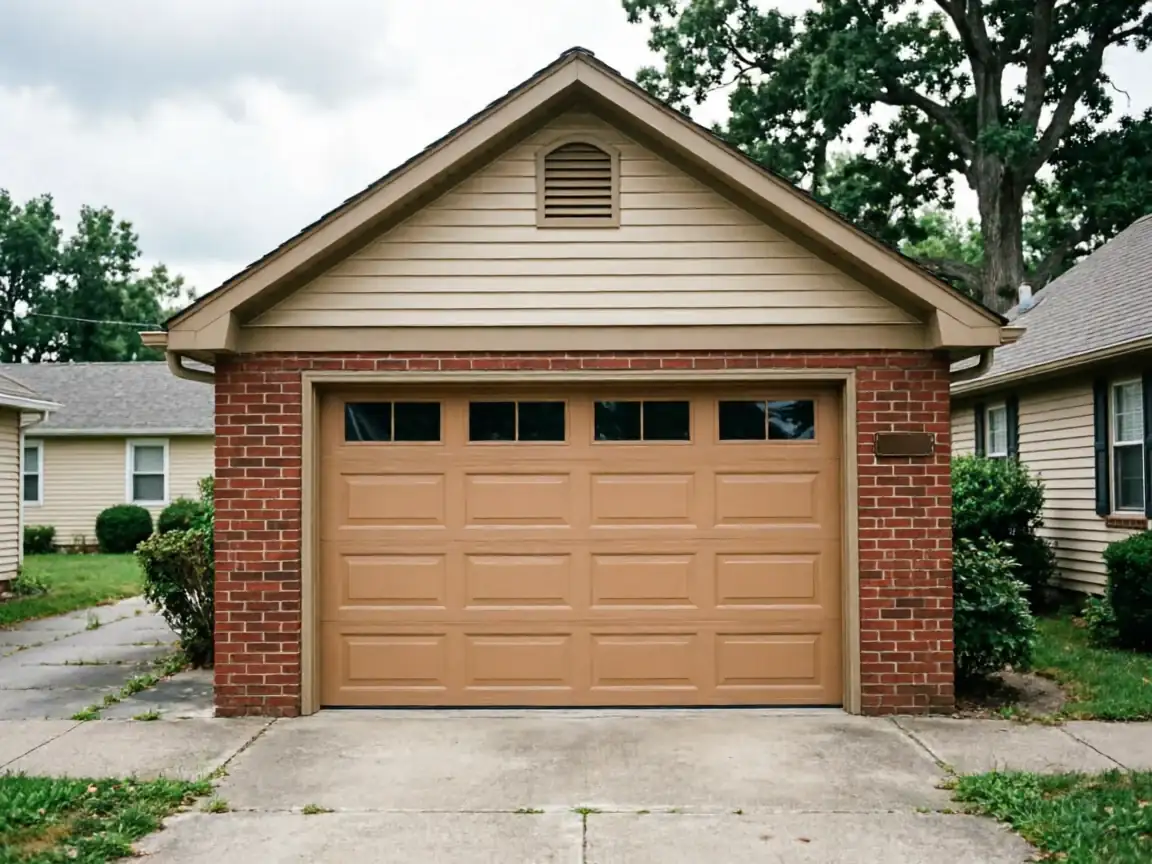
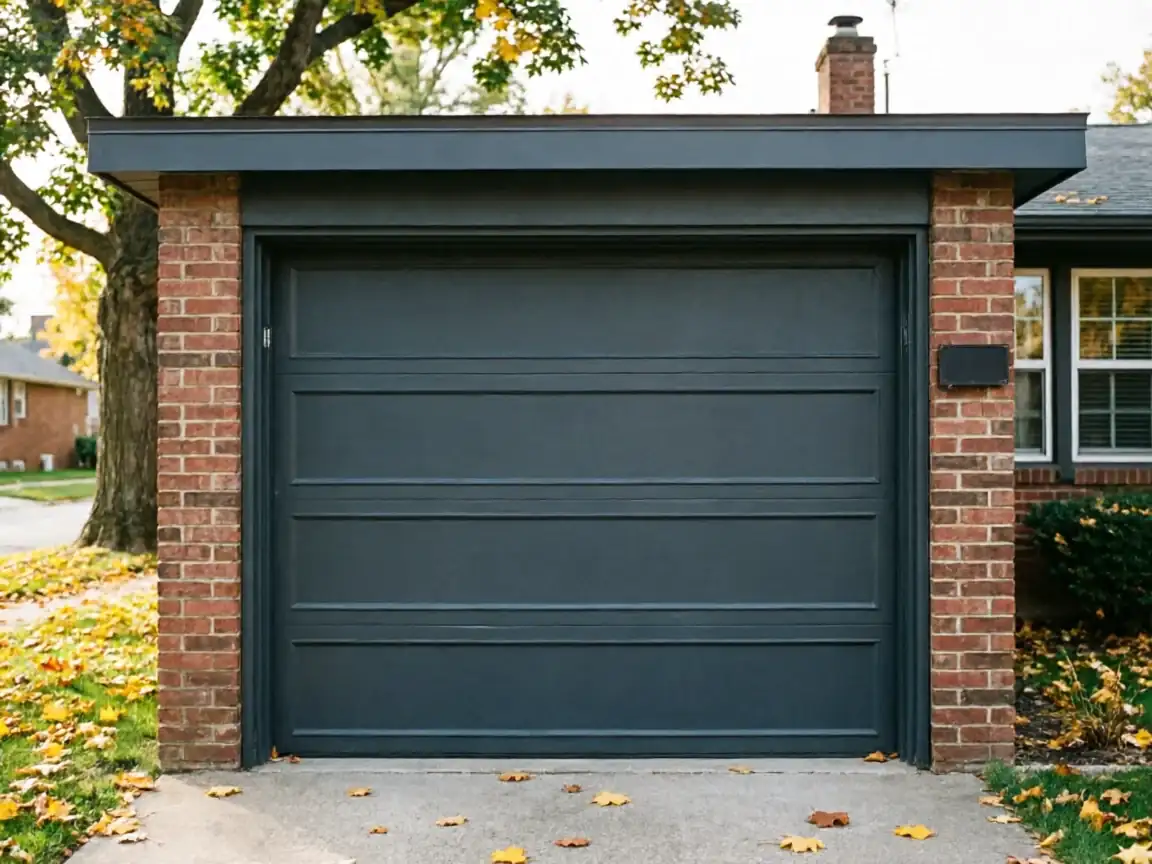
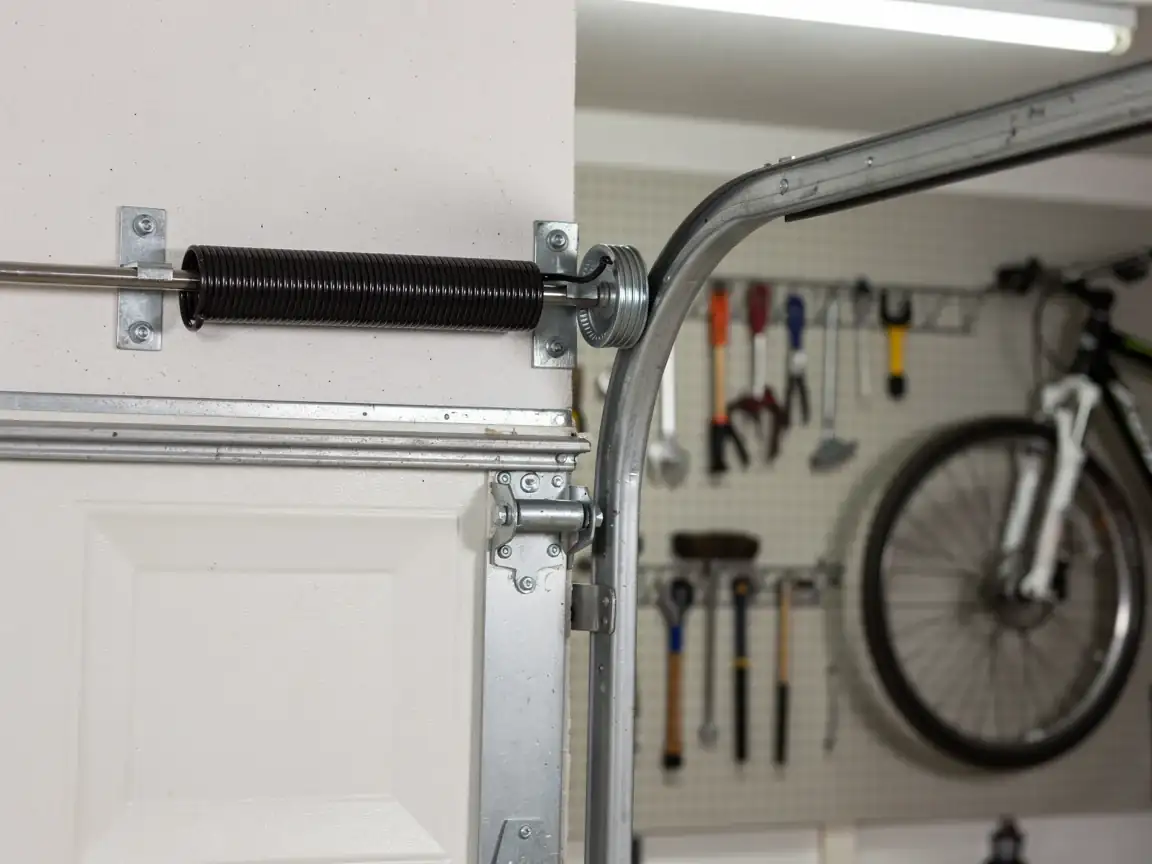
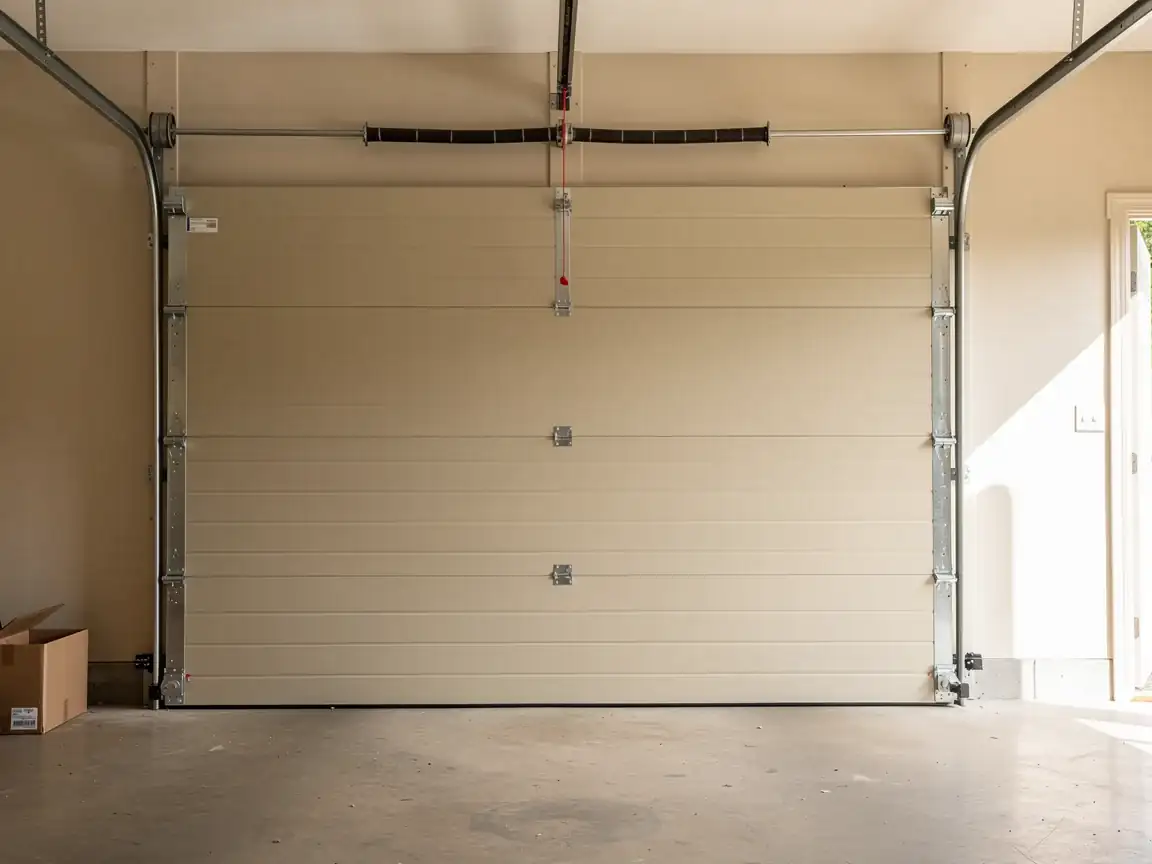
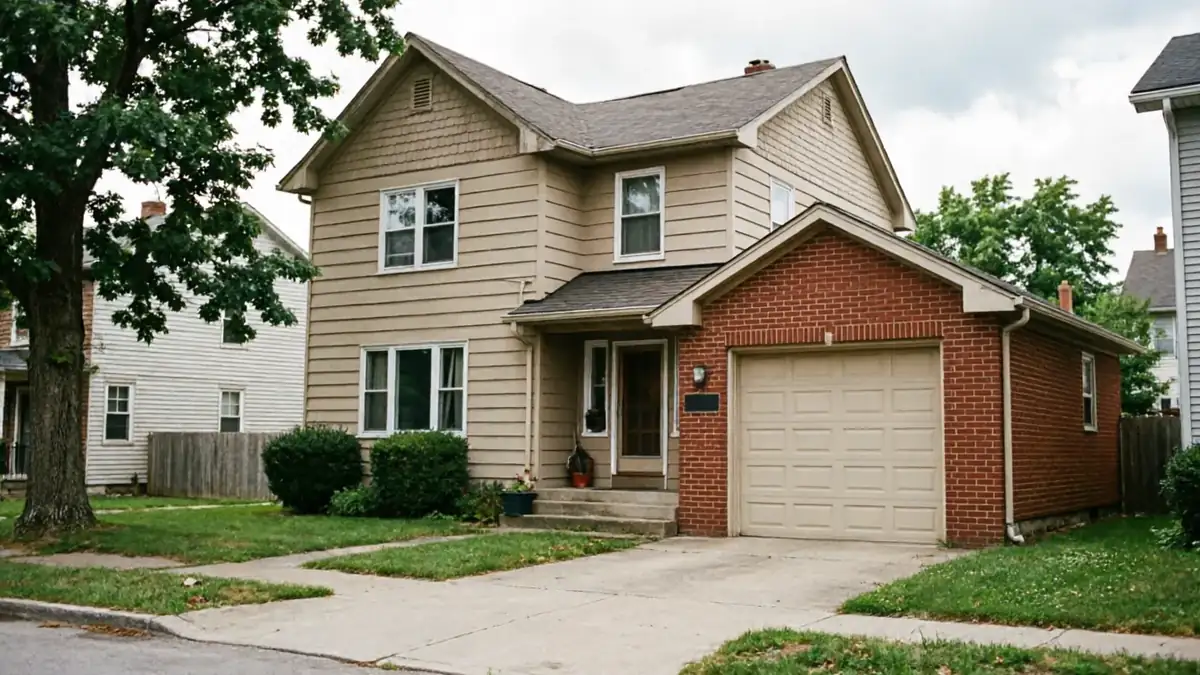
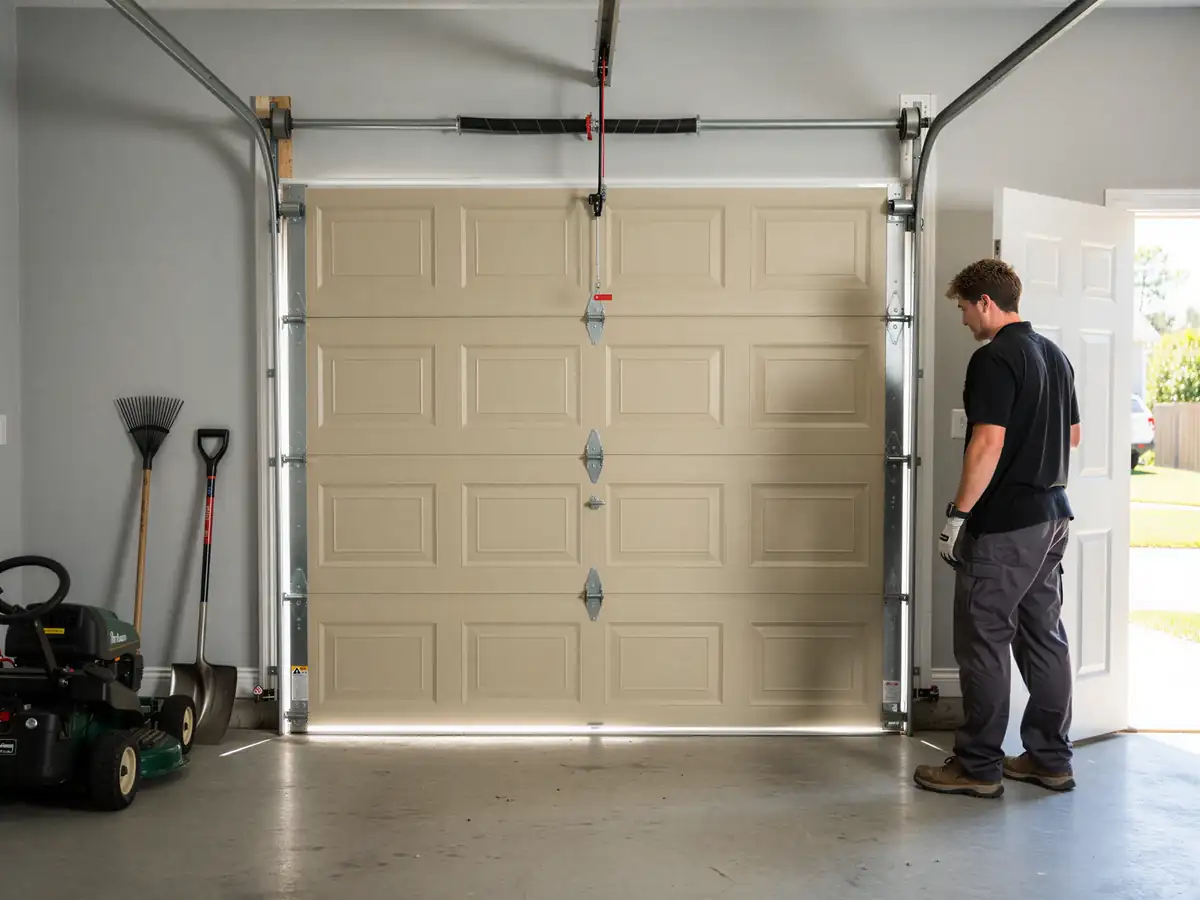
Kent's housing runs a touch older than the median for our whole service area - the area overall centers around 1972, but Kent's own stock centers closer to 1970, which puts a good share of its garages right in the heart of that mid-century build-out. With roughly 10,180 households in town, that's a lot of garages built to the codes and door styles of that era: single-layer steel sections, older-style torsion springs mounted on a single center bracket, and openers that have been swapped once or twice since the house was built but may still sit on the original rail and track. Median household income in Kent runs around $42,524, well under the roughly $80,612 median across the wider service area we cover from Akron. That gap matters for the advice we give: we try to steer Kent customers toward repairing serviceable hardware rather than defaulting to full replacement, because a well-maintained torsion spring or a resealed track can carry an older door for years yet.
How That Shows Up in the Door
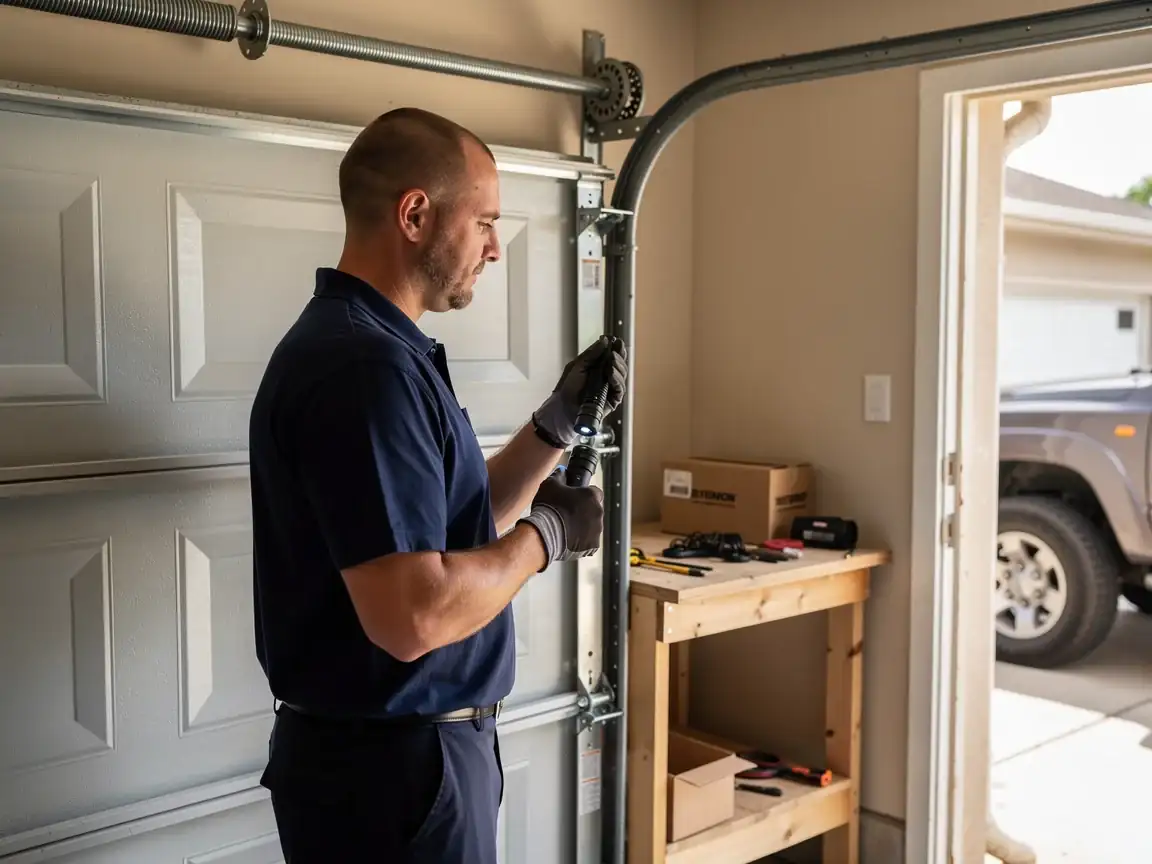
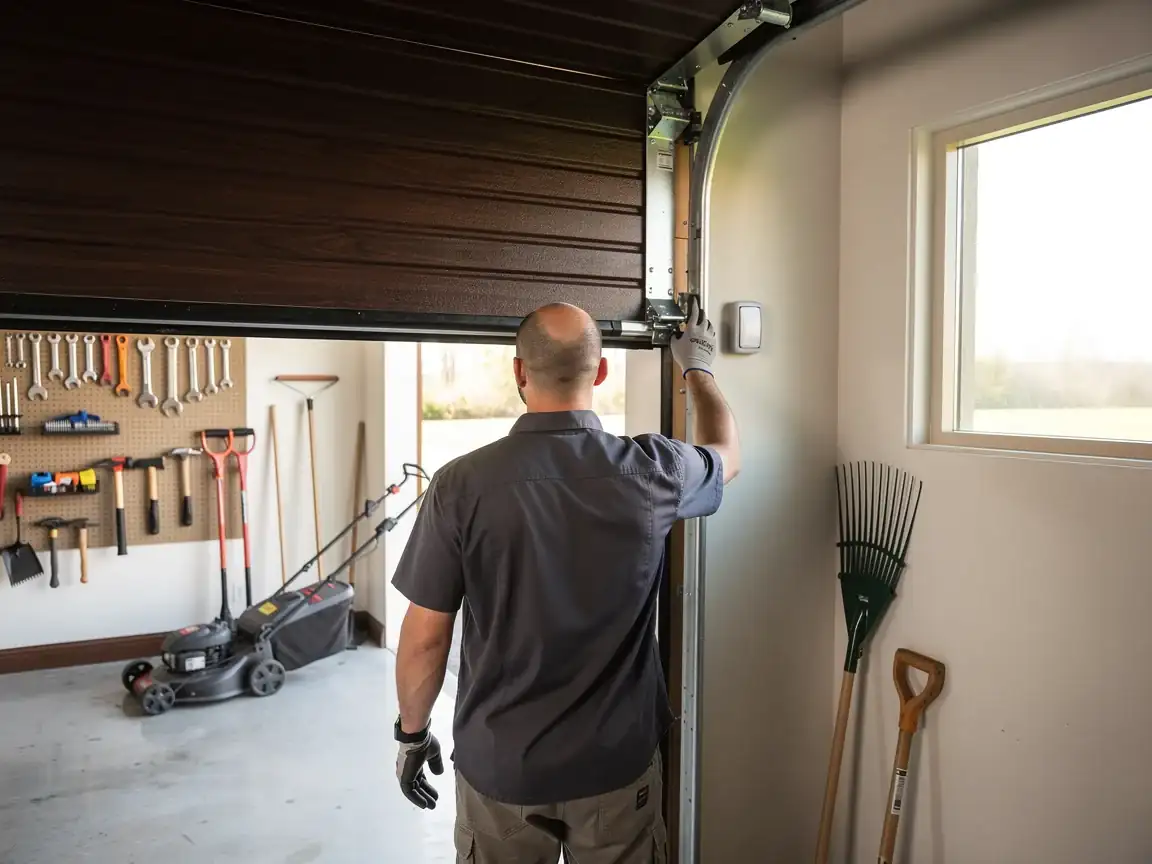
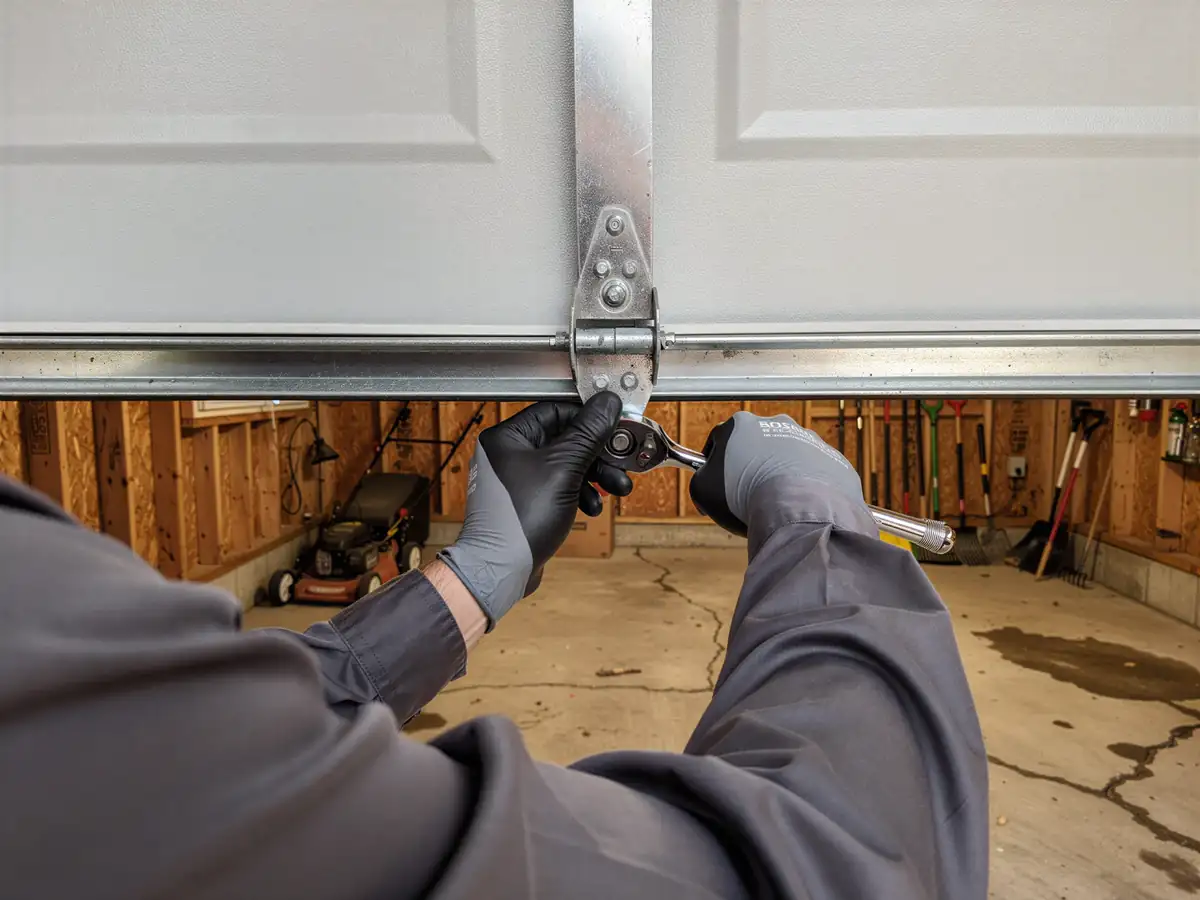
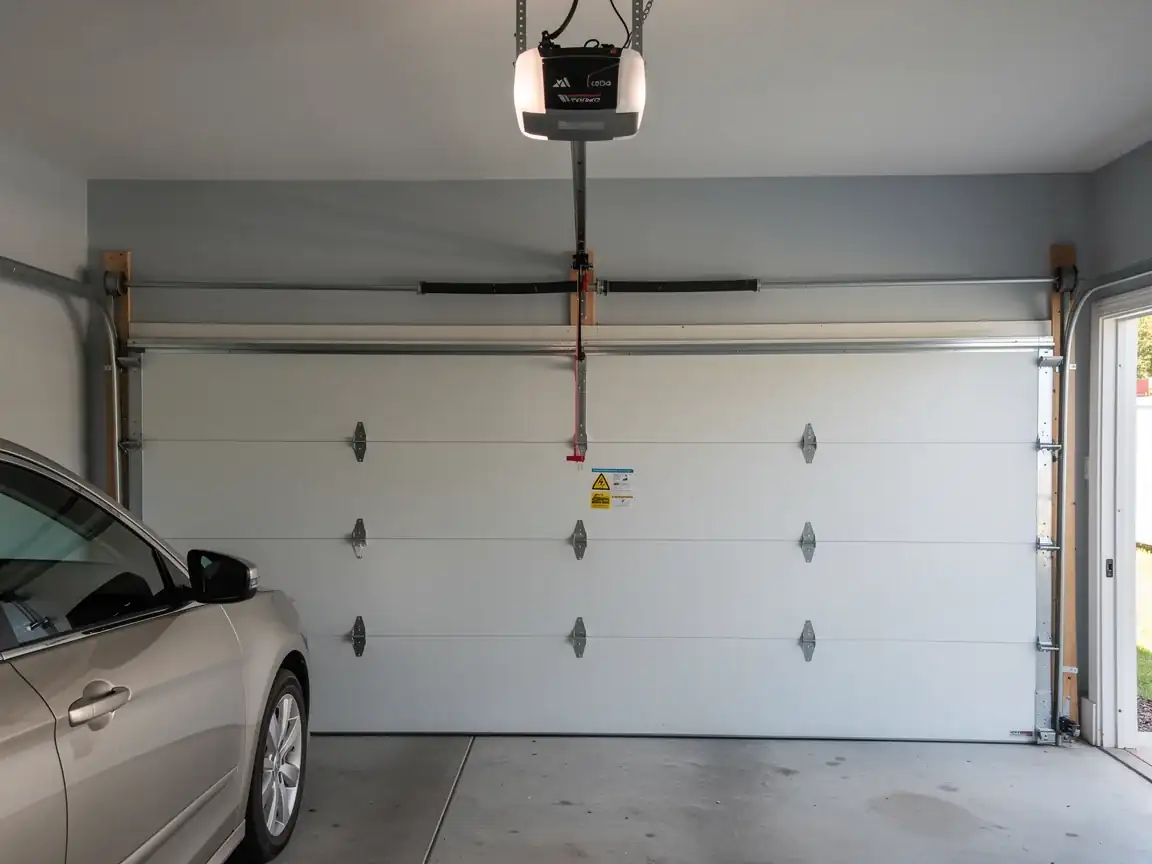
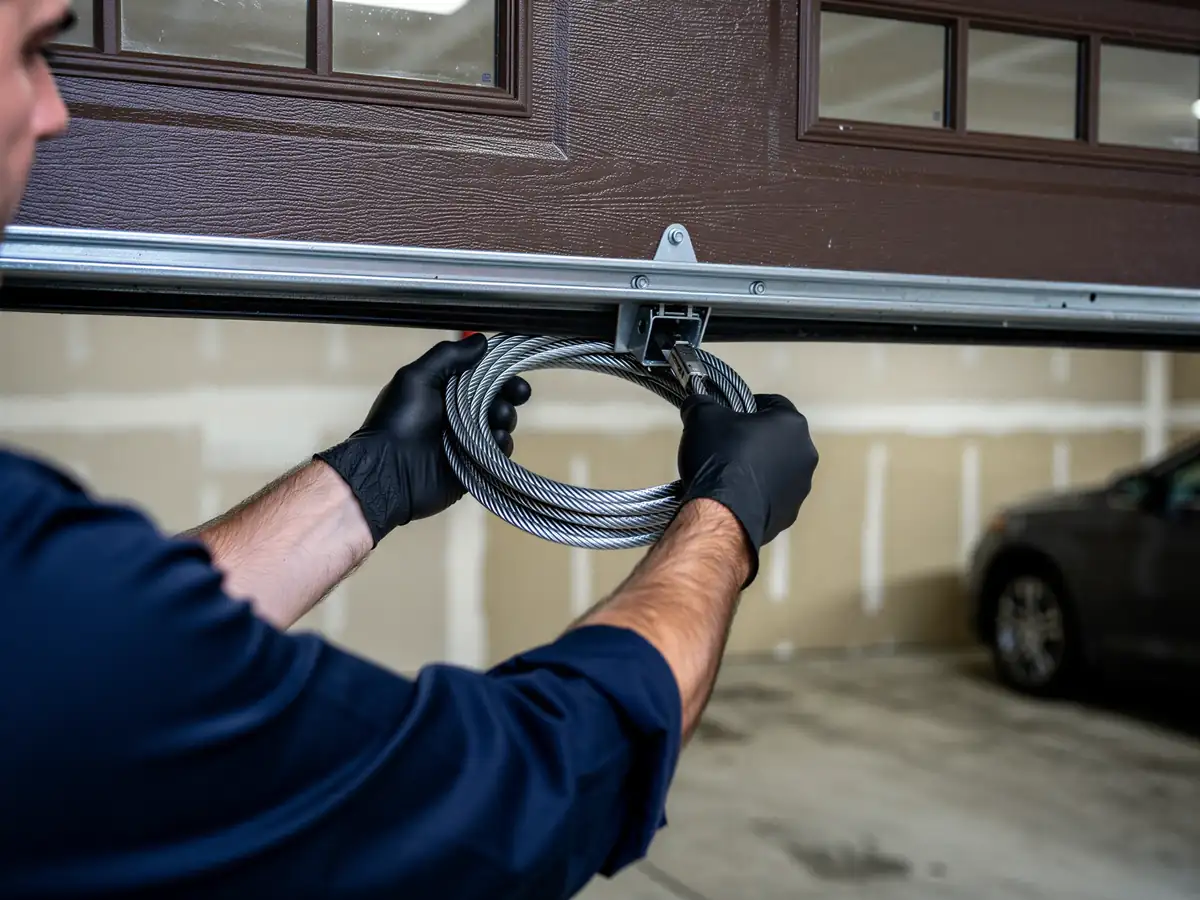
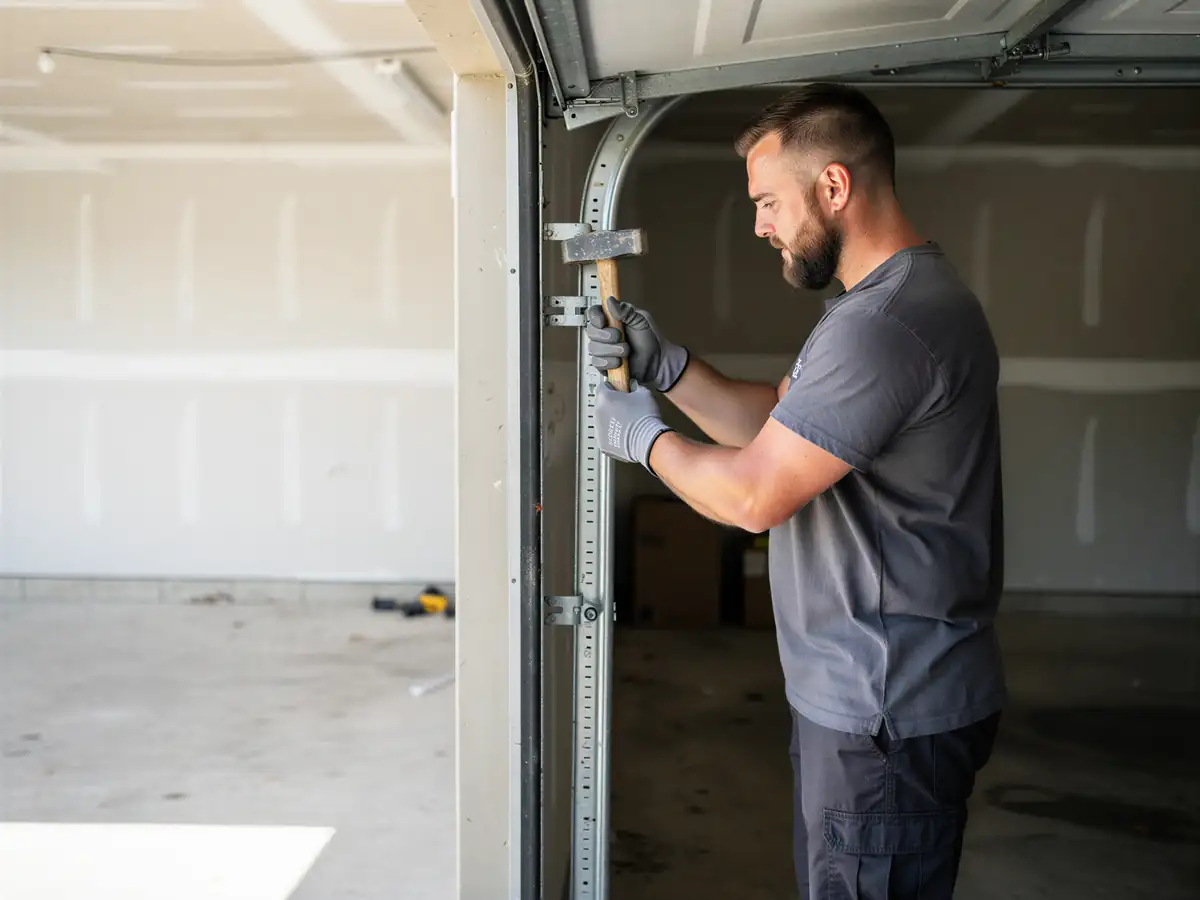
Put the age of the housing stock together with a cold climate and you get a specific, predictable failure pattern in Kent rather than a generic one. Original one-piece and sectional doors from the 1960s-70s build era tend to have weatherstripping that's long past useful, which lets cold air sit against the spring and track all winter and accelerates metal fatigue. We routinely find bottom brackets and end hinges that have never been replaced since the house went up, worn thin at the pivot points from forty-plus years of cycles. The fix isn't always a new door - often it's a spring and hardware swap that brings a 1970-built garage back to solid working order without touching the panels. Where we draw the line is structural rot in the jamb or a door that's been patched so many times the frame won't hold new hardware square; at that point replacement is the honest answer, not another repair.