When Waiting Is Fine
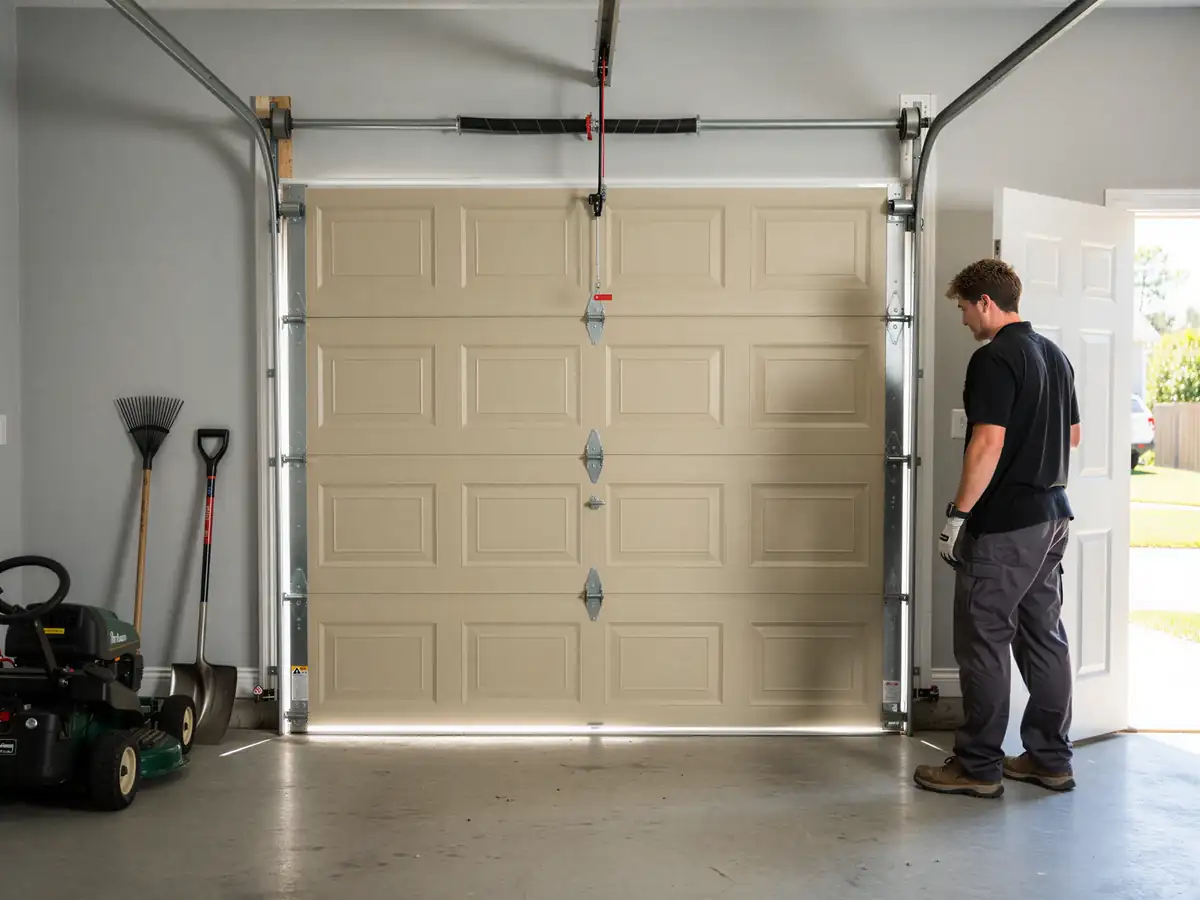
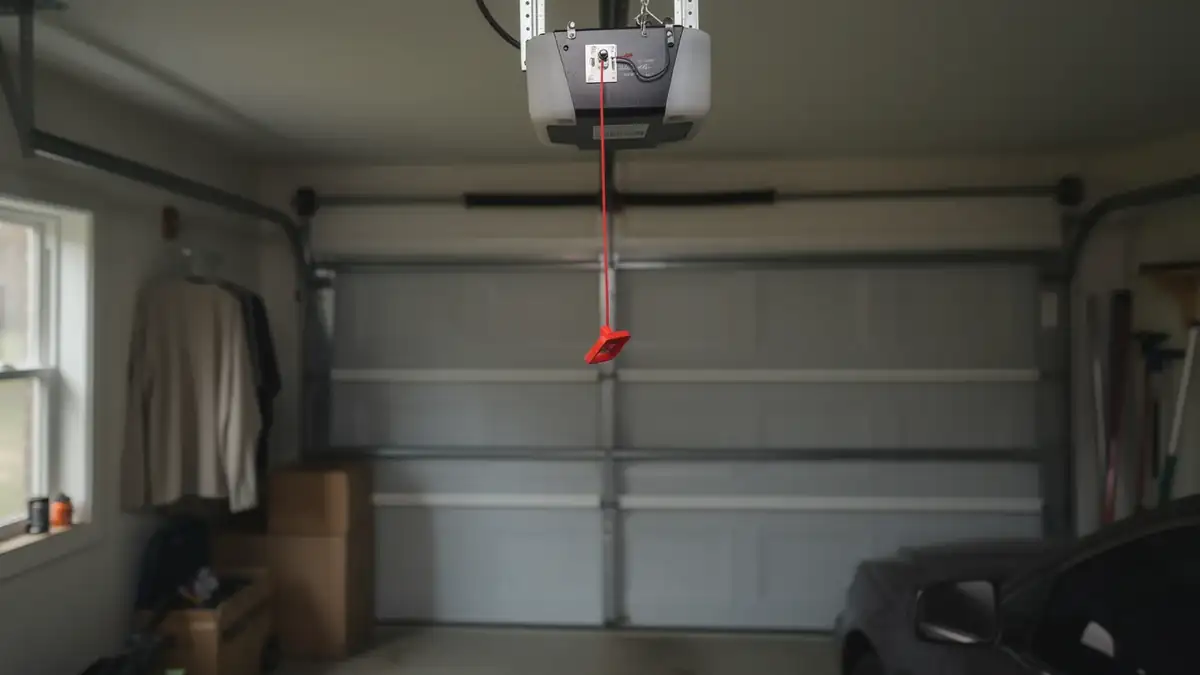
If the power drops for twenty minutes during a storm and your opener goes dark, you don't need to call anyone. Pull the emergency release cord, lift the door by hand to get the car out, and reconnect the trolley once power's back. That's standard on nearly every opener made in the last thirty years, and with housing here running 1952 to 2004, most garages in the 42 named areas we work have had at least one opener replacement since the house was built, so the release mechanism is usually in reach and working.
The only time waiting isn't fine is when the outage runs long and cold - say an ice event that knocks out a line for half a day in January. At that point the issue isn't really the opener, it's that your garage, attached or not, is sitting at outdoor temperature with a metal door and metal track losing whatever heat the house was giving it. Short outages: ignore them. Long cold ones: that's a different conversation, covered below.
We don't push a battery backup unit on every call. If your outages are rare and short, spending money on a backup system is money you didn't need to spend. Ask about your own power company's outage history before you decide, not ours.
Where People Go Wrong
The mistake we see most in houses built in that 1952-2004 window
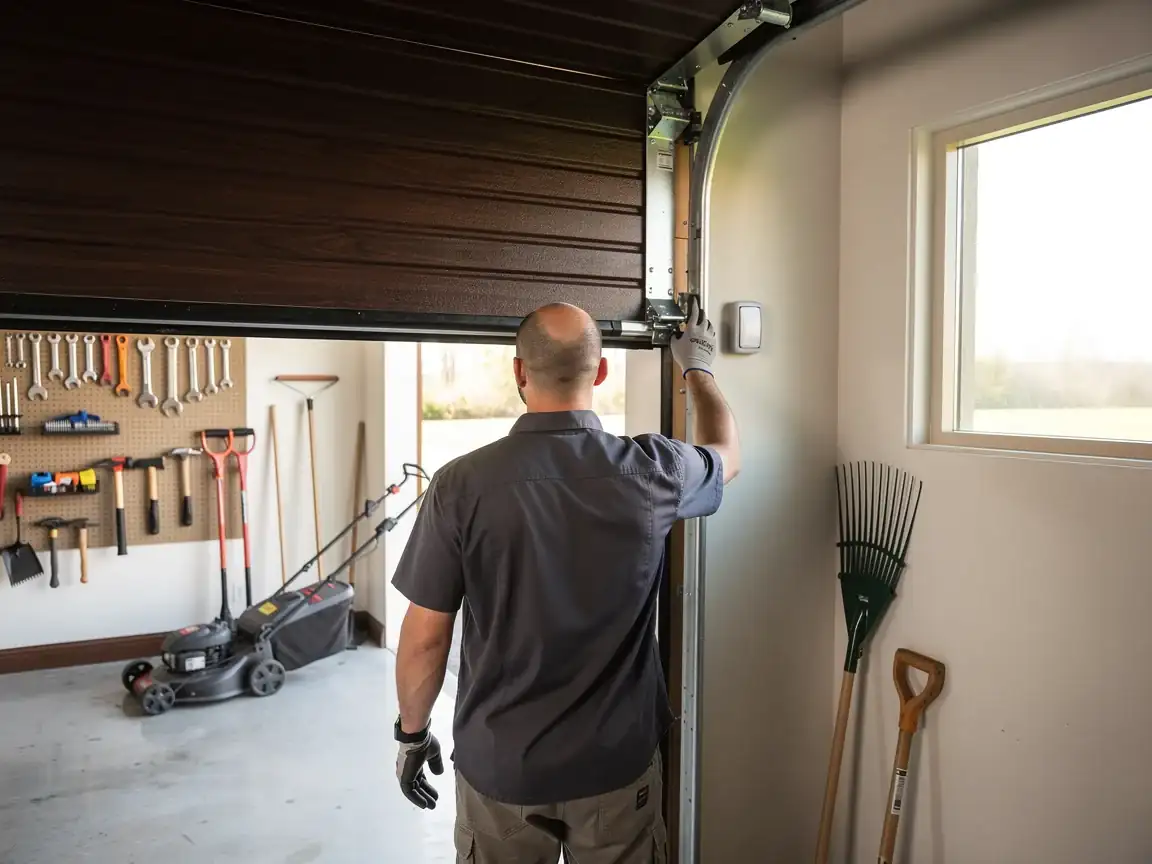
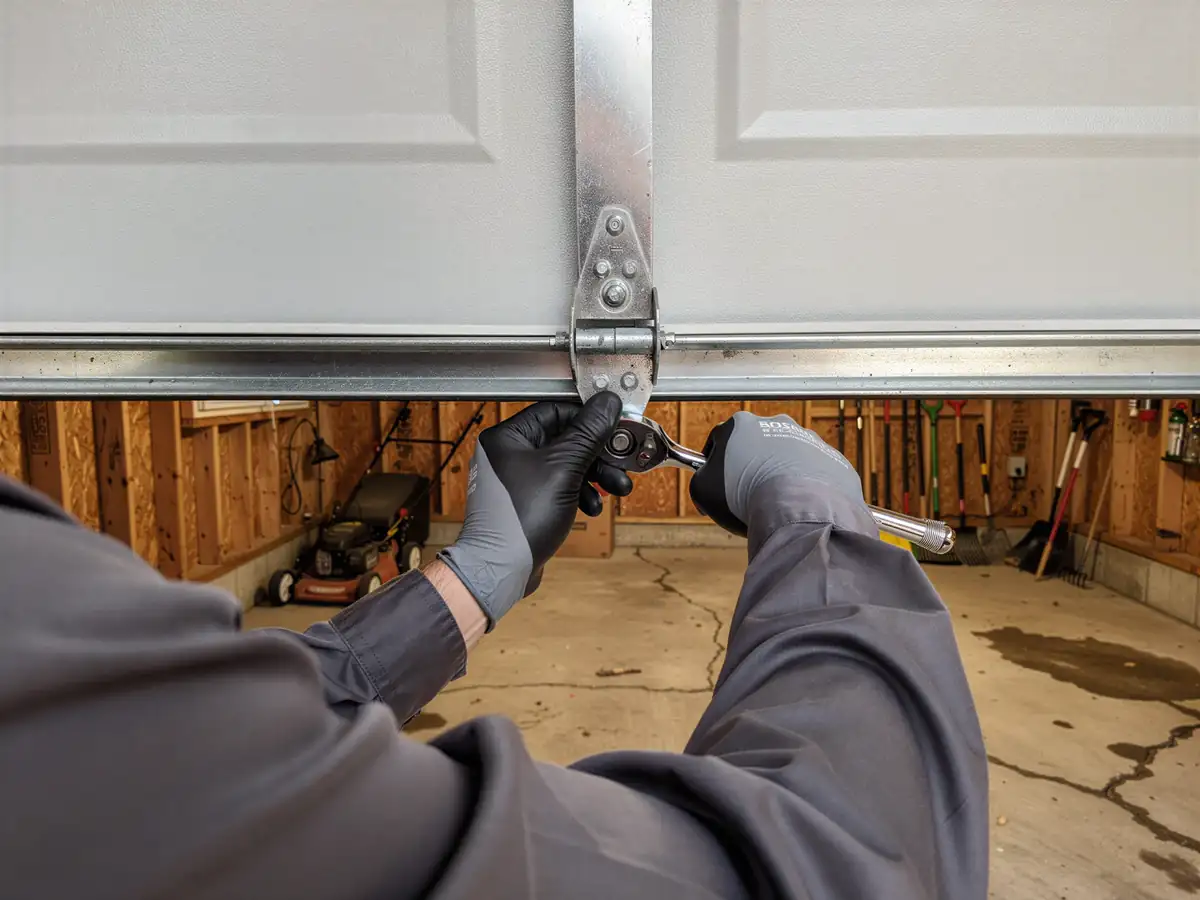
Which is most of them - is forcing the opener during an outage instead of releasing the trolley first. The motor has no power, but people still yank the wall button or the remote, then wonder why the door won't budge, then force it by hand without disengaging the carriage. On an older chain-drive unit, that can bend the arm or strip the release mechanism itself, which turns a free fix into a parts call.
The second mistake is cold-specific
In a severe cold climate like Akron's, a steel door that's been sitting at 15 degrees overnight has a stiffer torsion spring and thicker grease in the track rollers than the same door in July. Add a power cut on top of that and people try to muscle a door that's already fighting cold-stiffened hardware. That's how a spring that was fine on Tuesday snaps on the Wednesday after an ice storm - not because the outage caused it, but because someone forced a cold, unlit door instead of releasing it properly first.
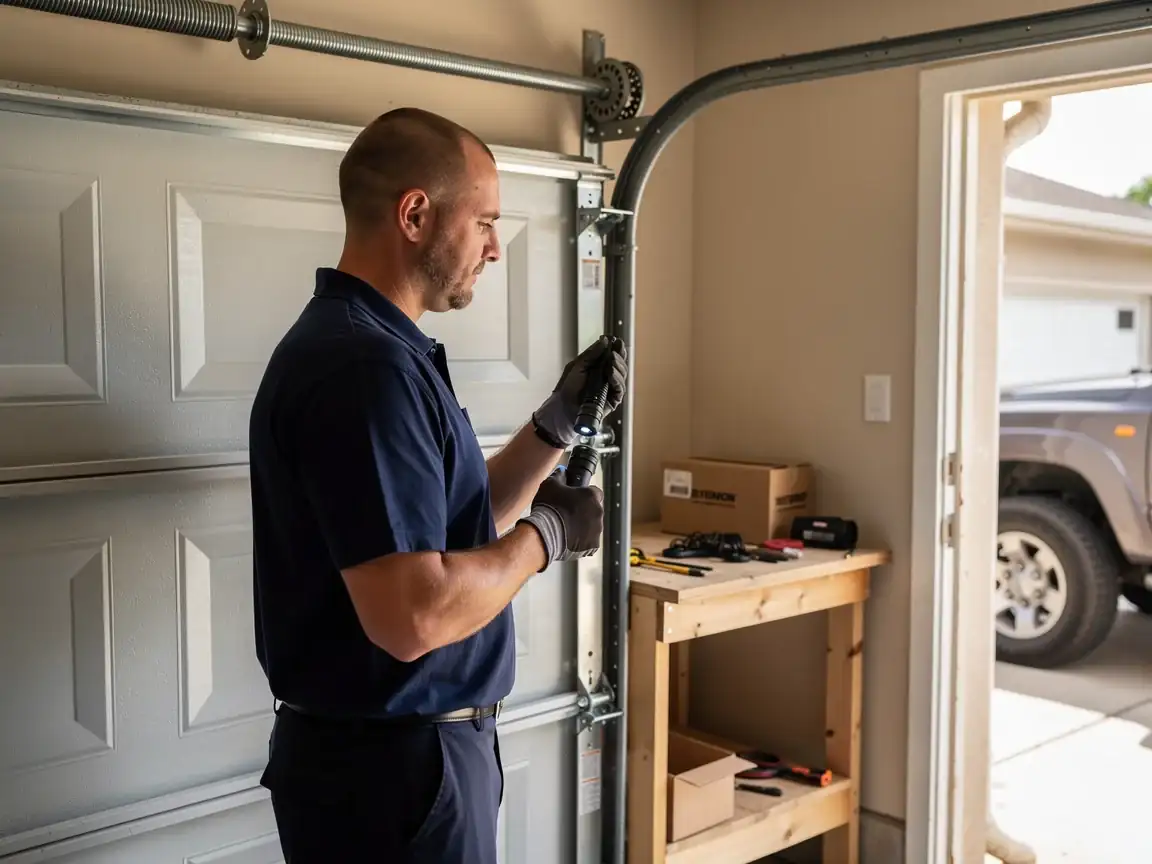
If your opener predates 2010 or so and has no visible battery backup unit mounted on the housing
Don't assume it has one built in. Check before you need it, not during.
The Situation
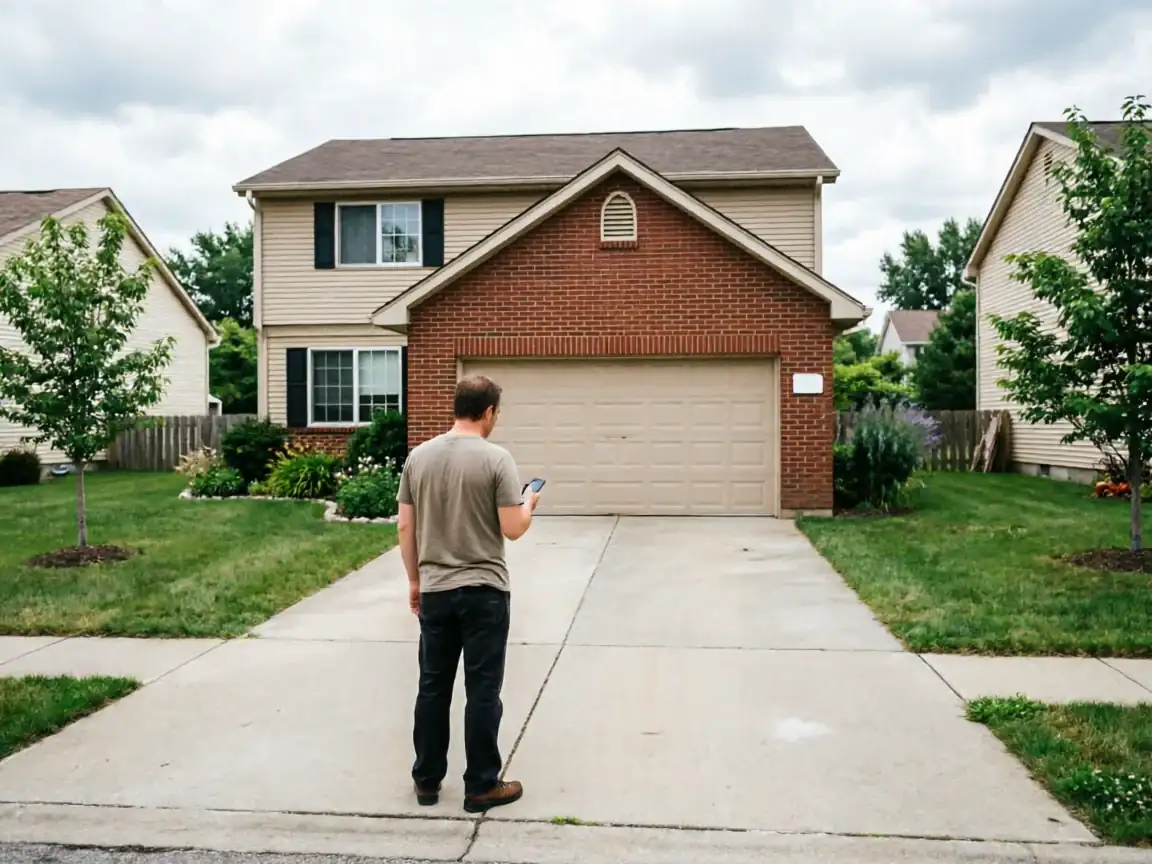
Across the service area - 195,121 households, with 107,063 of those owner-occupied houses - the garage door opener is usually the thing people forget about until it fails at the worst moment, which in this climate is often during a storm that's also knocking out power. At a median household income of $80,612, most owners here can absorb a battery backup unit or a manual-release tune-up without much strain, but plenty skip it simply because nobody's mentioned it.
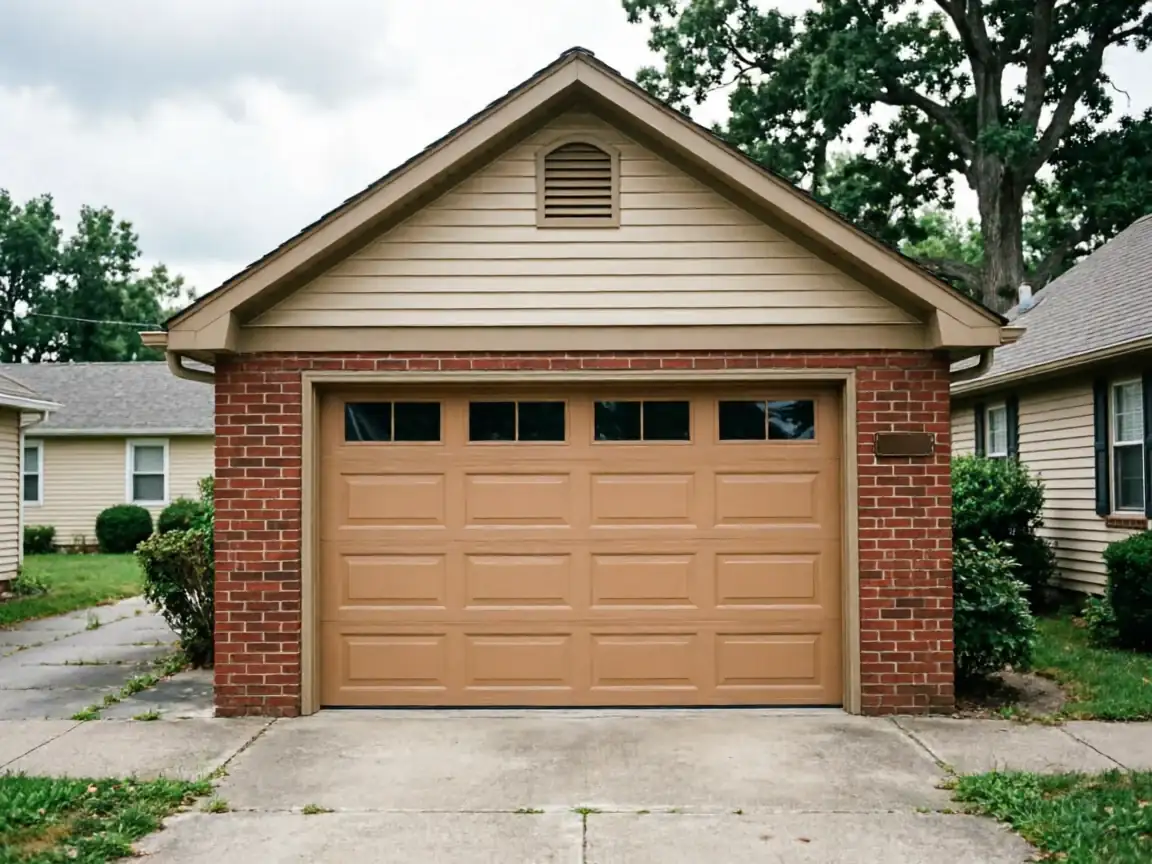
The housing stock matters for this specific problem more than people think. A house built in 1972, the median year for this area, likely has had its opener swapped at least once, sometimes twice, and each swap is a different brand with a different release lever location and a different backup-battery slot, or none at all. If you've bought a house secondhand in any of the 42 named areas around Akron, you may be dealing with an opener nobody in your household has ever actually tested without power.
We don't sell panic. A power cut alone rarely damages a door or opener. What causes the service call is almost always the combination: an older, untested release mechanism, a cold-stiffened door, and someone trying to force it open in the dark.
How Local Conditions Play In
Akron sits in a severe cold climate band, and that's the detail that changes this topic from generic to local. Ice storms here don't just cut power - they coat exposed torsion springs and tracks on detached or poorly insulated garages, which this housing era (1952 through 2004, median 1972) has plenty of. A door that releases smoothly in August can bind in January because the lubricant in the rollers has thickened and the steel has contracted slightly in its tracks.
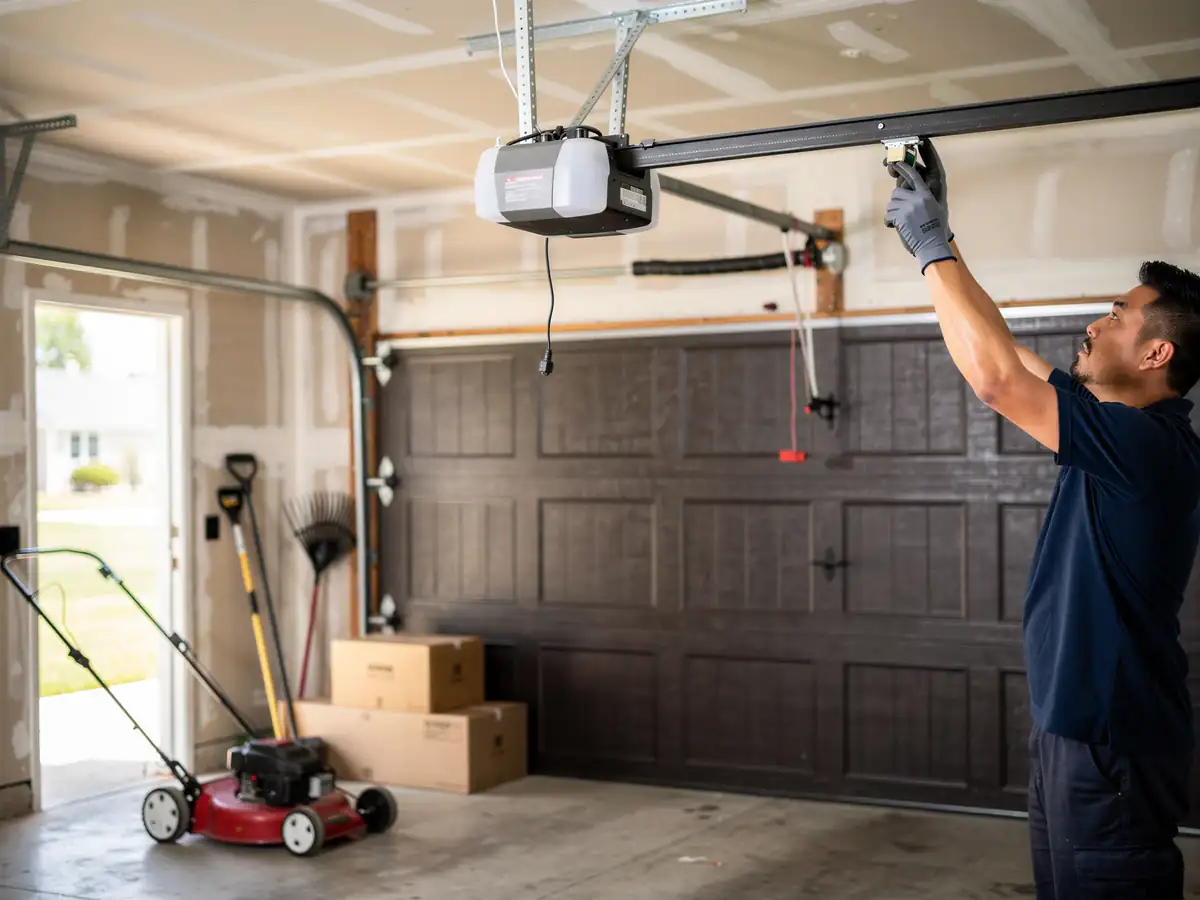
That's the real argument for a battery backup unit here: not convenience, but the fact that the outages that matter are the cold-weather ones, where you need the door operable without forcing a stiff mechanism by hand in the dark. A battery backup doesn't fix a cold-stiffened spring, but it means you're not combining a power problem with a strength-and-leverage problem at the same time.
One limit worth being honest about: we can't promise a backup battery will run a full-size door through a multi-day outage. It's built for a handful of cycles to get you in and out, not to replace grid power. If your area sees outages that stretch past a day in winter, plan around the manual release, not the battery, as your real fallback.