How We Get to You
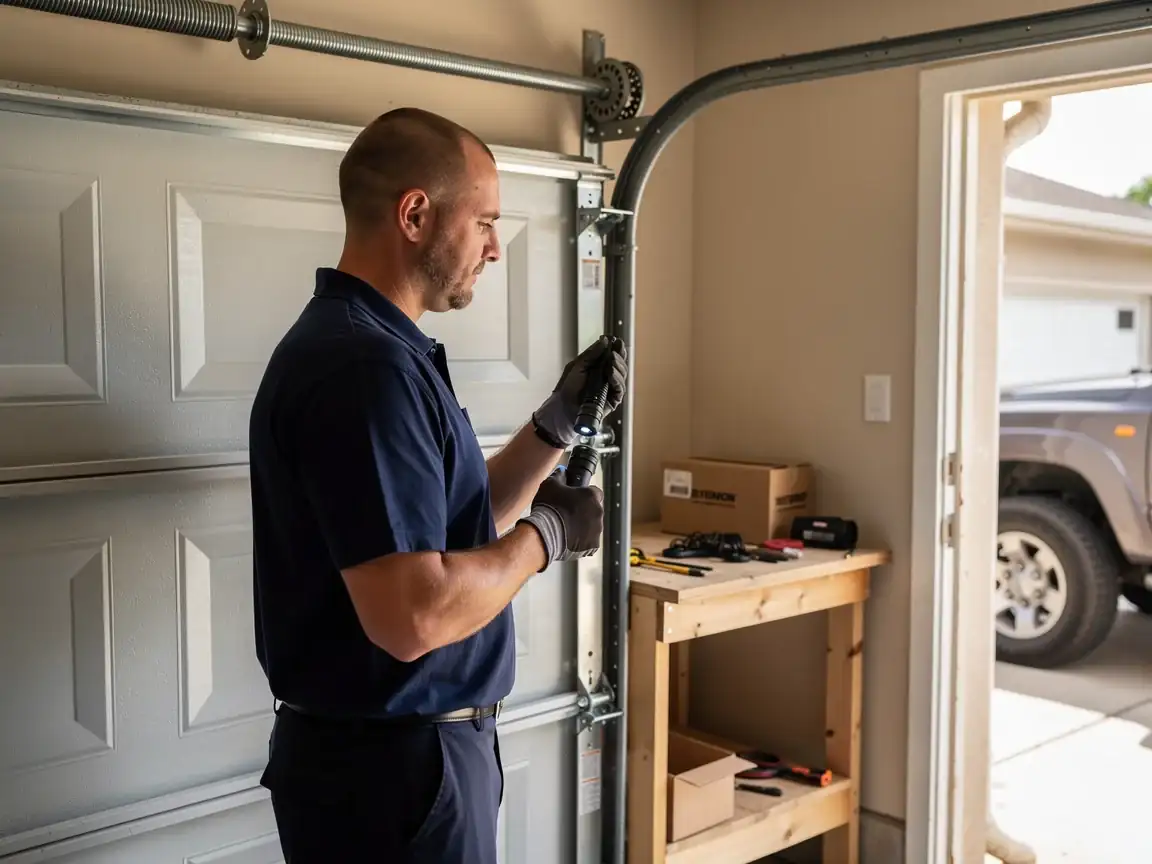
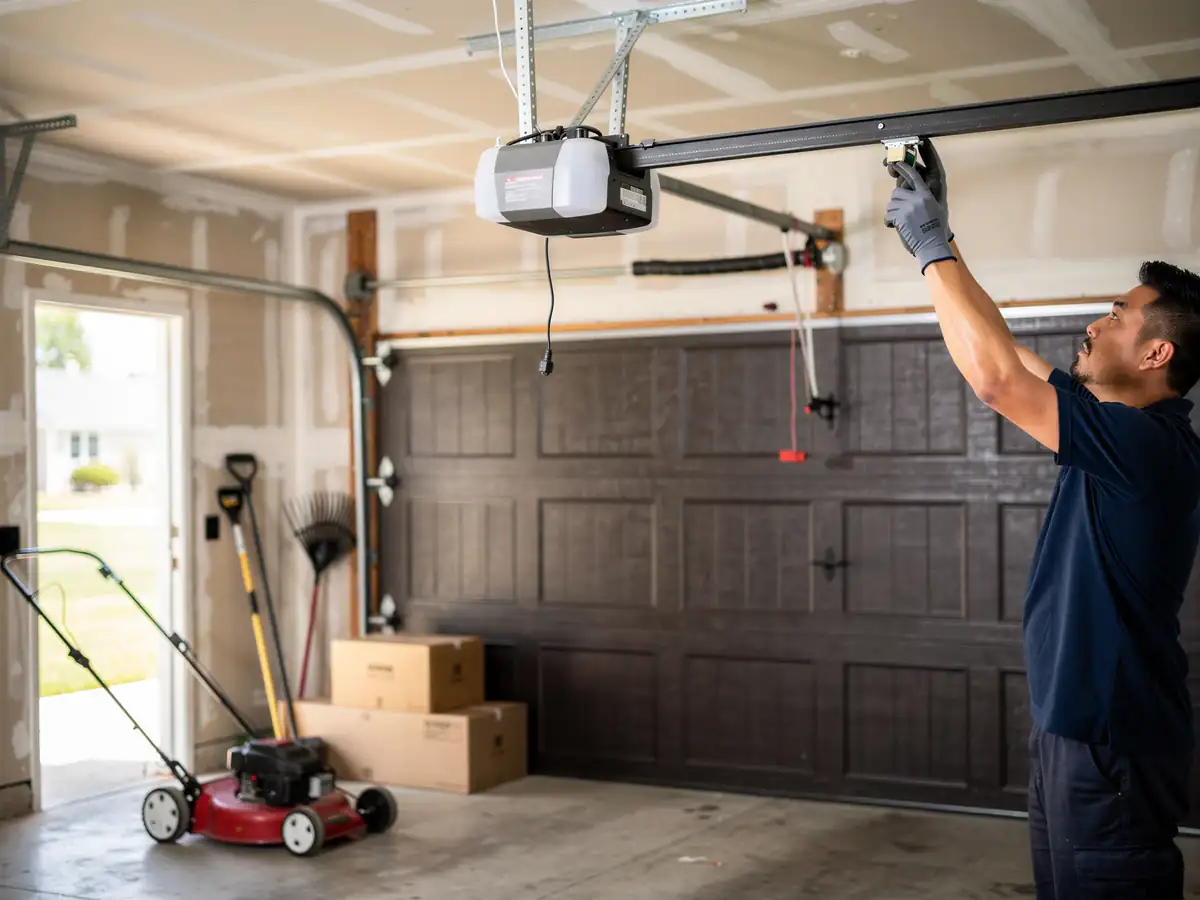
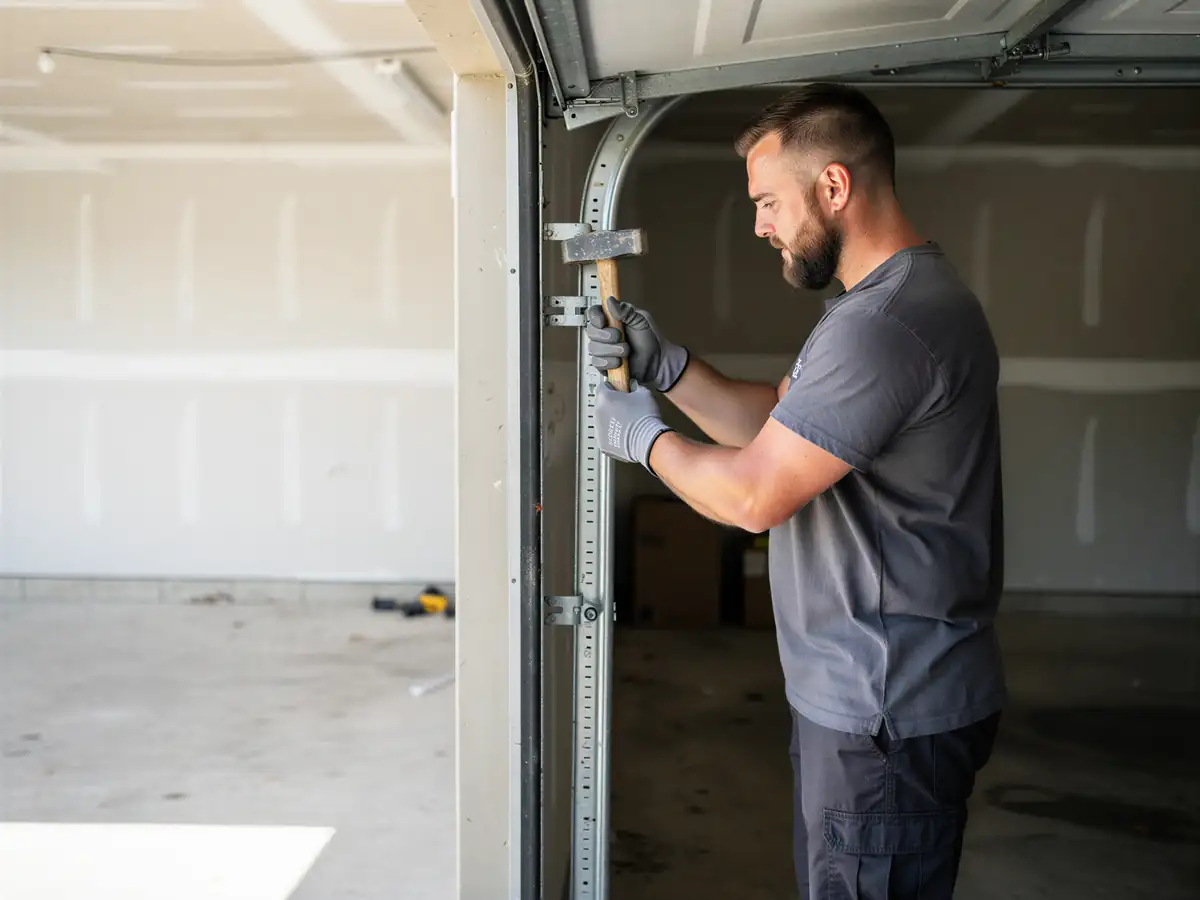
We run out of Akron, about five miles from Tallmadge, and that stretch is a straight shot down well-traveled roads most of the day. We don't keep a shop or a drop box in Tallmadge itself - the truck comes from Akron for every call, loaded with the springs, cables, and rollers that fit what we see most often out this way. Because the drive is short, we can usually work a Tallmadge job into the same day's route as calls from the surrounding towns, but we're not going to promise you a window we can't back up. If you need a hard arrival time for a specific morning, say so when you call and we'll tell you honestly whether that day's route allows it. The short version: no local depot, but the distance isn't the obstacle some homeowners assume it is. What matters more than how far we drive is whether the truck is carrying the right parts when it gets there, and that comes down to knowing the housing stock, not knowing a shortcut.
The Houses Here
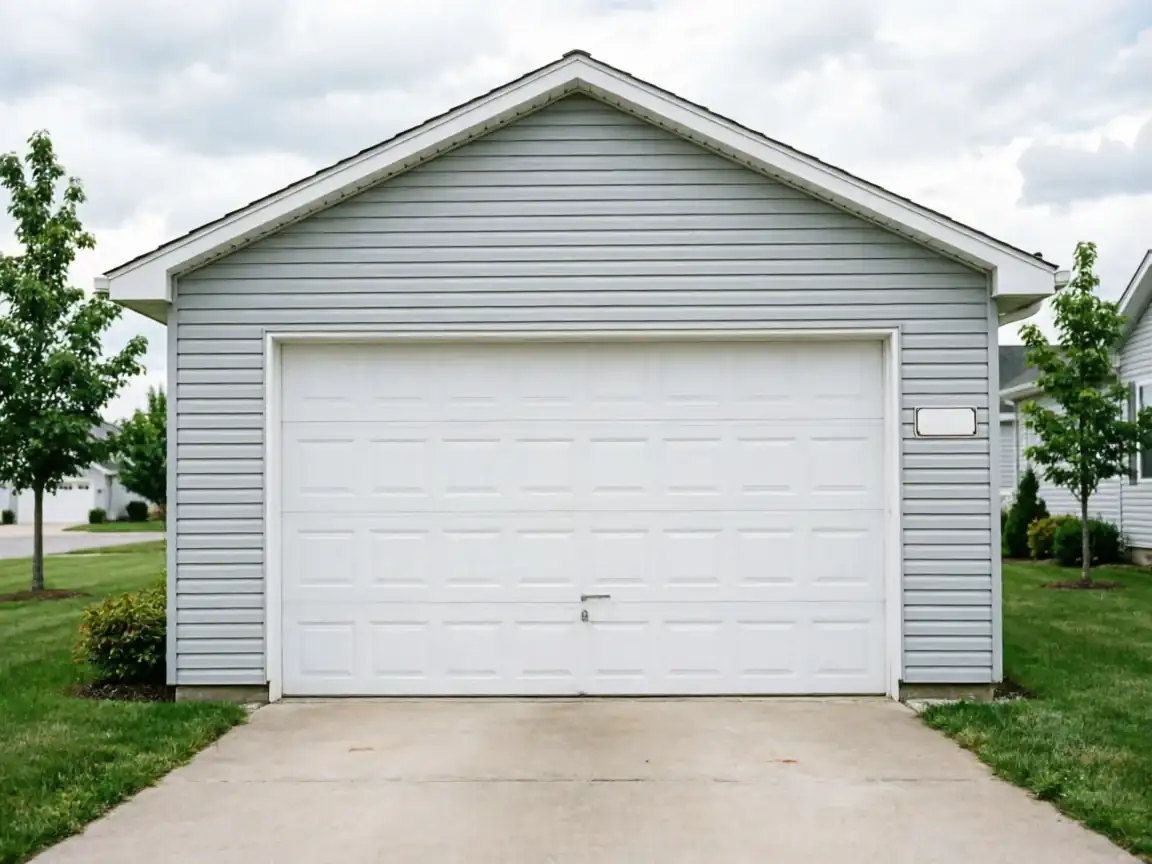
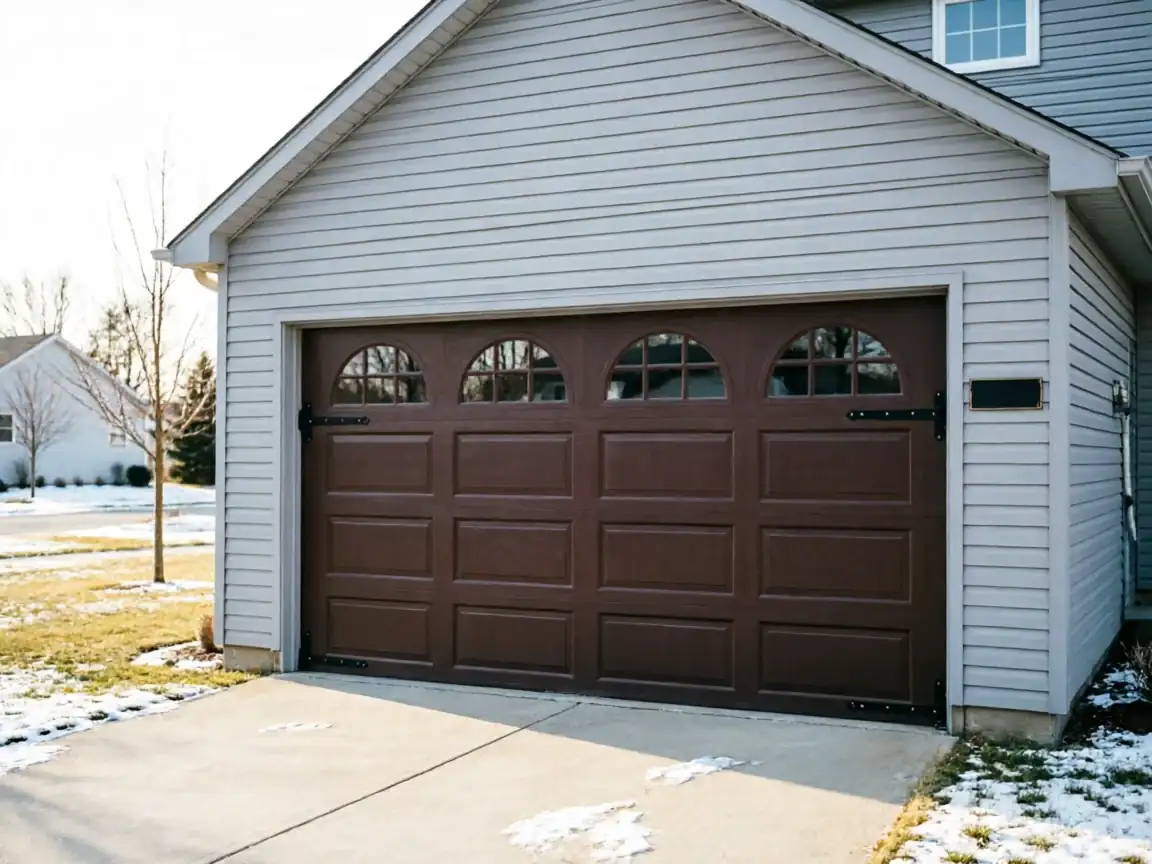
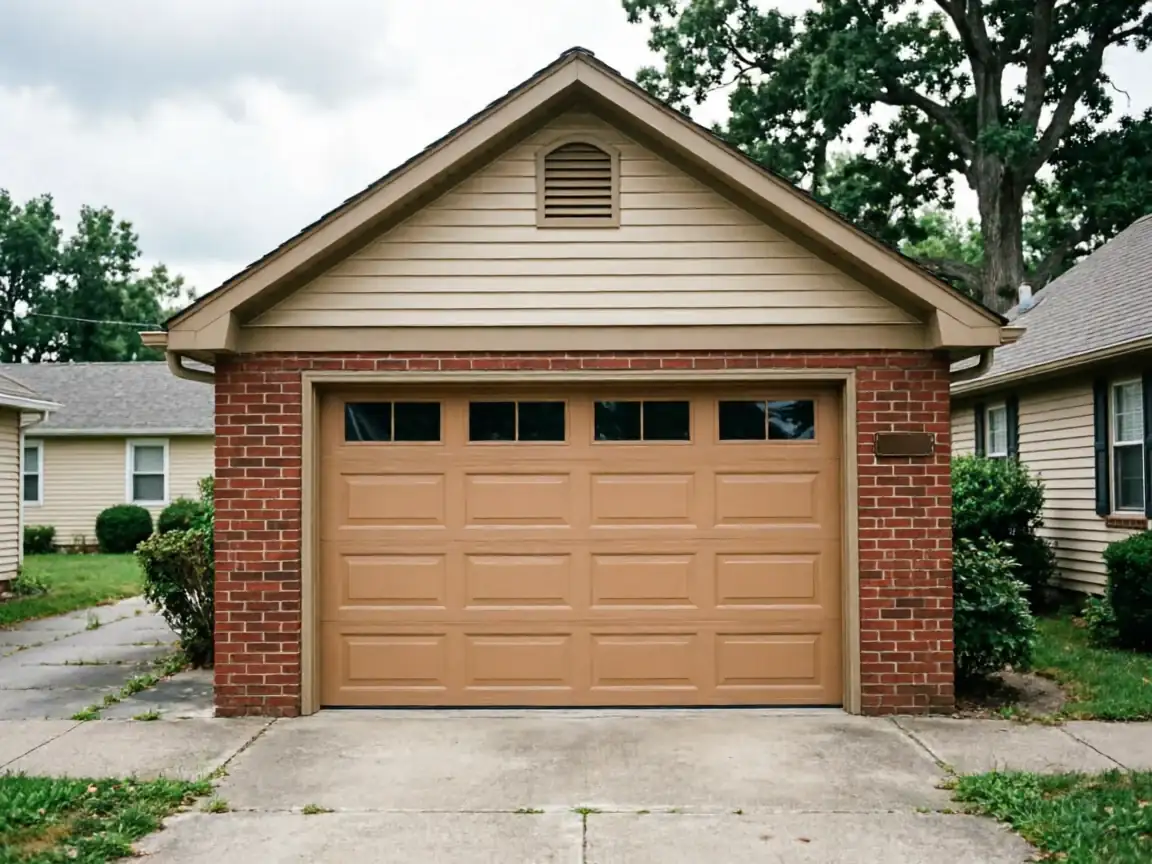
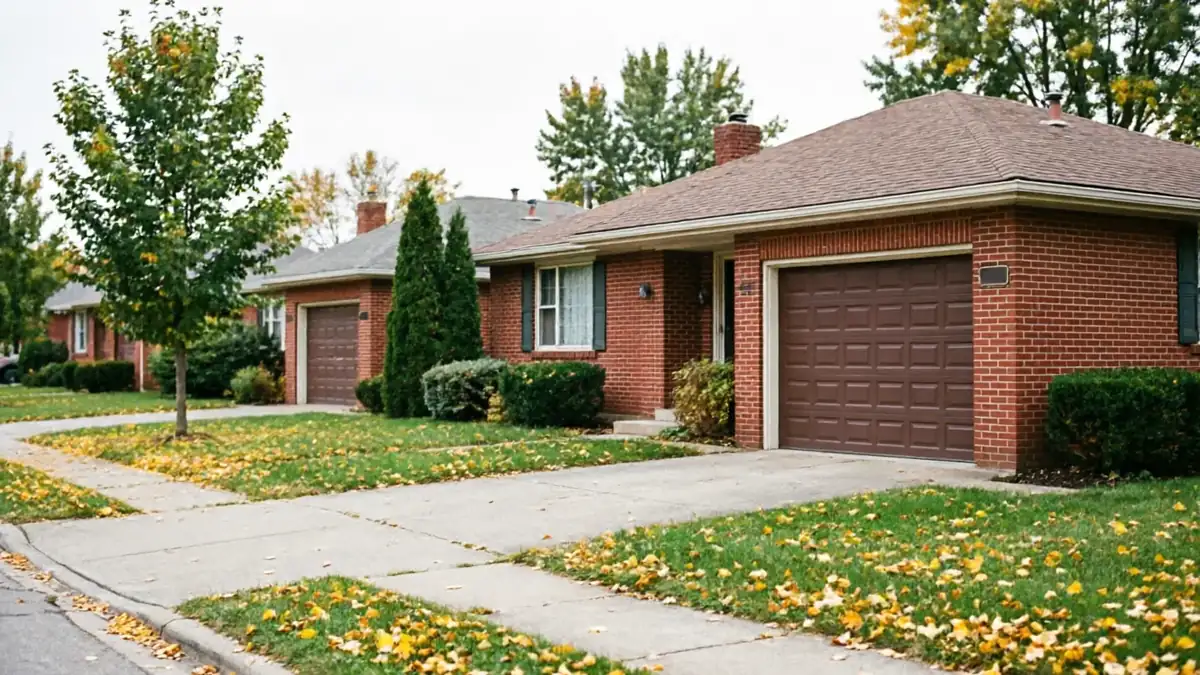
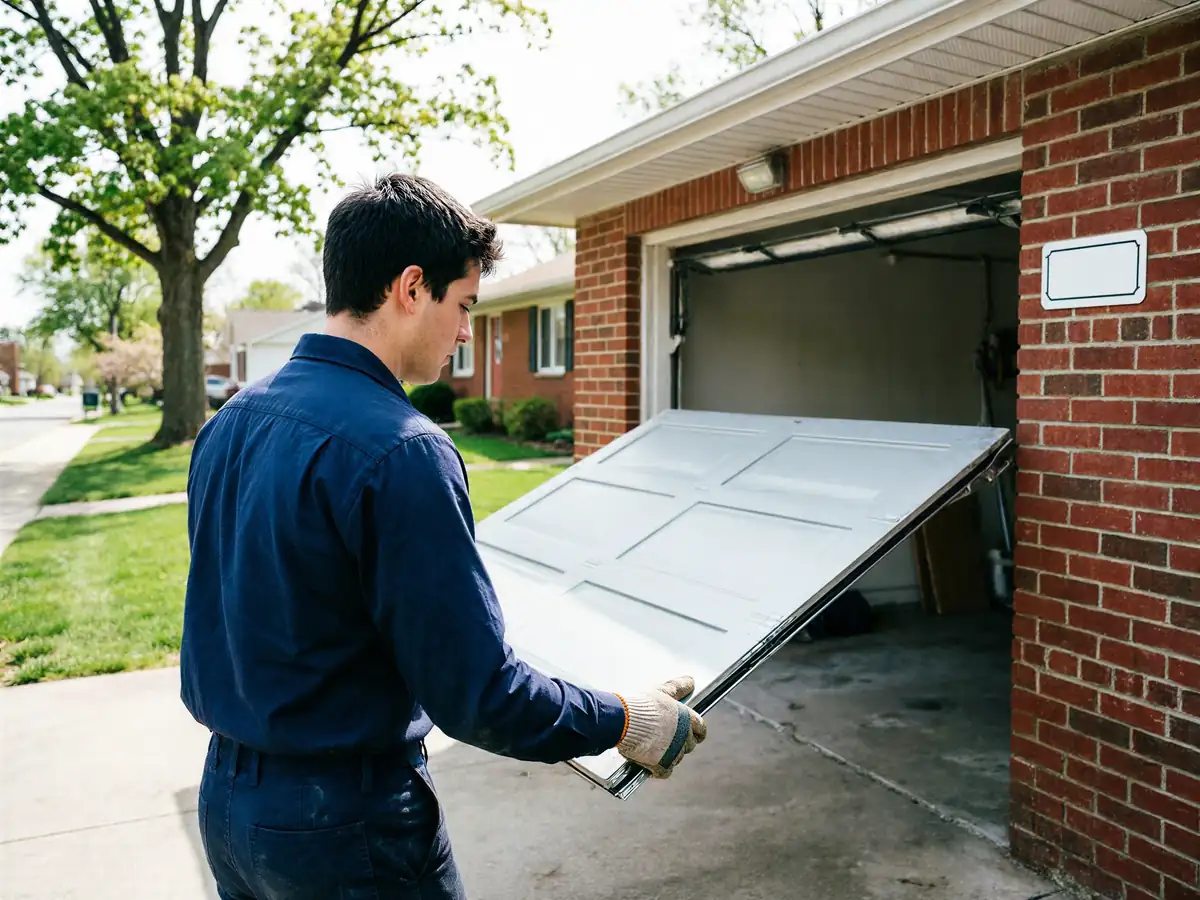
Tallmadge's housing centers on a median build year of 1970, which puts a lot of the town squarely in the postwar-to-70s construction wave that runs across this whole corner of Ohio - the broader service area spans 1952 to 2004, but Tallmadge sits on the older end of that range. With roughly 7,470 households and a median income near $91,273, this isn't a town full of builder-grade tract doors bought cheap and replaced on a ten-year cycle; it's a town where a lot of original garage doors and their hardware have simply been left alone because they still close. That's fine until the spring that's held since 1970 finally lets go, usually without warning, usually on a cold morning. The practical upshot: if your house dates to that era and nobody's touched the door hardware since, you're due, whether or not anything's failed yet.
How That Shows Up in the Door
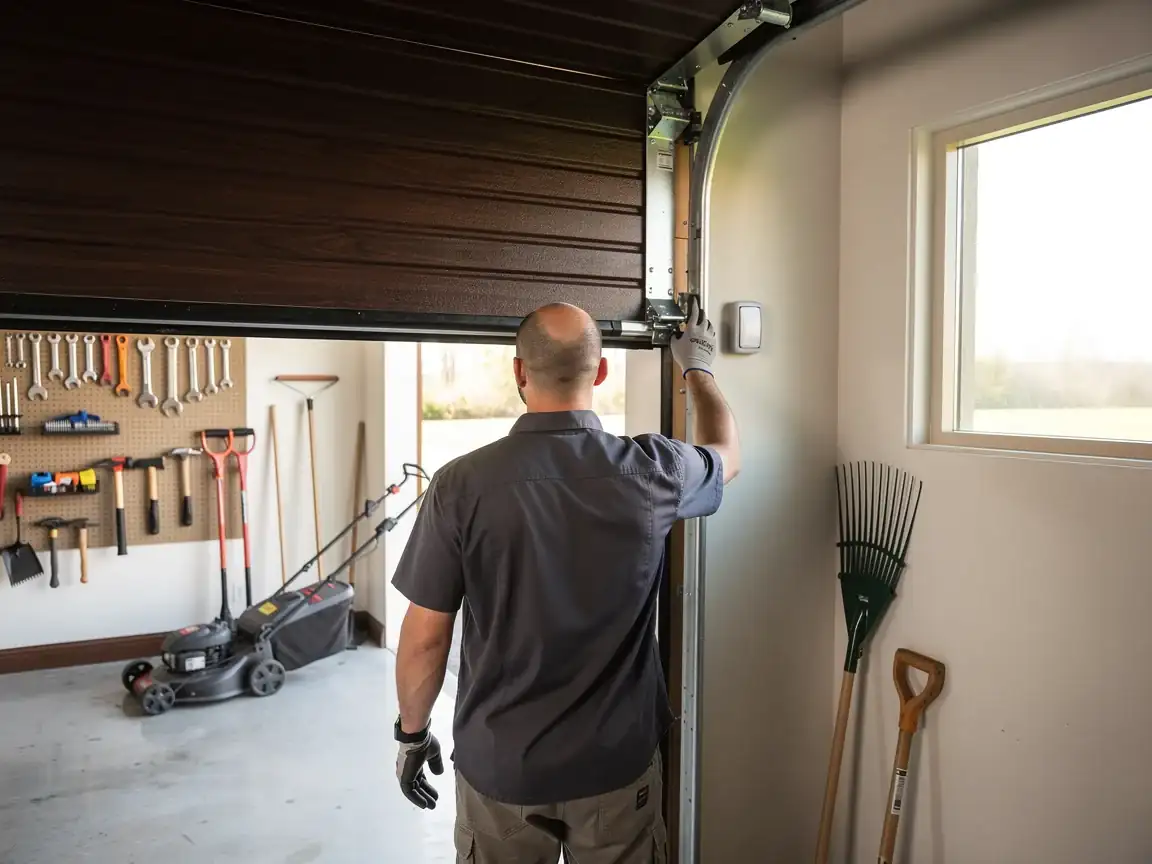
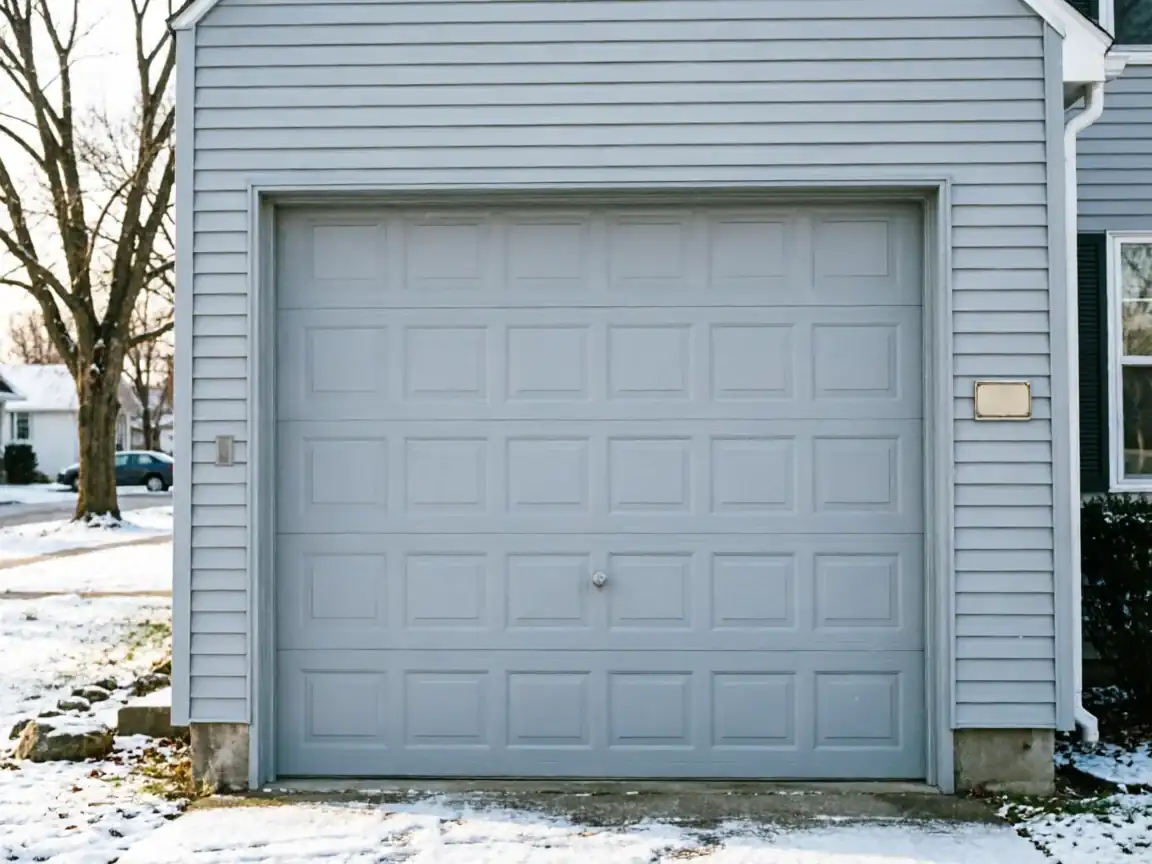
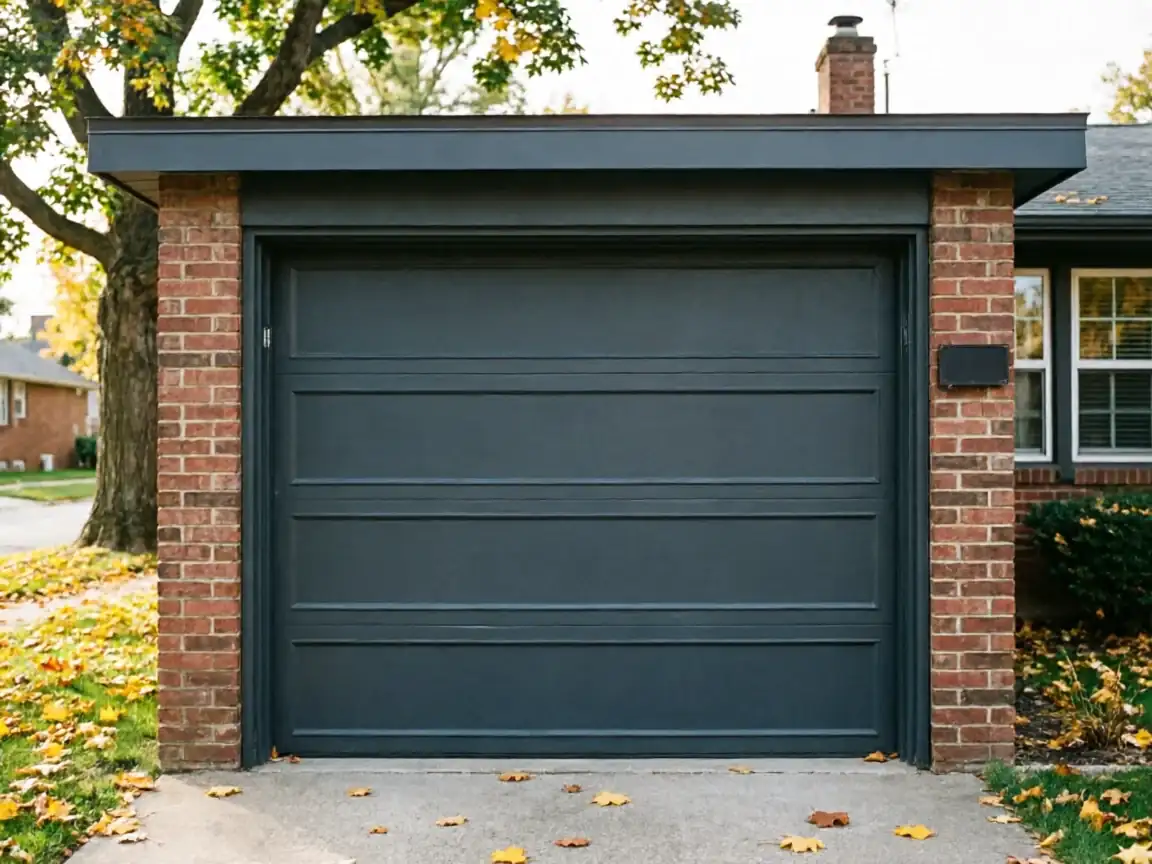
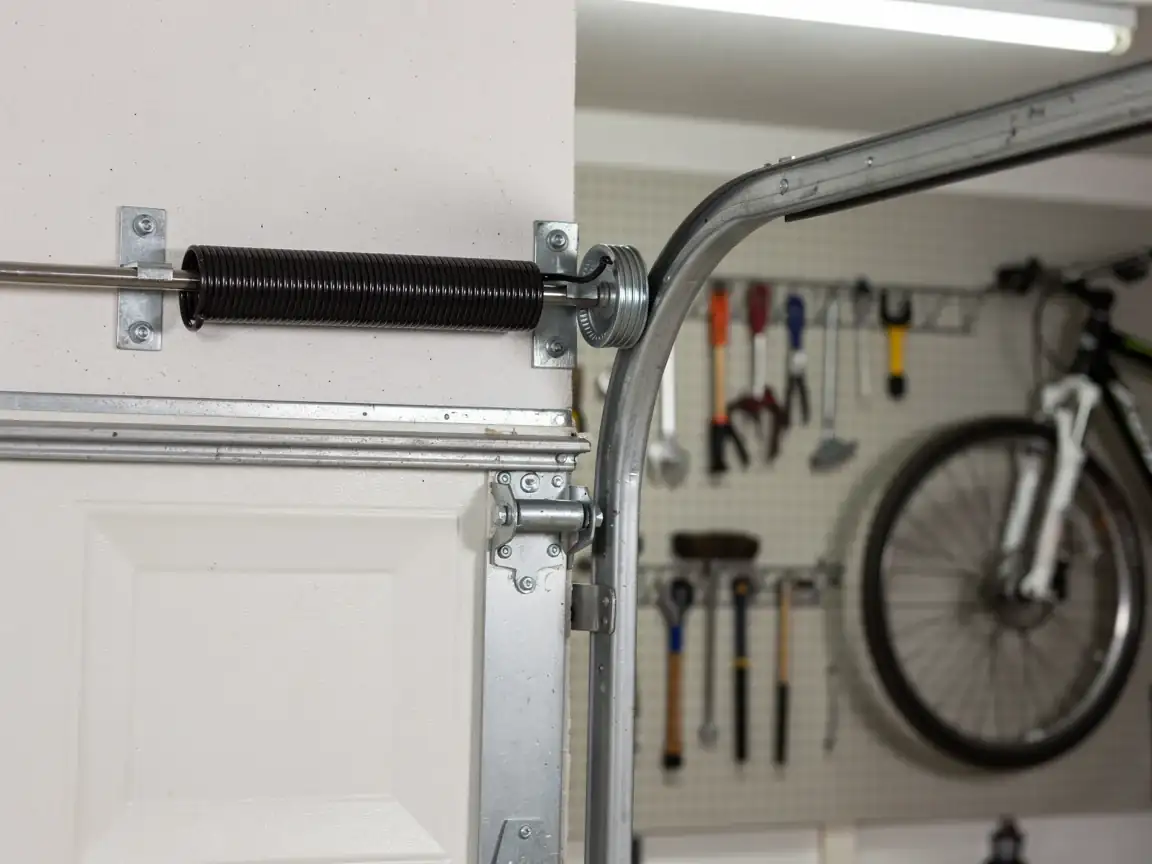
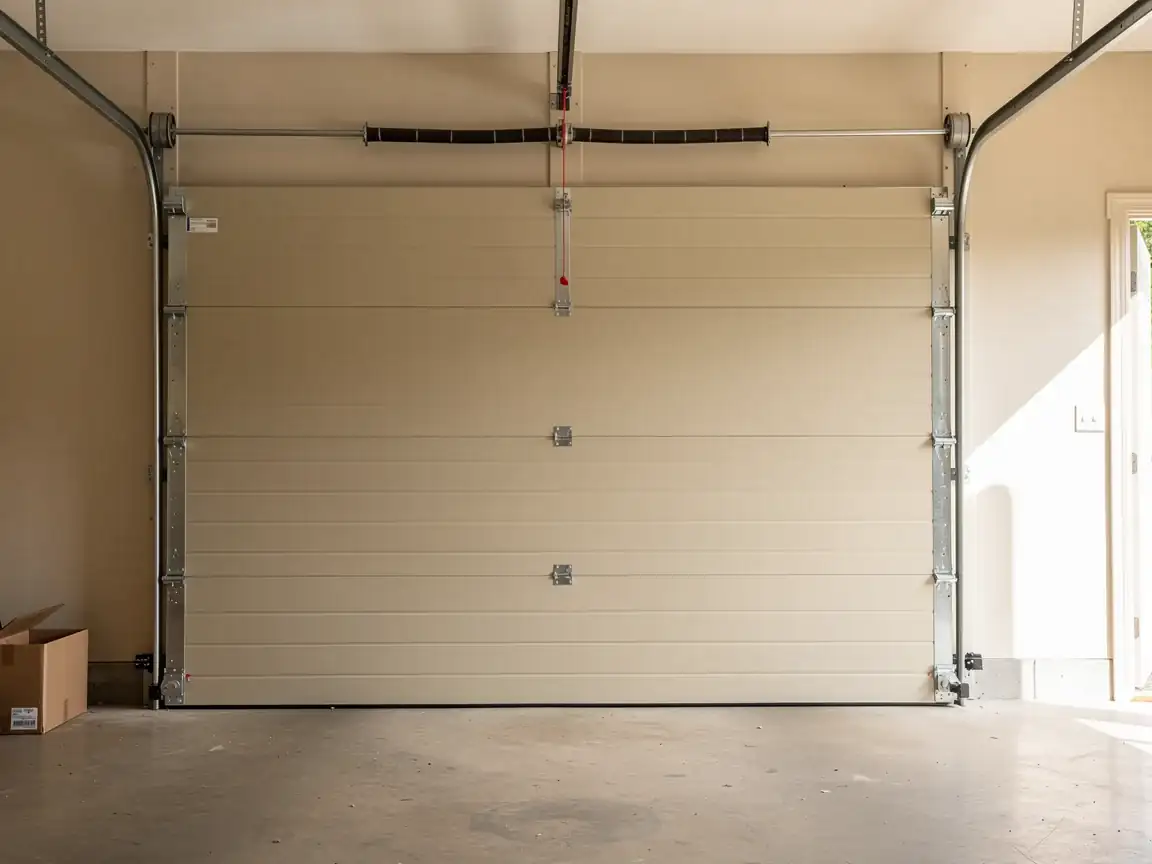
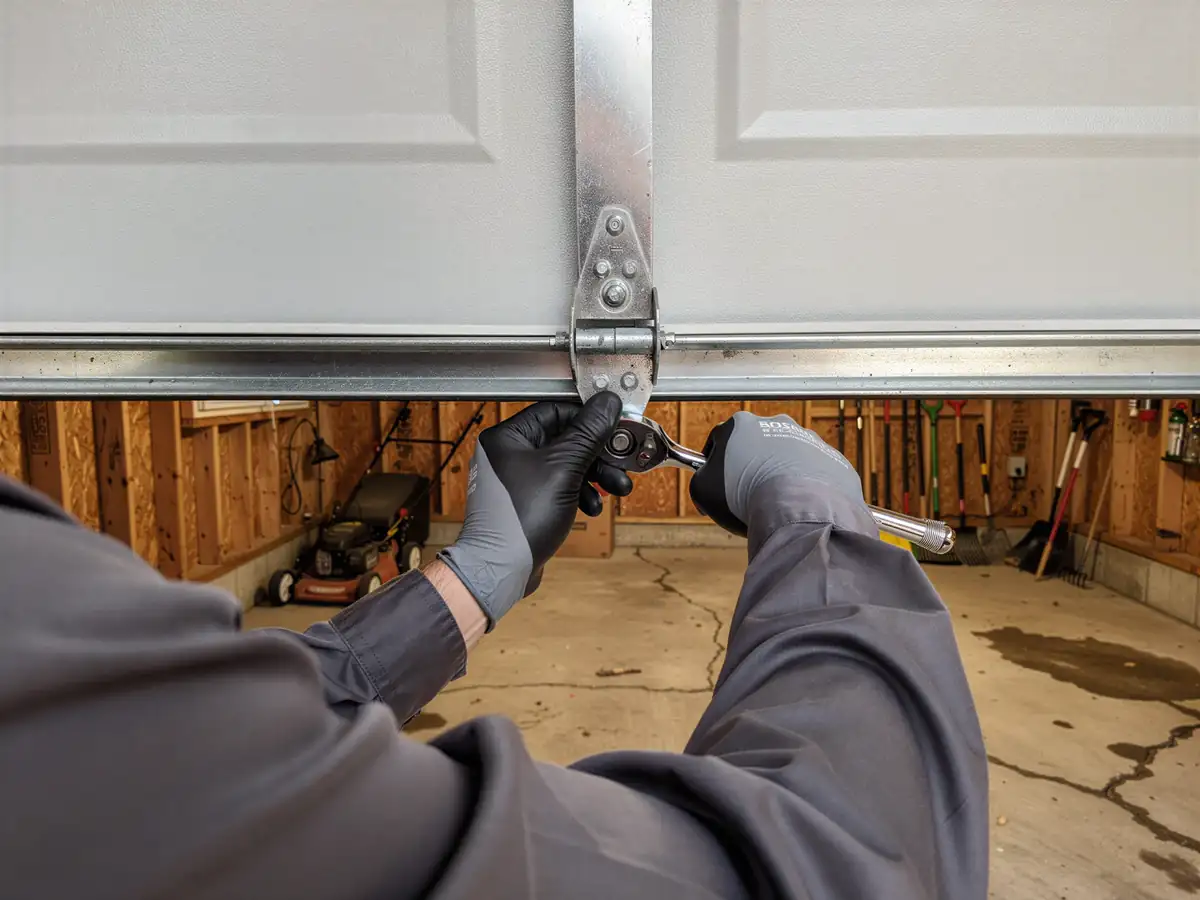
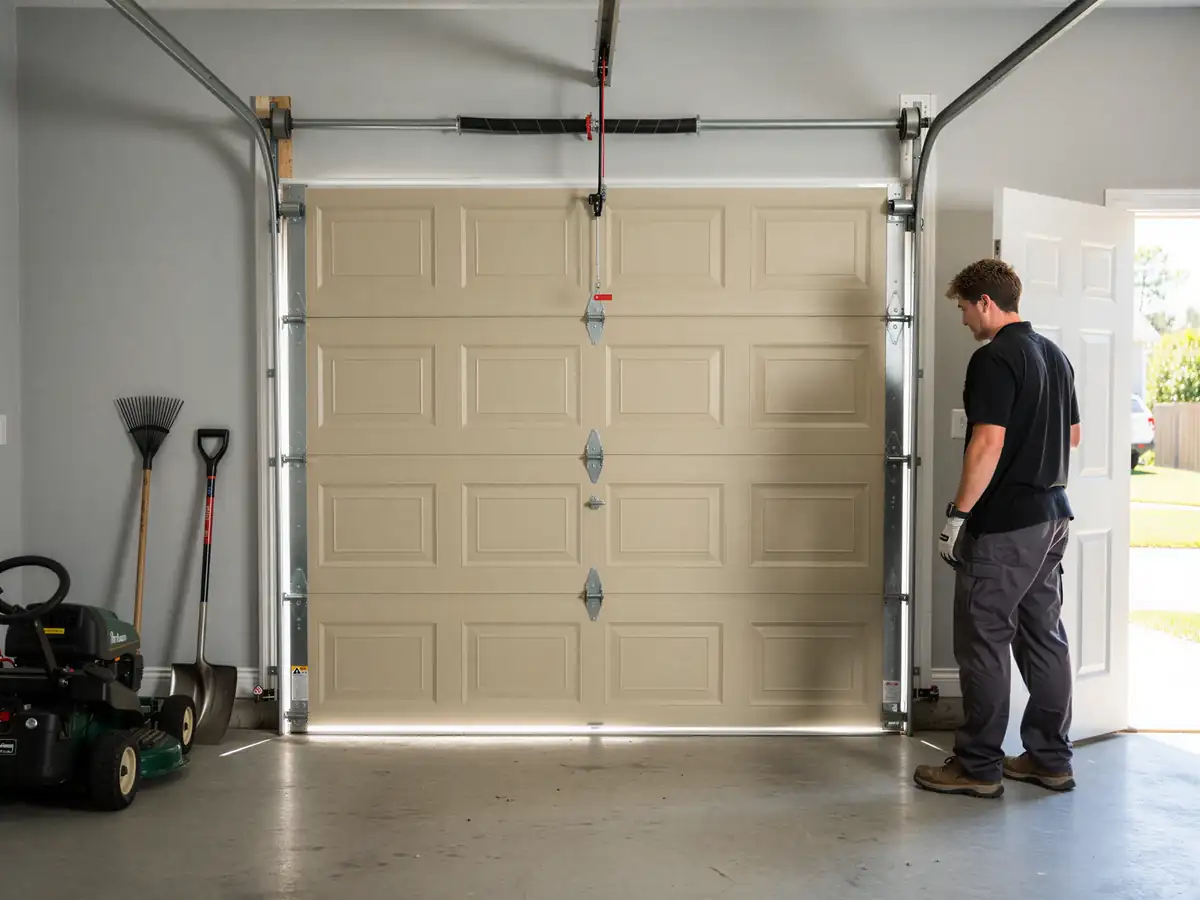
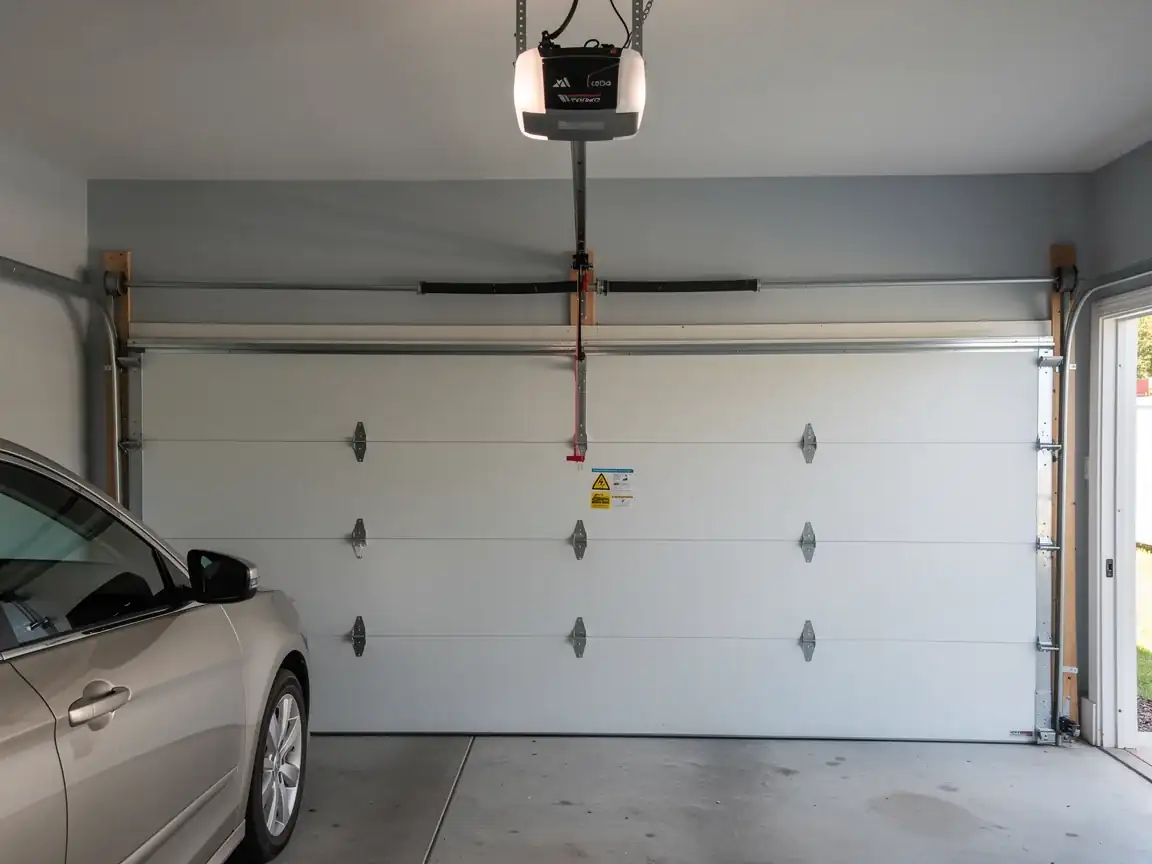
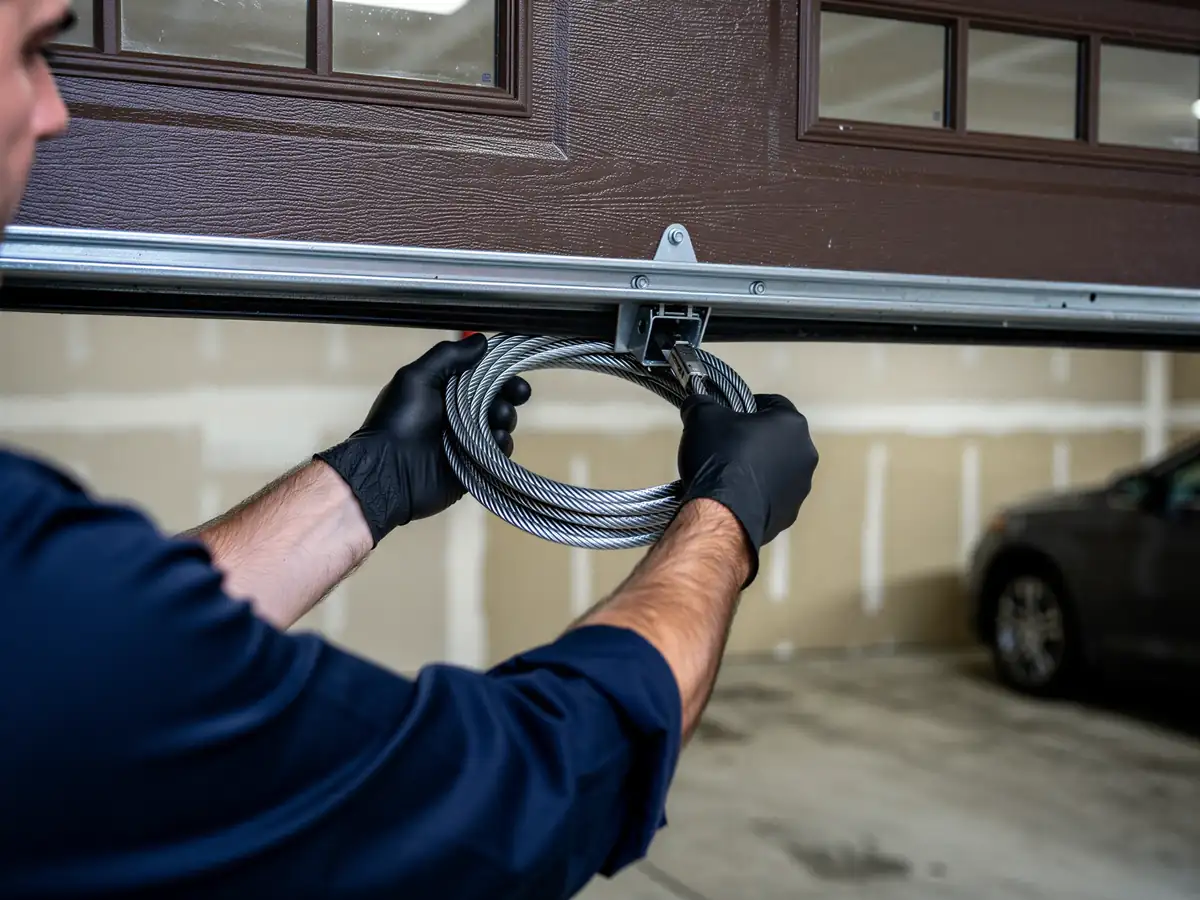
Combine a 1970 median build year with a cold, severe winter climate and you get a specific failure pattern: steel springs that have cycled through fifty-plus winters of temperature swings, and doors that were never insulated to begin with working harder than they were designed to in January. We see panels in Tallmadge that still have the original non-insulated steel skin, which means the door itself is colder to the touch and the hardware carrying its weight has had zero help from insulation to ease the strain. Lift cables fray faster under that kind of cold-weather cycling, and older torsion springs - already past their rated cycle count by now - tend to snap on the first hard freeze rather than giving warning. If your door is original to a 1970s build and you haven't had the springs or cables looked at, that's the piece we'd check first, not the opener.