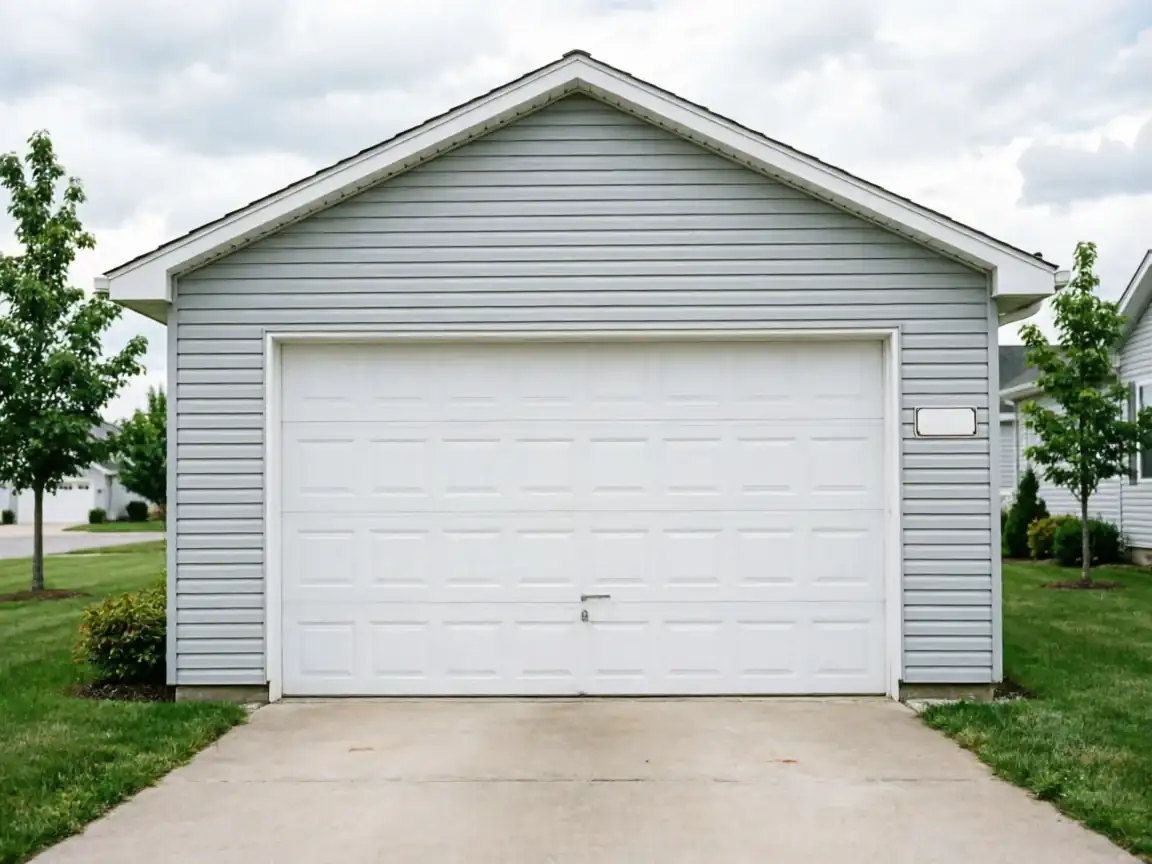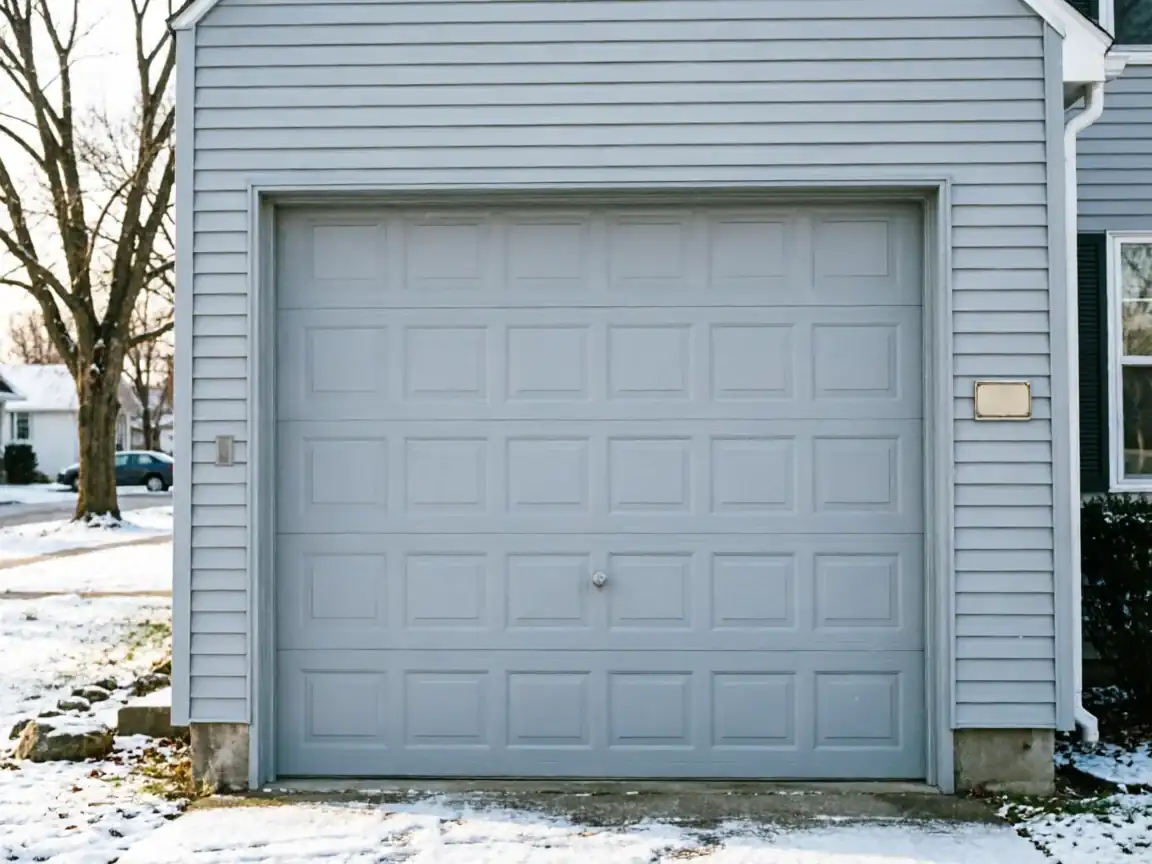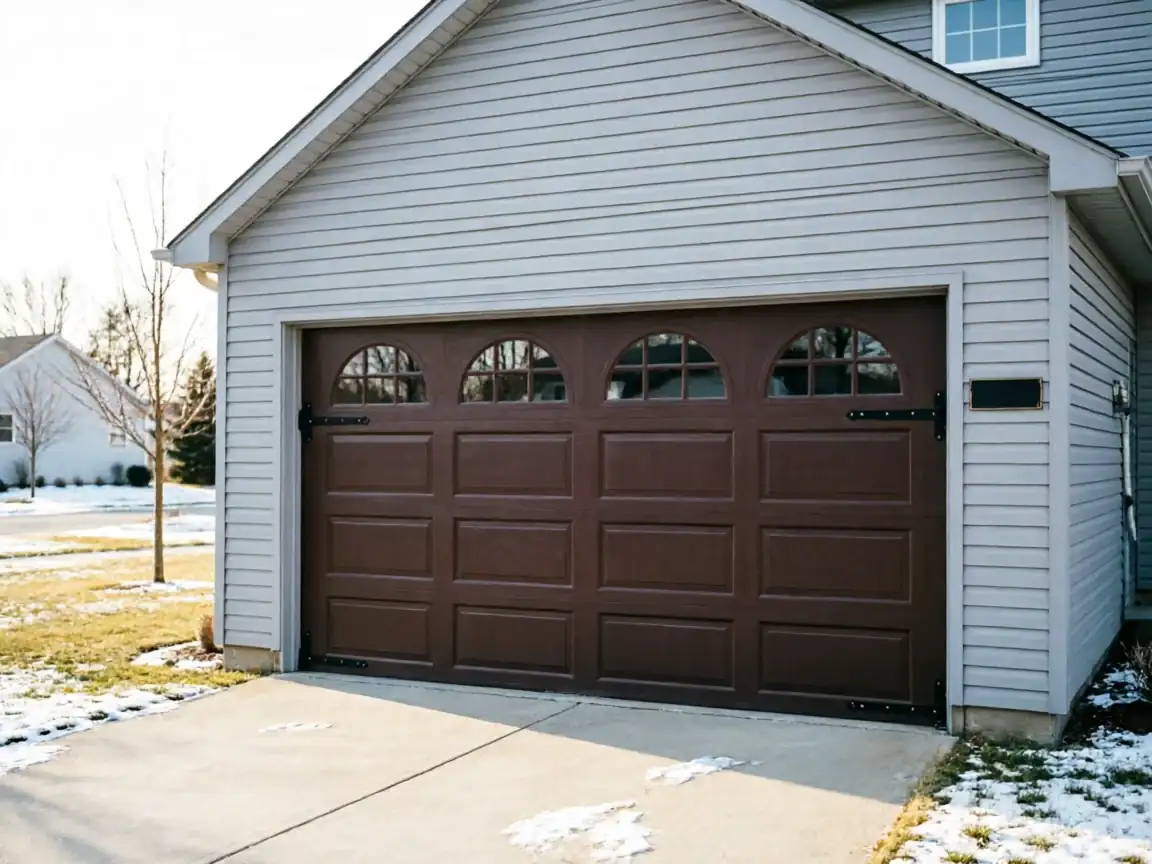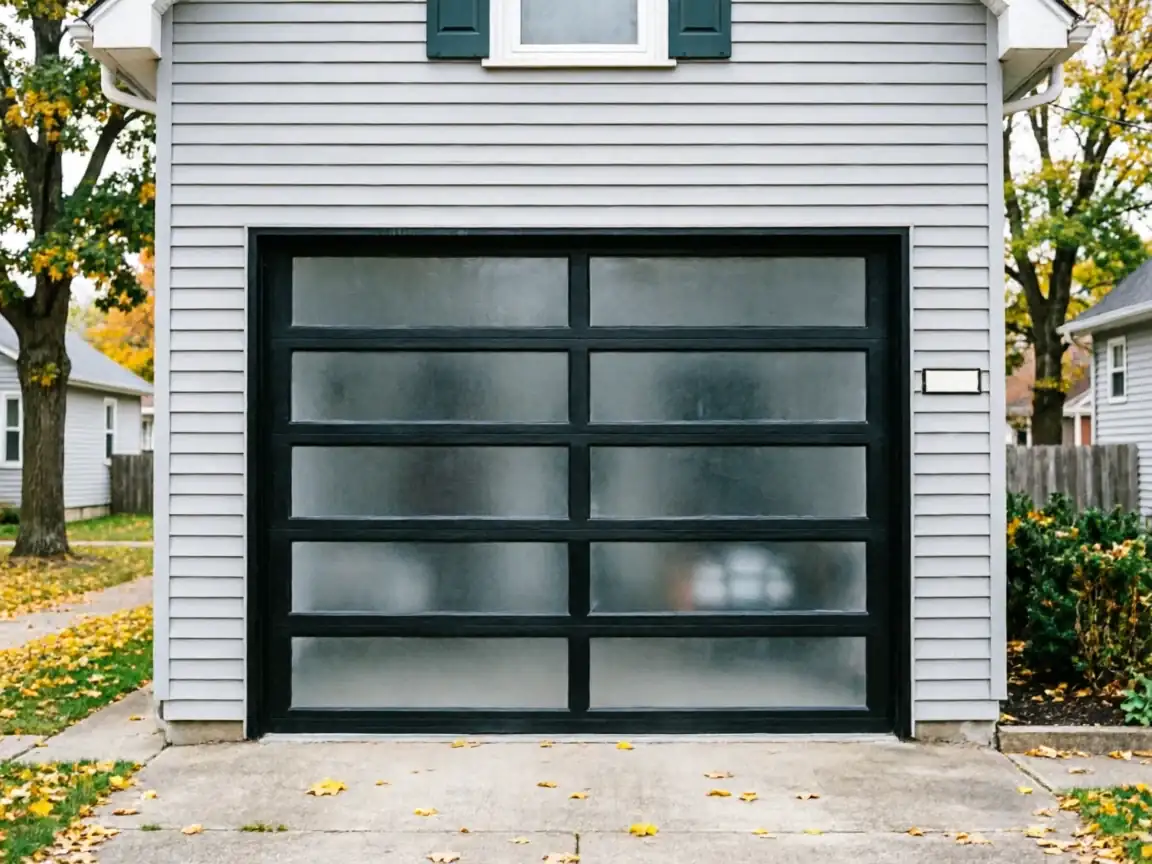
The Symptom
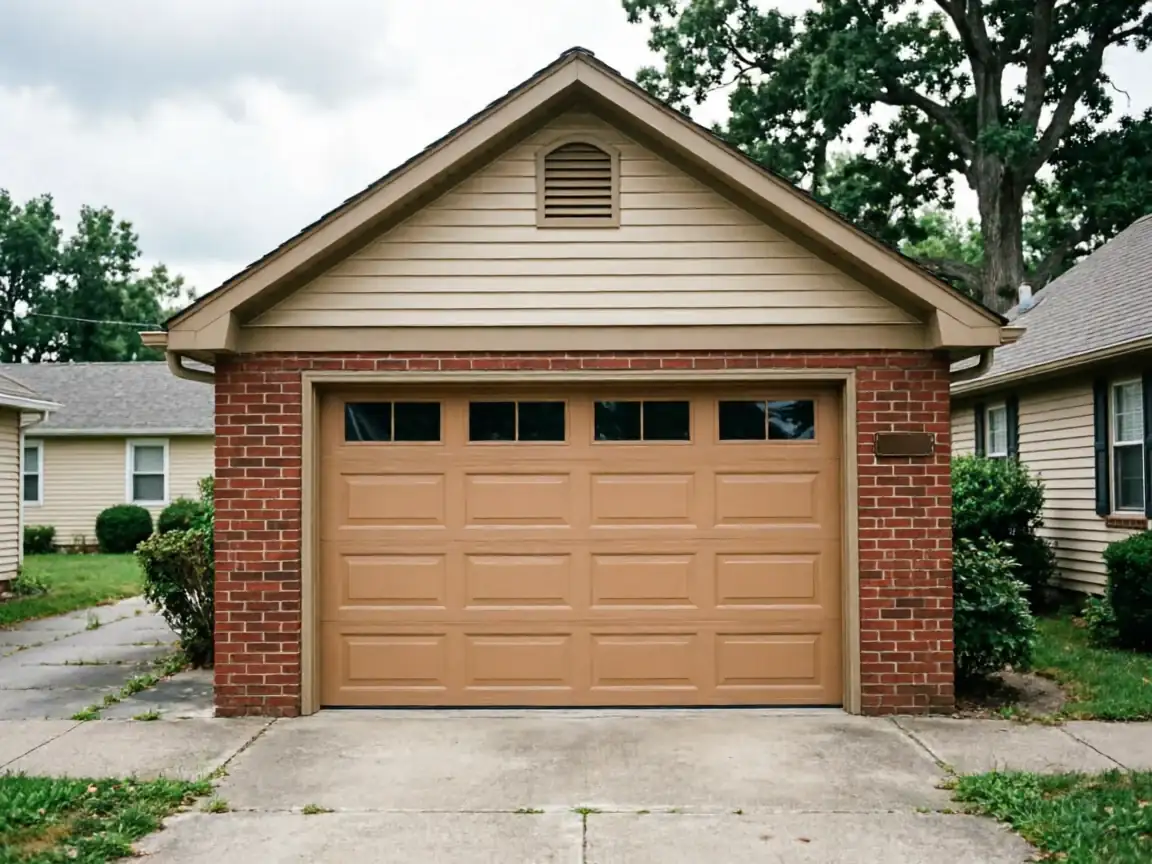
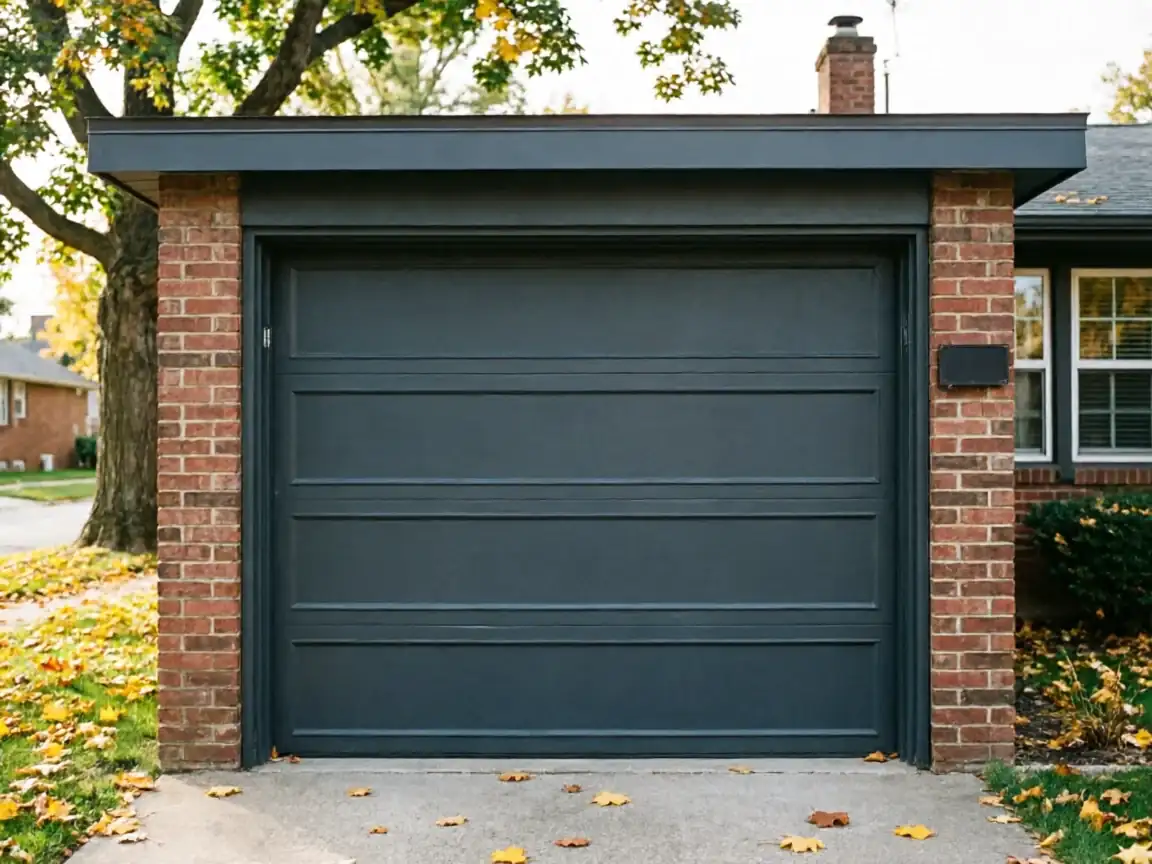
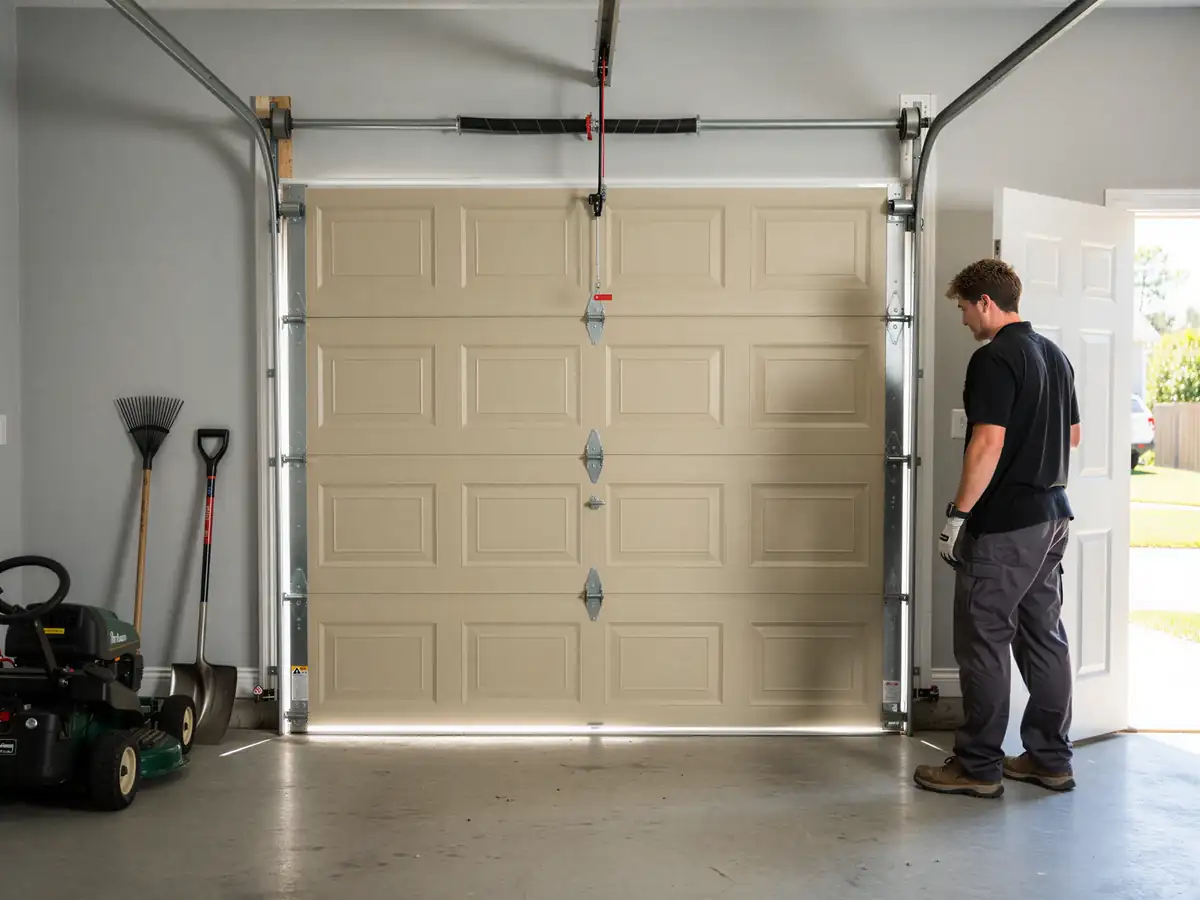
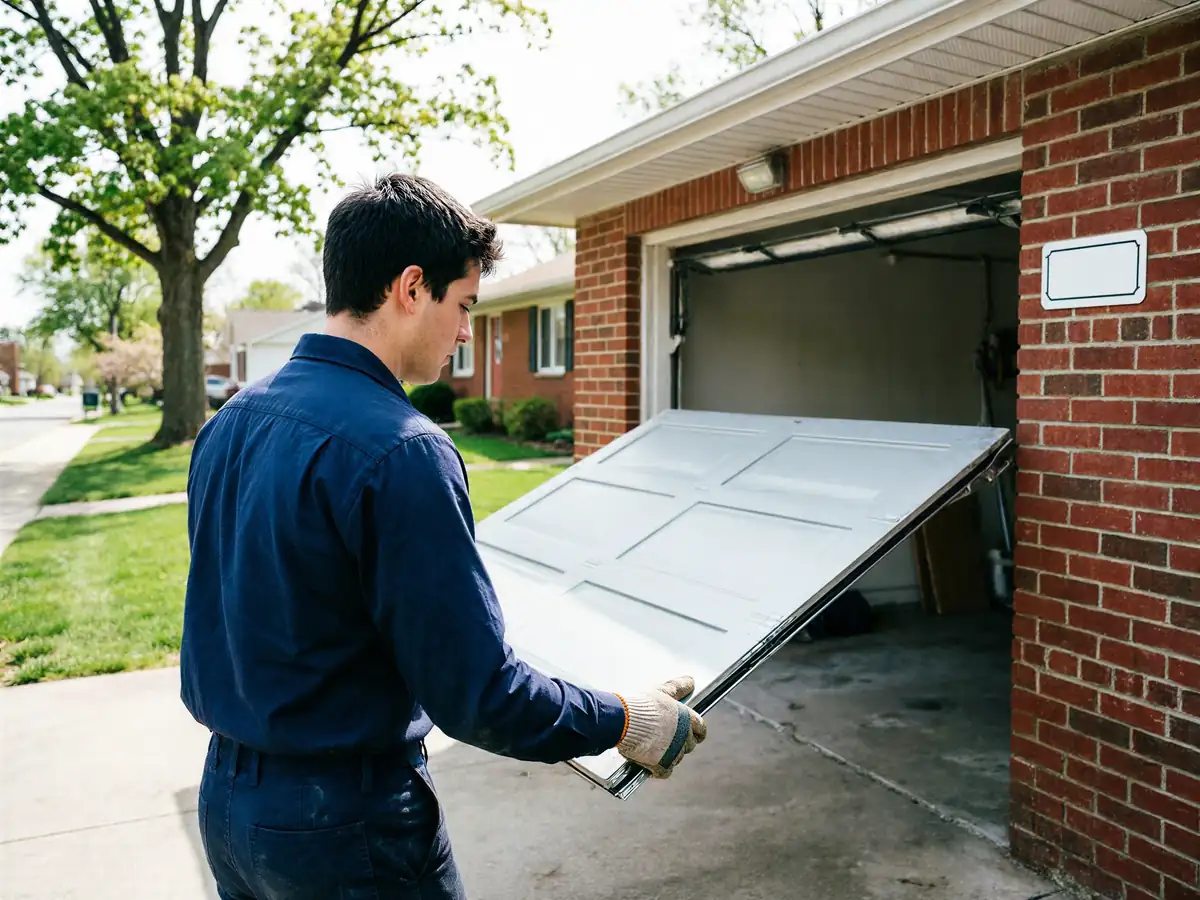
One panel on the door looks wrong next to the rest. It's bowed in from a backed-up car, cracked along a seam, or rusted through at the bottom where snowmelt and road salt sit against the steel all winter. Sometimes it's just the bottom panel that's gone soft and spongy while the other three or four sections are fine. You don't need a new door. You need the one section replaced, and it needs to match the track hardware, the panel height, and the finish of sections that might be decades old.
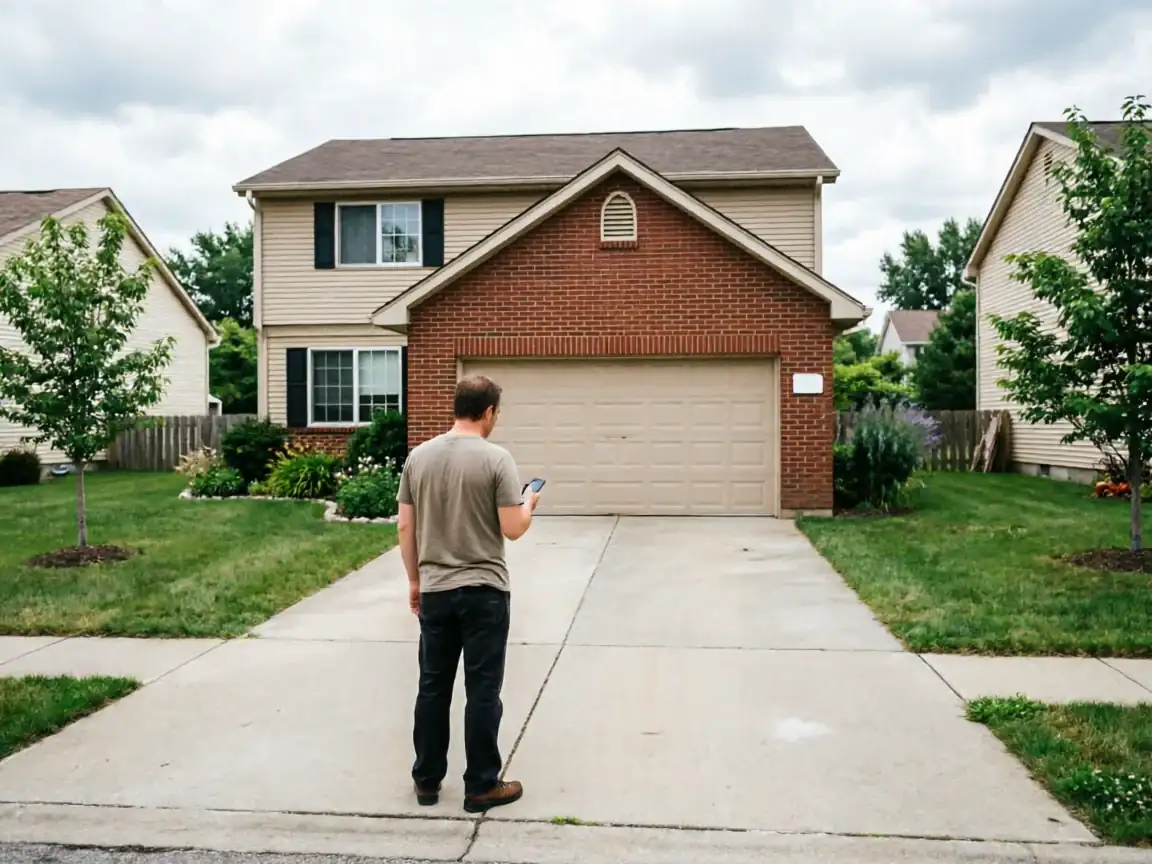
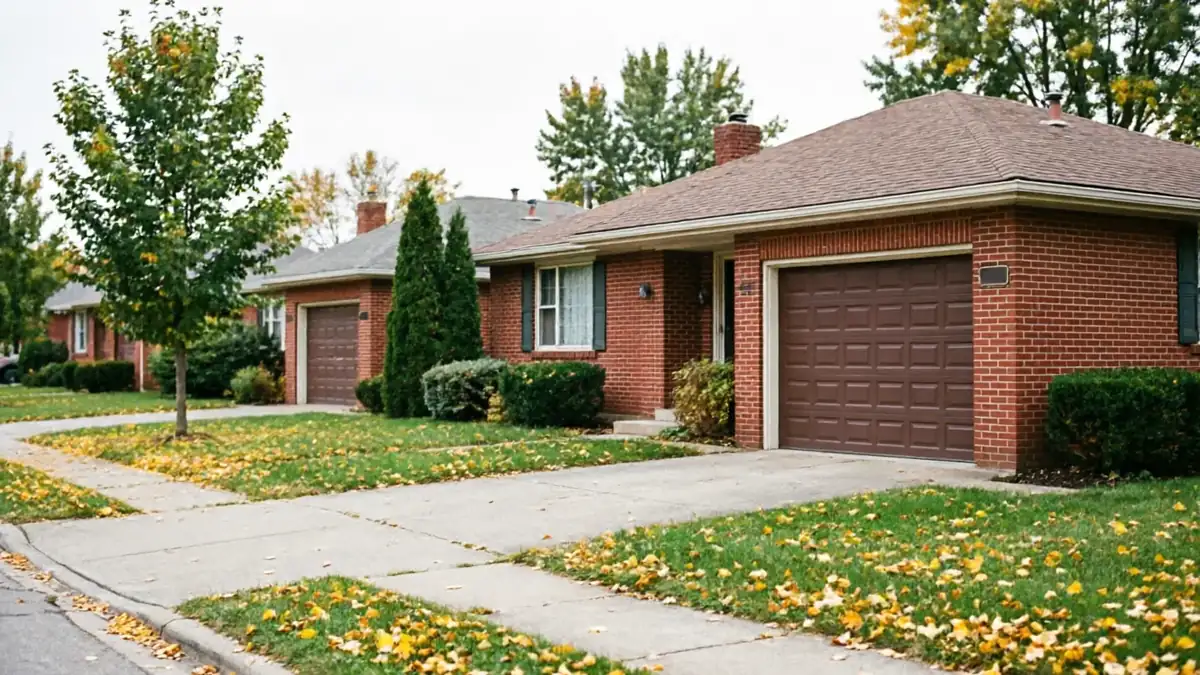
The tricky part in Akron is that "matching" a panel isn't always simple. A door installed when the house was built in the 1960s or 70s doesn't use the same panel dimensions or hinge spacing as something put in during a remodel in the 1990s. Across the 42 named areas in our service area, housing dates from 1952 clear through 2004, with the bulk of it going up in the 1960s and 70s, so a panel pulled off the shelf at a box store frequently doesn't fit a door that's been standing since the Johnson administration.
Why This Fails Locally
Akron sits in a cold, severe climate band, and that matters more for panels than people expect
Steel contracts in deep cold and expands in summer heat, and a door that's been through forty-plus winters of that cycle develops stress points at the panel seams and hinge screws long before the whole door is due for replacement. Add freeze-thaw cycling that pushes moisture into any small crack in the paint, and a chip becomes a rust hole over a season or two.
The age of the housing stock compounds it
With most homes in the service area built in the 1960s and 70s, a lot of original doors are still out there, and their panels were never designed for the gauge of steel or the insulation standards used today. When one panel finally gives out, whether from a backed-into fender bender or just corrosion along the bottom edge, it's often the oldest, thinnest section on the door. That's not a coincidence of bad luck. It's the natural failure point for a panel of that age in this climate.
Time on the Job
A straightforward single-panel swap on a door we can match from stock is a different job than one where we have to special-order a discontinued profile. We won't quote a time here because it genuinely depends on what's on your door and what's still manufactured. What we can tell you is that finding an exact match gets harder the older the door, and on some 1970s-era doors the honest answer is that the panel profile simply isn't made anymore.
When that happens, we lay out the real options: a close-enough match that will look slightly different in color or rib pattern, or replacing the full door. We'd rather tell you that up front than have you discover it after we've ordered the wrong part. This is the one limitation worth knowing before you call - not every panel can be matched, and sometimes the honest fix costs more than you hoped because the door itself is the problem, not just one section of it.
How We Fix It
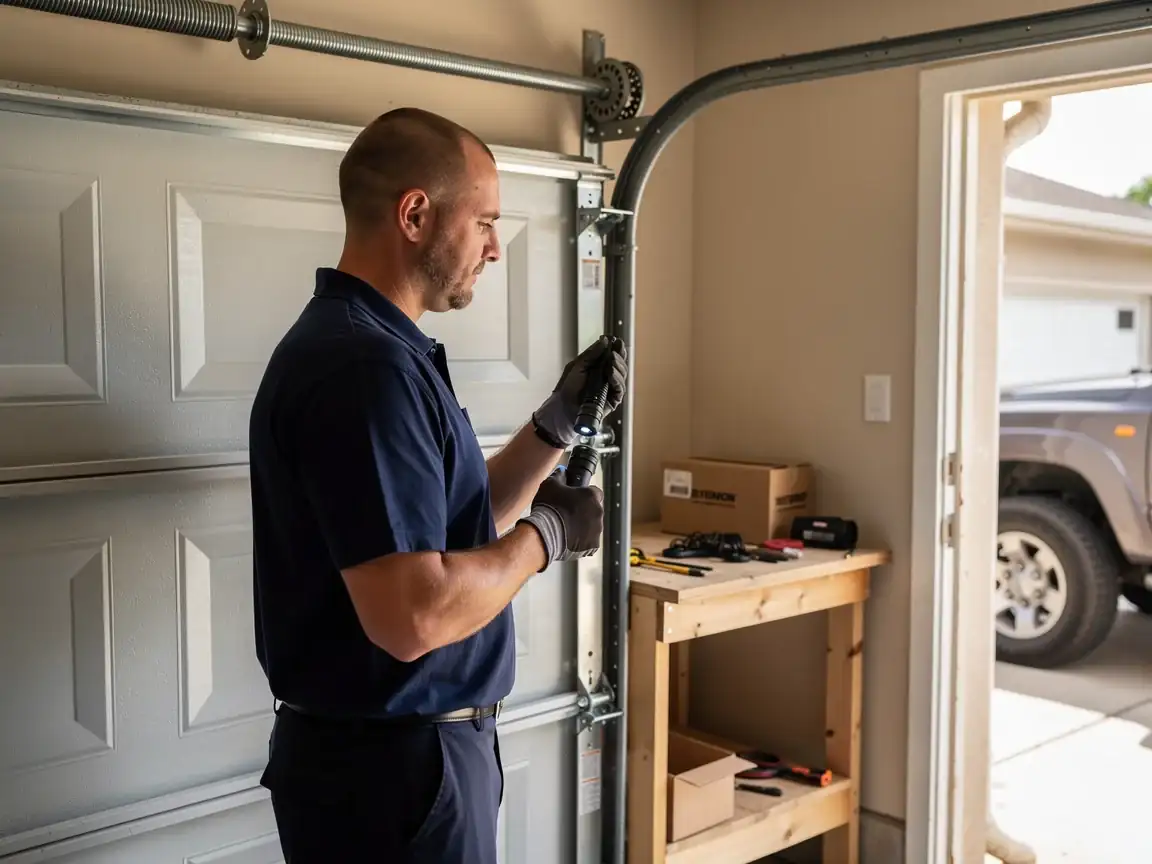
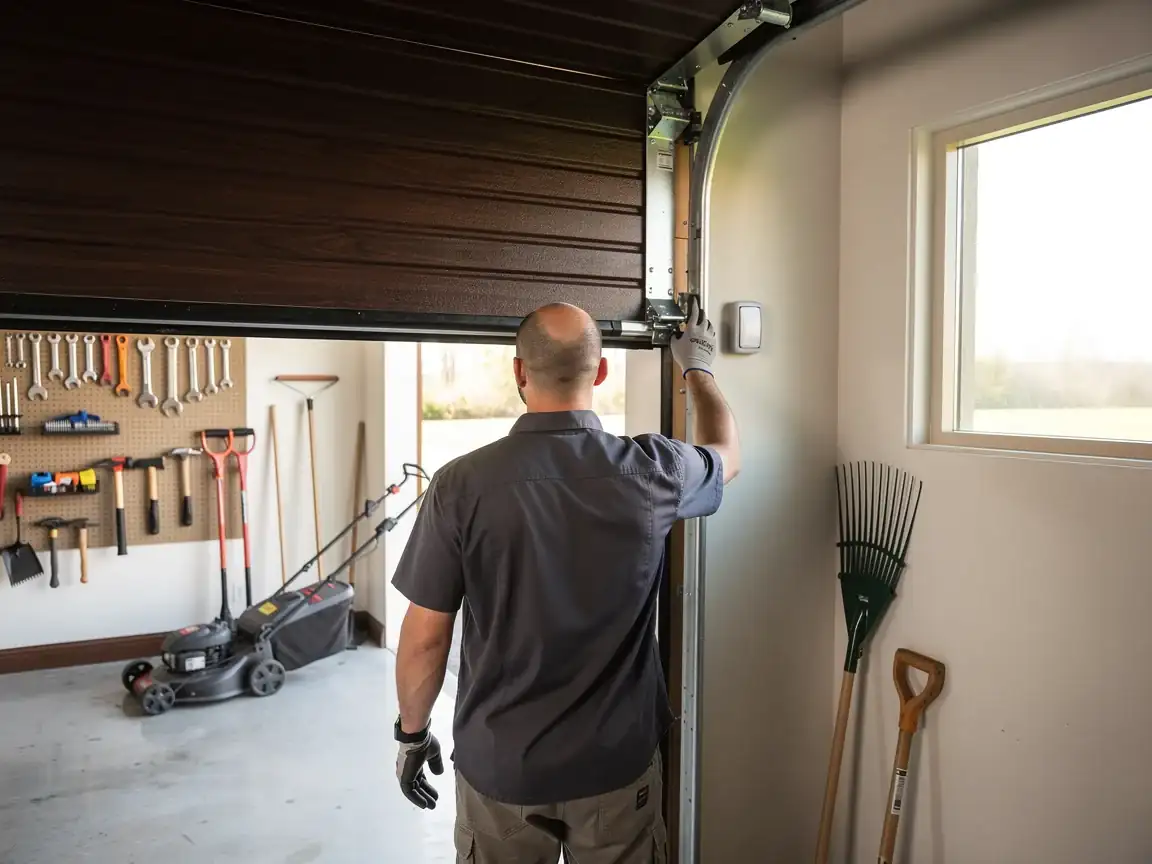
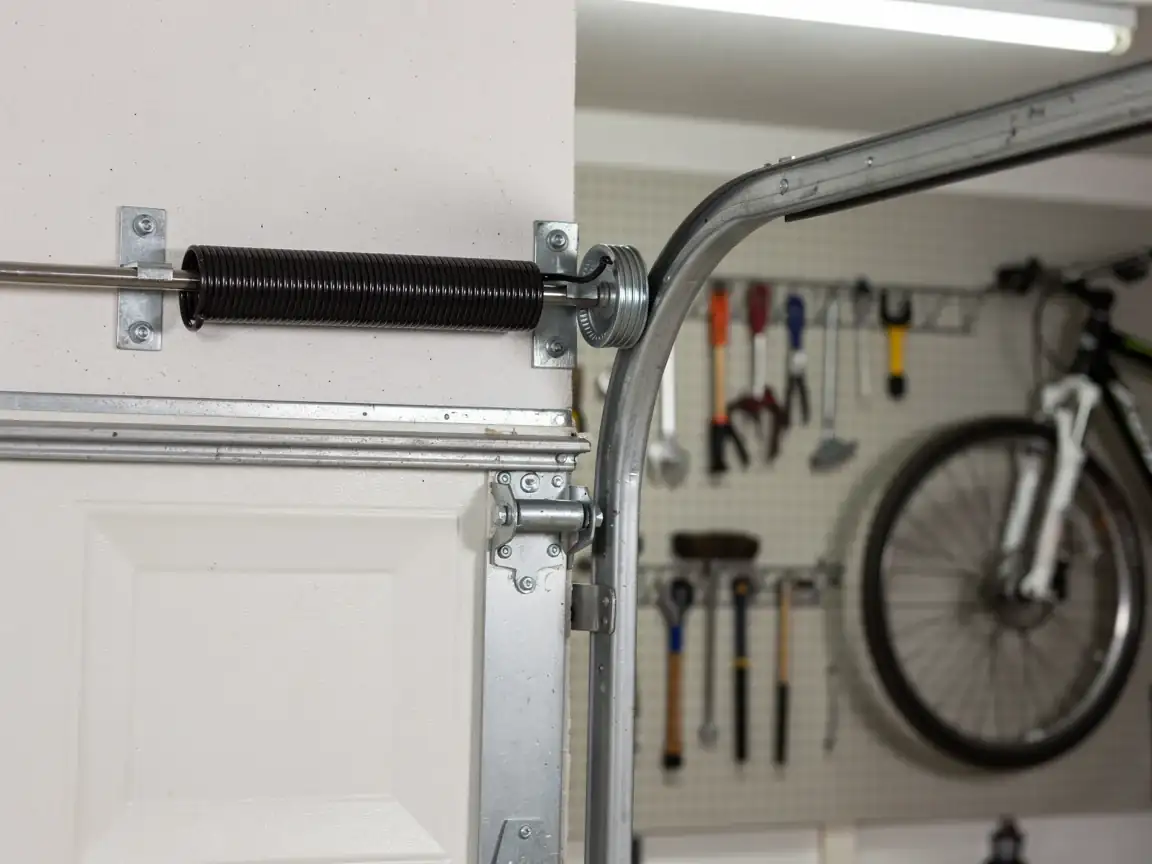
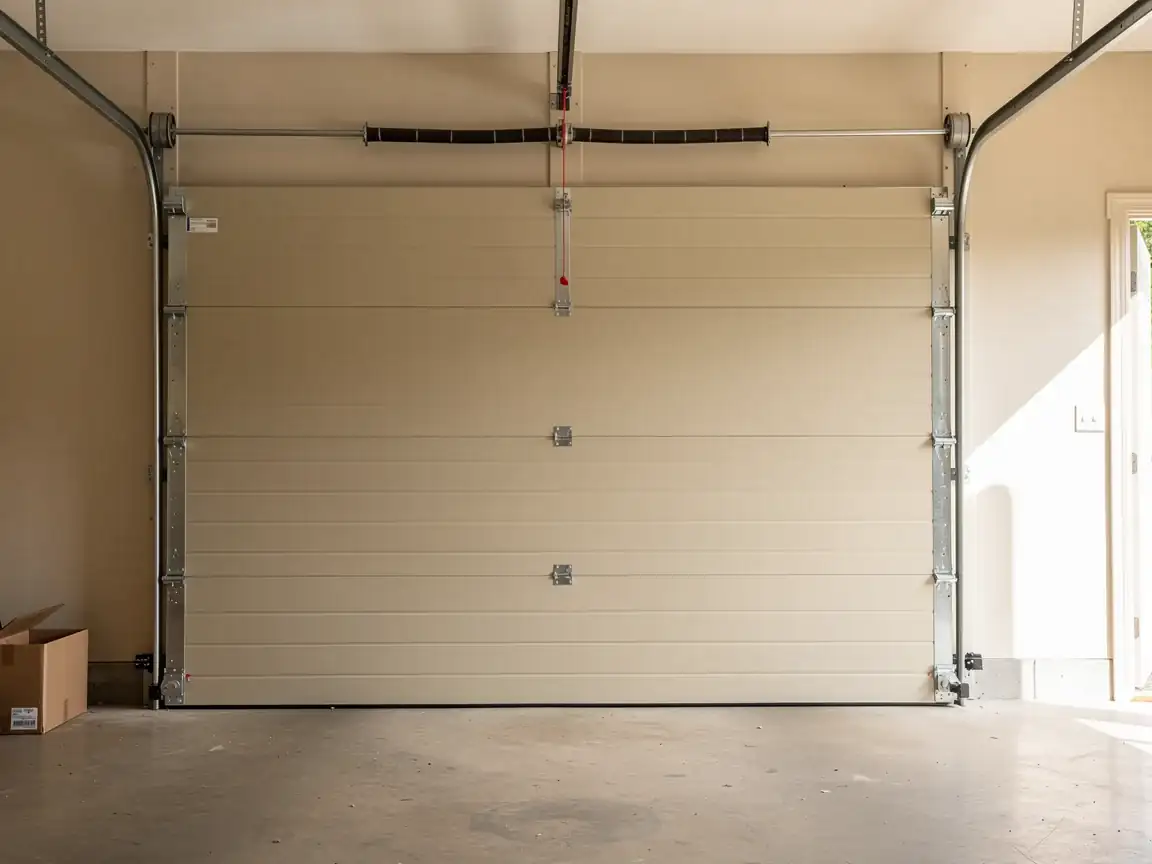
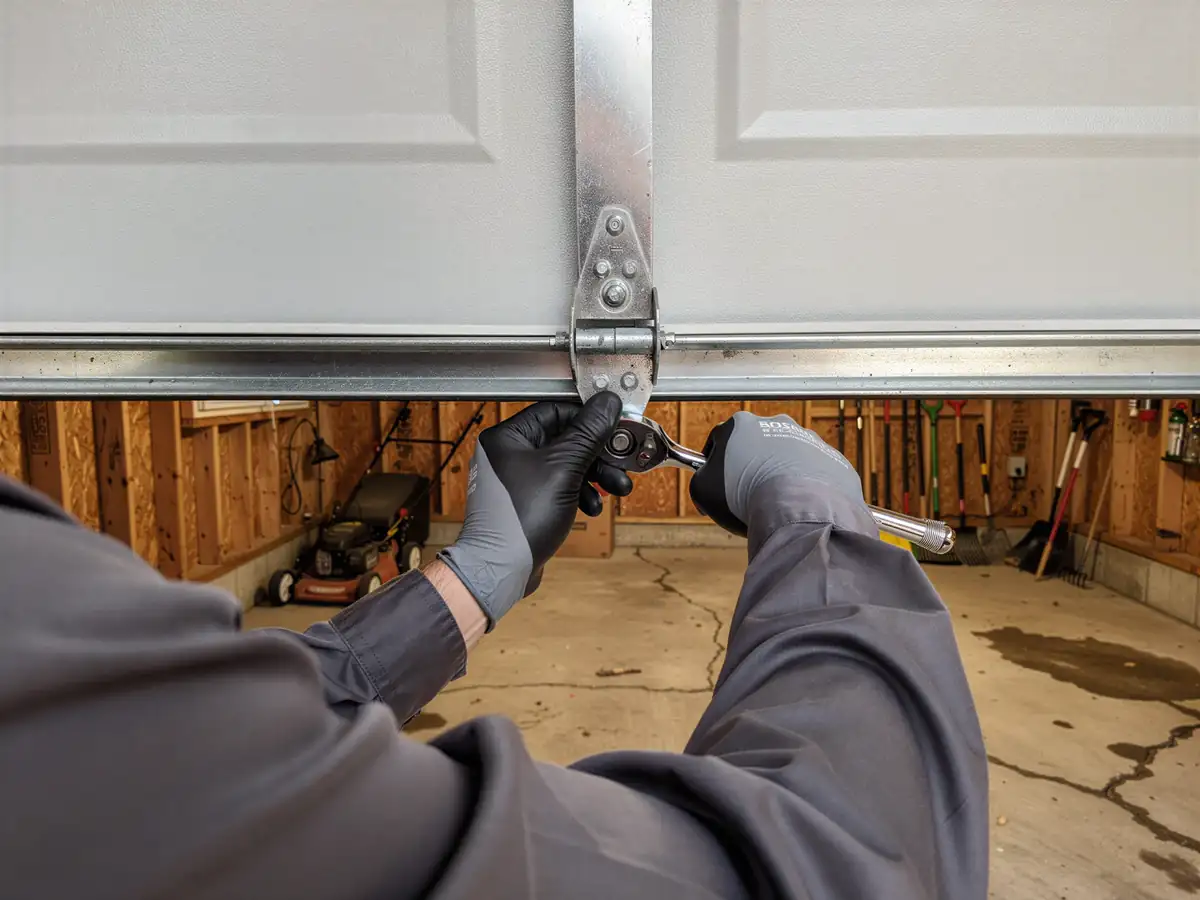
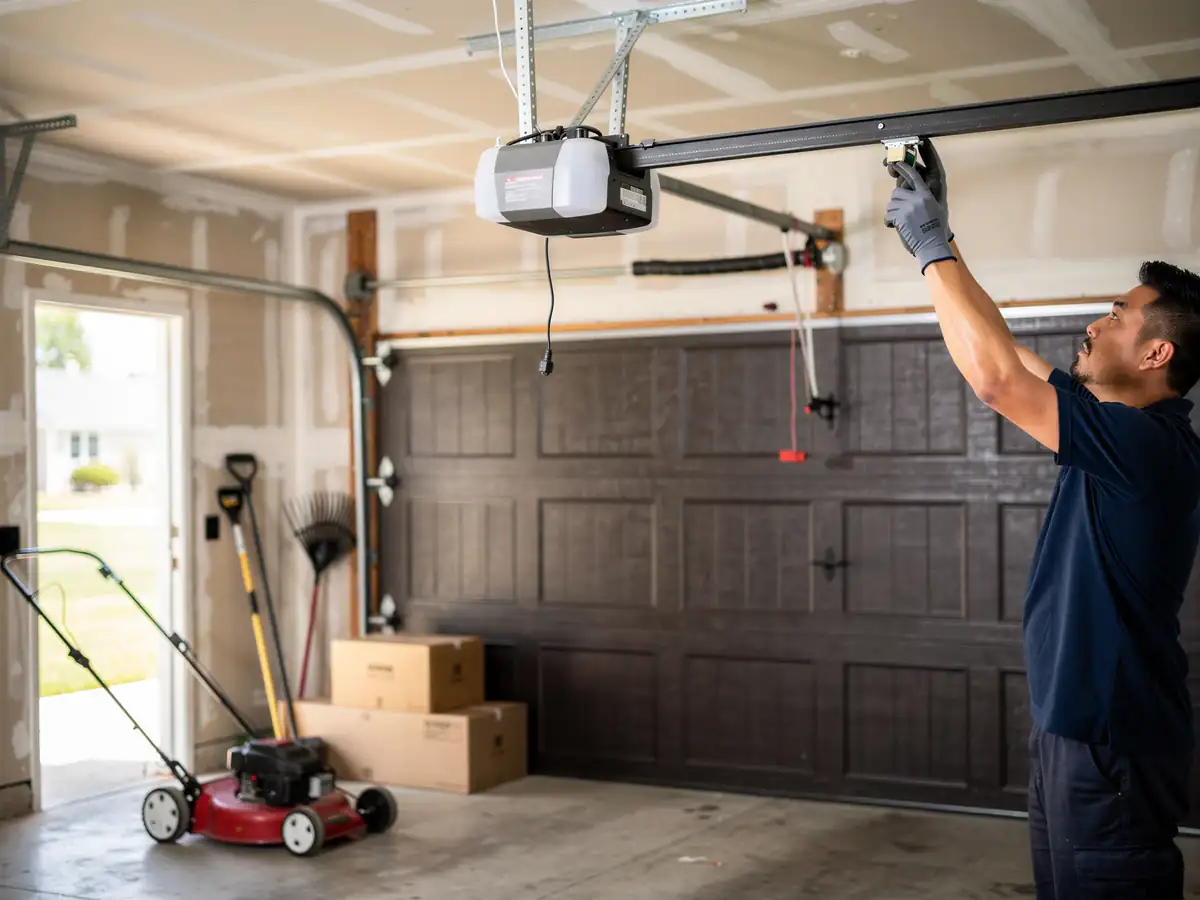
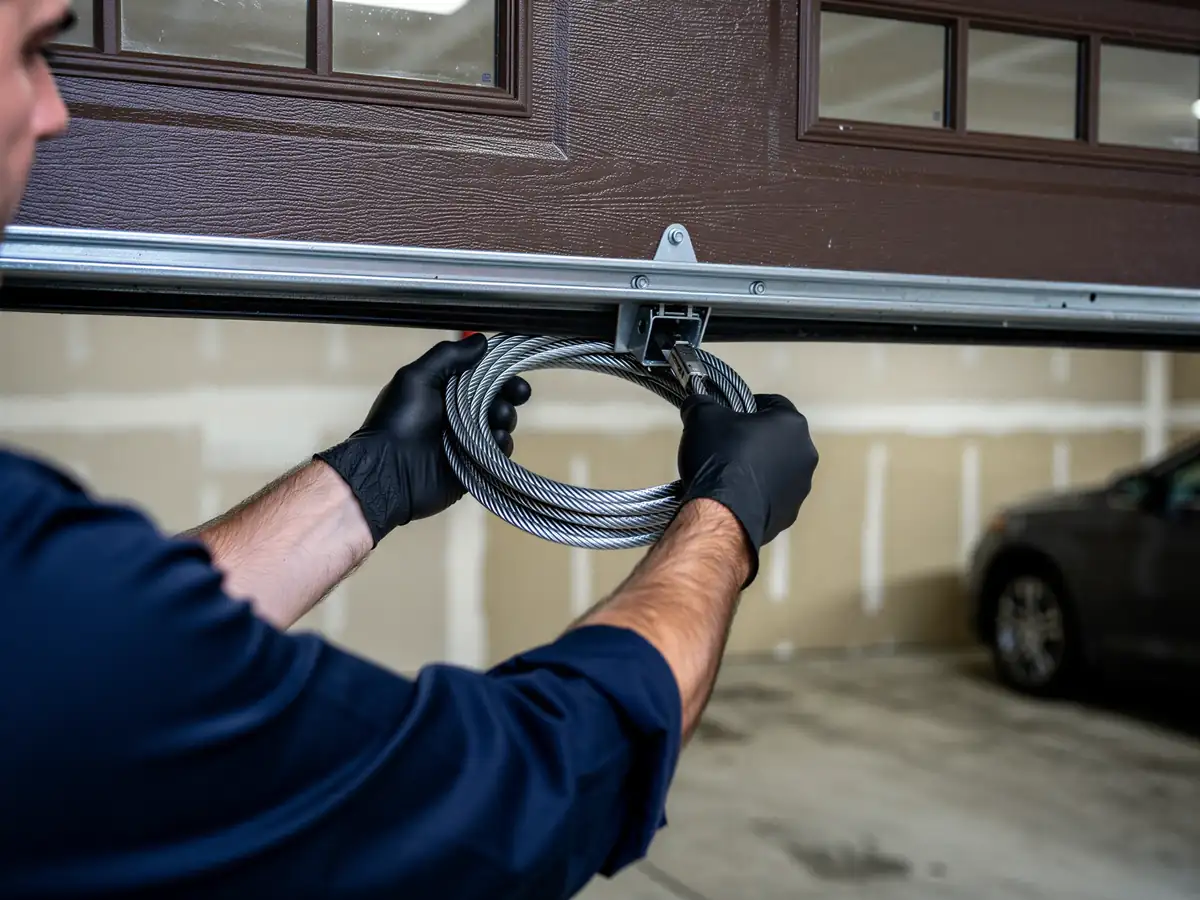
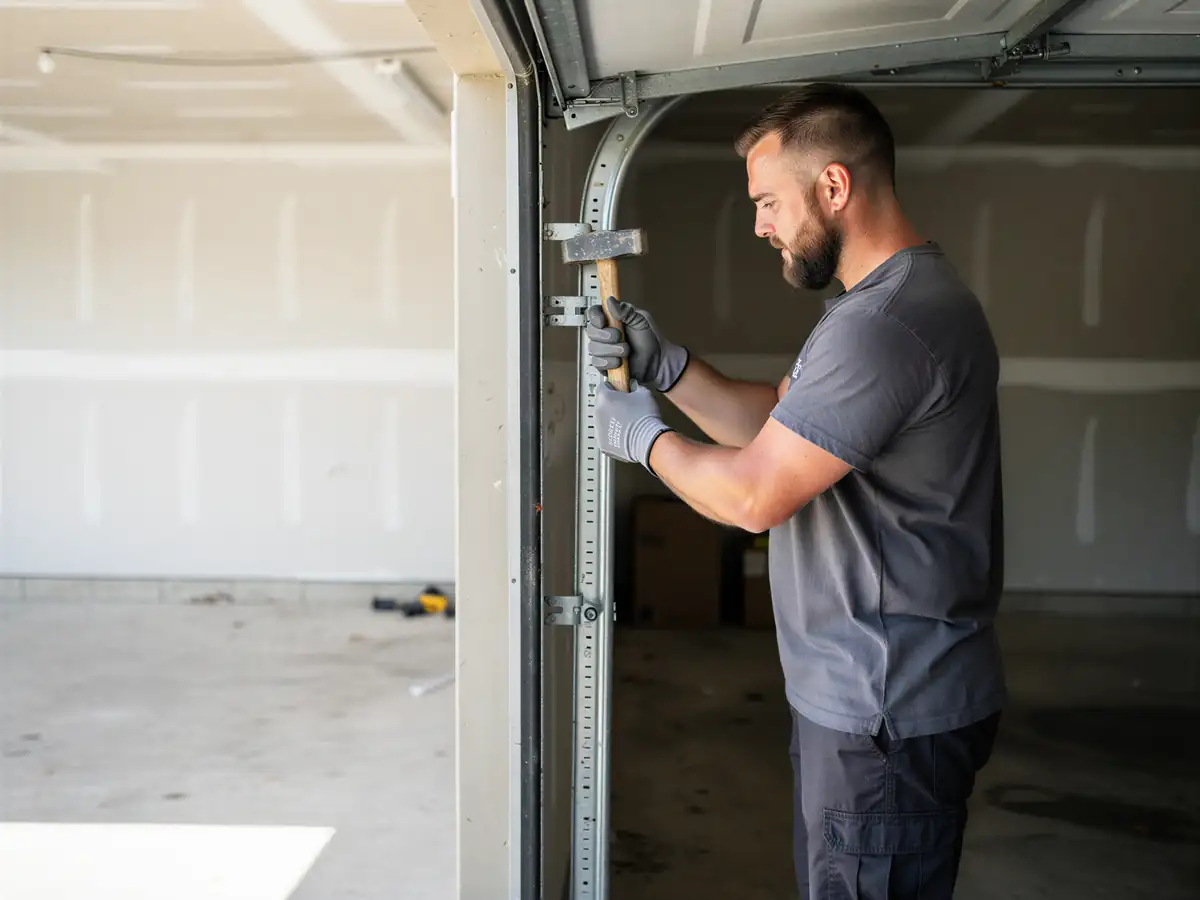
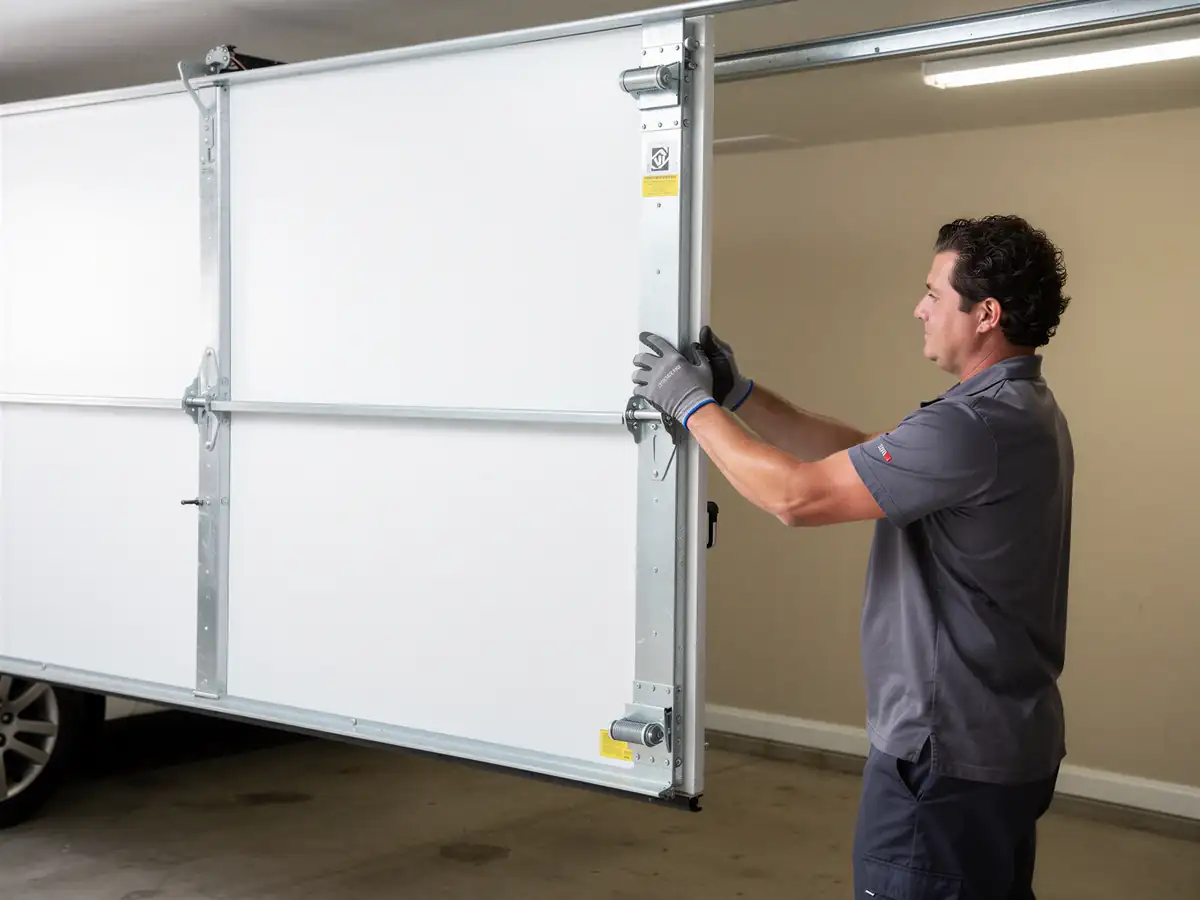
We start by identifying the door manufacturer, the panel height, and the hinge and roller spacing, because none of that is guesswork once we're looking at the door in person. If a matching panel is available, we order it, pull the damaged section, transfer the hardware, and reset the track alignment so the new panel sits flush with the rest of the door - a door that's out of square at one panel will bind the opener and wear the new section just as fast as the old one failed.
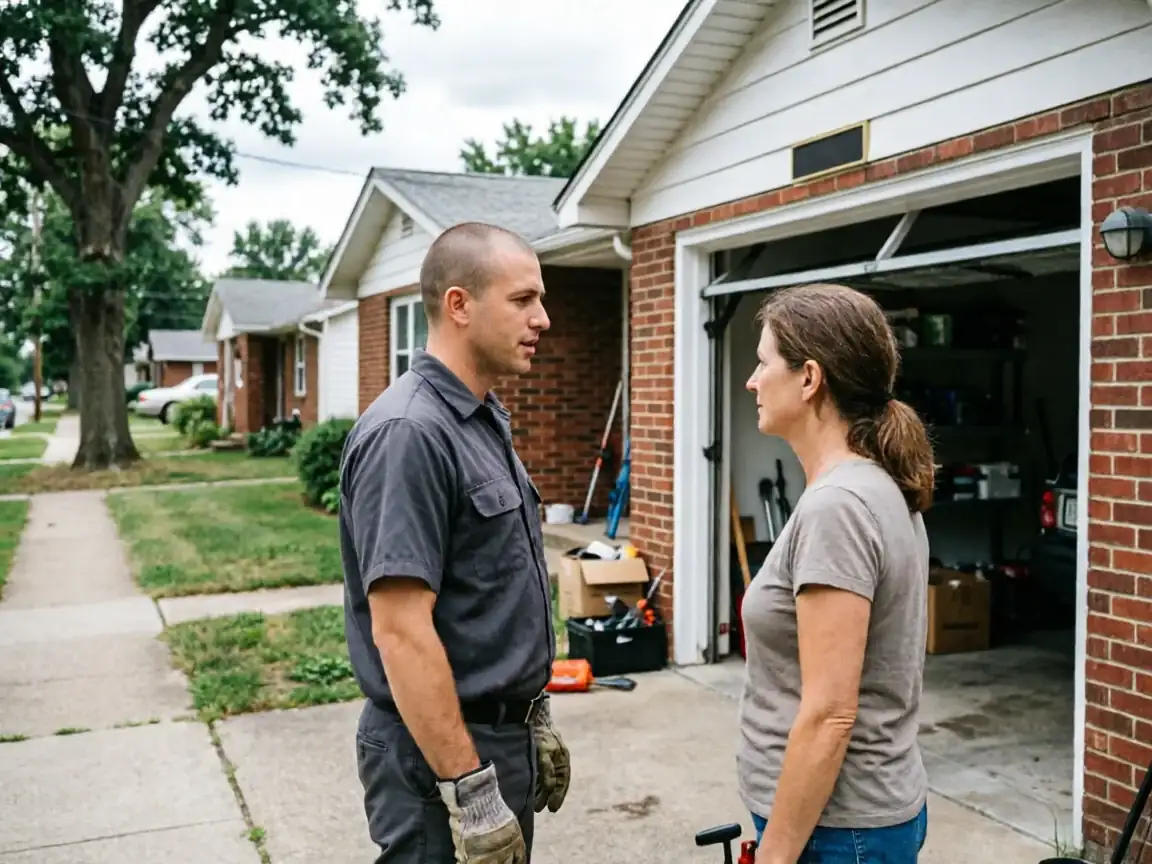
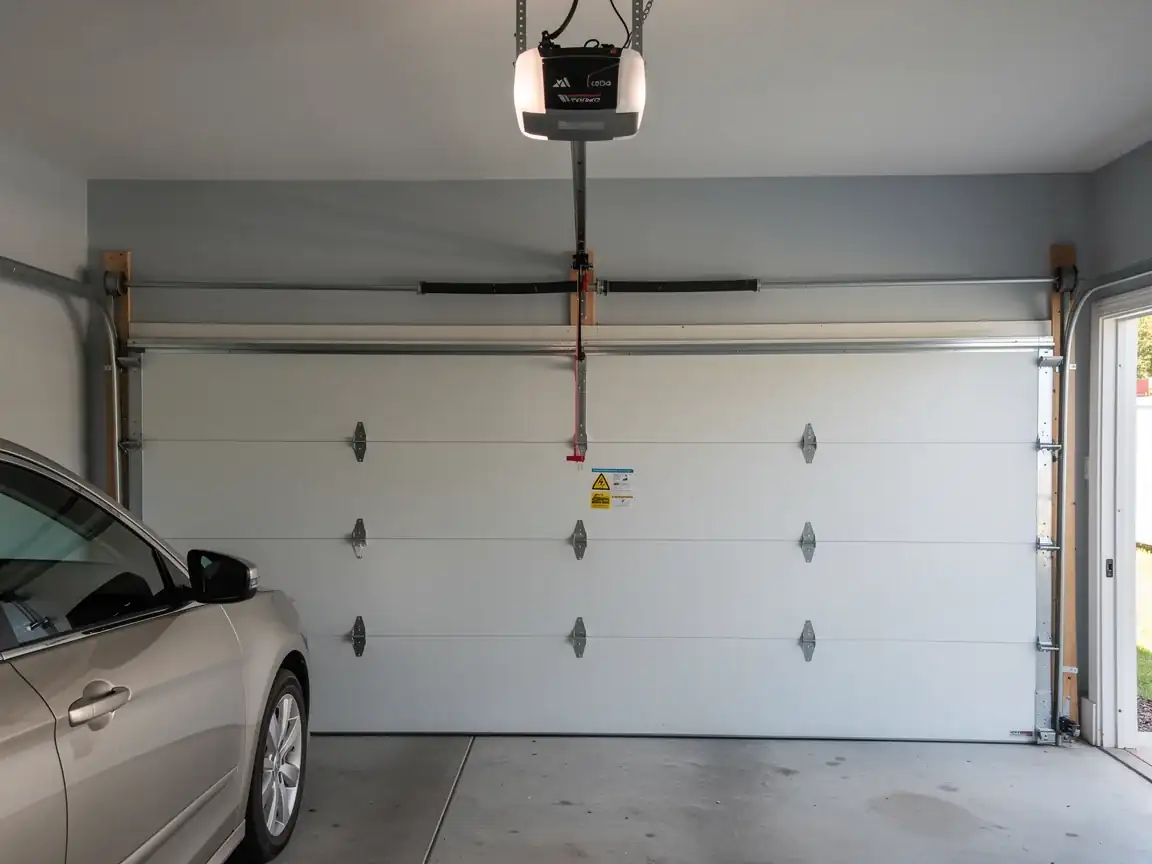
If the panel isn't available, we'll walk you through what a full door replacement looks like for your opening, built for the cold-climate demands this area sees rather than a generic big-box unit. Either way, the goal is a door that operates evenly across all panels, not just a patch that looks fine from the driveway. We serve homeowners throughout the Akron area, from Akron's own neighborhoods out to the surrounding communities within our service area.