Serving Akron, OH & nearby
(330) 902-8513
Akron, OH

Where a Garage Door Tech Starts Looking in Akron

In Akron, homes built between 1952 and 2004 and severe Ohio winters change what fails first on a garage door - here's exactly where a tech starts looking.

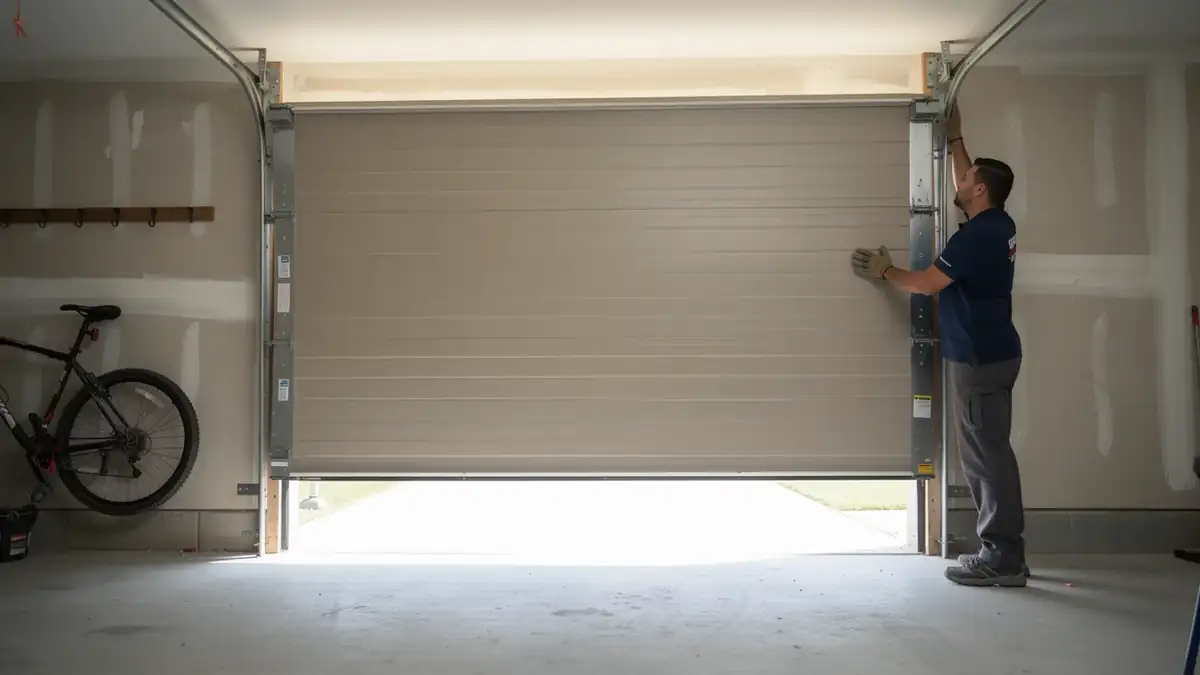
A technician in a blue shirt is adjusting a tan garage door.

When Waiting Is Fine

A door that's a little noisy or slow to close isn't always an emergency call. If the opener still runs smooth and the door reverses properly when it hits resistance, you can usually wait for a scheduled visit instead of a same-day one. That's true whether the door is five years old or forty.

What changes the math in Akron is the age of the stock behind it. A lot of the houses around here went up between 1952 and 2004, with the heaviest concentration in the 1960s and 70s across the 42 neighborhoods we work in. A door on a house from that window is more likely running original torsion hardware that's past its rated cycle count. Waiting on a squeak is fine. Waiting on a spring that's visibly stretched, rusted, or has a gap in the coil is not, because those don't fail gracefully - they fail all at once, usually when you're already late for something.

So: noise, slow travel, light vibration - those can wait for an appointment. A spring with a visible gap, a cable that's frayed, or a door that's dropped unevenly on one side - those don't.

Where People Go Wrong

  1. The most common mistake we see isn't neglect, it's guesswork done with good intentions

    Someone hears a squeak, grabs whatever's in the garage - usually the wrong can of spray - and hits the track instead of the hinges and rollers. That strips what lubricant is left on the moving parts right when a severe cold winter is already stiffening the grease in the spring itself.

  2. Akron's winters are classified as a severe cold climate band

    And that matters more for a garage door than most people assume. Steel contracts in the cold, torsion springs lose a measurable amount of lift, and openers draw harder to compensate. A door that closed fine in October can bind or chatter in January for reasons that have nothing to do with the door failing - it's the cold working on metal that was already near the end of its service window.

  3. The other place people go wrong: trying to adjust spring tension themselves on an older door

    If the house dates to that 1960s-70s build window that's common across this area, the hardware underneath is original or close to it, and a winding bar in untrained hands on a spring that old is how fingers and faces get hurt. That's not a task we recommend handling without someone who does it daily.

The Situation

Across the area we cover, there are roughly 195,121 households, and about 107,063 of those are owner-occupied houses - the kind with an actual garage door on the line, not a shared lot. The median household income here is $80,612, which lines up with what we see on service calls: people who want the door fixed right the first time rather than patched twice.

The housing stock itself spans 1952 to 2004, but the median build year sits at 1972, and that's the number that actually predicts what we find on a job. A door on a 1972 house has usually been replaced once already, sometimes twice, but the opener and the track hardware often aren't original to the install - they're whatever was available when the last owner swapped things out. That mix of eras under one roof is normal here, not an exception.

We work across 42 named areas from Downtown out to places like Peninsula and Ravenna, and the pattern holds from one end to the other: older build years, mixed-vintage hardware, and a door that's been asked to do more winters than it was rated for.

How Local Conditions Play In

Cold is the variable that does the most damage here, and it's not dramatic - it's cumulative. In a severe cold climate band, steel torsion springs lose measurable lift every winter, a little more each year once they're past ten or fifteen years old. That's consistent with what you'd expect from stock built mostly in the 1960s and 70s: a lot of these springs have seen forty-plus winters of that contraction and expansion cycle.

Original doors from that era also tend to be uninsulated steel or wood panel, built before insulated doors were standard. That's fine structurally, but it means the opener on an older door is working against more swing and more cold-stiffened resistance than a newer insulated door would ask for. We see openers burn out gear sets a few years early on these setups, not because the opener is bad, but because it's lifting a heavier, colder door every day from November through March.

One honest limit here: if a door's track or spring hardware is original to a house from the early part of that 1952-2004 build window, we sometimes can't get an exact match part same-day. Some of that older gauge and mounting pattern isn't something we keep on the truck, and we'll tell you that up front instead of forcing a part that doesn't fit.
How it works

From “it’s stuck” to “it’s fixed”

A quick, honest process - no guesswork and no surprises.

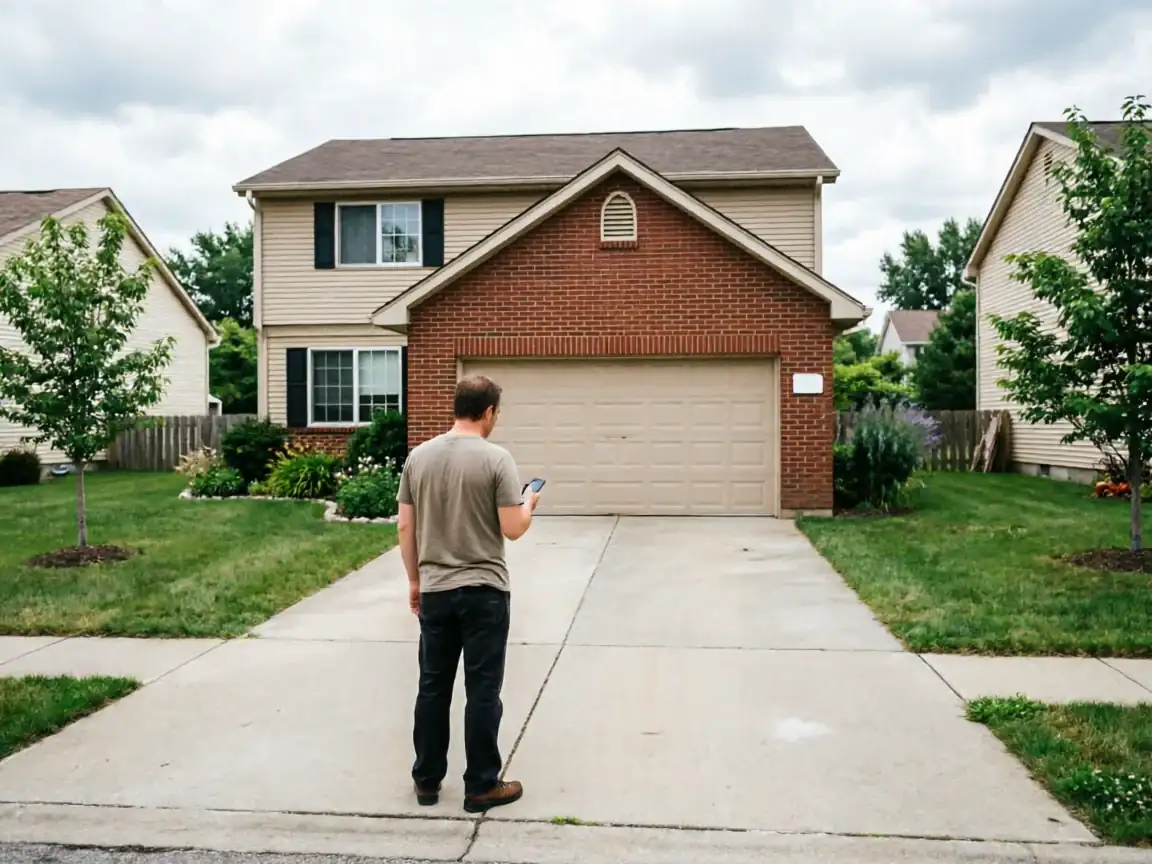
  1. A man stands in a driveway looking at his phone in front of a house.
    1

    Tell us what’s wrong

    Describe the symptom - won’t open, loud bang, opener runs but the door won’t move.

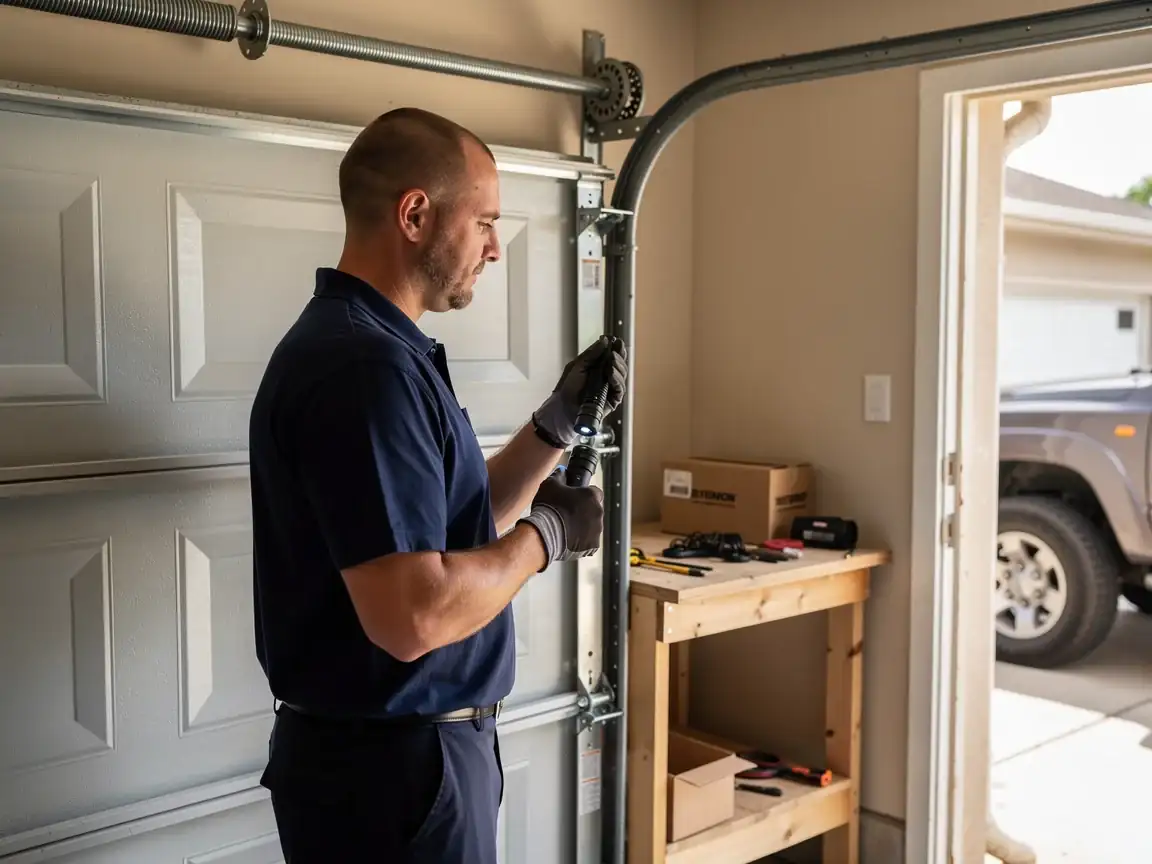
  2. A technician in gloves holds a flashlight next to a white garage door.
    2

    On-site diagnosis

    A technician tests the door under power and by hand and finds what actually failed.

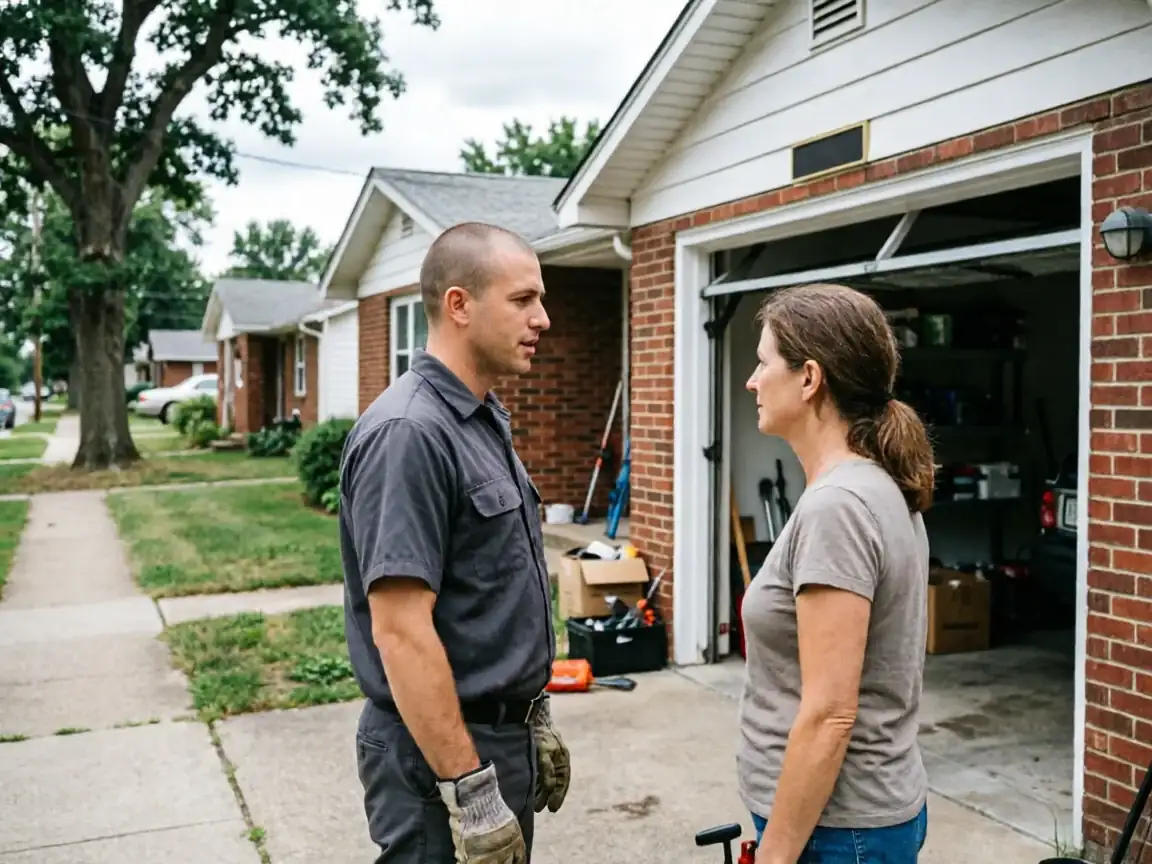
  3. A technician and a woman stand in a driveway in front of an open garage.
    3

    Clear, up-front plan

    You get the fix that’s needed and what drives the cost - before any work starts.

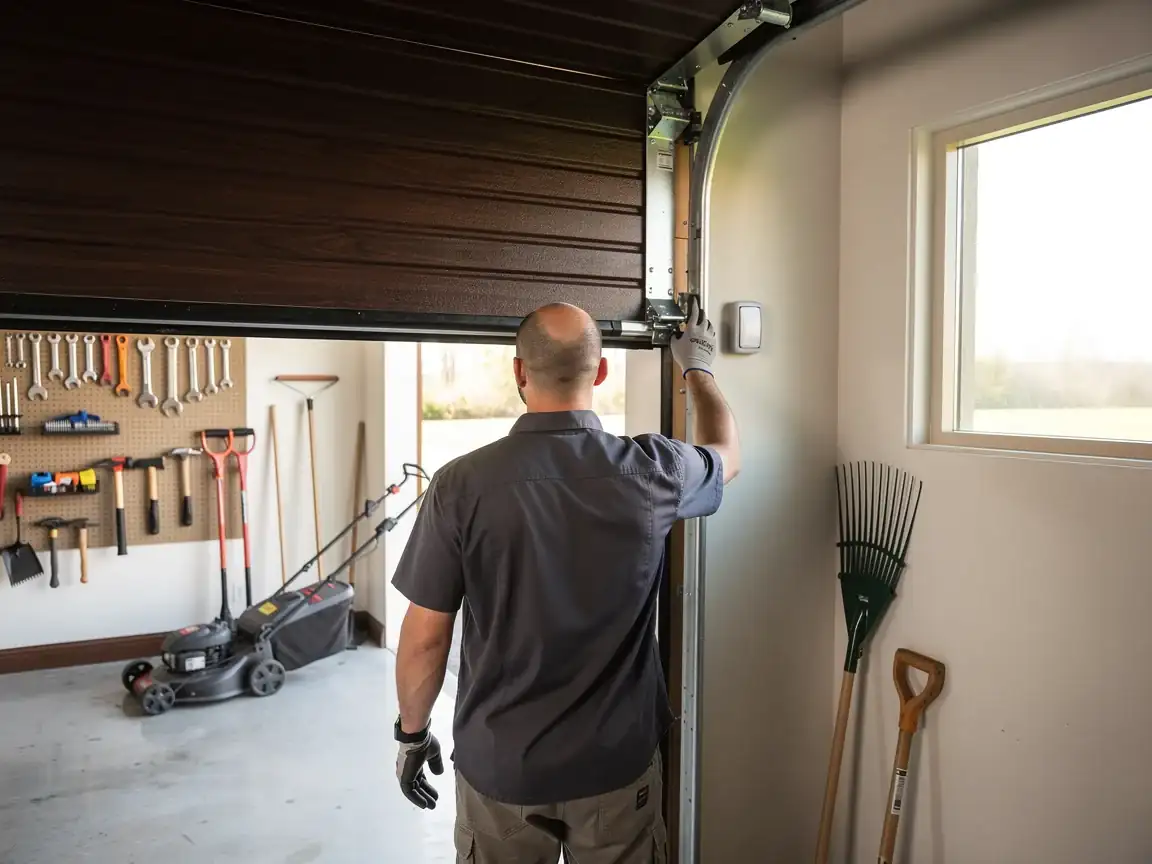
  4. A technician adjusts the brown garage door track inside a garage.
    4

    Repaired & tested

    The repair is done, the door is set true and tested, and the work area left clean.

Not sure which repair your door needs in Akron, OH? Describe what it’s doing - every job starts with a diagnosis.

7areas covered
How we work

What to expect

Diagnosis first

Every visit starts by finding what actually failed - not a pre-written parts list.

The right part for the door

Springs and openers matched to the door’s weight and age, so the fix holds up.

Straight answers

When a repair makes more sense than a replacement - or the reverse - you hear it plainly.

Clean, careful work

Tension released safely, hardware set true, the door tested under power before we leave.

What we do

Garage Door Services

Repair and installation work for Akron homes and businesses.

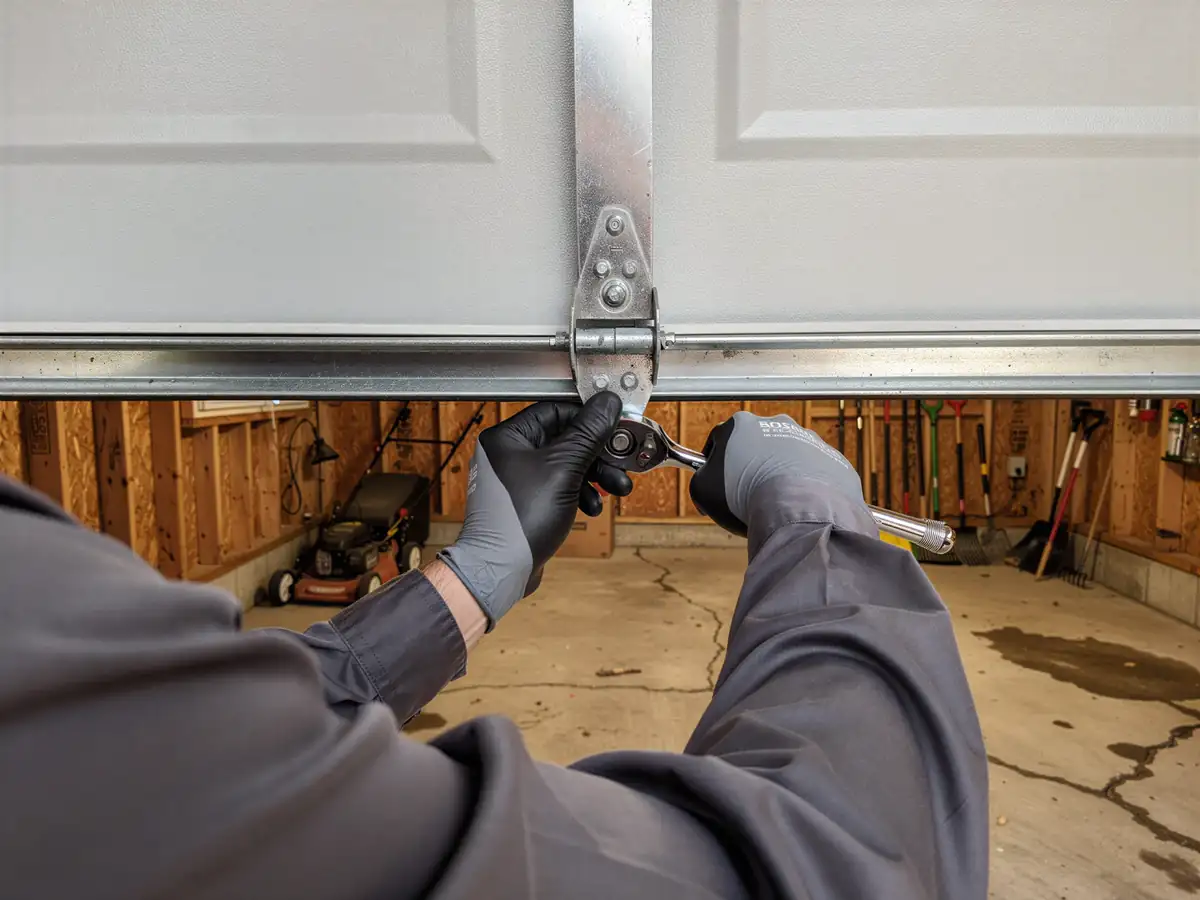
A technician in gloves uses a wrench to adjust a garage door hinge.

Garage Door Repair

Broken spring, stuck opener, or a track that's pulled loose - we fix garage doors in Akron's older housing stock, built mostly 1952-2004, in any weather.

Learn more
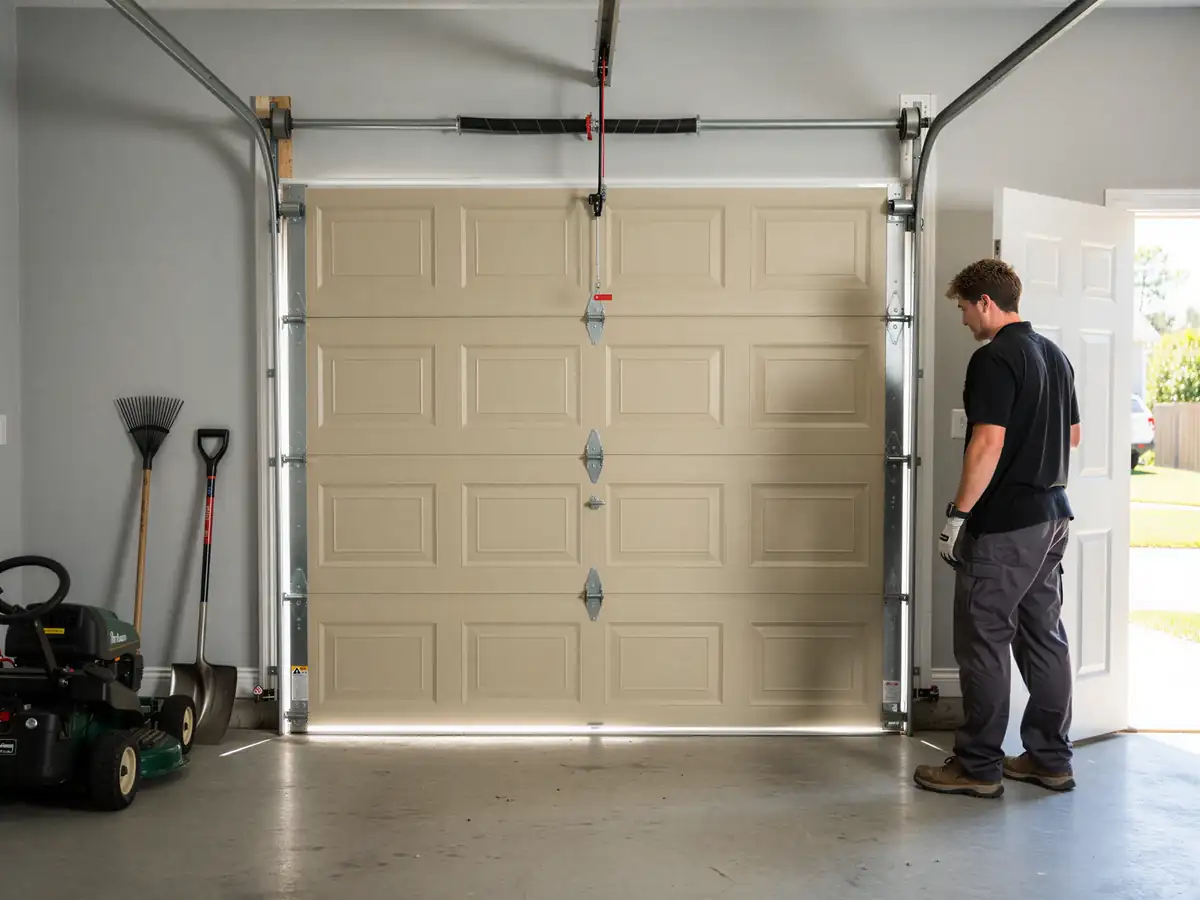
A technician stands next to a closed beige garage door inside a garage.

Garage Door Installation

Akron homes built 1952-2004 often carry doors and openers that don't match today's winters. See why installation jobs here run different, and what we replace them with.

Learn more
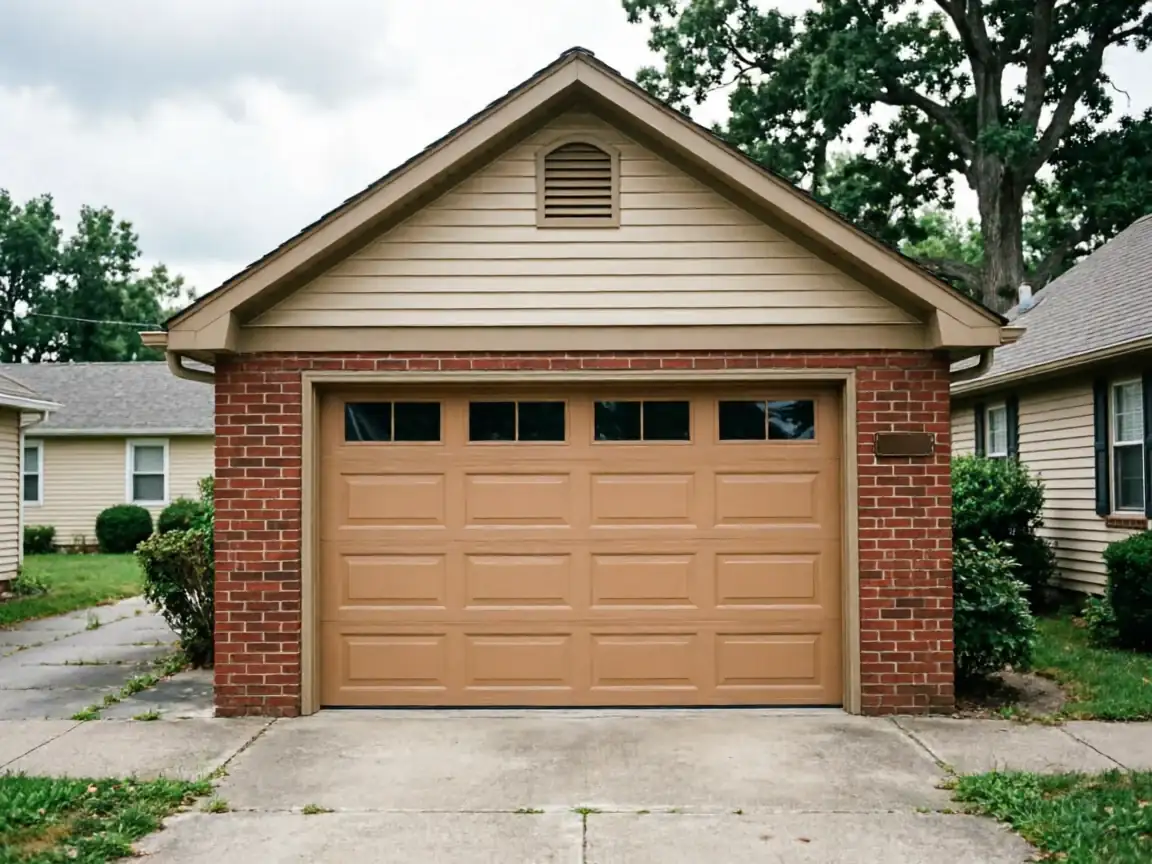
The house has a brown garage door with windows, brick, and tan siding.

Garage Door Service

Garage door service for Akron homes built 1952-2004, where cold winters and original hardware wear out springs, cables, and openers faster than newer stock.

Learn more
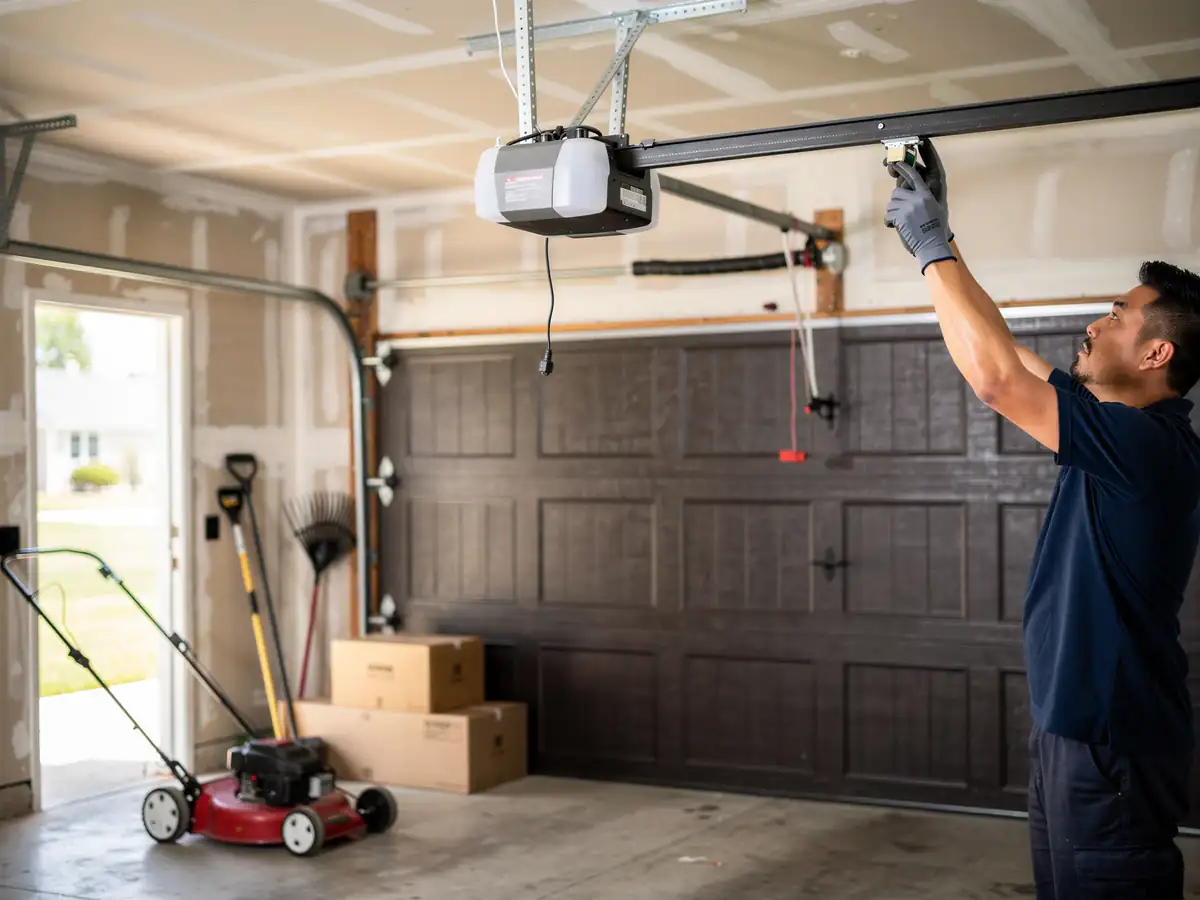
A technician adjusts a garage door opener rail above a brown garage door.

Opener Installation

Opener failing in cold weather or just worn out? We install garage door openers built for Akron's older housing stock and severe winters. Local, straightforward work.

Learn more
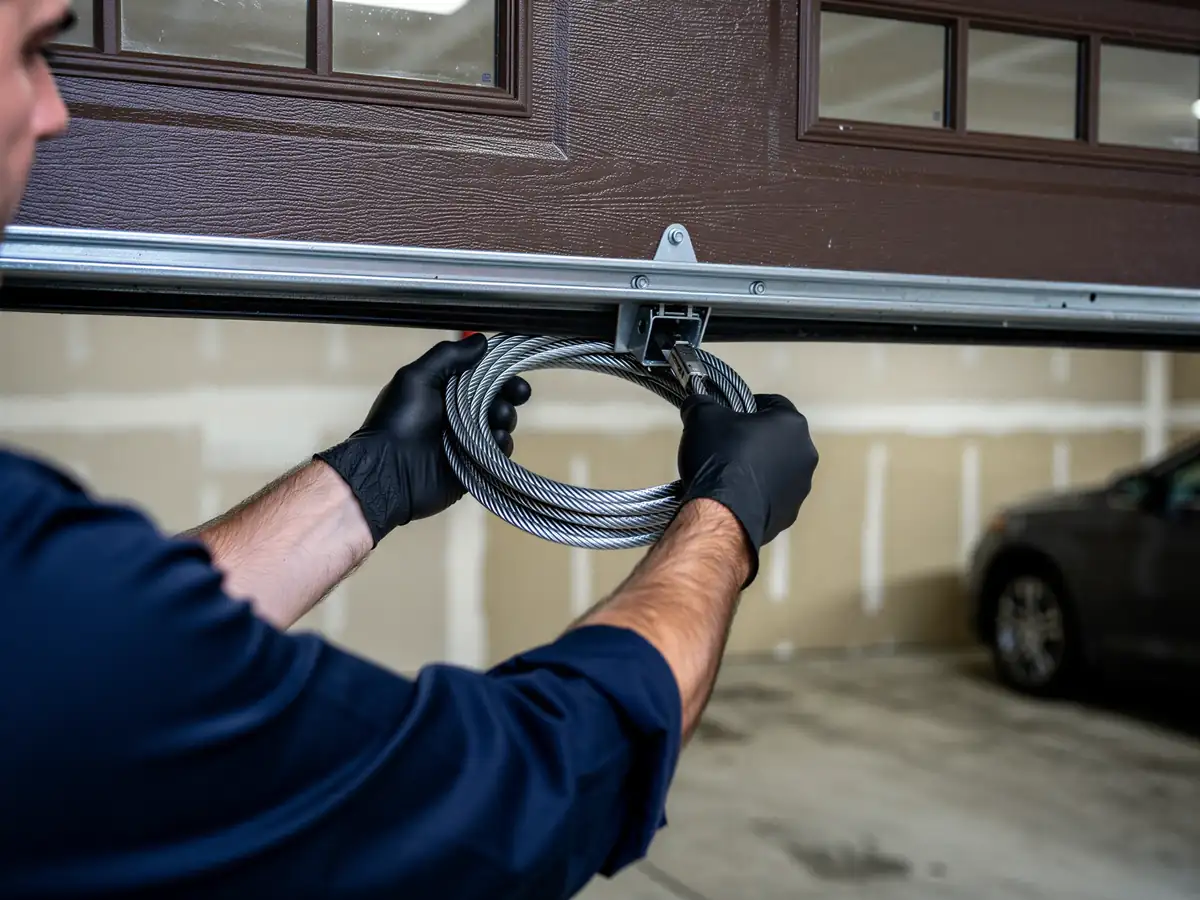
A technician wearing black gloves holds a coiled garage door cable.

Cable Repair

Frayed or snapped cables on Akron's older torsion systems are common on houses built 1952-2004. We diagnose and fix cable failures across the Akron service area.

Learn more
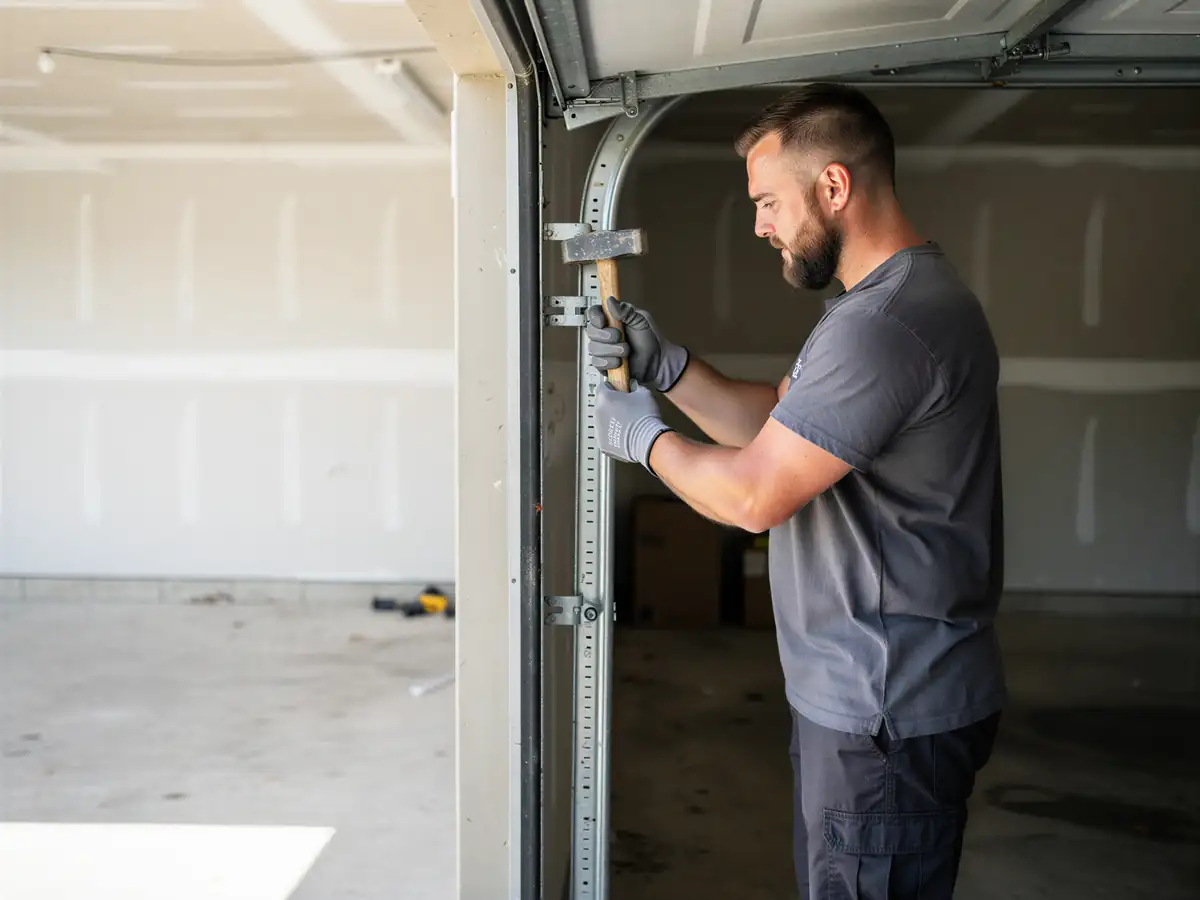
A technician in gloves uses a hammer on a garage door track.

Off-Track Repair

Akron's 1960s and 70s housing stock plus hard winters push garage doors off track more than most places. Here's why it happens and how we fix it for good.

Learn more
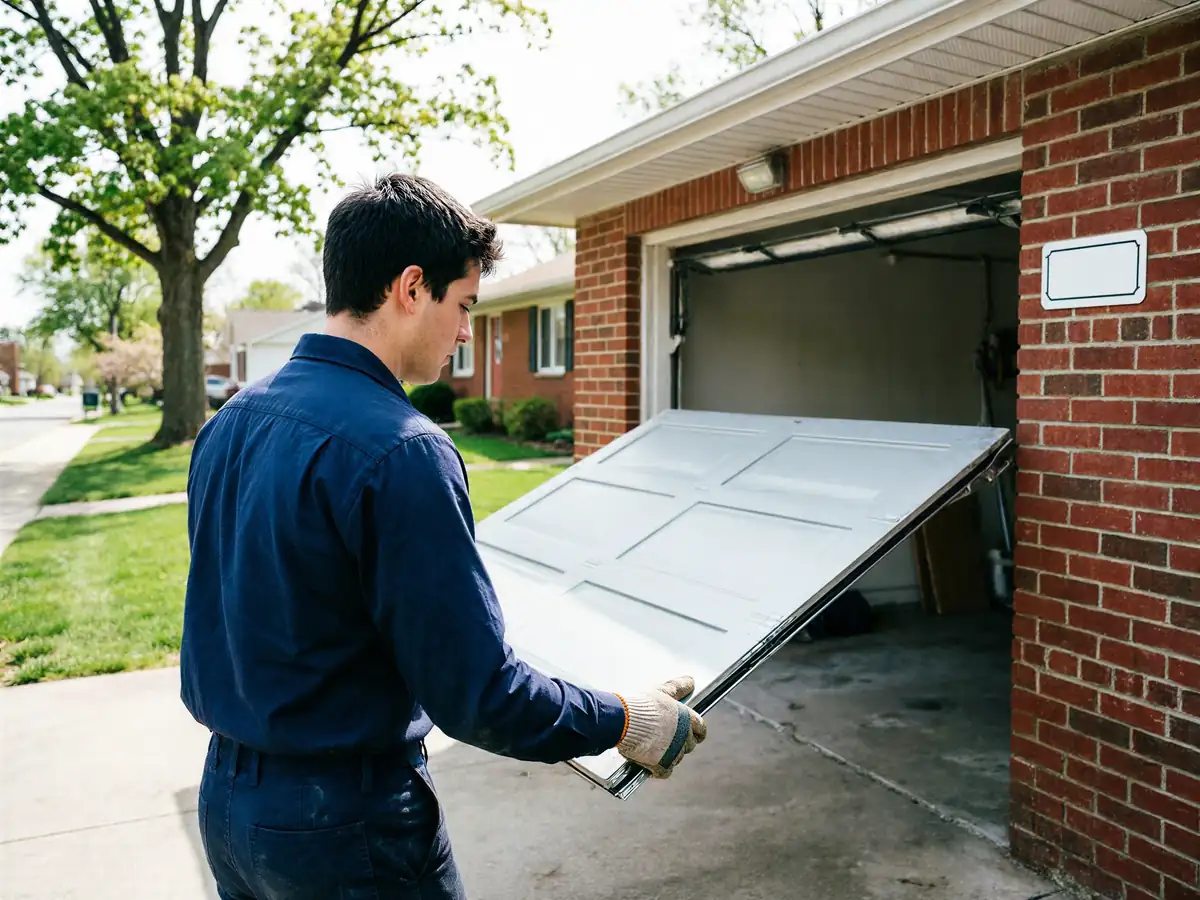
A technician in a blue uniform is carrying a white garage door panel.

Panel Replacement

Dented or cracked garage door panels are common across Akron's 1950s-2000s housing stock. See why panels fail here and how we match and replace them.

Learn more
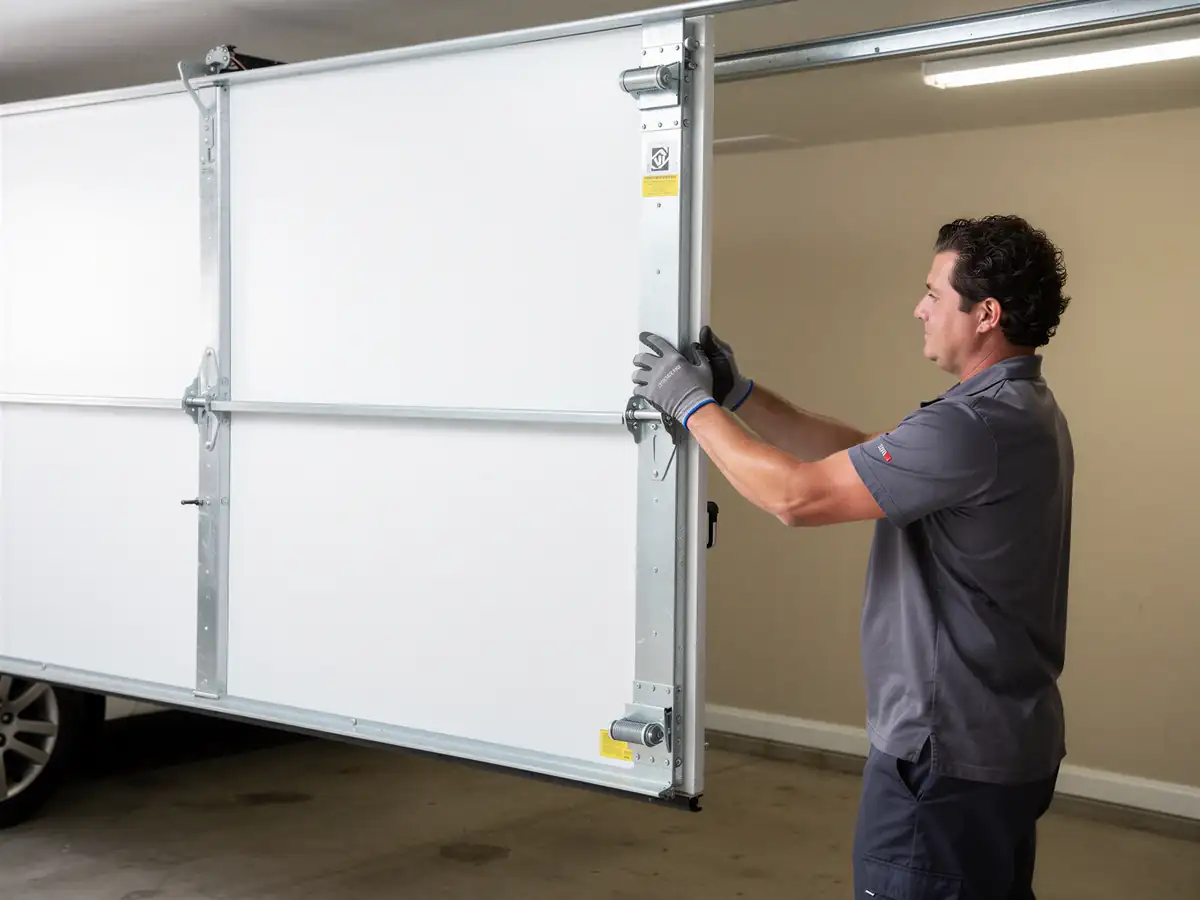
A technician in a gray shirt and gloves adjusts a white garage door.

Maintenance

Akron homes mostly date to the 1960s and 70s, and the region's cold winters age springs and rollers fast. Here's what a maintenance visit actually catches before it fails.

Learn more
Questions

Frequently asked

Straight answers about garage door repair in Akron. Still unsure? Ask us directly.

How do I know if my garage door spring is failing because of winter or just age?

If the door is visibly heavier to lift by hand in January than it was in July, that's the cold showing up in a spring that's already near the end of its life - springs lose lift in severe cold. If it's hard to lift year-round, age and cycle count are the bigger factor, and the cold is just making an existing problem more obvious.

Why does my opener strain more in winter than summer?

Older doors common in this area's 1960s-70s housing stock often lack the insulated panel construction that's standard now, so the door itself is heavier and stiffer in the cold. The opener has to work against more resistance, which is why gear sets on these setups tend to wear out a bit ahead of schedule.

Ready to get your garage door sorted?

Tell us what it’s doing and where you are in Akron - we’ll take it from there.

Request a QuoteCall