Where This Job Goes Sideways
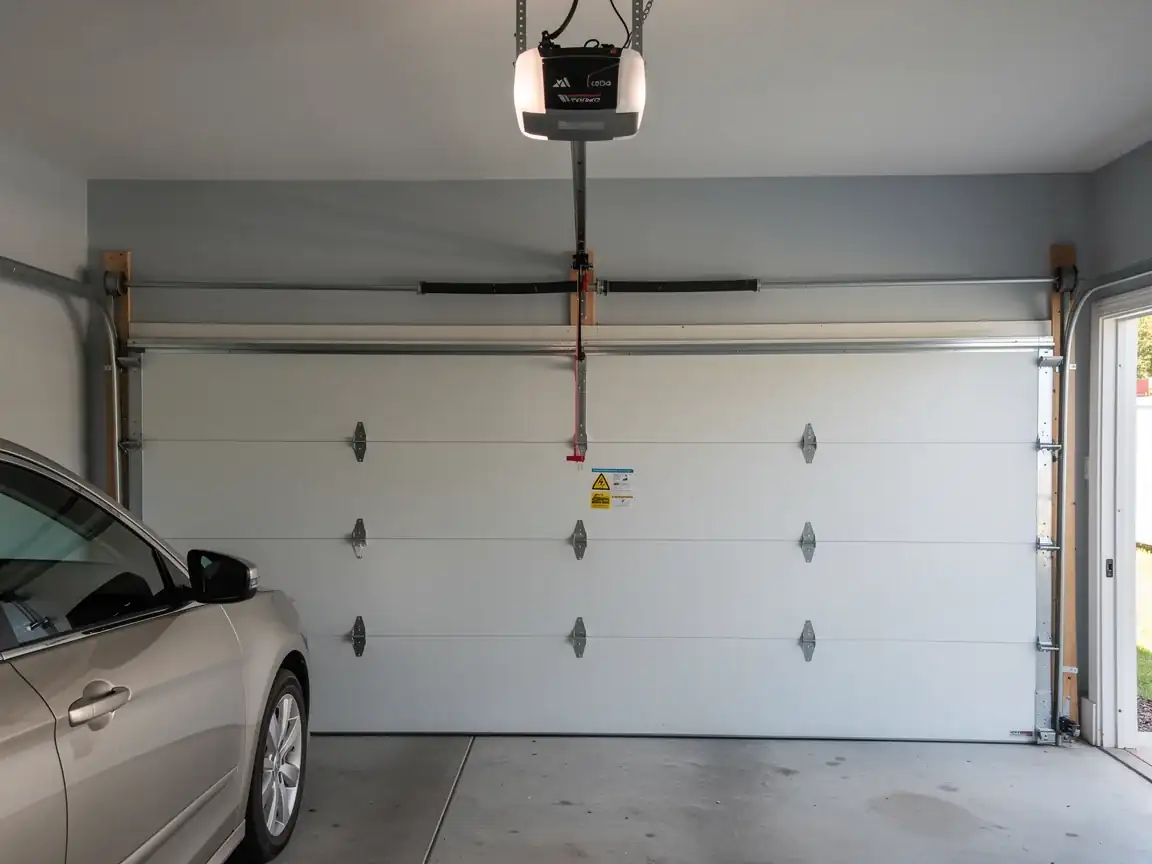
Akron's housing stock runs 1952 to 2004, with a median build year of 1972 pulled upward by newer construction mixed through the service area. Kent sits at 1970 - two years earlier, and without that newer tail pulling the number up. That means a bigger share of Kent garage doors are original or close to it, still running first-generation torsion drums and galvanized cable that's had fifty-plus years to stretch, rust, and fray at the drum groove.
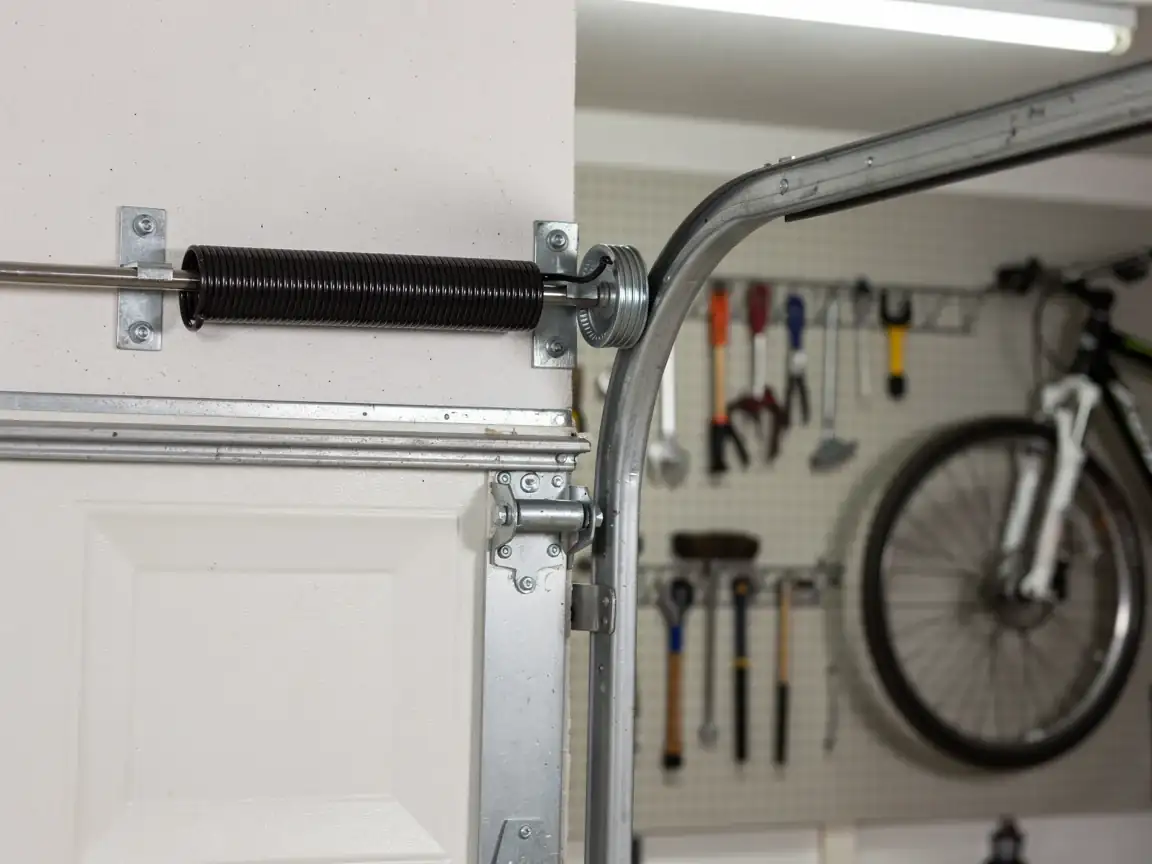
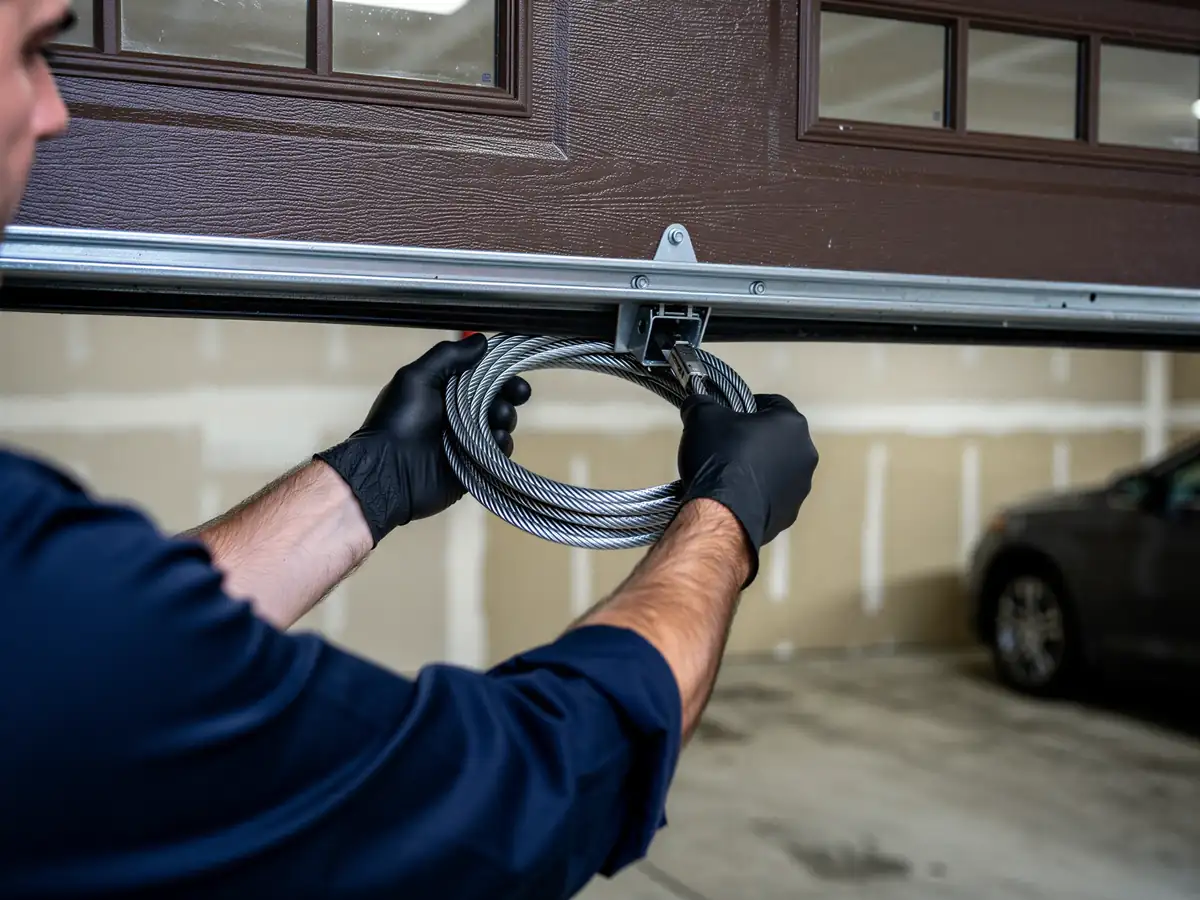
The job that goes sideways here is the one where a homeowner calls about a door that "just stopped" and it turns out one cable snapped clean while the other is three strands from following it. On a door this old, the drums themselves are often undersized for the cable gauge that's been swapped in over the years by a previous repair. You can replace the cable and have it jump the groove again in six months if nobody checks the drum. That's not a Kent-specific defect - it's what happens to any cable system left on its original hardware for five decades.
The Cost of This Job
We don't have a Kent-specific price list, and we're not going to invent one
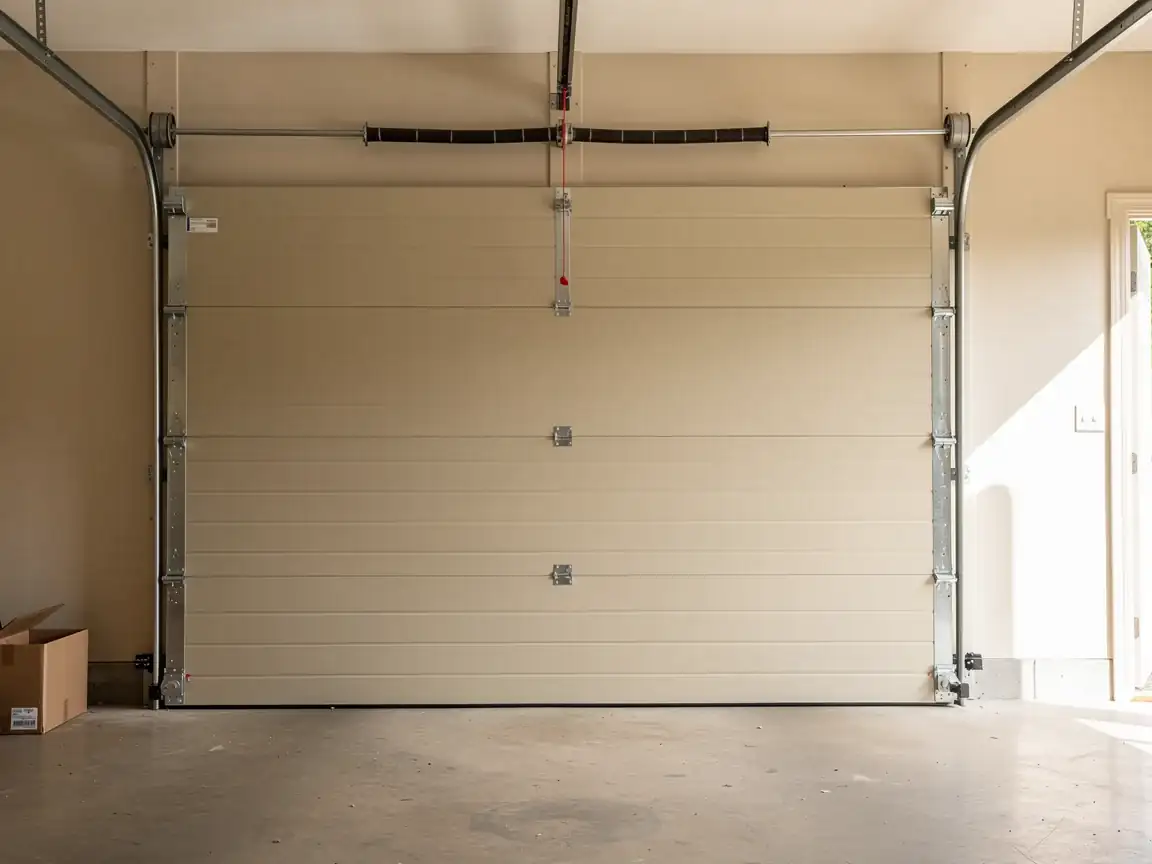
What we can tell you is that cable repair on a two-cable torsion system is a parts-and-labor job, not a parts-only one - both cables get replaced together even if just one failed, because the second is on the same clock.
What matters more in Kent than the invoice total is the decision behind it
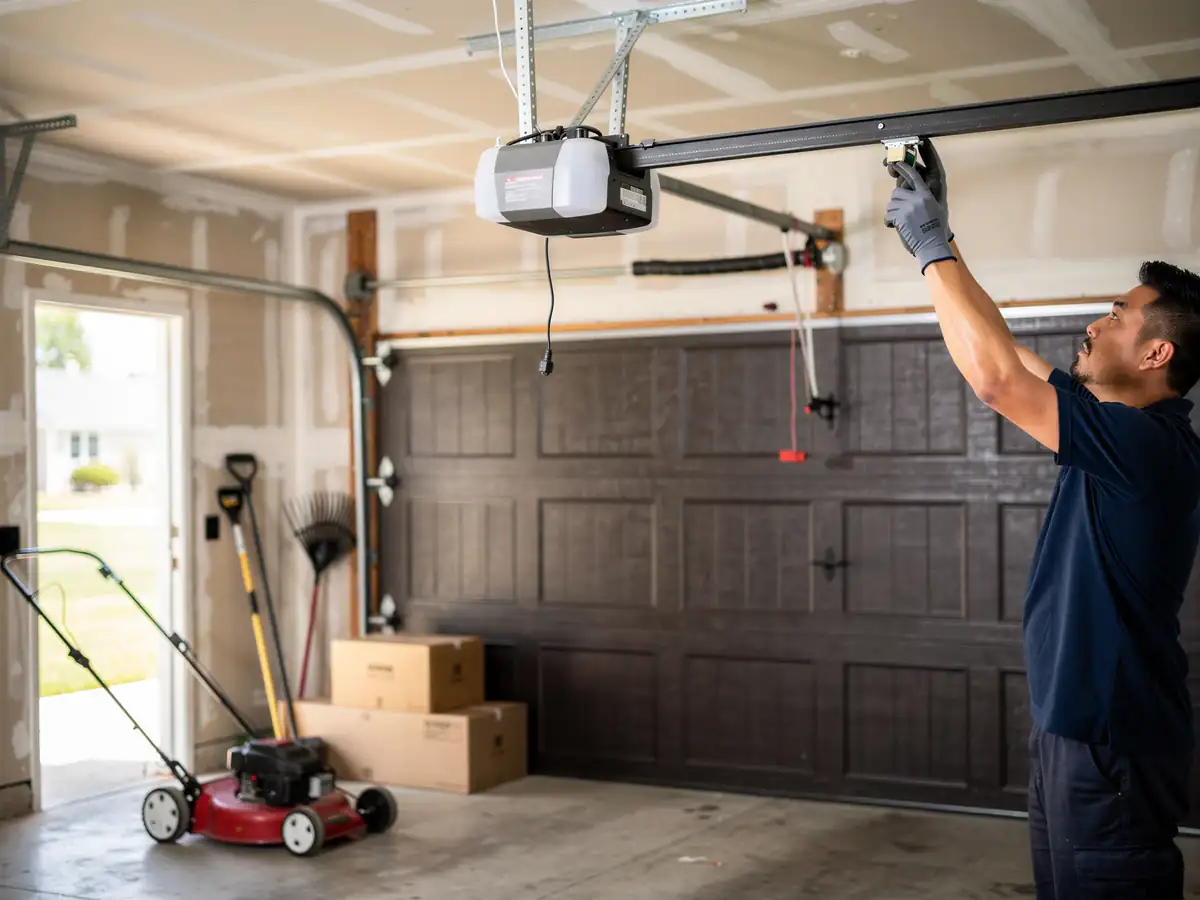
Median household income here is $42,524, well under the $80,612 median across the wider Akron service area. That gap shows up in the calls we get: more requests to repair the existing drum-and-cable setup rather than replace the opener or the whole door assembly. On a door built around 1970, repair is usually still the right call for a cable failure alone - the panels and track often outlast the cable by decades. Where it stops making sense is when the drums are visibly worn or the spring system is end-of-life too; piling a cable fix onto failing hardware just moves the next call closer.
Time on the Job
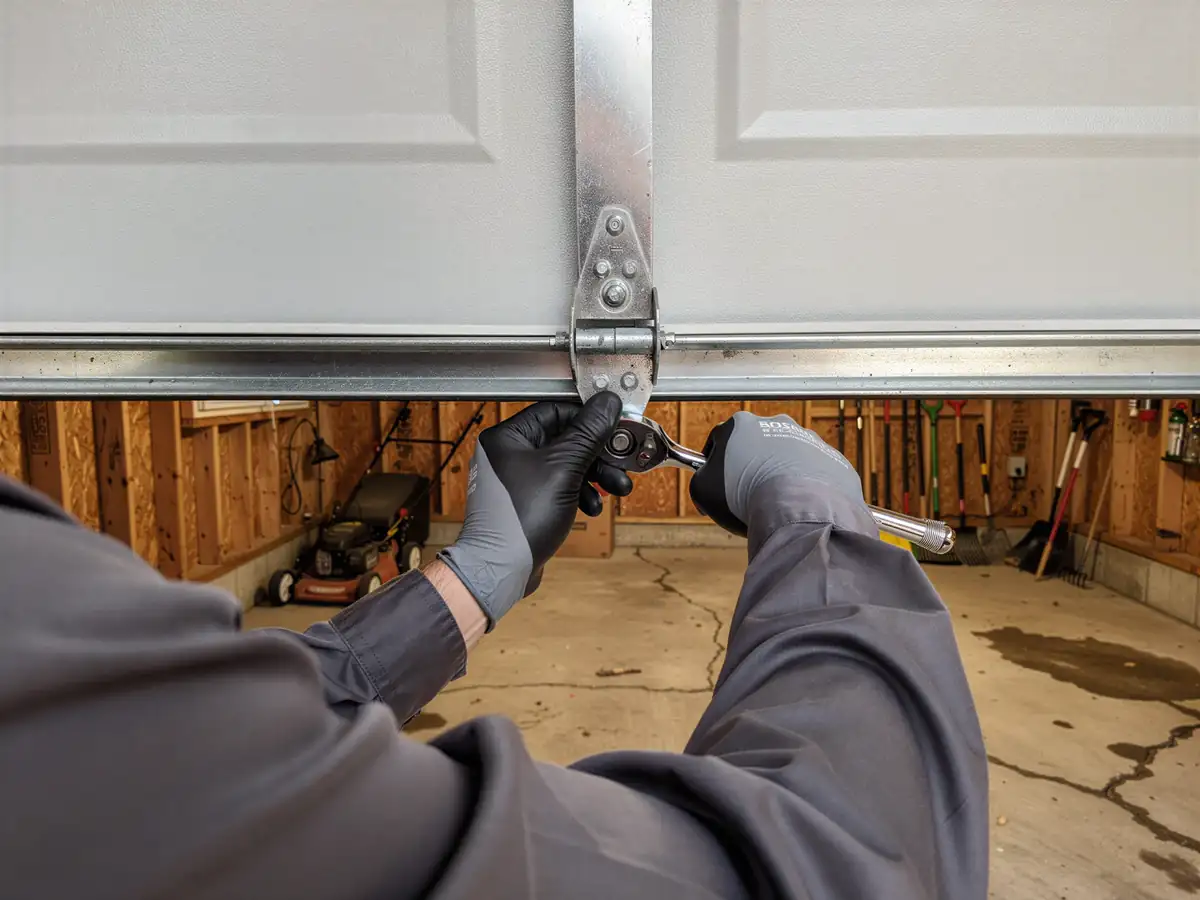
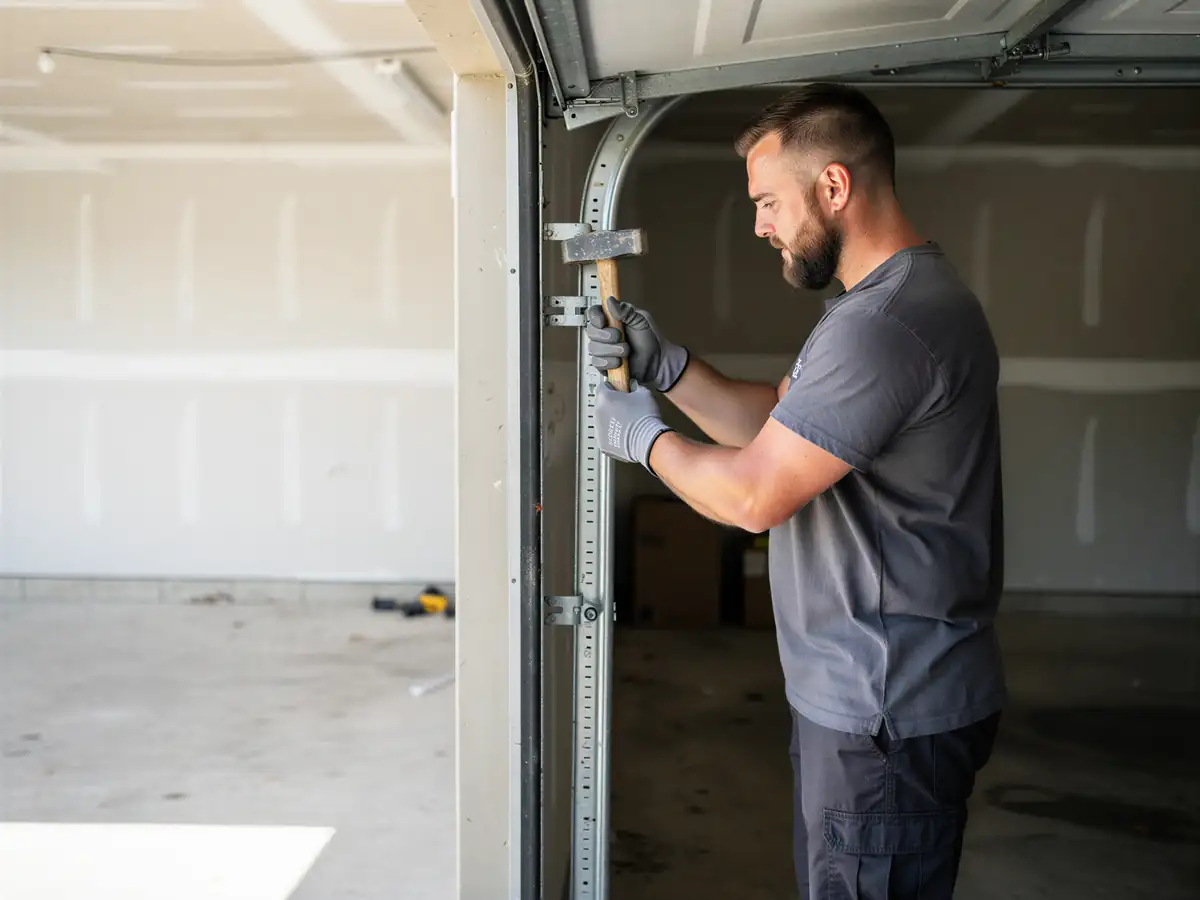
A straight cable replacement on a residential torsion door is a same-visit job once we're on site - there's no part that needs to be custom-ordered for standard drum sizes. The variable in Kent is what we find underneath the cable once the old one's off. Doors from the 1970 era sometimes have drums that were swapped at some point for a mismatched size, or a track that's been bent and straightened more than once. That adds diagnostic time before the repair starts, not after.
We're traveling from Akron, 10 miles out, so the drive itself isn't the bottleneck - it's what the door's hardware looks like once the panel's off and the spring is unloaded safely. A clean cable snap with good drums is quick. A cable snap on a drum that's been limping along mismatched for years takes longer, because fixing the symptom without fixing the cause just buys you another call.
Why This Fails Locally
Kent's housing didn't go up all at once. A median build year of 1970 across 10,180 households means a long stretch of construction rather than one subdivision boom, and that shows in the hardware mix we see on service calls - older torsion setups sitting next to doors that got a partial upgrade at some point, cable swapped but drum left original, or vice versa.
The climate plays a role too. This region sits in a cold, severe climate band, and galvanized cable loses its coating integrity faster through repeated freeze-thaw cycling than it would somewhere milder. On a door that's already near or past the 1970 median age, that's cable that's been flexing over a corroding drum groove for a long time before it finally lets go. It's not a dramatic failure - it's a slow one that ends suddenly.
The Symptom
The clearest sign is a door that drops unevenly
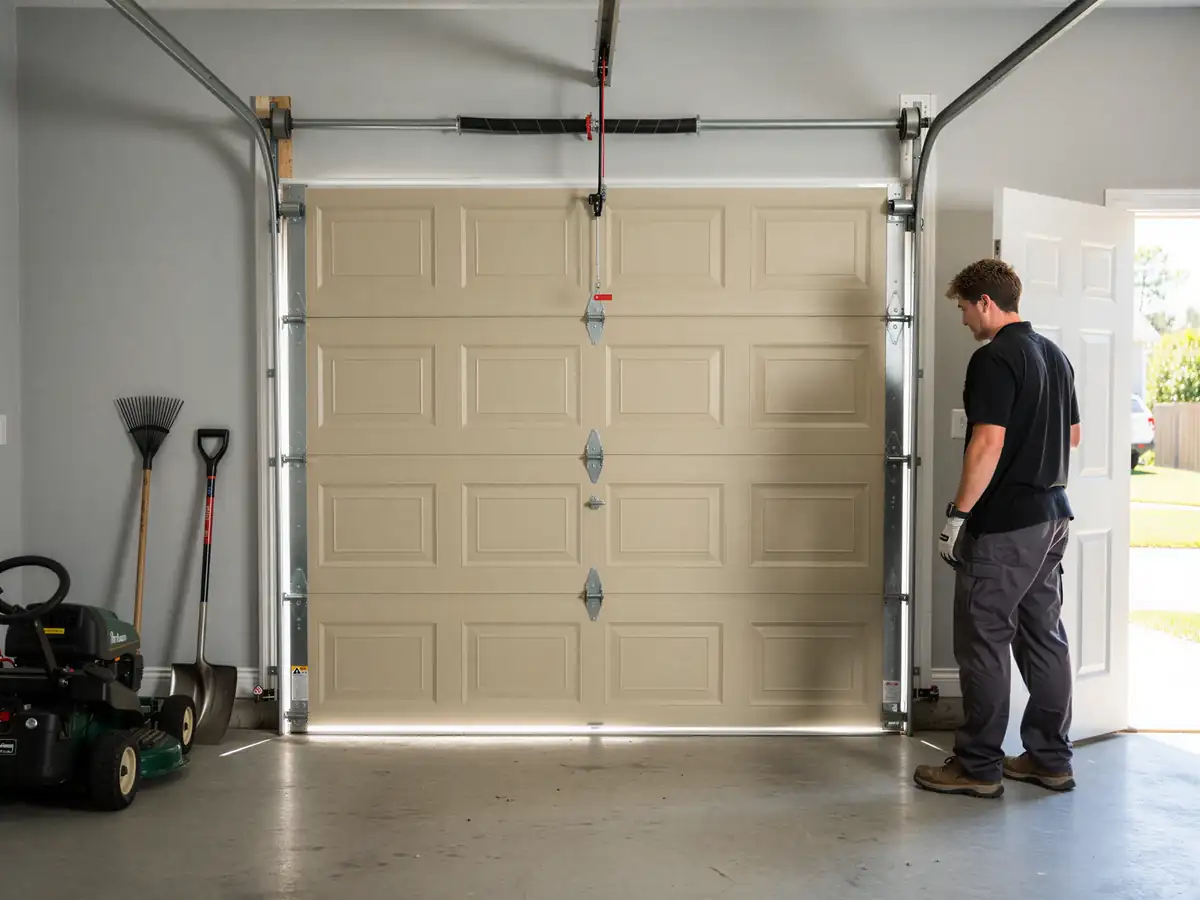
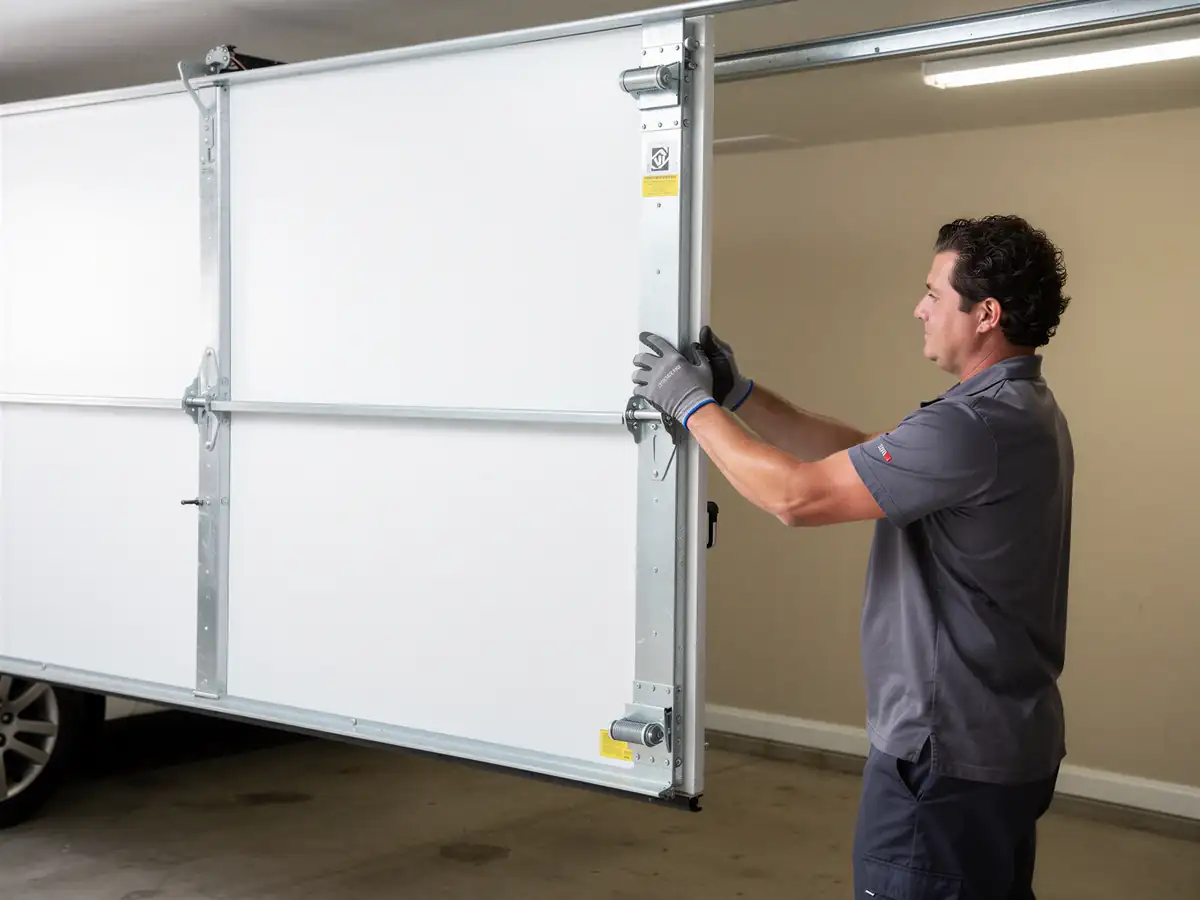
One side lower than the other, or a door that won't open past a few inches because one cable has gone slack while the other is still under tension. Sometimes it's quieter than that: a faint popping or snapping sound during the last close of the day, which is usually the cable giving way at the drum.
If the door comes down fast and hits the floor harder than normal
Or won't budge at all with the opener straining, stop using it. A loaded torsion spring with a broken cable is not something to force past with the opener motor - that's how a track gets bent or a panel gets creased, turning a cable job into a bigger one.
The DIY Question
We'll say this plainly: don't do this one yourself. A torsion spring holds real stored energy, and the cable is part of what's keeping that energy under control. Pulling a broken cable off a loaded drum without unwinding the spring first is one of the more common ways people get hurt on this kind of repair.
What you can do yourself is the diagnosis - look at both cables, check whether the door is sitting level in the opening, and note whether the problem started with a sound or just a stop. That saves time on the call. The actual cable swap, drum check, and spring handling is the part worth paying for, especially on a door built around 1970 where the hardware underneath isn't always what the cable alone suggests.