When Waiting Is Fine
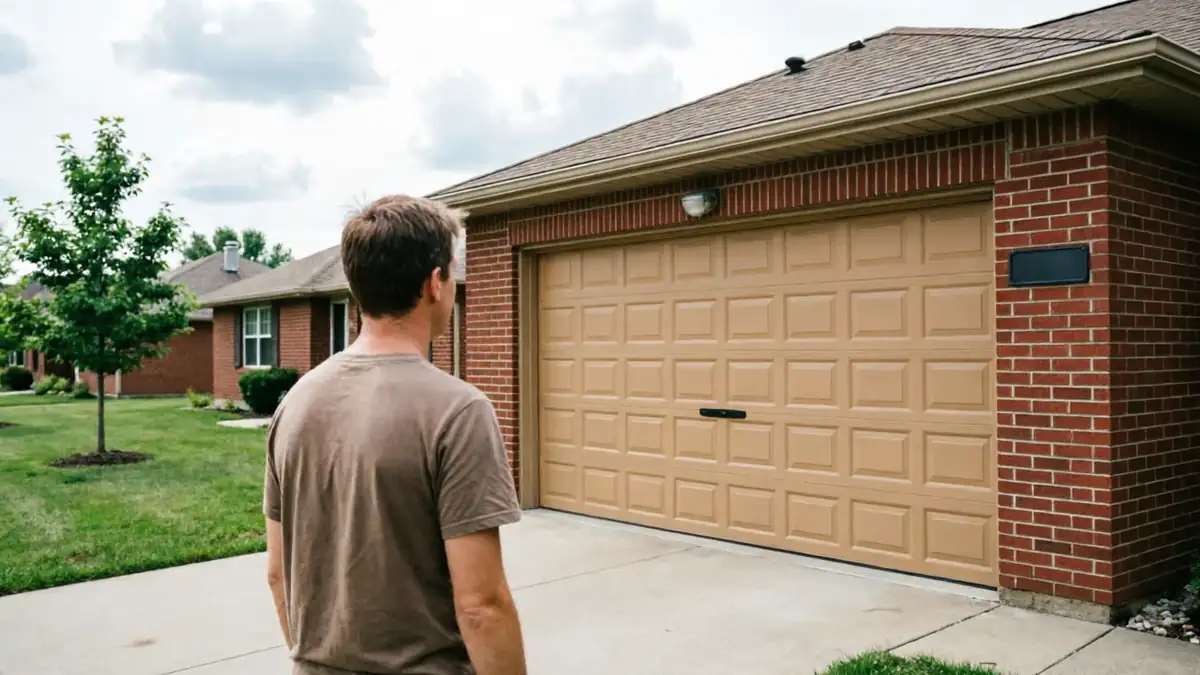
Not every door on its way out needs to come off the hinges this month. If the panels are intact, the opener still runs smooth, and the only complaint is a little noise or a rough patch of paint, you can usually ride it another season or two. A lot of the housing stock around here went up between 1952 and 1972, median build year 1972, and plenty of those original openings still take a standard door without any framing work. That's good news if you're not ready to spend. Where it stops being fine: once a panel is cracked through, once the bottom section has soaked up enough moisture to sag, or once you're replacing the same spring twice in a winter. At that point you're not saving money by waiting, you're paying for repairs that don't fix the real problem. We'll tell you straight when a door is still good for a few more years and when it isn't - we'd rather lose a sale now than have you spend on a door that needed to go.
The Situation
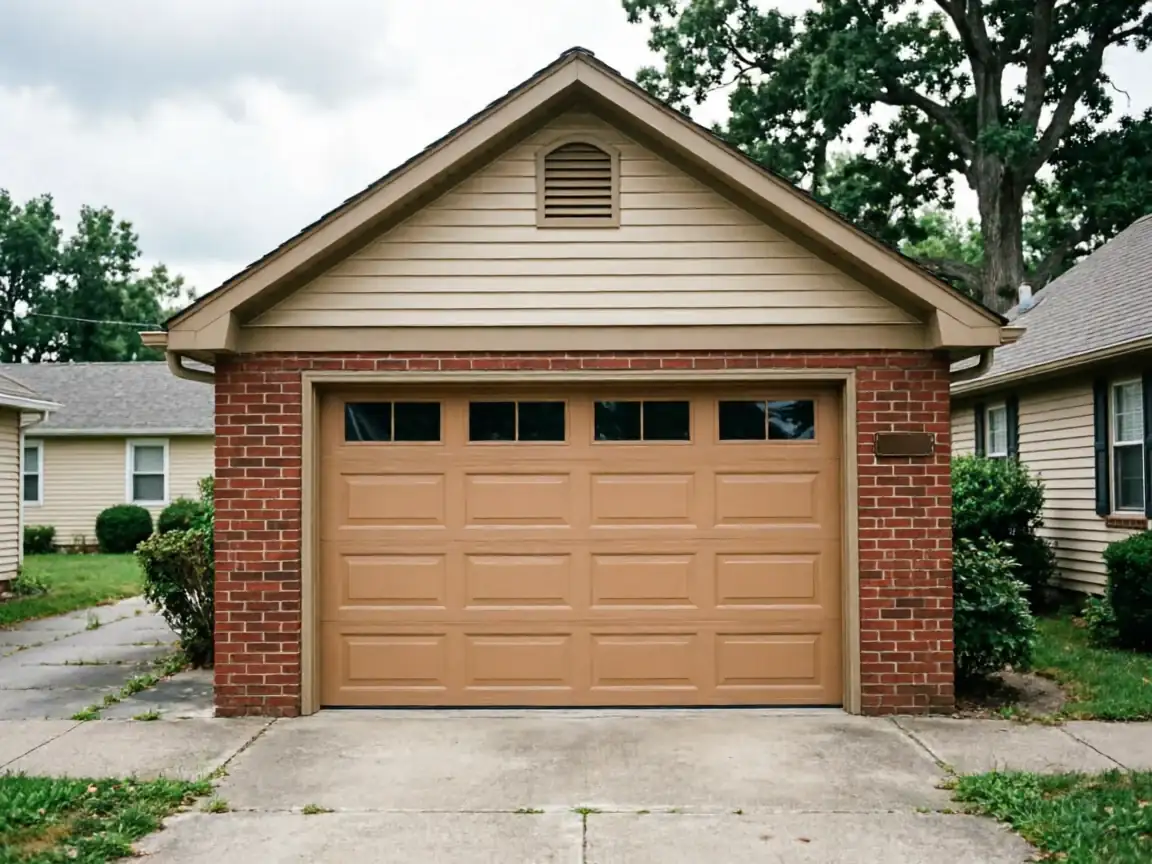
Across the area we serve - 195,121 households, with 107,063 of those owner-occupied houses - a big share of garage doors are original or close to it, installed when the house went up somewhere between 1952 and 2004. That means a lot of single-layer steel, a lot of torsion springs rated for weights that don't match current code-compliant insulated doors, and openings sized to specs that have shifted over fifty-plus years of building updates. Median household income in the service area sits at $80,612, which puts a mid-range insulated steel door with a decent opener within reach for most owners without stretching into premium wood or custom glass lines. The honest limitation here: we don't carry every custom width or oversized commercial-grade door off the truck, so if your opening is non-standard, expect a lead time on the order, not a same-week install.
How Local Conditions Play In
This is a cold, severe-climate area, and that changes what door actually makes sense, not just what looks good. A door with a thin single layer of steel and no thermal break will flex in deep cold, and the weatherstripping on an older unit - especially anything original to a house from the 1960s or 70s - has usually hardened past the point of sealing anything. That gap matters more in an attached garage that shares a wall with living space, which describes a lot of the housing stock from Akron's main building eras. If you're weighing a replacement, insulation rating and bottom seal quality should carry as much weight as the look of the panel. We'd rather spec a plain steel door with a real thermal break than a handsome uninsulated one that leaves you fighting drafts every January.