Where This Job Goes Sideways
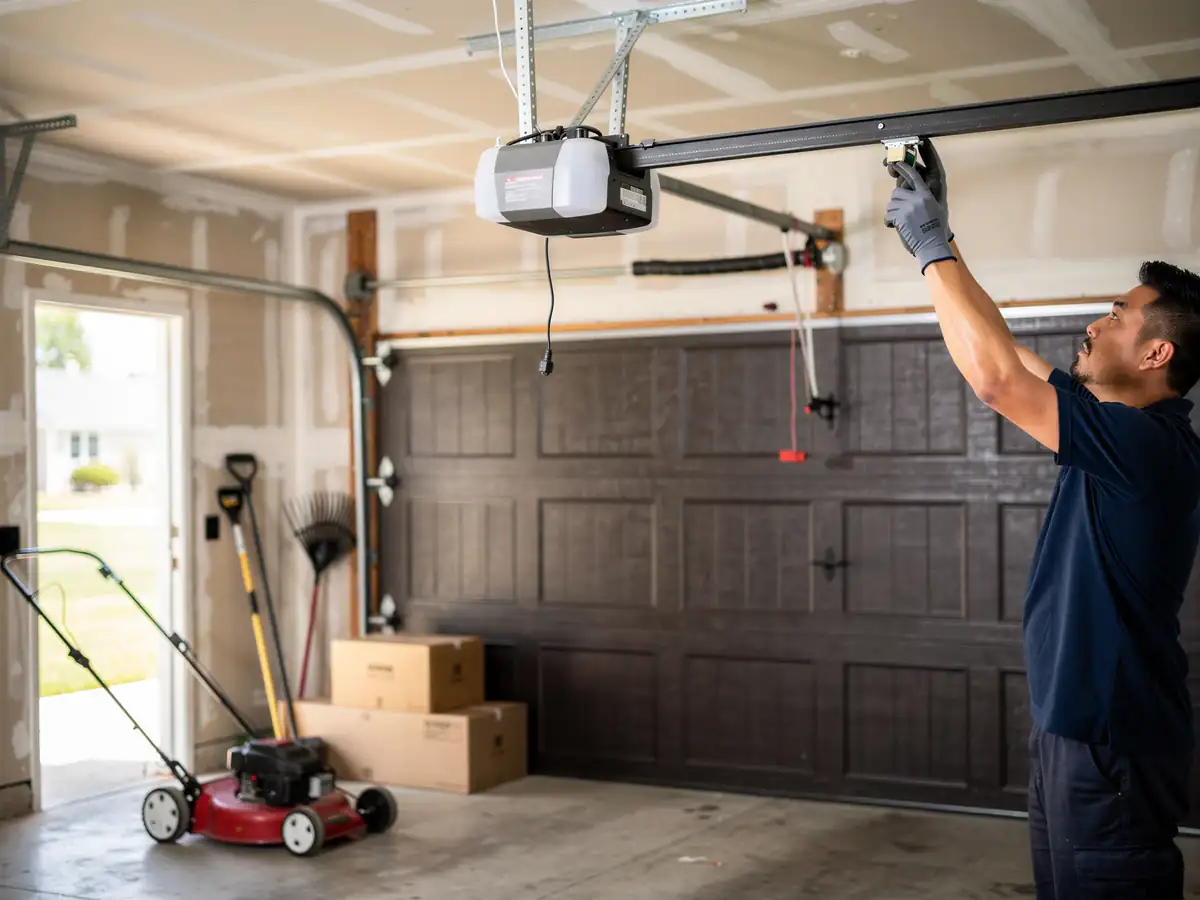
Kent sits about 10 miles from our Akron shop, which changes how a call here actually runs. It's far enough that we need a real diagnosis on the phone before a truck rolls - not a guess, not "we'll figure it out when we get there." If you tell us the spring snapped on a double door, or the opener runs but the door won't lift, that's the difference between one trip with the right spring on the truck and a second trip because we guessed wrong. We're not a Kent-based outfit with a guy around the corner; we're driving in, so we ask more questions up front than a company with a shop on your street would. That's not a complaint about Kent, it's just the math of the distance. It also means same-day is realistic for most calls but not guaranteed the way it would be for something five minutes from our door. Tell us the symptom plainly and we'll tell you honestly whether it's a today fix or a tomorrow fix.
Time on the Job
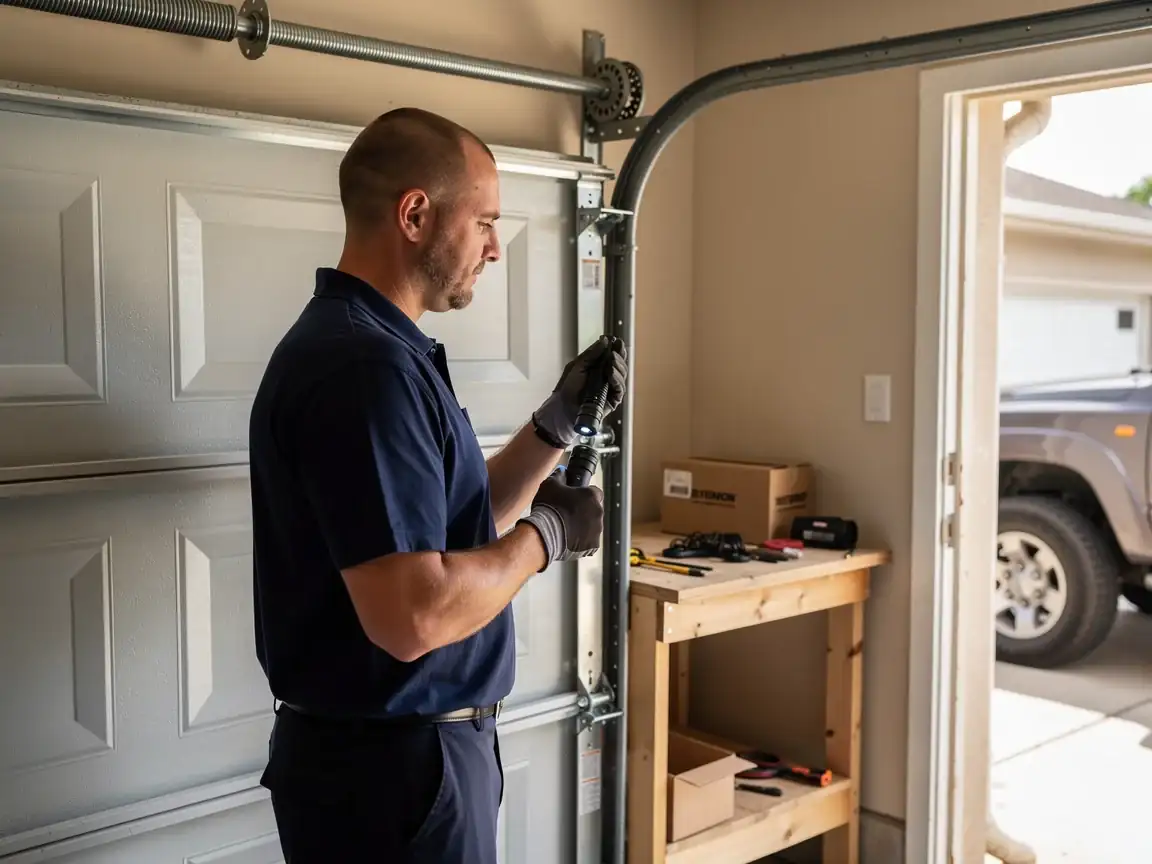
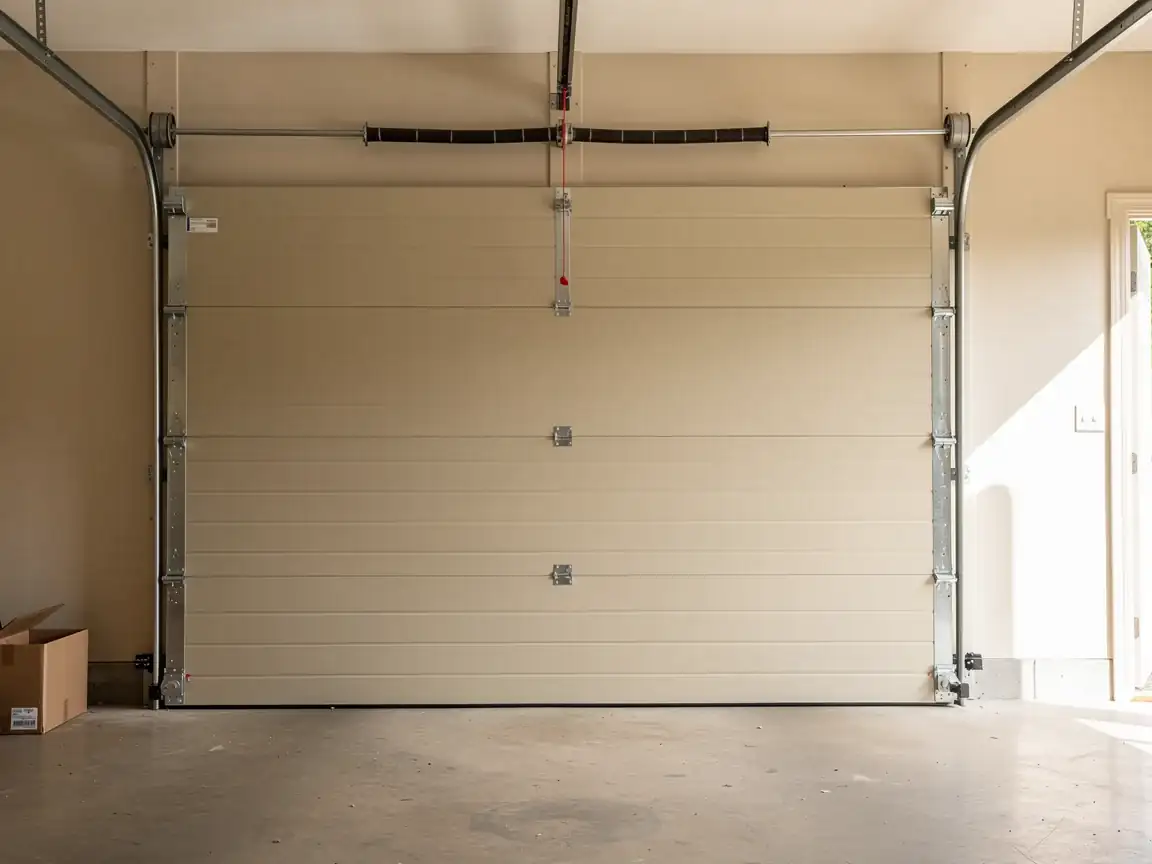
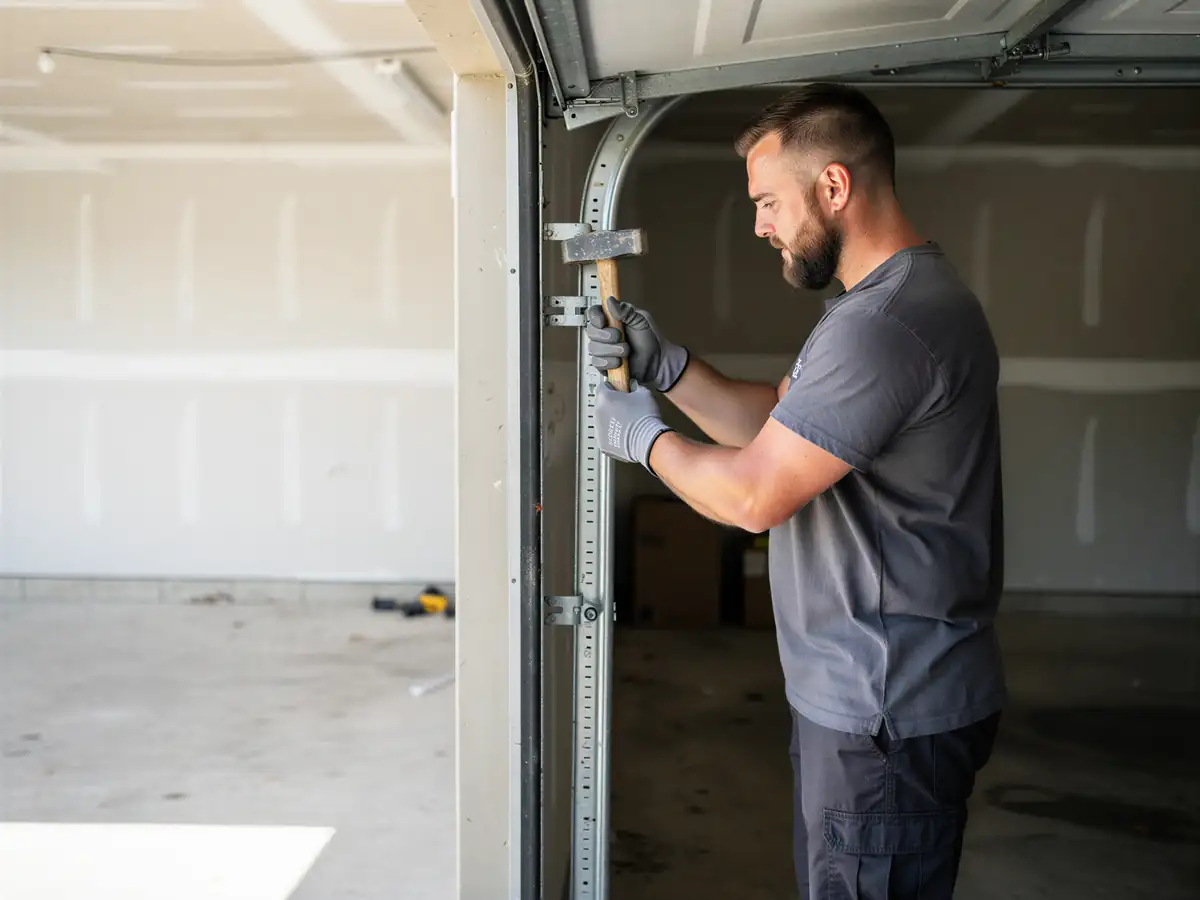
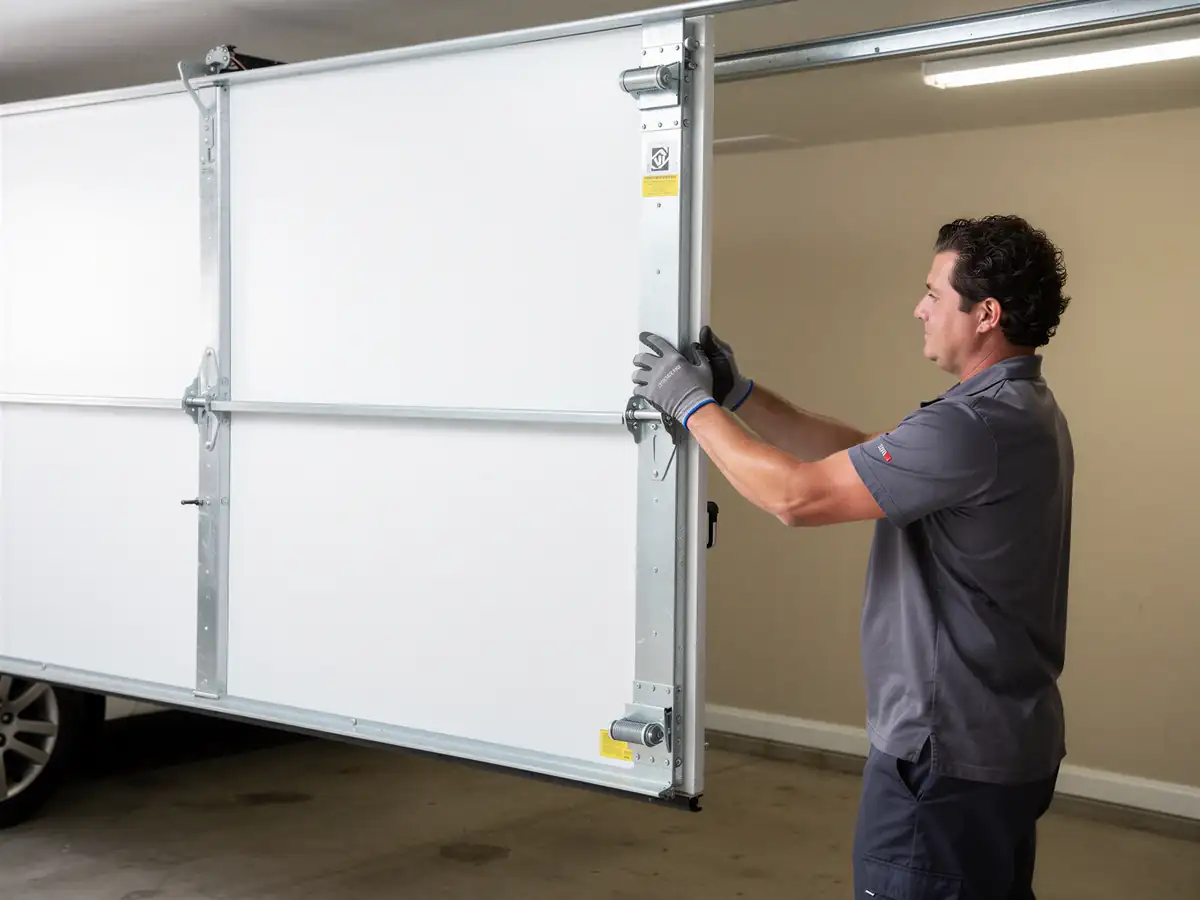
A straightforward torsion spring replacement is usually an hour or so once we're on site. What takes longer in a town like Kent is sourcing. Houses here mostly went up around 1970, smack in the middle of the broader 1952-2004 build-out across this part of Ohio, and a lot of that era used hardware that isn't on every parts truck anymore - older torsion drums, specific drum-to-cable ratios, opener mounting brackets that don't match what's sold today. If your door needs a part we don't carry stock of, that's a return trip, not a same-visit fix. We'll tell you straight if that's the situation instead of padding the first visit to look busy.
Why This Fails Locally
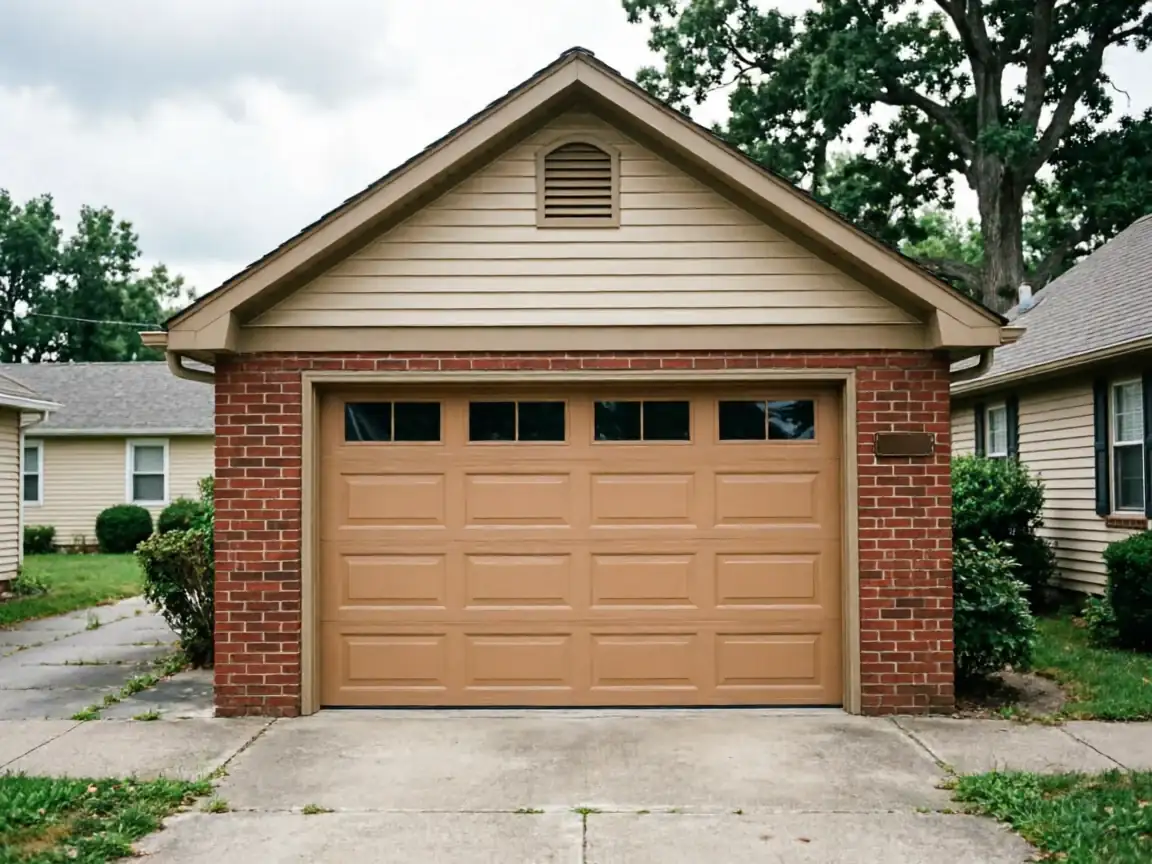
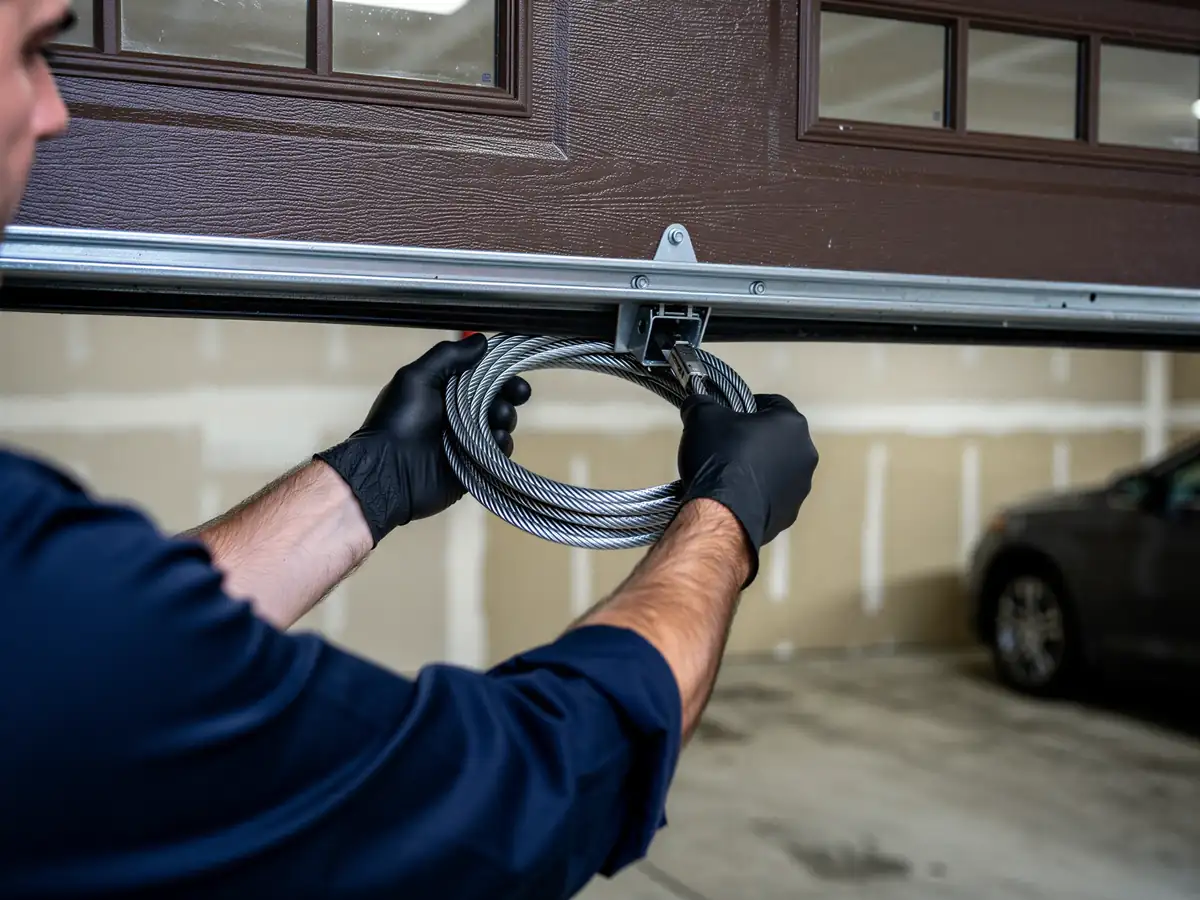
Kent's housing stock lines up with the 1960s-70s wave that built out most of the 42 named communities in this service area, and that era of door and opener hardware fails in a specific way under Northeast Ohio's cold. This region sits in a severe cold climate band, and a 50-year-old torsion spring that's been cycling through freeze-thaw winters for decades doesn't fail gently - it goes all at once, usually on the coldest morning of the year when the steel is least forgiving. Newer doors in newer builds elsewhere in the service area have softer failure patterns: a roller wears loose, a sensor drifts out of alignment. In Kent, with houses averaging a 1970 build date, the more common call is a snapped spring or a cable that's frayed through, not a slow degrade.
The DIY Question
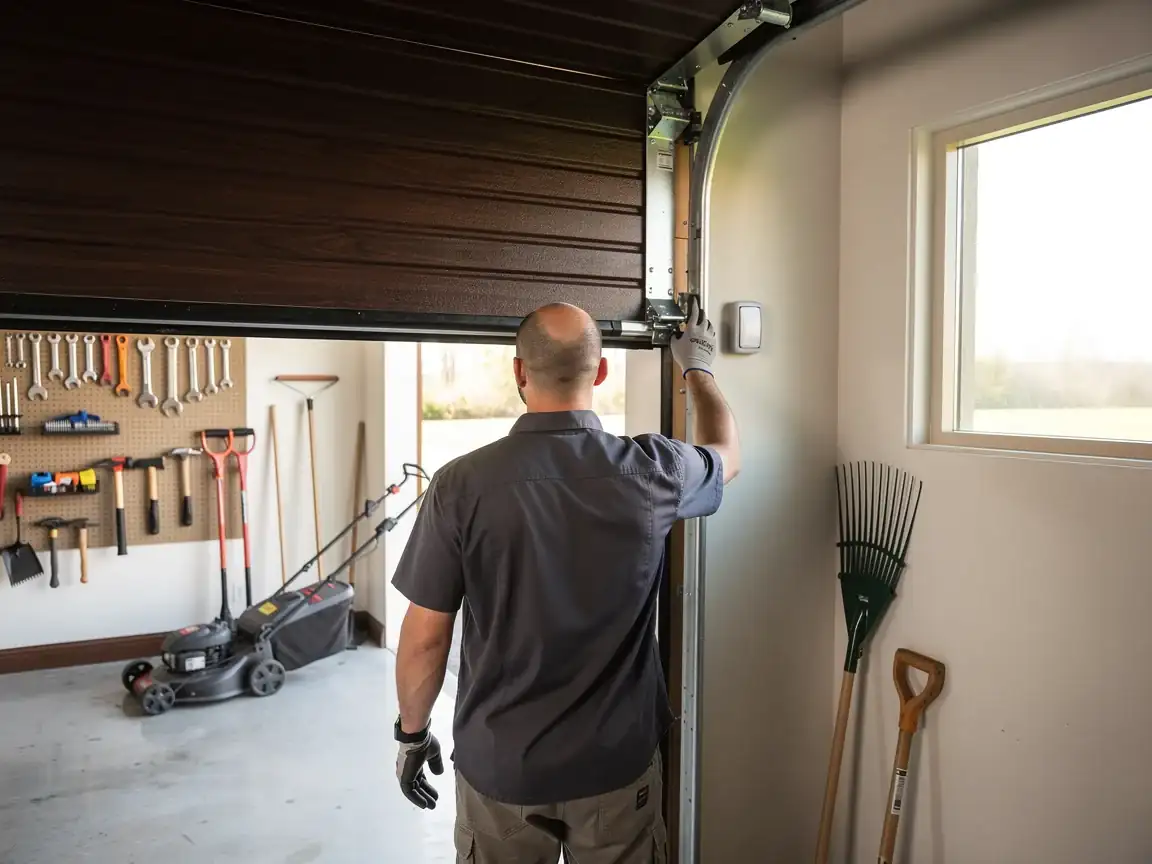
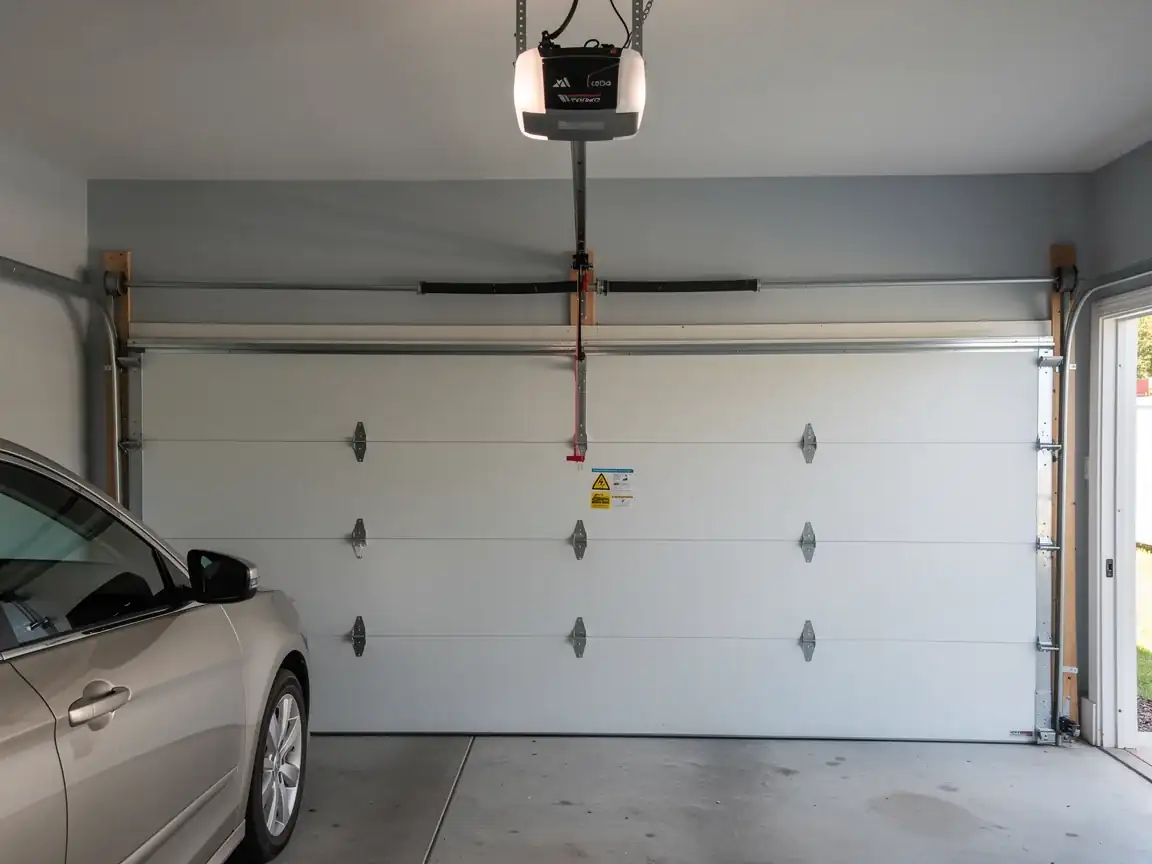
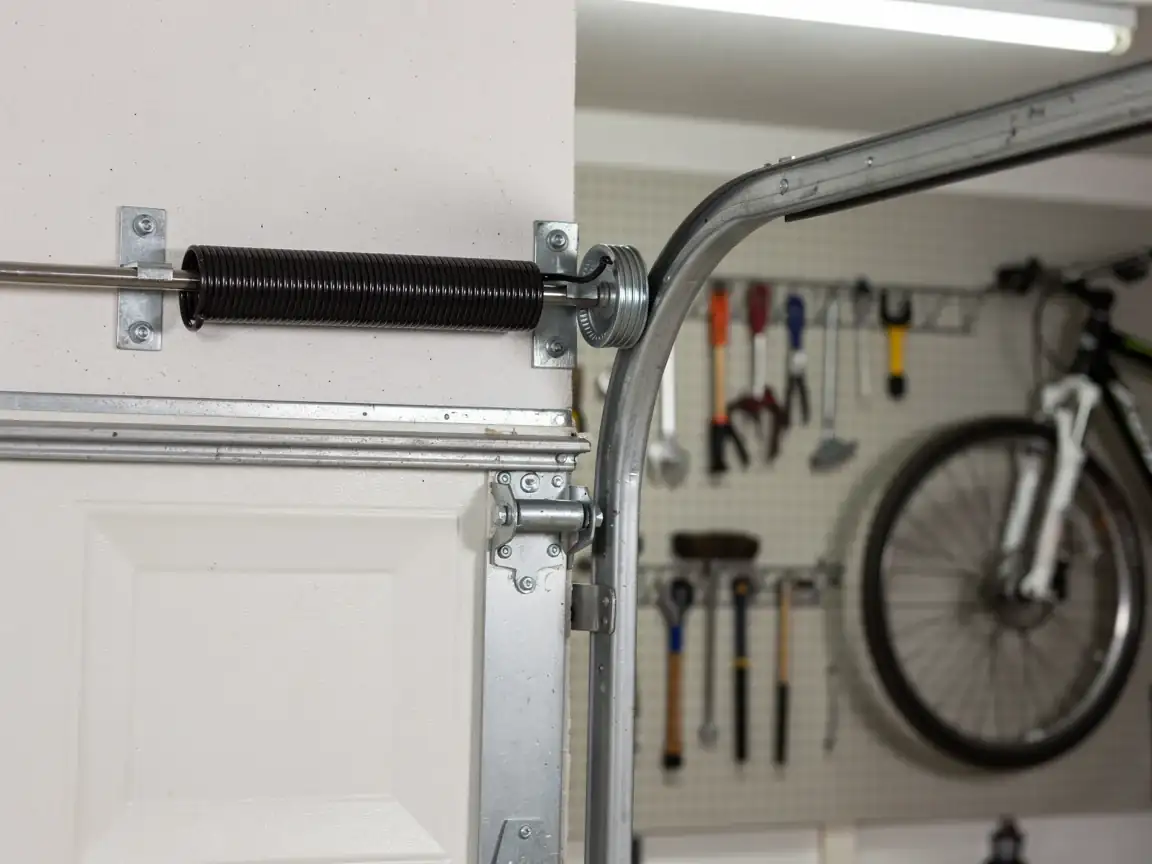
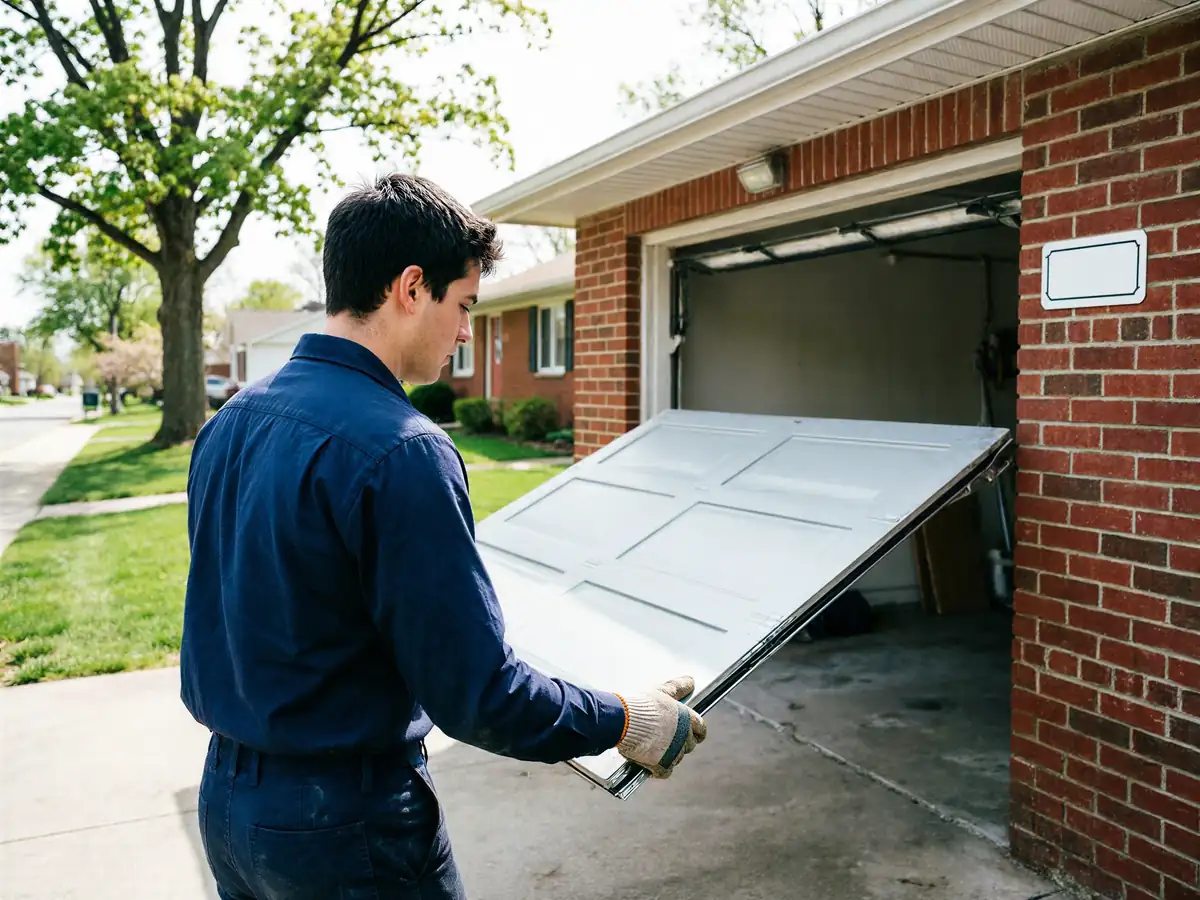
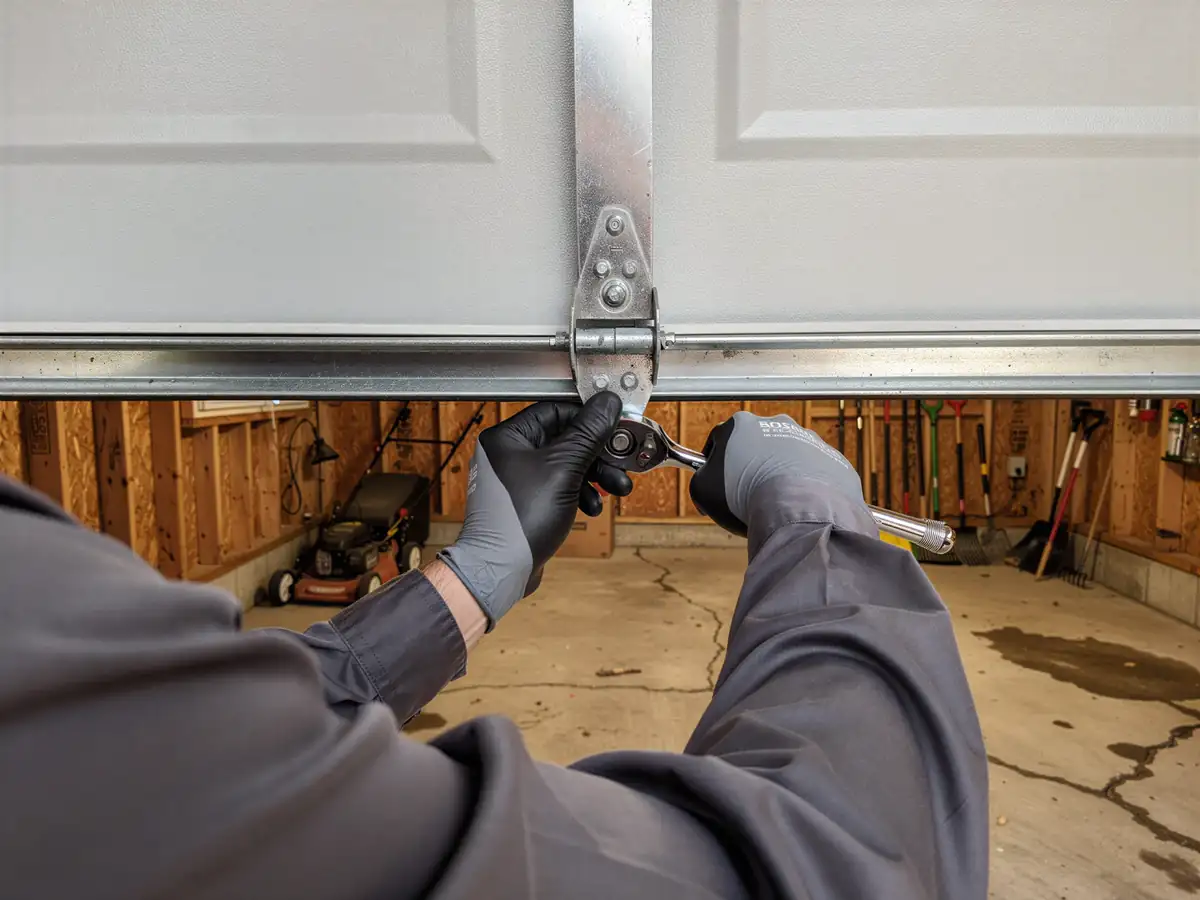
Tightening loose hardware, lubricating hinges and rollers, clearing track debris - fine to do yourself, and it'll extend the life of an older door. A torsion spring is not something to touch yourself. These springs are wound under enough tension to break bones, and on the older hardware common in Kent's 1970-era housing, the drums and winding cones don't always match what's in a modern how-to video. If you're not sure whether what you're looking at is a torsion spring or an extension spring, stop and call - guessing wrong here gets people hurt, not just inconveniences them. If it's just a noisy roller, go ahead and grease it.