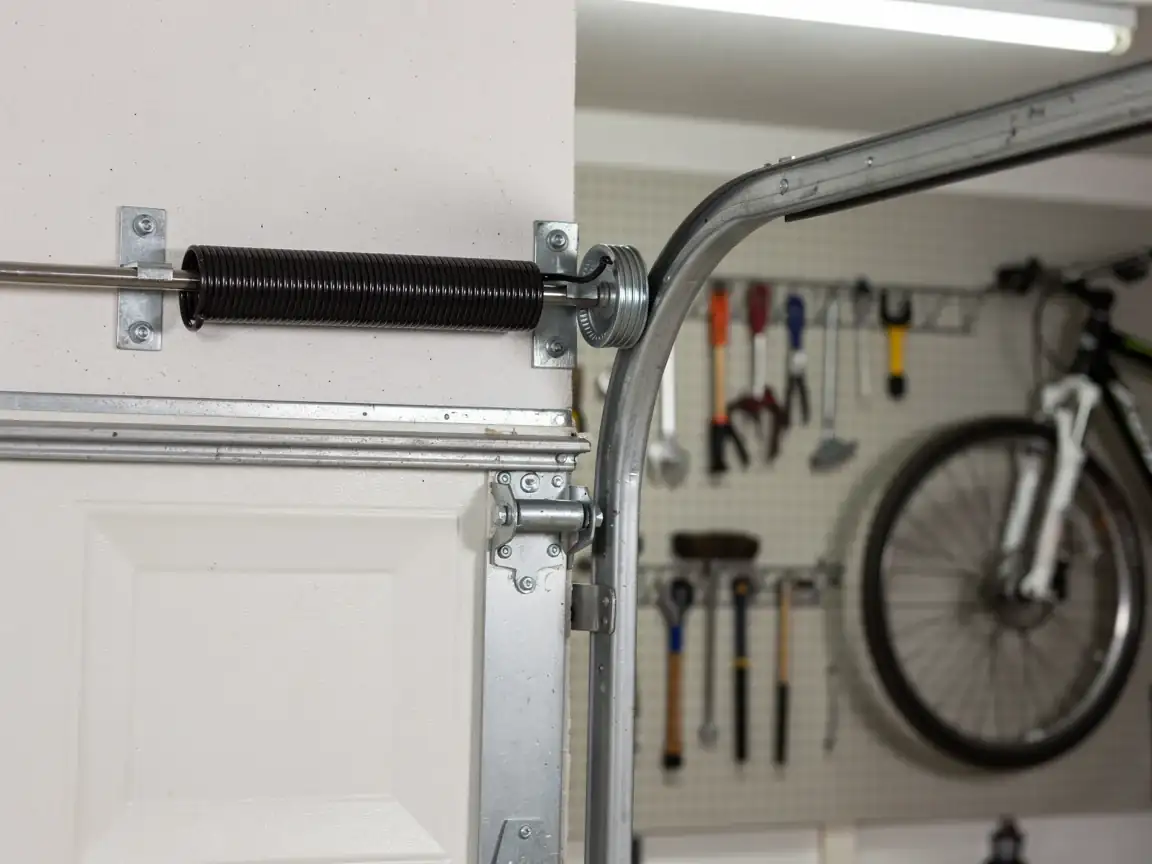
The Symptom
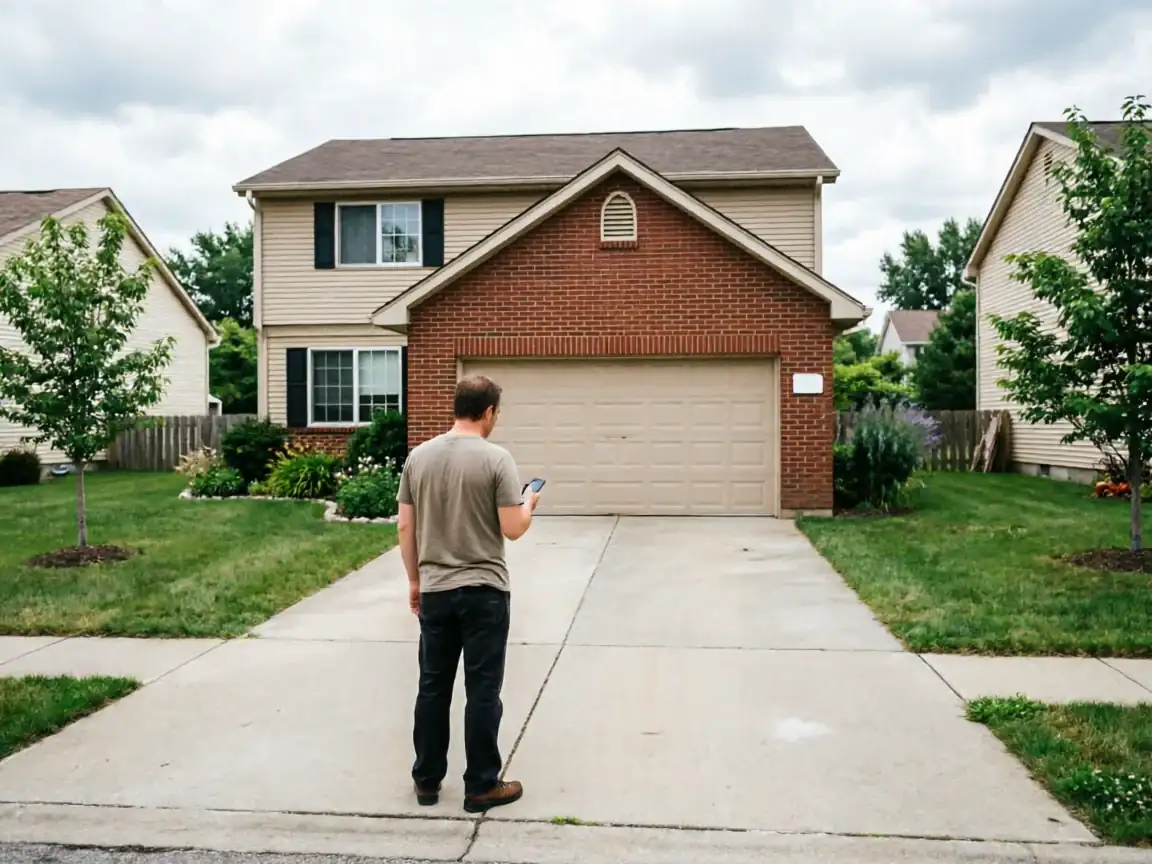
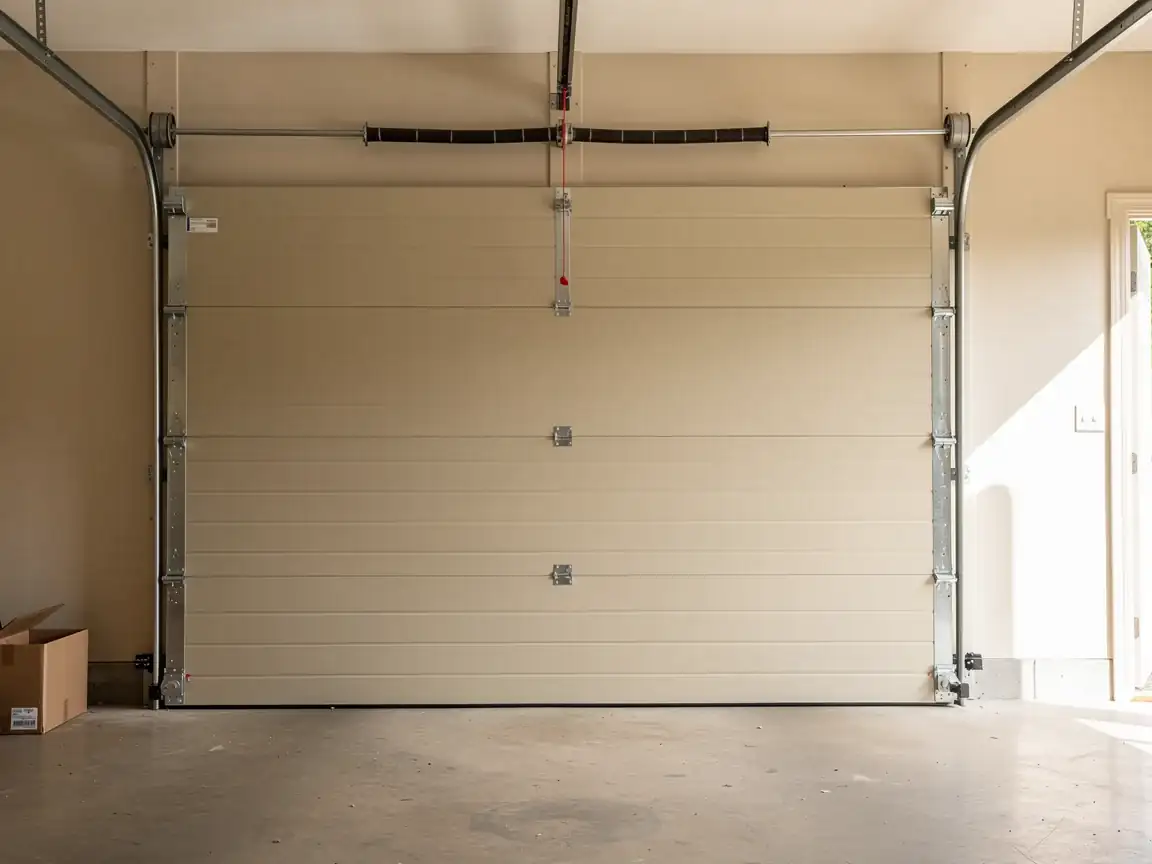
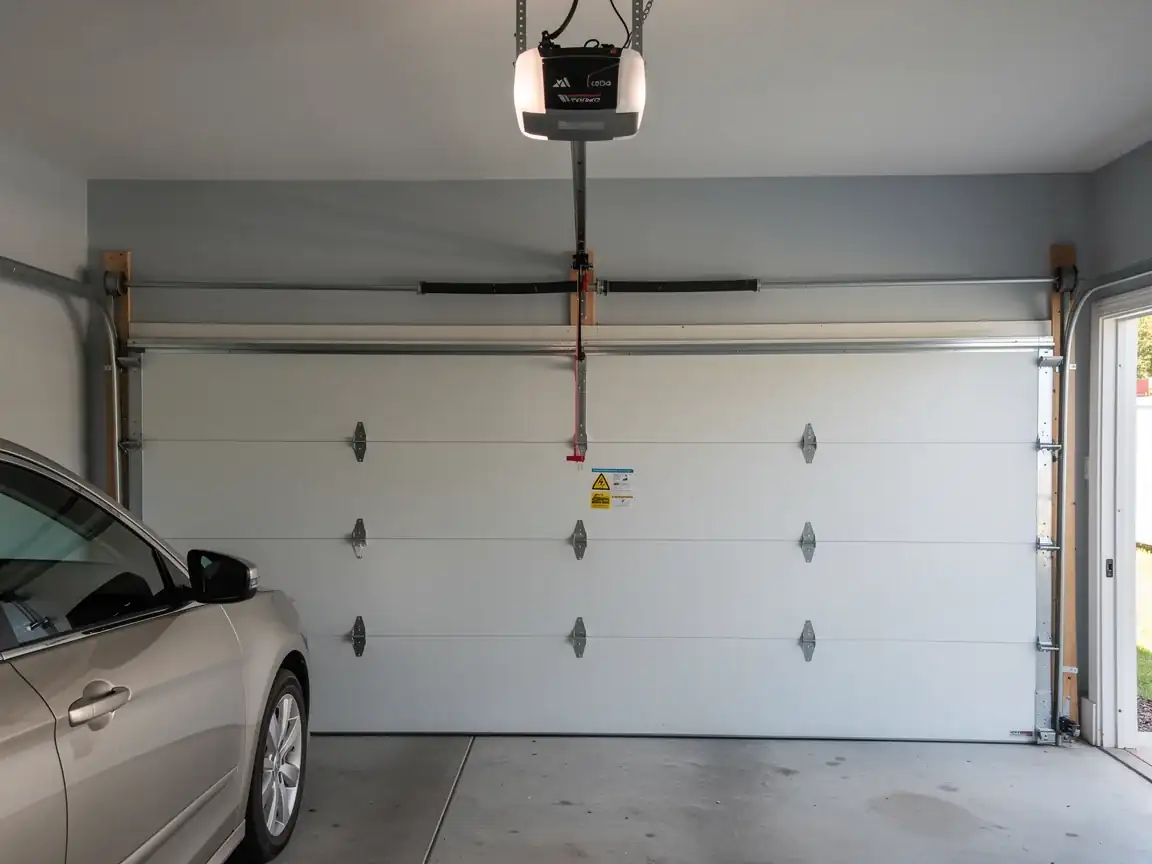
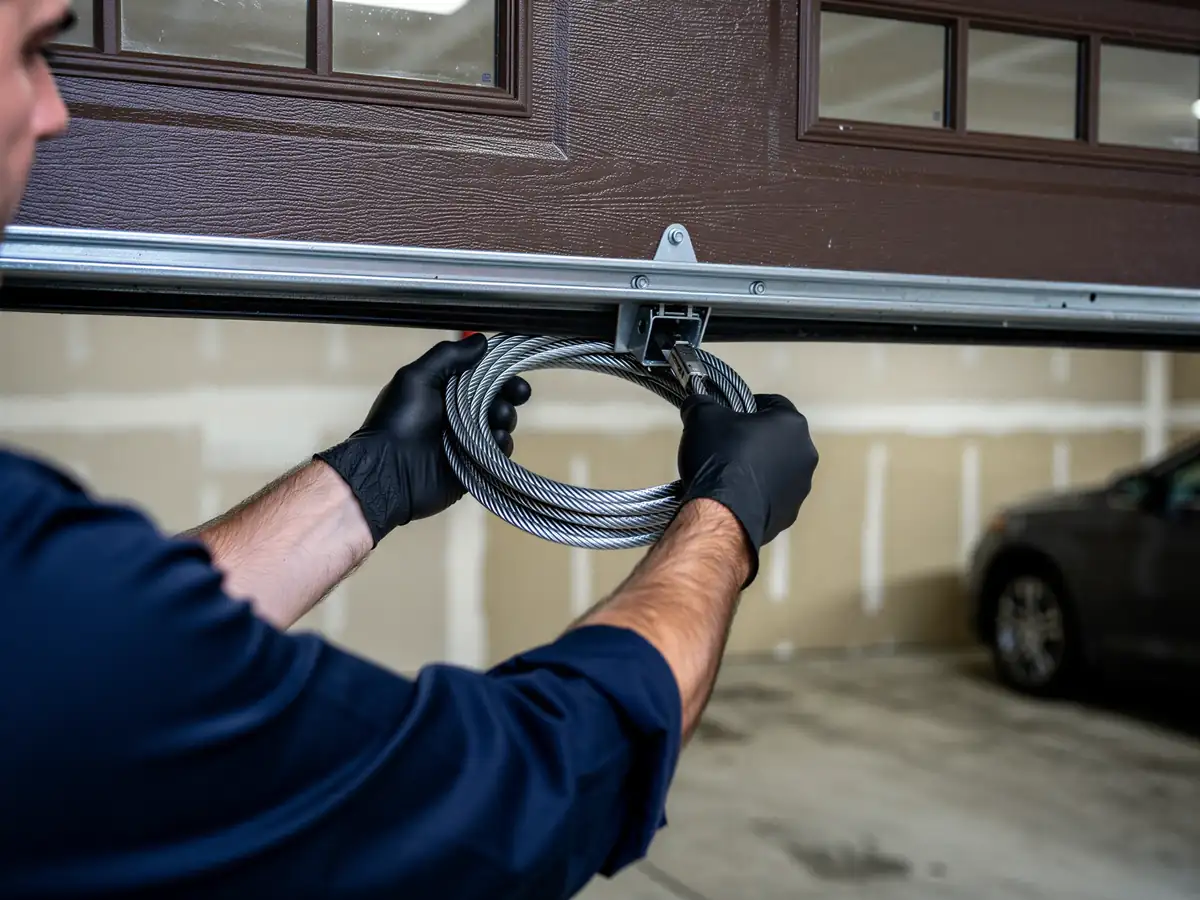
The door groans going up, then slams the last six inches down. Or it stops halfway and just hangs there, opener motor straining. Sometimes it's a loud bang from the garage first thing on a cold morning, then the door won't budge at all. These aren't random - they're the signature of a torsion spring losing tension, a cable starting to fray, or rollers that have worn their track groove wider than they should be.
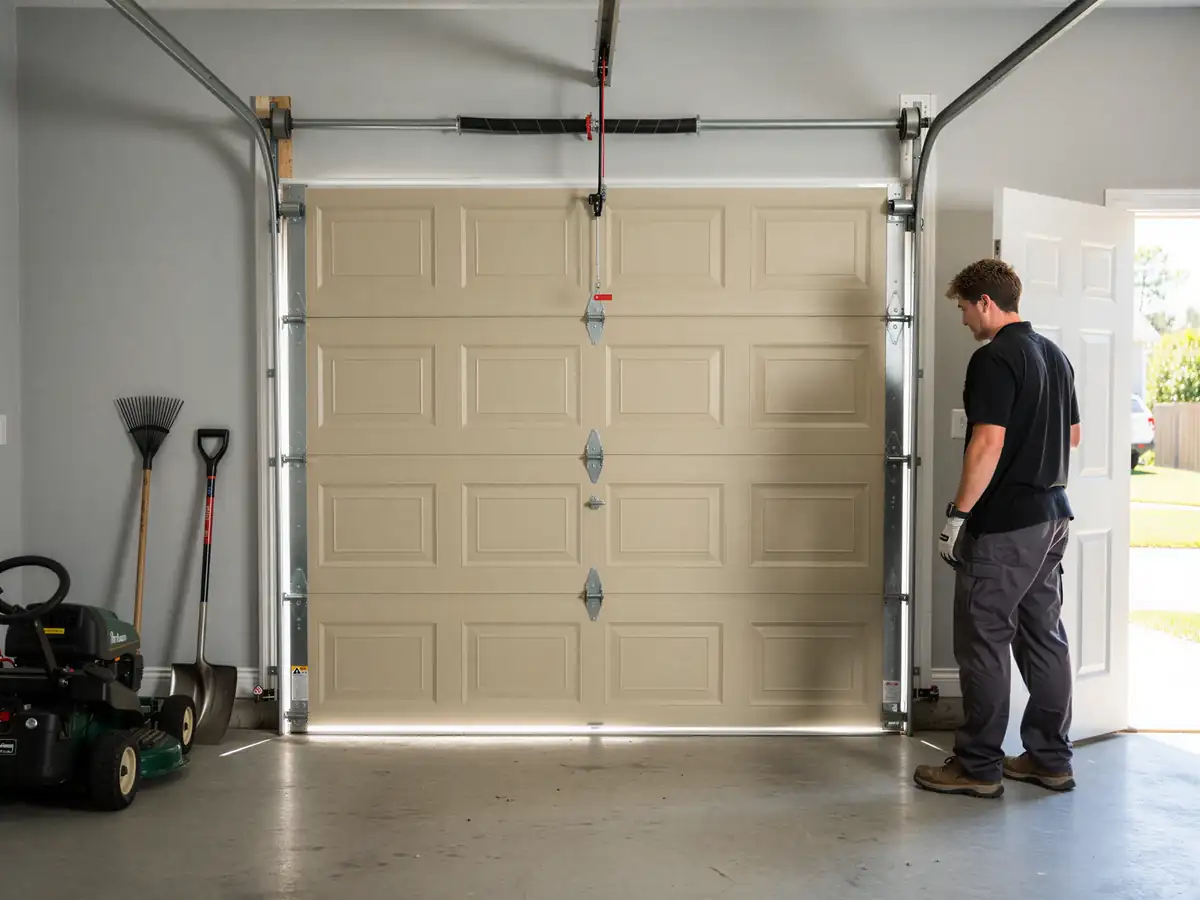
Around Akron, we hear the same handful of complaints on repeat: door heavy to lift by hand, opener clicking but not moving the door, or a door that closes unevenly, one side dropping before the other. Each of those points to a specific part, not a vague 'garage door issue.' A heavy door by hand means the spring isn't doing its job anymore. An uneven close usually means one cable has stretched or one spring has weakened more than its pair. The opener clicking without movement is almost always the drive mechanism trying to fight a spring that can't carry its share of the door's weight anymore.
Why This Fails Locally
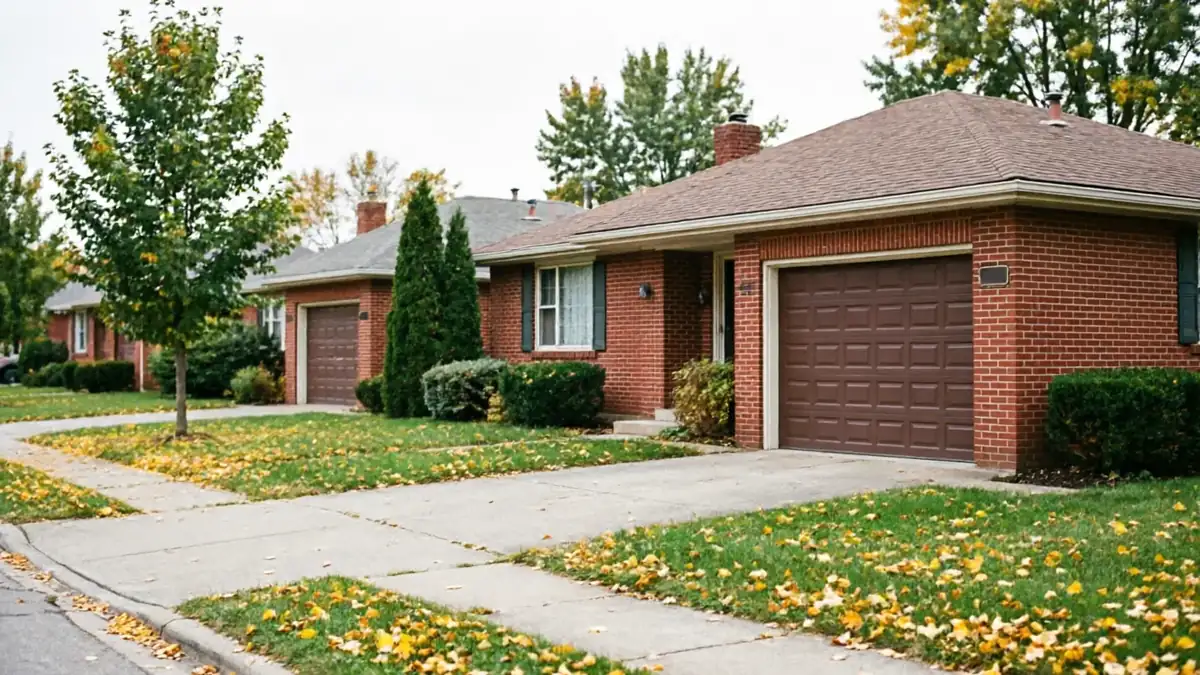
Housing in the Akron service area mostly went up between 1952 and 2004
With the median build year around 1972 and most of the 42 named areas we work in dominated by 1960s-70s construction. That generation of garage door hardware was built to a standard that didn't anticipate 50 years of use, and a lot of it is still the original torsion spring and cable setup, never swapped out.
- 50 years
Add the climate: this is a COLD-severe band
And steel springs lose some of their flex in deep cold, which means a spring already near the end of its life cycle is far more likely to snap on a sub-freezing morning than in July. Lubricant also thickens in cold garages, so rollers and hinges that were already dragging get worse fast. The combination - 50-to-70-year-old hardware paired with a real winter - is why spring and cable failures cluster here in a way they don't in warmer, newer-stock markets. It's not bad luck. It's the math of old steel meeting cold weather.
Time on the Job
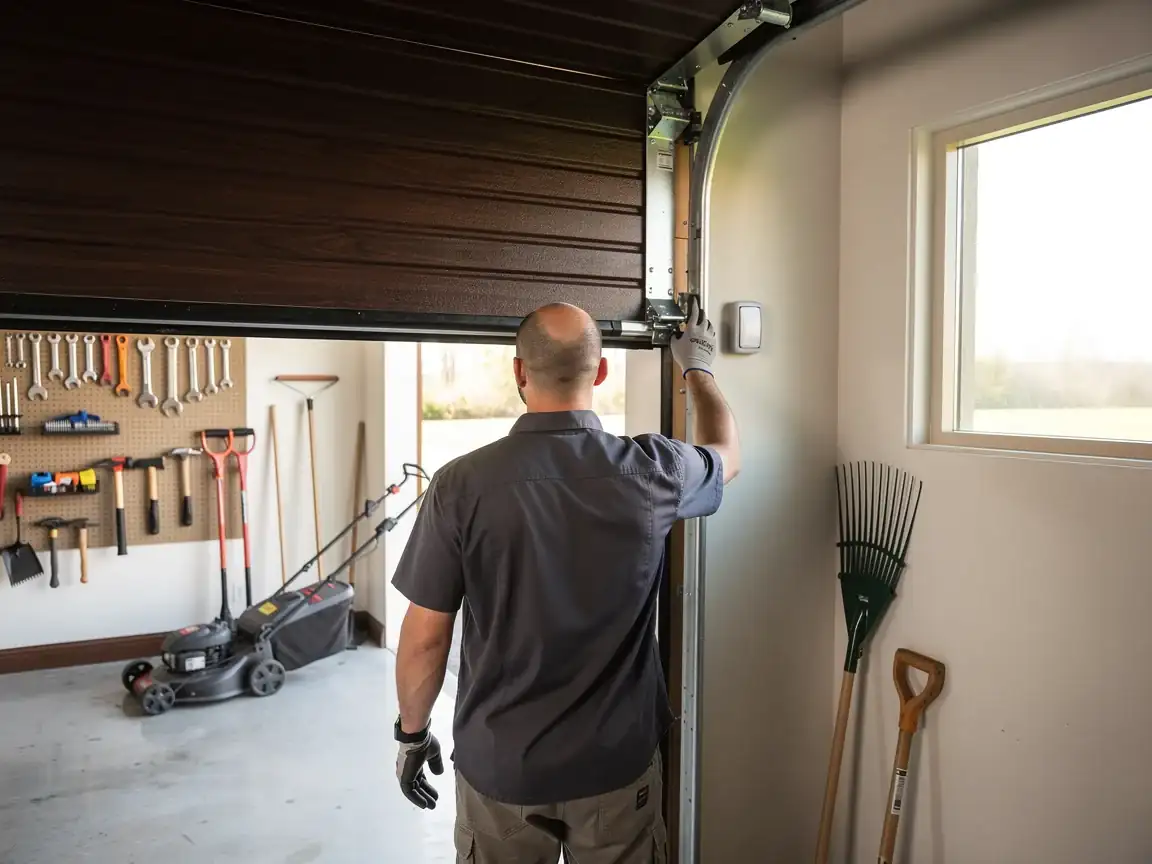
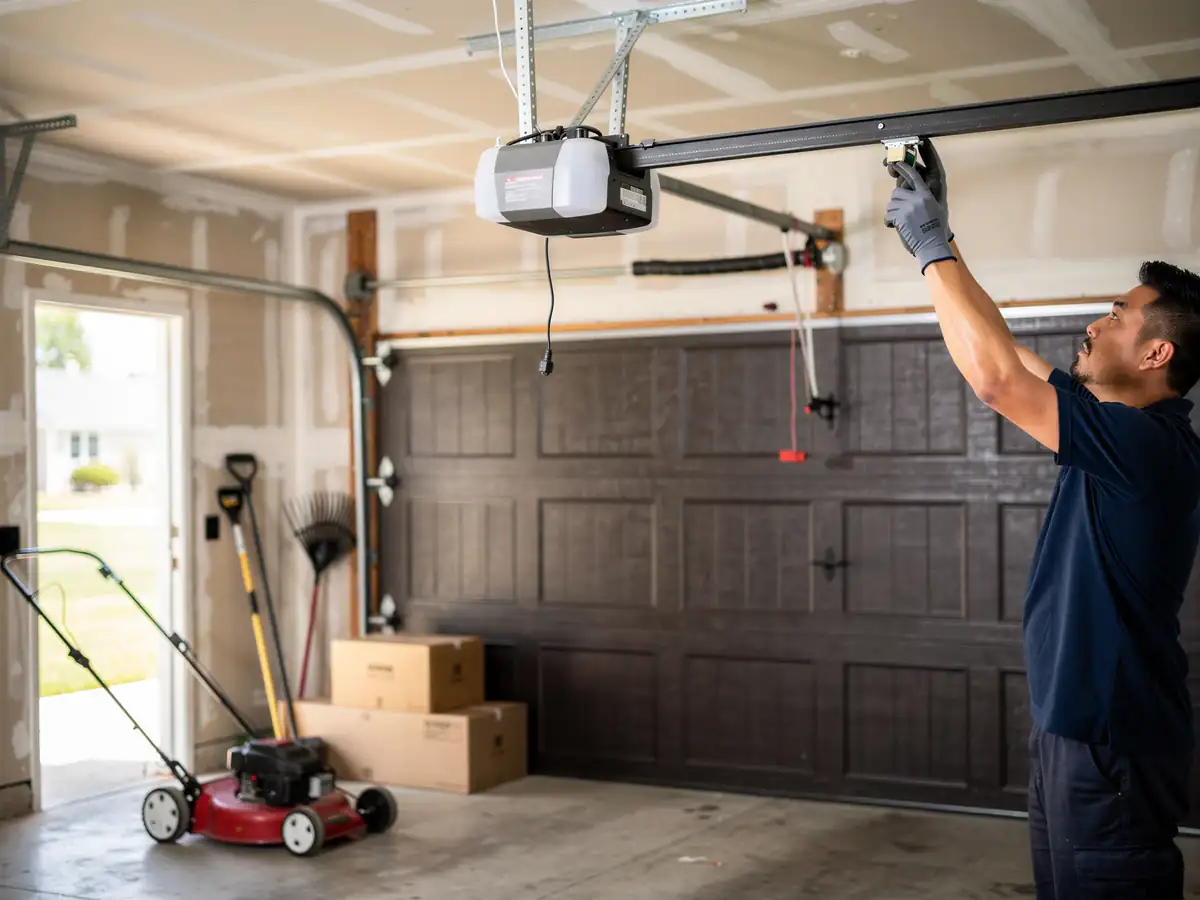
A torsion spring replacement on a standard double door, once we're on site with the right spring size, usually runs under two hours start to finish - that includes balancing the door afterward so it doesn't drift open or slam shut. Cable replacement is similar. If the drum or track also needs attention because of how long the worn spring was banging around, that adds time.
What takes longer: matching spring wind and wire diameter on older doors where the original spec plate has worn off or was never labeled clearly, which happens often with the 1960s-70s builds common across this area. We measure the door and the drum rather than guess, and that extra step is worth the ten minutes it costs. We don't stock every spring size on the truck - some older torsion setups use wire gauges that aren't common anymore, and if yours is one of them, that's a return trip, not a same-visit fix.
How We Fix It
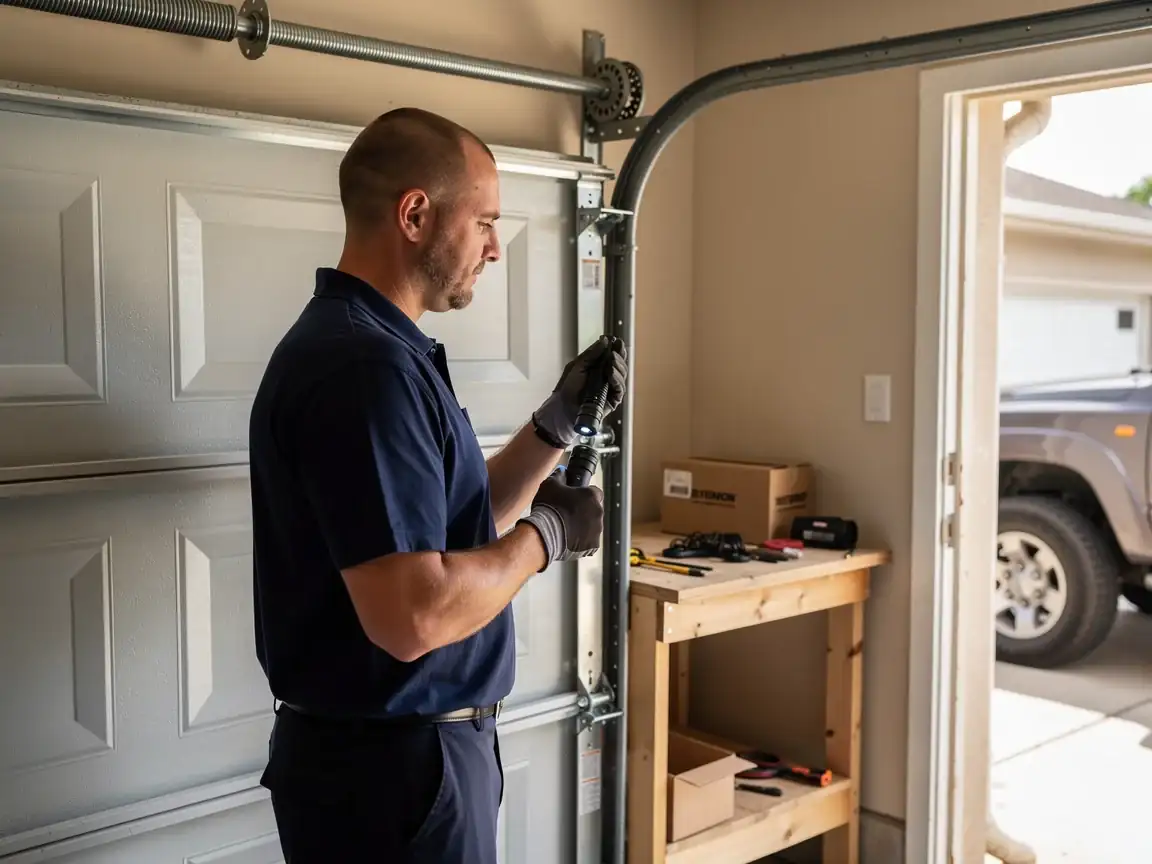
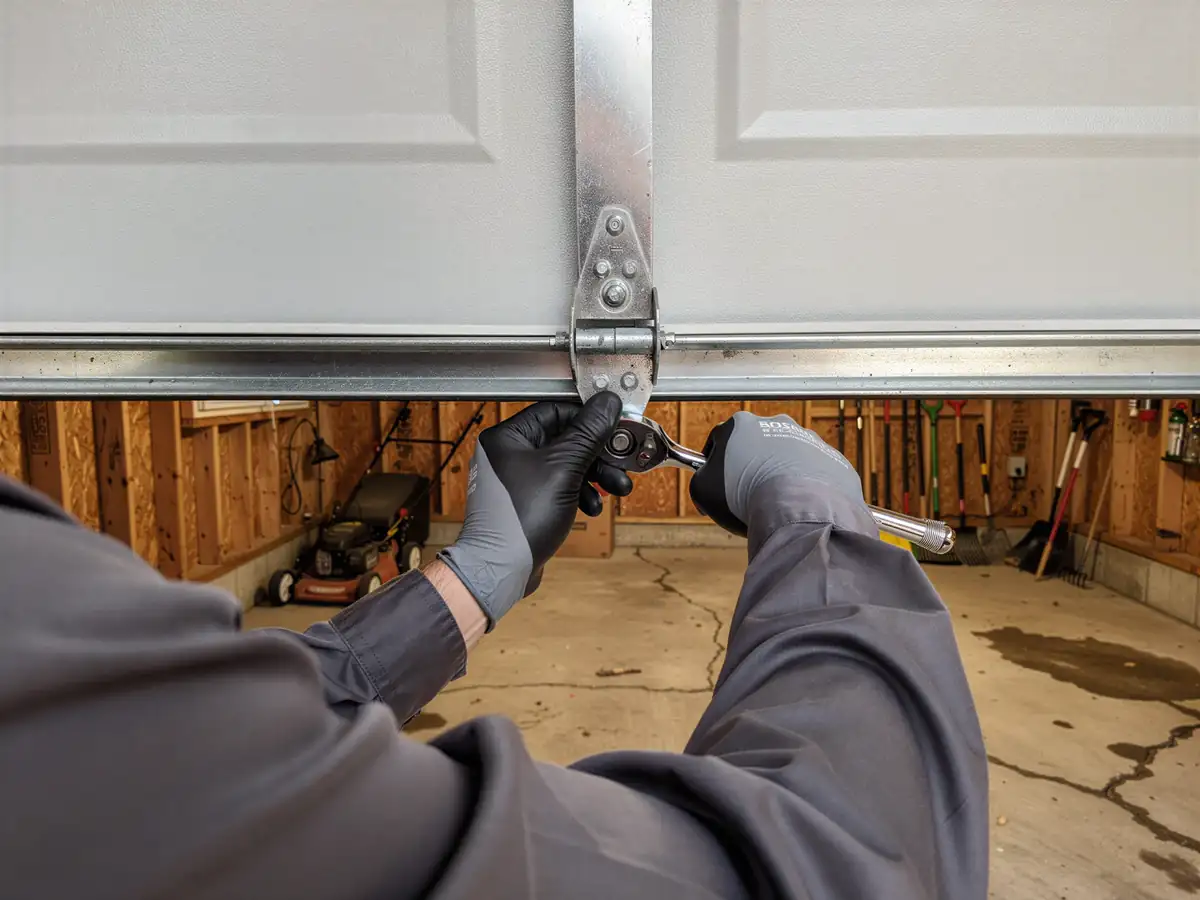
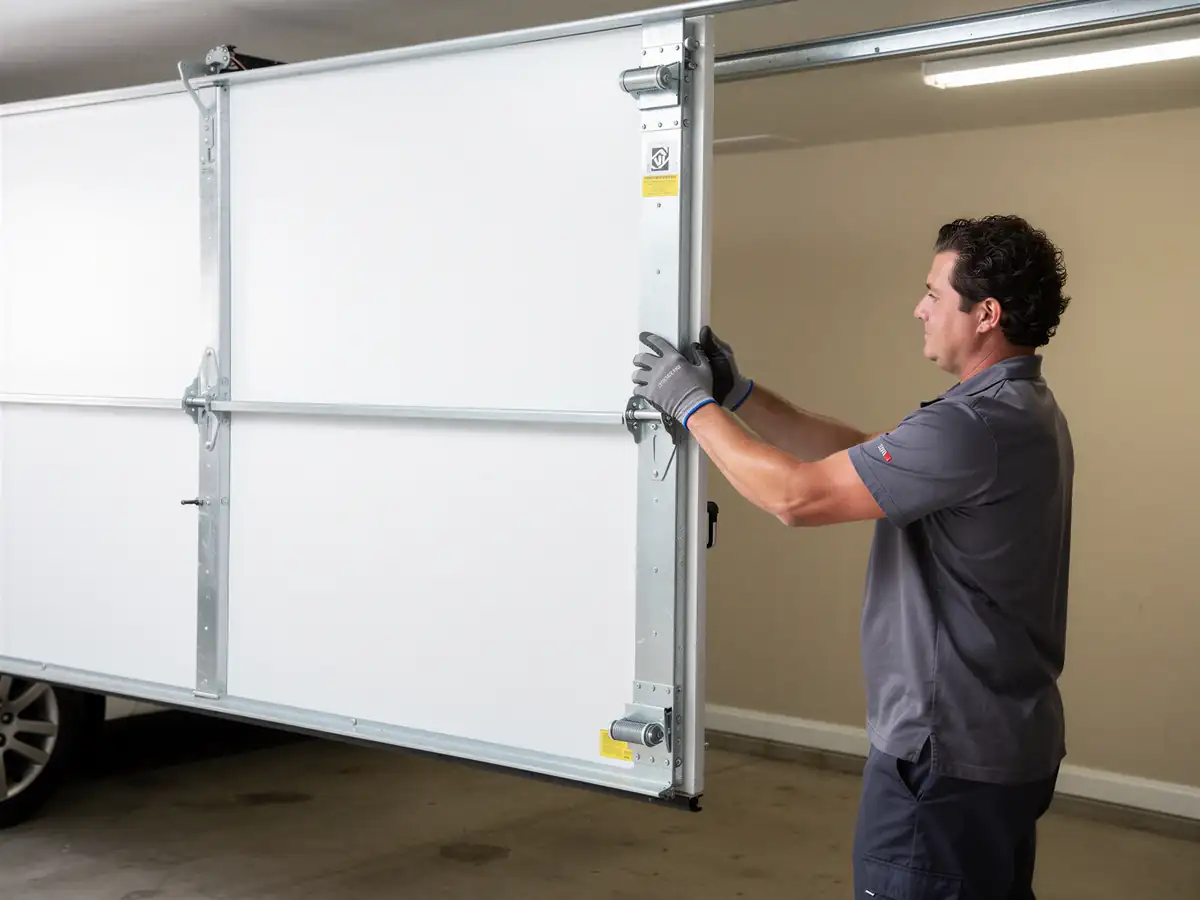
We start by checking the whole system, not just the part that failed. A snapped cable on a 50-year-old door is rarely the only thing wearing out - the spring on the other side is usually close behind it, and replacing one without checking the other means a second call in a few months. We balance the door after any spring or cable work, which matters more in cold weather garages where steel contracts and tension shifts.
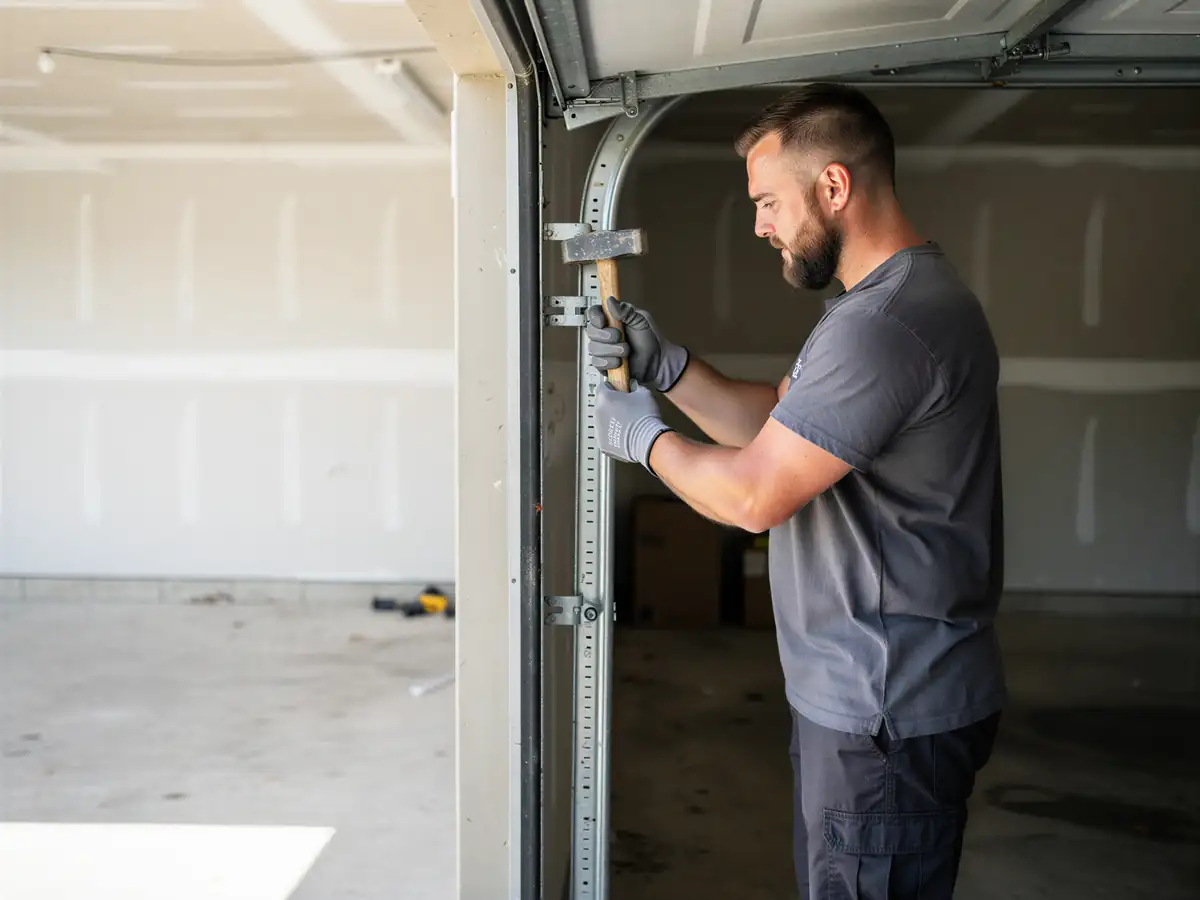
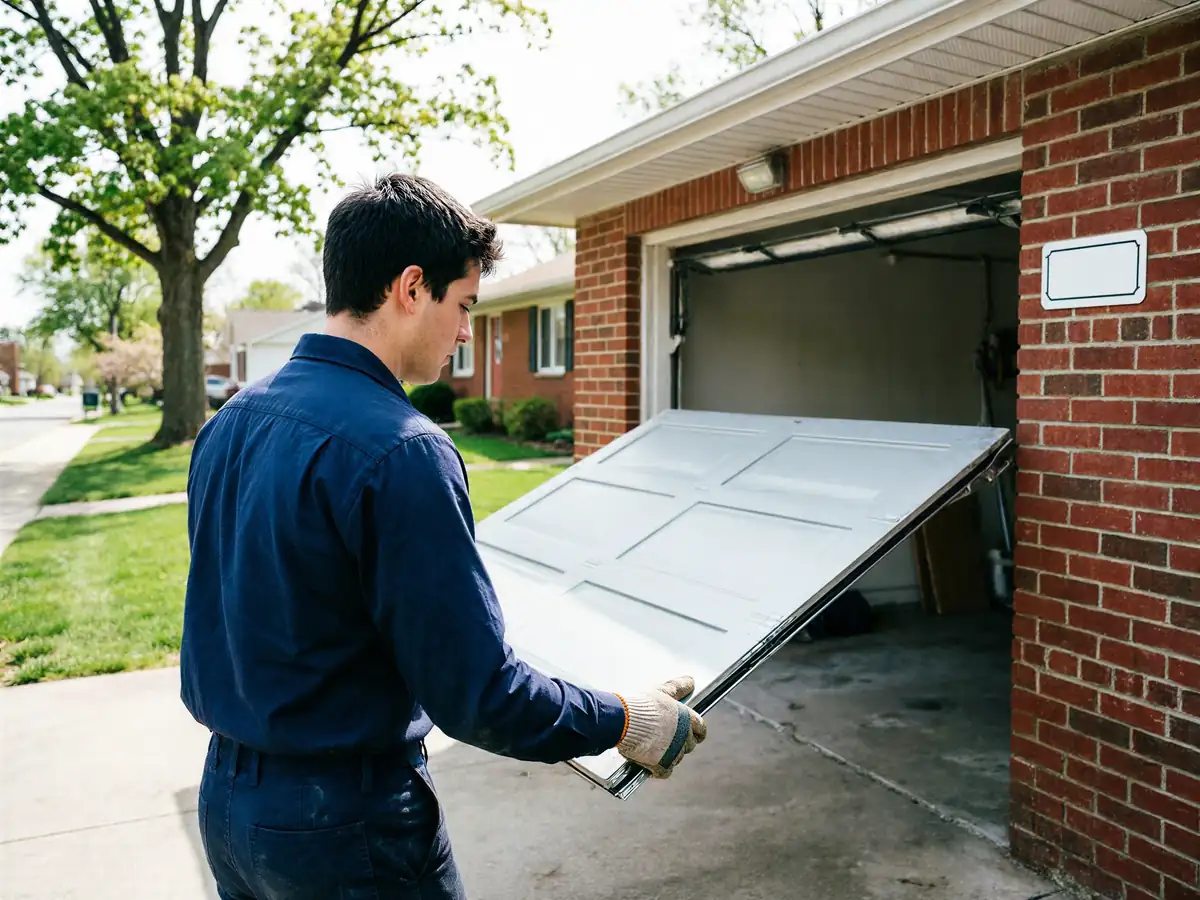
For homes still running original hardware from the 1960s-70s building wave, we replace with modern-spec springs rated for the door's actual weight rather than trying to match a 50-year-old wind count exactly - that's often the real fix, not a patch. If the track is bent or the drum is scored from a cable that jumped its groove, we address that too rather than bolt a new cable onto a track that'll chew through it again. Not every old door is worth saving - if the frame itself has warped, a new spring won't fix that, and we'll tell you so instead of selling a repair that won't hold.