The Symptom
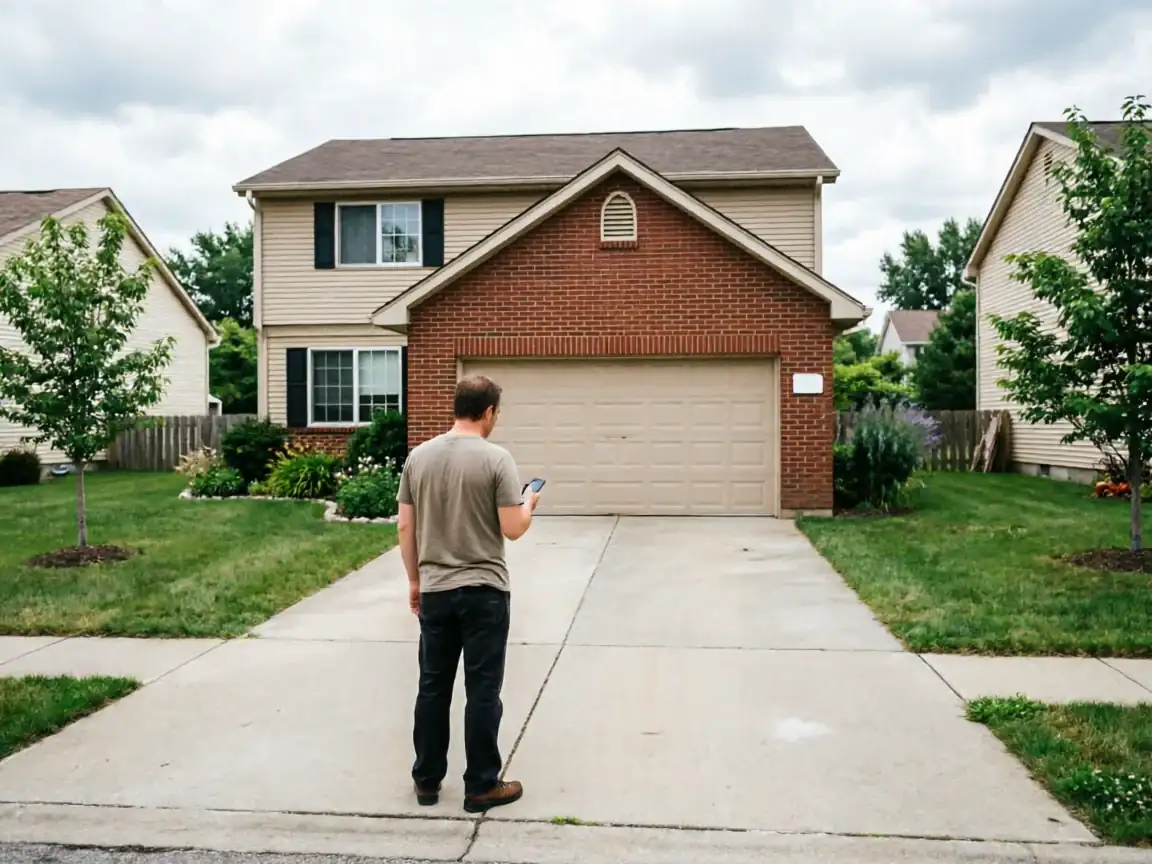
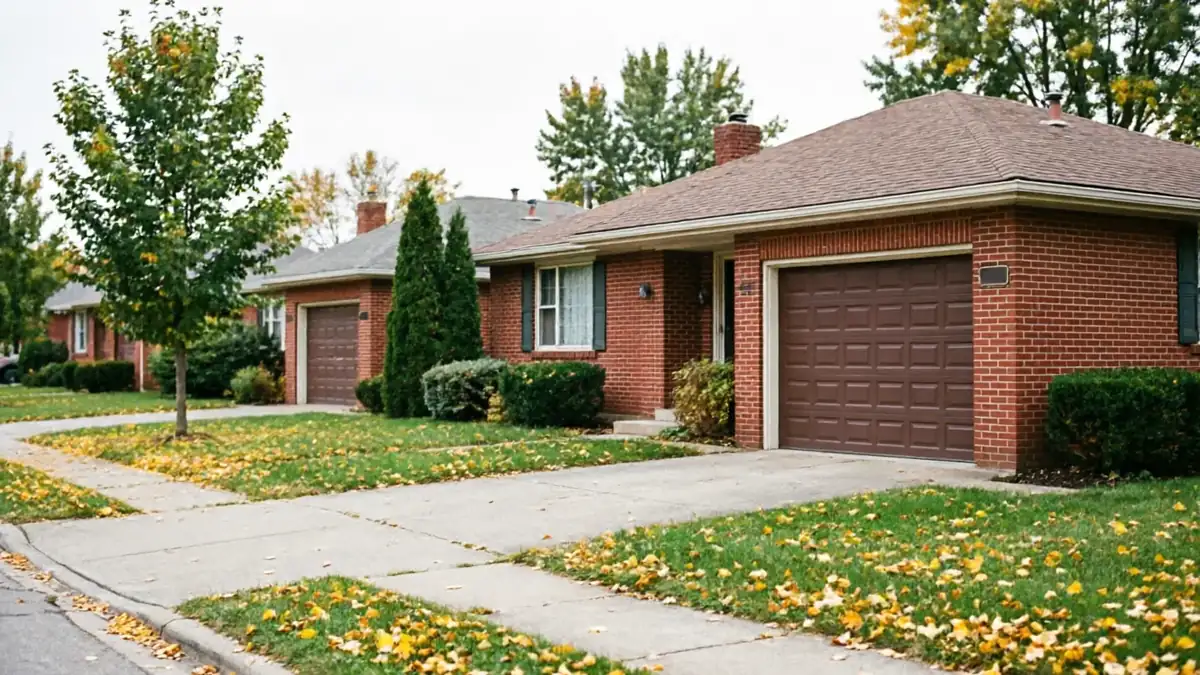
The door still opens, but it's not quite right. It shudders a few inches off the floor, the opener strains and clicks before it catches, or you hear a flat metallic pop from one side of the track every time it closes. None of that stops the door from working today. That's exactly why people ignore it - until the spring lets go at 6am on a Tuesday or the opener motor burns out mid-cycle. A door that's starting to groan, sag on one corner, or need two tries to close isn't broken yet. It's telling you the hardware is past its easy years and heading toward a failure that won't wait for a convenient morning. In a market where most houses were built between 1952 and 2004, with the median landing around 1972, this stage shows up on a predictable schedule, not randomly. Catching it here is maintenance. Catching it after the spring snaps is a repair call, usually a more expensive one, and sometimes one that happens with the car trapped inside.
Time on the Job
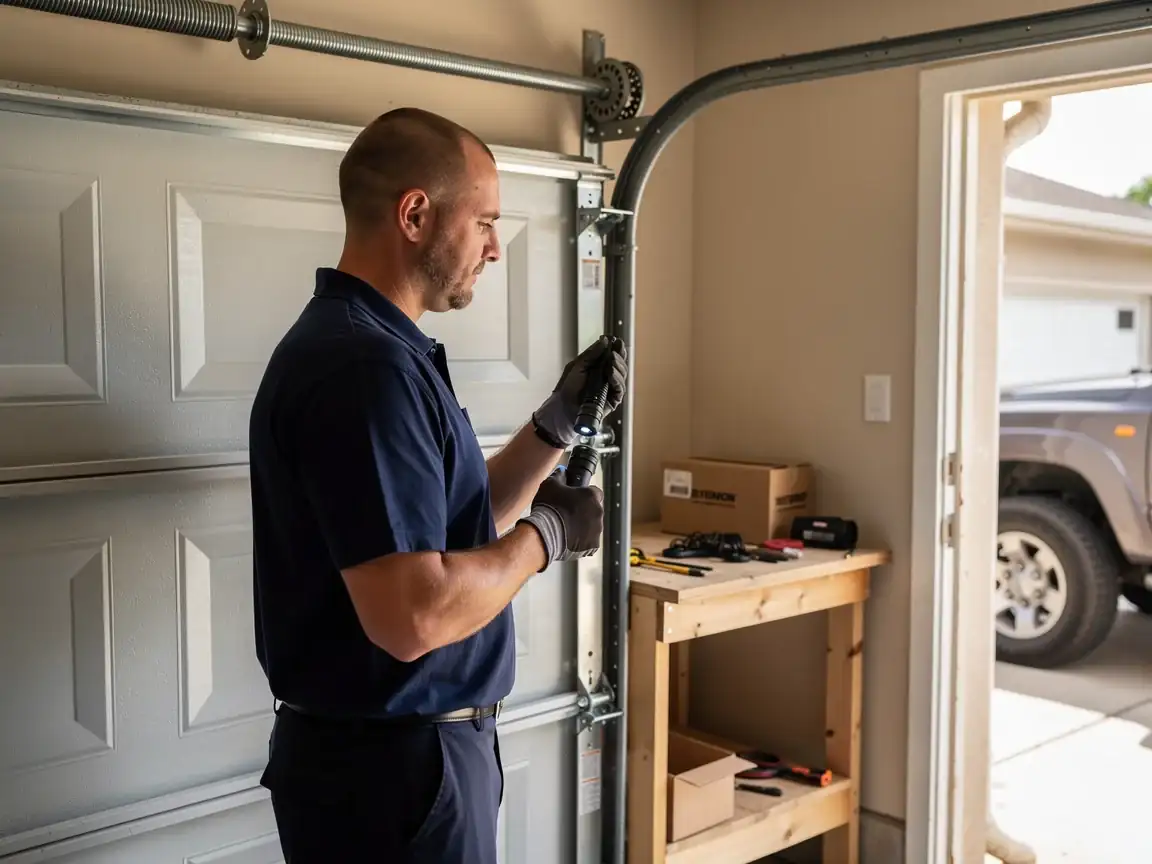
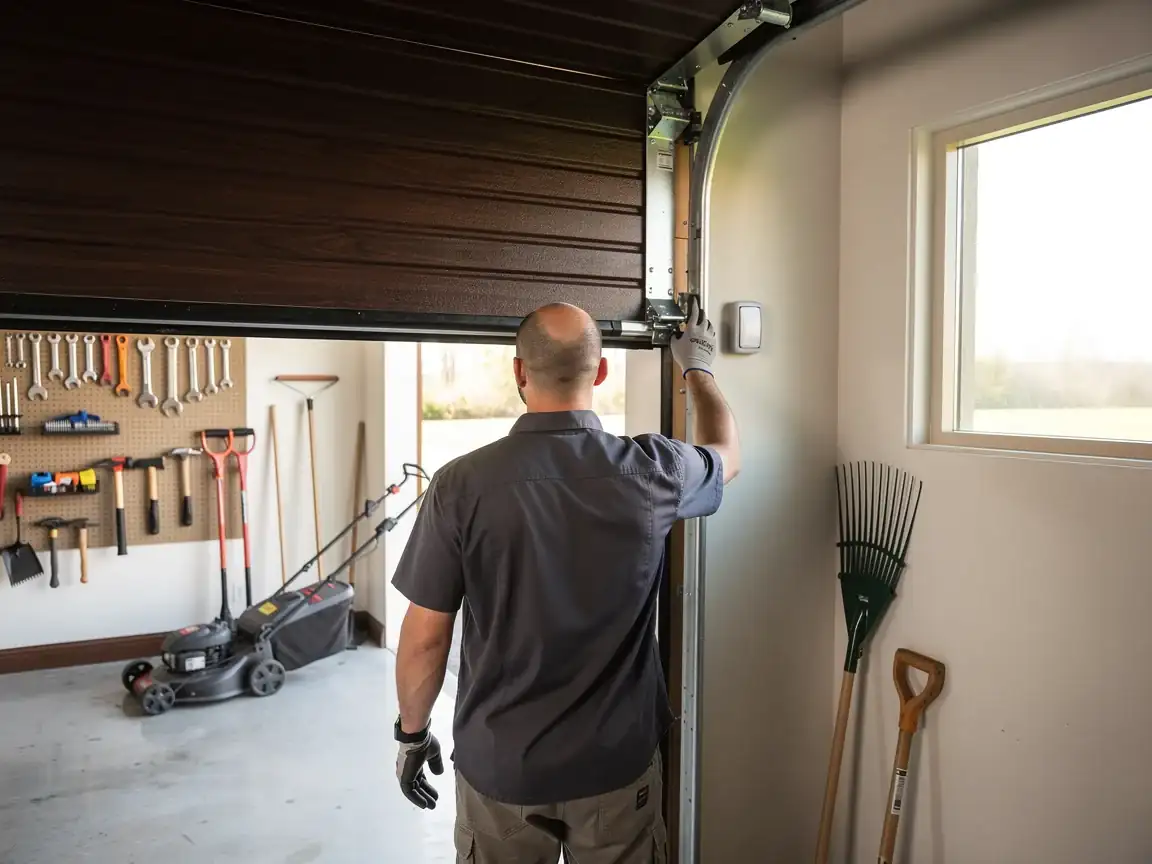
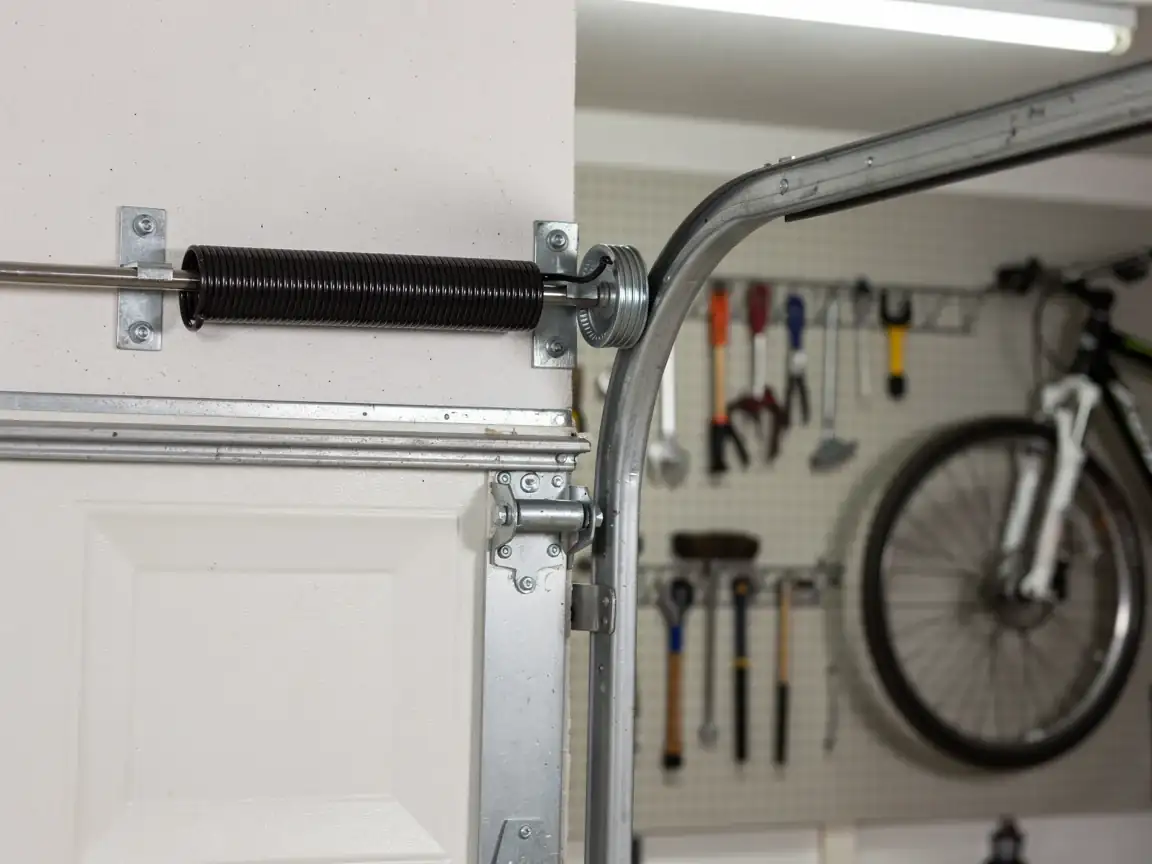
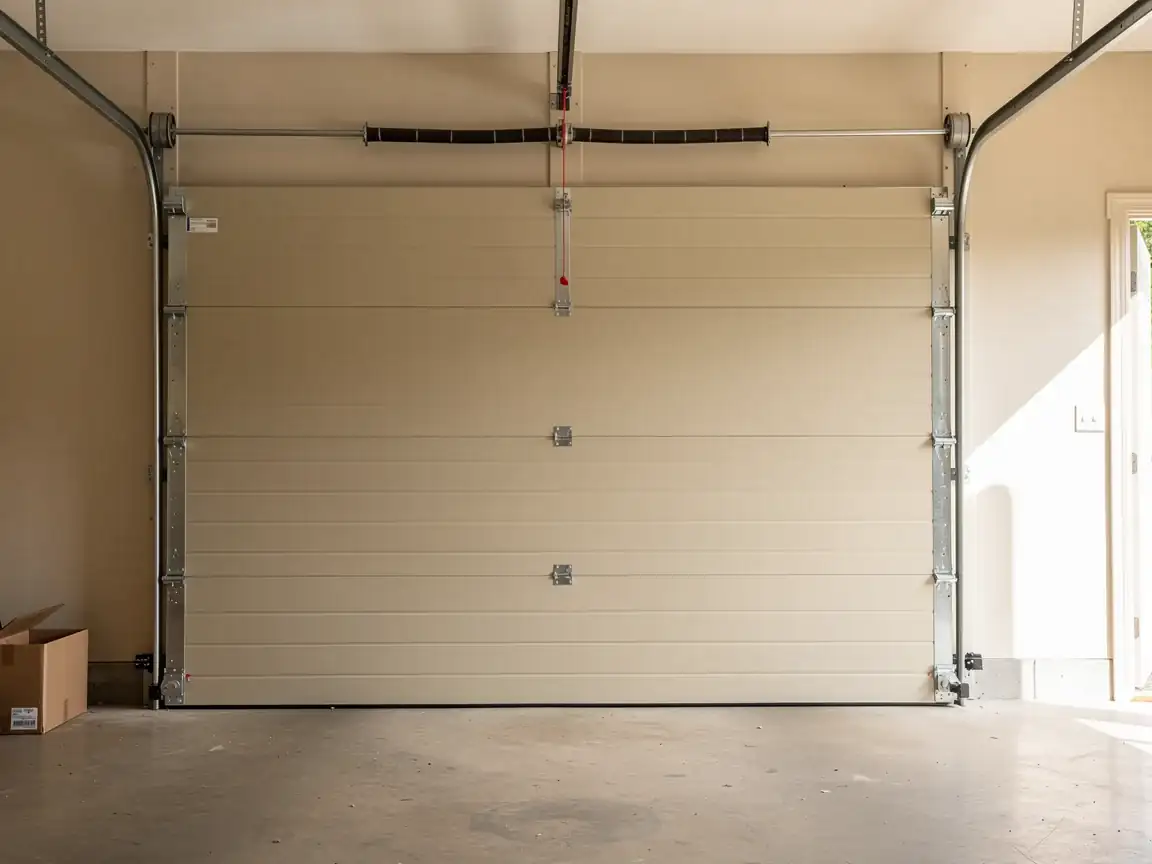
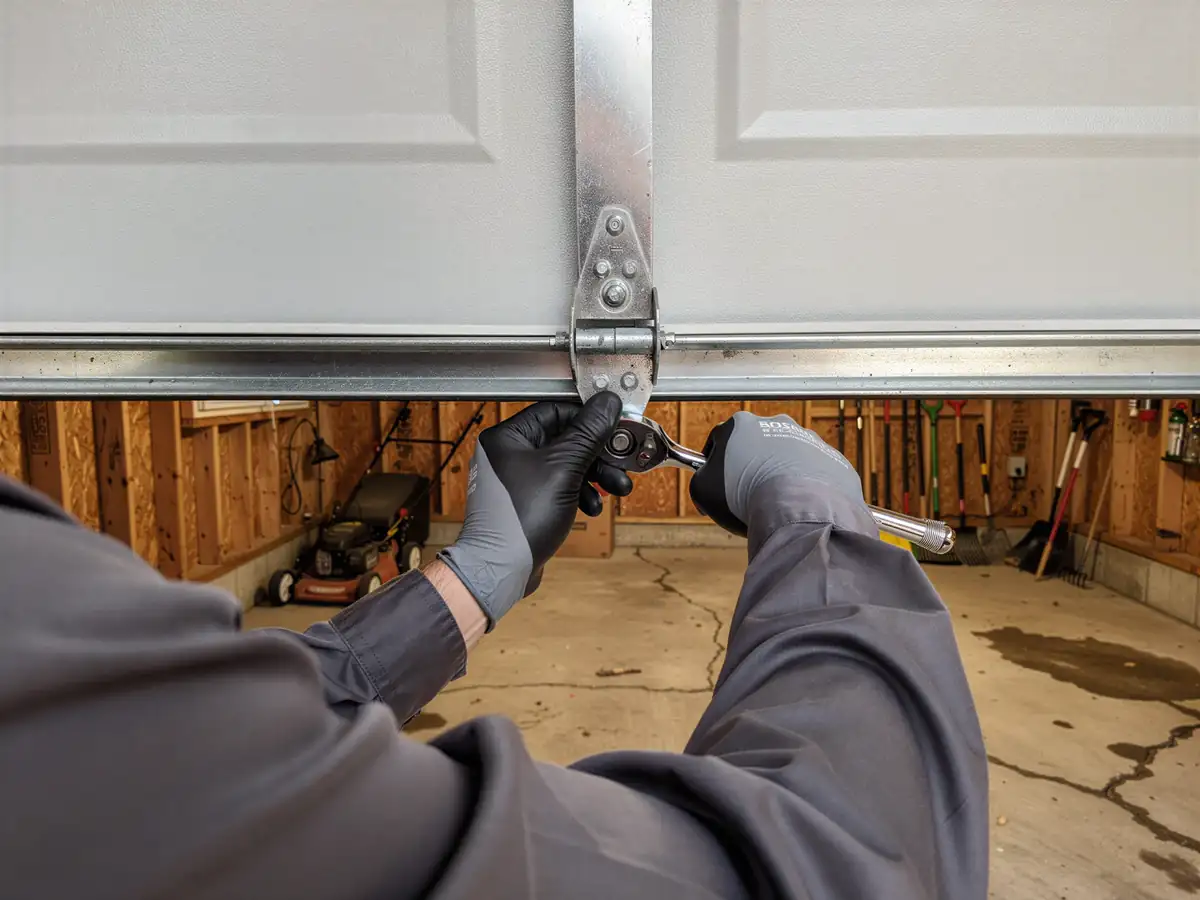
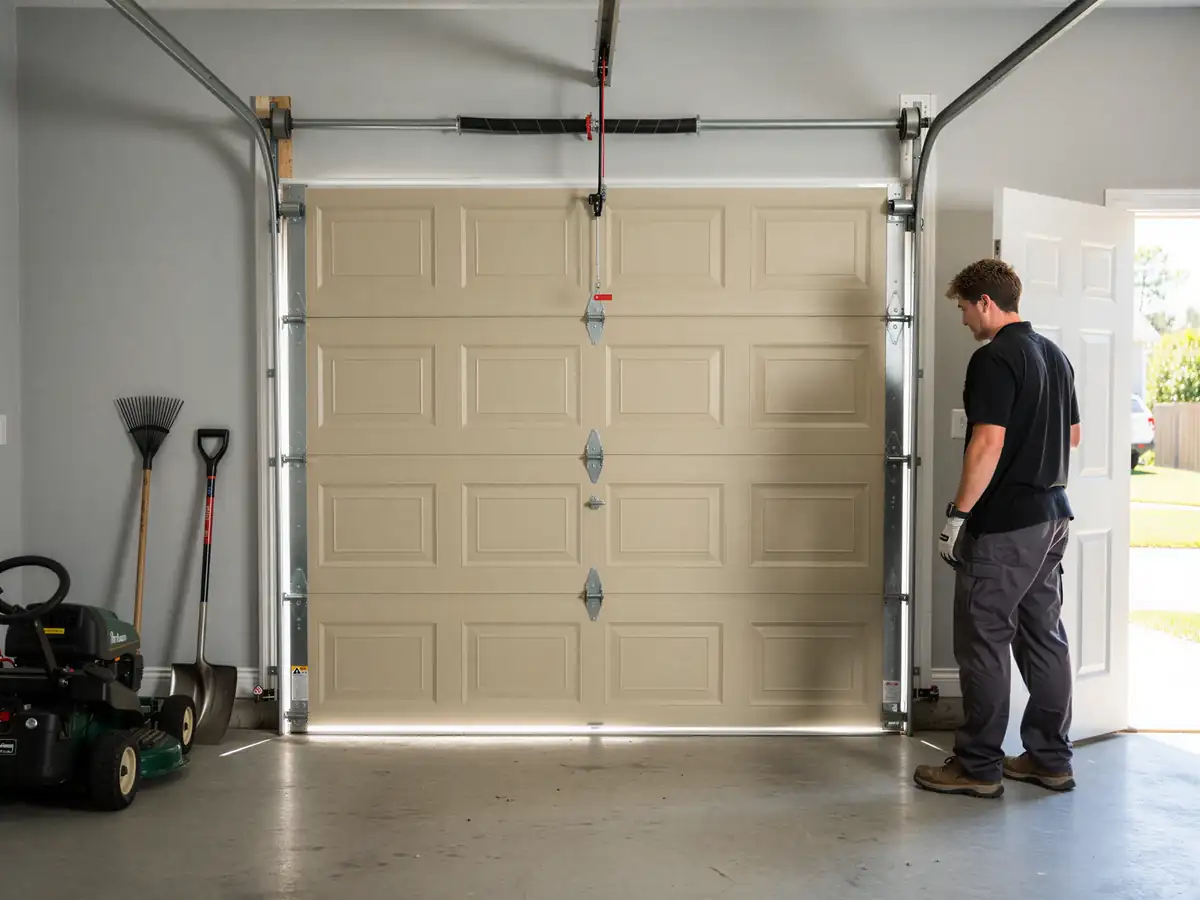
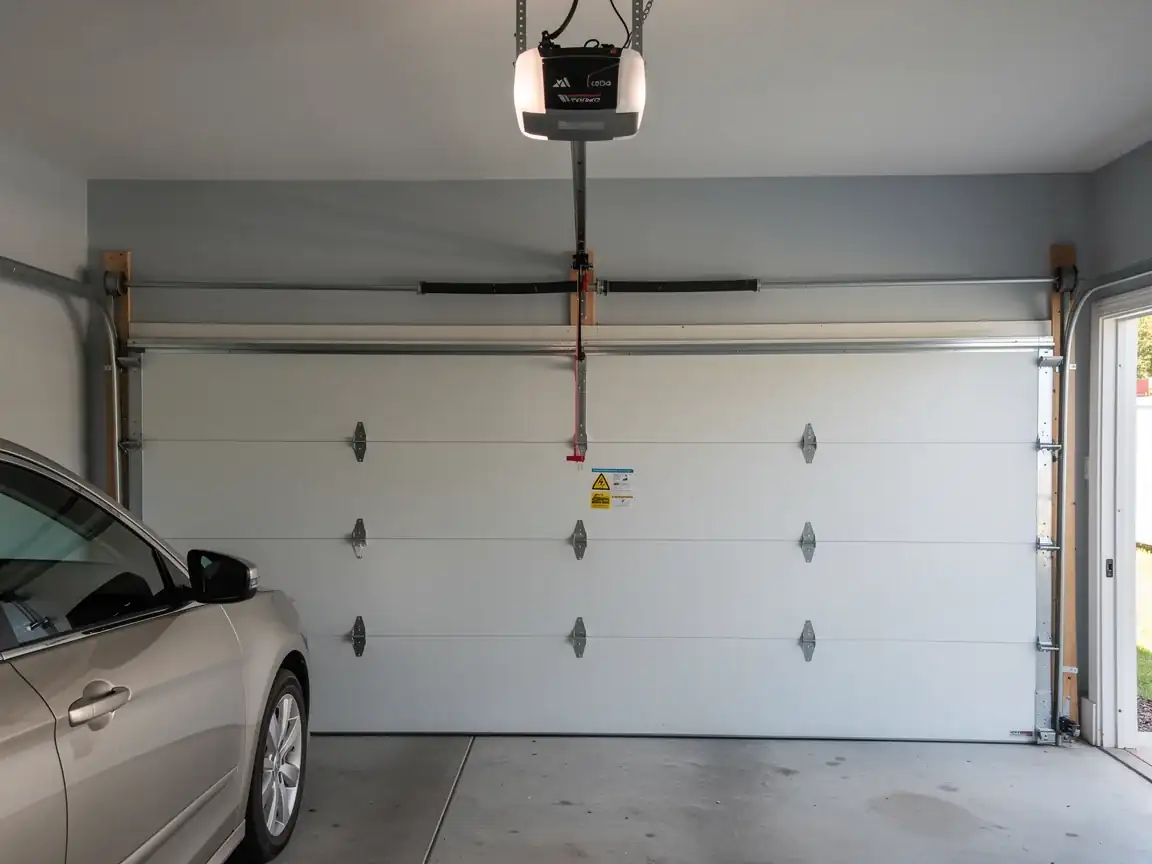
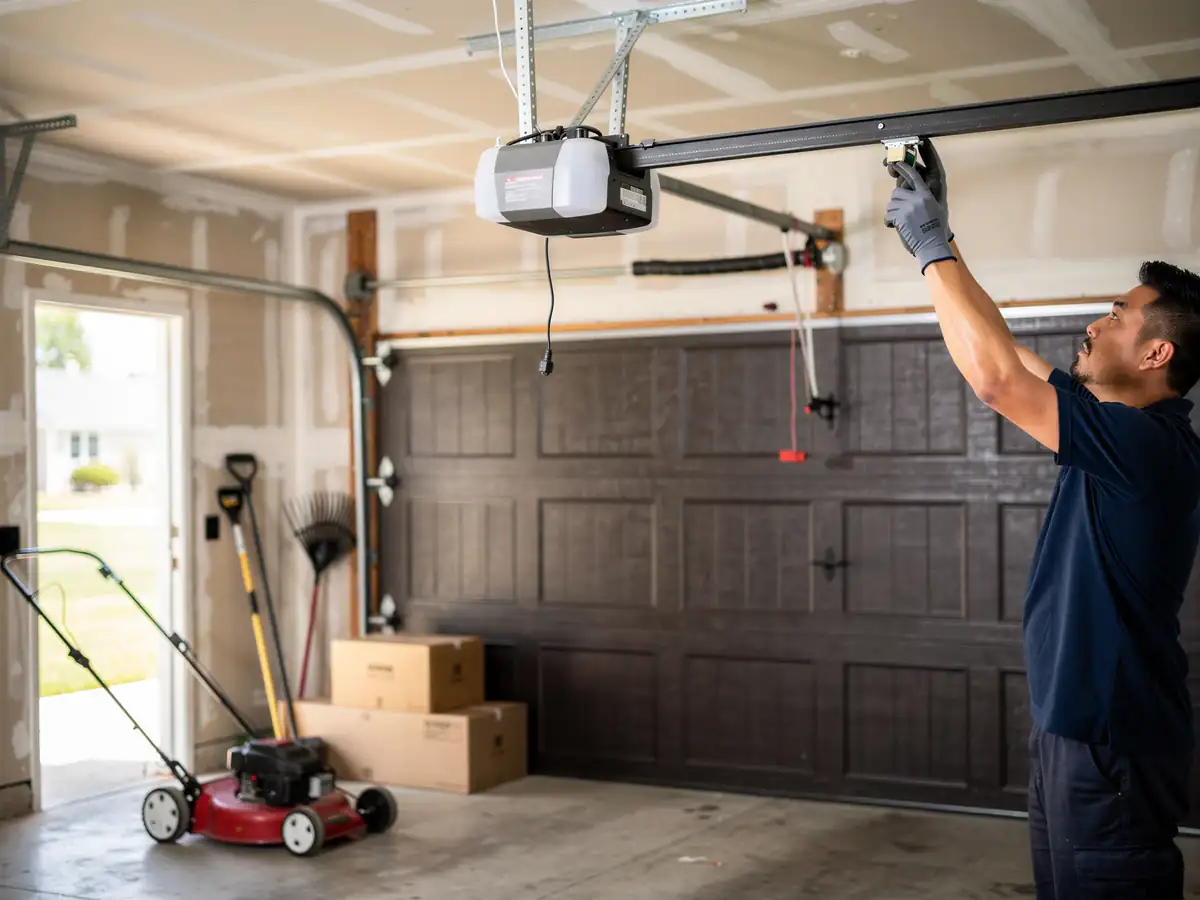
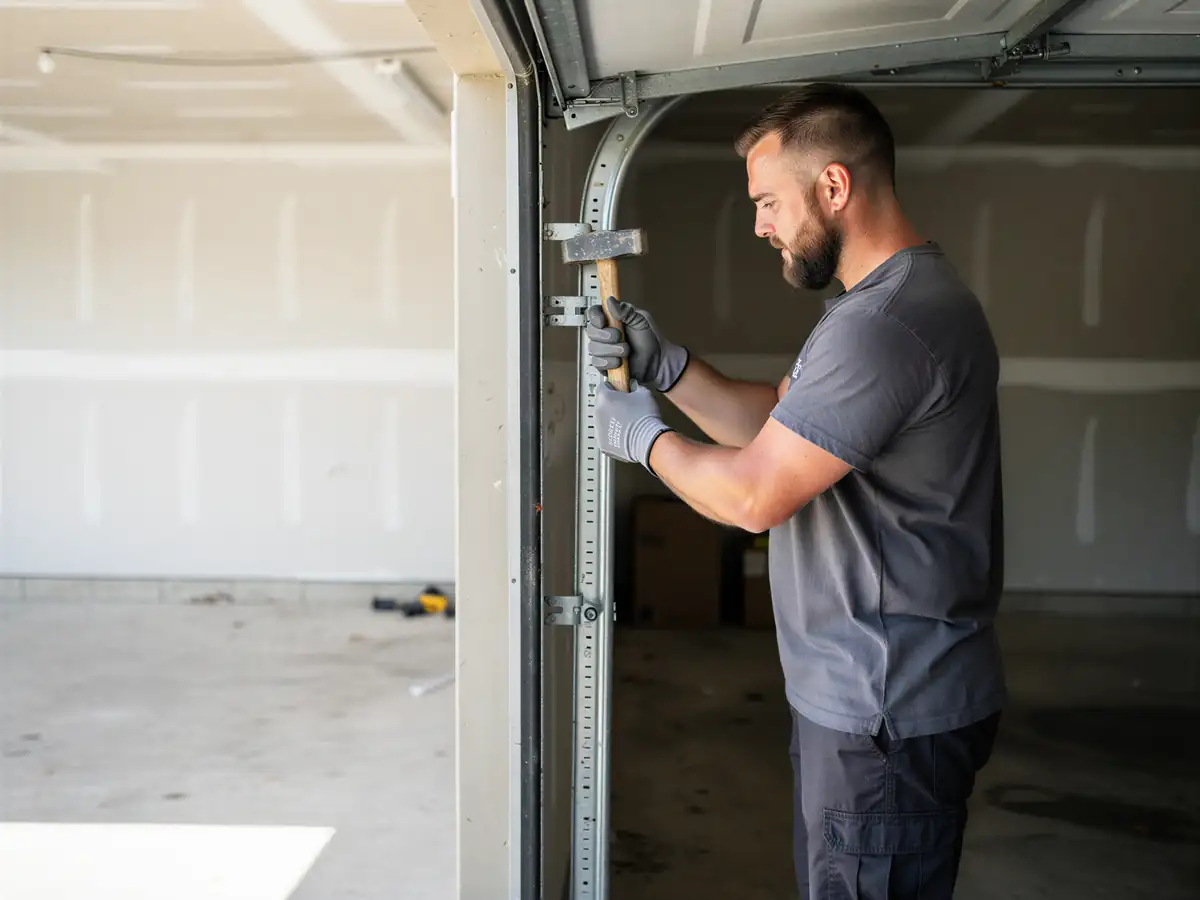
A maintenance visit isn't a quick glance and a squirt of oil. We check spring tension and wind count against the door weight, inspect cables and drums for fraying or uneven wrap, test the track alignment with a level, and run the opener through its force and travel limits to make sure it's not over-straining the motor to compensate for worn rollers. We lubricate hinges, rollers, and the torsion bar itself with the right product for cold-weather service, not whatever's cheapest - standard grease thickens and slows everything down once temperatures drop. We also check the bottom seal and weatherstripping, since that's the first thing to crack and let cold air into the garage, and tighten the hardware that vibration loosens over a year of daily cycles. With 107,063 owner-occupied houses across the service area, a once-a-year visit is enough to catch most of this before it becomes an emergency call - we don't push quarterly plans nobody needs. One honest limit: if a spring is already showing rust pitting or stretch, we'll tell you to replace it now rather than service around it. Oiling a compromised spring just delays a failure, it doesn't prevent one.
How We Fix It
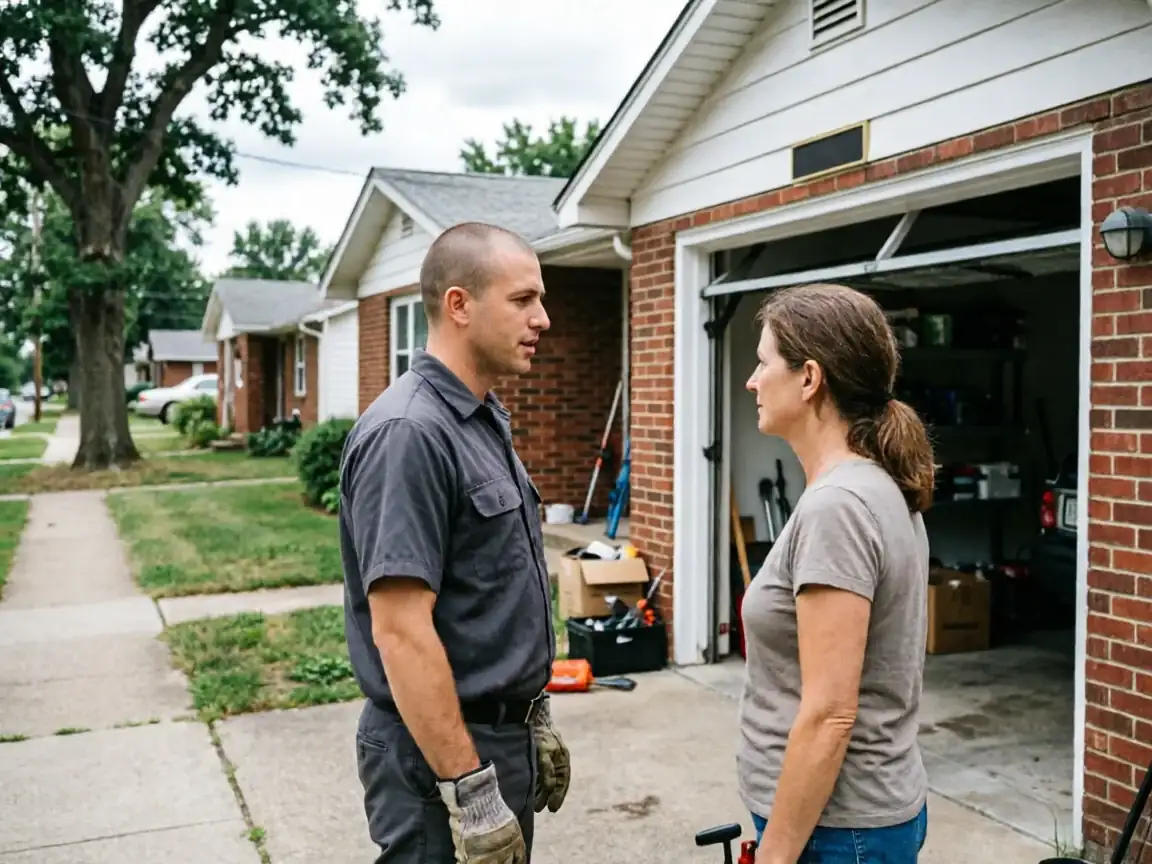
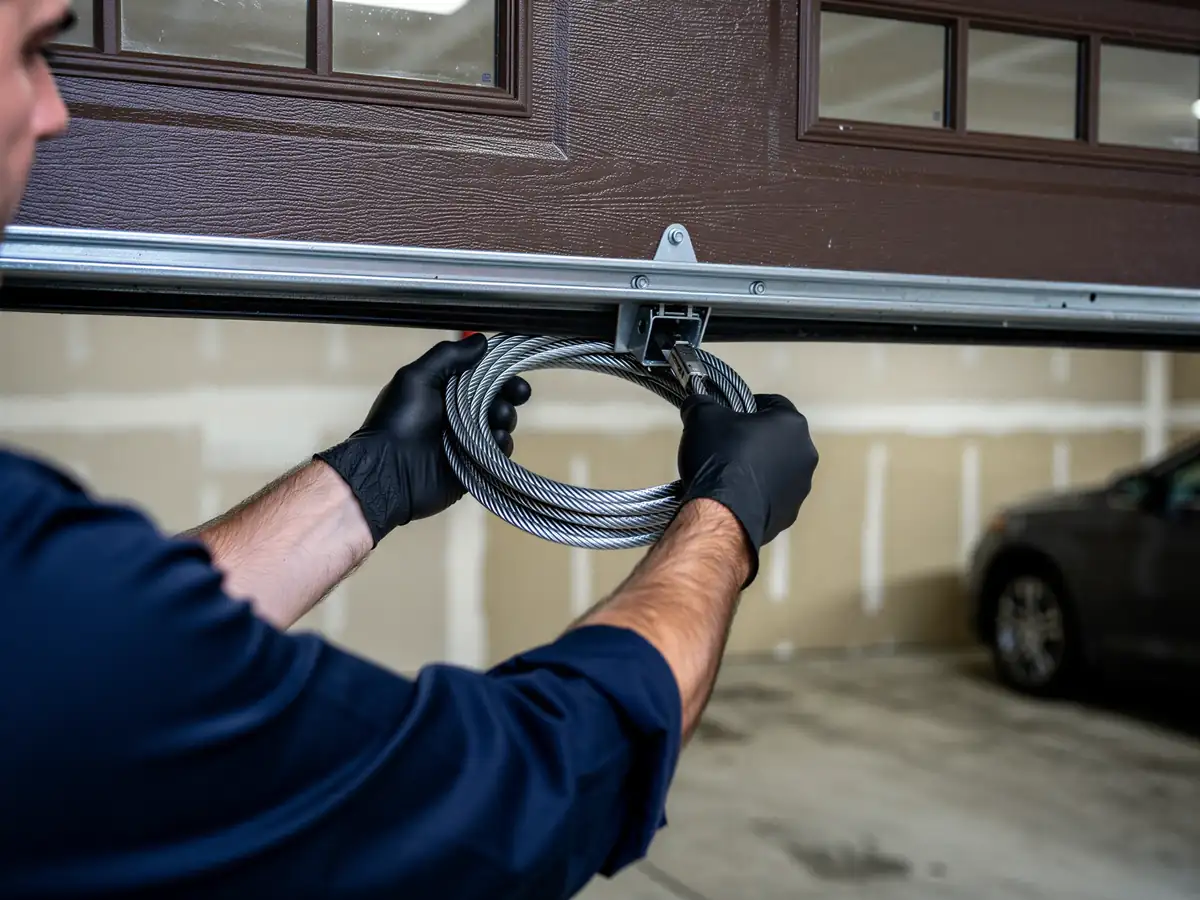
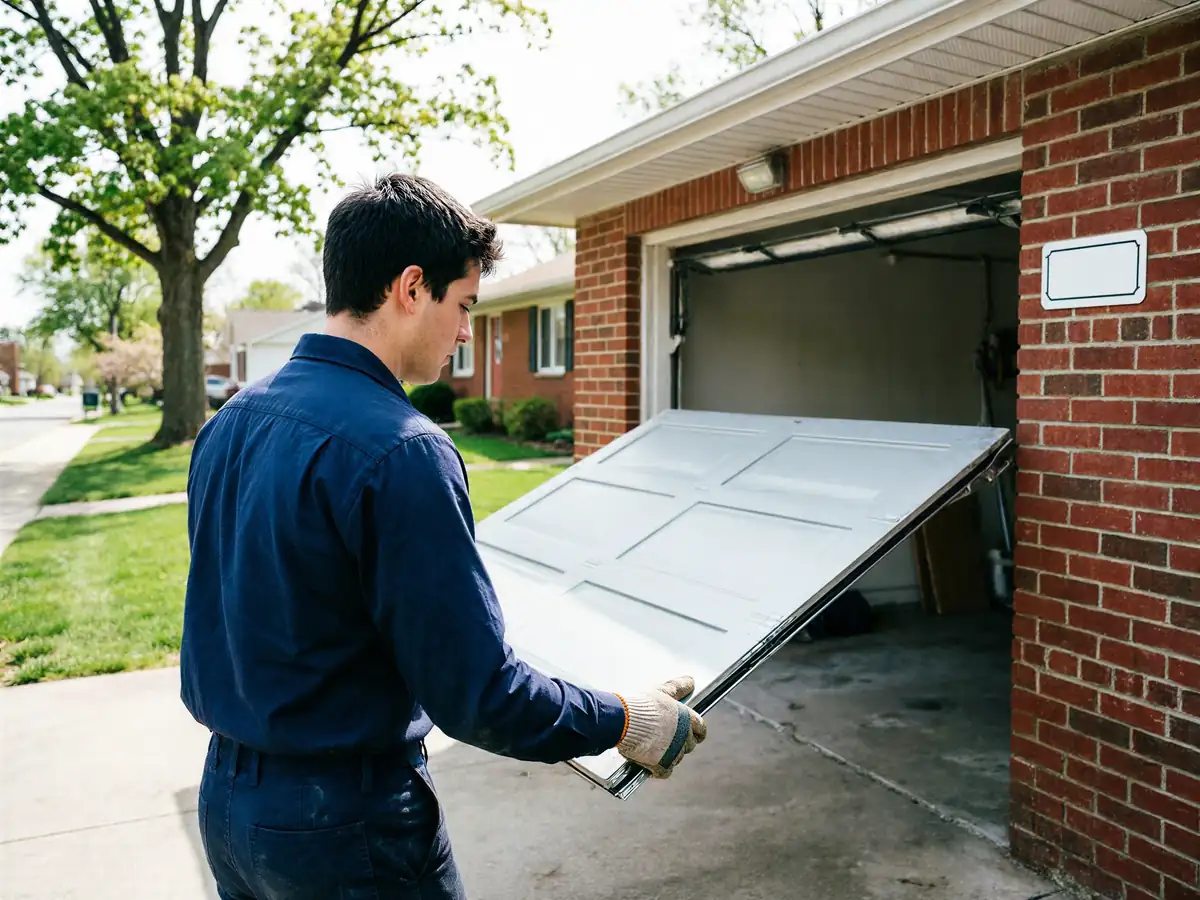
When the inspection turns up something past the point of adjustment - a spring with visible wear, a cable fraying at the drum, rollers worn down to the bearing - we quote the repair on the spot rather than patch it and hope. Most of what we catch during a maintenance visit is small: a track bracket a quarter-inch out of true, a hinge that needs a half-turn tightened, a sensor lens with enough dust on it to make the opener hesitate. Those get fixed during the same visit. For anything bigger, replacement parts for doors from the 1960s-70s build era aren't always something we can grab off the truck shelf, since hardware sizing changed over the decades - that can mean a short order wait rather than a same-day fix. We'd rather tell you that up front than promise a fix we can't deliver that day. The goal of a maintenance visit in a market with median household income of $80,612 isn't to sell you a new door - it's to get a few more good years out of the one you have, and tell you plainly when that's no longer the cheaper option.