Where This Job Goes Sideways
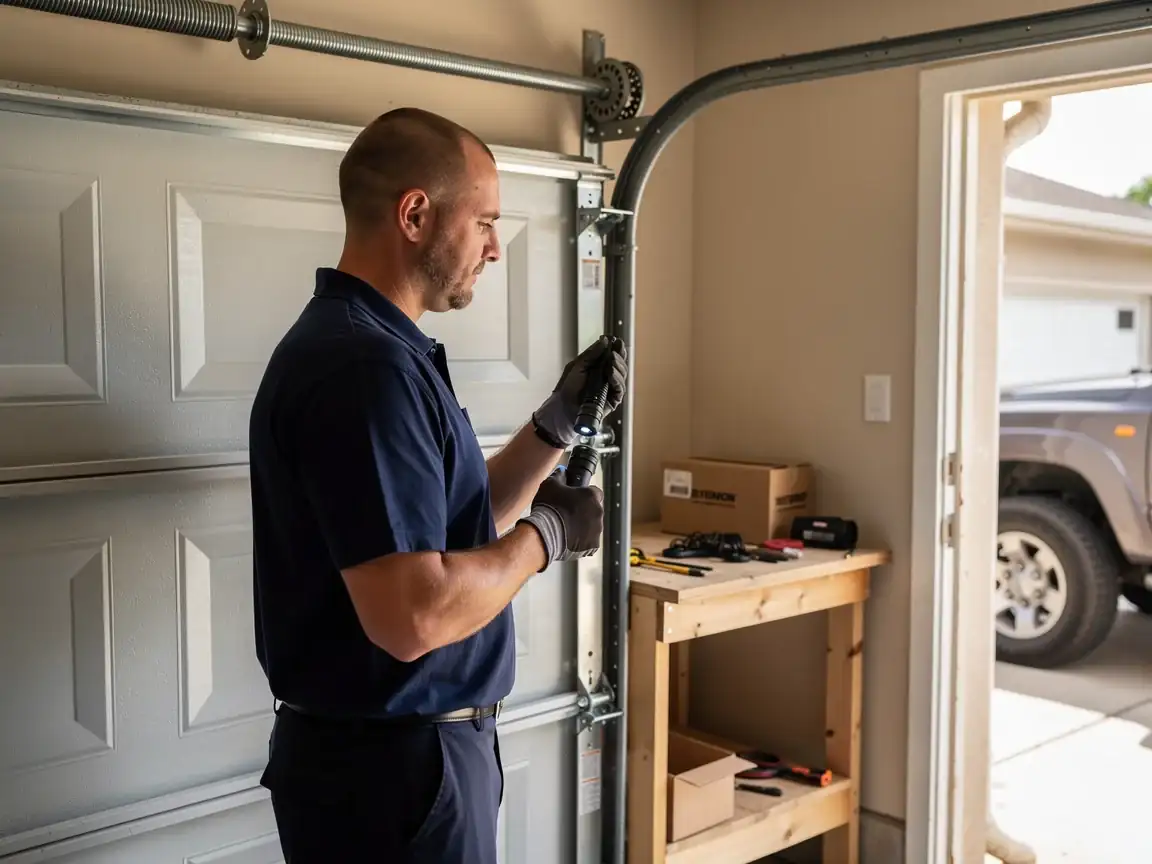
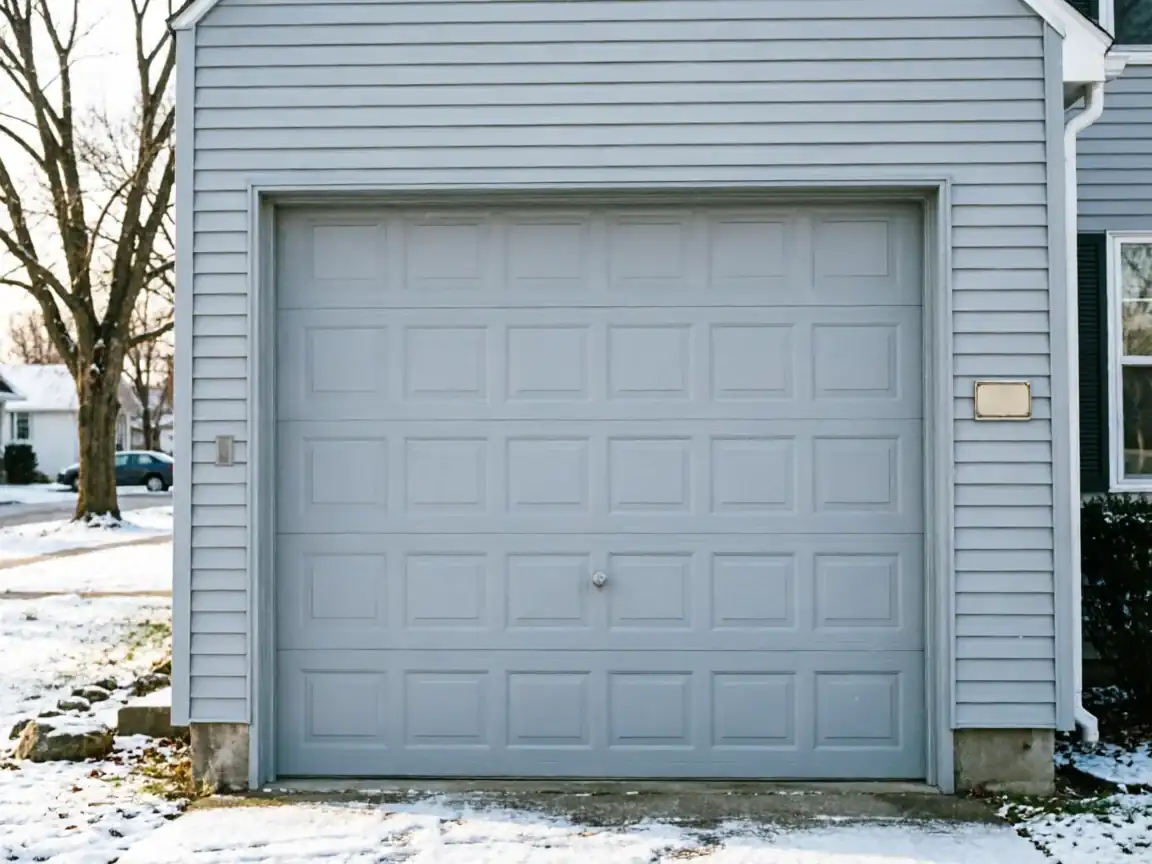
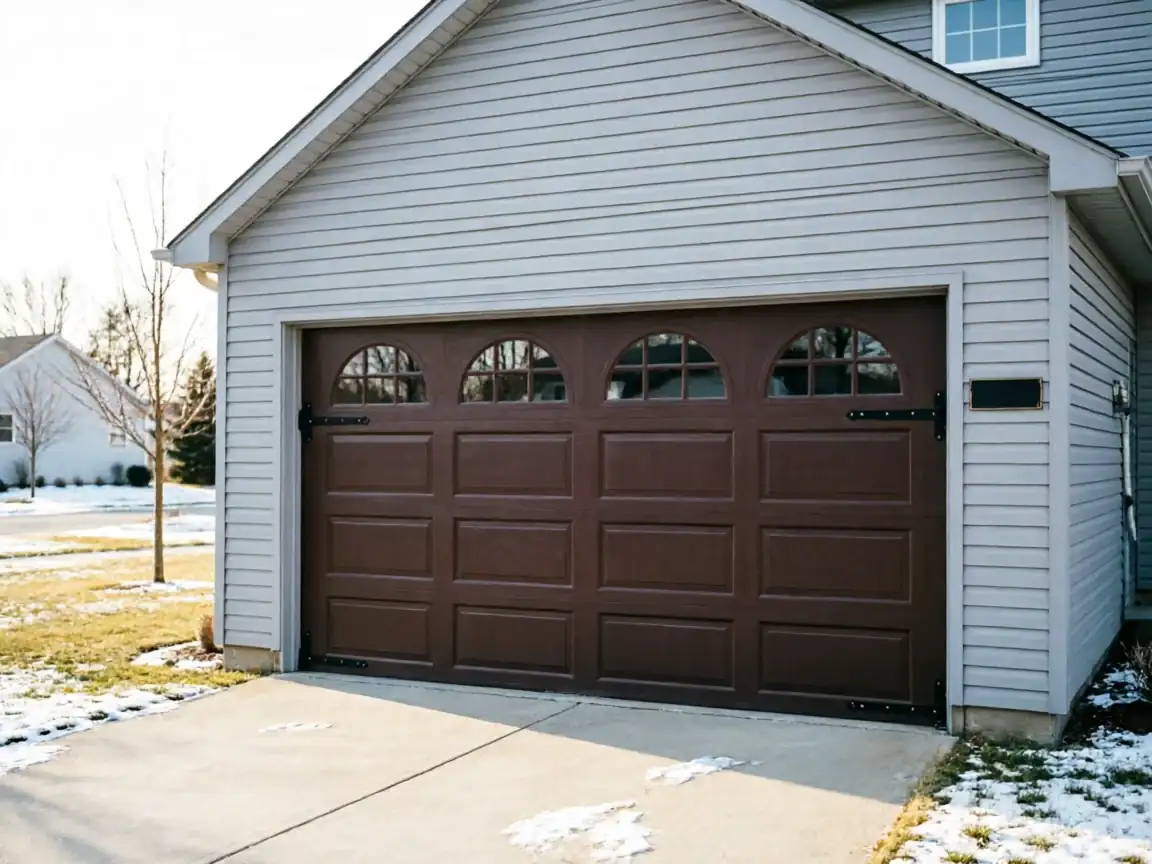
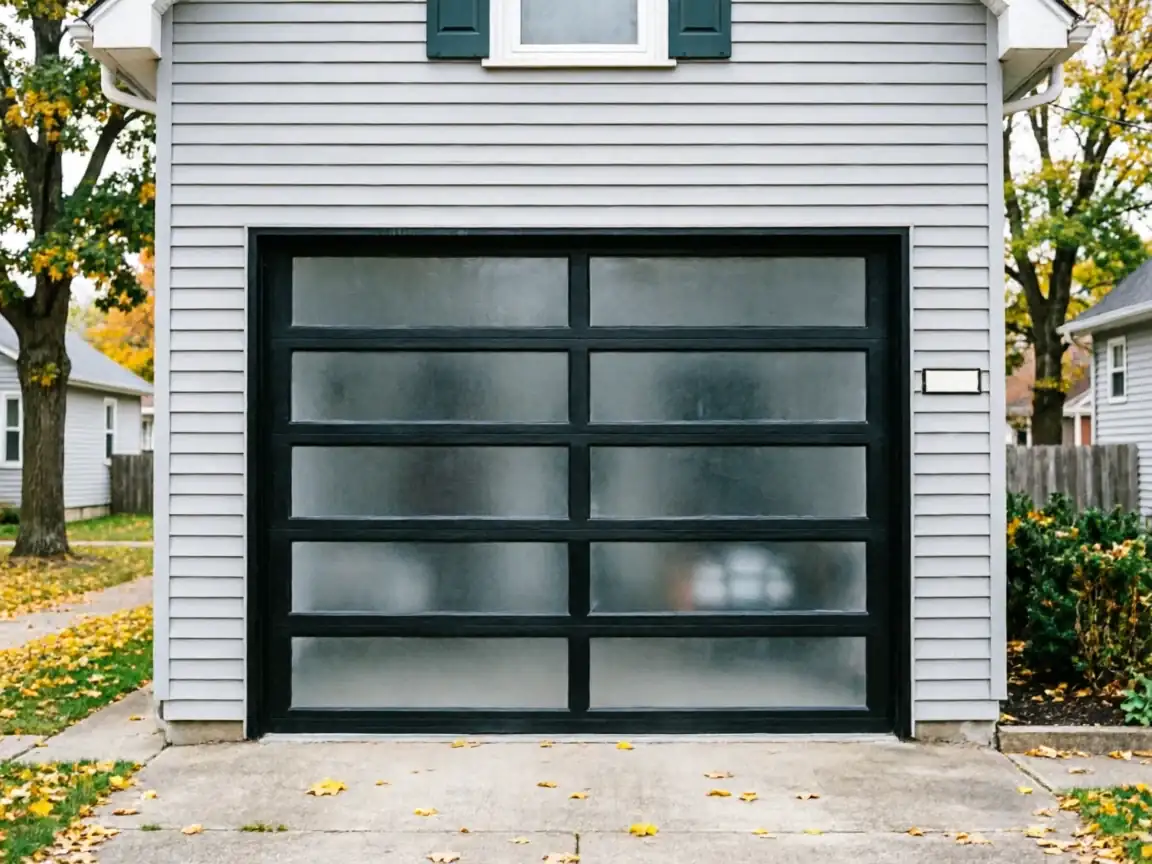
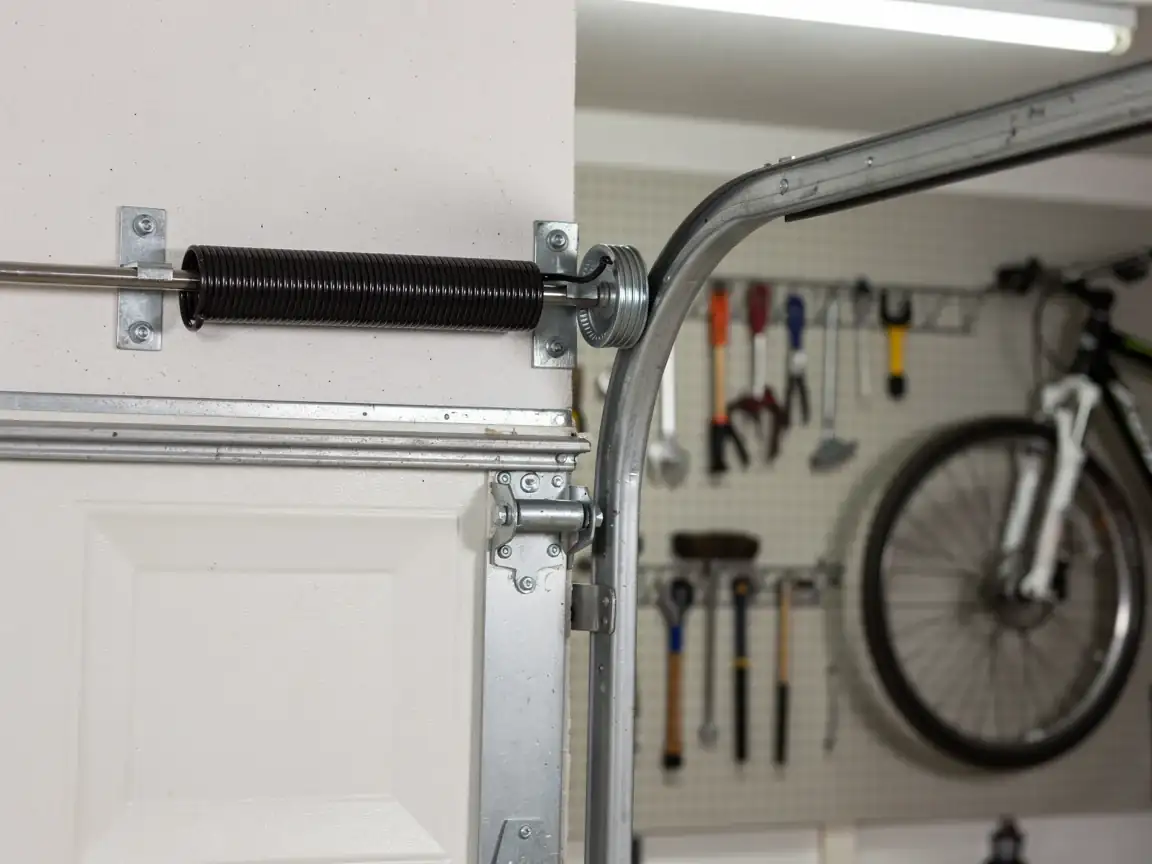
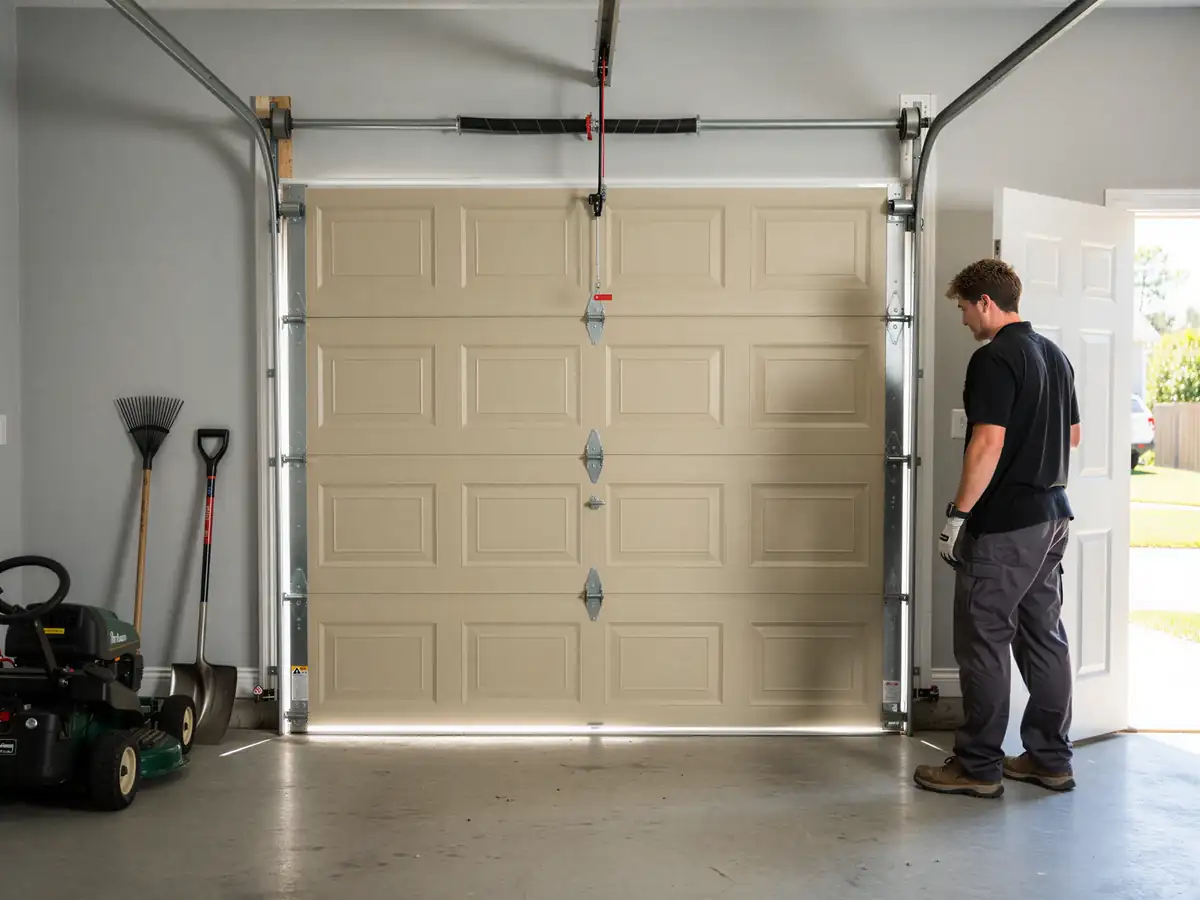
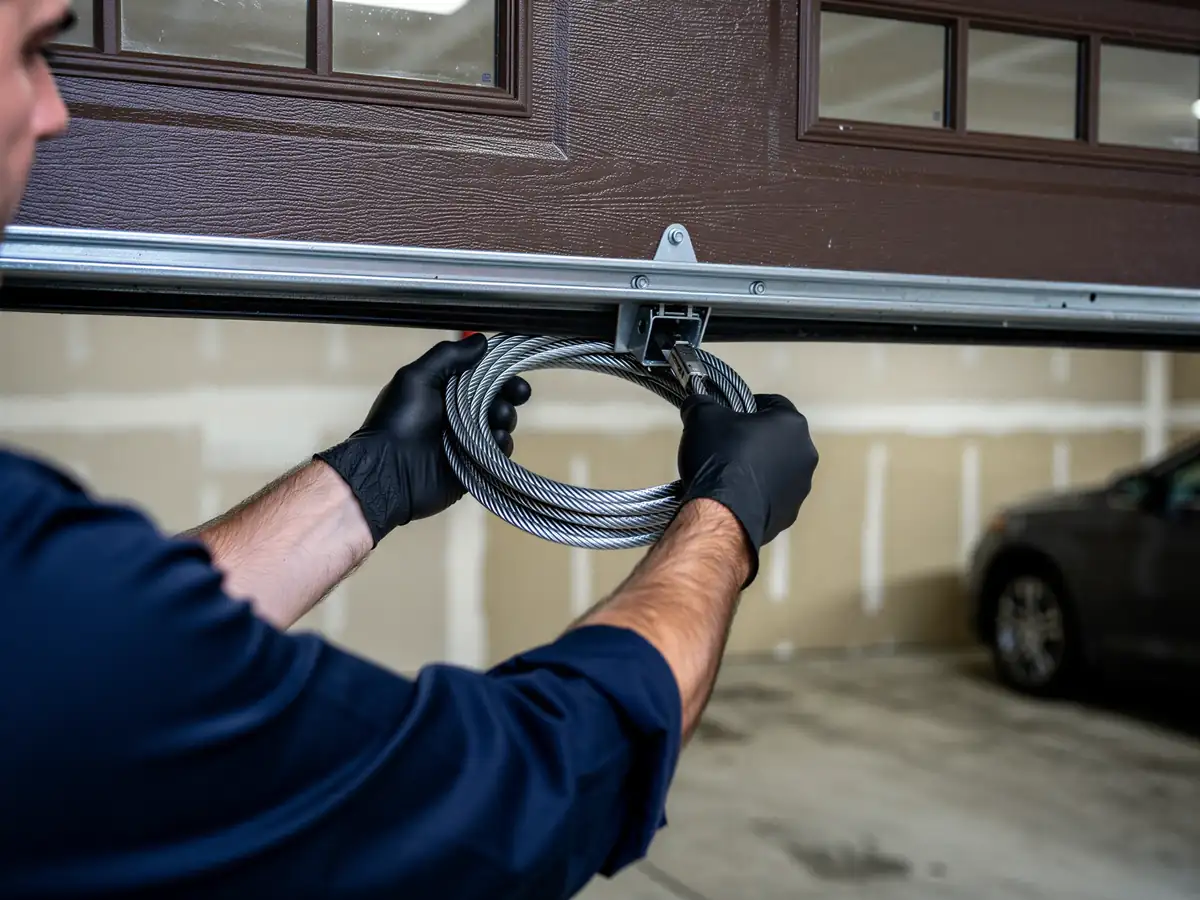
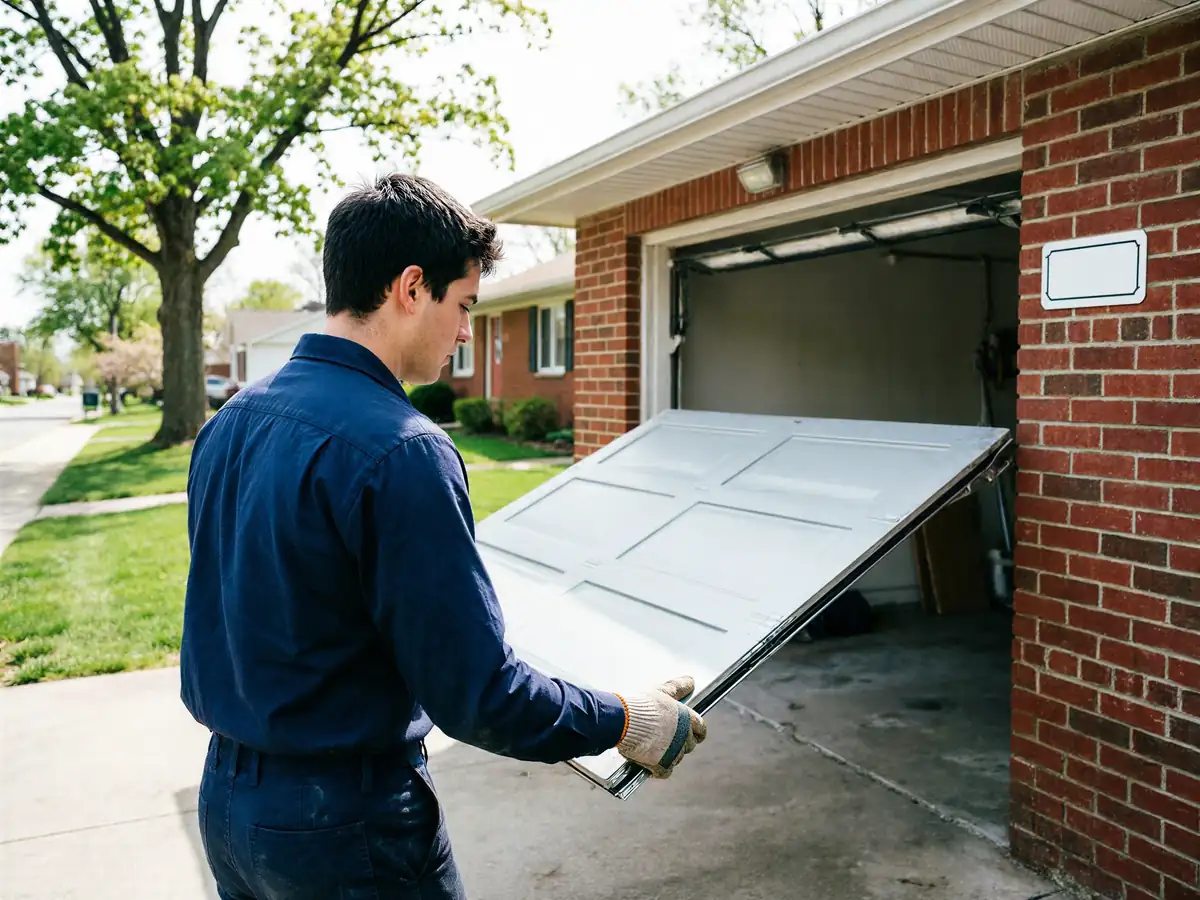
Kent has 10,180 households, which is a small enough number that a garage door crew isn't running five calls a day here the way they might closer to Akron. That matters because when something does go wrong, it's usually not a one-off. A spring breaks on a door that's been loaded wrong for years, or an opener drive gear strips because the track was never aligned right to begin with. In a town this size, a bad install tends to get repeated - the same builder, the same era, the same mistake on three houses on the same block. The median home here was built around 1970, which puts a lot of Kent garage doors on original or first-replacement hardware that's well past its design life. That's where the job goes sideways: a homeowner calls about a noisy door, and the real issue is a torsion spring sized for a door that's 50 years old, paired with a cable that was never meant to hold the weight it's holding now.
Time on the Job
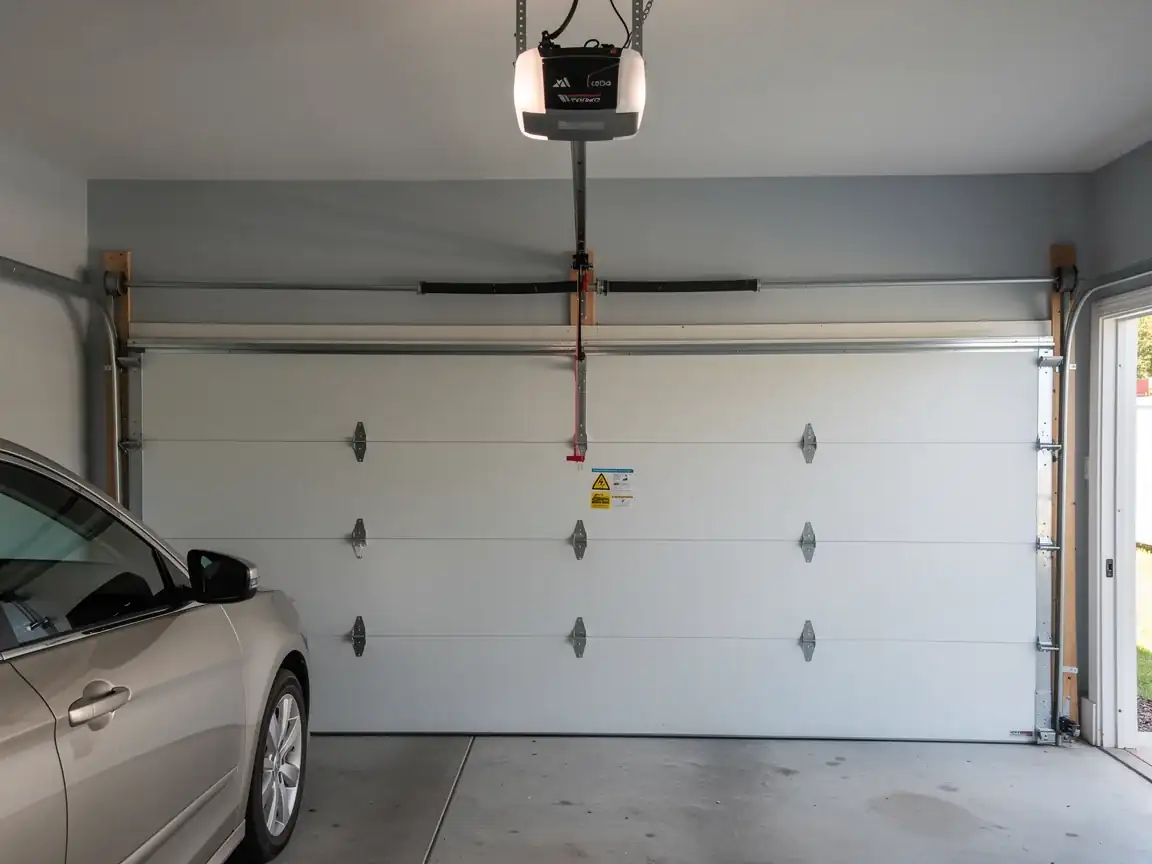
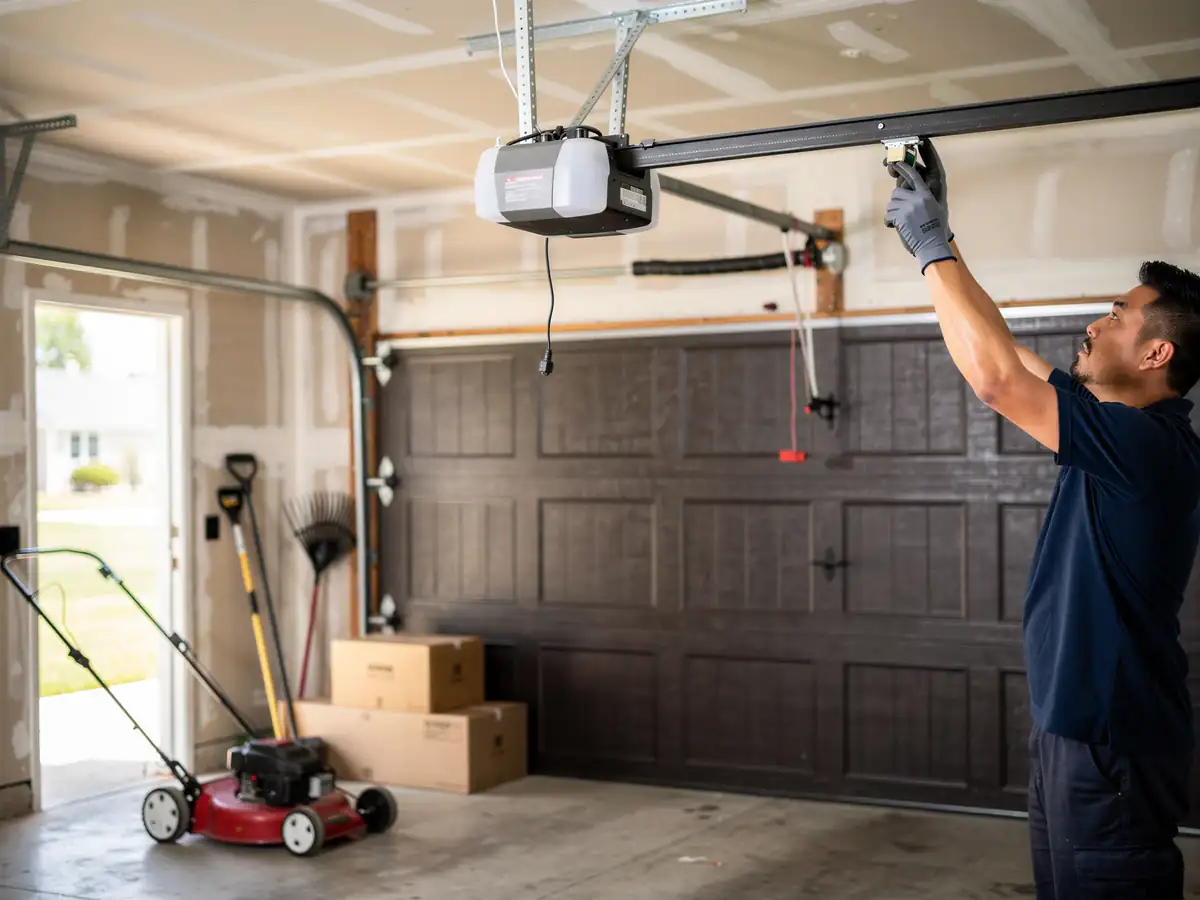
We run this call from Akron, about 10 miles out, so Kent isn't a quick in-and-out the way a job inside the city might be. Once we're on site, most spring and cable jobs on a standard double door run the same regardless of town - it's the diagnosis that takes longer here. Houses built in the 1970 era around Kent often have non-standard track spacing or a header that was framed before current opener brackets were common, so fitting a new operator sometimes means adjusting the mount first. That's extra time we build into the job rather than rush through, because a bracket set up wrong today is next week's second call.
Why This Fails Locally
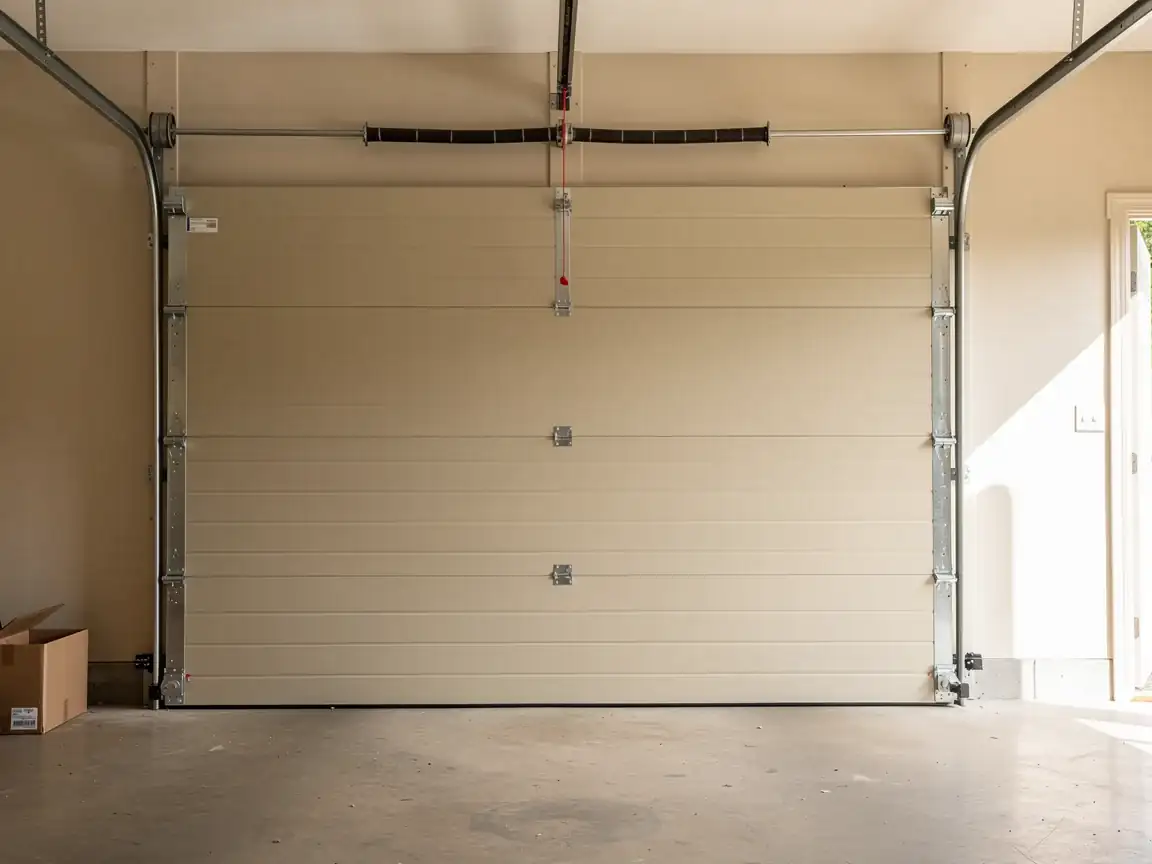
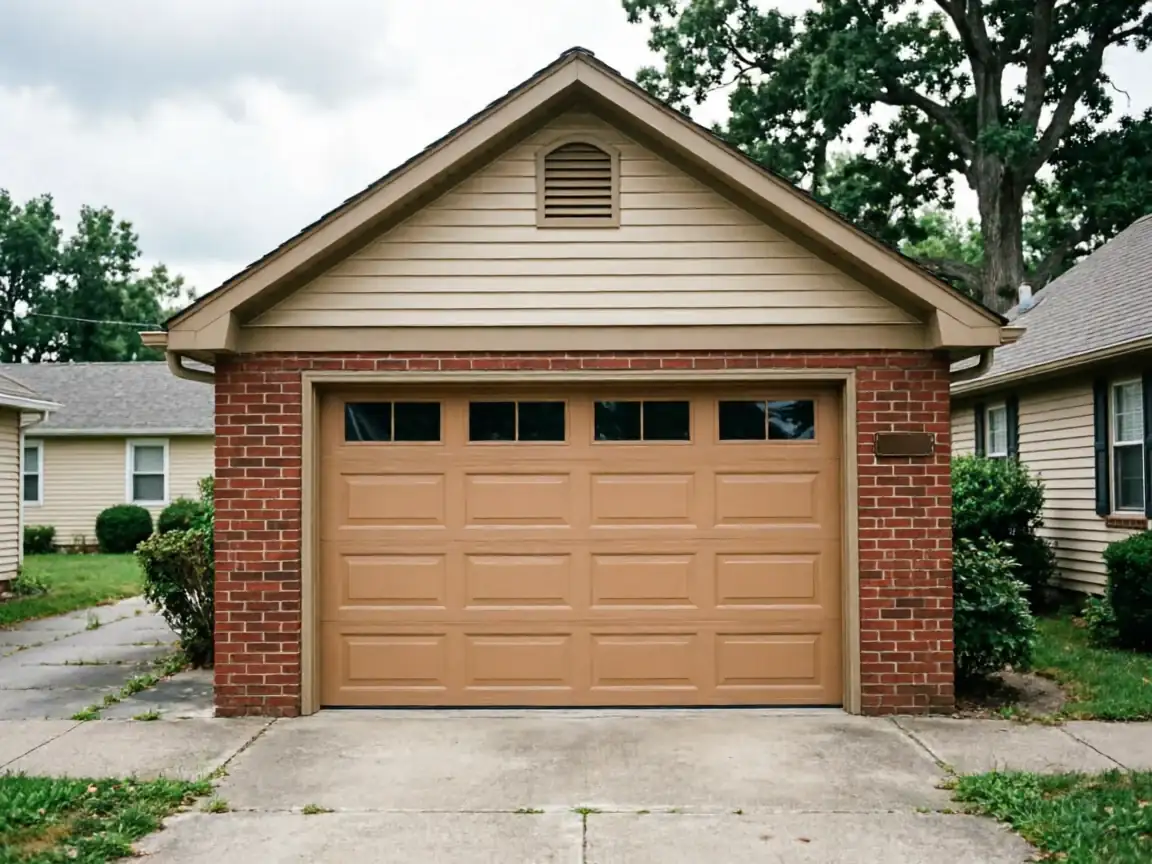
The region sits in a cold, severe winter climate band, and that cold is hard on garage door hardware everywhere in the service area - but in Kent specifically, it's hitting doors and springs that are already on the older end of the area's housing stock. Most of the broader service area's homes went up between 1952 and 2004, with a median around 1972; Kent's own median build year lands right at 1970, almost dead center of that range, which means a disproportionate share of its doors are the original torsion-spring setups from that era, not the newer extension-spring or updated torsion systems you'd find in houses built in the 1990s or later. Cold makes steel brittle and lubricant thick, so a spring that's already fatigued from 50-plus winters is the one that lets go first. That combination - 1970-era hardware plus severe cold - is the specific local failure pattern, not a generic 'doors wear out' story.
The DIY Question
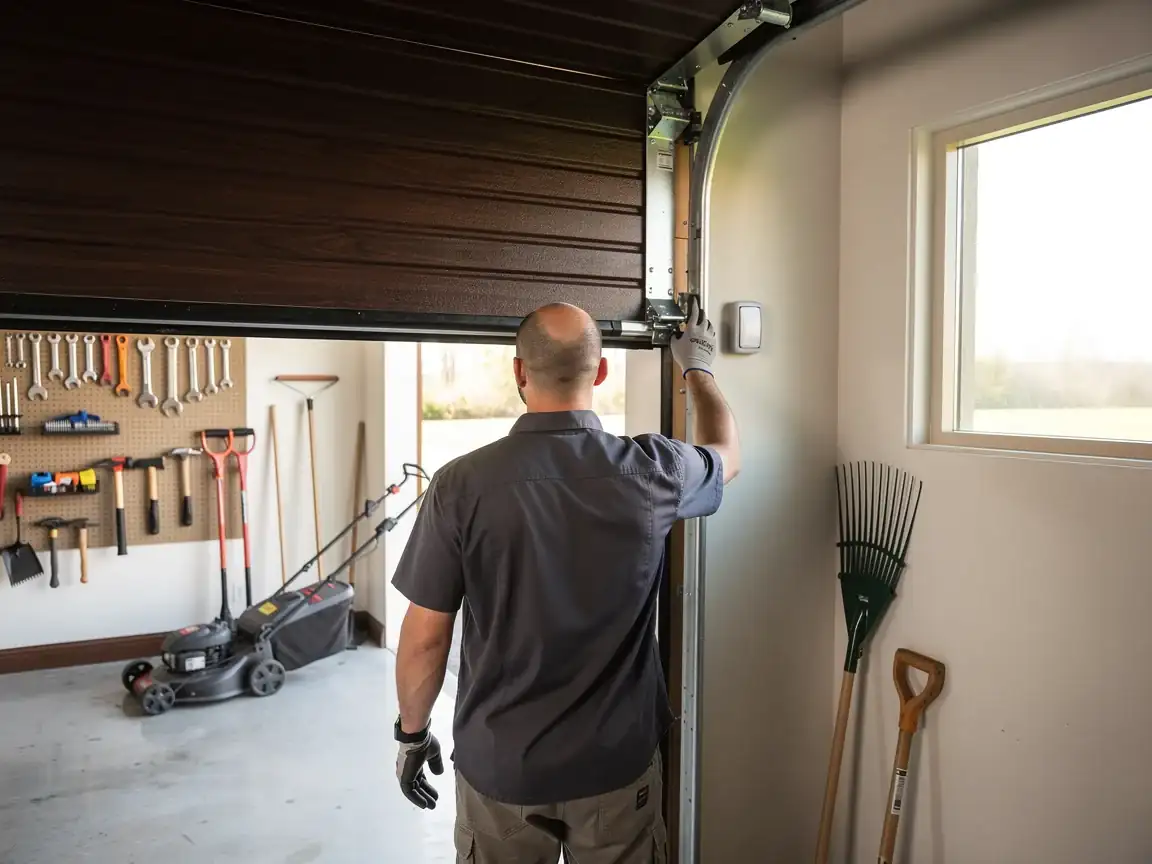
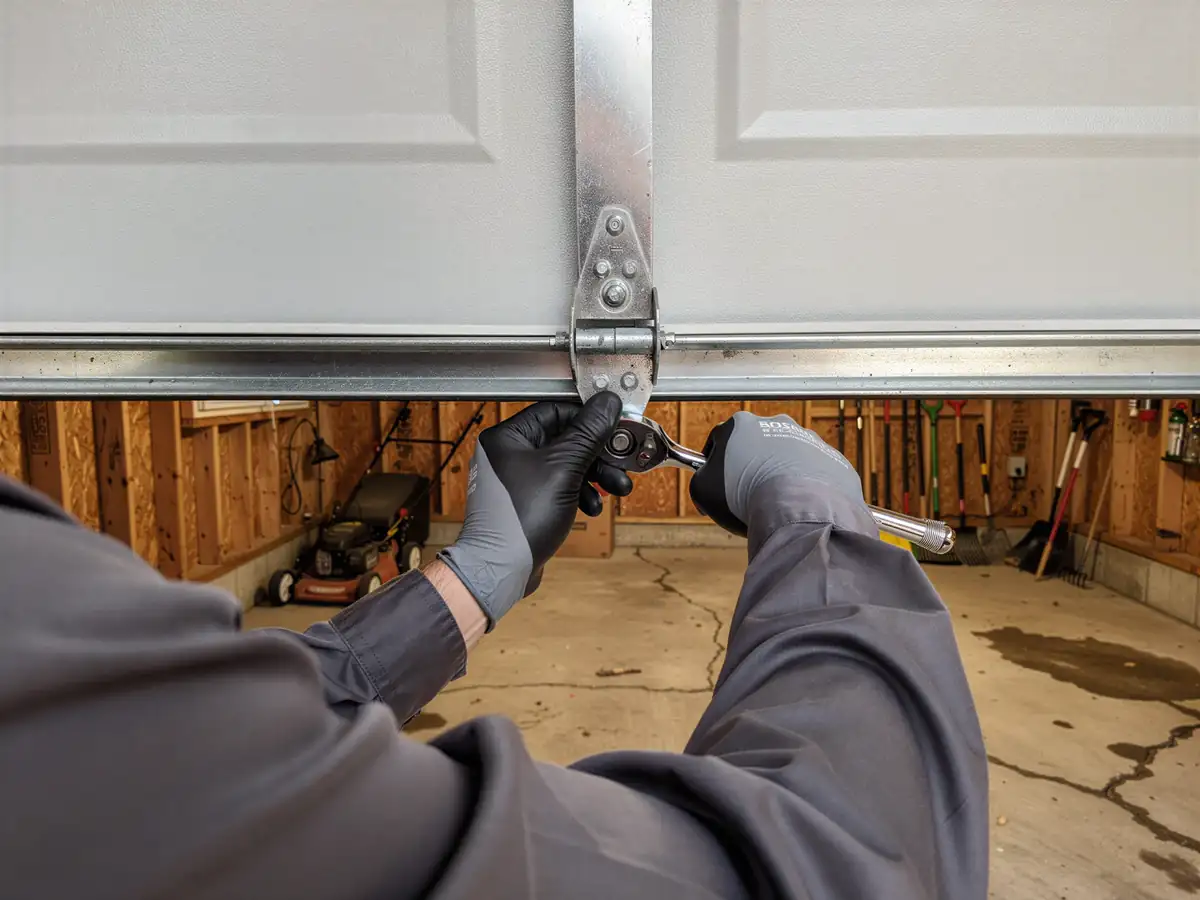
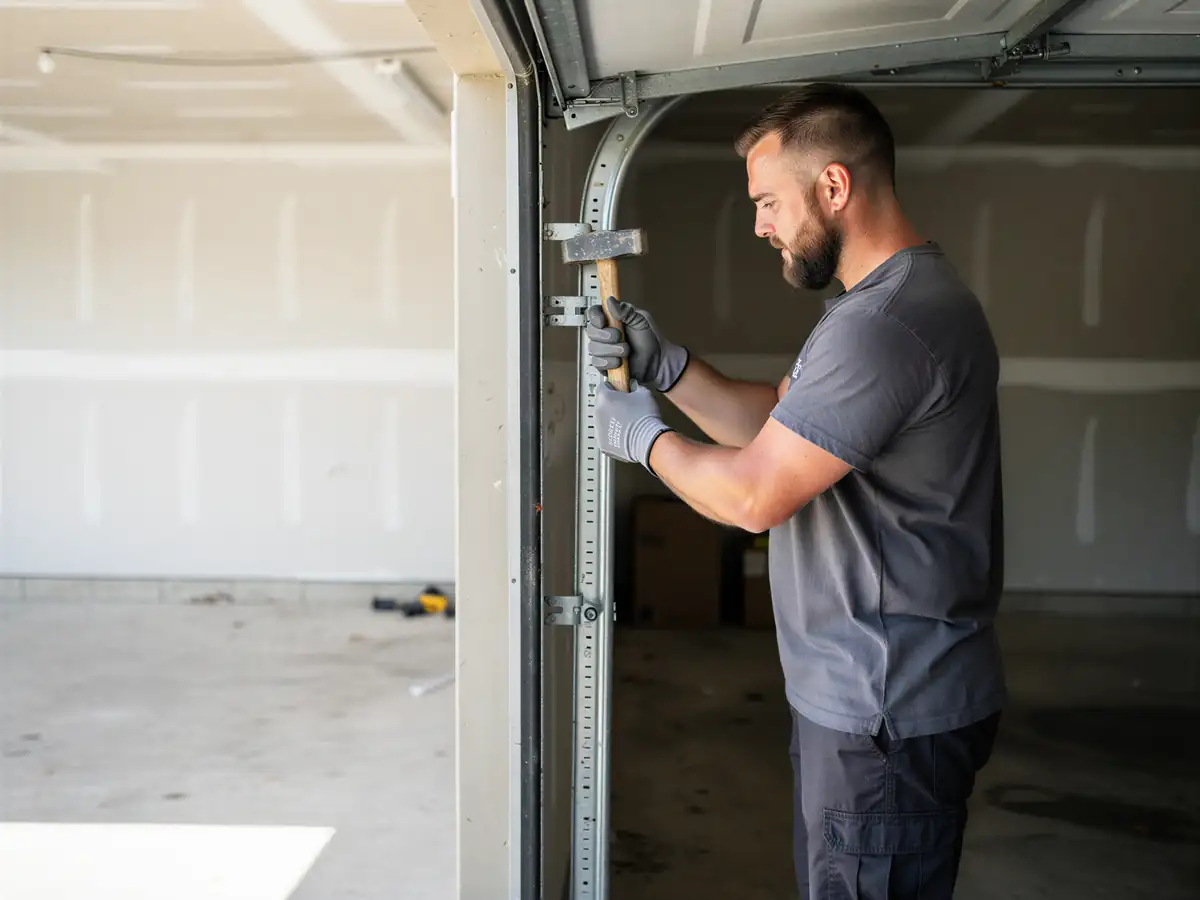
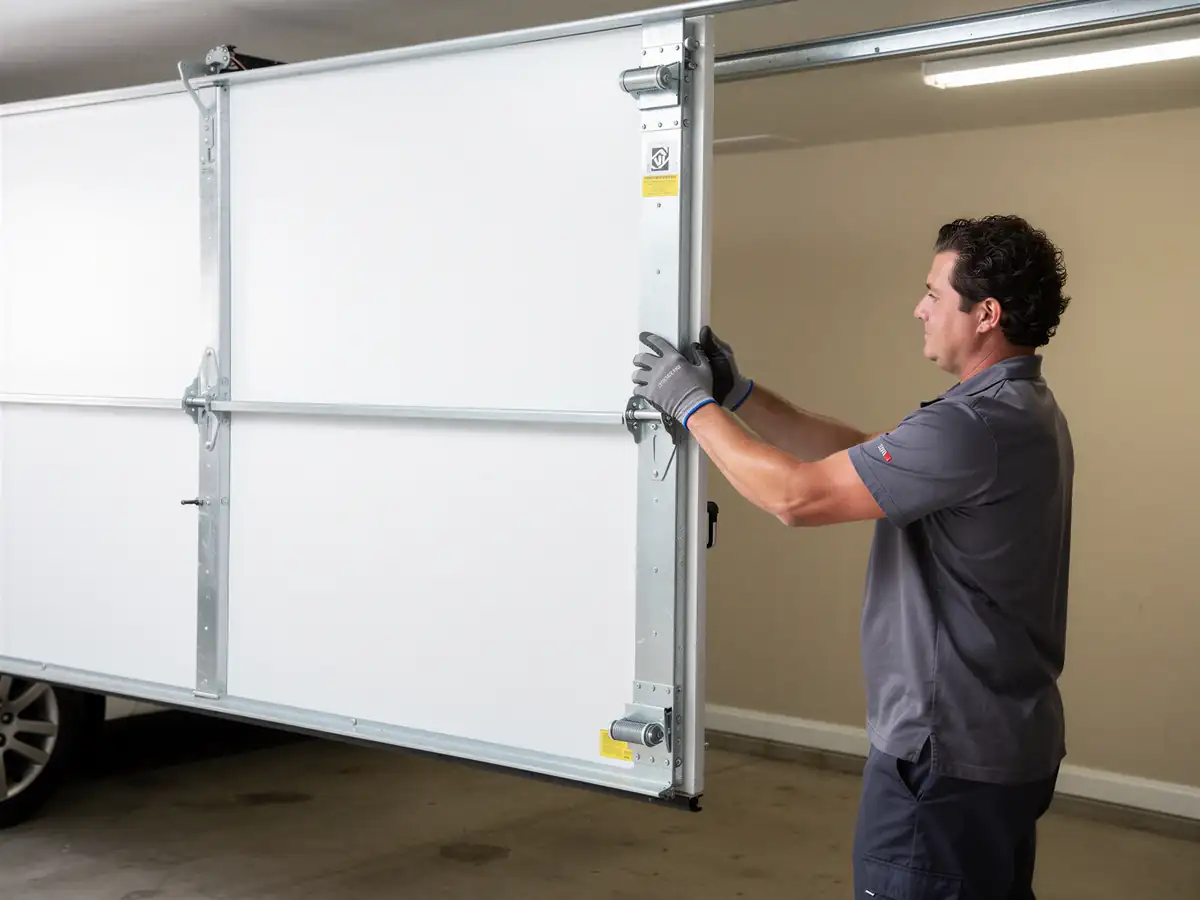
A torsion spring under tension is not a DIY repair, full stop, regardless of how old the door is - that's a release-of-energy problem, not a skill problem. Things you can reasonably check yourself on a Kent house this age: the track bolts for looseness, the photo-eye sensors for dirt or misalignment, and whether the door is balanced (disconnect the opener and see if it stays put halfway up). If it drifts up or crashes down, the spring tension is off and that's a call, not a project. Given how many doors in this area are original 1970s torsion units, we'd rather talk you out of a weekend repair than patch something that fails again in January.