When Waiting Is Fine
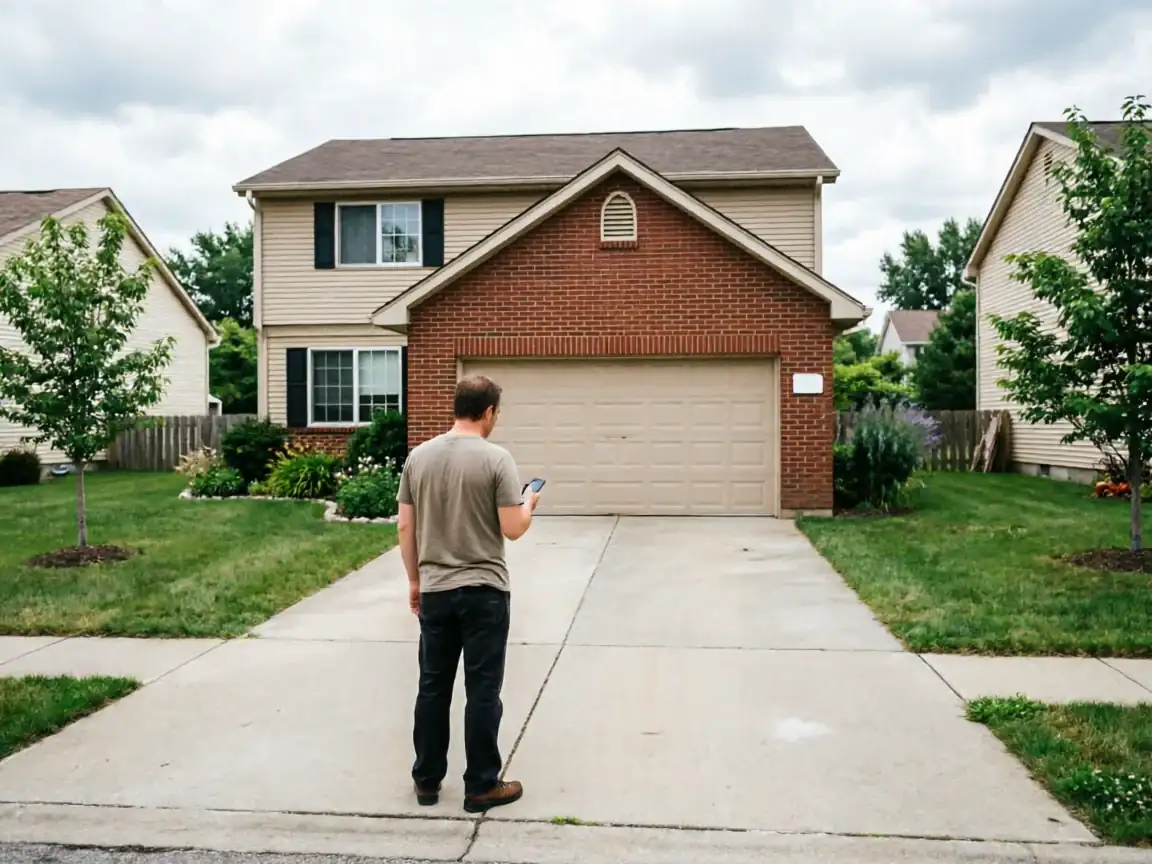
If your door still opens and closes, just louder or slower than usual, you don't need a same-day call. A torsion spring that's fatigued but not snapped will often hold for days or weeks before it finally lets go, and in a cold spell it's the sudden temperature drop that tends to be the final straw, not the first sign of trouble. Akron's housing stock runs mostly 1952 to 2004, with a median build year around 1972, which means a lot of doors around are still running springs that are decades past their rated cycle count. That age is the real risk, not the cold itself. If the door is sagging unevenly, making a new grinding sound, or one cable looks loose, that's worth a look before it fails on you on a sub-zero morning. But if it's just stiffer than it used to be, you can wait for a scheduled visit instead of treating it as an emergency. The one exception: if the door is stuck open and you can't secure the garage, that's not a waiting situation regardless of the weather.
The Situation
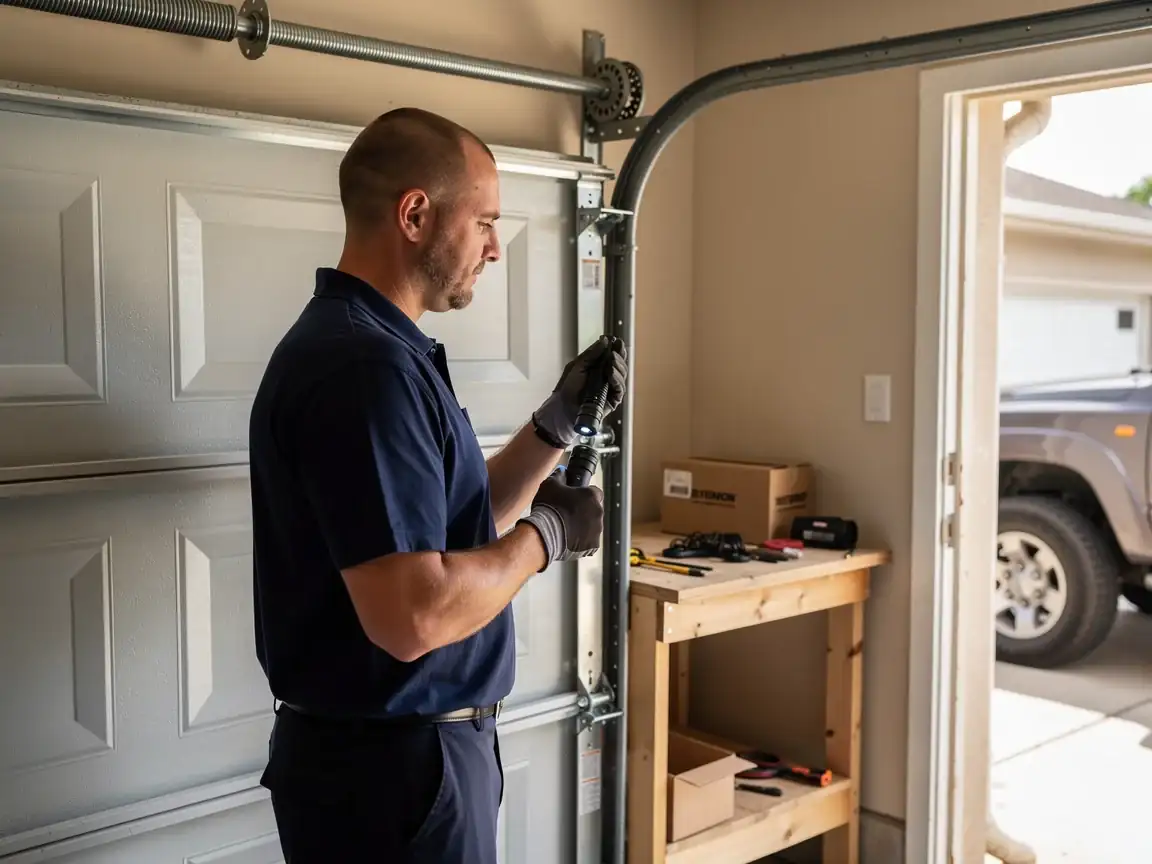
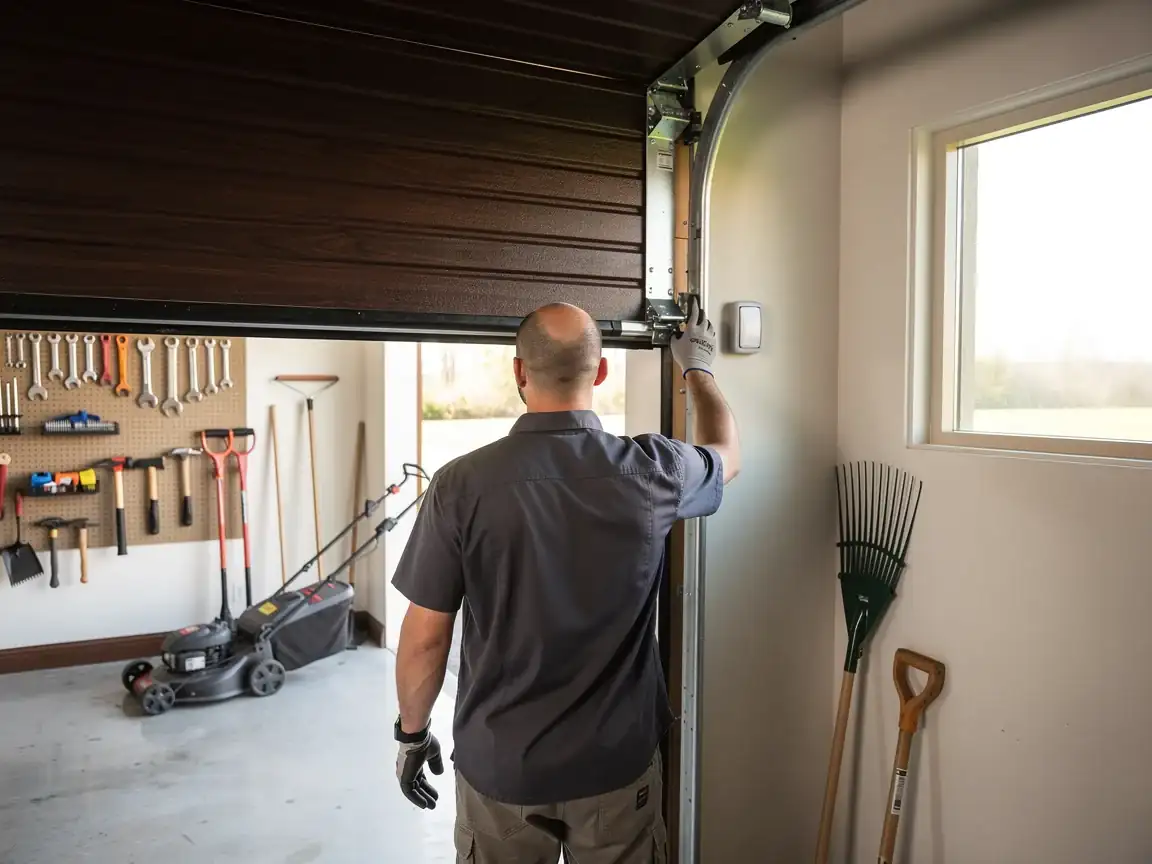
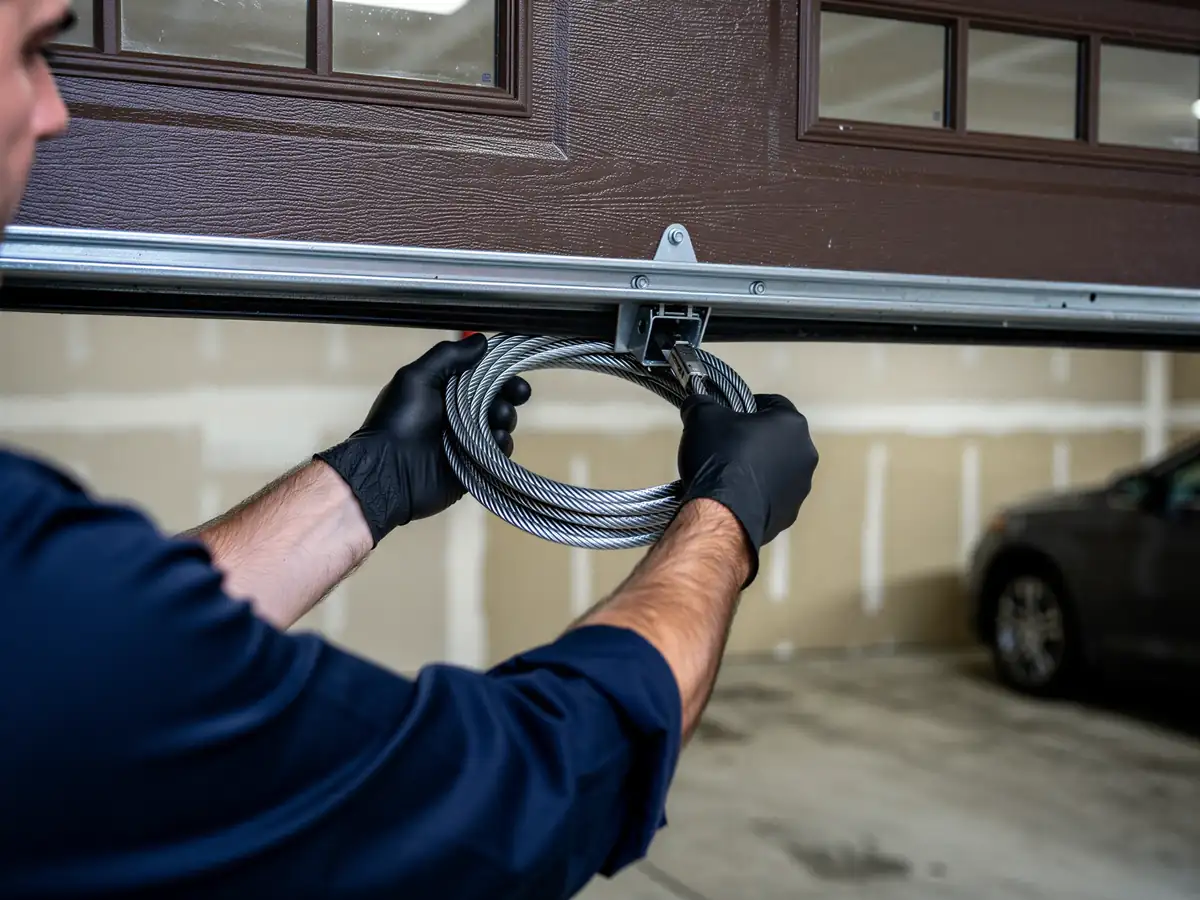
Akron sits in a severe cold climate band, and that matters mechanically, not just for comfort. Steel contracts as temperature drops, and a torsion spring under load behaves differently at 10 degrees than it does at 60. A spring already near the end of its cycle life is more likely to fail on the coldest mornings because the metal has less give left in it right when the stress on the coil is highest. Across the roughly 107,063 owner-occupied houses in this service area, a large share were built in that 1952-2004 window with a median around 1972, meaning original or early-replacement torsion springs are common, not rare. These aren't springs rated for today's heavier insulated doors either, in many cases, since door weight and spring sizing have both shifted since that era. The failure itself is usually fast: a loud bang, the door won't lift, and one or both cables may hang loose. There's no repairing a broken torsion spring. It gets replaced, matched to the door's actual weight, and that's the point where an old, undersized spring often gets corrected rather than just swapped one-for-one.
How Local Conditions Play In
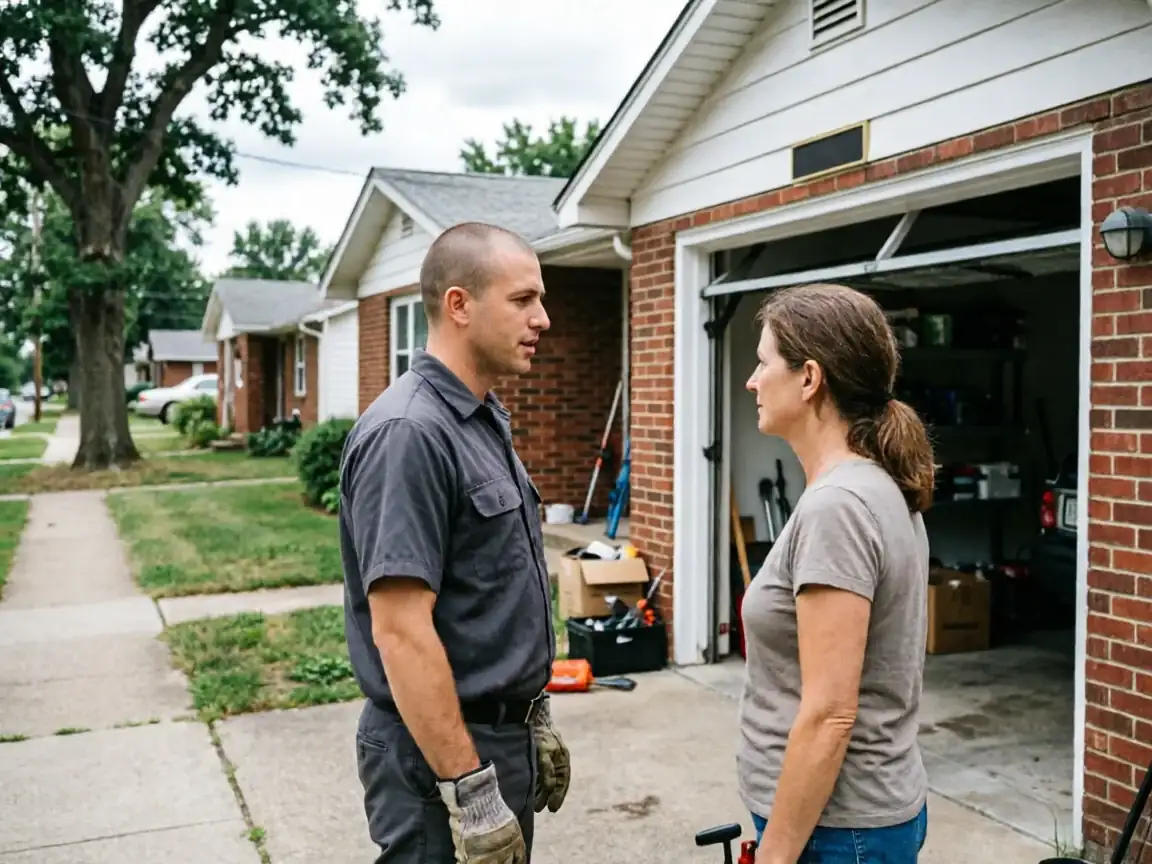
Across the 42 named areas in this service area, the housing pattern is consistent enough to matter: 1960s and '70s construction is the norm, not the exception, and that means original or first-generation torsion springs are still common on a lot of doors from Tallmadge to Barberton to Cuyahoga Falls. Severe cold winters put repeated stress cycles on that aging steel every single season, and the failures cluster on the sharp cold mornings, not the mild ones, because that's when the coil has the least flex left in it. With a median household income of $80,612 in the area, most owners are weighing a $20-30 spring job against a full opener or door replacement, and for most doors built in this era, replacing the spring with one properly sized to the door's actual weight is the right call rather than a full door swap. One honest limitation: if your door is an older, less common panel style from this build era, an exact cosmetic match for damaged sections can take longer to source than the spring repair itself, so don't expect same-day matching trim on an older door even when the mechanical fix is quick.