Where This Job Goes Sideways
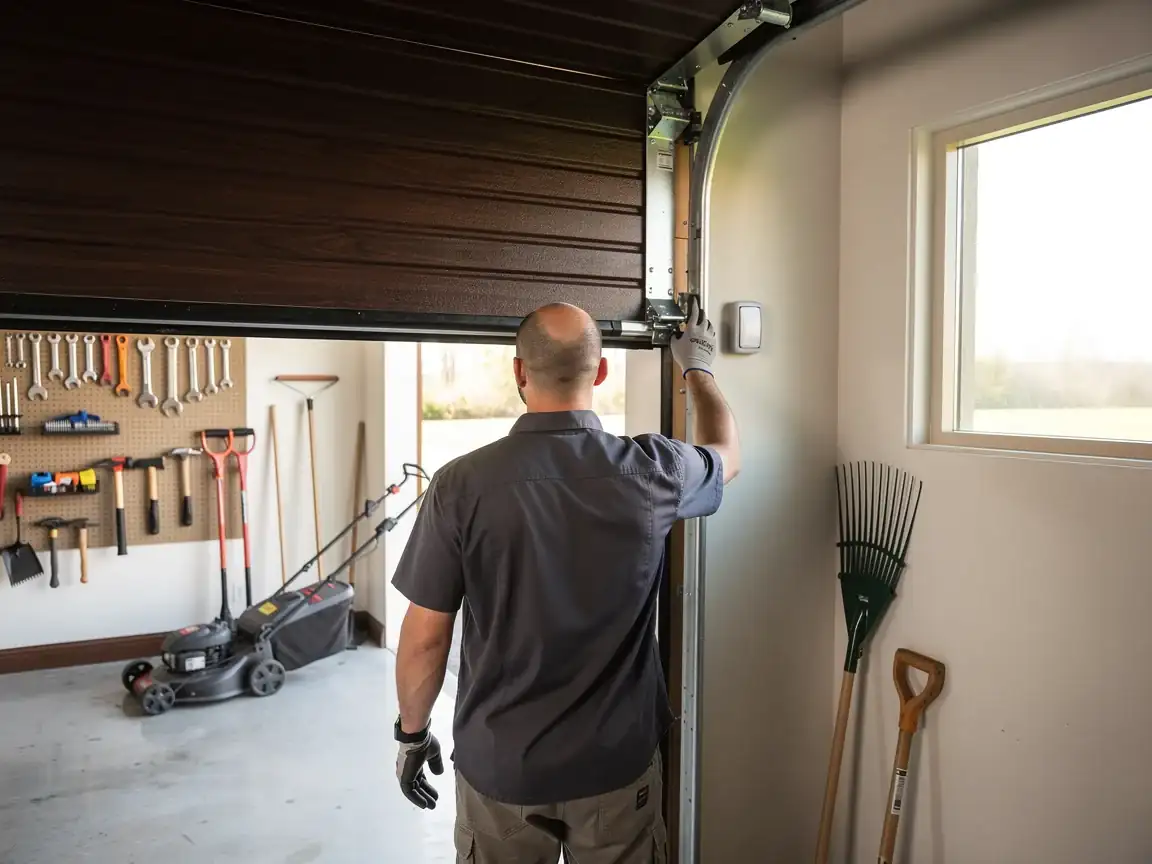
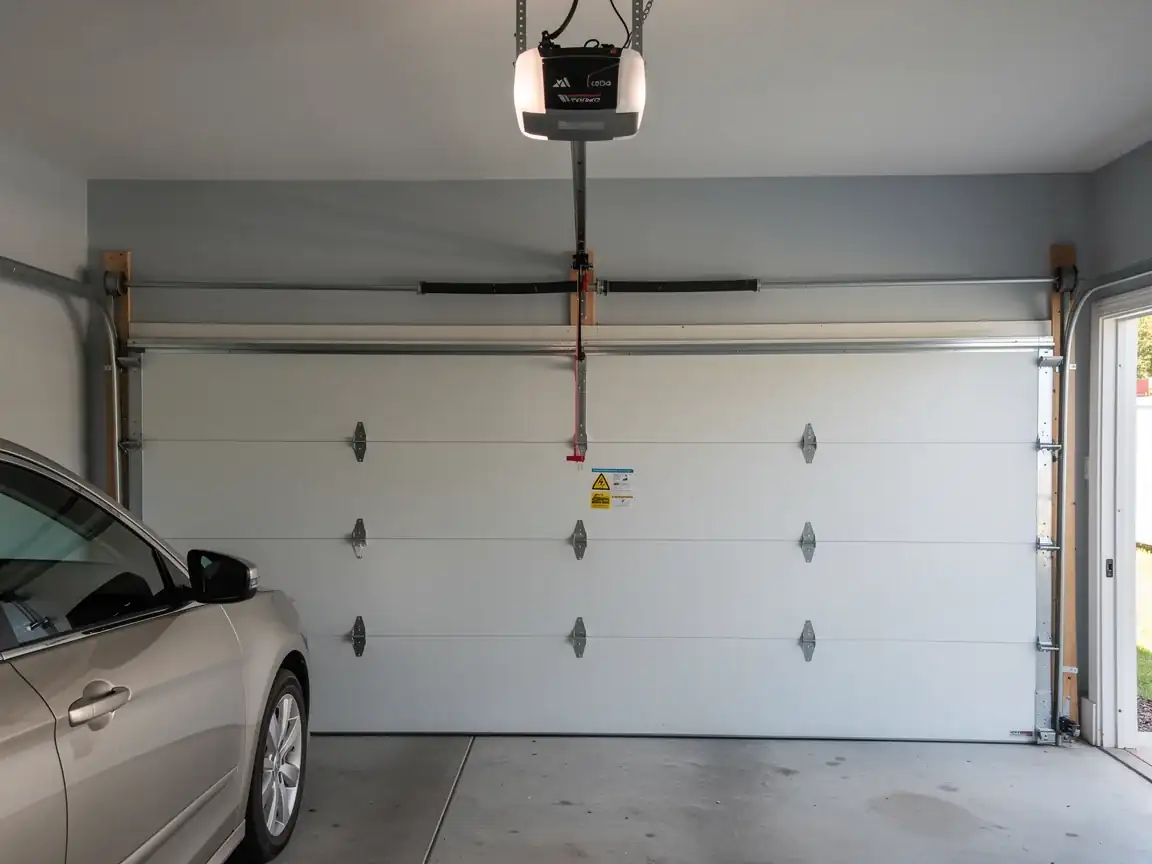
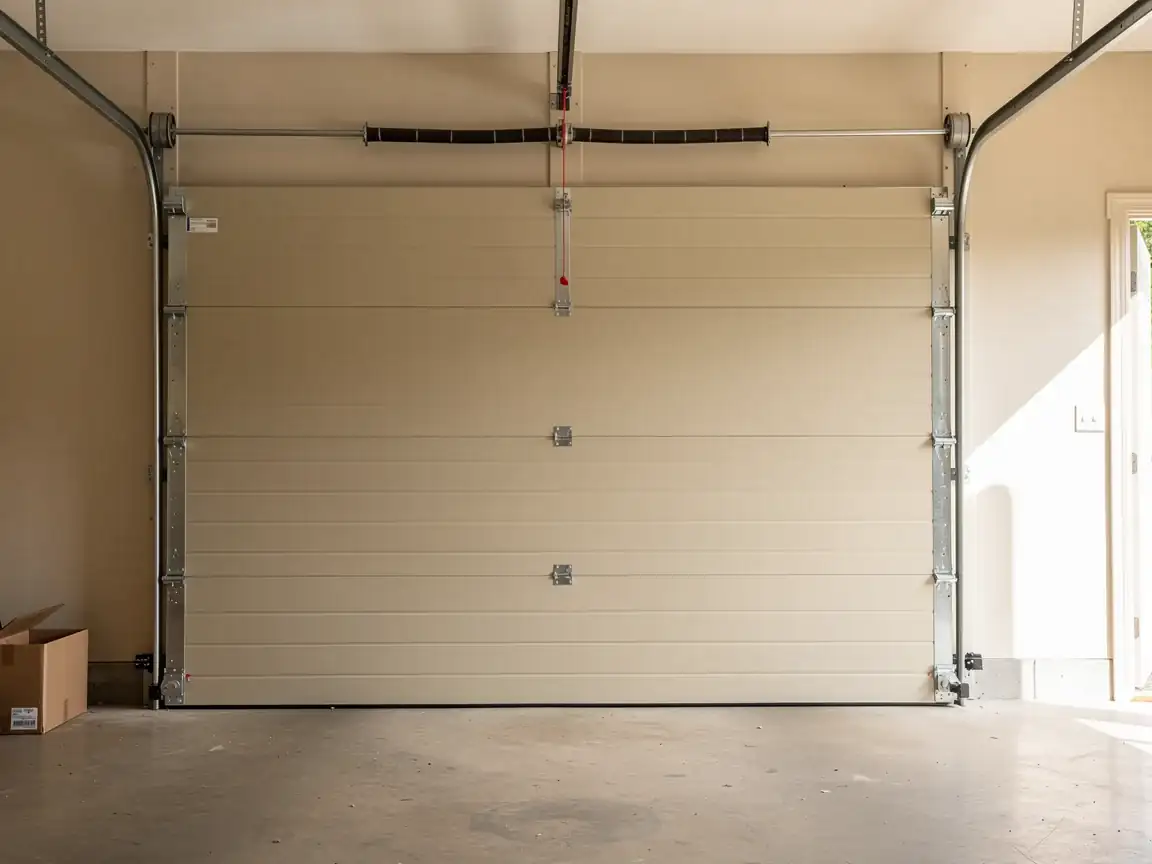
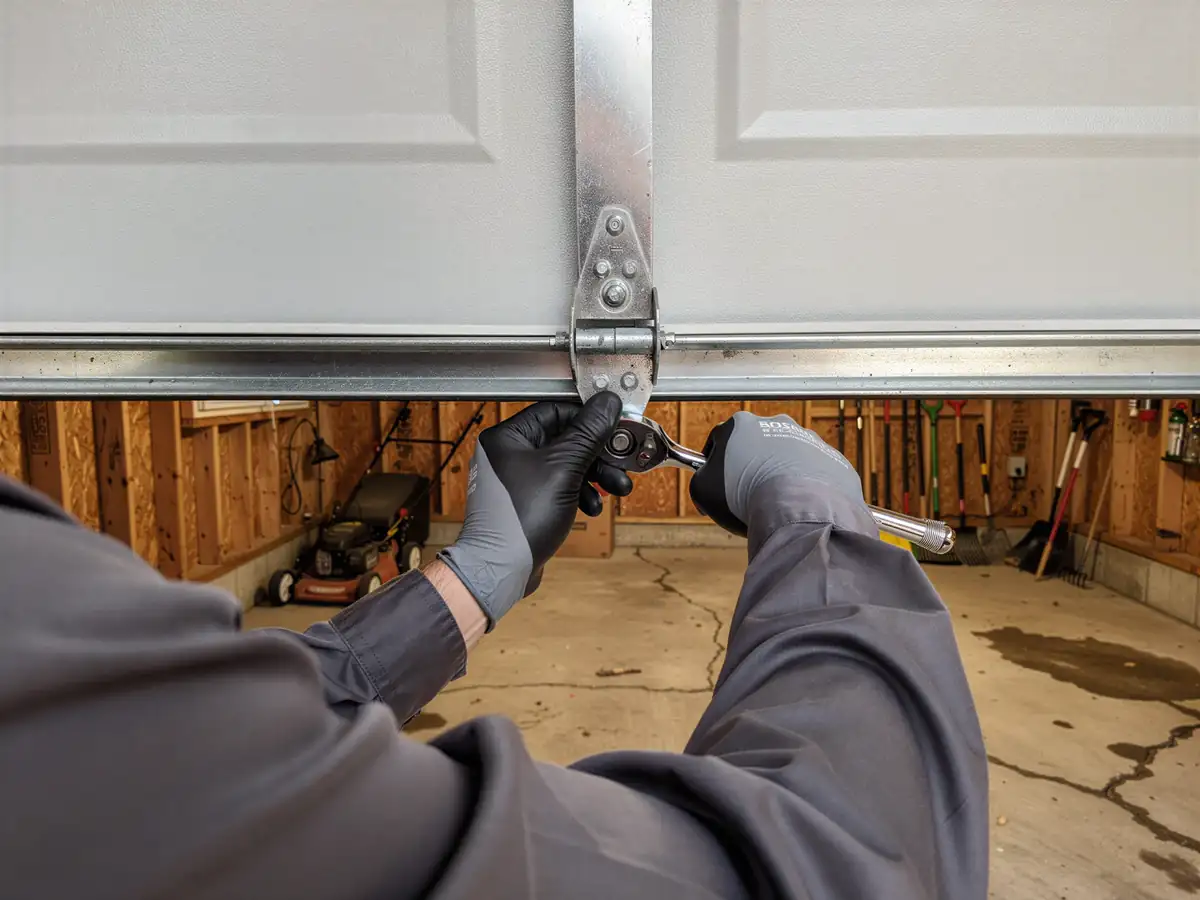
The failure we see most in Kent isn't a dead opener, it's a door that's been lubricated with whatever was in the garage and never touched again. Kent's housing stock centers on 1970, and that build year matters here: doors from that era run on steel rollers in steel tracks, not the nylon-and-ball-bearing setups you'd find on anything put up in the last fifteen years. Steel-on-steel needs grease on a schedule. Skip it for a decade and the roller stems wear oval, the track glazes, and the door starts binding on one side before anyone notices a sound.
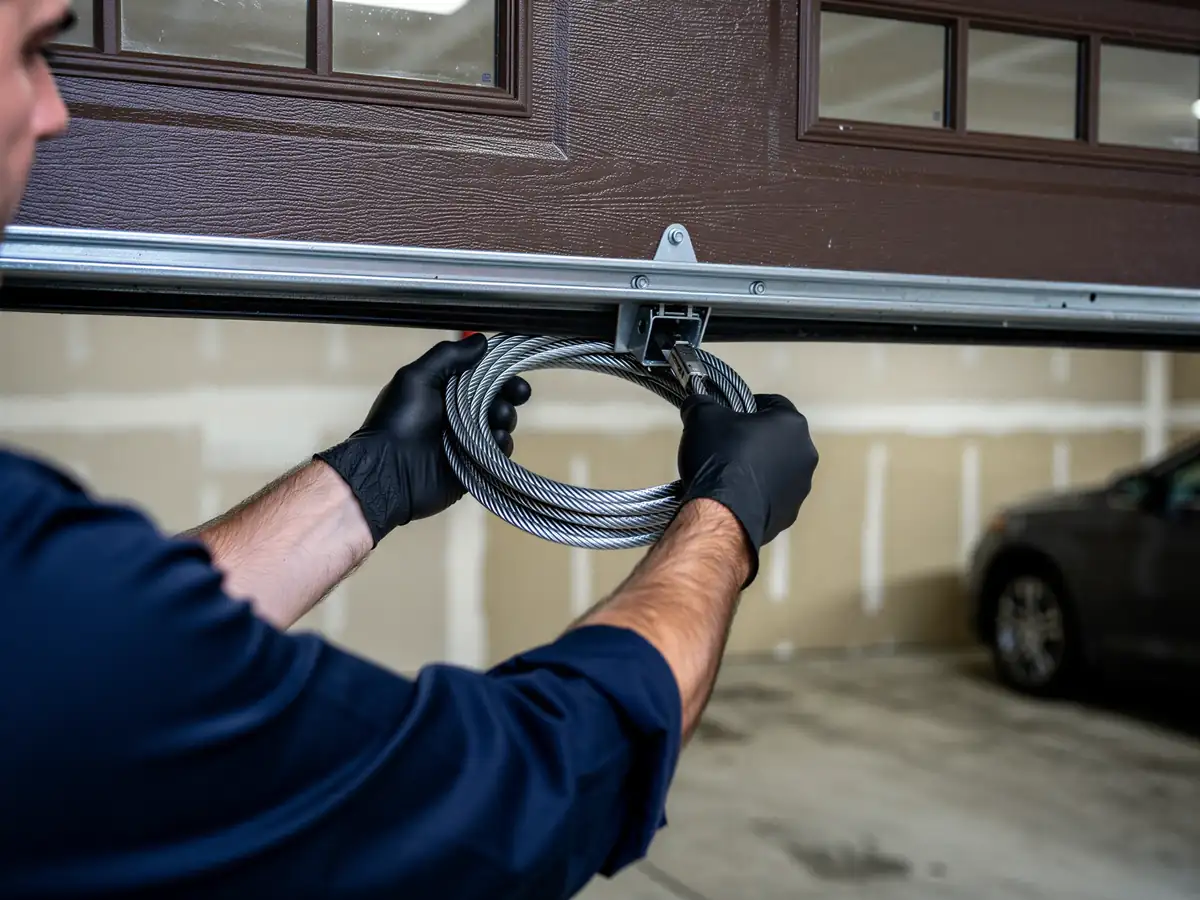
By the time a homeowner calls because the door 'sounds rough,' the hinges are usually already elongated and the cable drum is eating into frayed strand. That's not a maintenance visit anymore, that's a repair bill. The gap between a ten-minute lube-and-adjust and a torn cable is usually a couple of winters of neglect, not a sudden event.
Time on the Job
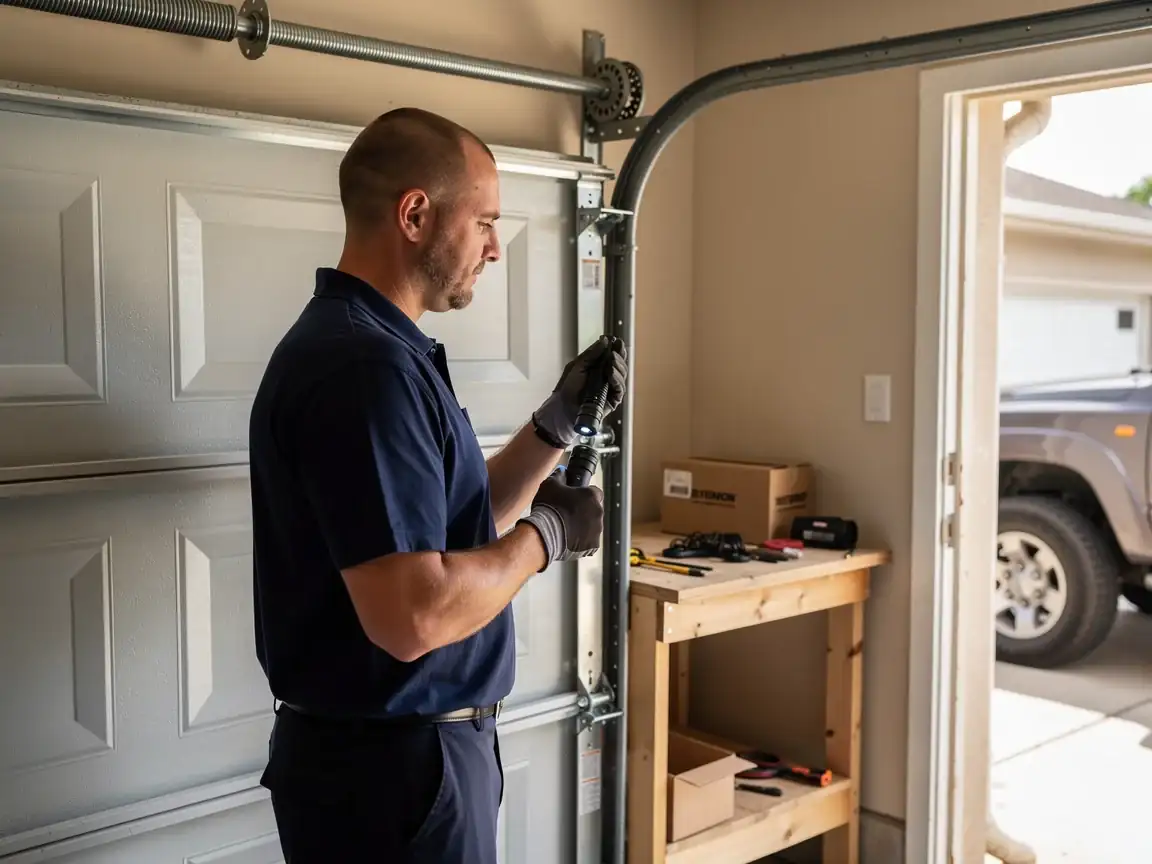
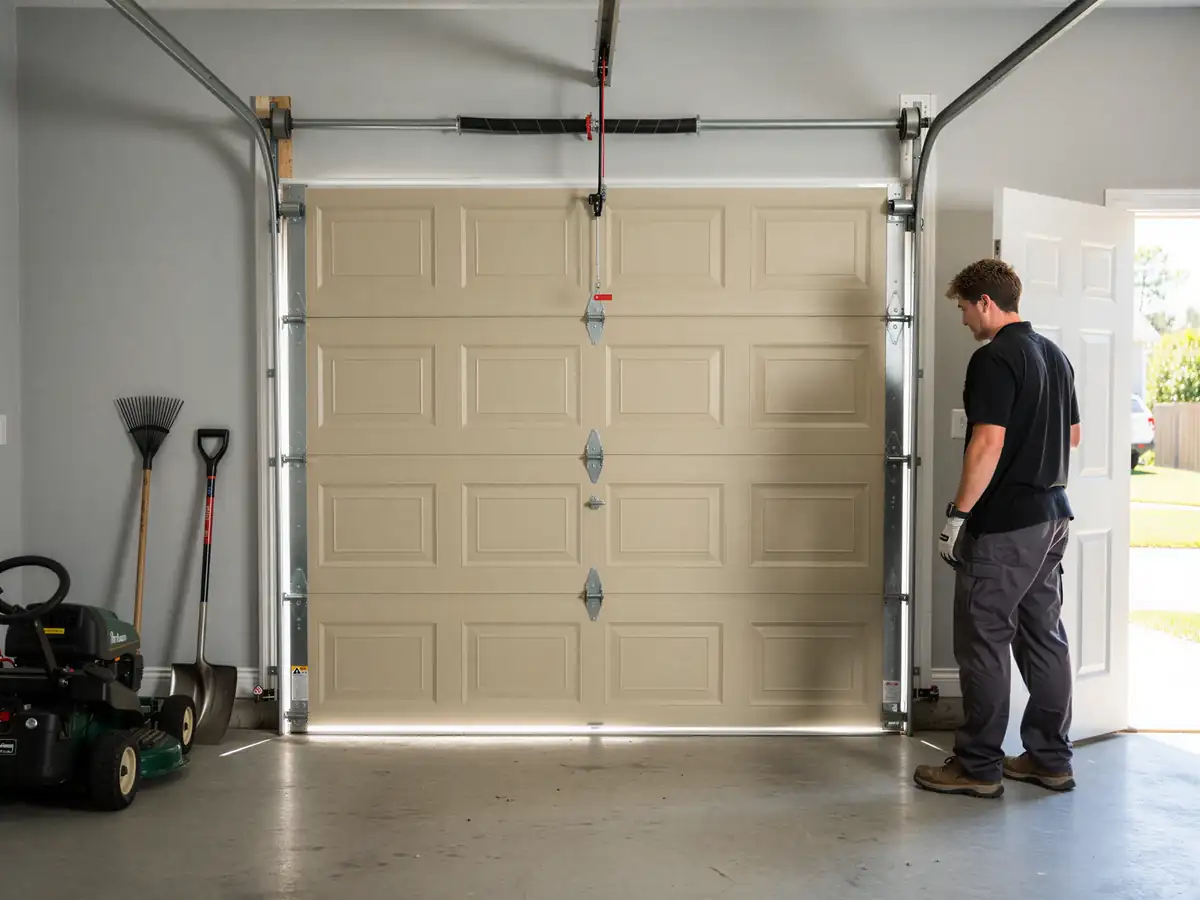
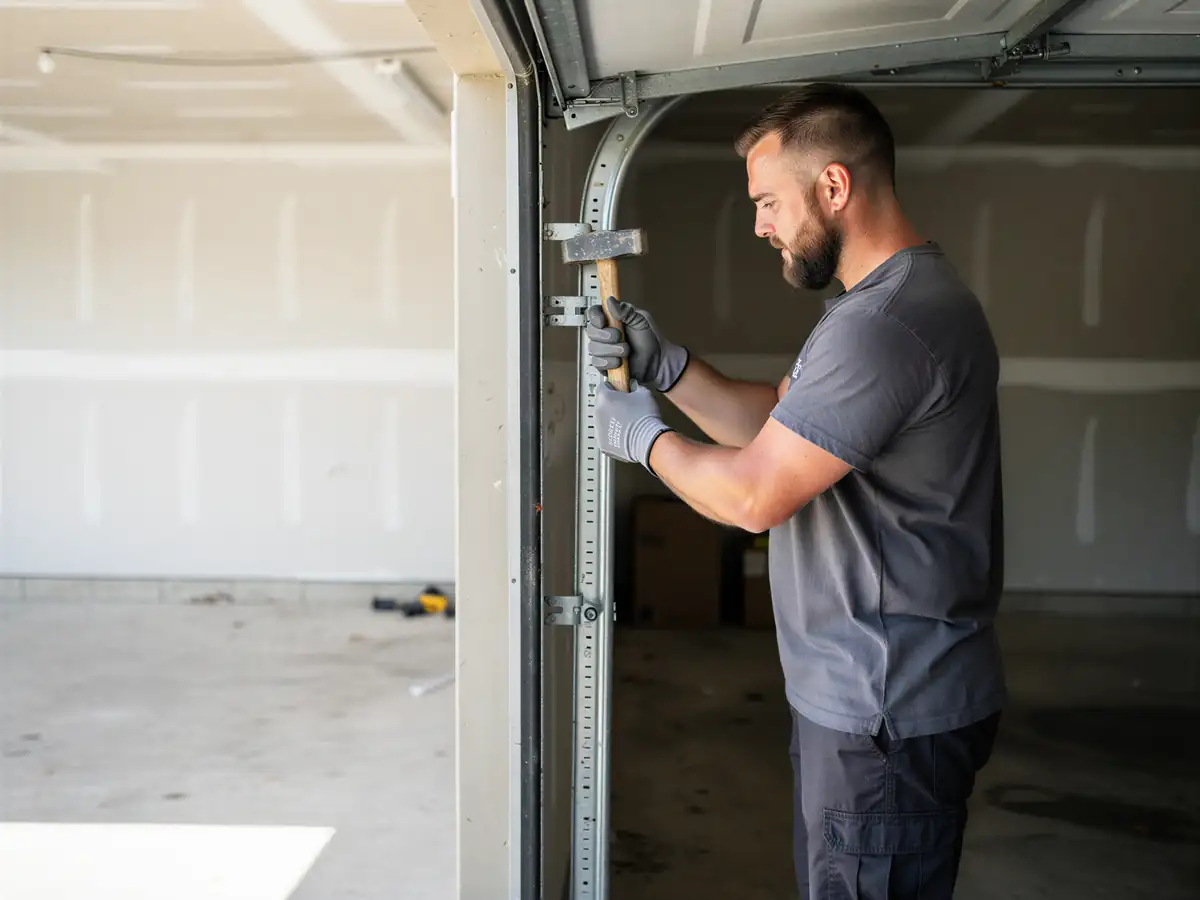
A straightforward maintenance visit - lubrication, hardware check, spring tension, opener safety reversal test - runs faster than a repair call, since nothing's being pulled apart and replaced. How long it takes on a specific Kent door depends on what the inspection turns up once the tech is on site. We don't quote a fixed window for this page because that number depends on the door in front of us, not the town it sits in.
Why This Fails Locally
Kent sits about 10 miles from our Akron base, in a part of the service area where the housing stock runs 1960s-70s construction, same as most of the 42 communities we cover. That means a lot of original one-piece and sectional doors are still hung on hardware that predates maintenance-free coatings. Combine that with a cold, severe winter climate and you get a specific failure pattern: grease that was fine in August turns to paste in January, torsion springs lose tension faster in the cold, and steel tracks contract just enough to throw an already-worn roller out of alignment. A door that's merely stiff in July can bind hard enough to strip an opener gear by February. This isn't a national garage door problem - it's what 50-plus winters do to 1970s hardware that never got touched.
The DIY Question
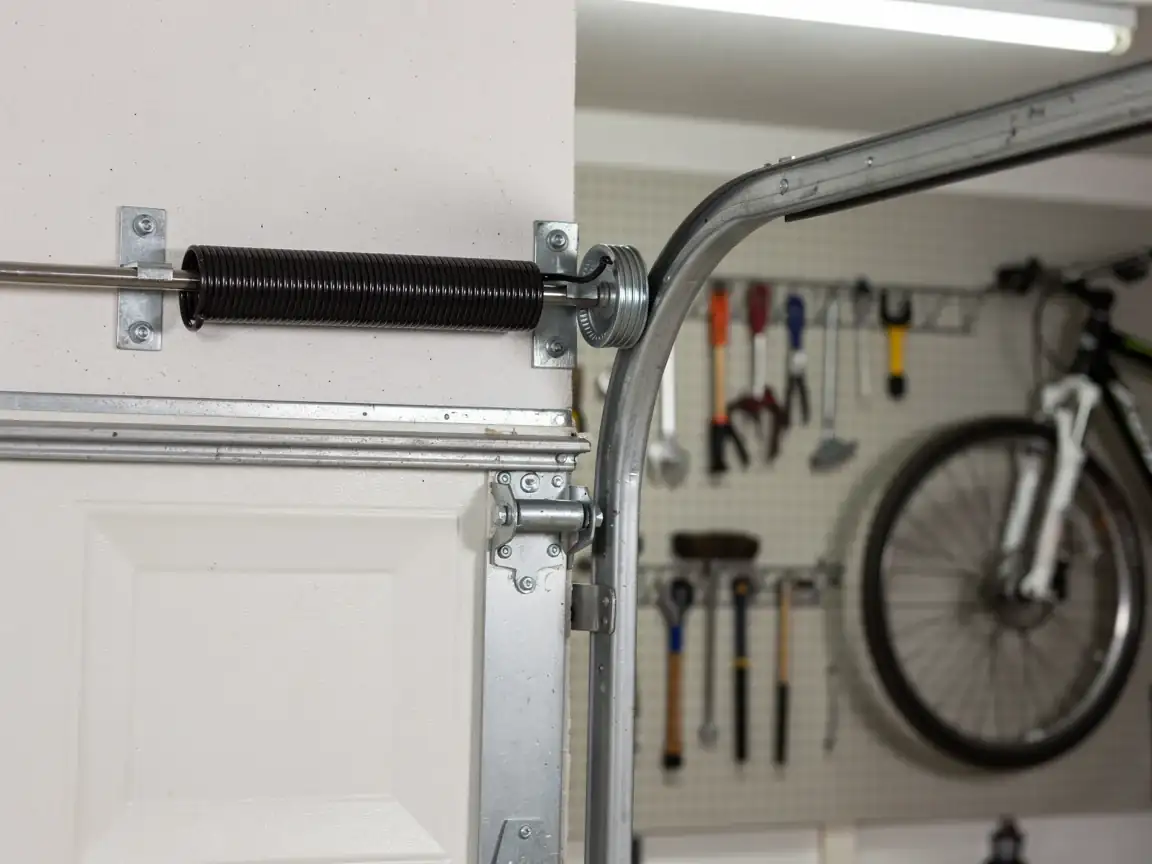
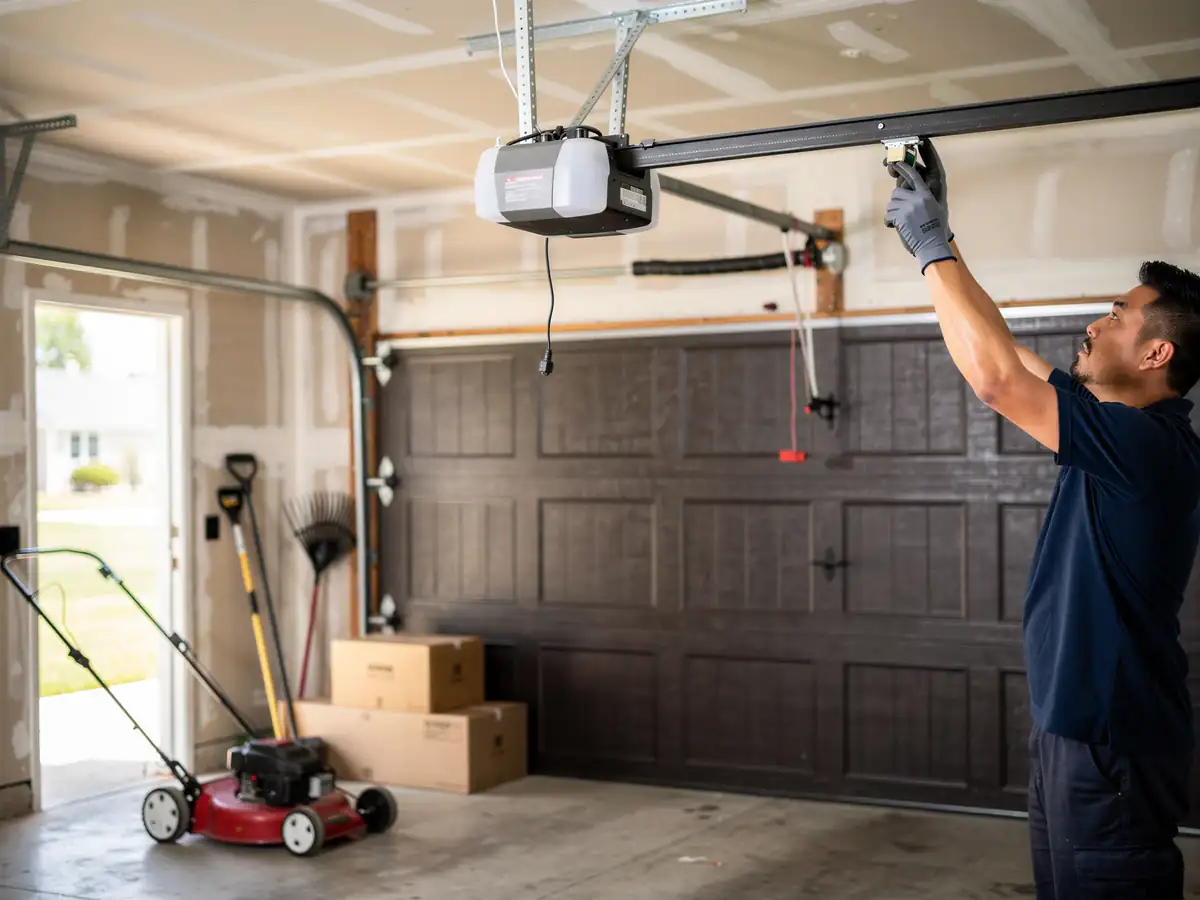
Lubricating hinges and rollers with the right spray lubricant is something a homeowner can do safely, and it's worth doing twice a year given the climate here. What you shouldn't touch is the torsion spring or anything under tension - on a door this age, the spring has likely outlived a couple of replacement cycles already and failing ones let go with real force. If your door is sticking, catching, or reversing and a basic hinge lubrication doesn't fix it, that's the point to call someone rather than keep adjusting the opener's force dial to compensate. For maintenance across our service area, see garage door maintenance in Akron, OH. For other work we do in Kent specifically, see our Kent page.