When Waiting Is Fine
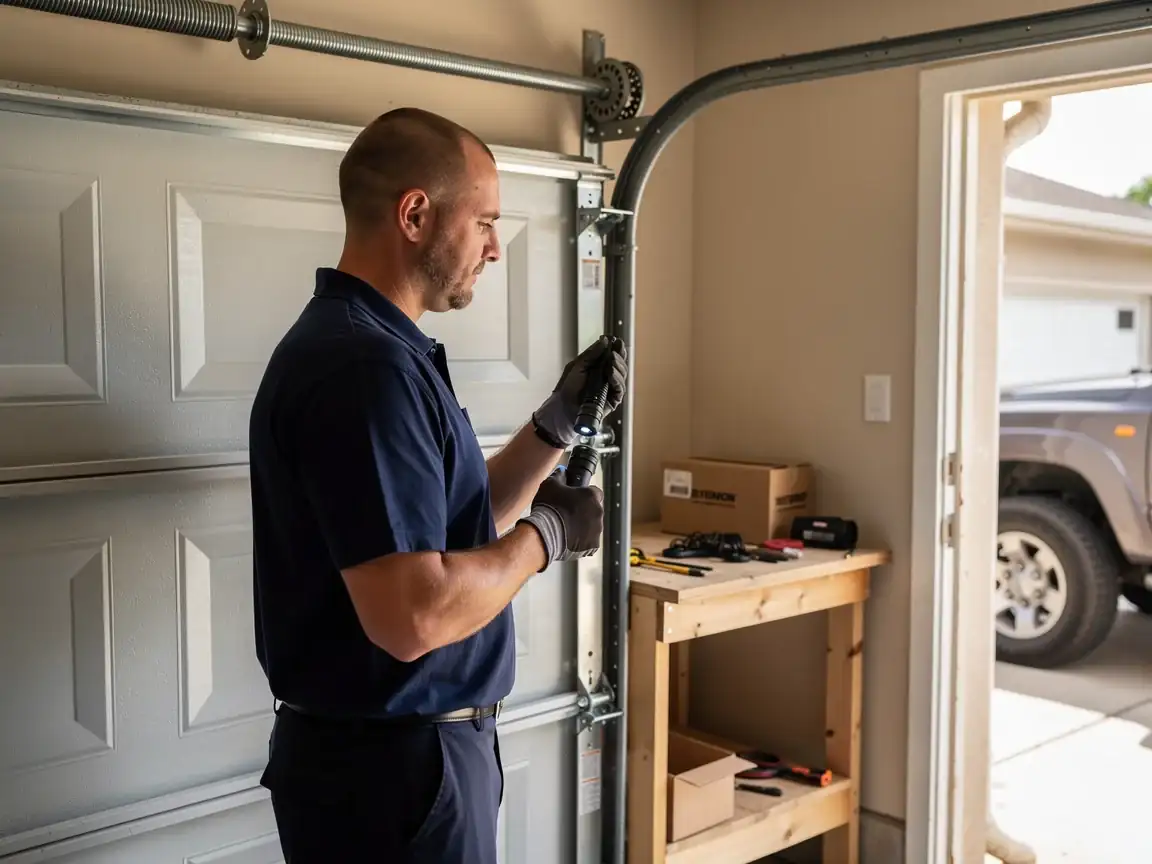
Not every sound means trouble. A light squeak on the rollers as the door starts its travel is usually just dry metal on metal, and on a door from the 1960s or 70s stock that makes up most of this area, that's normal wear, not failure. A soft rattle in the track on a windy day doesn't mean the track is bent. If the door opens and closes at the same speed it always has, and the noise doesn't change week to week, you've got time. Across the 42 named areas this company works in, from Portage Lakes to Peninsula, a huge share of the housing dates to that 1952-2004 window with a median build year around 1972. Doors that age make noise as a matter of course. A quick squirt of the right lubricant on the hinges and rollers, not the track, often quiets things down for months. The honest answer is that a service call for a mild squeak is usually money you don't need to spend. Save the call for the sounds that change character suddenly, get louder over a week, or come with the door hesitating, jerking, or stopping partway. That's the line between a noise you can live with and one that's telling you a part is about to let go.
The Situation
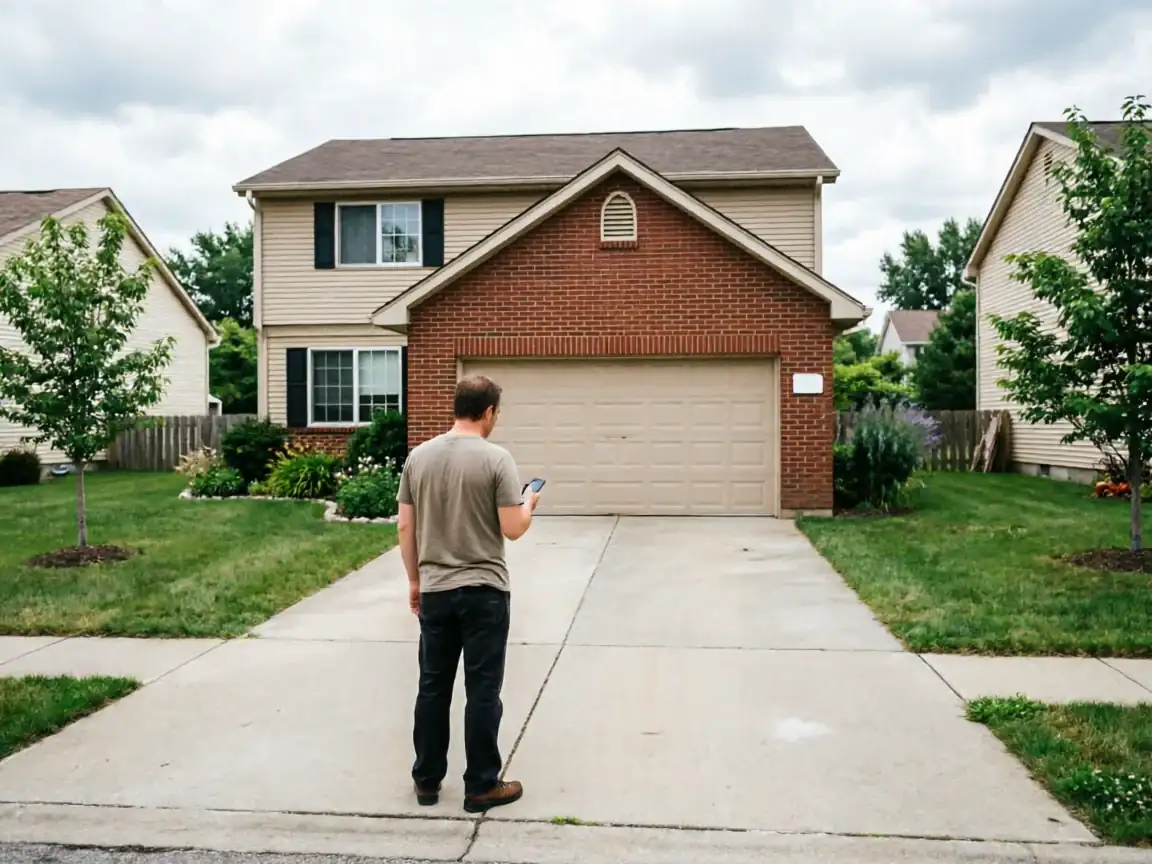
The housing across this service area runs from 1952 up through 2004, with the median landing around 1972, and that one fact explains most of the noise calls Akron Garage Door Pros gets. A door built or installed in that window is now decades into a service life that springs, rollers, and cables were never meant to cover indefinitely. With 107,063 owner-occupied houses in the service area and roughly 195,121 households overall, a meaningful share of those garages are running original or first-replacement hardware. That's not a flaw in any one house, it's just the math of a region that built most of its homes in two or three decades and hasn't needed to touch the garage door since. Neighborhoods like sit close to that same median build era, and so do outlying areas like Tallmadge and Mogadore a few miles out. The noise you're hearing isn't random. It's a door built for a different decade finally saying so. Whether that sound means a ten-dollar roller or a spring job depends on what it sounds like and when it happens, not on how old the house down the street is.
How Local Conditions Play In
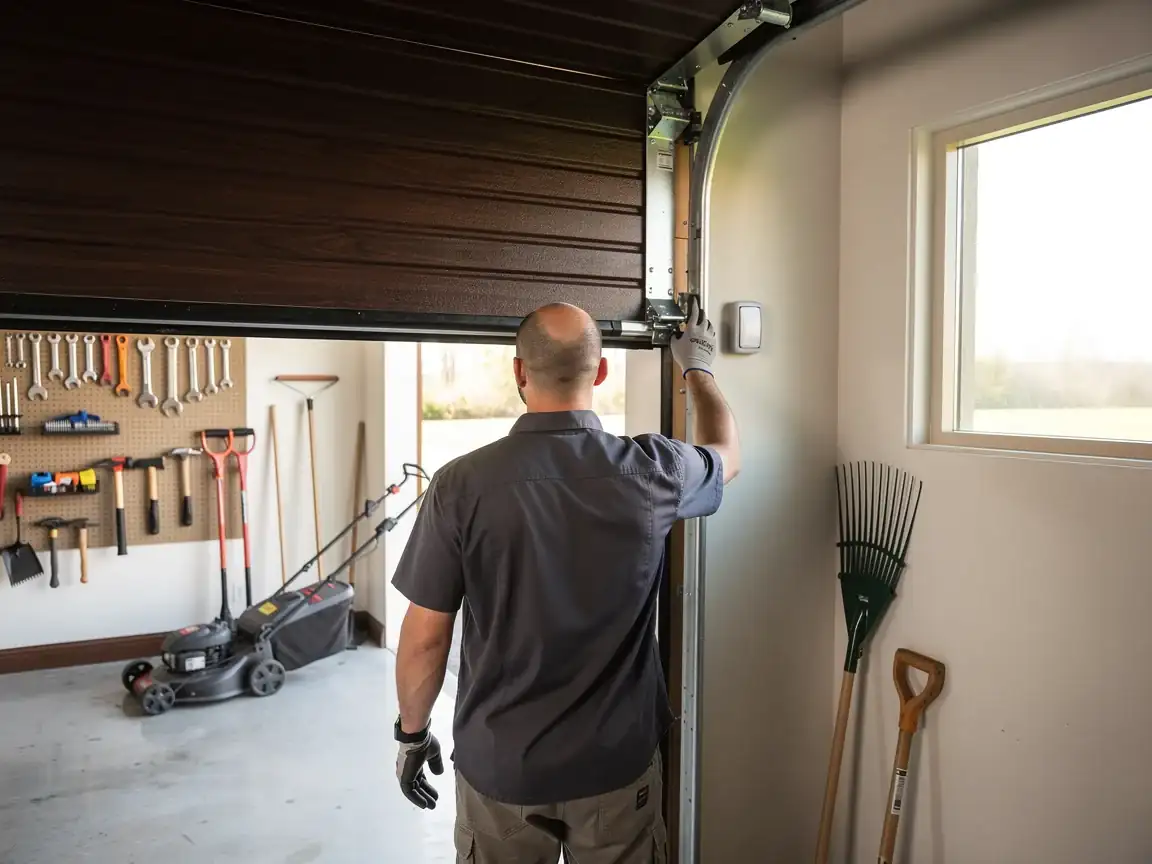
Akron sits in the severe end of the cold climate band, and that matters more to a garage door than most people assume. Steel contracts in deep cold, and a torsion spring that's been slowly losing tension for years will often choose a hard freeze to finally snap, because the metal is already stressed and the cold adds the last bit of strain. That's why the loud bang tends to show up on the coldest mornings of the year, not in July. Cold also makes grease stiffen up, so an opener that's been grinding quietly all fall can turn into a genuinely loud, slow-moving mess once temperatures drop hard. Doors on the 1960s-70s track hardware common in this area weren't built with modern cold-rated lubricants in mind, which is part of why an annual check before winter catches more than one would expect. None of this means every winter noise is an emergency. A door that's merely slower and louder in January than July is doing what cold steel does. But a new, sharp noise that shows up with the first real cold snap is worth a call before it turns into a door that won't open at all.