The Symptom
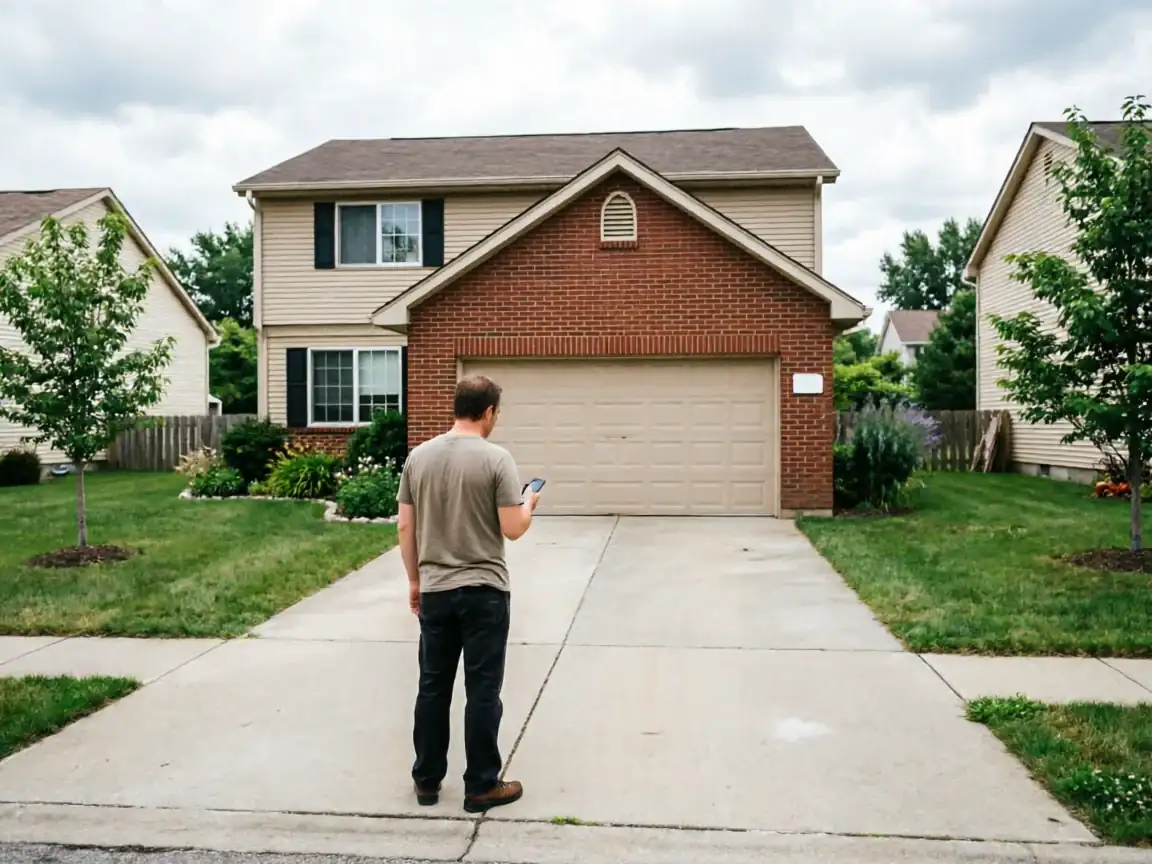
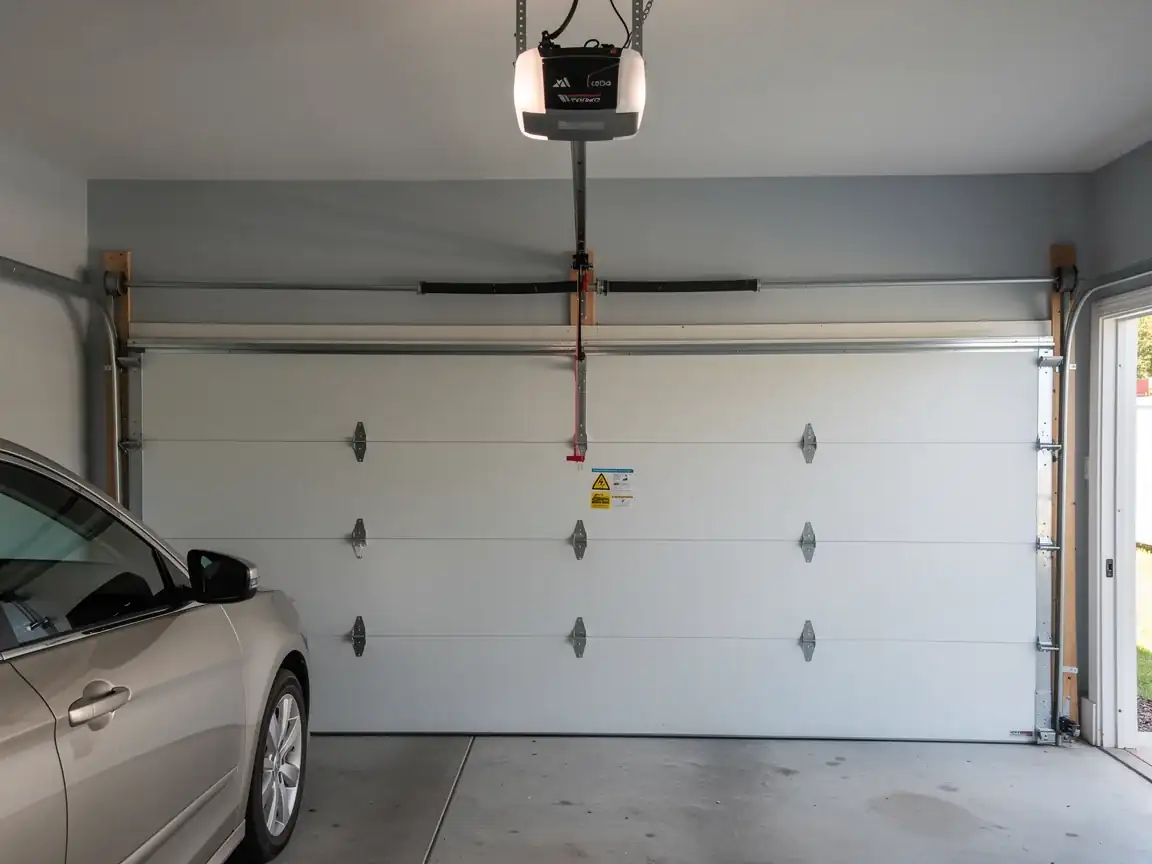
The opener hums but the door doesn't move, or it moves a few inches and stops. Sometimes it's a chain opener that's been grinding for a year and finally gives out mid-cycle. Other times the remote works from inside the garage but not from the driveway, which usually means the logic board is failing, not the remote. On older openers you'll also see the light flash a set number of times and quit - that's a built-in fault code, and it's telling you something specific if you know how to read it. None of this is mysterious. Openers have a service life, and once the gears, capacitor, or circuit board start going, patching one part just buys a few more months before the next part quits. If your opener is original to the house, you're not fixing a glitch - you're at the end of a unit that's been running two or three decades.
Time on the Job
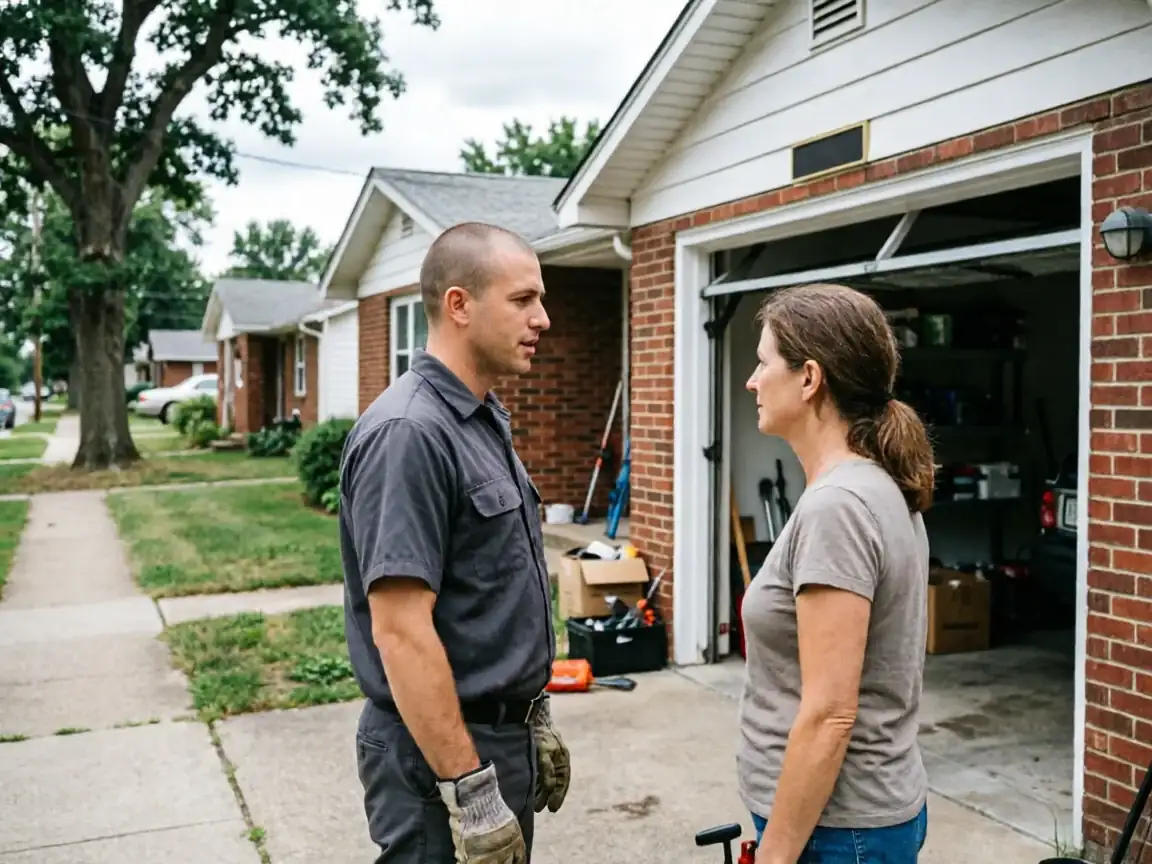
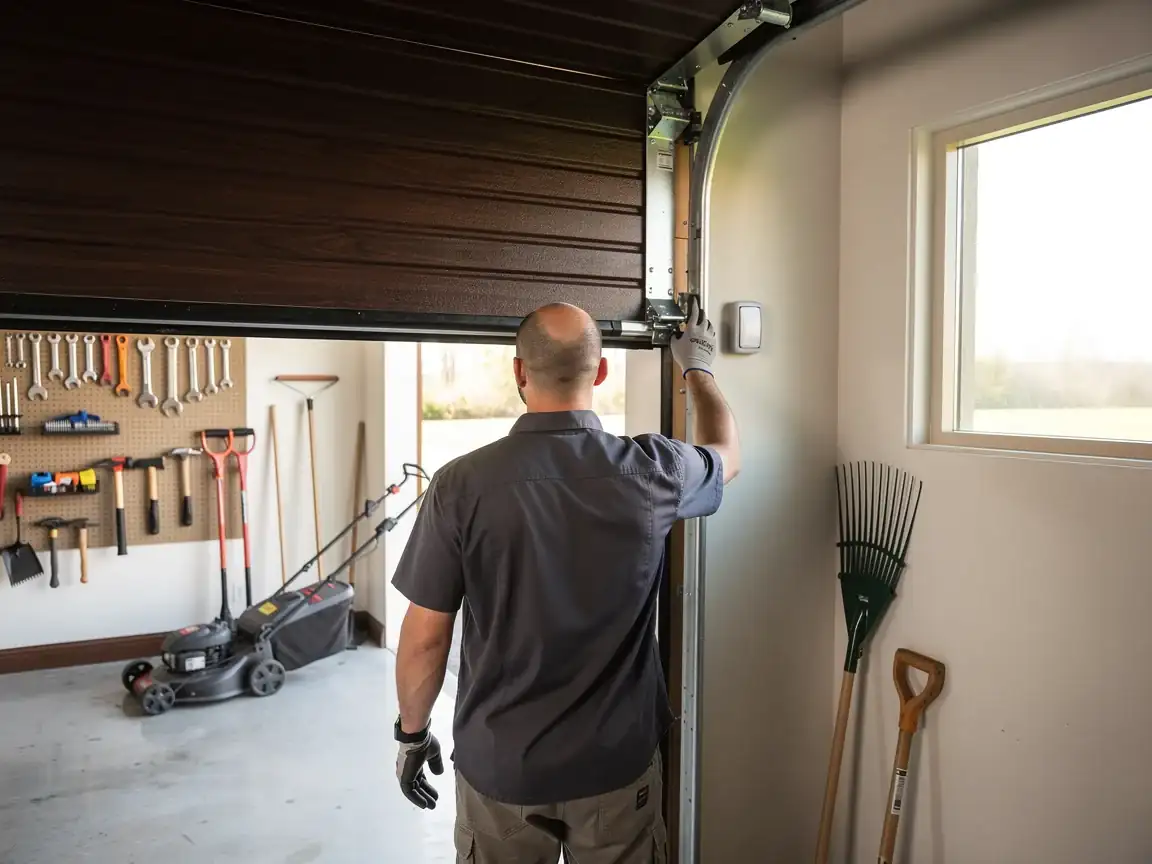
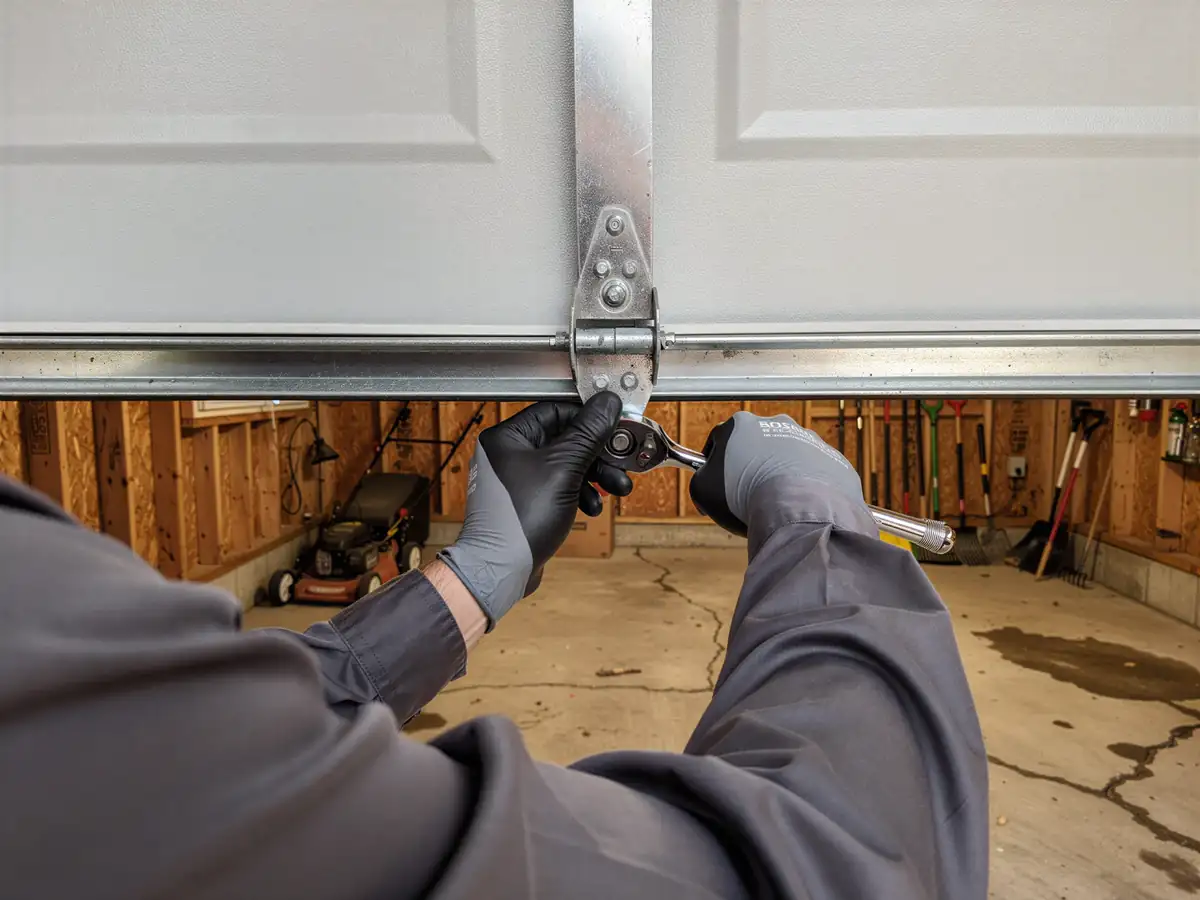
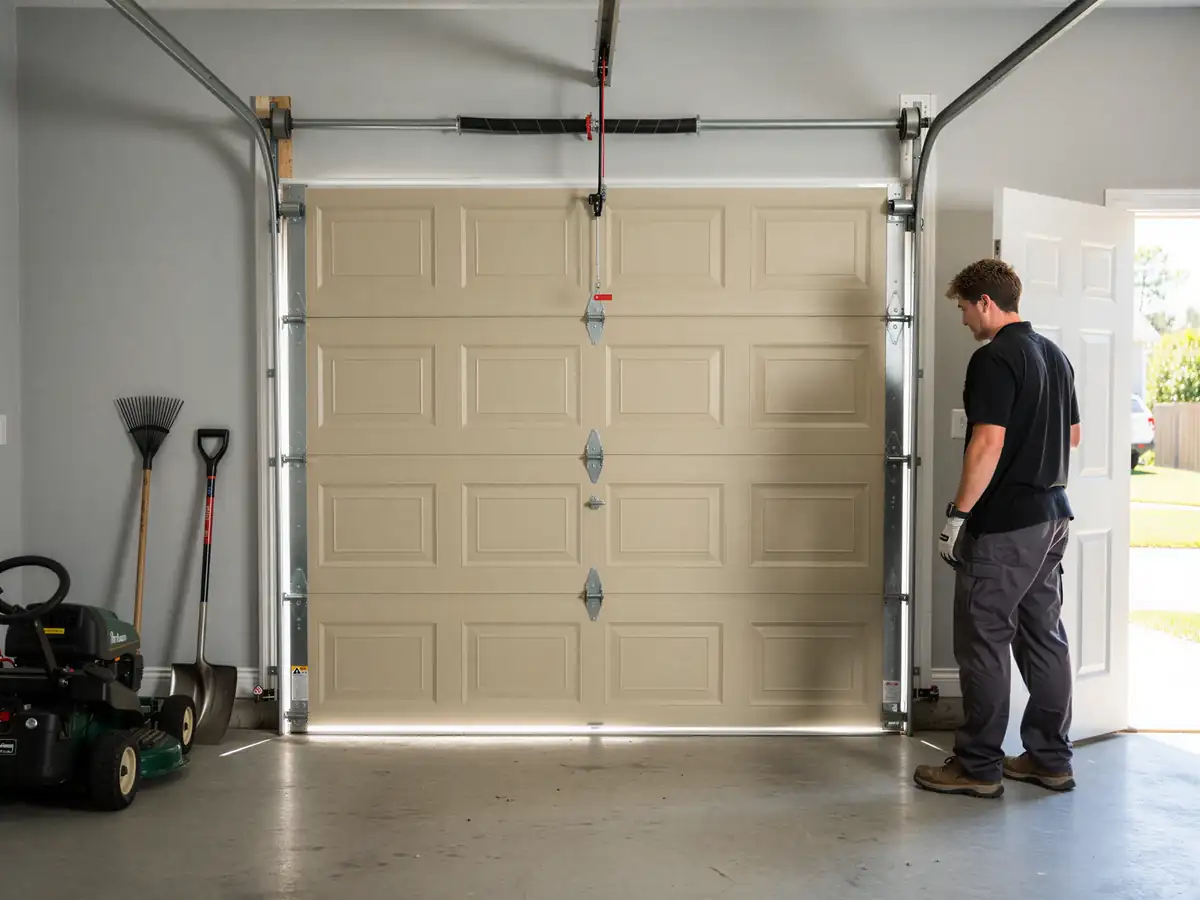
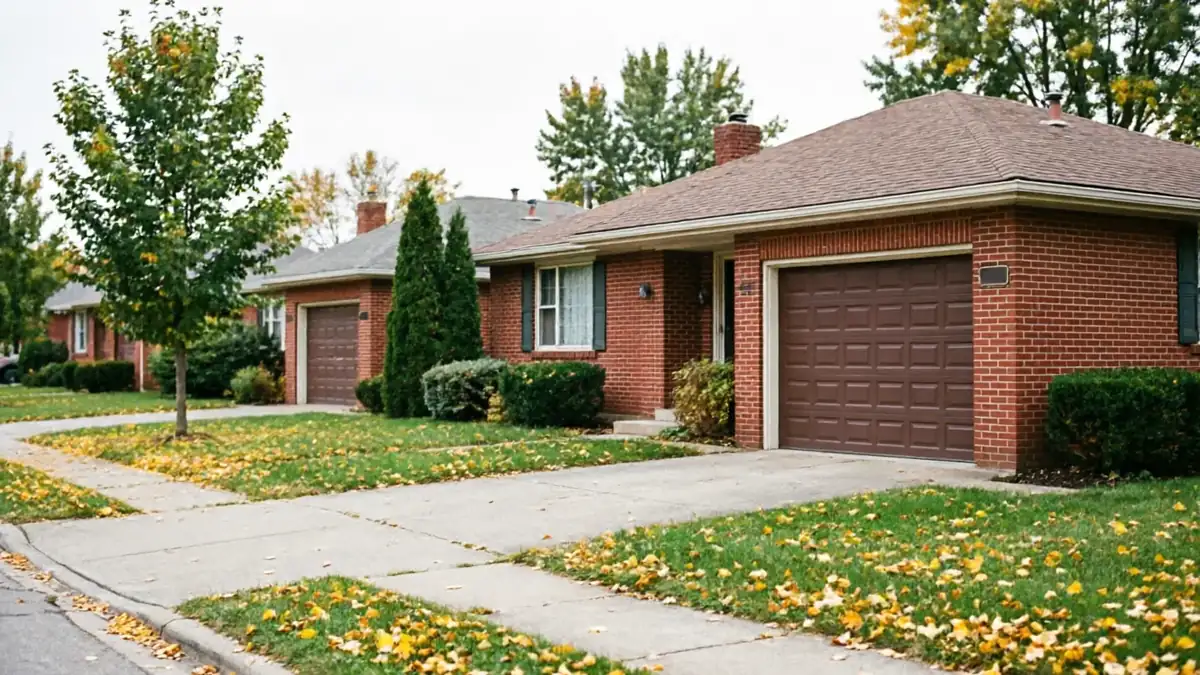
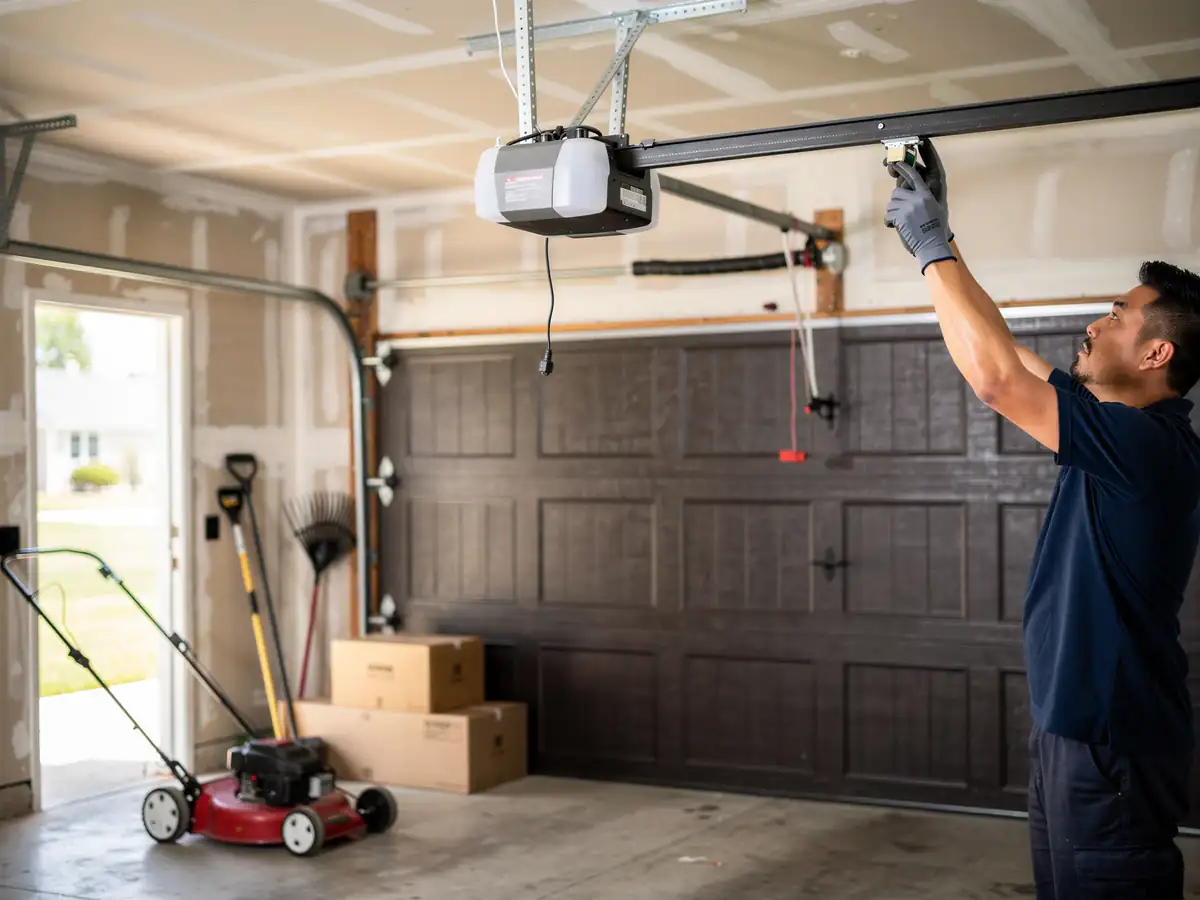
A straight opener swap - pulling the old unit, mounting a new one on existing rail or replacing the rail too, wiring in the wall control and safety sensors - is a single-visit job for one of our trucks. Houses built in the 1960s and 70s often have garage ceiling framing that wasn't set up for a modern opener bracket, so we sometimes add blocking before we mount the unit. That adds time but it's not optional - an opener bolted to framing that can't hold it is a comeback waiting to happen. If the door itself is out of balance, which is common on a door that's been limping along on a dying opener, we address that first. An opener installed on an unbalanced door just fails again, faster, and we won't send a tech out to do that kind of job knowing it'll come back.
How We Fix It
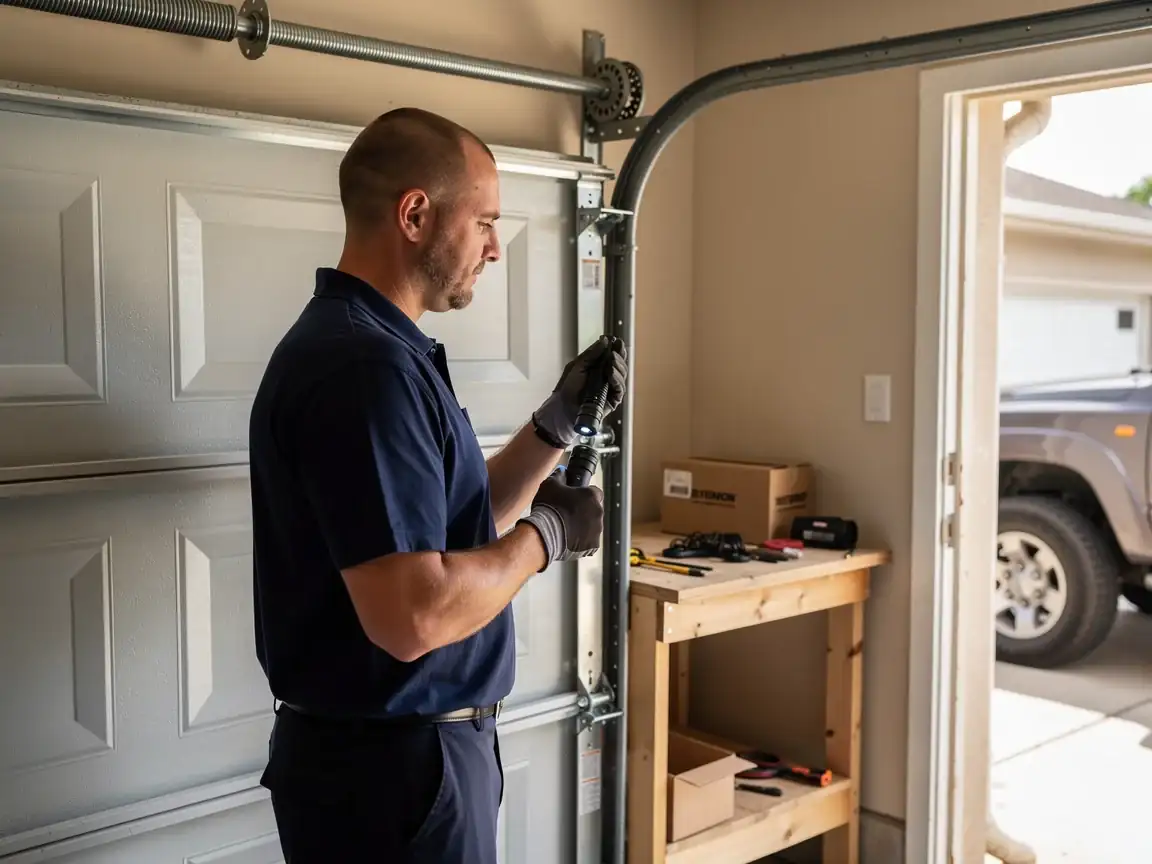
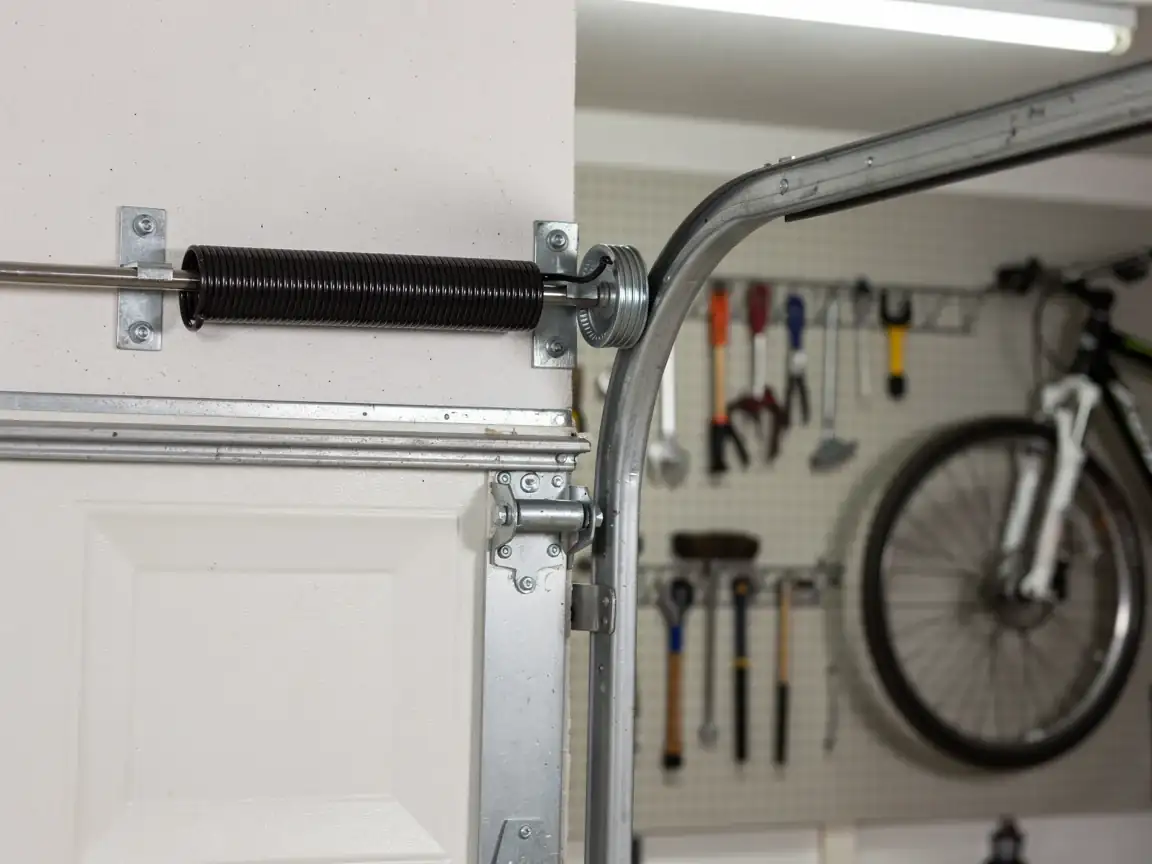
We start by checking the door's balance and the condition of the track and rollers before we touch the opener - installing a new motor on hardware that's fighting it is how you get a callback in six months. Once the door itself checks out, we size the opener to the door's weight and your garage's ceiling clearance, run new wiring to the wall control, and set the travel limits and force settings by hand rather than trusting factory defaults, since every door closes a little differently. With 107,063 owner-occupied houses across this area and a median household income of $80,612, most of what we install is a mid-range belt or chain unit rated for daily residential use - we don't push commercial-grade units on a household garage door that doesn't need one. One limitation worth saying plainly: if your door panels or torsion spring are also failing, we'll tell you before we quote the opener alone, because an opener is the wrong fix for a door that's structurally done.