How We Get to You
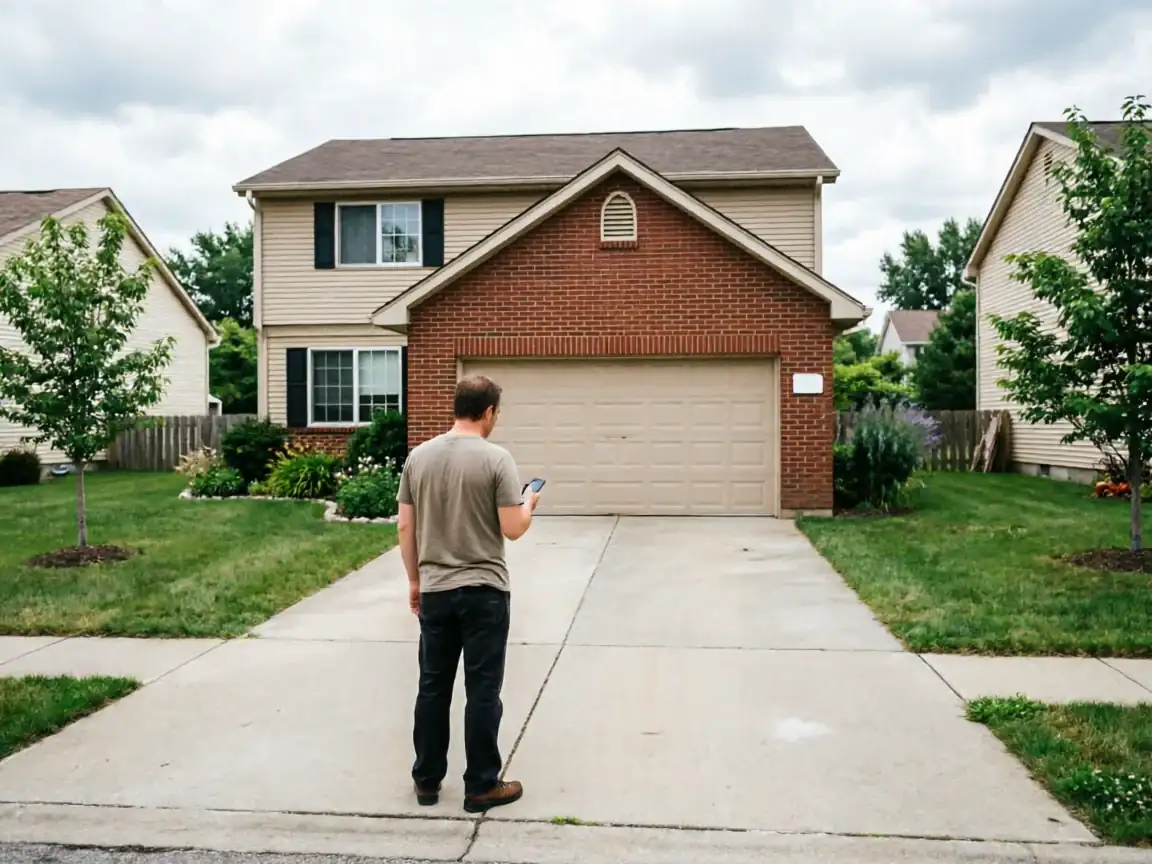
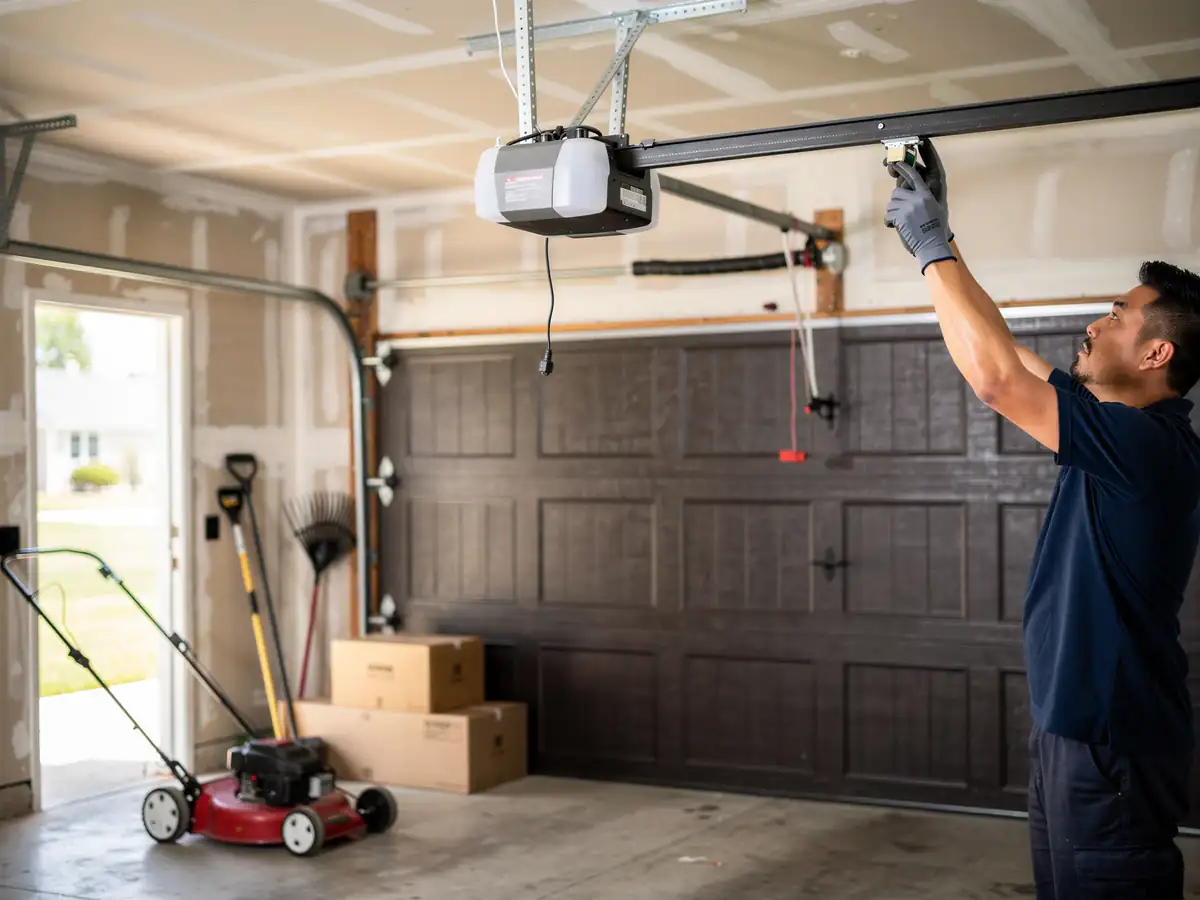
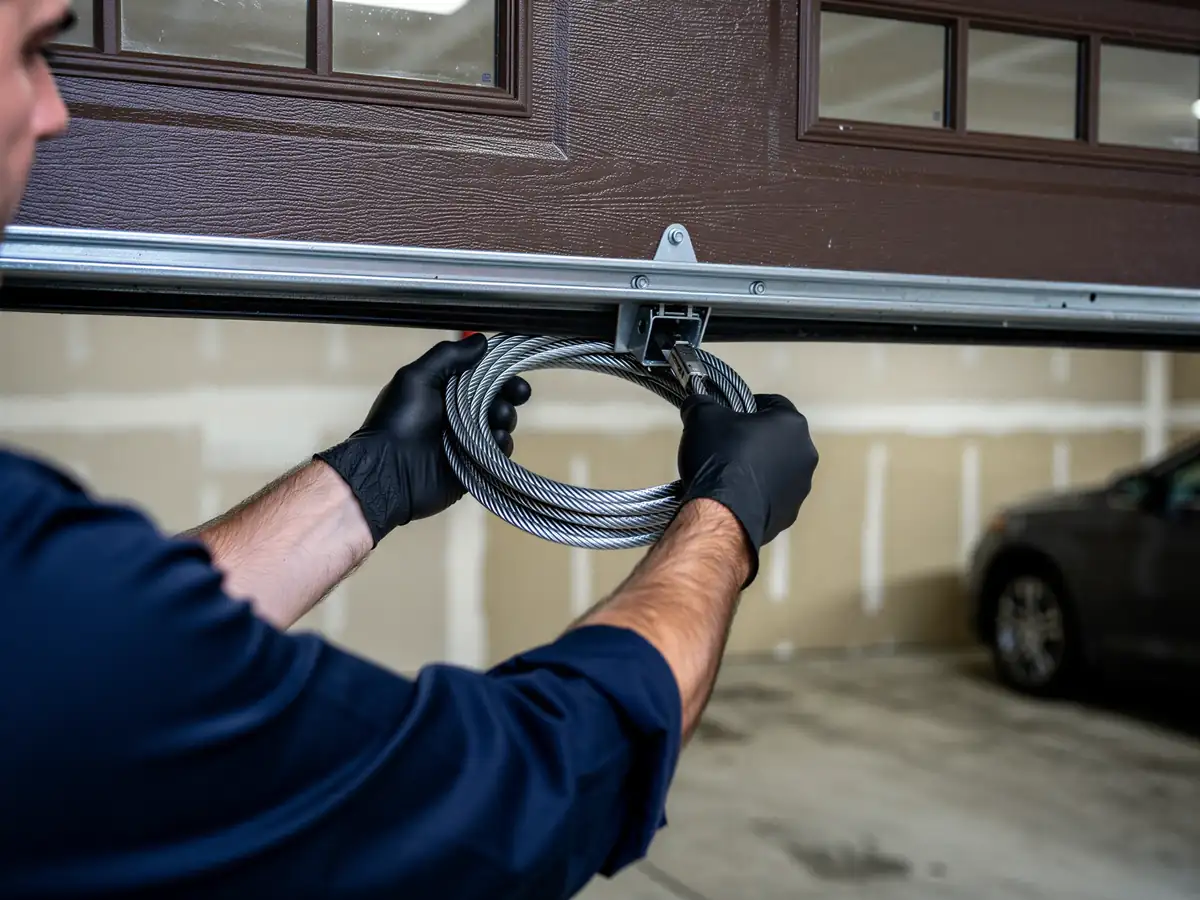
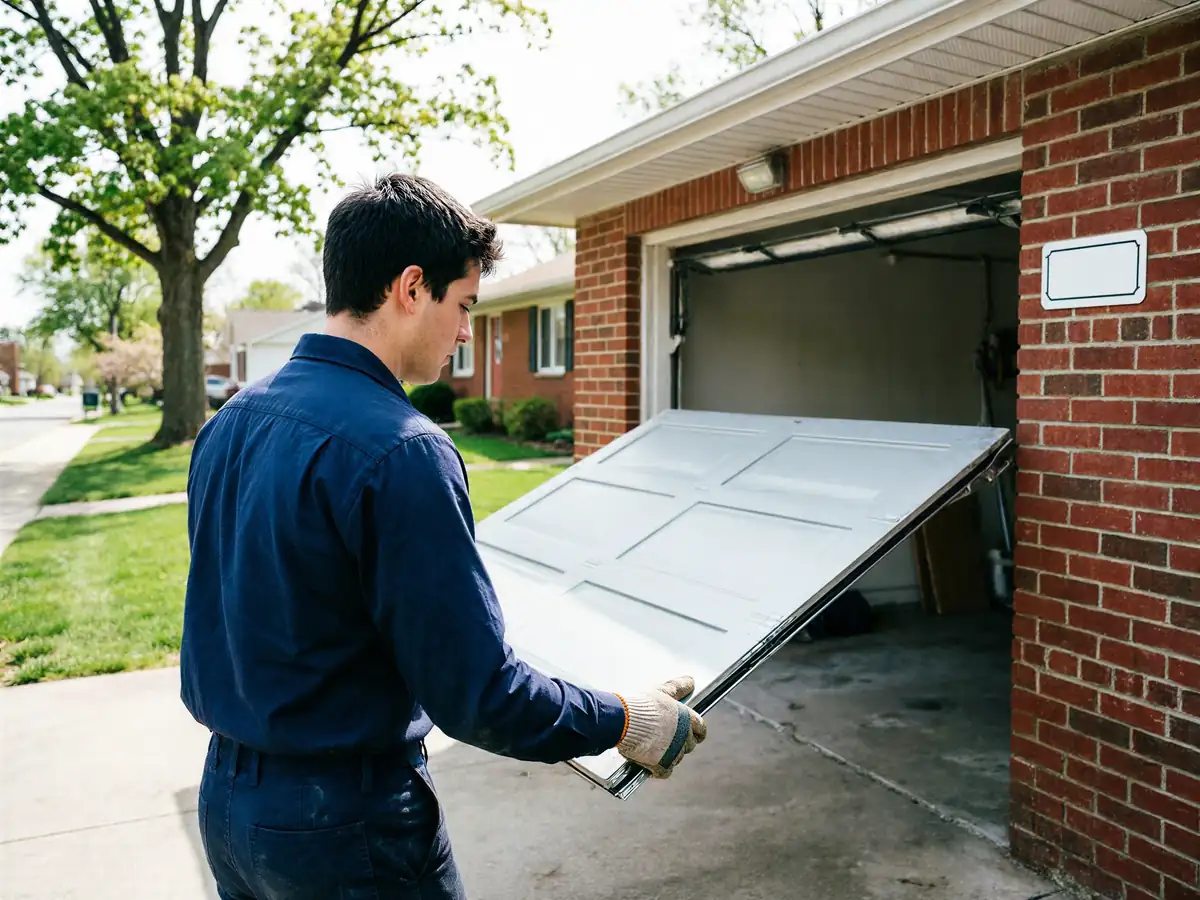
We run out of Akron, and Fairlawn is a straight six-mile hop west, so it's one of the closer stops on the route rather than a detour. We don't keep a crew or a depot sitting in Fairlawn itself - the truck comes from Akron every time, loaded for whatever the call sounds like on the phone: a snapped spring, an opener that quit mid-cycle, a cable that jumped the drum. Being six miles out means we're not guessing at drive time or padding a window to cover traffic across town. It also means if you call about a spring that let go on a Tuesday morning, we're not routing through three other jobs first to get across the city. We tell you straight if the part needed isn't something we carry on the truck that day - some older hardware has to be ordered, and we'd rather say that up front than promise same-day and miss it. Fairlawn homeowners get the same crew and the same stocked truck as anywhere else on our Akron route, just a shorter drive to get there.
The Houses Here
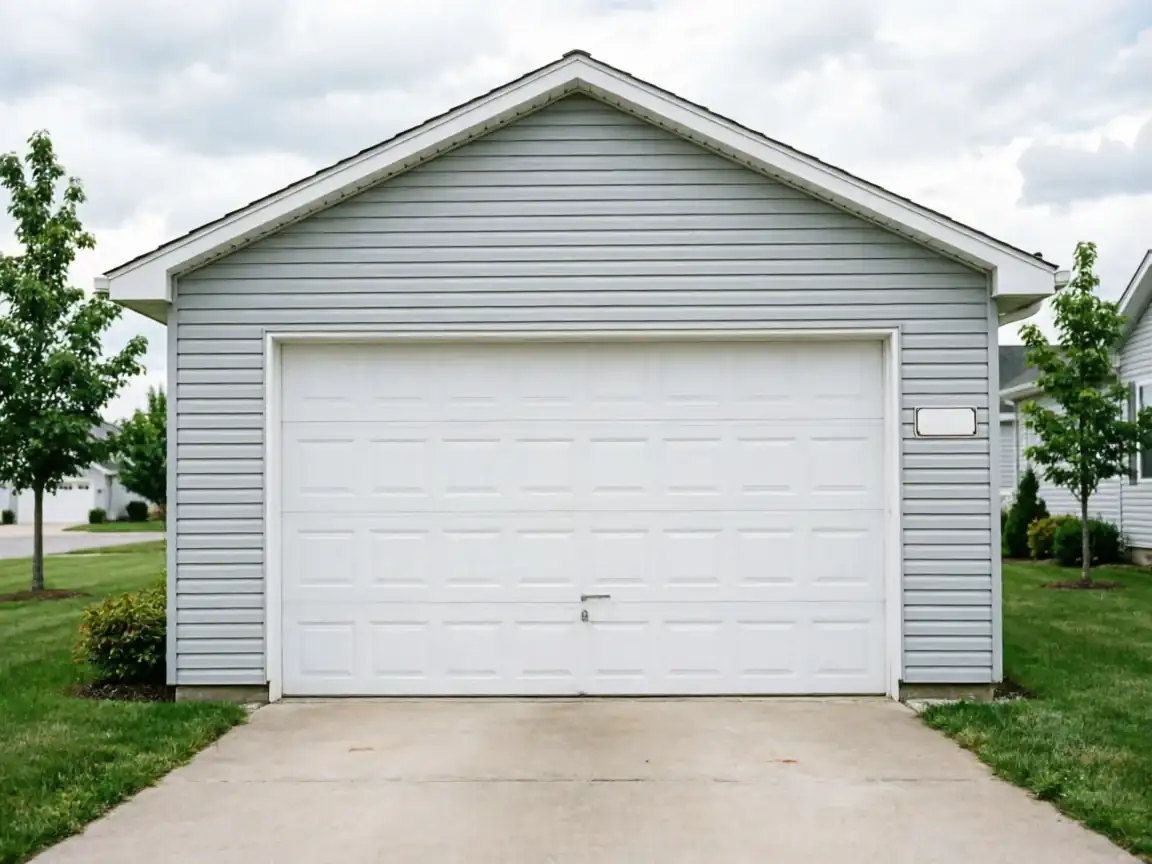
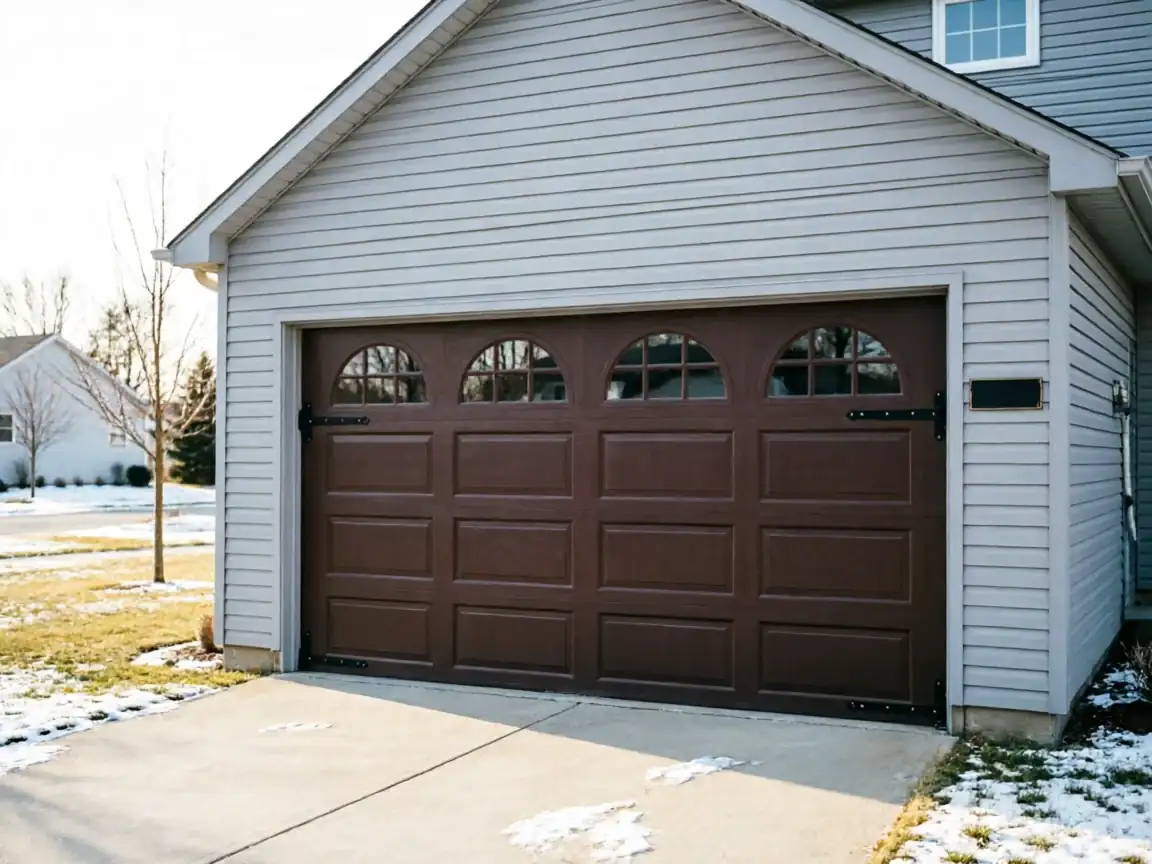
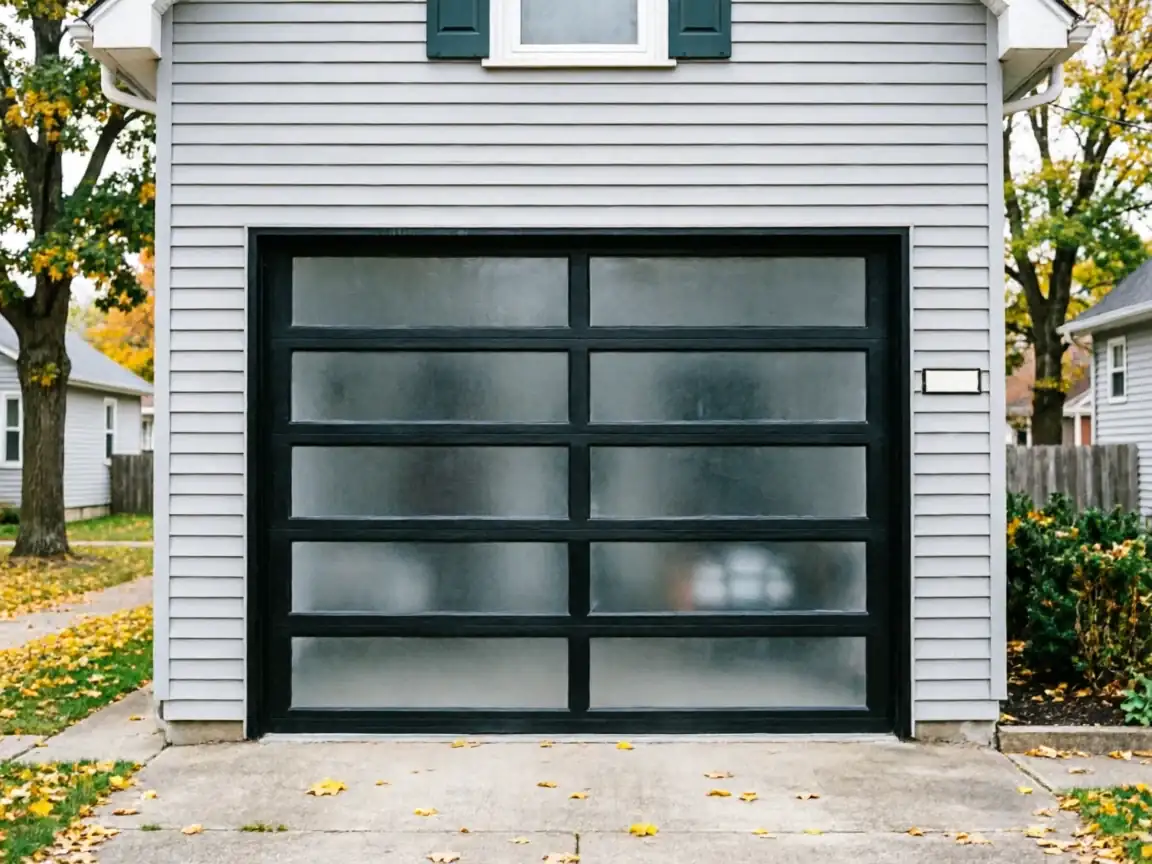
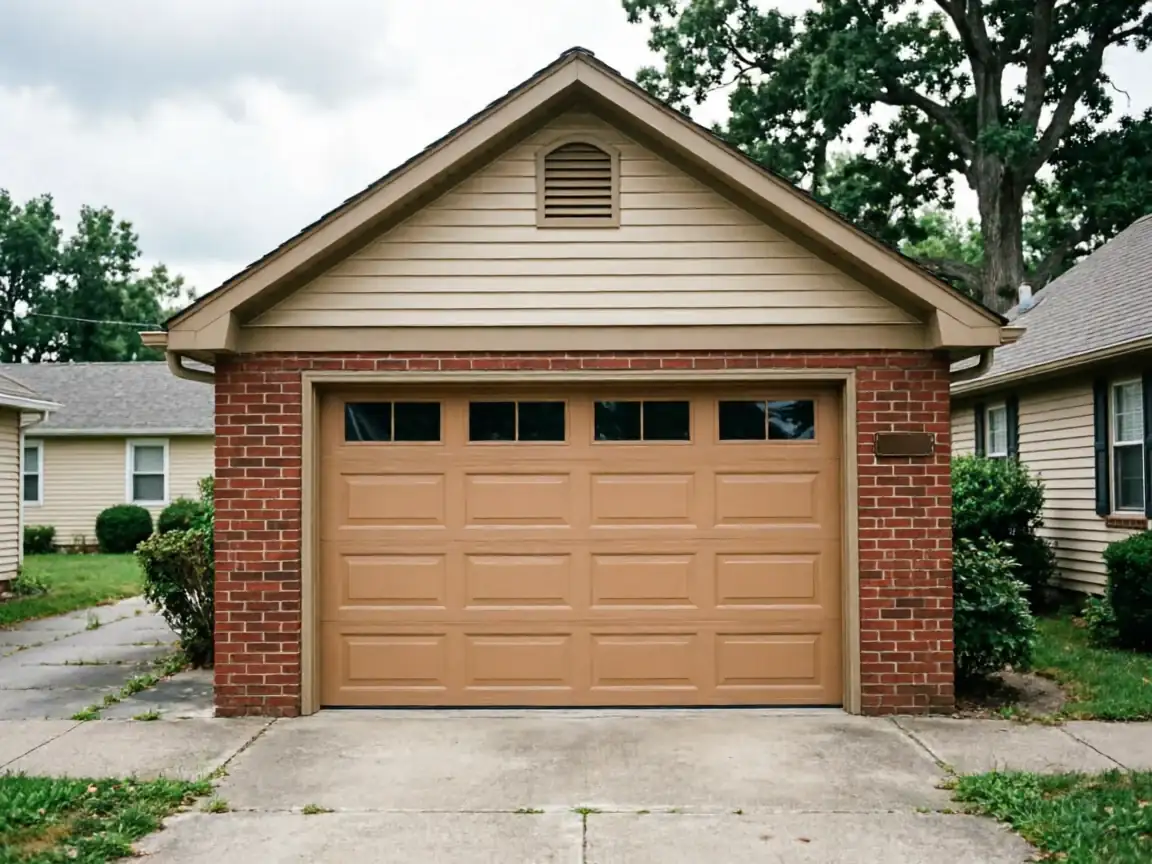
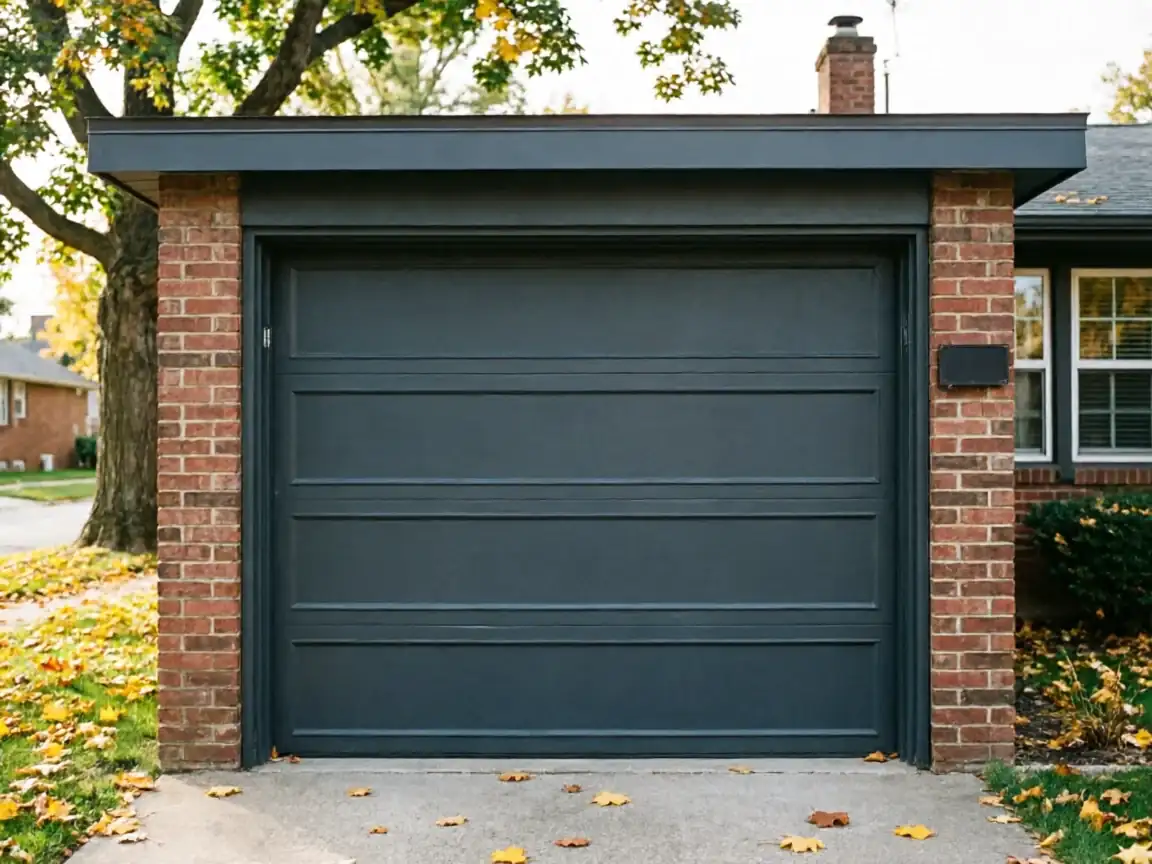
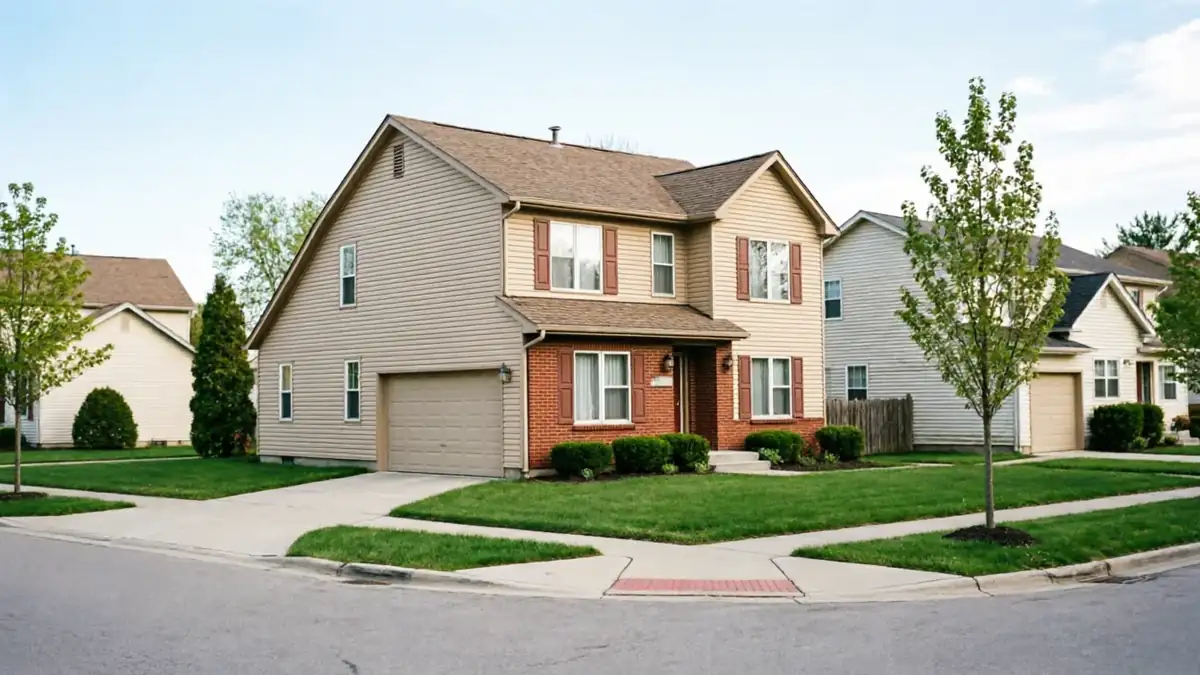
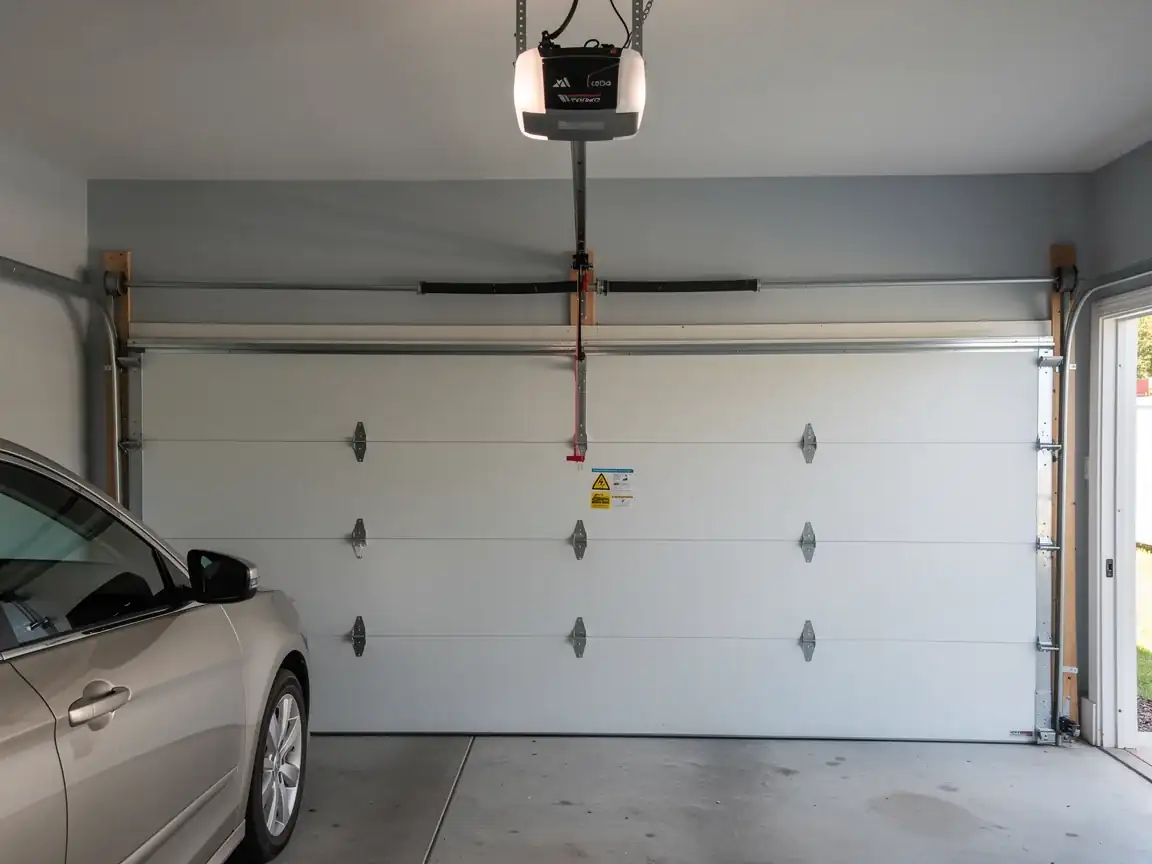
Fairlawn's housing stock centers on 1971, almost dead level with the broader Akron-area median of 1972, so this isn't a town of brand-new builds or a town of pre-war holdouts - it's squarely in the same construction window that put steel sectional doors on extension or torsion hardware across the region. With roughly 3,577 households in Fairlawn, that's a fairly compact, settled base of garages built to the same code era, which tends to mean similar door widths, similar headroom, and similar failure points house to house. Where Fairlawn does stand apart is income: the area's median household income runs $80,612, but Fairlawn comes in well above that at $93,154. In practical terms, we see more of these original doors already upgraded - insulated panels retrofitted onto a 1971 frame, or a newer belt-drive opener swapped onto original track. It's not universal, but it's common enough that we go in checking for mismatched generations of hardware on the same door, rather than assuming everything under the hood matches the house's age.
How That Shows Up in the Door
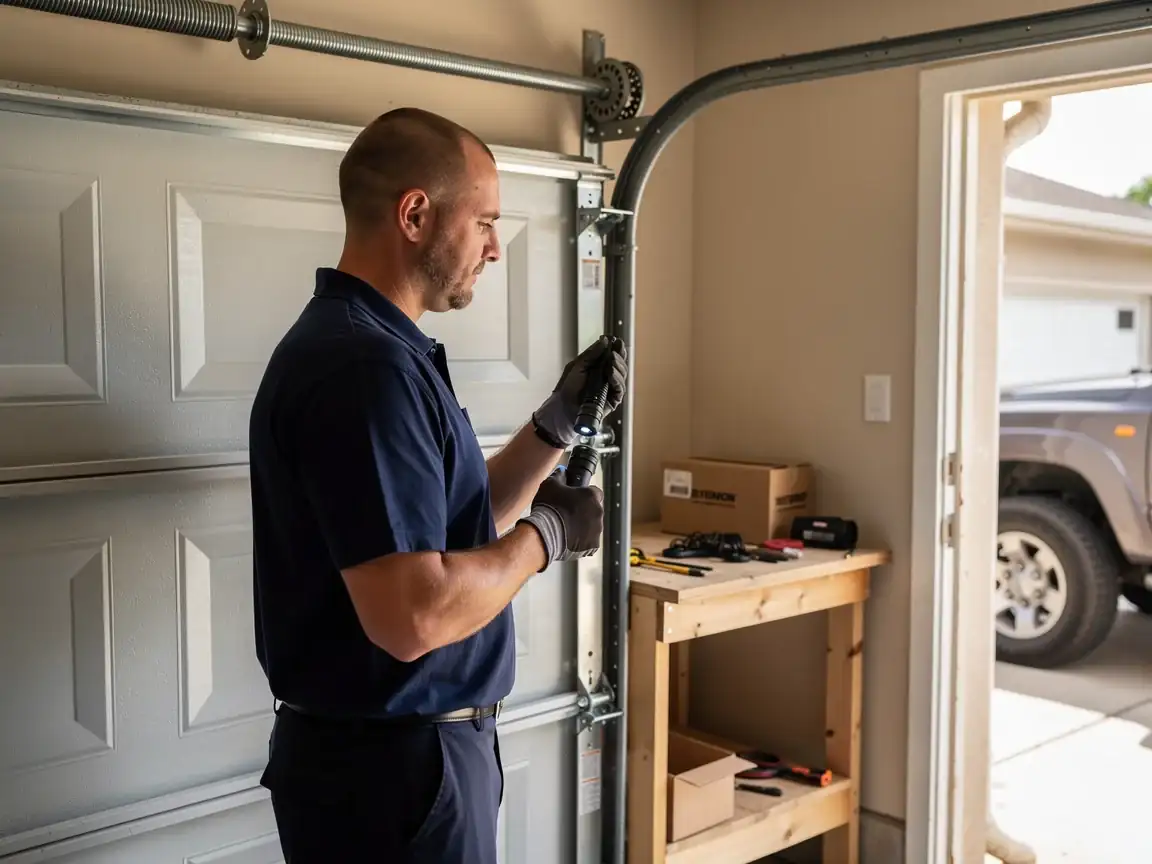
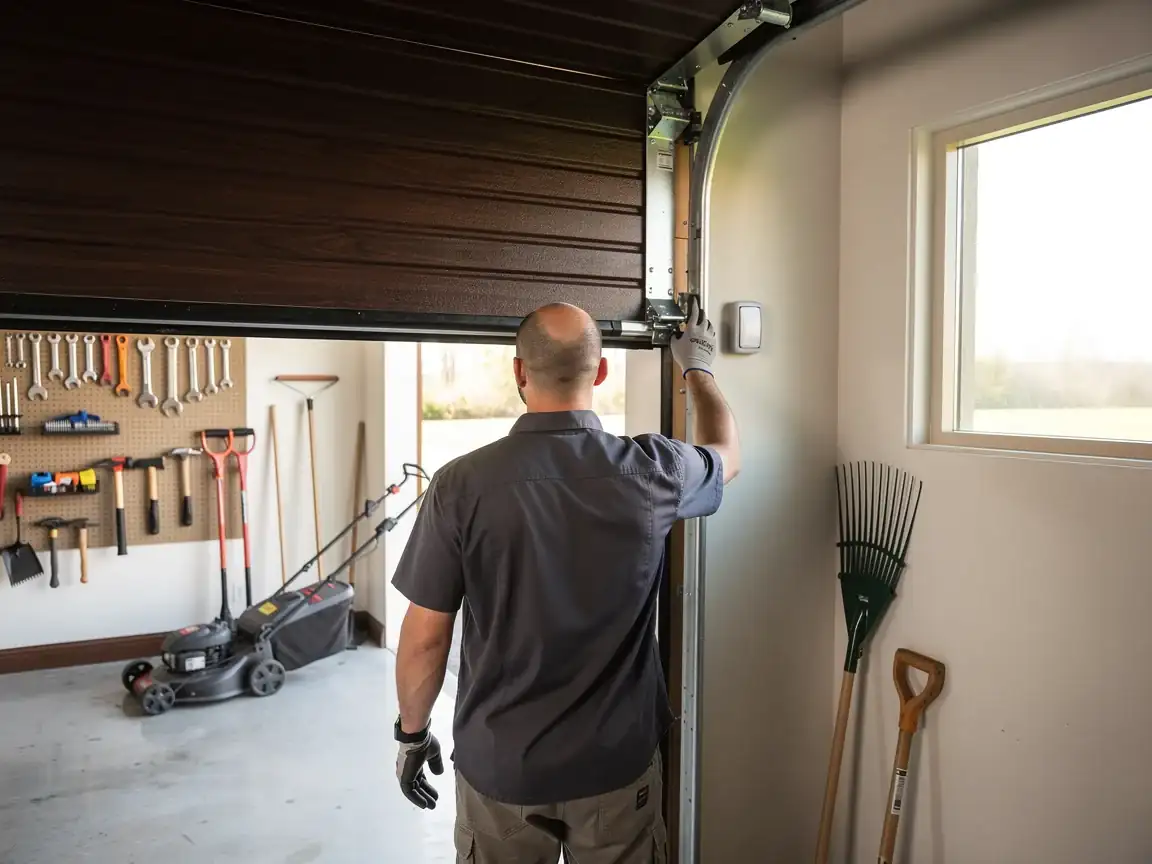
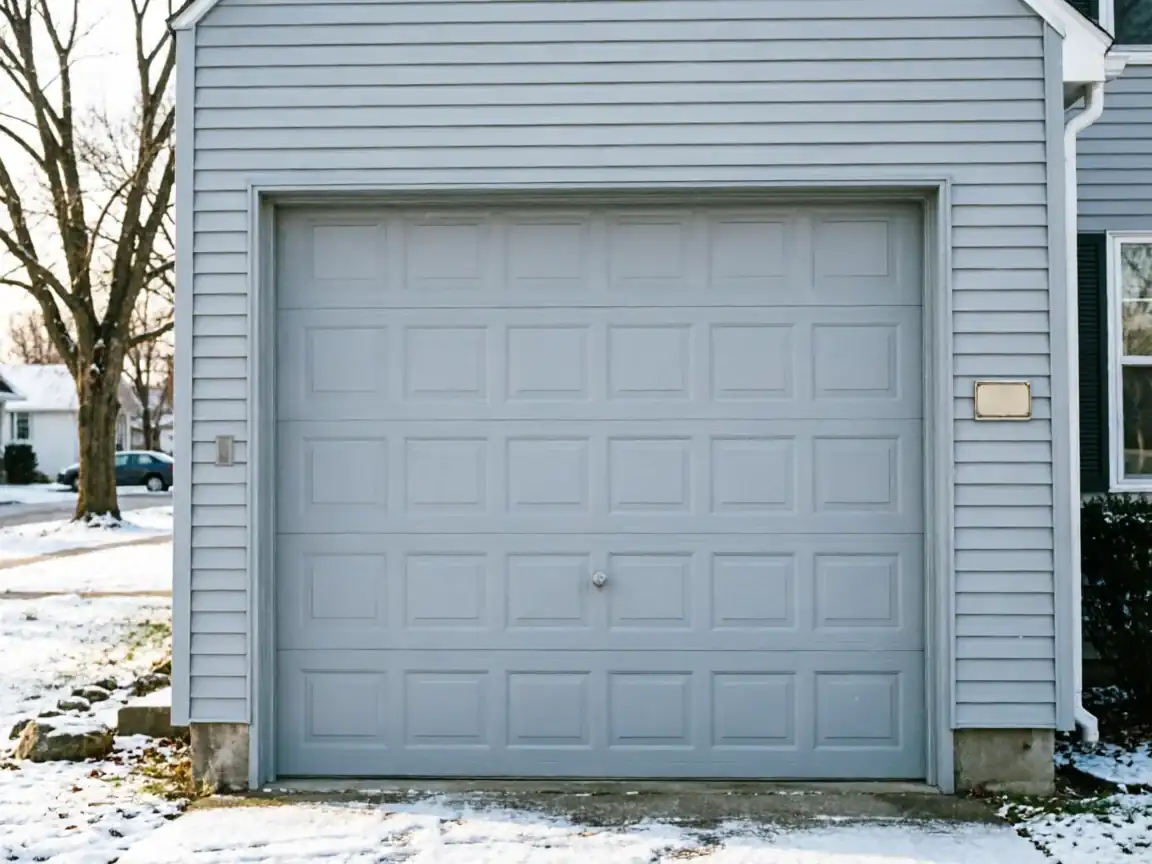
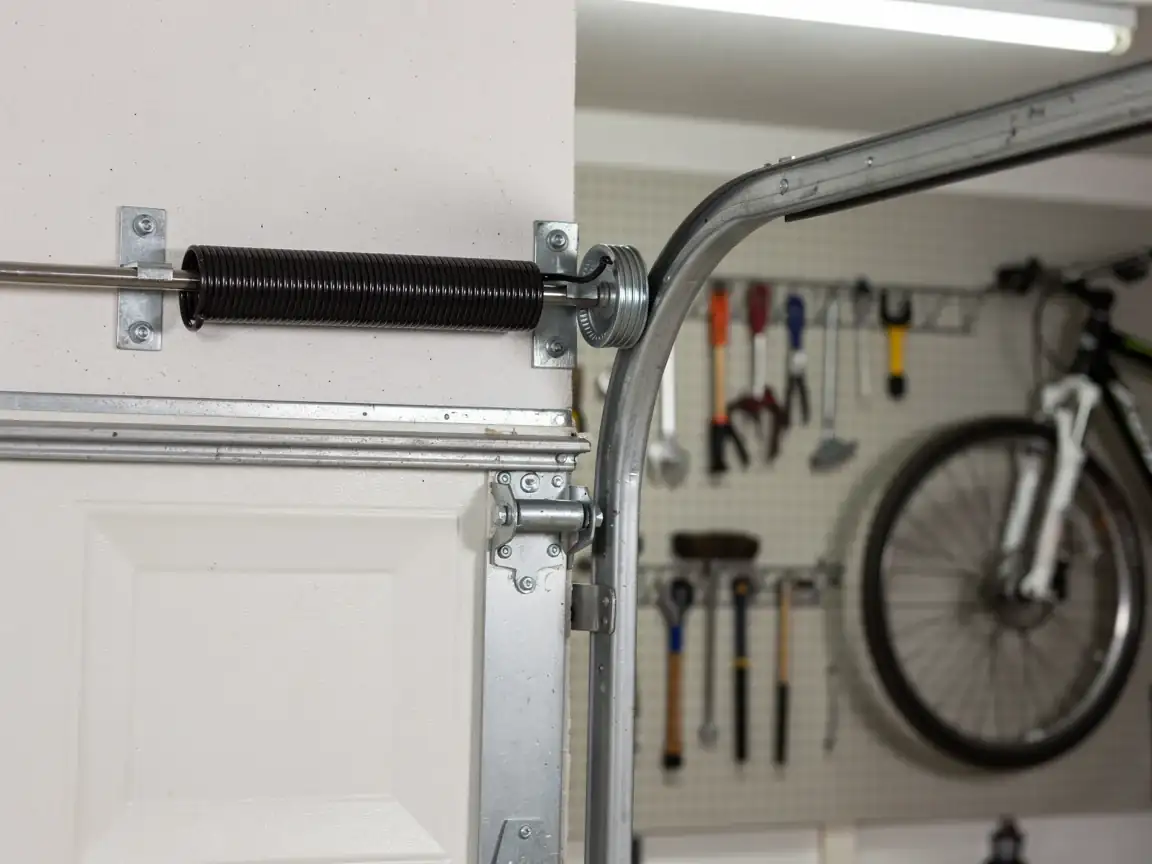
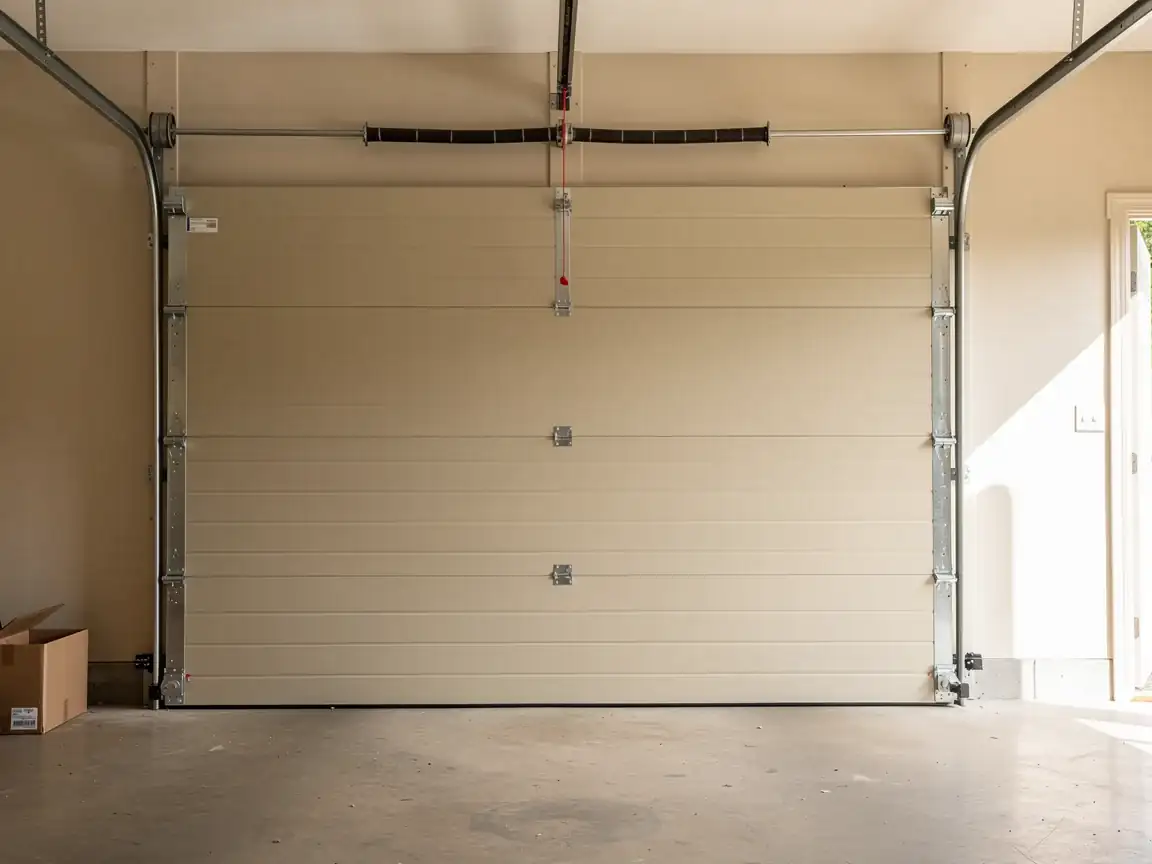
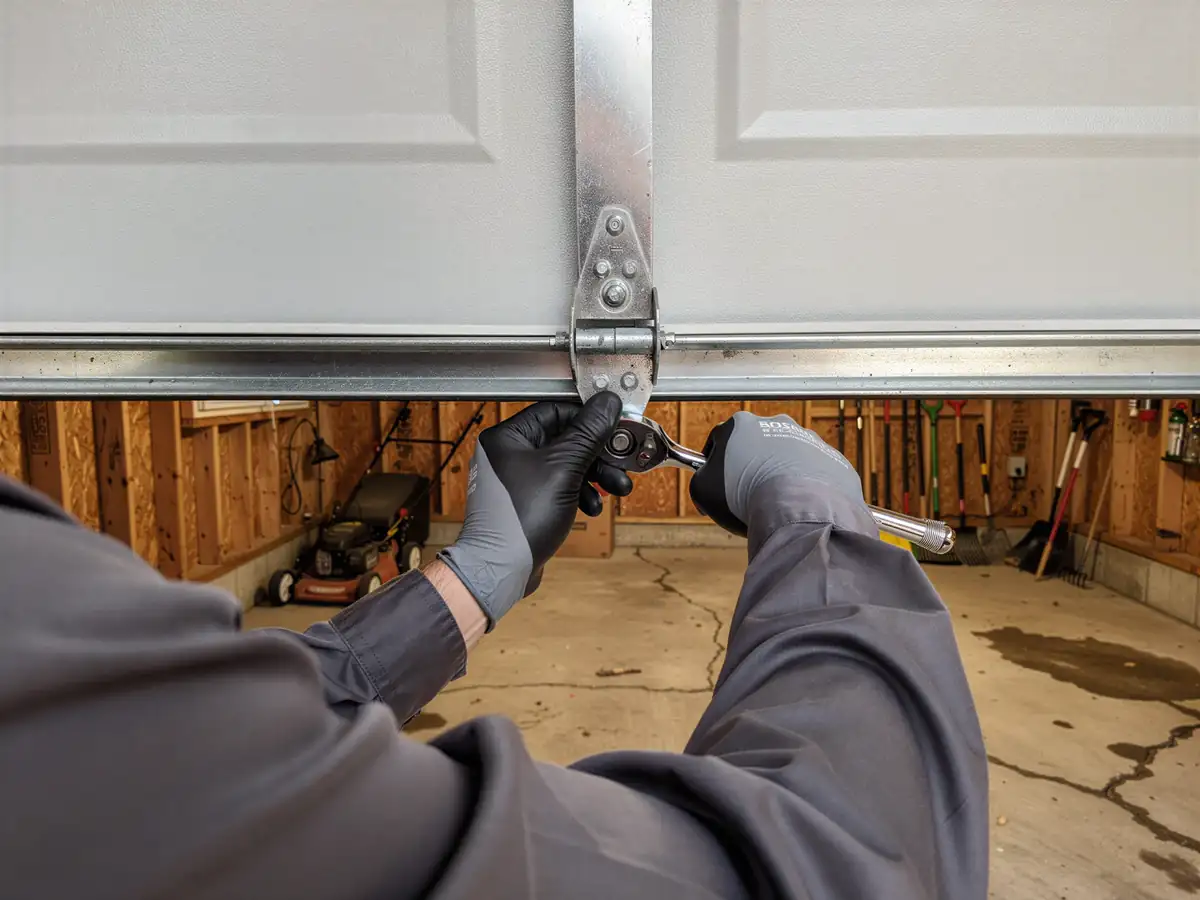
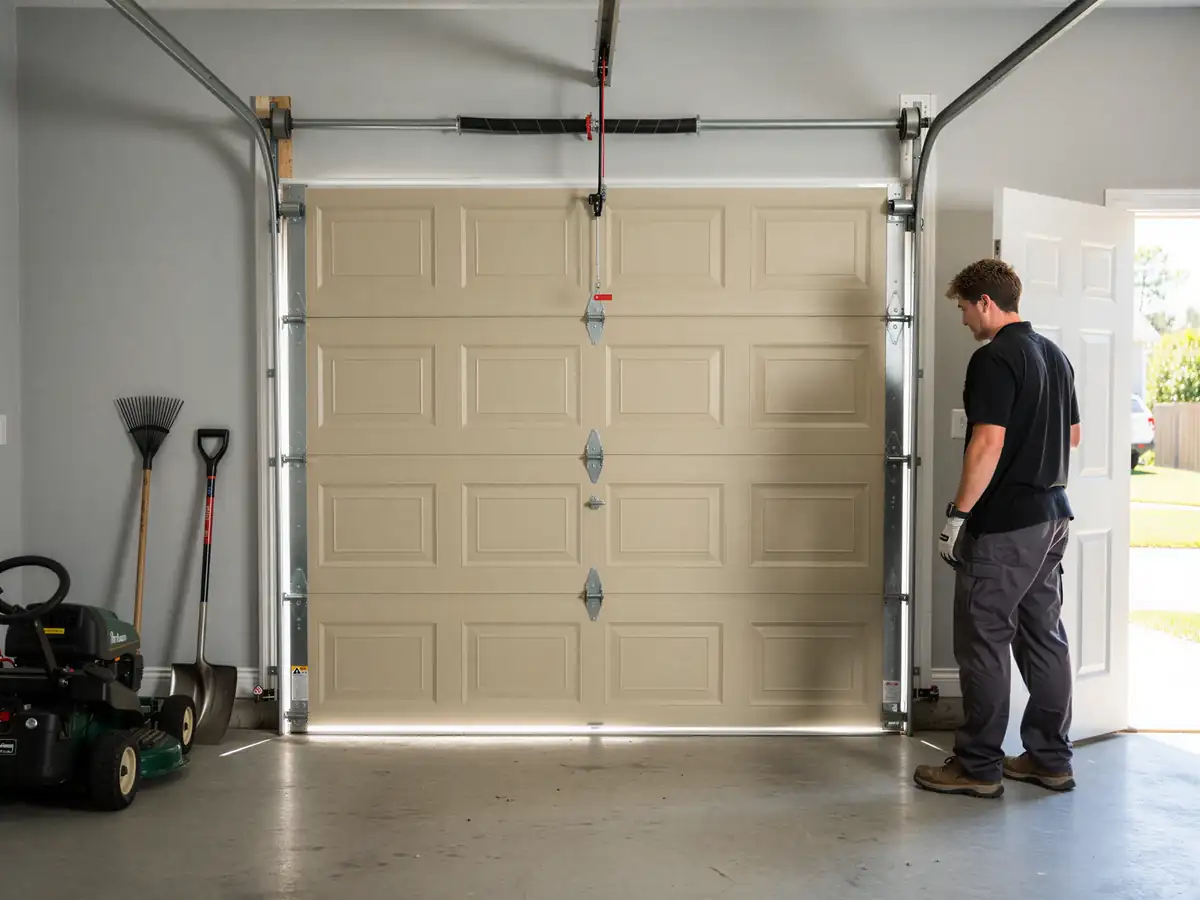
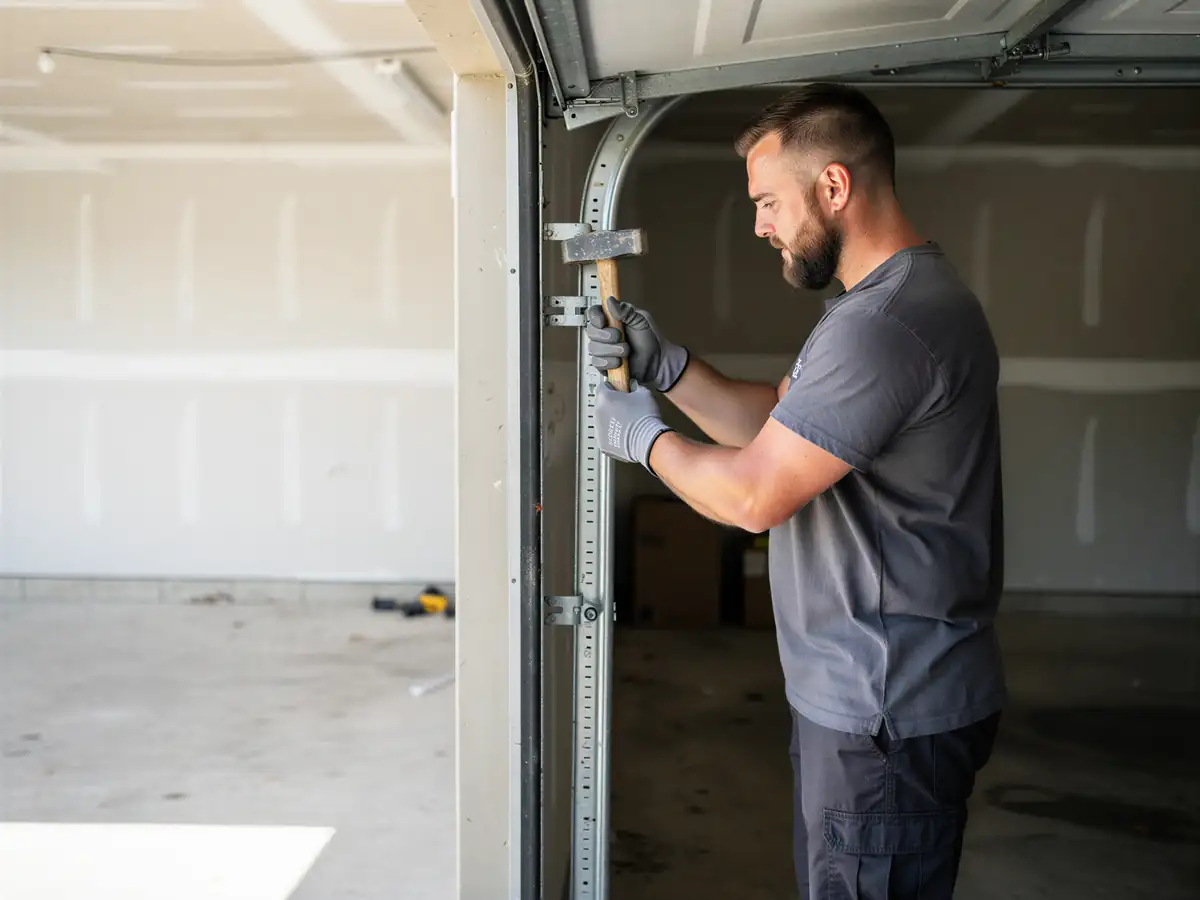
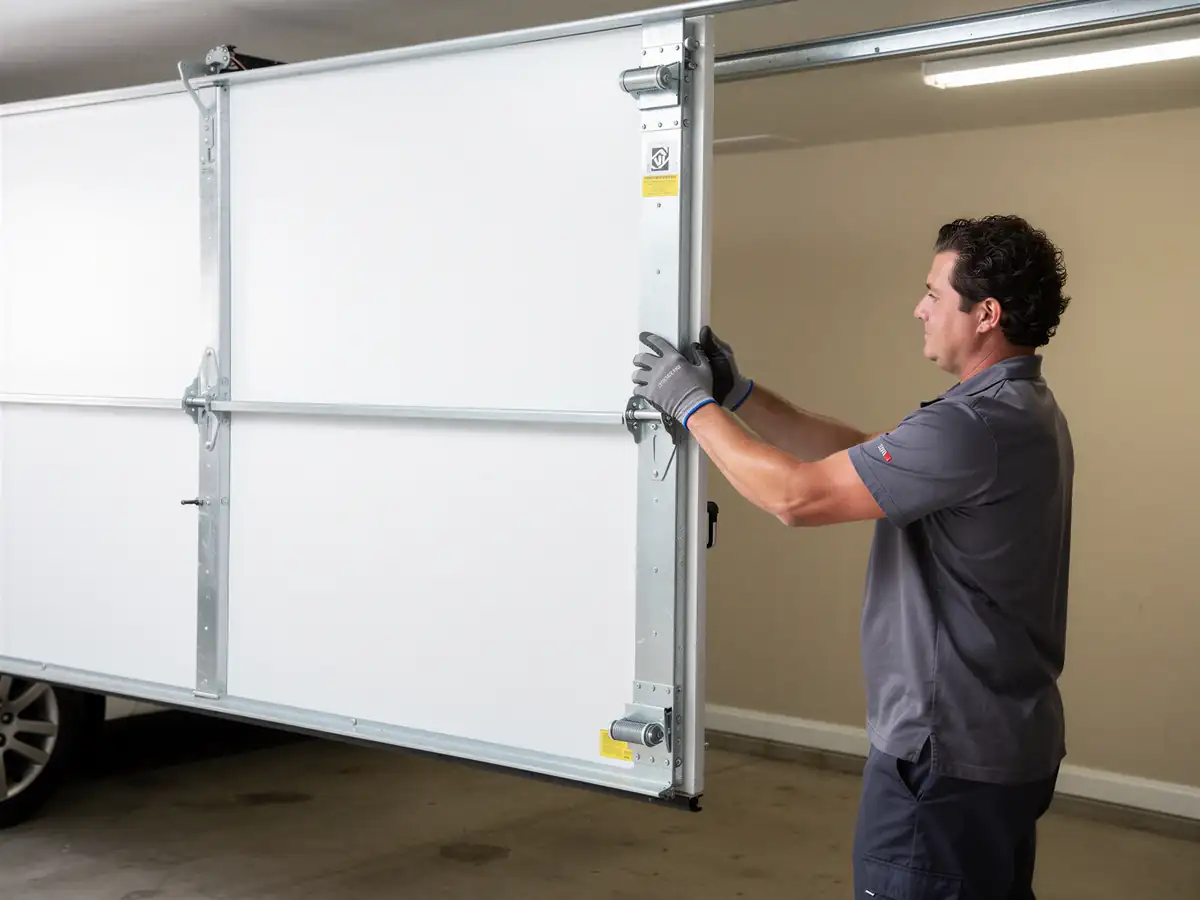
This part of Ohio sits in a climate zone rated cold and severe, and a door built in 1971 was engineered for the standards of that year, not this one. Steel panels from that era are thinner than what goes in today, so over fifty winters of freeze-thaw cycling you get panel flex, seams working loose, and weatherstripping that's cracked and stopped sealing years ago. Add condensation inside an unheated garage and the torsion spring's zinc coating wears through faster than the spring itself does, which is usually what fails first - not the cable, not the opener, the spring. On the upgraded doors we mentioned, the newer insulated panel sometimes sits on a track and drum sized for the original lighter door, which throws the balance off and strains the opener. We can true that up, but we won't tell you a repair is simple when the fix is really matching new panel weight to old hardware - sometimes that's a full spring and cable swap, not an adjustment.