Where This Job Goes Sideways
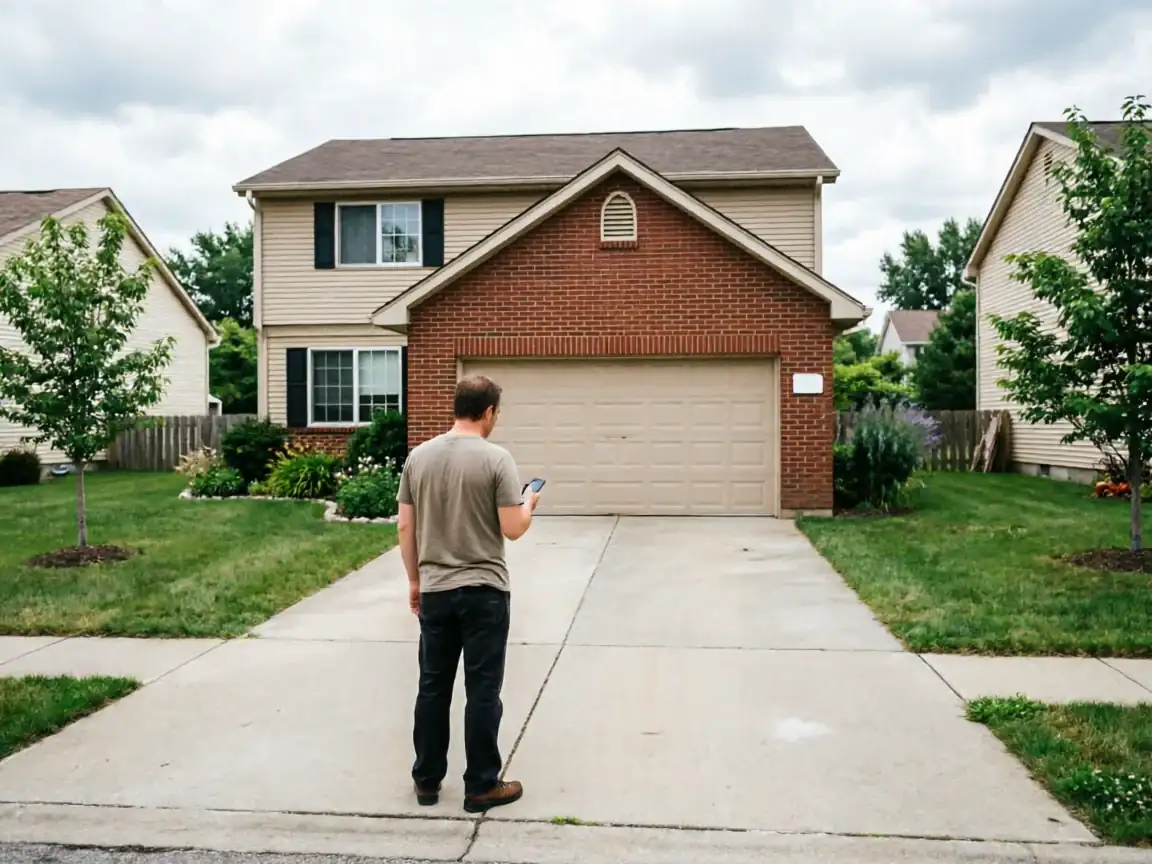
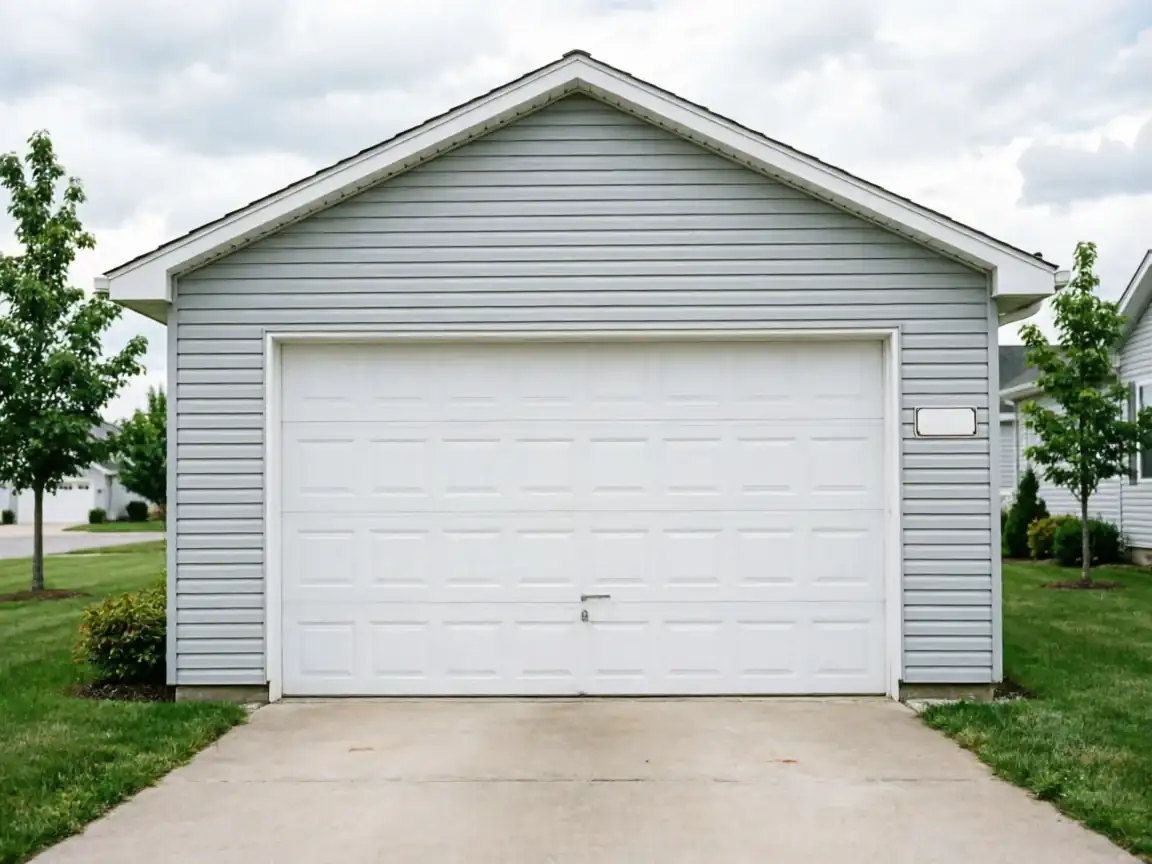
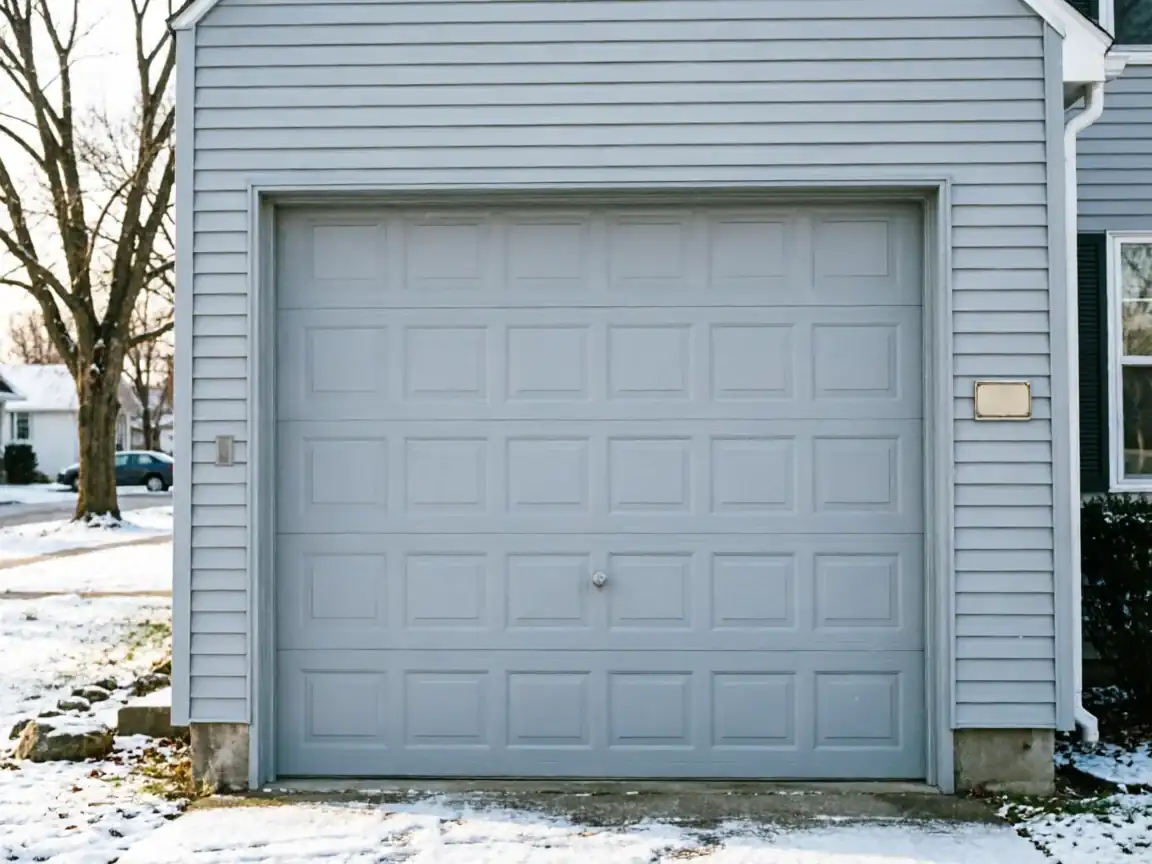
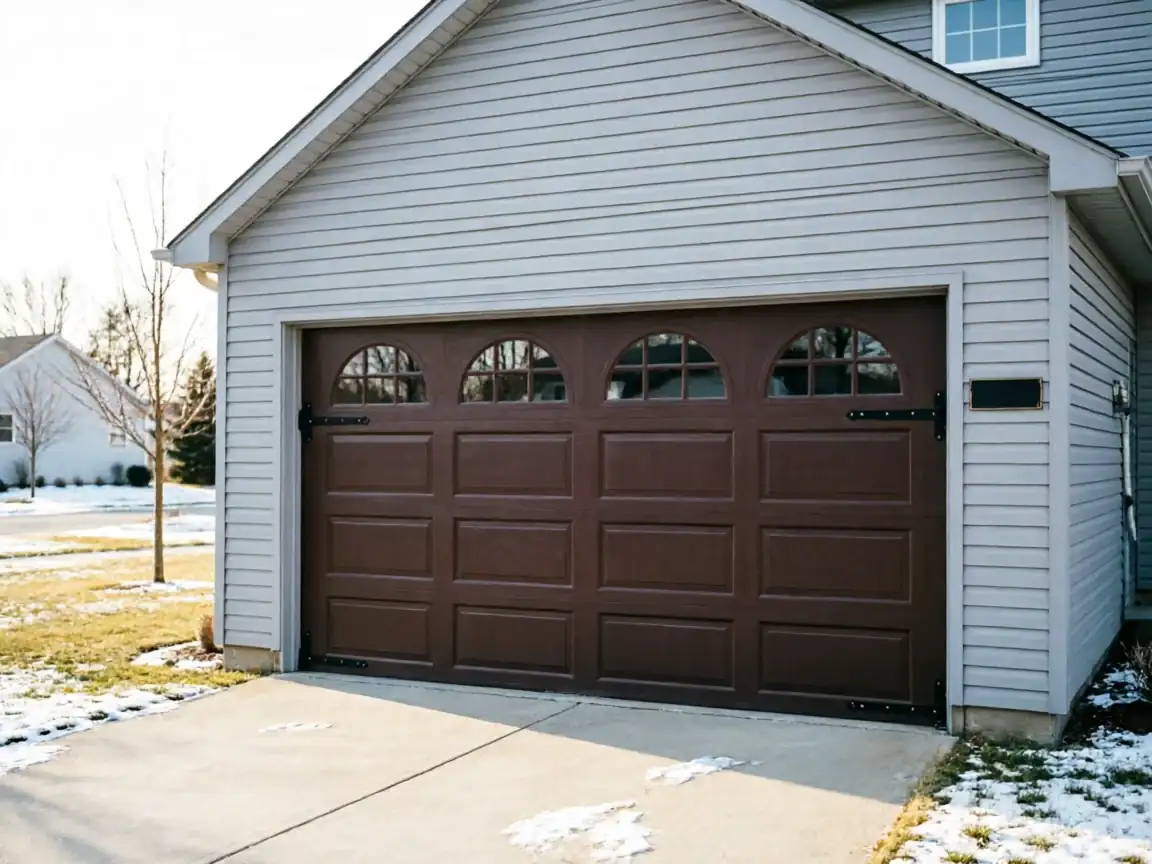
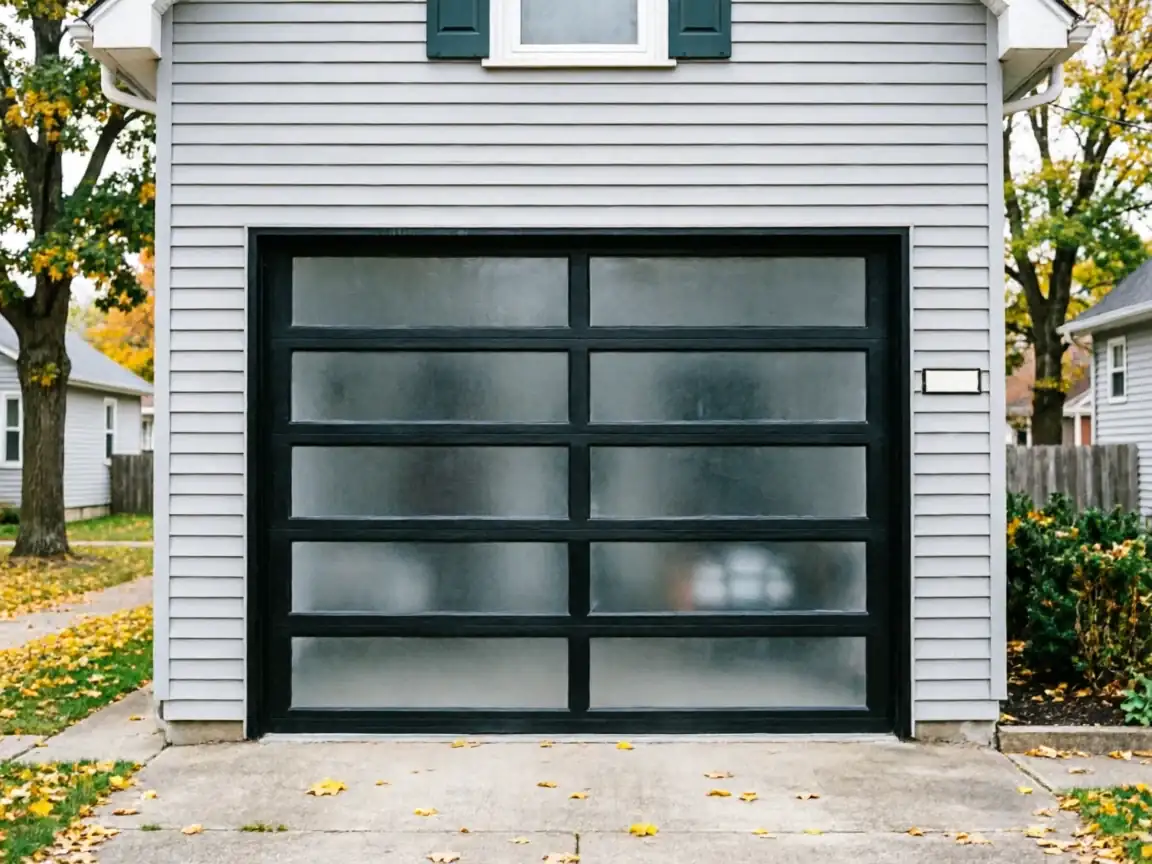
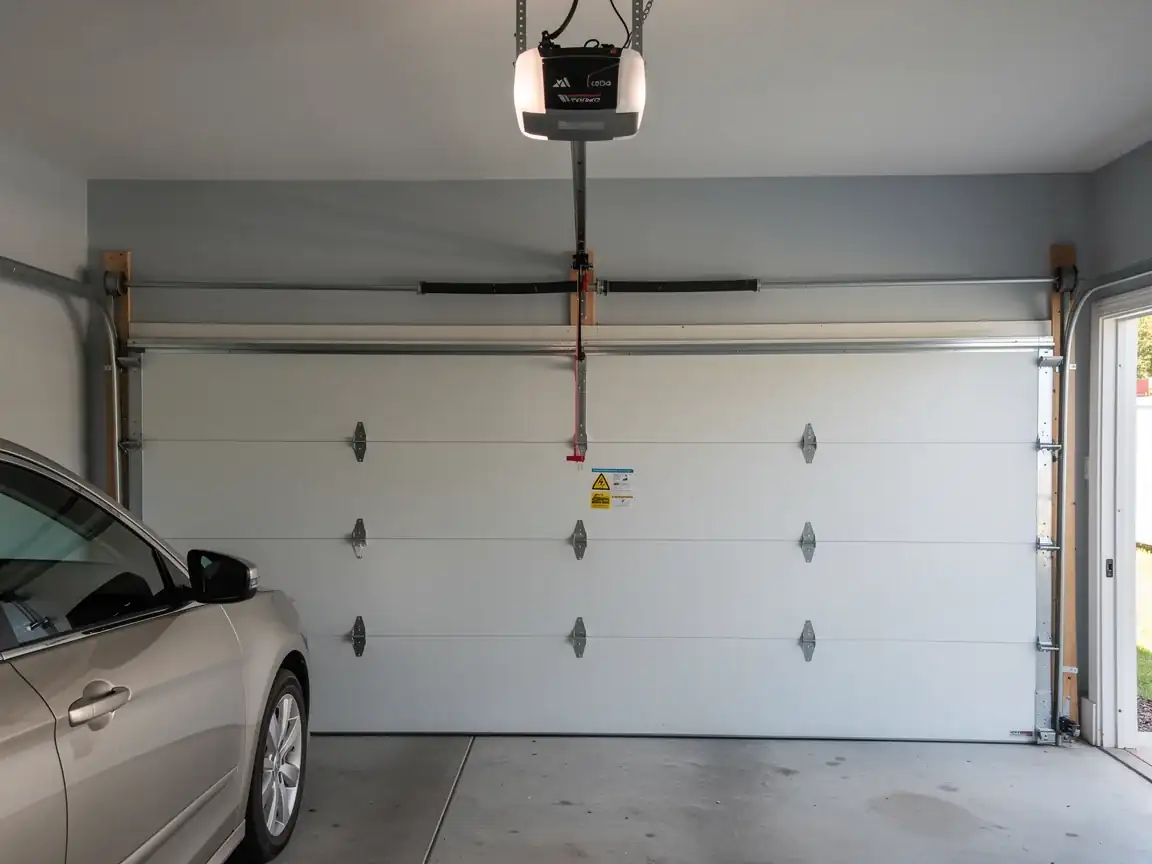
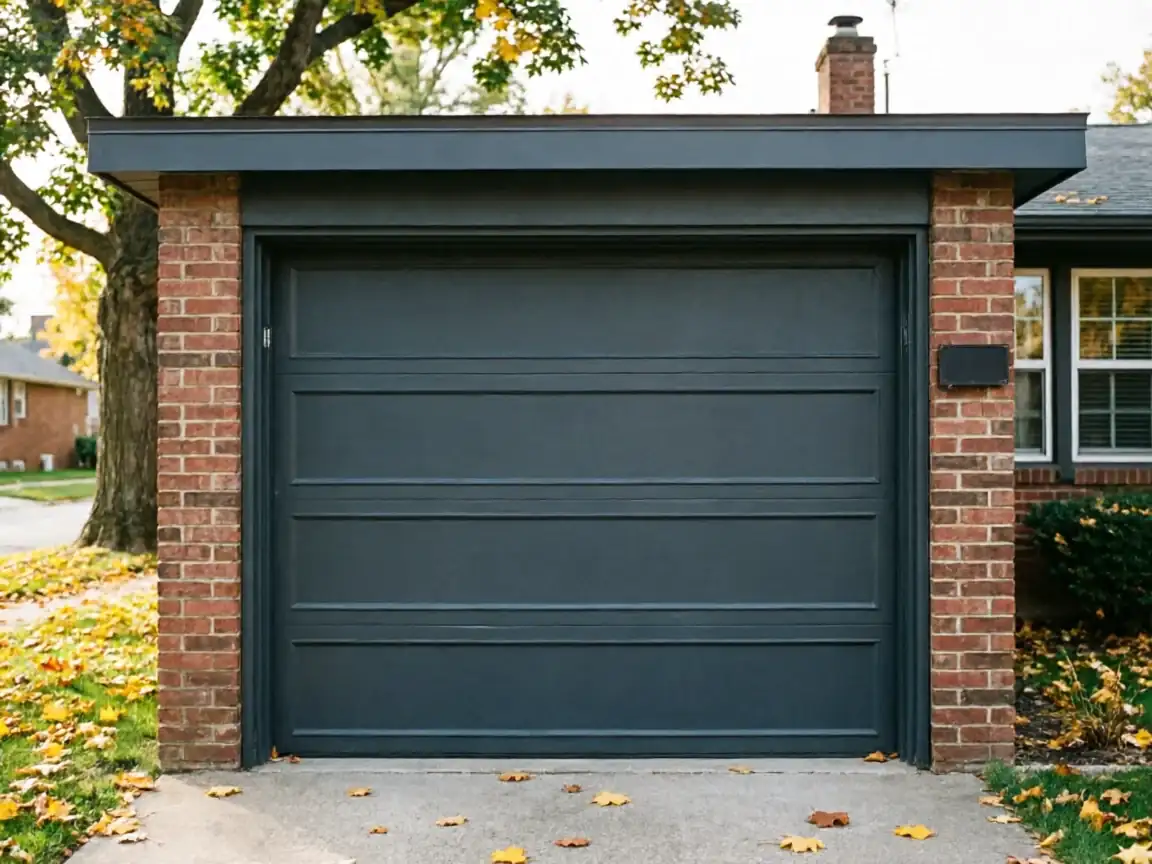
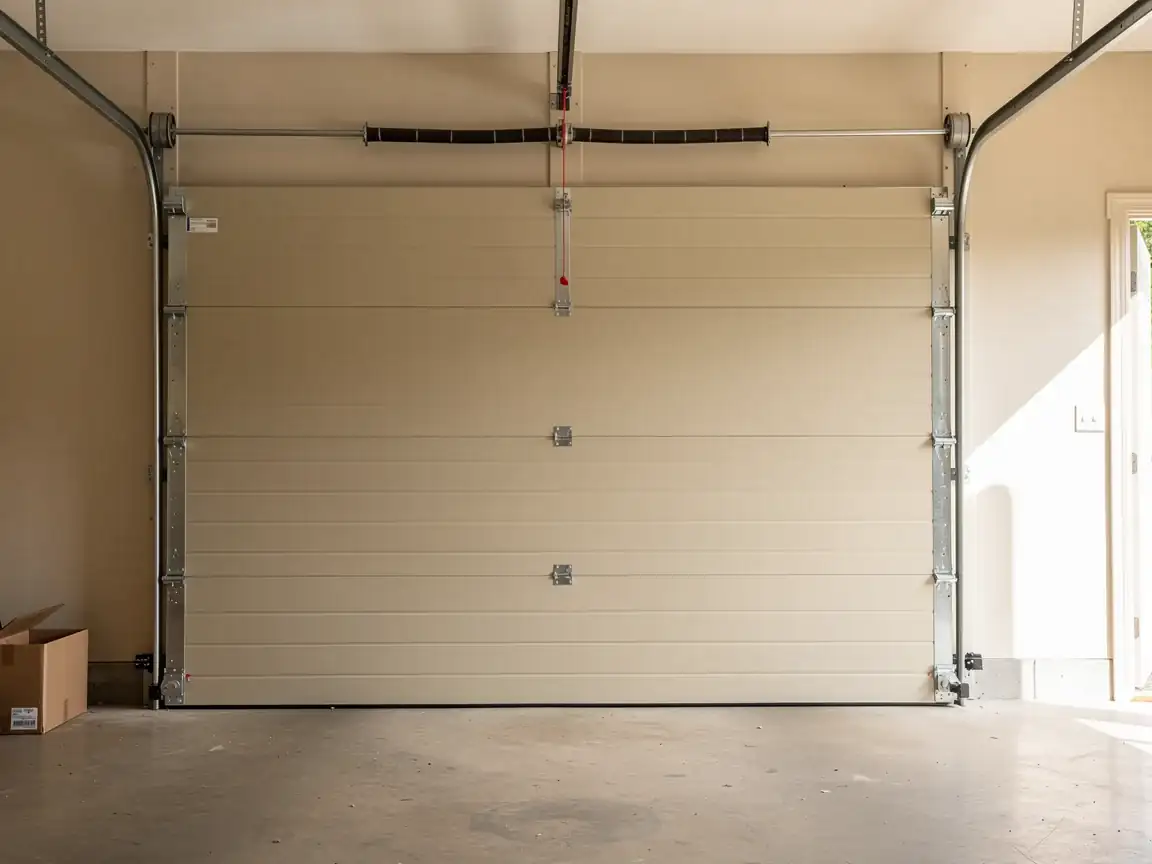
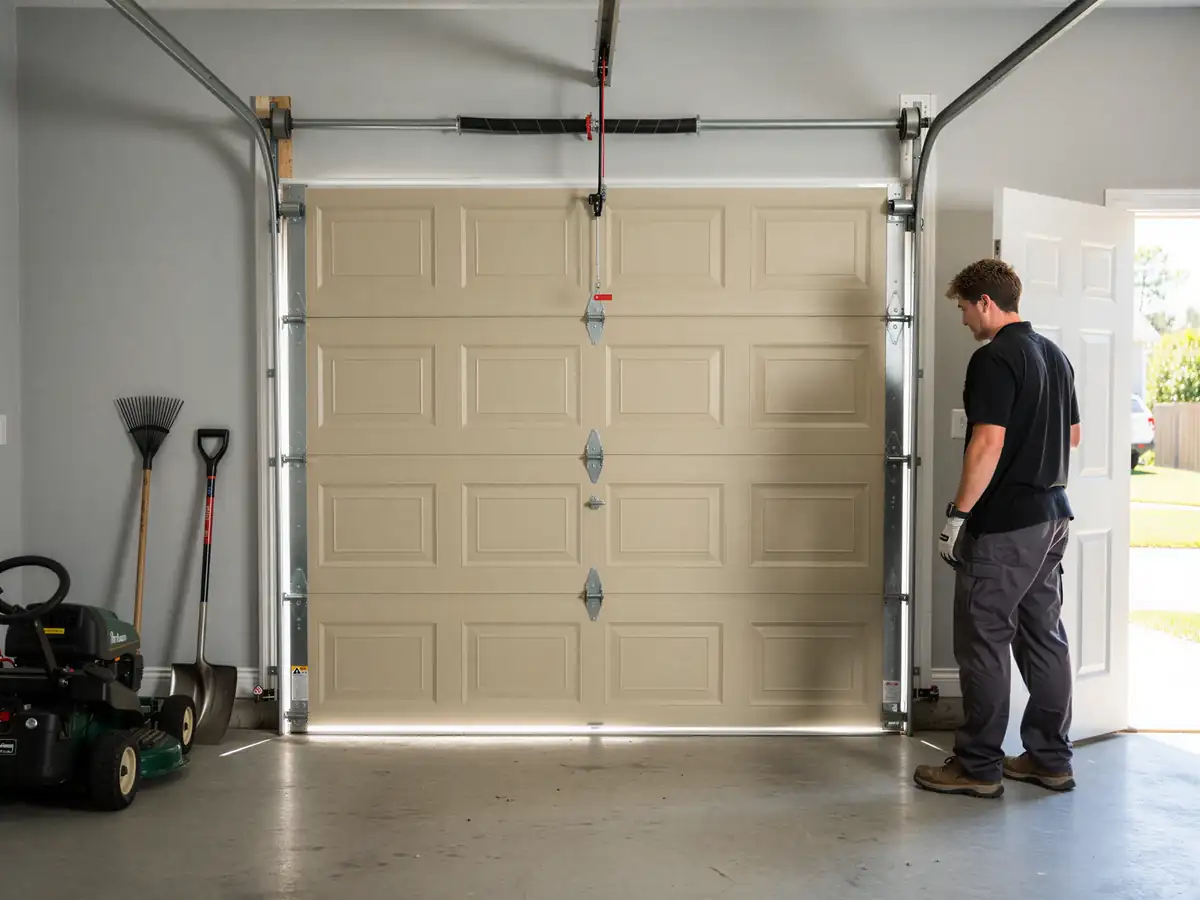
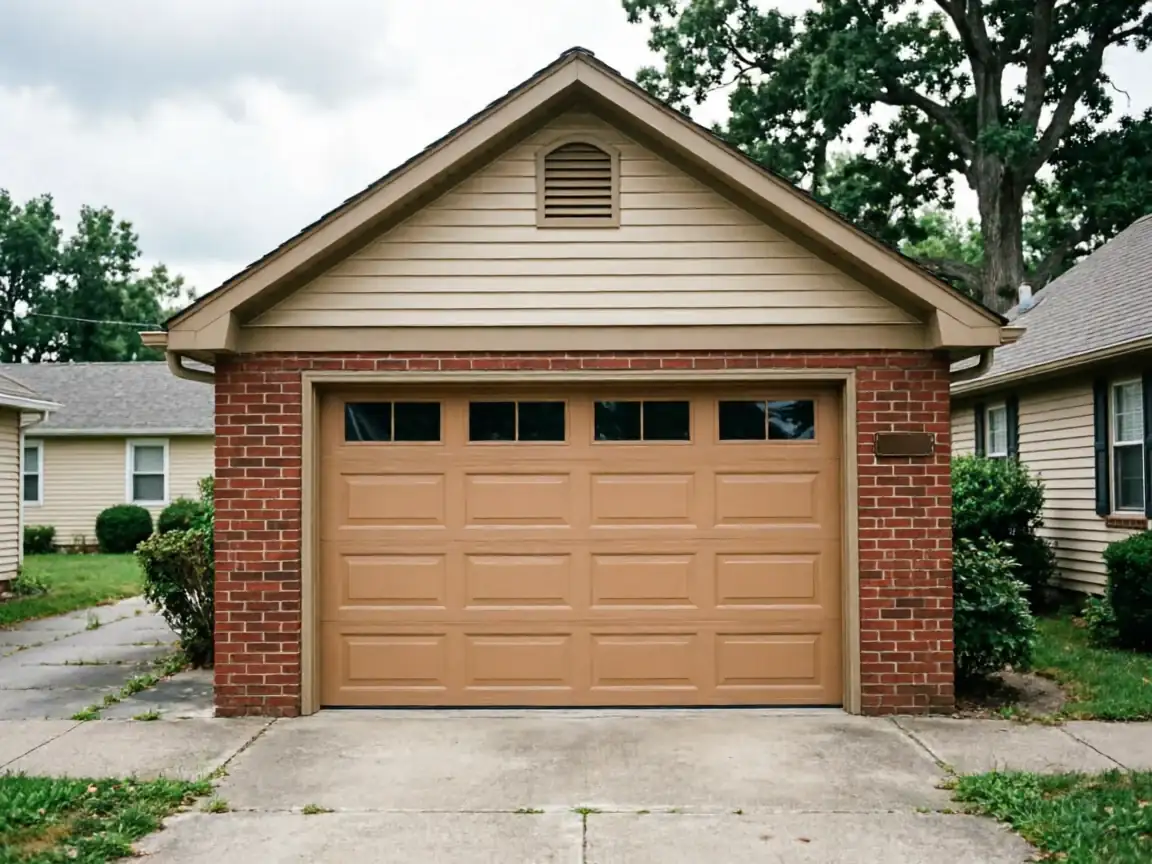
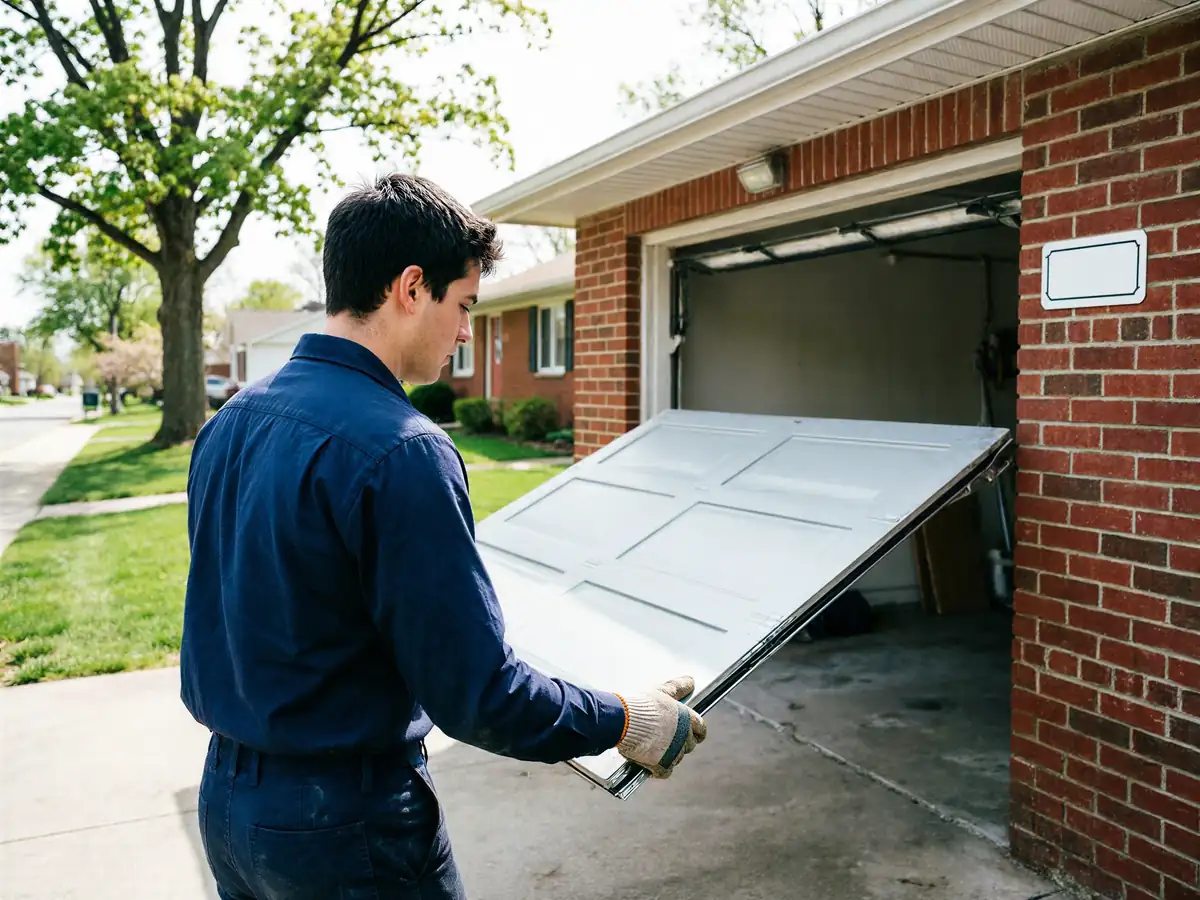
Most of Kent's housing went up around 1970, right in the stretch (1952-2004, median 1972) when steel sectional doors with embossed panel faces became the standard replacement for older single-piece wood doors across this part of the region. That's the door you're probably looking at right now if a panel got caved in by a car bumper or a wind-thrown branch. The trouble starts when a homeowner tries to order 'a panel' without knowing that doors from this era came in a handful of section heights and rib patterns that aren't universal. Order the wrong width or the wrong rib count and the new panel sits proud or recessed next to the old ones, and the whole door reads as patched instead of fixed. We've seen owners order online, get a panel that's close but not a match, and end up with a door that still looks broken even though it's 'repaired.' The fix starts with pulling the section off and matching it against what's actually on the track, not against a catalog photo.
Time on the Job
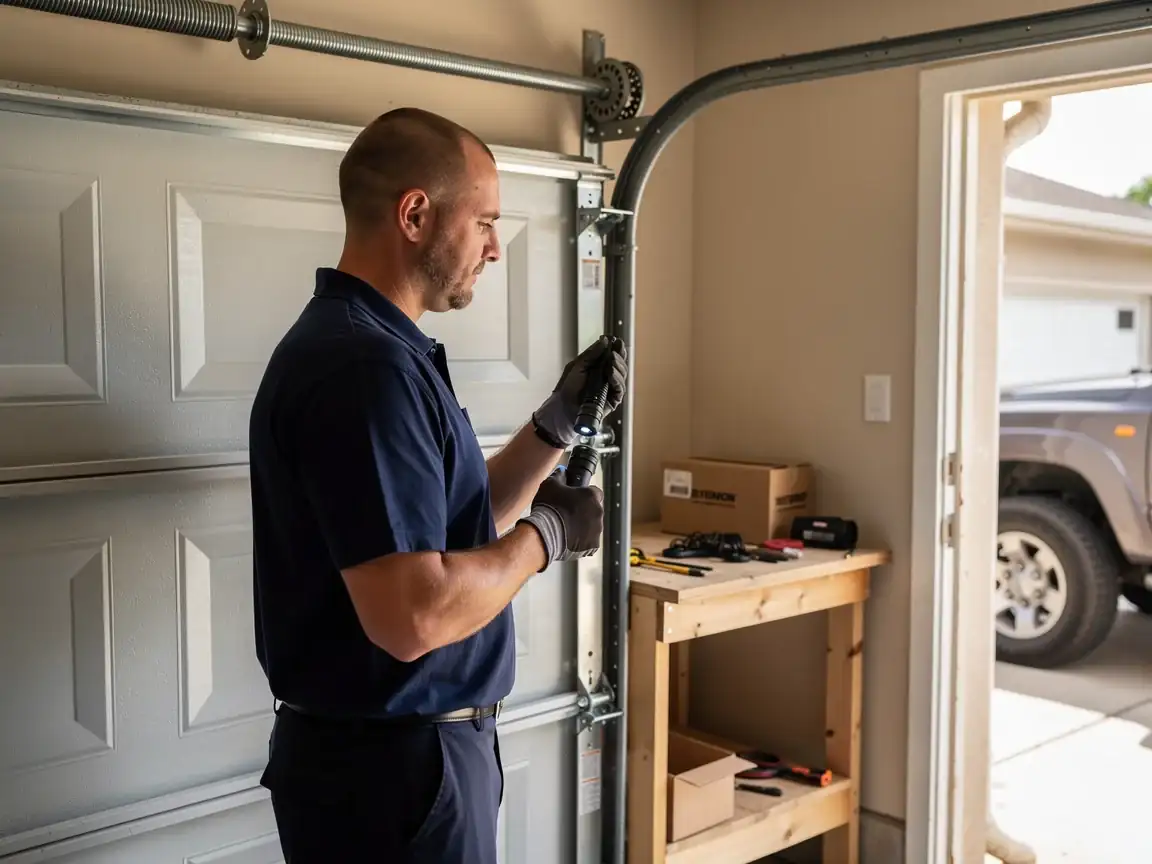
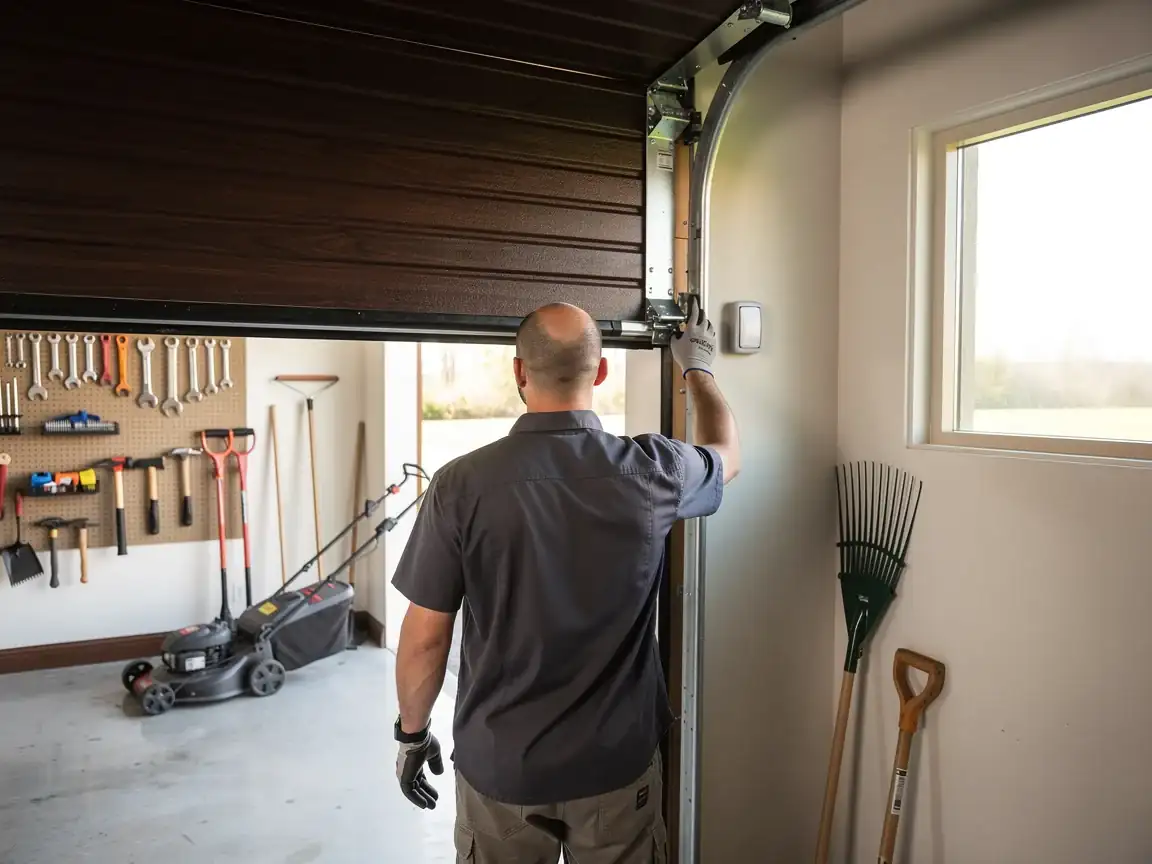
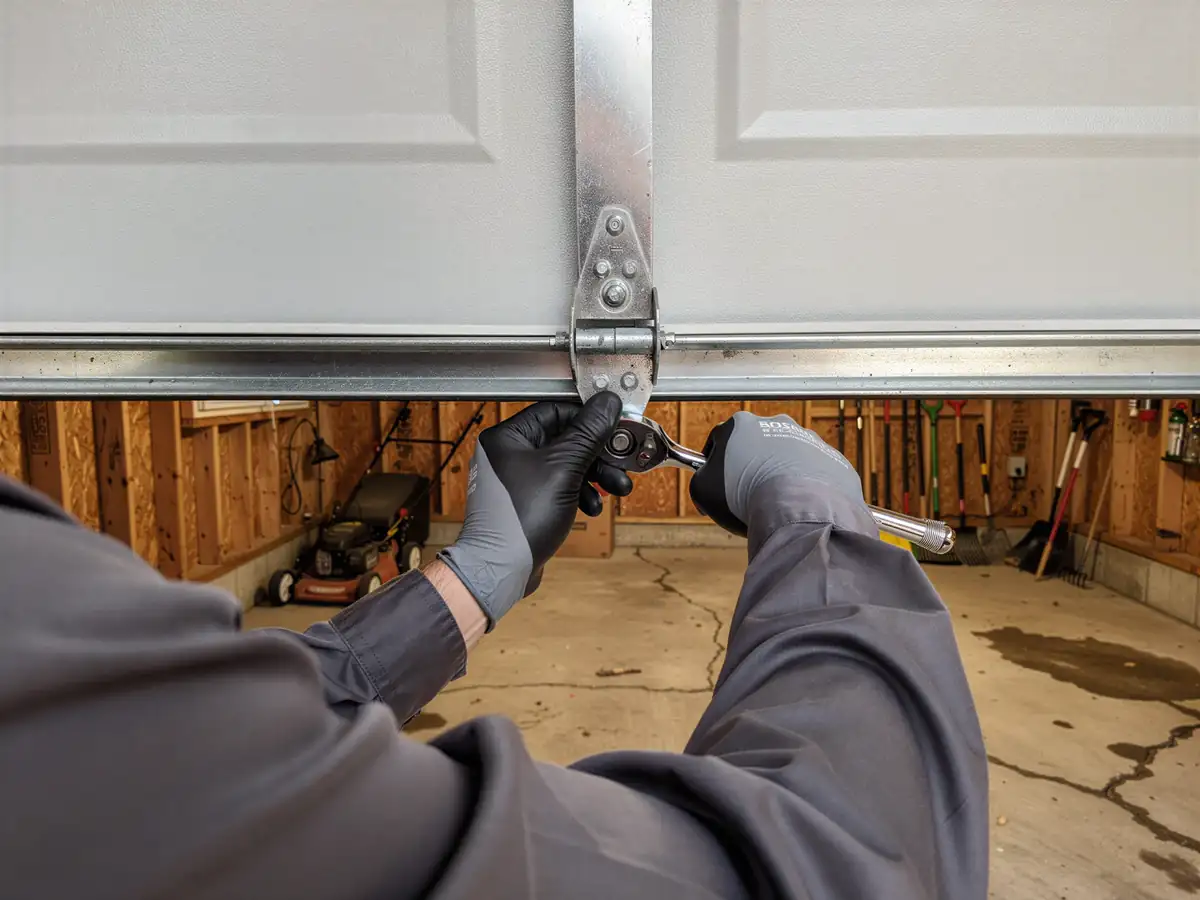
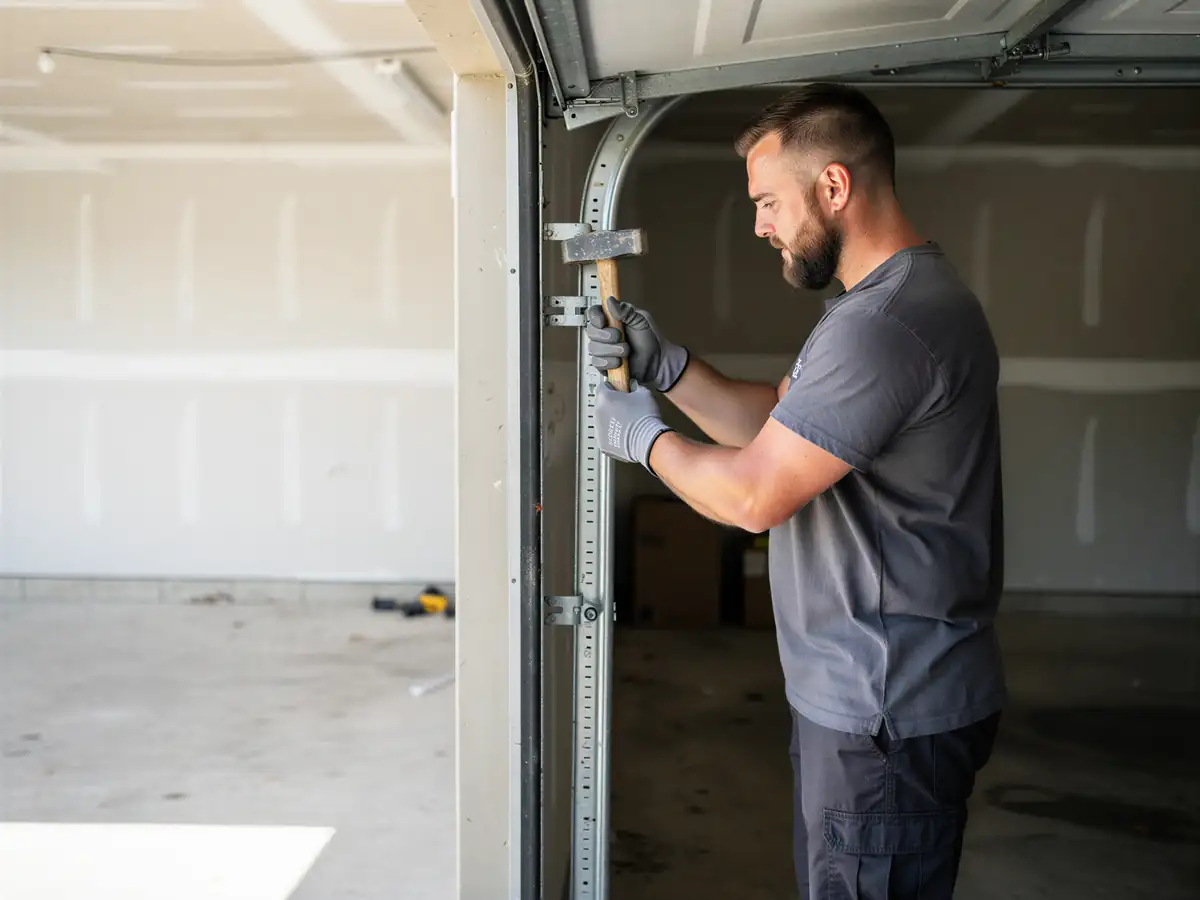
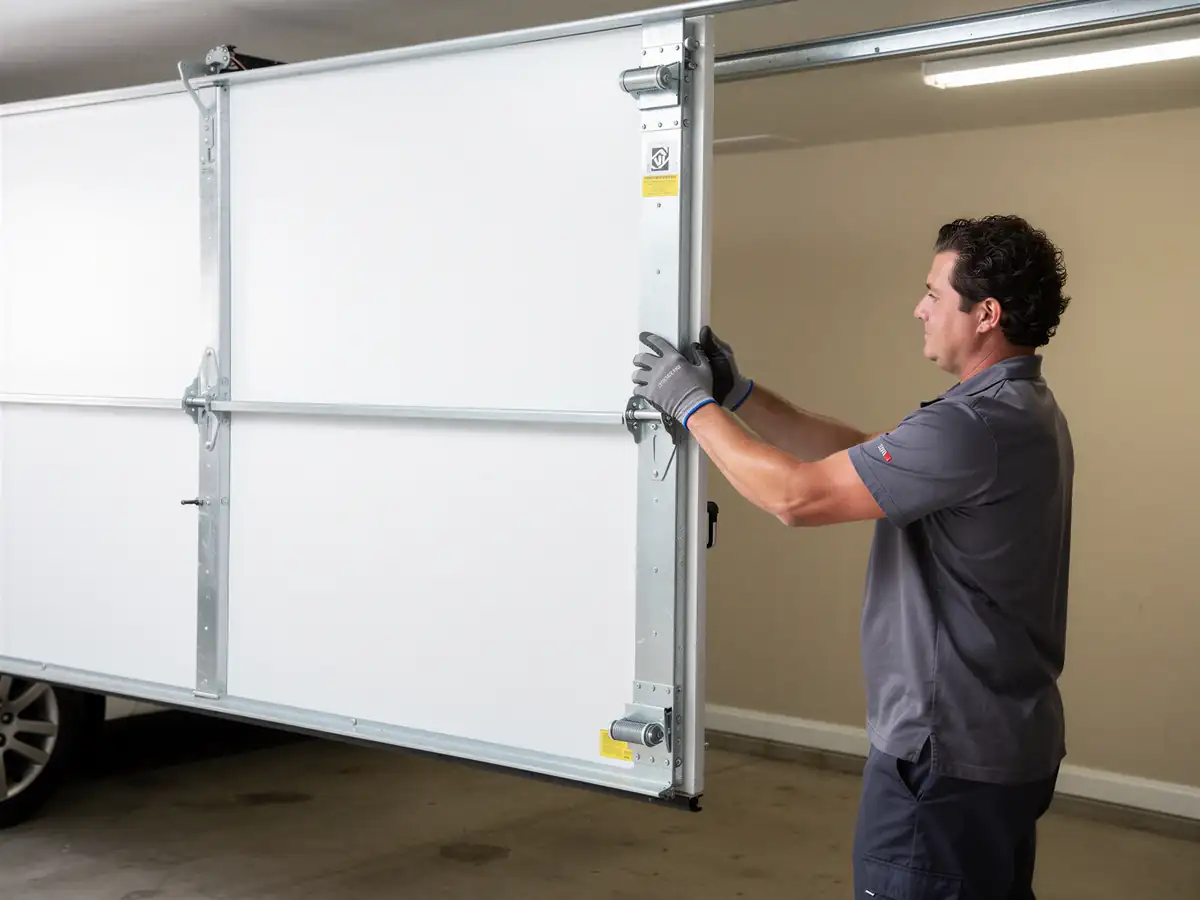
If we're matching an existing panel and the manufacturer still makes that profile, this is usually a same-visit repair once the part is in hand. If the door is old enough that the original line was discontinued - and with houses here built as far back as 1952, that's common - we may be ordering a close match or recommending a full panel set instead of hunting for an exact discontinued piece. Either way, the door comes off track, the damaged section comes out, the new one goes in, and we reset the hardware before we leave. We don't leave a door half-finished waiting on a part we're not sure exists.
Why This Fails Locally
This area sits in a severe cold climate band, and steel panel doors from the 1960s-70s stock that makes up most of this part of the region weren't built with the insulation or the flex tolerance that later doors got. Cold steel gets brittle at the seams, and a panel that's already got a dent from a decade back will crack along that stress line the next time temperatures swing hard. We also see rust-through at the bottom panel edge where snowmelt sits against the steel over a winter - that's not a defect, it's just what 50 years of Ohio winters does to a door that was never meant to last that long without upkeep.
The DIY Question
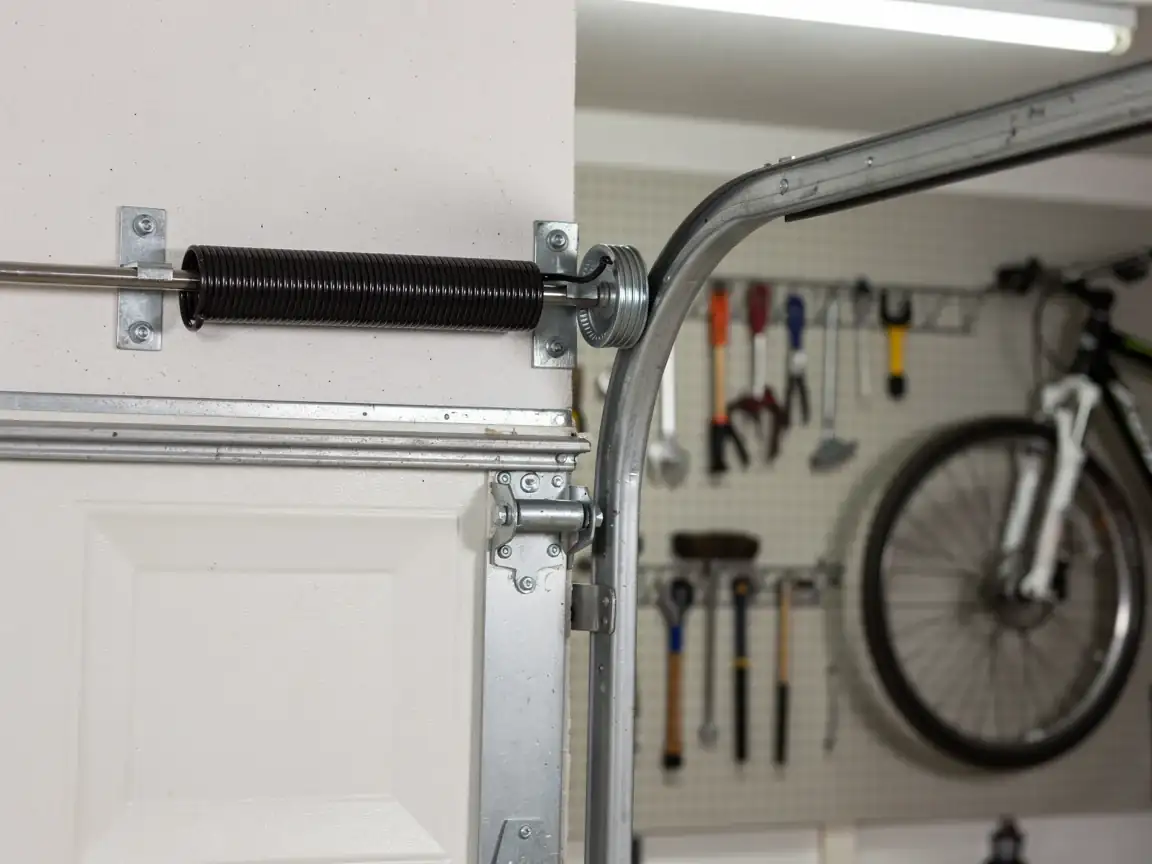
Measuring your own door and ordering a panel yourself is possible, and plenty of people do it. Where it goes wrong is section height - older doors here don't all use the same measurement standard that current doors use, so a panel that looks right on a spec sheet can be off by enough to bind the door on the track. If you're set on doing it yourself, pull a full section off first and bring the measurements with you, not just a guess from the outside. We'd rather answer a question before you order than fix a door after a mismatched panel's gone in crooked.