Serving Akron, OH & nearby
(330) 902-8513
Akron, OH

When a Draughty Garage Door Is Fine to Leave, and When It Isn't

Akron's housing went up mostly in the 1960s and 70s, and cold winters expose weak garage door seals fast - here's when a draught is worth fixing right now.

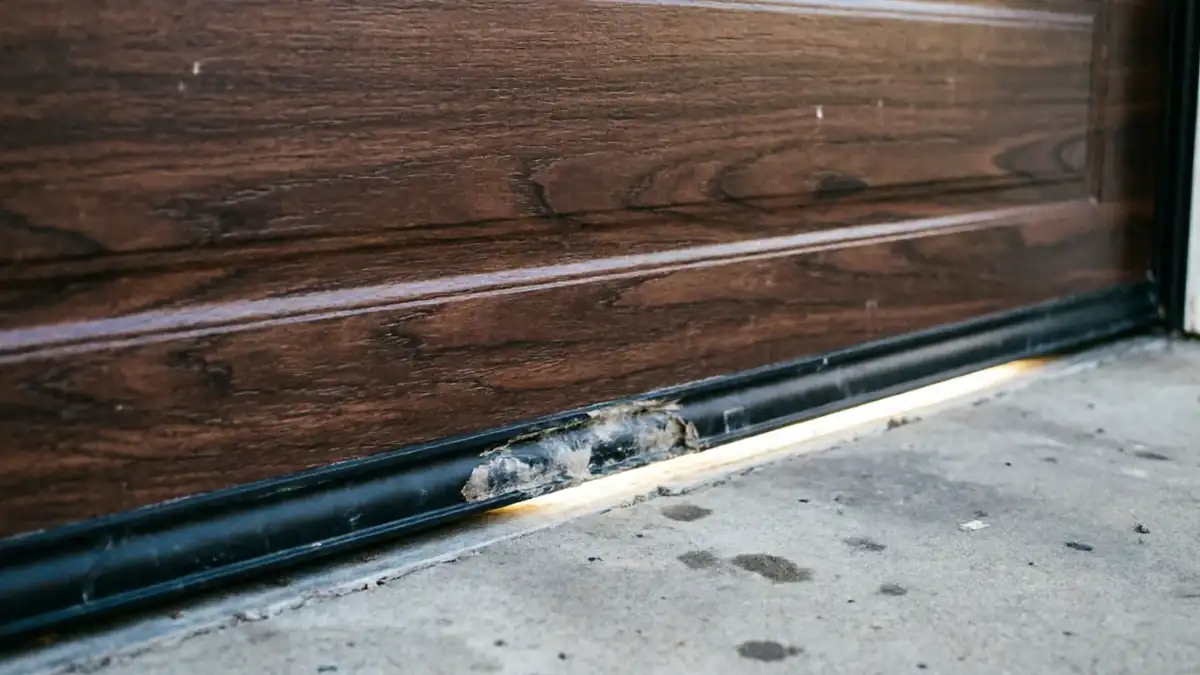
The bottom of a brown garage door has a damaged weather seal.

When Waiting Is Fine

If the draught coming under your garage door is slight, and the garage itself isn't heated or doesn't sit against a living space, you don't have to drop everything. Across the service area, houses were built mostly between 1952 and 2004, with the median build year landing right at 1972 - which means the bulk of the weatherstripping out there is decades past its working life. A little hardening or shrinkage at the bottom seal is normal at that age, not an emergency, especially if the only effect is a cold floor in an unfinished garage. Median household income in the area runs $80,612, which gives most owners enough room to plan a seal swap on their own schedule rather than treat it as a crisis call. If the opener still runs smooth, the panels aren't warped, and the draught is just air moving under the door edge, you can usually wait for a slow week. Where it stops being fine to wait: if you're losing heat into a room that shares a wall with the garage, if moisture is getting in and pooling near the slab, or if the draught comes with a grinding or scraping sound from the track - that's not a seal problem anymore, that's hardware.

Where People Go Wrong

The most common mistake we see is someone caulking or taping around a seal that's already failed, instead of replacing it. Caulk doesn't flex with a moving door, and on the older torsion hardware common in 1960s and 70s builds, a stiff seal pulls unevenly off the track the second the door cycles. The second mistake is assuming a draught means the panel itself is bad. Nine times out of ten on a house from that era, the panel's fine and the problem is a bottom seal that's shrunk a half-inch shorter than the track it sits in - a cheap part, wrongly diagnosed as an expensive one. People also tend to buy a universal seal off a shelf without checking the track width, and tracks from that build era aren't all the same gauge. One limitation worth saying plainly: we don't carry every seal profile for houses built after 2000 on the truck - some of the newer vinyl-track styles need an order, and that's a day or two wait, not a same-visit fix. If your house is newer stock, it's worth knowing that up front instead of being surprised at the door.

The Situation

The service area's housing is a mix, but it leans old. Most of it dates to 1952 through 2004, median 1972, spread across 42 named areas from Downtown out to places. That means a lot of garage doors out there were installed, or re-installed, on hardware and track sized for that era - and a lot of original bottom seals have simply outlived their rubber. With 107,063 owner-occupied houses in the broader service territory, that's a large number of garages carrying the same aging seal at roughly the same time, which is why this comes up as often as it does. It's not one bad batch or one bad year of construction; it's just the math of a housing stock that's mostly 50 to 70 years old. The seal itself is a small part, but it's doing real work on a door that old - keeping weather out of a structure that was built before current code assumptions about insulation and air sealing even existed. When that seal goes, the draught shows up fast, and it shows up worse in winter than in any other season.

How Local Conditions Play In

The climate here is rated cold and severe, and that's the piece that turns a minor seal problem into a real one. Rubber and vinyl weatherstripping doesn't fail gracefully in cold - it hardens, cracks at the fold line, and loses its grip on the slab right when you need it most, usually mid-winter. On a house from the 1972-median building wave, that bottom seal has already been through fifty-plus freeze-thaw cycles, and each one takes a little flexibility out of the material. That's different from a climate that just gets humid or just gets hot; cold-and-severe means the seal is working against temperature swings that stress it structurally, not just cosmetically. It also means the draught you feel in January is often worse than the one you'd feel checking the same door in July, so a seal that looks fine in summer can be letting real cold air through come winter. If you're deciding whether to fix it now or wait, factor in the season: a seal replacement booked in October beats one booked during a cold snap, both for comfort and because rock-hard rubber is harder to pull and reset cleanly in freezing weather.
How it works

From “it’s stuck” to “it’s fixed”

A quick, honest process - no guesswork and no surprises.

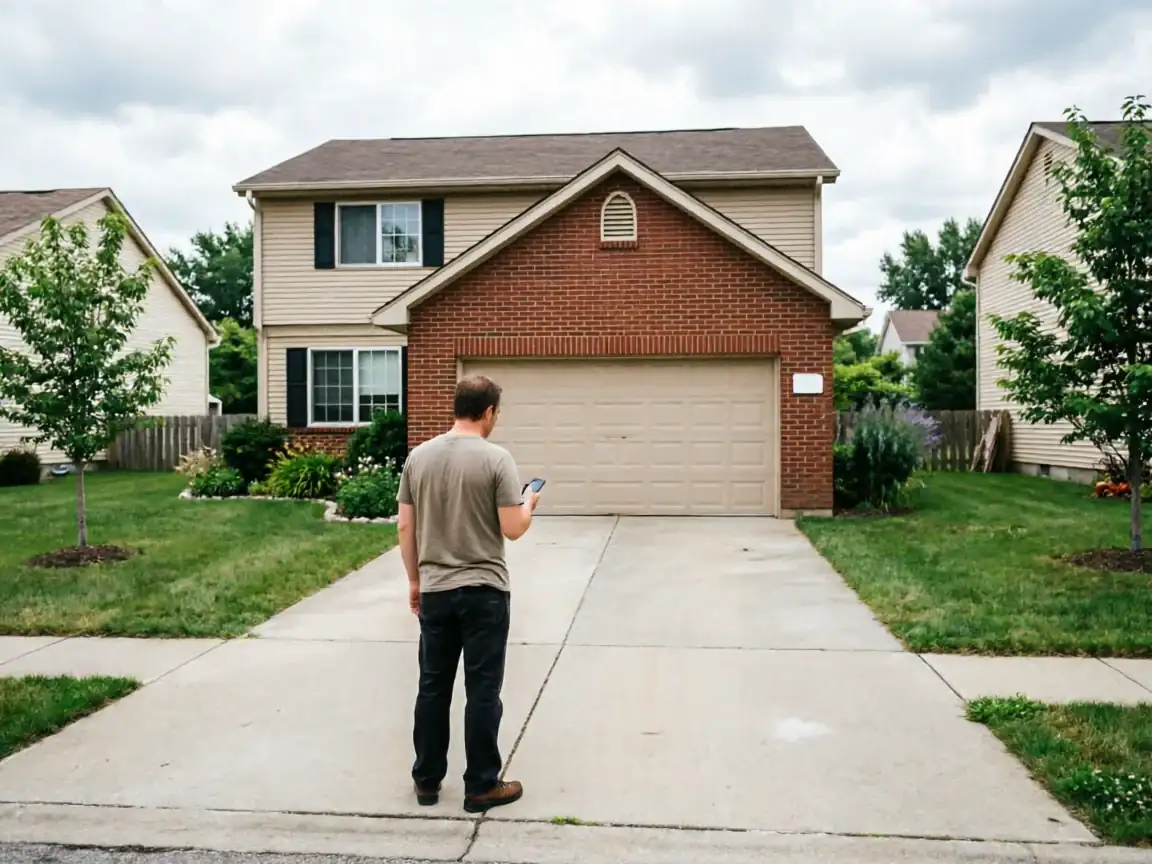
  1. A man stands in a driveway looking at his phone in front of a house.
    1

    Tell us what’s wrong

    Describe the symptom - won’t open, loud bang, opener runs but the door won’t move.

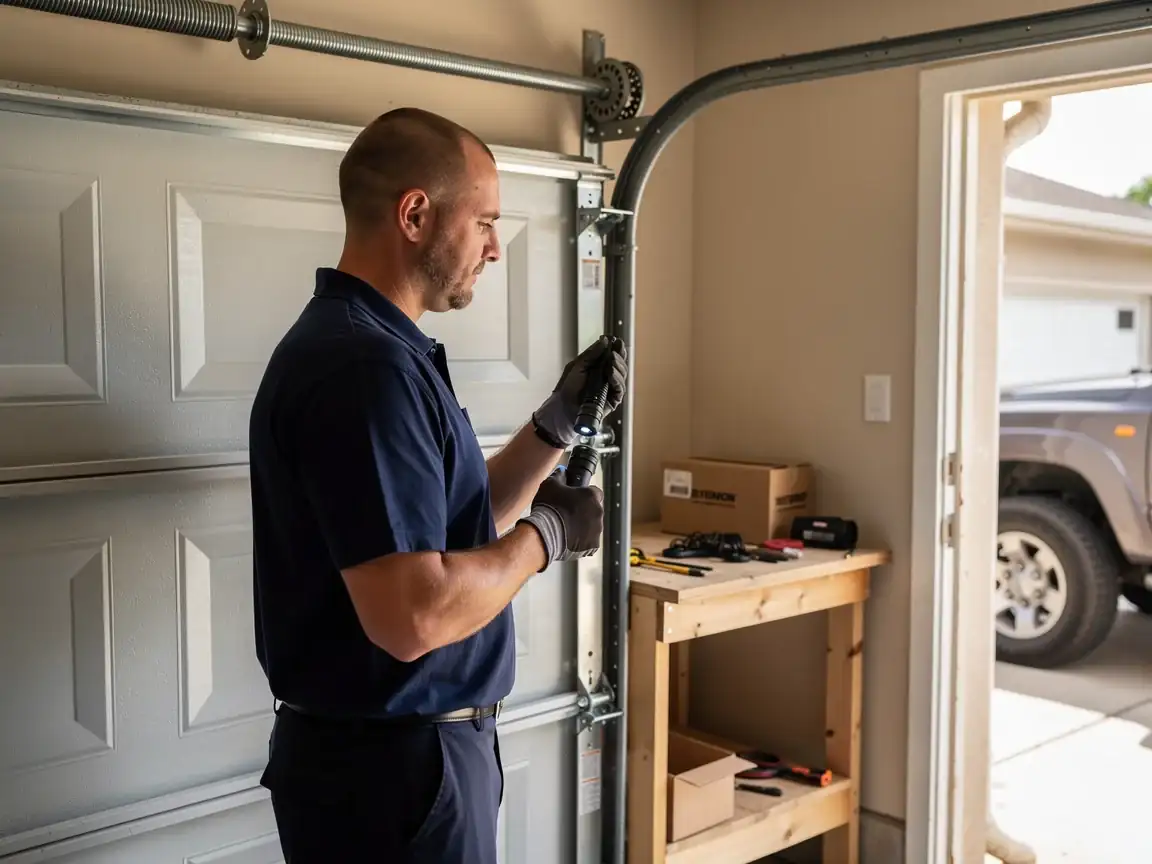
  2. A technician in gloves holds a flashlight next to a white garage door.
    2

    On-site diagnosis

    A technician tests the door under power and by hand and finds what actually failed.

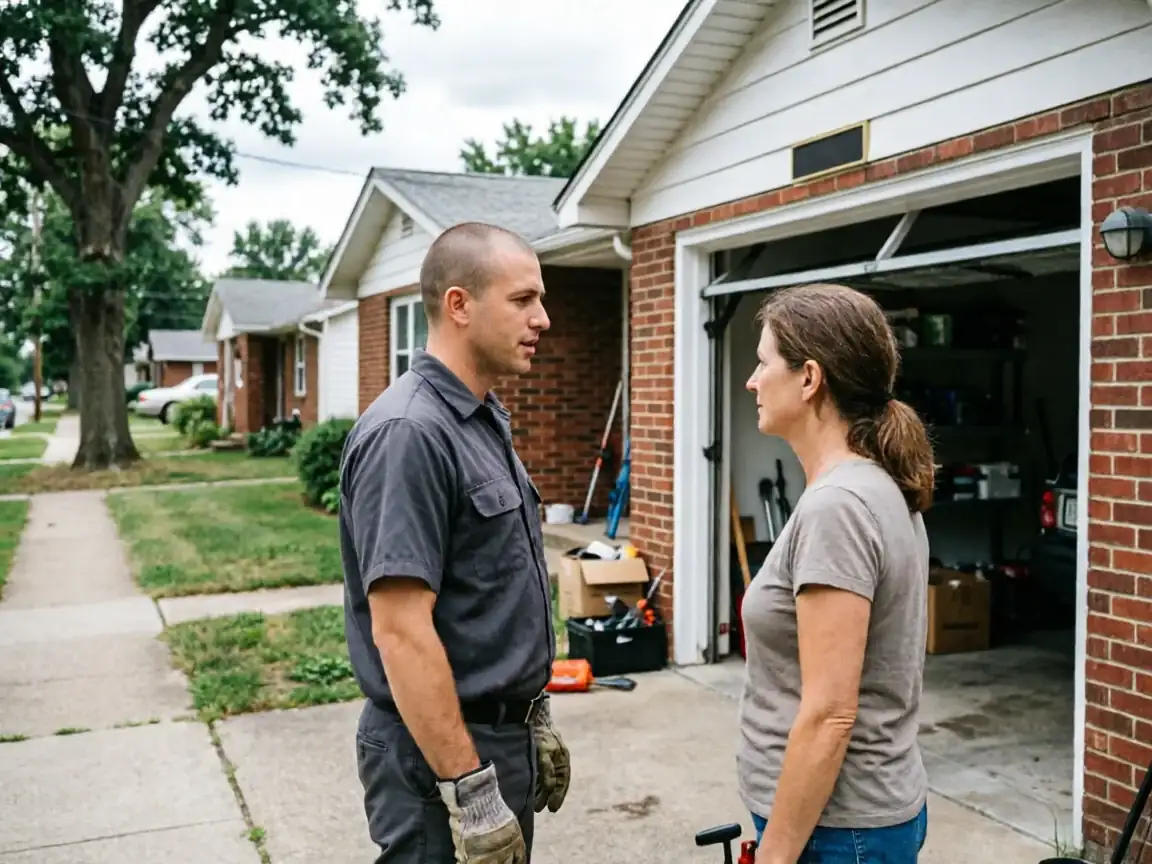
  3. A technician and a woman stand in a driveway in front of an open garage.
    3

    Clear, up-front plan

    You get the fix that’s needed and what drives the cost - before any work starts.

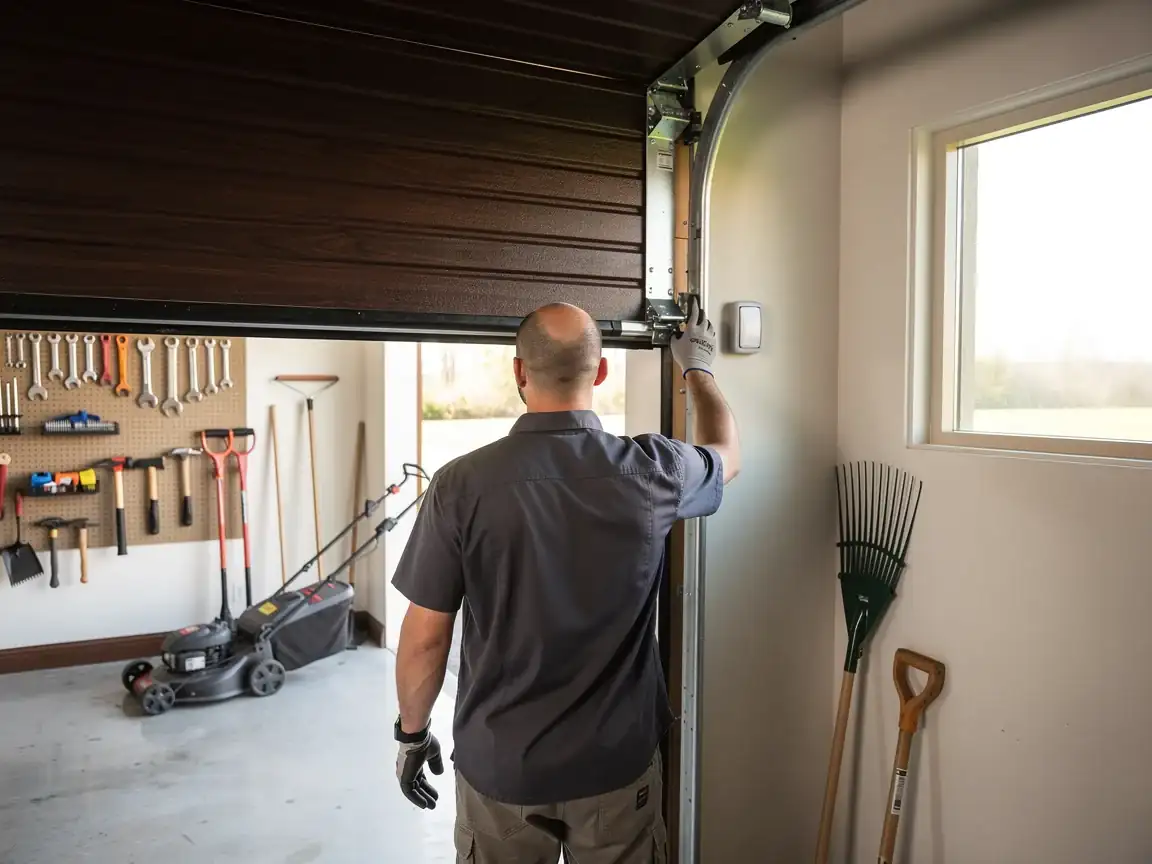
  4. A technician adjusts the brown garage door track inside a garage.
    4

    Repaired & tested

    The repair is done, the door is set true and tested, and the work area left clean.

Not sure which repair your door needs in Akron, OH? Describe what it’s doing - every job starts with a diagnosis.

7areas covered
How we work

What to expect

Diagnosis first

Every visit starts by finding what actually failed - not a pre-written parts list.

The right part for the door

Springs and openers matched to the door’s weight and age, so the fix holds up.

Straight answers

When a repair makes more sense than a replacement - or the reverse - you hear it plainly.

Clean, careful work

Tension released safely, hardware set true, the door tested under power before we leave.

What we do

Garage Door Services

Repair and installation work for Akron homes and businesses.

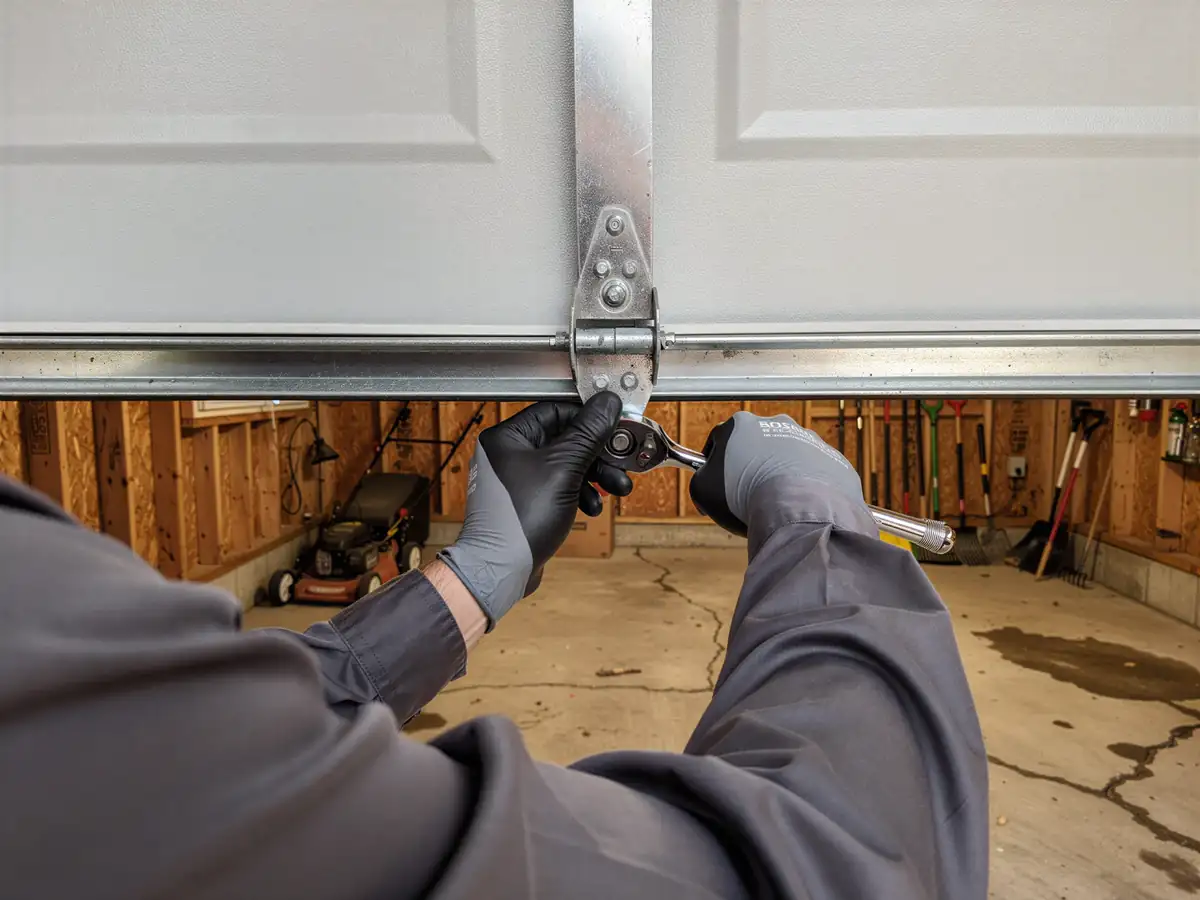
A technician in gloves uses a wrench to adjust a garage door hinge.

Garage Door Repair

Broken spring, stuck opener, or a track that's pulled loose - we fix garage doors in Akron's older housing stock, built mostly 1952-2004, in any weather.

Learn more
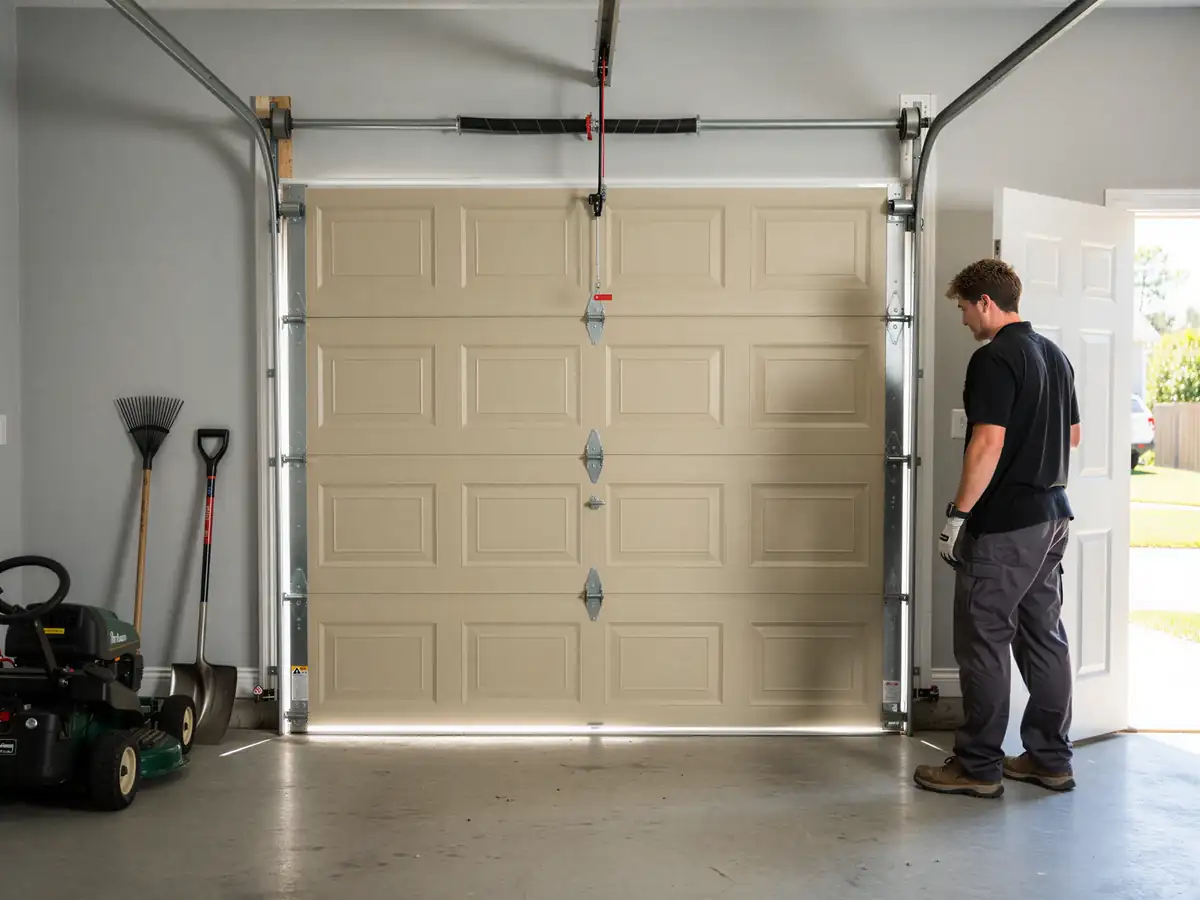
A technician stands next to a closed beige garage door inside a garage.

Garage Door Installation

Akron homes built 1952-2004 often carry doors and openers that don't match today's winters. See why installation jobs here run different, and what we replace them with.

Learn more
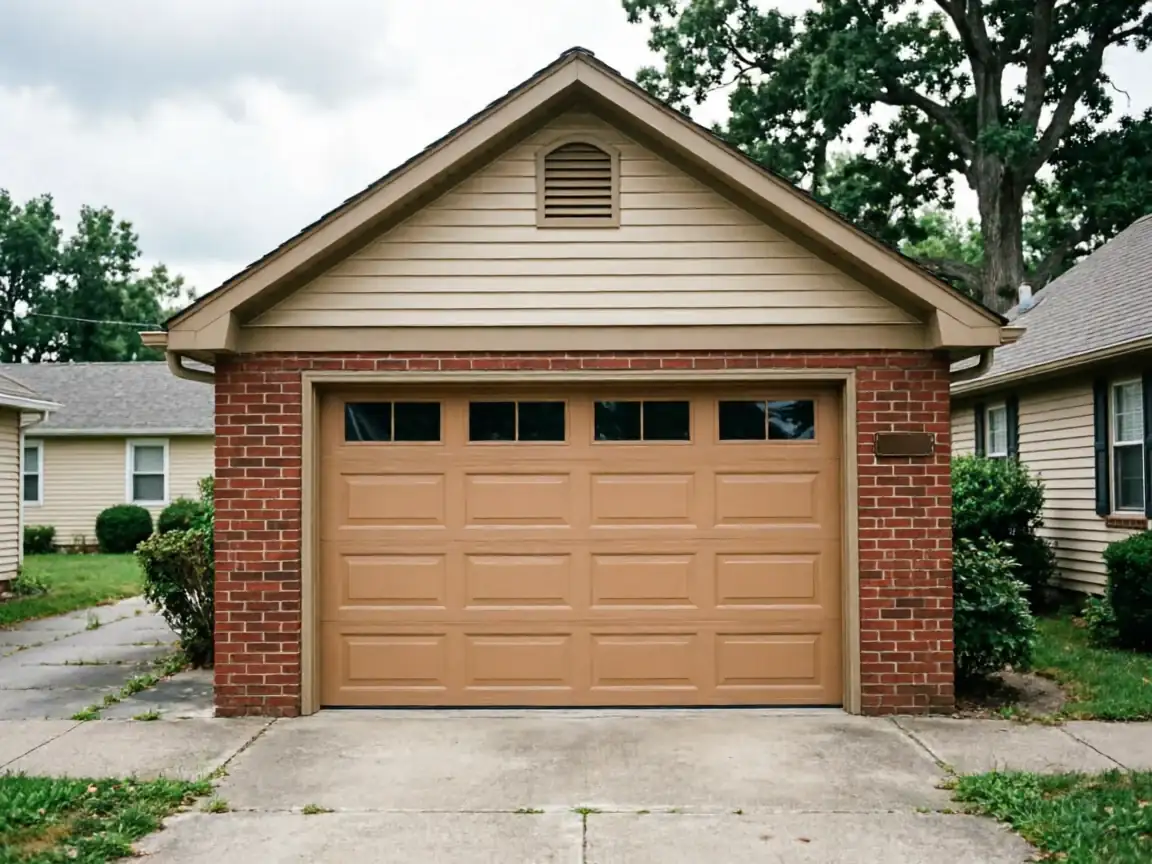
The house has a brown garage door with windows, brick, and tan siding.

Garage Door Service

Garage door service for Akron homes built 1952-2004, where cold winters and original hardware wear out springs, cables, and openers faster than newer stock.

Learn more
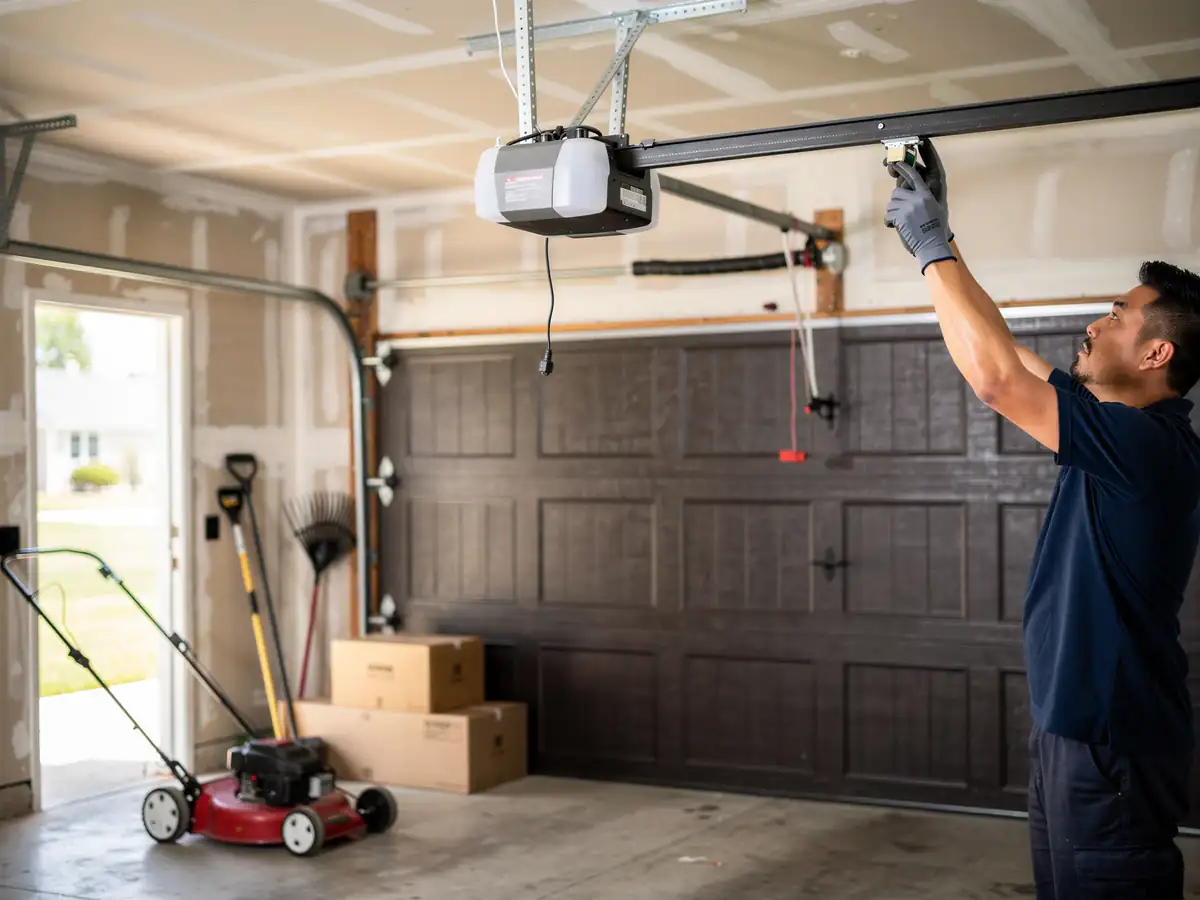
A technician adjusts a garage door opener rail above a brown garage door.

Opener Installation

Opener failing in cold weather or just worn out? We install garage door openers built for Akron's older housing stock and severe winters. Local, straightforward work.

Learn more
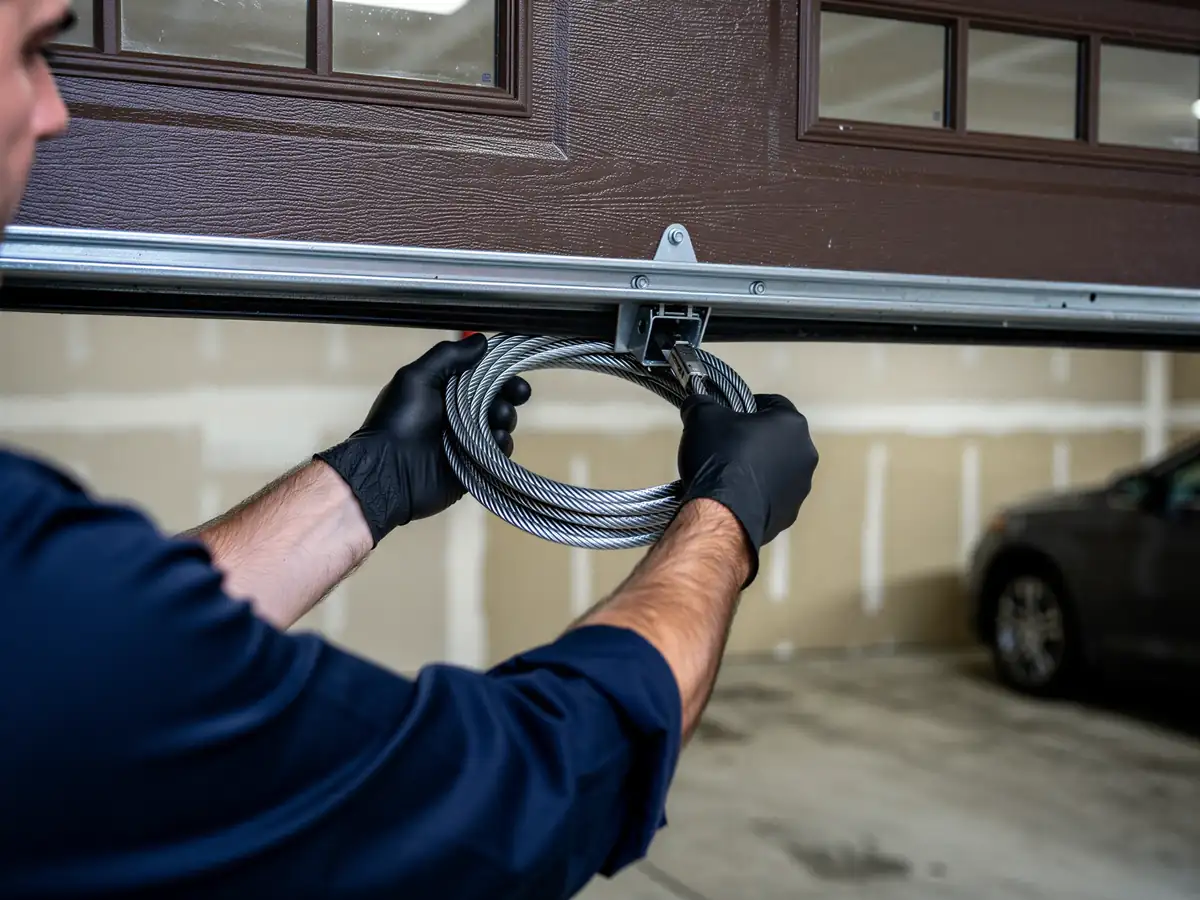
A technician wearing black gloves holds a coiled garage door cable.

Cable Repair

Frayed or snapped cables on Akron's older torsion systems are common on houses built 1952-2004. We diagnose and fix cable failures across the Akron service area.

Learn more
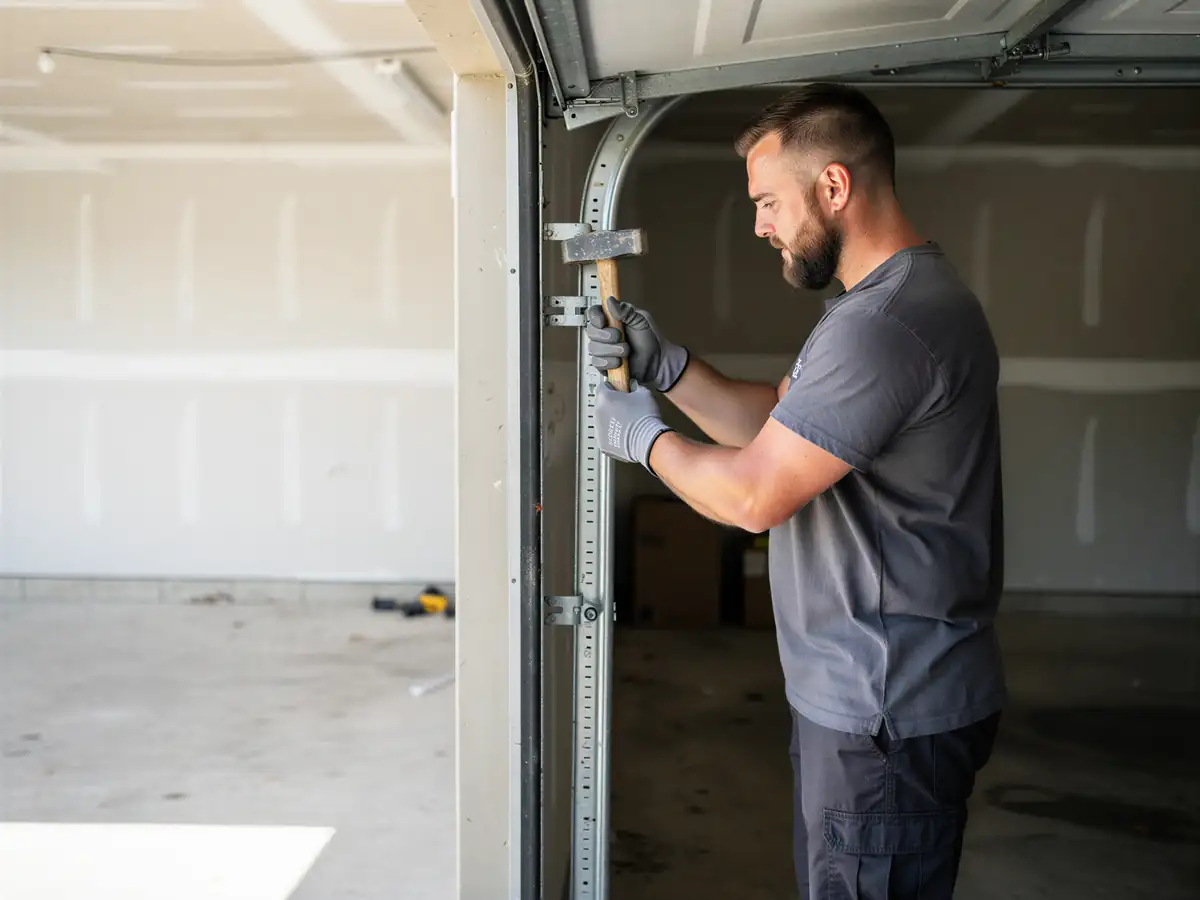
A technician in gloves uses a hammer on a garage door track.

Off-Track Repair

Akron's 1960s and 70s housing stock plus hard winters push garage doors off track more than most places. Here's why it happens and how we fix it for good.

Learn more
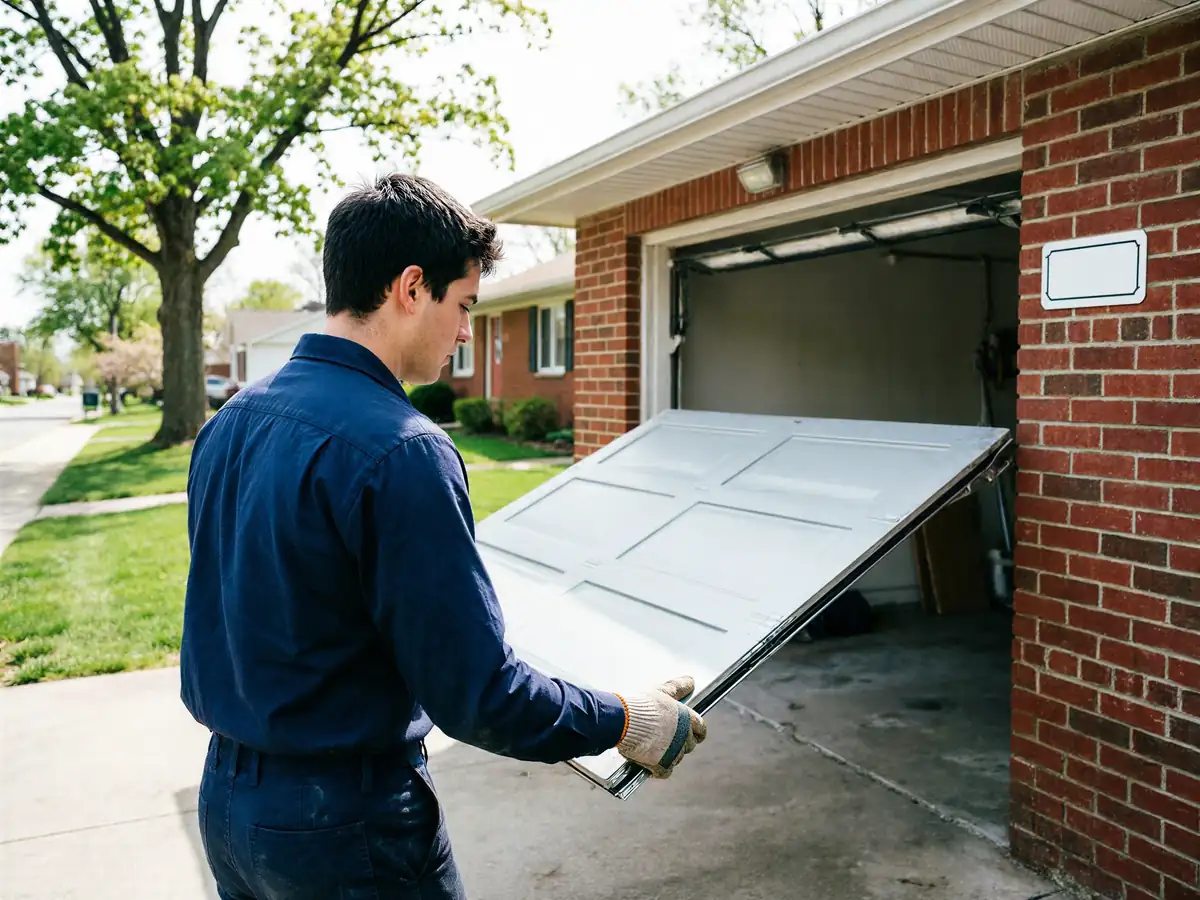
A technician in a blue uniform is carrying a white garage door panel.

Panel Replacement

Dented or cracked garage door panels are common across Akron's 1950s-2000s housing stock. See why panels fail here and how we match and replace them.

Learn more
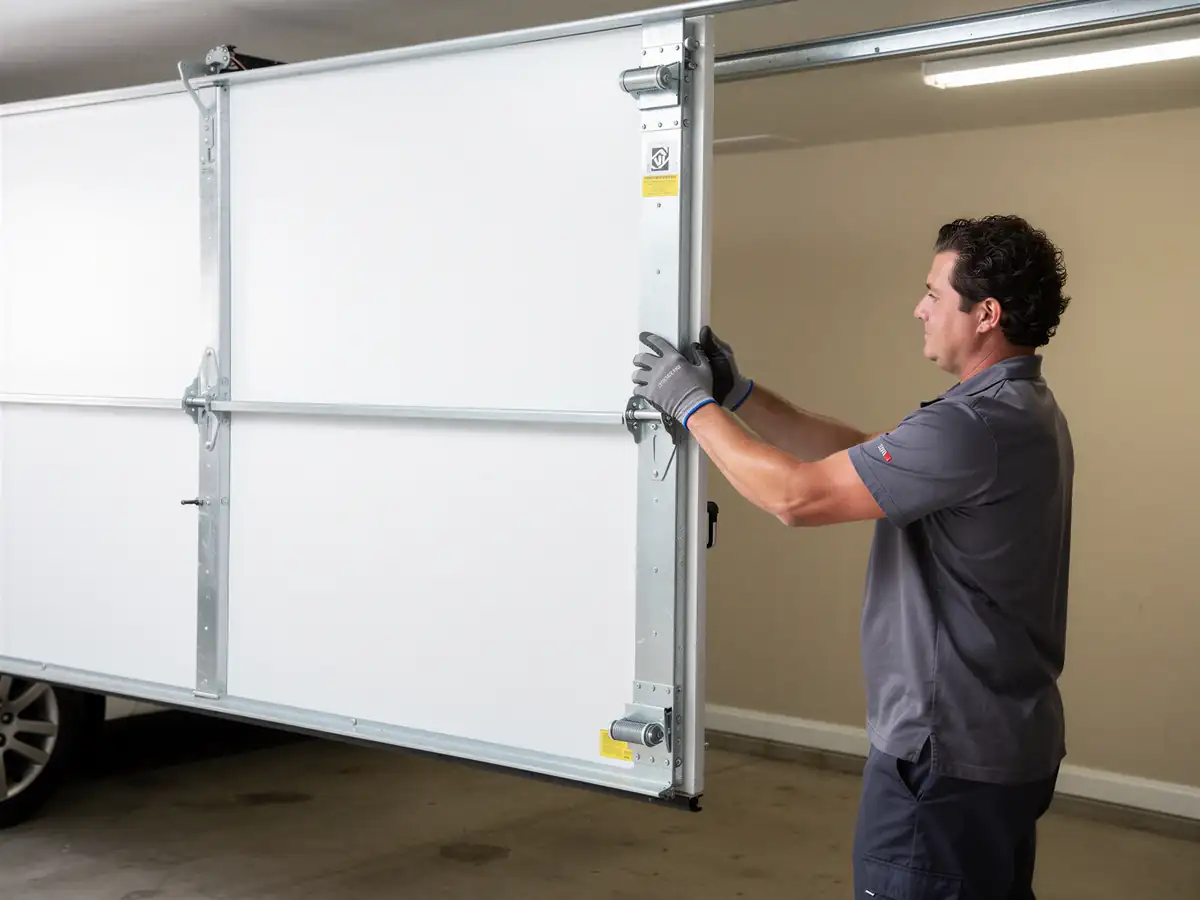
A technician in a gray shirt and gloves adjusts a white garage door.

Maintenance

Akron homes mostly date to the 1960s and 70s, and the region's cold winters age springs and rollers fast. Here's what a maintenance visit actually catches before it fails.

Learn more
Questions

Frequently asked

Straight answers about garage door repair in Akron. Still unsure? Ask us directly.

How do I know if it's the seal or the door itself letting in cold air?

Run your hand along the bottom edge while the door's closed. If the air's coming through a gap under the rubber, or the rubber's cracked and stiff, that's the seal. If the draught is coming from the sides or top, or the door doesn't sit flush in the track, that's a bigger hardware issue, not a seal swap.

Can I just replace the seal myself?

On a lot of the older torsion-hardware doors common here, yes, if you get the right track width. The part itself isn't expensive. Where people get stuck is sizing it wrong for an older track, so measure before you buy rather than guessing off the old piece.

Is it worth fixing a draught on a garage that isn't heated?

Usually not urgent. If there's no living space behind the garage wall and no moisture collecting on the slab, a draught in an unheated garage is mostly a comfort issue, not a damage one. Worth fixing eventually, not worth rushing.

Ready to get your garage door sorted?

Tell us what it’s doing and where you are in Akron - we’ll take it from there.

Request a QuoteCall