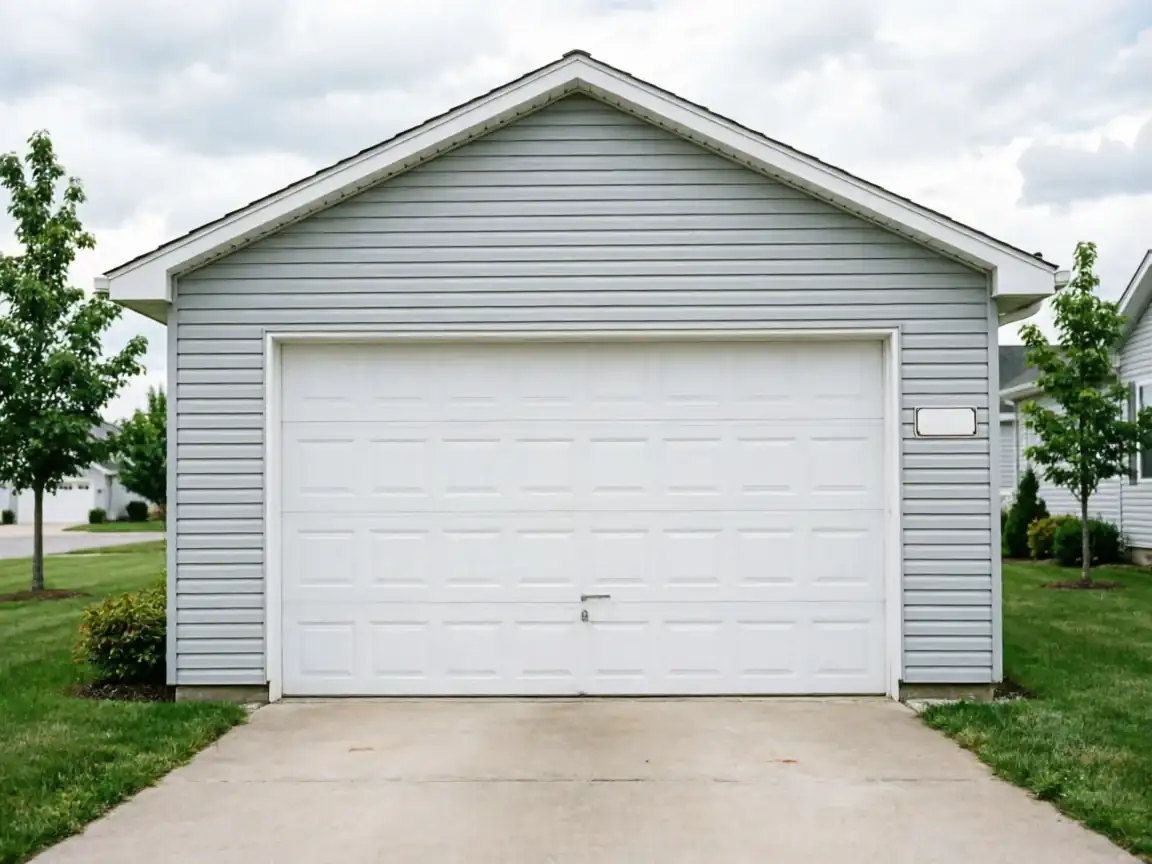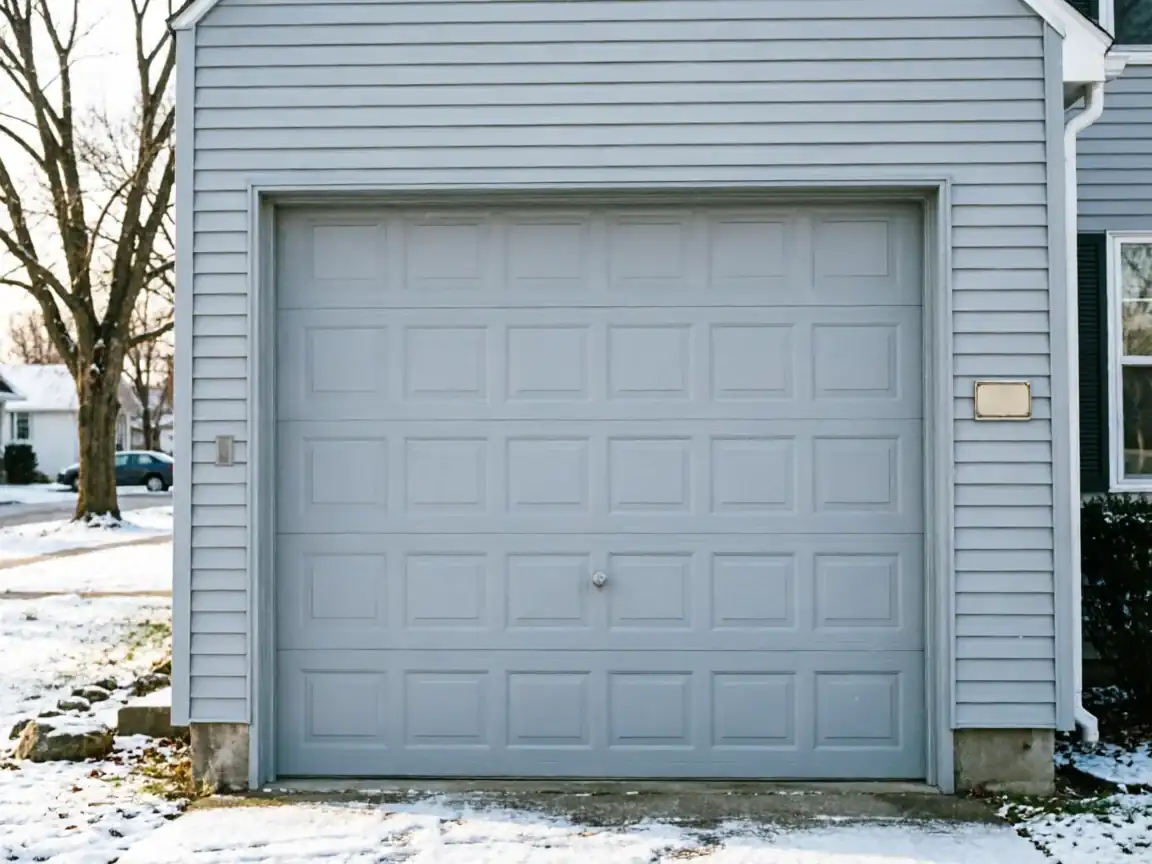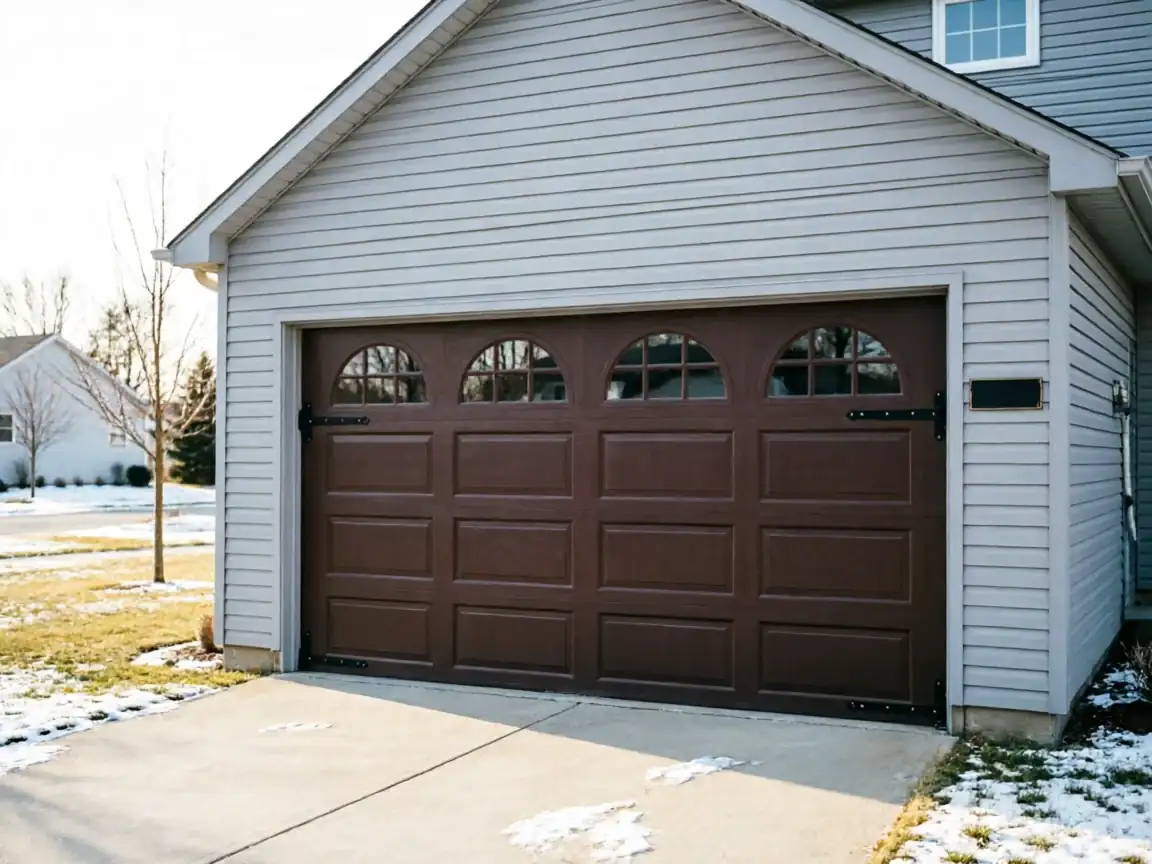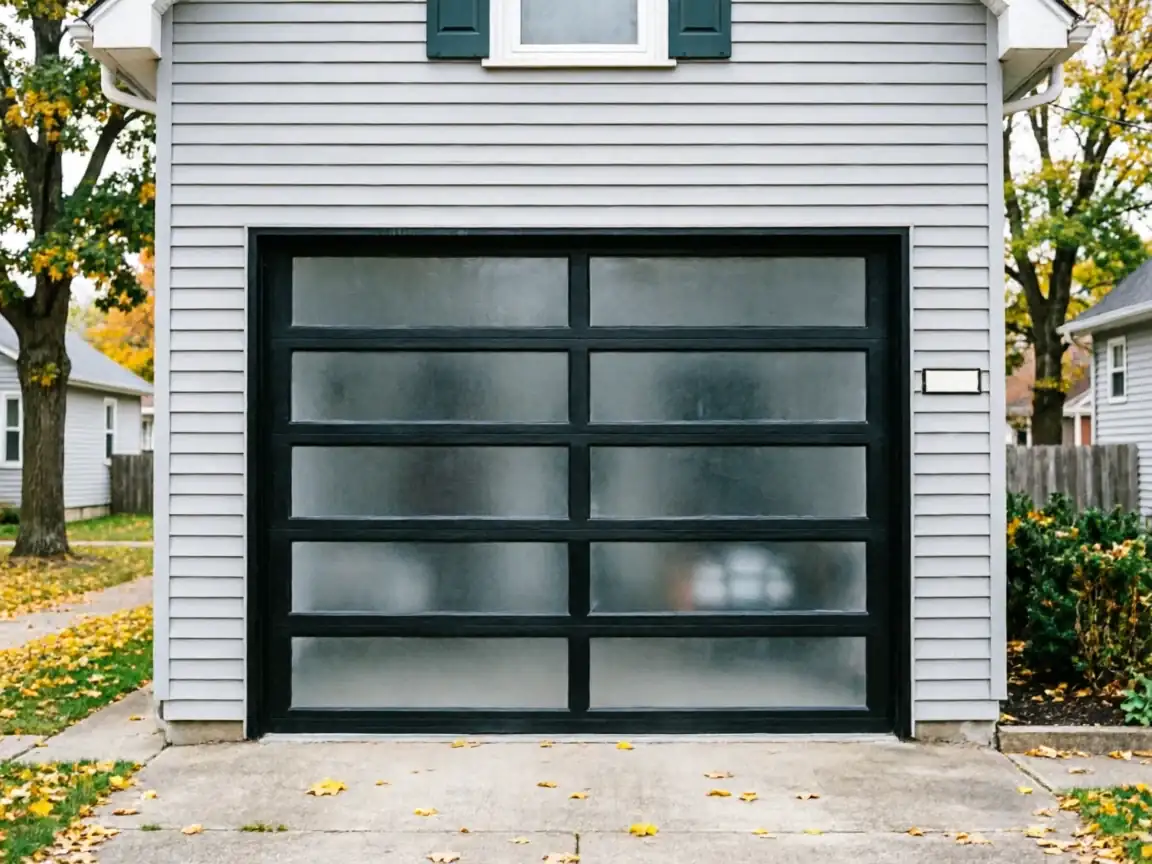
The Symptom
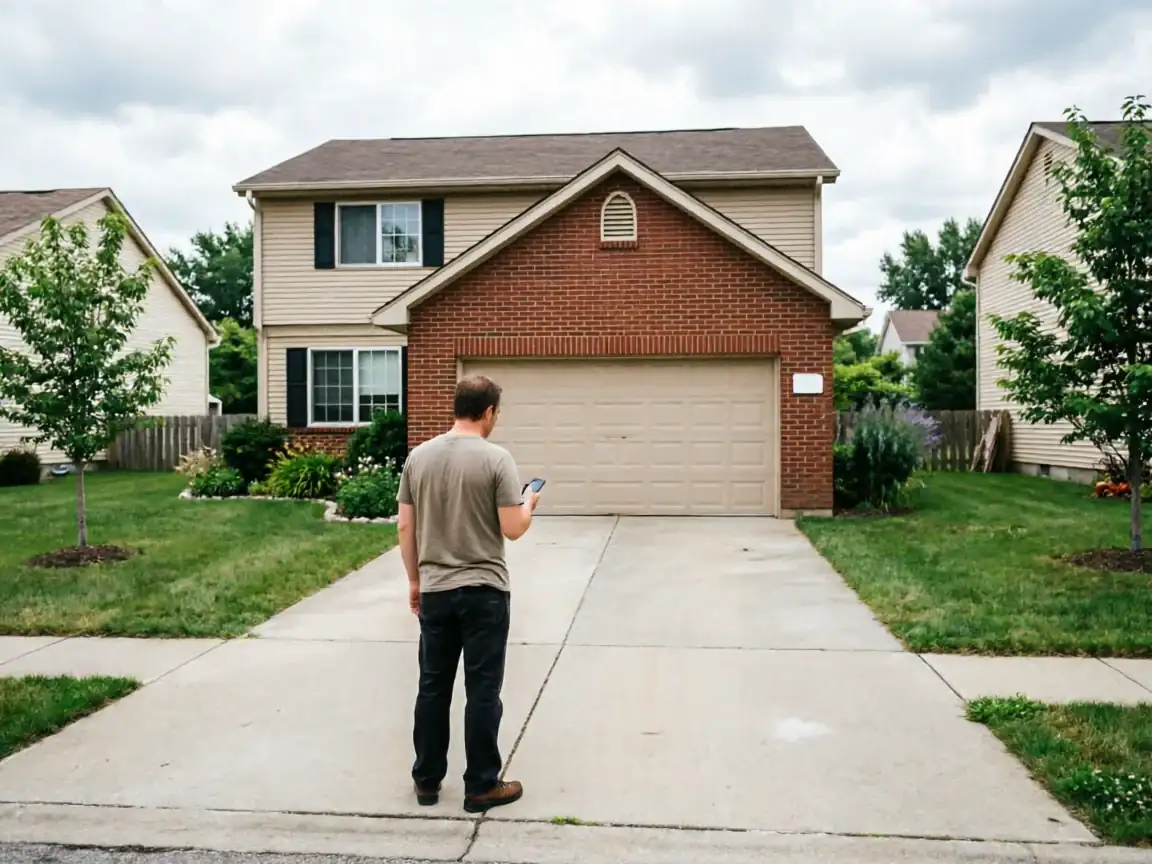
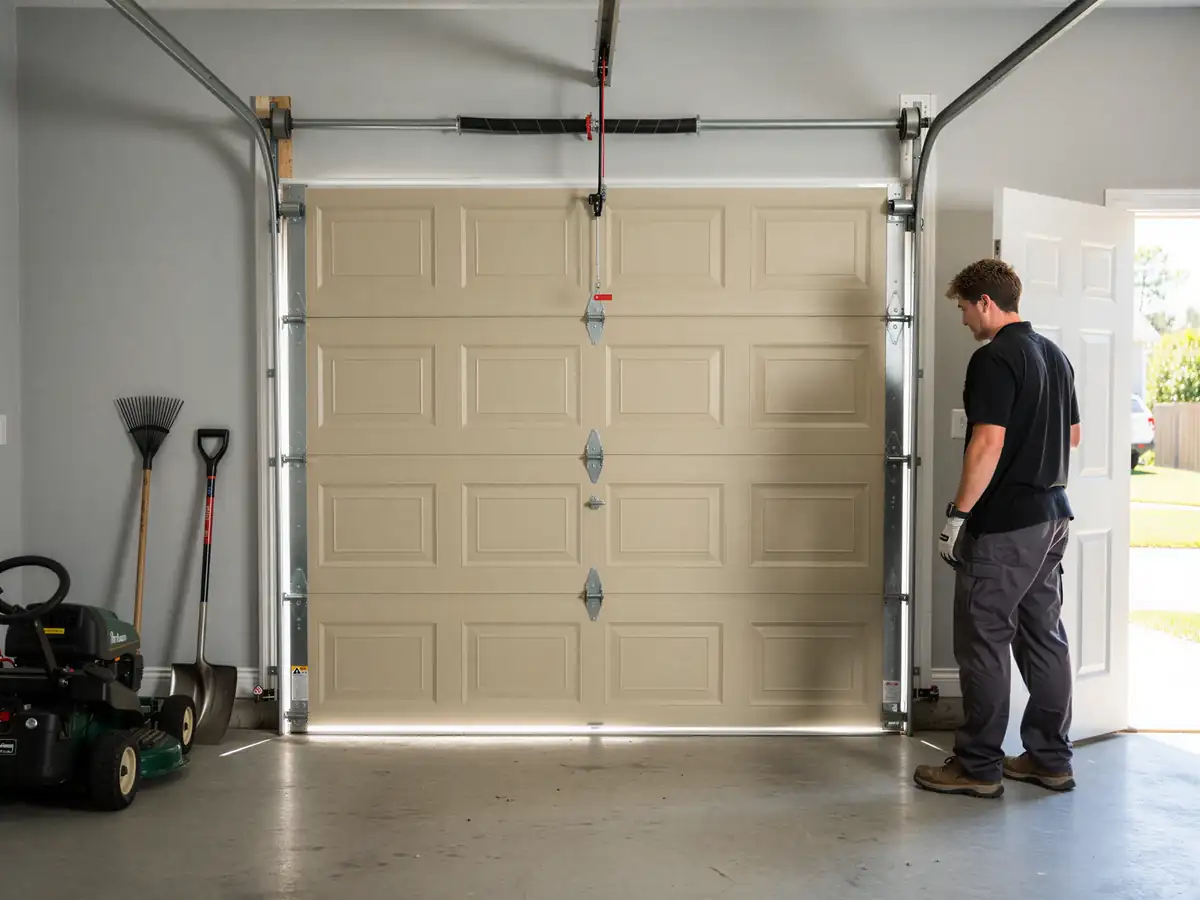
You open the door on a cold morning and it groans, drags on one side, or the opener strains before it even clears the first foot of track. Sometimes the panel itself has started to bow, especially on the bottom section where road salt and melt cycles eat at the steel. On a lot of Akron houses this isn't a one-time glitch - it's the door telling you it's original, or close to it, and it was never built for what it's carrying now.
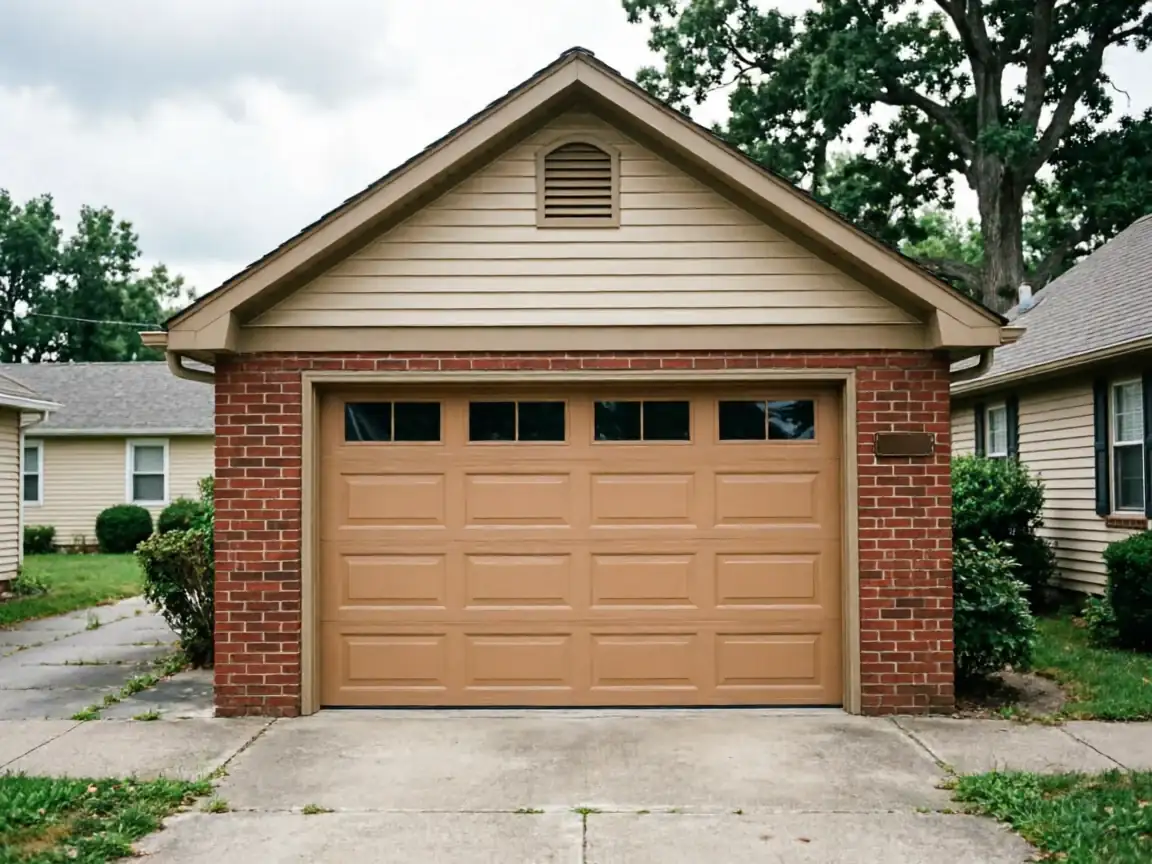
We see this most on single doors from the 1960s and 70s, still on their first track, sometimes their first spring. The door itself may still close. That's not the same as it being safe to leave alone. A door that needs two people to lift it by hand, or one that's started dropping the last six inches instead of lowering evenly, is past the point where a tune-up fixes it. Installation, not repair, is the honest call at that point.
Across the 195,121 households in our service area, a large share are owner-occupied houses with a garage built to a spec that predates modern insulation requirements and modern opener safety standards. That gap is what we're actually installing against.
Why This Fails Locally
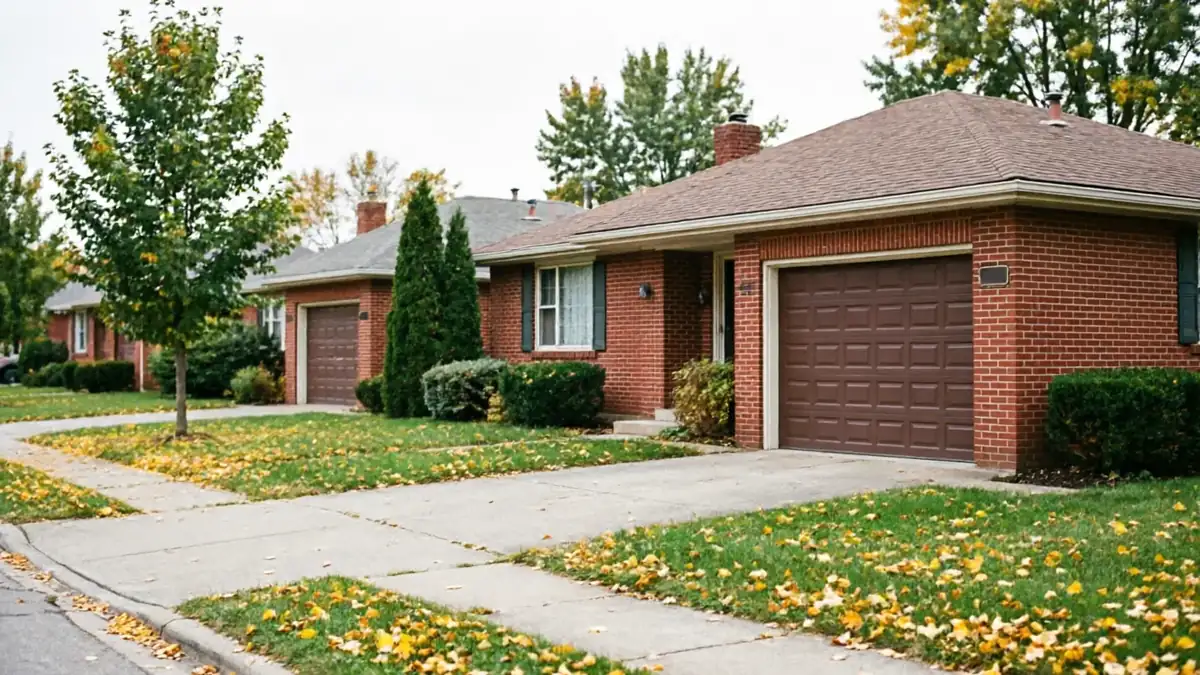
Housing across this area was built mostly between 1952 and 2004
With the median landing around 1972, and the bulk of the stock across the 42 named neighborhoods and nearby communities sits squarely in that 1960s-70s window. Doors from that era were sized and sprung for lighter construction - thinner steel, no insulation core, single-layer panels. They were matched to openers and tracks that have been out of production for decades, which means when one part fails, you're not patching it, you're sourcing a part that doesn't exist anymore.
Add the climate
This is a severe cold band, and that matters for a garage door in a way it doesn't for most of the house. Steel contracts in the cold and the tolerances on a 50-year-old track were never built for the freeze-thaw cycling we get here winter after winter. Springs lose tension faster in cold swings. Weatherstripping on an original door was minimal to begin with, and after five decades it's not sealing anything.
So the failure isn't random
It's the predictable end point of 1960s-70s steel and hardware meeting another Akron winter. Houses in and the older blocks of tend to hit this same wall around the same age, just a few years apart depending on when the block went up.
Time on the Job
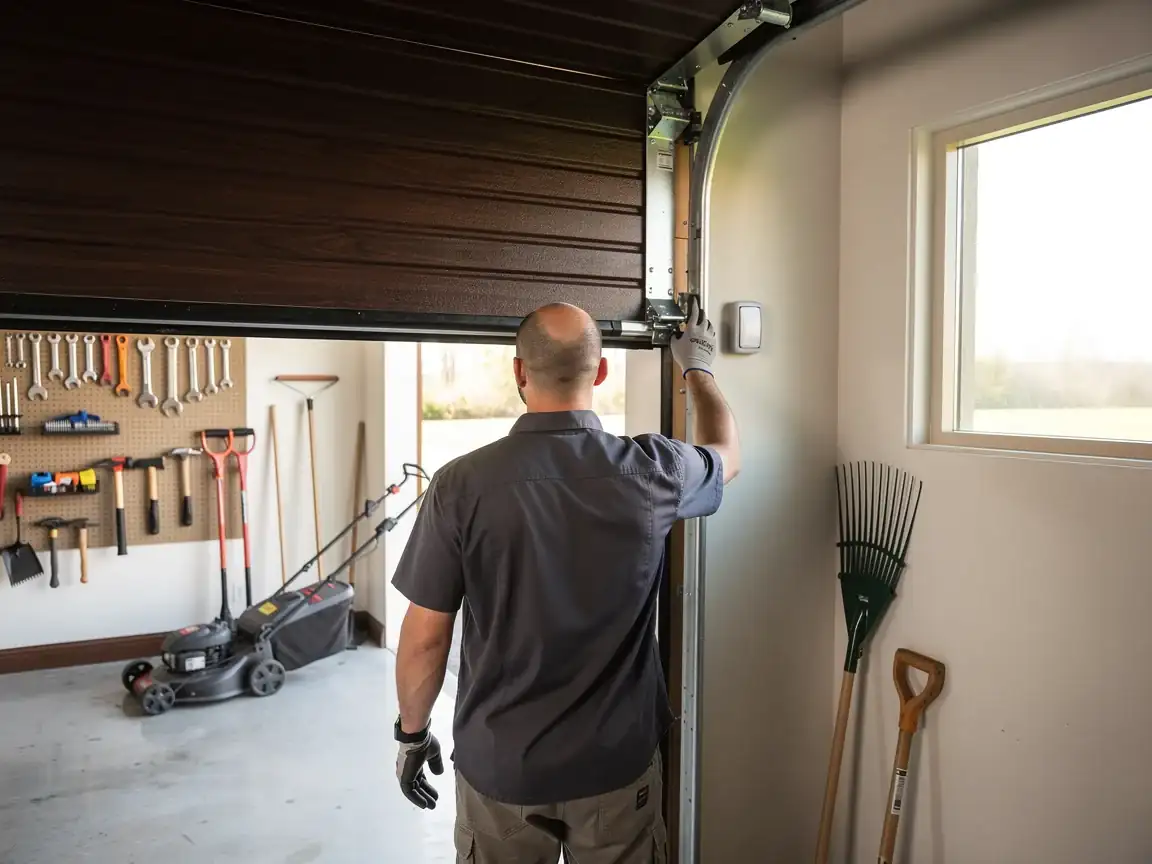
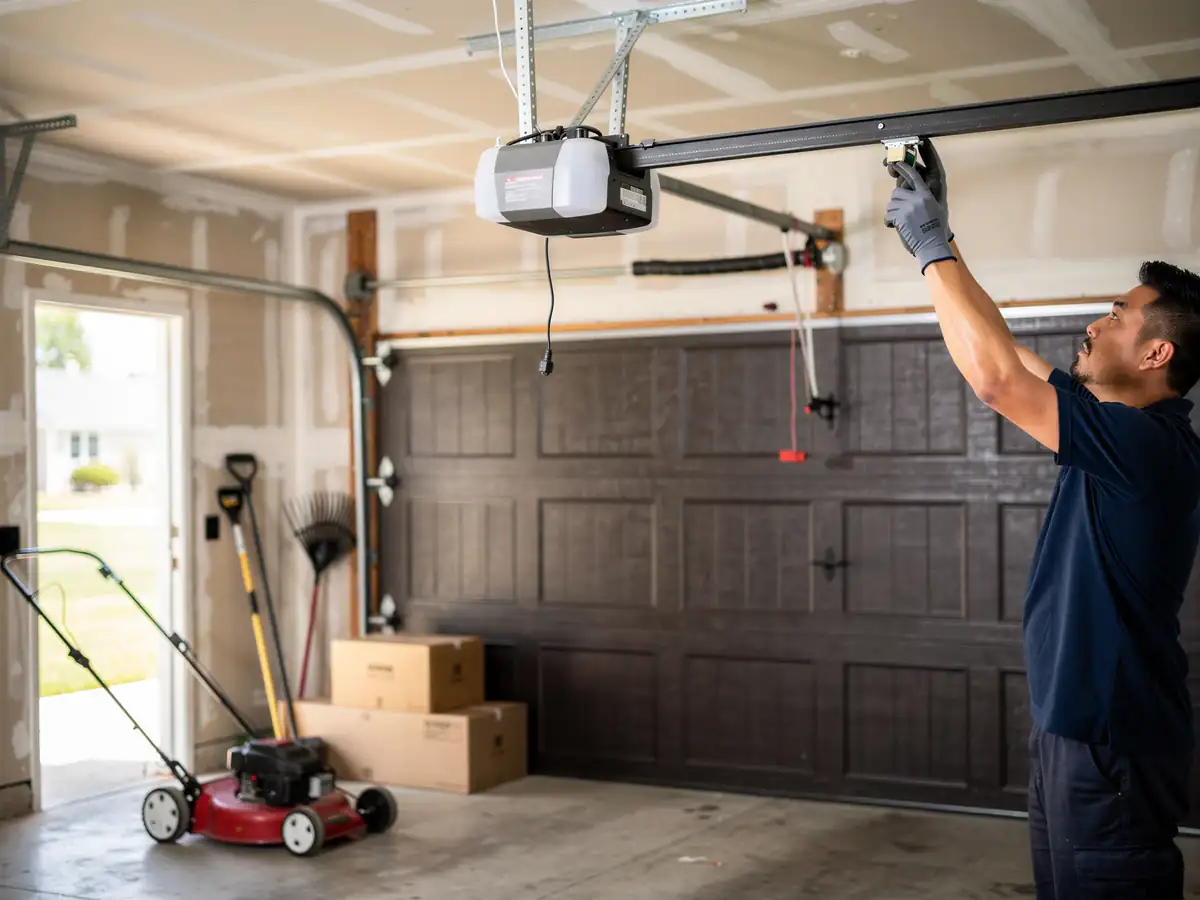
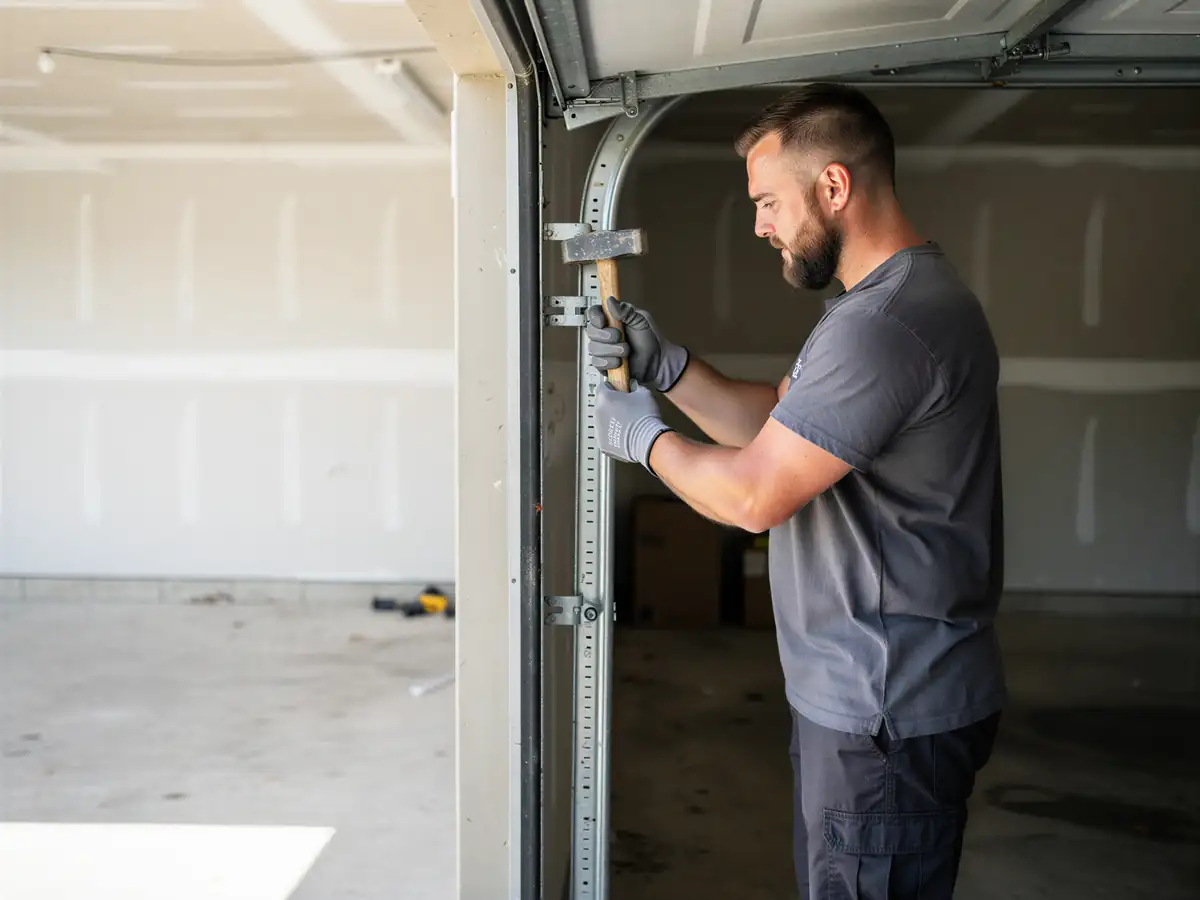
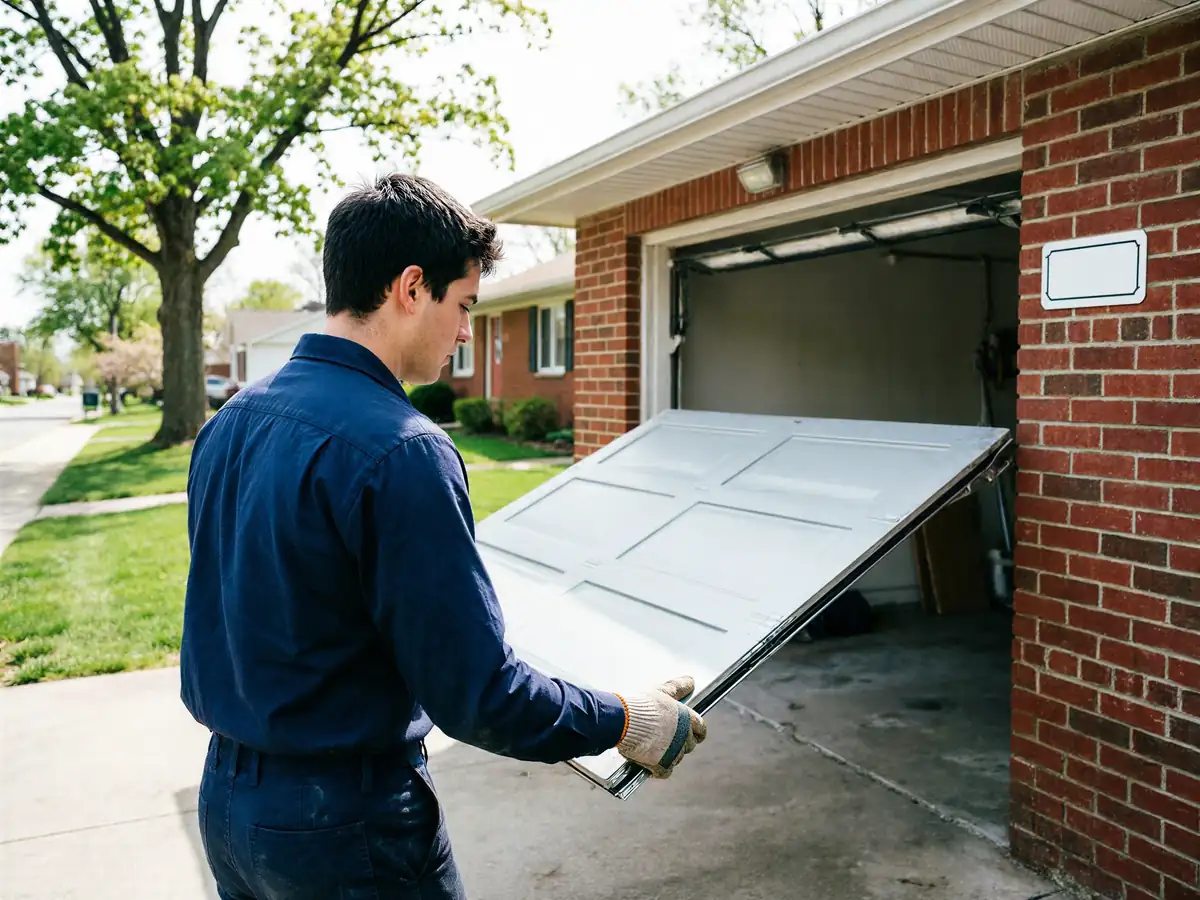
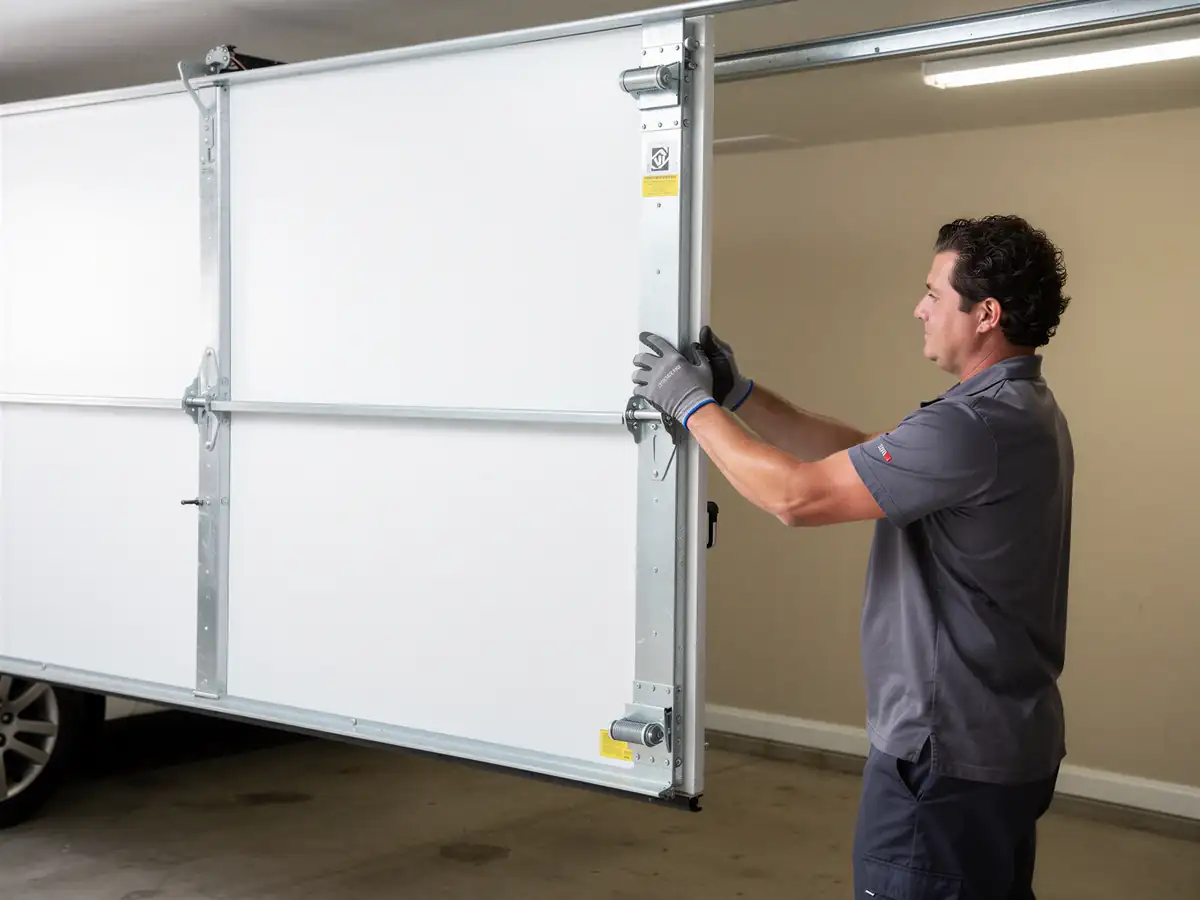
A straight installation on a standard single or double opening, where the framing and header are sound, is a one-day job start to finish - old door off, new door and track set, opener mounted and balanced, old hardware hauled off your property. Where it runs longer is when the opening itself needs work: an out-of-square jamb, a header that's shifted with the house settling over fifty-plus years, or track mounts that were never right to begin with. We find that more often on the older end of the 1952-1972 range than on the newer builds.
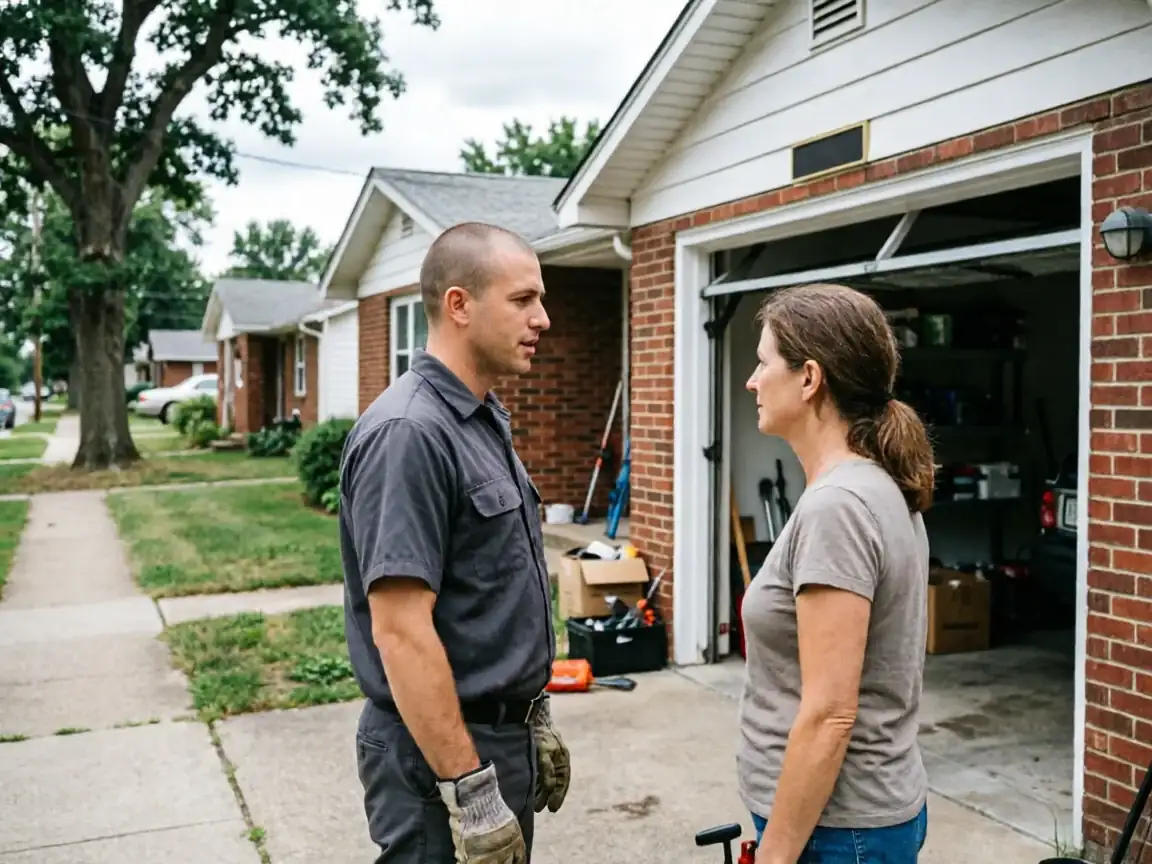
We won't quote a number on-site before we've opened up the track and looked at the header, because guessing on an install built this close to the bone of an old garage is how you end up back out there a second time. What we can tell you up front is whether your situation looks like a same-day job or a two-visit job, based on what we see in the first twenty minutes.
How We Fix It
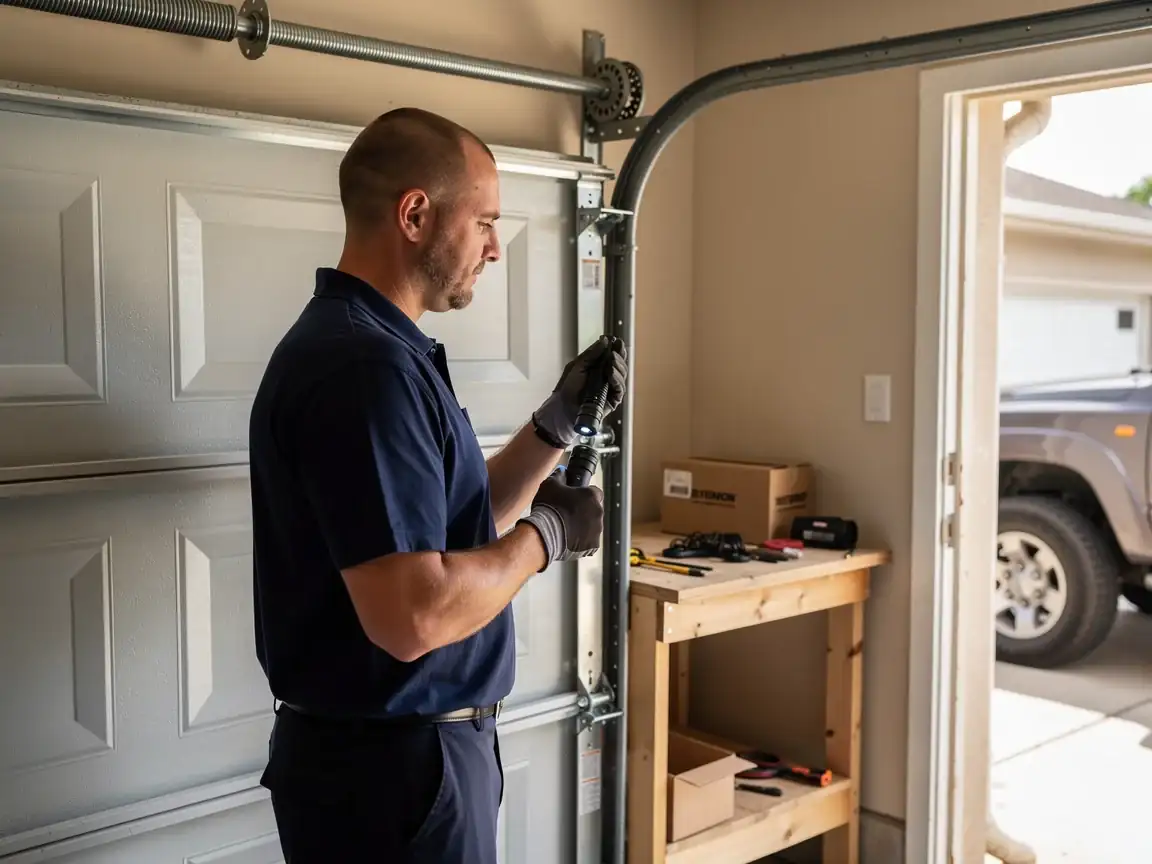
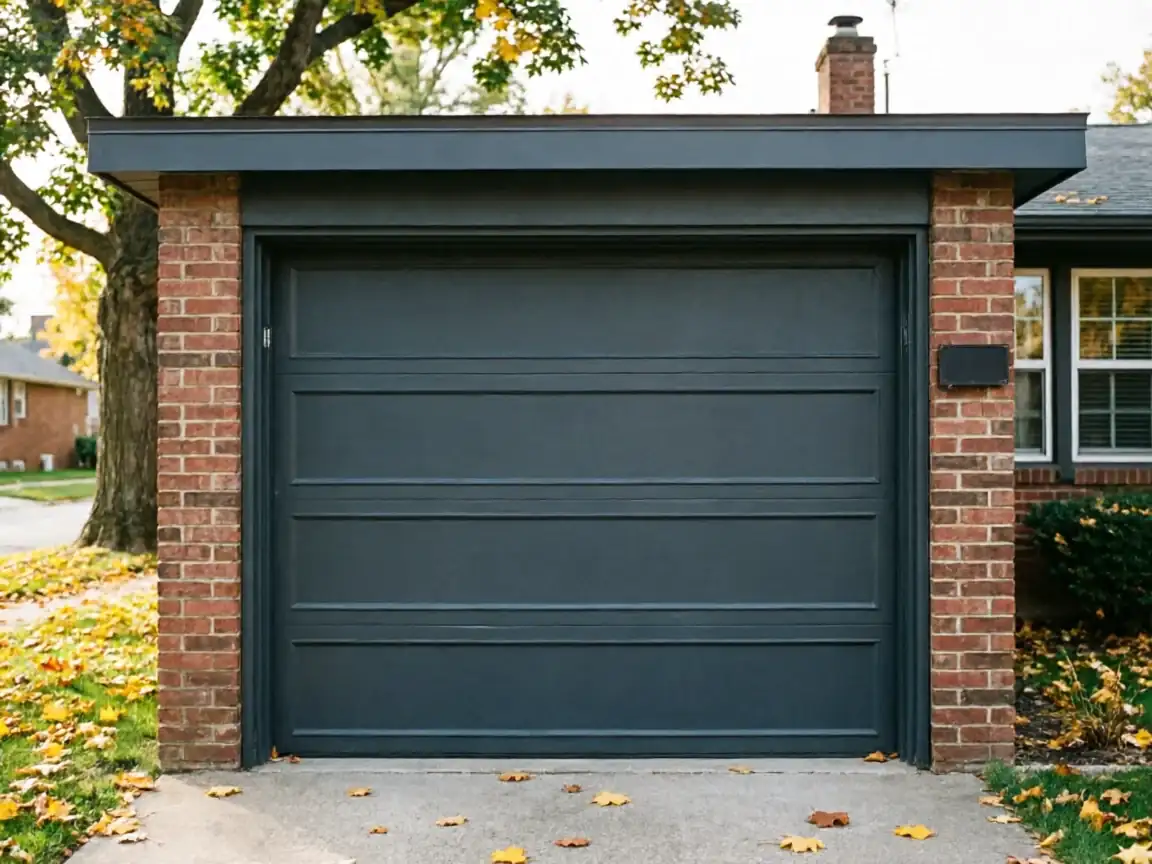
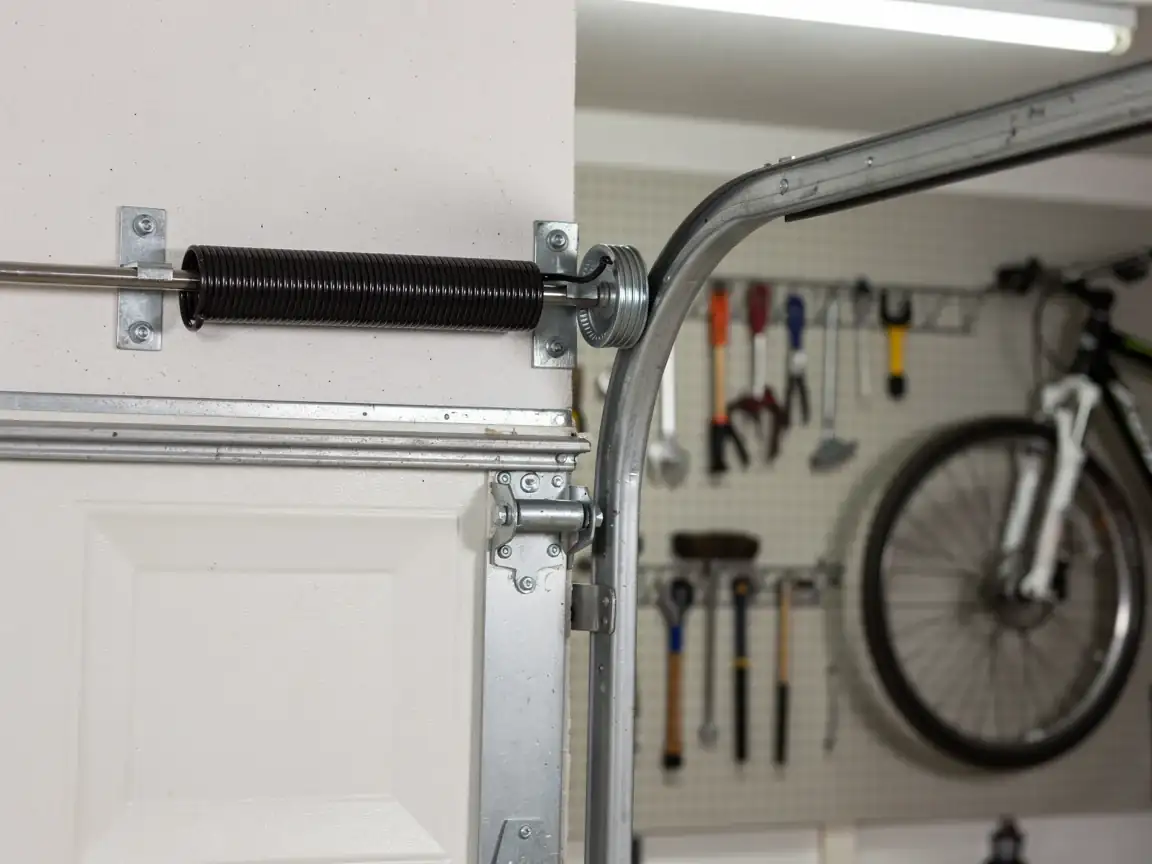
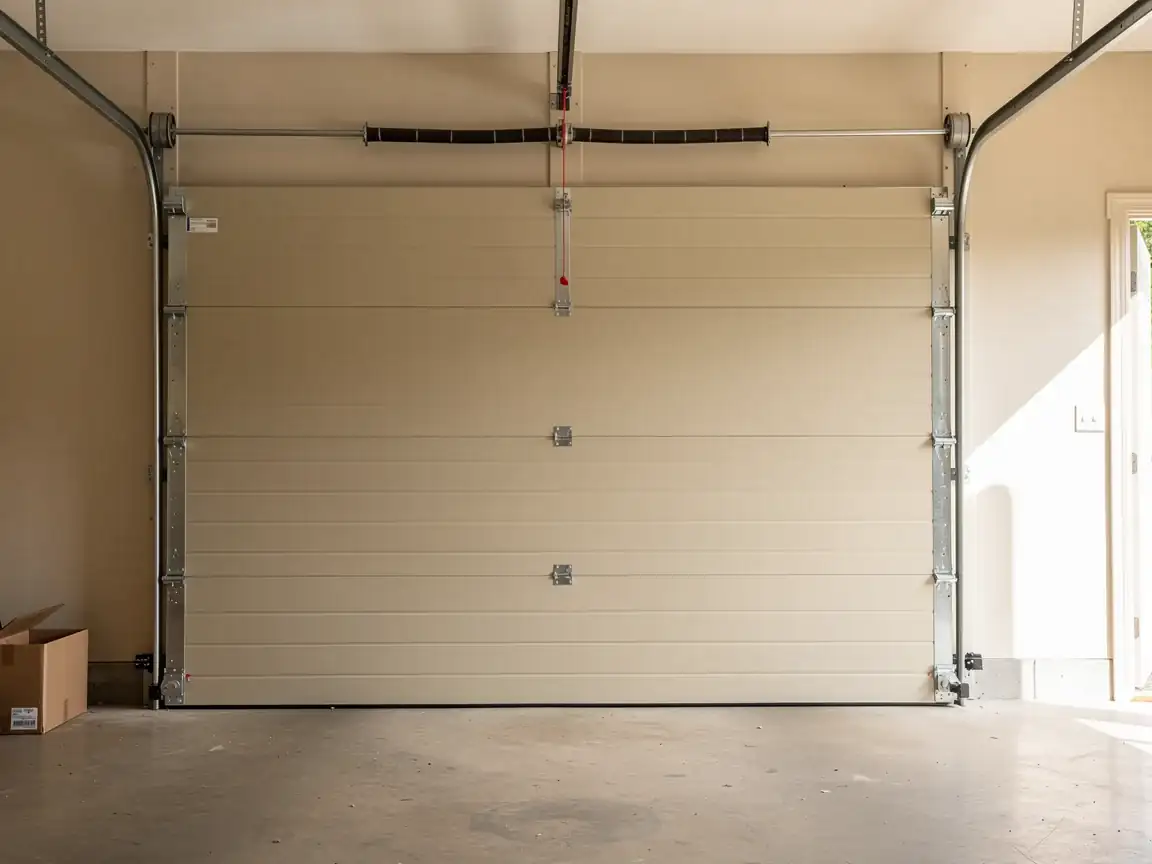
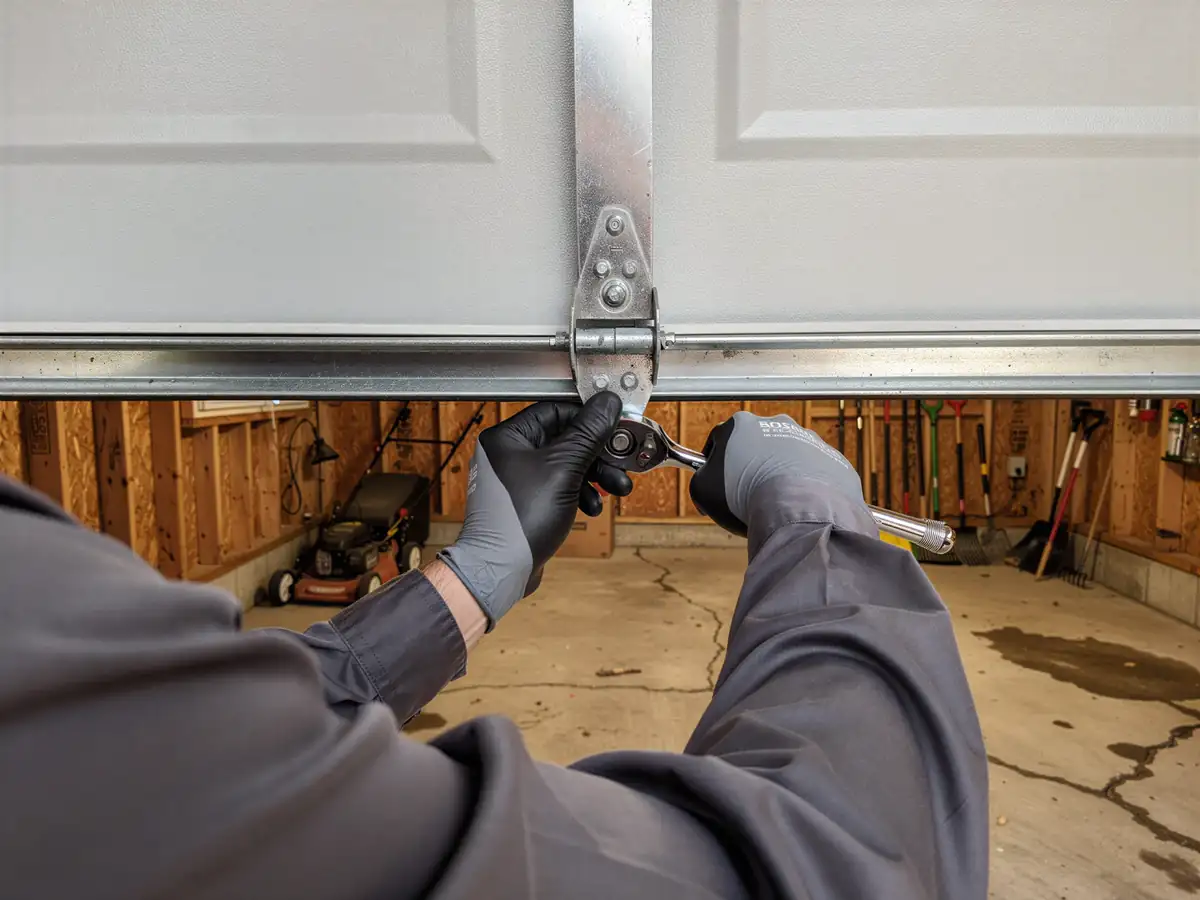
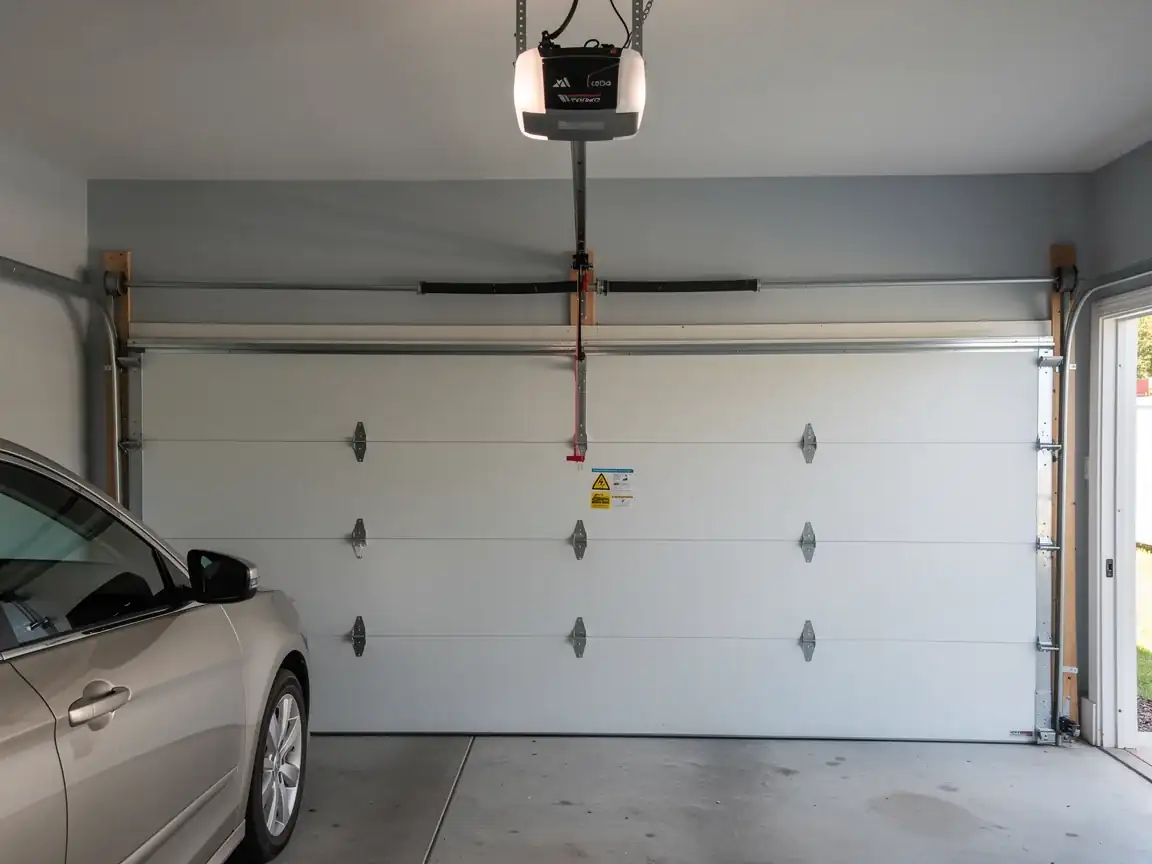
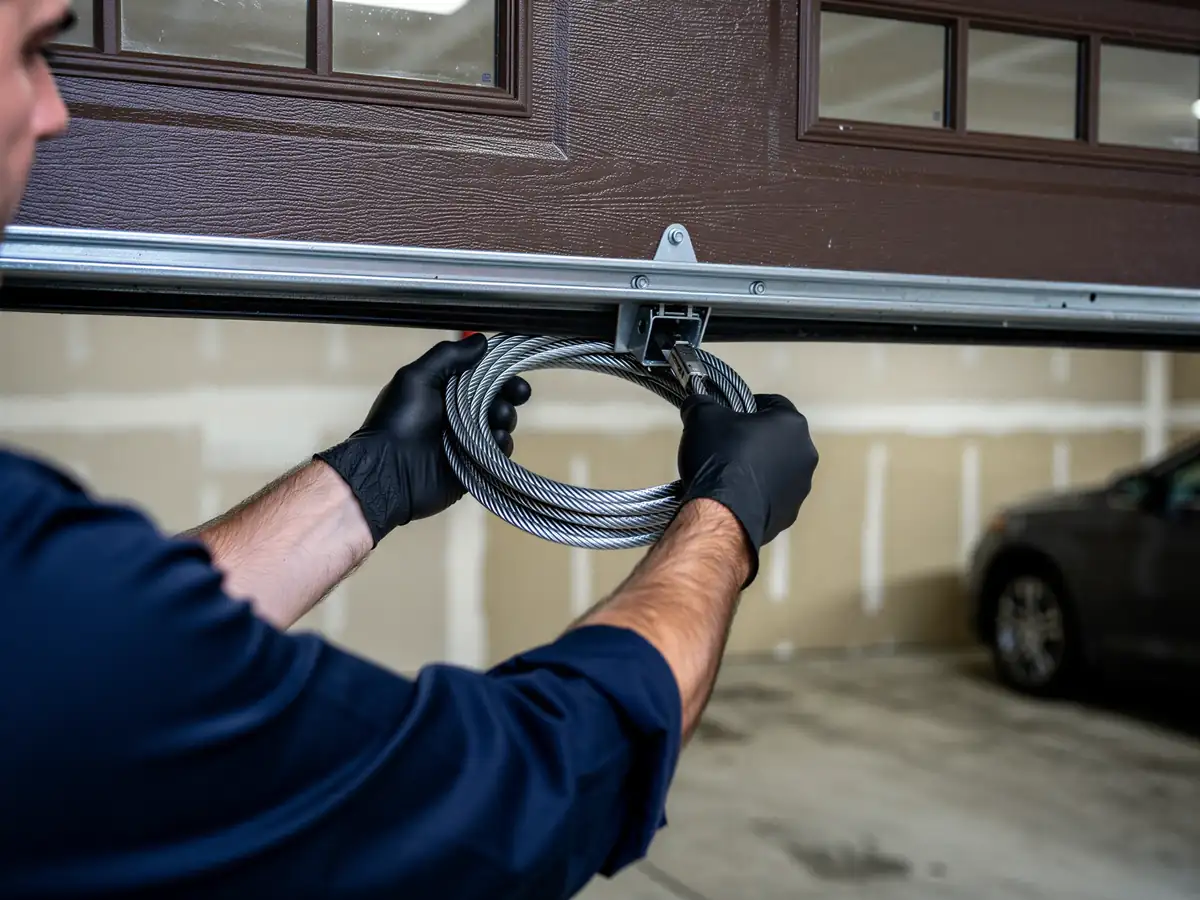
We pull the old door and track as one job, not a patchwork - trying to keep a 1960s track while swapping only the panel usually just moves the failure point somewhere else on the same worn hardware. New installs get insulated steel sections sized for this climate band, a torsion spring set calculated to the actual door weight rather than a stock guess, and an opener with modern safety reversal, which most original setups in this area never had.
One limitation worth saying plainly: if your framing or header is damaged beyond a standard reset, that's carpentry work outside a door install, and we'll tell you that instead of forcing a door into an opening that isn't square. We'd rather send you to get that fixed first than install a door that's fighting its frame from day one.
For households anywhere in this service area - whether you're near Downtown, out toward Portage Lakes, or up around Tallmadge or Stow - the install approach is the same: match the door and hardware to what the house actually needs now, not what it shipped with in 1972.