Where This Job Goes Sideways
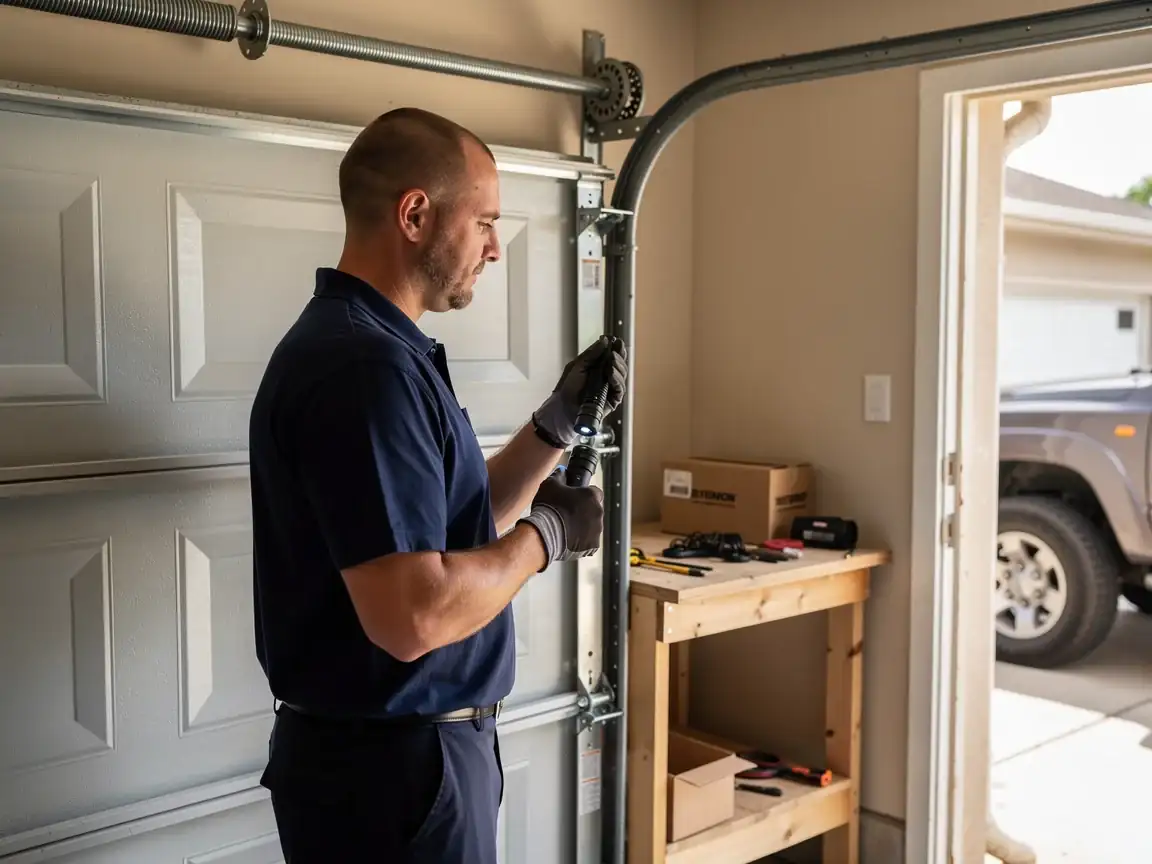
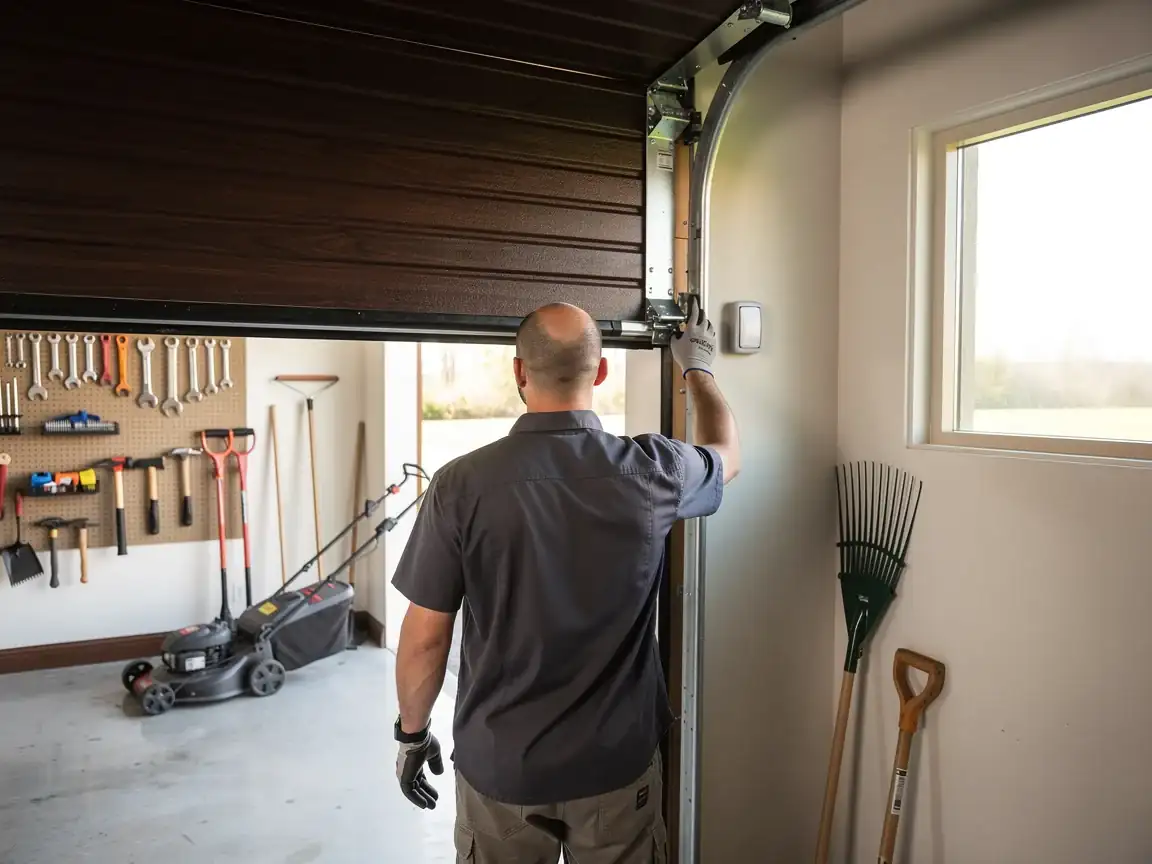
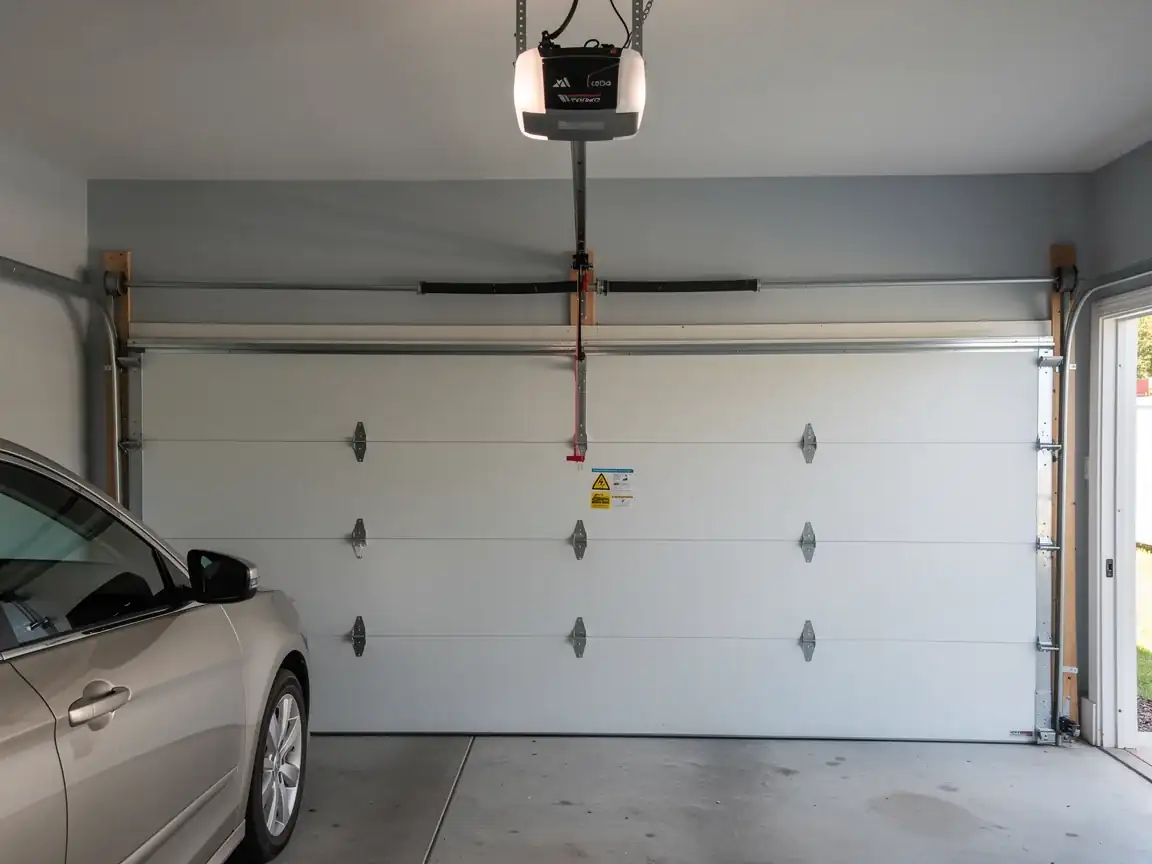
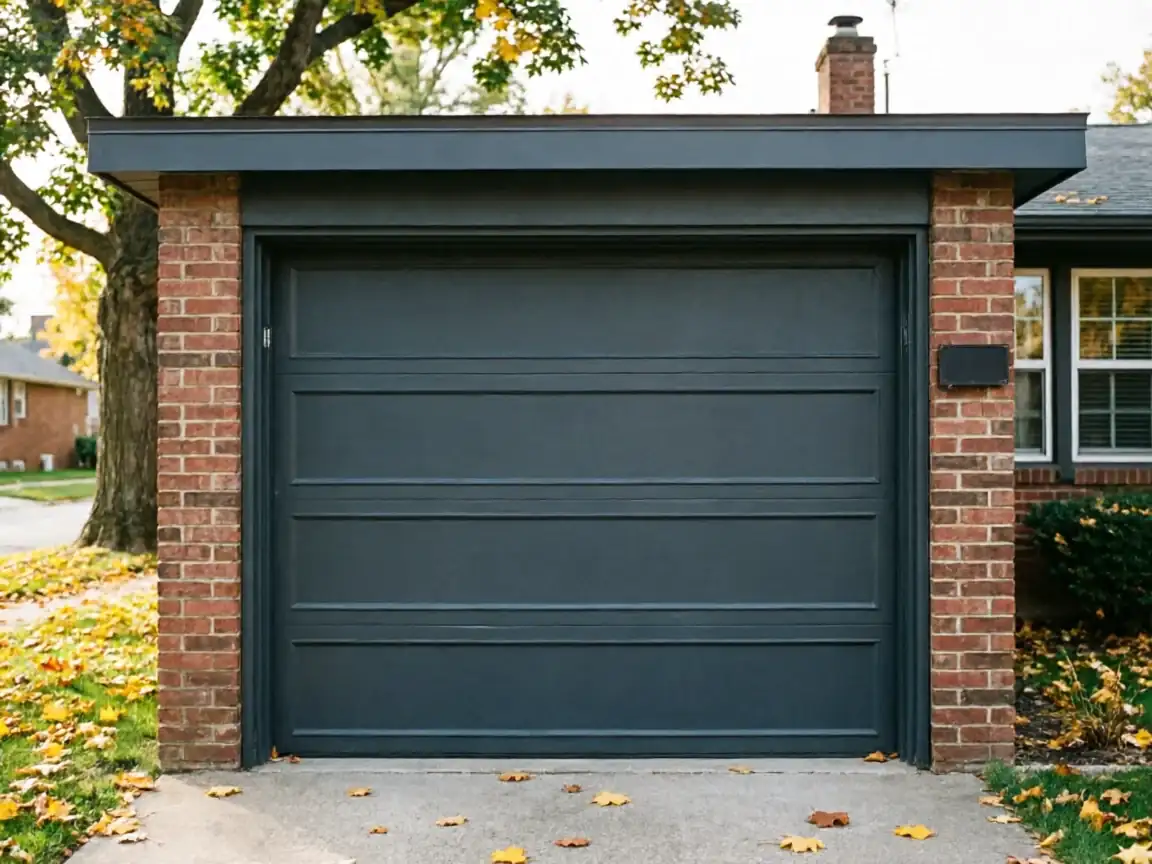
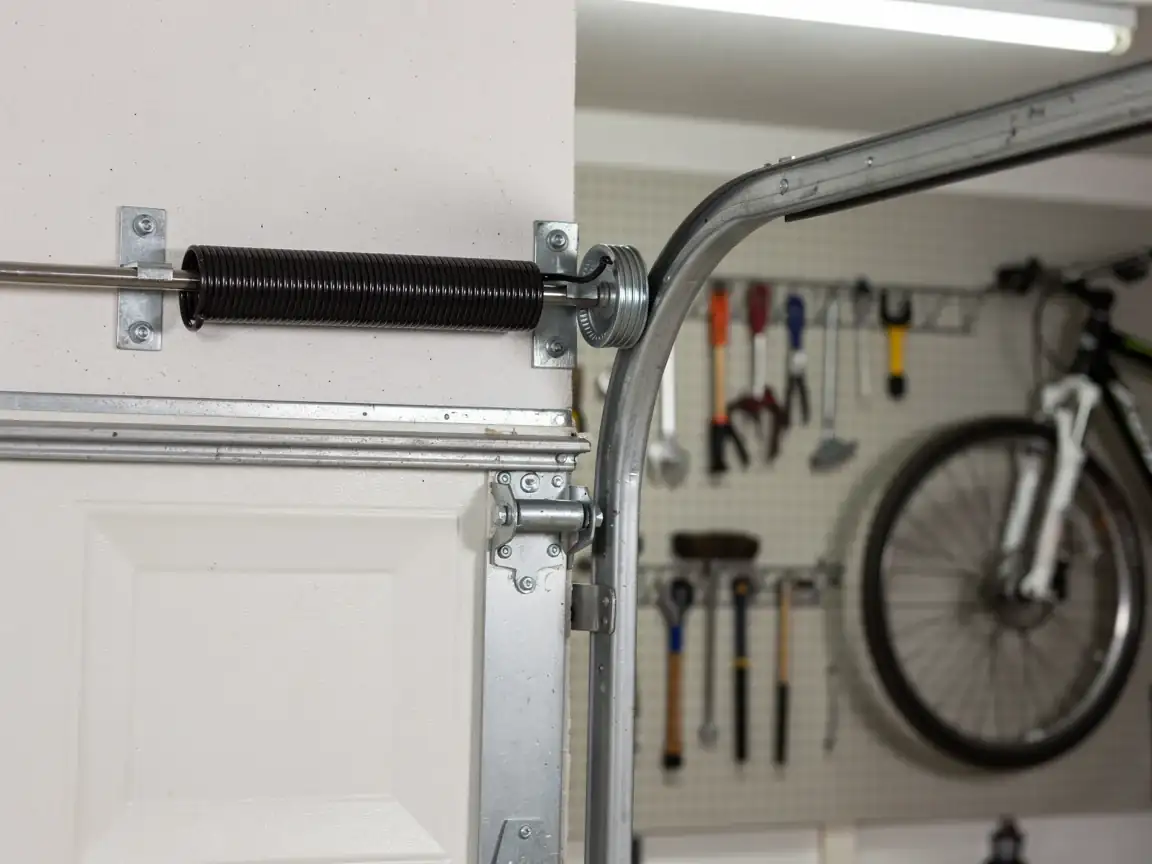
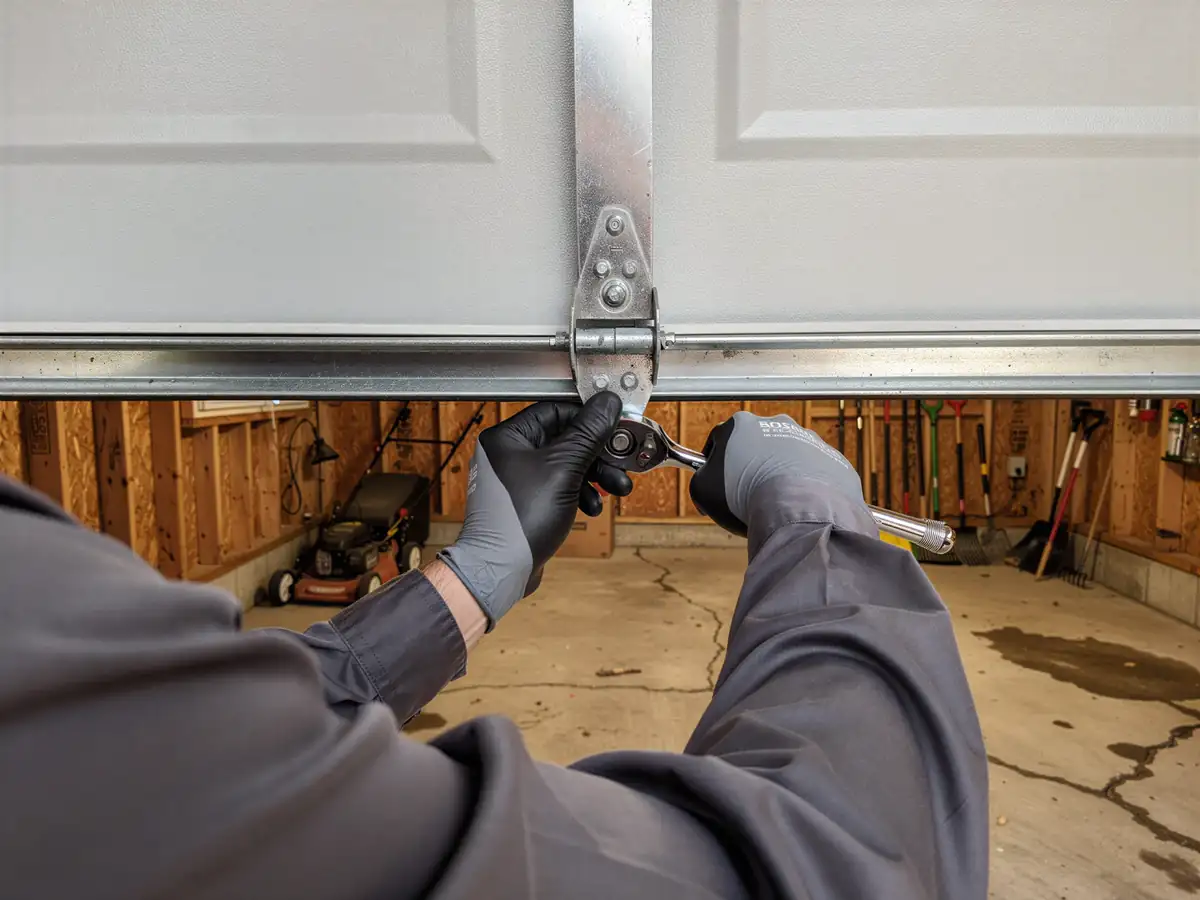
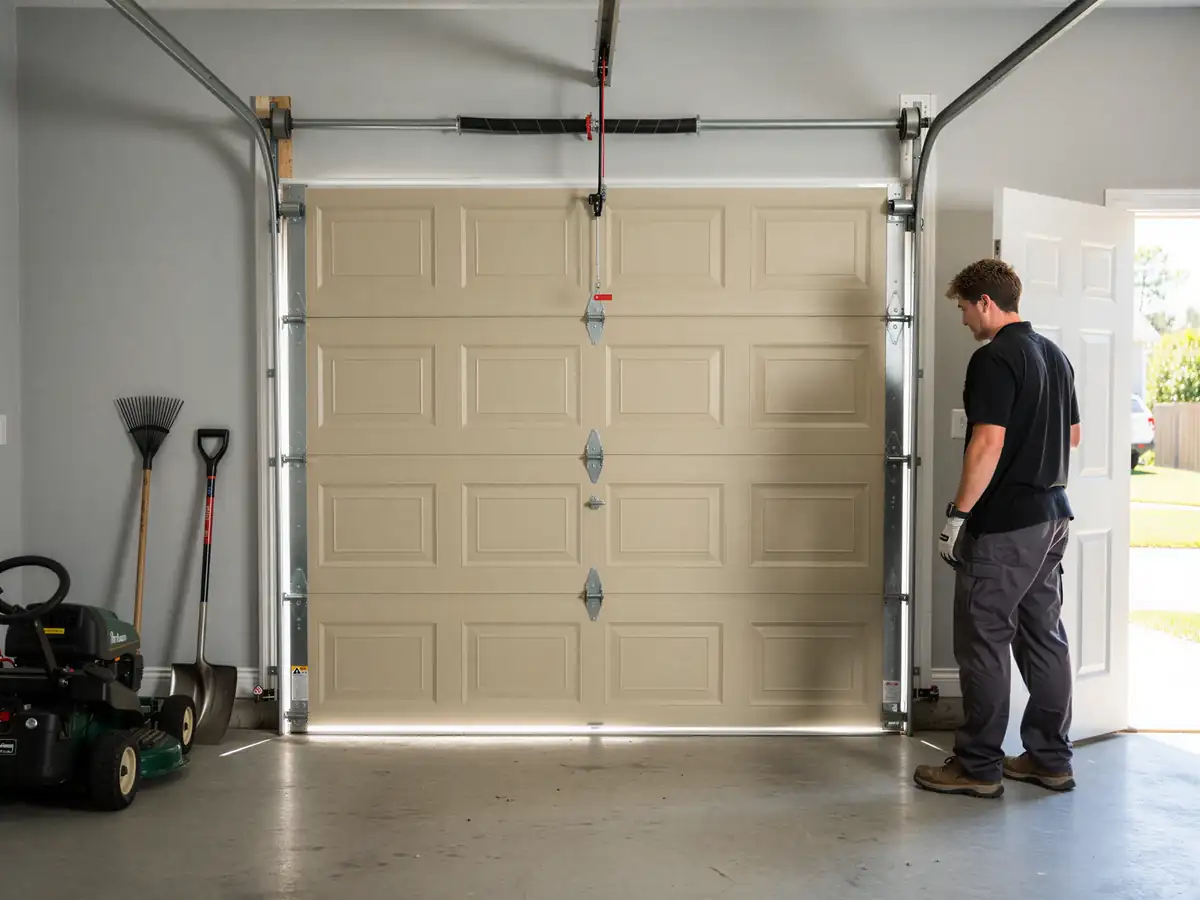
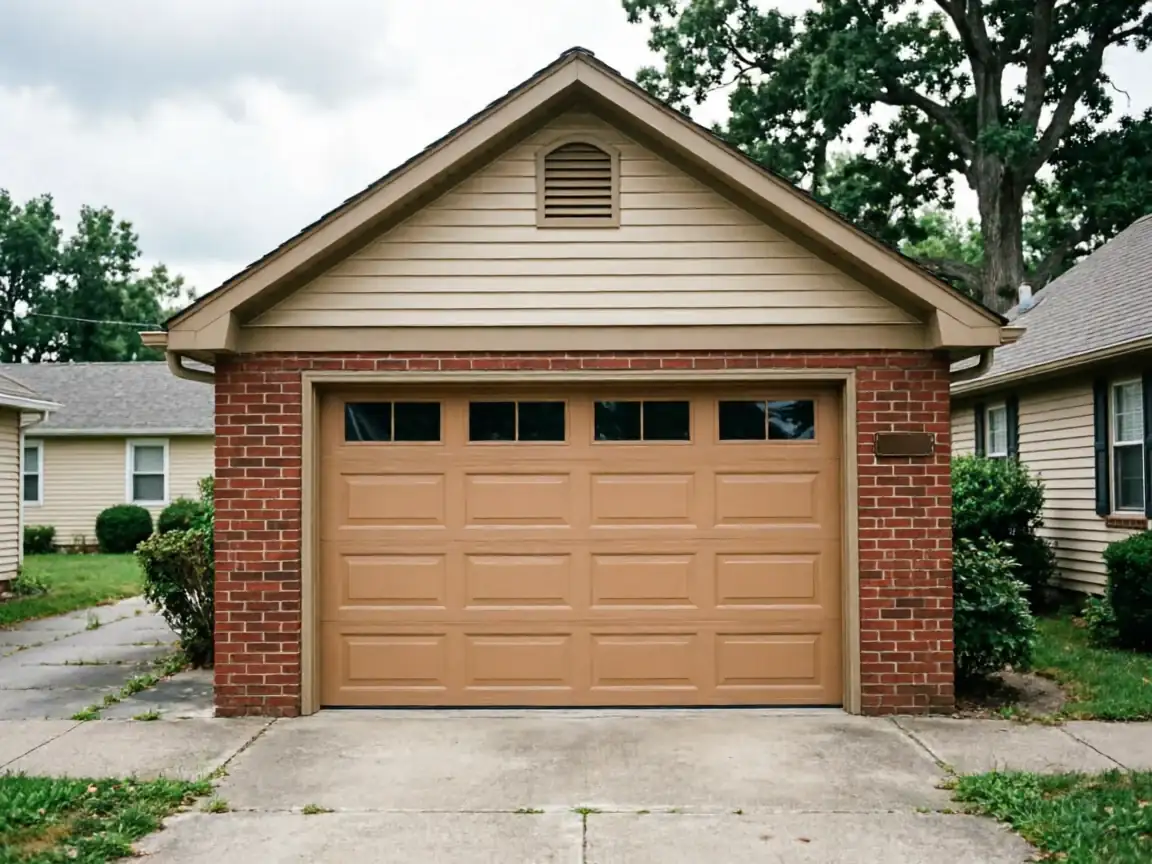
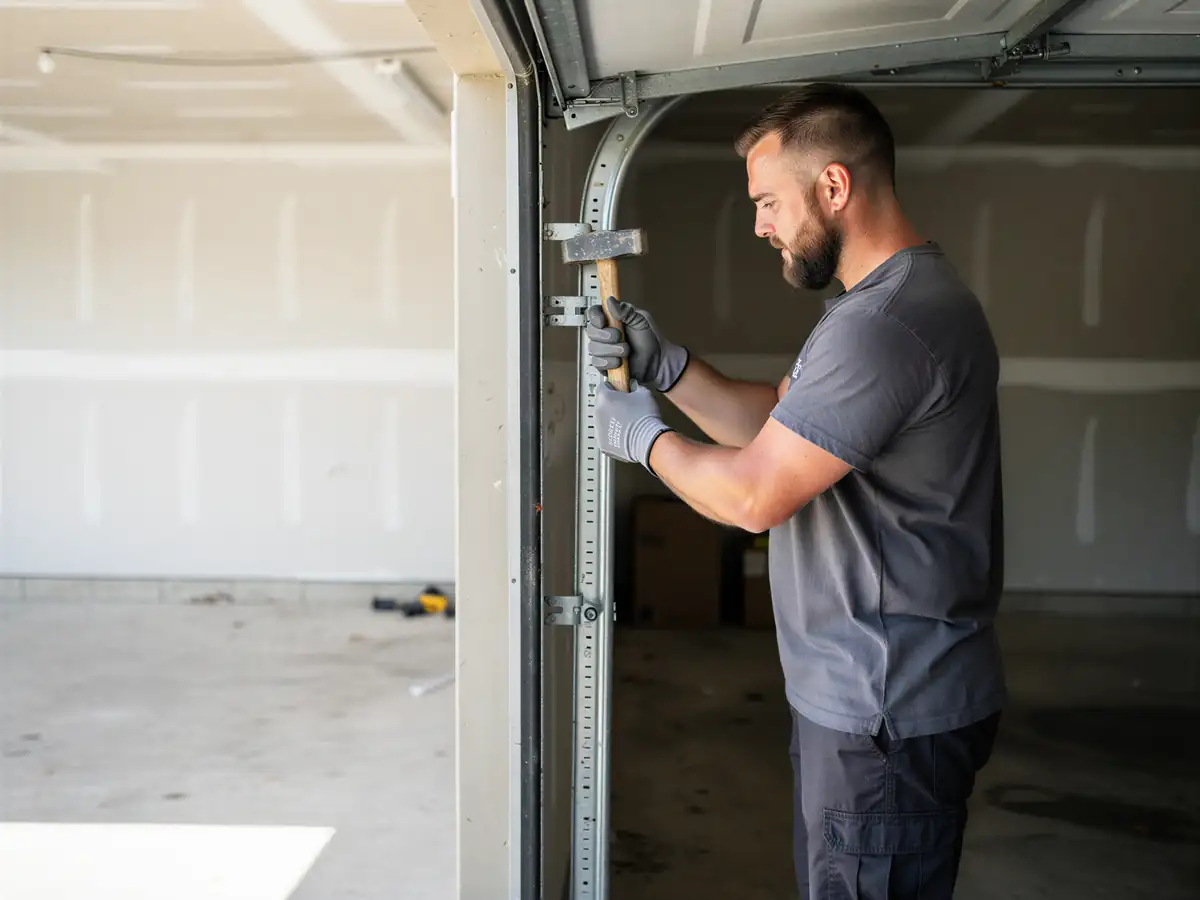
Kent's median house went up around 1970, and in a town of roughly 10,180 households that didn't turn over fast, a lot of that original track hardware never got touched. Nobody replaces a roller bracket unless it fails, so the horizontal track, the vertical track, and the bent-steel jamb brackets holding them to the framing are very often the same pieces the builder installed. That hardware was sized for the door it shipped with. Forty-plus years of freeze-thaw cycling loosens the lag screws in the jamb brackets before anything else goes, and a loose bracket is the single most common reason a door jumps track in this area. The door doesn't fail because it's old. It fails because the thing holding the track to the wall has worked itself a quarter-inch out of true, and one hard stop or one slammed-shut cycle is enough to walk a roller right off the rail. We see this pattern across the original-hardware homes we work on here, not as the occasional fluke but as the expected failure mode for a house of this age.
Time on the Job
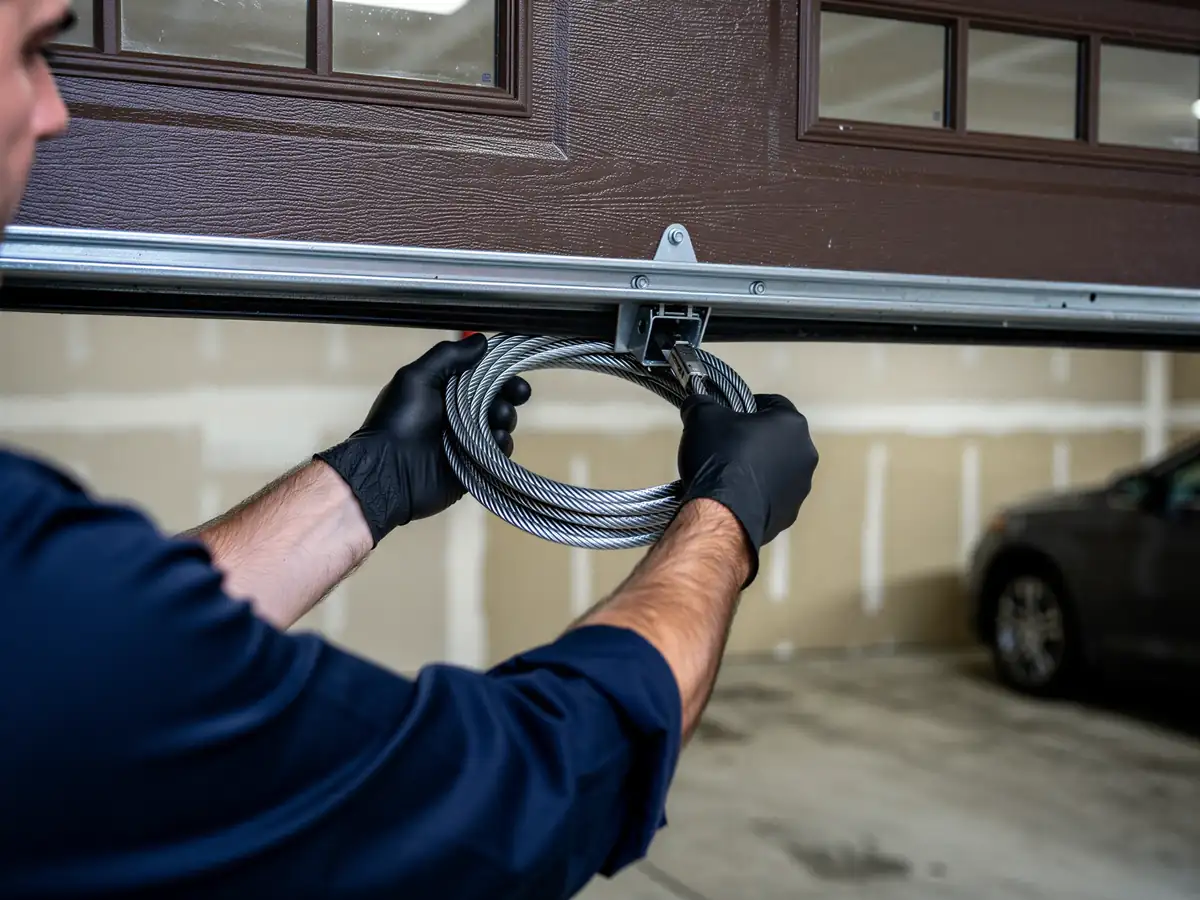
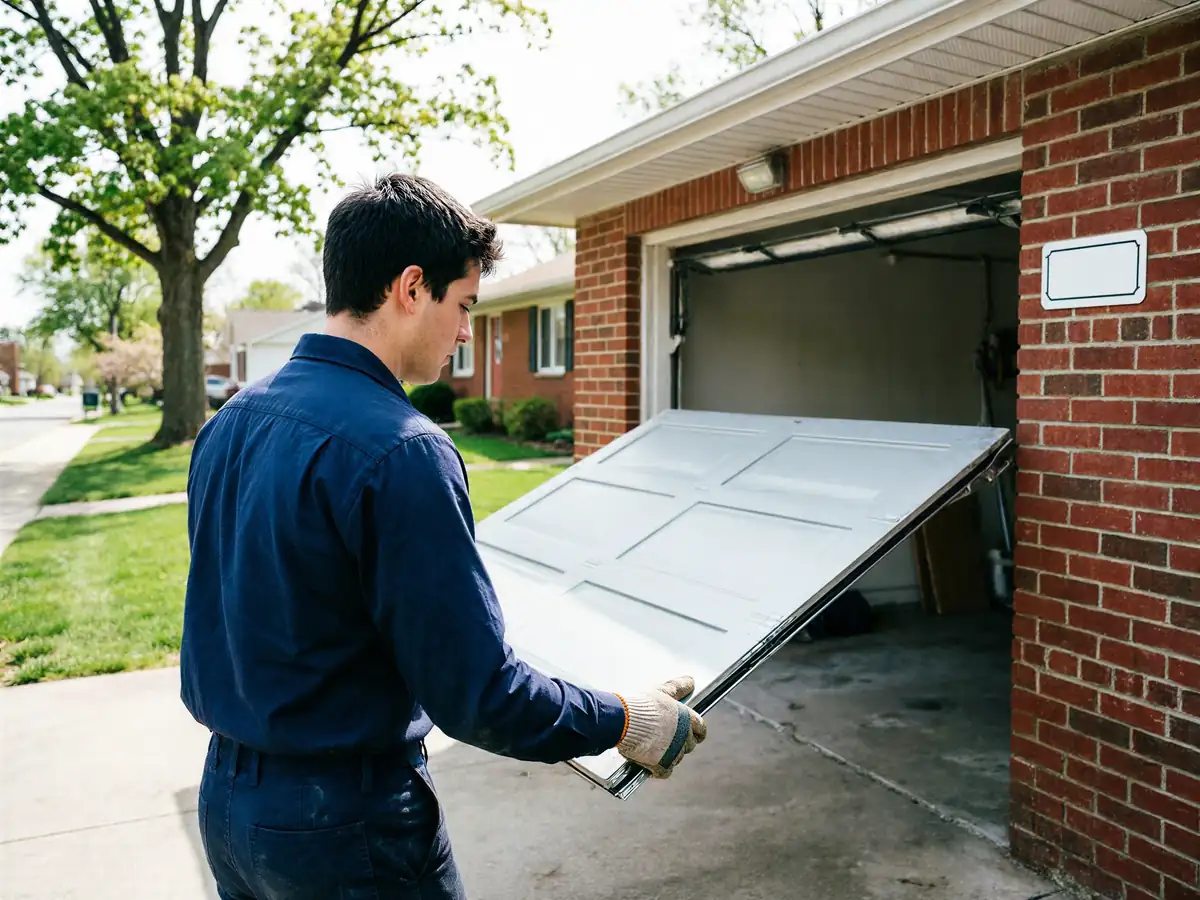
A straightforward off-track call - door not bent, no cable snapped, bracket just worked loose - is a bracket re-set and track realignment, done on site in one visit. If the roller has chewed up the track edge or a panel took the hit when the door dropped, that adds time because the track section itself needs replacing, not just re-anchoring. We travel to Kent from Akron, about 10 miles out, so plan around that drive when you're scheduling rather than expecting a same-hour walk-up.
Why This Fails Locally
This region sits in a cold, severe winter climate zone, and that matters more for a 1970-era door than people expect. Steel track brackets anchored into wood framing go through repeated expansion and contraction every winter, and over fifty-some years that cycling backs out lag screws a little at a time. Combine that with original hardware that was never upgraded to today's heavier-gauge jamb brackets, and you get a door that's one cold snap and one hard-use week away from walking off the rail. It's not a coincidence that off-track calls in older sections of the service area cluster in the exact housing stock that dates to this build era - the fault is baked into the hardware, not the behavior of the people using the door.
The DIY Question
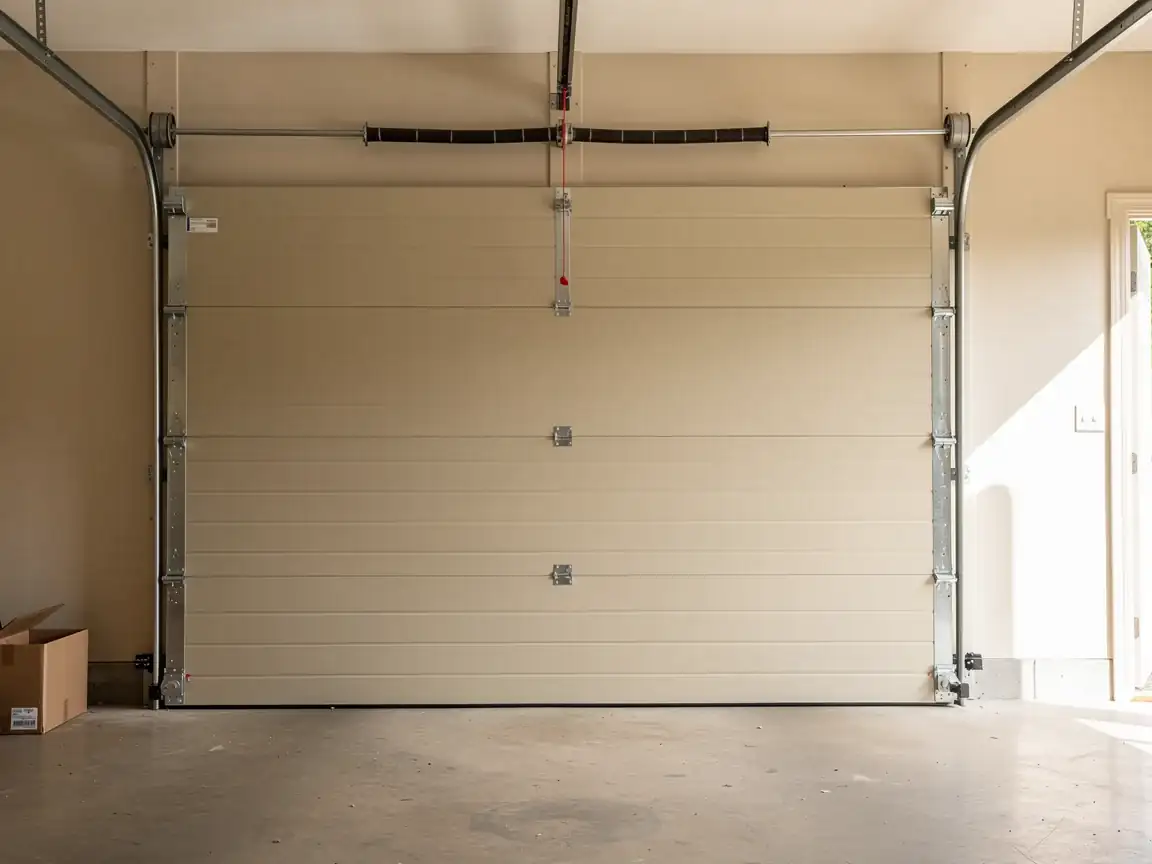
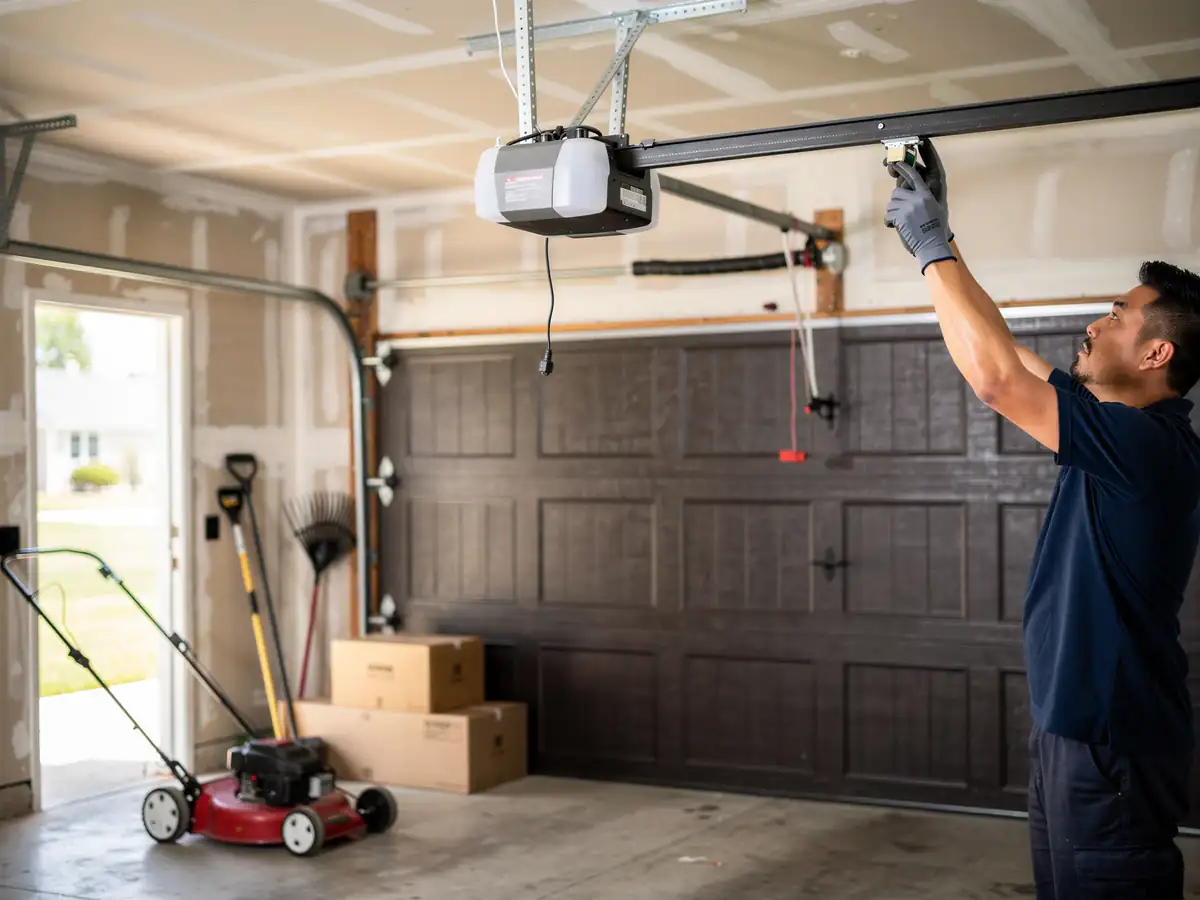
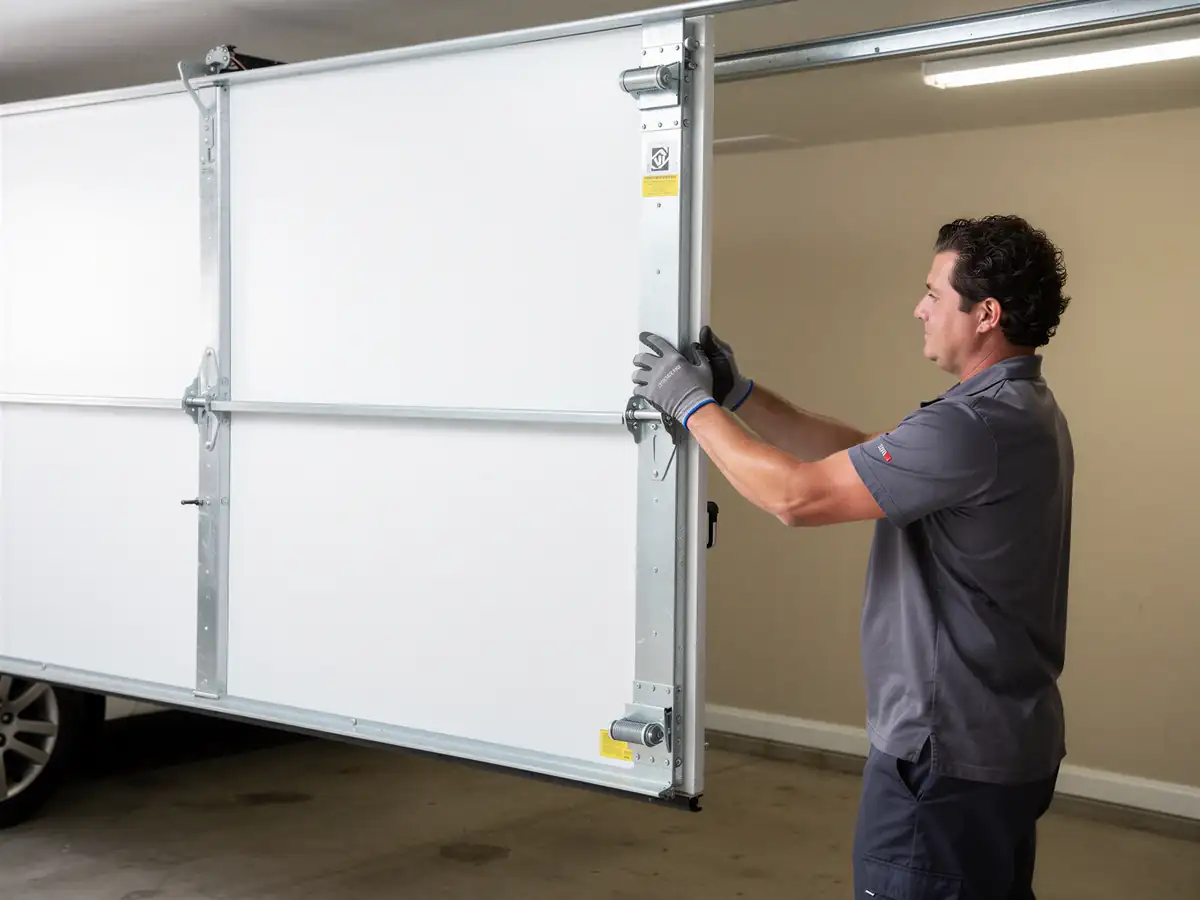
Re-tightening a visibly loose lag screw on a jamb bracket, with the door down and the opener unplugged, is reasonable if you're comfortable on a ladder. Realigning a track that's actually bent, or putting a door back on its rollers once it's fully derailed, is not - the door is under spring tension even when it looks still, and a torsion spring on a double door can put you in the hospital. If the door is already off track, don't force it back by hand. Leave it where it is and call it in.