How We Get to You
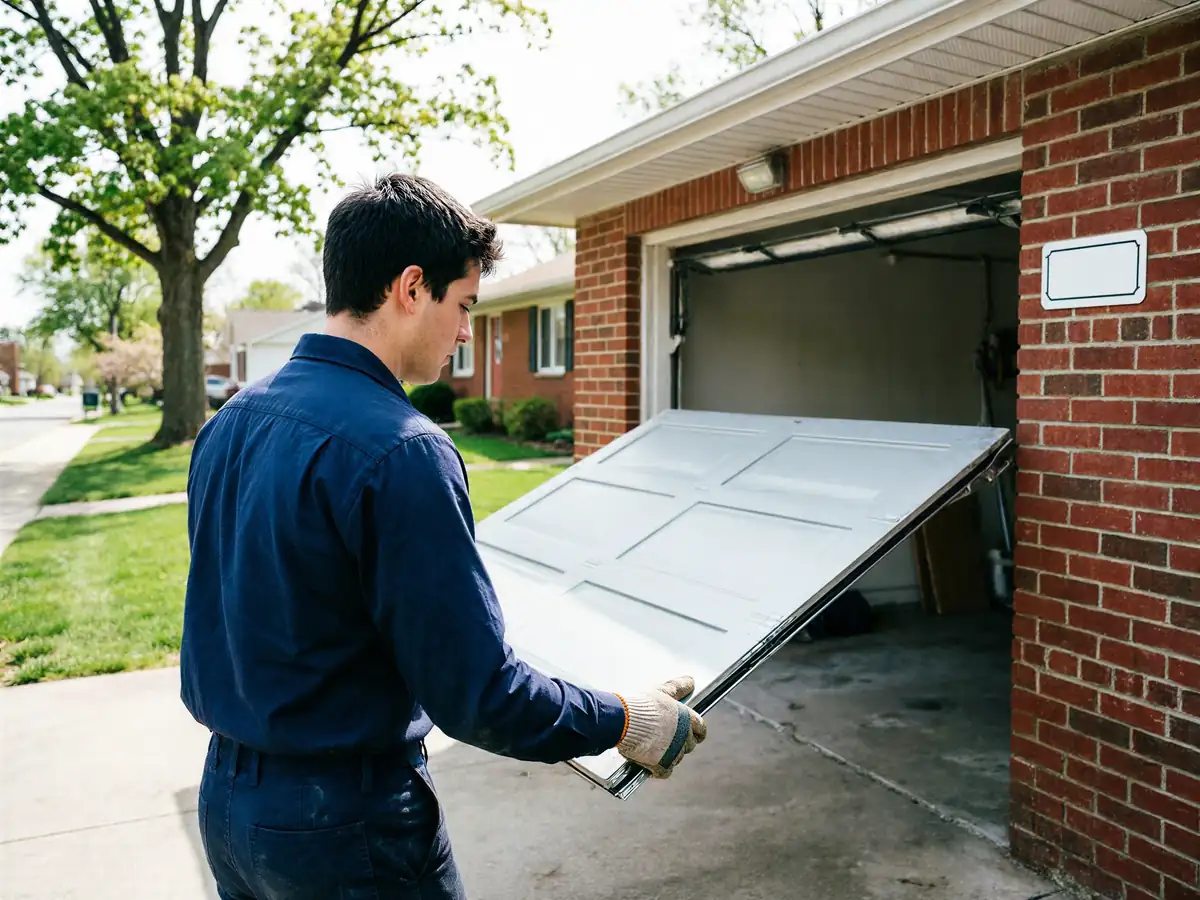
We run out of Akron, about 7 miles up the road from Barberton, and that's the honest version of it - we don't keep a separate yard or a crew parked in town. A truck comes from Akron when you call, same as it would for. That's close enough that we're not quoting you a half-day window because someone had to drive in from across the county.
We don't promise a specific arrival time here because we haven't been given hard numbers to back one up, and a made-up window is worse than none. What we can tell you is that Barberton sits inside the regular run, not on the edge of it, so it's not a special trip.
If you're near Lakemore or Norton and you're comparing which company actually covers your street, the honest answer is the same for all of them: we come from Akron, every time, for every call in this part of the county.
What Neighbours Usually Call About
The calls out of Barberton skew older than what we hear from newer pockets of the service area
Median year built here runs around 1955 - noticeably earlier than the 1972 median across the wider territory - so a lot of what we're pulling apart are original torsion setups that have been running on the same spring and the same bearing plate for close to seventy years.
The common complaint is a door that's gotten heavy to lift by hand
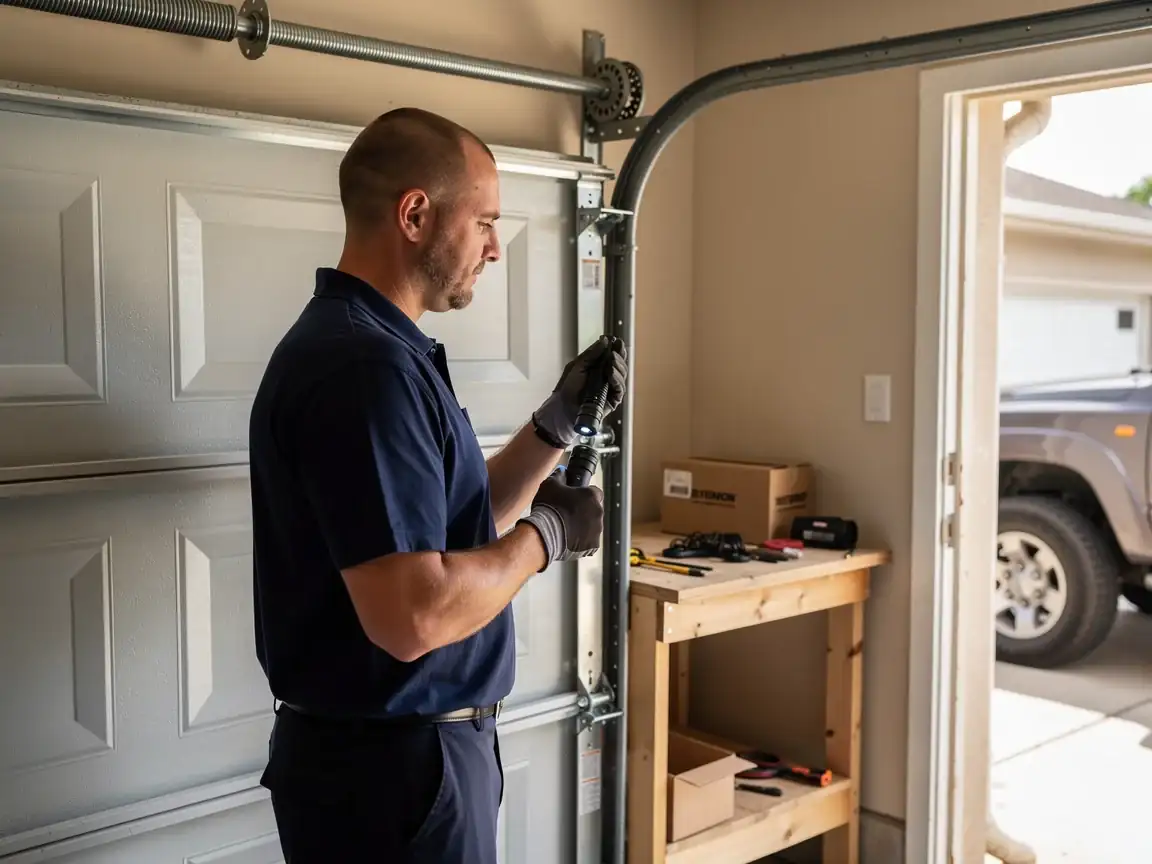
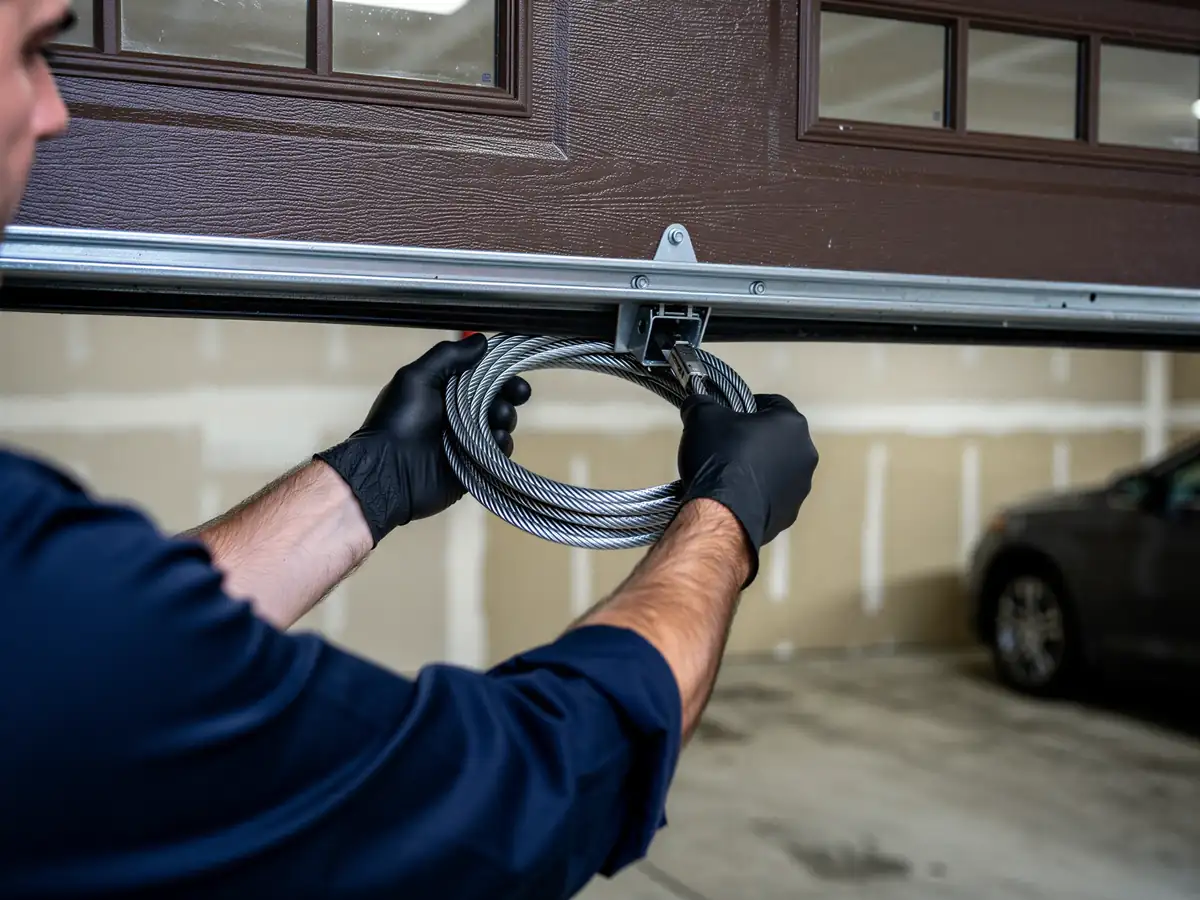
Or an opener straining and reversing partway up. Usually that's a spring that's lost tension gradually rather than snapped outright, which is actually the easier version of the problem - nobody's standing under a door that's about to drop. We also see a fair number of rollers and track brackets that have just worn out from decades of cycles, not from any one event.
What we don't see as much here, compared to newer construction elsewhere in the area
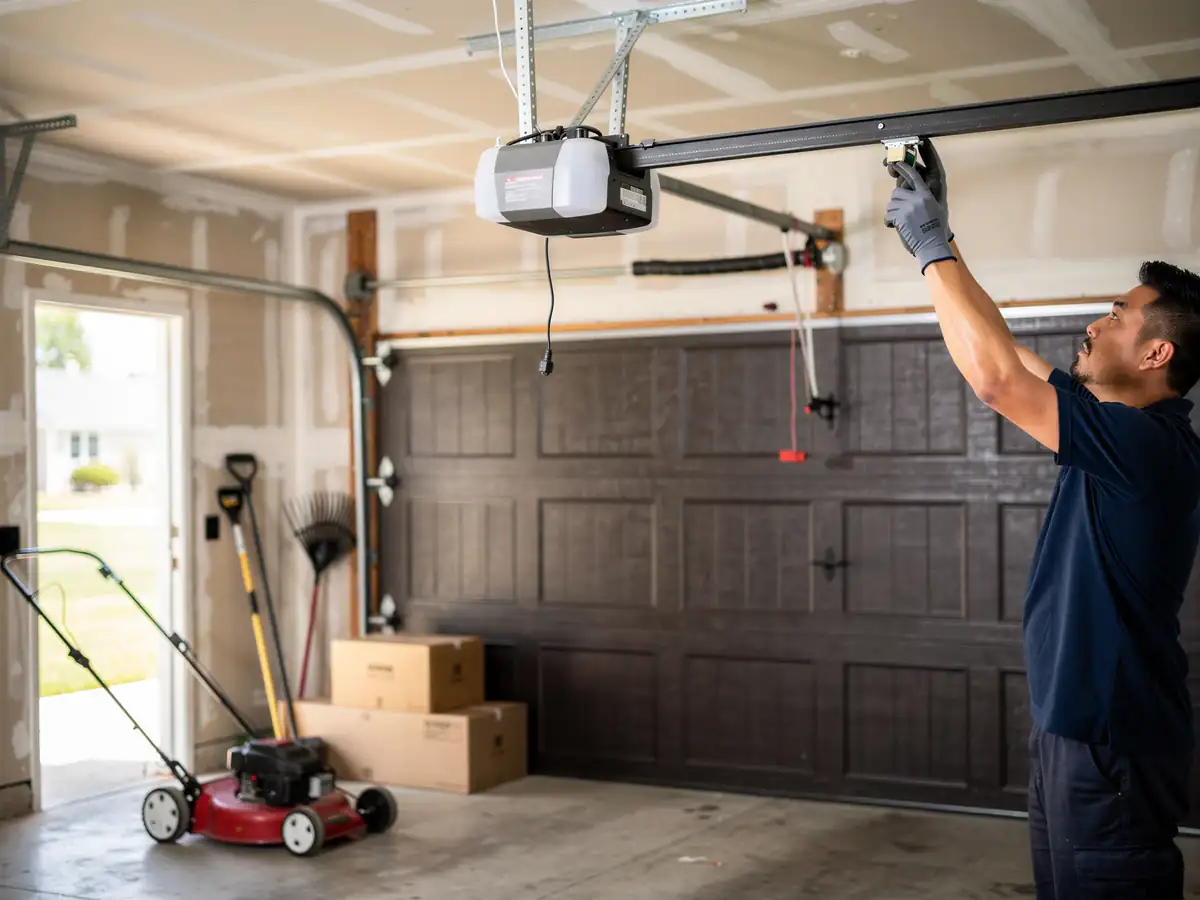
Is the plastic-gear opener failure that's common on 1990s-2000s installs. Older Barberton openers tend to be simpler chain-drive units, and when they fail it's usually the motor or the logic board, not a stripped gear.
The Houses Here
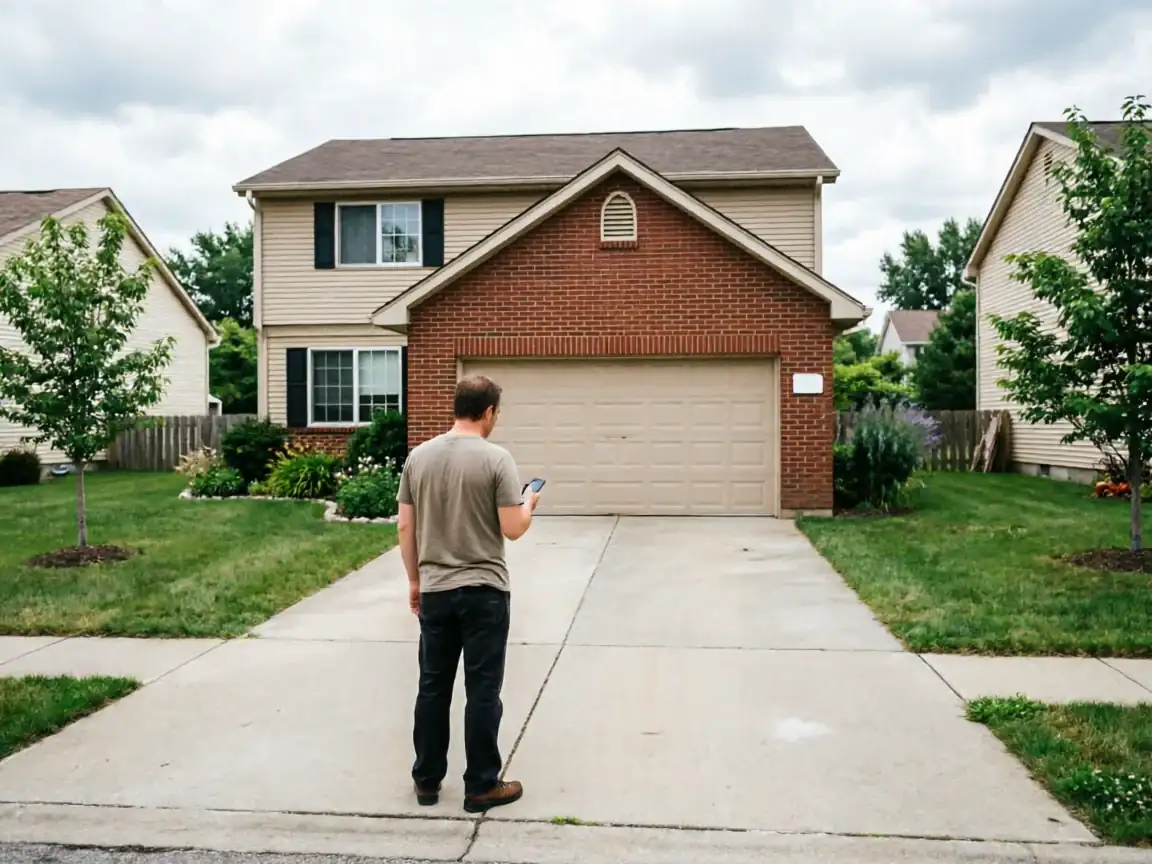
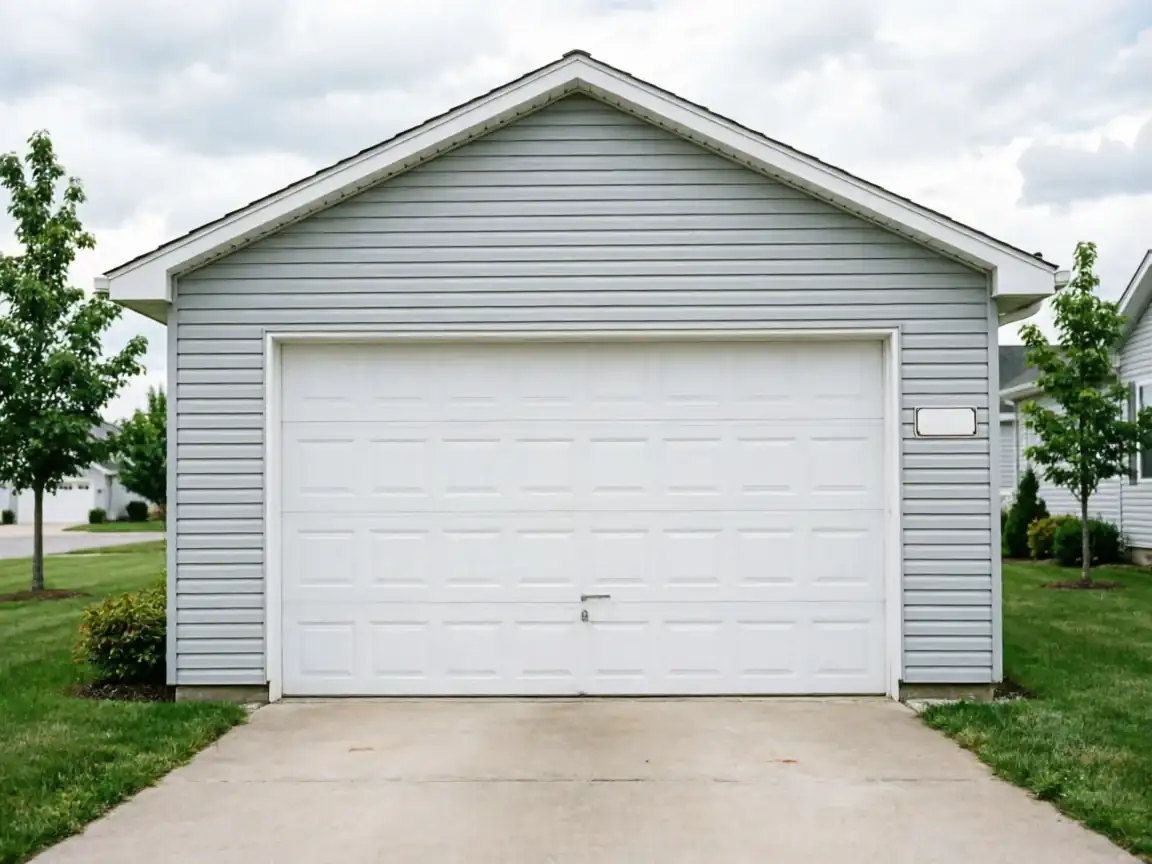
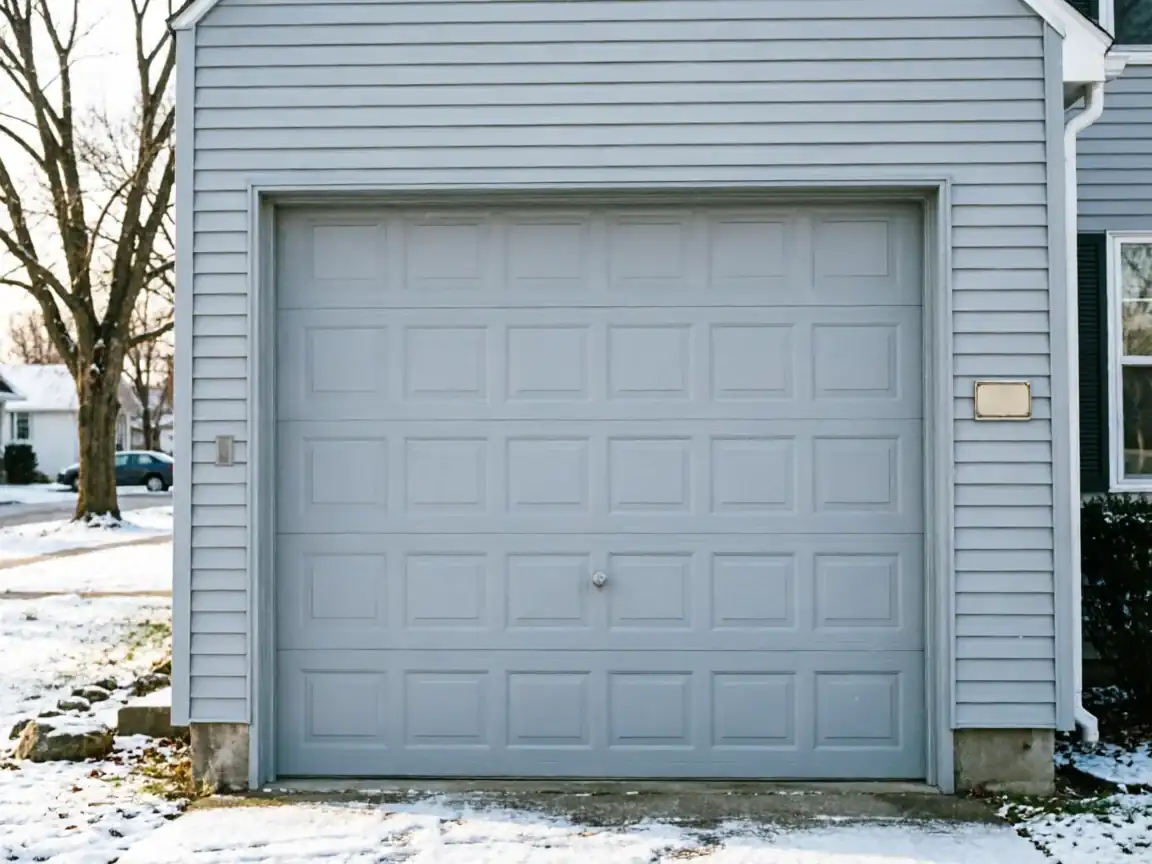
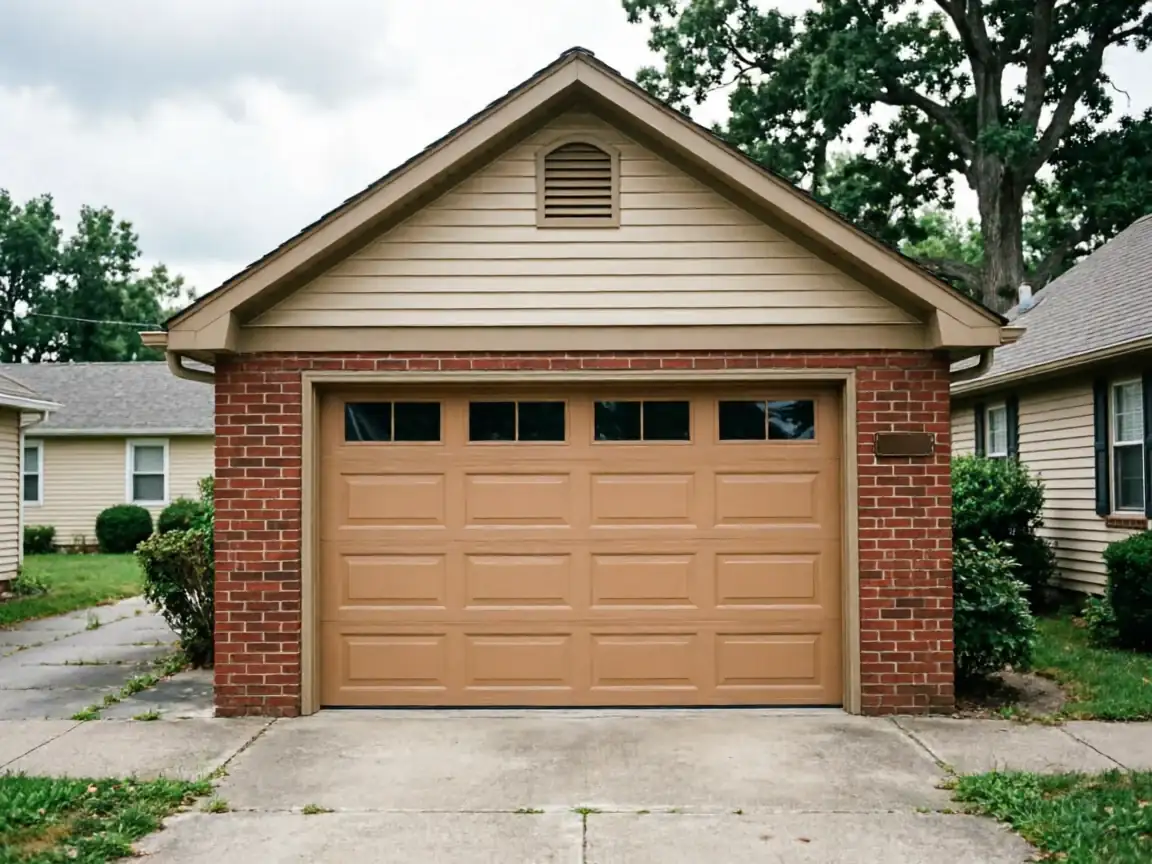
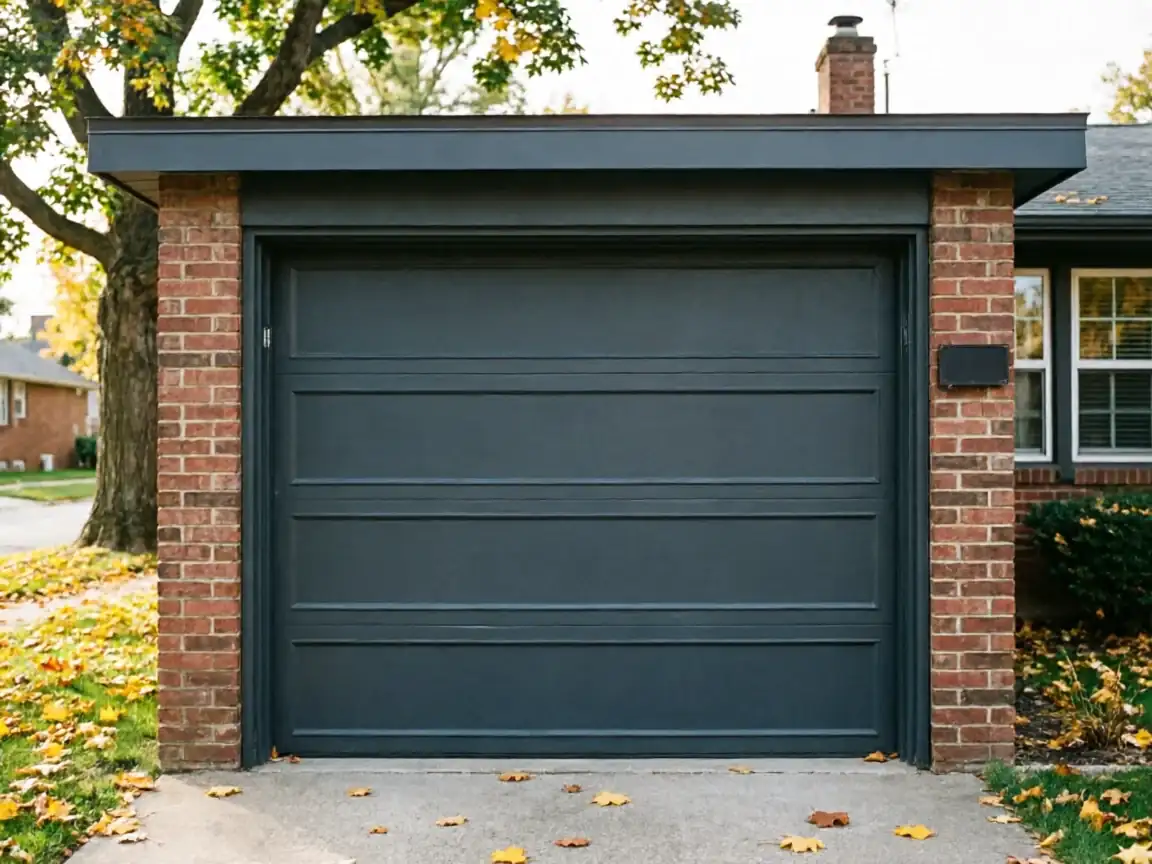
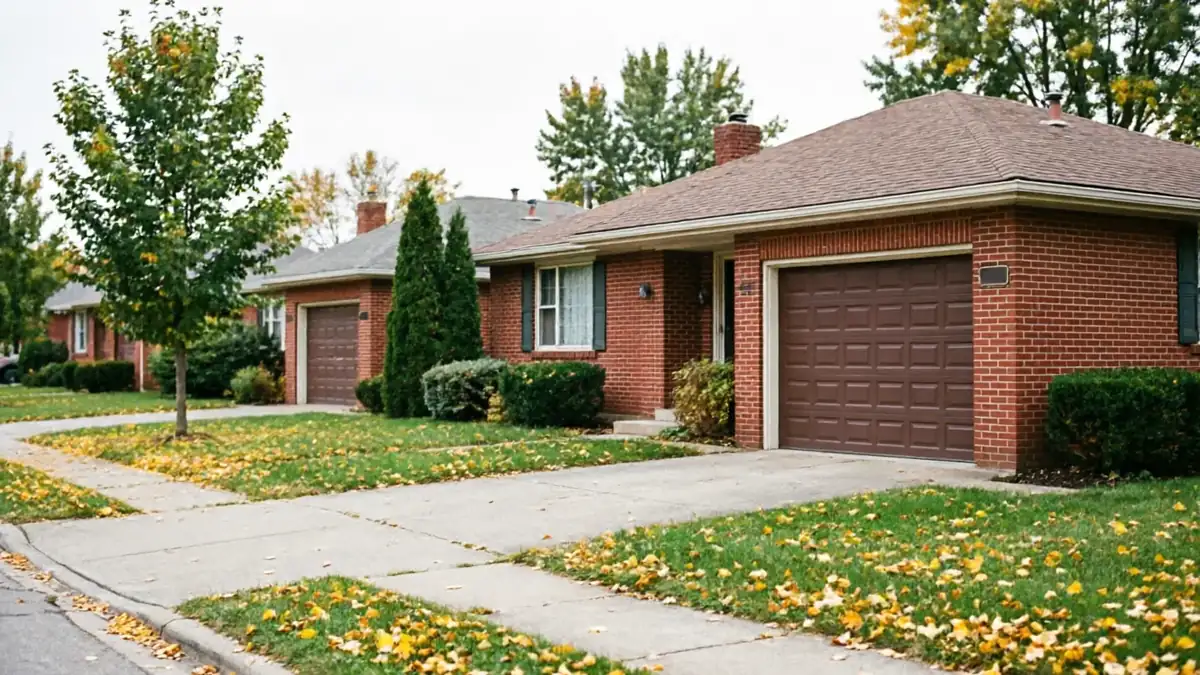
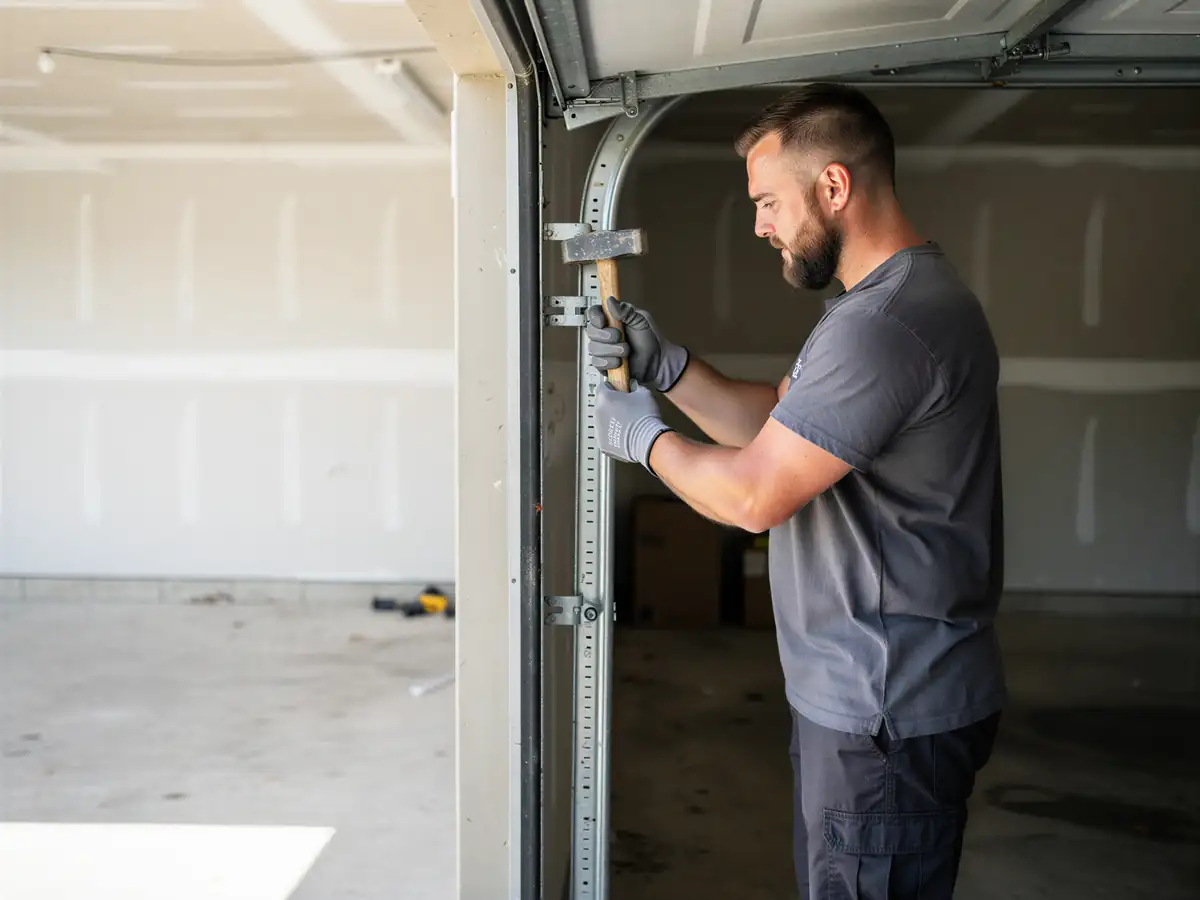
A house built in 1955 was framed for a single-car or narrow two-car opening, often with a wood-jamb garage and a door that was never meant to be swapped for a modern steel insulated unit without some carpentry first. That's the recurring issue - not the door itself, but the opening it has to fit.
This area sits in the severe-cold climate band, which matters more on a house this age than on something built to current code. Older jambs and headers weren't built with the same air-sealing expectations, and a worn weatherstrip or a door that's racked slightly out of square lets a lot more cold through than it would on a tighter, newer frame.
With a median household income here around $48,943, we try to steer people toward the repair that actually solves the problem rather than defaulting to full replacement. Sometimes that's not possible - if the track is bent beyond adjustment or the panels are rusted through at the bottom, replacement is the honest answer, not a patch job that'll be back in our truck in a year.
How That Shows Up in the Door
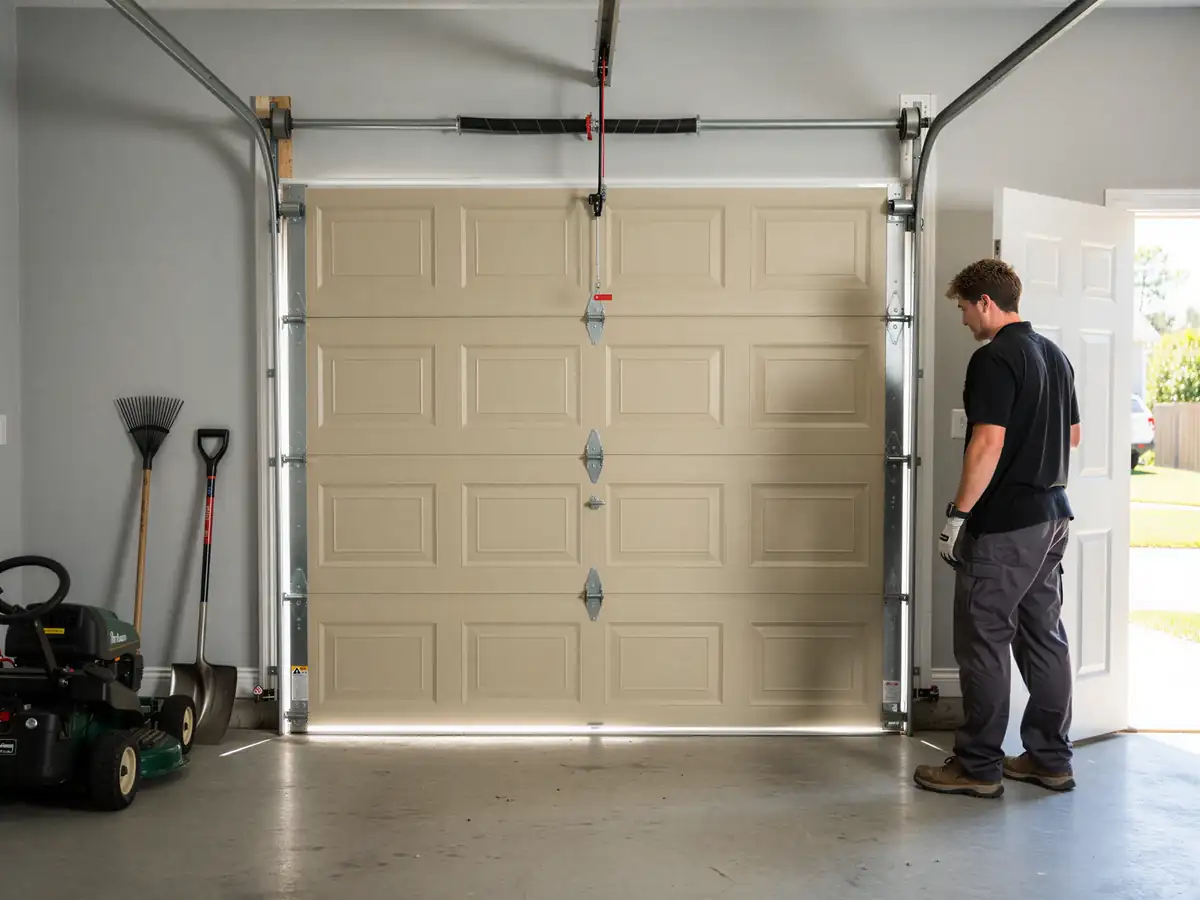
On a house this old, the spring is almost always the original size for a door that's been repainted, re-skinned, or had a layer of insulation board added since. That changes the weight the spring is rated for, and it's a common reason a 1955-era door feels wrong even after a spring swap - somebody sized the new spring to the old numbers.
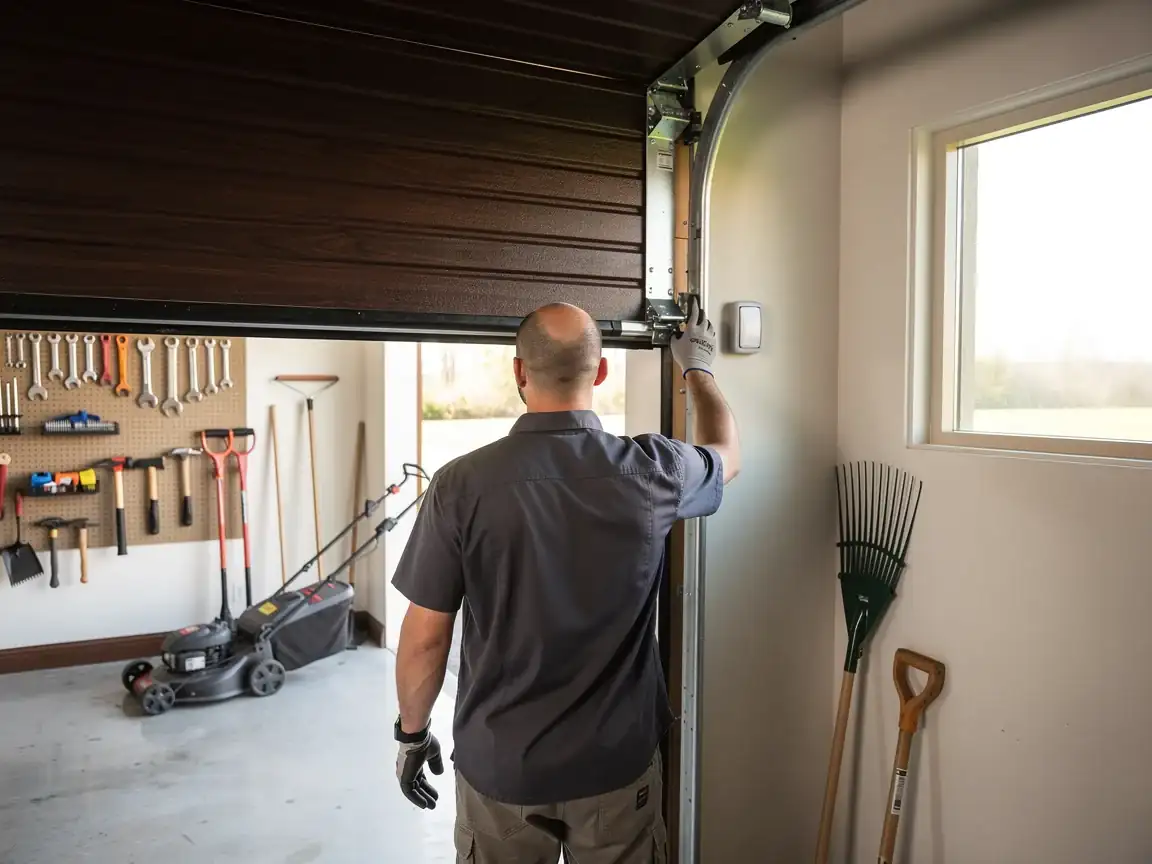
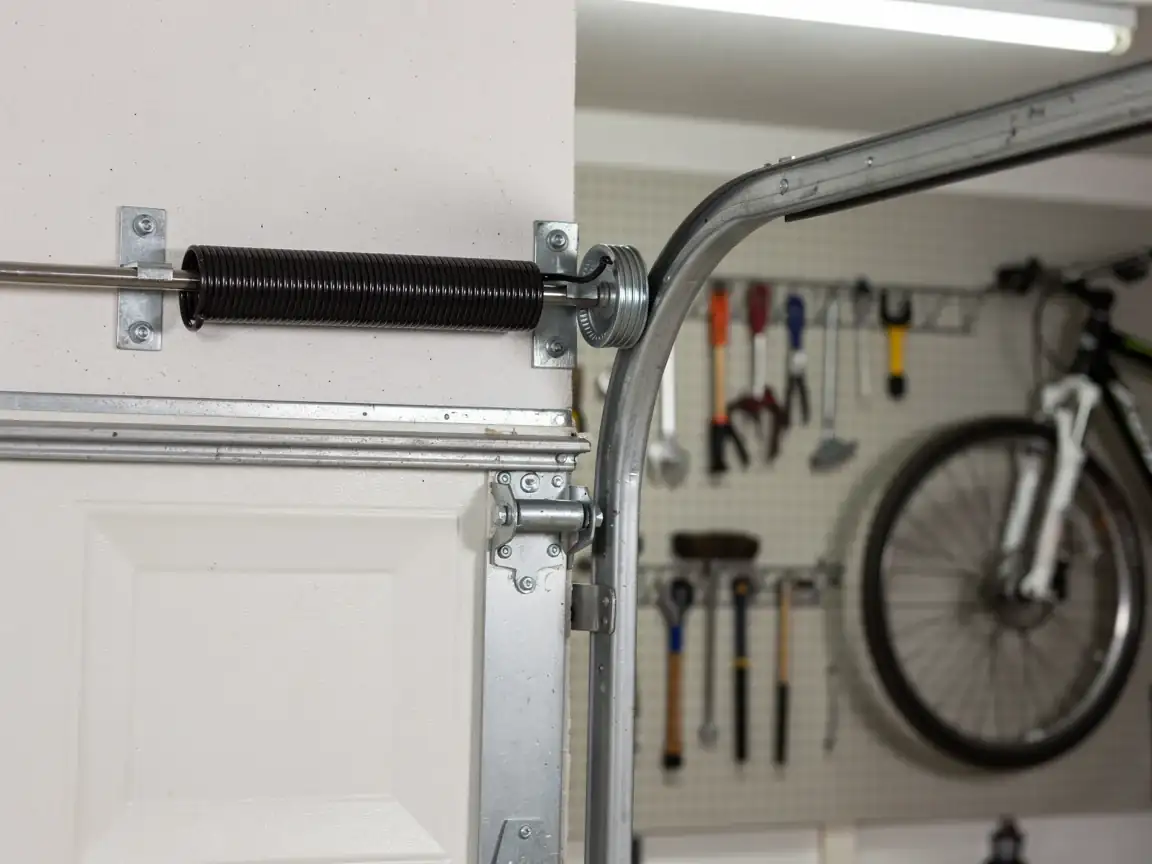
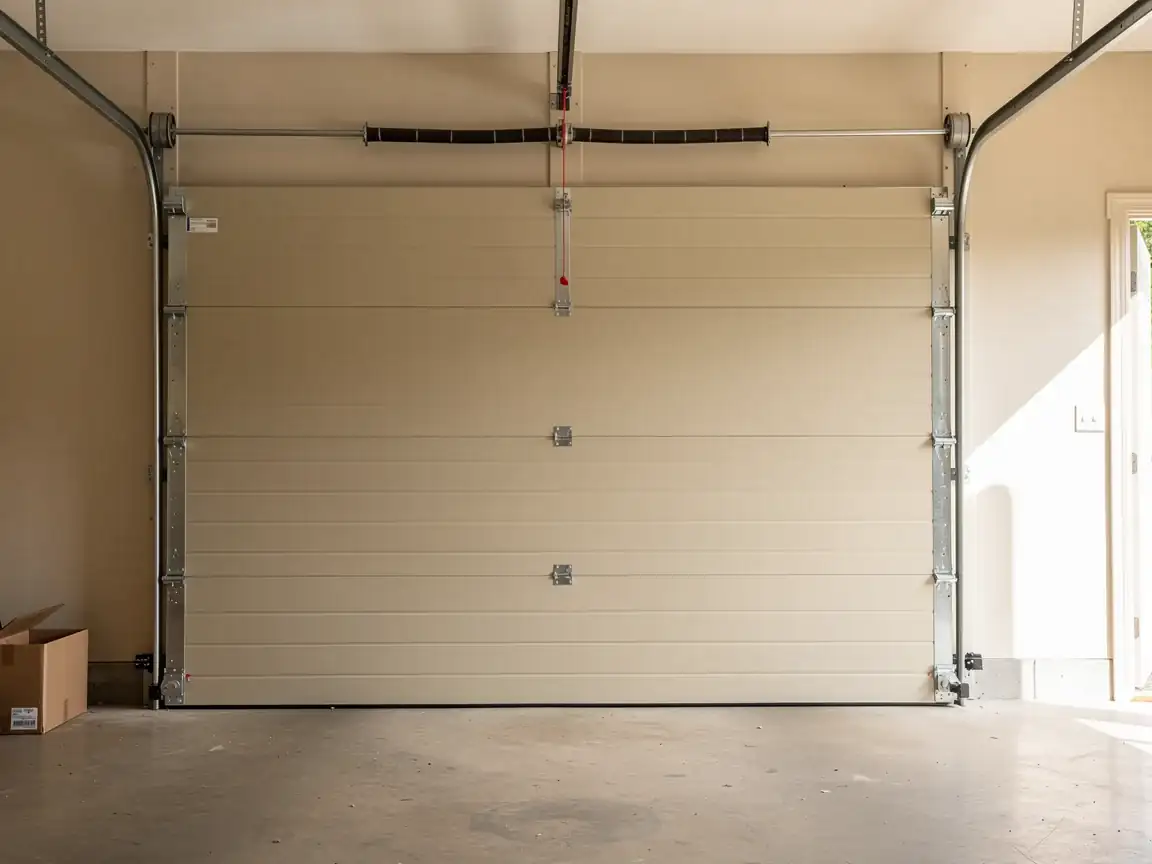
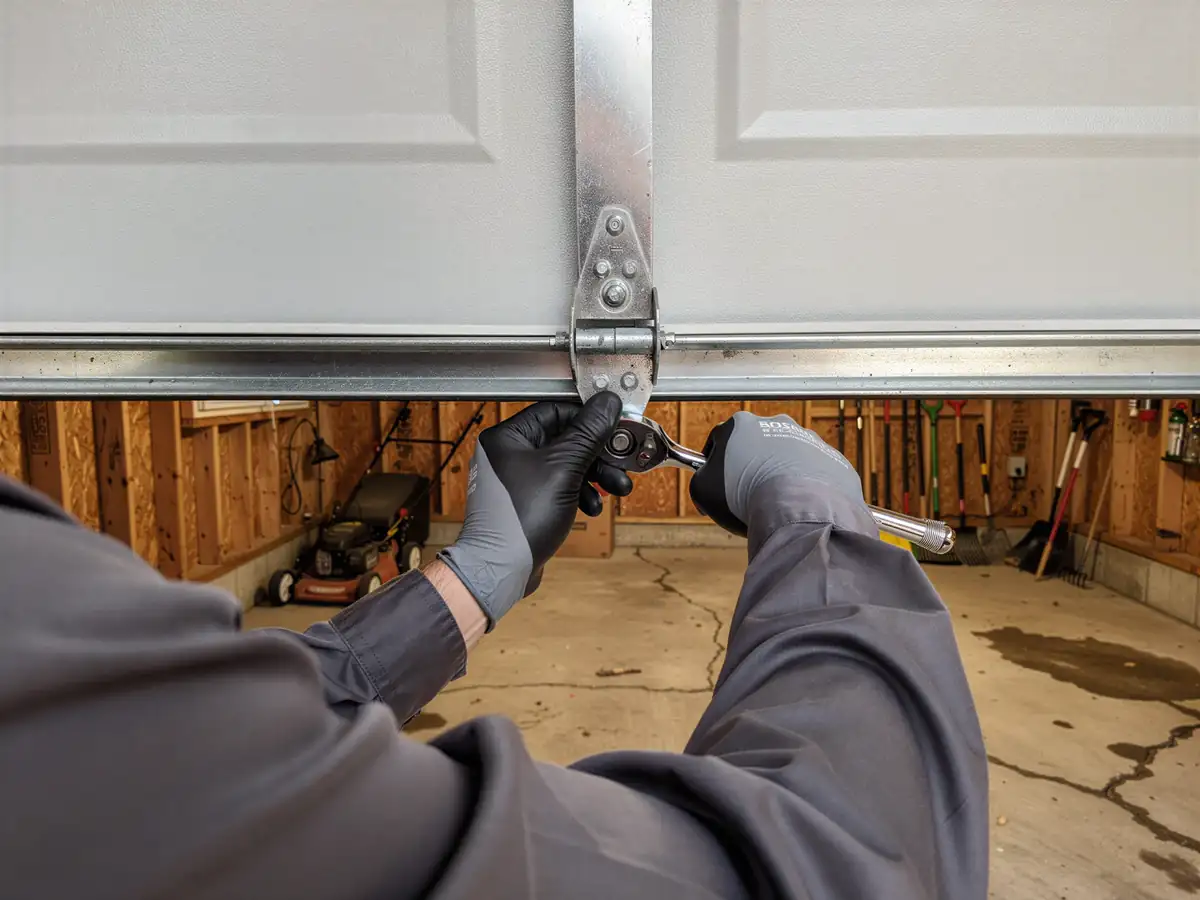
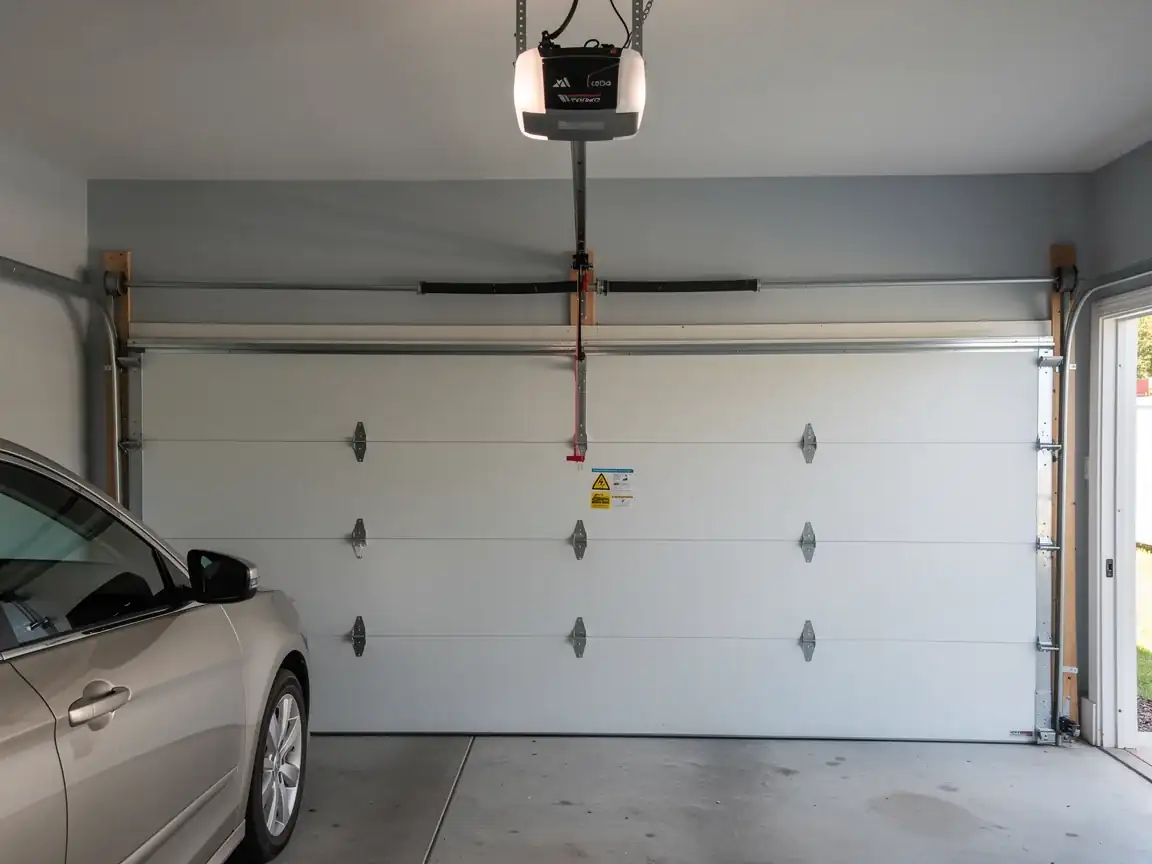
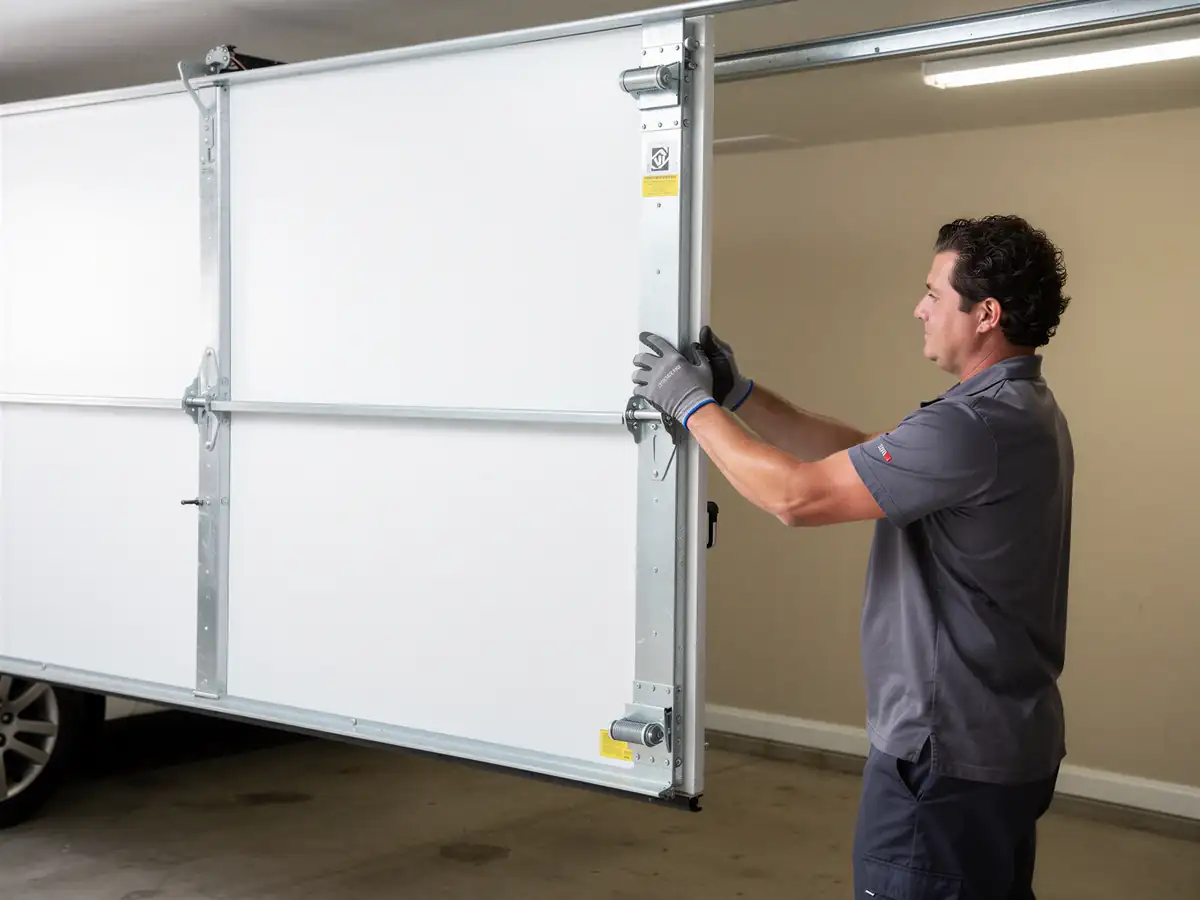
Hardware on these houses tends to be side-mounted torsion rather than the center torsion shaft you'd see on a newer build, which means different tools and different clearance to work in. We carry both, but it's worth knowing going in that a side-mount repair sometimes takes longer because the anchor points were never standardized the way they are now.
One limit worth being upfront about: if your opening was framed for an odd width - common on these older lots - we may need to special-order a panel or track section rather than pull one off the shelf, and that can add a few days to the job.