When Waiting Is Fine
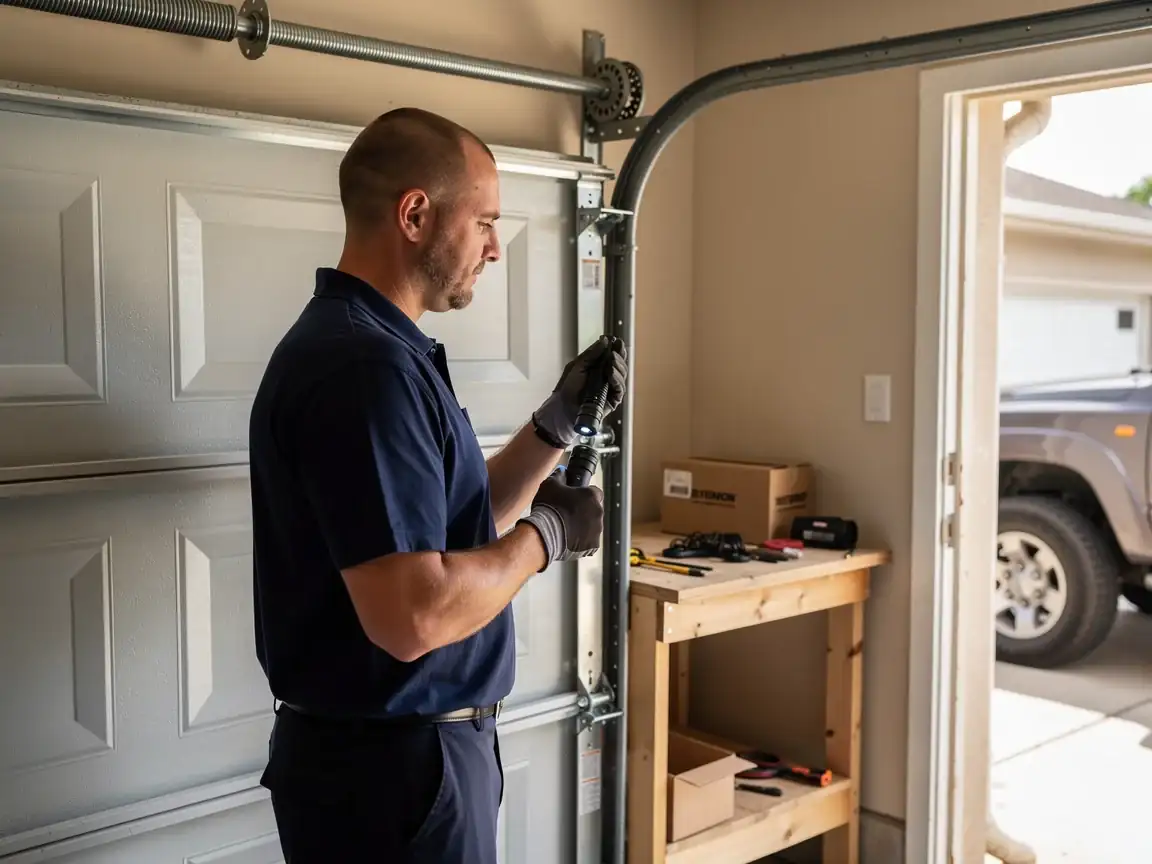
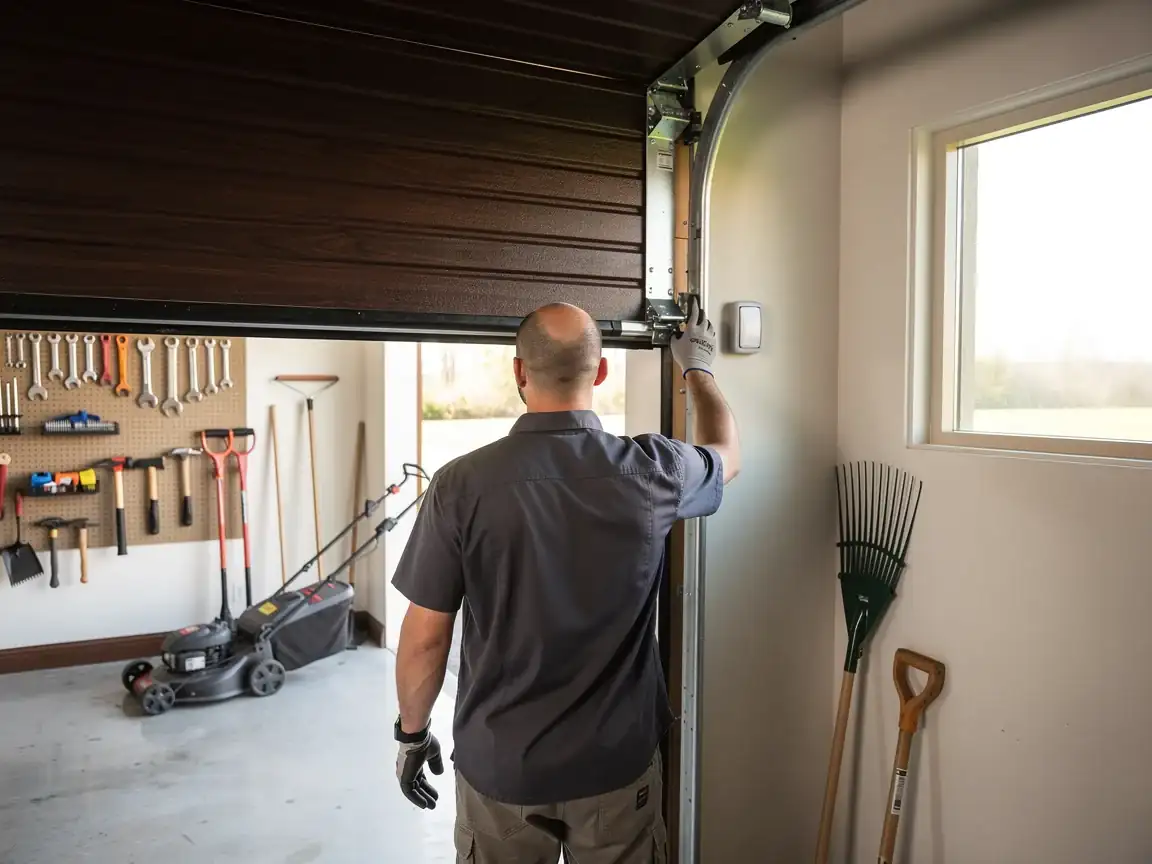
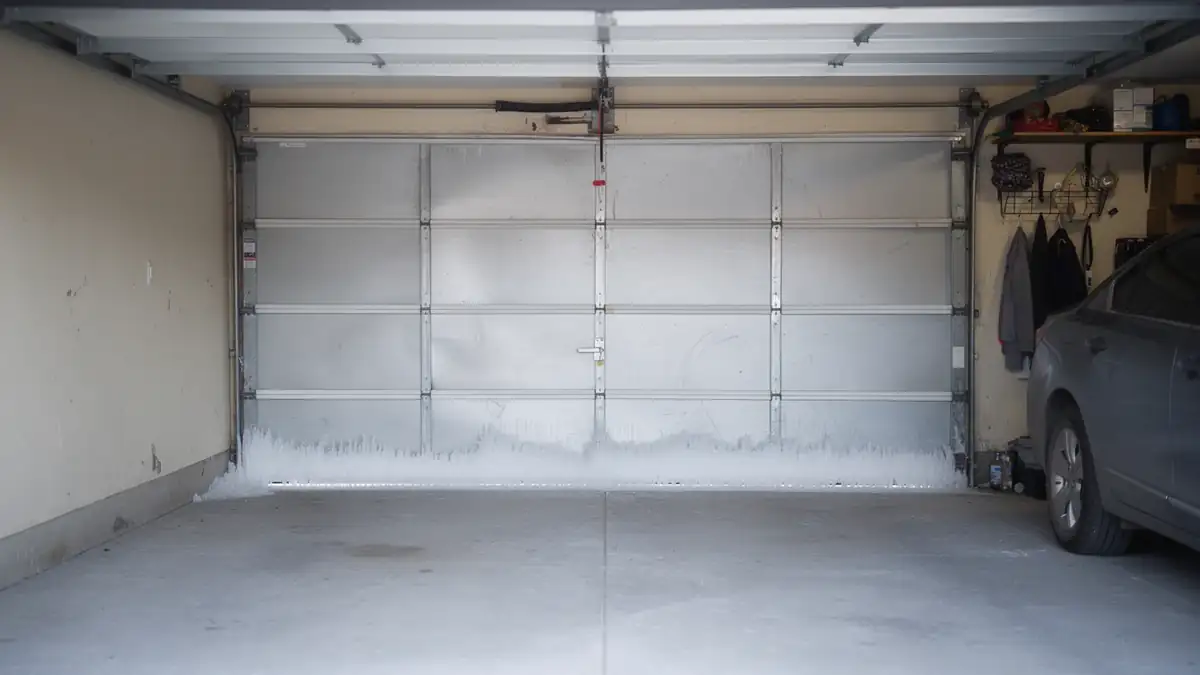
Not every rattle or stiff spot needs a truck out today. If your door is from the 1960s or 70s stock that makes up most of this area, a single stuck roller or a slow-closing door in January cold isn't an emergency - it's usually the lubricant thickening up or a track that's shifted a hair out of line. Houses built in that median-1972 window often have steel doors with no insulation value at all, just a flat panel over a frame, and those doors move differently in cold than anything built after 2000. If the door still opens, closes, and seals at the bottom, you can wait for a weekday appointment instead of paying for an after-hours call. Where you shouldn't wait: a spring that's visibly gapped, a cable that's frayed, or a door that's come off track. Those get worse, not better, and in severe cold (our winters qualify) a spring under extra tension from stiff cold steel can let go without much warning. The honest answer is that most calls we get in deep January aren't true emergencies - they're doors that needed attention back in October and didn't get it.
The Situation
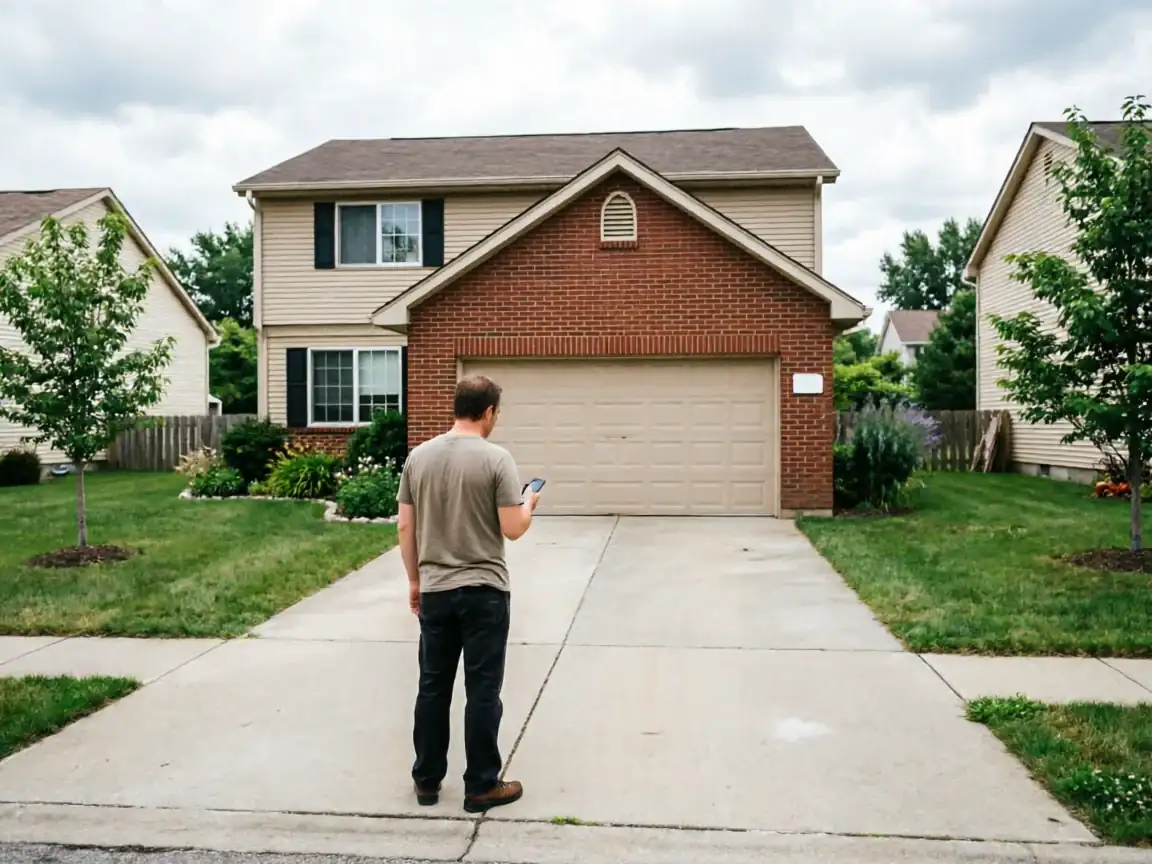
Across the 42 named areas this service covers, from Downtown out to Portage Lakes, the housing stock skews older than people expect. Median build year sits around 1972, and most of the inventory clusters in that 1960s-70s band rather than anything newer. That matters for garage doors specifically because insulation requirements for residential doors weren't standard when these houses were built. A door on a house in from that era is almost certainly a single steel skin with no R-value, original hardware, and a frame sized to whatever opening was cut then - which doesn't always match today's standard door widths. With 107,063 owner-occupied houses across this area carrying that same vintage profile, this isn't a rare situation, it's the norm. Median household income here runs $80,612, which puts full replacement within reach for a lot of owners, but plenty choose repair first, and that's a reasonable call as long as the hardware underneath is sound.
How Local Conditions Play In
Severe cold changes how an uninsulated steel door behaves. Metal contracts, seals stiffen, and any gap at the bottom or sides lets conditioned air out and cold straight in - worse on a door with no insulation layer to slow that exchange at all. On houses from the 1952-2004 build range, especially the older half of that span, we also see more weatherstrip channels that have worn out of spec, because the channel itself is original. That's a cheap fix on its own, but it doesn't solve the bigger issue if the door has no insulation to begin with. One limitation worth saying plainly: if your door is original to a house built in the 1960s, insulating that specific door after the fact is rarely cost-effective compared to replacing it with an insulated model built to current standards. We'll tell you that straight rather than sell you a weatherstrip kit and call it solved.