When Waiting Is Fine
Not every noise or hiccup needs a truck that day. If your opener grinds a little but still closes the door flush, or a roller squeaks only on cold mornings, that's a maintenance item, not an emergency. A lot of the housing stock around here went up between 1952 and 2004, with the median build year sitting at 1972, which means a huge share of doors are original equipment from an era before nylon rollers and sealed bearings were standard. Those older setups make noise long before they fail outright, so a squeal on a January morning in a house built in the 60s or 70s is often just steel-on-steel wear, not a spring about to let go.
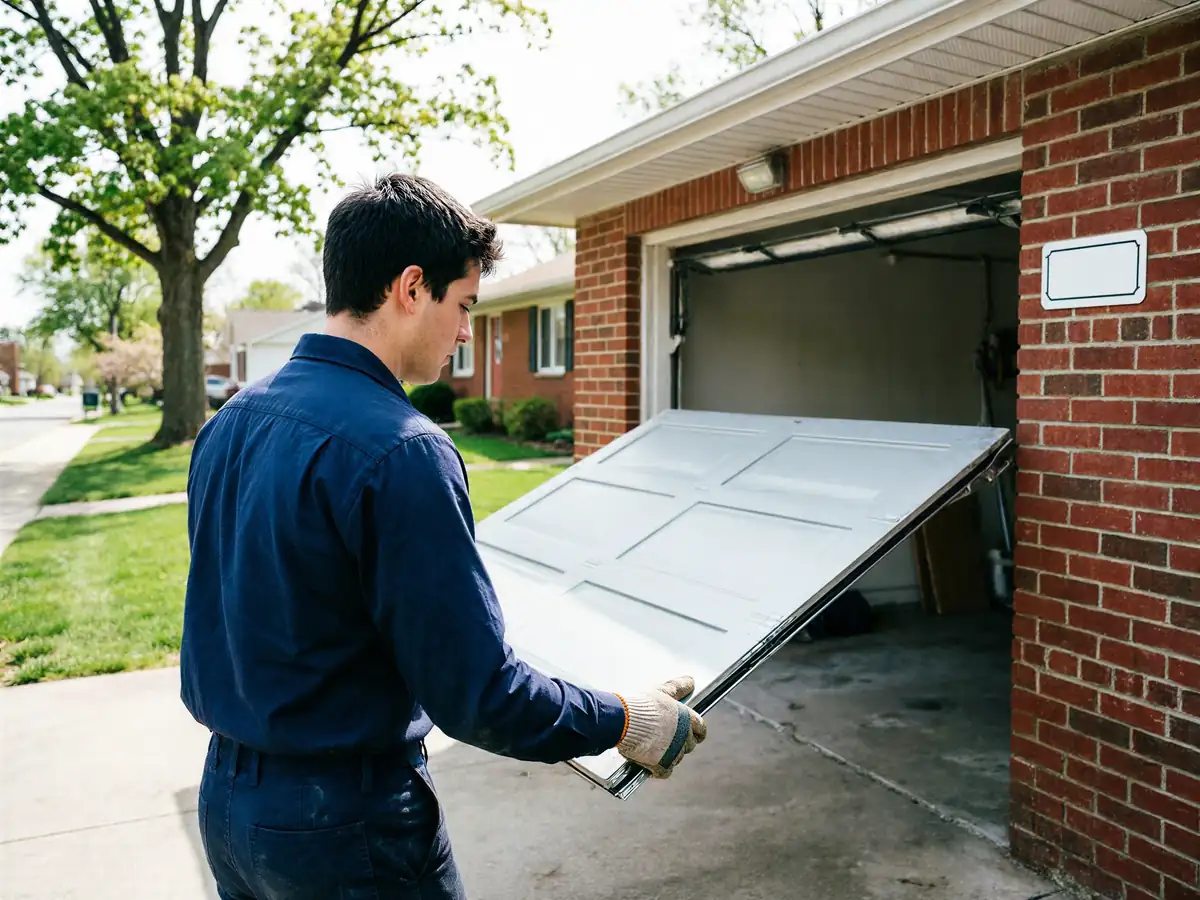
If the door still opens and closes under its own power and the cables look even on both sides, you can usually wait for a scheduled visit instead of calling it urgent. The exception is anything involving a bent track or a door that's come off one side of its hardware - that's not a wait-and-see situation regardless of the house's age. We'd rather tell you to hold off and save the trip fee than show up and tighten a bolt that didn't need it yet.
Where People Go Wrong
The most common mistake we see across the 195,121 households in our service area is treating the opener as the whole system
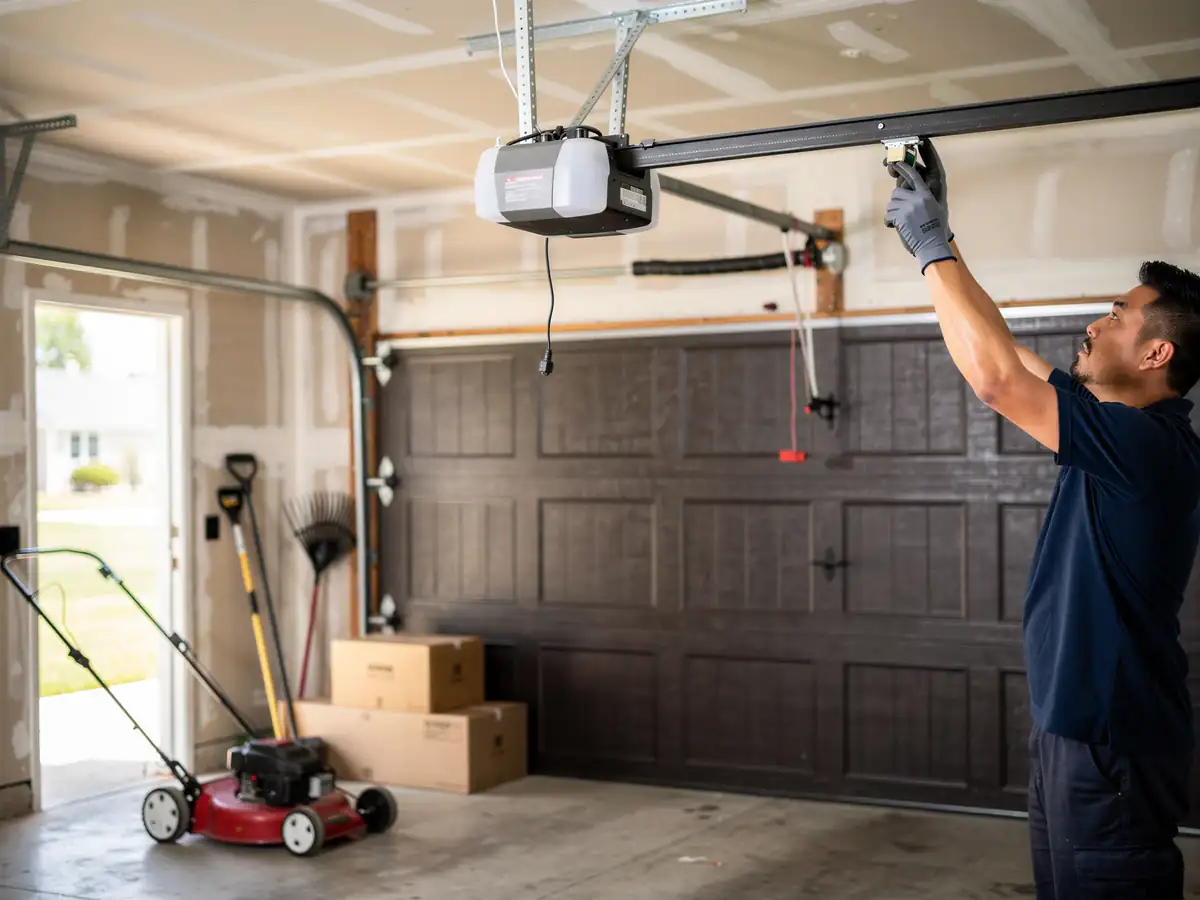
People replace a motor unit and expect it to fix a door that's actually dragging on worn rollers or pulling against a spring that's lost tension. In a region with this much pre-1980 housing stock, the mechanical parts underneath the opener are frequently the original ones, and they've outlived their rated cycle count by a wide margin.
- 195,121 households
The second mistake is skipping lubrication and balance checks because the door 'still works.' With 107,063 owner-occupied houses in this area
Many sitting on torsion hardware installed decades ago, a door that still works today can be one cold snap away from a snapped spring. We've also seen owners call for a second opinion after another company quoted a full door replacement for what turned out to be a single broken extension spring - replacement isn't always the fix, and we'll say so if a repair gets the job done.
- 107,063 owner-occupied
The Situation
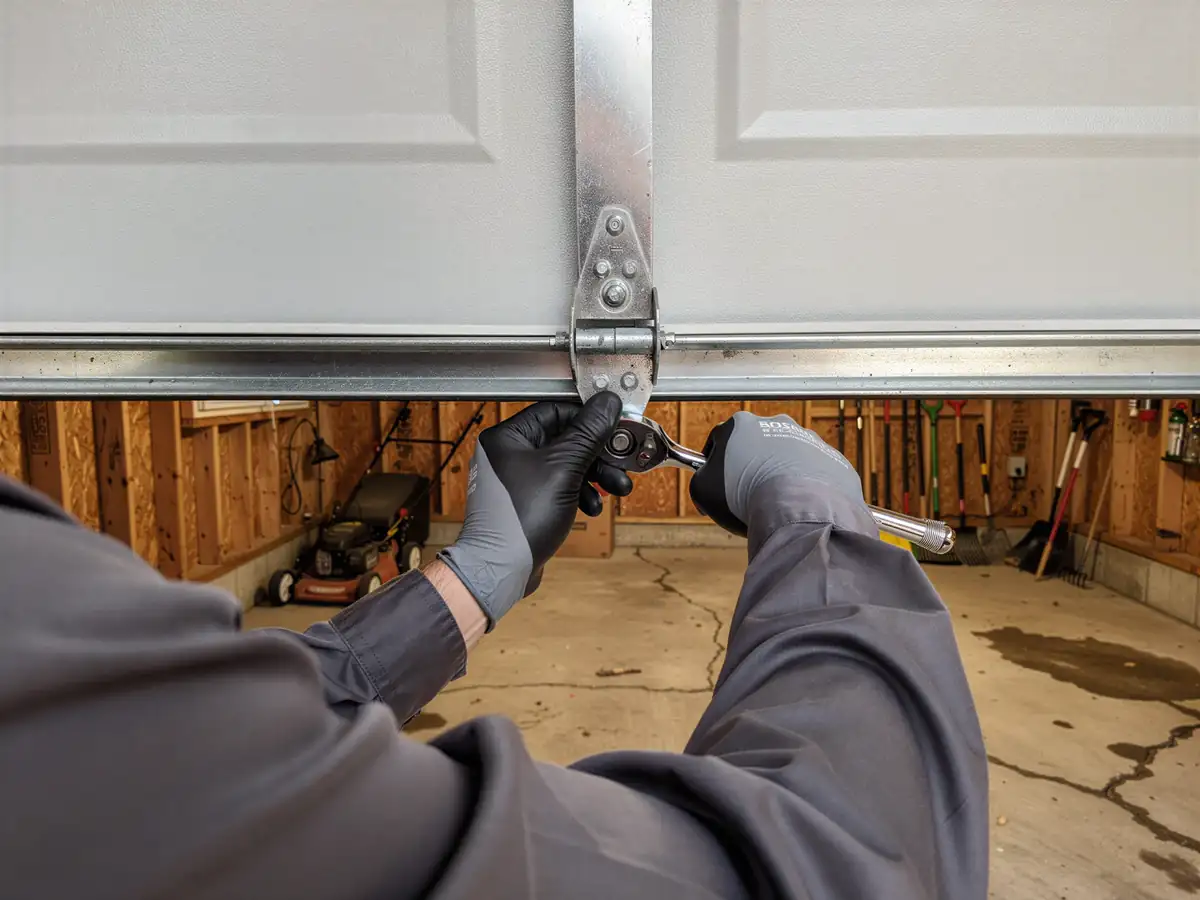
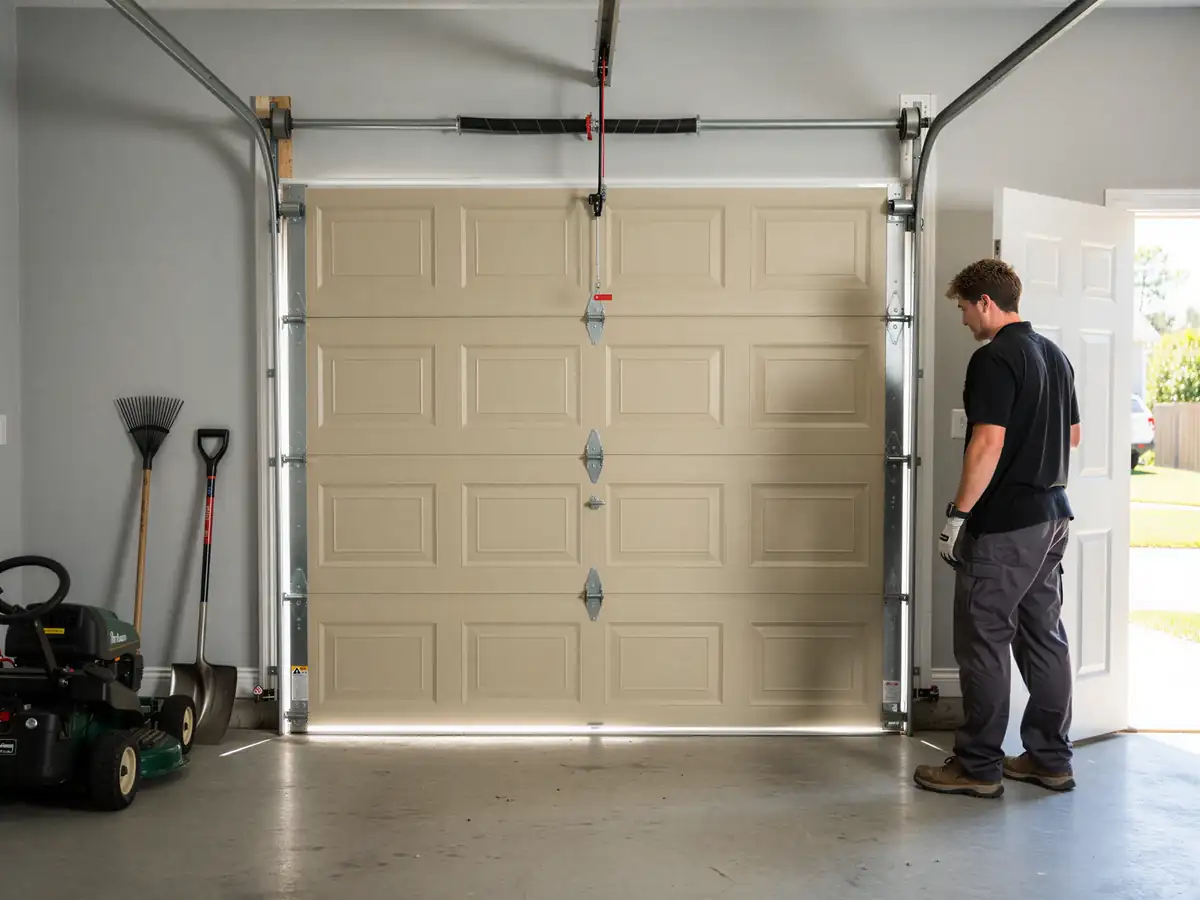
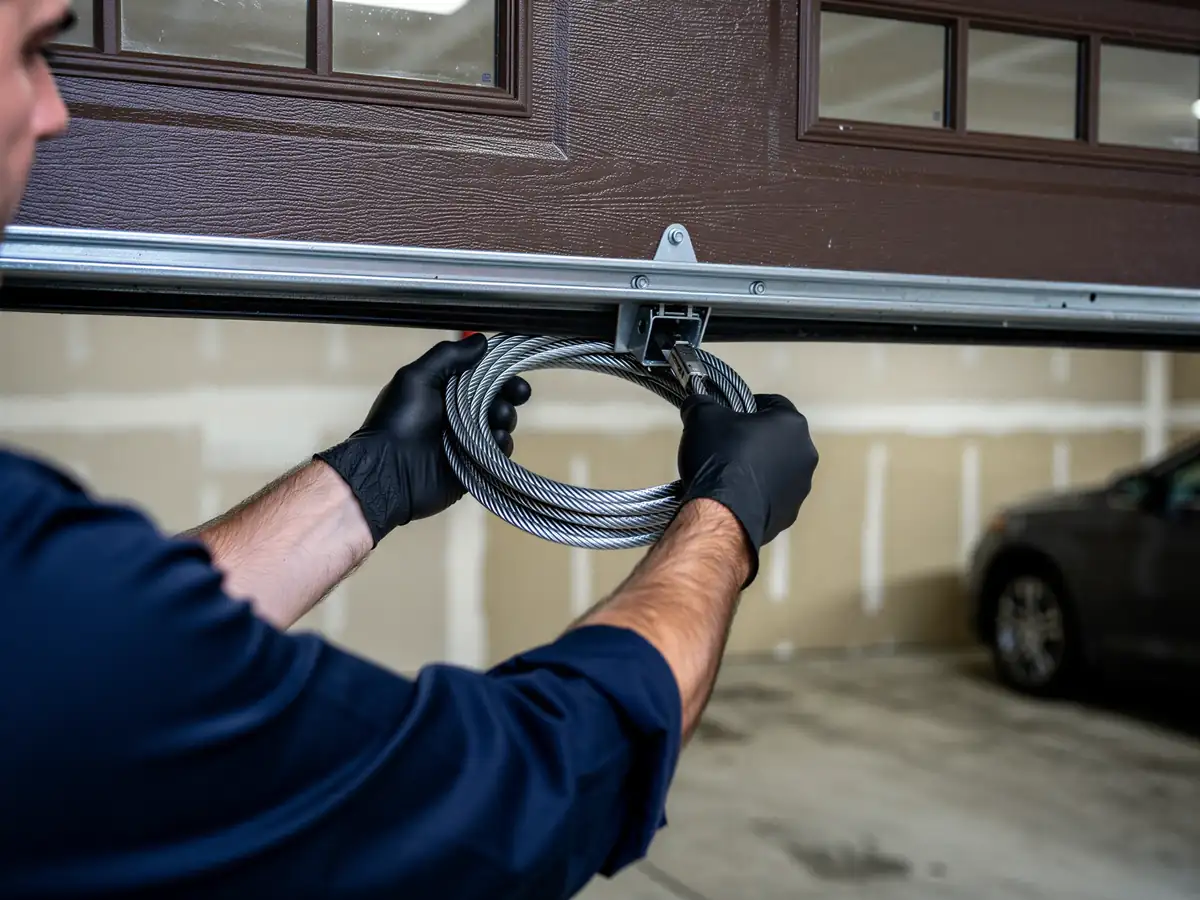
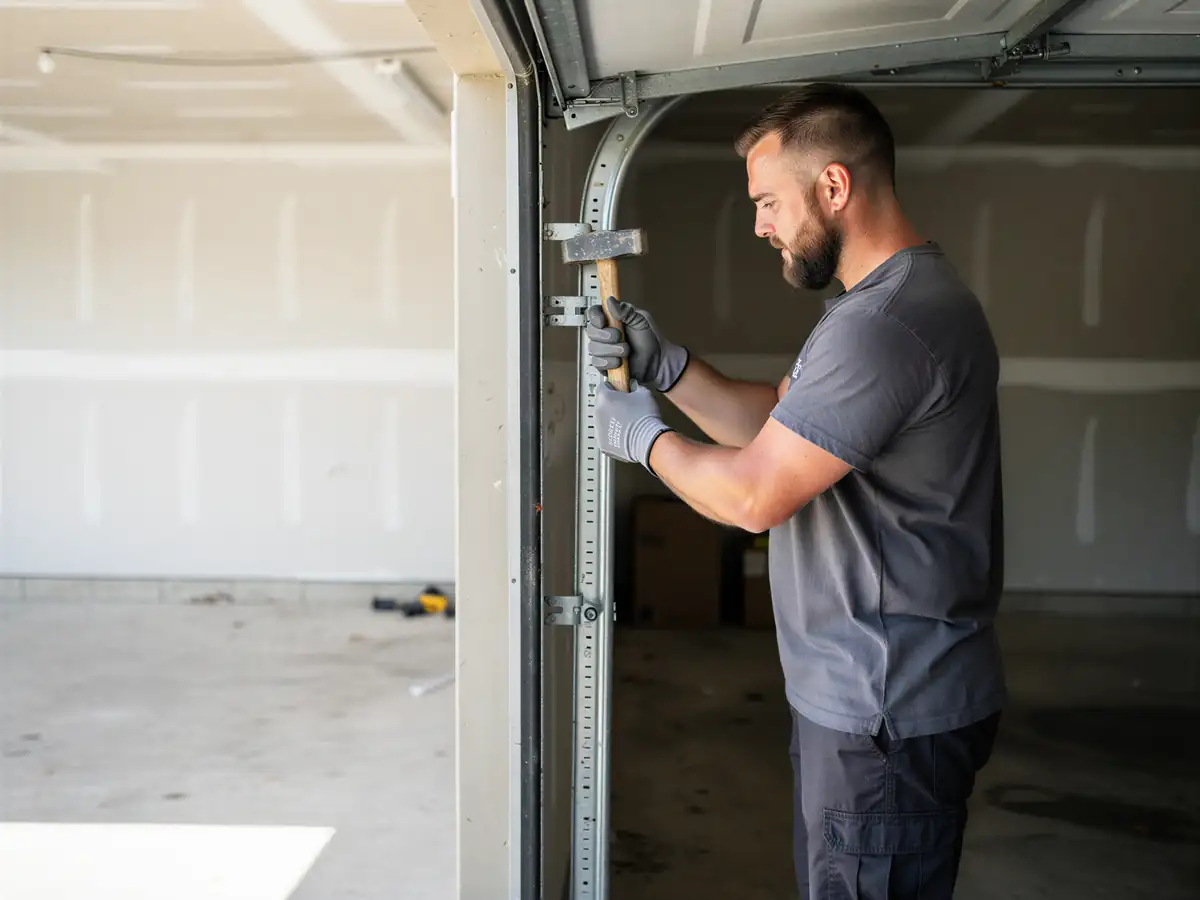
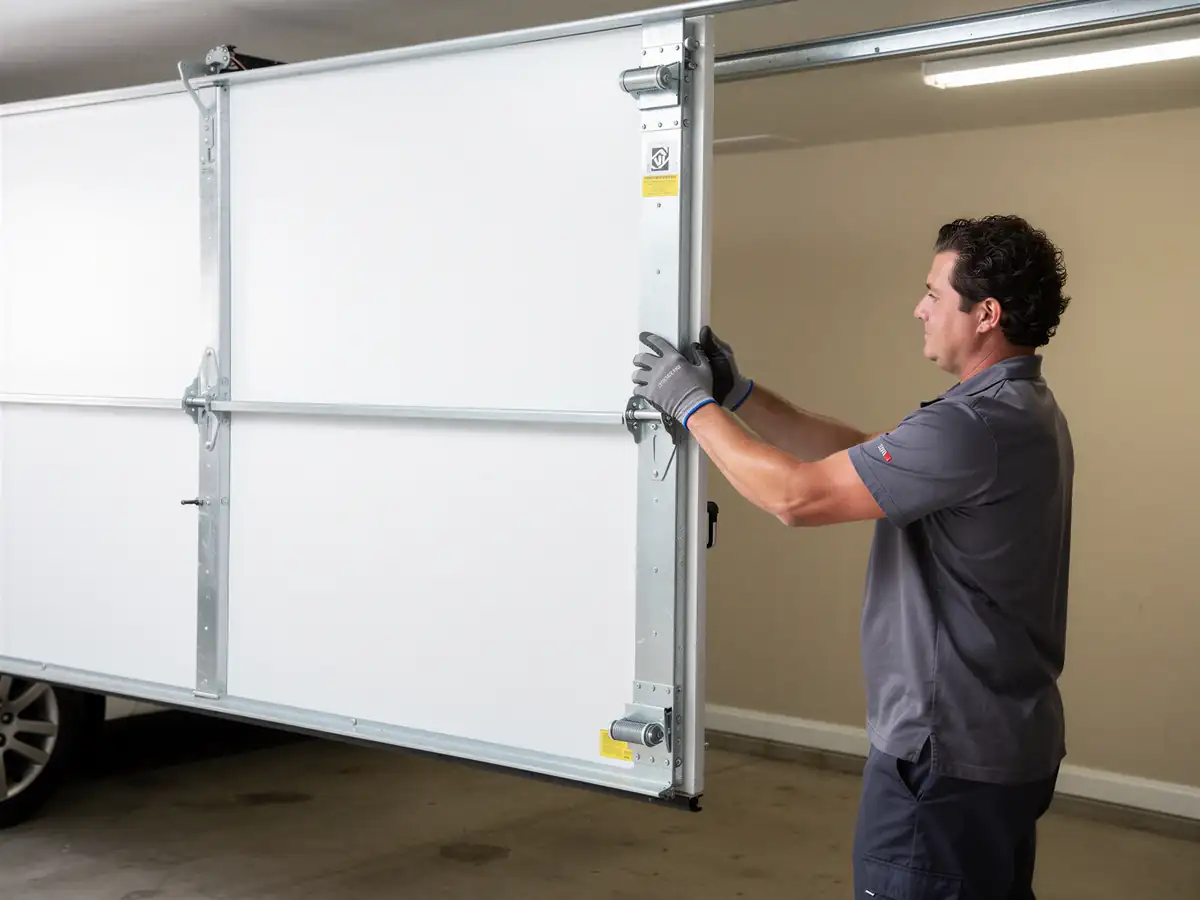
A service call here starts the same way every time: we check the spring tension and balance first, because that's the part that hurts someone if it's wrong. Then we look at the track alignment, the cable condition, and the rollers - on a house from the 1960s or 70s stock that makes up most of this market, that's usually where the wear shows up first, since the steel track and galvanized cable from that era weren't built for 50+ years of cycling.
After the mechanical check, we test the opener's force settings and safety reversal, and we look at the weatherstripping along the bottom panel and sides. Given the median household income of $80,612 across the area, most of our calls are repair-first, not sell-first - we fix what's broken and tell you honestly if the door's reached the point where parts cost more than a new unit. We don't carry every obsolete part for every original 1950s-era door, and we'll say that upfront rather than stall you with a special order you didn't ask for.
How Local Conditions Play In
This region sits in a severe cold climate band, and that changes what breaks and when. Steel contracts in cold weather, which tightens tolerances on tracks and rollers that were already worn from decades of use. We see more spring failures and opener strain in the first hard cold stretch of the year than at almost any other time, especially on doors original to the 1952-2004 building period that makes up most of the stock here.
Across the 42 named areas we cover - from Downtown out to places like Tallmadge, Barberton, and Stow - the pattern holds regardless of neighborhood: older torsion springs lose tension gradually, then fail suddenly once the cold adds load. A service call in winter always includes a spring tension check for that reason, even if that's not what you called about. If your door is still running on original 1970s-era hardware, that's worth mentioning when you book, so we bring the right spring stock on the truck instead of making a second trip.