Where This Job Goes Sideways
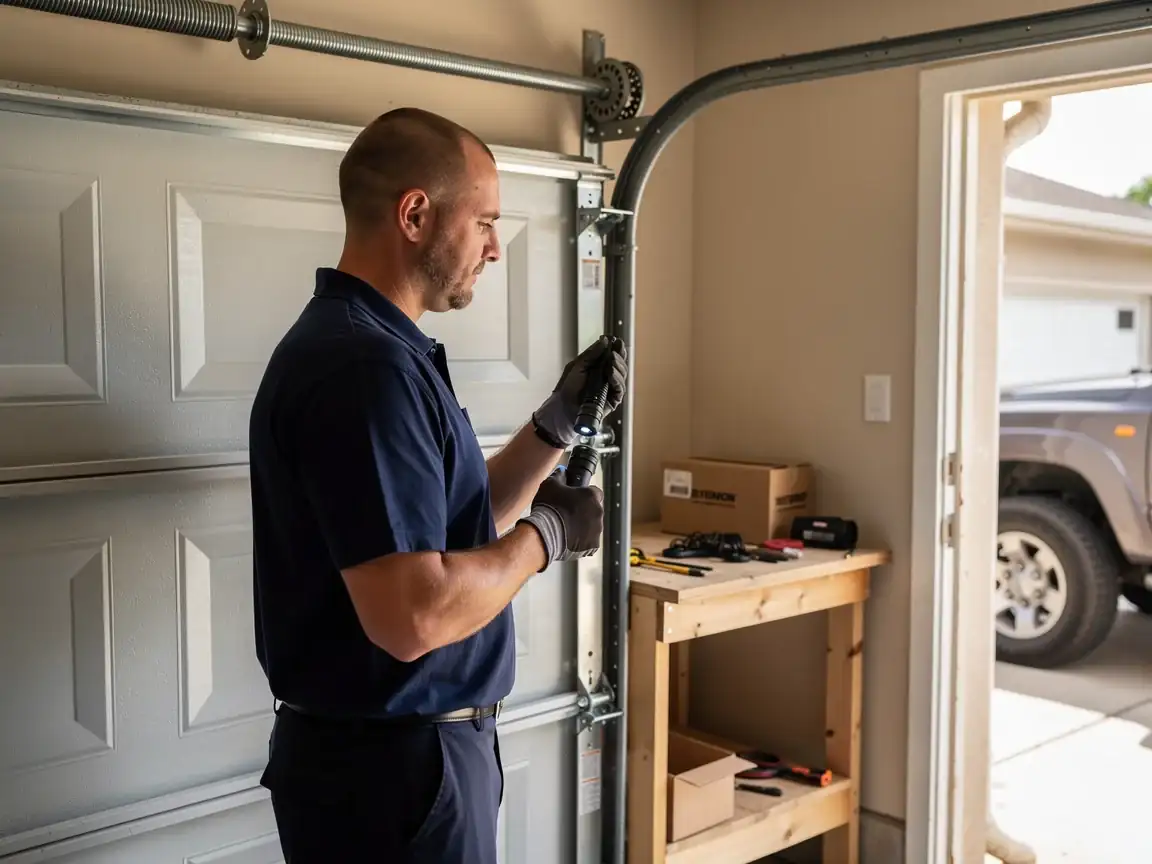
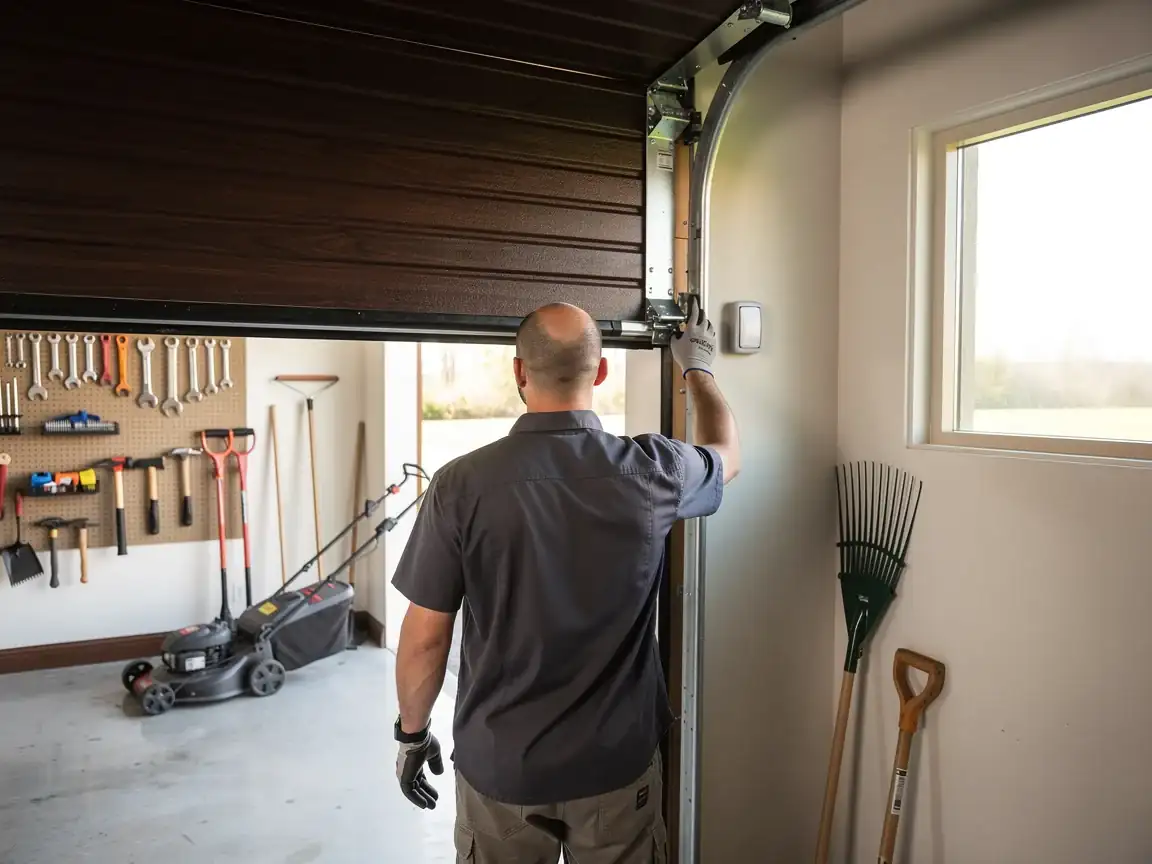
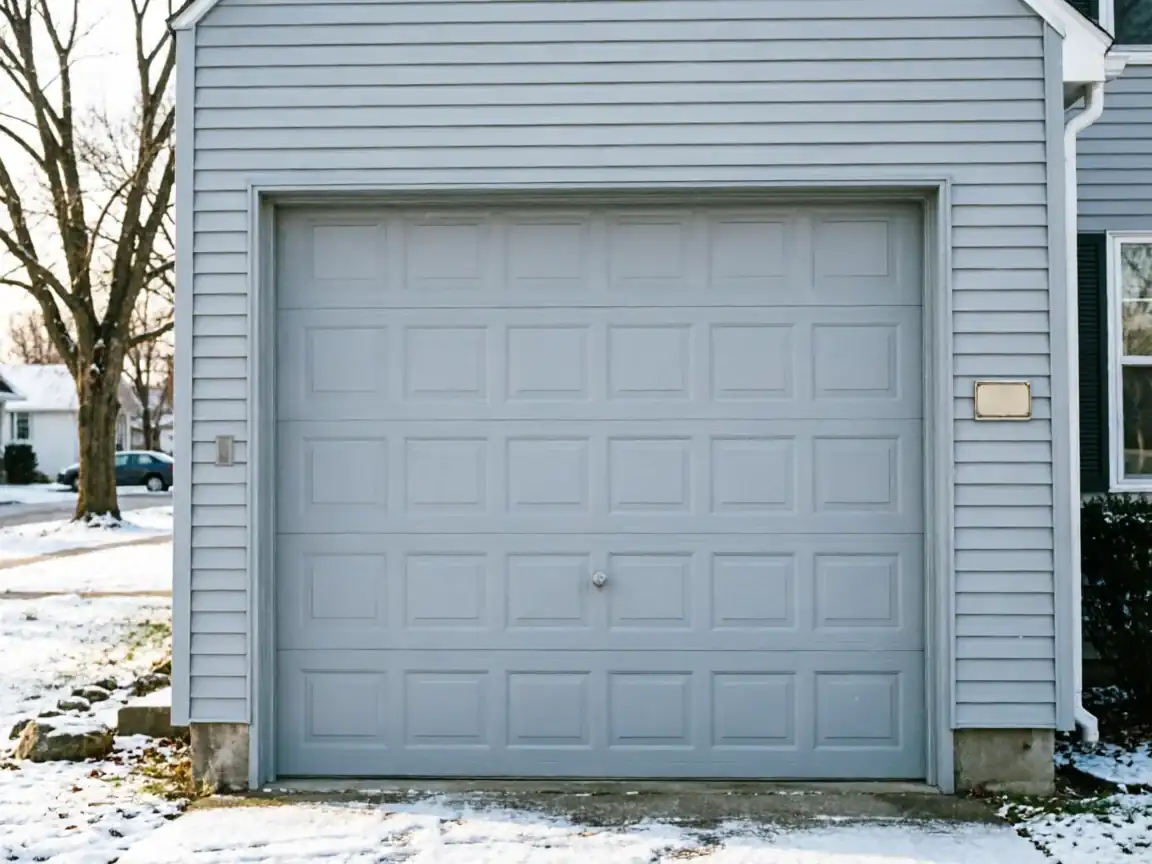
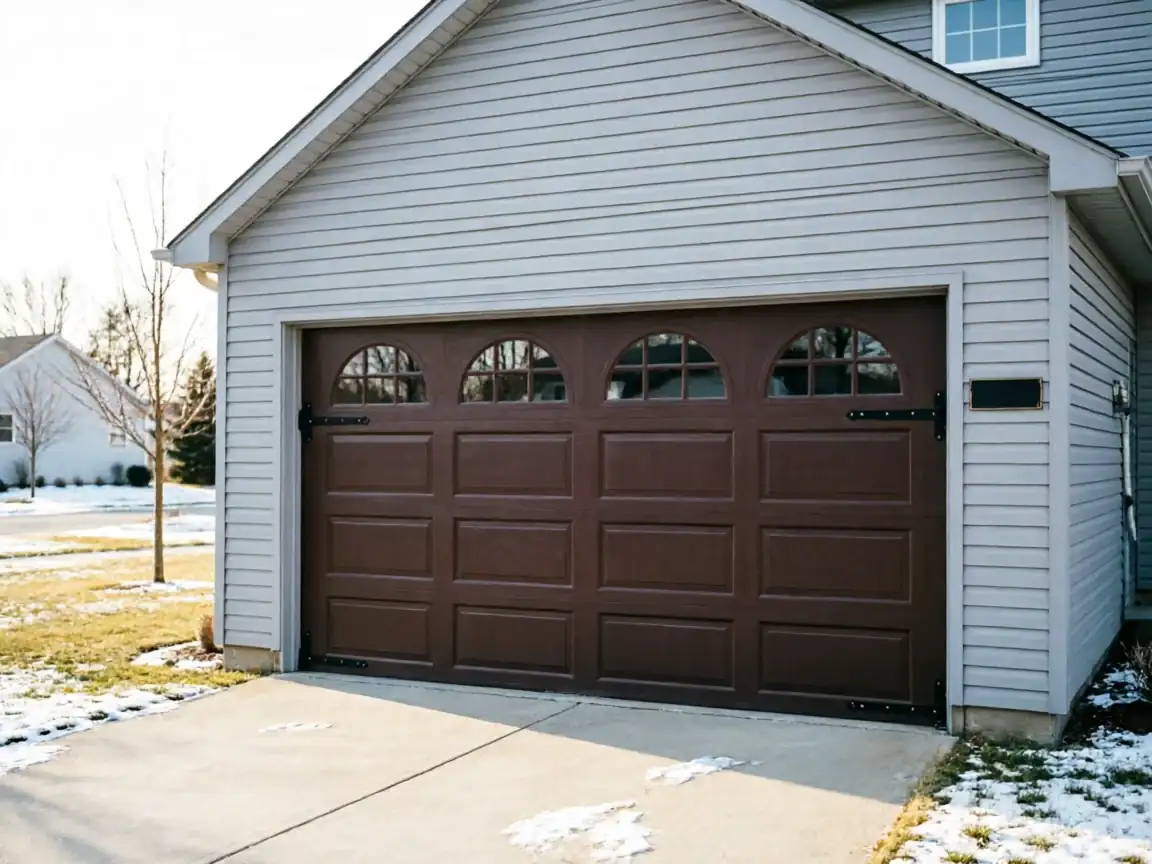
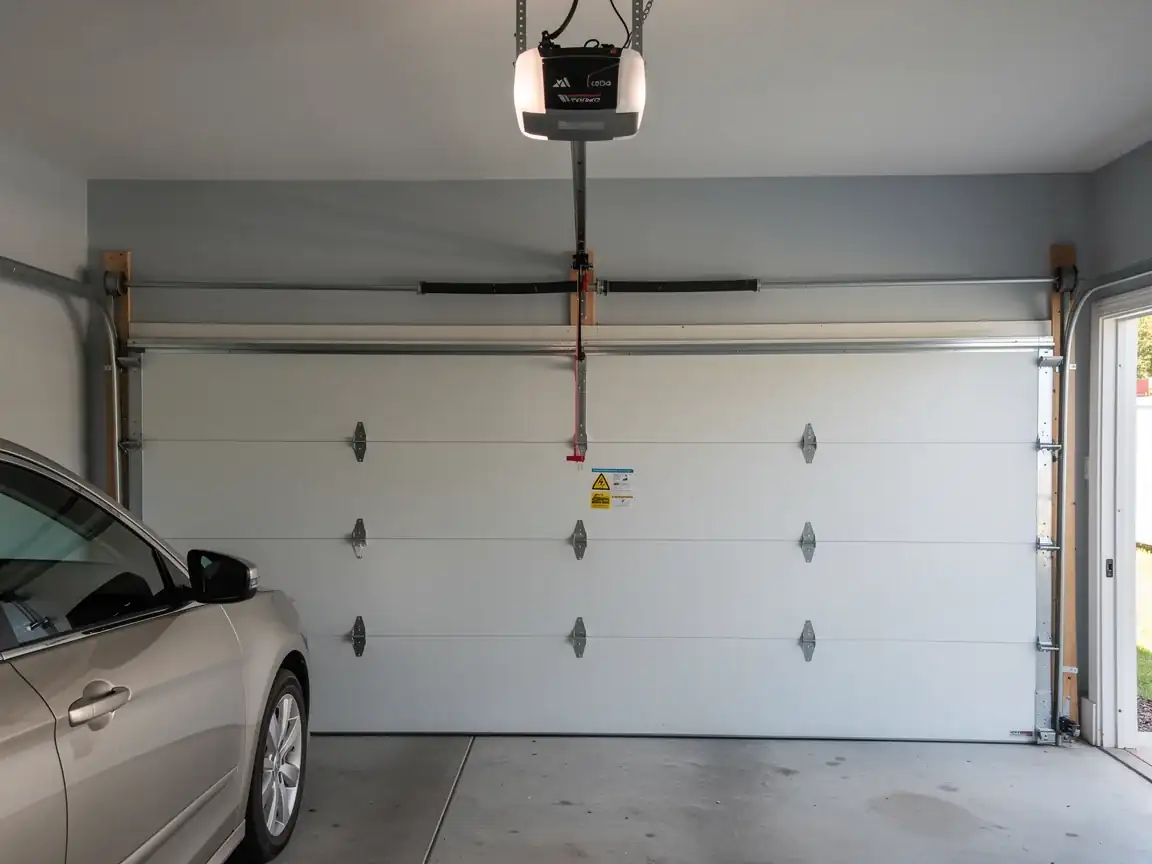
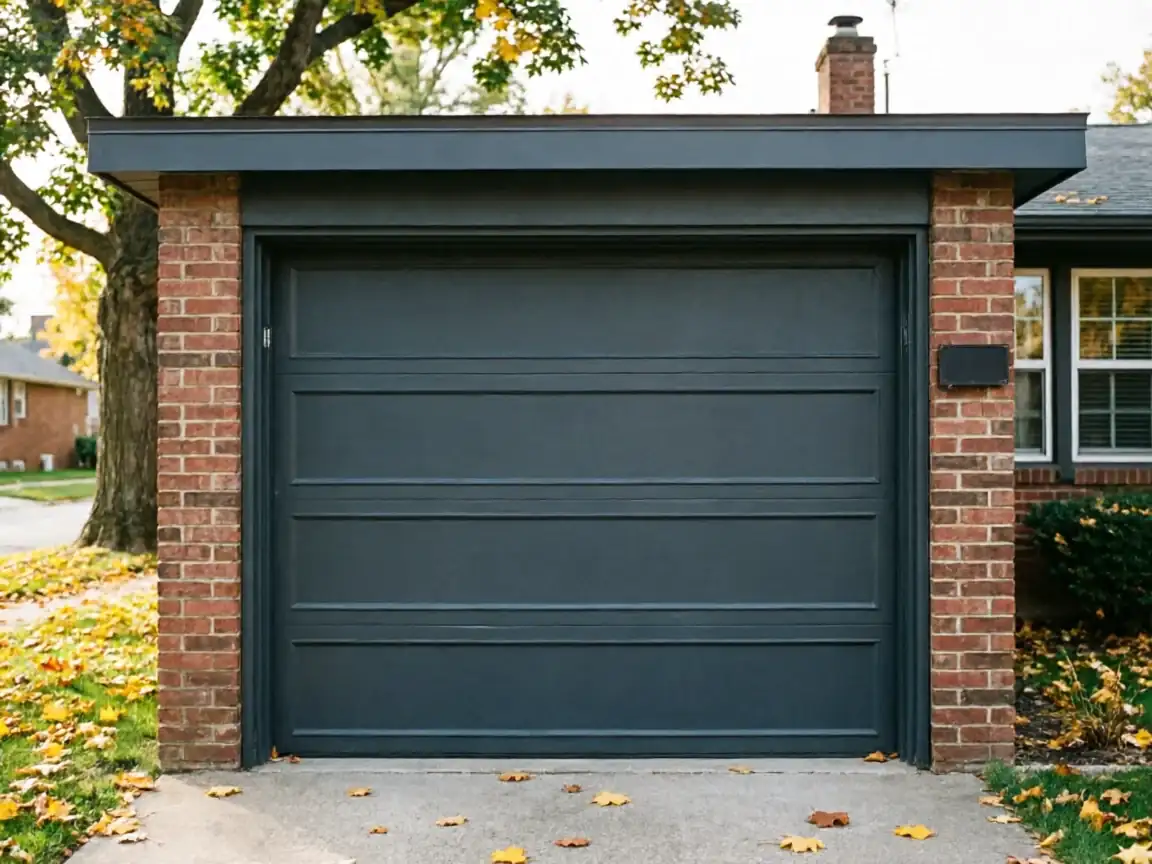
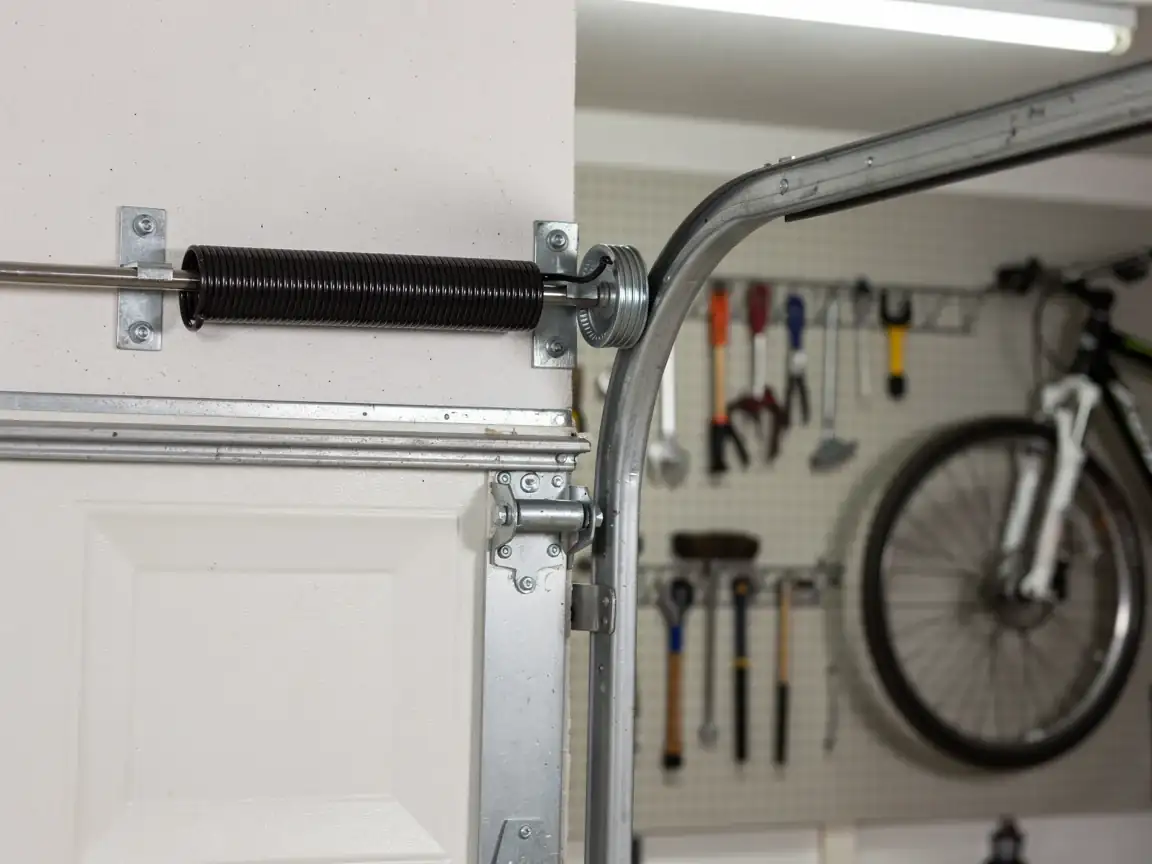
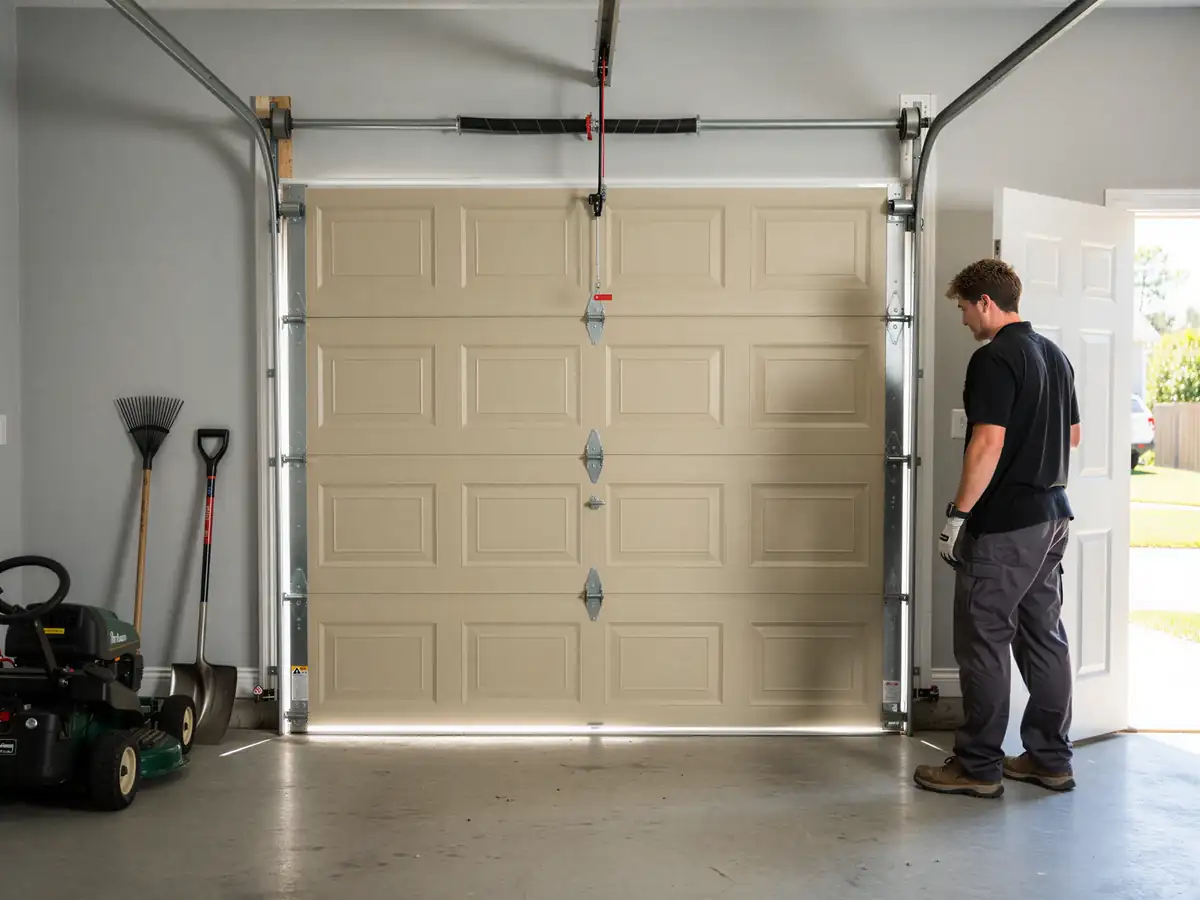
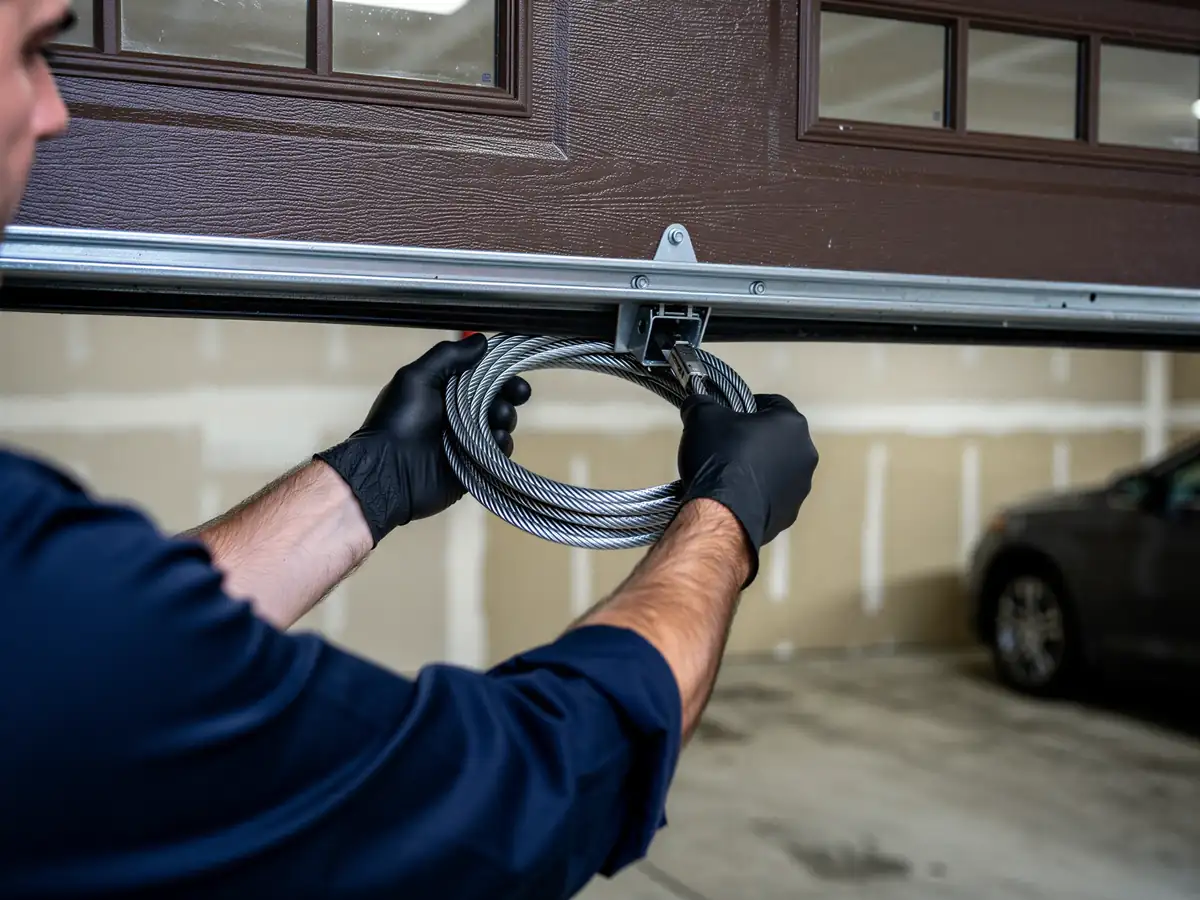
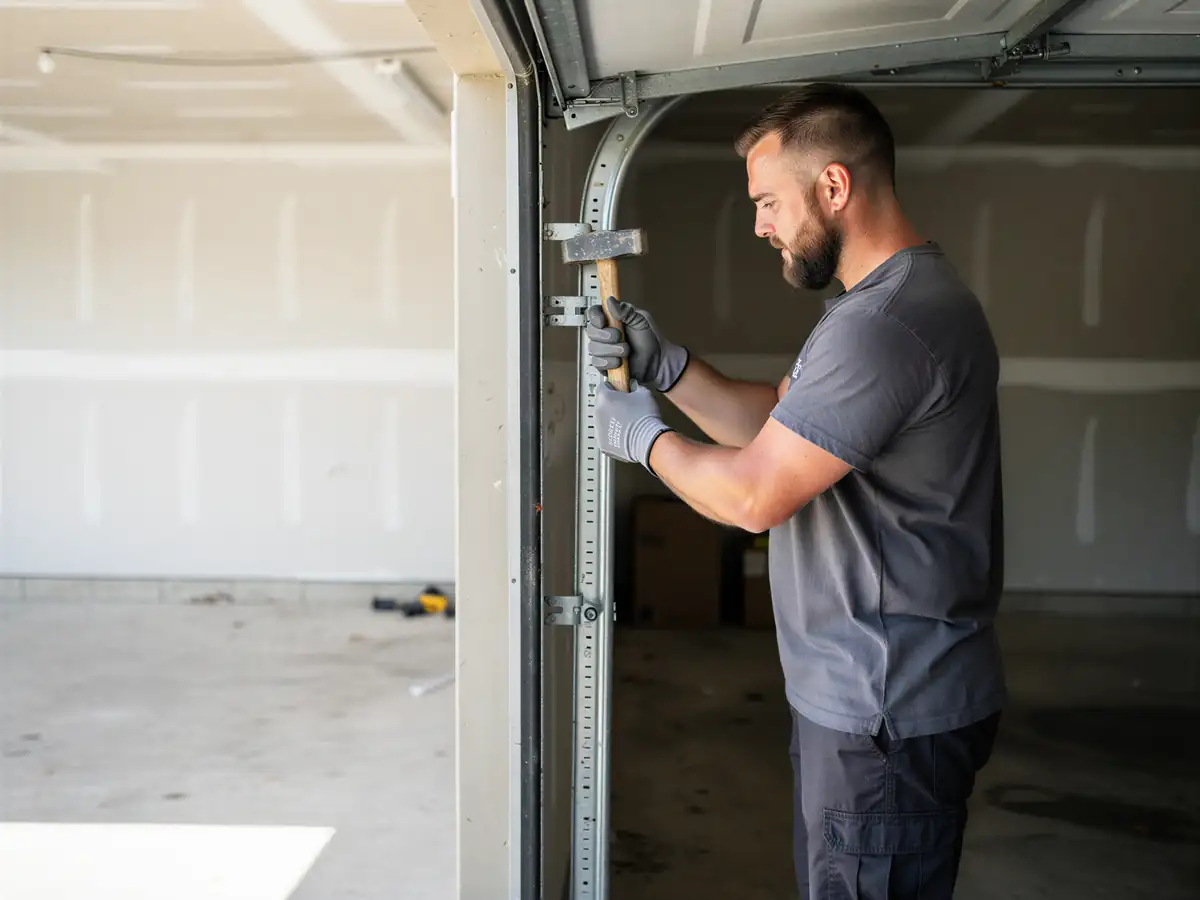
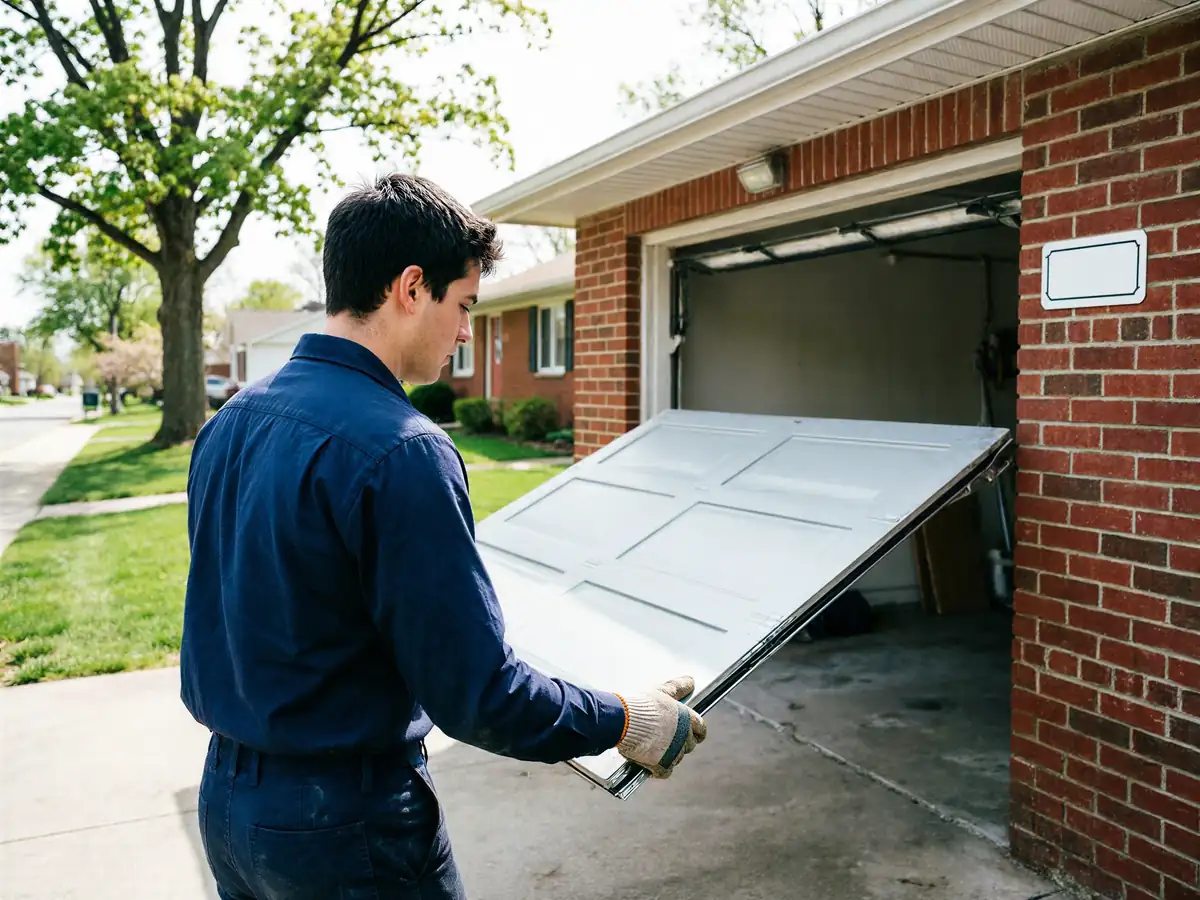
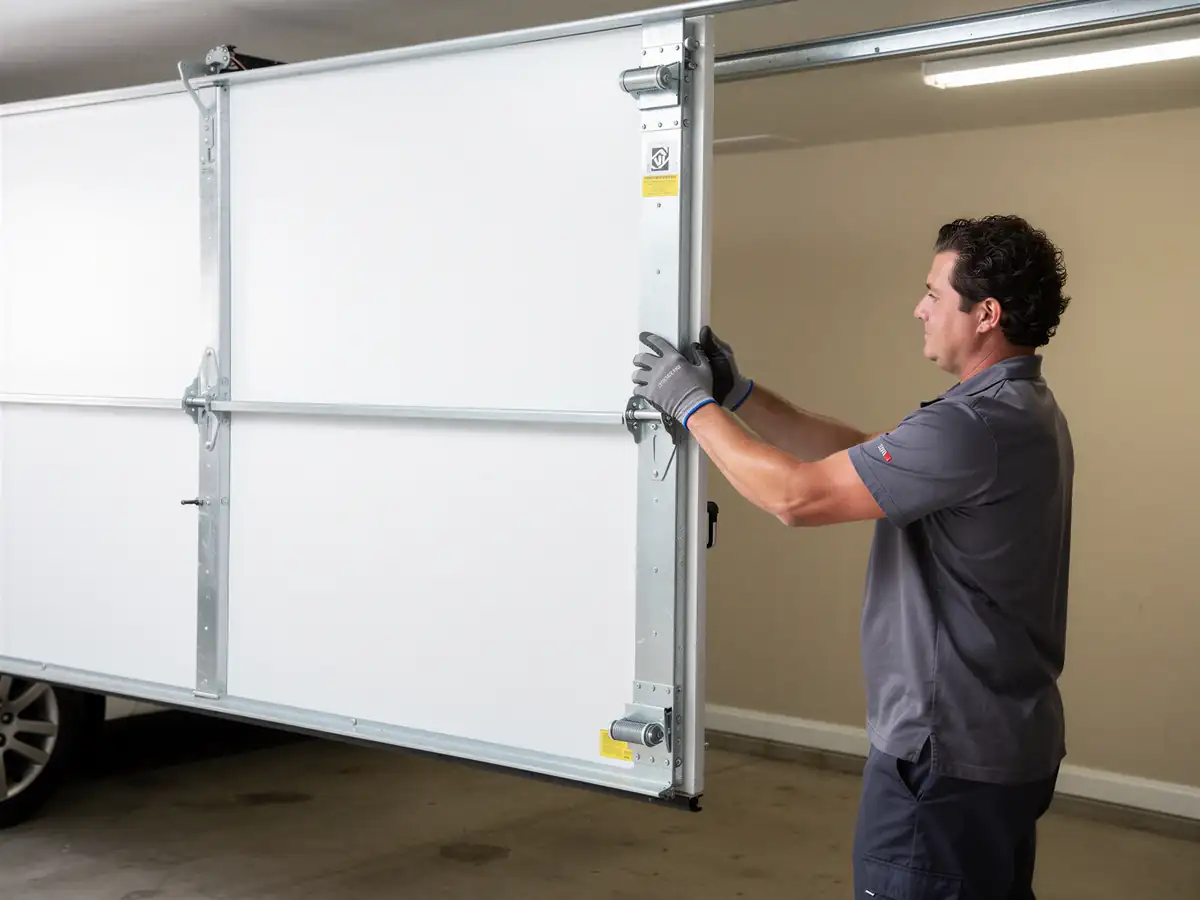
Most of the garage doors we find in Kent are the same age as the houses around them - built somewhere close to 1970, single-layer steel or wood-panel doors sized for the one-car and two-car garages that went up through the 60s and 70s. Those doors were built to be lifted by hand or with a basic chain-drive unit bolted onto framing that was never engineered to carry a motor. The job goes sideways right at the header: the wood up there has often shrunk or split over fifty-plus years, and the lag bolts that held a hand-pull latch won't hold an opener bracket under repeated torque. We've also seen doors from this era with no reinforcement strut at all, which means the opener pulls on sheet steel instead of a rail. You can mount a new opener on old iron, but if the header or the top panel isn't sound, the opener will rack the door, strip the bracket, or both within a season. The fix sometimes means reinforcing the header before the opener goes in, which isn't part of a standard install quote until someone's actually looked at the door.
Time on the Job
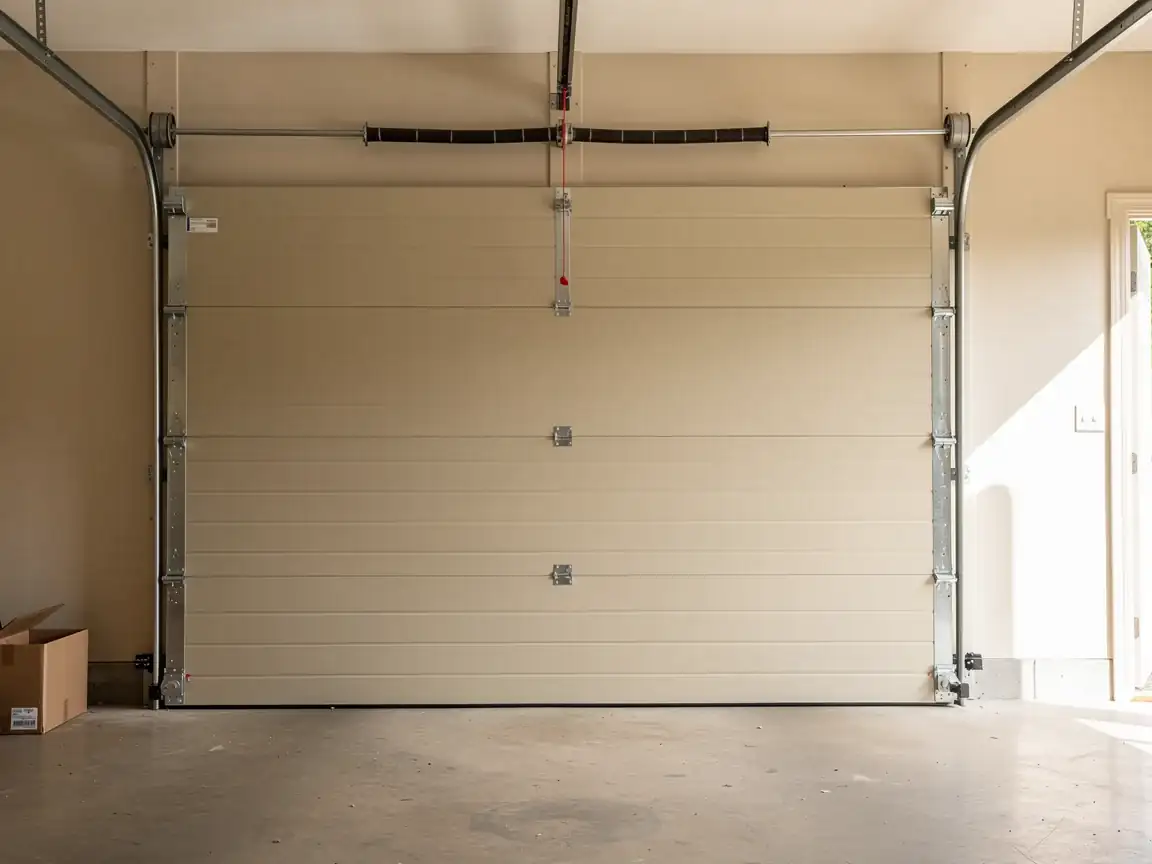
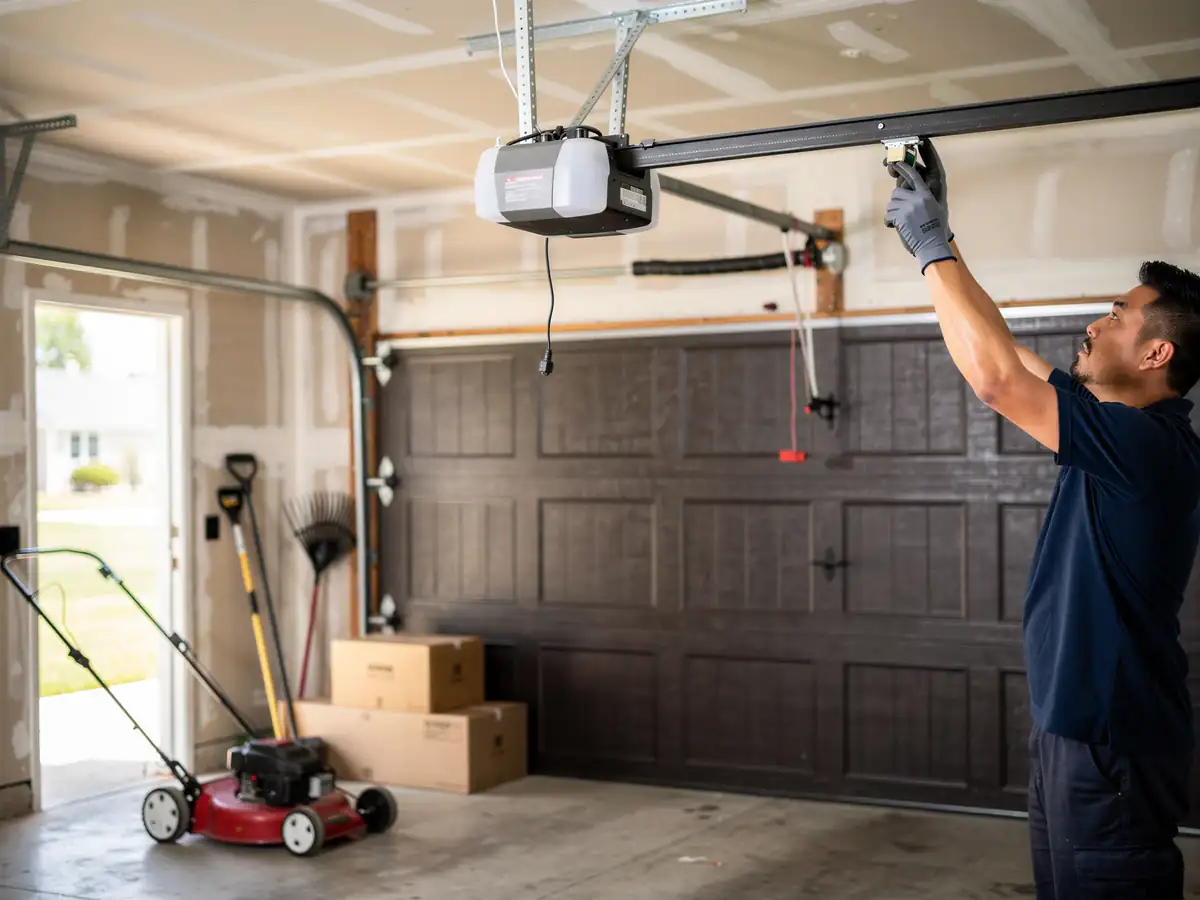
A clean opener install on a door that's already reinforced and tracked correctly doesn't take long. A door from Kent's housing stock, going up when the median build year here lands around 1970, is less predictable - once the opener bracket goes on and we find the header's soft or the track's bent from decades of hand use, the job runs longer than a straight swap. We won't know which version of the job it is until the door's open and the header's in hand. That's the honest limitation: we can quote the opener, we can't promise the clock until we've seen what's holding the door up.
Why This Fails Locally
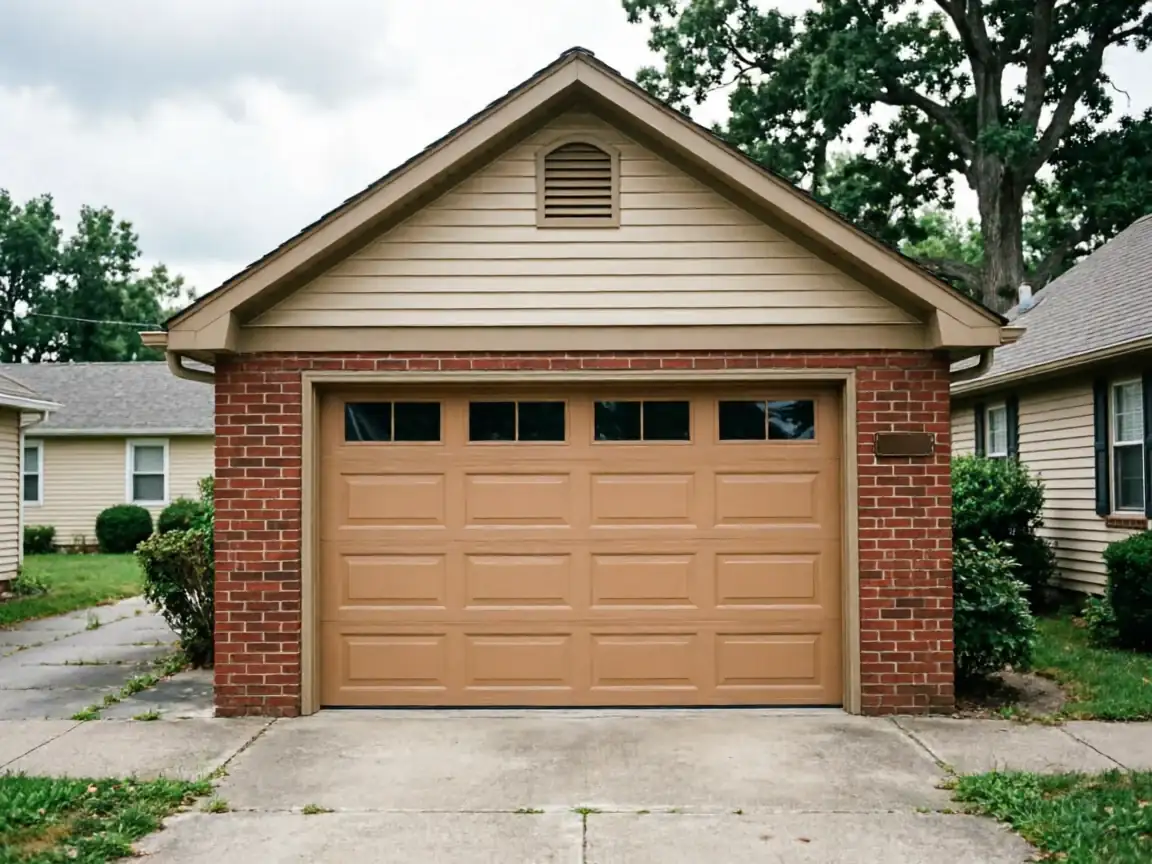
Kent sits about 10 miles from Akron, which doesn't change the physics of the door, but it does mean every job out here starts with a drive, not a walk from a local branch. The deeper issue is the housing itself: a town built out mostly in the 1970s, with roughly 10,180 households now, has a lot of original garages that were never retrofitted for an automatic opener and never updated when openers became standard. Add the region's cold, severe winters and you get wood headers that have swelled and dried every season for fifty years - the kind of movement that loosens lag screws slowly enough that nobody notices until the opener yanks the bracket loose. That's a local-era problem, not a general garage door problem; a door built in 2004 under current code doesn't have the same header.
The DIY Question
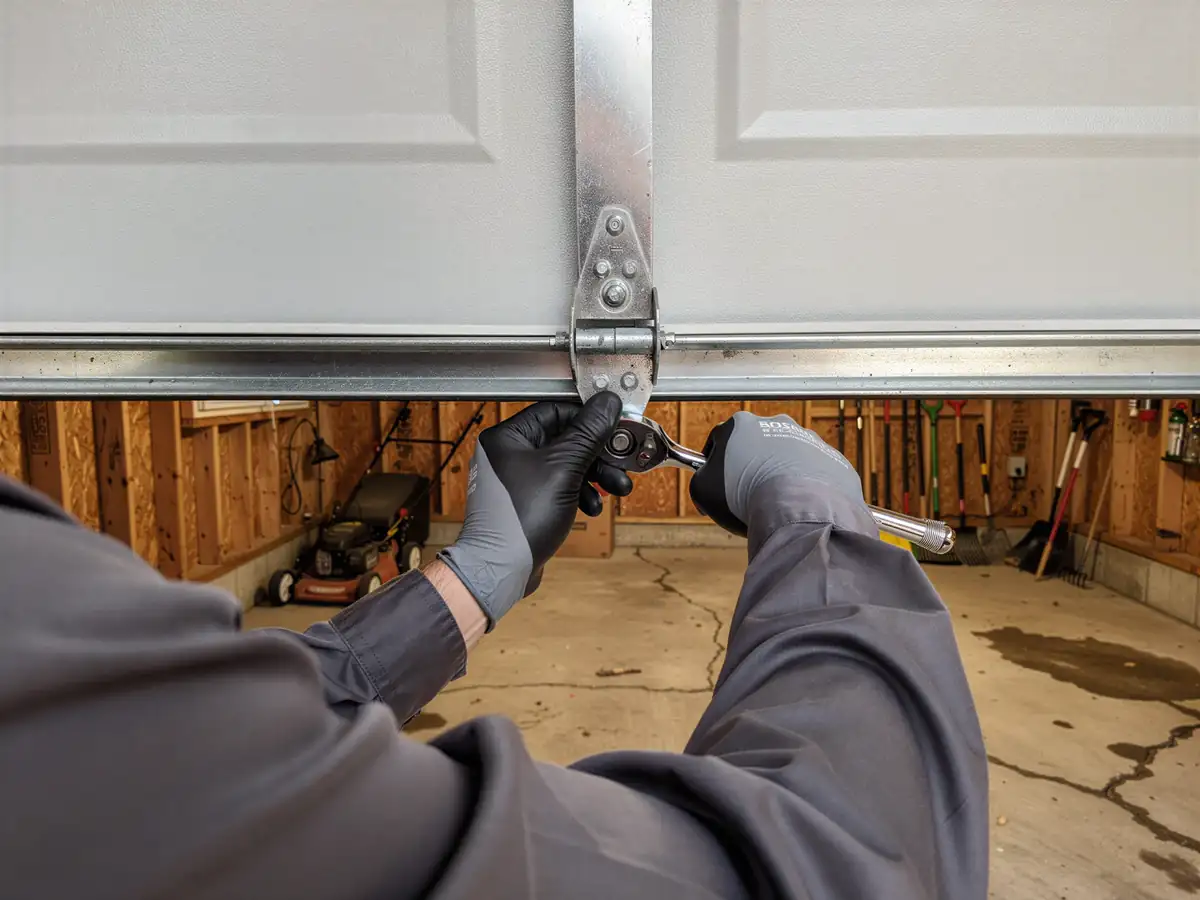
A boxed opener kit from a hardware store will bolt onto most doors, and if your garage was built or re-framed after 2000 with a proper reinforced top section, that might be a fair weekend project. On a door from Kent's older stock - 1970-ish build, original header, no strut - we'd rather you not find out the hard way that the bracket wasn't rated for the wood it's screwed into. We're not going to tell you every install needs a pro; some genuinely don't. But if you don't know whether your door has a reinforcement bracket already, that's worth a look before you buy the kit, not after it's half-installed.