Serving Akron, OH & nearby
(330) 902-8513
Akron, OH

Why a Garage Door Goes Off Track Around Akron

Akron's housing stock runs 1952-2004, with most of it built in the 1960s and 70s on tracks never designed for a severe cold climate. Here's why doors jump rail.

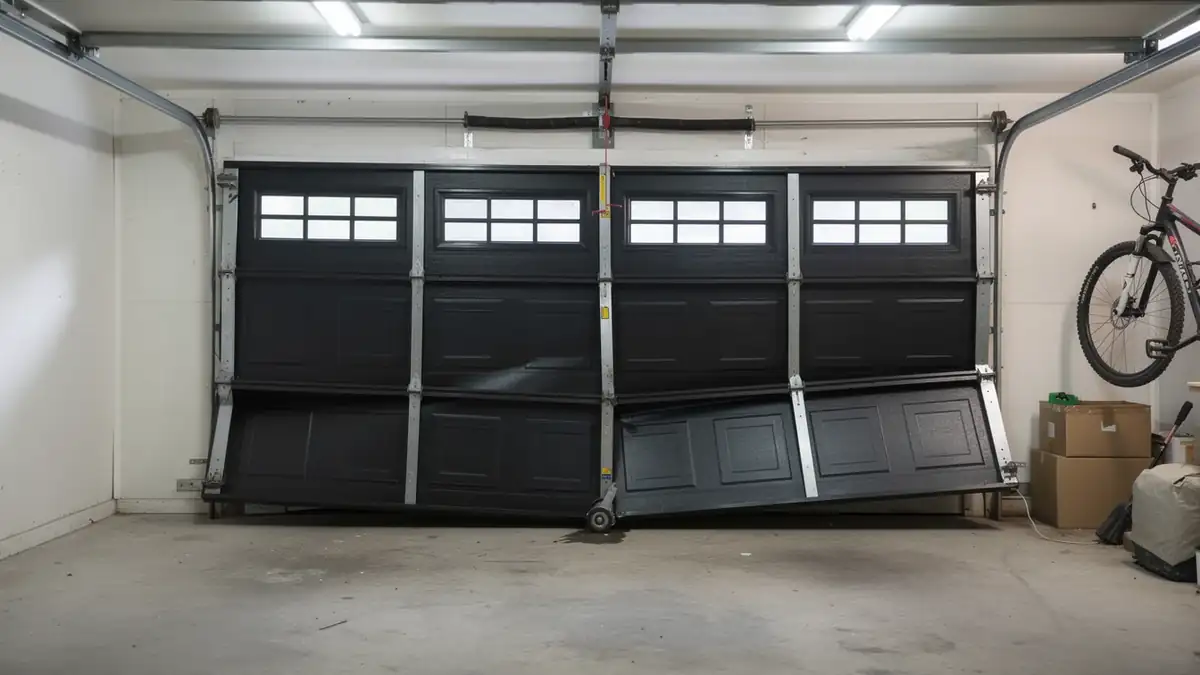
A black garage door with windows is broken and hanging crookedly.

When Waiting Is Fine

Not every bent roller means the door is about to jump the rail. If a door still opens and closes smooth, rolls quiet, and sits level when it's down, a little surface rust on the track or a roller that chatters once in a while isn't an emergency. On the older housing stock we see a lot of here - built anywhere from 1952 up through 2004, with the median landing around 1972 - track brackets loosen gradually over decades of freeze and thaw. If the door still tracks true, you can leave it until your next seasonal check rather than call it in as urgent.

What you shouldn't wait on is a door that's already started to lean in the opening, or one where you can see daylight between a roller and the track on one side. That gap only grows. And if the door came off track once already and someone just muscled it back on without checking the bracket bolts, that's not a fix - that's a second call waiting to happen. The difference between "fine to wait" and "get it looked at" usually comes down to whether the door is still square in the opening.

Where People Go Wrong

  1. The most common mistake we see on calls across this area is someone trying to force a door back onto the track by hand after it's already jumped

    A door under spring tension that's come off a roller can snap back hard, and the track itself often gets bent in the process - which means the fix goes from a bracket tightening to a track replacement. Given how much of the housing here dates to the 1960s and 70s, a lot of these doors are also still running original or first-generation hardware, so a bent track section can be tough to match without ordering the part.

  2. The second mistake is ignoring one bent hinge or a single track bracket that's pulled slightly loose from the jamb

    On a door built to the specs common in homes from this era, the whole track system is only as straight as its weakest bracket. One loose lag bolt lets the rail flex every time the door cycles, and a flexing rail eventually walks a roller right off the edge. We'd rather tighten four bolts on a service call than replace a track section six weeks later.

The Situation

A door goes off track almost always for one of three reasons: a bent track, a broken or badly worn roller, or a bracket that's worked loose from the framing. In housing built between 1952 and 2004 - which describes most of what's around here - the track brackets are typically lagged into wood framing that's had fifty-plus years to dry, shrink, and move. That movement alone is enough to walk a bracket out of alignment, even with zero impact damage.

The other driver is simple wear. A steel roller on a door that's cycled twice a day for forty-plus years has put a lot of miles on cheap bearings. Once a roller seizes or flat-spots, it doesn't roll through the curve at the top of the track anymore - it catches, and the door jumps. On homes from the 1972 median build year specifically, we're often dealing with the original track gauge, which runs lighter than what gets installed today. Lighter gauge bends easier under the same stress.

How Local Conditions Play In

This area sits in a severe cold climate band, and that matters more for tracking problems than people expect. Steel track contracts in deep cold, and the bolts holding brackets to the jamb are doing that same expansion-and-contraction cycle every winter, year after year. On a bracket that's already a little loose from age, a hard cold snap is often what finally lets it slip far enough to throw the roller off the rail. That's why off-track calls cluster in the cold months here rather than spreading evenly across the year.

The moisture side matters too. Cold-climate winters mean road salt and slush getting tracked into garages, and that corrodes roller bearings and track hardware faster than dry storage would. A roller that's rusted stiff doesn't glide through the curved top section of the track - it drags, and a dragging roller is a roller that eventually pops loose. If your garage sits on a slab that holds damp through winter, that corrosion runs faster than in a drier bay.
How it works

From “it’s stuck” to “it’s fixed”

A quick, honest process - no guesswork and no surprises.

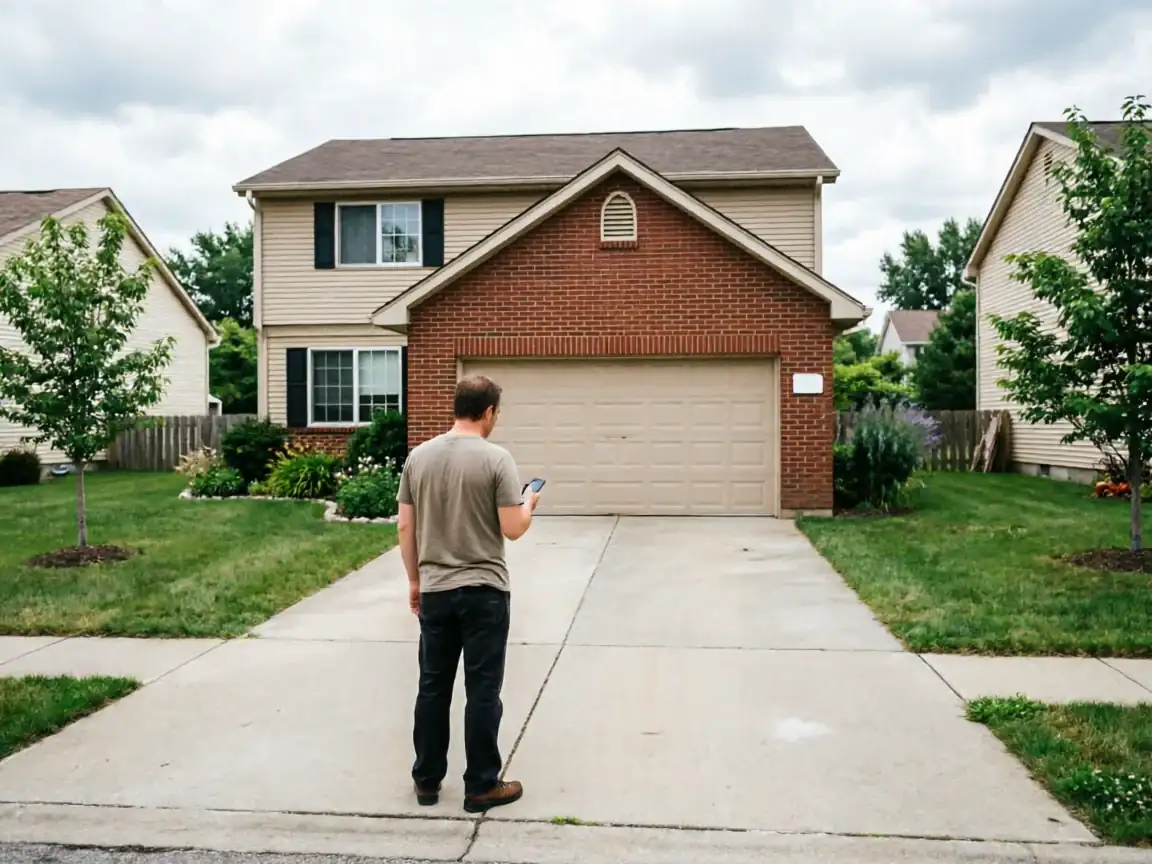
  1. A man stands in a driveway looking at his phone in front of a house.
    1

    Tell us what’s wrong

    Describe the symptom - won’t open, loud bang, opener runs but the door won’t move.

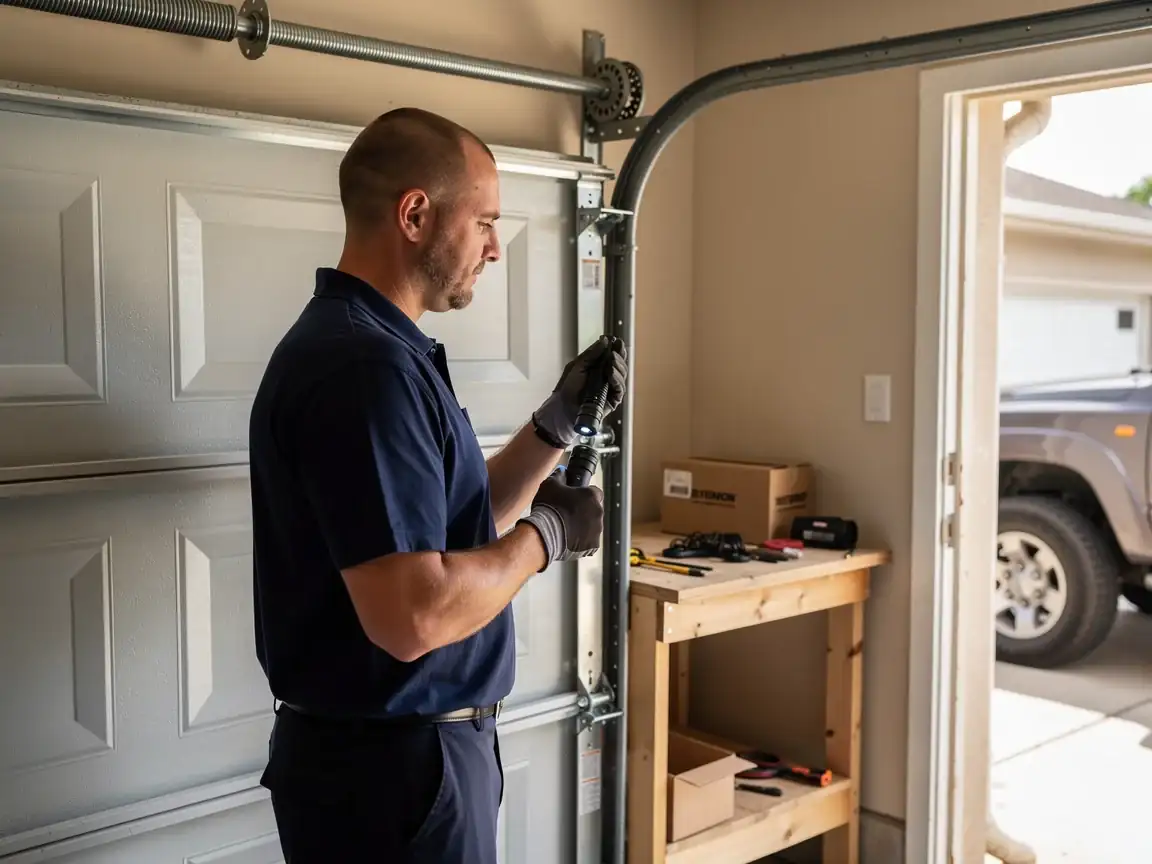
  2. A technician in gloves holds a flashlight next to a white garage door.
    2

    On-site diagnosis

    A technician tests the door under power and by hand and finds what actually failed.

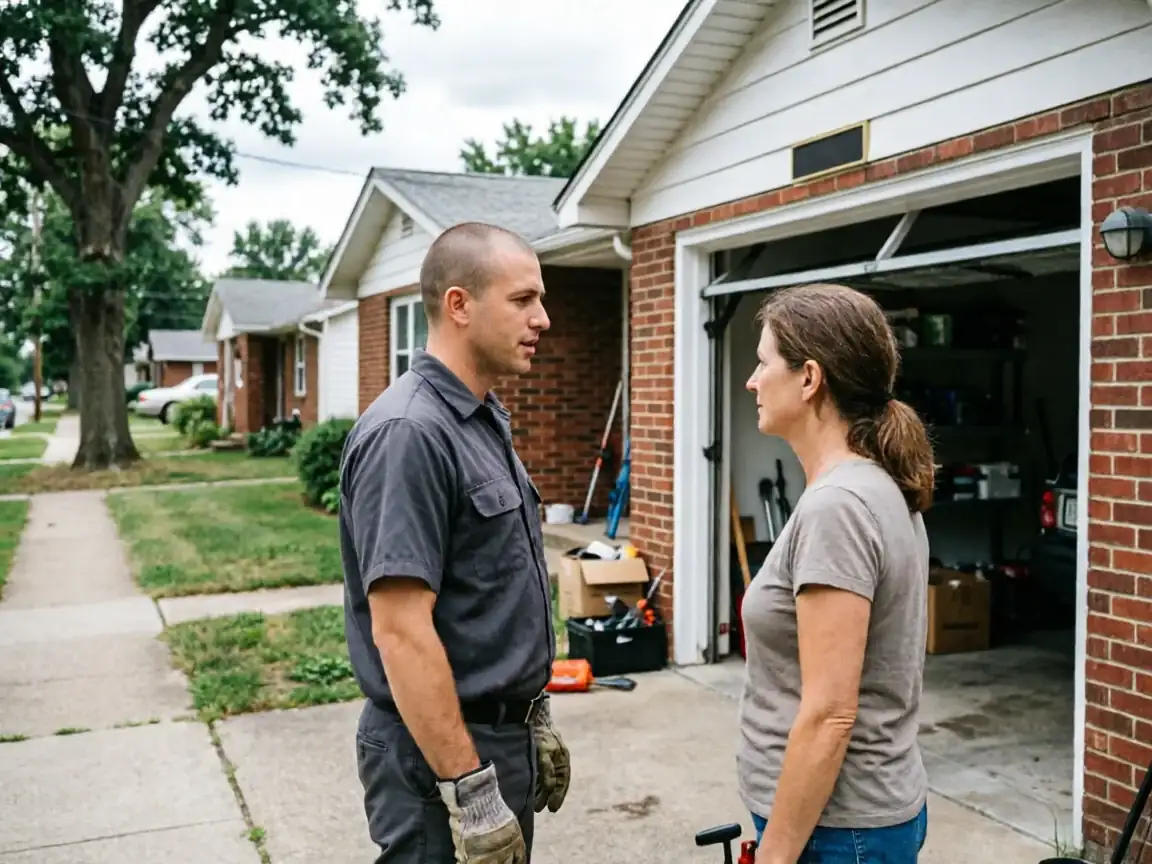
  3. A technician and a woman stand in a driveway in front of an open garage.
    3

    Clear, up-front plan

    You get the fix that’s needed and what drives the cost - before any work starts.

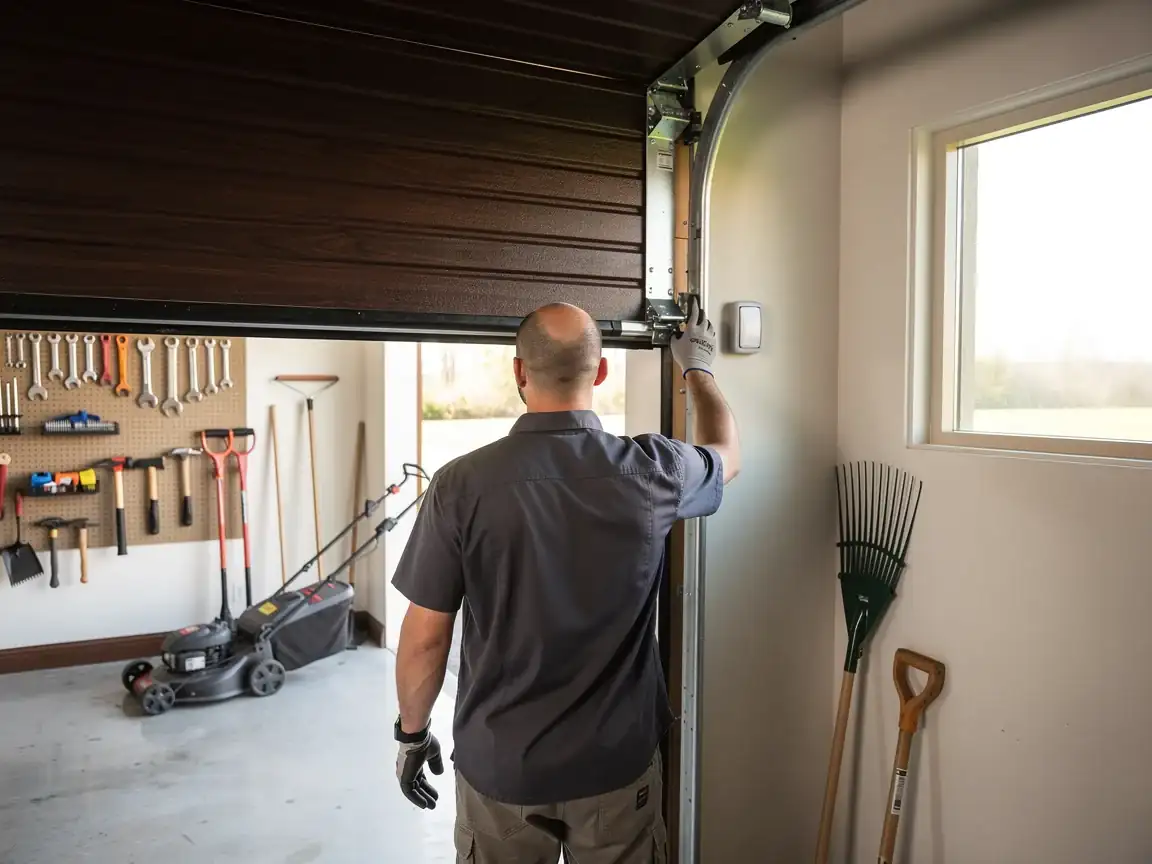
  4. A technician adjusts the brown garage door track inside a garage.
    4

    Repaired & tested

    The repair is done, the door is set true and tested, and the work area left clean.

Not sure which repair your door needs in Akron, OH? Describe what it’s doing - every job starts with a diagnosis.

7areas covered
How we work

What to expect

Diagnosis first

Every visit starts by finding what actually failed - not a pre-written parts list.

The right part for the door

Springs and openers matched to the door’s weight and age, so the fix holds up.

Straight answers

When a repair makes more sense than a replacement - or the reverse - you hear it plainly.

Clean, careful work

Tension released safely, hardware set true, the door tested under power before we leave.

What we do

Garage Door Services

Repair and installation work for Akron homes and businesses.

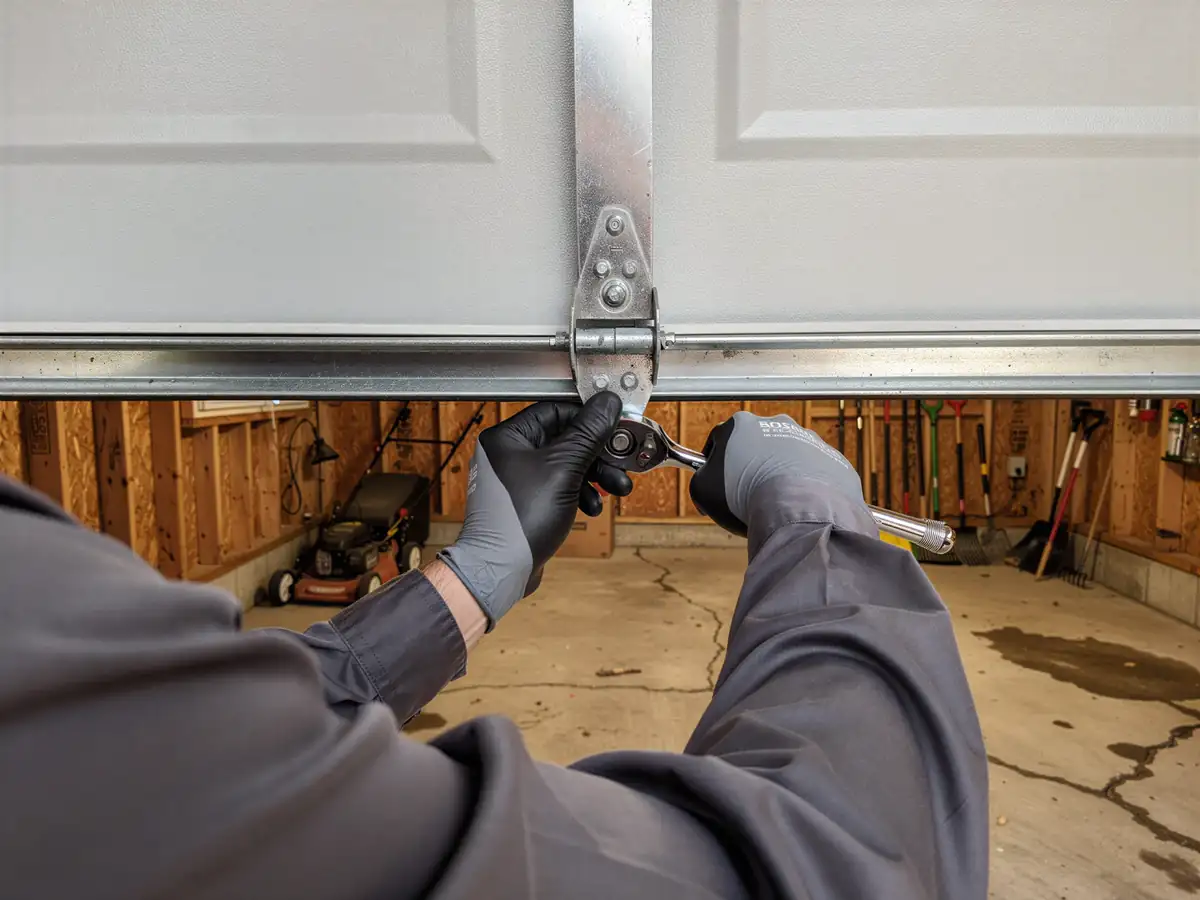
A technician in gloves uses a wrench to adjust a garage door hinge.

Garage Door Repair

Broken spring, stuck opener, or a track that's pulled loose - we fix garage doors in Akron's older housing stock, built mostly 1952-2004, in any weather.

Learn more
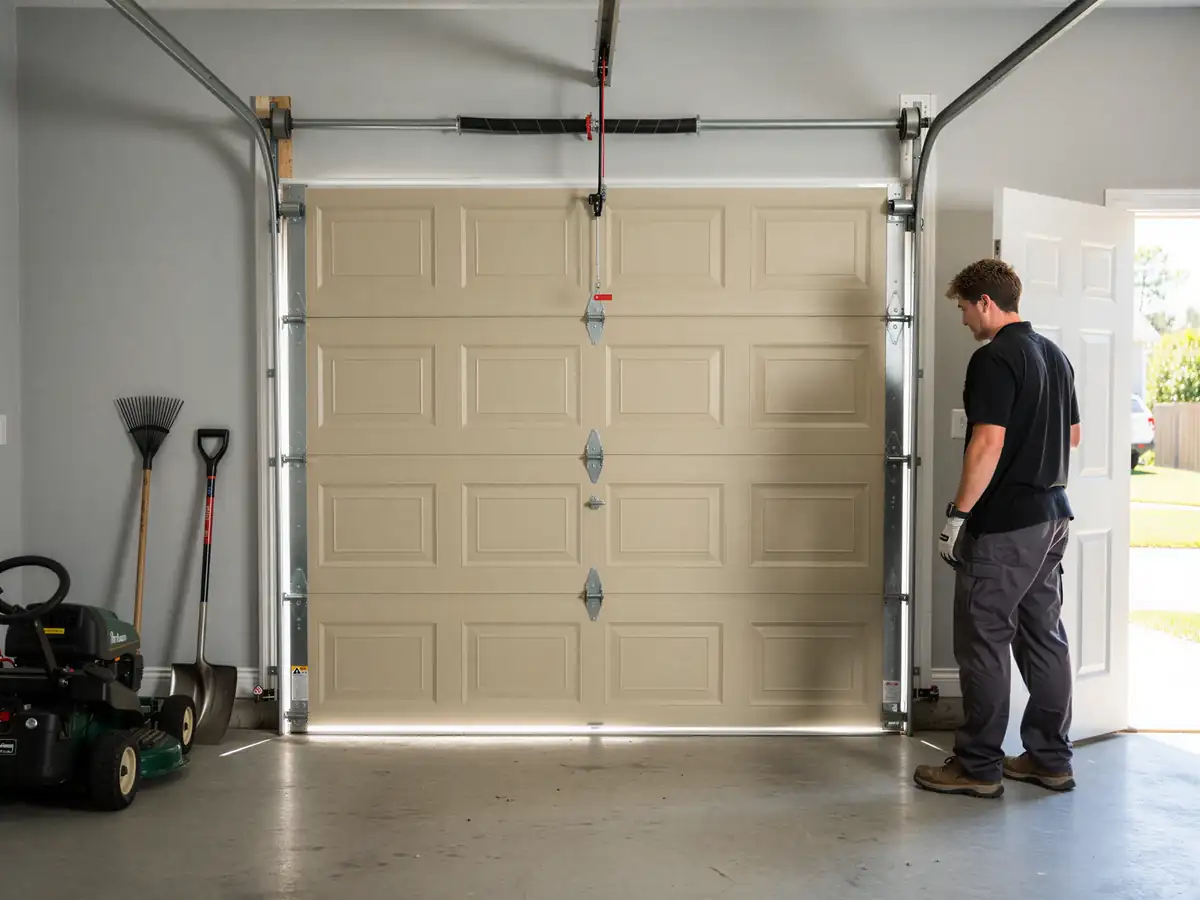
A technician stands next to a closed beige garage door inside a garage.

Garage Door Installation

Akron homes built 1952-2004 often carry doors and openers that don't match today's winters. See why installation jobs here run different, and what we replace them with.

Learn more
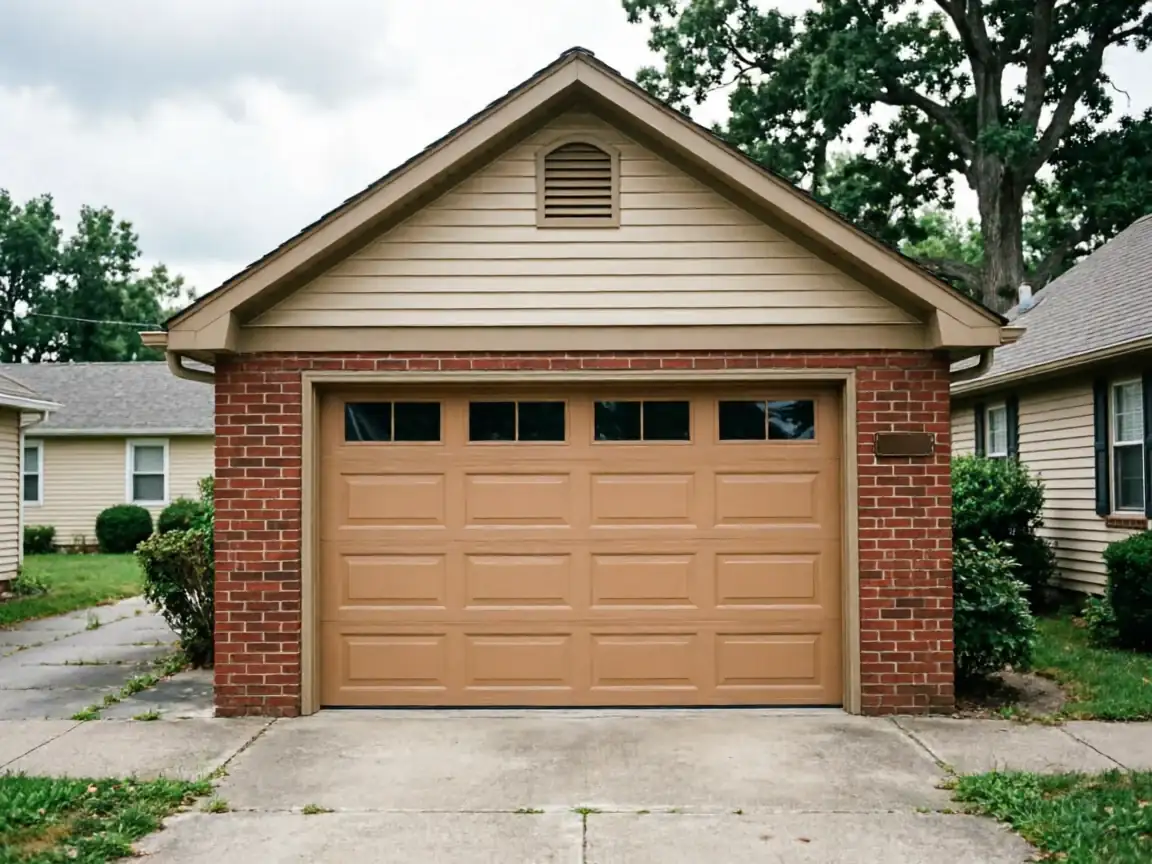
The house has a brown garage door with windows, brick, and tan siding.

Garage Door Service

Garage door service for Akron homes built 1952-2004, where cold winters and original hardware wear out springs, cables, and openers faster than newer stock.

Learn more
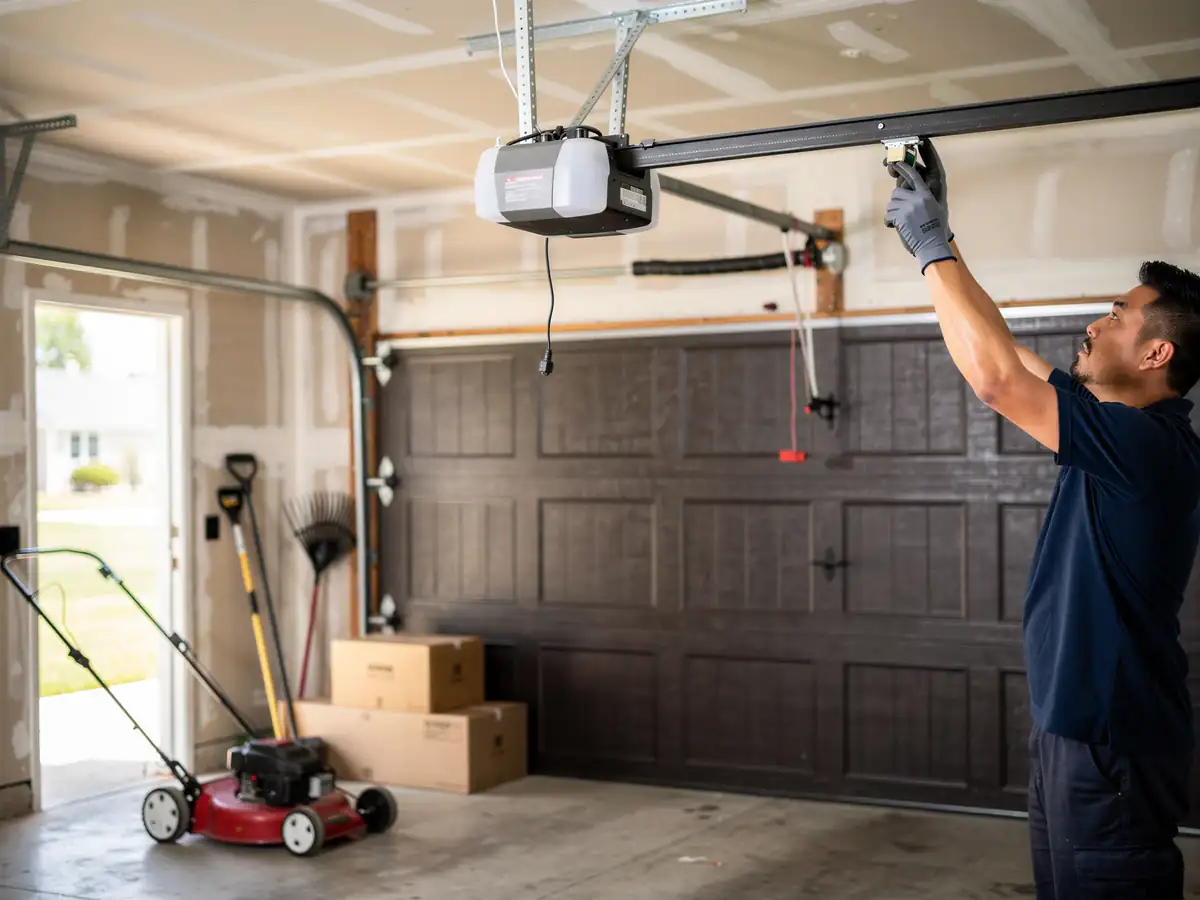
A technician adjusts a garage door opener rail above a brown garage door.

Opener Installation

Opener failing in cold weather or just worn out? We install garage door openers built for Akron's older housing stock and severe winters. Local, straightforward work.

Learn more
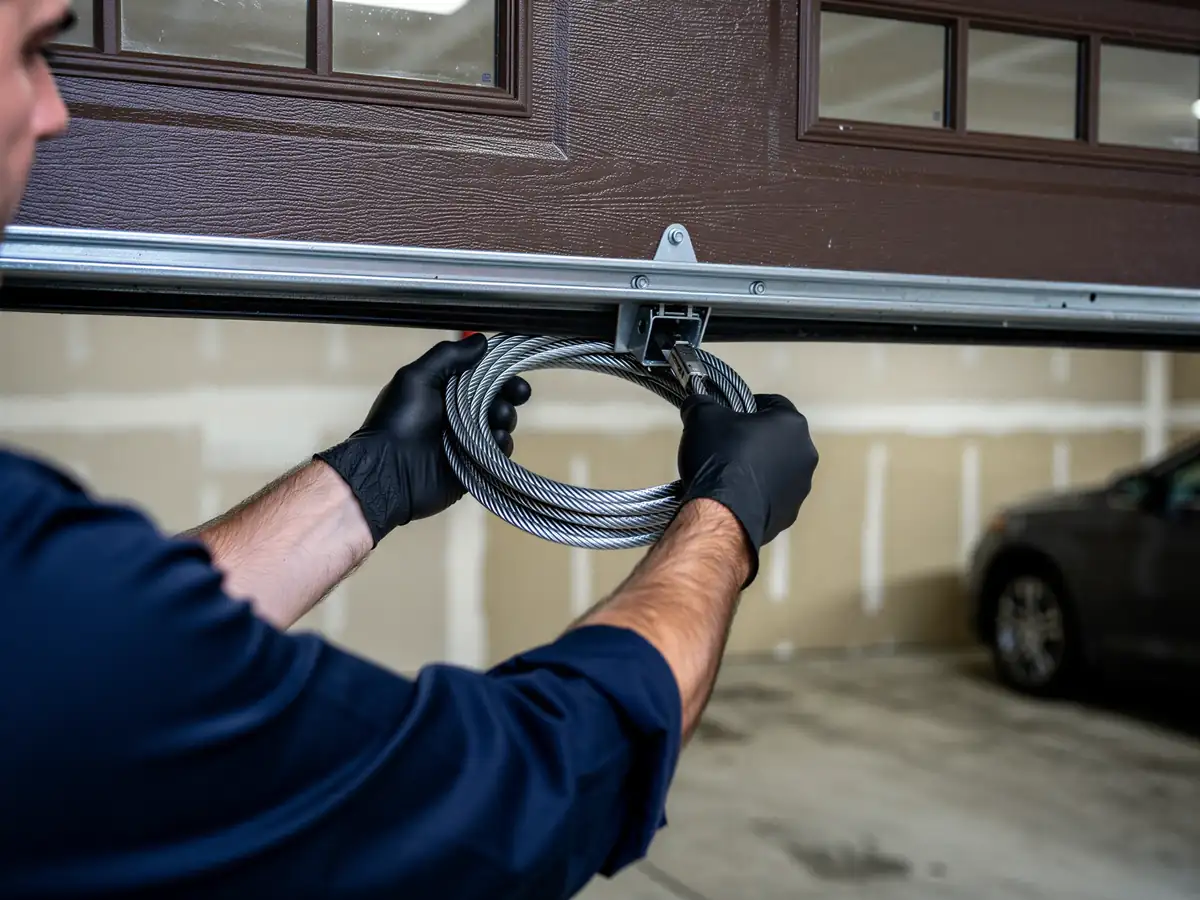
A technician wearing black gloves holds a coiled garage door cable.

Cable Repair

Frayed or snapped cables on Akron's older torsion systems are common on houses built 1952-2004. We diagnose and fix cable failures across the Akron service area.

Learn more
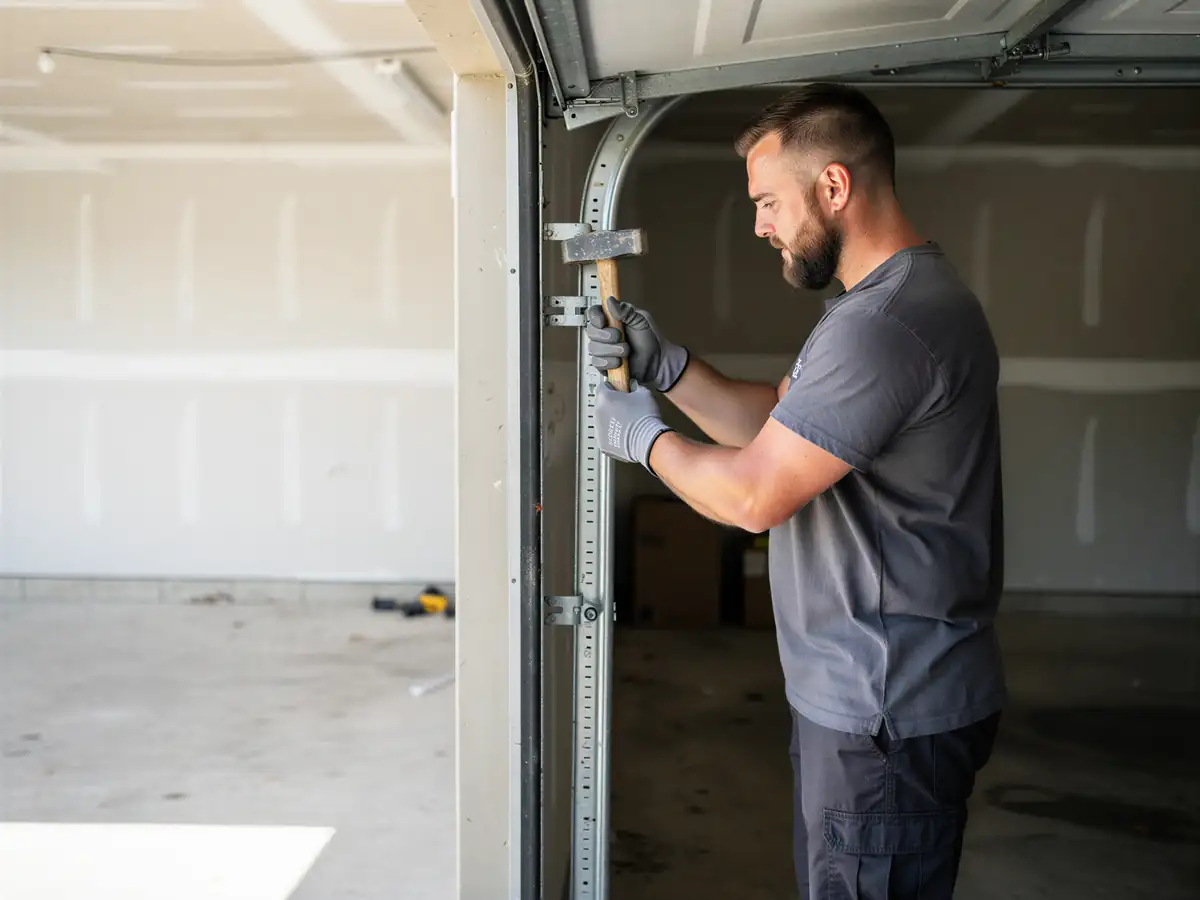
A technician in gloves uses a hammer on a garage door track.

Off-Track Repair

Akron's 1960s and 70s housing stock plus hard winters push garage doors off track more than most places. Here's why it happens and how we fix it for good.

Learn more
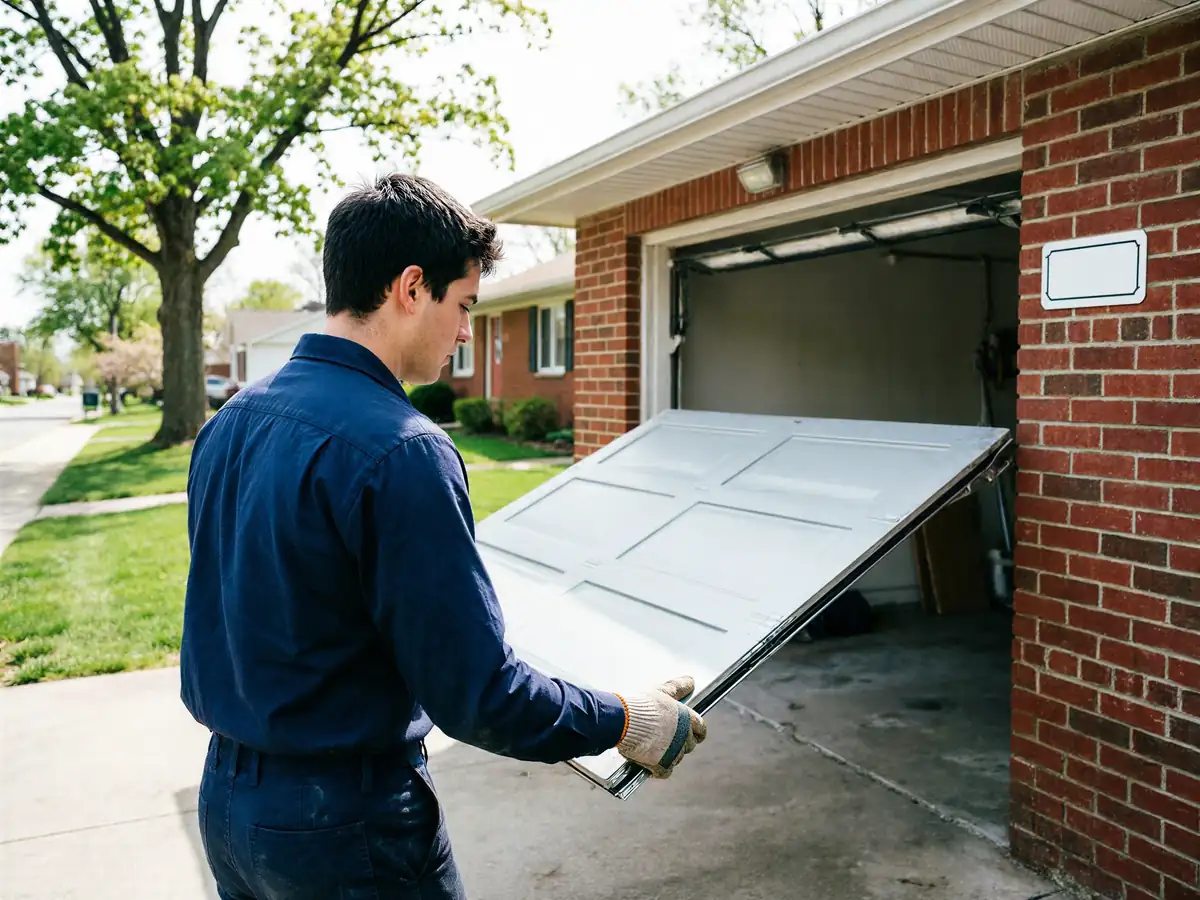
A technician in a blue uniform is carrying a white garage door panel.

Panel Replacement

Dented or cracked garage door panels are common across Akron's 1950s-2000s housing stock. See why panels fail here and how we match and replace them.

Learn more
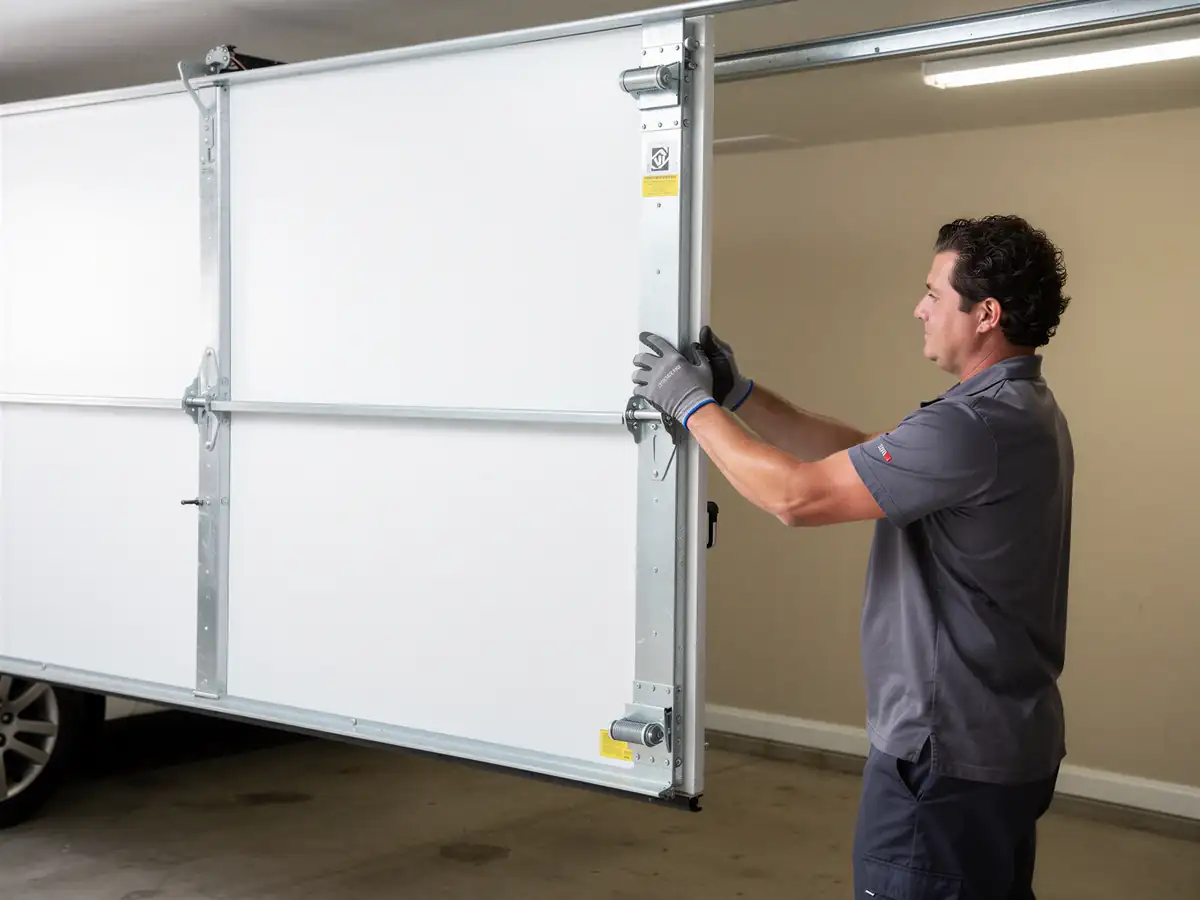
A technician in a gray shirt and gloves adjusts a white garage door.

Maintenance

Akron homes mostly date to the 1960s and 70s, and the region's cold winters age springs and rollers fast. Here's what a maintenance visit actually catches before it fails.

Learn more
Questions

Frequently asked

Straight answers about garage door repair in Akron. Still unsure? Ask us directly.

Can I push the door back onto the track myself?

Don't try it while the door is under spring tension. A door that's jumped track is still connected to a wound spring, and forcing it back can snap hard or bend the track further. Leave the door where it sits, prop it if it's partway open, and get the track checked before anyone operates it again.

Why does this happen more in winter?

Cold contracts the steel track and the brackets holding it to the jamb, and in a severe cold climate band that cycle repeats every winter. On a bracket that's already a little loose from decades of use, a hard freeze is often the thing that lets it finally slip far enough for a roller to jump the rail.

Is a bent track always a full replacement?

Not always - a track section is repairable if the bend is minor and limited to one spot. But on homes with original hardware from the 1960s and 70s, lighter-gauge track that's bent at the curve usually needs the whole section swapped, since a kinked curve won't let rollers run smooth again.

Ready to get your garage door sorted?

Tell us what it’s doing and where you are in Akron - we’ll take it from there.

Request a QuoteCall