Where This Job Goes Sideways
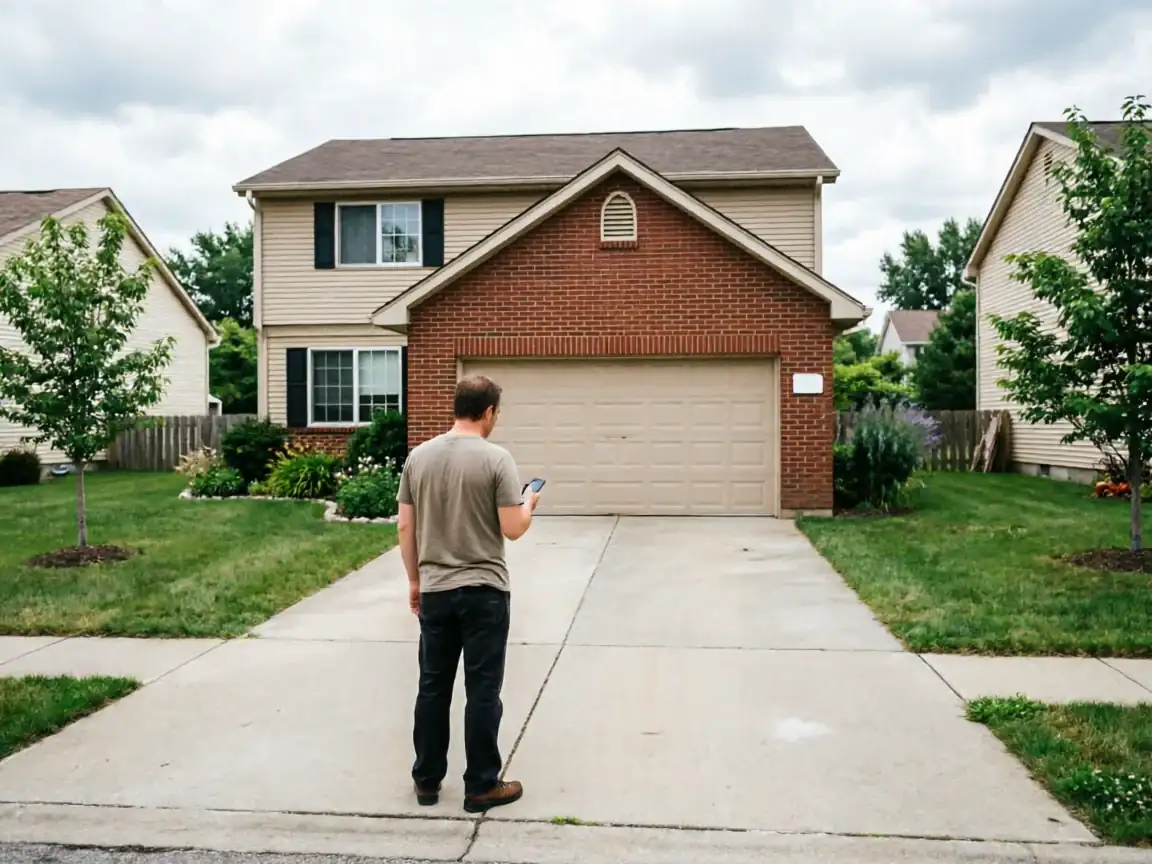
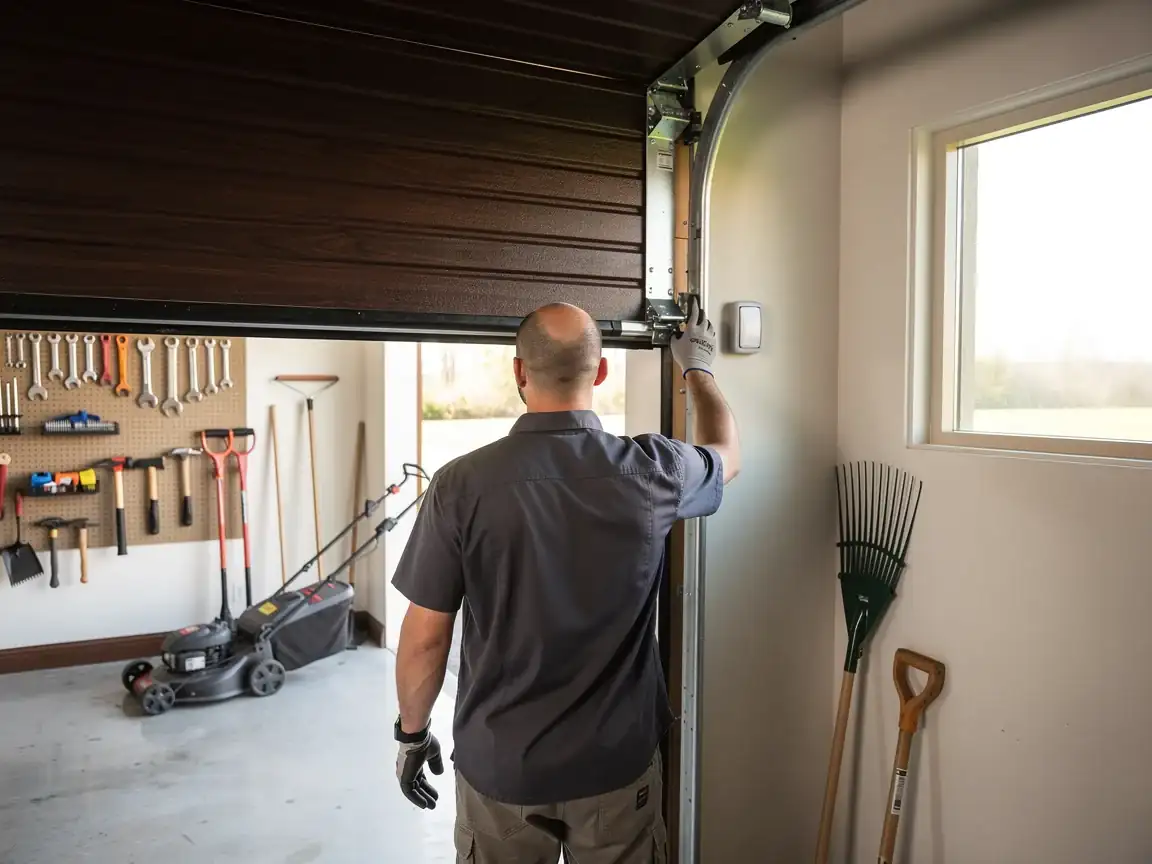
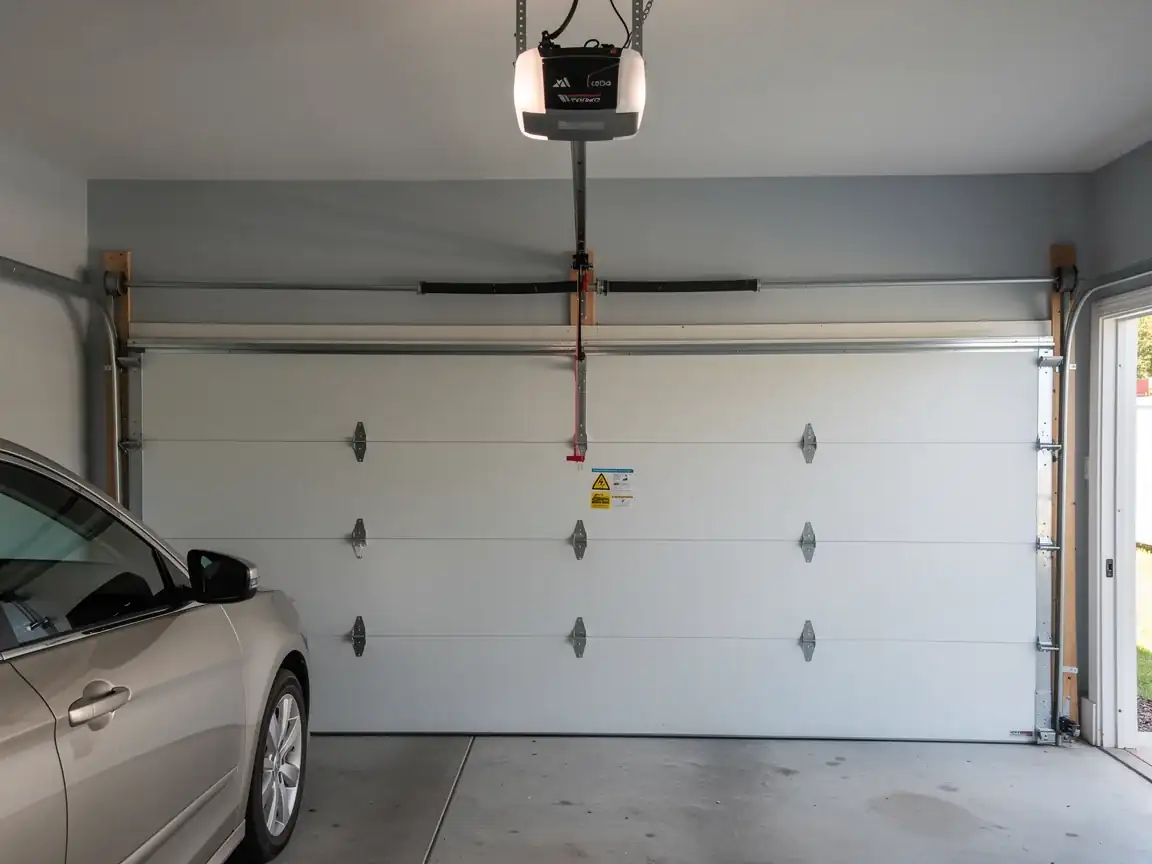
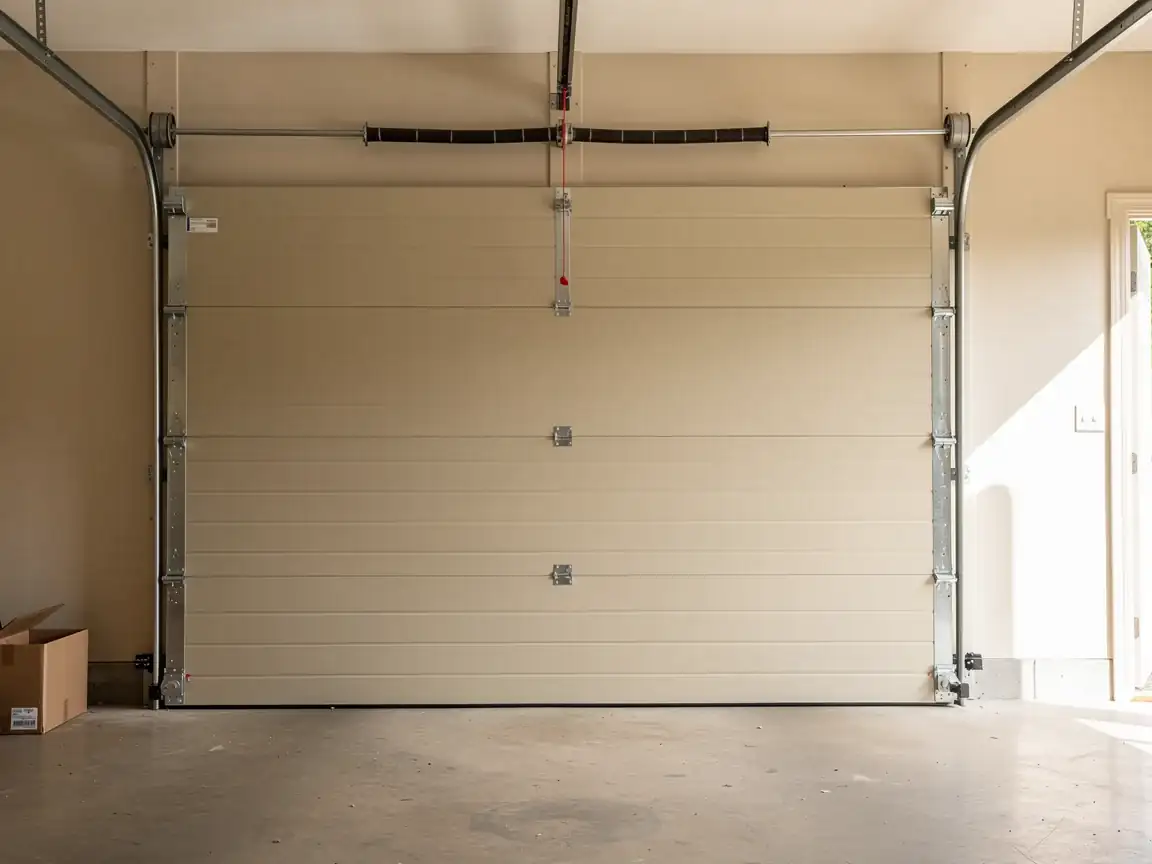
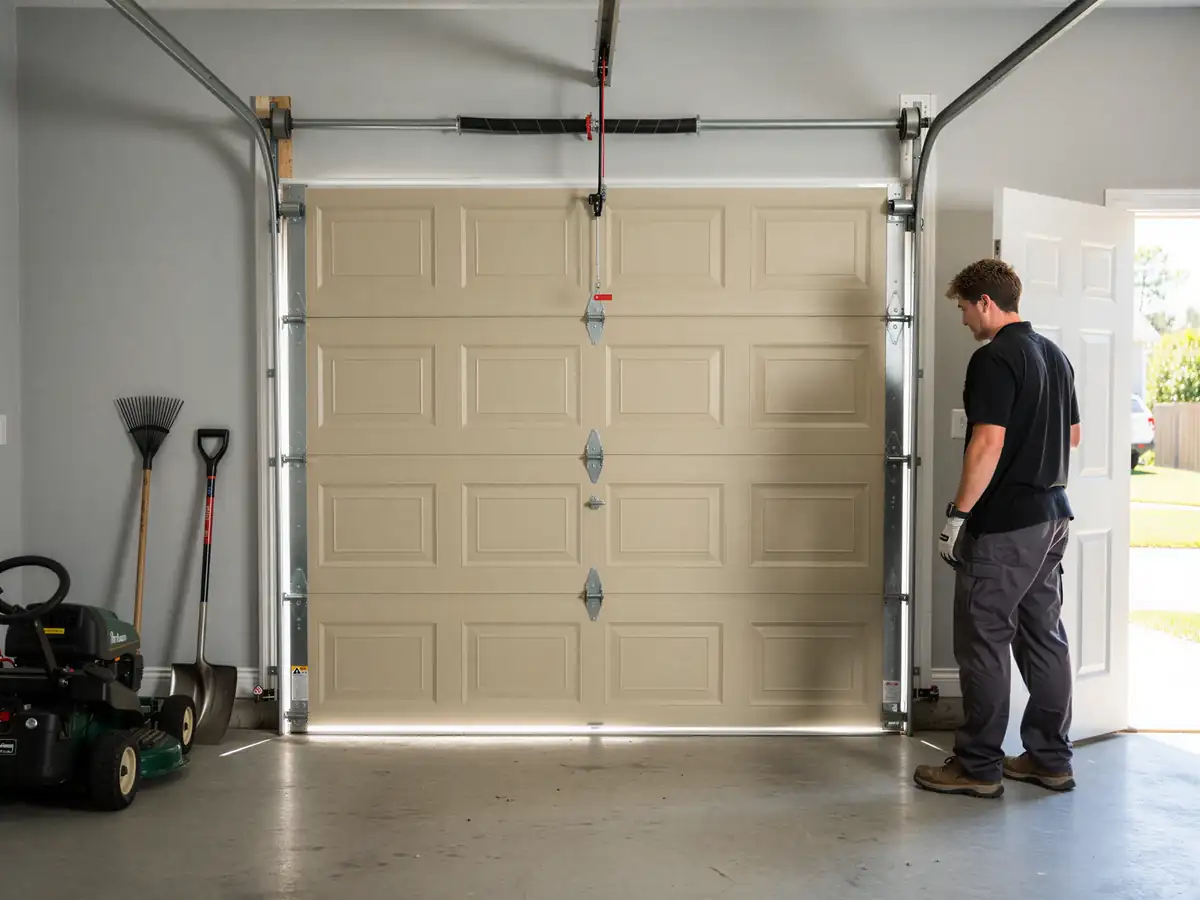
Fairlawn is a small town as these things go, just 3,577 households, which means the fleet of garage doors out here isn't huge, but it's consistent. Most of it went up around 1971, inside the broader 1952-2004 window we see across the service area, and that consistency is exactly why the same few failures keep showing up. A torsion spring sized for a lighter steel door in 1971 doesn't owe you anything fifty years later, and a lot of these houses still have the original spring or a replacement that was sized to match it rather than to match today's heavier insulated panels. Where it goes sideways is when a homeowner swaps the door for something newer and heavier and nobody rebalances the spring to match. The opener strains, the track takes the extra load wrong, and a cable that was fine under the old door starts to fray under the new one. We see this more in towns with a tight build era like Fairlawn's than in places with a scattered mix of ages, because the mismatch pattern repeats house to house.
The DIY Question
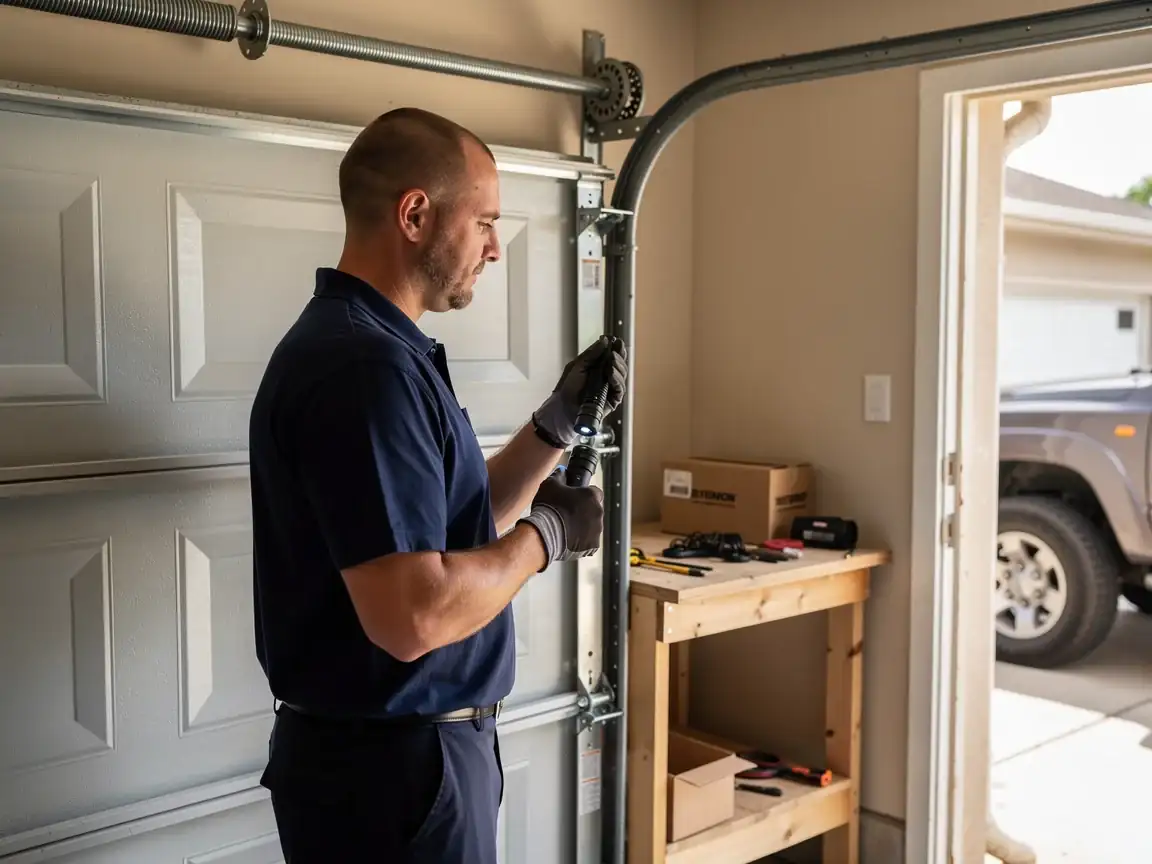
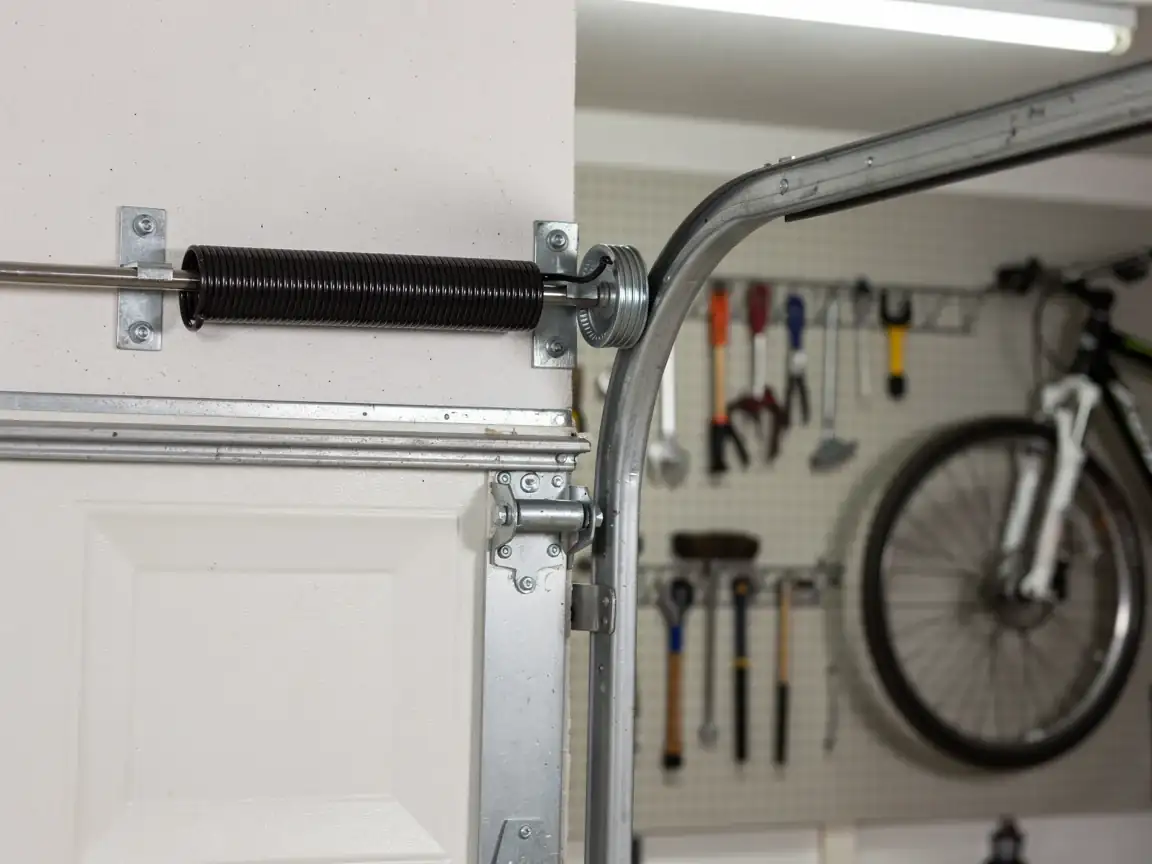
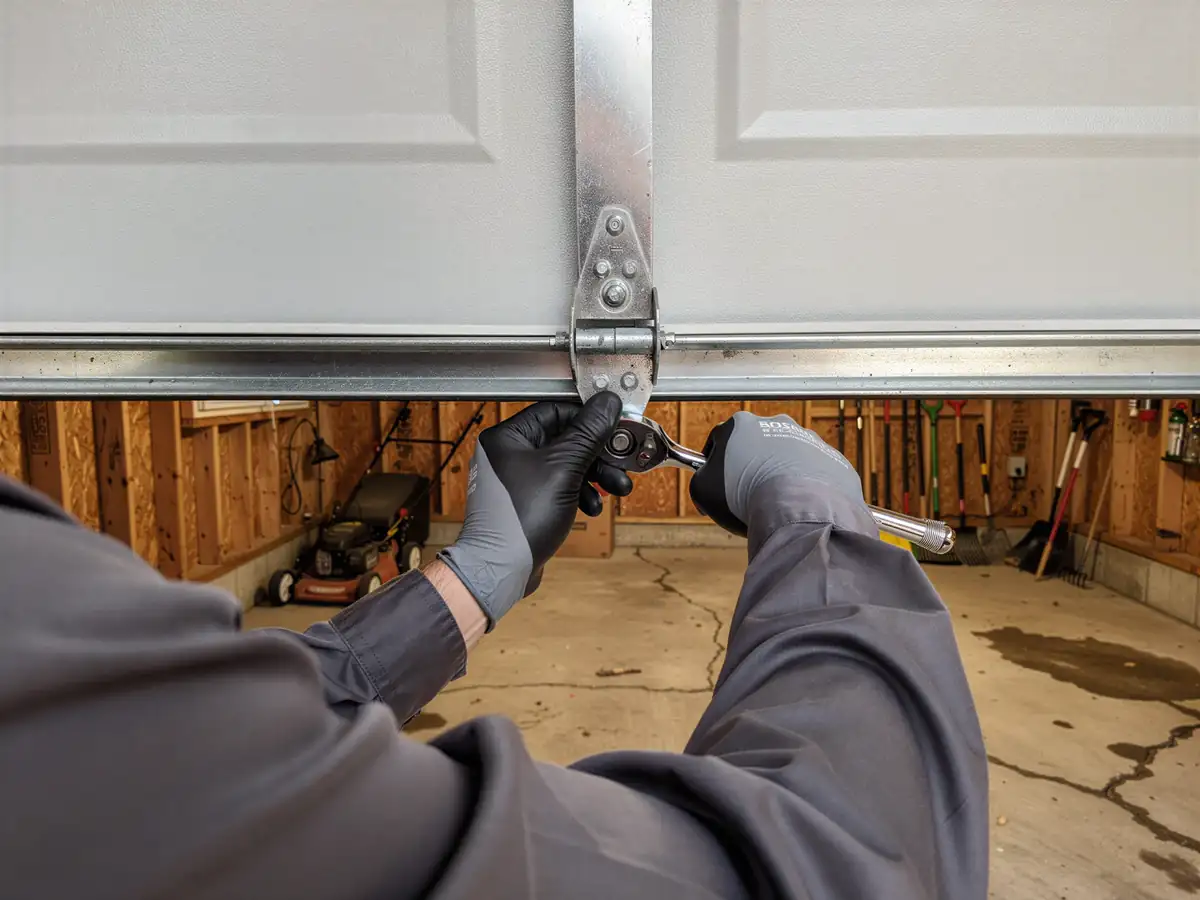
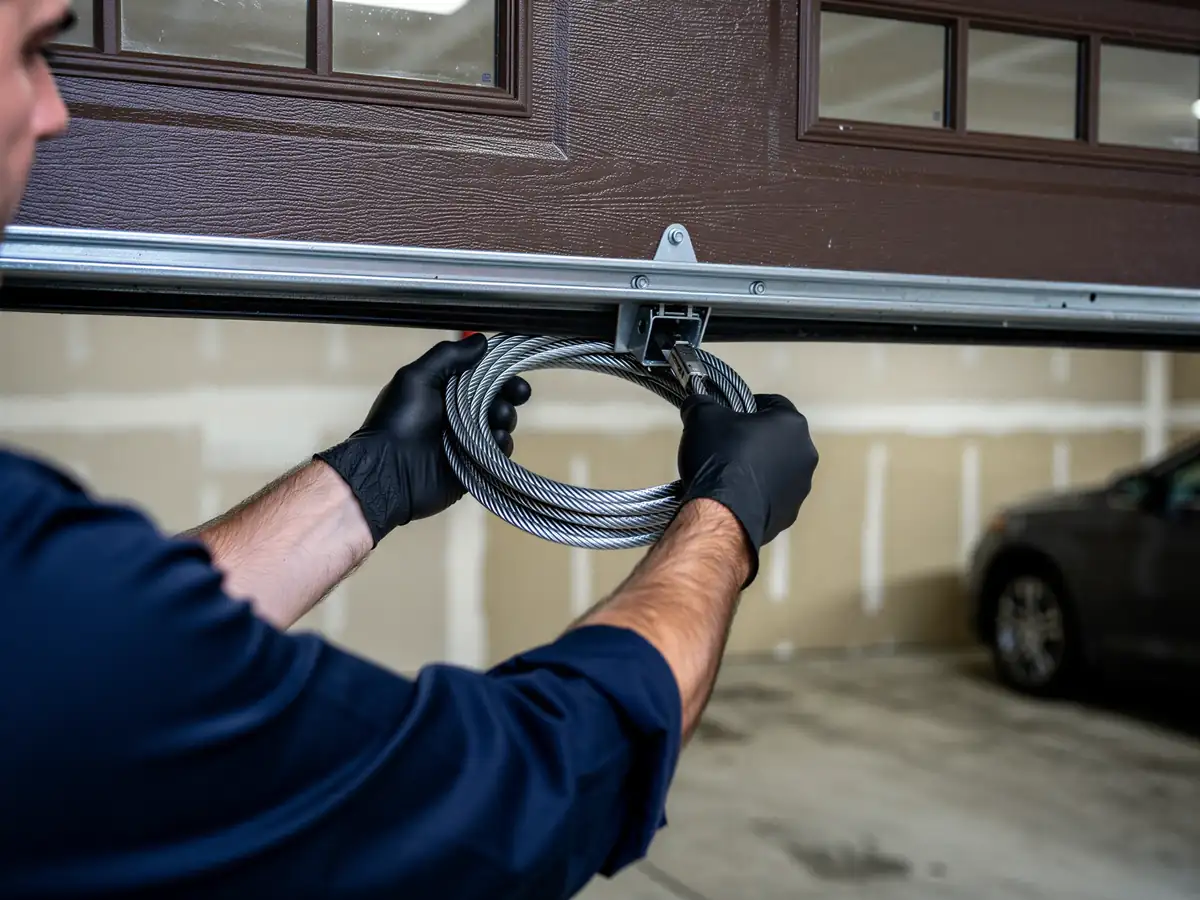
A torsion spring under tension can take a finger or worse, and that's true whether the door is five years old or fifty. On a house built around 1971, the harder DIY trap is the hardware itself - these doors often run older bracket styles and lower-gauge cable than what's sold off the shelf today, so a mismatched replacement part can look right and still be wrong. Cold-weather stiffness makes it worse: in a severe cold climate like this one, steel contracts, grease thickens, and a spring or roller that's already marginal tends to fail on the coldest morning of the year, not the mildest afternoon. Lubricating hinges and checking for loose hardware is fine to do yourself. Touching a spring, a cable, or anything under tension is not a weekend project here, and we'd rather tell you that up front than stitch a door back together after.
The Symptom
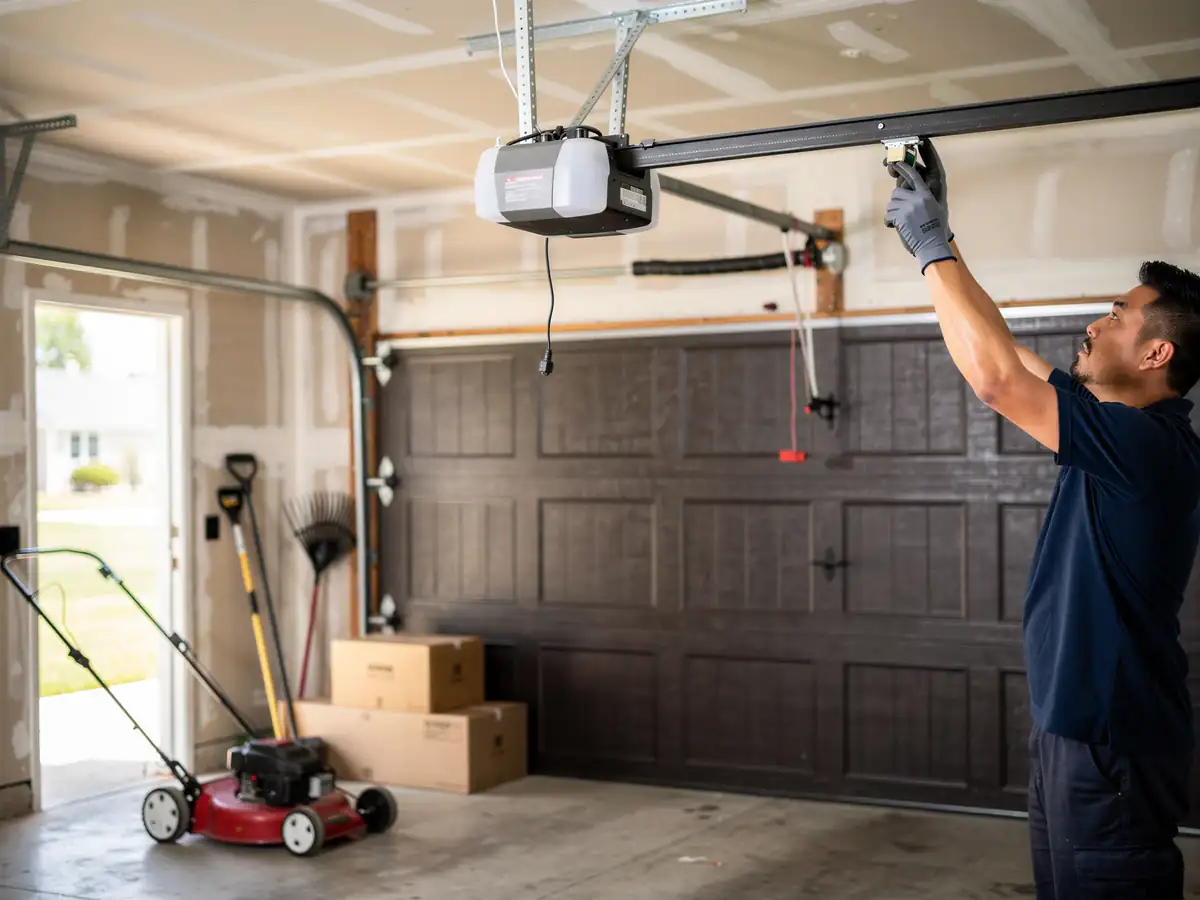
The complaint we hear most from this part of town is a door that groans or jerks partway up, then either stalls or finishes with a bang. On houses from the early 1970s build era, that's almost always a spring that's lost tension gradually - it still lifts the door, just not cleanly, and the opener motor ends up doing work the spring used to do. Give it a few more cold mornings and the cable starts to show wear from taking uneven load. A second common symptom is a door that reverses right after it starts closing, which on original or early-replacement openers usually traces back to a misaligned safety sensor rather than anything mechanical. Both symptoms get worse, not better, with time, and both are cheaper to fix before the backup part fails too.