Where This Job Goes Sideways
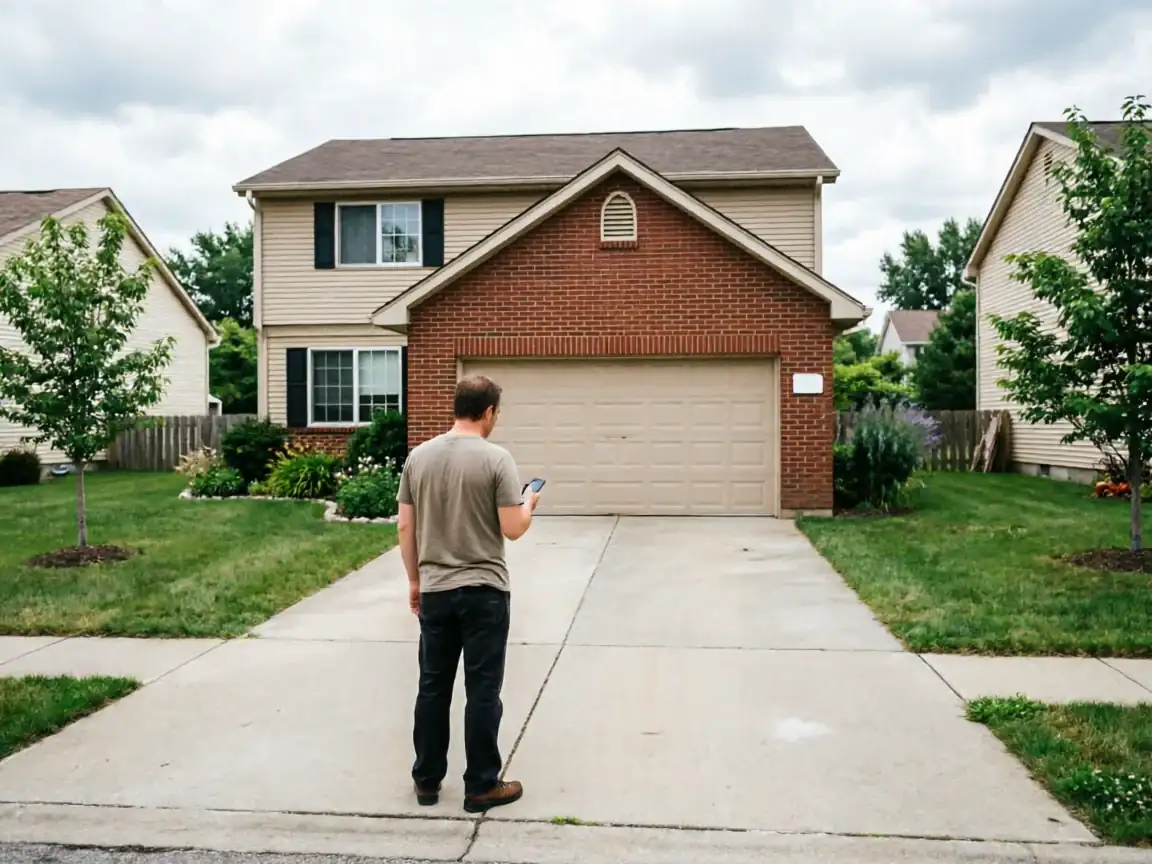
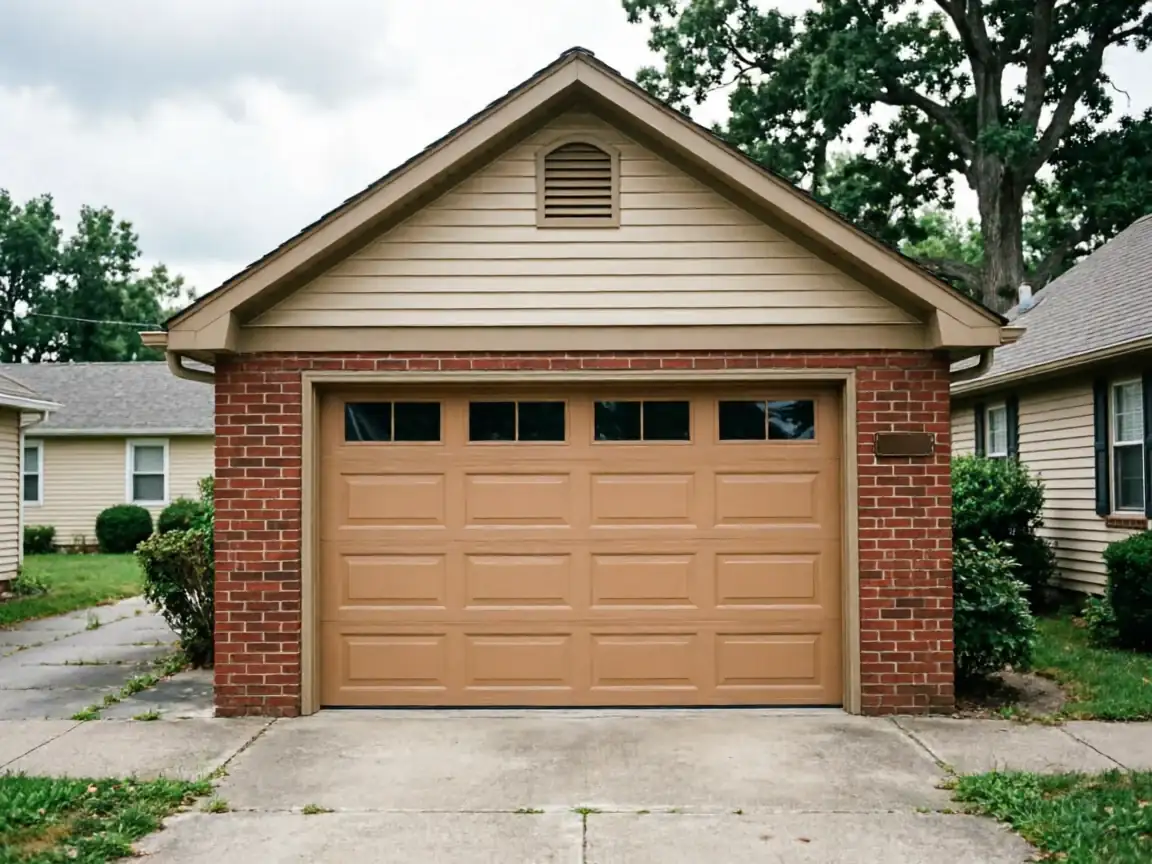
Akron's housing stock as a whole stretches from 1952 clear out to 2004, with newer construction filling in the edges of the service area. Fairlawn doesn't share that spread. Its median build year sits at 1971, which puts it squarely in the older half of that range - the same stretch of the 1960s and 70s that produced most of the doors we still work on across this part of the county. That matters for cable repair specifically, because the cable drums, pulleys, and lift cable gauges used on doors from that era are not what you'll find on a door installed in the last fifteen years.
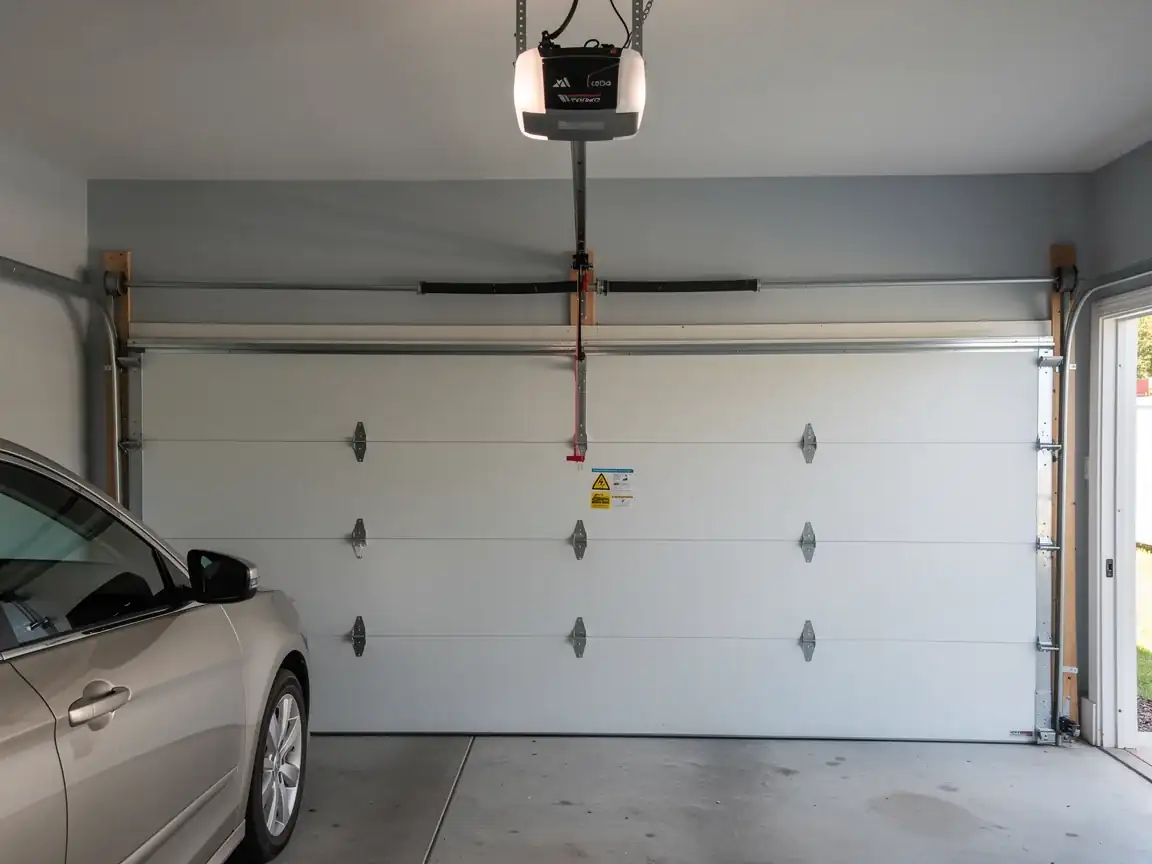
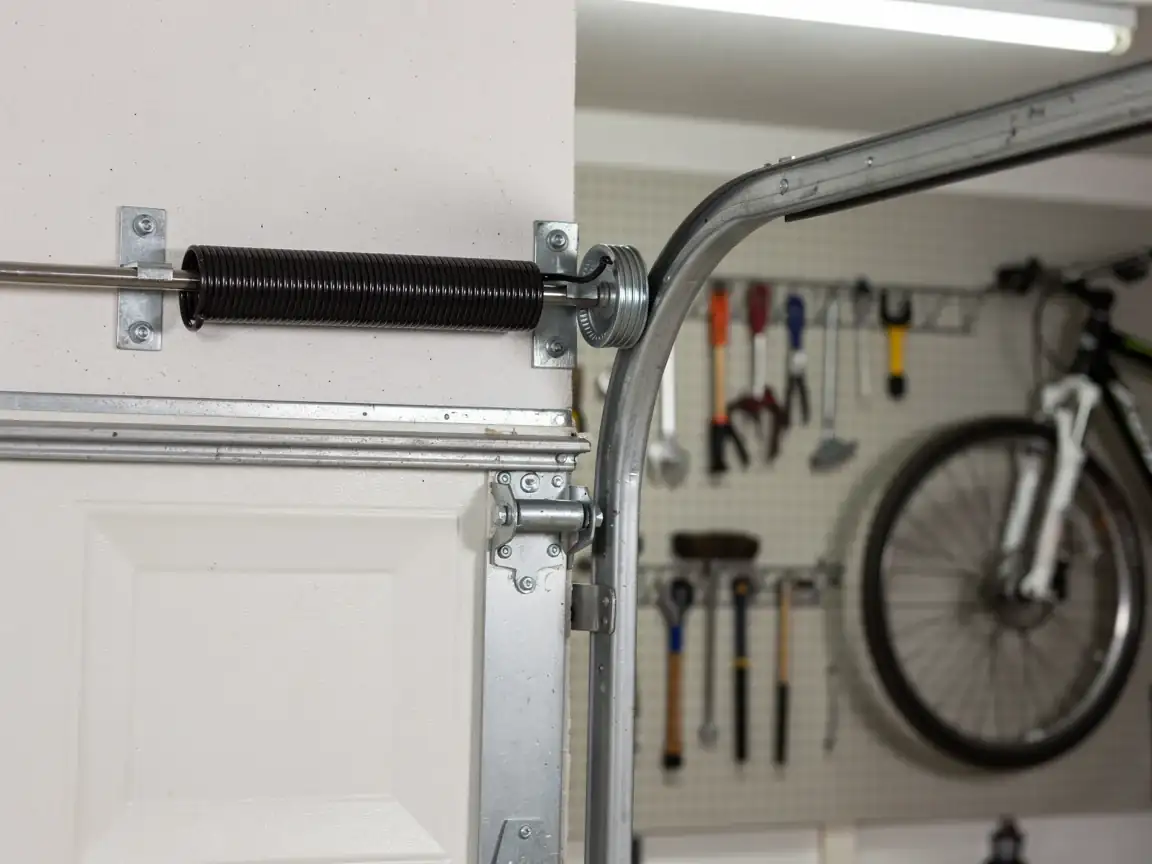
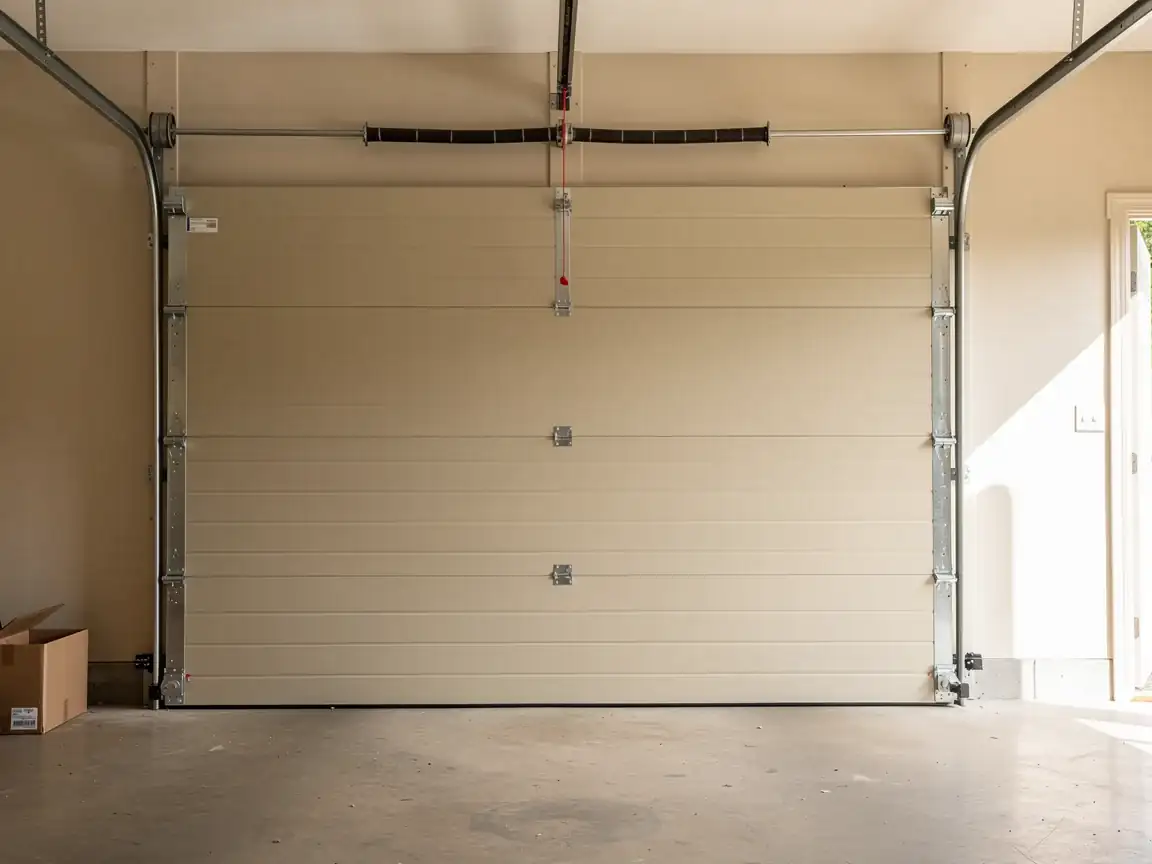
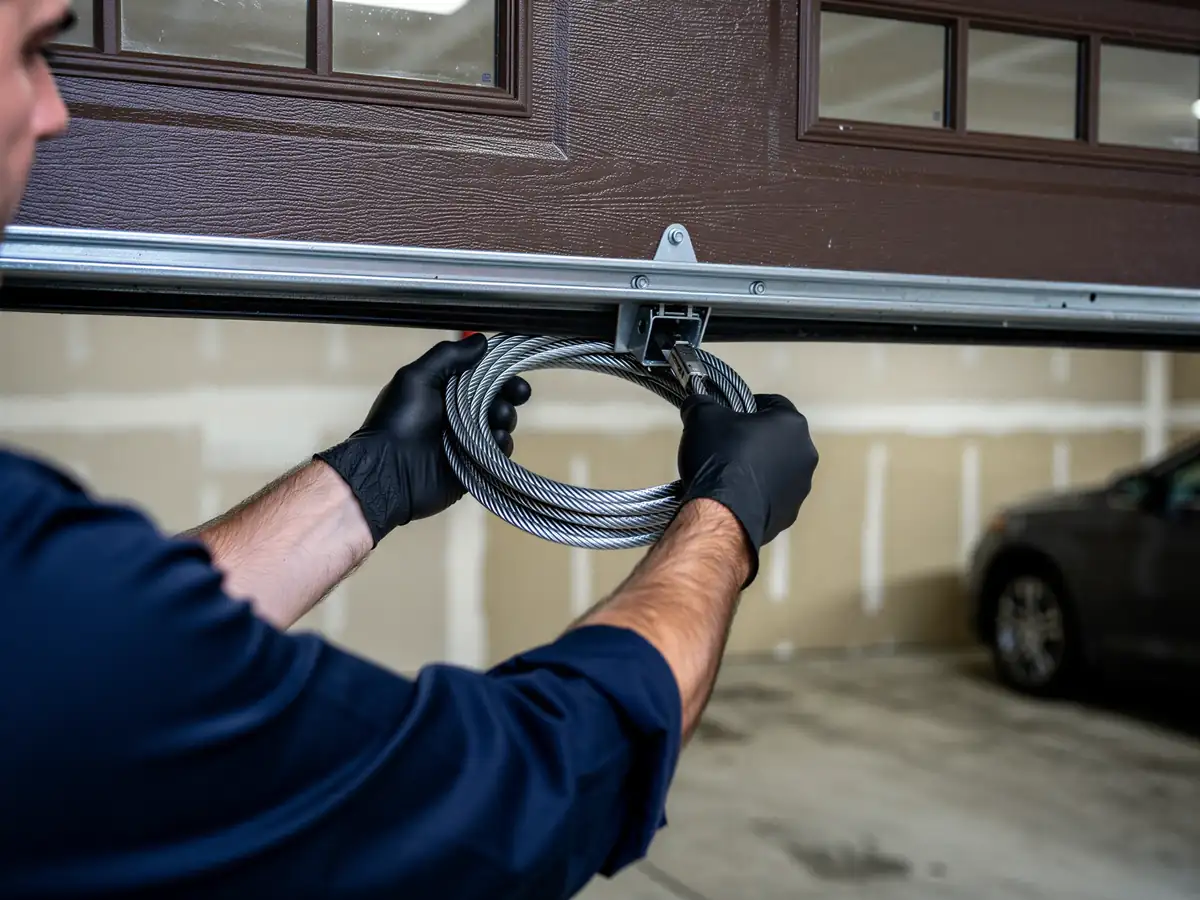
A lot of these original setups used single rear-mounted cable drums without a safety cable backing them up. When one of those lets go, the drum can spin loose and the door drops hard on one side. We also see cable fraying where it wraps the drum groove - decades of flex wear on galvanized aircraft cable that was never rated for the cycle count it's seen. The fix isn't always a straight cable swap. Sometimes the drum itself is worn enough that a new cable just chews through it again in a year.
The Cost of This Job
We don't post prices for cable work on this page because the job splits a few different ways
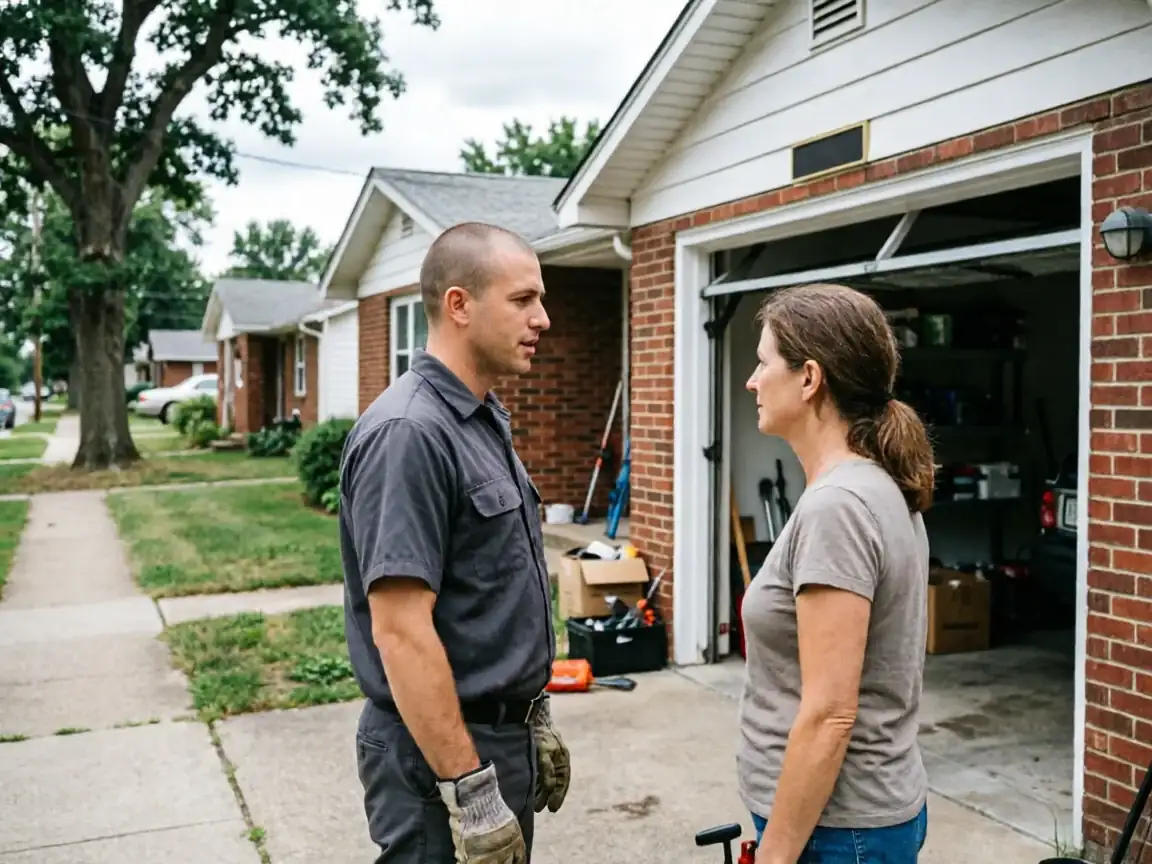
A single snapped cable on one side of a double door is a different bill than a job where both cables and the drums need replacing because one has been failing slowly for months. What we can tell you is that income here runs higher than the broader Akron-area median: Fairlawn households sit around $93,154 a year against roughly $80,612 across the wider service area. That doesn't change what the part costs, but it does change the conversation we have on site - more homeowners here choose to replace both cables and drums together rather than patch one side and wait for the second to go.
That's usually the right call anyway
Cables on a door this age have almost always been under the same load and weather for decades, so if one has frayed through, the other is close behind it.
The DIY Question
A broken garage door cable is not a weekend fix, and we'll say that plainly. The door is under spring tension even with the cable gone, and on the older torsion and extension setups common to Fairlawn's 1971-median housing stock, that tension has nowhere predictable to go if you pull the wrong bolt. We've seen enough half-finished jobs to know this isn't about skill - it's about the hardware fighting back.
What you can safely do yourself: pull the manual release, leave the door down, and don't run the opener until someone's looked at it. Trying to lift the door by hand to inspect the drum is the single most common way this job turns into a second call - for a hand or a finger, not just the door.
The Symptom
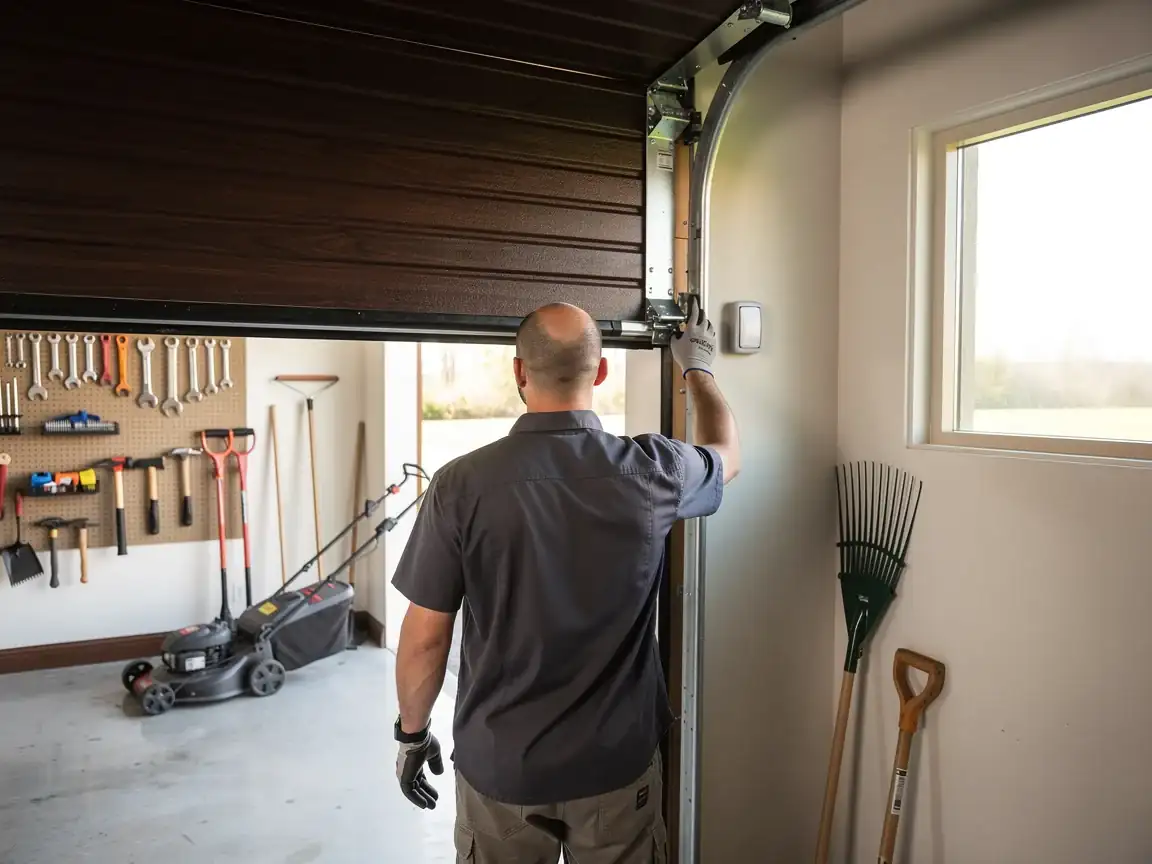
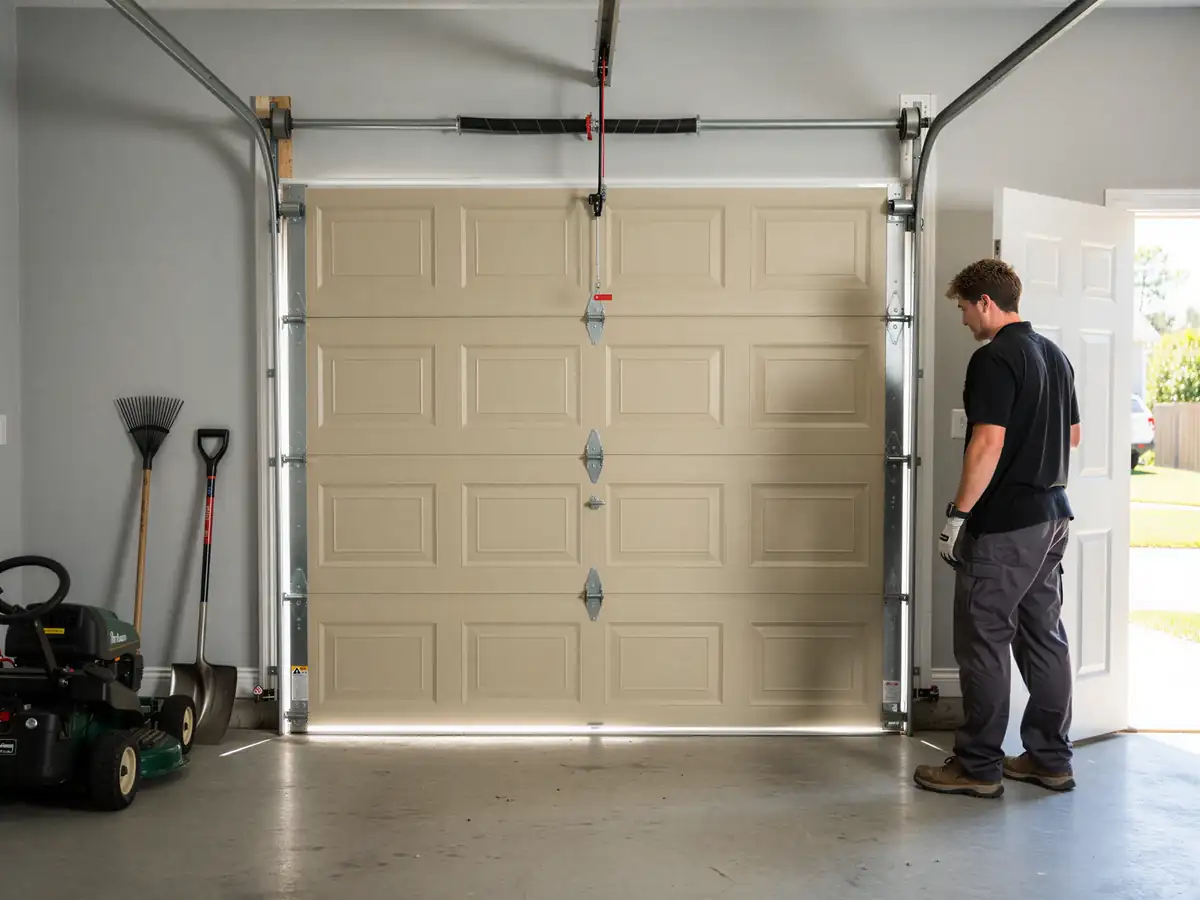
Most cable calls in this area start the same way: the door drops unevenly, one corner lower than the other, or it won't lift past a few inches before the opener strains and stops. On older drum-and-cable setups like the ones common through this part of the county, a frayed cable near the drum groove often gives a visible warning first - strands peeling back before the full snap. Winters here run cold enough that stiff, cold cable is more prone to kinking at the drum, which accelerates that fraying.
If the door came down fast and sits crooked, don't force the opener again. That's usually the cable, not the opener motor, and running it again can bend the track.
How We Fix It
We come out from Akron
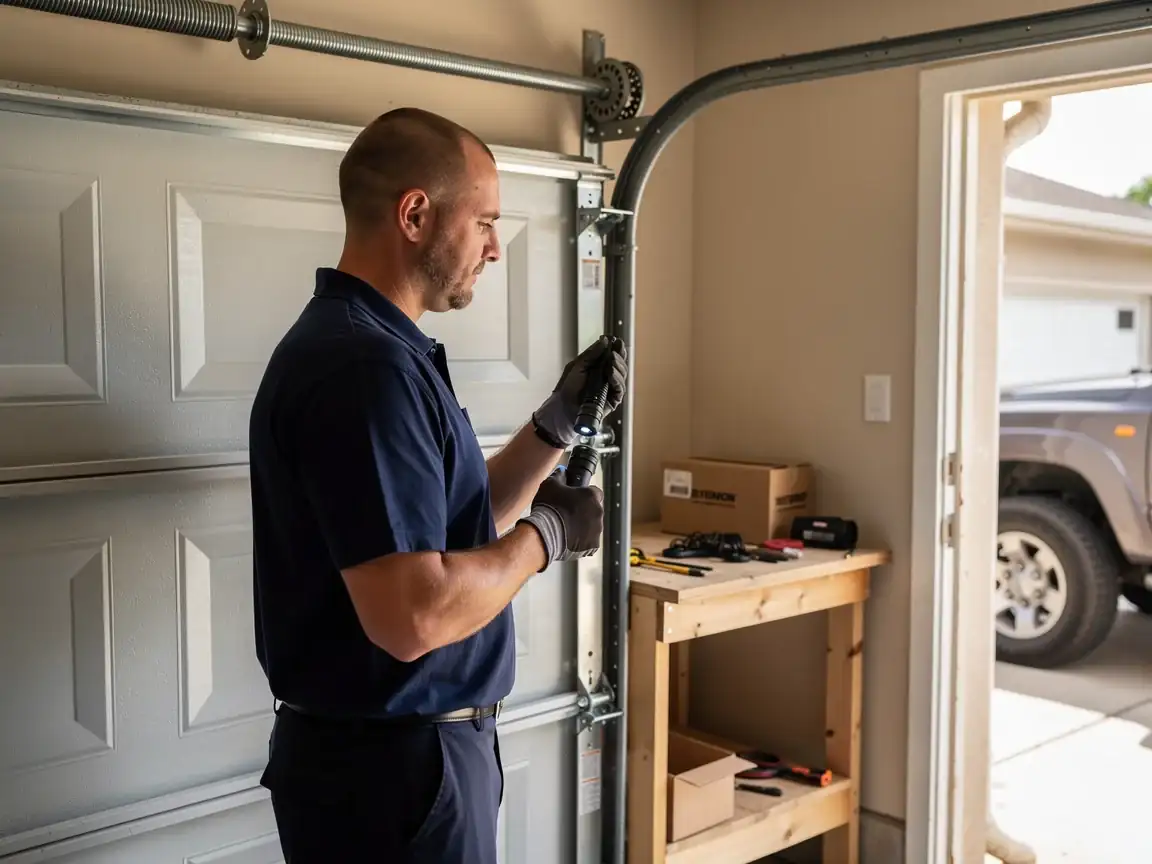
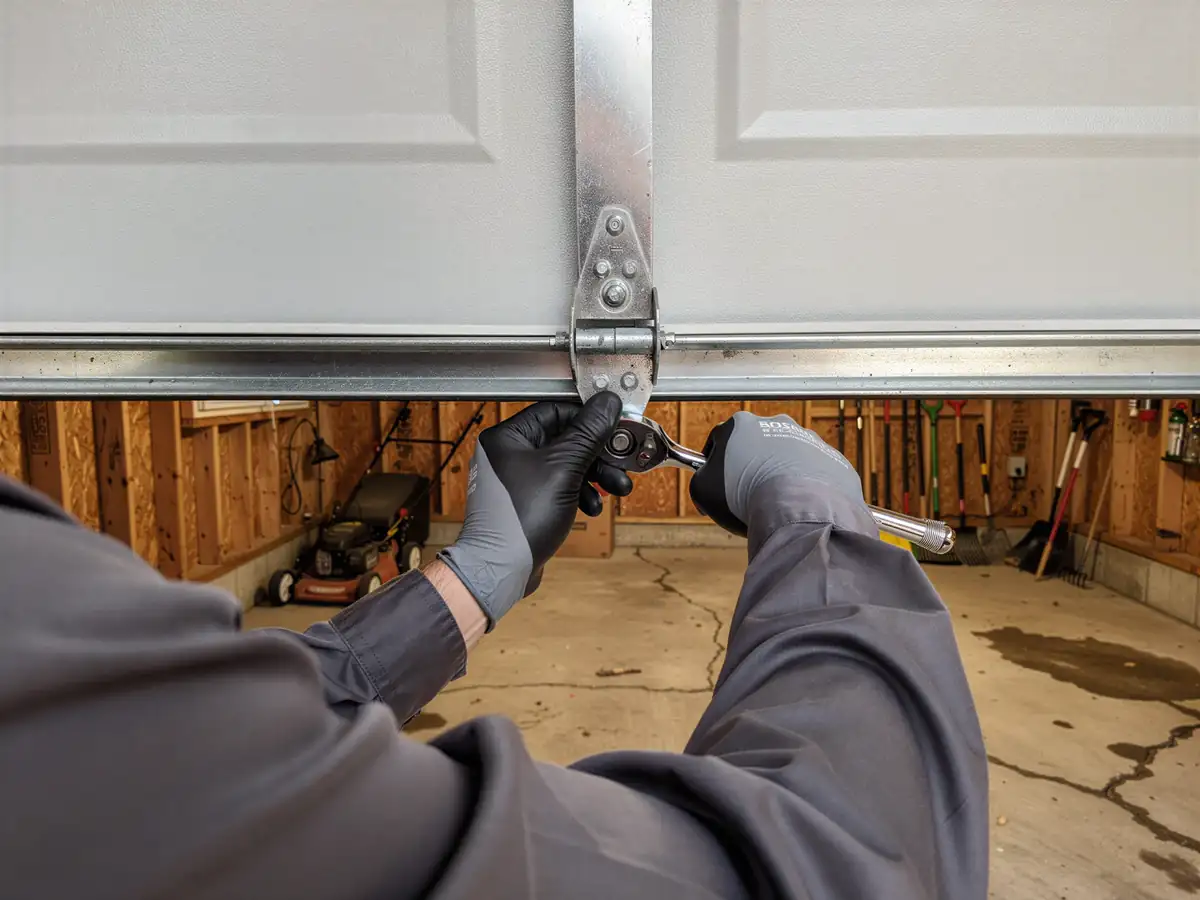
It's a short run, about 6 miles - and start by checking both cables and both drums, not just the one that broke. On a door built to 1970s hardware standards, if one cable has failed from age and flex wear, the other is usually close behind on the same timeline, so we replace in pairs rather than patch one side. We also check whether the drum grooves are worn enough to keep chewing through new cable, which happens more often on original hardware that's never been swapped.
- 6 miles
One limit worth being upfront about
If the door itself is warped or the track is badly out of alignment from years of uneven cable tension, cable repair alone won't fix the symptom you called about. We'll tell you straight if that's the case instead of sending you home with a new cable and the same problem.