Where This Job Goes Sideways
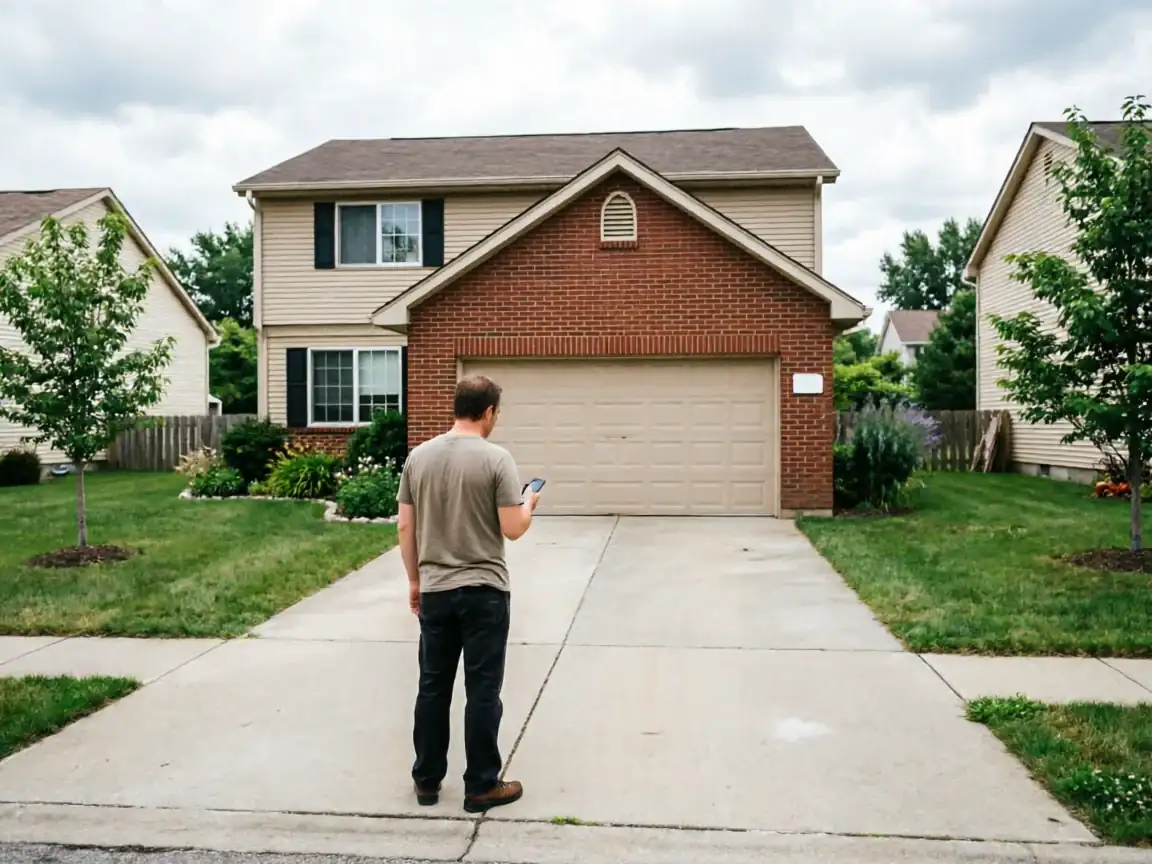
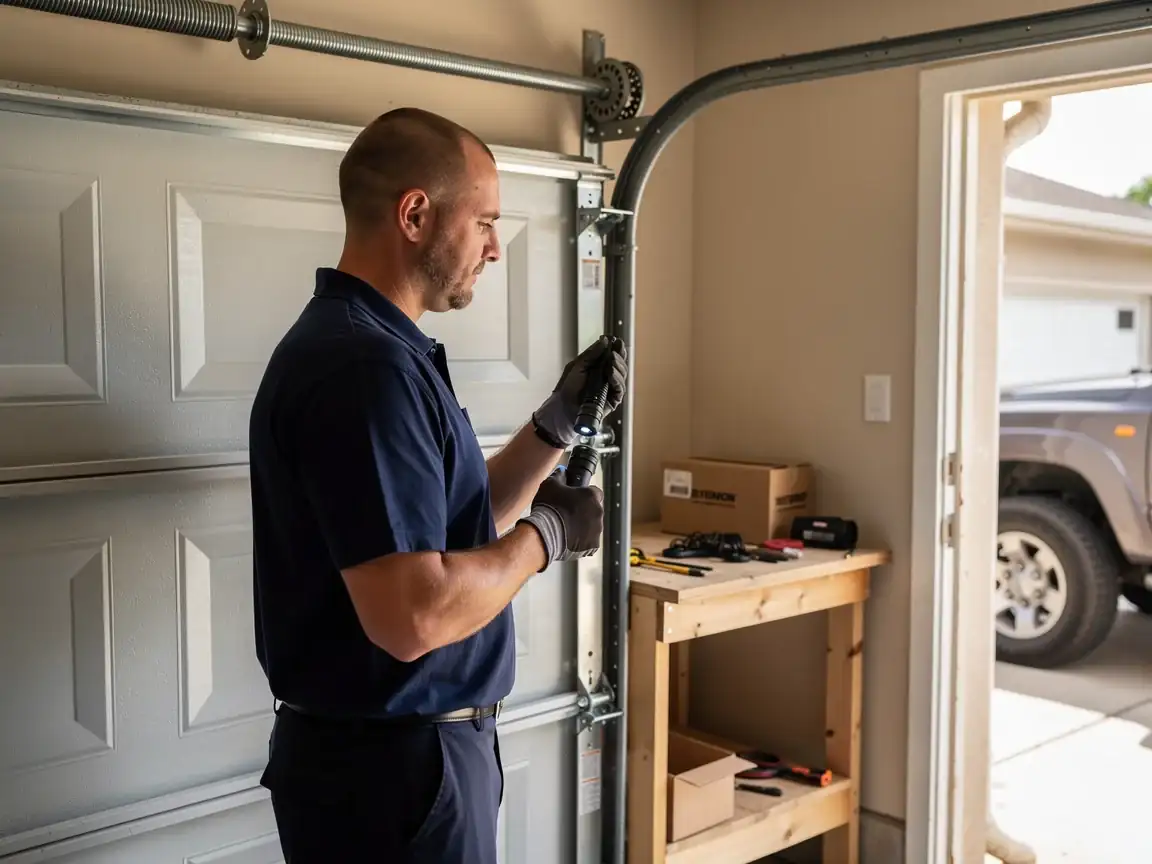
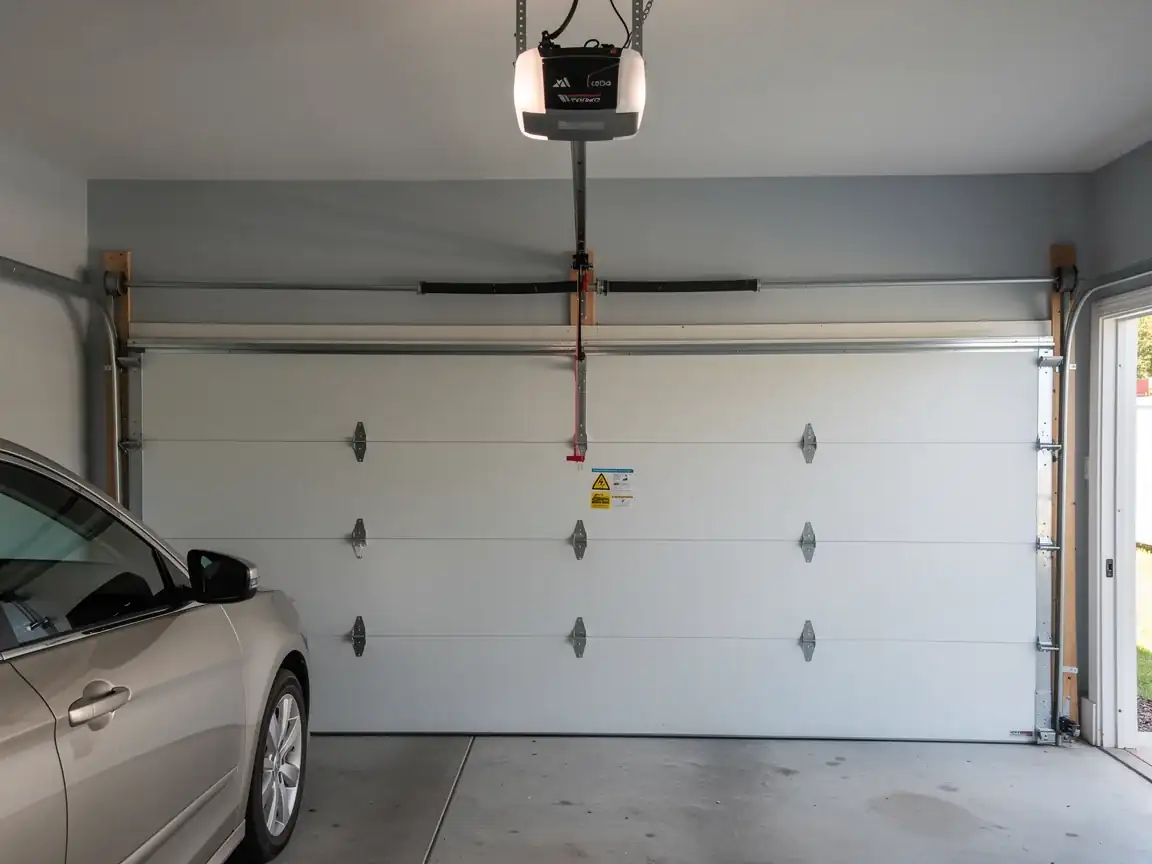
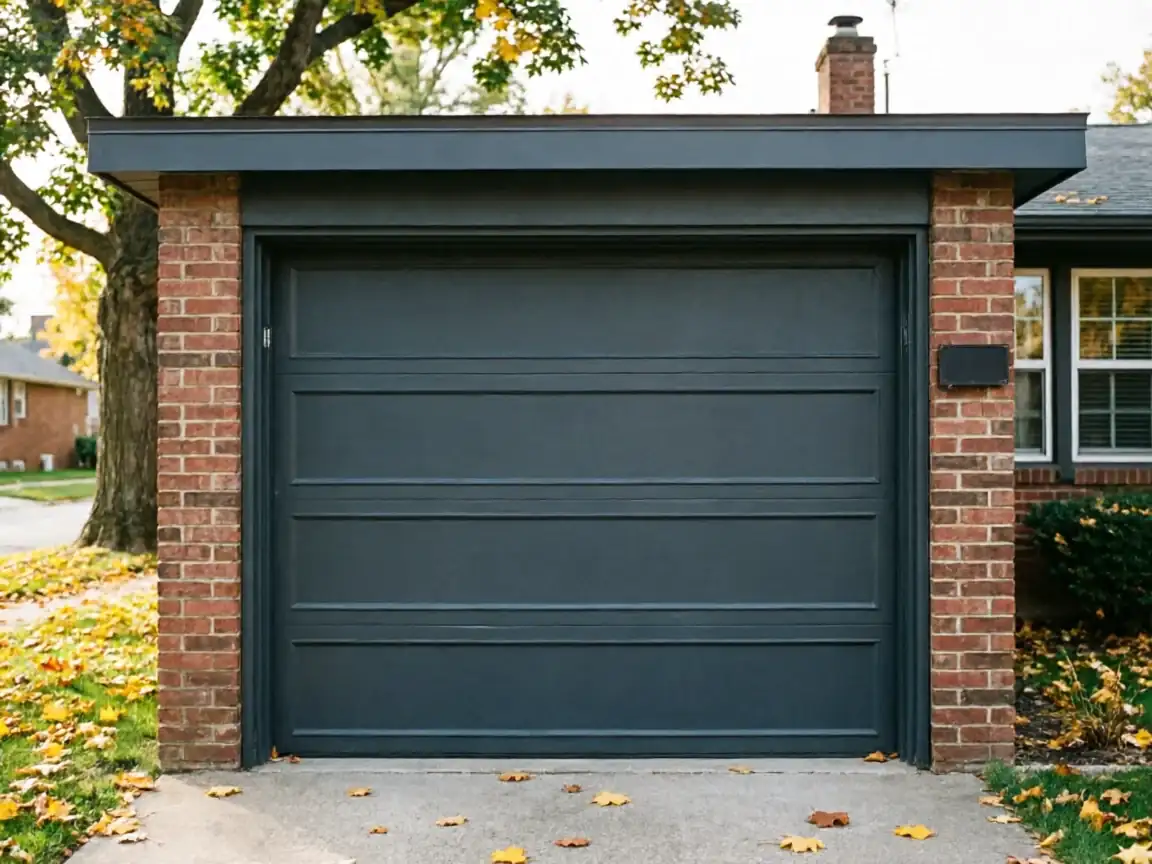
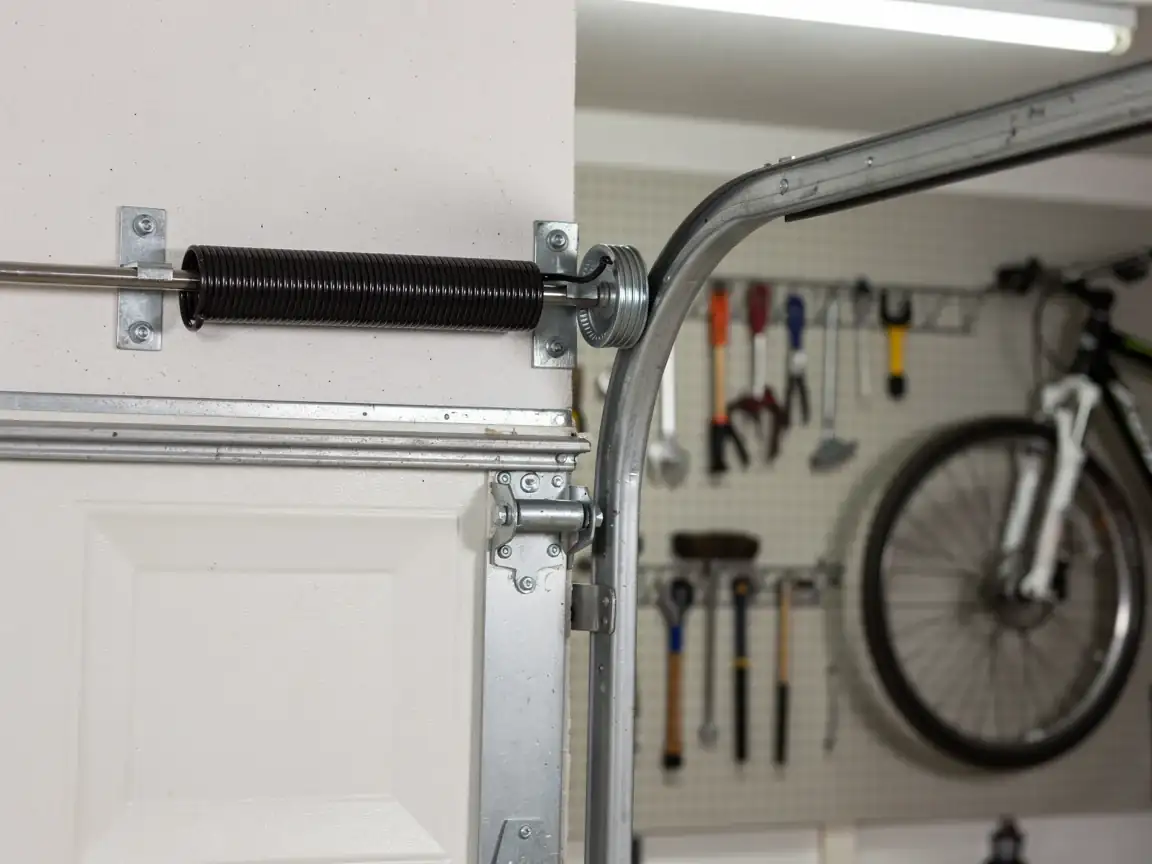
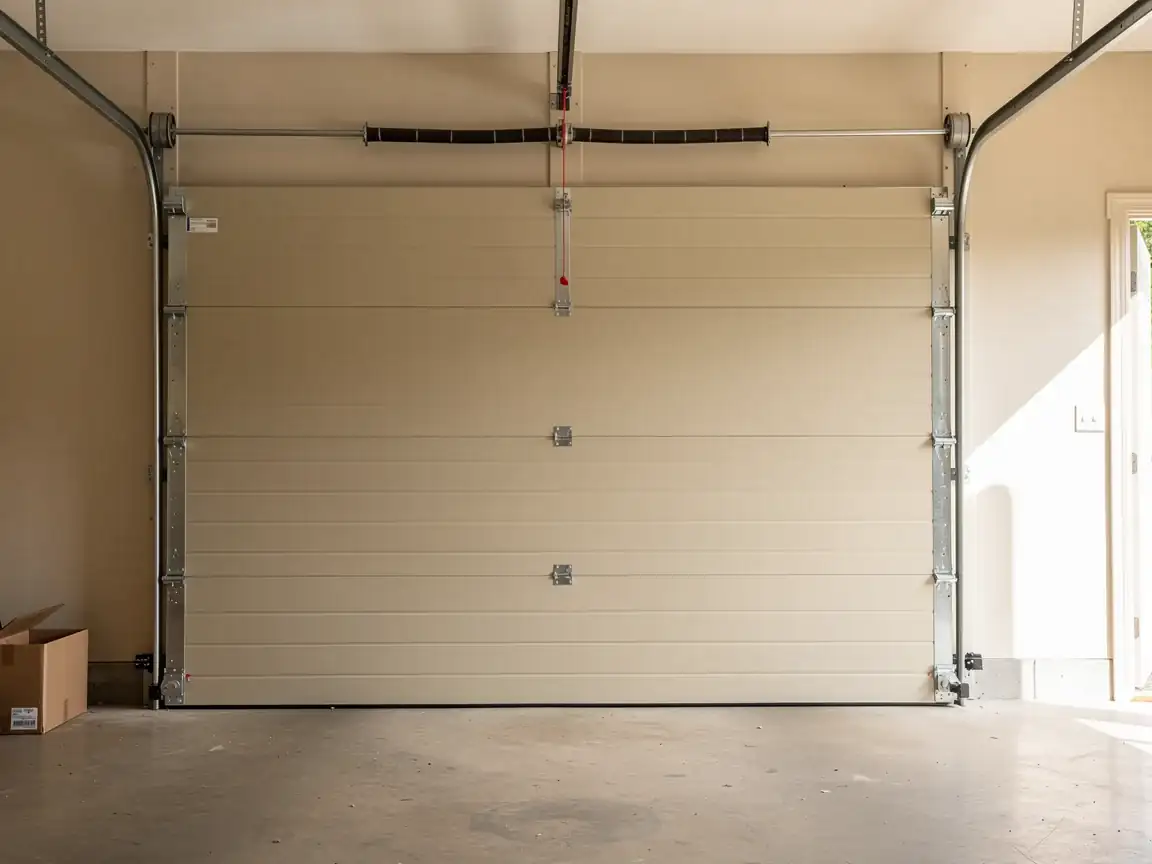
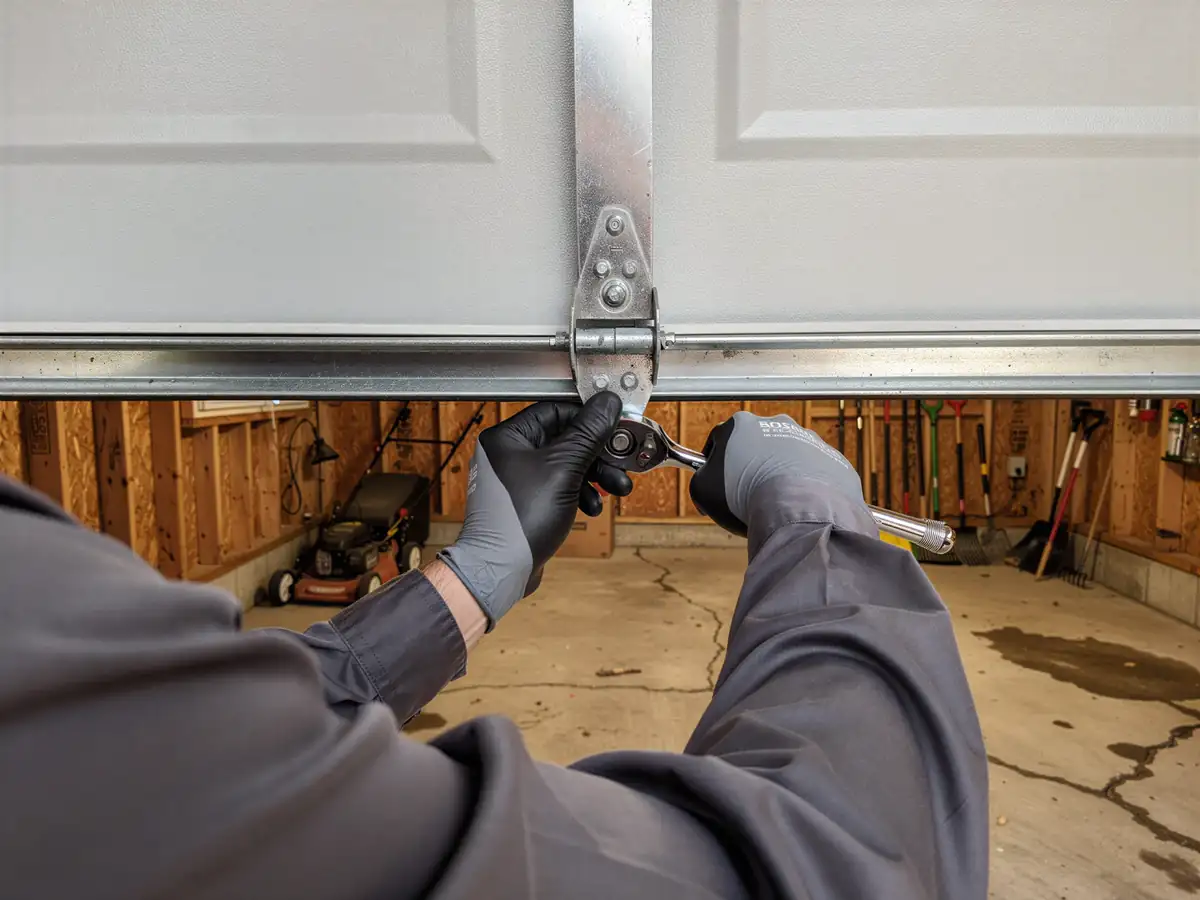
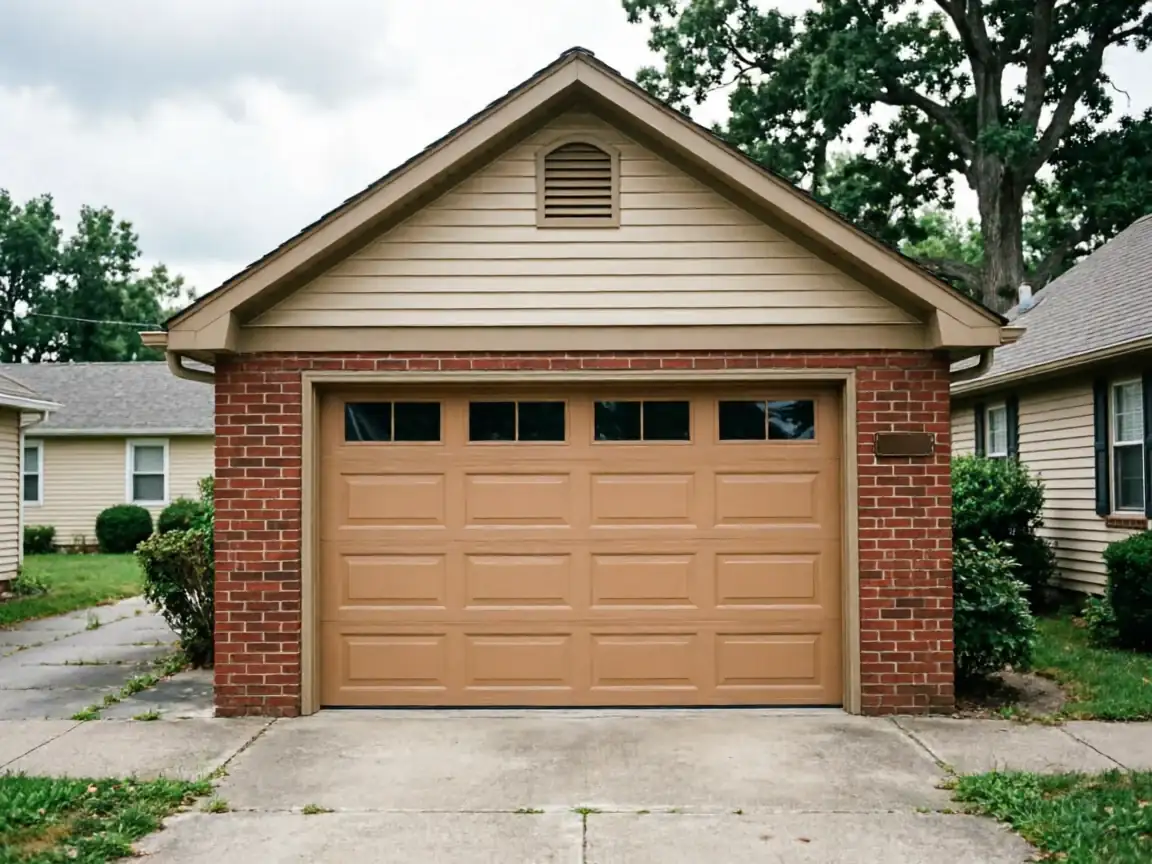
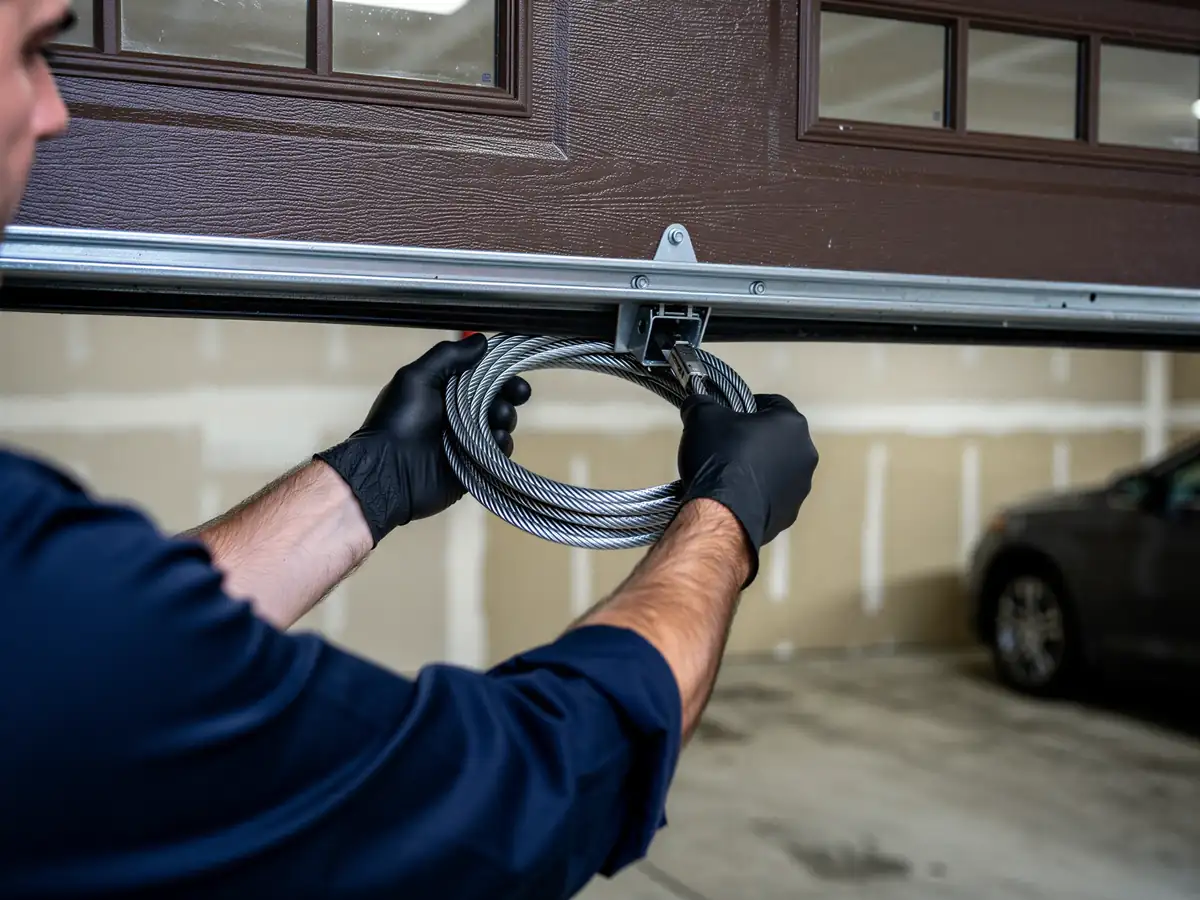
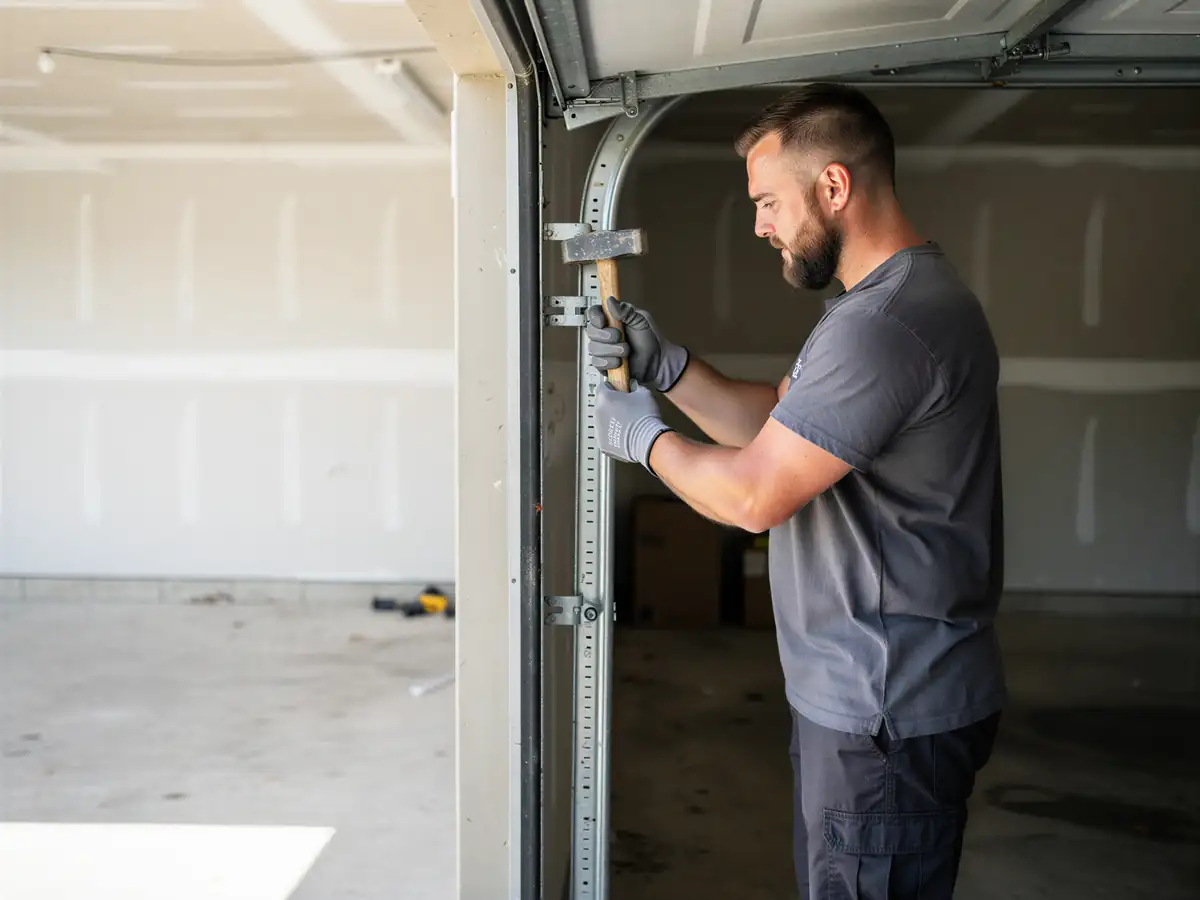
Fairlawn's housing stock centers on 1971, which means a lot of these garages still carry the door and track combination that was standard then: a single steel panel door, often 16 feet wide for the two-car layout, hung on a chain-drive rail with a header bracket that was never built with a modern opener's weight or mounting pattern in mind. The trouble shows up when someone orders an opener online and tries to bolt it to that old header. The bracket flexes, the rail sags under a heavier motor, and the door starts binding halfway up. On a door this age, the opener isn't the only thing that's aged - the track, the hinges, and the header wood underneath it usually need a look before a new unit goes up. We check the header and the track alignment before we hang anything, because skipping that step is how a new opener ends up straining against thirty-year-old wood.
The DIY Question
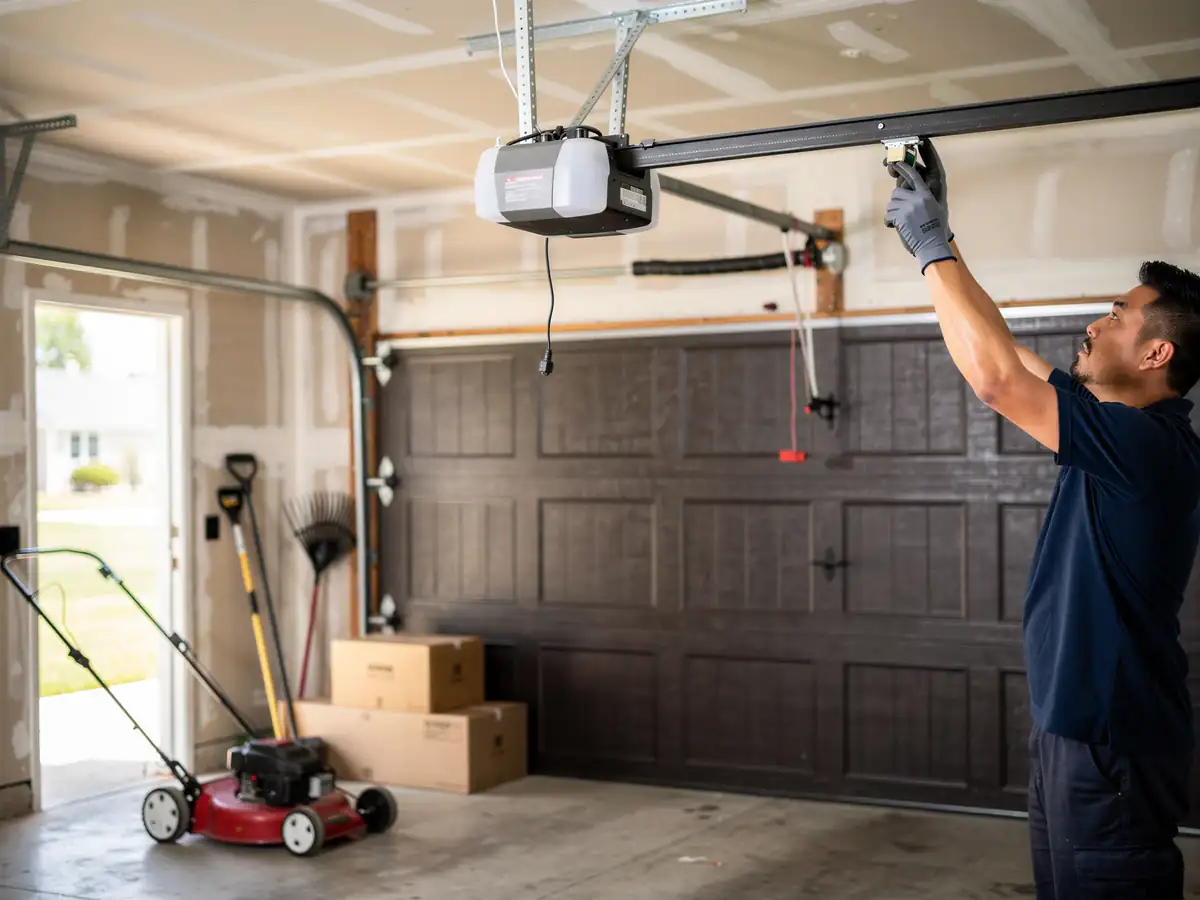
A kit opener from a home store will physically fit most of these 16-foot doors. What it won't tell you is whether your header can take the mounting load, or whether your existing track is square enough for the new travel limits to set correctly. We've been called out to finish jobs where the opener was hung but the door wouldn't reverse on contact - a safety feature, not a convenience one. If you're comfortable with electrical work and ladders, the install itself isn't the hard part. Getting the safety reversal and force settings right on an older door is where most DIY installs fall short, and that's not something to leave half-done on a door this size.
The Symptom
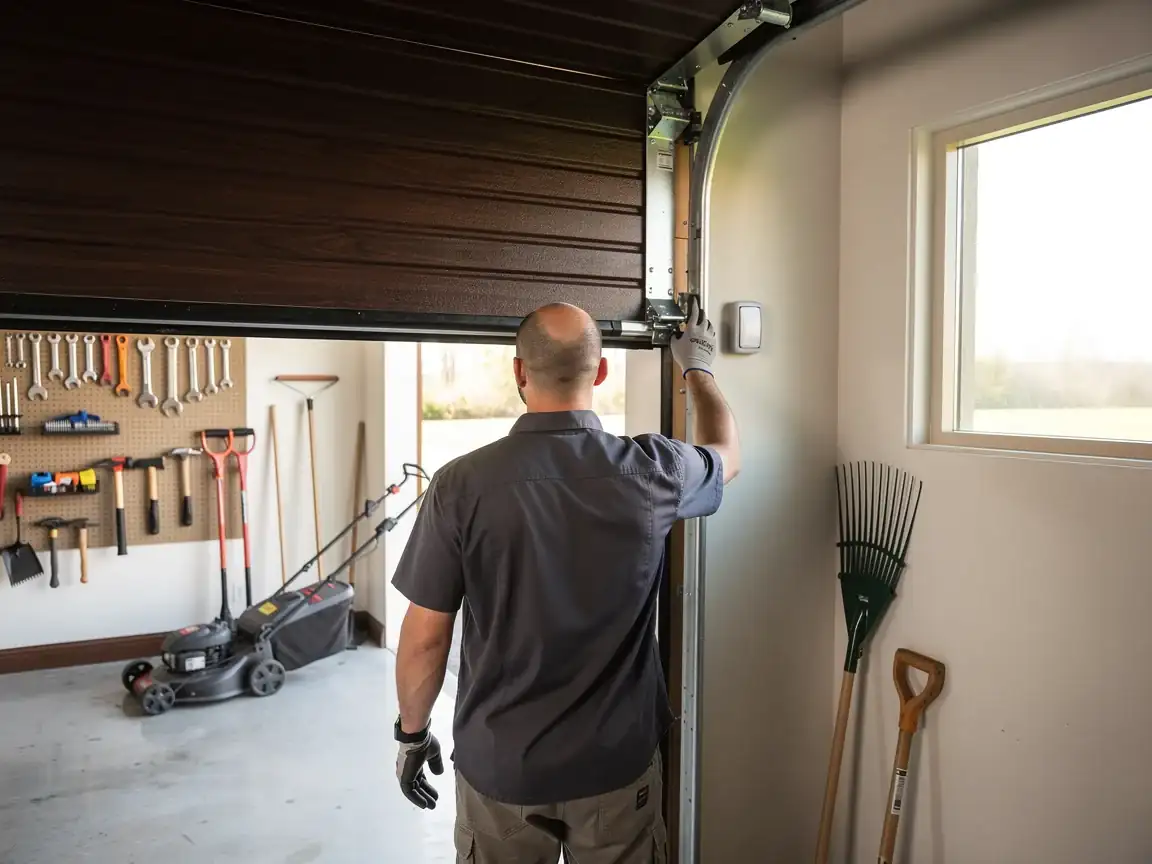
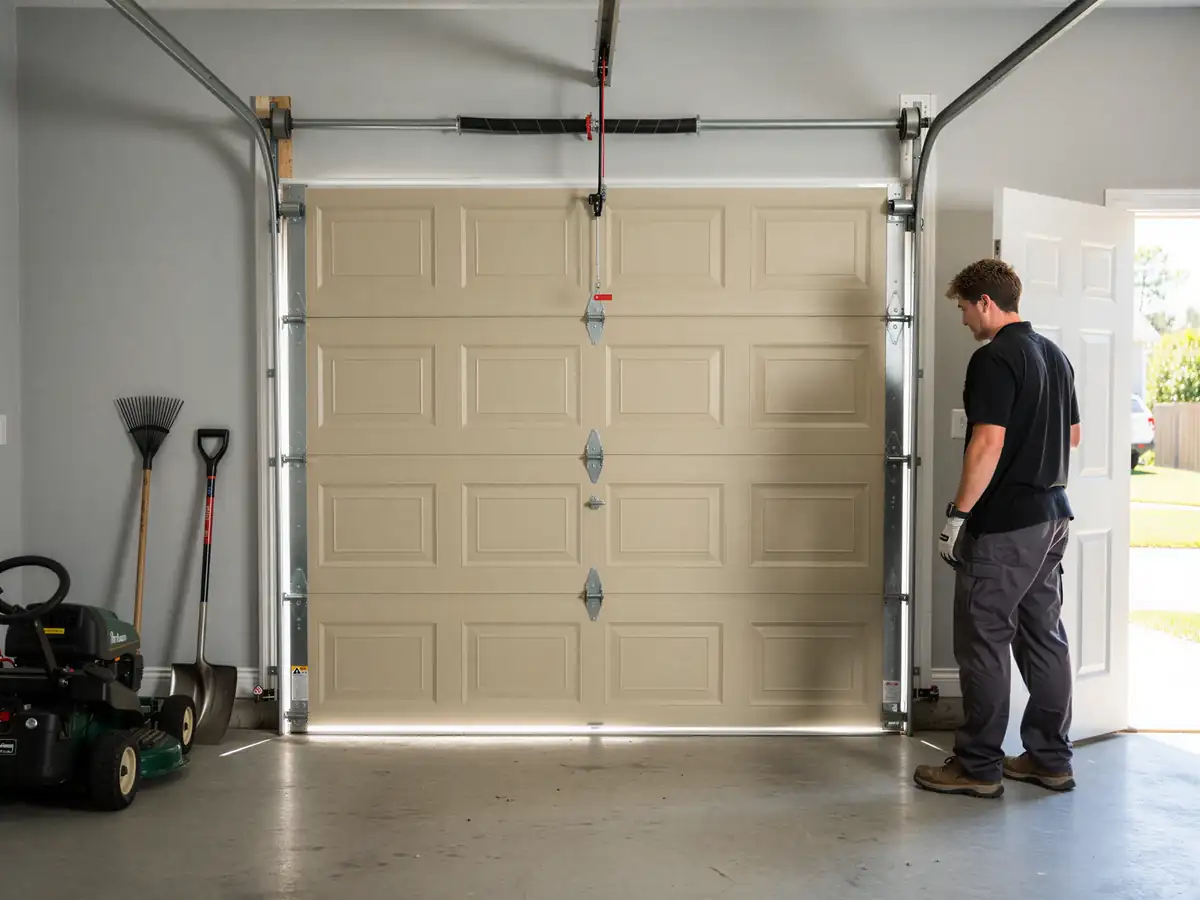
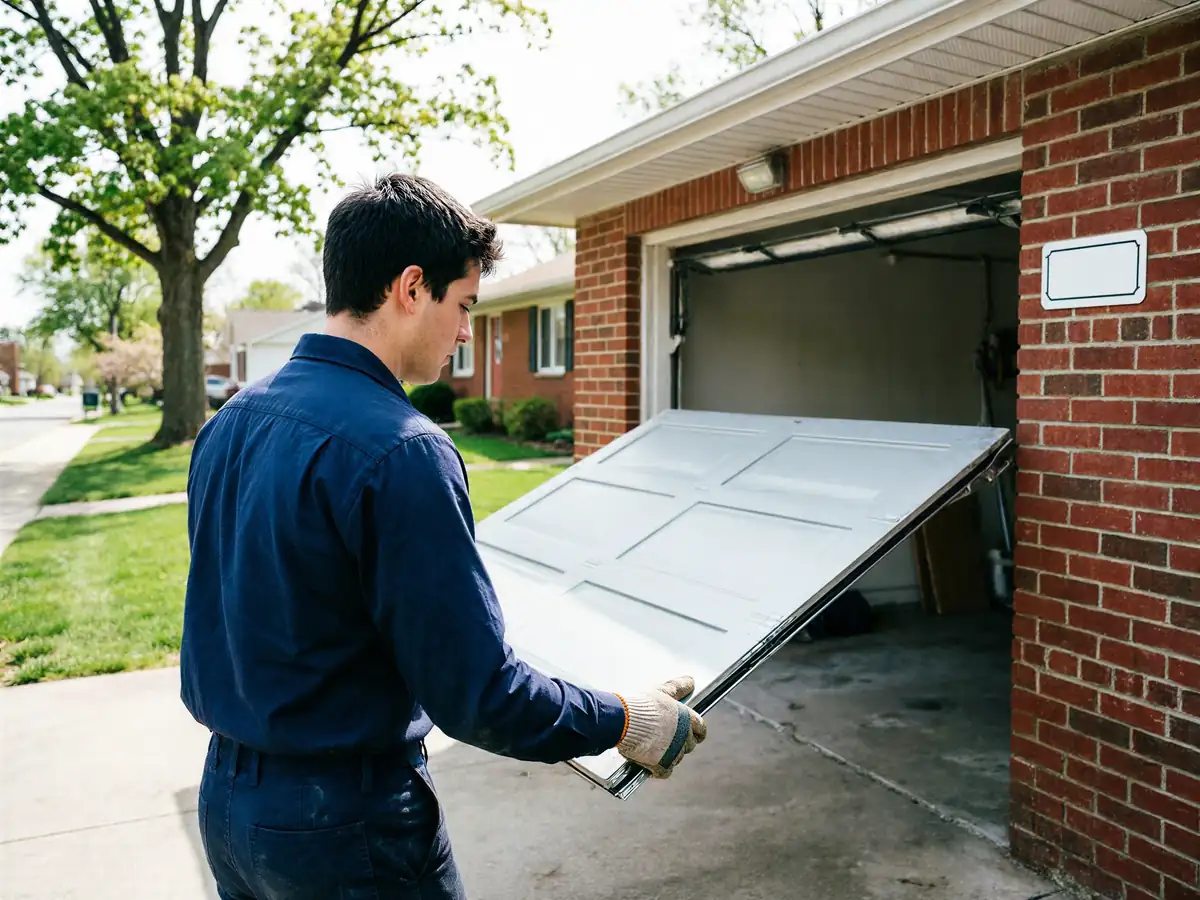
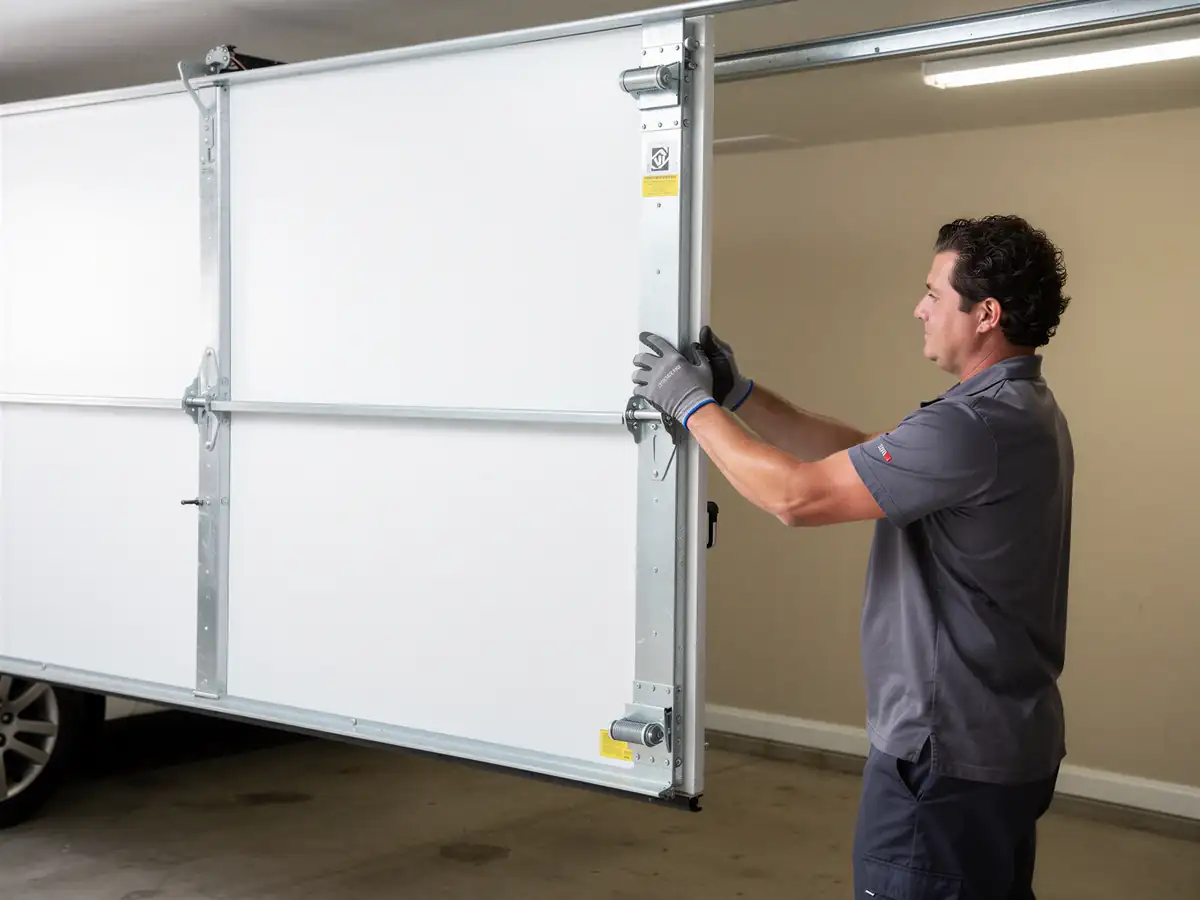
The call we get most from this part of town is an opener that runs but the door stutters, reverses on its own, or stalls a few inches off the floor. On a house built around 1971, that's rarely the opener's motor failing outright - it's usually the door itself. Steel panels from this era have picked up rust at the bottom seam or the track has shifted slightly as the slab settled, and the opener is doing exactly what it's supposed to: refusing to force a door that's binding. Swapping the opener alone on these jobs fixes nothing. We check the door's travel by hand, unplugged, before we touch the opener's wiring.