Where This Job Goes Sideways
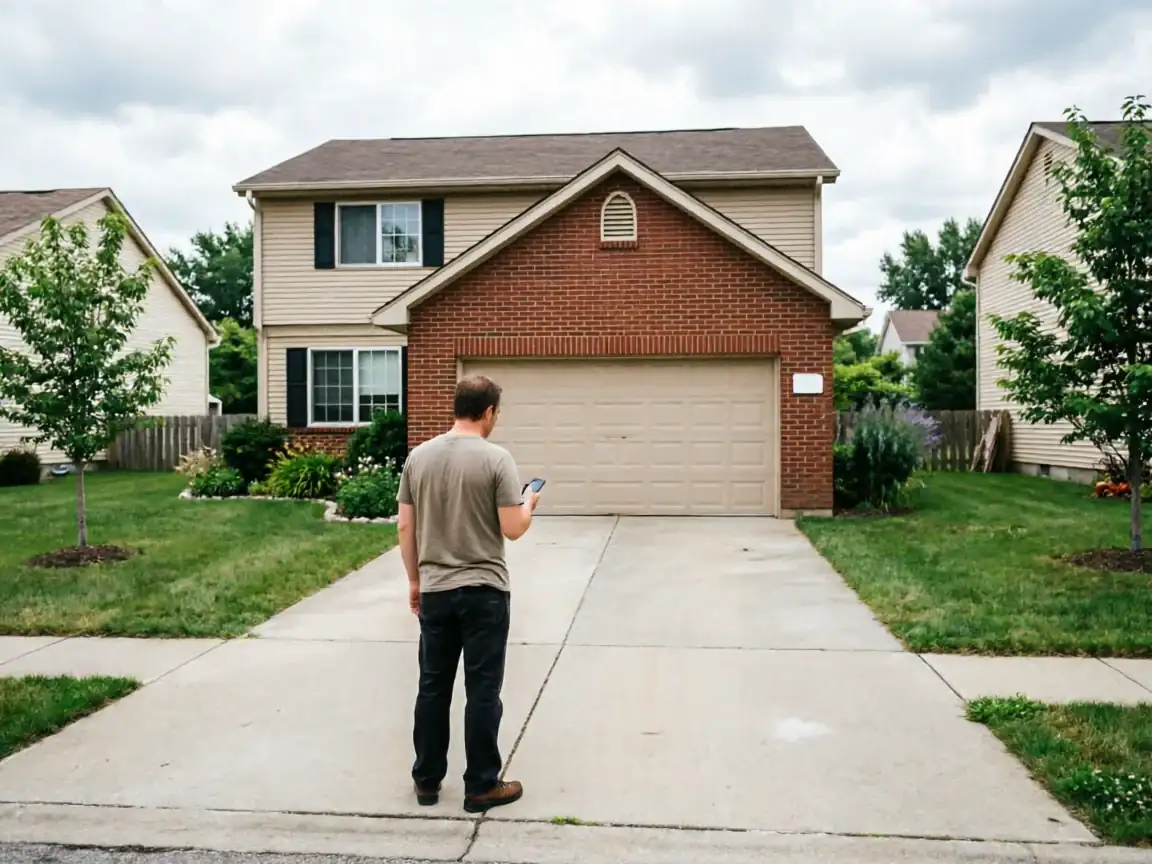
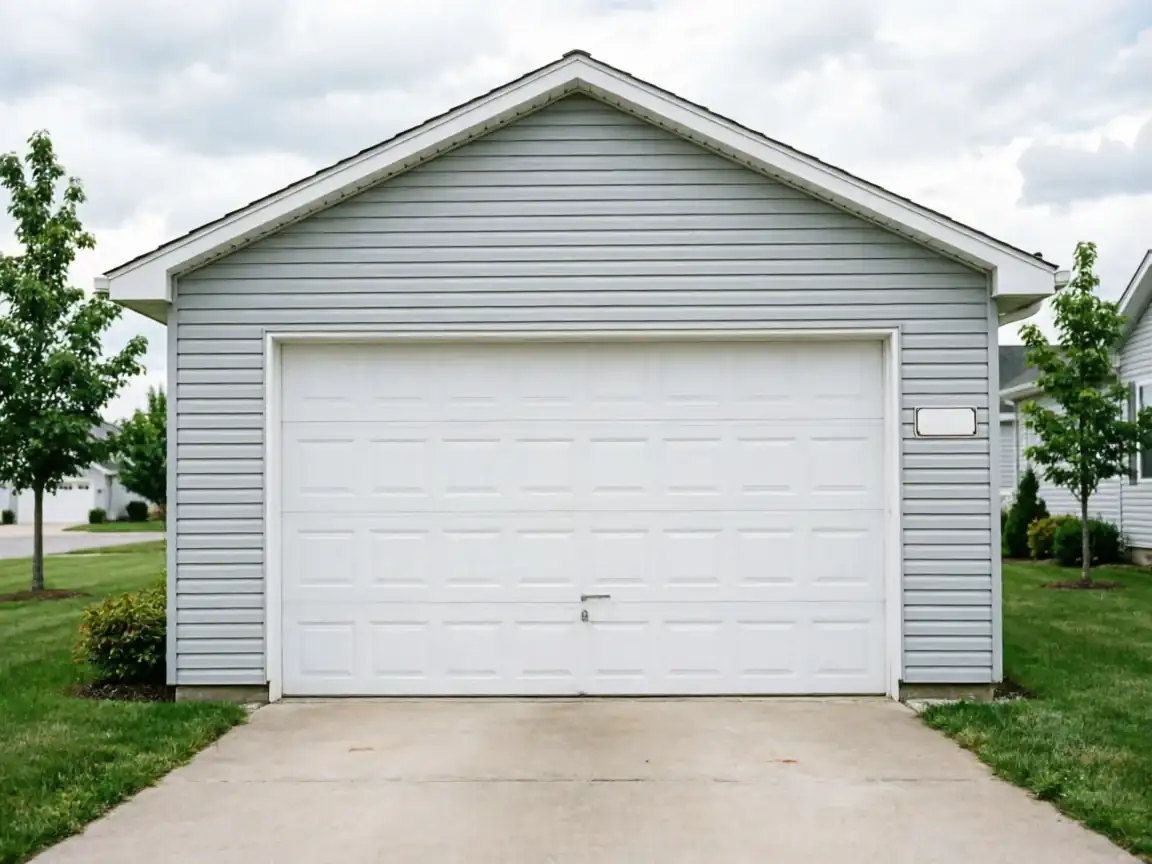
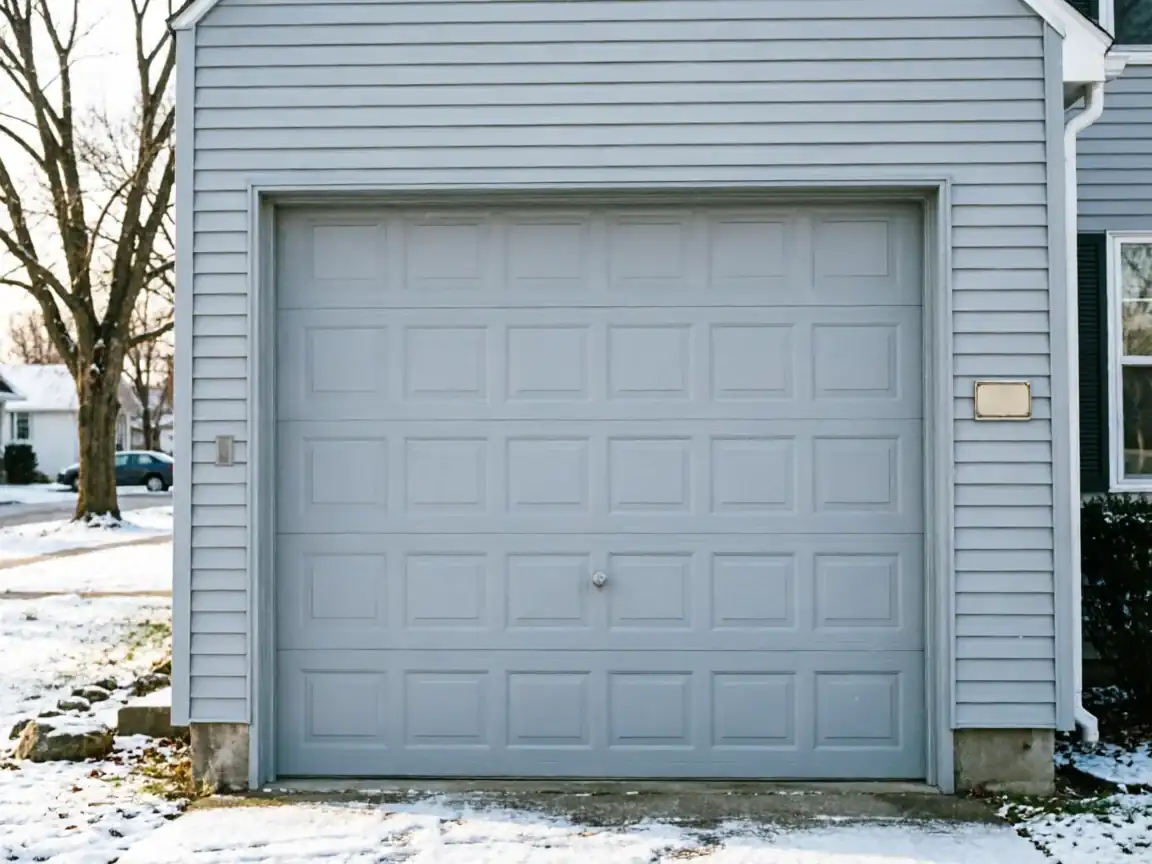
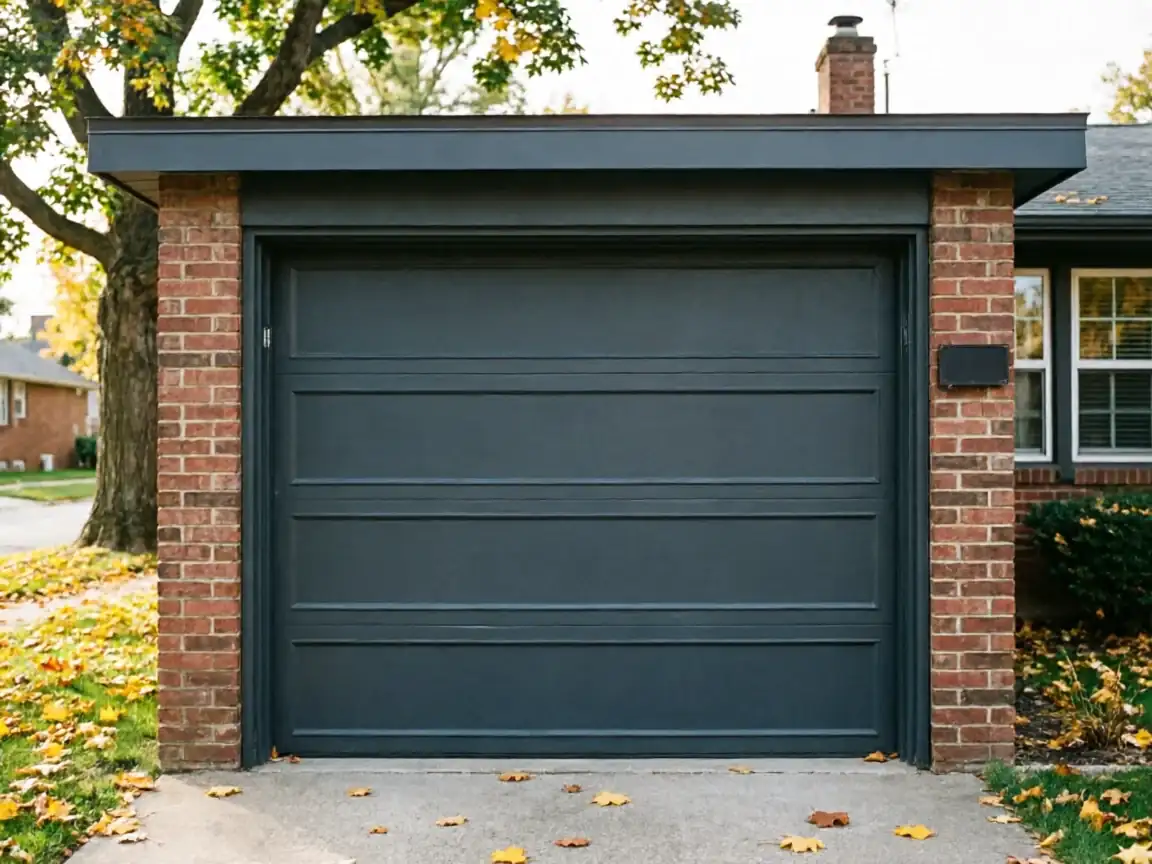
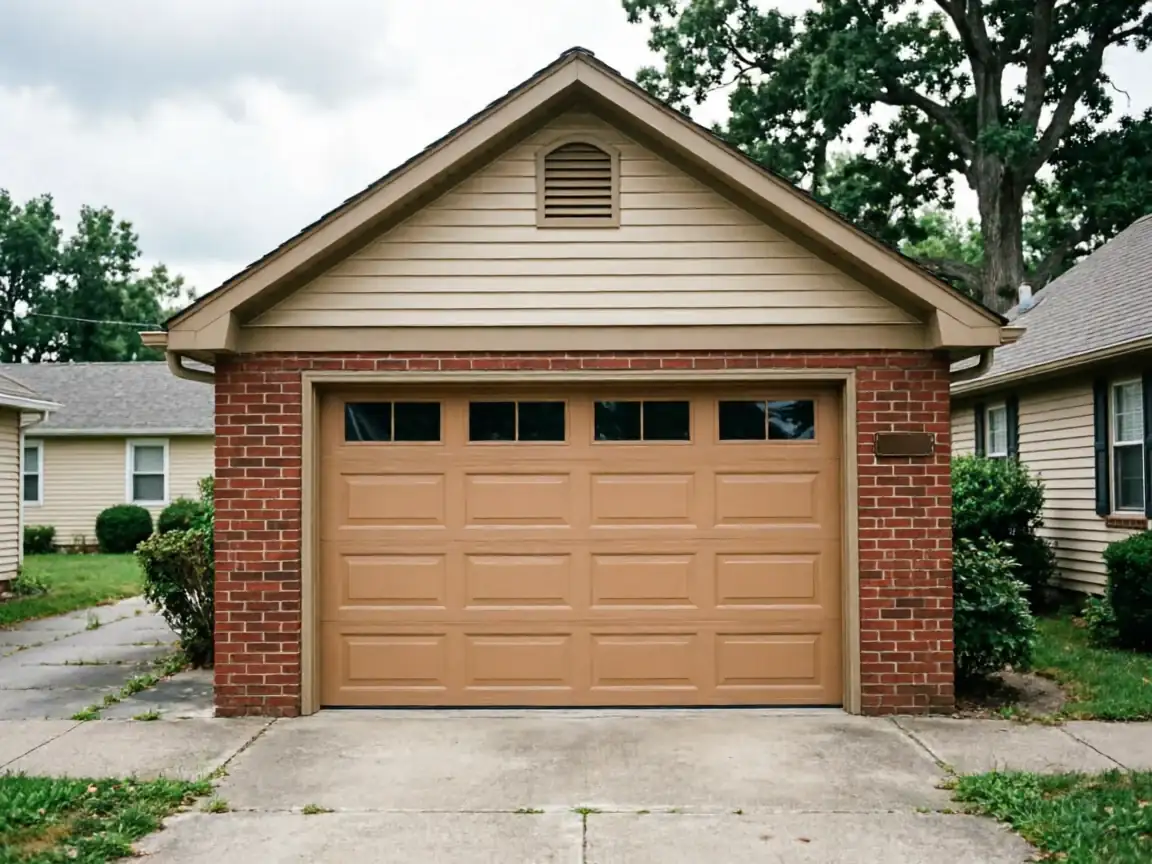
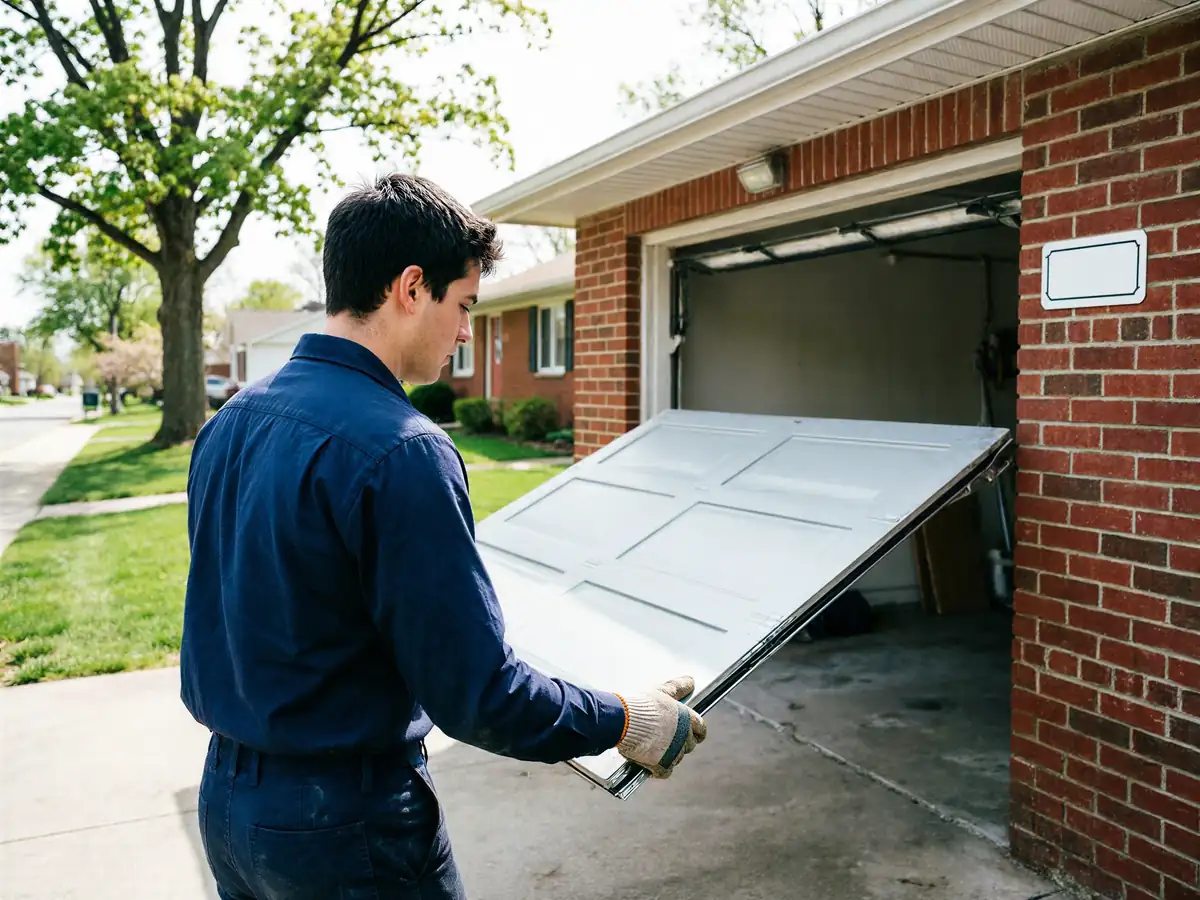
Fairlawn's housing mostly went up in the 1960s and 70s, with a median build year around 1971. Doors from that stretch were steel sectional units with panel heights and screw patterns that current manufacturers quietly phased out decades ago. When a homeowner calls wanting one dented panel swapped instead of the whole door, the first question isn't the color match - it's whether the panel height even exists anymore. A lot of those original doors ran 21-inch panels; most of what's stocked today runs 24 or 18. That mismatch is where this job goes sideways before a tech even opens the truck.
The second trap is finish. A single replacement panel on a door that's had thirty-plus Ohio winters on it almost never matches the weathered color of the rest, even if the embossing pattern is right. We'll tell you straight when a patch is going to look like a patch, rather than let you find that out after it's installed. At 3,577 households, Fairlawn isn't a huge town, but its housing stock is consistent enough that this exact problem comes up again and again on the same handful of door generations.
The Cost of This Job
We don't quote a number without seeing the door, so there's no flat price to list here
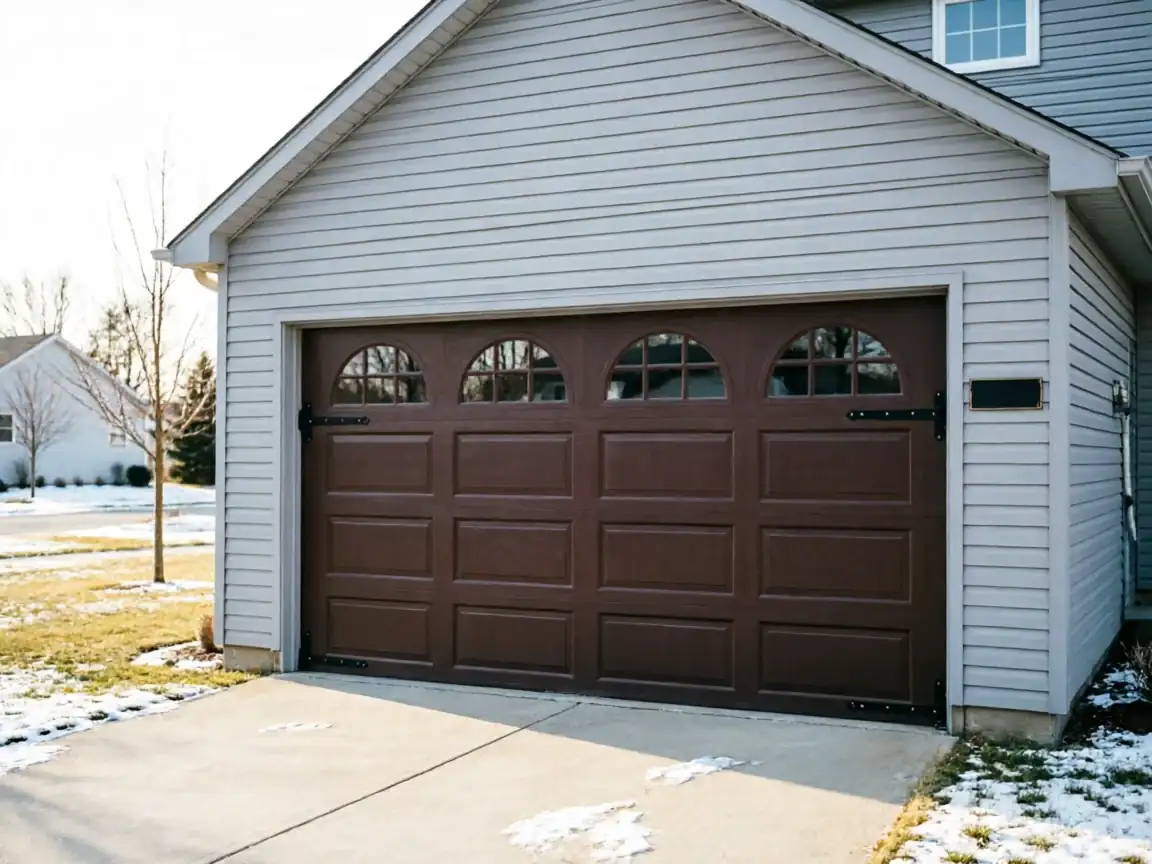
What drives the cost in a town like Fairlawn is almost always the hunt: finding a panel that matches the original height, the hinge spacing, and the window cutout pattern if the door has them. If the right stock panel exists, it's a straightforward swap. If it doesn't, the choice becomes full door replacement, which costs more up front but sidesteps the mismatch problem entirely.
Fairlawn's median household income runs $93,154
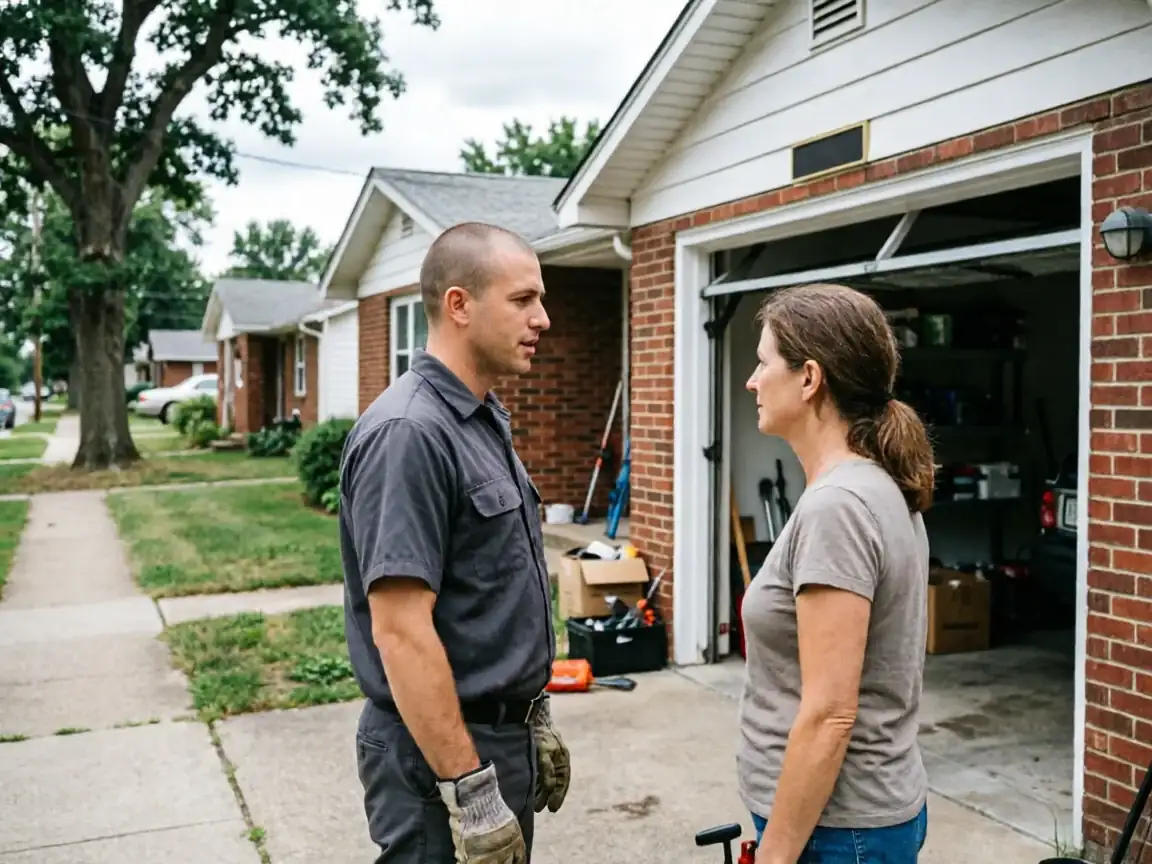
Noticeably above the $80,612 average across the rest of the service area we cover out of Akron. That doesn't change our pricing, but it does mean we see more homeowners here opt for full replacement over a patchwork repair once they understand the panel won't match anyway. We'll lay out both options and the real cost difference between them before you decide, not after.
The DIY Question
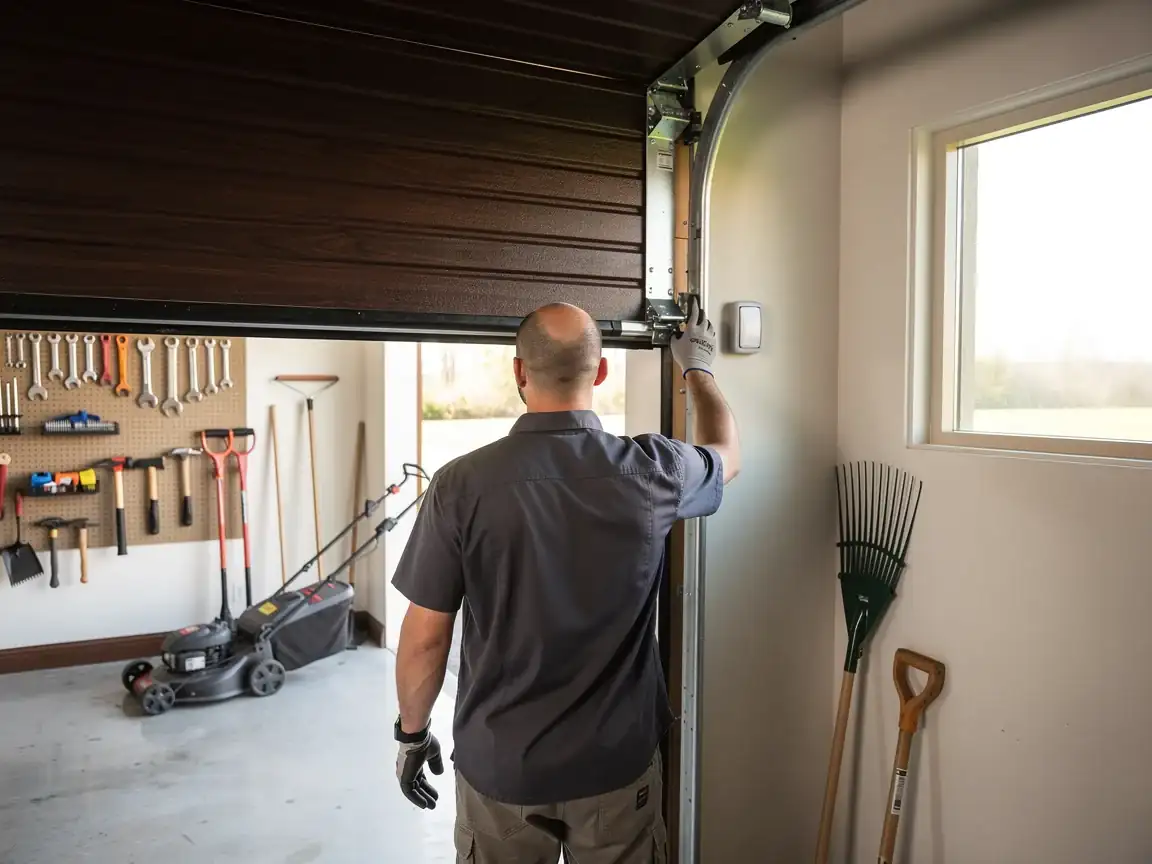
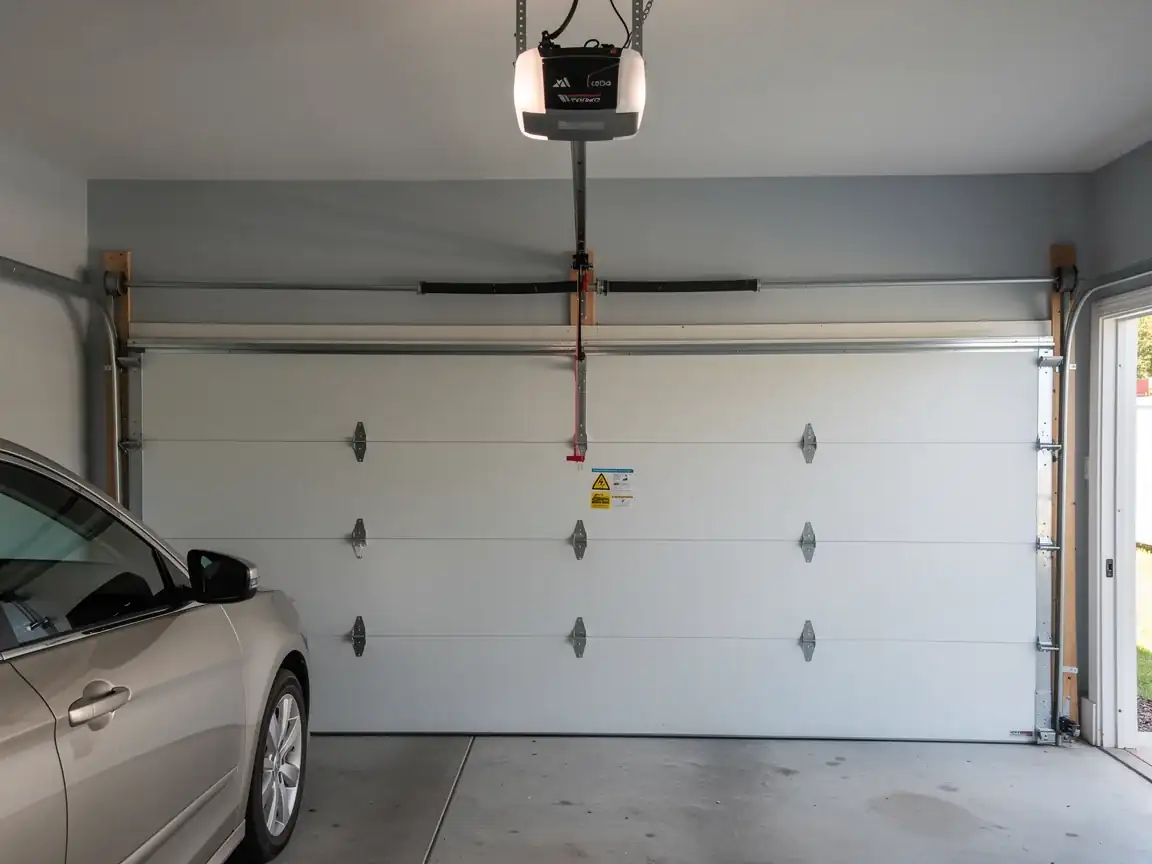
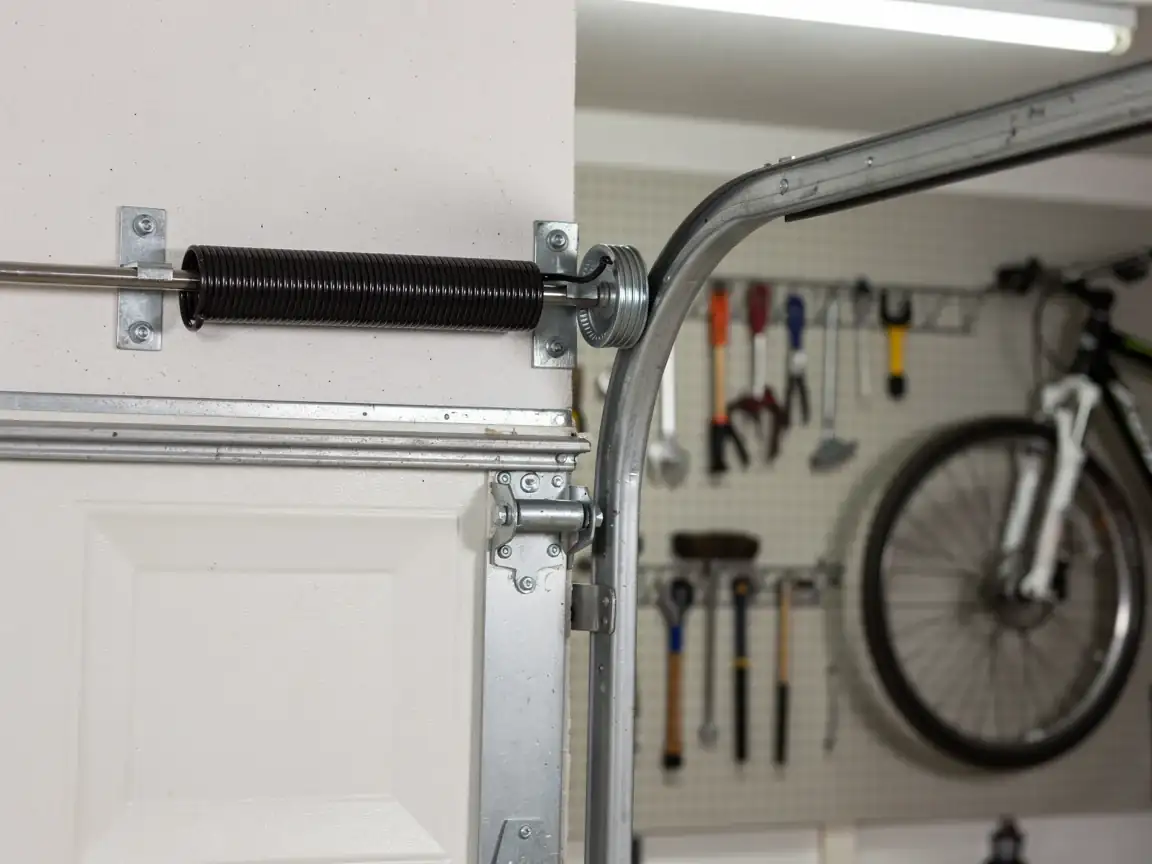
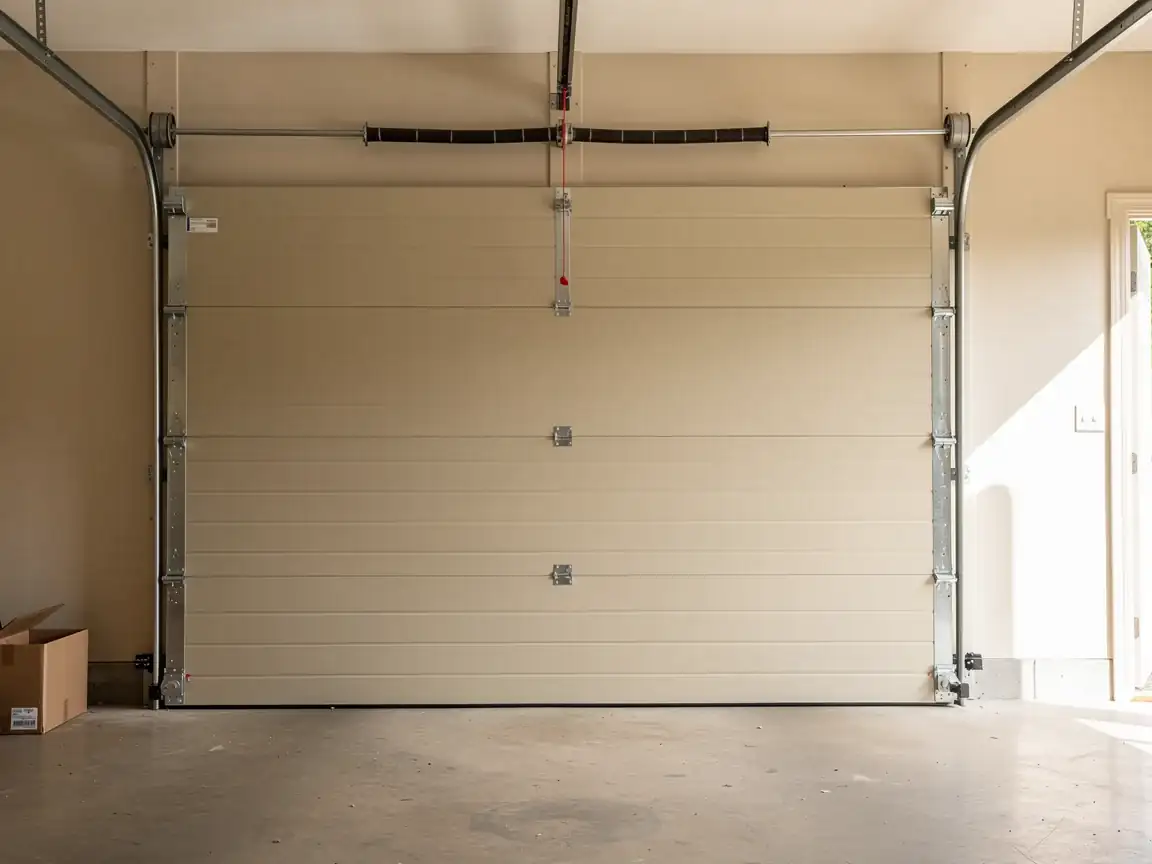
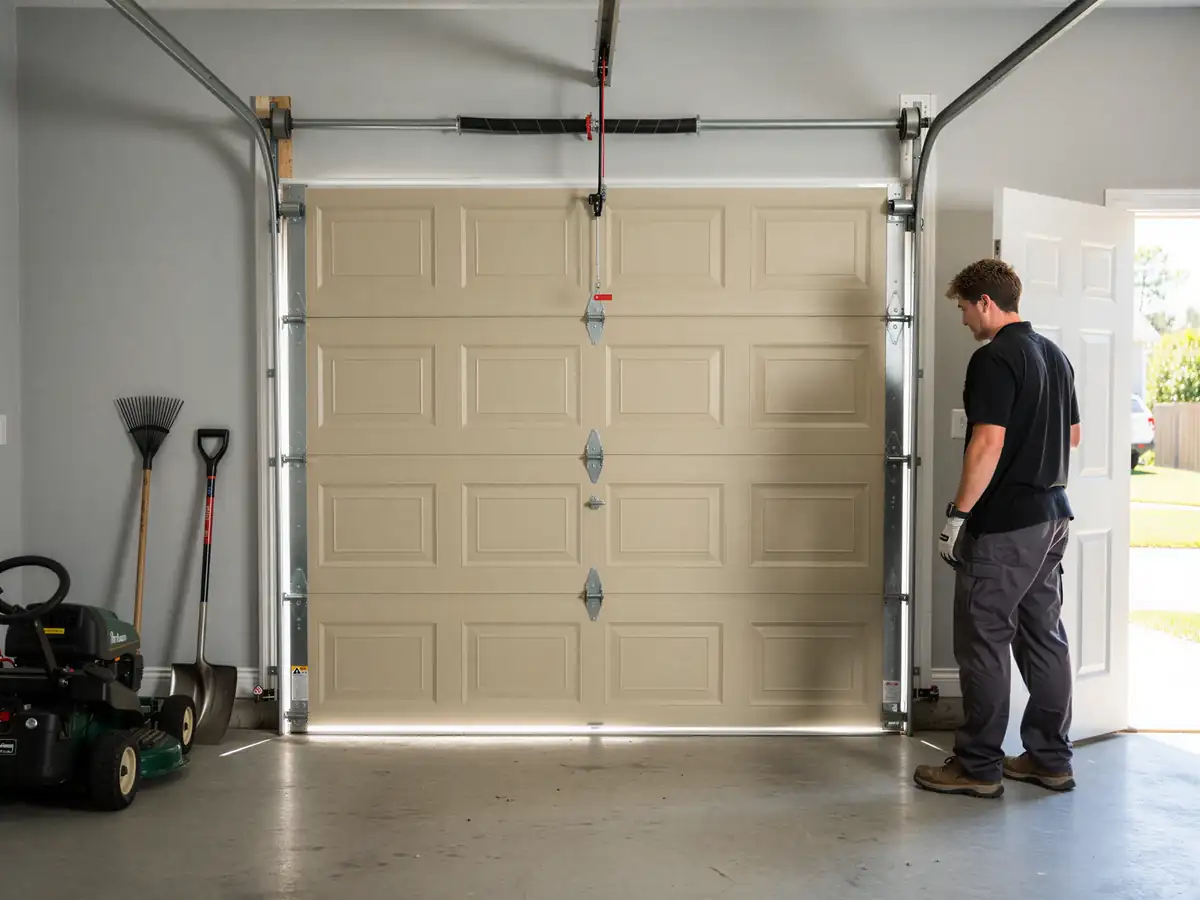
Swapping a single garage door panel sounds like a bolt-off, bolt-on job, and on some doors it almost is. On a door built around 1971, it usually isn't. The panels are often riveted to the end stiles rather than bolted, the track alignment shifts the second you remove a section, and torsion spring tension doesn't care whether you're doing a full door or a single panel - it can still take a finger off if the cable lets go while the section is loose.
Here's the honest limit: if your door is one continuous panel style with no visible seams between sections, panel replacement isn't an option at all - that's a full door swap, full stop. We'd rather tell you that on the phone than have you buy a part that can't go on your door. If you do want to try the swap yourself and it's a true sectional door, at minimum clamp the track and release spring tension safely before you touch a single bolt.
The Symptom
The calls we get from Fairlawn for this job usually start one of two ways: a dented bottom panel from a mower, sled, or trailer hitch clipping it, or a rust line creeping along the bottom edge where decades of snowmelt and road salt sat against the steel. Ohio's cold winters are hard on anything with exposed seams, and a 50-year-old panel seam that's lost its original sealant lets moisture sit right where rust starts.
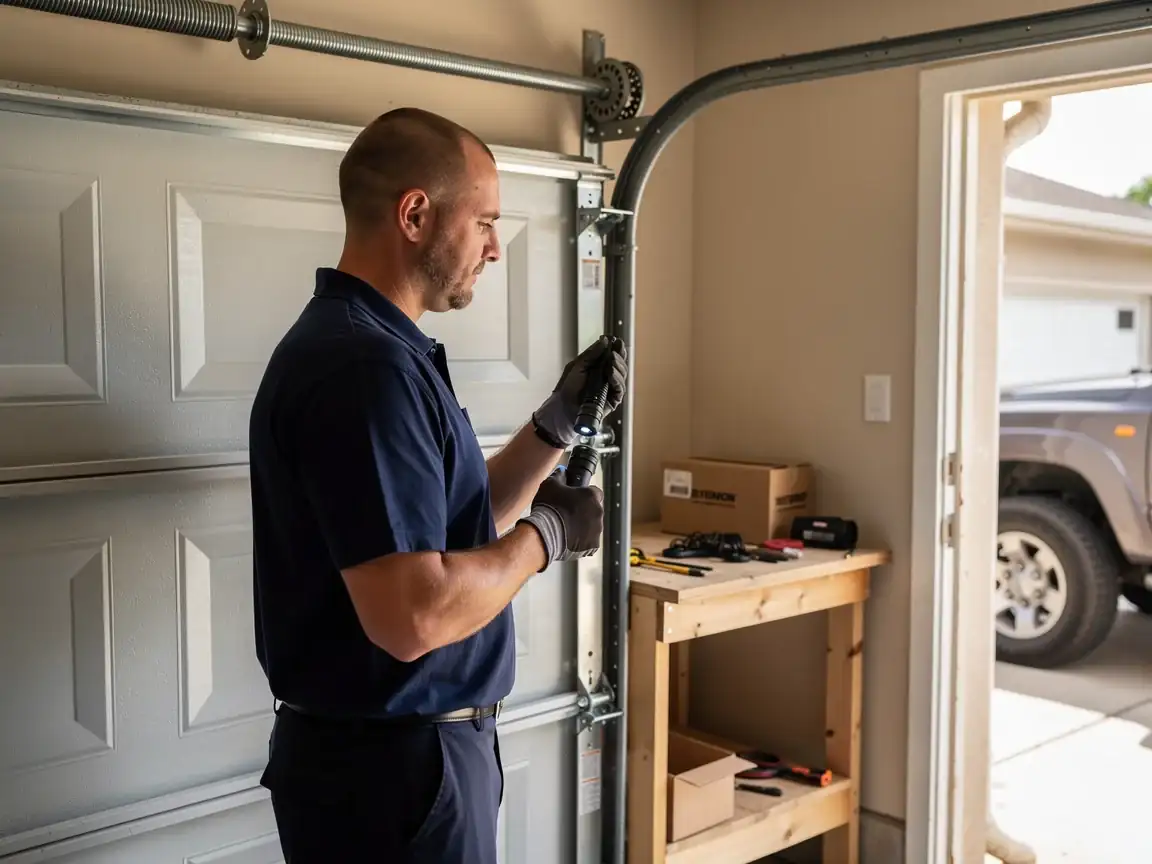
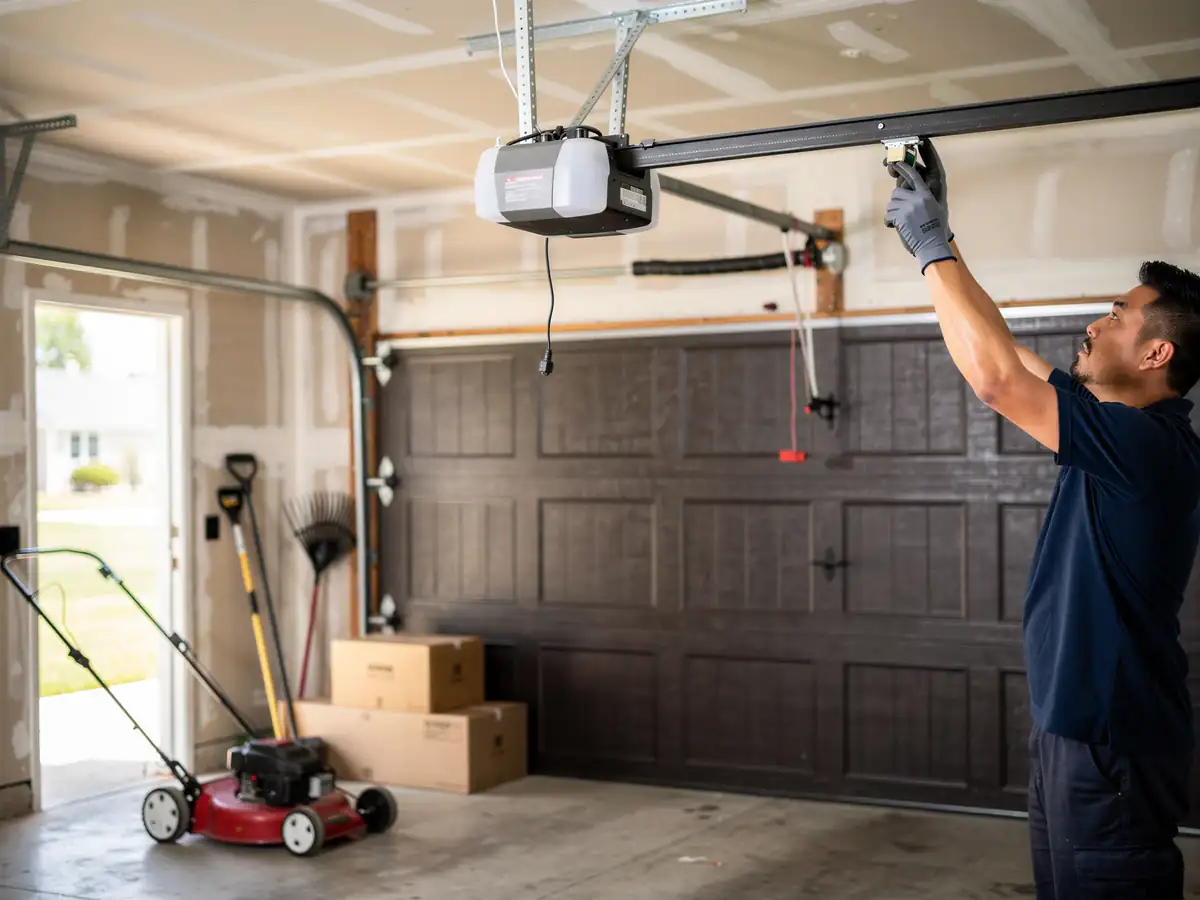
Less common but still frequent: a cracked or buckled panel from a spring that let go unevenly, putting twisting force on one section instead of the whole door moving together. If that's your symptom, the panel is often the visible damage but not the actual cause - we check spring balance before quoting panel work, because replacing a panel on a door that's still out of balance just buys you the same crack again in a year.
How We Fix It
We run the job out of Akron, about six miles to Fairlawn
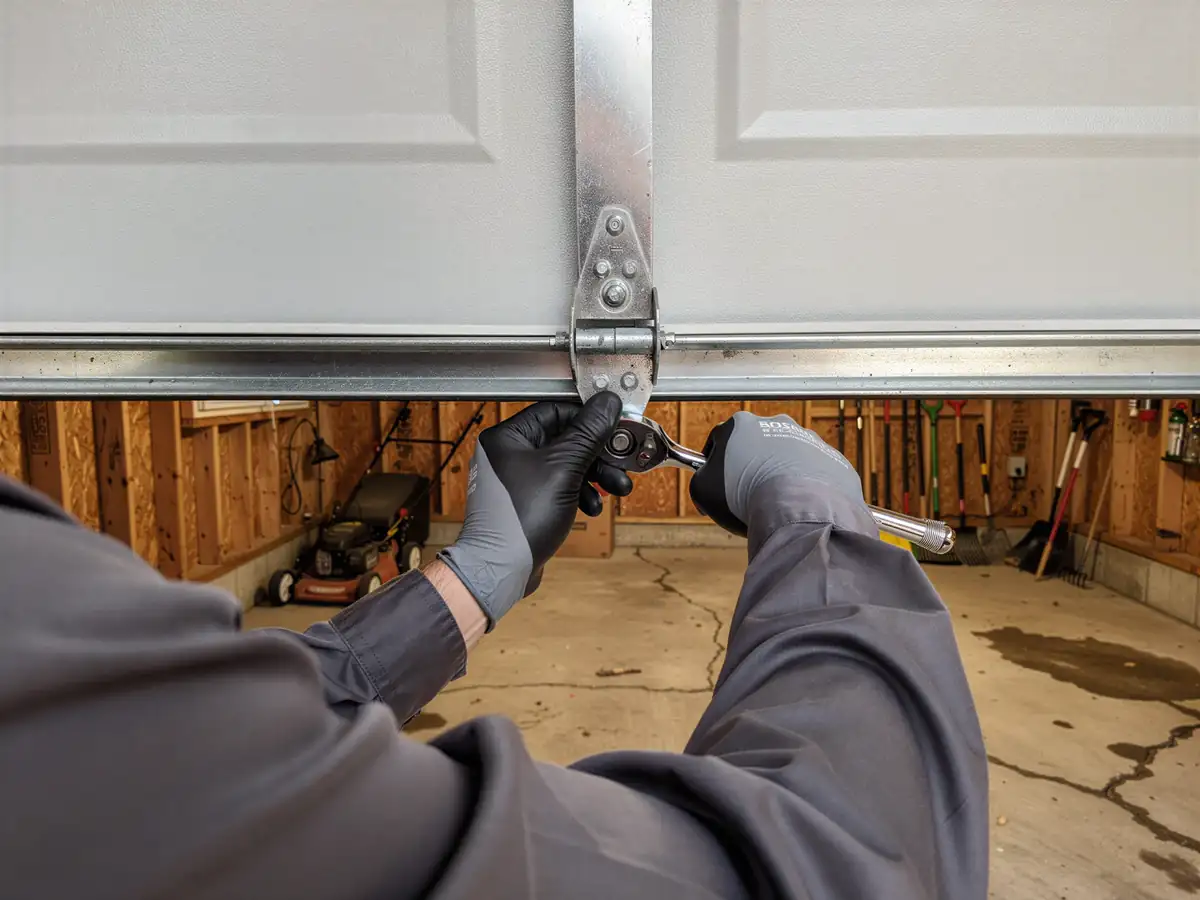
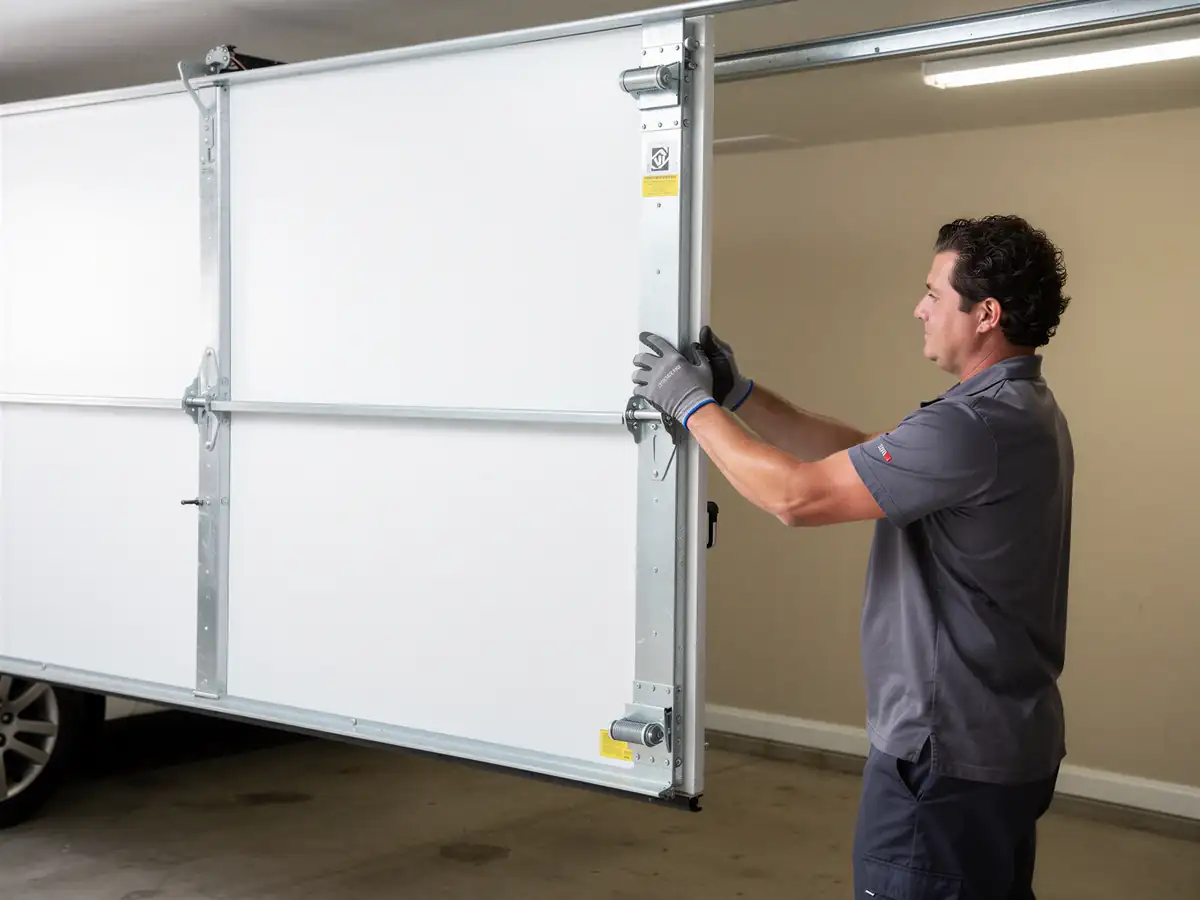
So there's no local branch or drop point here - just a truck that comes out, measures the panel against current stock, and tells you honestly whether a match exists. If it does, we pull the damaged section, check hinge and roller condition on the sections next to it since hardware that age is often as worn as the panel itself, and set the new piece in with matched fasteners.
If no stock match exists for a door built in that 1960s-70s window
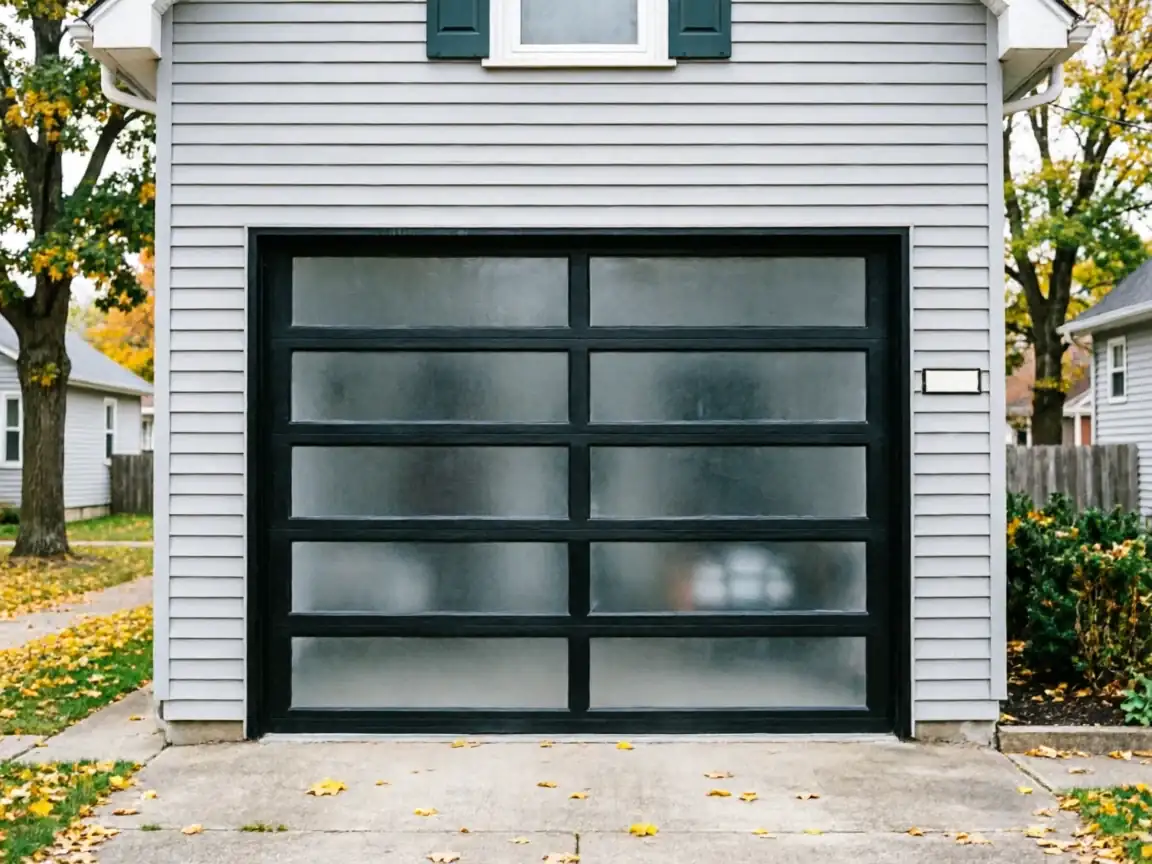
We'll walk you through full door replacement instead, including insulation options suited to a cold climate like this one. We don't push replacement when a repair will hold - but we also won't sell you a panel that's going to look wrong on your house for the next fifteen years.