Where This Job Goes Sideways
Fairlawn's median household income runs $93,154, well above the $80,612 median across the wider Akron service area. That gap matters more than it sounds like it should, because it changes where the repair-or-replace line sits. A household at that income level isn't stretching to justify a new door when the old one is failing on its third service call - the math tips toward replacement faster here than it does in lower-income pockets of the service area, where another spring or roller swap still makes sense.
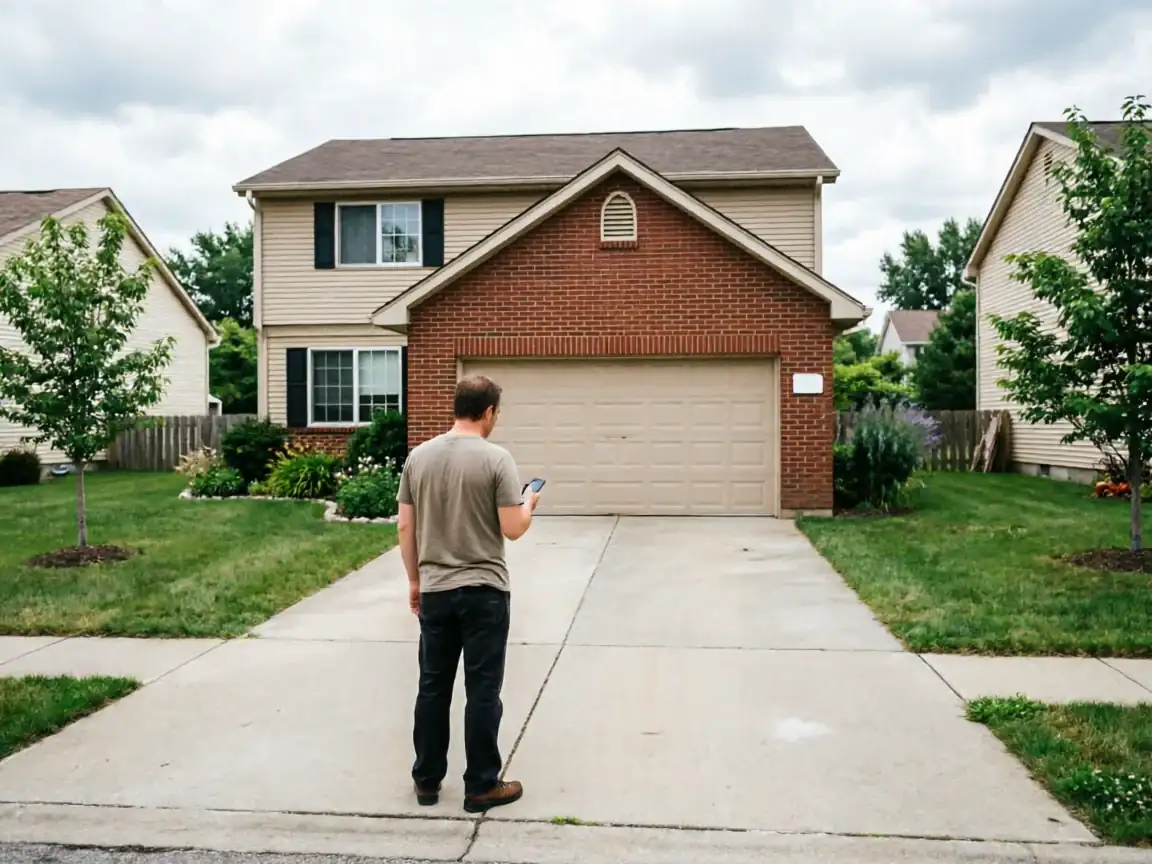
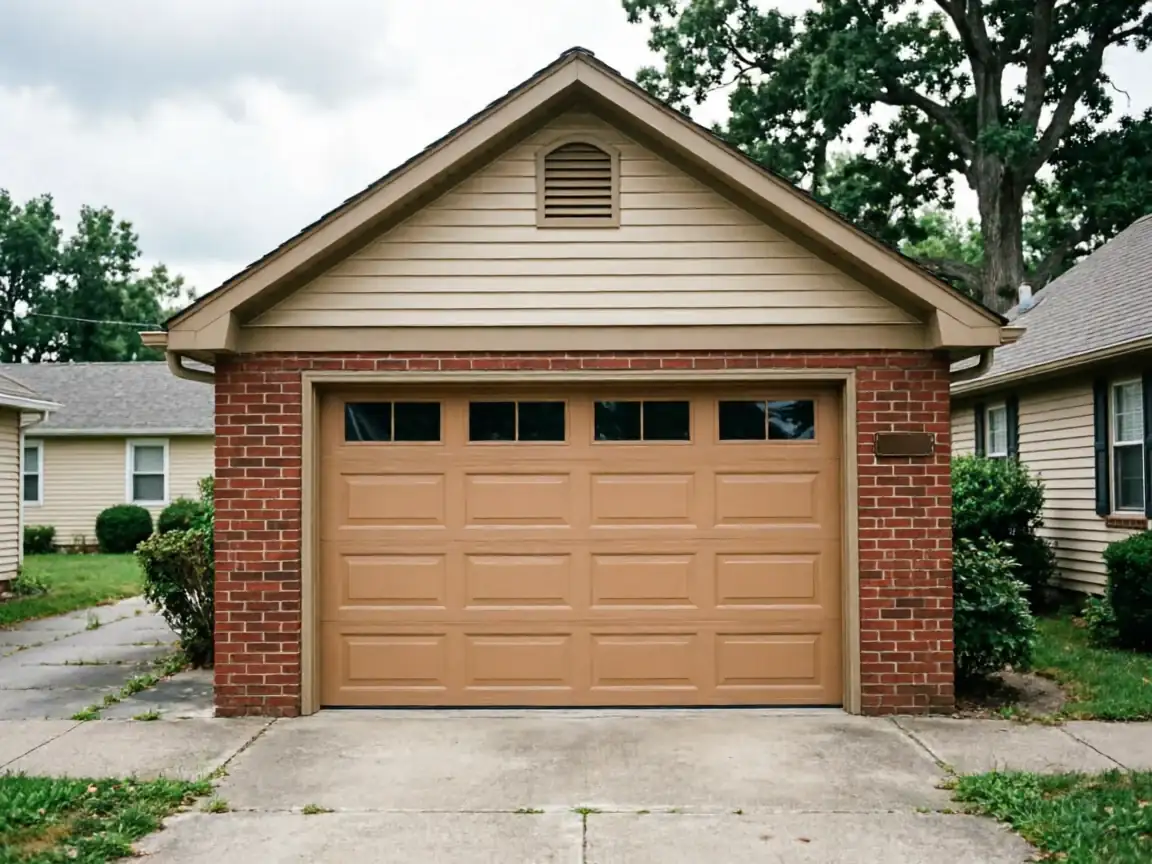
Where it goes sideways is when a homeowner assumes a newer income bracket means a newer door. It doesn't. Fairlawn's housing stock centers on a median build year of 1971, which puts a lot of doors from the original construction run still hanging on original track, often with hardware nobody stocks new anymore. The income supports replacement. The house itself is what's failing. Those two facts point the same direction, but for different reasons, and conflating them is how people end up either overpaying for a repair that won't hold or underpaying for an install that doesn't match the opening.
The Cost of This Job
We don't have a posted price for this job and won't invent one
What we can tell you is what drives the number on a 1971-era opening: the door itself, whether the opener gets replaced alongside it, and whether the track and jamb need rework because the original frame has shifted or rotted at the base - common on houses pushing fifty years old.
At Fairlawn's income level, most homeowners we talk to are choosing between a mid-grade insulated steel door and a higher-end option
Not deciding whether they can afford a door at all. That changes the conversation from 'what's cheapest' to 'what holds up' - which, in a cold-climate region, usually means paying attention to the insulation rating rather than shaving dollars off the panel. We'll walk the actual opening and give a real number before anything gets ordered. Nobody quotes this kind of job sight unseen and gets it right.
The DIY Question
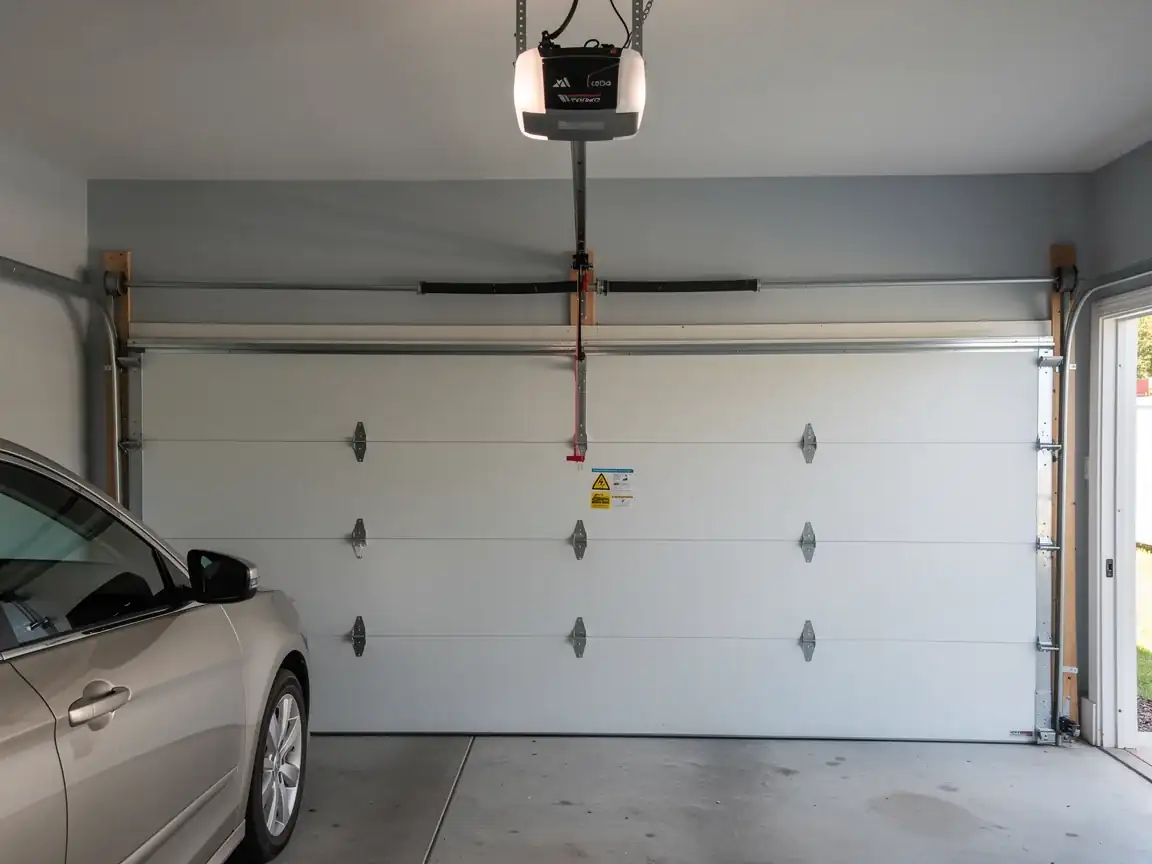
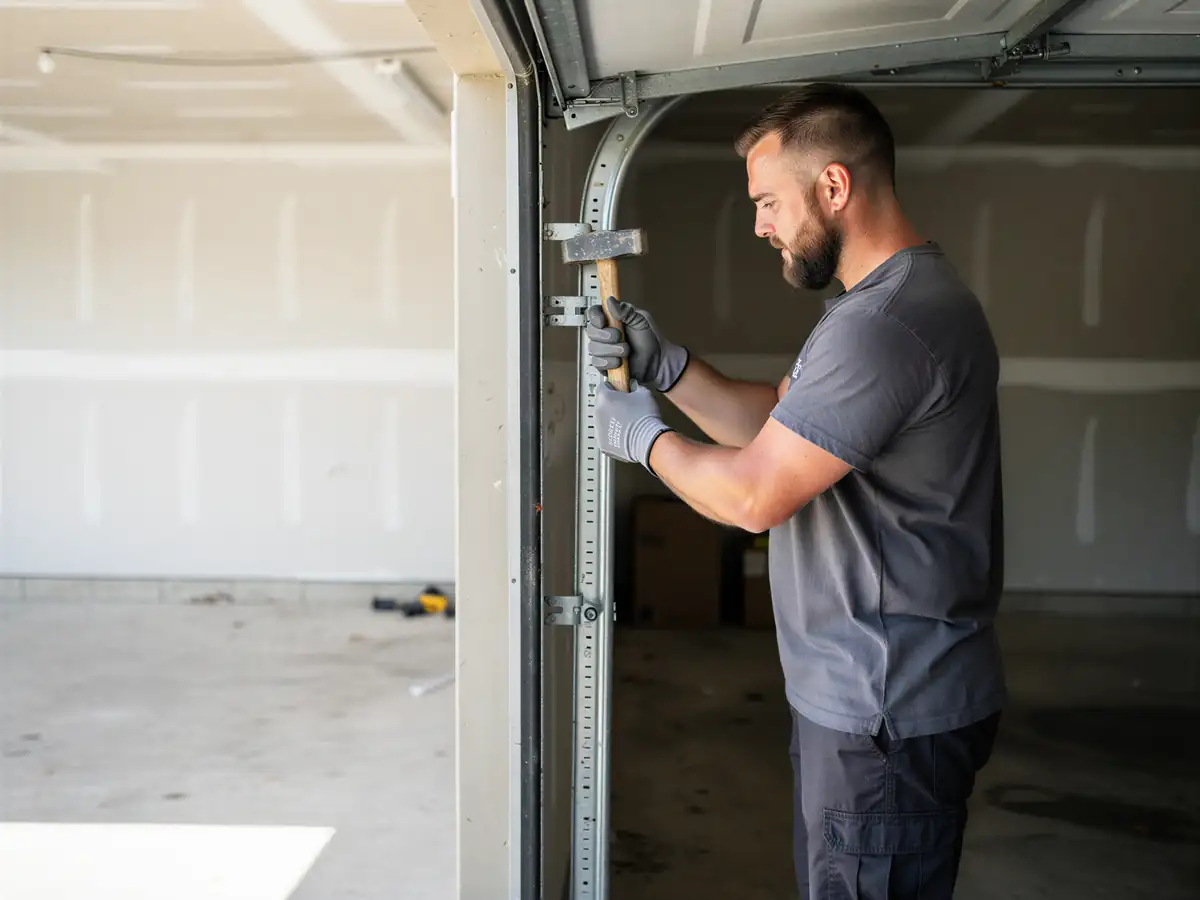
A new install on a 1971 opening is not a weekend project, and we'll say that plainly. The jamb brackets on houses from this era often aren't square to begin with, decades of settling do that, and a new door hung on an out-of-square frame will bind, wear its rollers early, or fail to seal against the cold. Getting the opening square before the door goes in isn't optional work, it's the job.
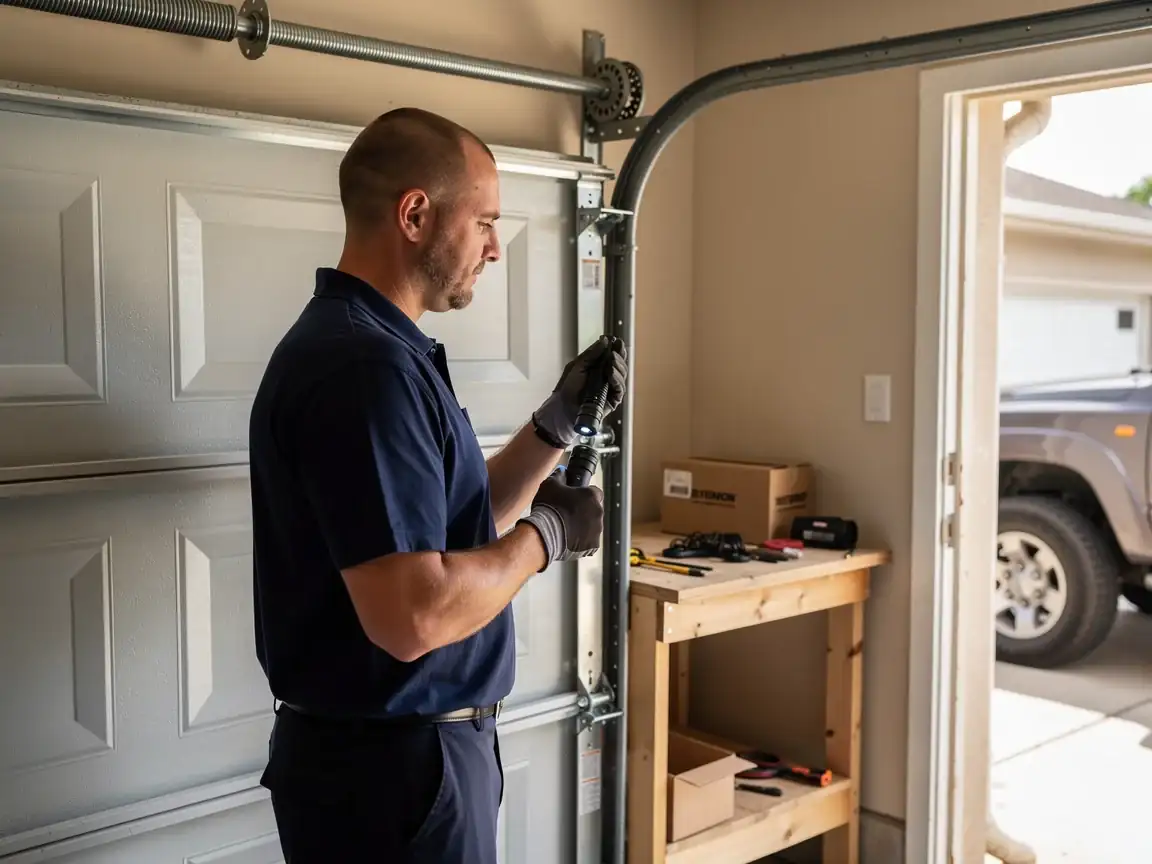
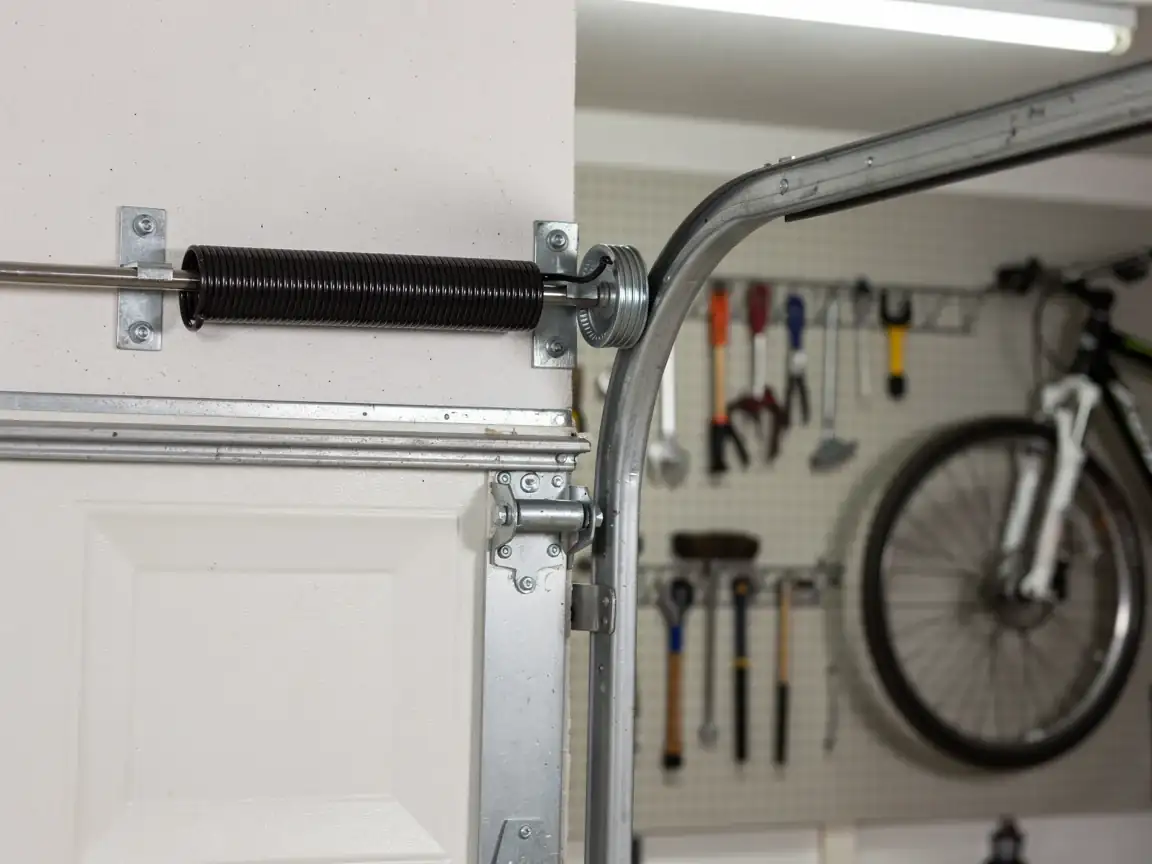
Where DIY is reasonable: swapping weatherstripping, replacing a remote, adjusting travel limits on an opener you already own. Where it stops being reasonable is anything involving the spring system or a full door swap on a frame this age. Extension springs under tension, track realignment, and panel sections that weigh more than most people expect - that's where a trip to the ER starts outnumbering the money saved. We'd rather tell you that upfront than sell you a kit.
The Symptom
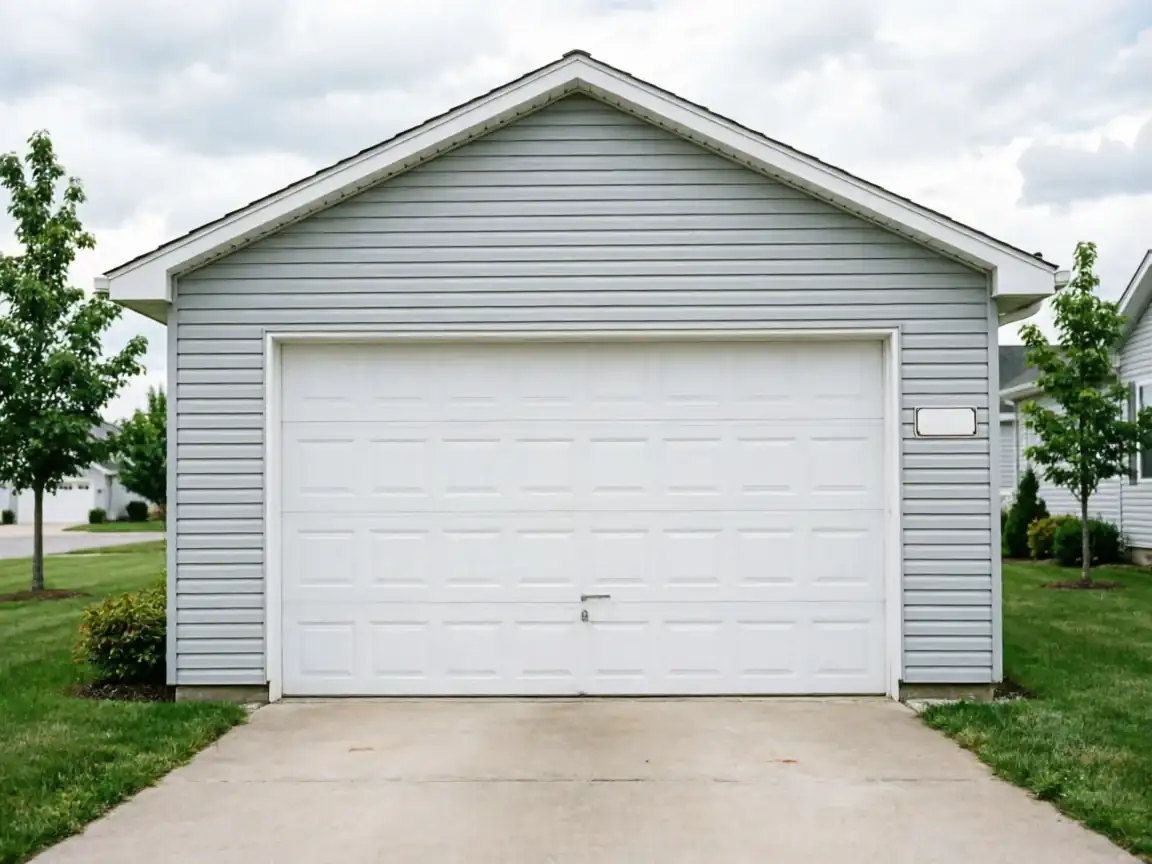
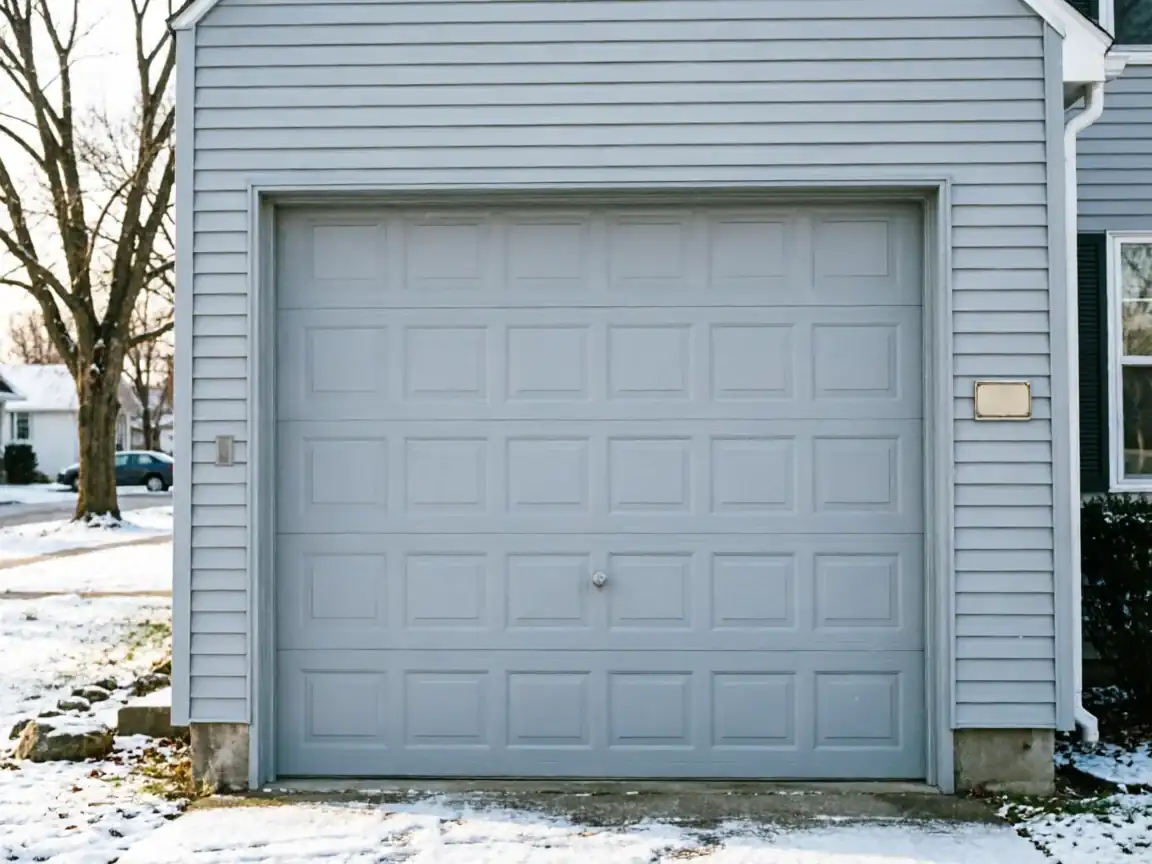
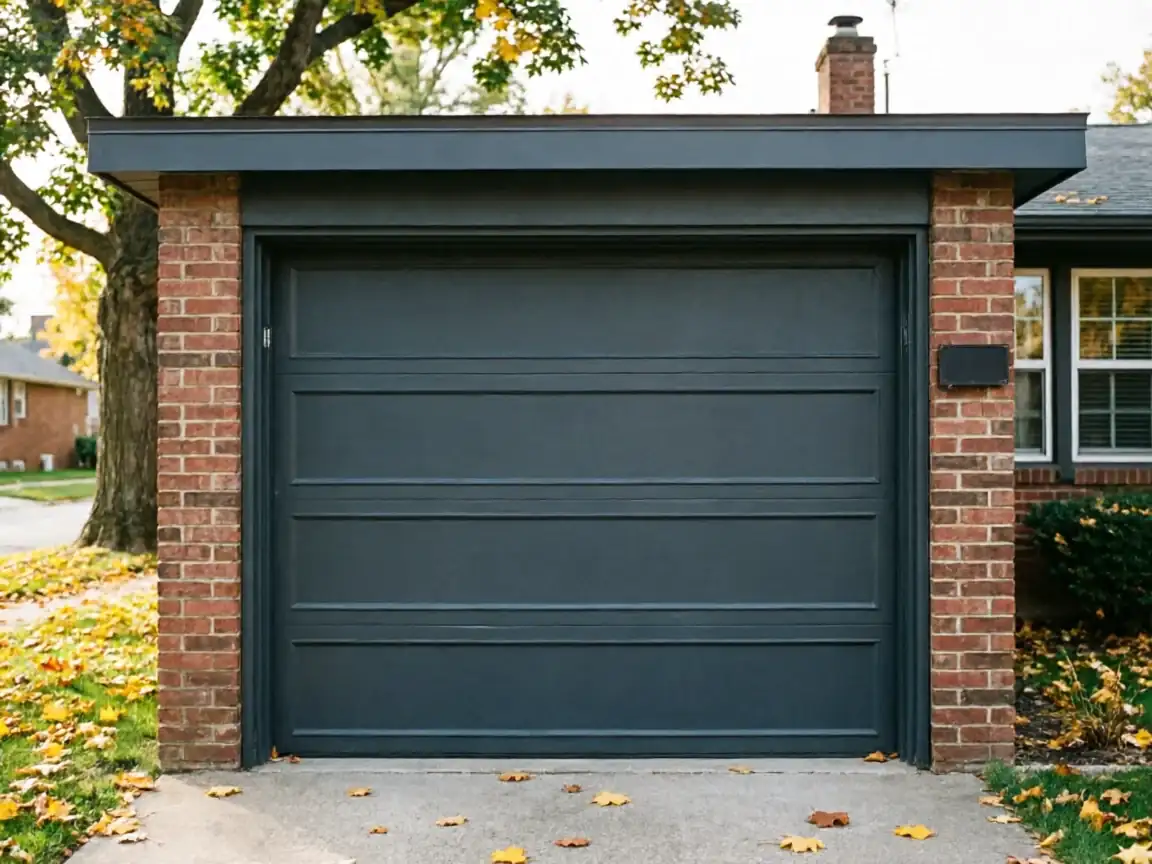
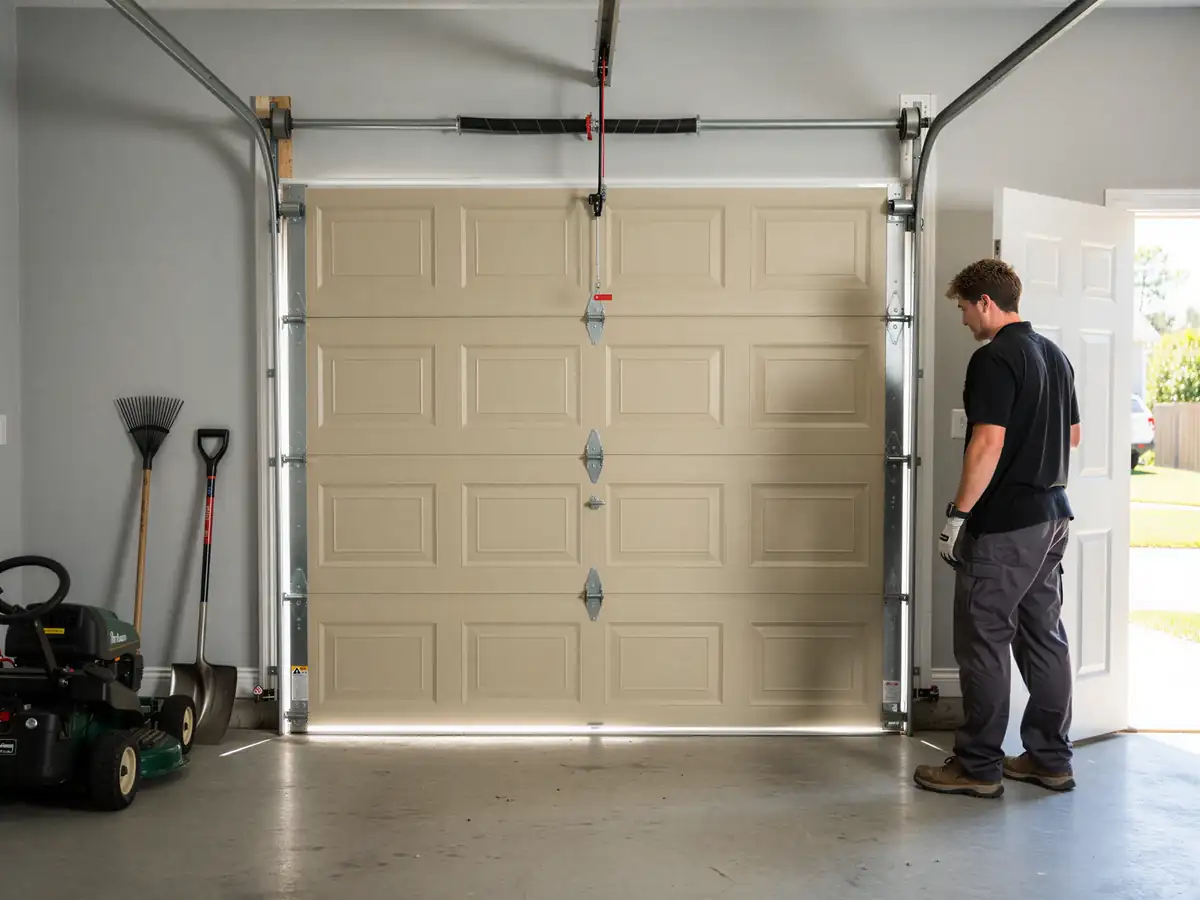
The call we get most from this part of the service area isn't 'my door won't open.' It's 'my door works, but it's loud, it's cold in the garage, and it looks tired next to everything else on the street.' That's a 1971-build symptom, not a broken-parts symptom. The door still runs. It just wasn't built to the insulation standard that makes sense for a severe cold climate, and it's aged past the point where a repair fixes the actual complaint.
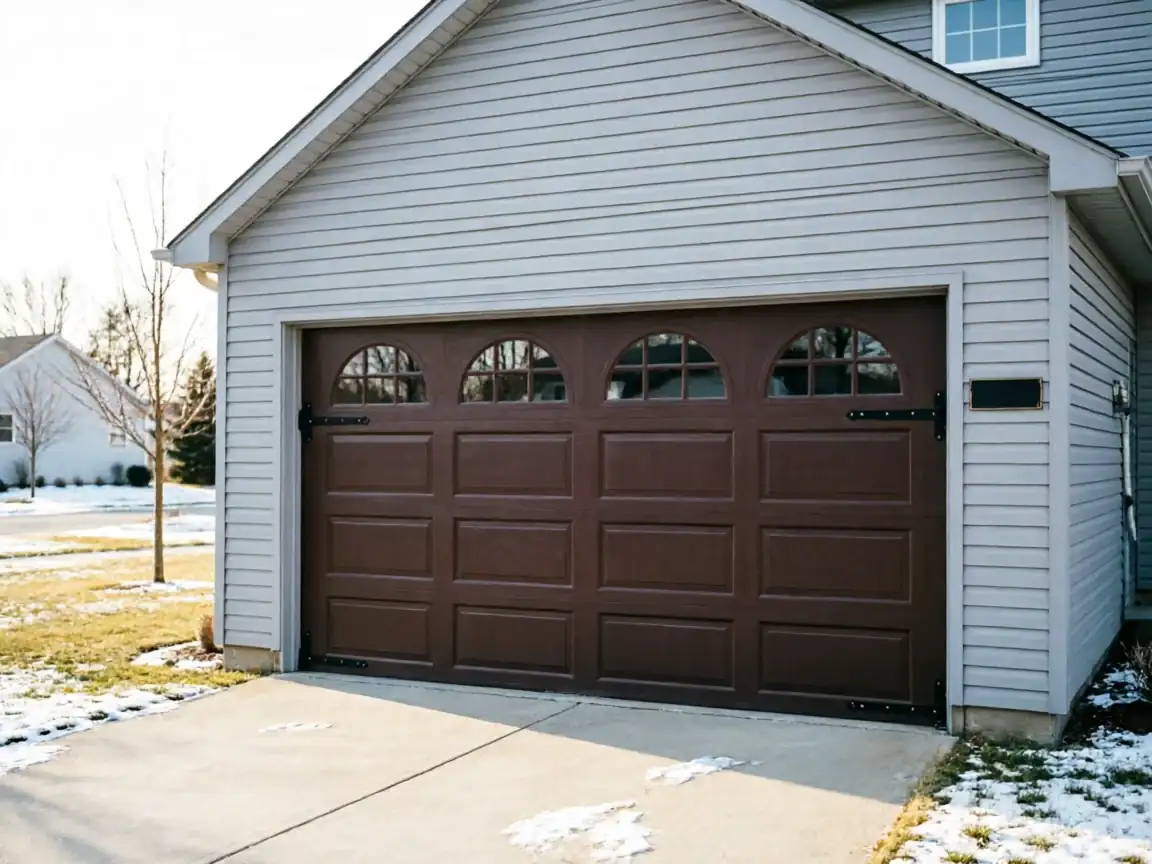
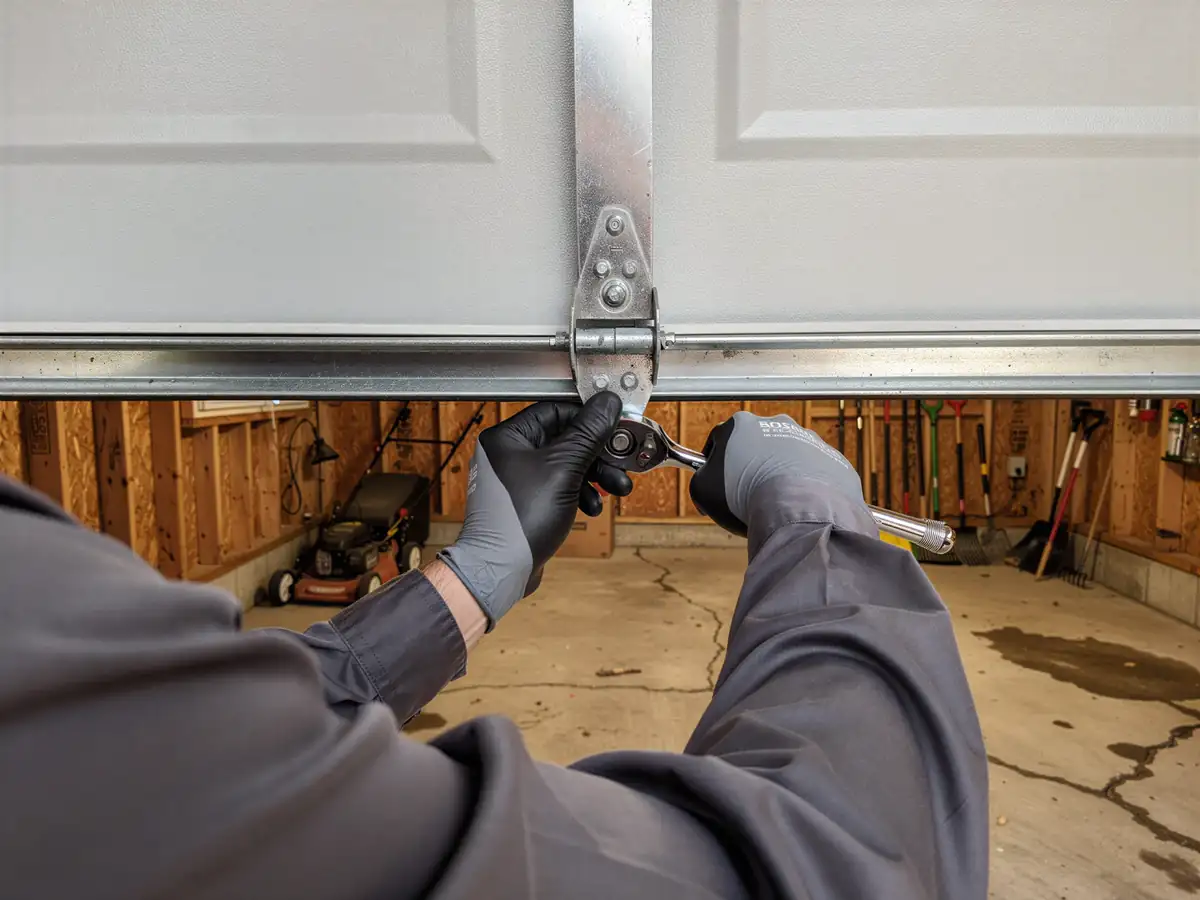
The second version of this call is the door that's started sagging at one corner, usually a sign the original hardware - heavier, older-style hinges and rollers common on homes from this build era - is finally giving out after decades of use. Neither of these is an emergency. Both are the kind of thing that turns into one eventually if they sit.
How We Fix It
We drive the six miles out from Akron, walk the opening, and measure against what's actually there rather than what's typical for the neighborhood
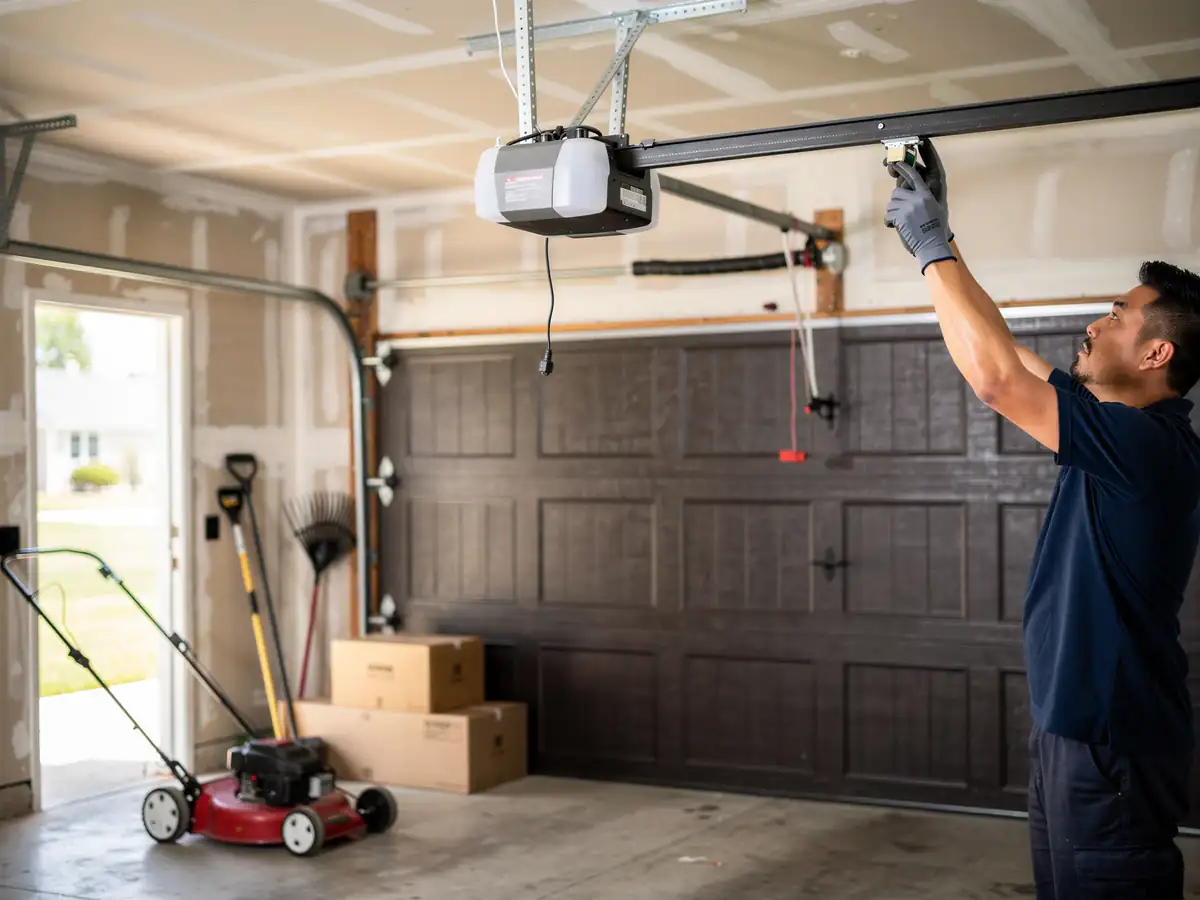
On a 1971-era house that usually means checking square, checking the jamb condition, and confirming whether the existing opener is worth keeping or whether it's old enough that the door and opener should go in together.
From there it's a straight install
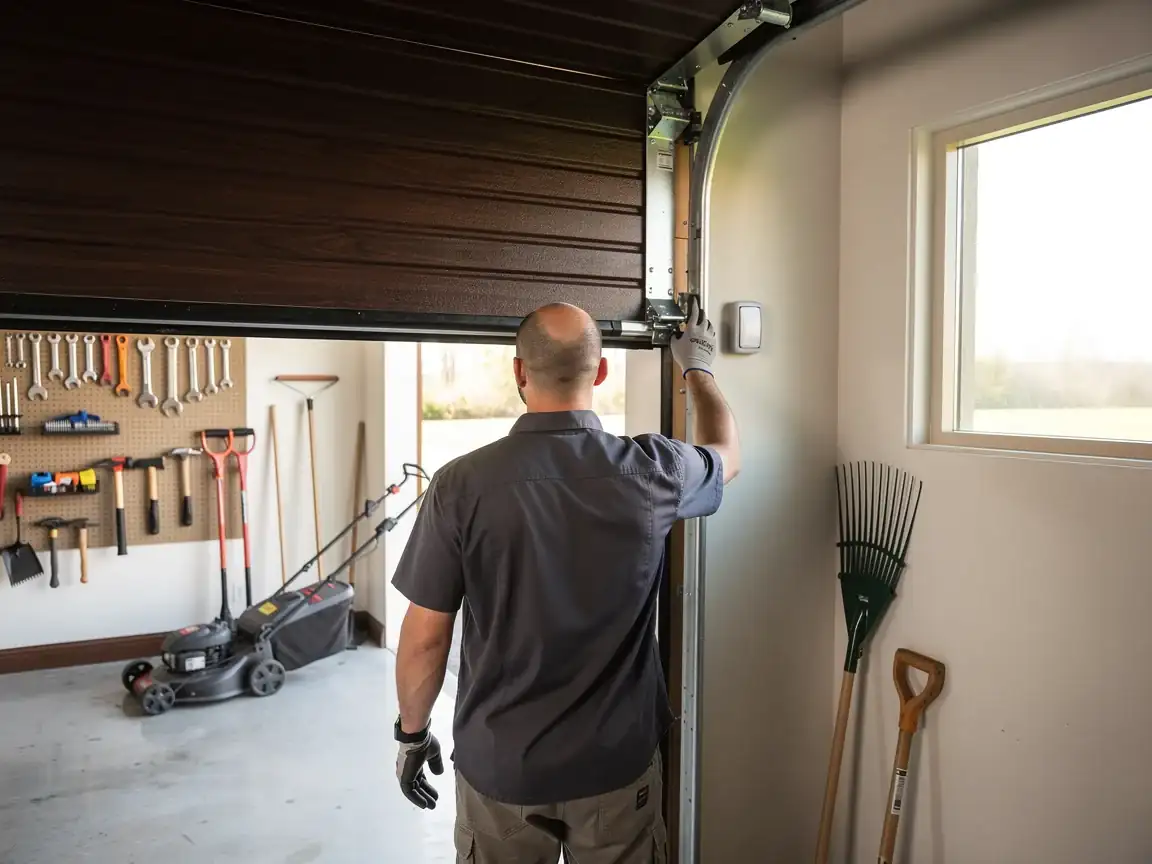
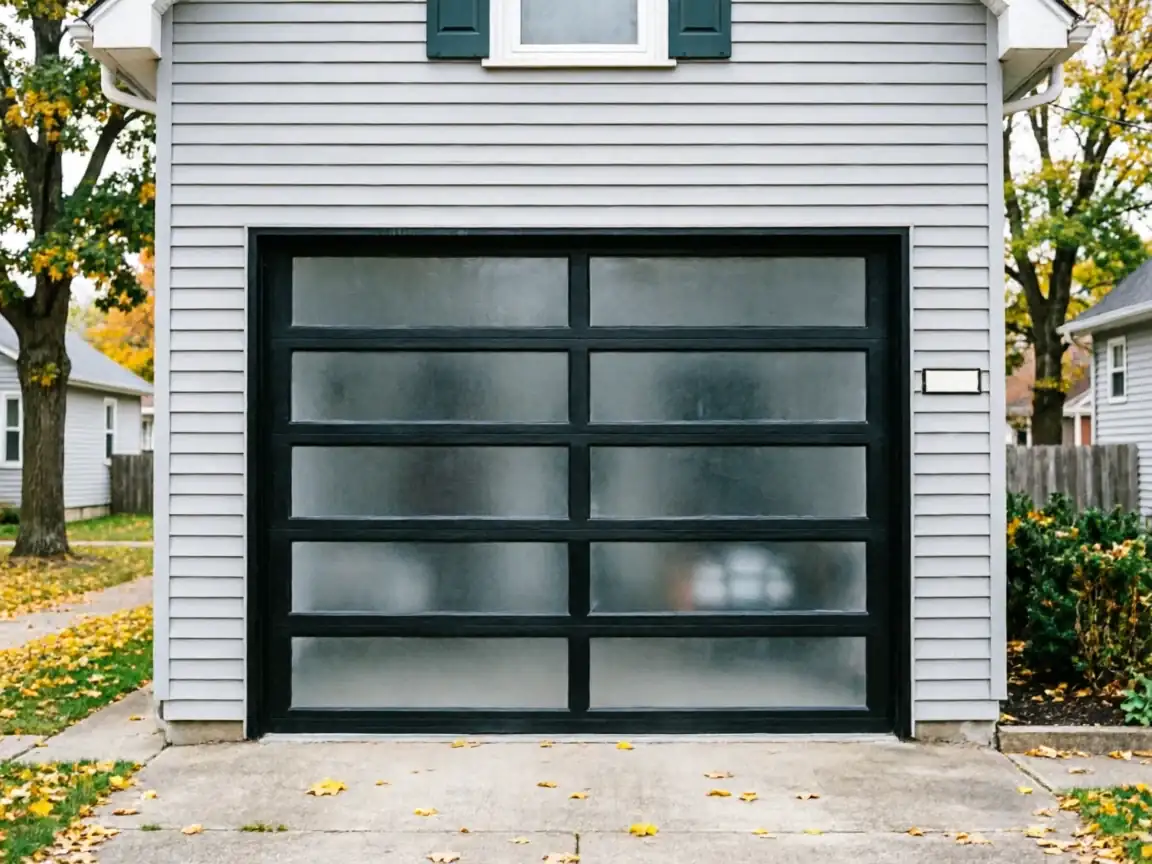
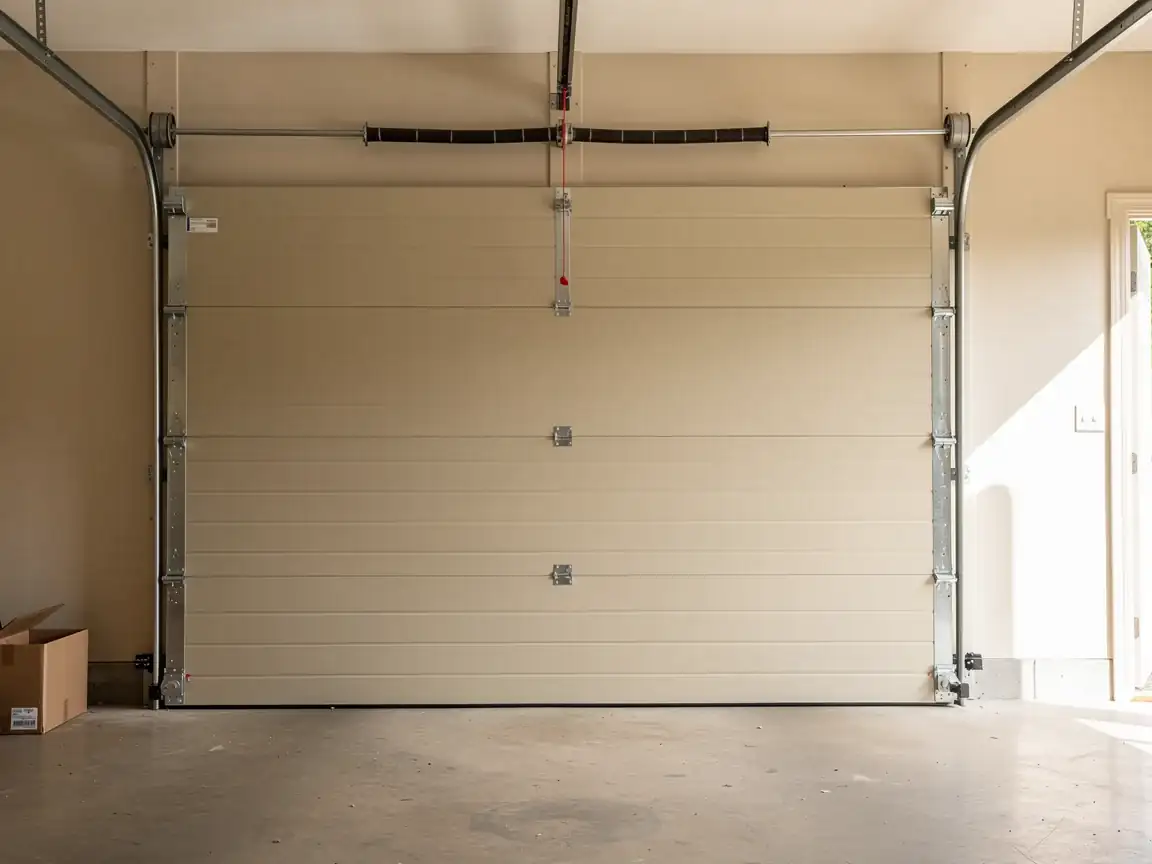
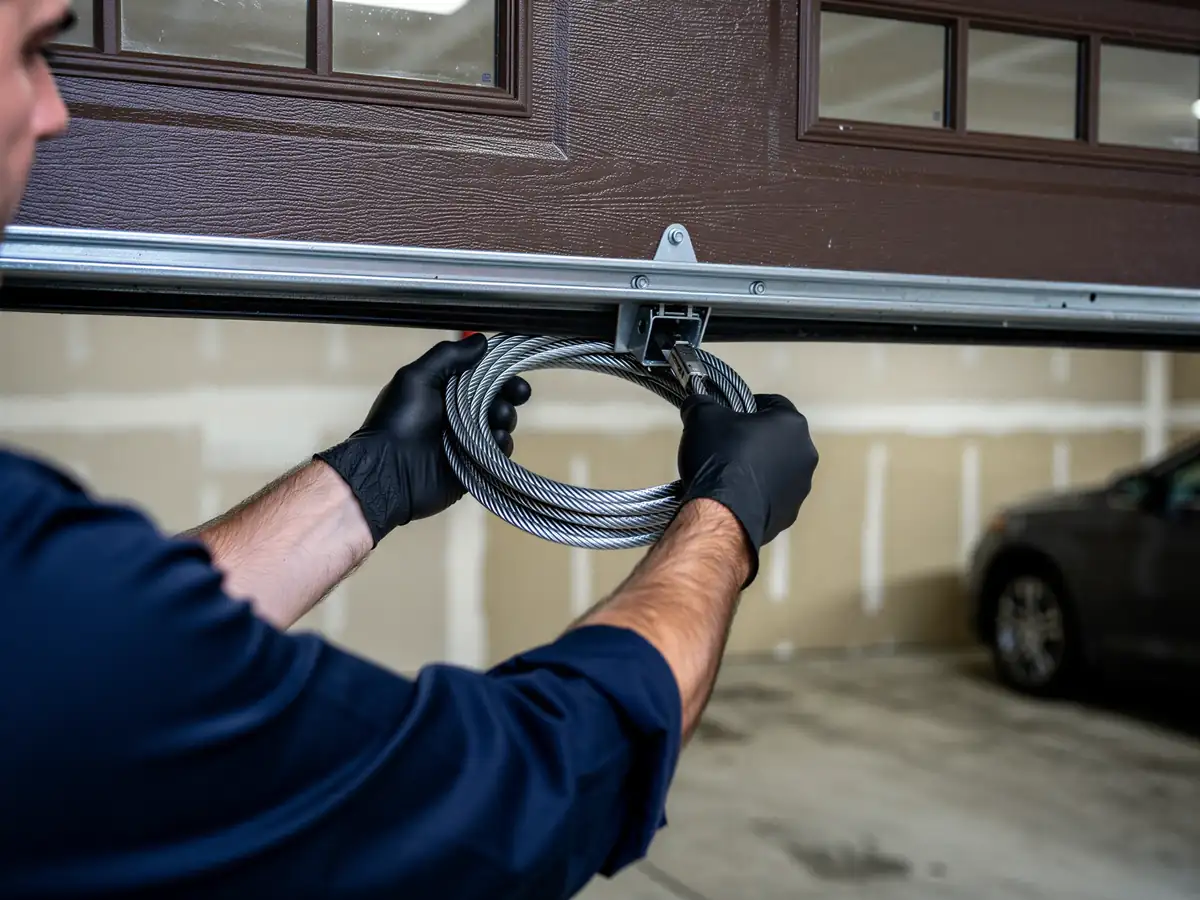
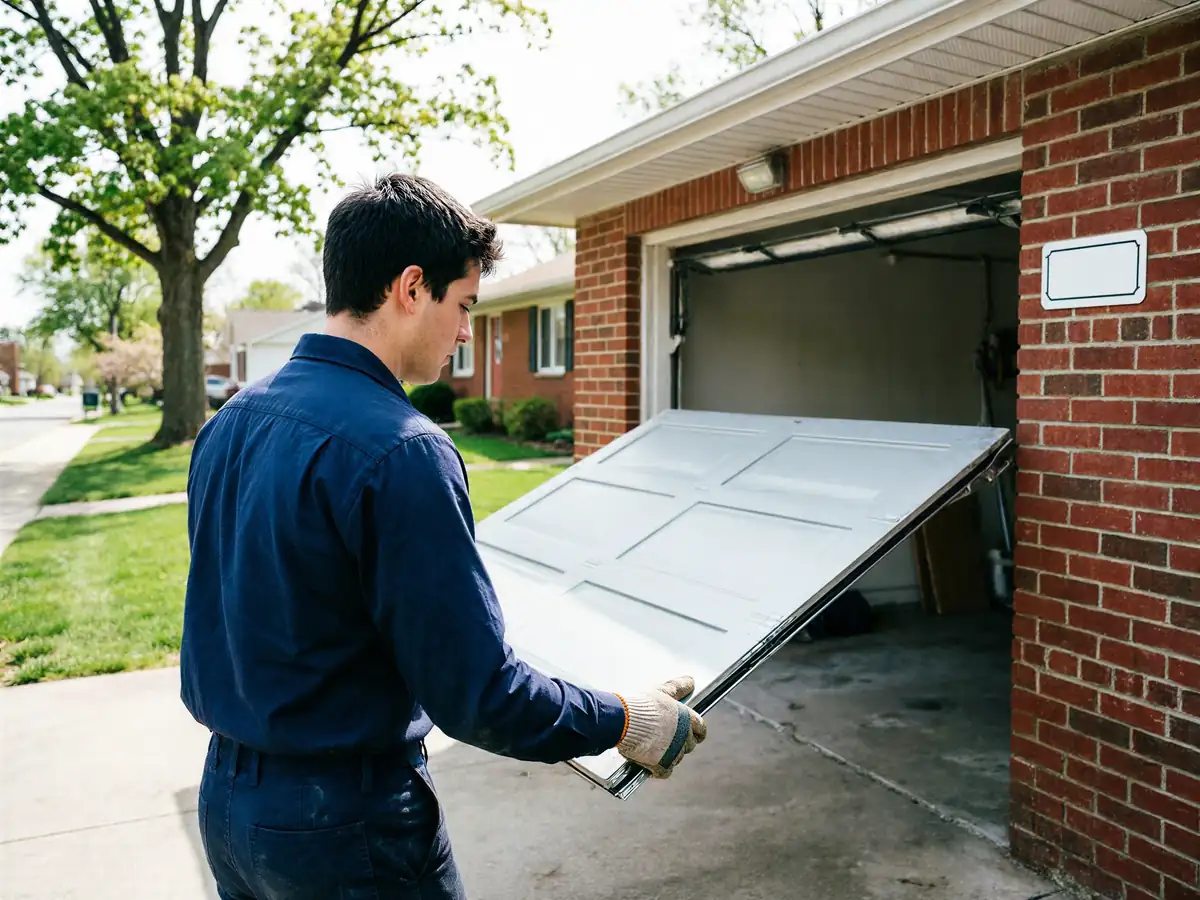
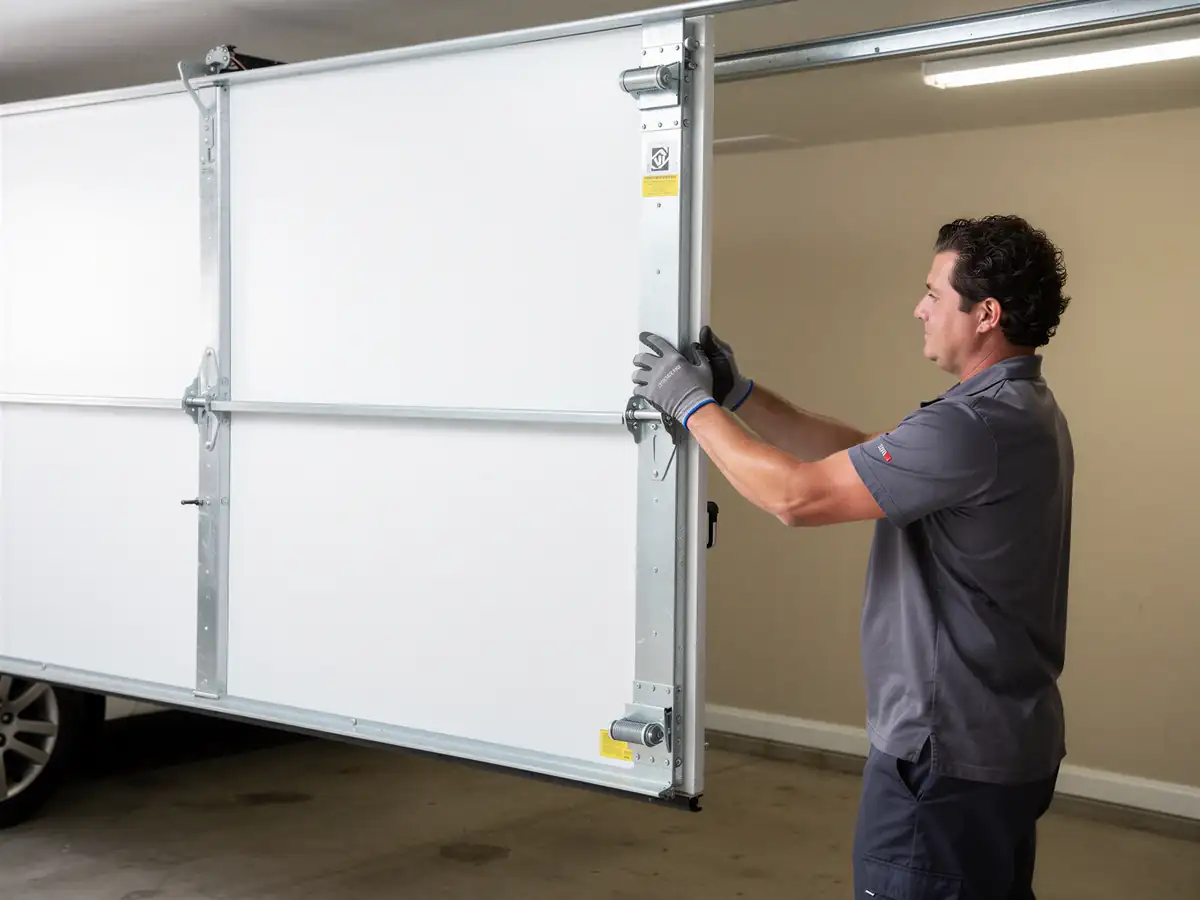
New insulated panel sections sized to the opening, new track and hardware rated for the door weight, and a weather seal set up for a cold-climate winter rather than a mild one. We're not doing a repair patch here - new install means the whole hanging system comes out and goes back in correctly, which is the only way to actually fix the sag-and-noise complaint instead of masking it for another year. For general installation details across the rest of the area, see our main Akron installation page.