Where This Job Goes Sideways
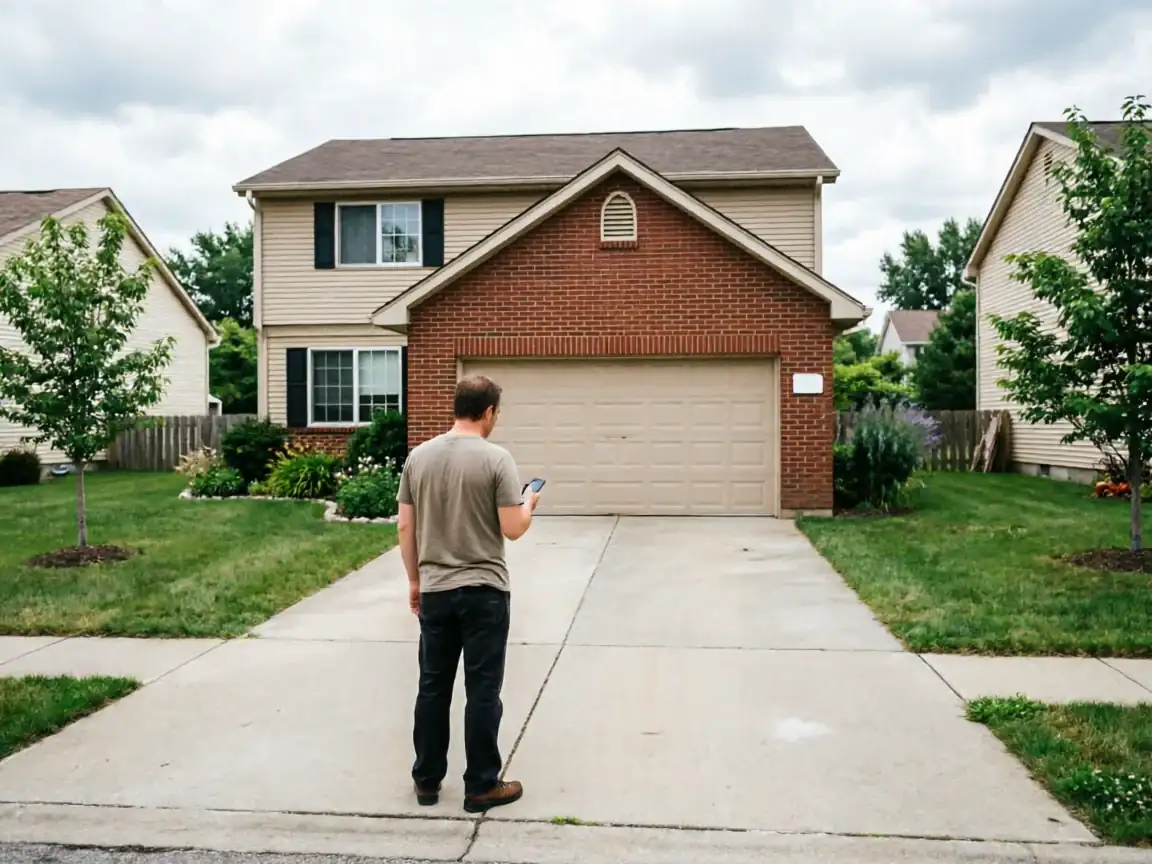
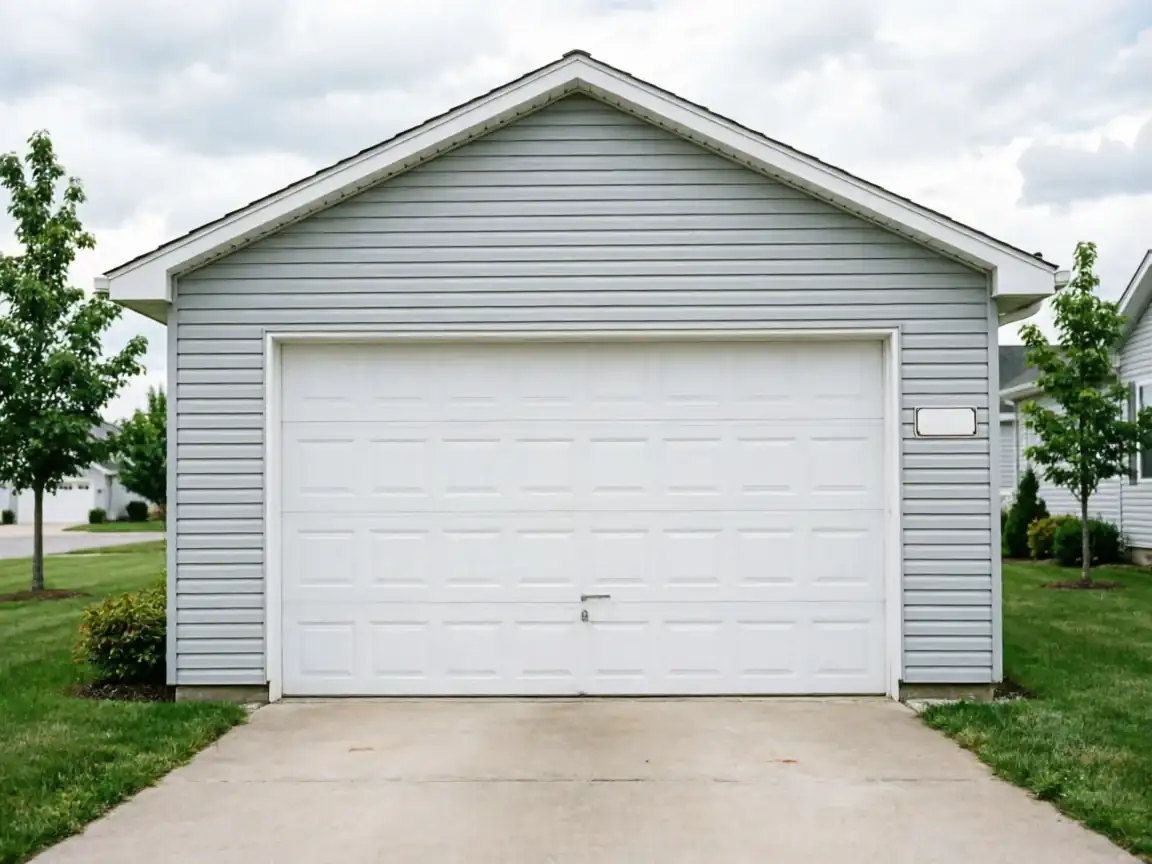
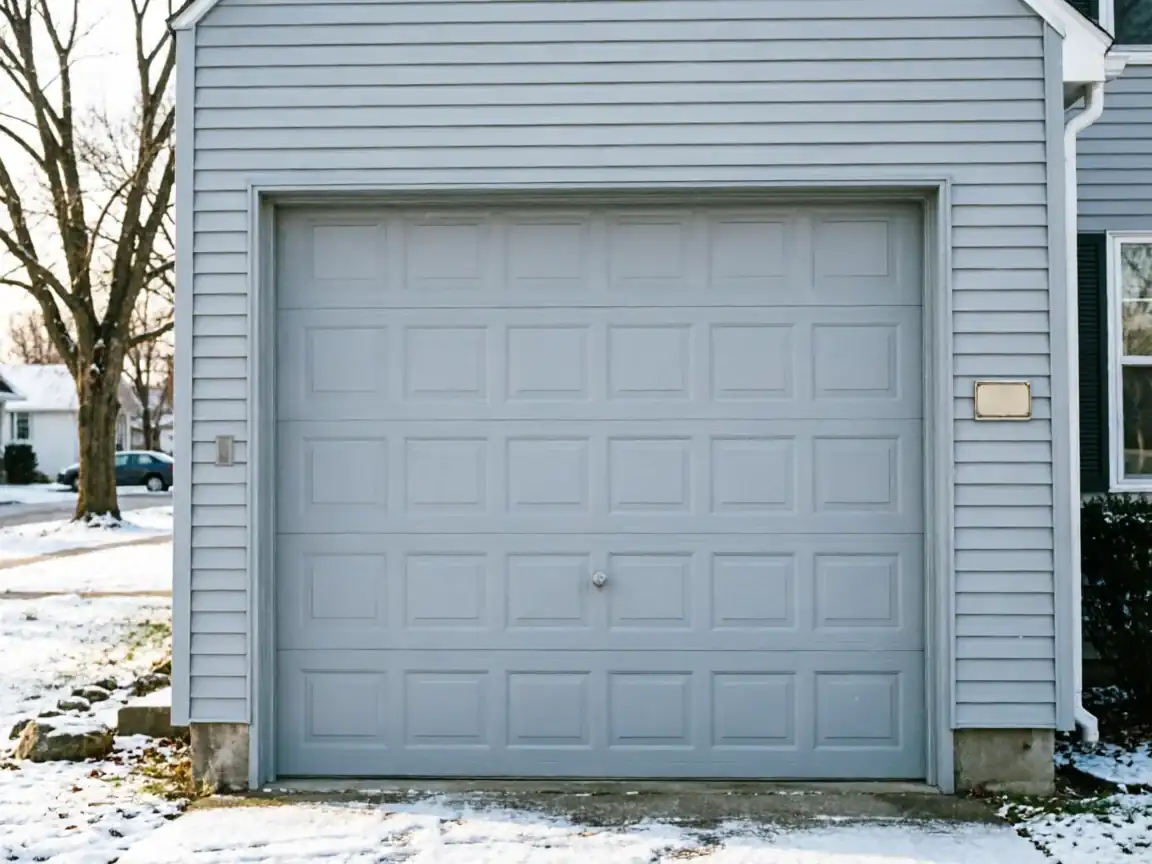
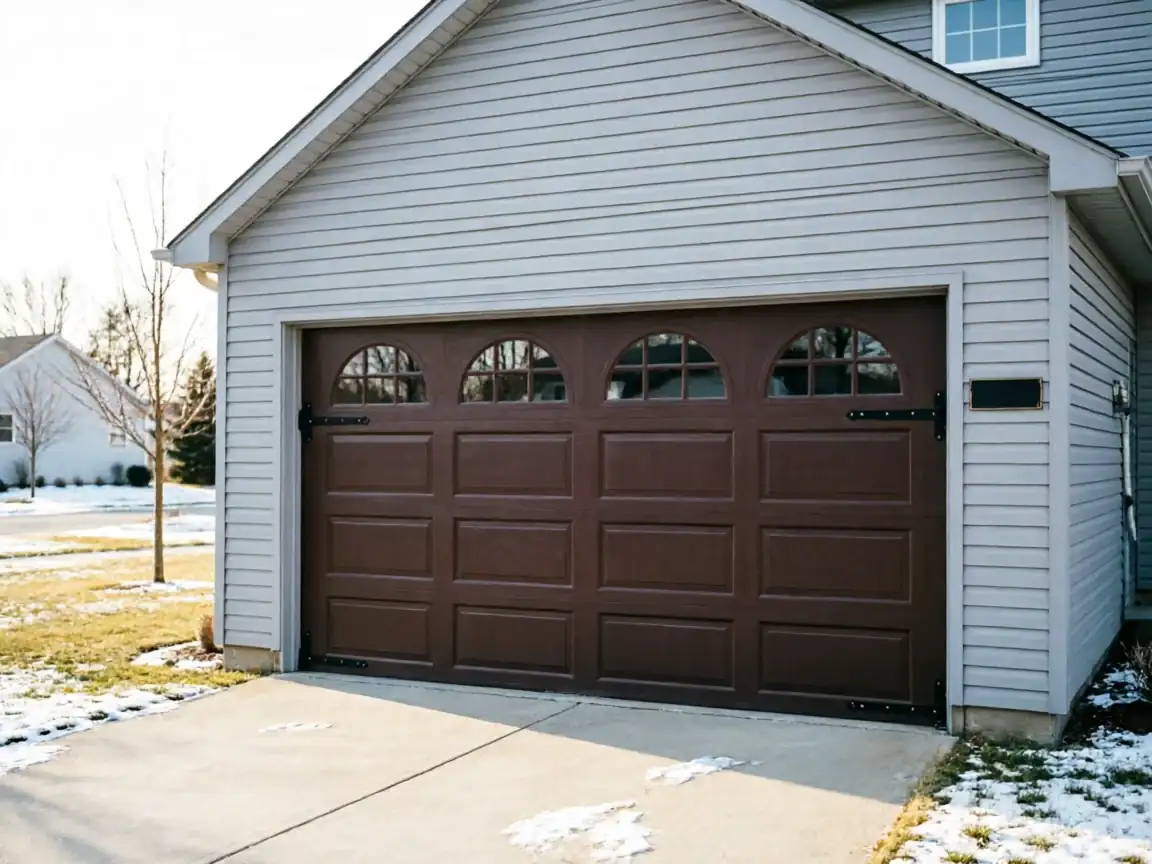
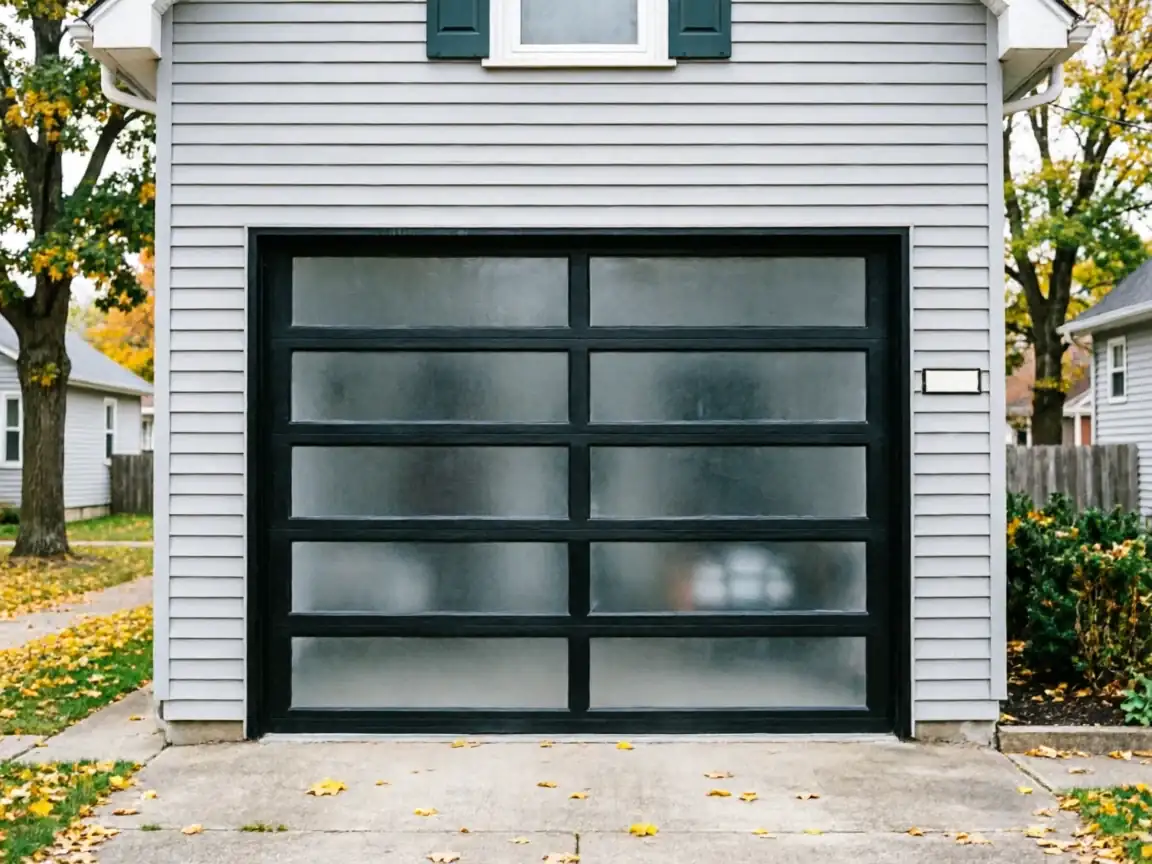
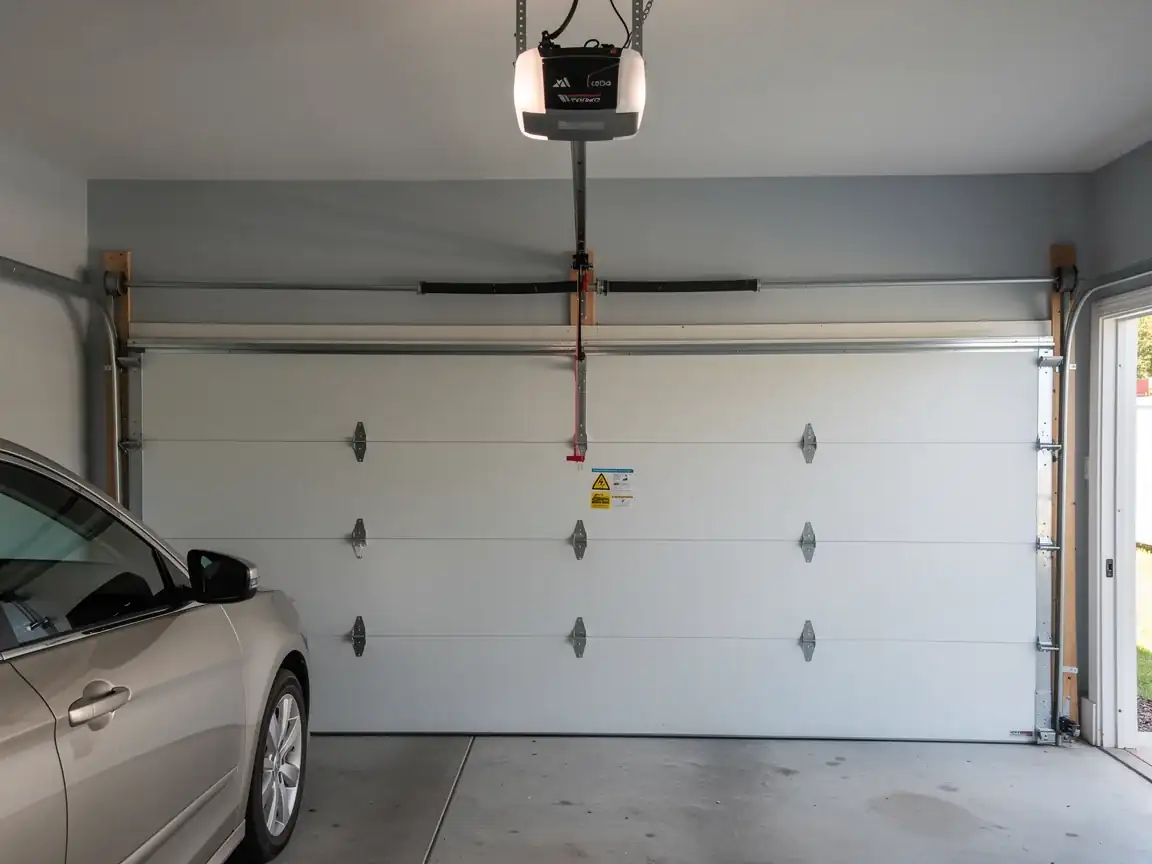
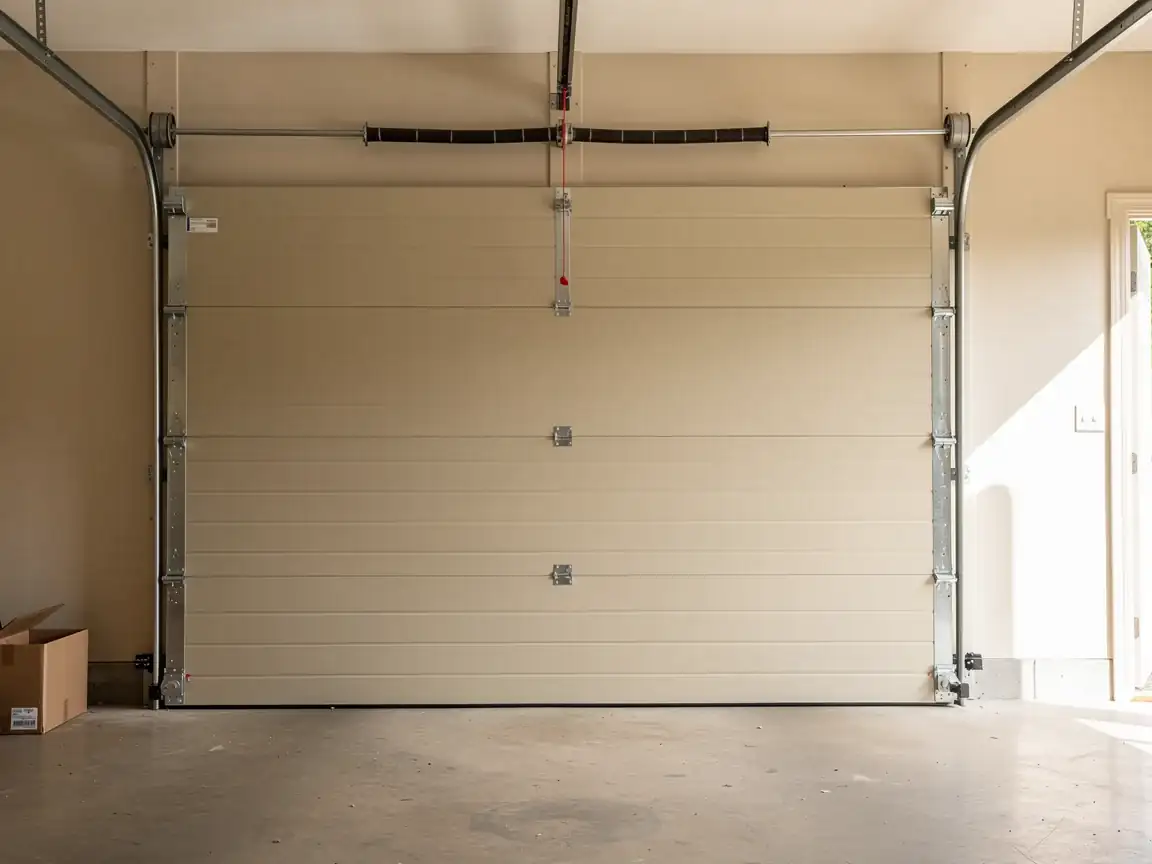
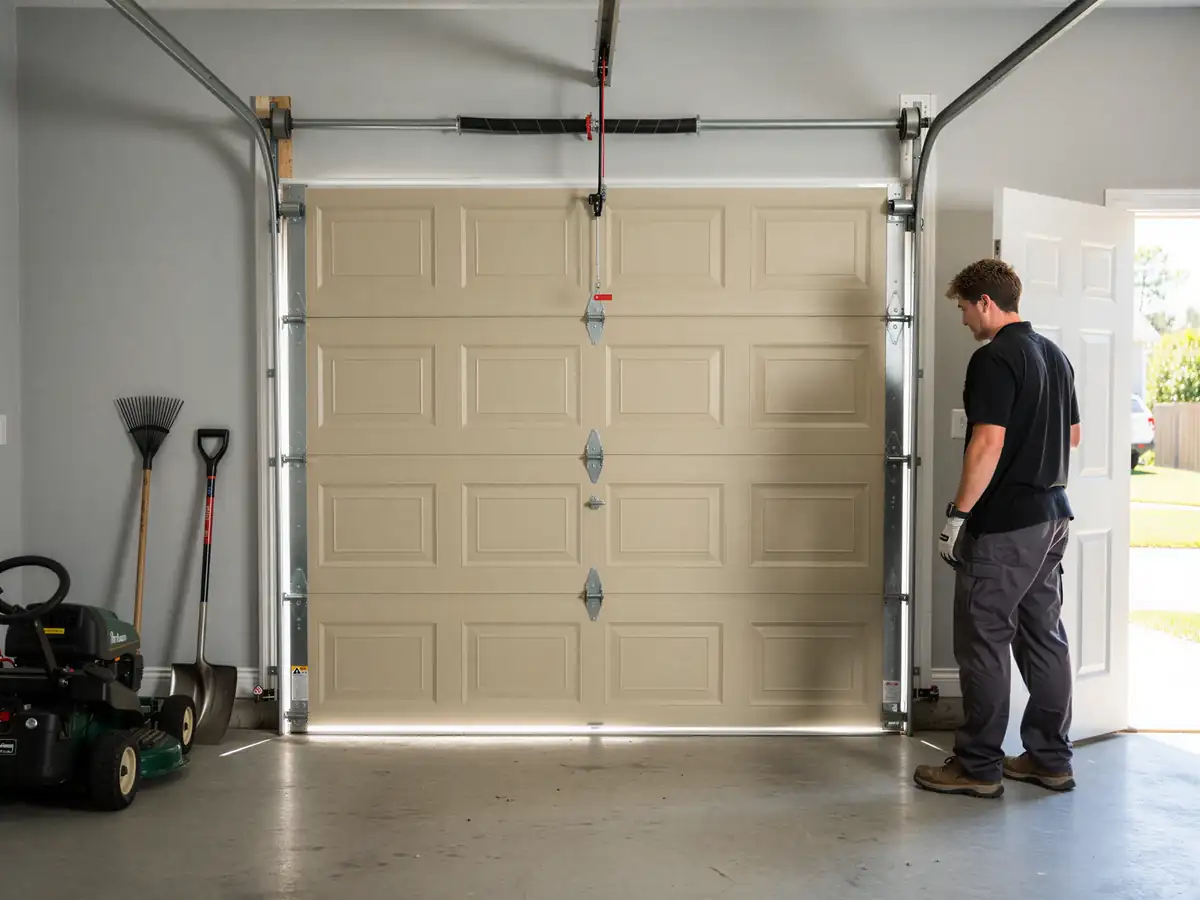
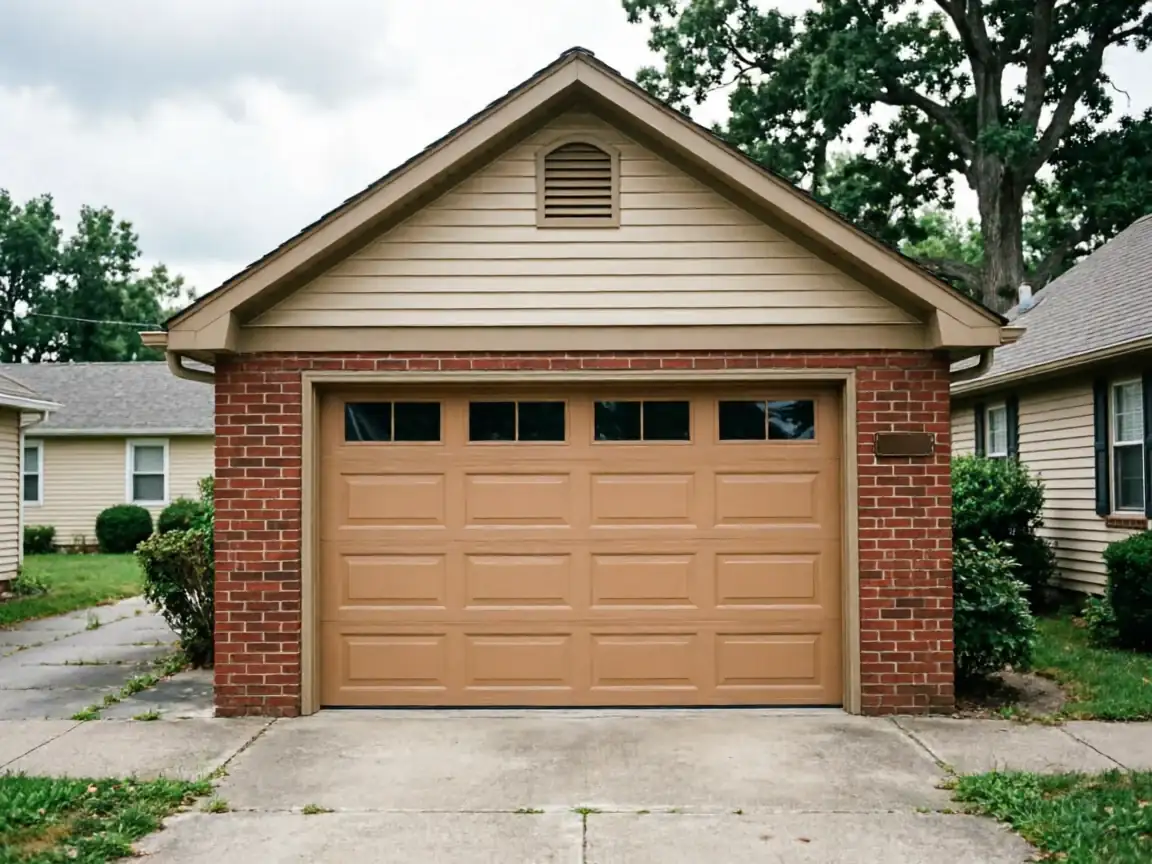
Fairlawn sits six miles from our shop in Akron, which matters more than it sounds like it should. It's close enough that a tech isn't burning half a tank getting there, but it's its own town with its own housing stock, and that's what actually decides how a repair goes. Most of Fairlawn went up around 1971 - just a year off the broader area's 1972 median - which puts a lot of these garages squarely in the torsion-spring era, built before extension-spring setups got phased out everywhere else. The trouble starts when a homeowner calls about a noisy door and what's actually failing is original 1970s hardware that nobody's touched since the house was built. Springs that have wound and unwound through fifty-some winters don't fail gently - they fail at 6 a.m. when the door's already halfway up. The other thing that catches people off guard: Fairlawn's median household income, at $93,154, runs well above the wider service area's $80,612, so a fair number of these doors were upgraded once already, maybe in the 90s or 2000s, which means two generations of hardware can be stacked on the same track. That's a different job than a straight original-to-original repair, and it changes what we need in the truck before we even leave Akron.
The DIY Question
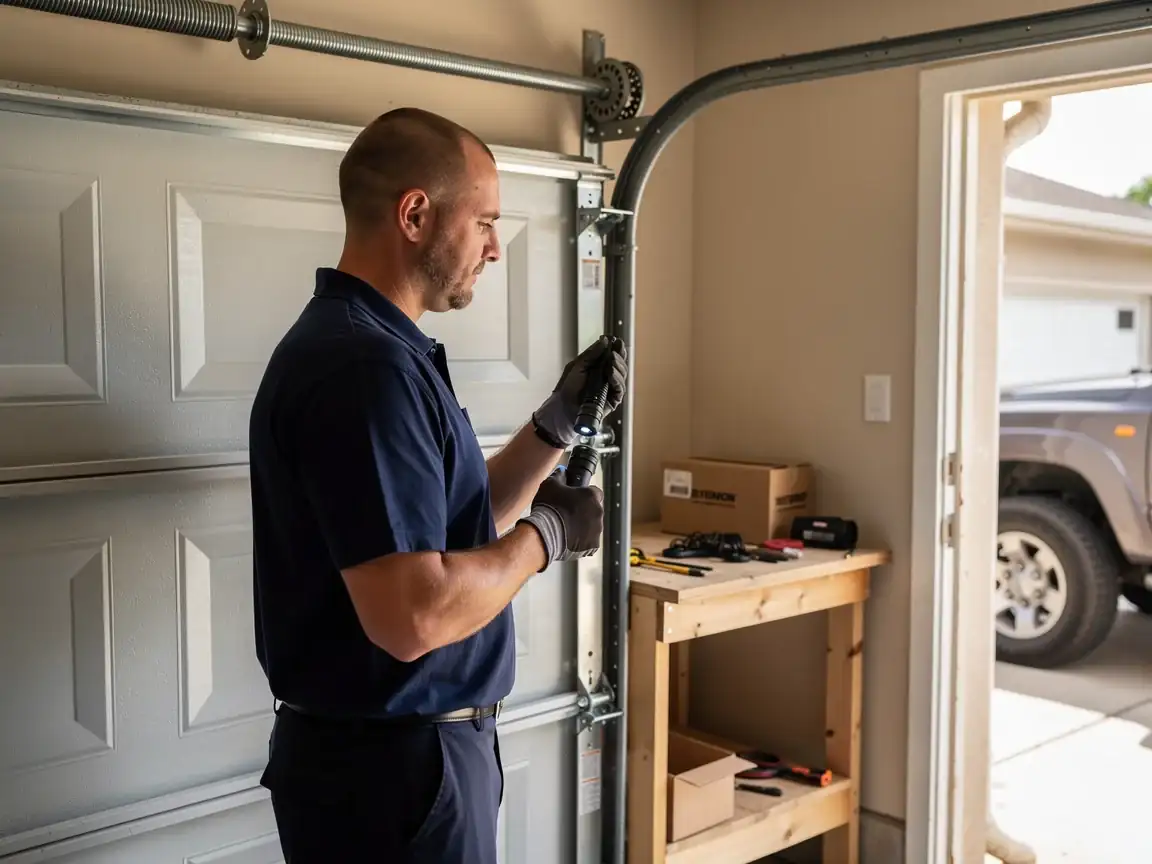
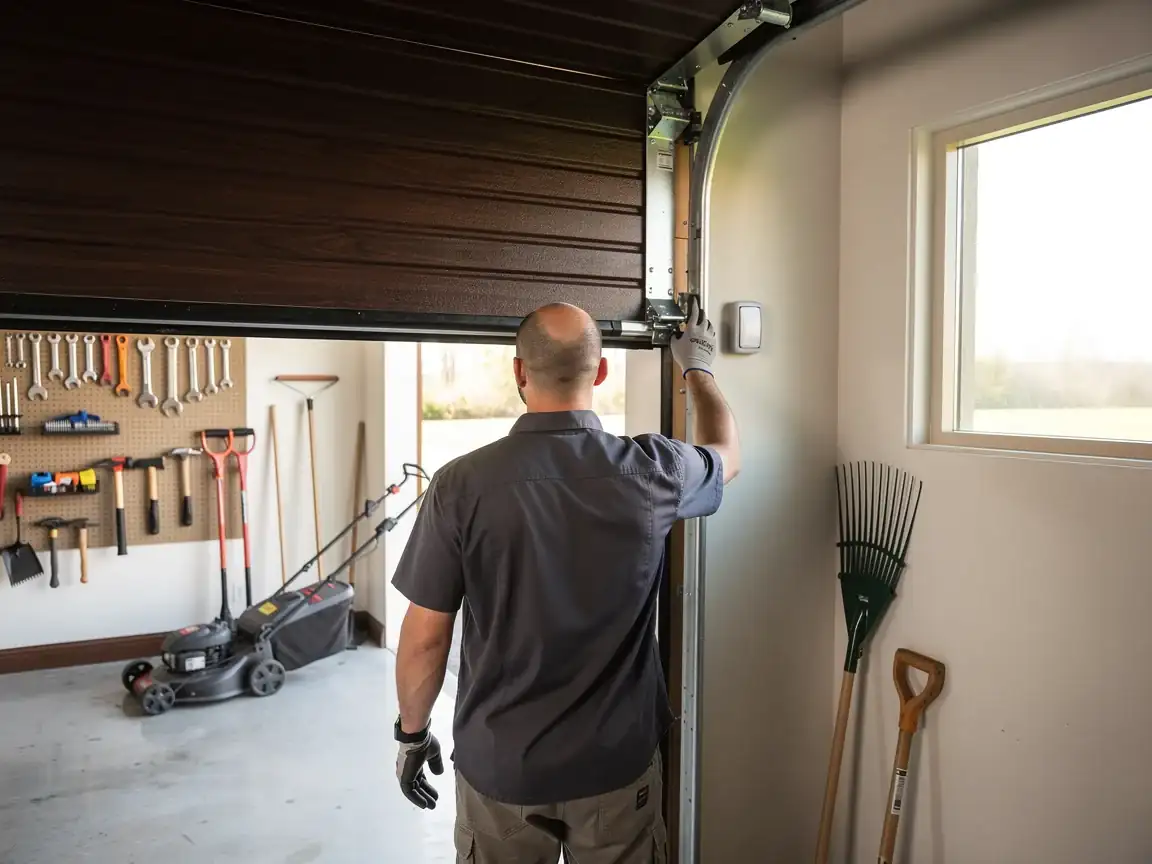
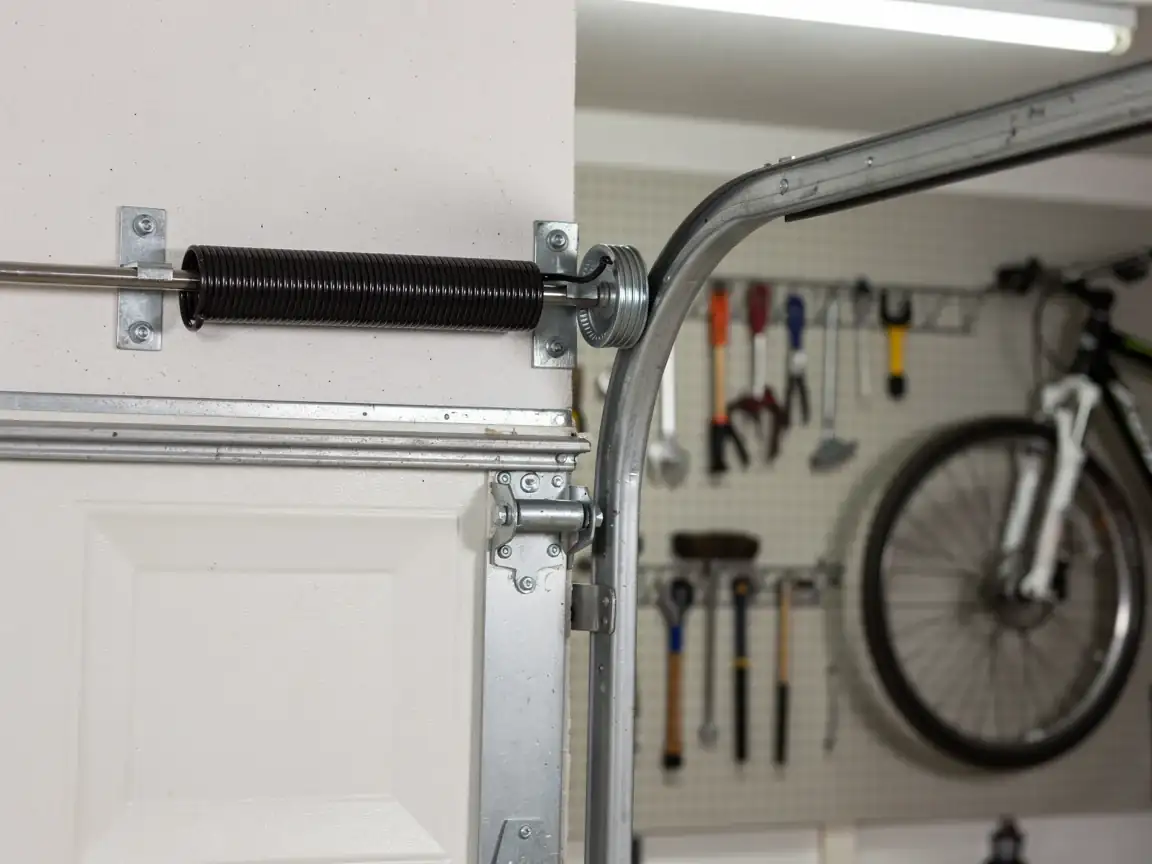
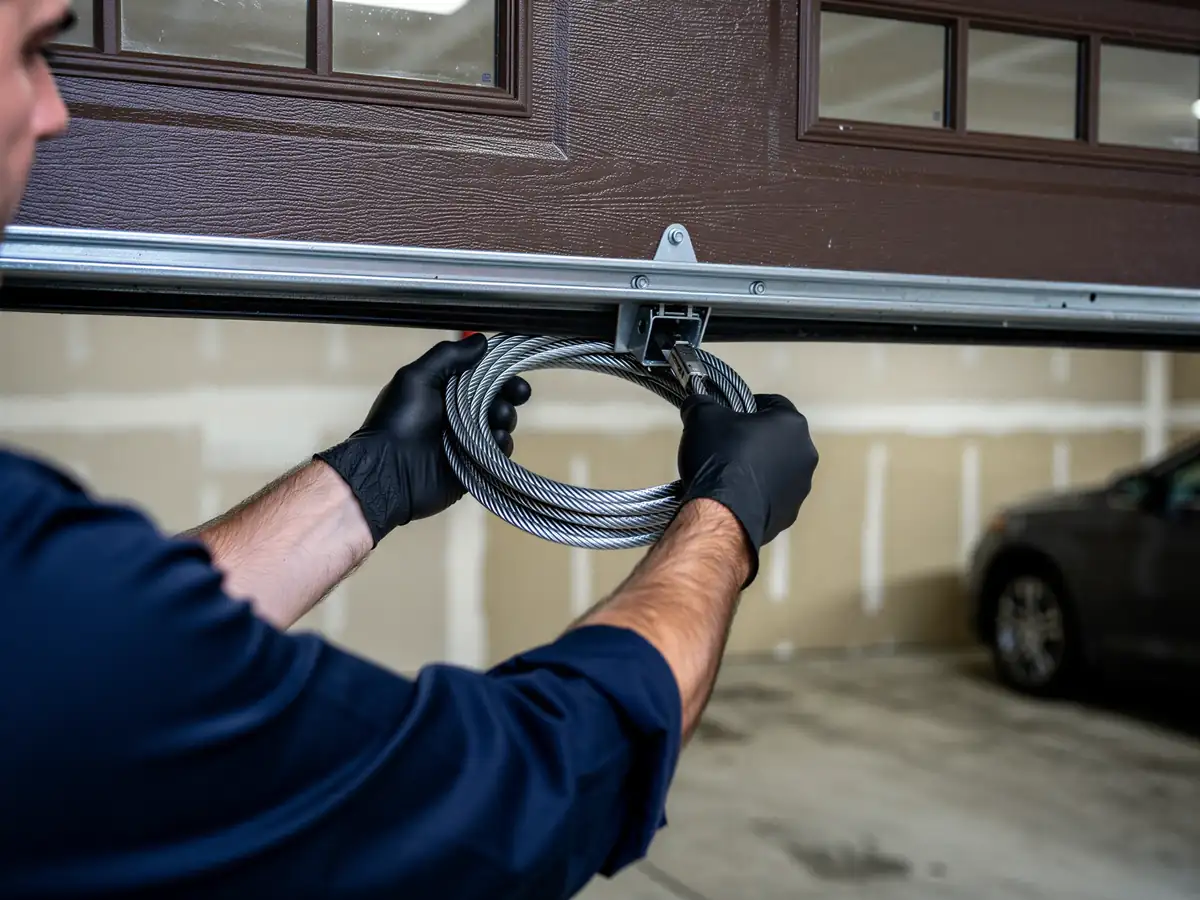
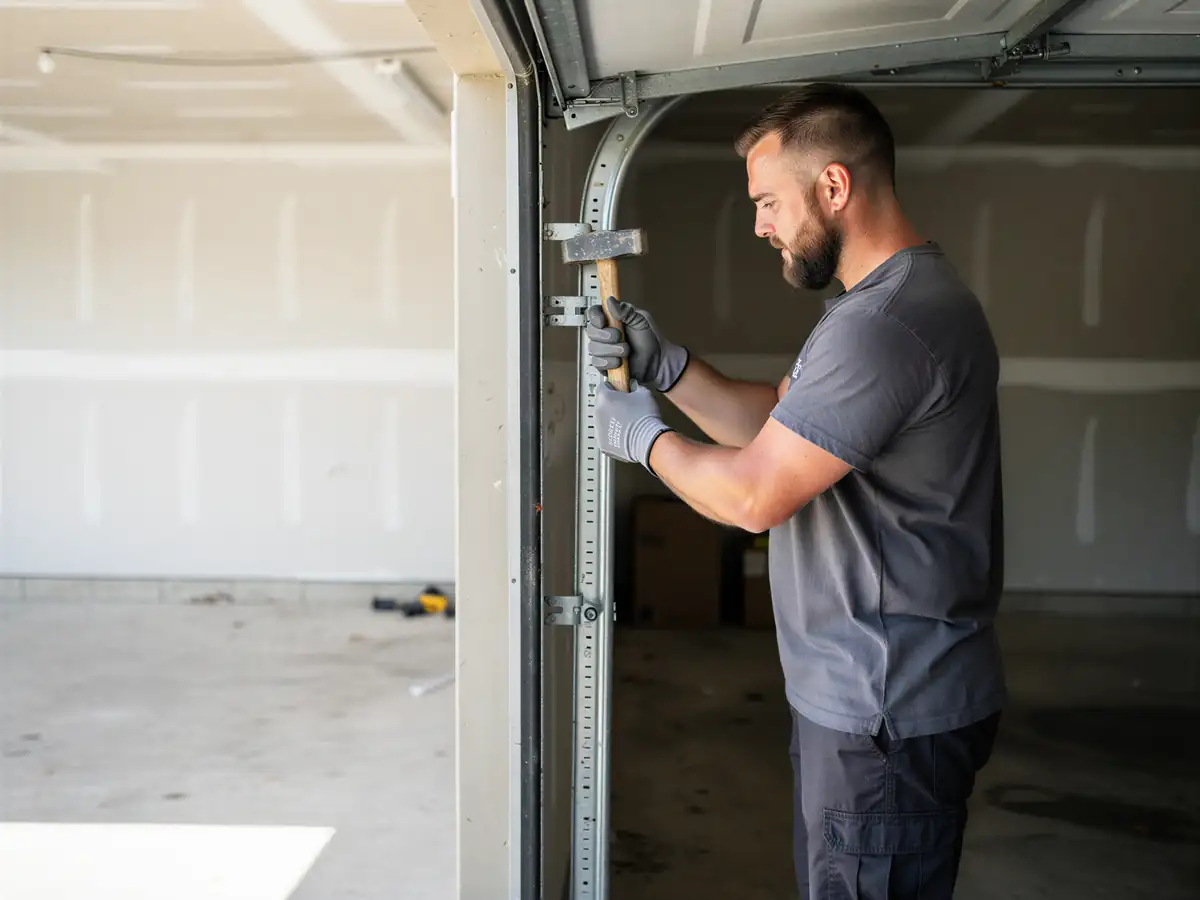
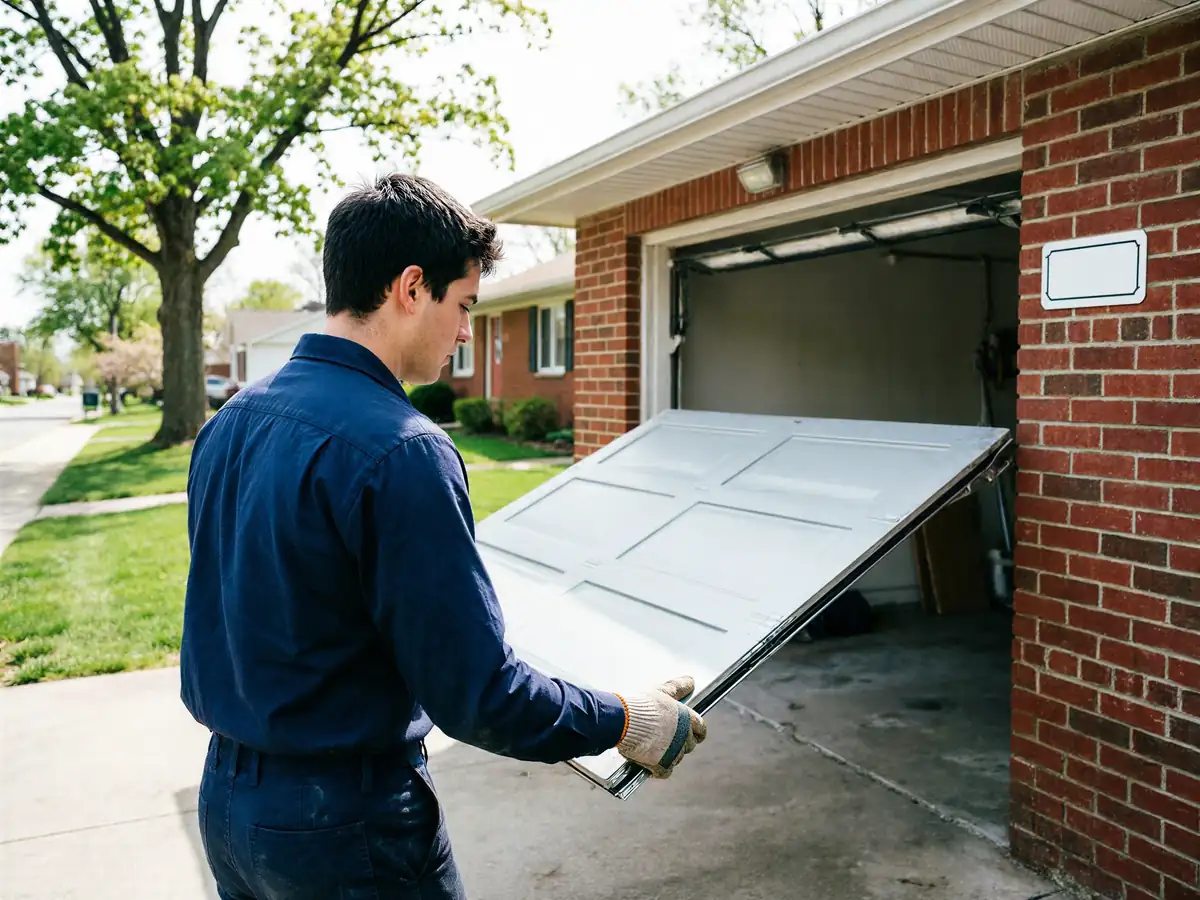
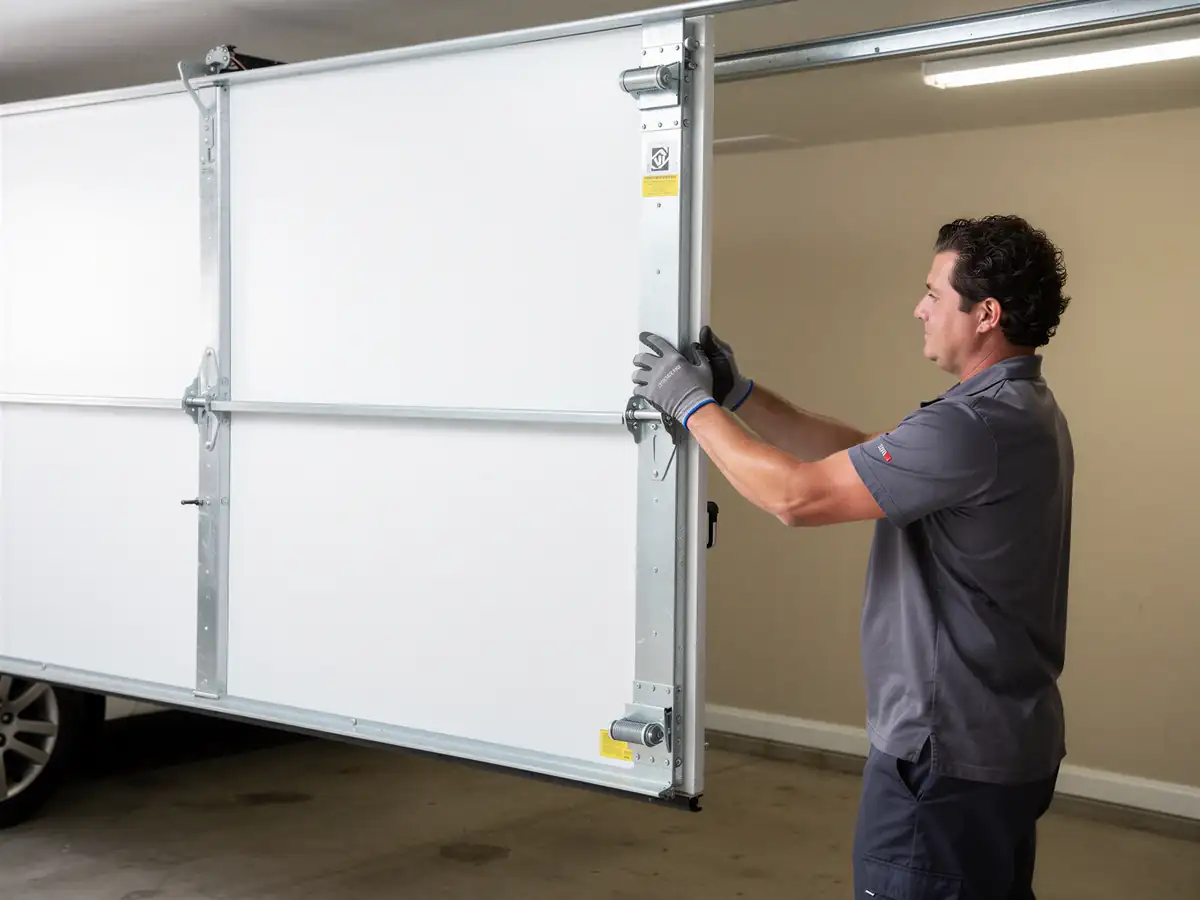
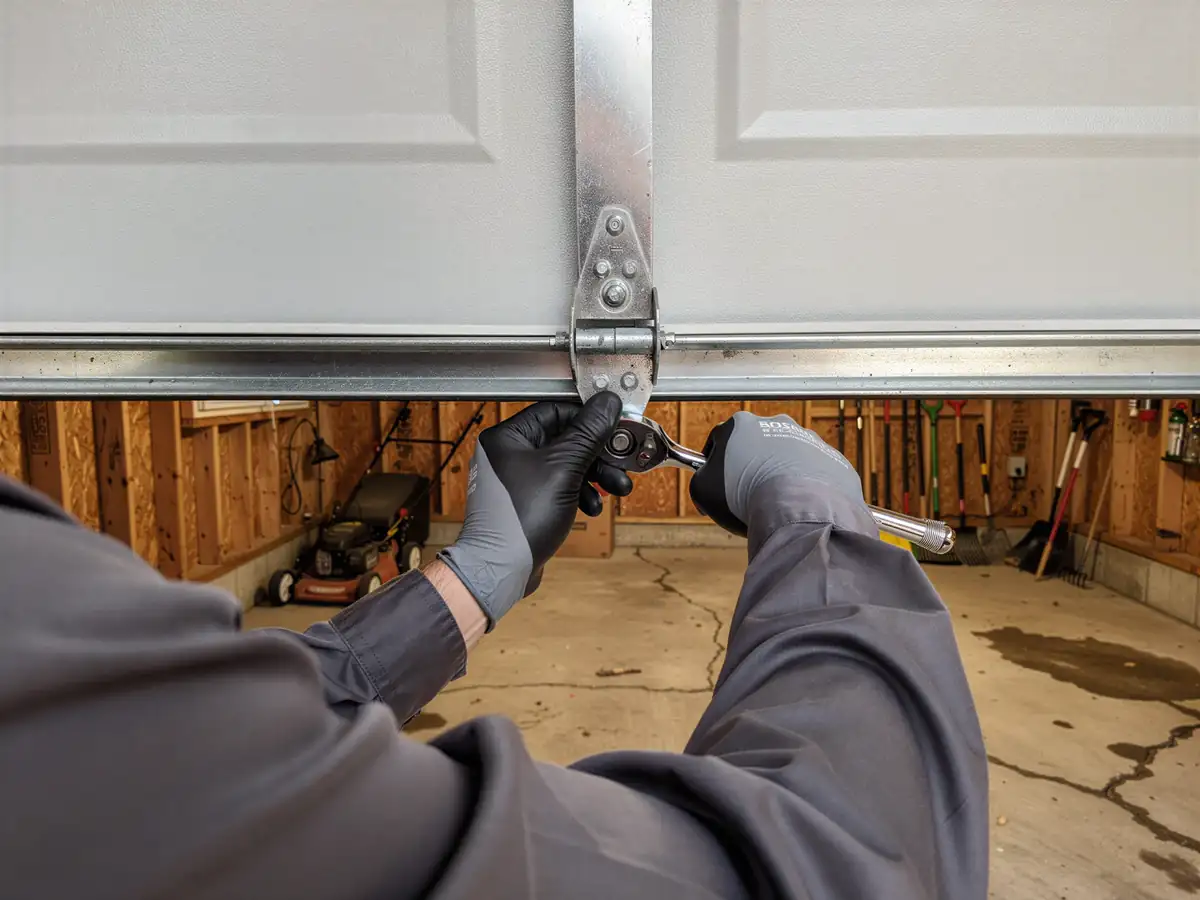
A torsion spring under tension can break a hand or worse, and that's true whether it's a $40 part or a $400 one. We're not going to talk anyone out of replacing a roller or tightening a loose hinge bolt - that's reasonable homeowner work. Where we draw the line is springs, cables, and anything attached to the torsion bar. On a lot of Fairlawn's older doors, that hardware has been in place since the early 70s, and the fasteners and brackets around it have had decades to corrode or loosen in ways you can't always see from the ladder. If the door's original to a 1971-built house, we'd also rather you call before you start pulling panels, because what looks like a simple fix on hardware that old sometimes isn't.
The Symptom
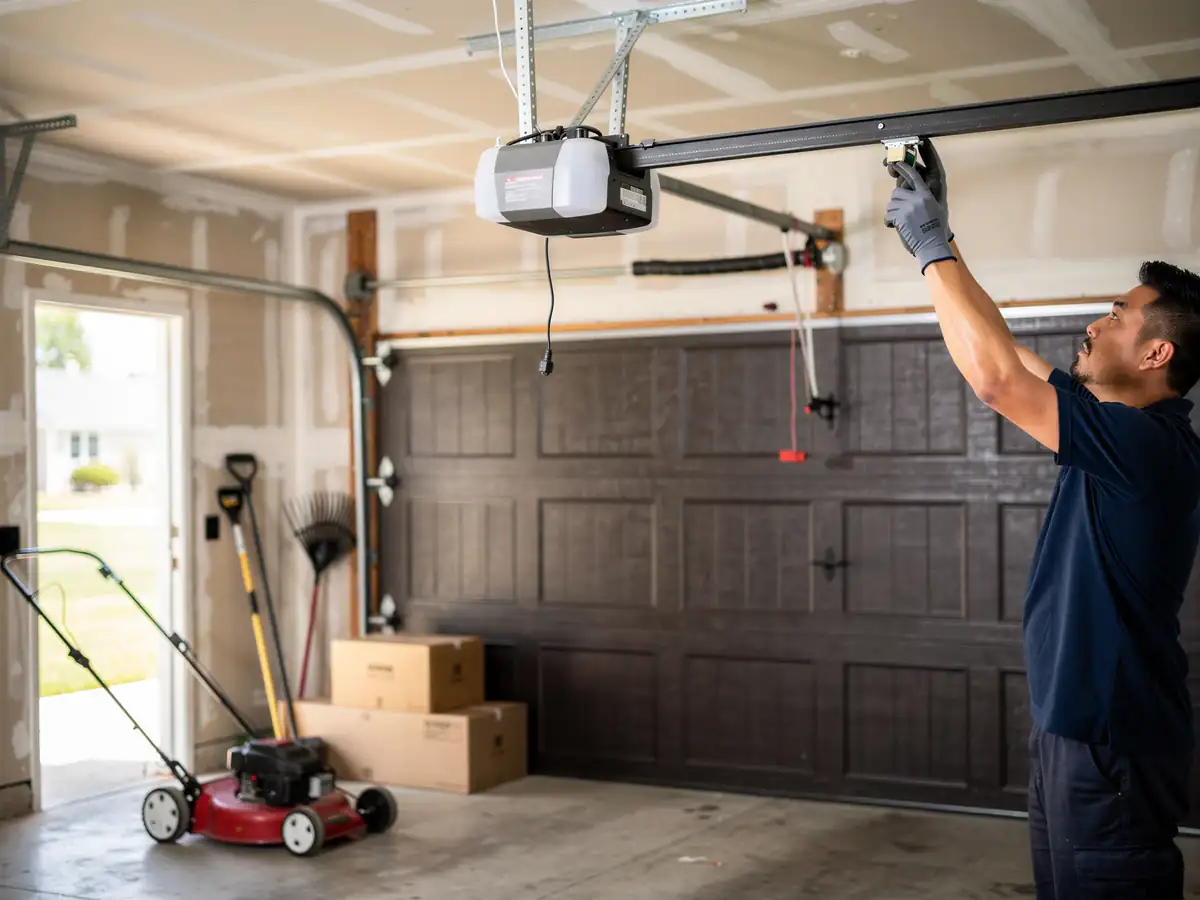
The call we get most from this stretch of town is a door that slams the last six inches on the way down, or one that reverses itself halfway up for no clear reason. On houses from the early 70s, that's usually a spring that's lost tension unevenly - one side still has some wind left, the other doesn't, and the door fights itself. In a town where cold-season swings put real stress on fifty-year-old torsion hardware, that unevenness tends to show up hardest in January and February, right when nobody wants to be standing in the driveway diagnosing it. The other pattern: openers installed as a retrofit on an original door, where the motor is newer than the hardware it's lifting. The opener strains, trips its sensor, and the owner assumes the opener's bad when it's really the spring underneath it doing less work than it used to.