Where This Job Goes Sideways
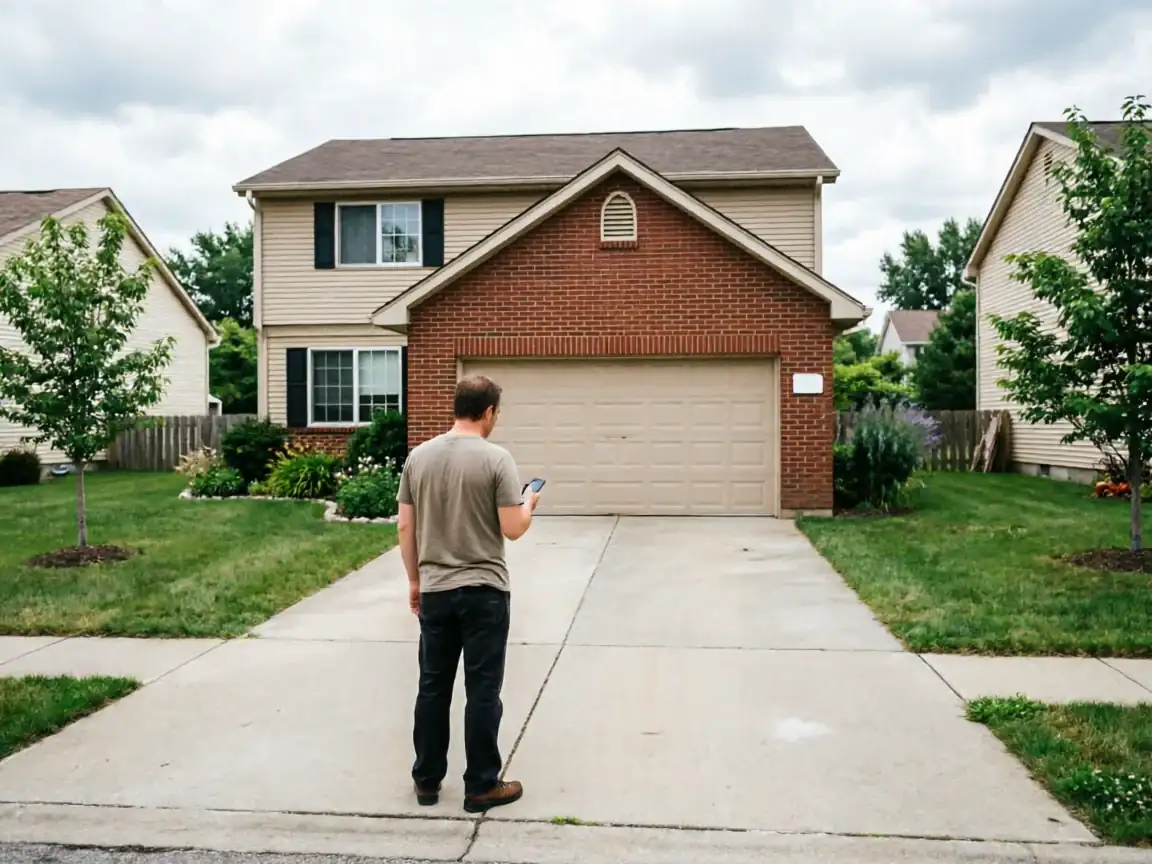
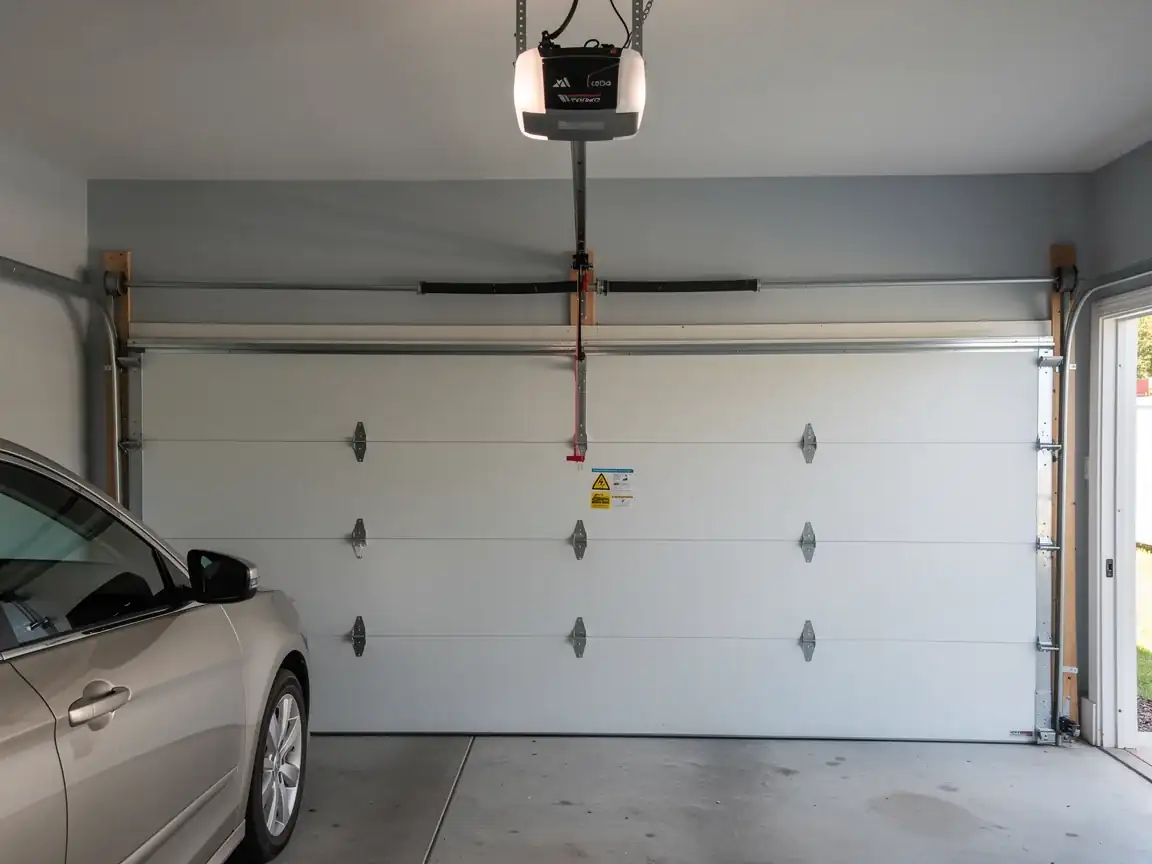
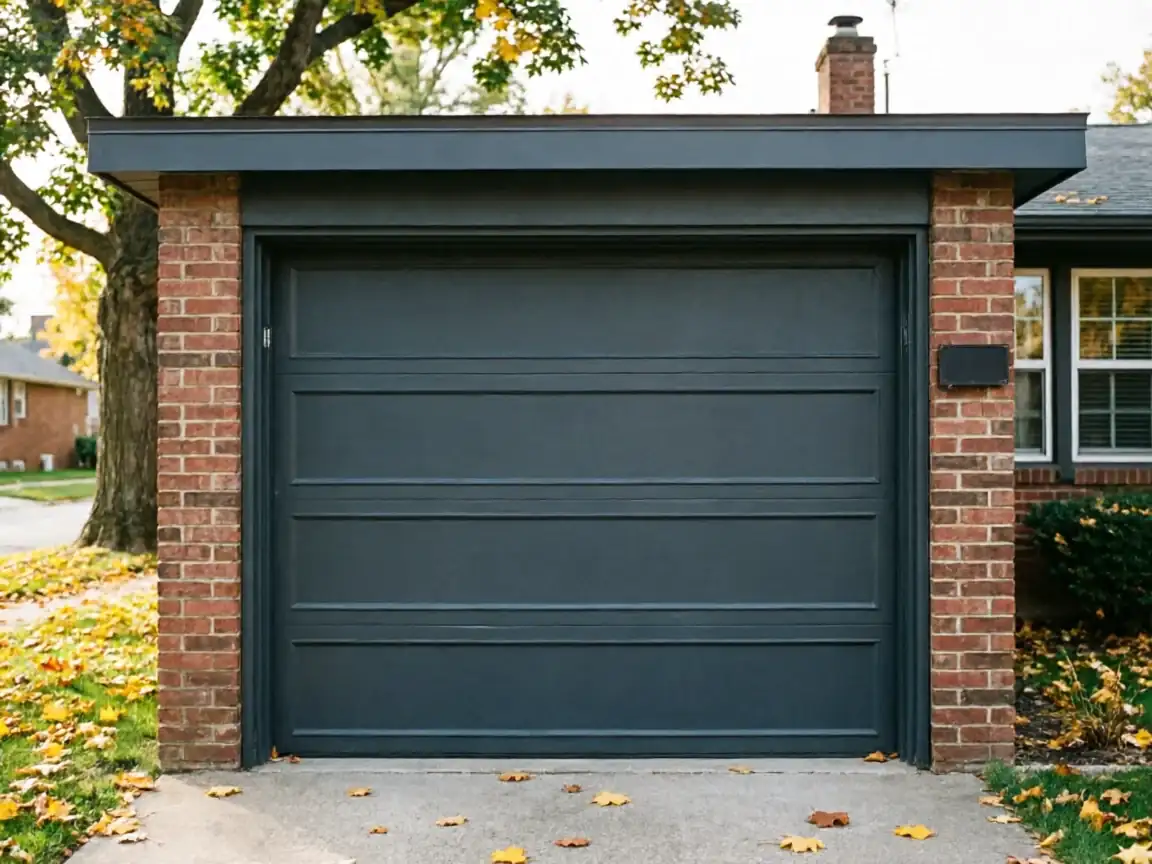
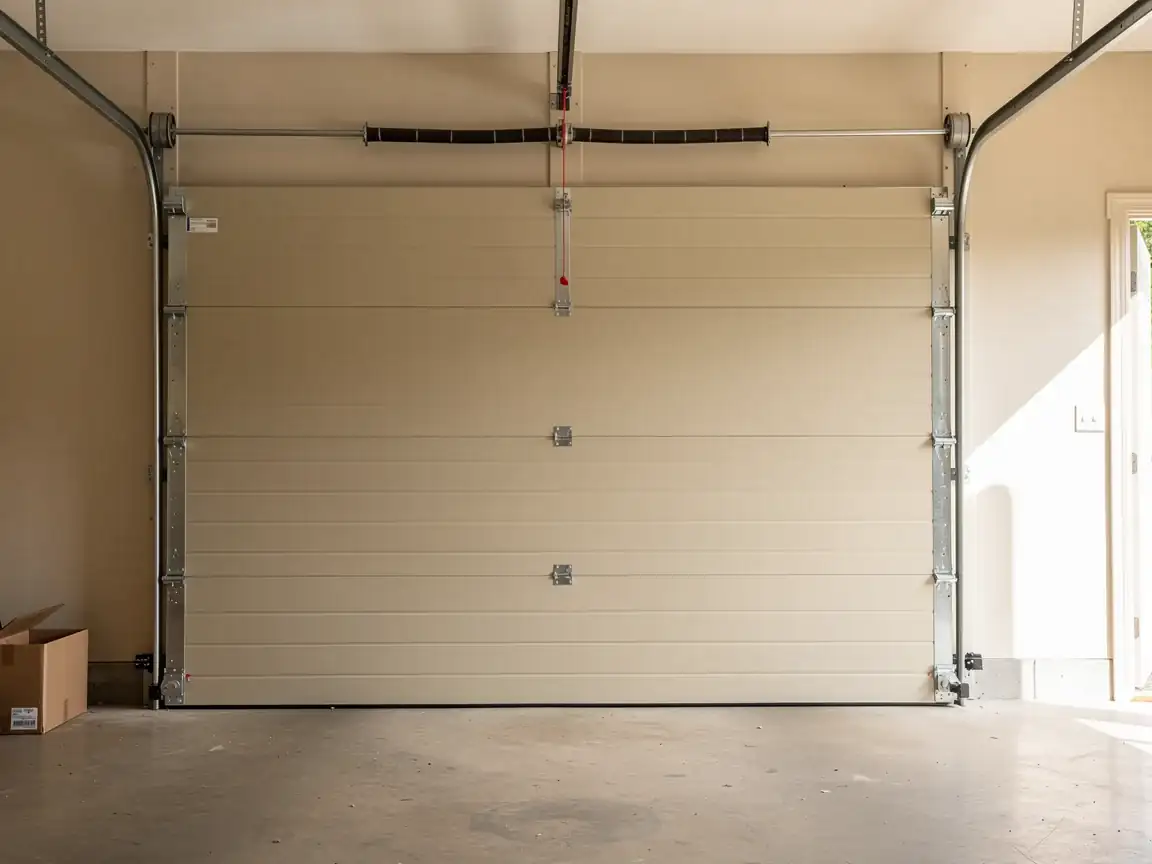
Most of the trouble we find in Fairlawn starts the same way: a torsion spring that's been winding and unwinding on the original shaft since the house was framed. The median home here went up around 1971, which puts a big share of these doors on hardware that was never meant to run past the 1990s. Nobody swapped it because nothing broke - until a cable frays at the drum and the door drops crooked on one side, or a roller seizes in a track that's been collecting grit for five decades.
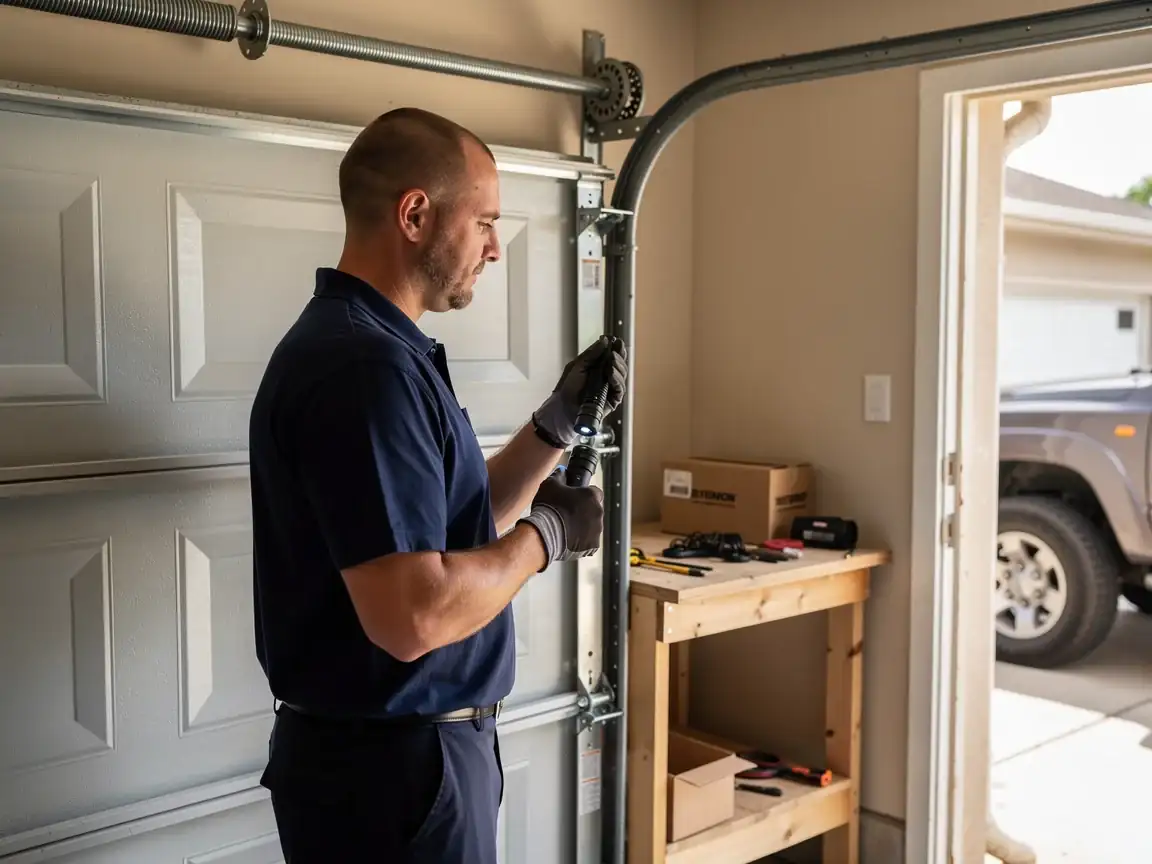
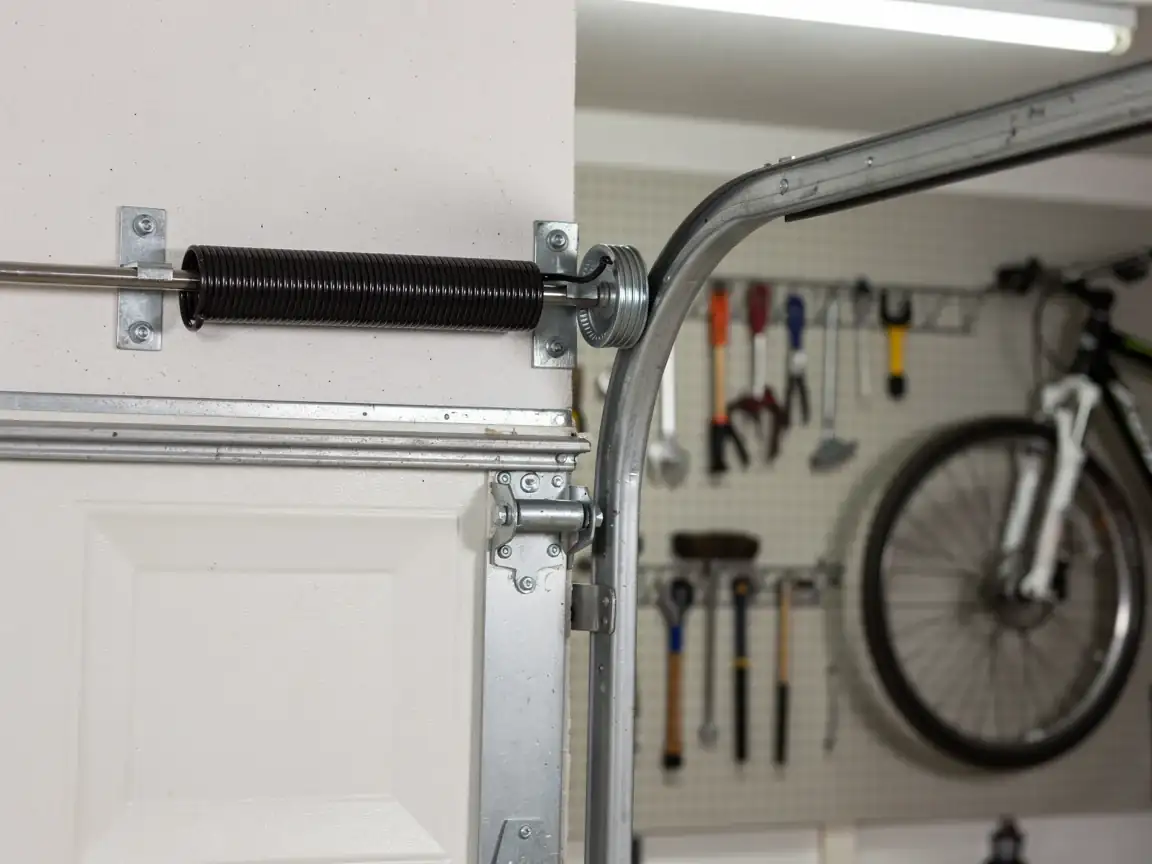
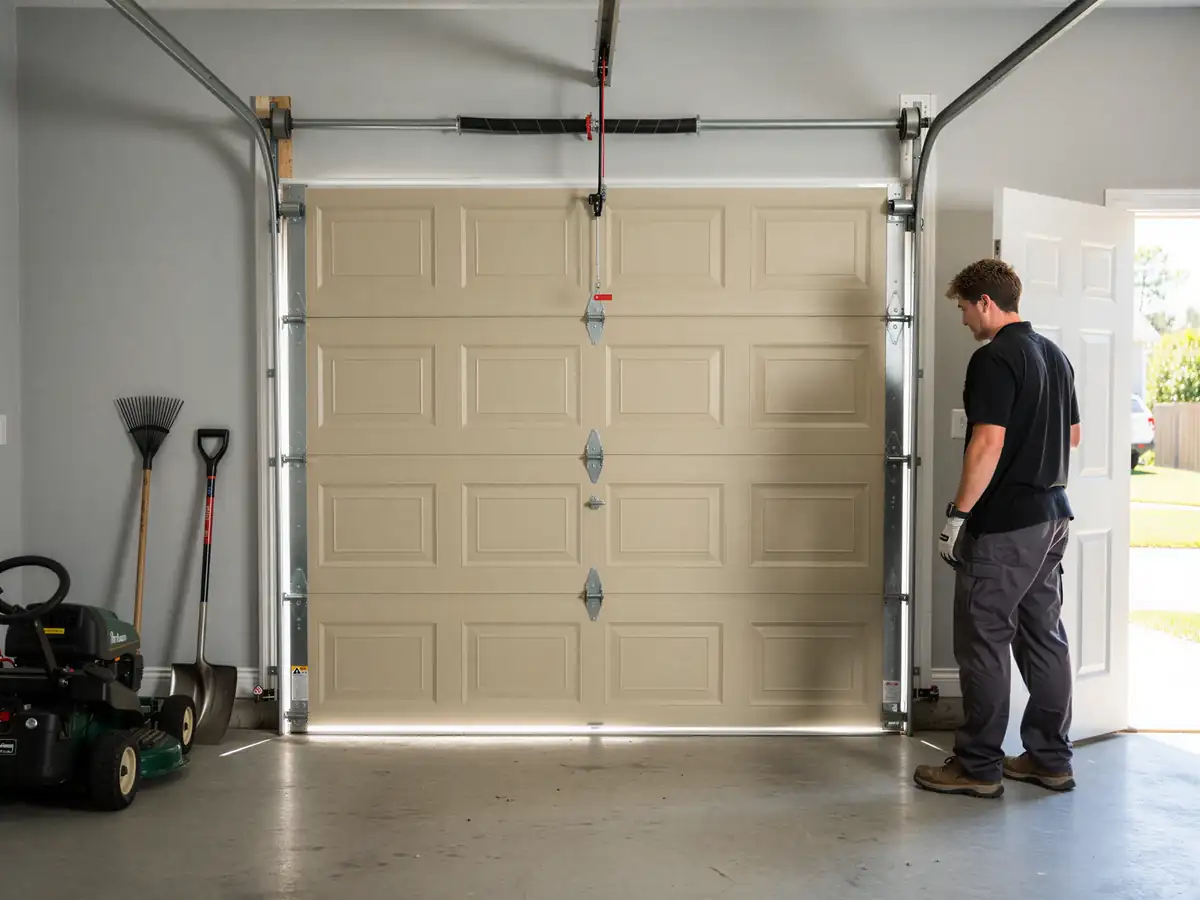
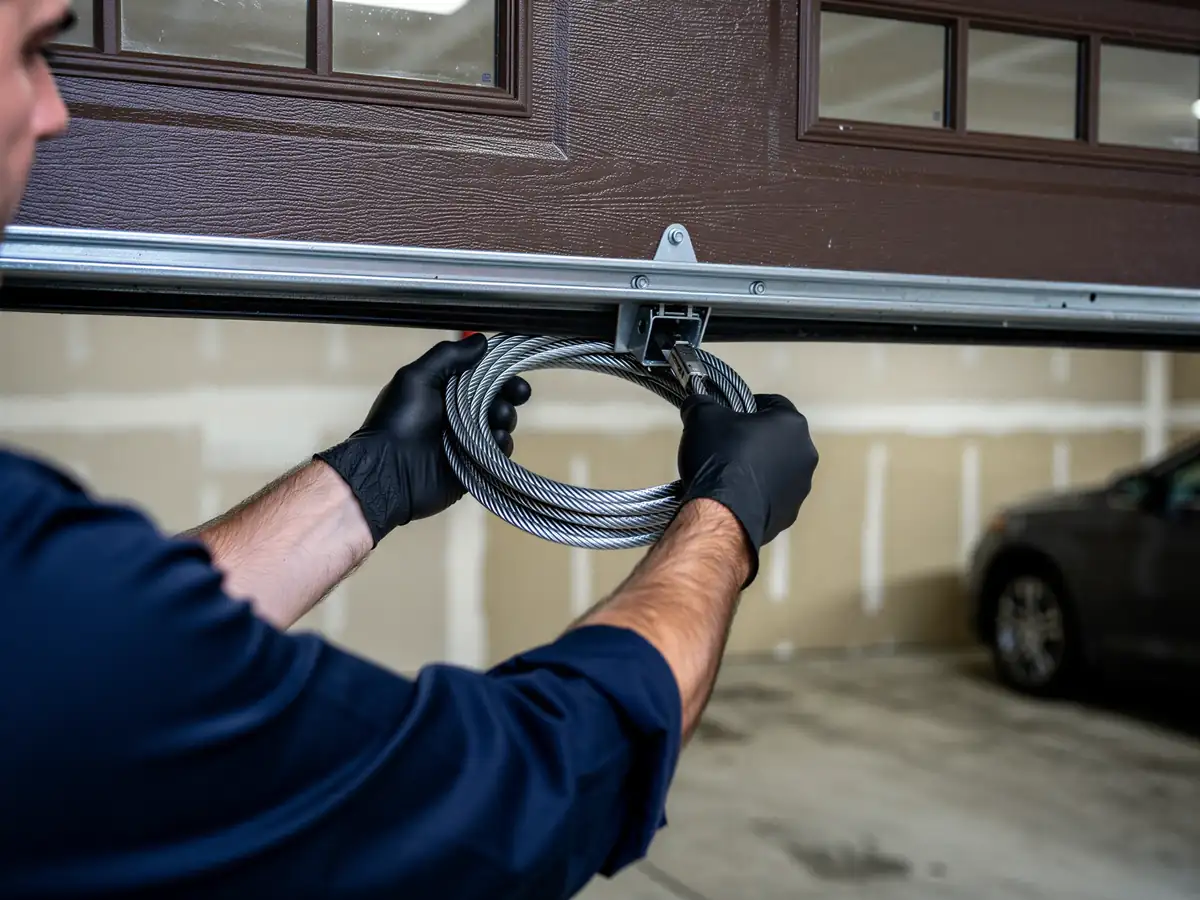
The other failure point is the extension spring setup a lot of builders used on single doors in that era, mounted over the horizontal track instead of on a torsion bar above the opening. Those springs stretch instead of twist, and the safety cables that are supposed to catch a broken one often weren't added until years after the house was built. If your door is original to a 1971 build, that's the first thing we check - not the opener, not the weatherstrip, the spring and the cable that's supposed to be there and sometimes isn't.
Winter makes both problems worse. Cold, dense air stiffens the lubricant in old rollers and shrinks the steel in the track just enough that a door riding close to its limit starts binding on the first hard freeze.
The Cost of This Job
We don't have a flat number to quote you here
Spring tension, track length, and whether the opener's original or a replacement all change what a maintenance visit runs. What we can tell you is that Fairlawn's household income runs well above the service area's median of $80,612, and in our experience that tracks with more owners choosing to replace worn hardware outright rather than patch it twice. A full maintenance pass - spring check, track alignment, roller and hinge lubrication, cable inspection - costs less than one emergency call for a snapped cable at 9pm, and it's the same technician doing either job.
We travel to Fairlawn from Akron, about 6 miles out
So there's no local dispatch fee built into the price - you're paying for the work, not the drive. If a part needs ordering, lead time depends on what's failed; some torsion springs sized for older openings aren't something we carry on the truck and have to be matched to your drum diameter first.
- 6 miles
The DIY Question
There's a real line here, and it's the spring. Lubricating rollers, hinges, and the track with the right grease, checking that the auto-reverse still catches on a 2x4 laid flat under the door, tightening loose lag bolts on the track brackets - all of that is reasonable for an owner to do twice a year and it genuinely extends the life of a door built in the 1970s.
Torsion and extension springs are not a DIY repair. They're under enough tension to break a wrist or worse, and on a house this age the winding cone and shaft are often as worn as the spring itself, which changes how the whole system releases. If your door feels heavier than it used to, or it won't stay at the height you set it, that's spring fatigue talking - stop there and call it in rather than loosening a set screw you can't predict.
The Symptom
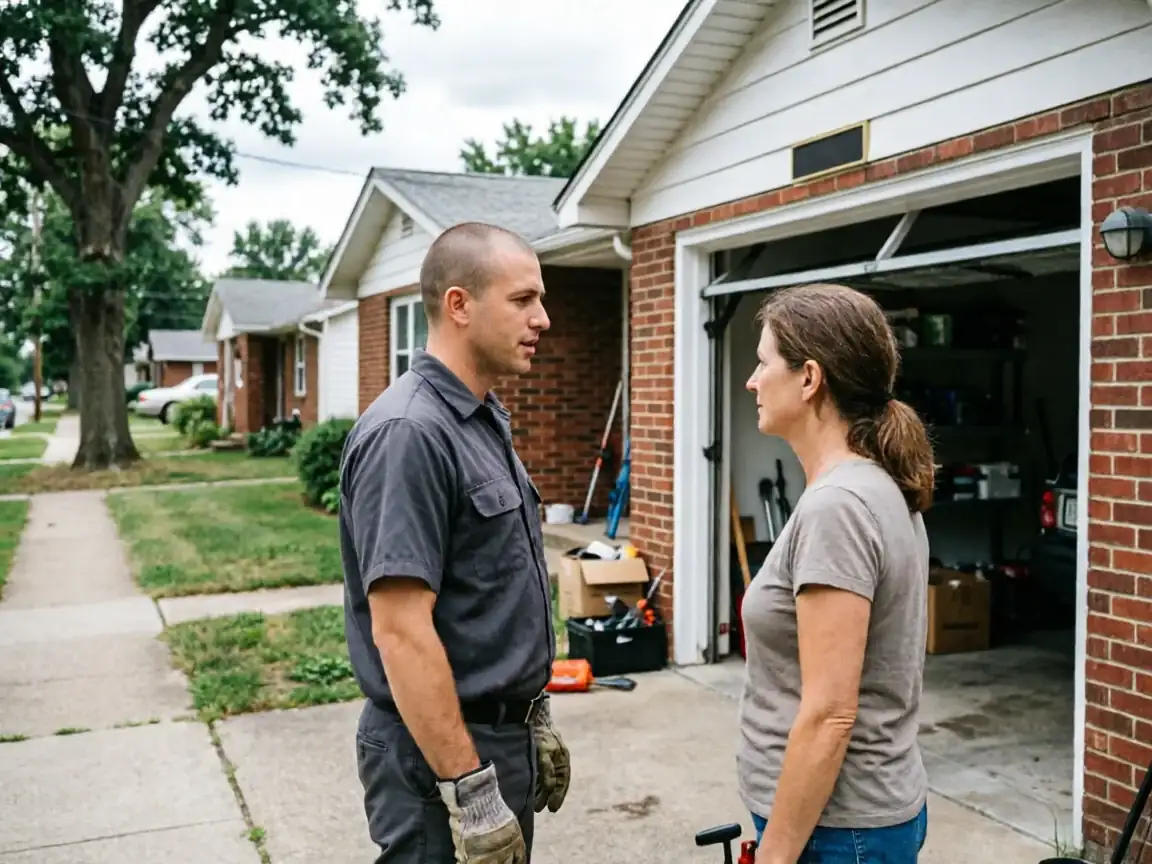
The complaint we hear most from this side of town is a door that slams the last six inches instead of settling, or one that reverses off the floor on its own with nothing under it. Both point to a spring that's lost tension relative to the door's actual weight - common once a torsion spring crosses the 15-to-20-year mark, which on a 1971-built house means most springs now in service are at least a second or third replacement, not the originals.
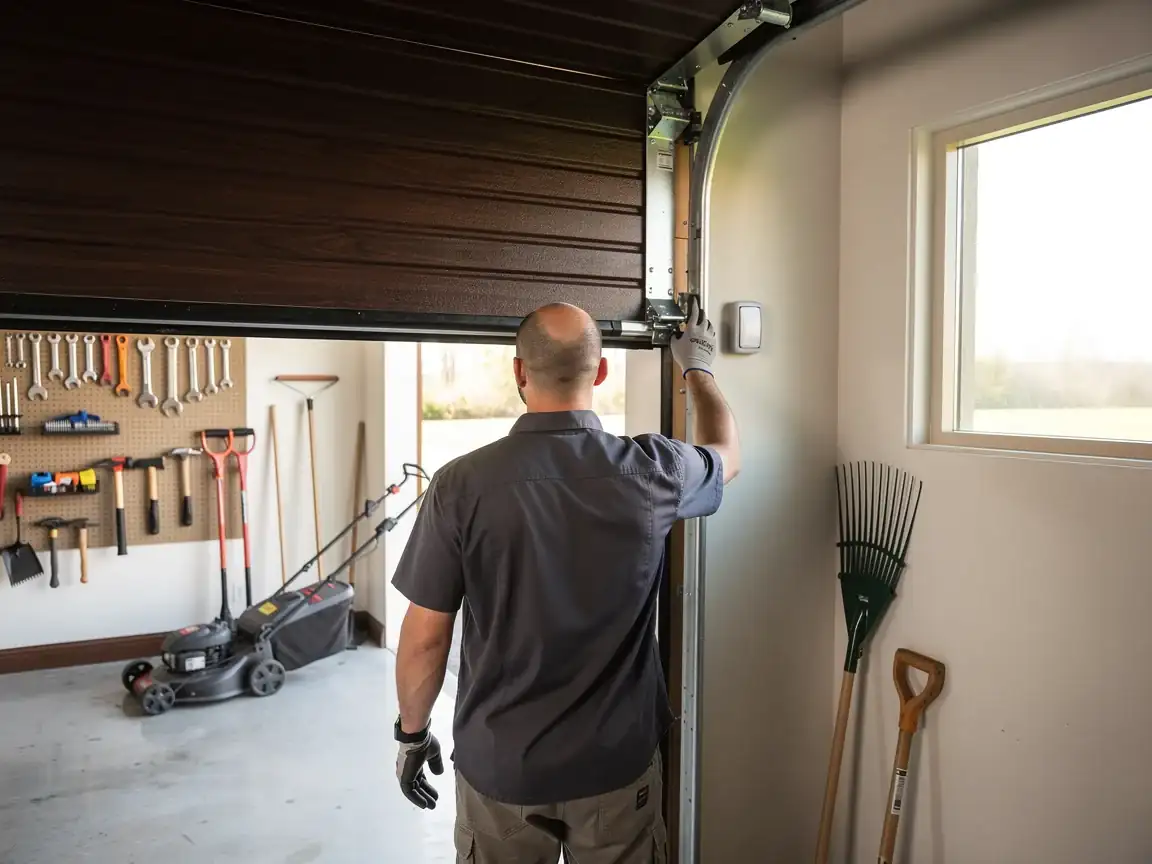
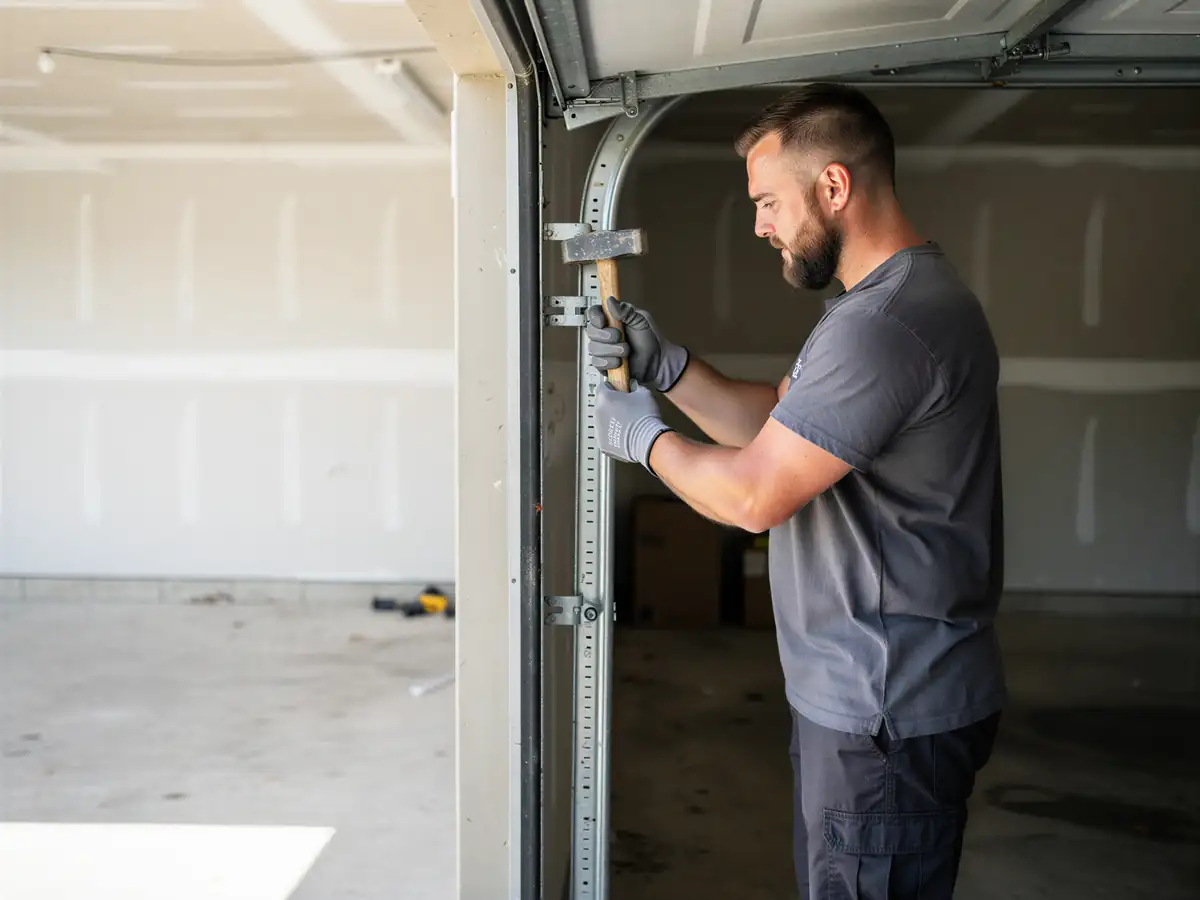
A close second is a door that sticks partway up, then jumps and continues. That's usually a track gone slightly out of parallel, often from a bracket working loose over fifty-some years of thermal cycling in a severe cold climate - the steel contracts and expands enough each winter to shift fasteners a fraction at a time until the door starts catching.
How We Fix It
We start by checking spring tension against the door's actual weight, not a generic chart
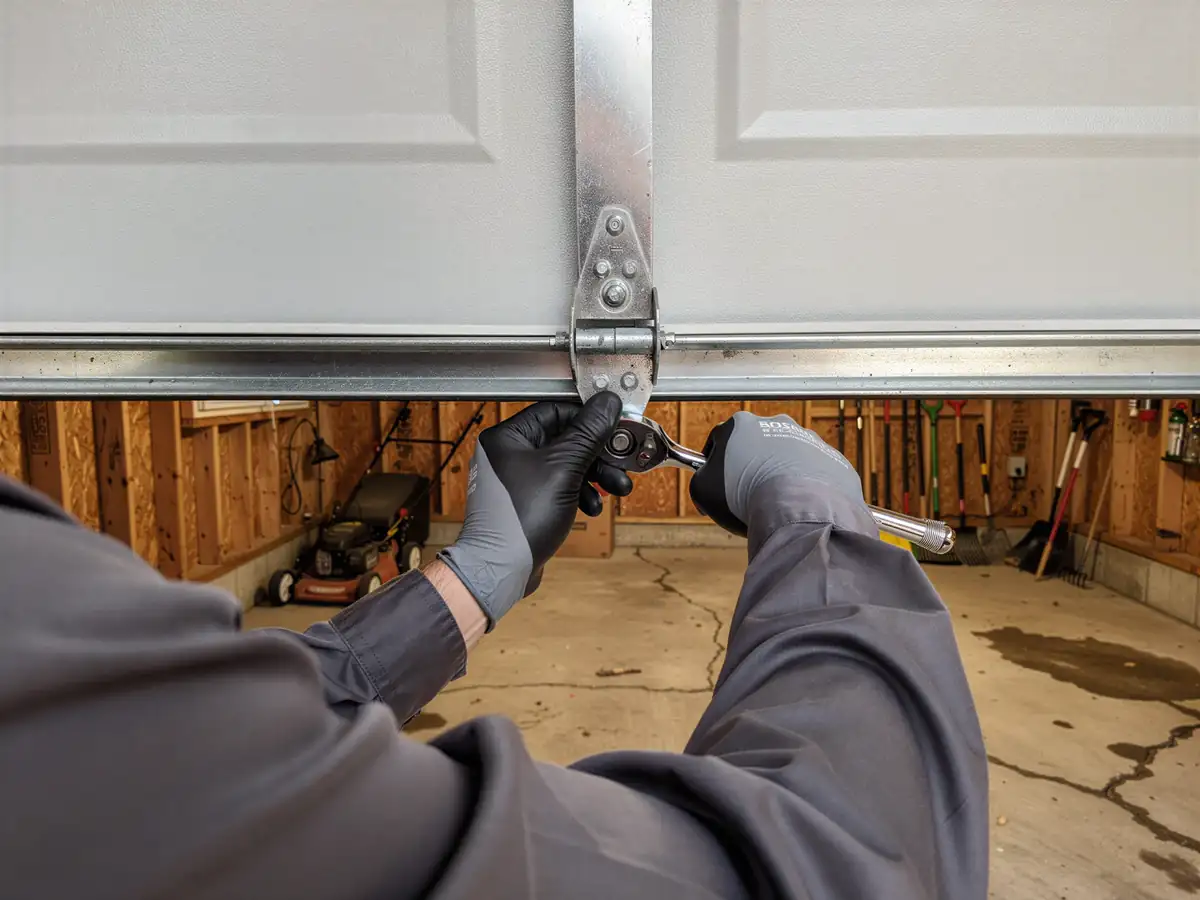
A 1970s steel door without foam insulation weighs differently than a newer insulated one, even at the same size, and running the wrong spring tension on an old door is how you get the slam-shut symptom back within a year. From there it's track alignment, bracket torque, roller and hinge condition, and a cable inspection, since original cables on a house this age have usually outlived at least one spring swap already.
We adjust what can be adjusted and replace what's worn past that point
Rollers, cables, sometimes the whole spring assembly if the shaft shows wear. We don't push a full door replacement on a maintenance call unless the panel or track is genuinely beyond servicing; most of what we find in Fairlawn is hardware fatigue, not a dead door.