Parts We Carry
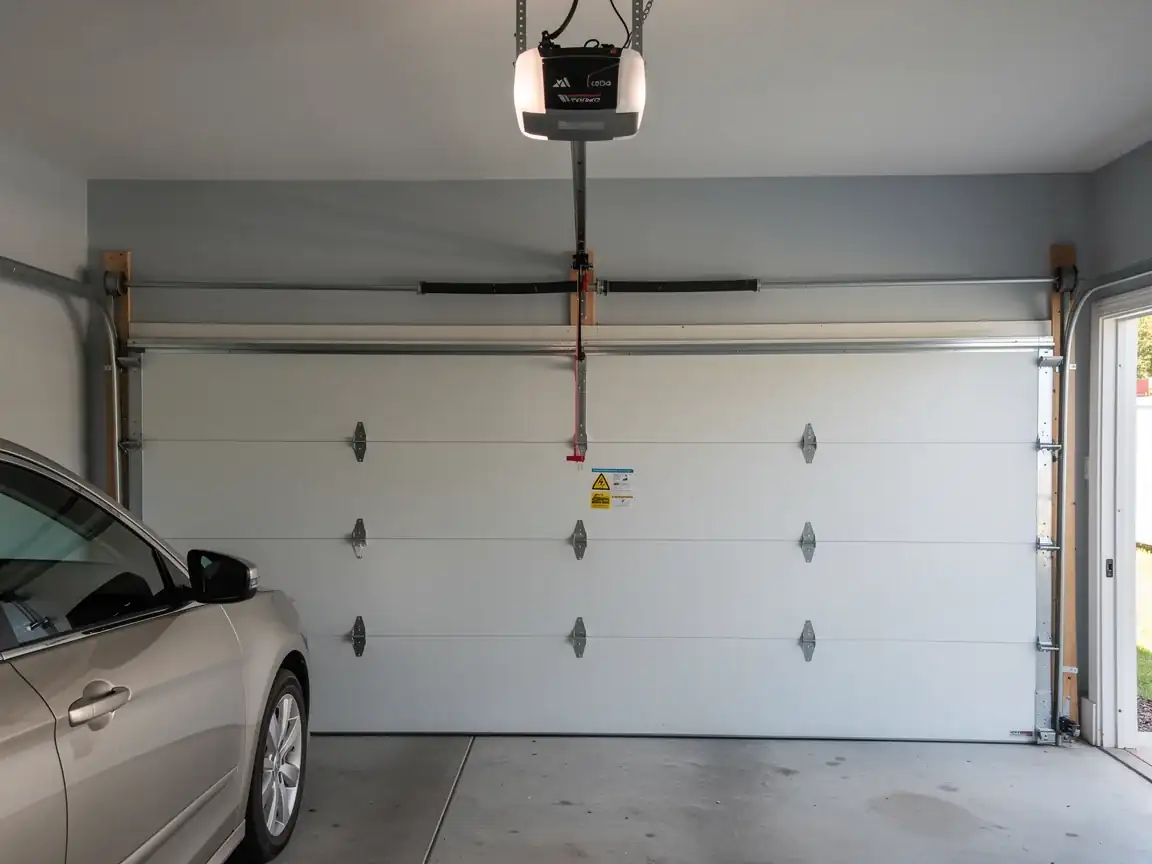
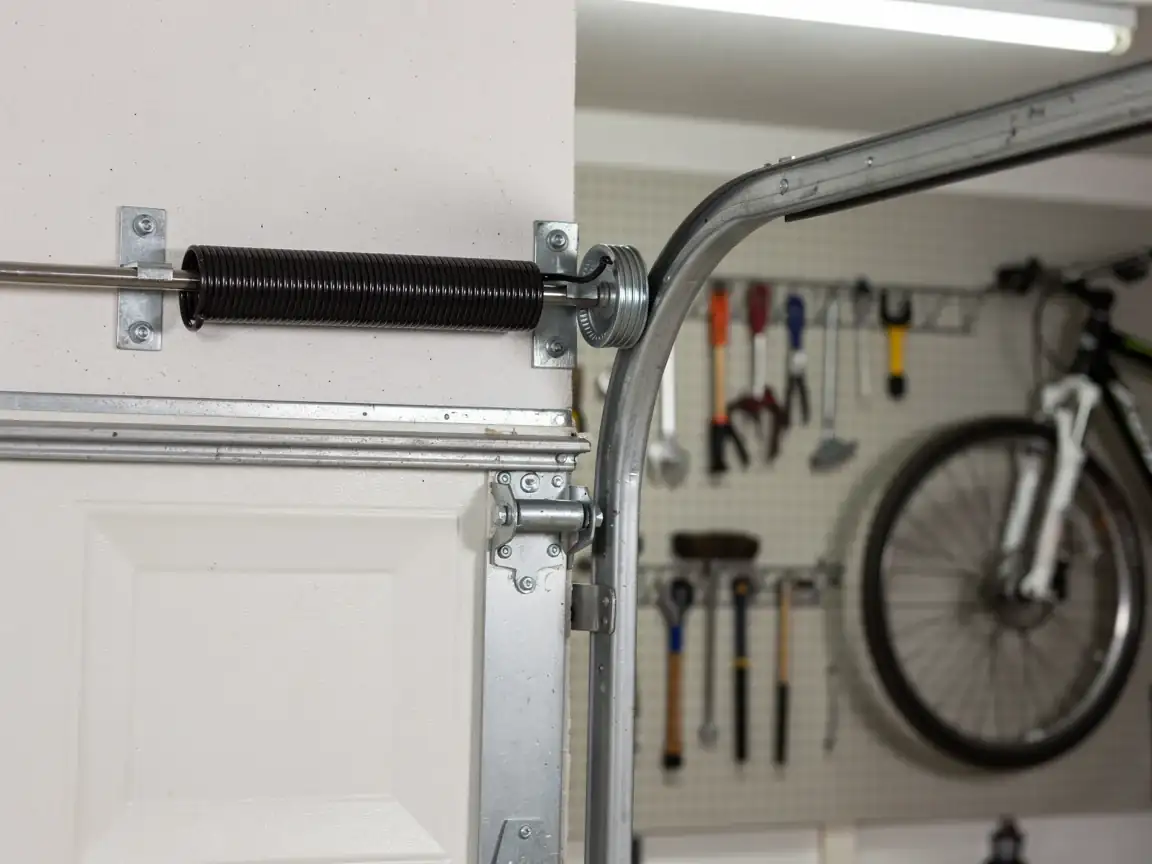
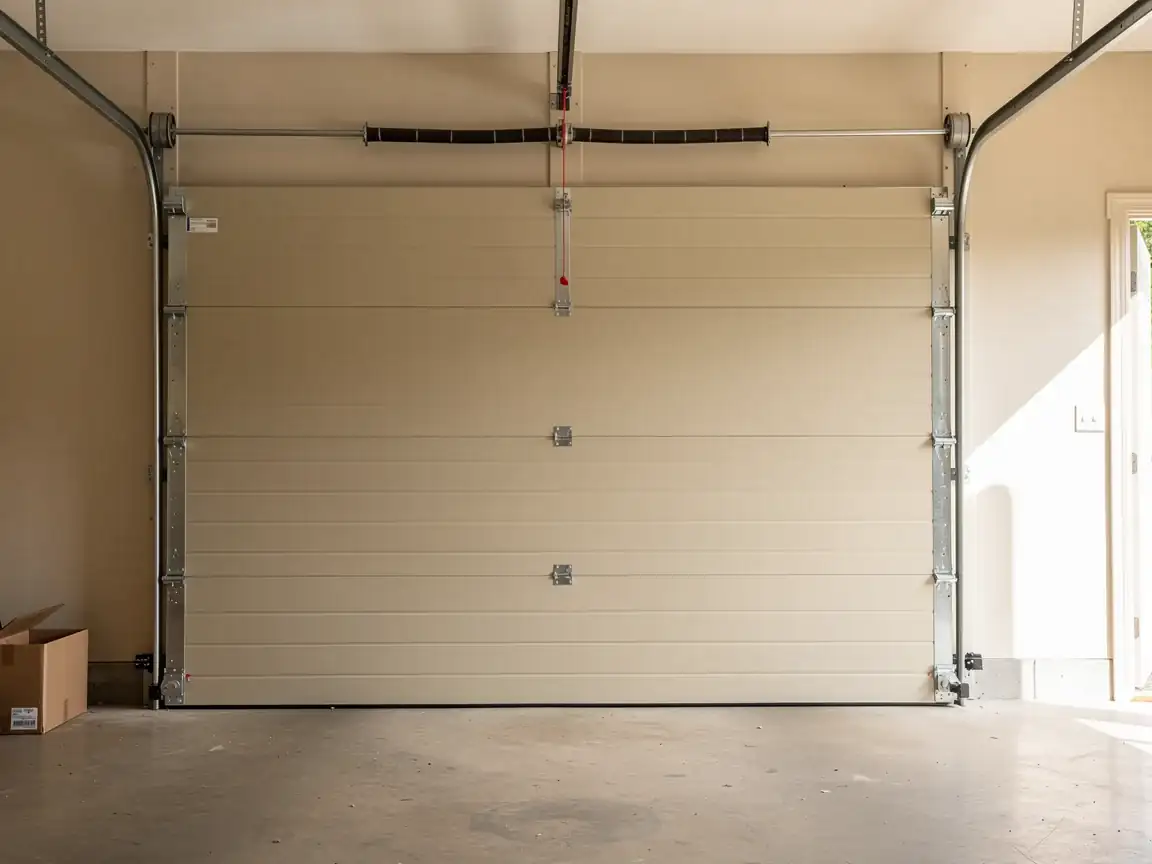
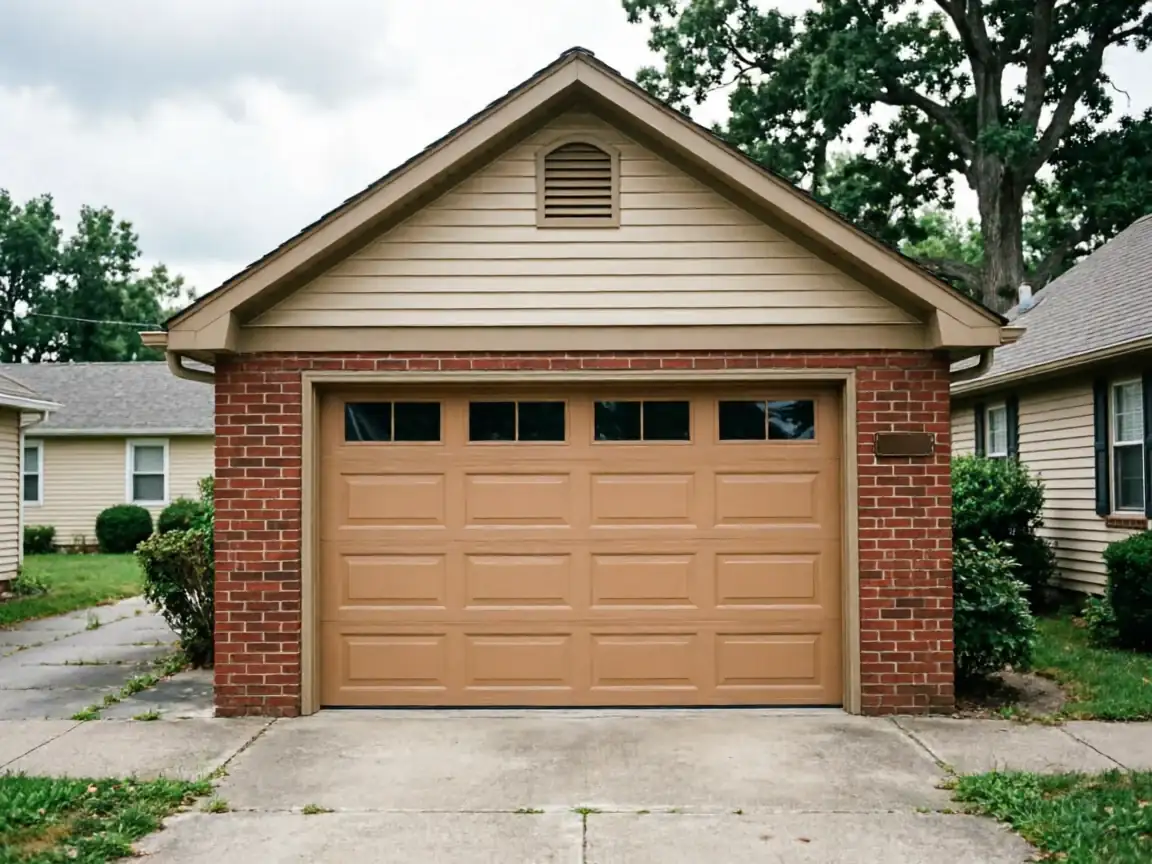
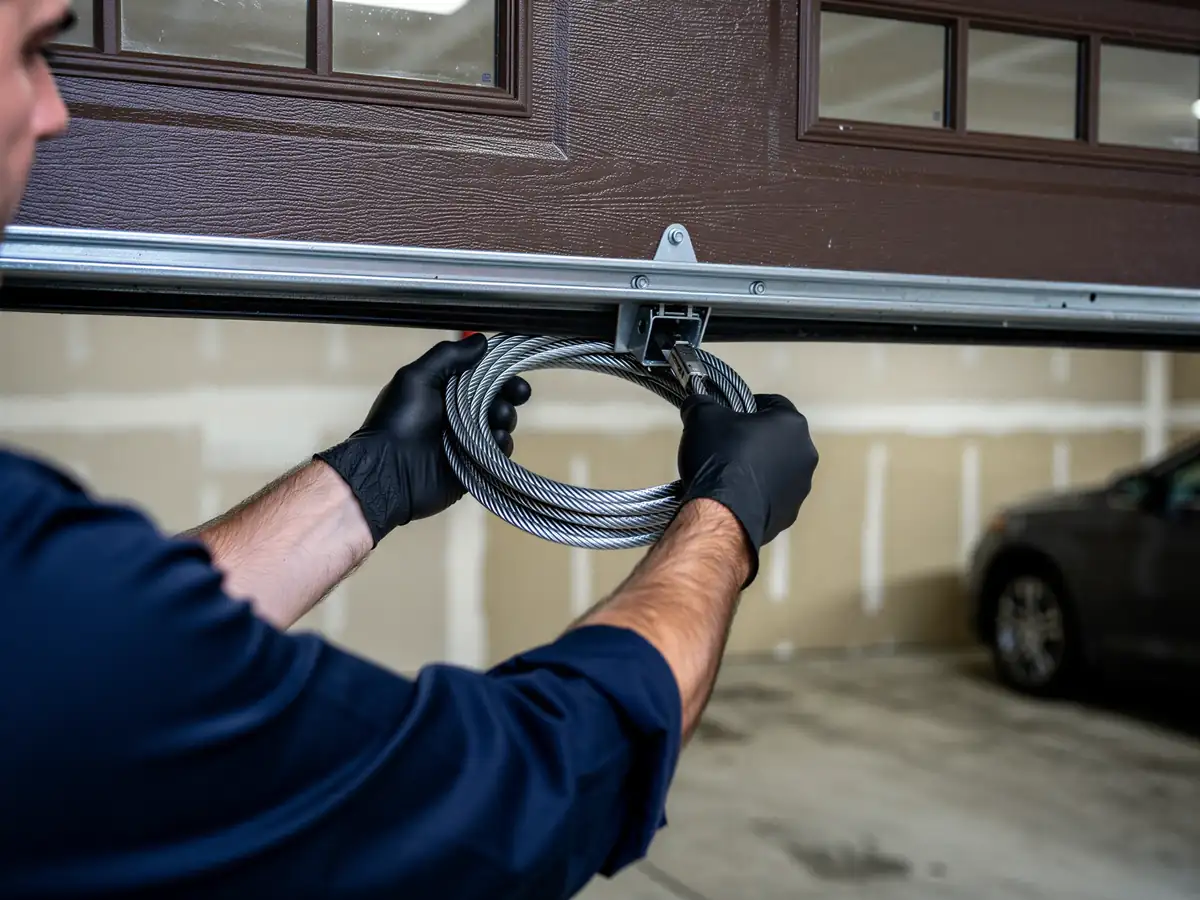
Most of Cuyahoga Falls went up around 1959, and that build year still shapes what's bolted to the garage today. A lot of these openings kept their original steel track into the 2000s before anyone swapped the door itself, which means the track brackets, roller carriers, and horizontal track splices are often the same gauge steel that shipped with the house. We stock replacement track sections in the narrower widths those older jambs call for, along with the flag brackets and rear hangers that tend to be the actual failure point rather than the track itself. We carry both nylon and steel rollers, since a lot of these doors were converted to nylon at some point and the stem size doesn't always match a modern steel roller. Hinges, end bearing plates, and the lag screws that hold rear track hangers to ceiling joists round out what's in the truck. What we don't stock on the truck is a wide custom radius track built for a door that's already been modified twice - that gets ordered, and we'll tell you up front if your door needs it instead of a standard section.
Time on the Job
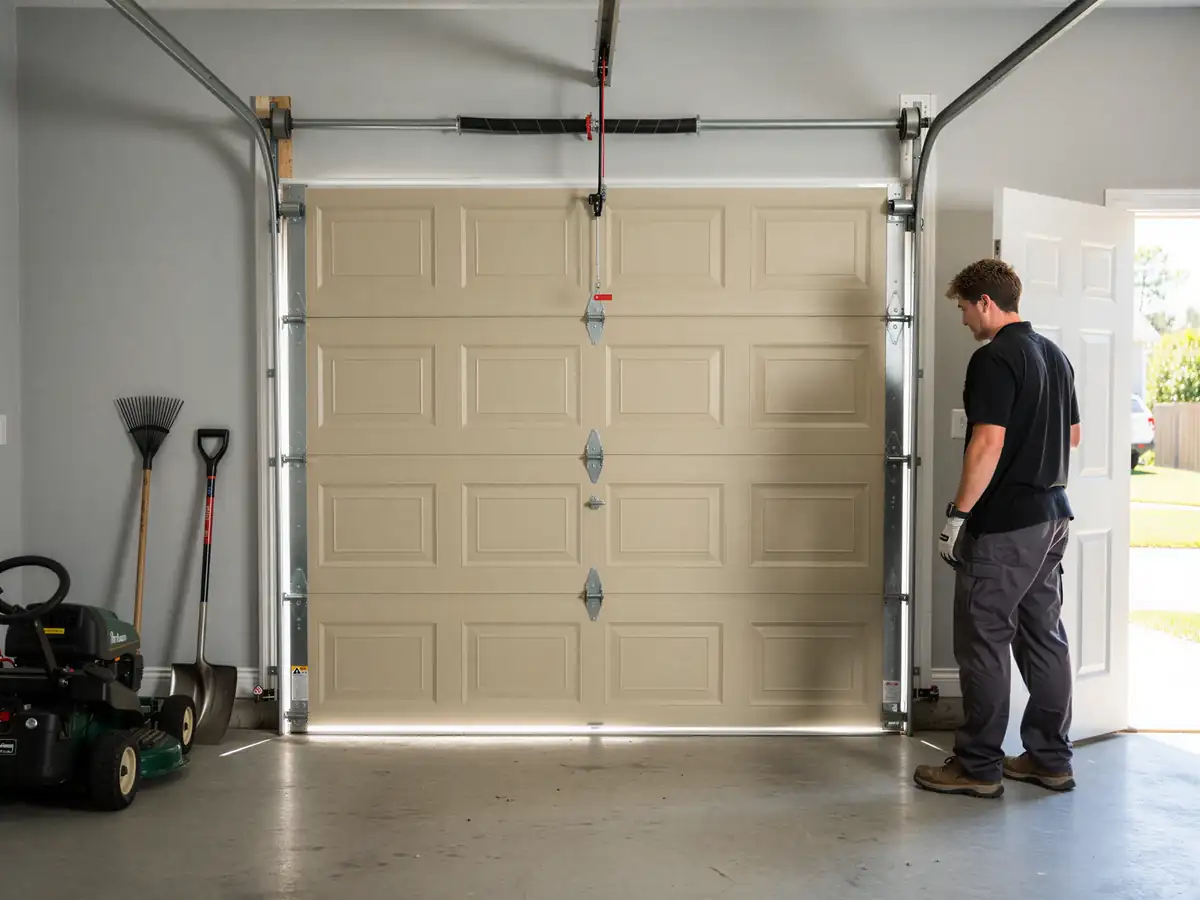
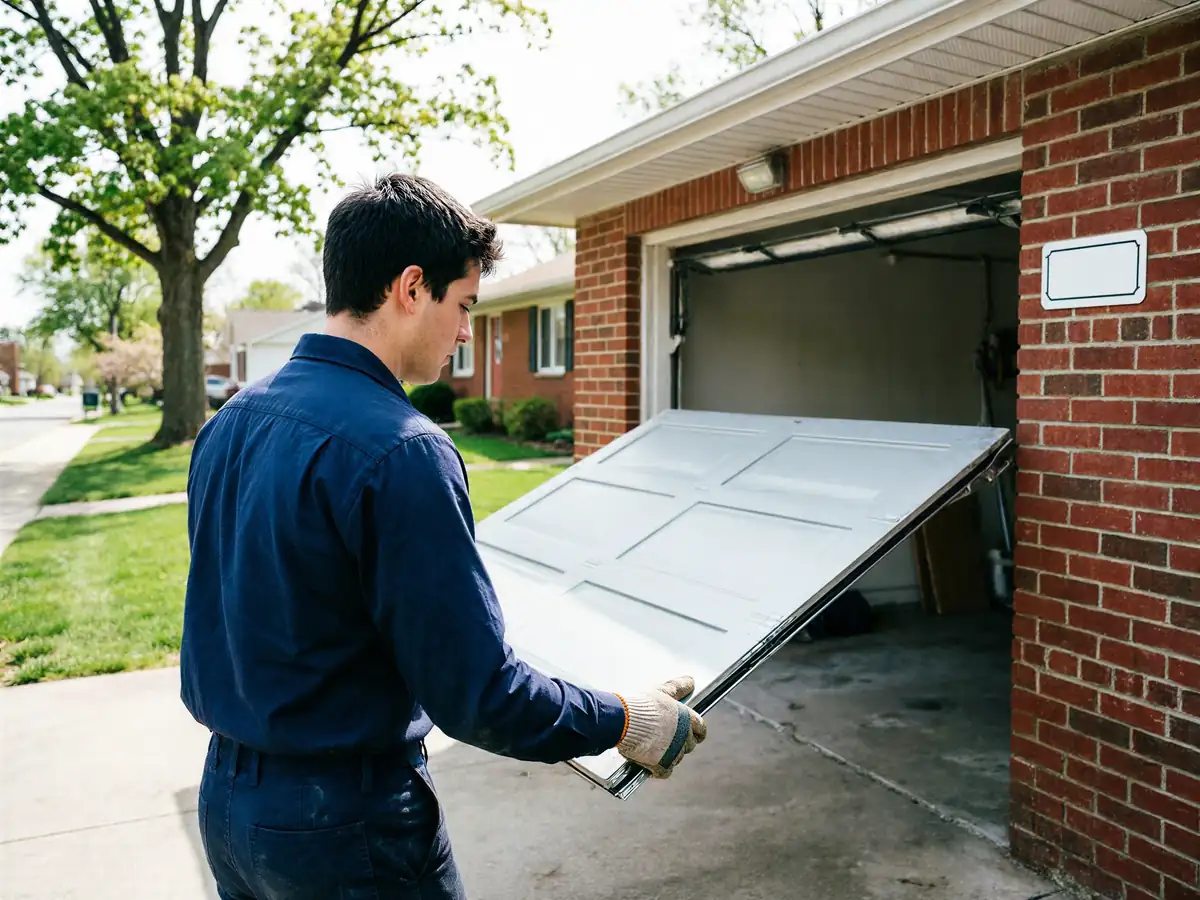
A door that's simply jumped the track with the hardware otherwise sound is usually the fastest call we make - realign the rollers, true up the track, check the brackets, and the door runs again. Add a bent track section, a sheared roller stem, or a rear hanger that's pulled loose from the joist, and the job runs longer because we're rebuilding the run rather than just resetting it. We won't quote a fixed time before we've looked at the hardware, because a 1959-era door with original track behaves differently than one that's already been partially replaced. What we can tell you is that we diagnose on site rather than guessing over the phone, since two doors with the same symptom here often have completely different root causes once we're standing in front of them.
The Cost of This Job
What drives the cost on an off-track repair in this area isn't the labor, it's how much of the track and hardware has to come out versus just getting adjusted. A clean realignment with good rollers and sound brackets is a small job. A door where the rear hangers have pulled out of the joist, the track has a permanent bend from a prior impact, or the rollers are the wrong size for the track after a past mismatched repair costs more because we're replacing sections, not tuning them. We don't post a flat number because we haven't seen your hardware yet, and giving one before that would just be a guess dressed up as a quote. What we will do is show you what's worn versus what's still good before any work starts.
How We Fix It
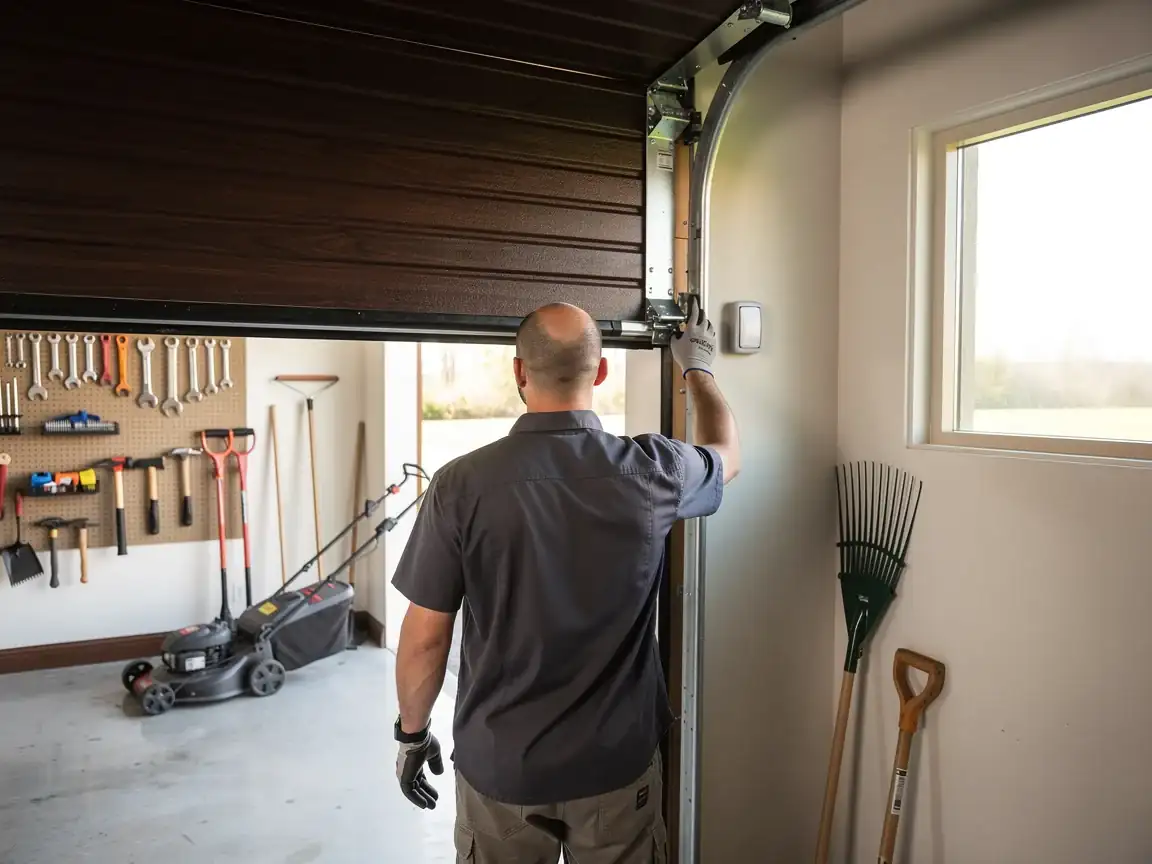
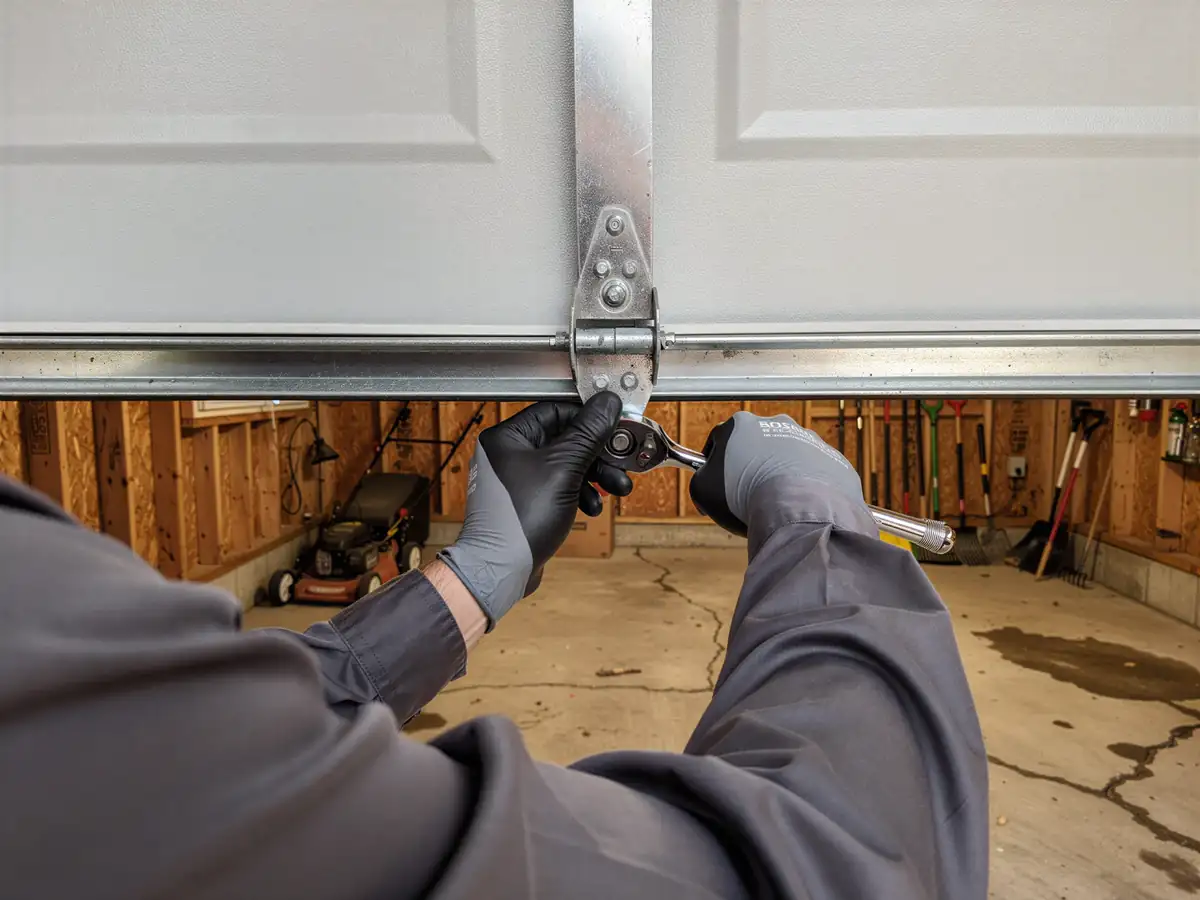
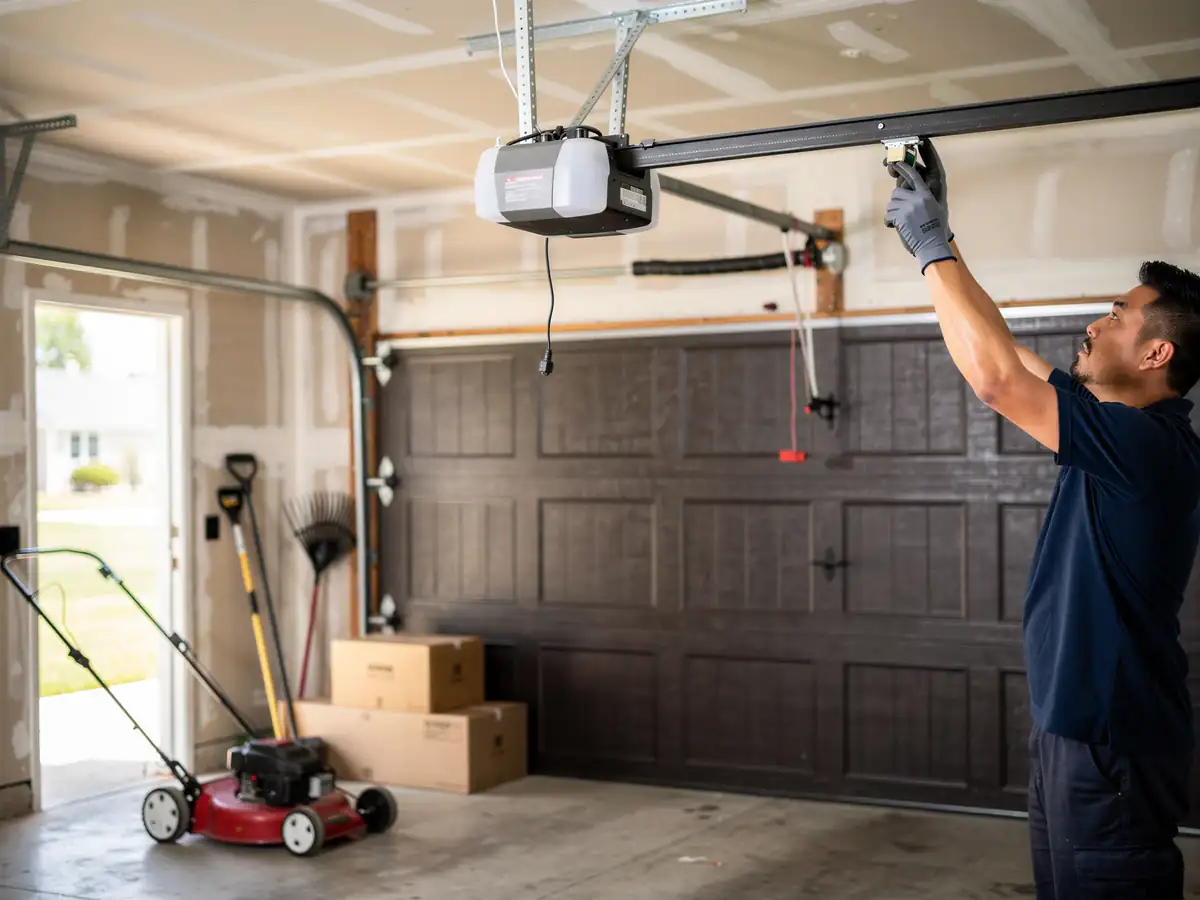
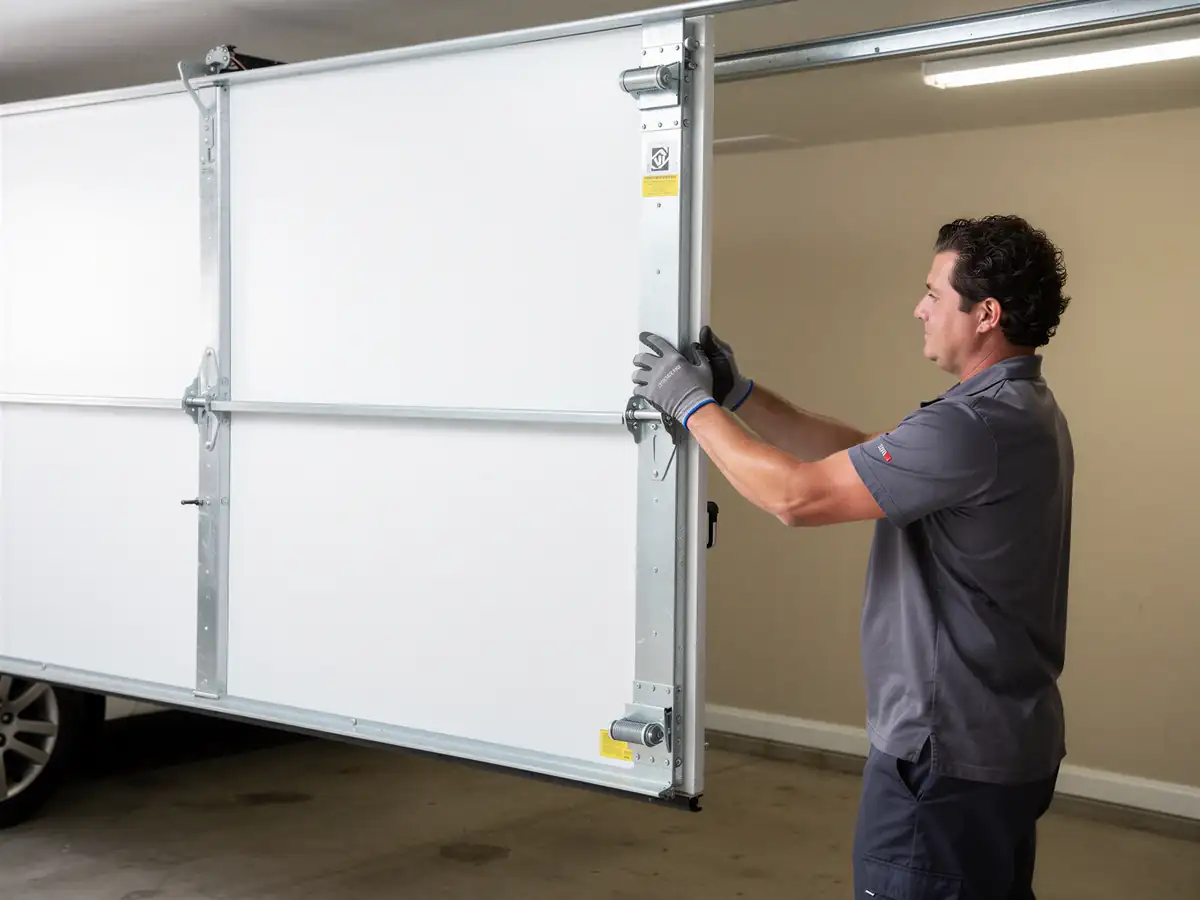
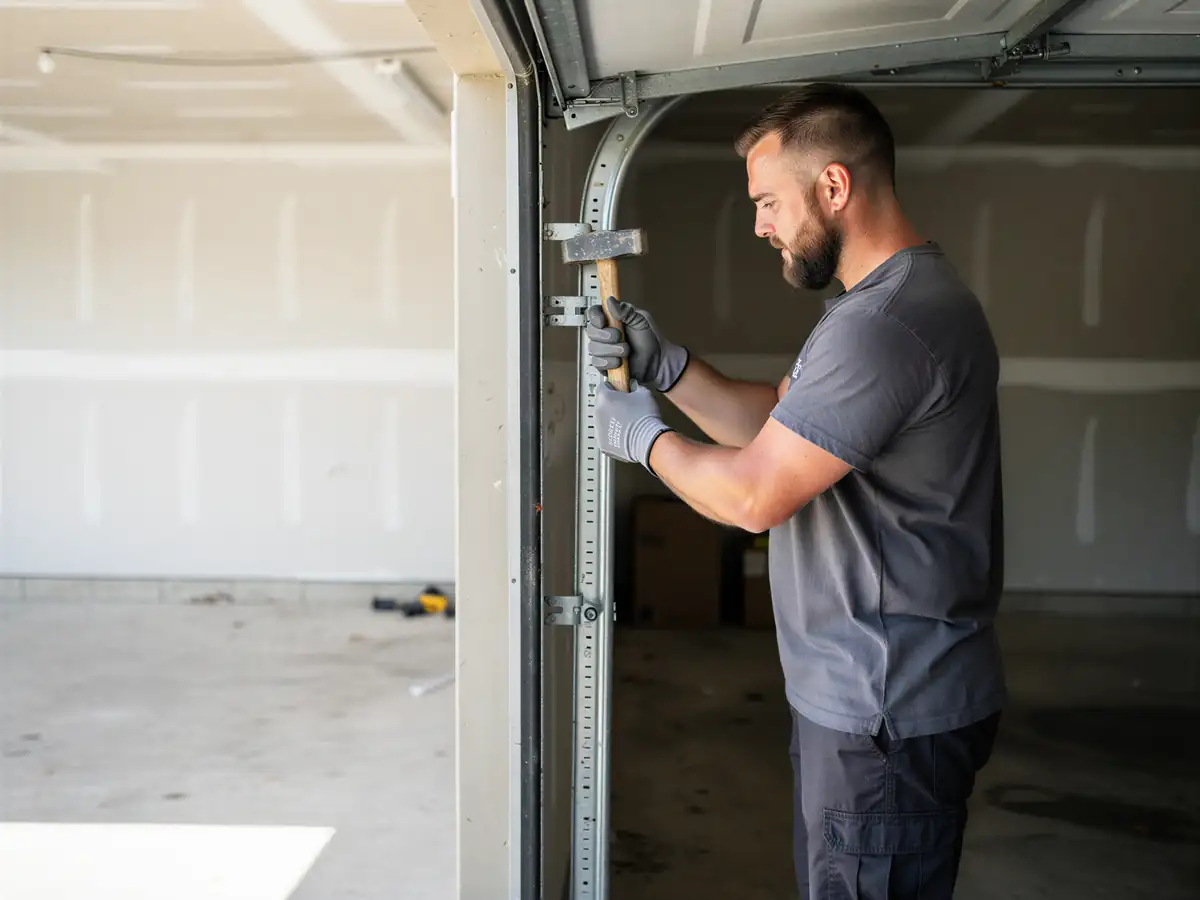
First we check whether the track is still straight enough to reuse - bowed or kinked track doesn't get bent back into shape reliably and gets replaced rather than patched. If the track is sound, we reset the rollers into it, square the door in the opening, and tighten or replace the brackets and lag screws that let go in the first place, since putting the door back without fixing the loose hardware just means a repeat call. If a roller stem sheared, we replace the roller and inspect the others on that side, because one failure at that age usually means its neighbors aren't far behind. Where the rear hangers have pulled loose from the joist, we reset them into solid wood rather than the same worn hole. We check the opener's travel limits last, since a door that's been running crooked for a while often needs those readjusted once it's back on track.