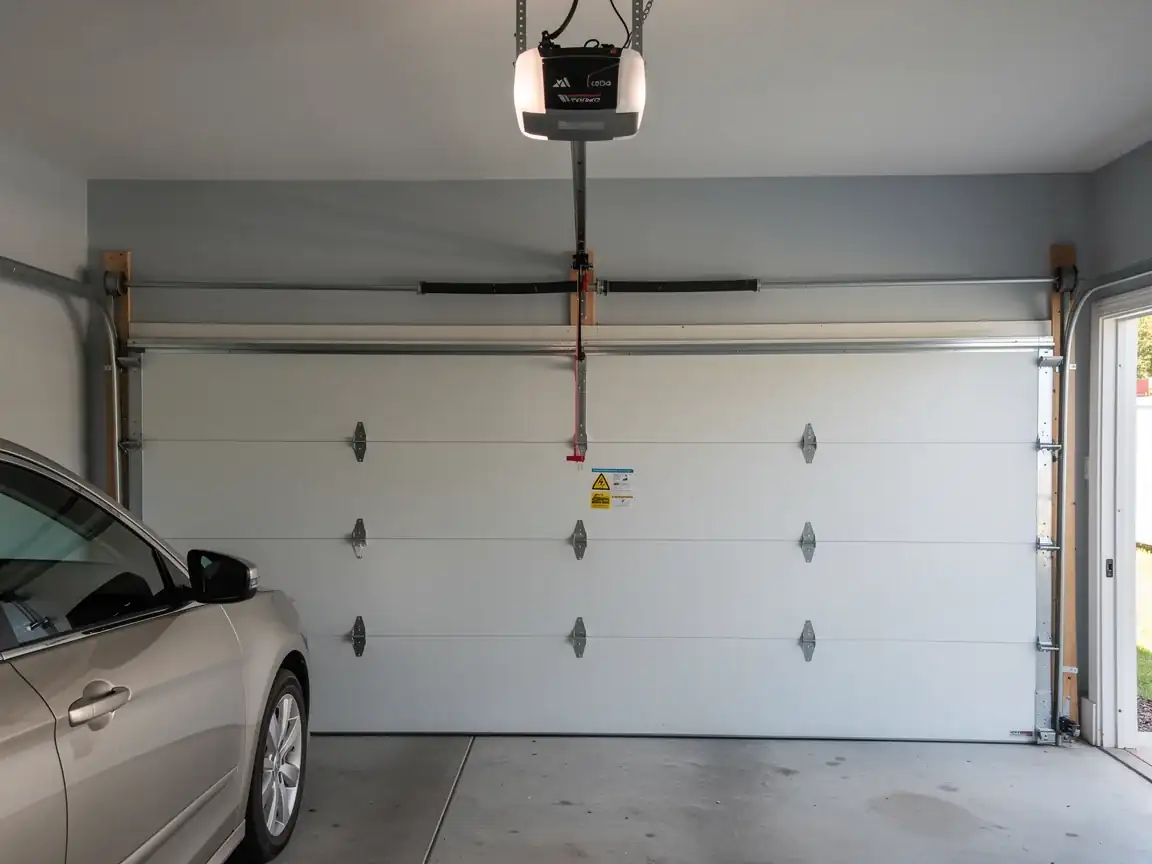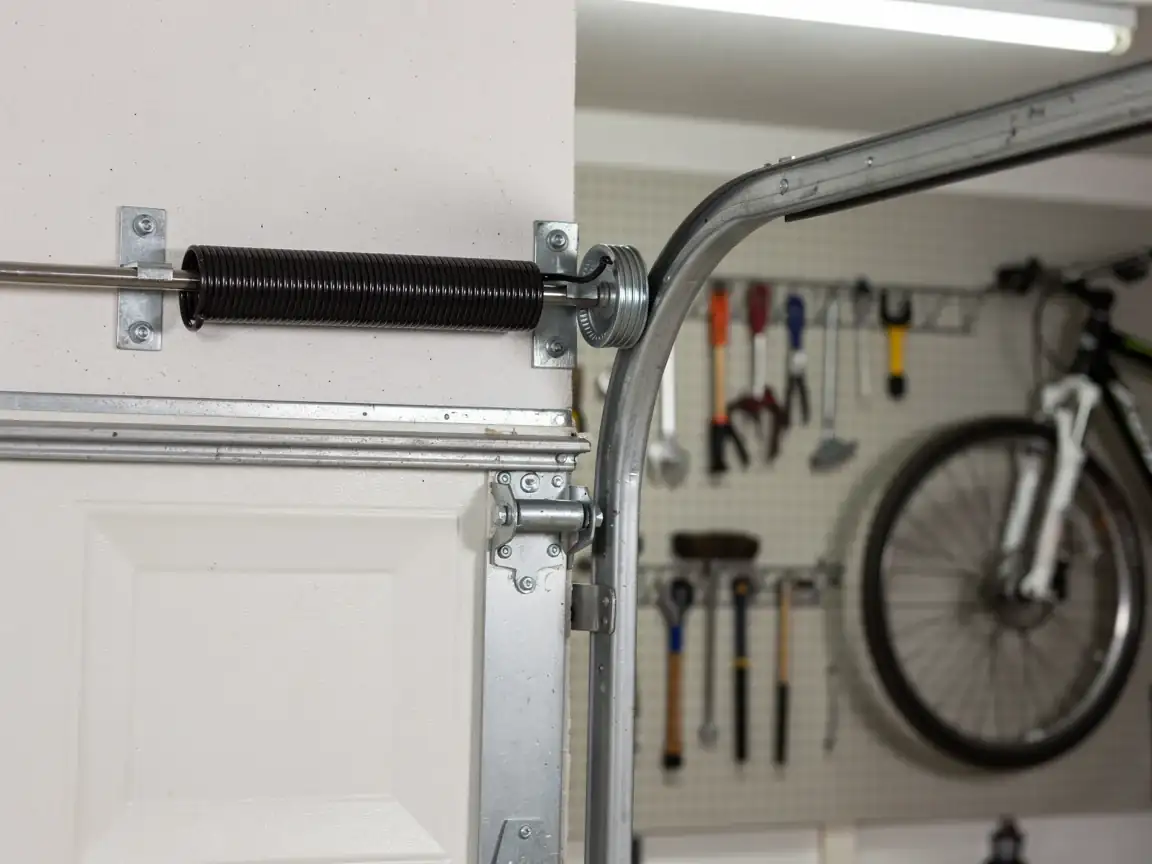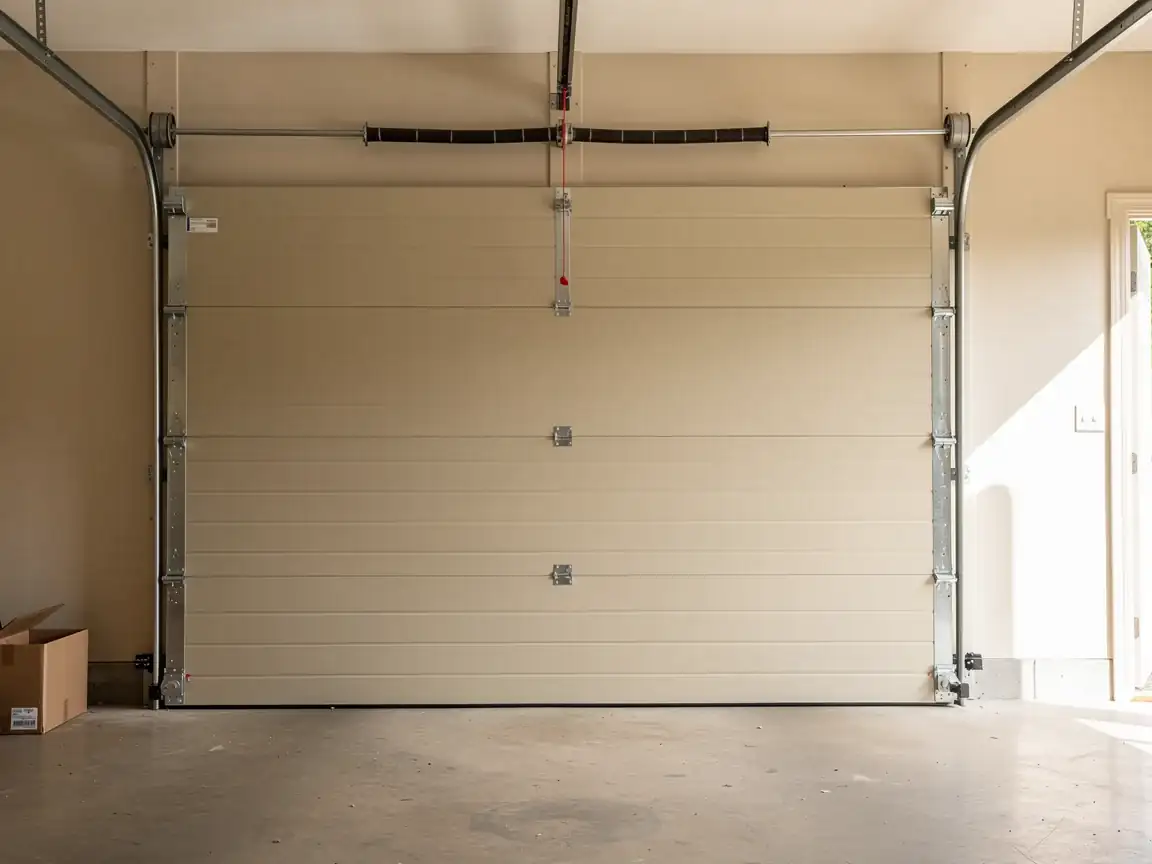
Parts We Carry
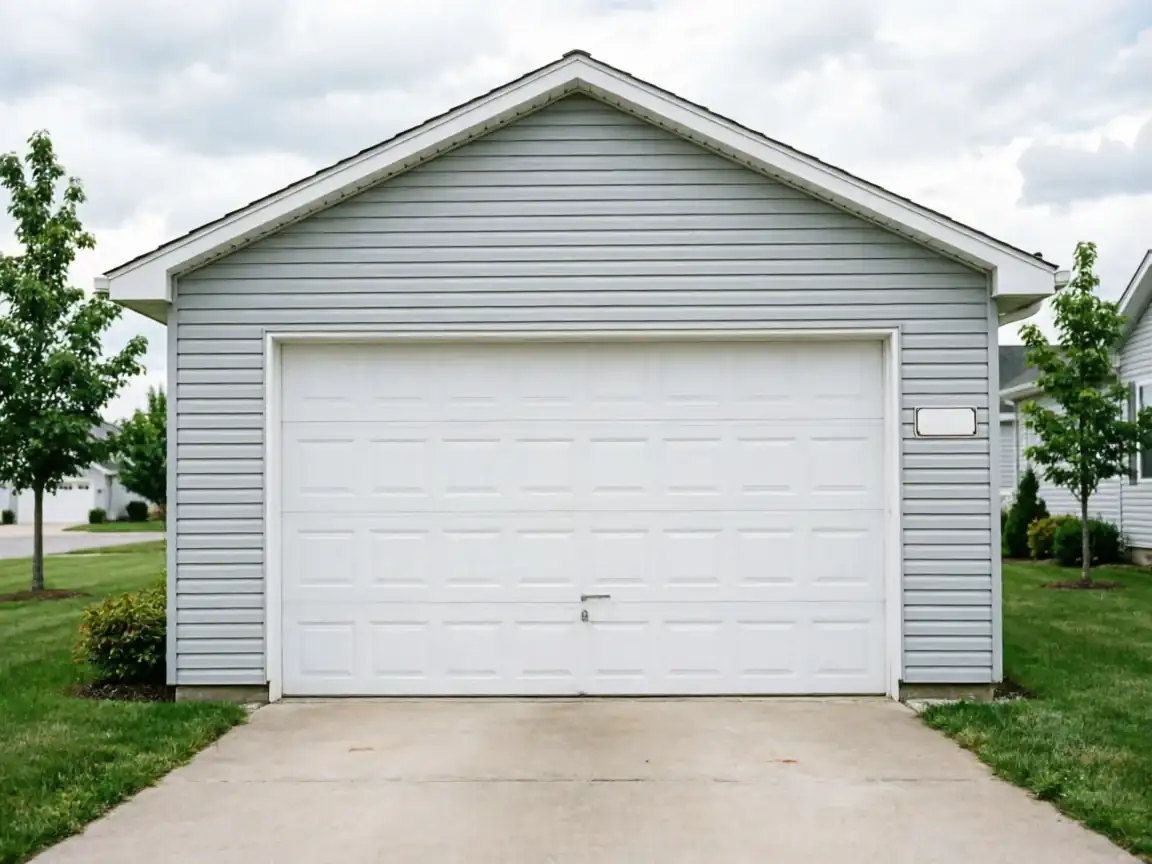
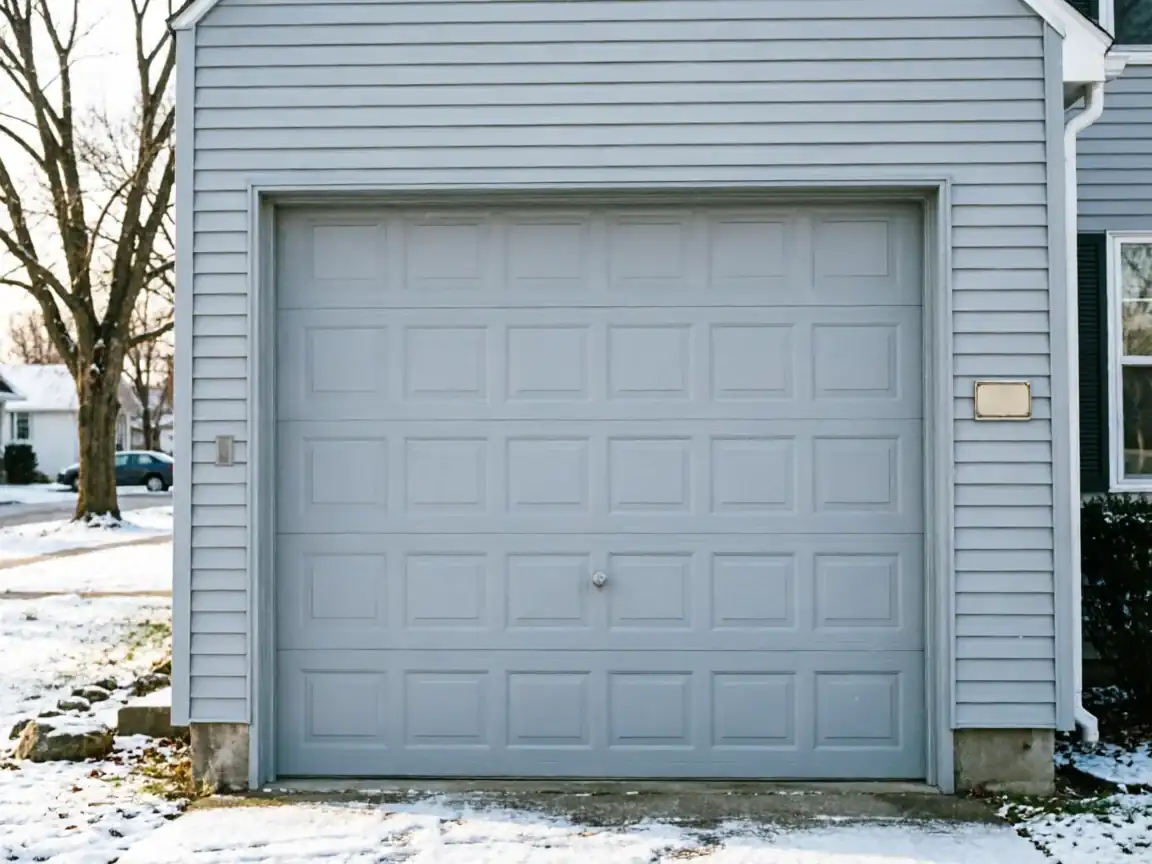
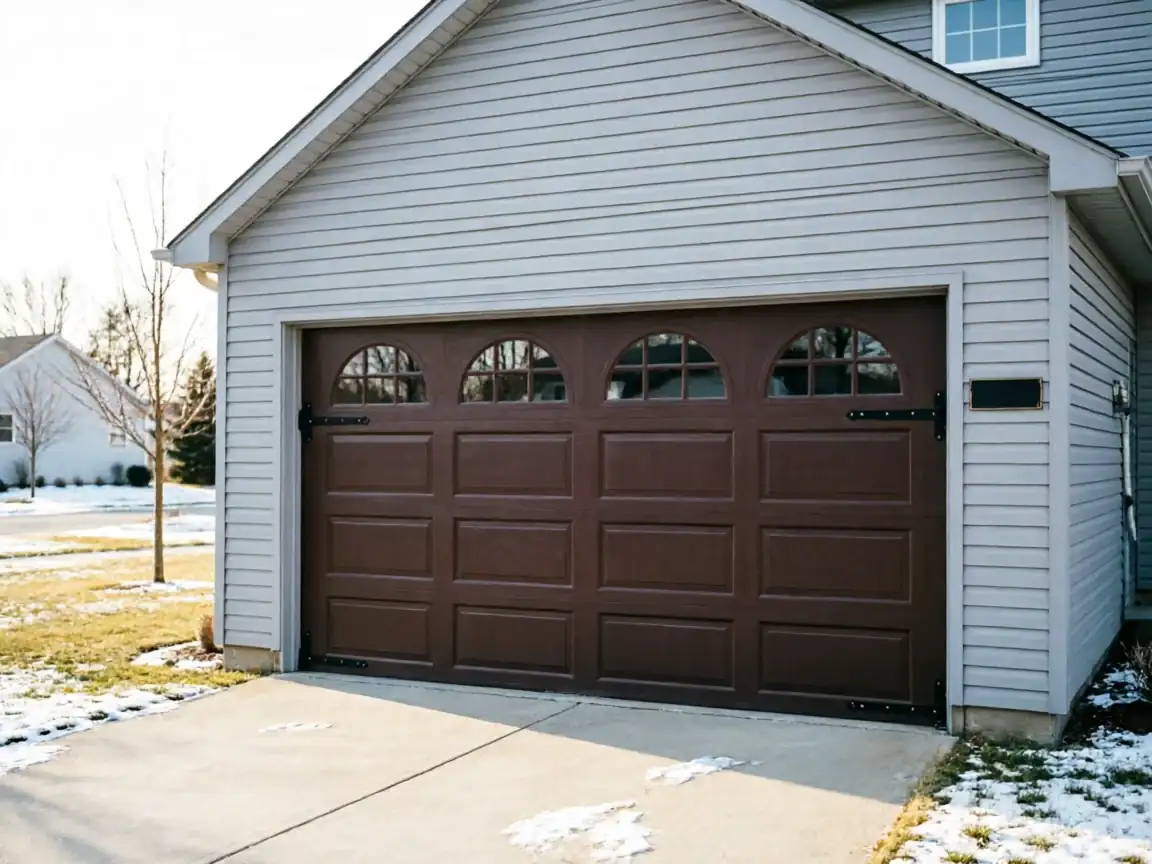
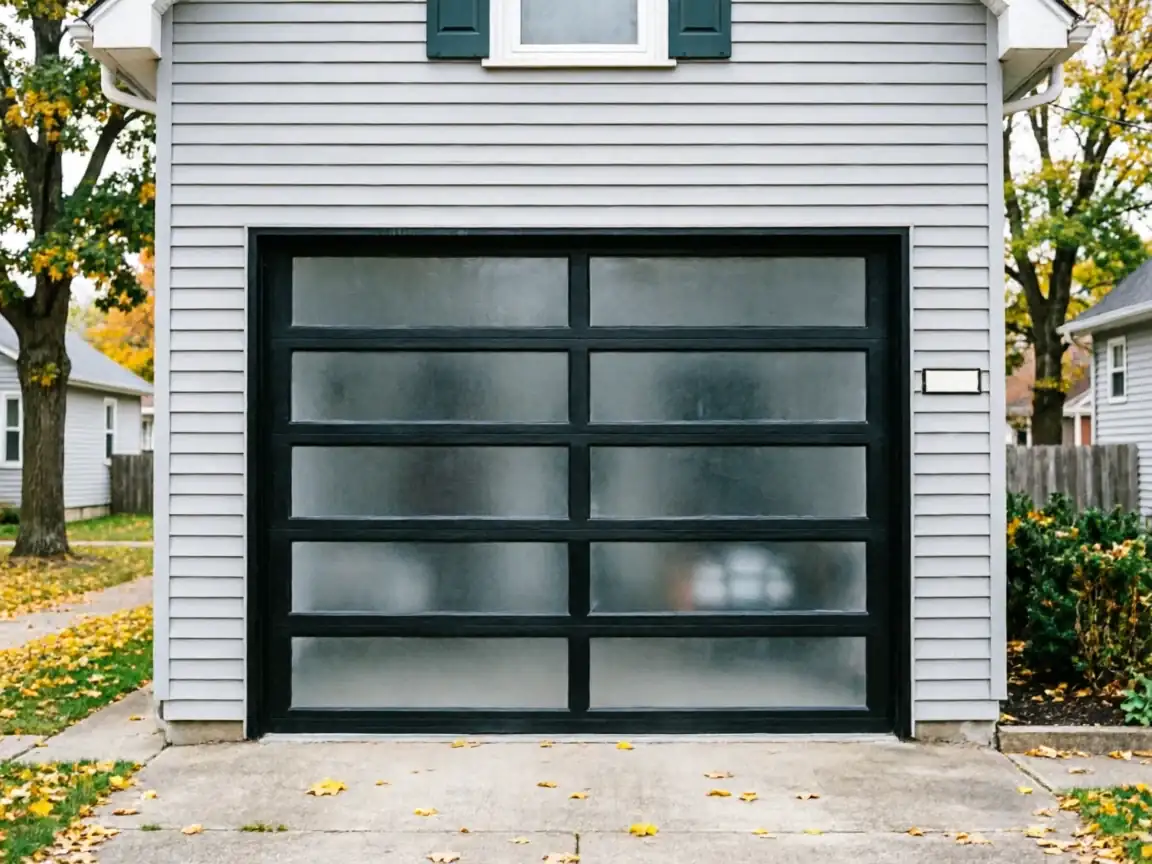
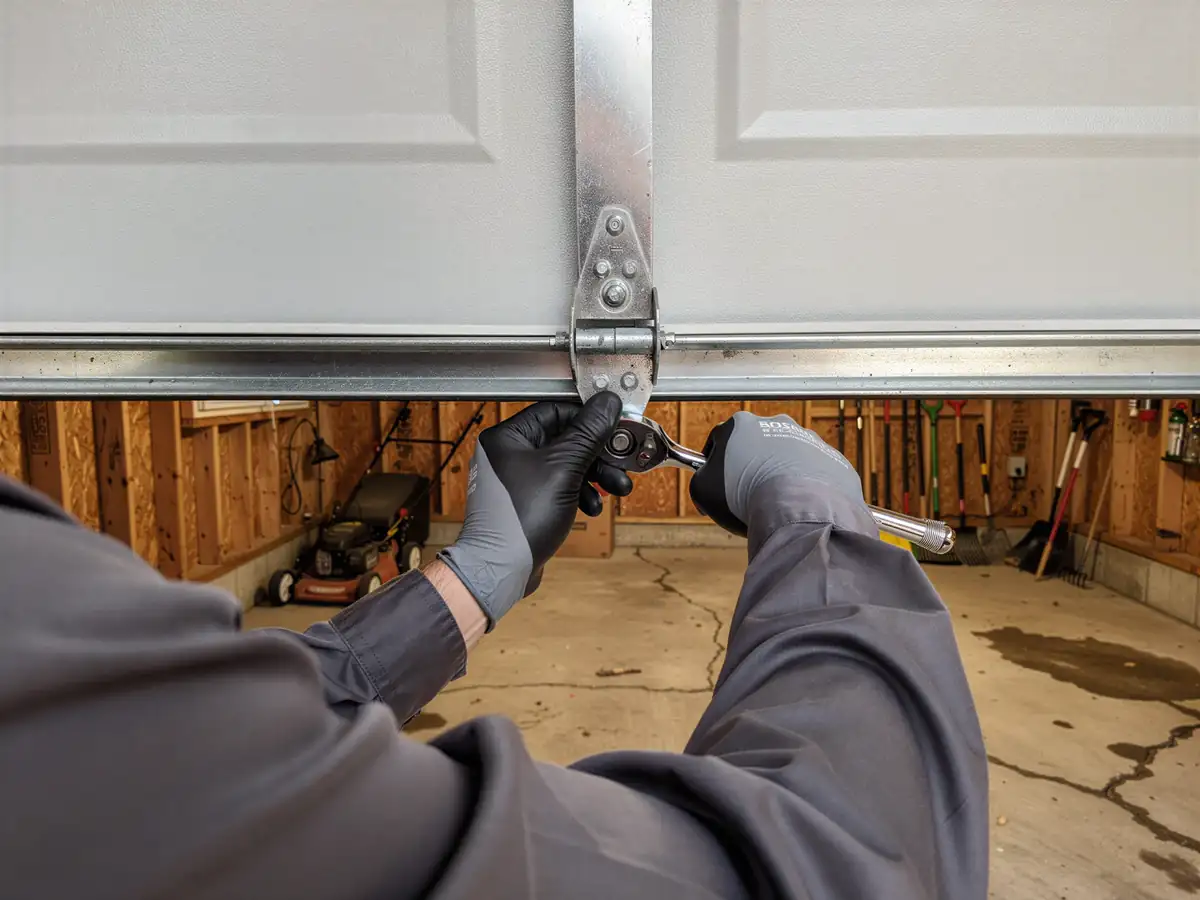
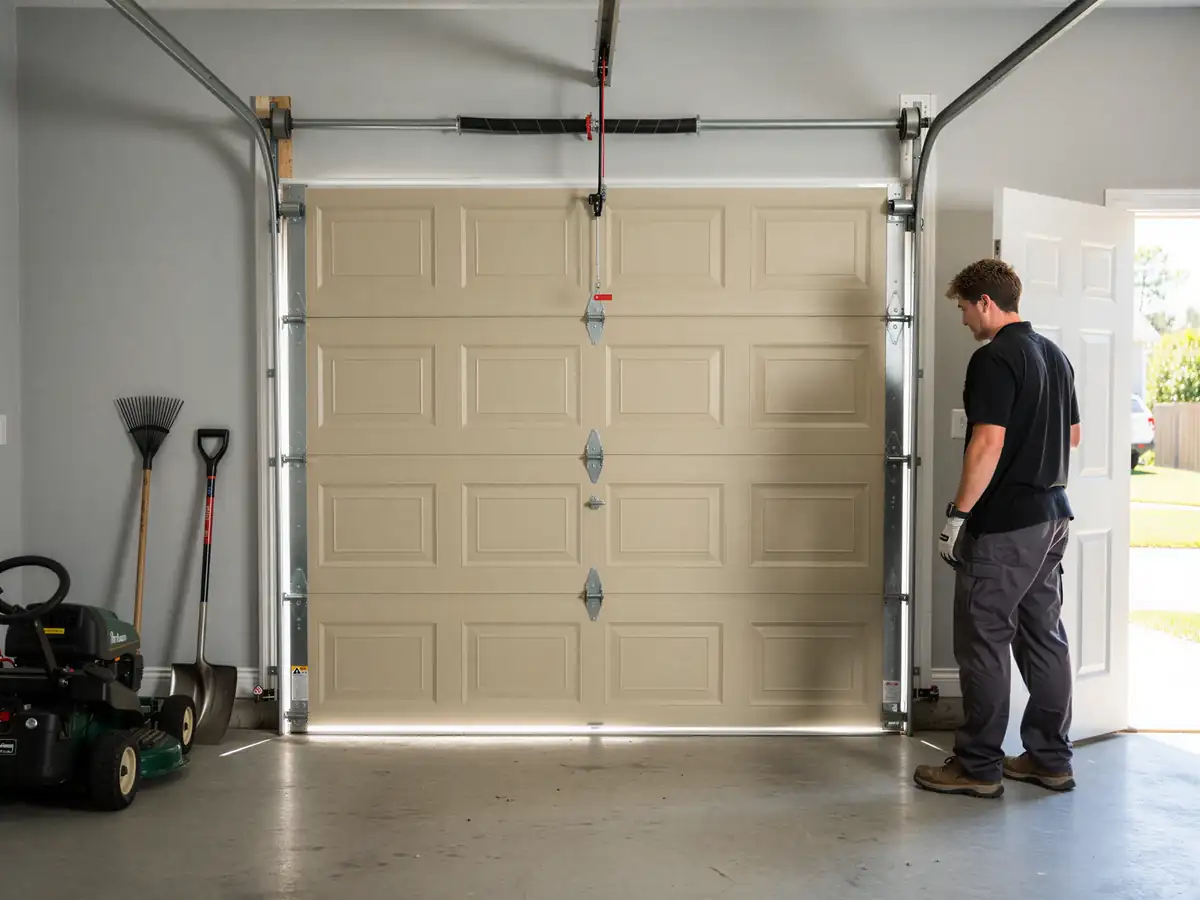
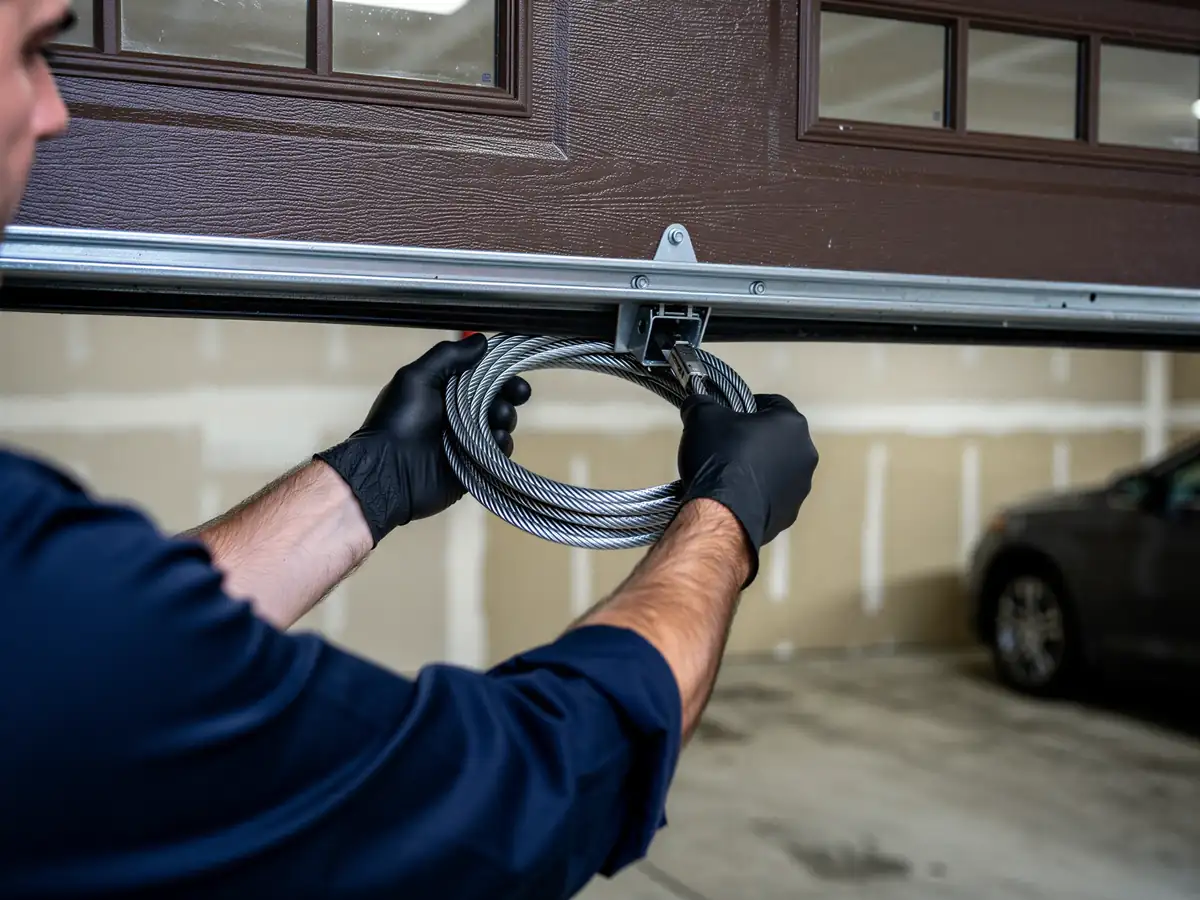
Cuyahoga Falls sits about 7 miles from our Akron shop, and the truck carries parts chosen for what this town actually has on its houses, not a generic mix. With a median build year of 1959, a good number of these garages went up before torsion springs on a center bracket became standard, so we stock both torsion and older extension spring setups, plus the safety cables that extension systems need and that a lot of 1950s installs never got retrofitted with. We also carry steel rollers and the heavier gauge track that holds up under the cold-climate cycling this region sees every winter.
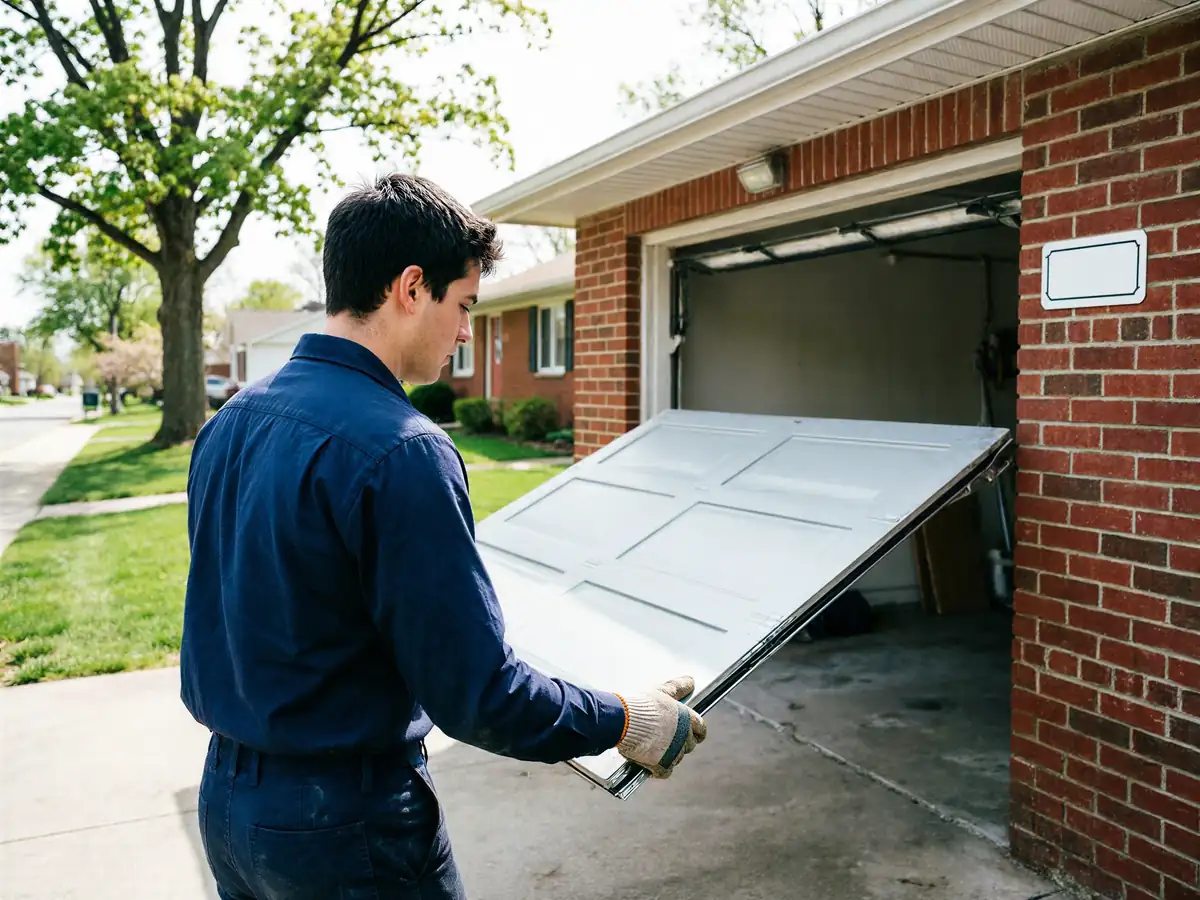
What we don't carry on the truck is obsolete OEM panel sections for doors discontinued decades ago. If your door is an original from the late 1950s and a single panel is bent, we'll tell you straight whether patching it or replacing the whole door makes more sense, rather than promising a part we'd have to special-order and mark up.
Why This Fails Locally
Akron's housing stock as a whole runs newer on median, built out through 1972
But Cuyahoga Falls skews older, with a median build year of 1959. That gap matters on a garage door call. A door and opener installed, or last replaced, in a house from the late 1950s has had an extra decade or more of cold-climate cycling compared to the newer end of the service area, and the hardware shows it: springs that have outlived their rated cycle count, lift cables fraying at the drum, and openers running on chain-drive units long past the point where the gear sprocket inside has worn down to plastic dust.
The cold band this whole region sits in makes it worse on older installs specifically
Steel contracts in winter, and a spring or cable that's already fatigued from age fails faster once temperatures drop, which is why we see more snapped springs here in January calls than you'd expect from a town this size.
Time on the Job
A straightforward torsion spring swap on a door from this era usually runs under two hours once we're on site, including the trip from Akron. Jobs on original 1950s hardware sometimes take longer, not because the repair itself is harder, but because an extension spring setup without a safety cable needs that cable added as part of the job, and a track that's been reshaped by decades of use sometimes needs partial replacement rather than a simple realignment.
We won't quote a flat universal number for this town, because the spread between a door replaced ten years ago and one still running original hardware from 1959 is wide. What we can tell you is that older installs take a bit longer to diagnose up front, since we're checking for retrofits, missing safety cables, and wear patterns that a newer door simply hasn't had time to develop.
The Cost of This Job
We don't post a flat price for Cuyahoga Falls calls because the job varies with what's on the door, and that varies more here than in newer parts of the service area given the 1959 median build year. A torsion spring replacement on a door converted to modern hardware costs differently than converting an original extension system to a safer torsion setup, which is additional labor, not a simple swap.
Median household income in this part of the service area runs $70,645, a bit under the wider area's $80,612, and we keep that in mind when we lay out options: repair versus replace, patch versus full hardware upgrade. We'll always give you the repair option first if the door's bones are sound, and only recommend replacement when the frame, track, or panel damage makes repair a short-term fix.
The Symptom
The call we get most from this part of the service area is a door that won't open
With a loud bang reported right before it stopped working - that's a torsion or extension spring letting go, and on a house from the late 1950s or early 60s it's often the original spring or a replacement that's also aged out. Right behind that: an opener that runs but the door barely lifts, which on older installs usually means the spring is weakening gradually rather than snapping outright, and the opener motor is doing work it was never built to carry alone.
A third pattern shows up specifically on original hardware
A door that drifts shut on its own or won't stay up when disconnected from the opener. That's a spring that's lost tension, and it's a safety issue before anyone touches the opener. We treat that one as a same-visit fix, not a maintenance note for later.
How We Fix It
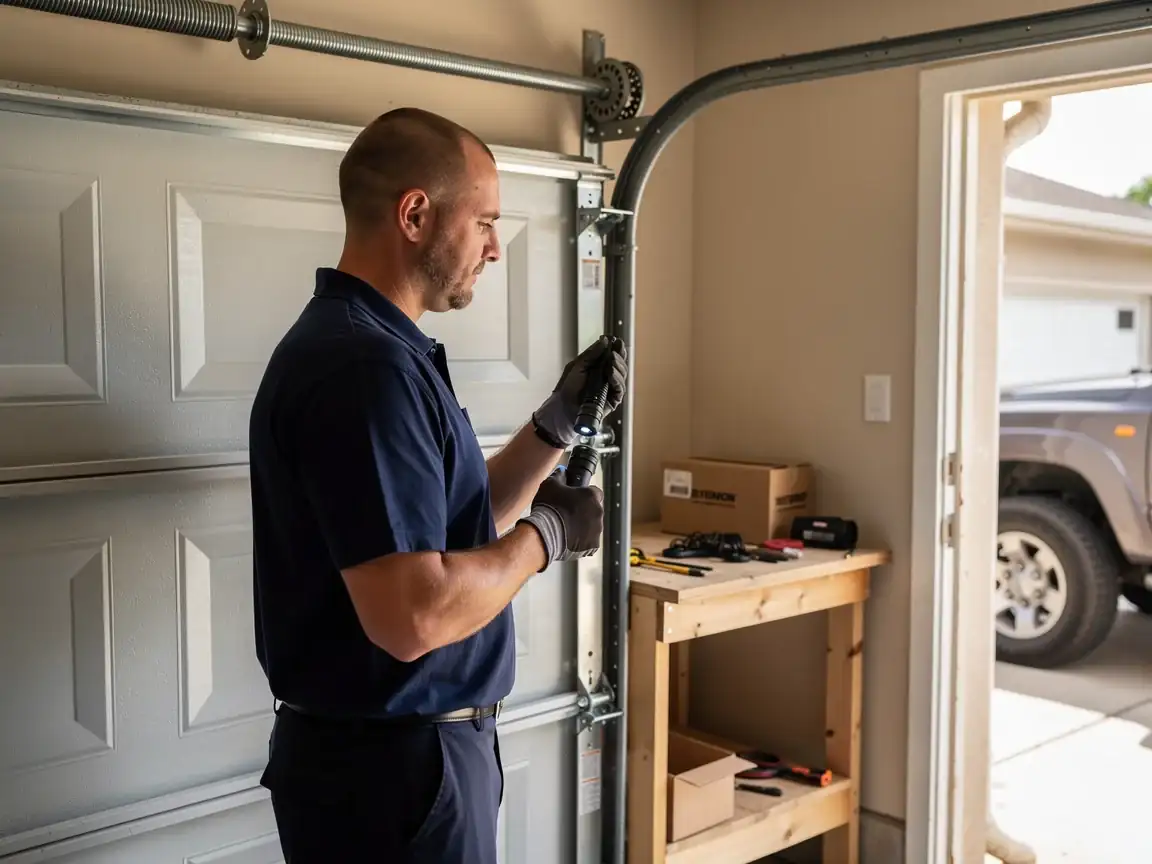
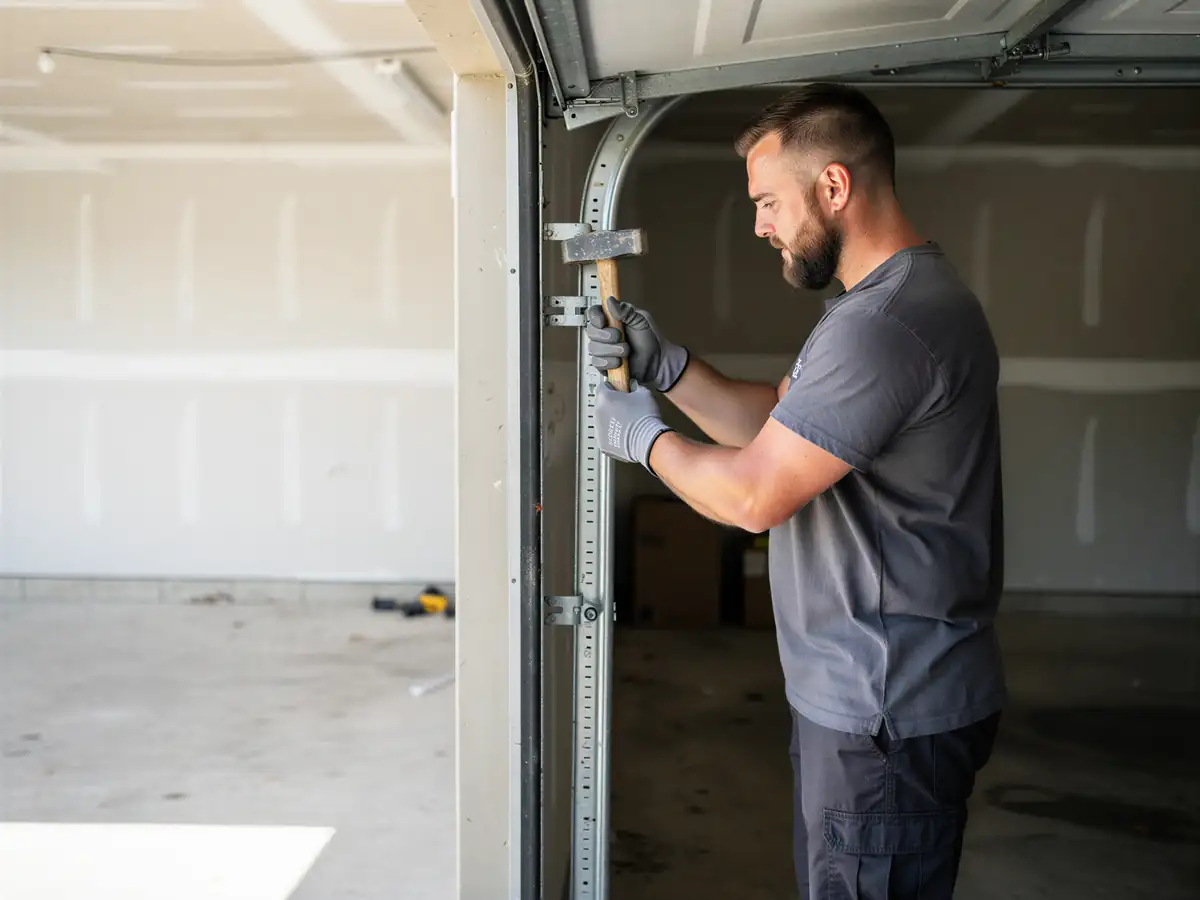
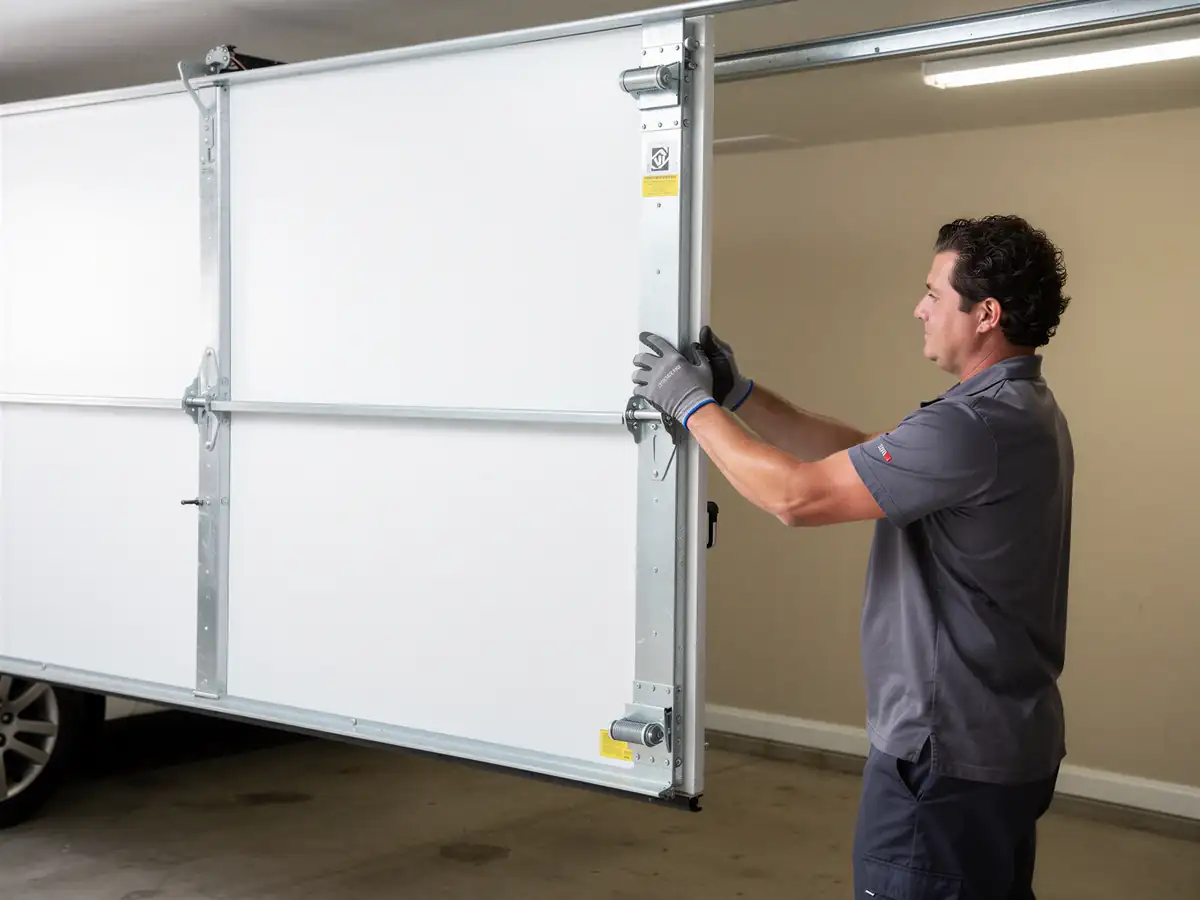
On a snapped spring, we replace it with hardware matched to the door's weight and cycle needs, not just whatever's closest in size, since a door from 1959 often carries a heavier wood or early steel panel than what's sold new today. If the setup is still extension springs without a safety cable, we add the cable as part of the repair - it's a small add to the job and it's the difference between a spring failure being loud and being dangerous.
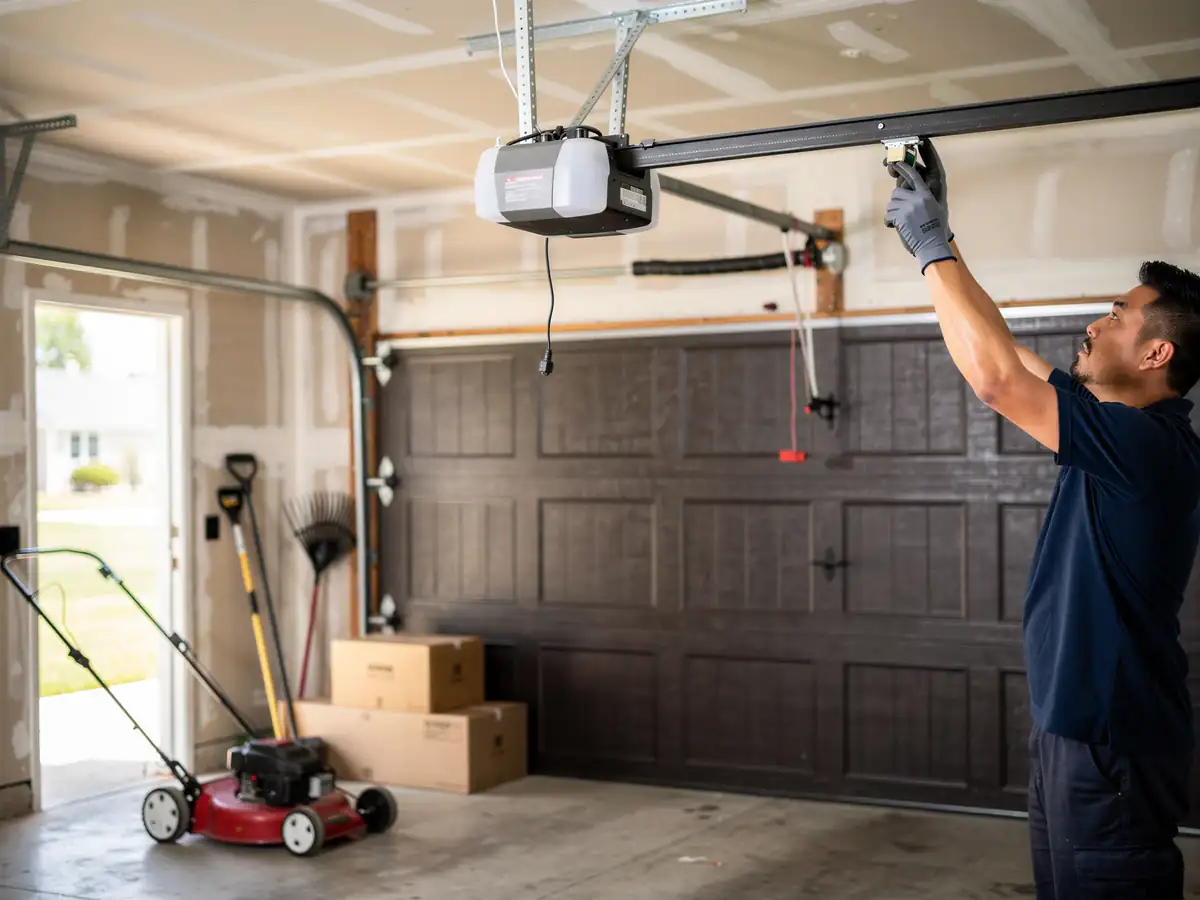
For openers struggling against a weak spring, we fix the spring first and reassess the opener separately, because a motor that's been straining for months sometimes needs nothing more than that load taken off it, and sometimes the gear sprocket is already worn and needs its own replacement. We check both, and we tell you which one you're actually paying for. See our Cuyahoga Falls garage door page for installation and replacement options, or the Akron service overview for the full range of work we cover from the shop.