Parts We Carry
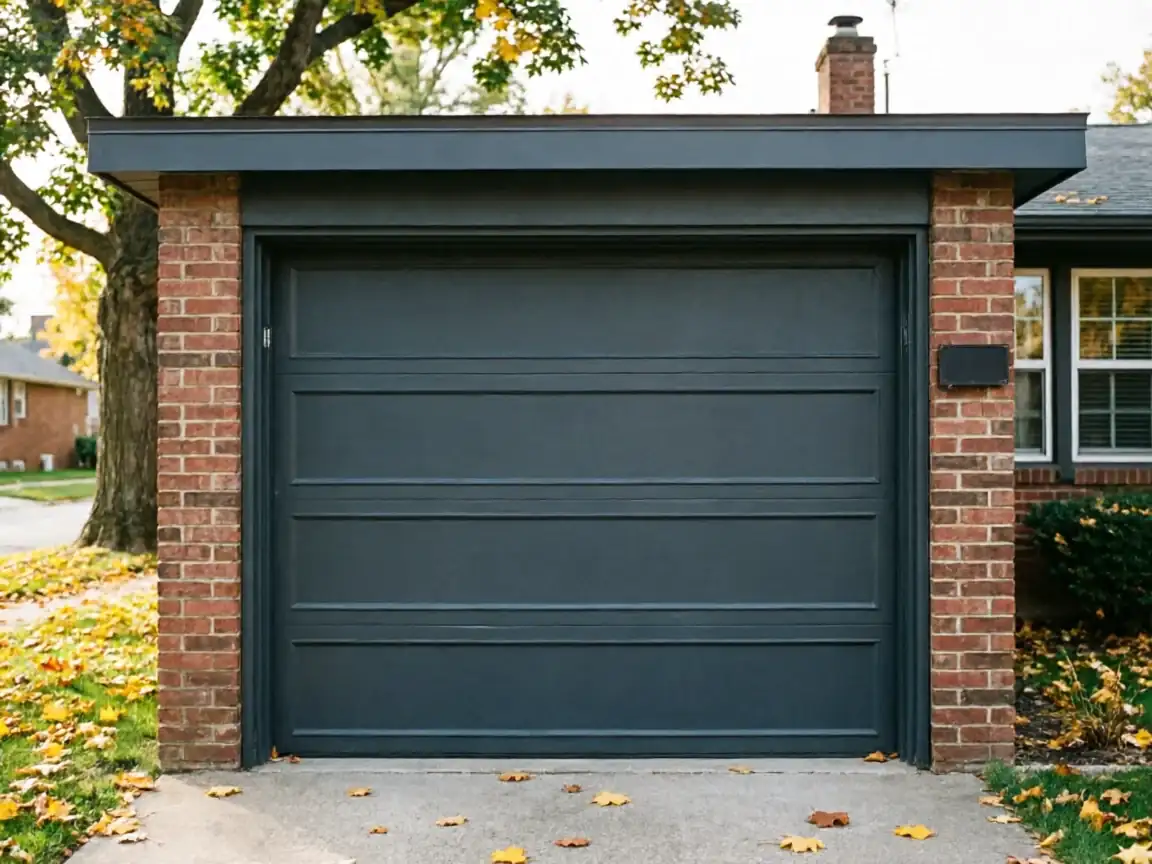
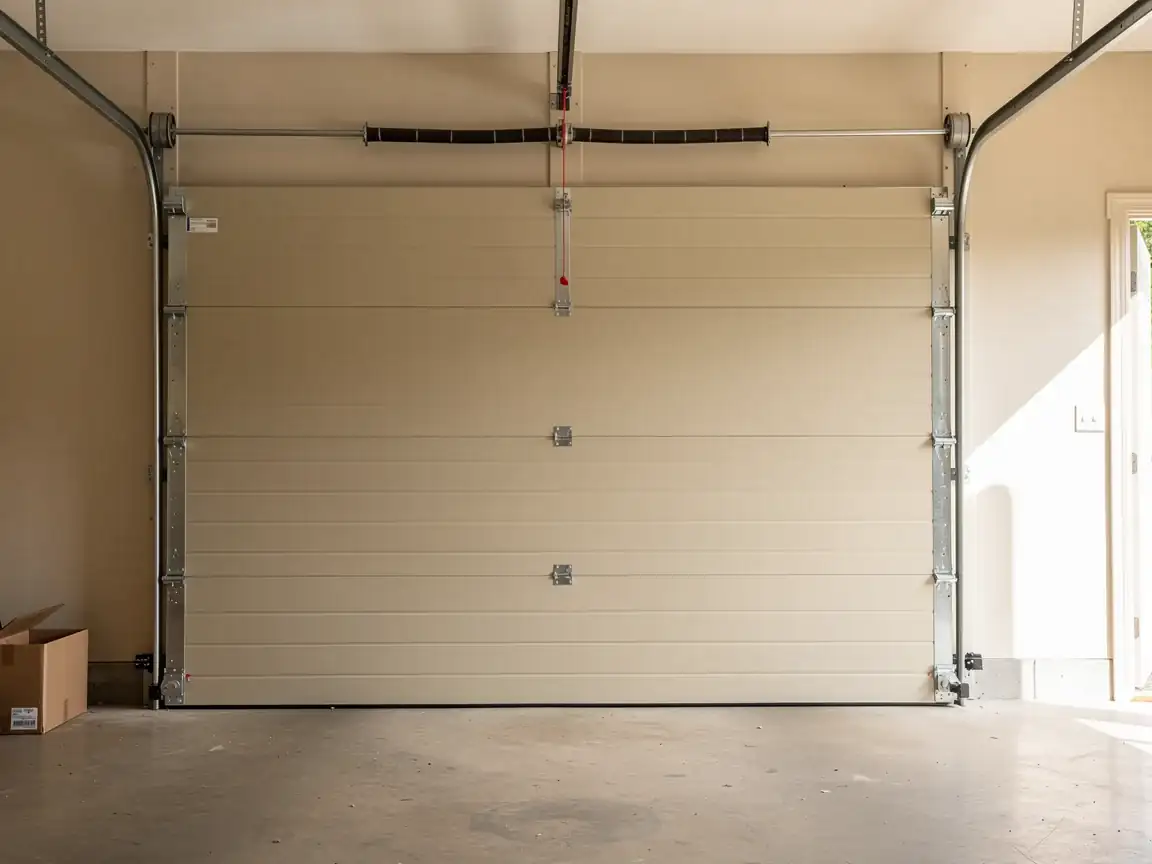
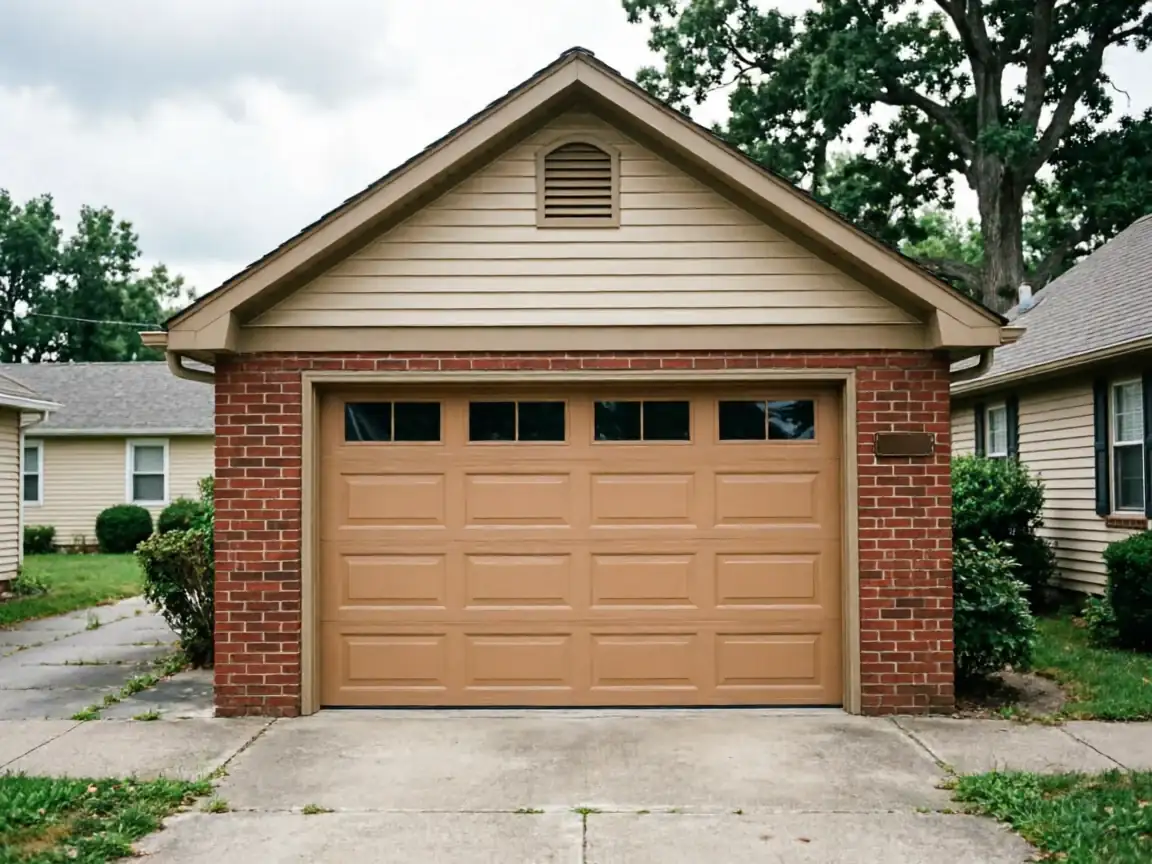
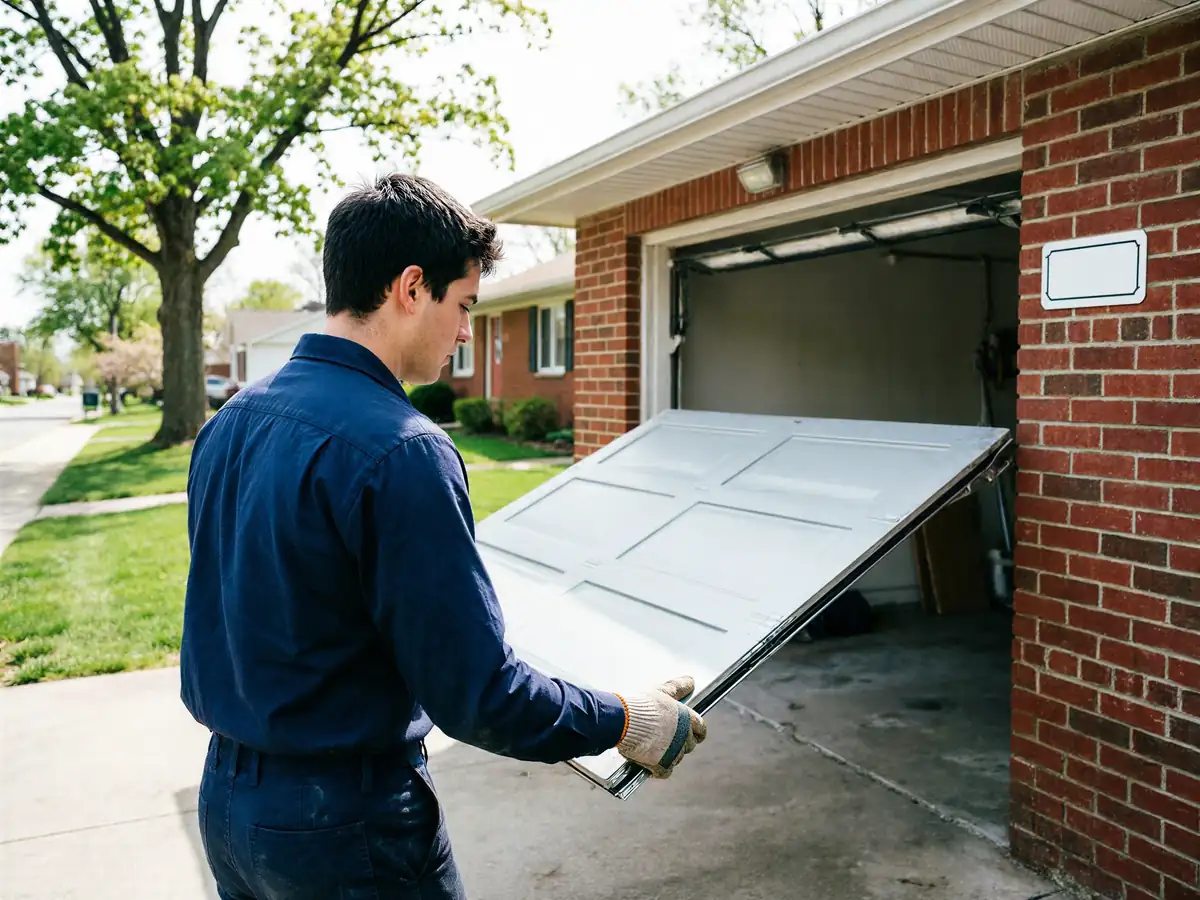
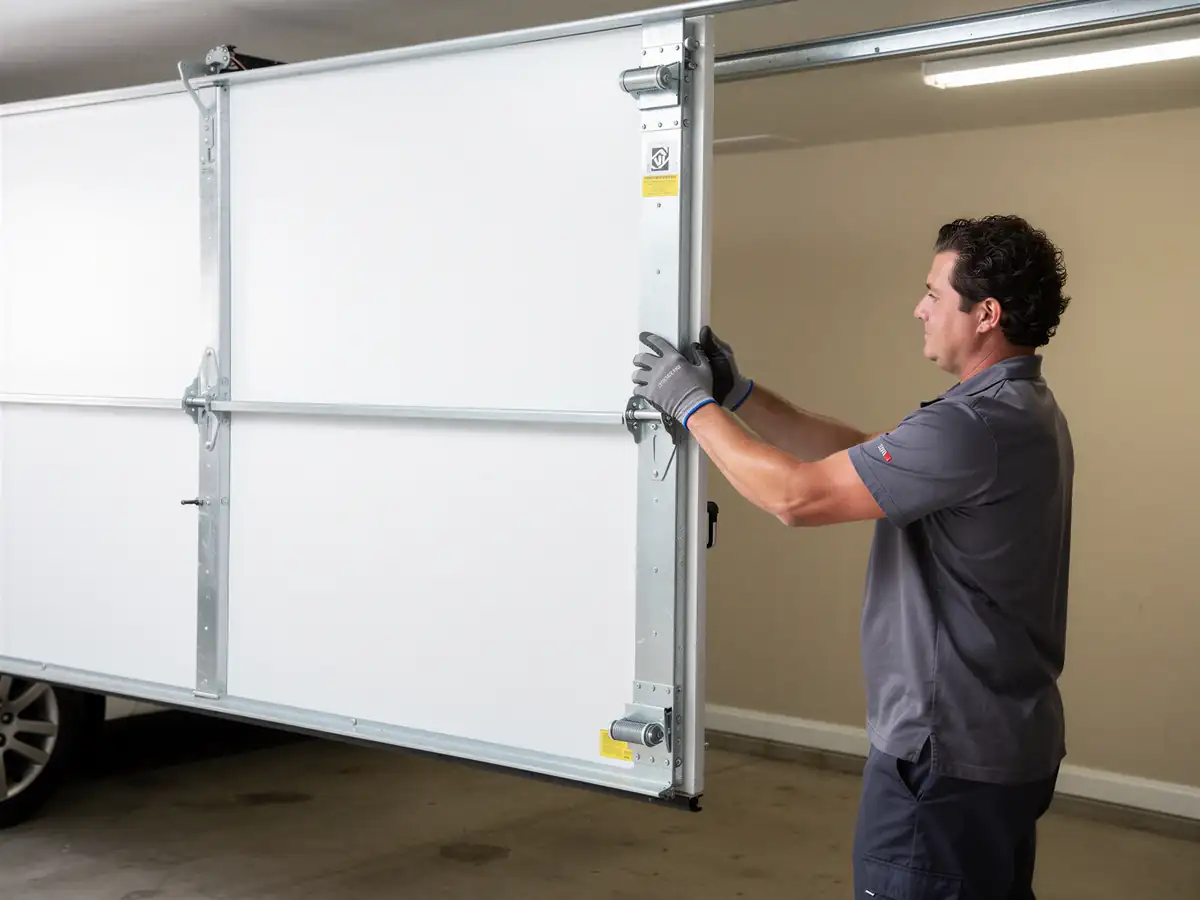
We stock doors and hardware sized for the openings that are actually common in this part of the Akron service area: standard 16x7 and 9x7 steel sections, torsion springs rated for the heavier insulated panels, and galvanized track built for the kind of wind and snow load this climate band produces. Because this area's housing stock centers on 1959, a lot of the openings we measure here are the original rough-frame dimensions, not the slightly wider openings builders started using in later decades. We bring both standard and narrow-stile track so we're not stuck re-framing an opening just to fit a door off the shelf. We don't carry every custom wood-clad or glass-panel line - if you want a specialty architectural door, we'll tell you straight that it's a special order with a longer lead time, and we'd rather say that up front than promise a truck full of options we don't actually have on hand.
What we do carry in volume is the mid-range insulated steel door that holds up to a cold-climate winter without the owner paying for features the house doesn't need.
Why This Fails Locally
A door that's original or close to it on a house built around 1959 wasn't engineered for the insulation standards or the spring cycle counts we expect from equipment today
Single-layer steel skins on these older openings telegraph heat straight through, and in a climate band rated cold-severe, that shows up as condensation on the inside face of the door and ice forming at the bottom seal by midwinter. The track hardware on houses from this era is also frequently the lighter steel gauge sized for a lighter wood door, not the heavier insulated steel or composite doors homeowners install today, so when someone upgrades the door skin without upgrading the track and springs, the opener strains and the rollers wear out early.
This isn't a defect in how the house was built
It's just that a door designed in 1959 for a different climate expectation and a lighter panel doesn't carry today's door weight well. The fix has to address the hardware, not just the panel.
Time on the Job
A standard single-door swap on an opening this age, where the jamb and track mounts are sound, runs a single visit. If the opening has shifted enough over six decades that we need to re-square the jamb or replace bent track rather than just the door and springs, that adds time to the same visit rather than a return trip in most cases. We travel to Cuyahoga Falls from our Akron location, about 7 miles out, so the job itself - not drive time - is what determines how long we're on site.
We won't pad the schedule for a straightforward swap, and we won't rush a job that turns out to need jamb repair once the old door comes off. The honest answer is we know which one it is once the door's down, not before.
The Cost of This Job
We don't publish a flat number for new installation because the spread between a straightforward single-door swap and a job that also needs jamb or track repair is wide, and houses built around 1959 fall on both sides of that line depending on how the original opening has held up. What we can tell you is that income levels in Cuyahoga Falls run below the wider Akron service area's median, which is one reason we quote the actual job in front of us instead of a regional average price that doesn't reflect what houses here typically need.
The real cost driver on this housing stock isn't the door itself - it's whether the original track mounts and header are still square. We give that number on site, after we've opened the door up, not over the phone.
The Symptom
The call we get from this area is usually a door that's gotten heavy to lift by hand
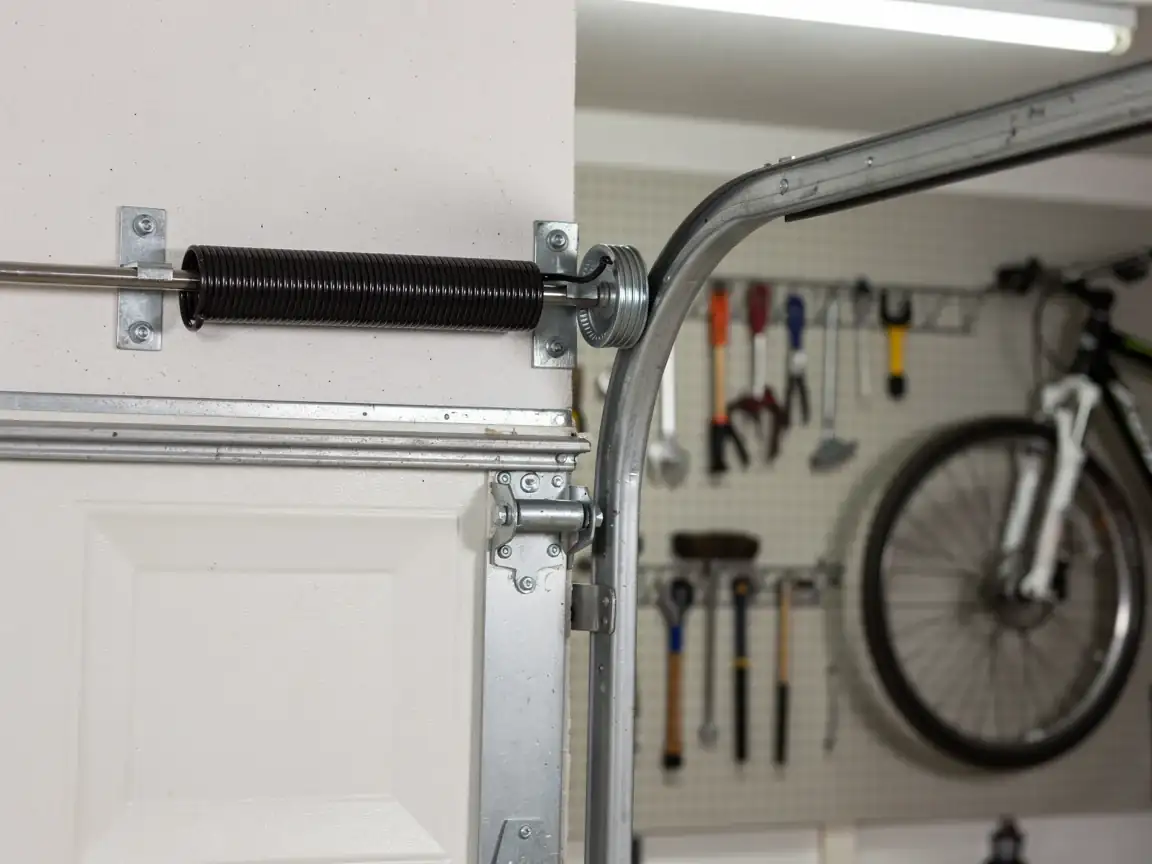
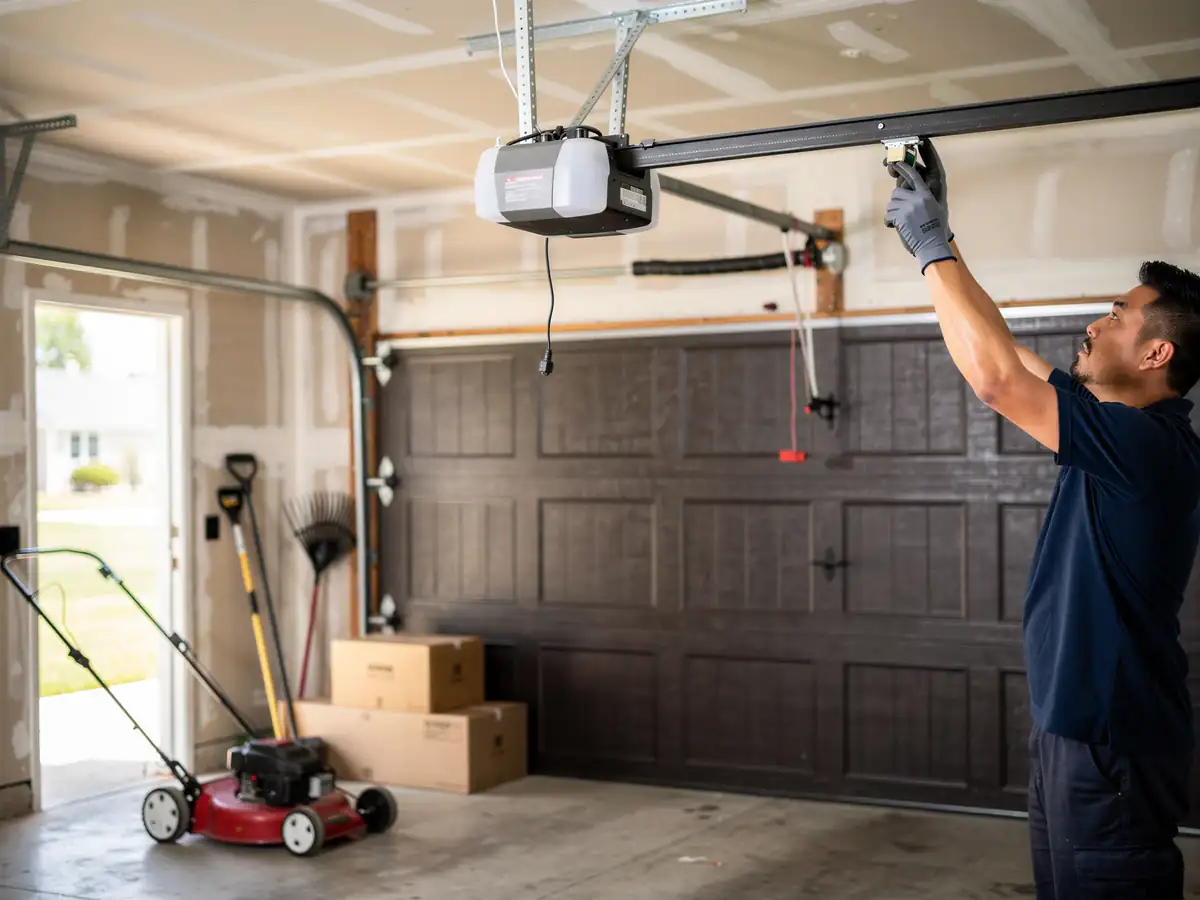
Or an opener that strains and reverses partway up. On a house from this era, that's almost always a torsion spring sized for a lighter original door, now straining against a heavier replacement panel someone put on without upgrading the spring. The other common call is daylight or drafts around the door edge in winter - with cold-severe winters here, a seal that was fine in October is letting in enough air by January that the owner notices the garage itself getting noticeably colder.
Both symptoms point to the same root cause
Original hardware carrying a job it wasn't sized for.
How We Fix It
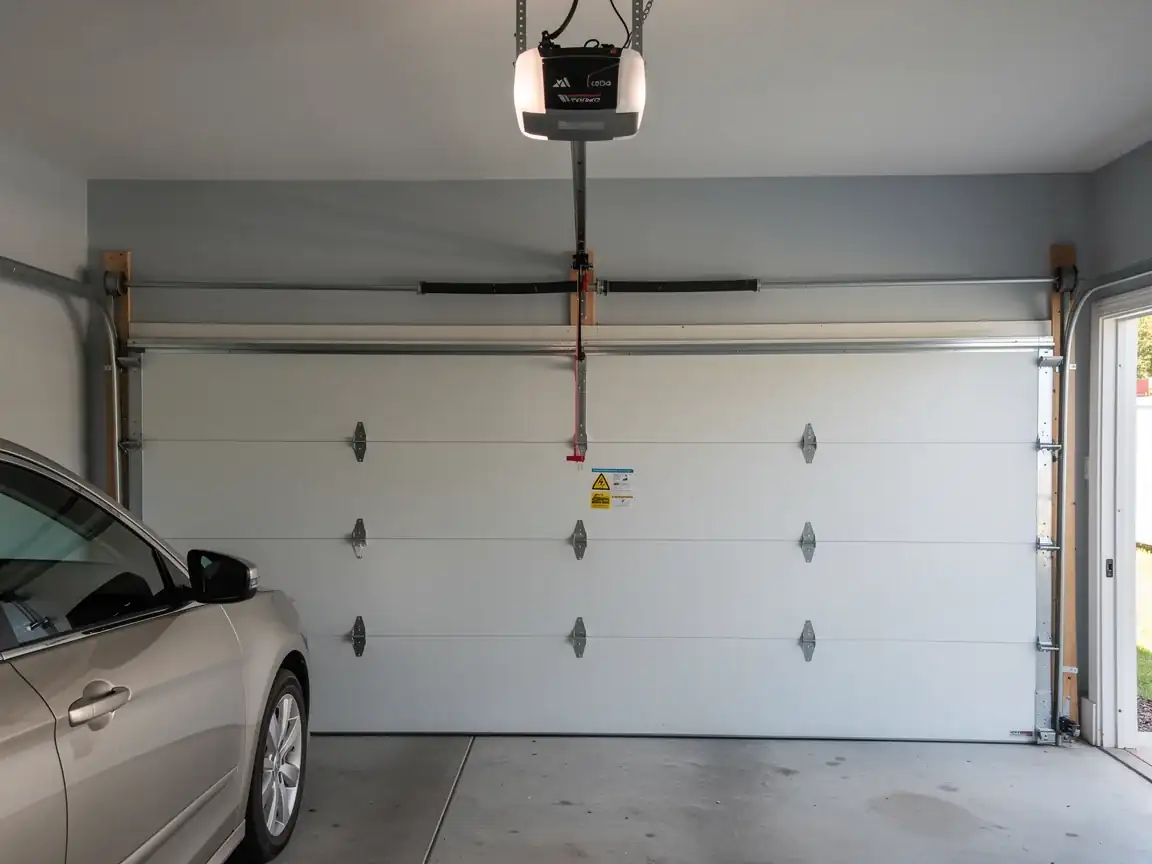
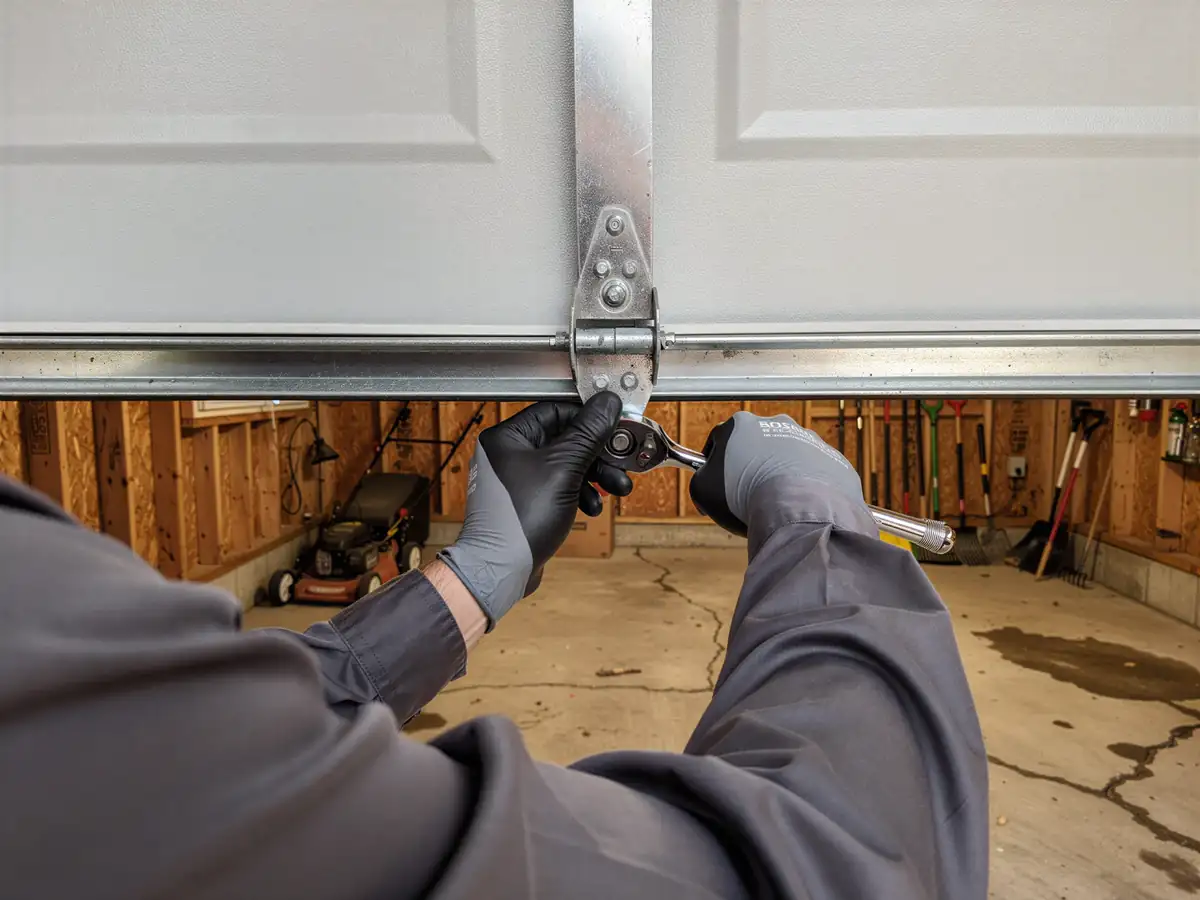
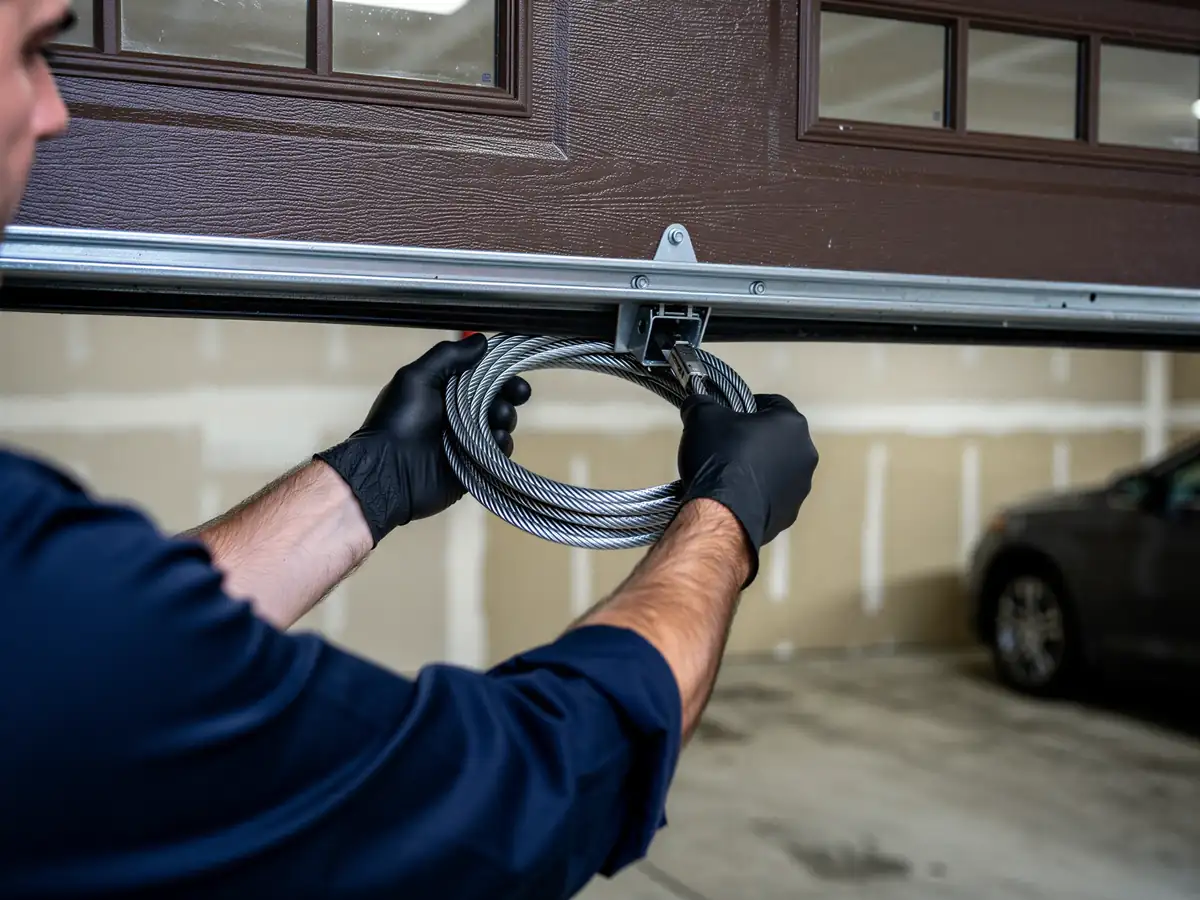
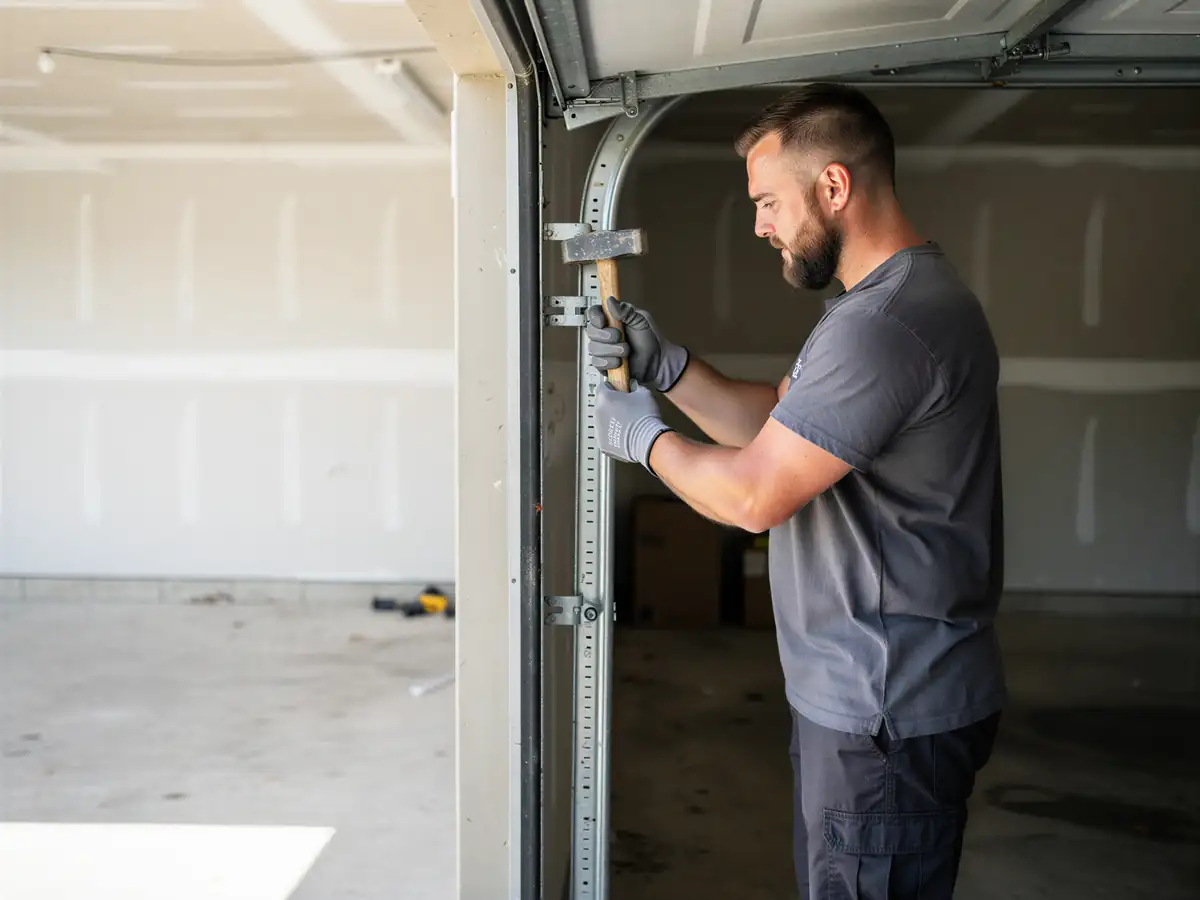
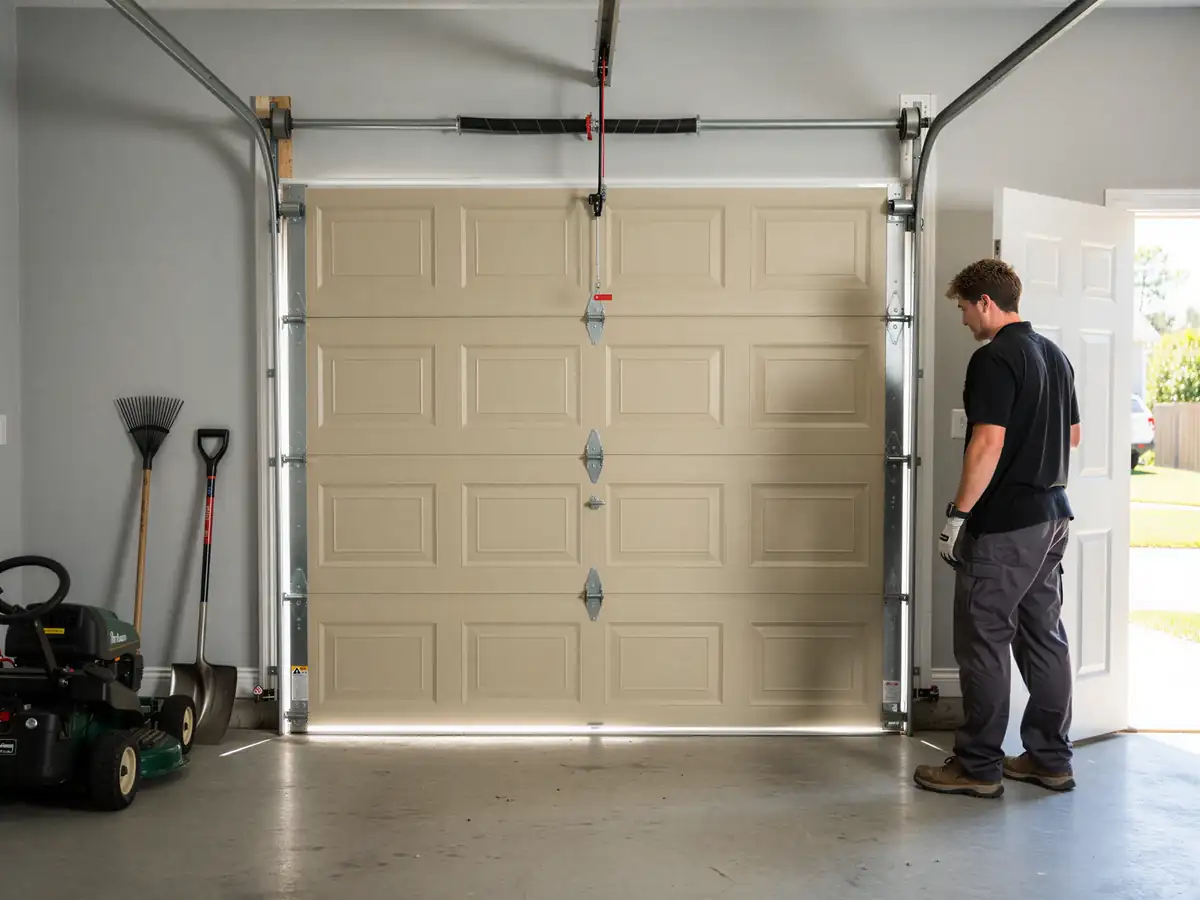
We replace the door and the spring together rather than just swapping the panel, because a mismatched spring on a new door just moves the failure point from the panel to the opener motor. For the 1959-era openings common around Cuyahoga Falls, we check jamb square and track alignment before we mount anything new - if the opening has racked over the decades, a straight new door on a crooked frame will bind within a season. We size the new torsion spring to the actual installed door weight, not a generic chart number, which matters more here than in newer construction because the starting hardware was never matched to today's door weights in the first place.
We also check the bottom seal and weatherstrip fit against the slab, since in a cold-severe climate a seal gap that looks minor in fall becomes a real heat loss problem by January.