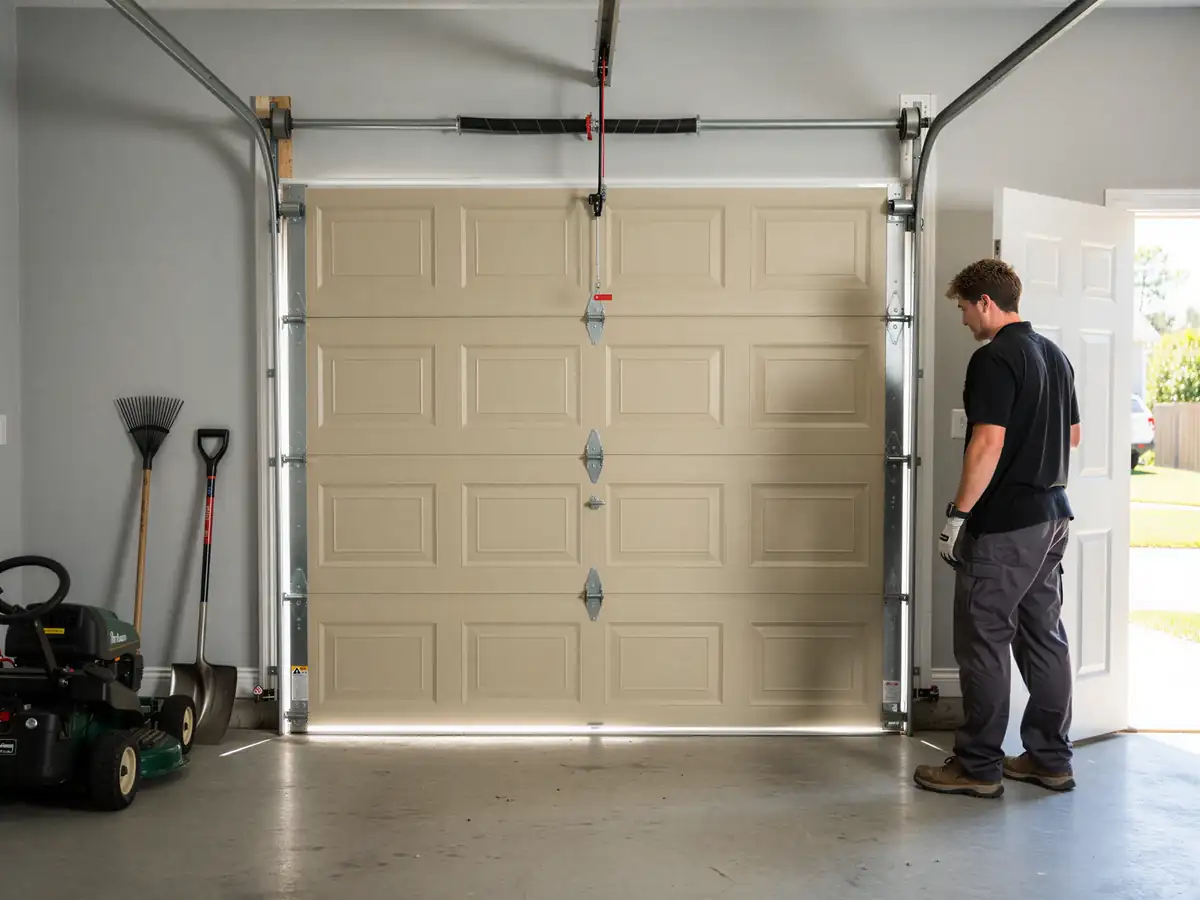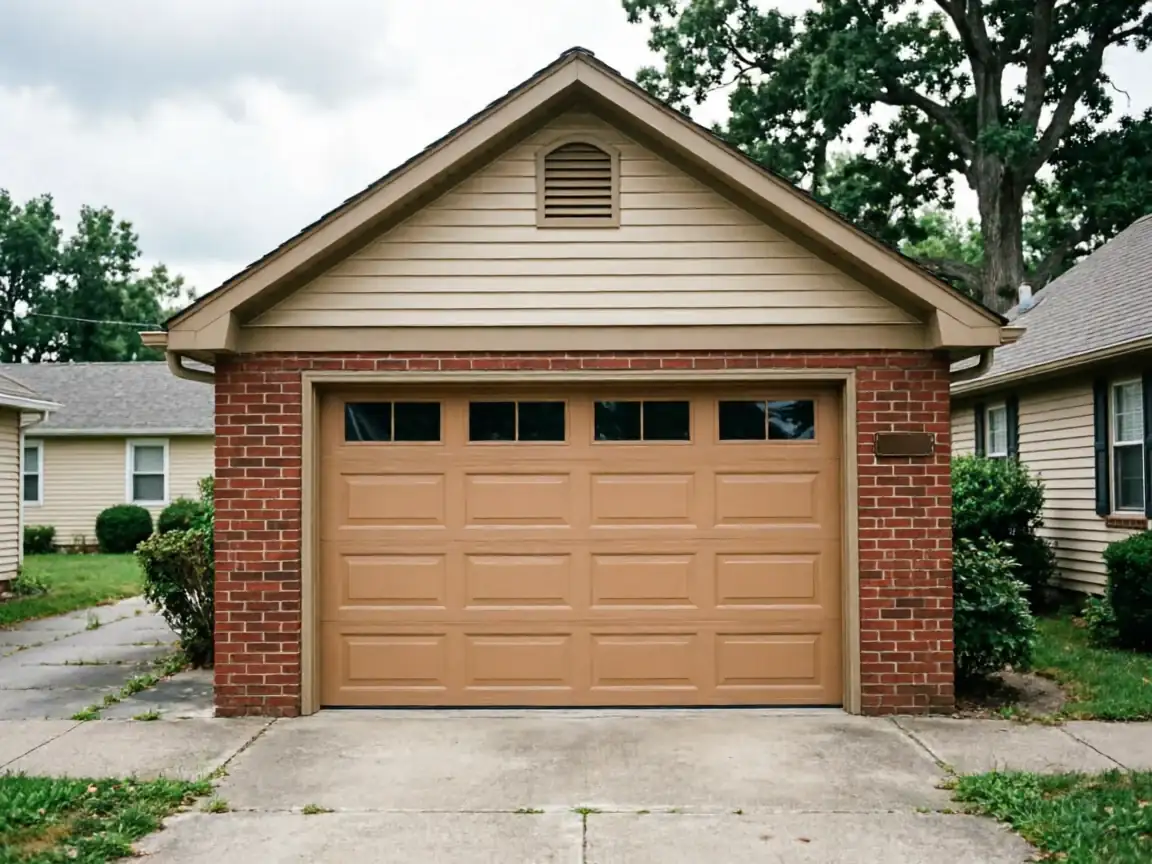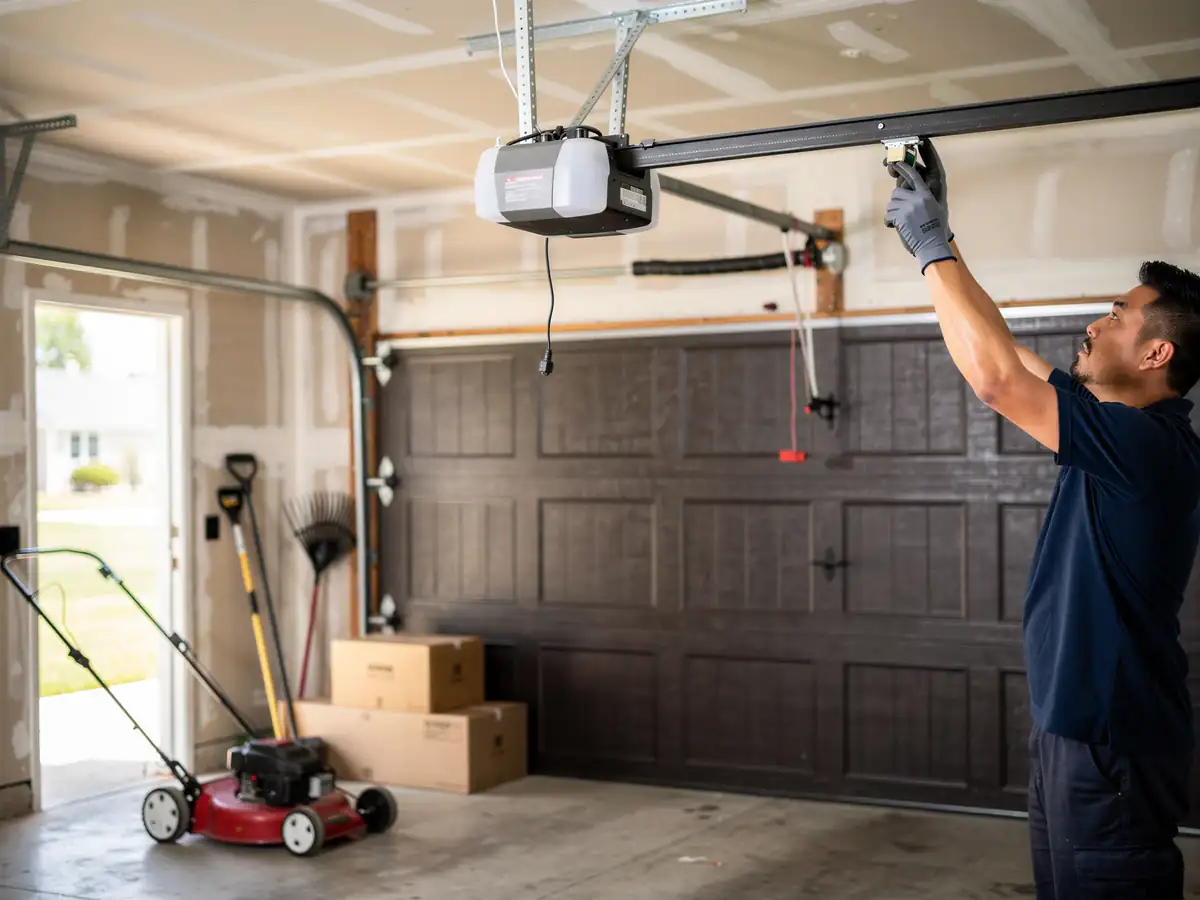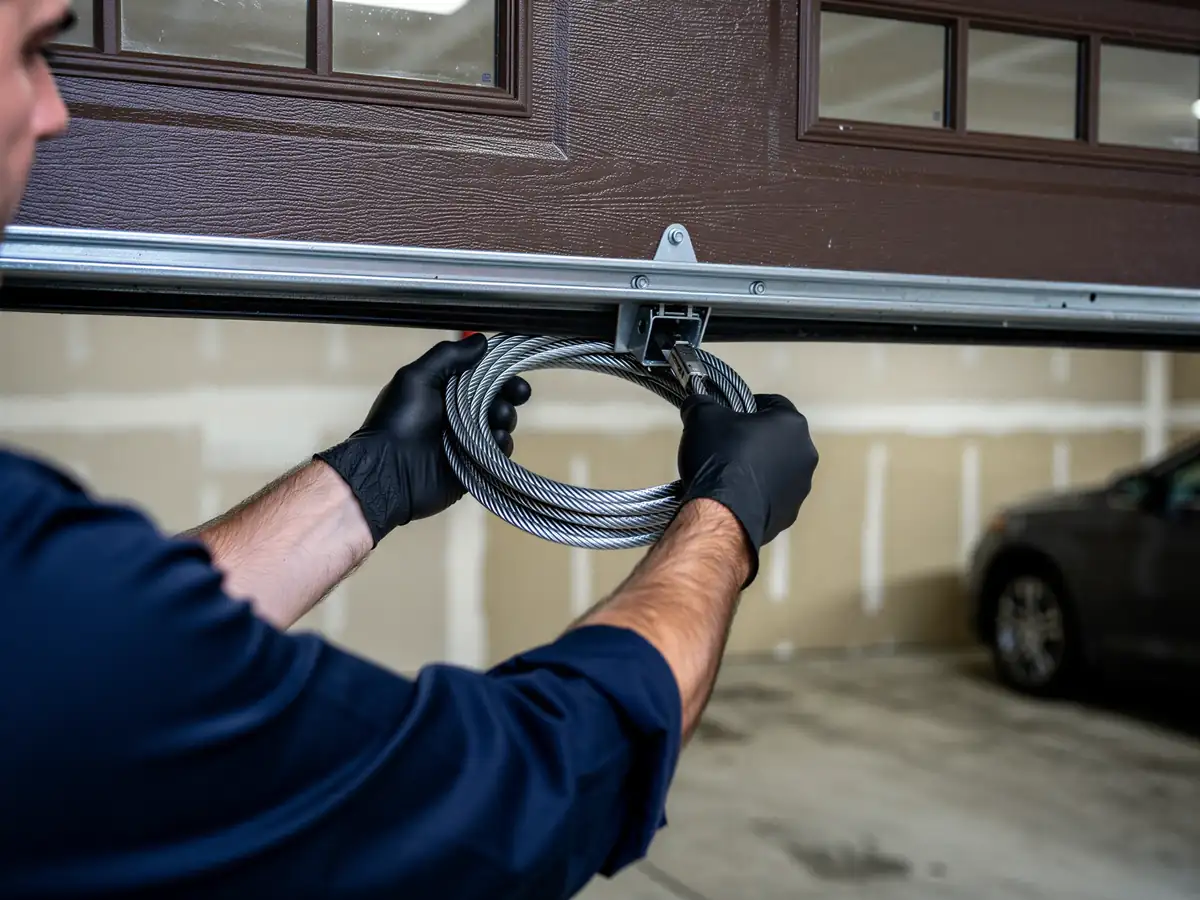
Parts We Carry
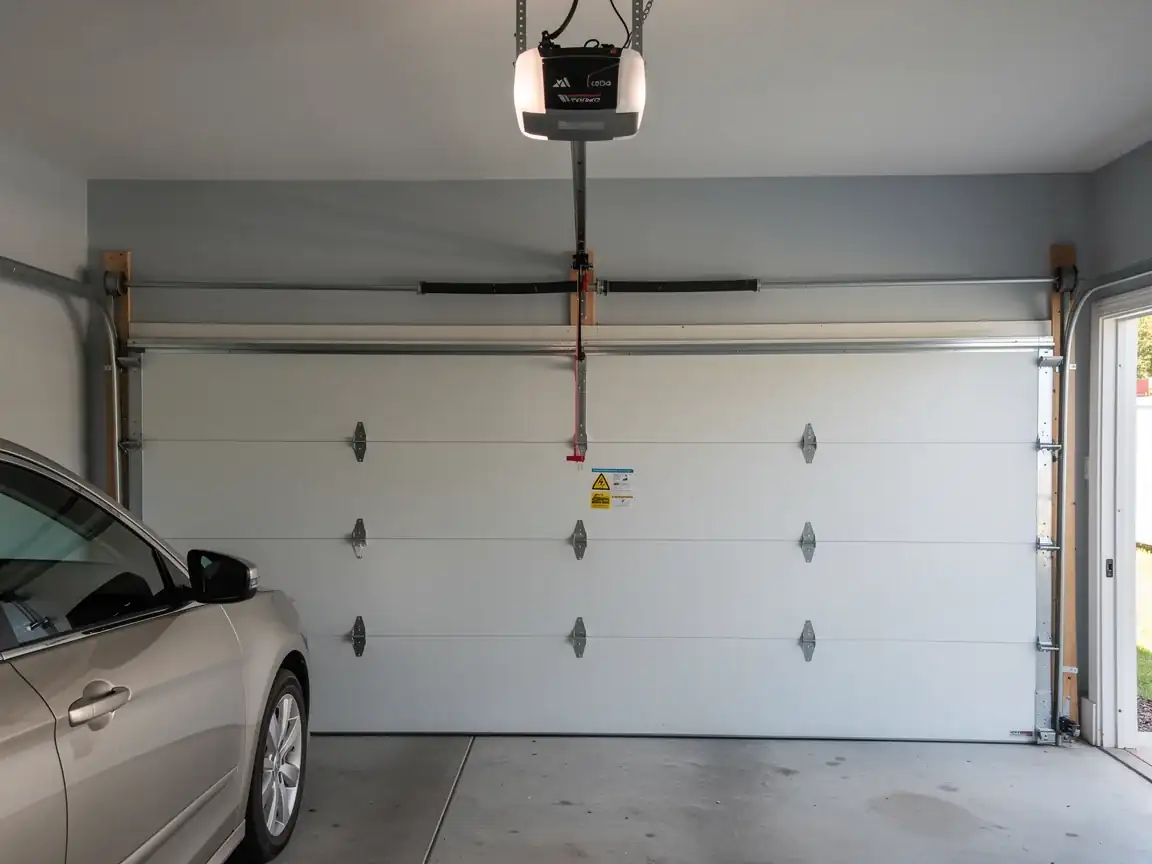
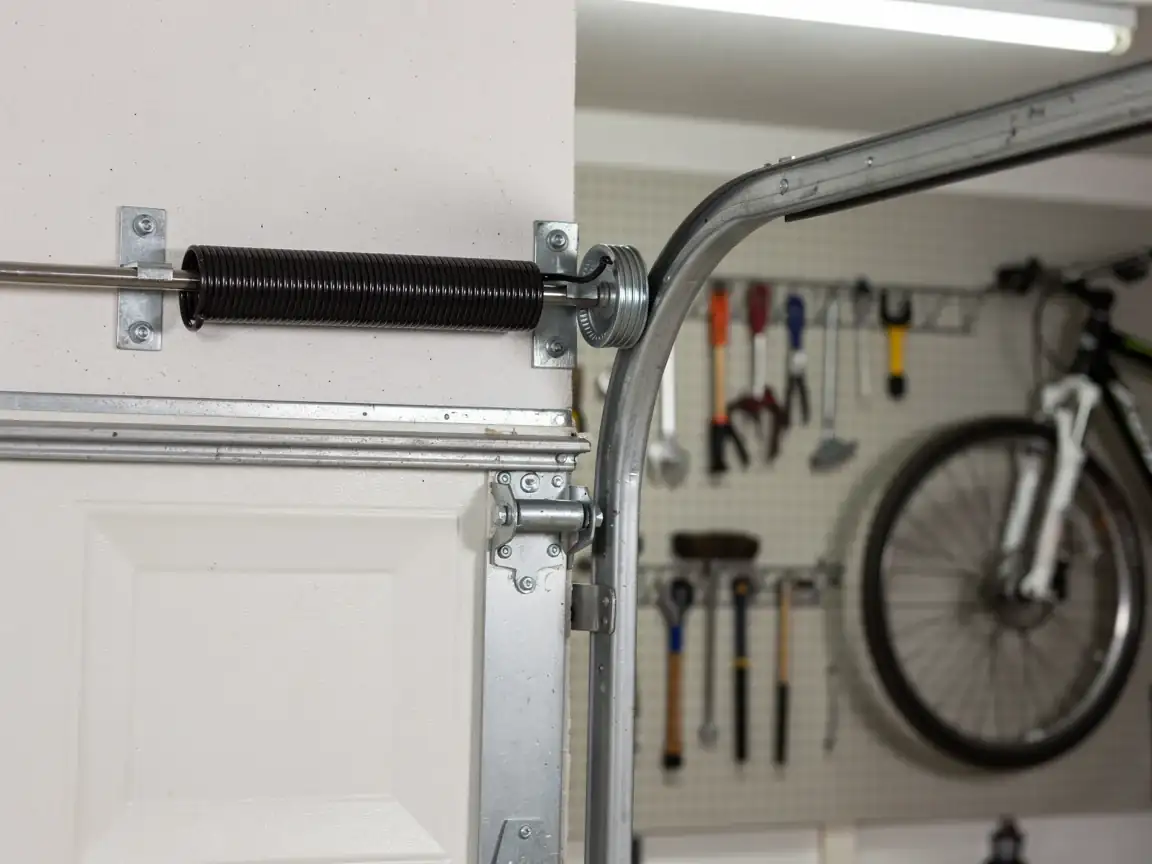
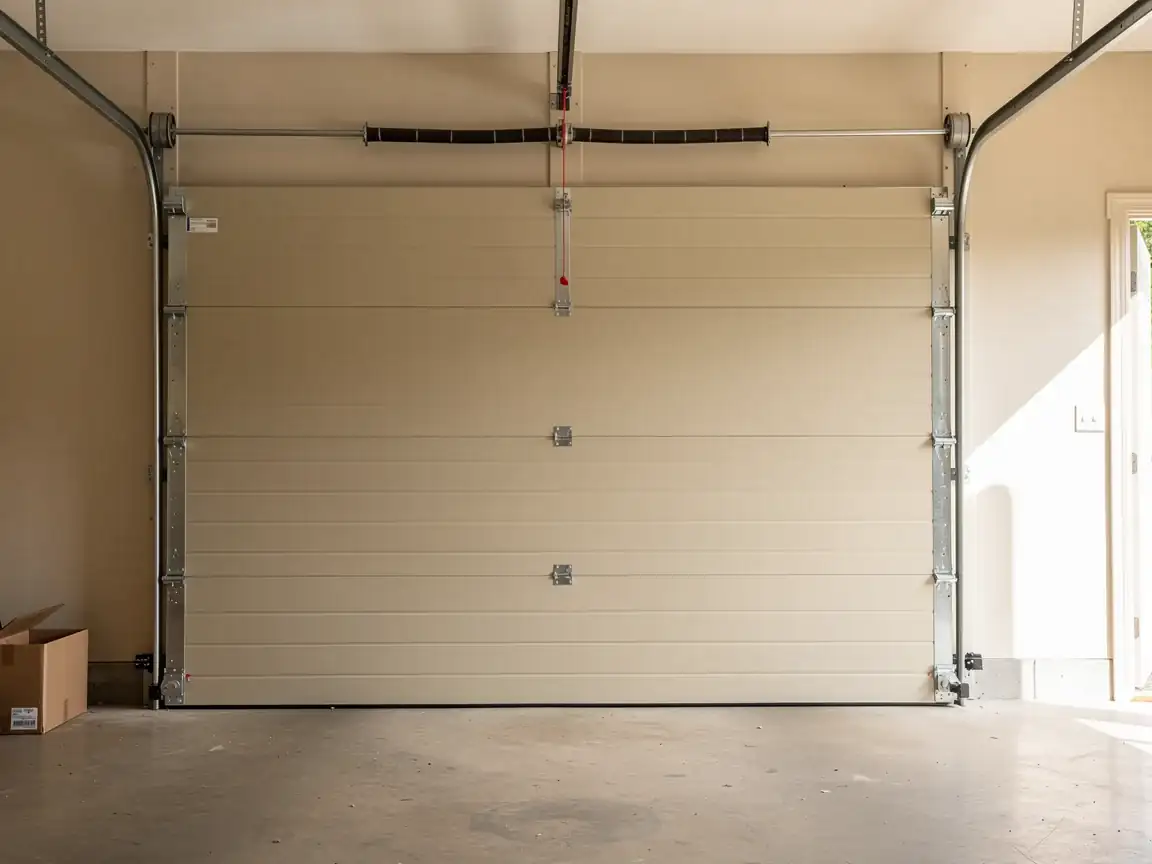
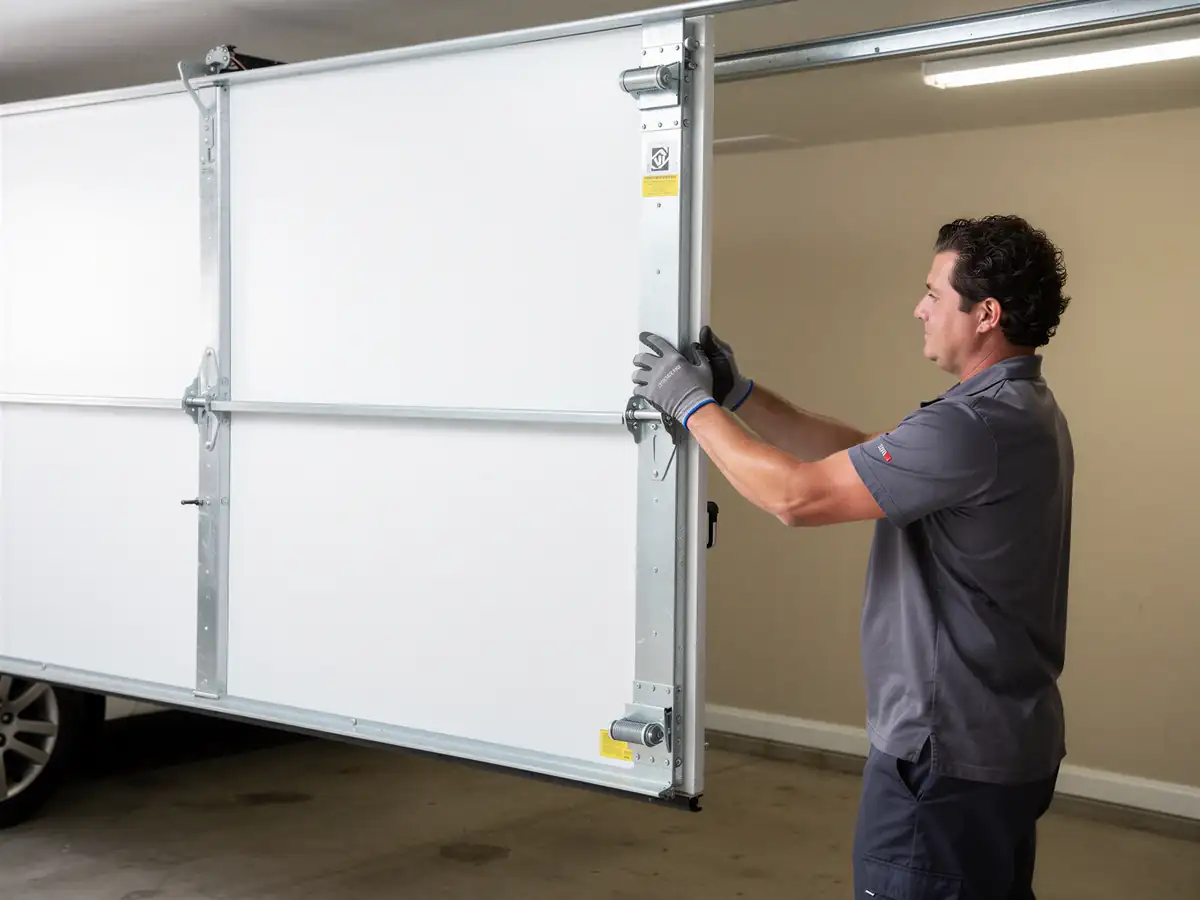
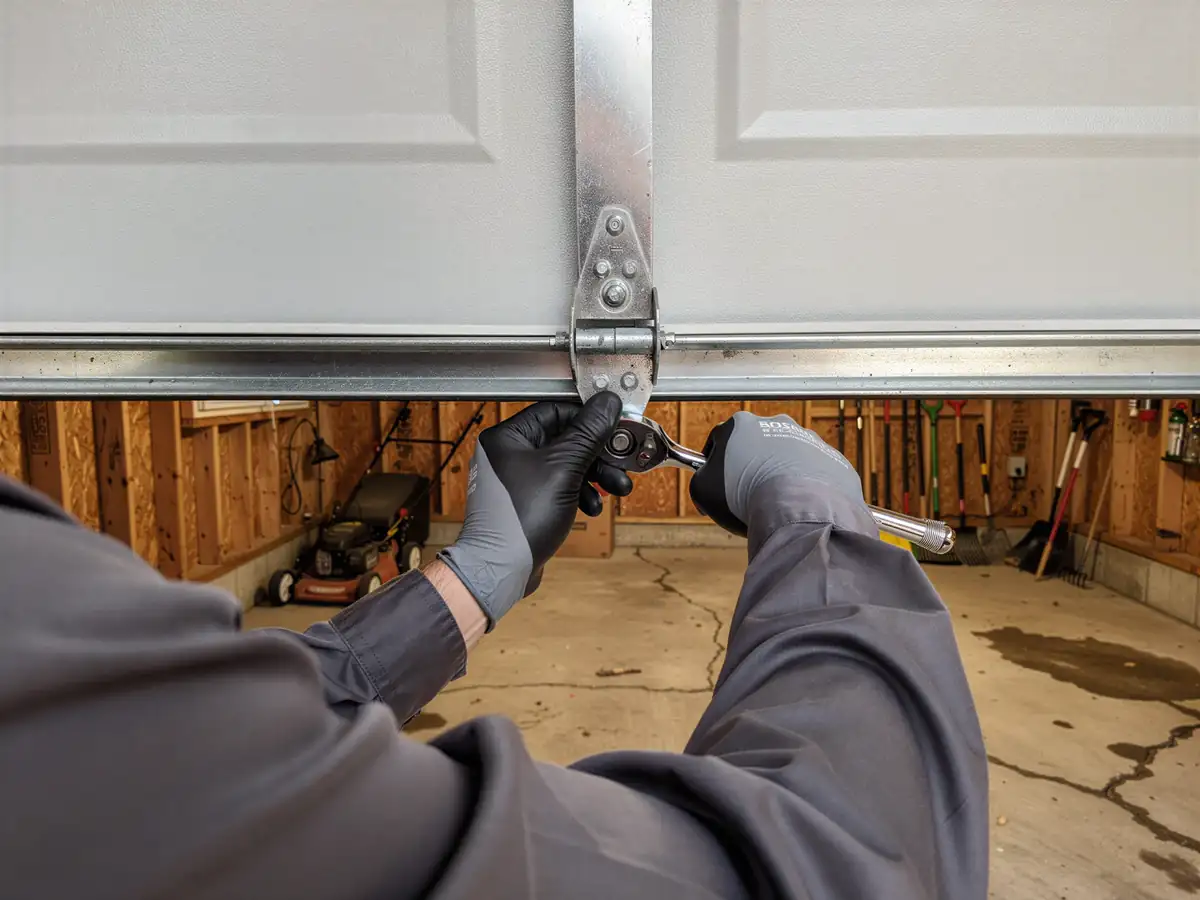
The median household income in Cuyahoga Falls sits at $70,645, noticeably under the $80,612 average for the wider service area, and that gap shapes what we bring on the truck. We stock galvanized torsion springs sized for the lighter steel sections common on doors from the late 1950s and 1960s, standard-lift cable, and the smaller-diameter rollers those original tracks were built around. We don't carry every oversized bracket or custom panel on the truck - if a door needs a specialty part, we order it and come back, and we'll tell you that up front instead of pretending otherwise. Most jobs here are spring, cable, and roller work, not full hardware swaps, because the frames themselves are usually still sound.
What we don't stock standing is anything for doors manufactured after 2000 with proprietary opener mounts - those are rarer out this way given the housing stock, but when we hit one, the part comes from the supplier, not the truck.
Why This Fails Locally
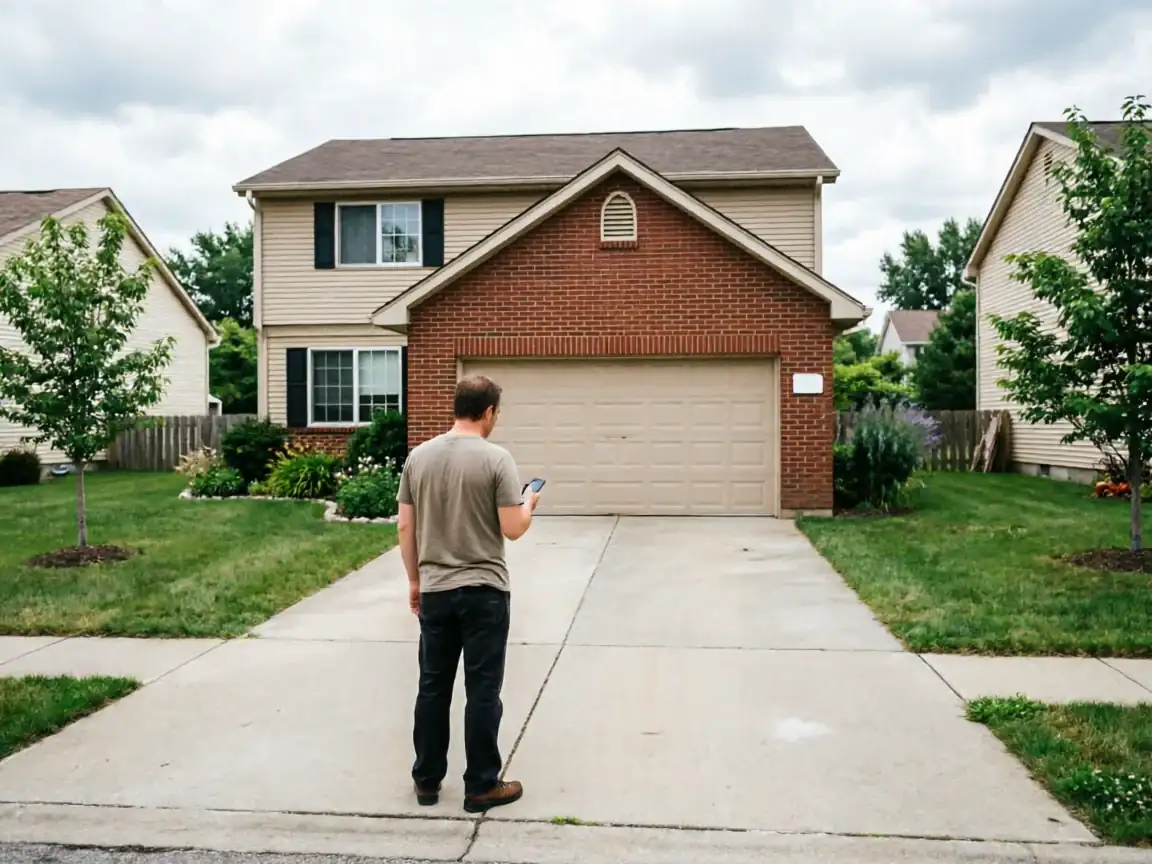
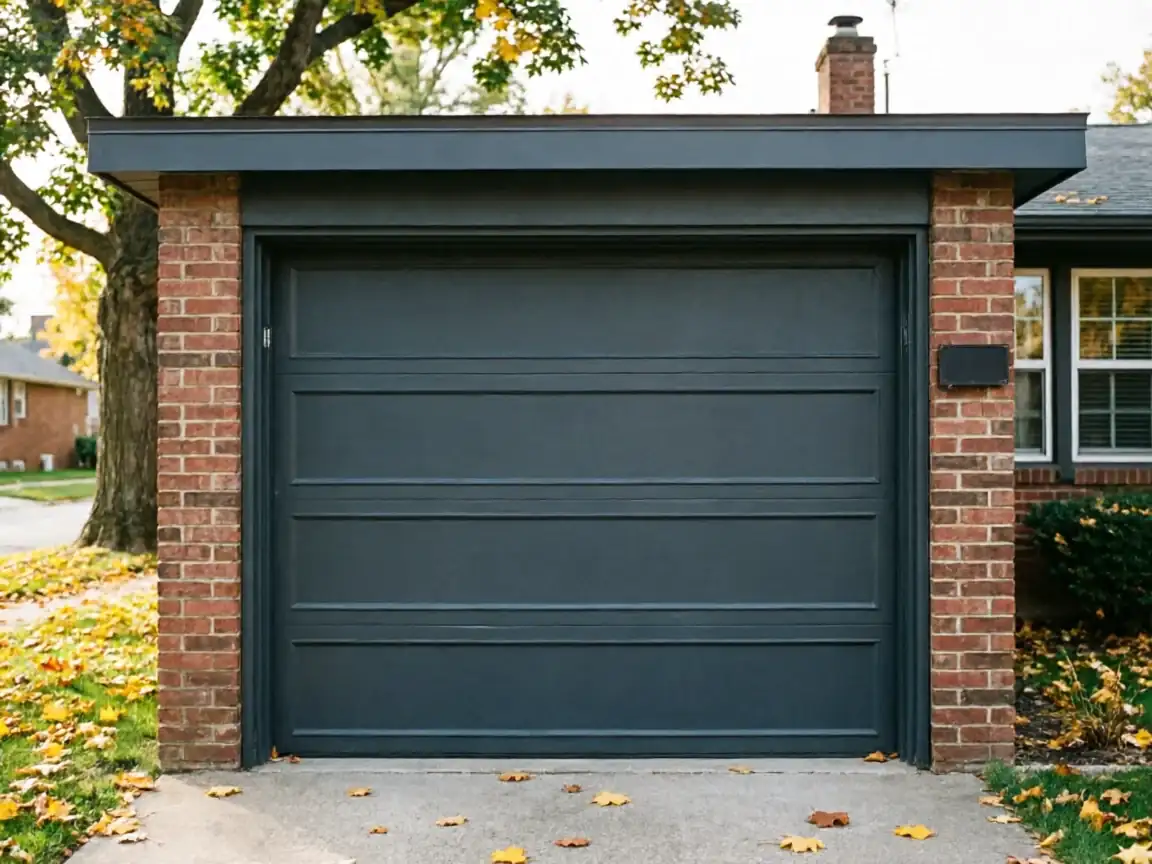
Cuyahoga Falls sits in a cold, severe climate band, and a door built around 1959 was never engineered with today's insulation or weatherstripping in mind
The steel used on doors from that era thins and work-hardens faster through repeated freeze-thaw cycles than anything made in the last twenty years. Across the 42 named areas in this service territory, the stock runs mostly 1960s-70s, and Cuyahoga Falls sits right in that band - which means torsion springs sized for a lighter original door, mounted on hardware nobody has made new in decades.
The failure point is almost always the spring, not the opener
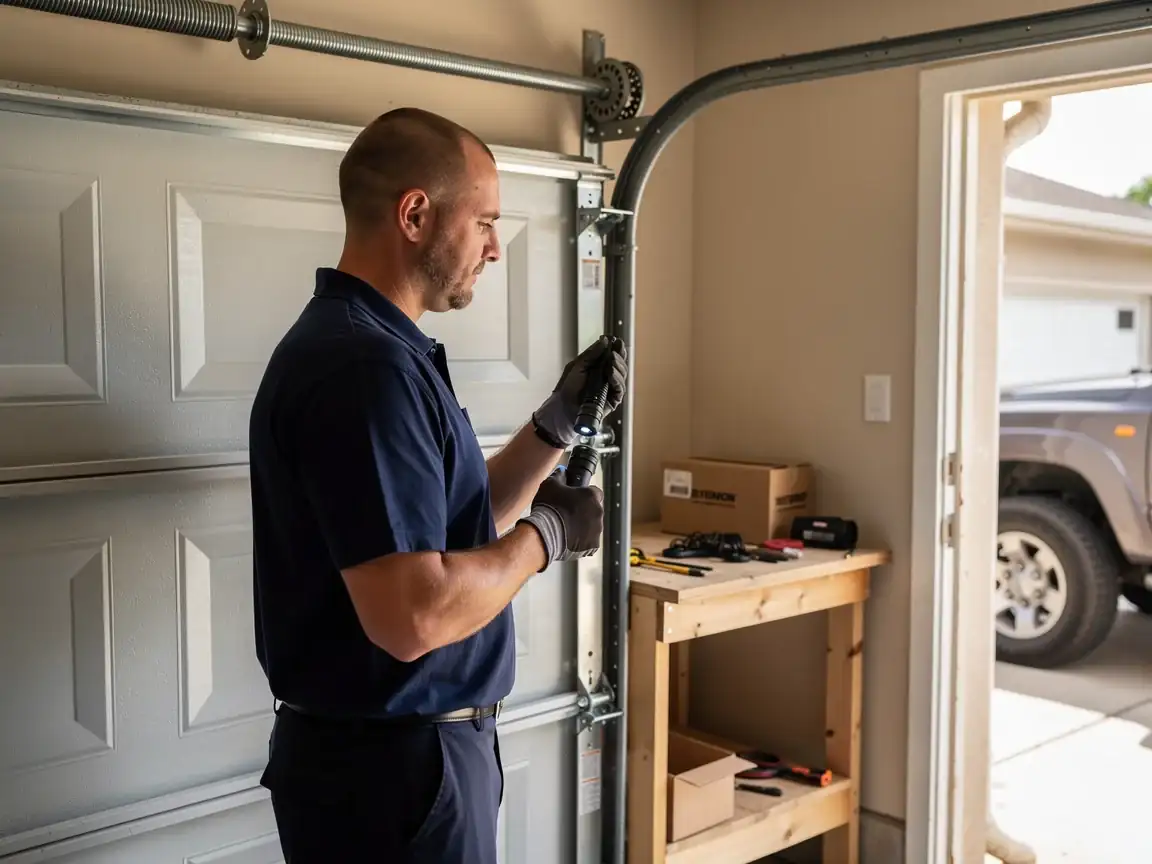
A spring rated for a 1959-era single-layer door loses tension faster once cold sets in, and the symptom shows up as a door that won't lift evenly or hangs crooked on one side. Replacing the opener without addressing the spring just moves the strain somewhere else.
Time on the Job
We run this call from Akron, seven miles out, so plan on that drive being part of the morning or afternoon window rather than an instant arrival. Once we're on site, the work itself depends on what's actually wrong - a spring swap on a door this age usually goes faster than on newer insulated doors because there's less to disassemble, but a stuck or bent track from decades of use can add time we won't know about until we're looking at it.
We don't promise a same-day fix sight unseen. What we do is diagnose first, price the job, and only then start cutting old cable or pulling a dead spring. On a street of houses built in the same five-year window, as much of Cuyahoga Falls was, we often see the same failure twice in one week - which helps us move faster once we know what we're looking at.
The Cost of This Job
At a median household income of $70,645, the repair-or-replace line falls earlier here than it does in higher-income parts of the service area. A spring and cable repair on a door from this era almost always makes sense - the labor is straightforward and the hardware is simple. Where it stops making sense is a full panel replacement on a door that's already seen fifty-plus Ohio winters: at that point you're paying to match steel and paint to a door that was never insulated to begin with, and a new door often costs less over time than chasing rust and warped sections one at a time.
We don't have a posted price list here - every quote depends on spring size, cable length, and what the opener needs - but we'll tell you plainly when a repair is the better dollar-for-dollar move and when it isn't, before any work starts.
The Symptom
The door that won't fully close
Or closes crooked and reverses halfway, is the most common call we get from this part of the territory. On a door built around 1959, that's usually a torsion spring that's lost tension unevenly - one side still pulling, the other gone slack after years of cold-weather cycling. A loud bang followed by the door refusing to lift at all is almost always a snapped spring, and on these older single-torsion setups, that's a one-spring failure, not two.
A slower grinding or a door that lifts in jerks points to rollers worn down in tracks that have never been replaced
These symptoms show up more in houses from this build era than in anything built after 2000, simply because the hardware has had more winters to wear through.
How We Fix It
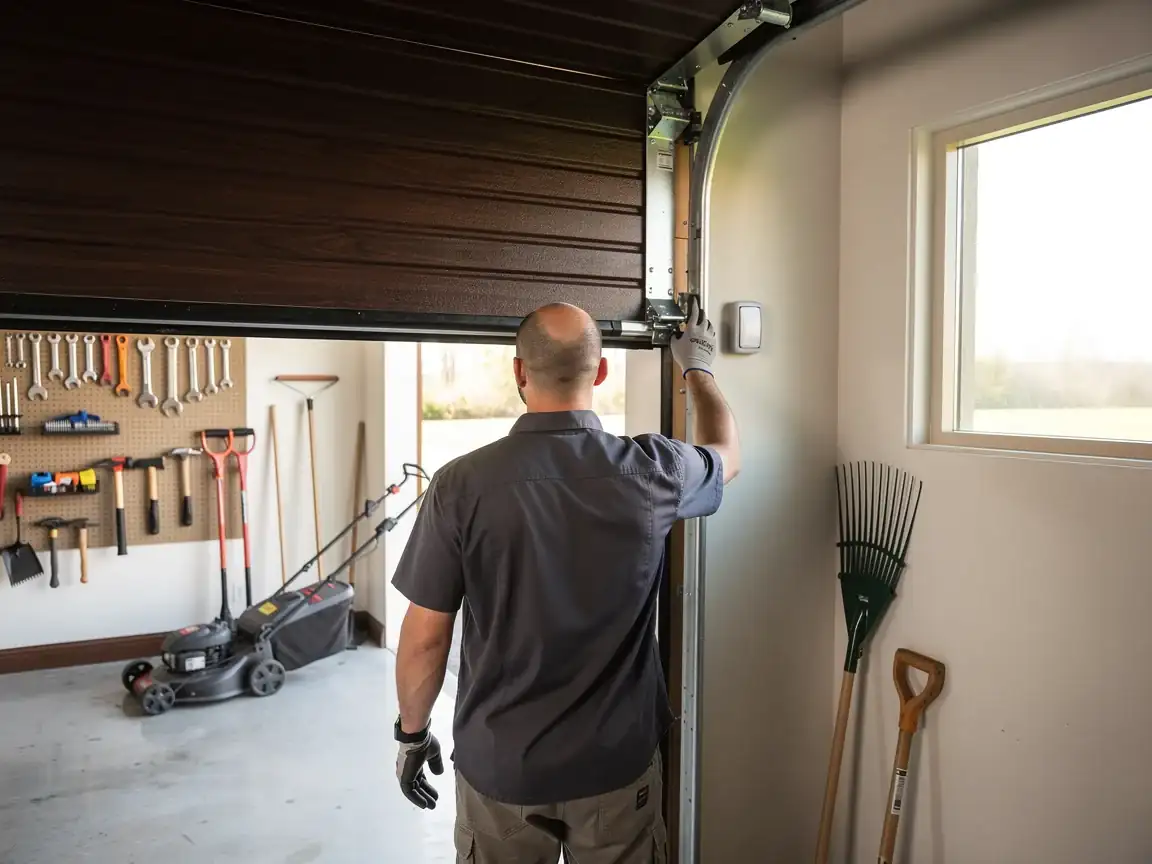
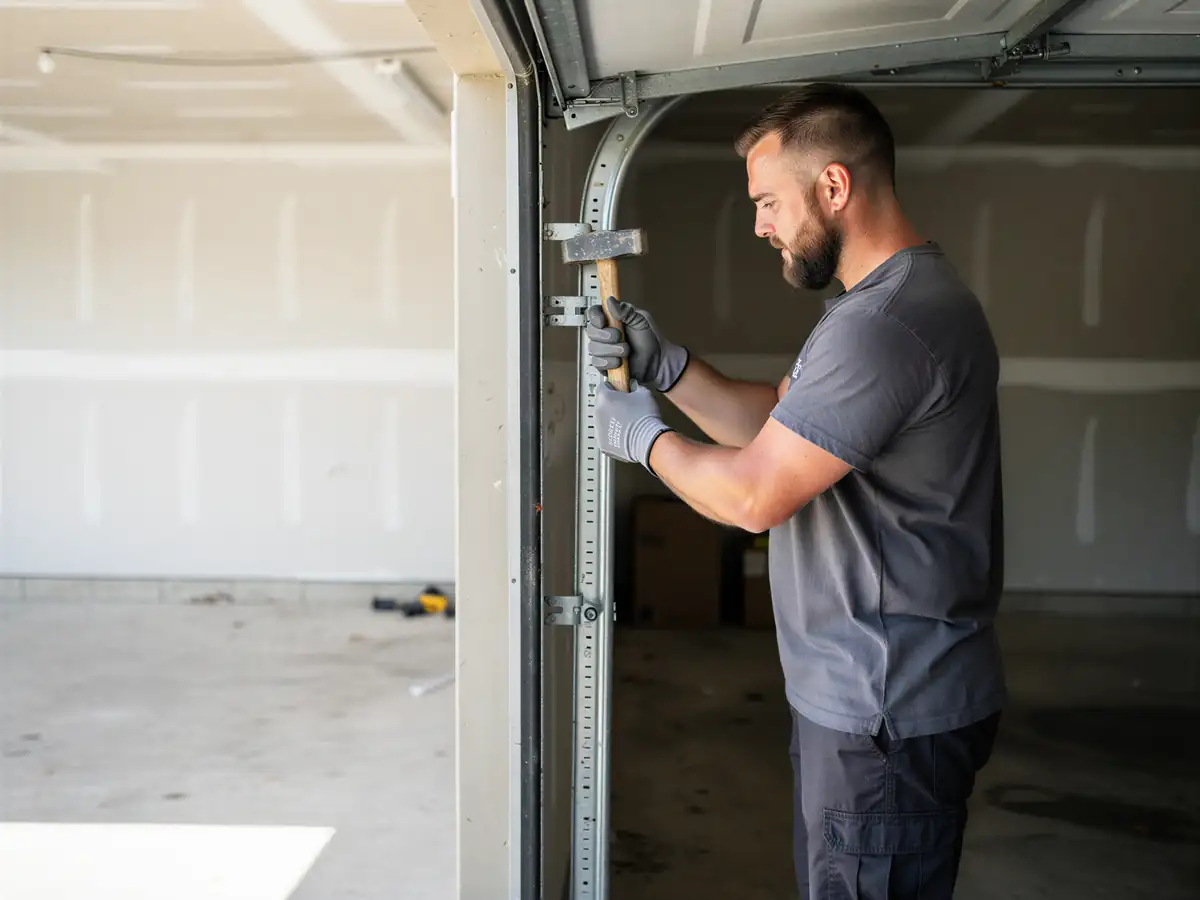
We start by matching the spring to the door's actual weight and lift type rather than assuming a generic size - on a house from 1959, that's rarely the size sold off the shelf at a hardware store, and using the wrong spring is how a second service call gets booked within the year. We replace cable and rollers at the same time if they're worn, since opening the system once to do it right costs less than two separate visits.
One limitation worth saying plainly: if a track is bent badly enough from age, we'll tell you when straightening it isn't worth the labor compared to a new track section. We'd rather say that than charge you twice for a fix that doesn't hold.