Parts We Carry
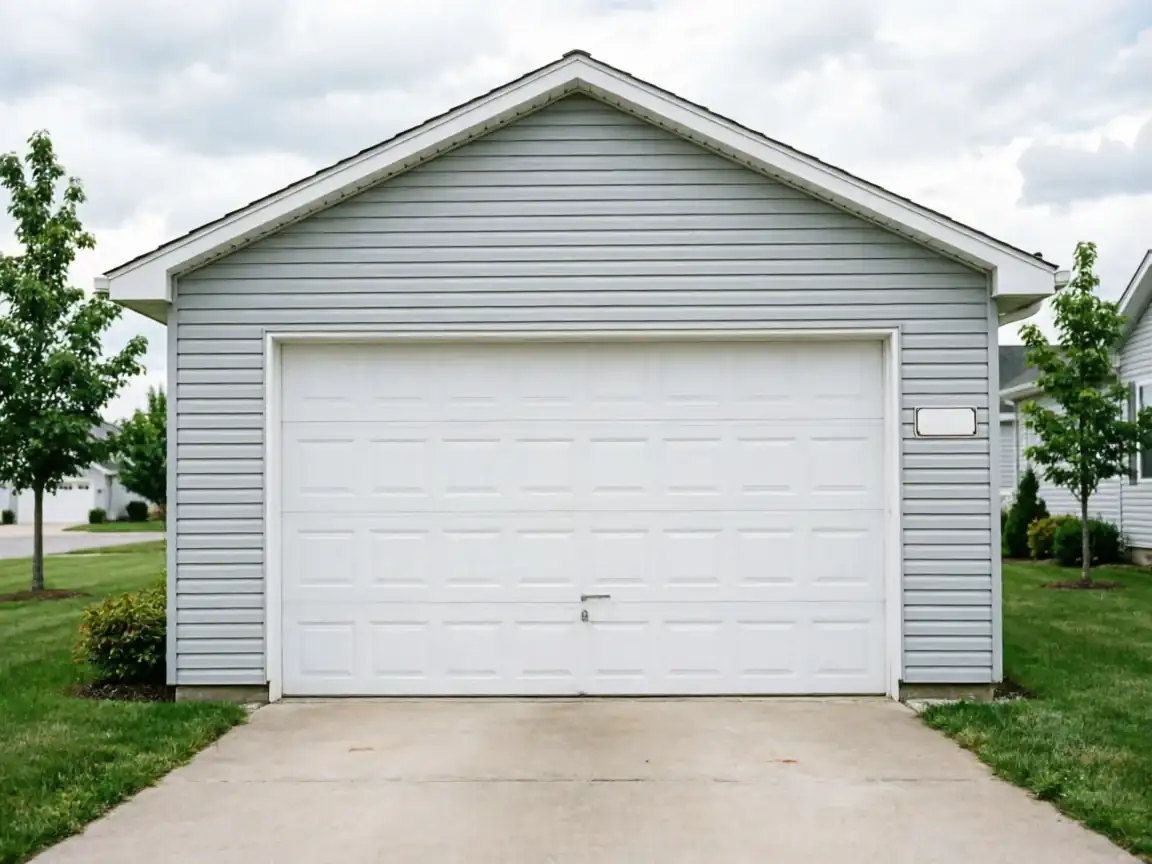
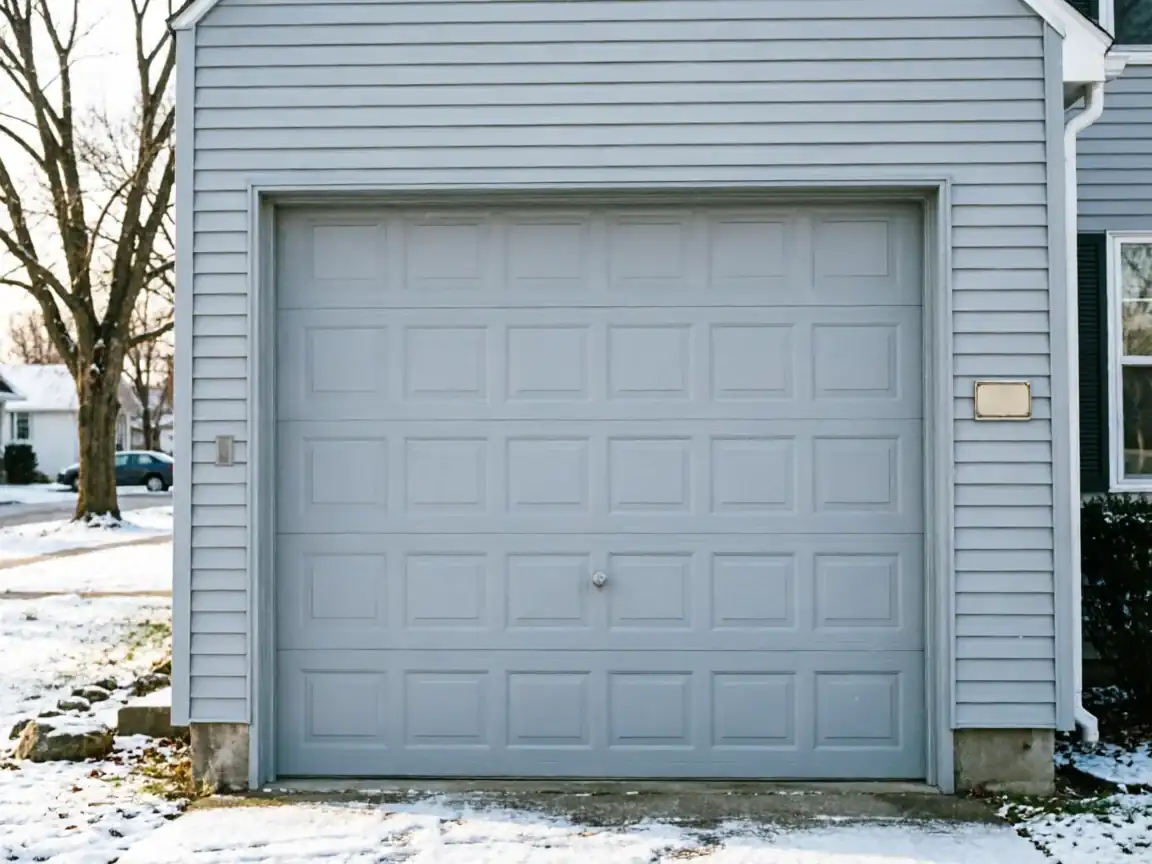
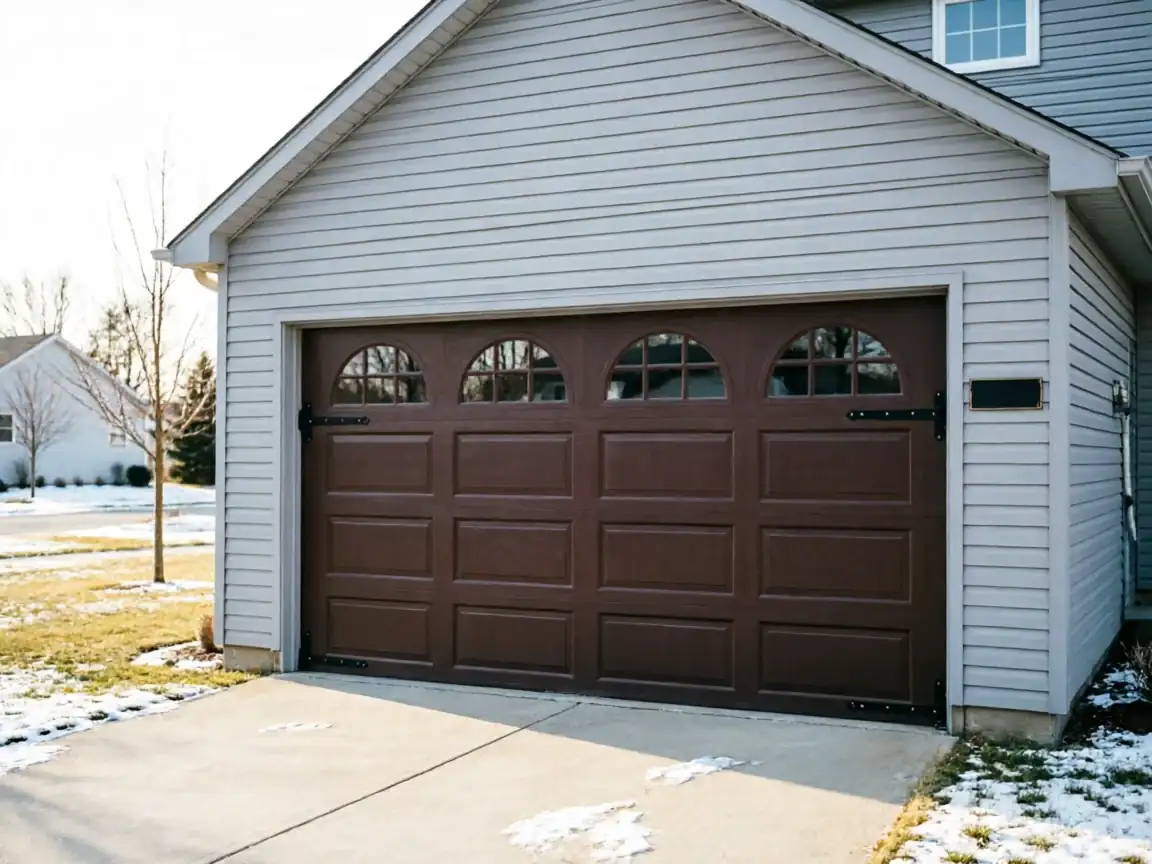
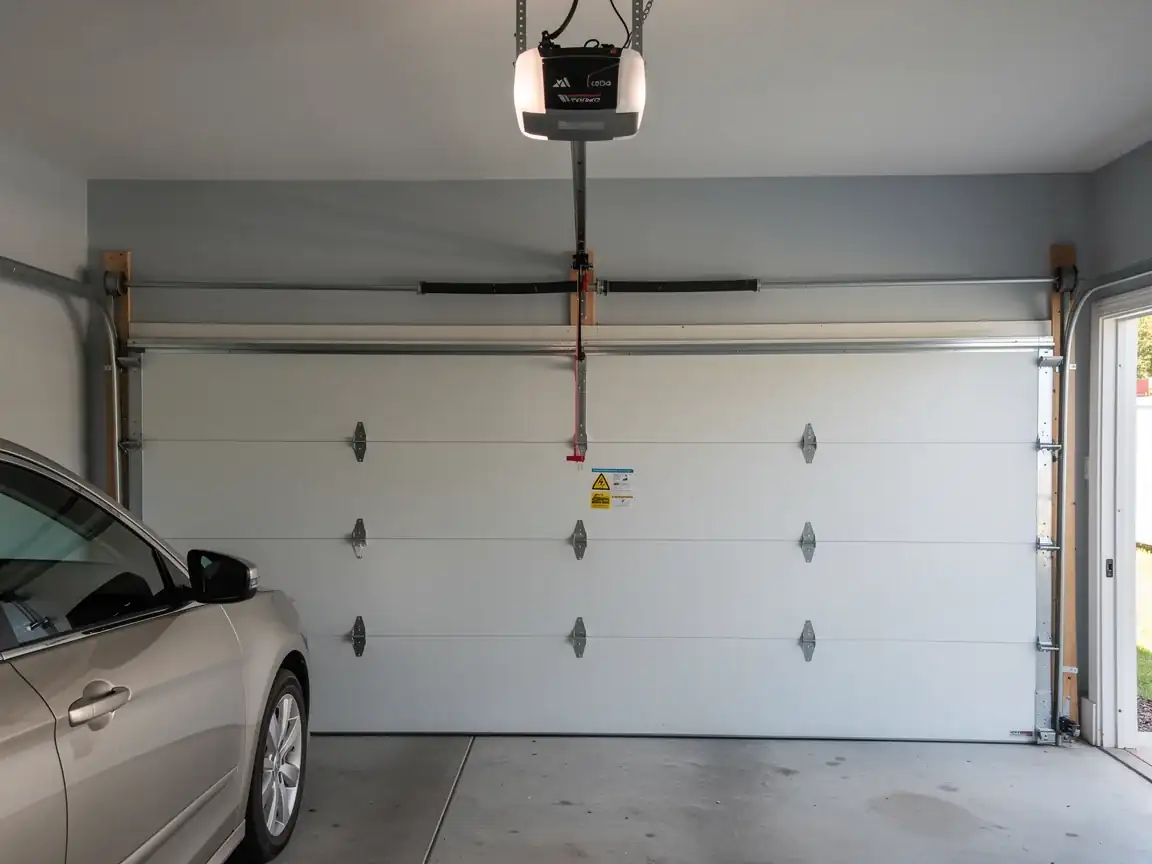
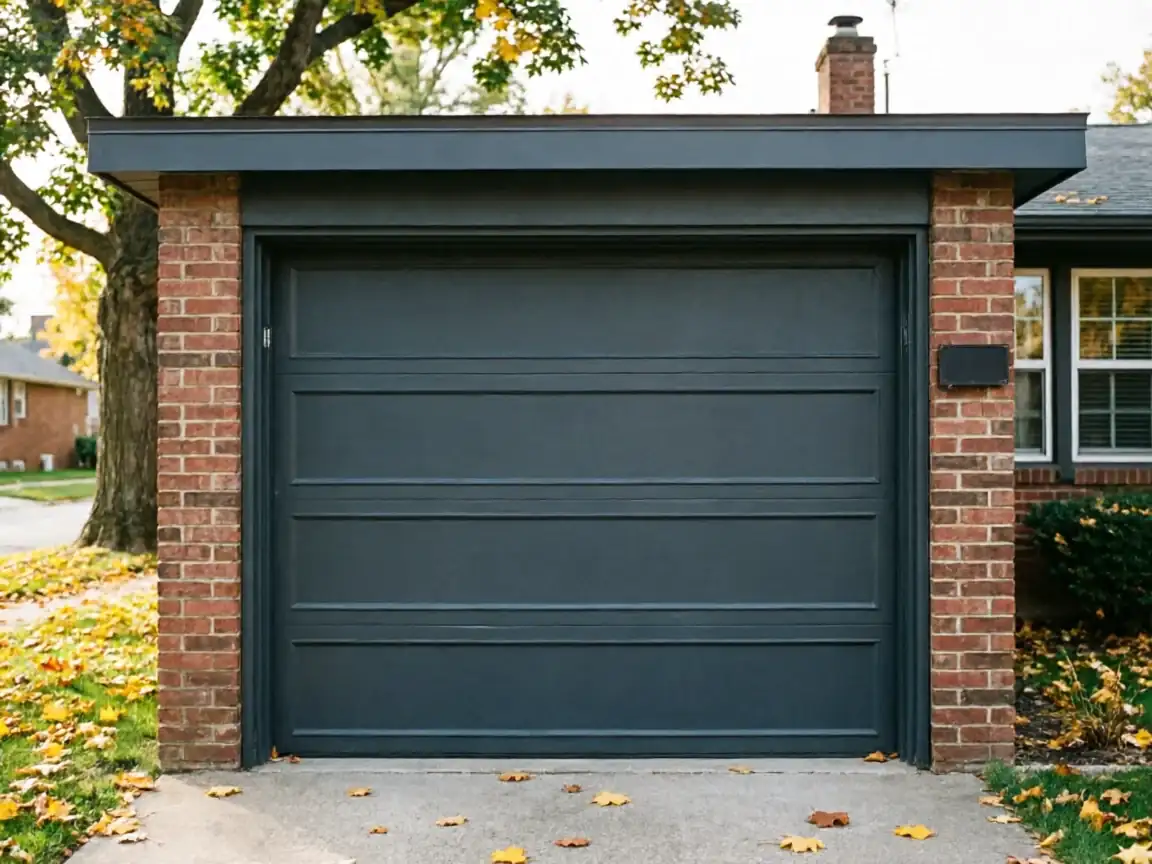
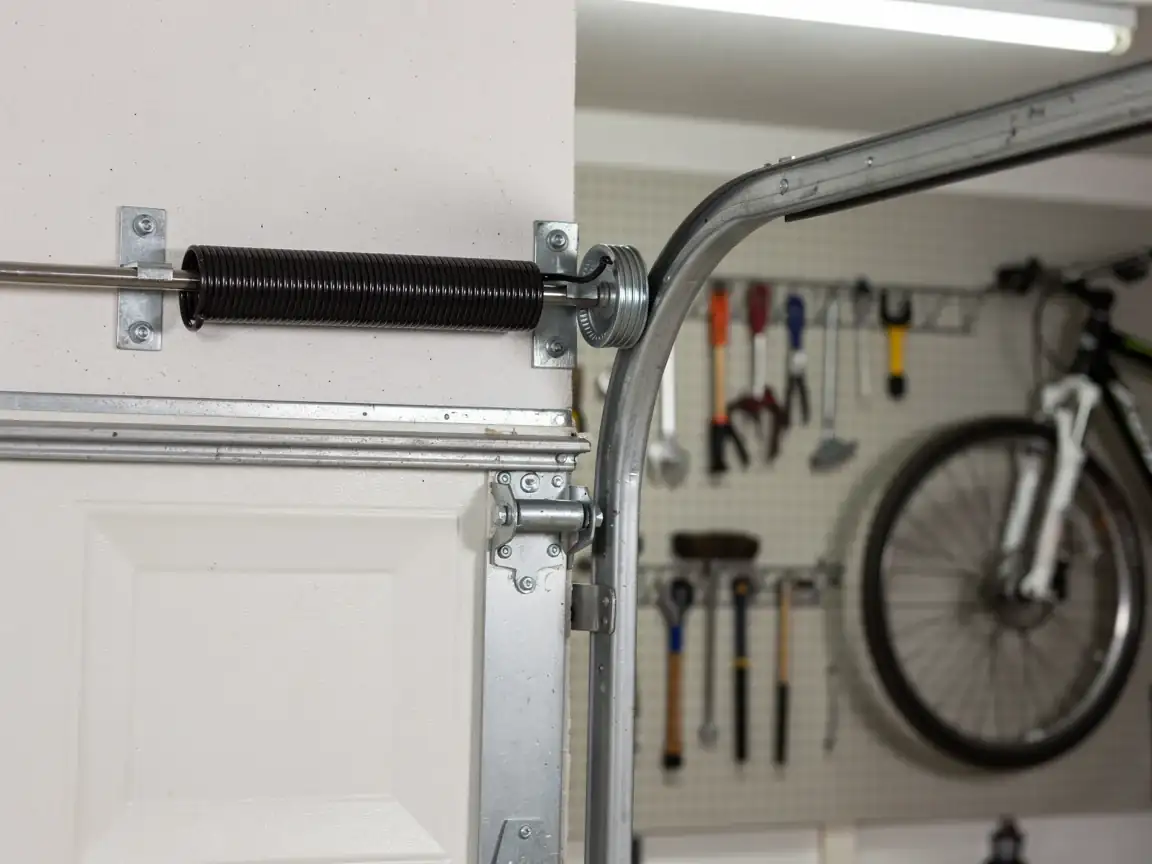
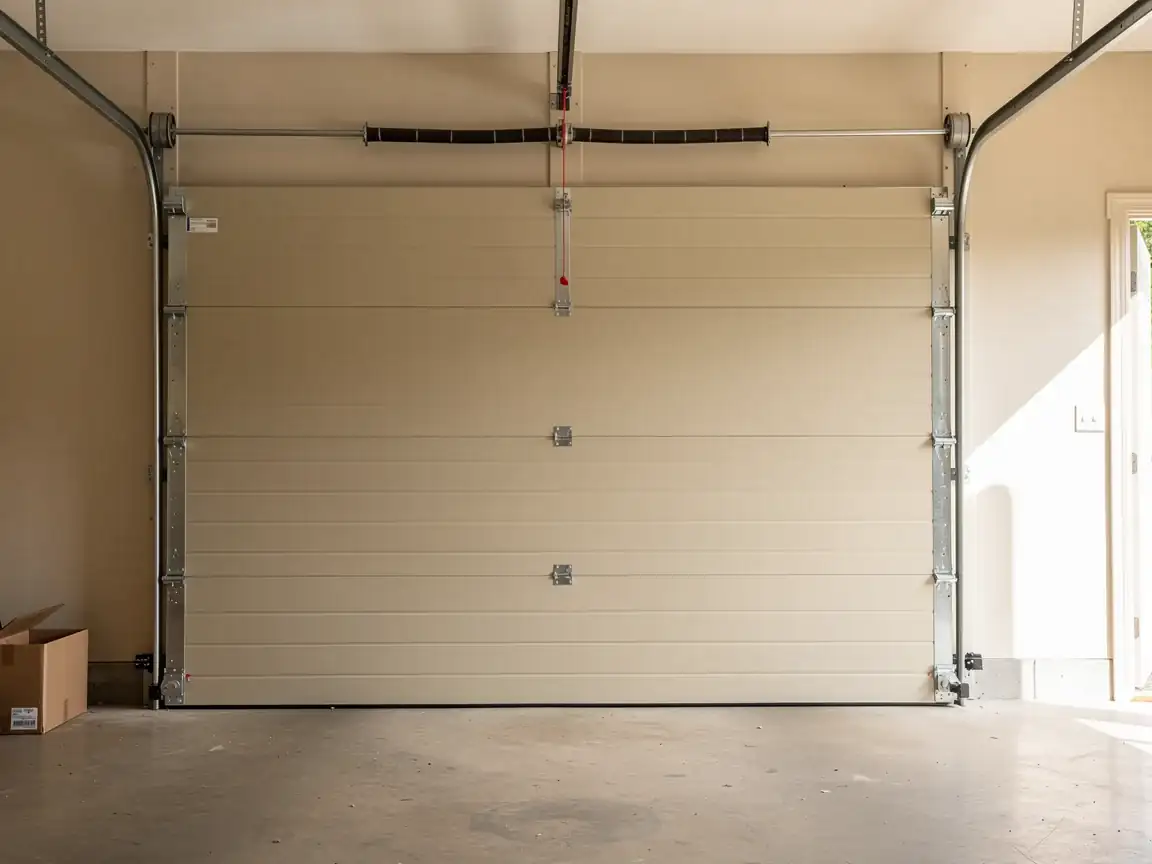
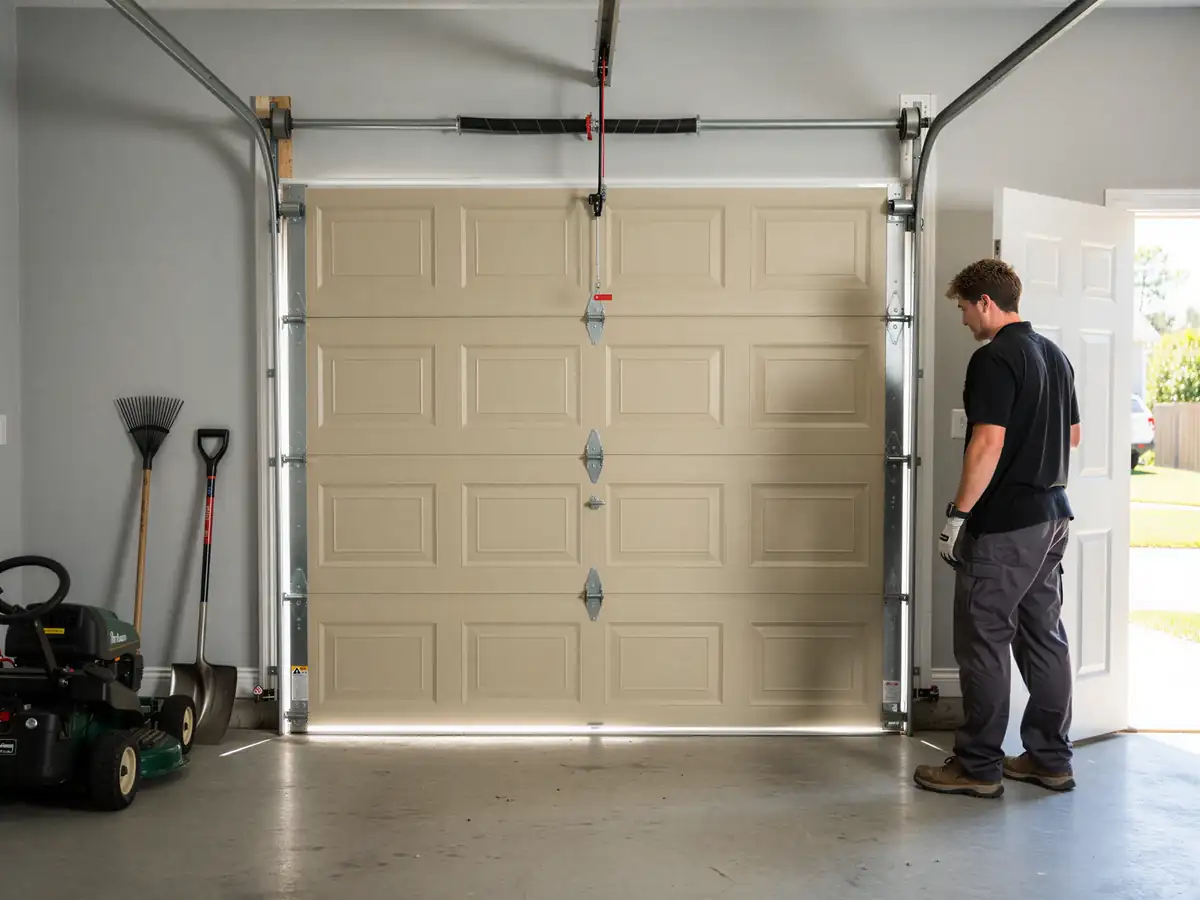
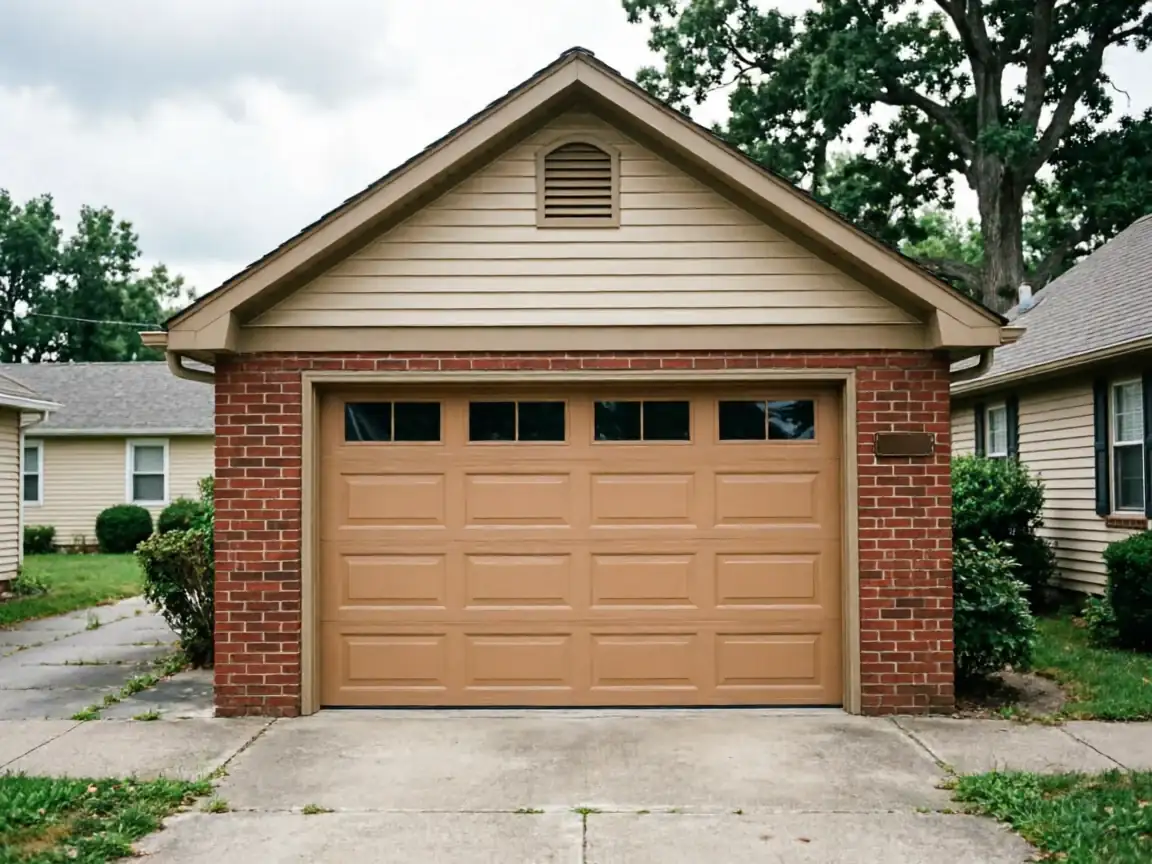
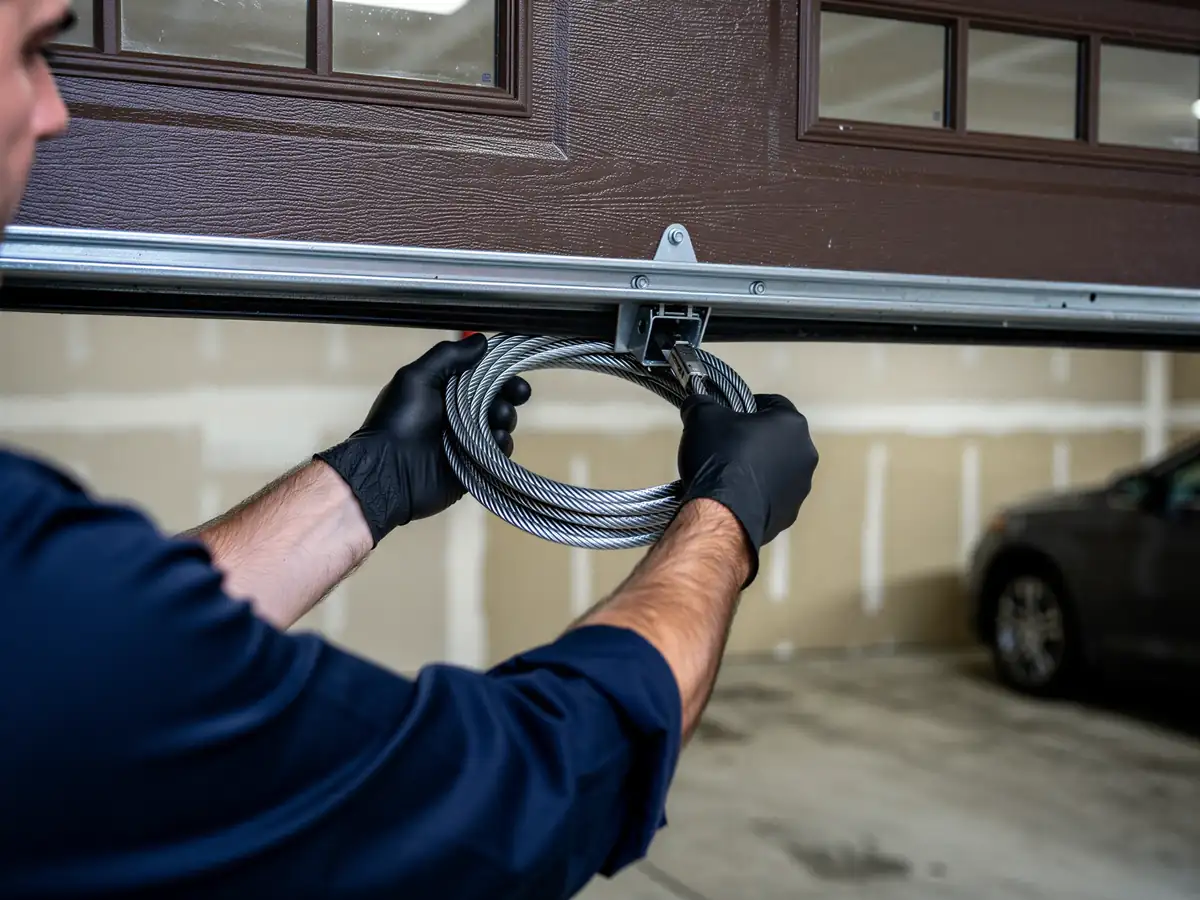
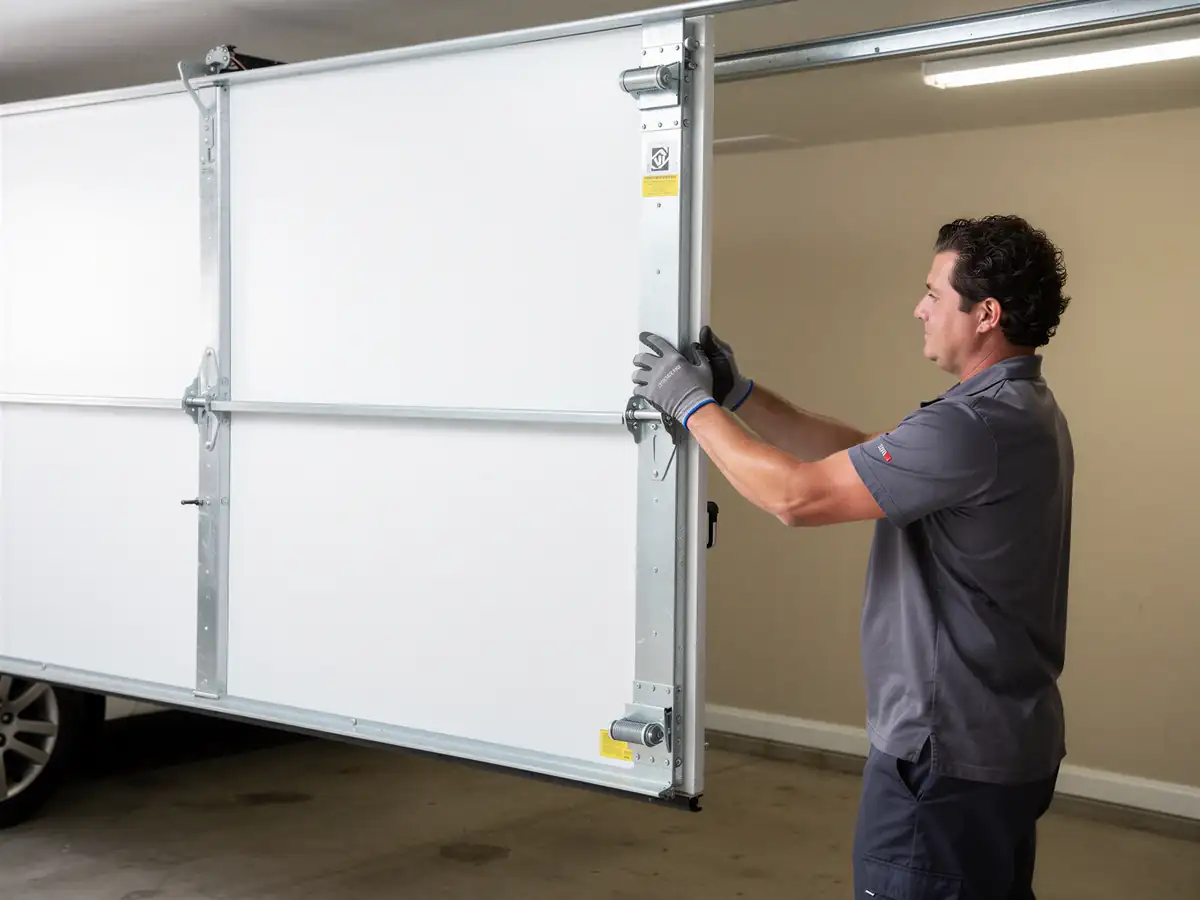
A house in Cuyahoga Falls built around the median year of 1959 almost always shipped with a single steel door in a narrower bay than what gets built today - a lot of these are still one-car openings, not the double-wide sectional doors common in newer subdivisions. The panel is flat or lightly ribbed steel, no insulation layer, hung on hinges and rollers sized for a lighter door than what often replaces it now. We carry rollers, hinges, and cable in the sizes that fit this original hardware, along with the heavier torsion springs needed when an owner upgrades to an insulated replacement door on the same track width. What we don't stock on the truck is anything custom-cut - wood jamb repair or a non-standard track width needs a measurement visit first, since guessing wrong on a 60-year-old opening wastes everyone's time.
Time on the Job
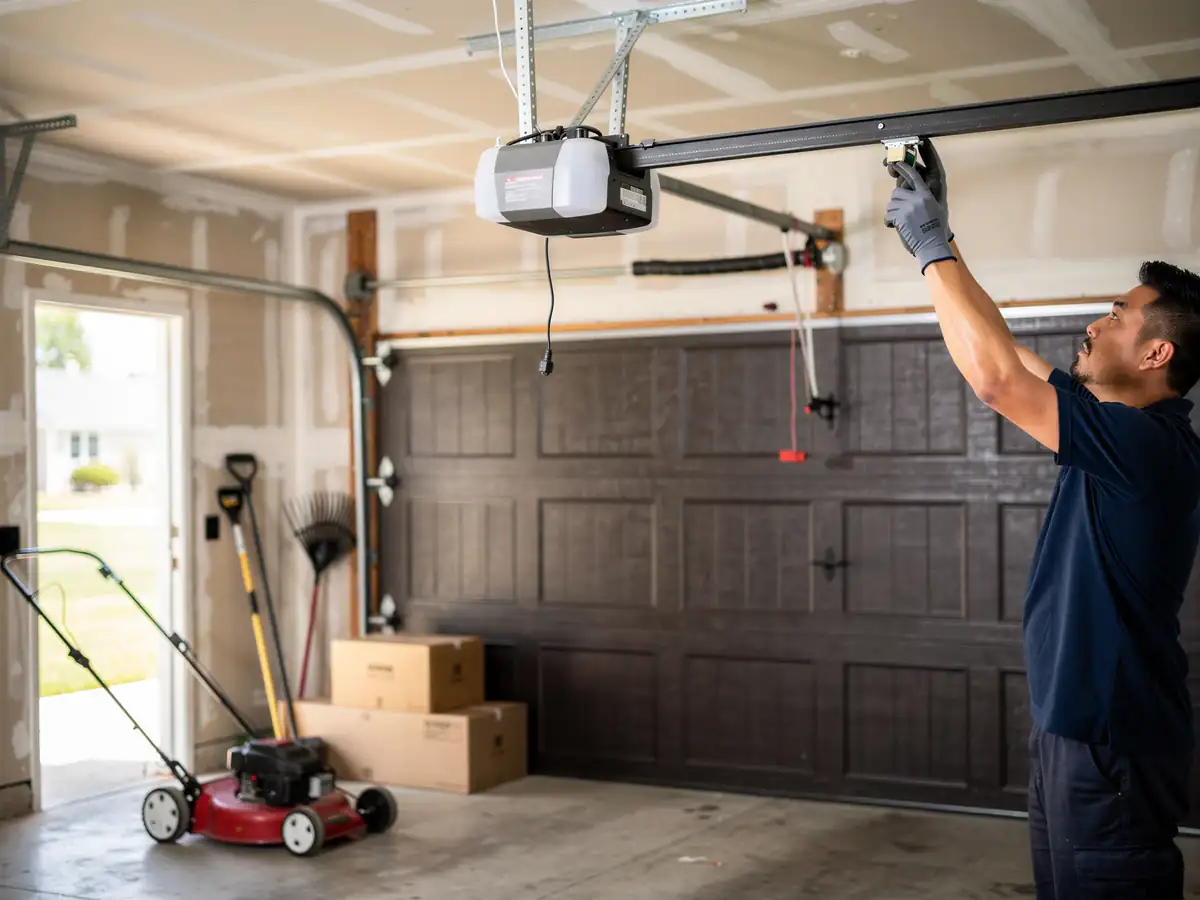
A lubrication and adjustment visit on one of these older single-panel doors usually runs faster than on a modern two-car insulated door, simply because there's less door and less hardware to touch. Where it slows down is when the track itself has shifted out of square over the decades - common on a house this age where the slab has settled - and that takes extra time to shim and re-level rather than just grease and go. We won't rush a track adjustment to hit a tighter number; a door that's out of square and gets tightened in a hurry comes back out of square within a season.
The Cost of This Job
We don't have a posted price for Cuyahoga Falls specifically, and we're not going to invent one. What we can tell you is that the job scope on a 1959-era single door is usually smaller than on a newer double door, because there's less roller and cable length to service. If the track needs releveling because of slab settling, that adds time and cost beyond a standard tune-up - we'll tell you that on site before doing the work, not after.
How We Fix It
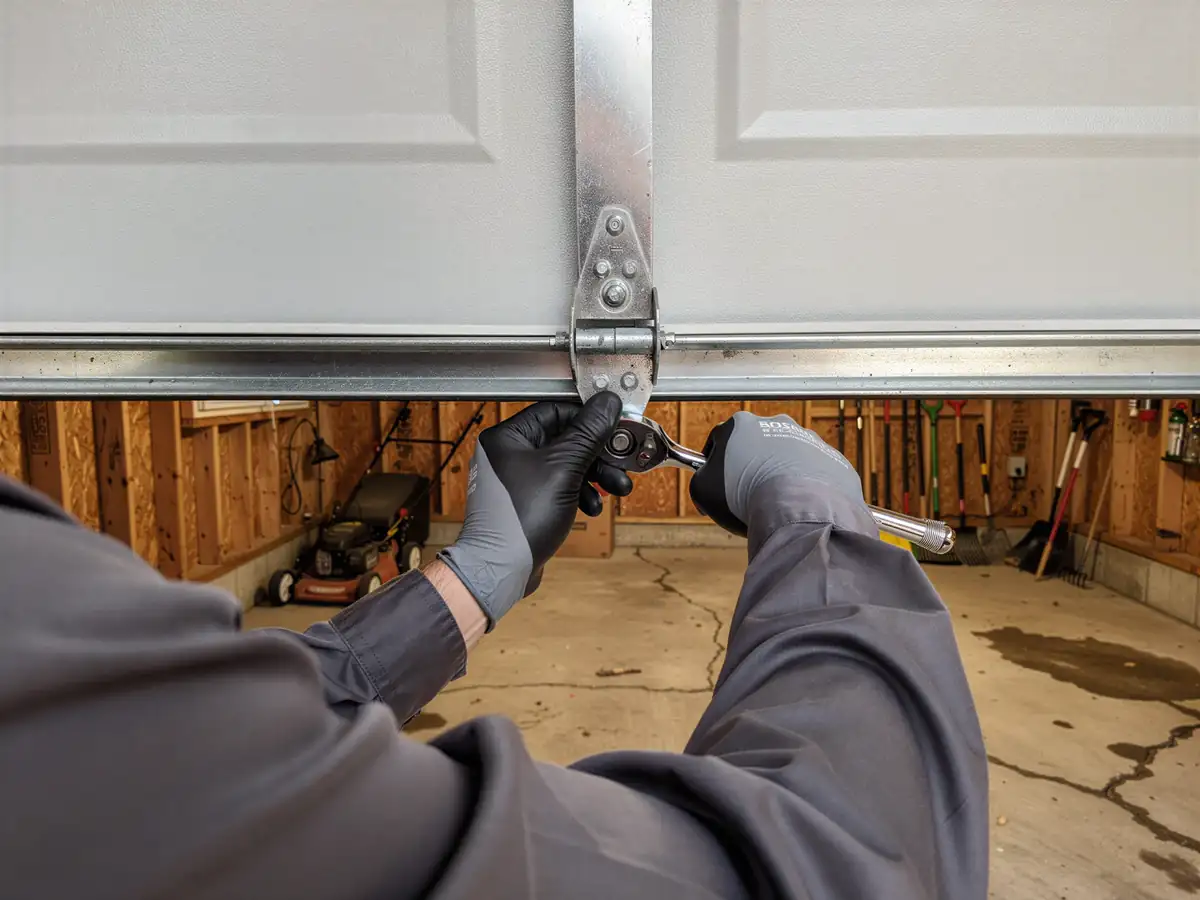
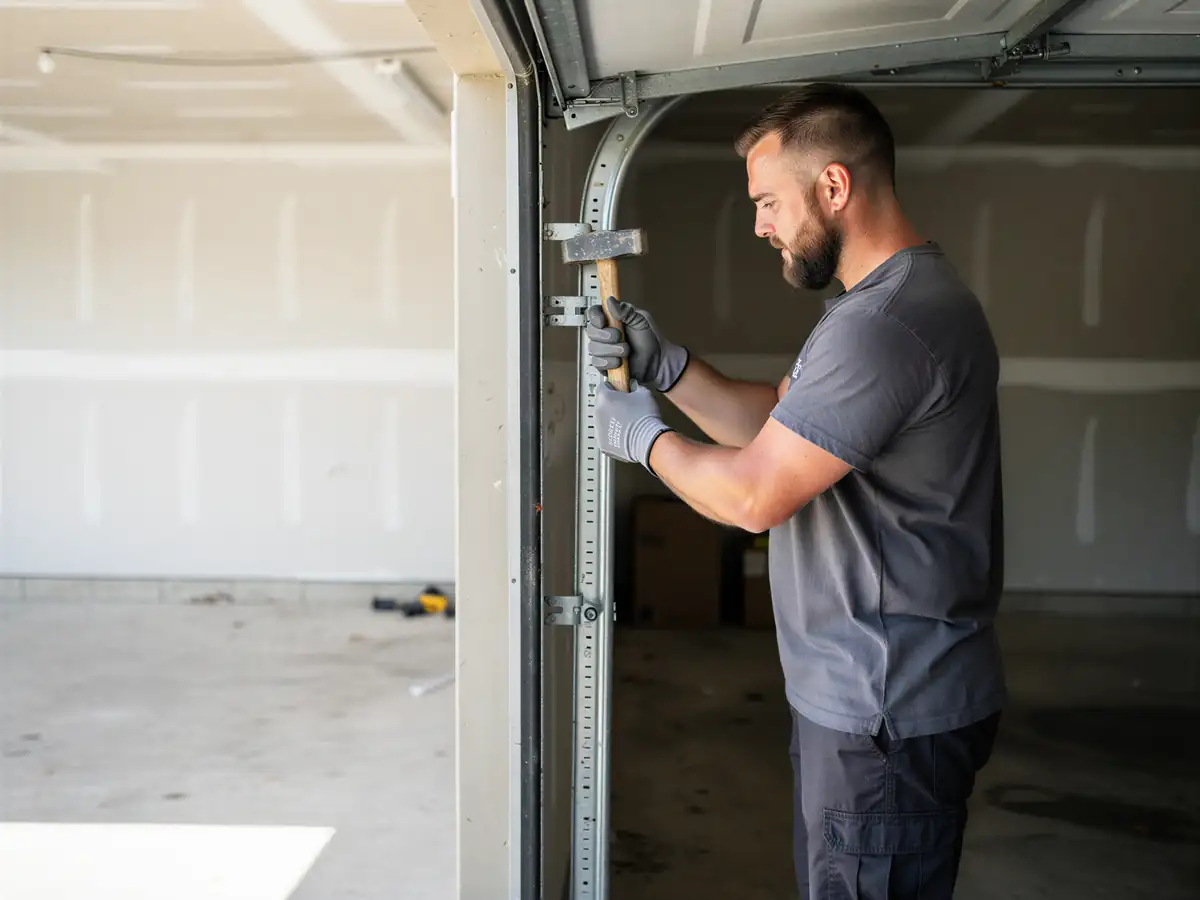
We start by freeing and regreasing the rollers and hinges with lubricant rated for the cold band this area sits in, then check the track for square before touching tension. If the panel's bowed, we're honest about it: a flat steel panel from 1959 doesn't un-bow, and past a certain point a patch job on it is money spent delaying a replacement rather than fixing anything. On the hardware side - hinges, rollers, cable - we service what's original wherever it's still sound, since replacing a part that's still doing its job costs the owner more than it saves them.