Why This Fails Locally
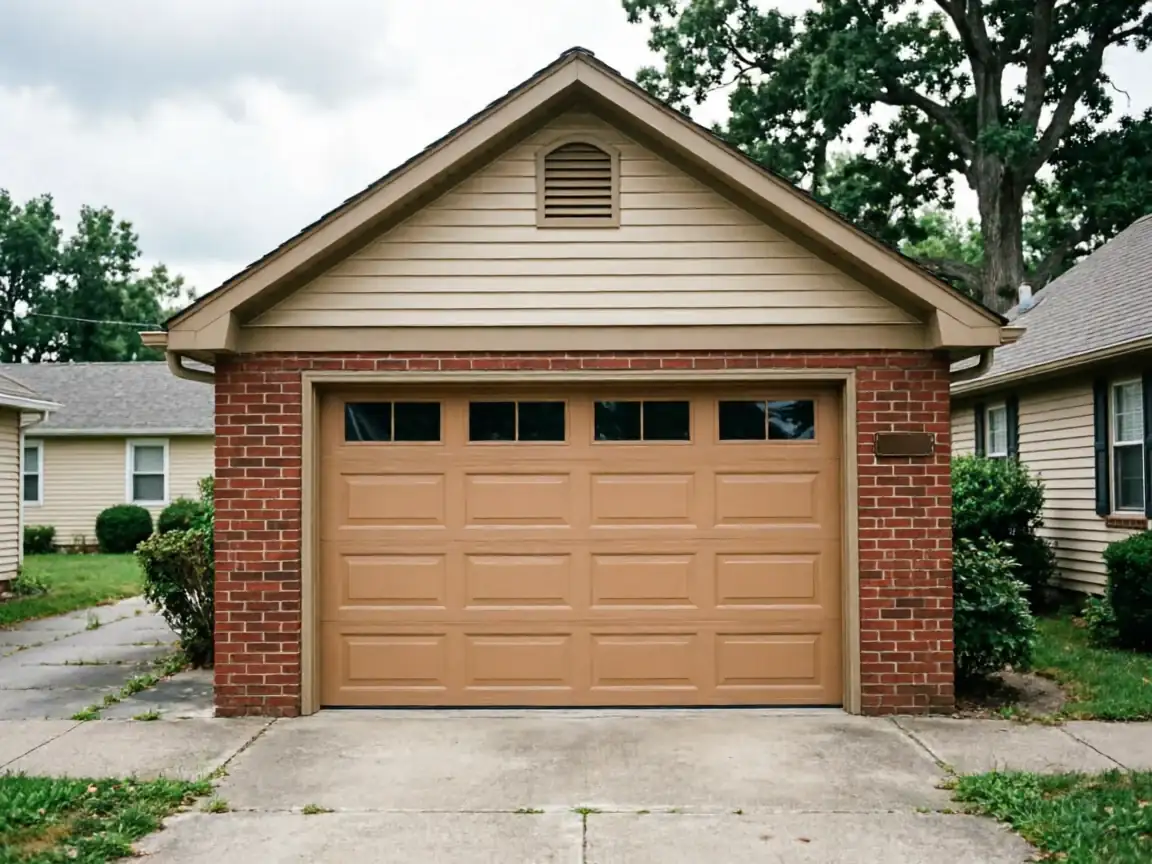
Barberton's median household income sits at $48,943, well under the $80,612 median for the wider service area. That gap matters the moment a door starts acting up, because it sets where the repair-or-replace line actually falls. At this income level, a $300 spring job makes sense almost every time; a $1,800 full replacement has to really earn its keep, and most of the time it doesn't. The houses back this up. Barberton's median year built is 1955, a full generation older than the 1972 median across the broader area we cover. A door built or retrofitted onto a mid-1950s garage usually means a narrower opening, a lower headroom clearance, and hardware that was never designed for today's insulated steel sections. Maintenance here isn't about keeping up with a newer system - it's about keeping an older one honest. Tighten the right bolts, catch the fraying cable before it snaps, and a lot of these doors outlast their expected service life by a decade or more. Skip that and the failure usually isn't gradual. It's a spring letting go on a Tuesday morning with the car underneath it.
Where This Job Goes Sideways
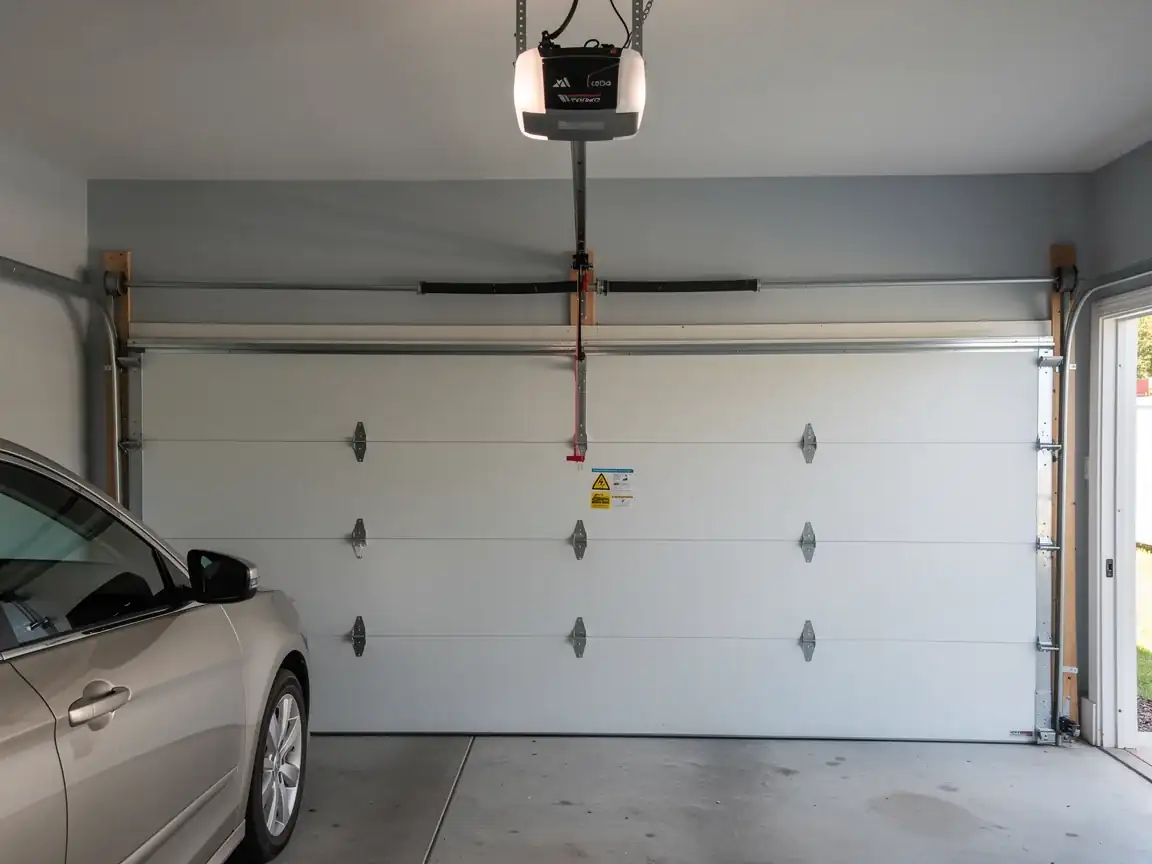
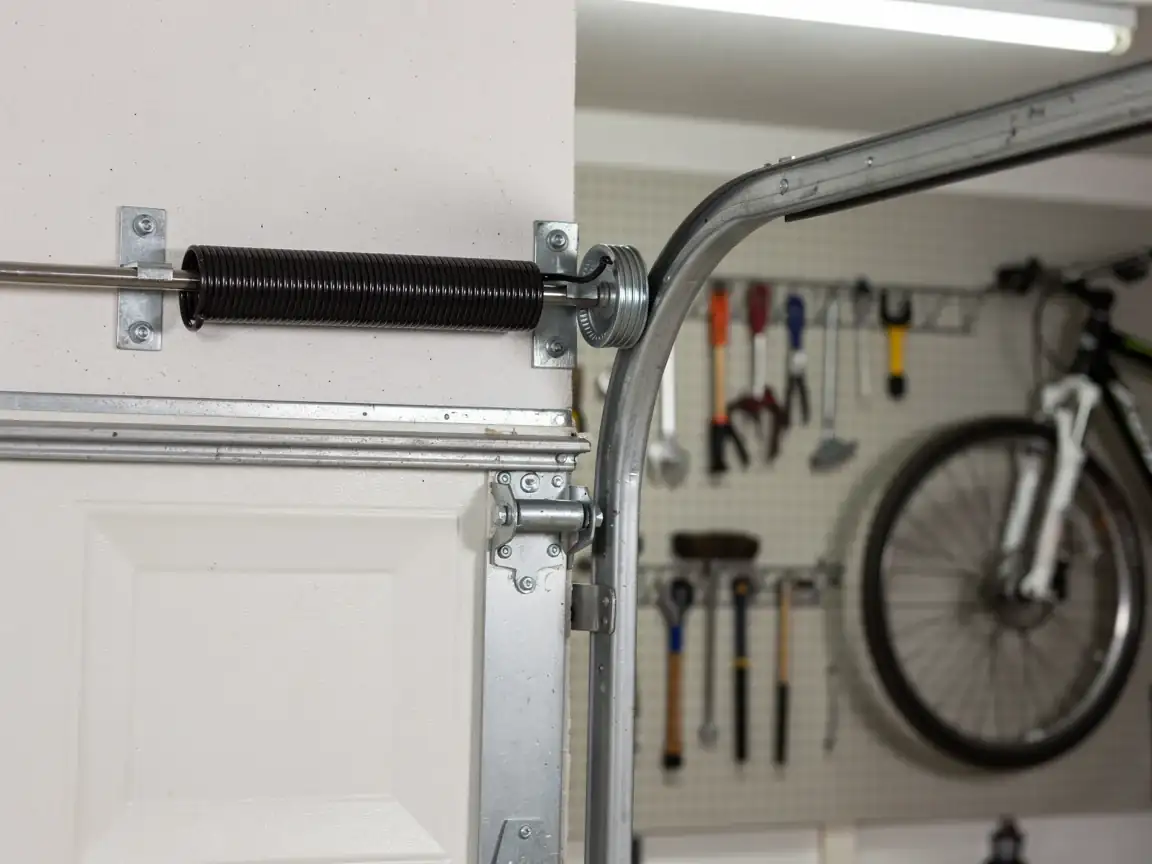
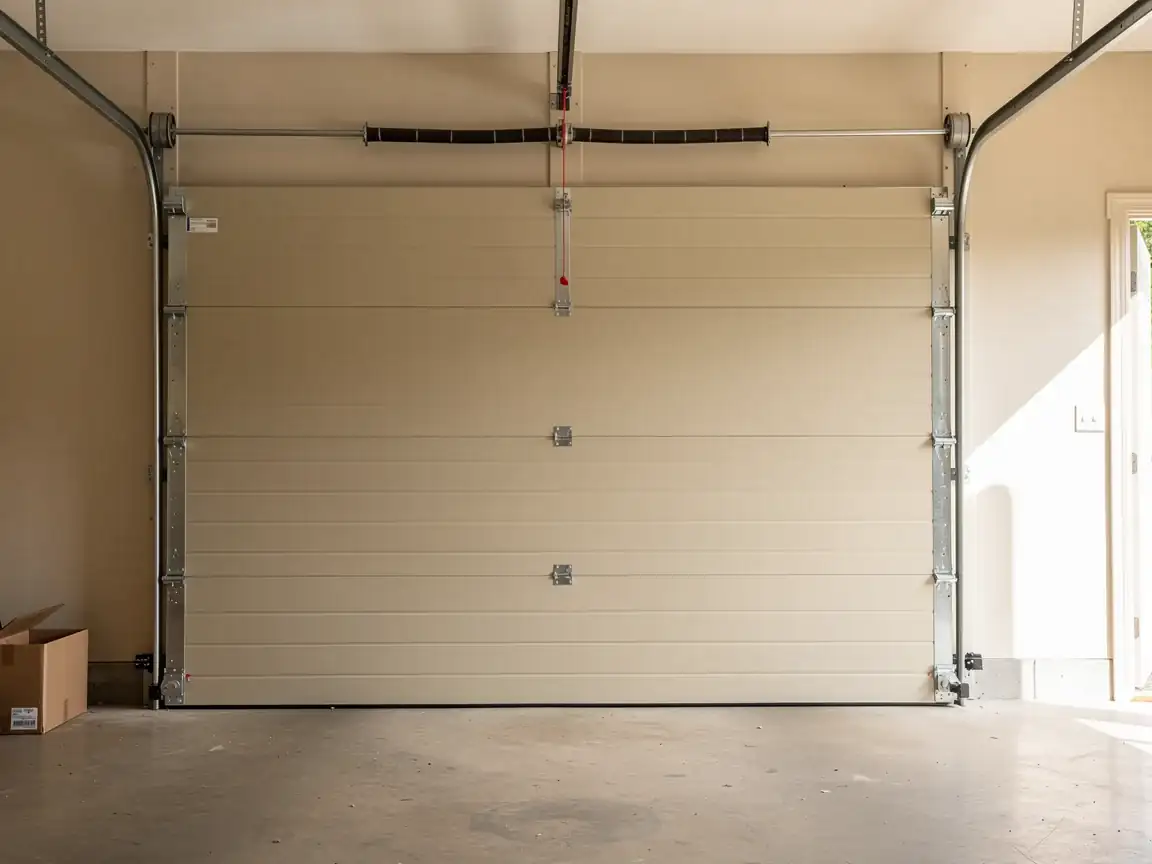
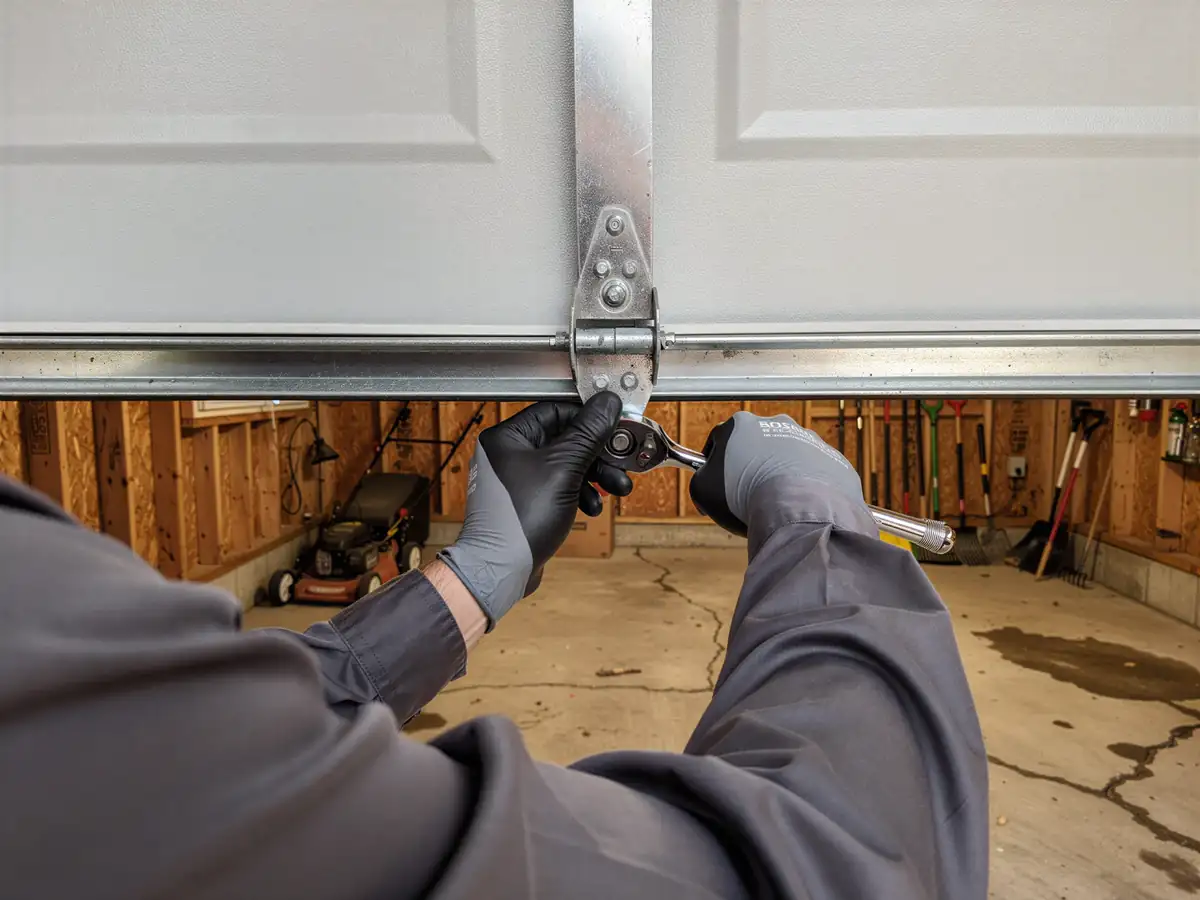
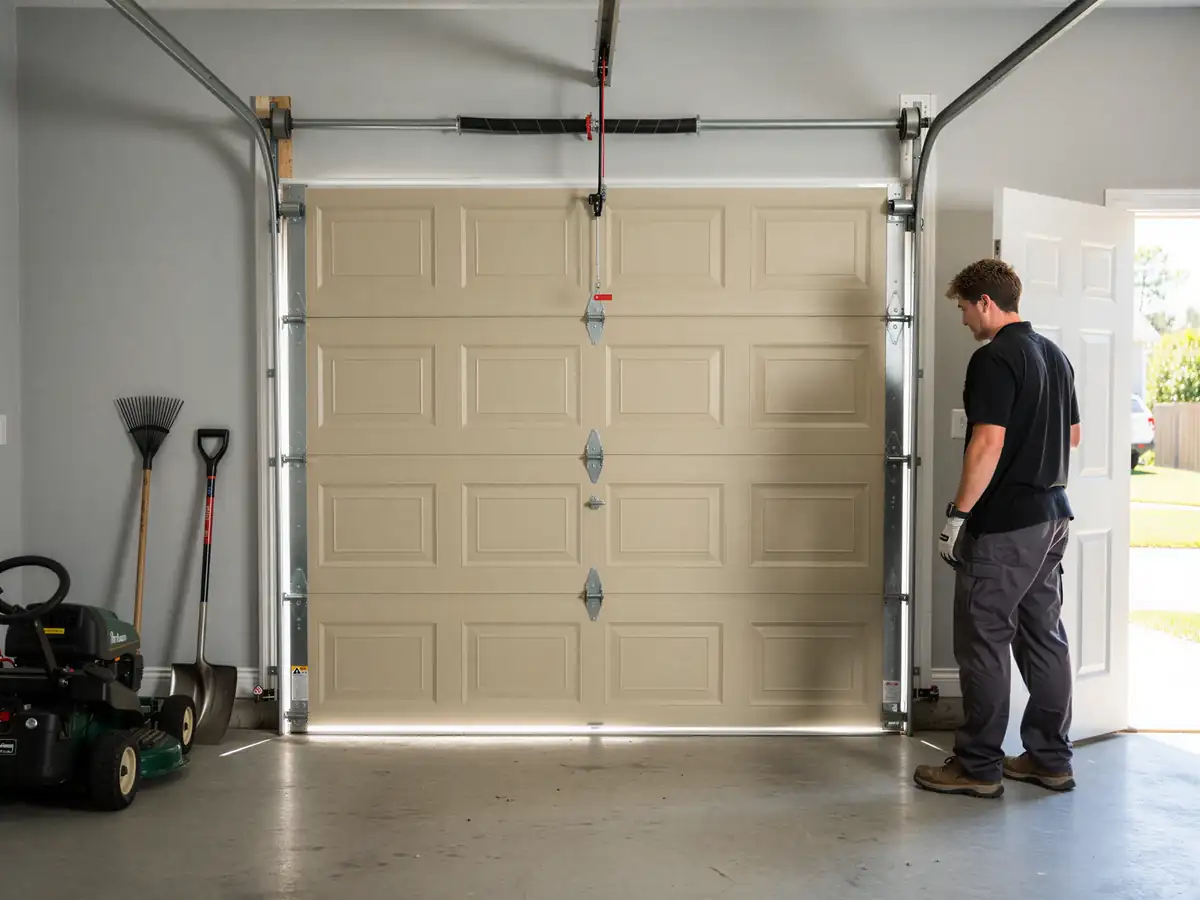
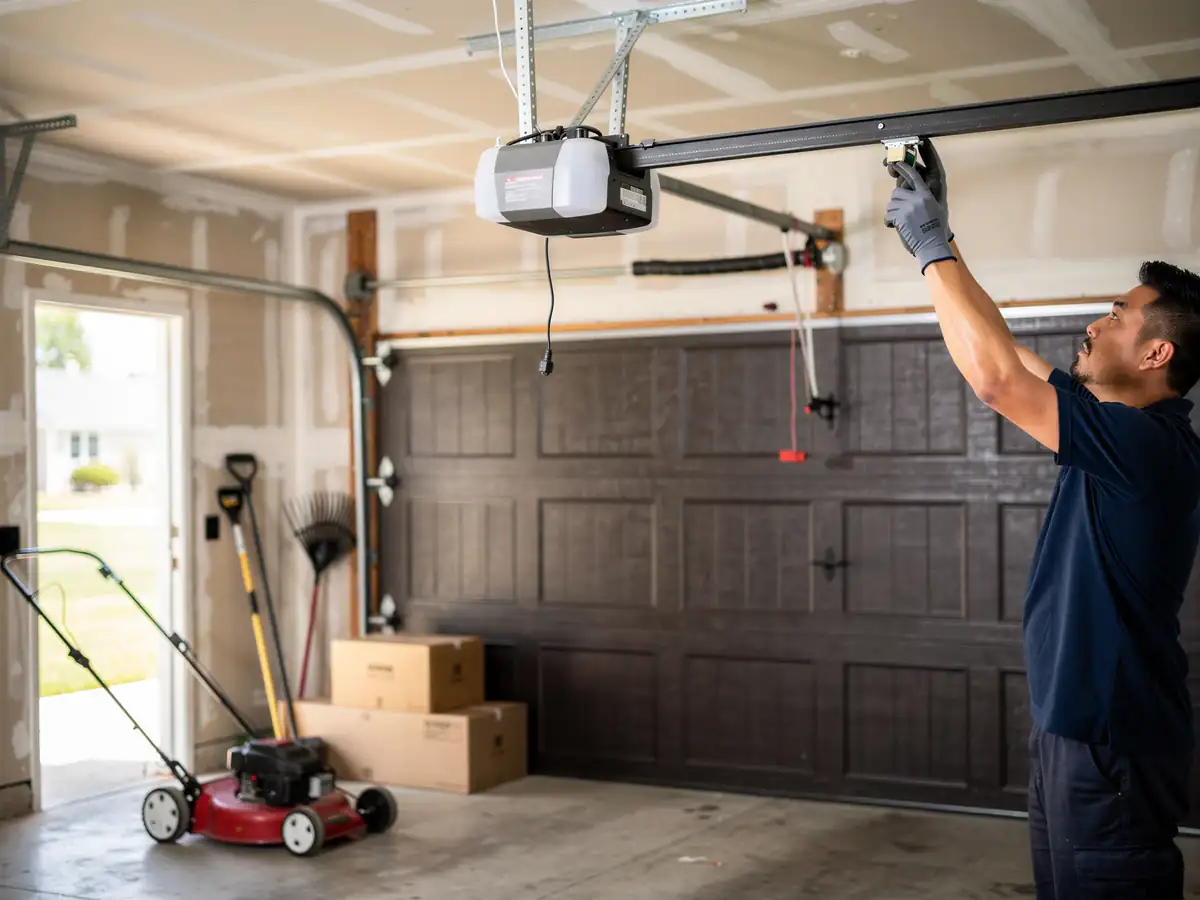
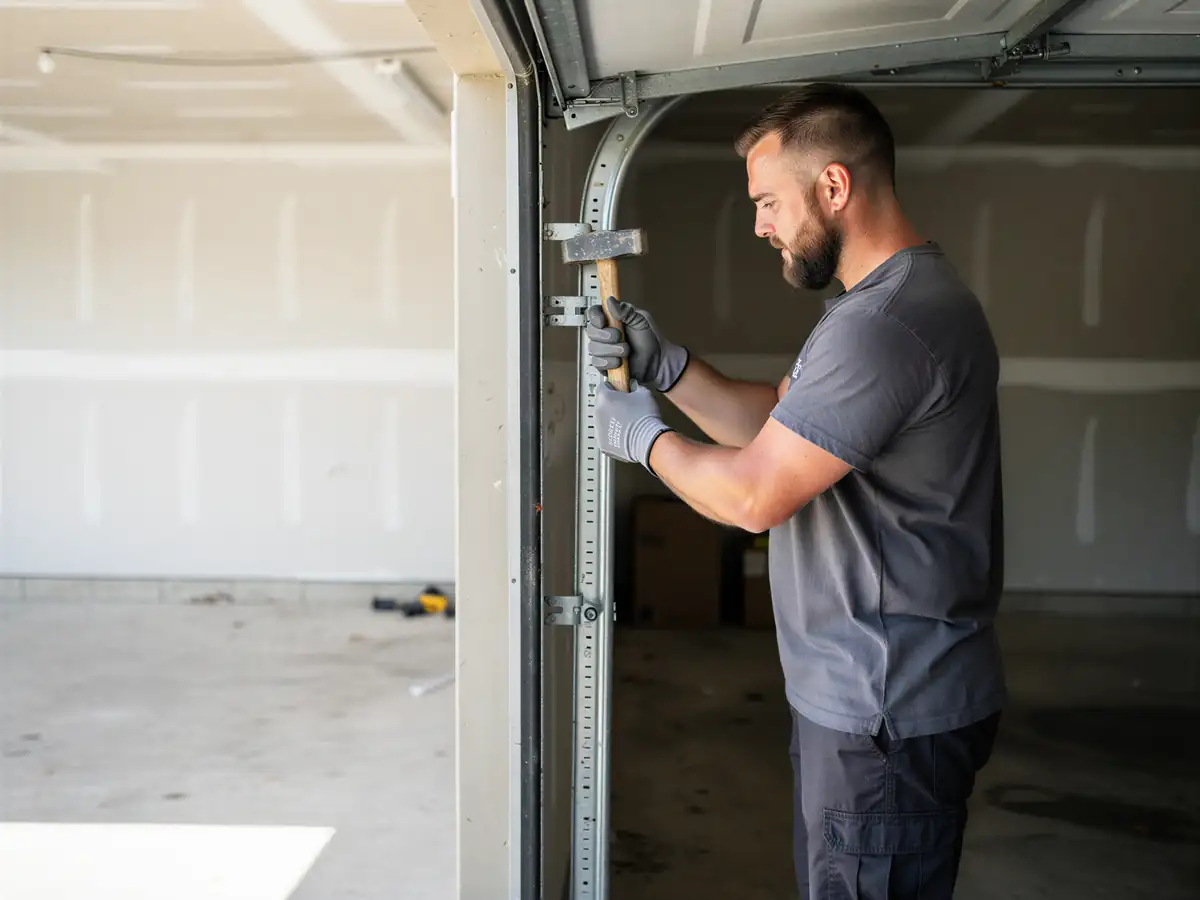
The single most common failure on a house from this era is the torsion spring reaching the end of its cycle count quietly, then letting go all at once. On a door built around 1955, that spring has usually been replaced once or twice already by a previous owner, sometimes with the wrong wind, sometimes with a spring sized for a different door. Maintenance catches that mismatch before it catches you. The second issue is track alignment. Older garages settle, slabs crack, and a door hung in 1955 is sitting on a foundation that's moved a little every winter since. A track that's off by even an eighth of an inch at the bottom bracket will bind a roller and strip the opener gear trying to force it through. The third is the opener itself - if the house still has its original chain-drive unit from a retrofit decades back, the safety reversal sensors may predate the 1993 federal requirement entirely, which is a real hazard, not a convenience issue.
Time on the Job
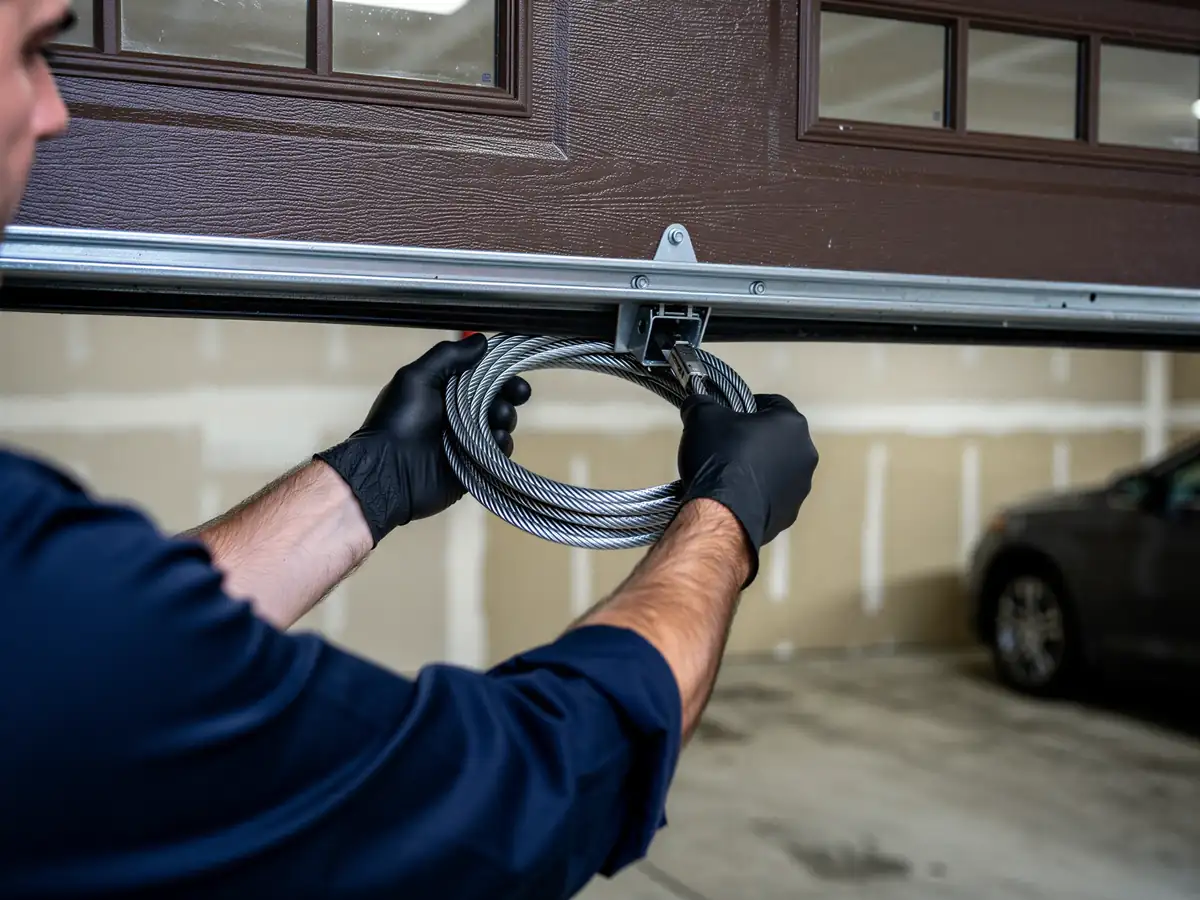
A standard maintenance visit - lubrication, hardware check, spring tension, track alignment, opener safety test - runs well under an hour once we're on site. We come from Akron, about 7 miles out, so factor that into when you book rather than expecting a same-hour arrival; we're not running a local depot in Barberton. If the visit turns up a cable showing wear or a roller that's seized, we can usually handle it in the same stop since those parts ride on the truck. Anything that needs an ordered part - an odd-sized panel, a discontinued opener board - gets scheduled as a separate trip once the part is in hand.
The Cost of This Job
We don't publish a flat number here because what a Barberton visit costs depends entirely on what the door needs, and houses from 1955 vary more than newer tract housing does - some have been well kept, some have had three different owners' worth of patch repairs stacked on top of each other. What we can tell you is the logic: at a median household income of $48,943, we lean toward repair over replacement whenever the frame, track, and opener are still sound, and we'll say so plainly rather than upsell a new door a working one doesn't need. If you're weighing a full system replacement instead of a repair, that's a separate conversation - see our Barberton garage door page for that side of it. For the broader maintenance approach we use across the Akron area, the Akron maintenance page covers the general service, this page is just about what's different here.