Why This Fails Locally
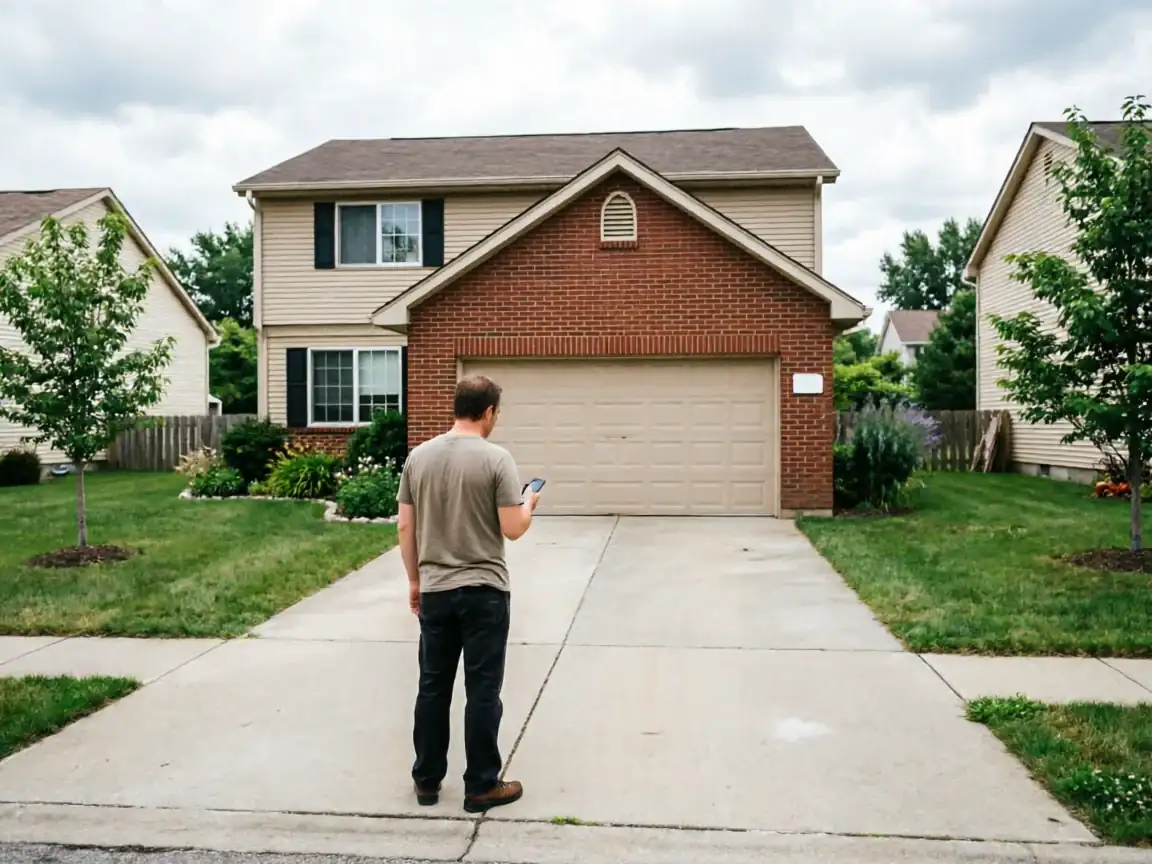
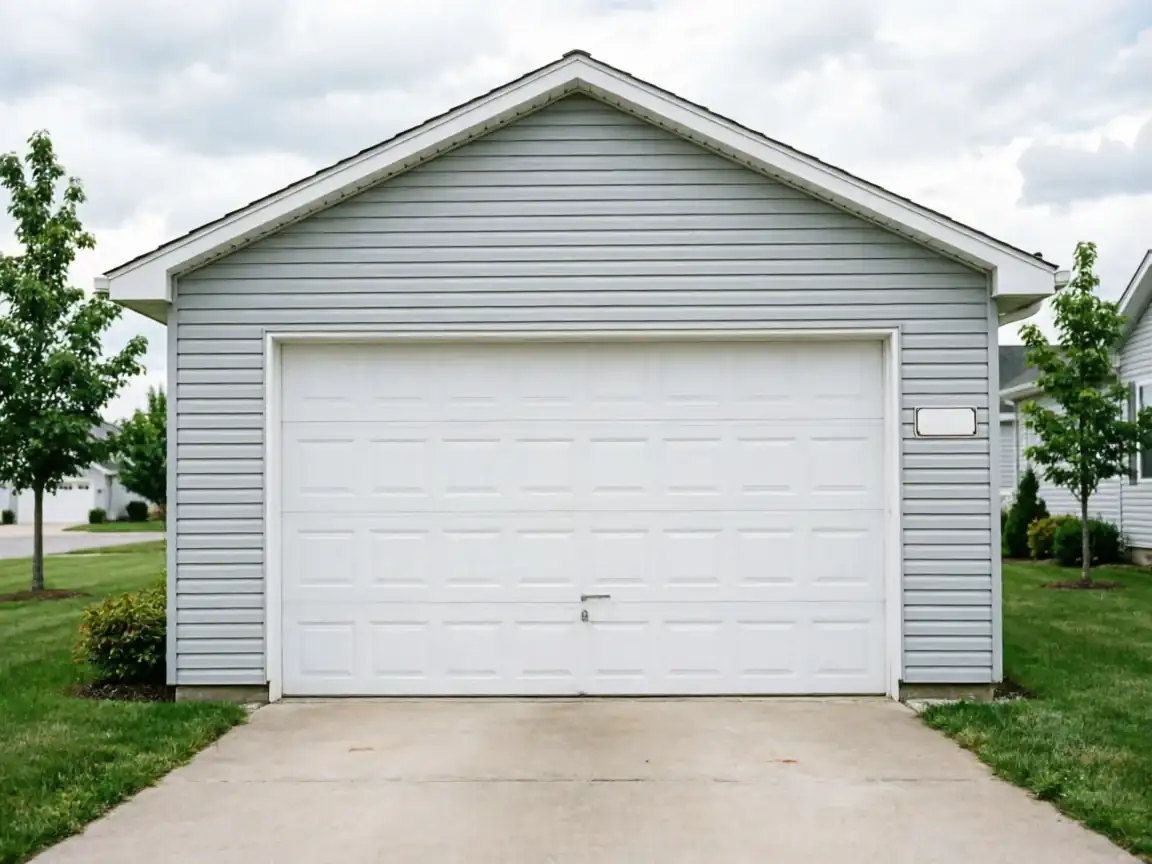
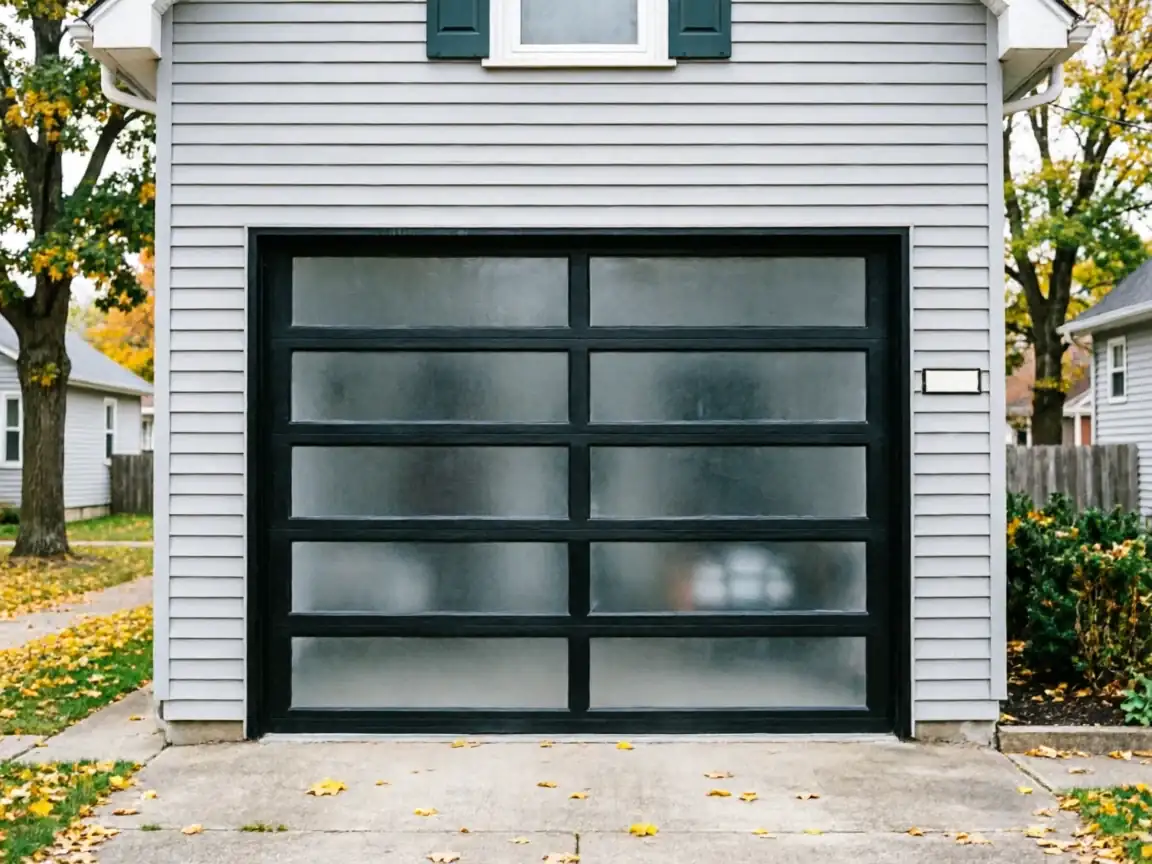
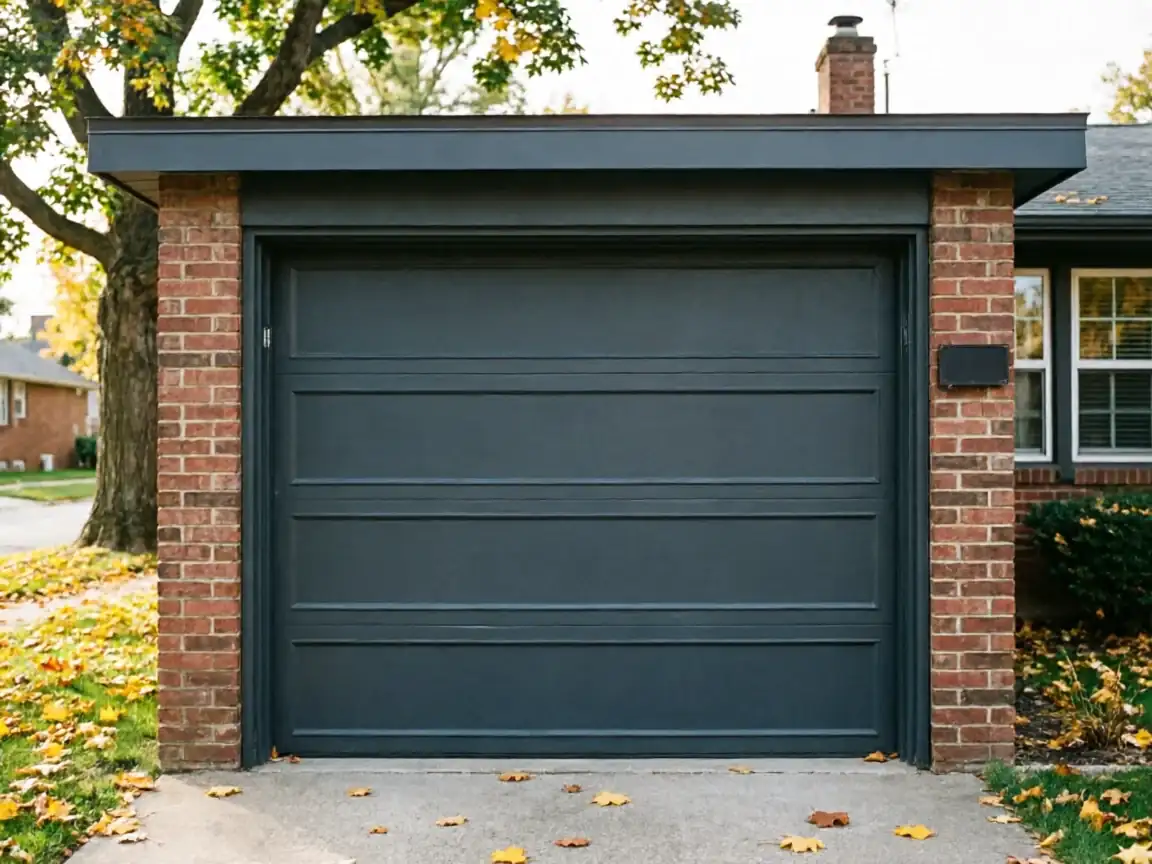
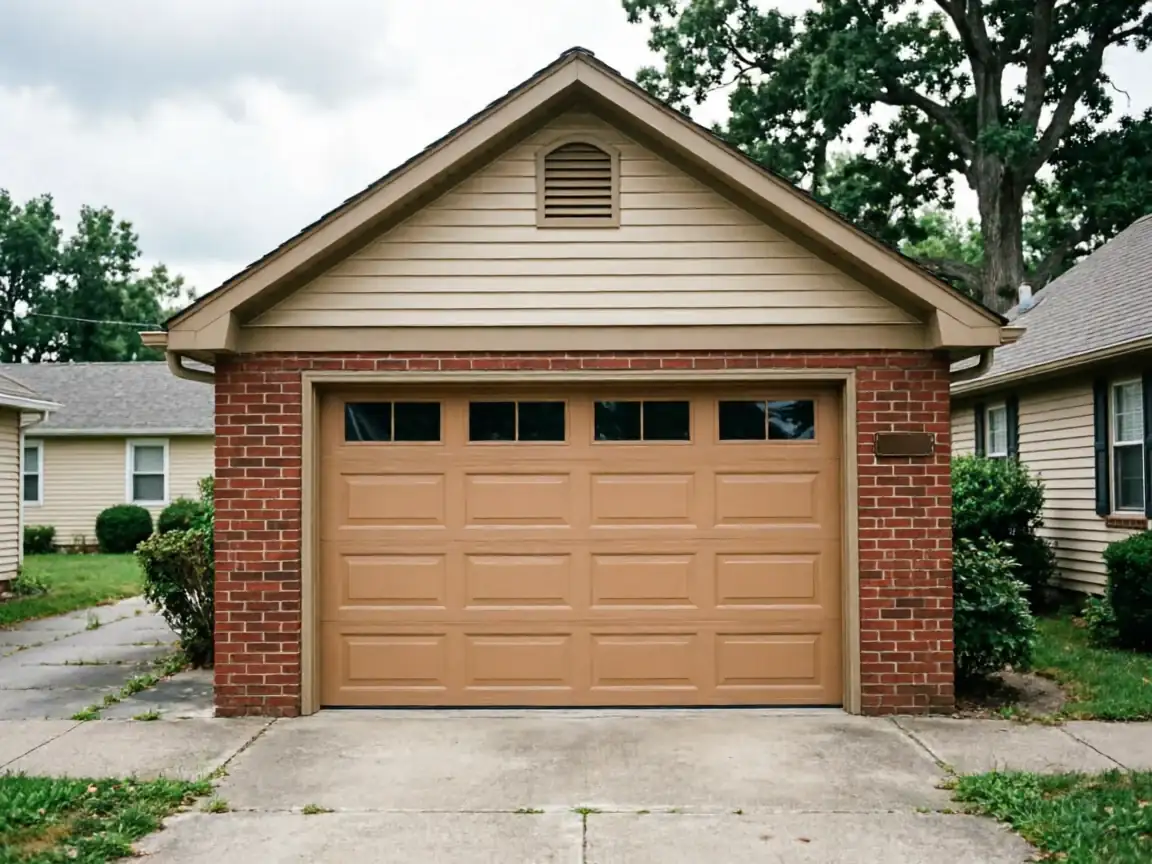
The opener failures we see in Barberton aren't random. Most houses in this part of the service area went up around 1955, a good 17 years ahead of the 1972 median across the wider Akron area. That gap matters because a garage built in 1955 was almost never built for a modern opener. The bays are narrower, the headroom above the door is tighter than today's bracket kits expect, and the wiring run to the garage ceiling was often added decades after the house itself, as a weekend job rather than a proper electrical tie-in.
Add the climate. This region sits in a cold-severe band, and that means real freeze-thaw cycling on anything with moving plastic parts. On a chain or belt-drive unit installed in a garage this age, the nylon gear inside the motor housing takes that cycling hardest - it's usually the first thing to strip, long before the motor itself gives out. So the call we get isn't "my opener won't work," it's "my opener grinds for a second and then does nothing," which is the gear, not the unit.
Parts We Carry
For a garage this age, the opener itself is rarely the whole job
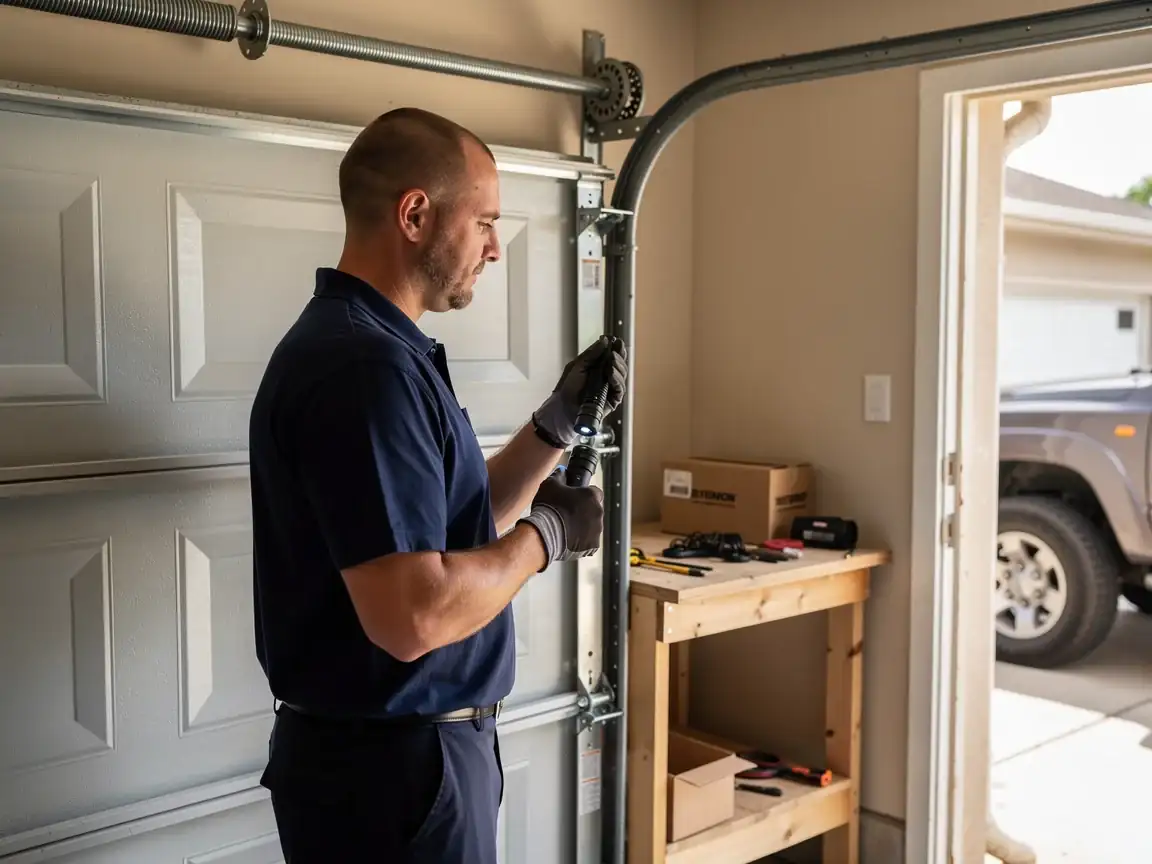
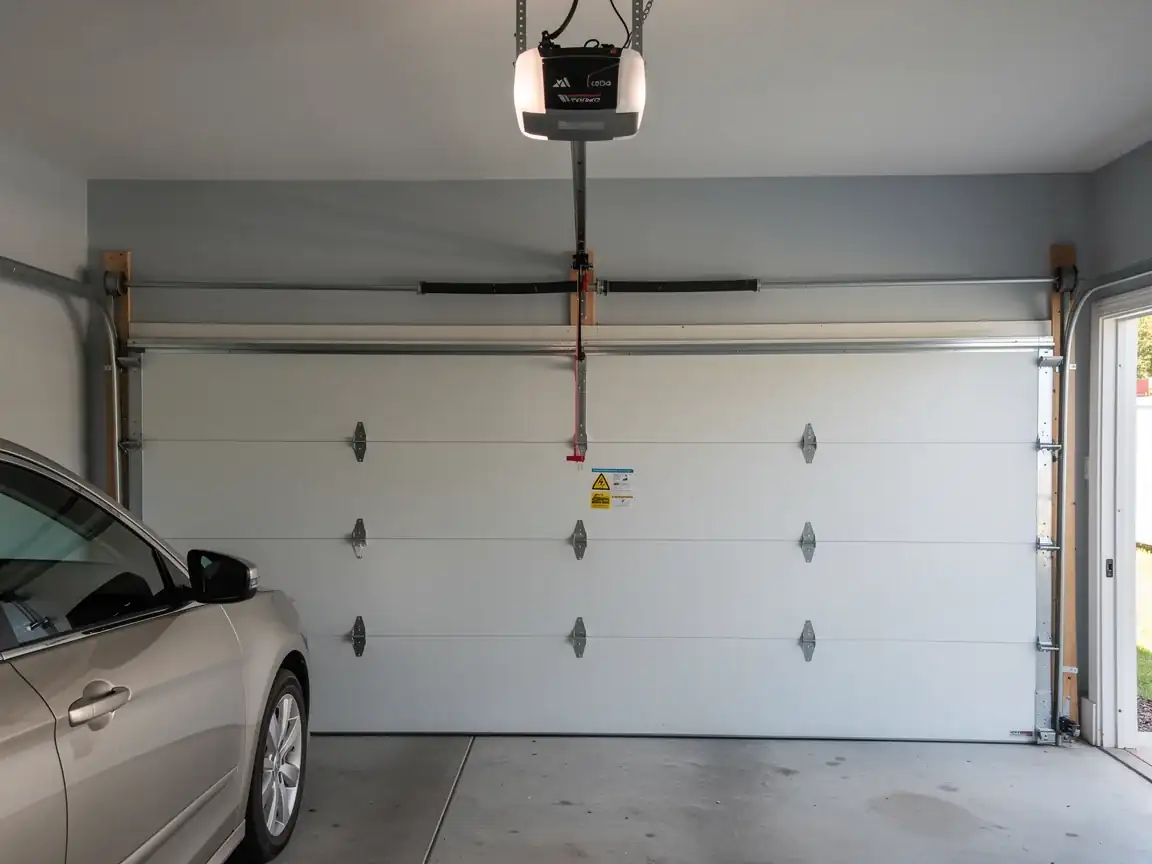
We carry low-headroom bracket kits because a lot of these 1955-era garages don't have the clearance a standard rail mount assumes. We stock photo-eye safety sensor kits separately, since a fair number of older setups in this area were never retrofitted with them after the federal requirement changed - we won't finish an install without adding them, no matter what was there before.
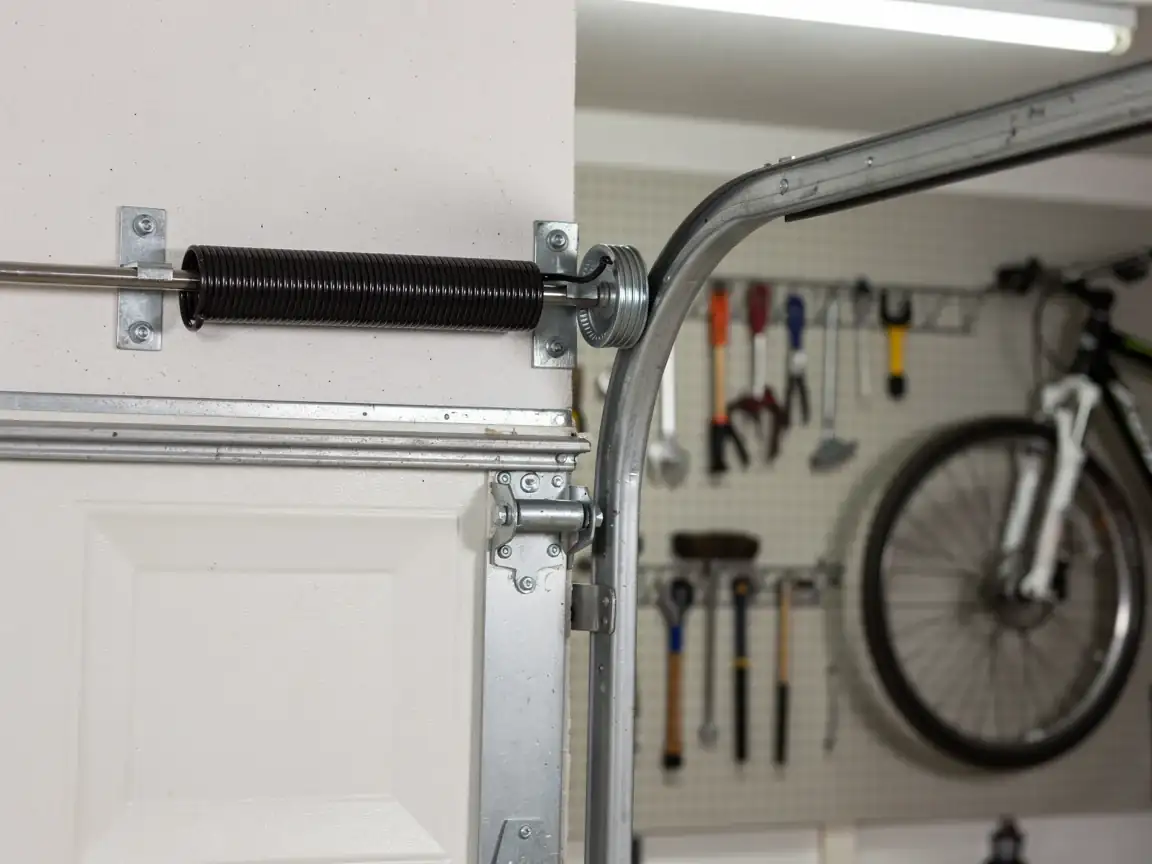
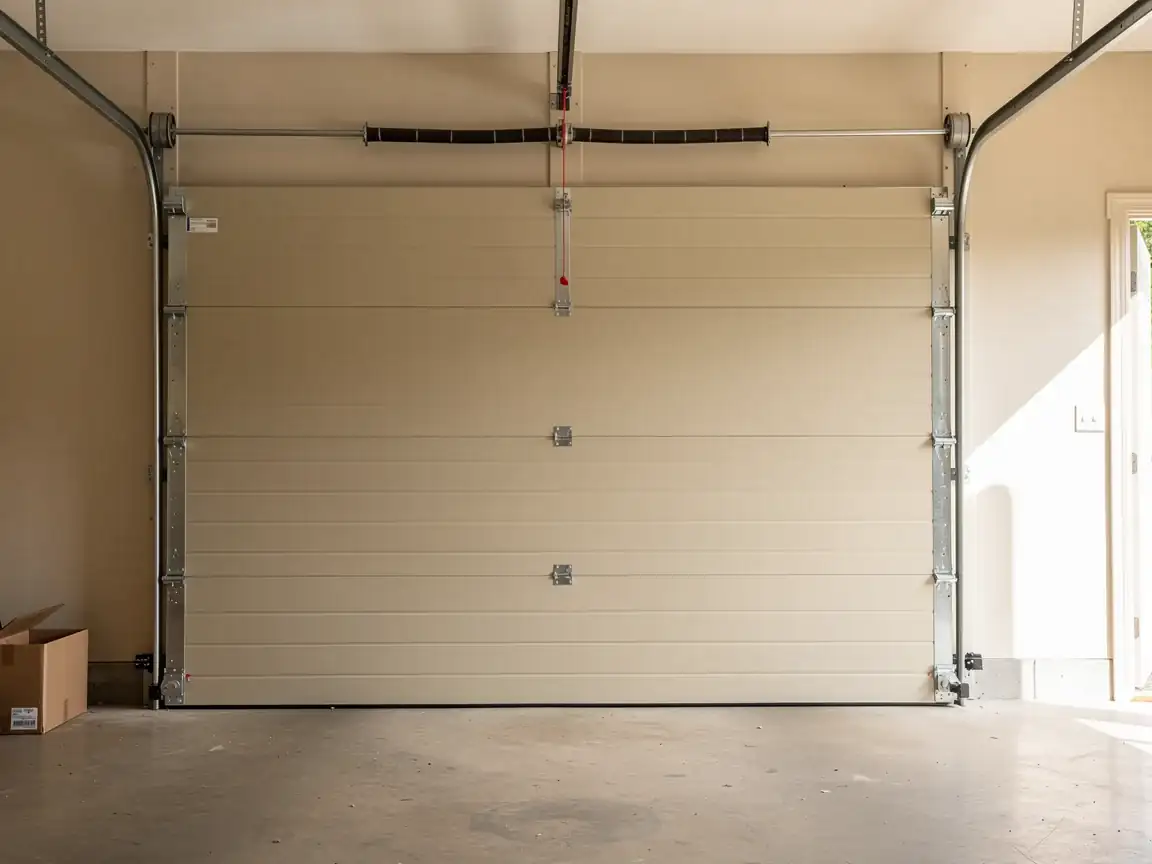
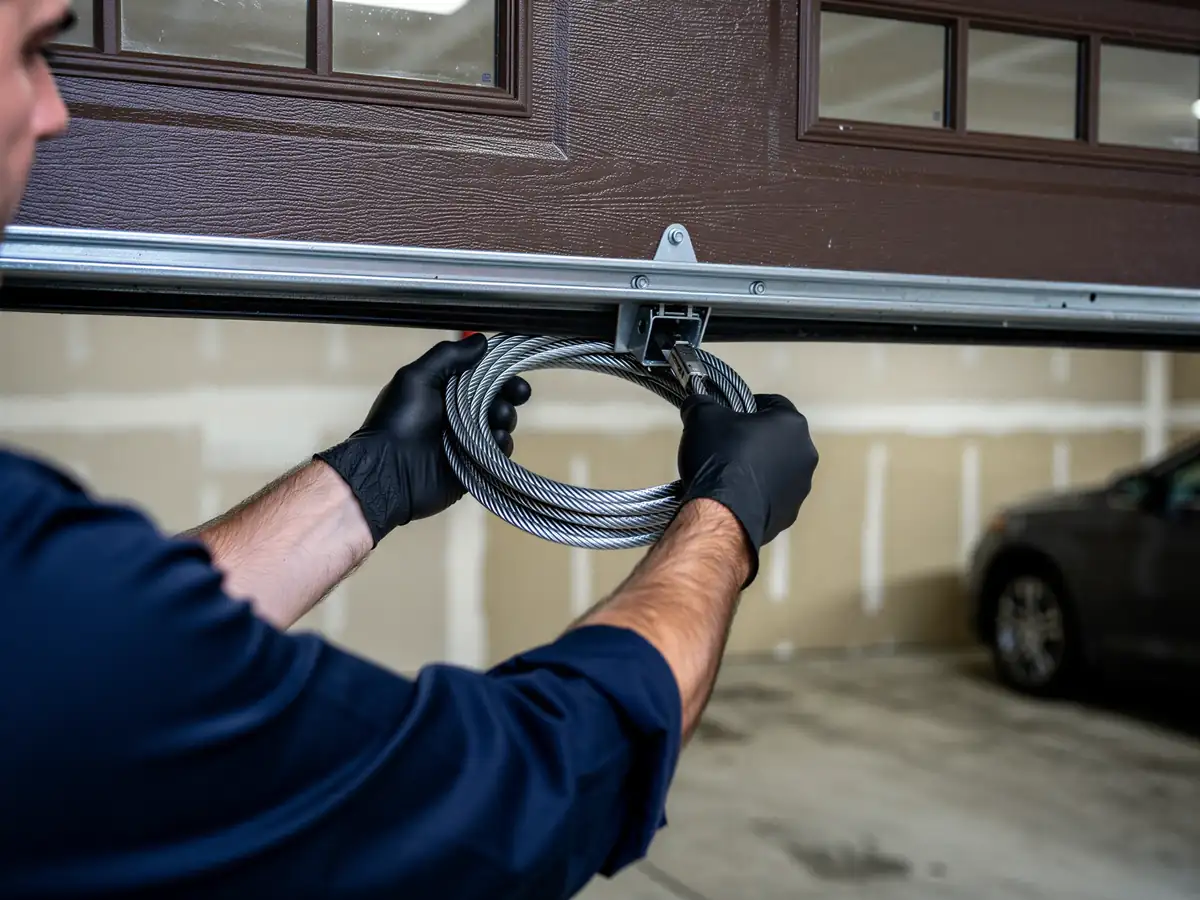
We also keep extension and torsion spring options on hand sized for the lighter single-car doors common in this build era
Since swapping to a heavier opener without checking the spring match is how you burn out a new motor in under a year. What we don't stock is anything built for triple-wide or oversized modern doors - those are a special-order part, and if that's what your garage needs, we'll tell you the lead time up front rather than guess.
Where This Job Goes Sideways
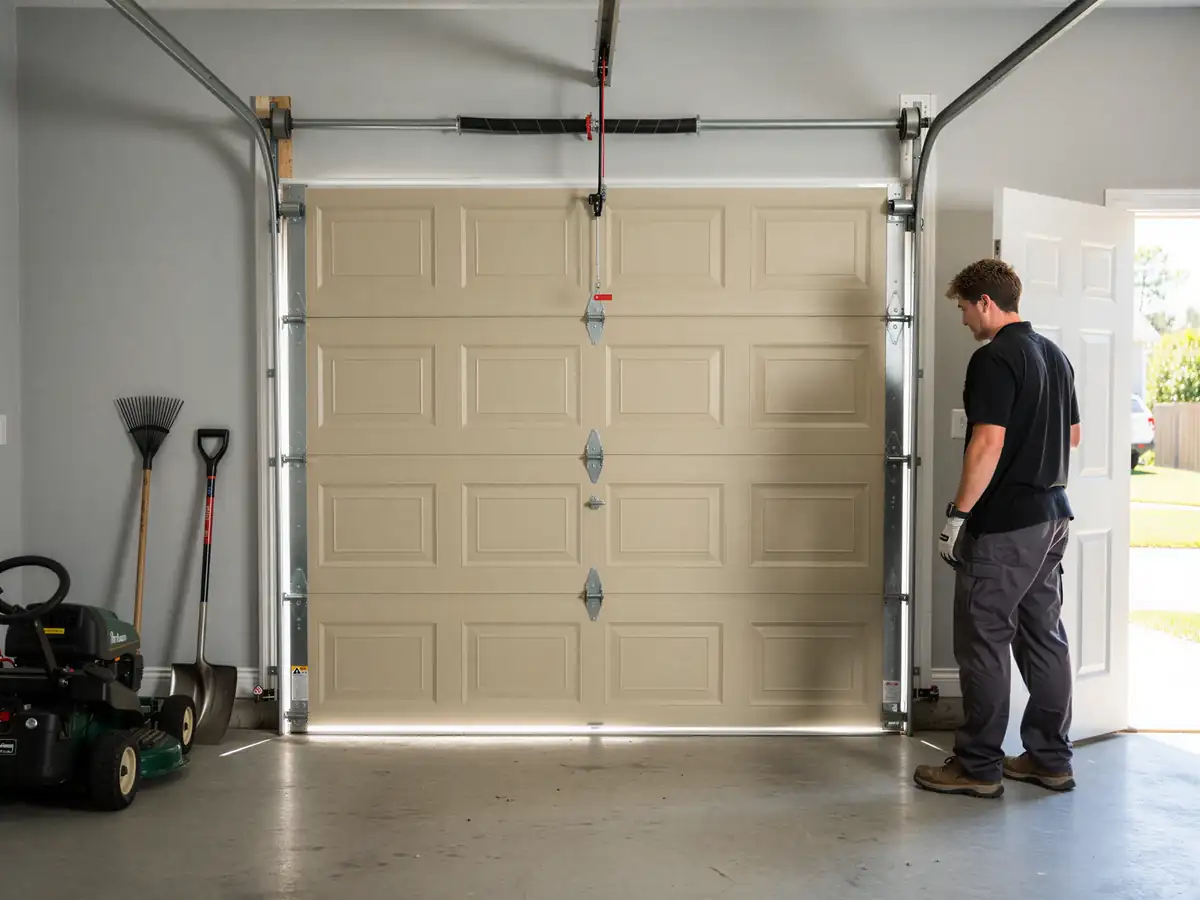
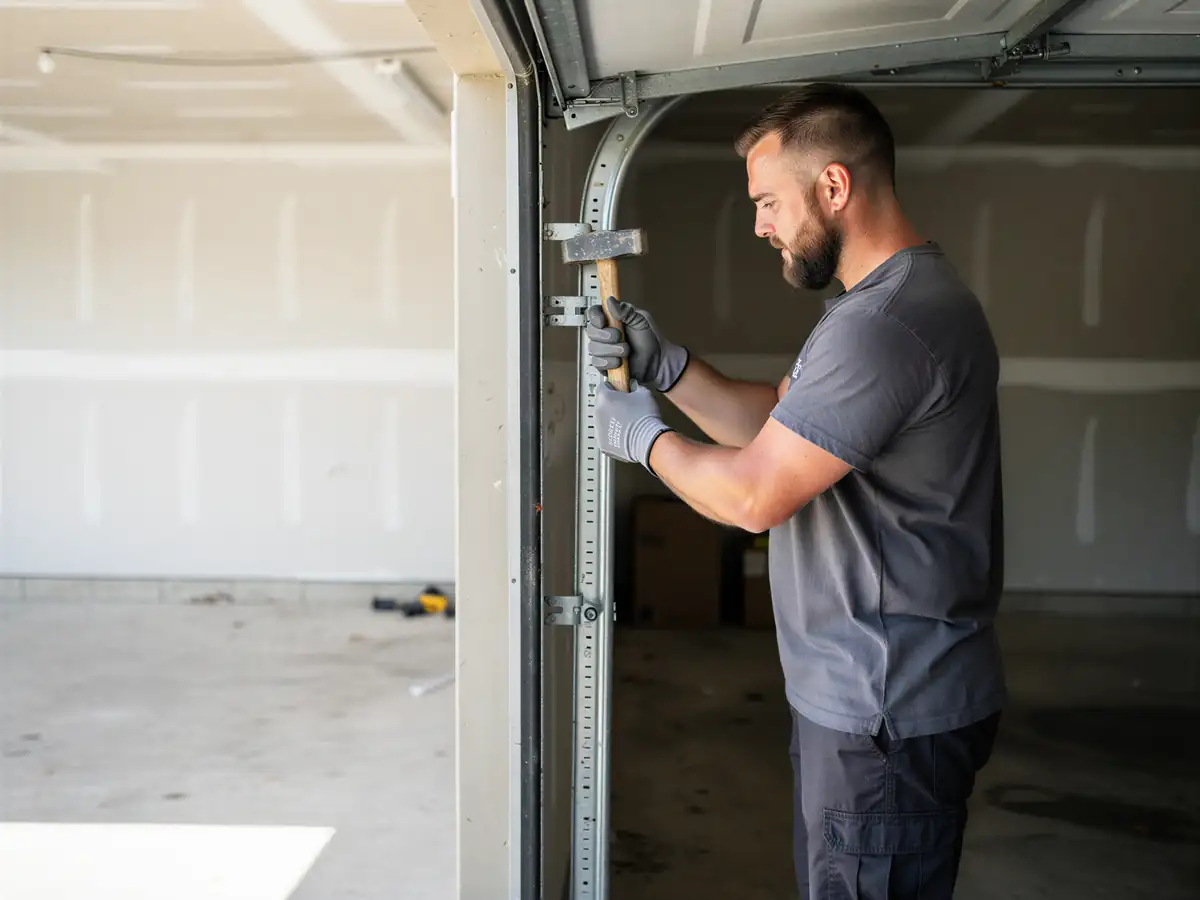
The header above the door is the first thing we check, and in houses from this build year it's often the problem. A lot of 1955 garages have a header board too shallow or too close to the door track for a standard opener mounting plate, which means either a low-headroom kit or, in a few cases, reframing before the opener goes in at all.
Wiring is the second trap. Garages this age were frequently wired after the fact, sometimes just an extension cord run through a wall, not a dedicated circuit. We won't tie a new opener into that kind of run - it's not a safety corner worth cutting, and it's the kind of thing that fails an inspection if you ever sell the house.
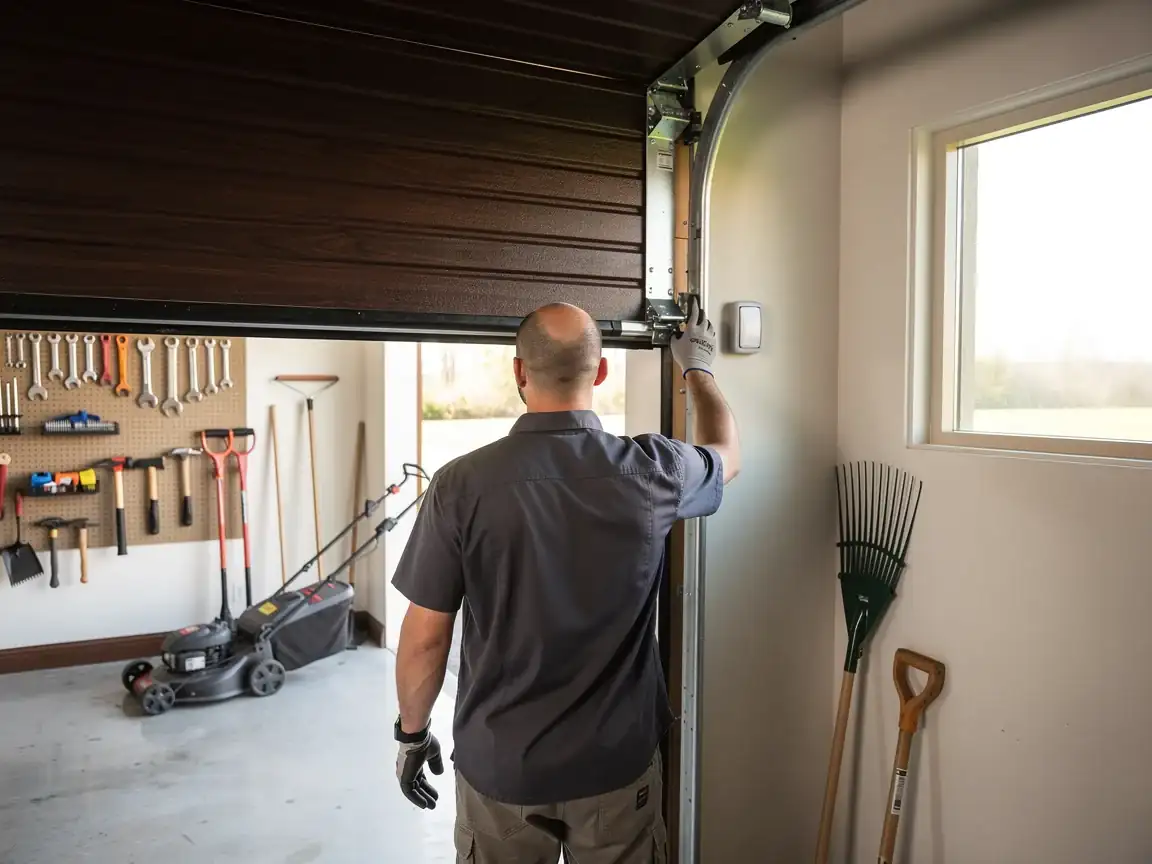
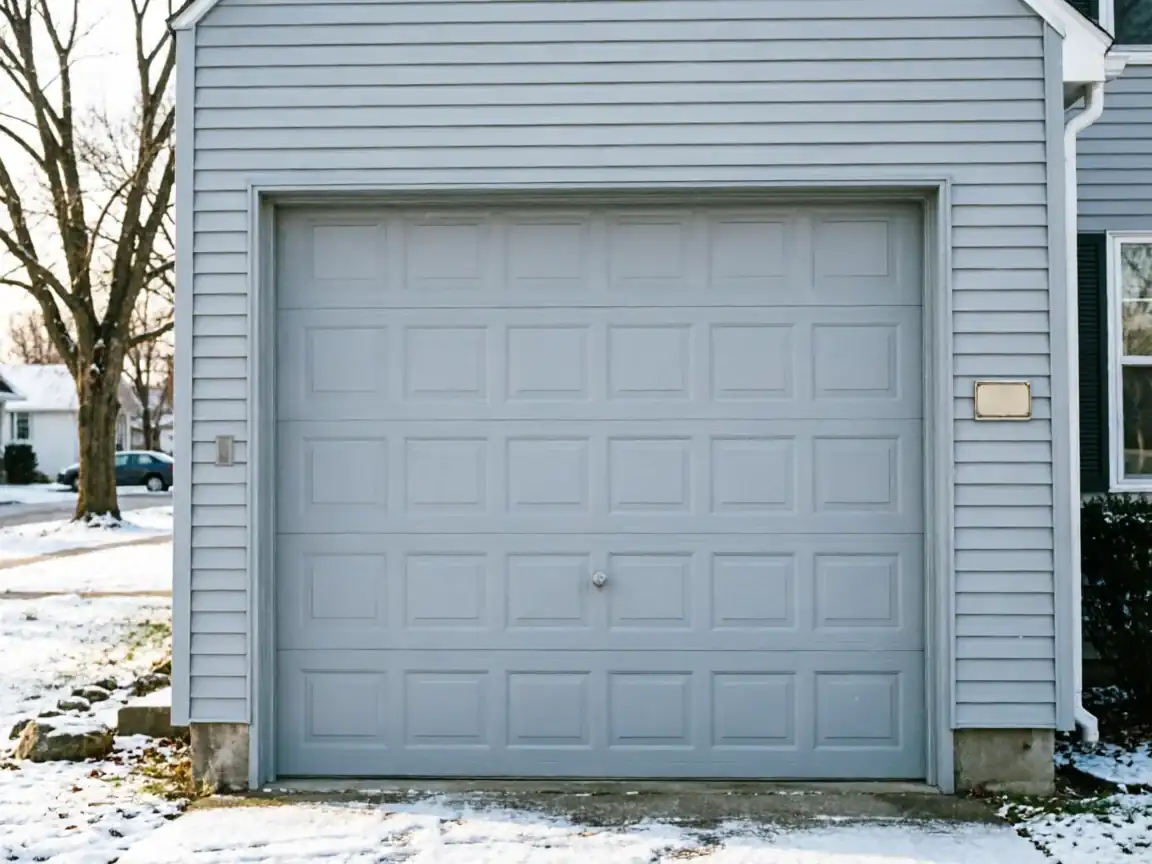
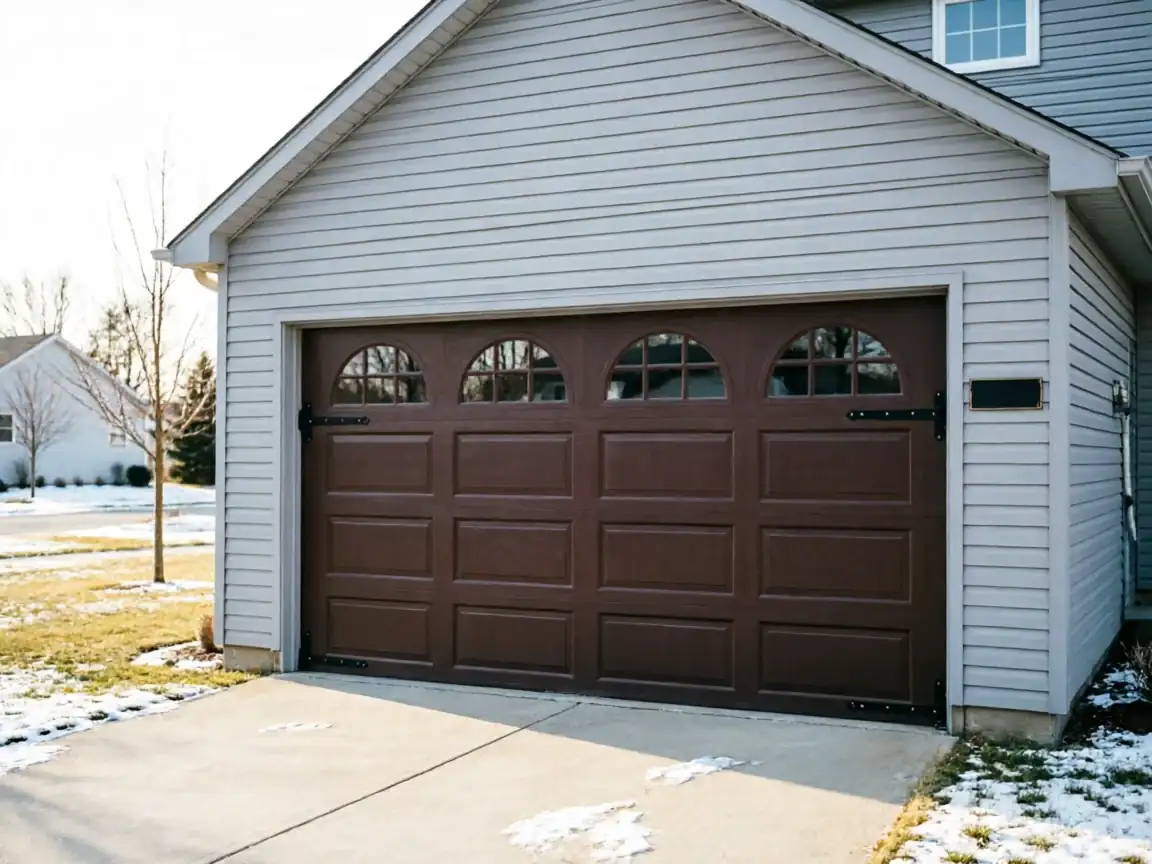
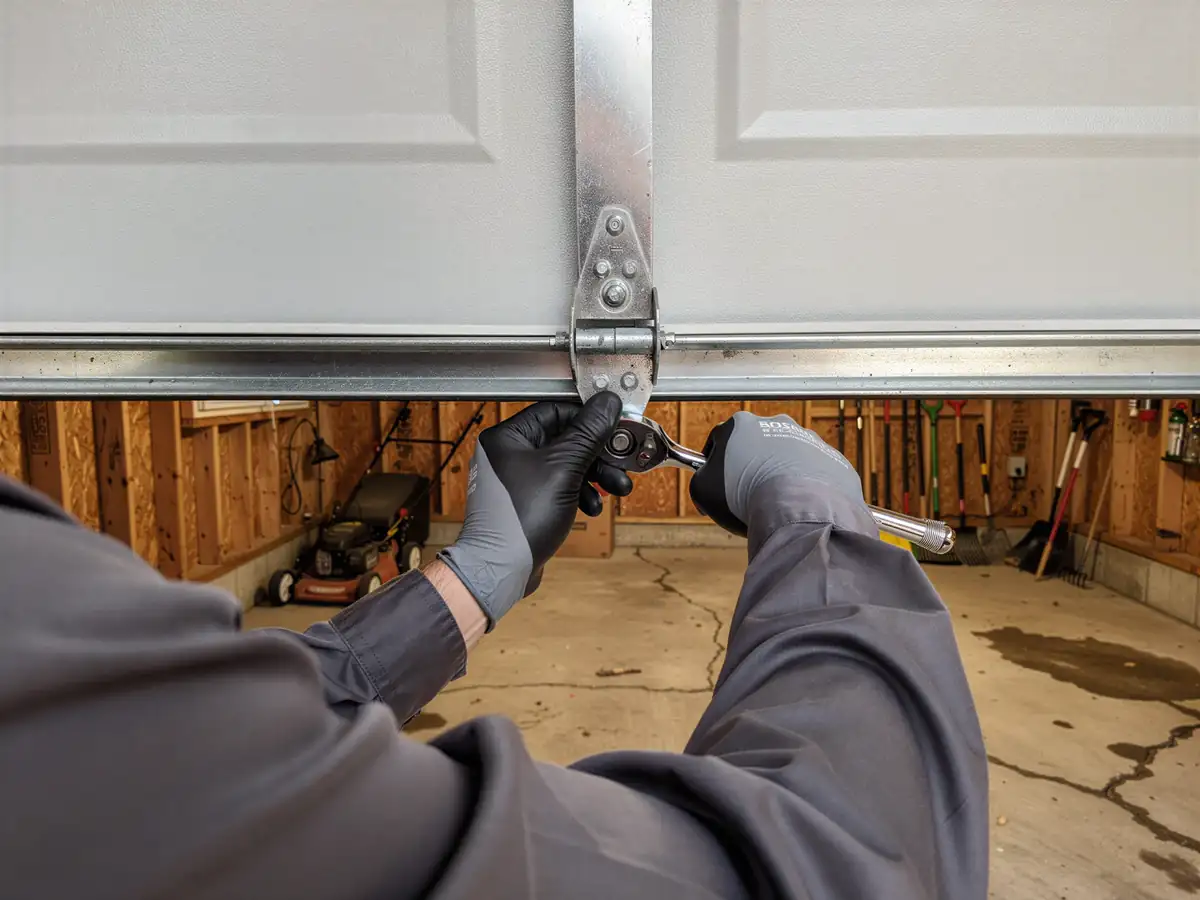
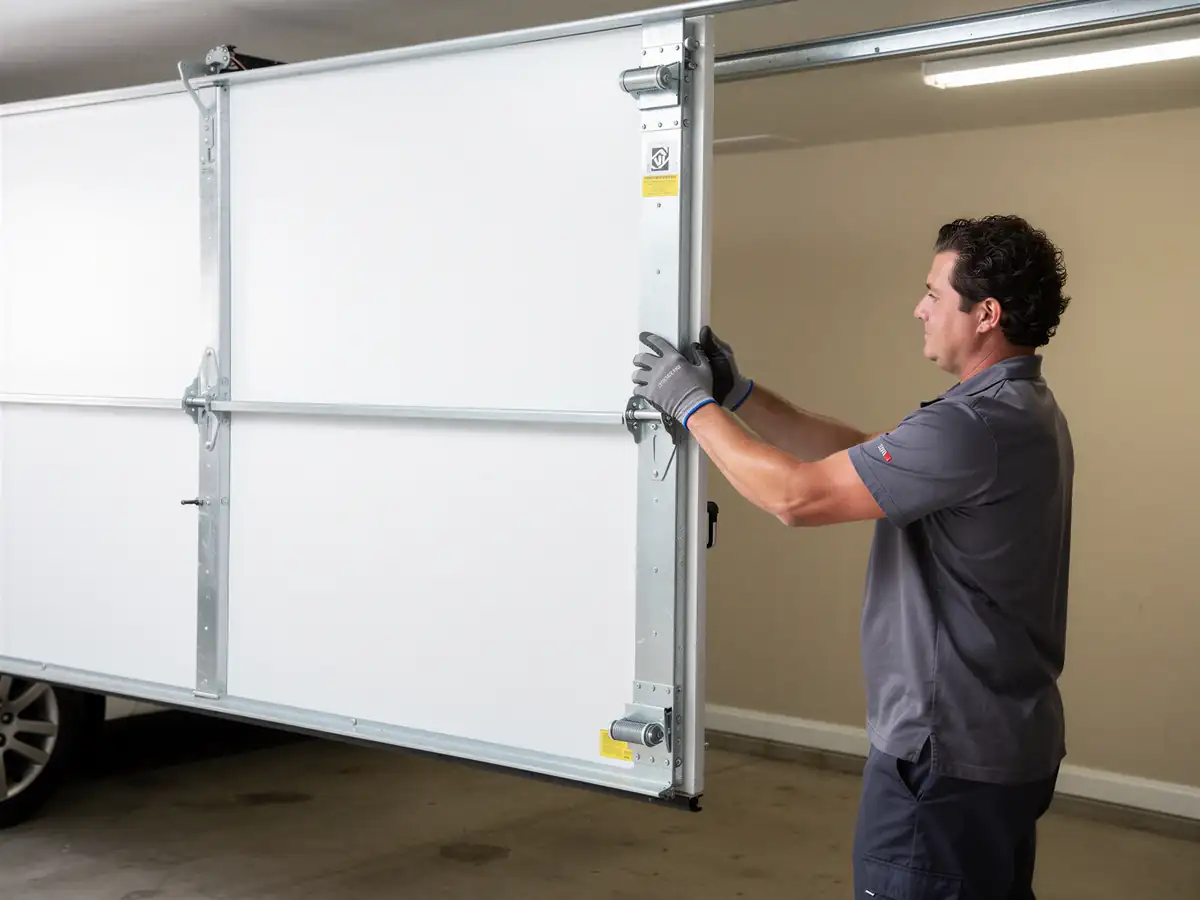
The third issue is the door itself. If the panel is original to a 1955 build, it's likely lighter-gauge steel or even wood, and it may not have the reinforcement bracket a modern opener arm needs to pull against without flexing the top panel. We check that before we hang anything on it.
Time on the Job
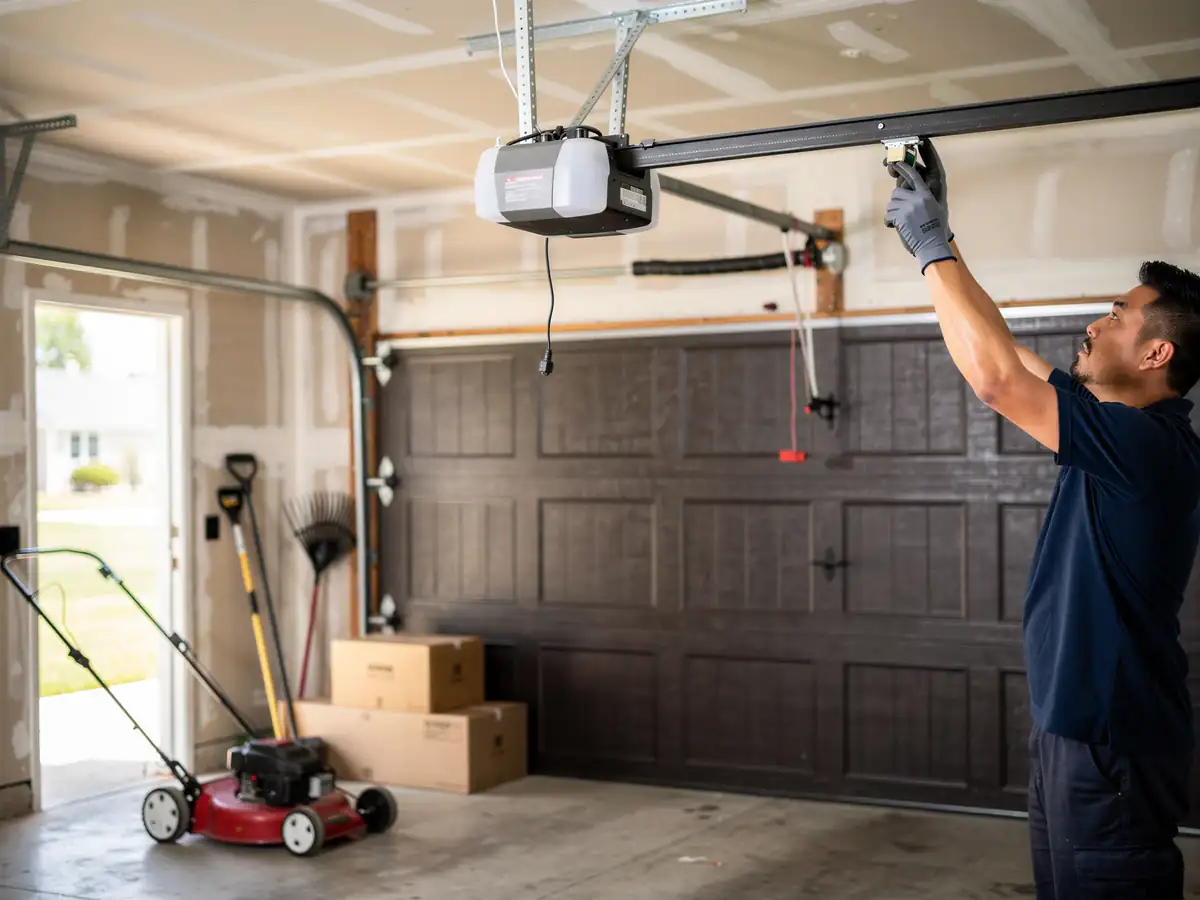
A straight swap - old opener out, comparable new one in, same mounting points - is a few hours' work. Add a low-headroom bracket, a photo-eye retrofit, or a header modification, and the job runs longer, because each of those is its own small project layered onto the install.
We drive out from Akron for every Barberton call, and that drive is part of the job, not a separate promise we're making about how fast we'll show up. What we can tell you is that once we're on site, the age of the garage - not the brand of opener you picked - is what decides whether this is a half-day job or a full one.
The DIY Question
A straight opener swap on a garage with modern headroom and sound wiring is within reach for a confident homeowner
Where it stops being a weekend project is exactly the stuff that's common in this town's housing stock: a header that needs reframing, a run of garage wiring that was never on its own circuit, or a door panel too light to take a modern arm bracket without flexing.
We'll say plainly: if your garage was built around 1955 and nothing's been touched since
Don't guess on the electrical. A miswired opener circuit is a fire risk, not just a warranty voided. If you want to do the mechanical install yourself and have us check the wiring and headroom first, that's a reasonable split - ask us.
The Cost of This Job
We're not going to quote a number here that isn't grounded - pricing depends on the opener you pick and what the garage needs beyond the unit itself, and that varies house to house even within Barberton. What we can say is that the median household income here, $48,943, sits well below the $80,612 median across the wider Akron service area. In practice that means most Barberton calls we get are replacement jobs - the old opener died - rather than upgrade jobs where someone's chasing a smart-home feature.
That changes how we talk through options on site. We'll tell you straight if a header fix or wiring correction is going to cost more than the opener itself, and we'll tell you if a cheaper unit makes more sense than a premium one on a door this age. A $400 opener on a door that needs $600 of header work first isn't a bargain.