Why This Fails Locally
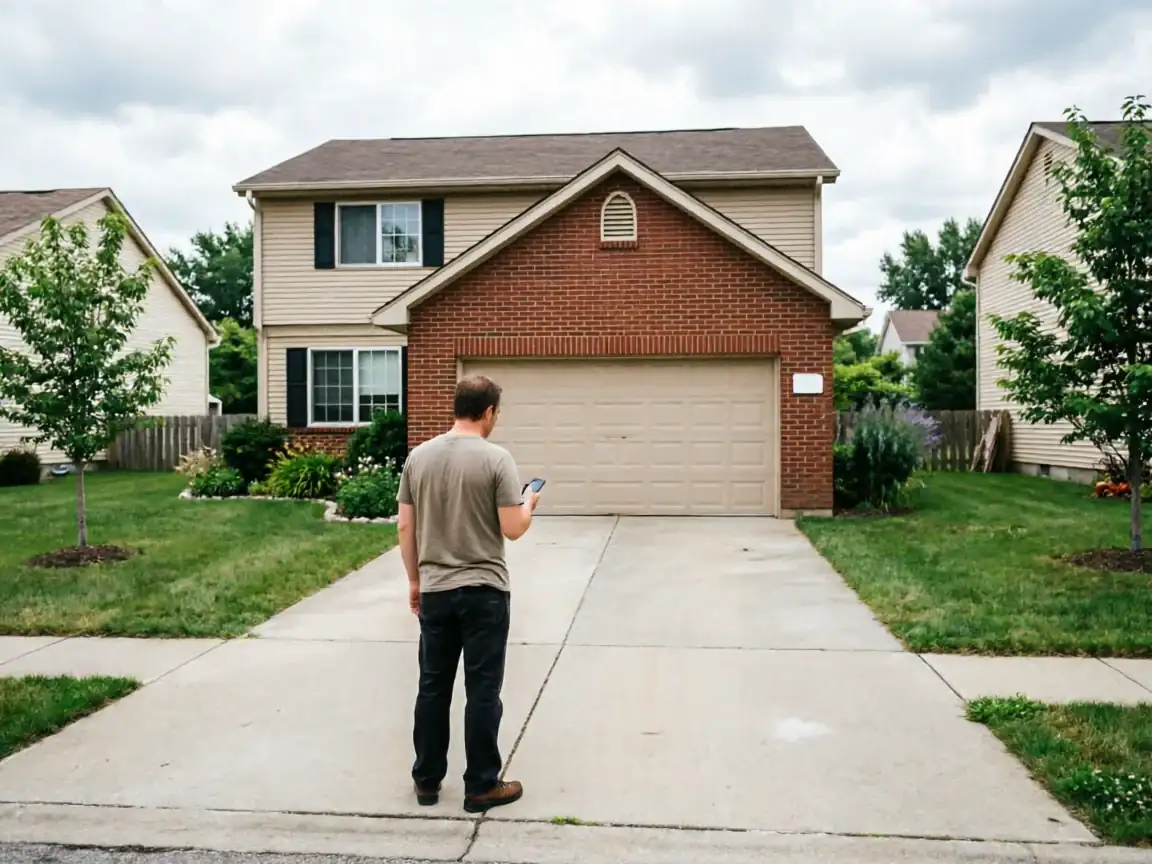
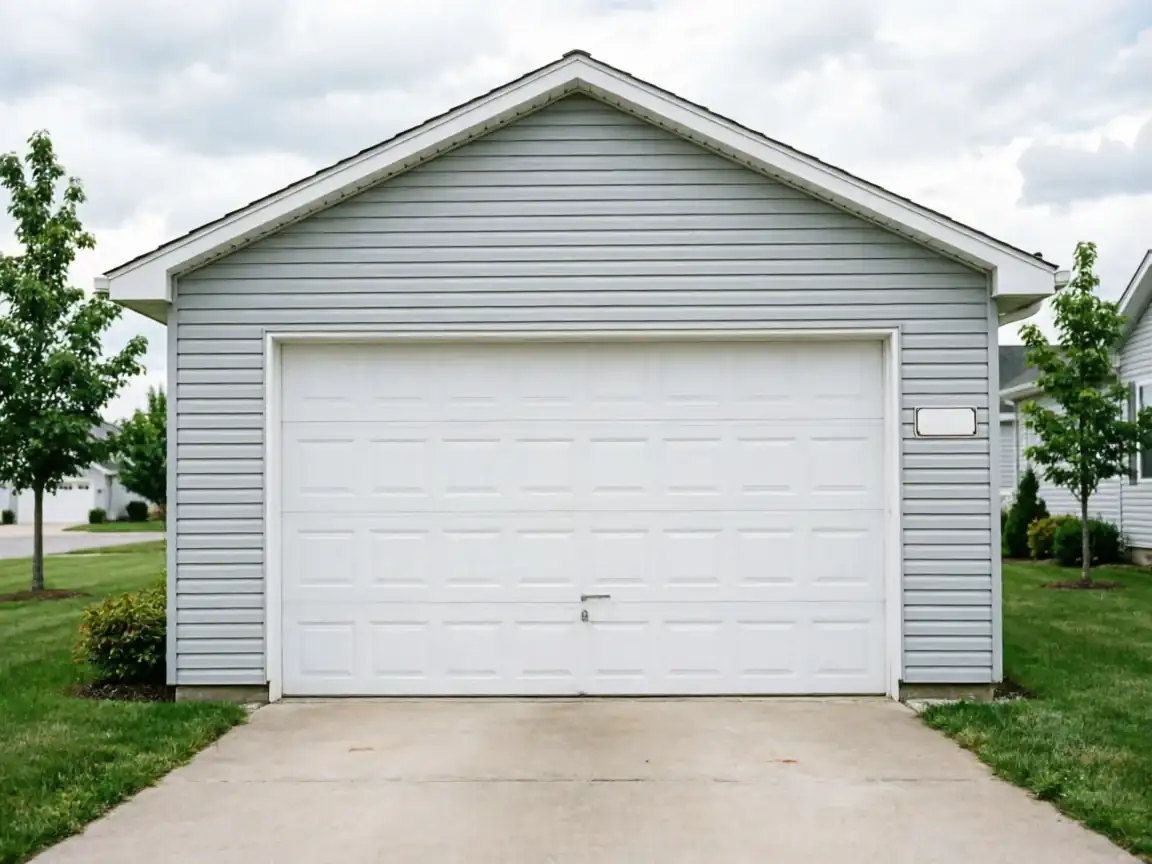
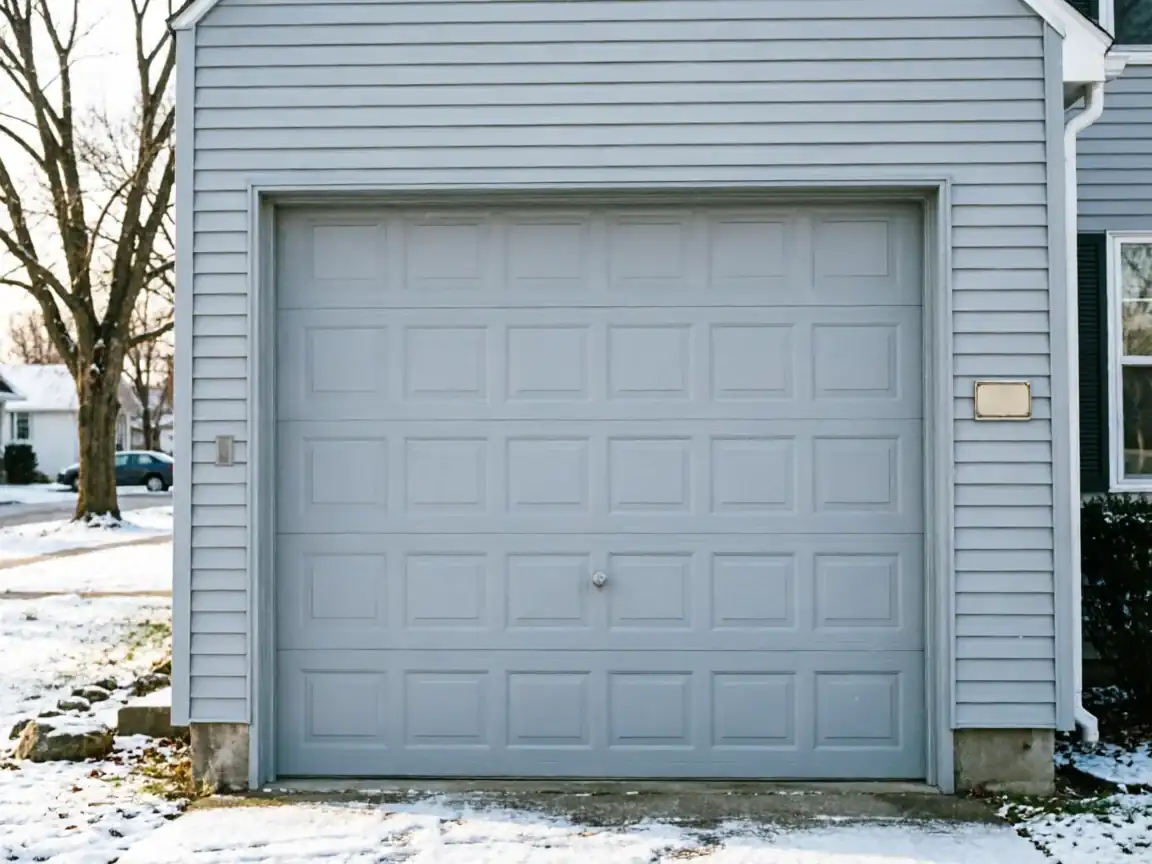
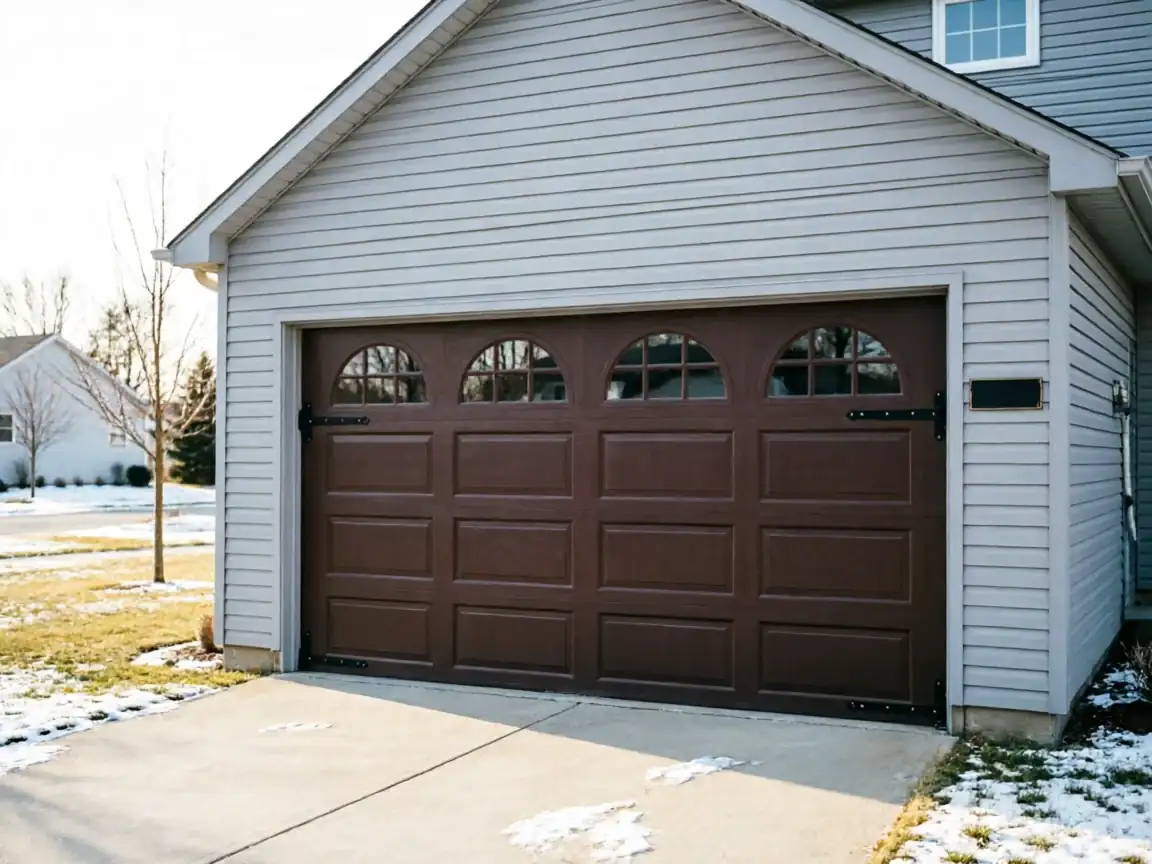
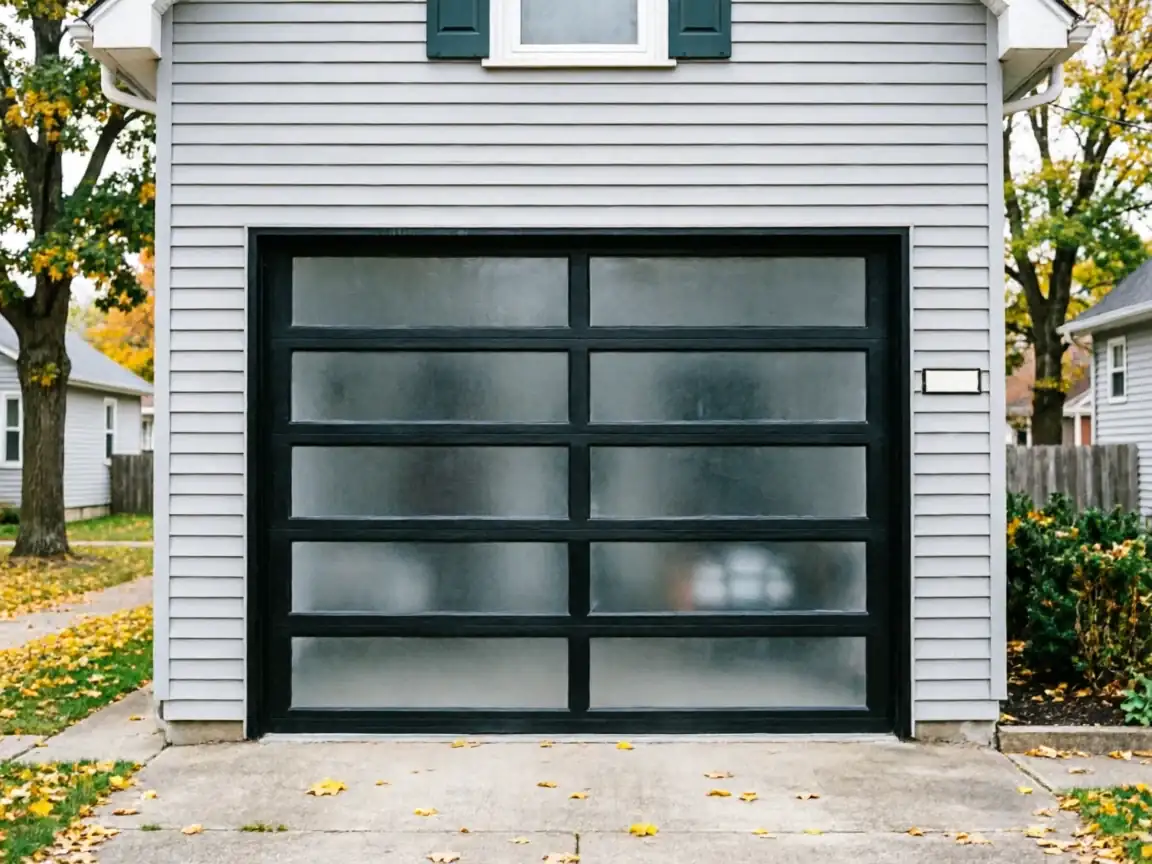
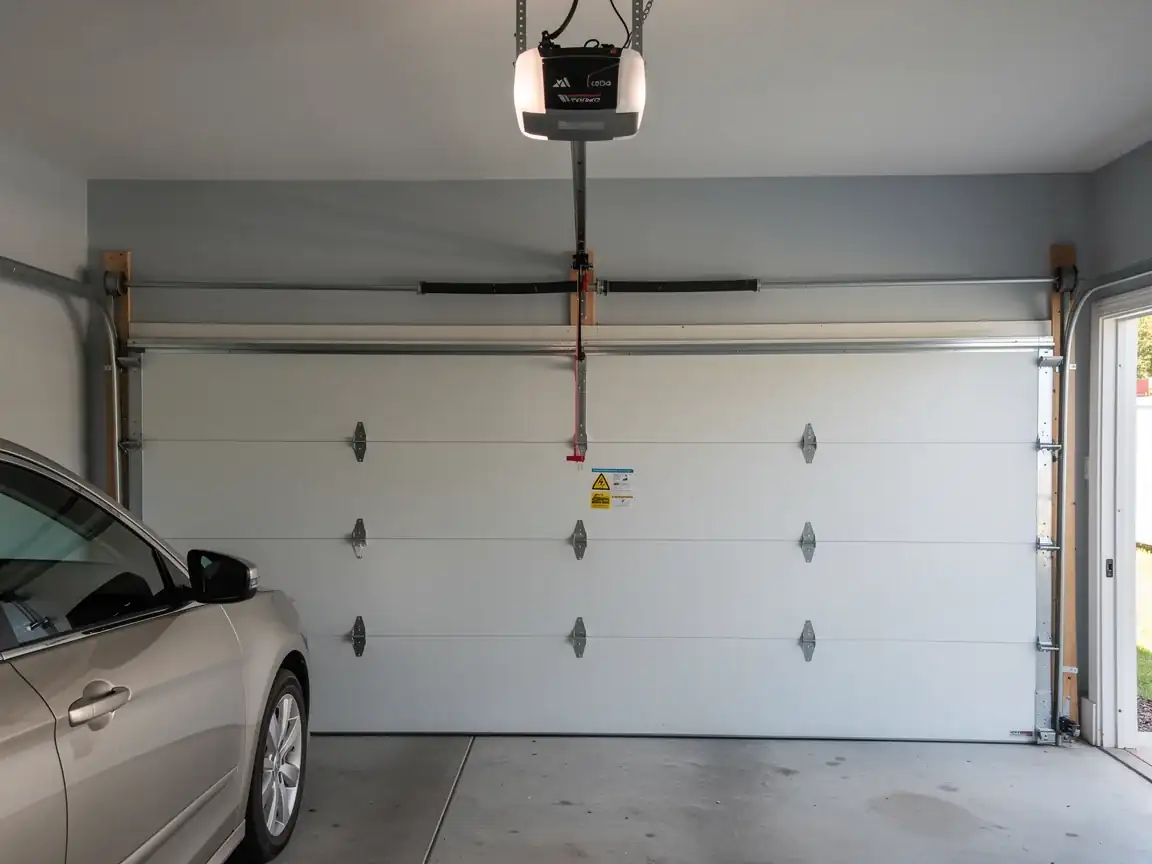
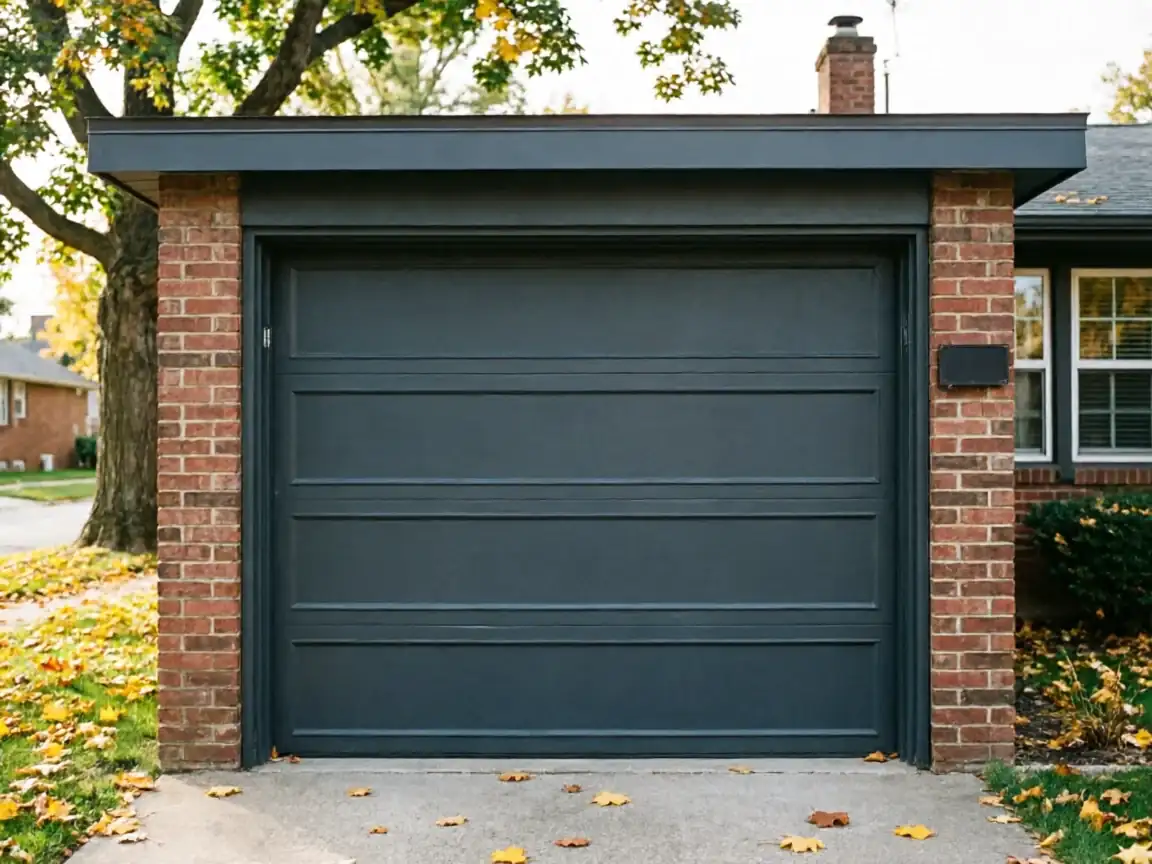
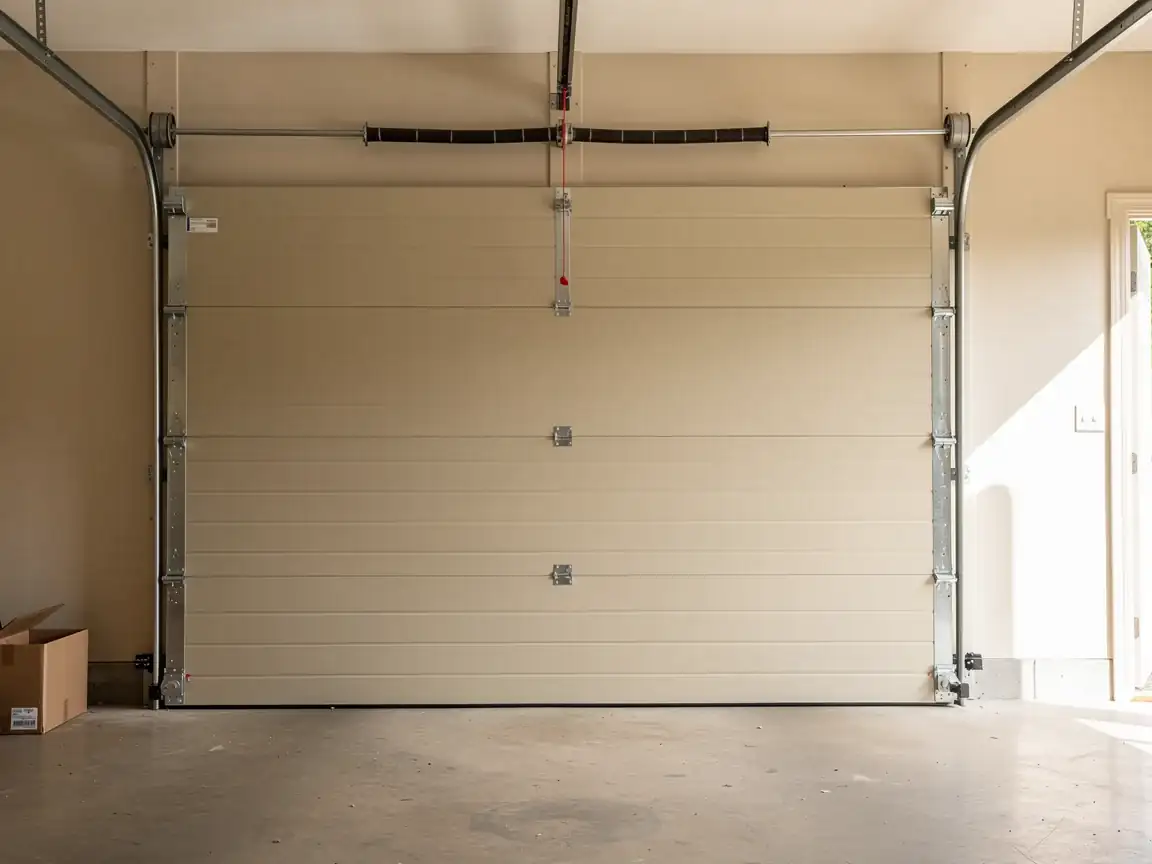
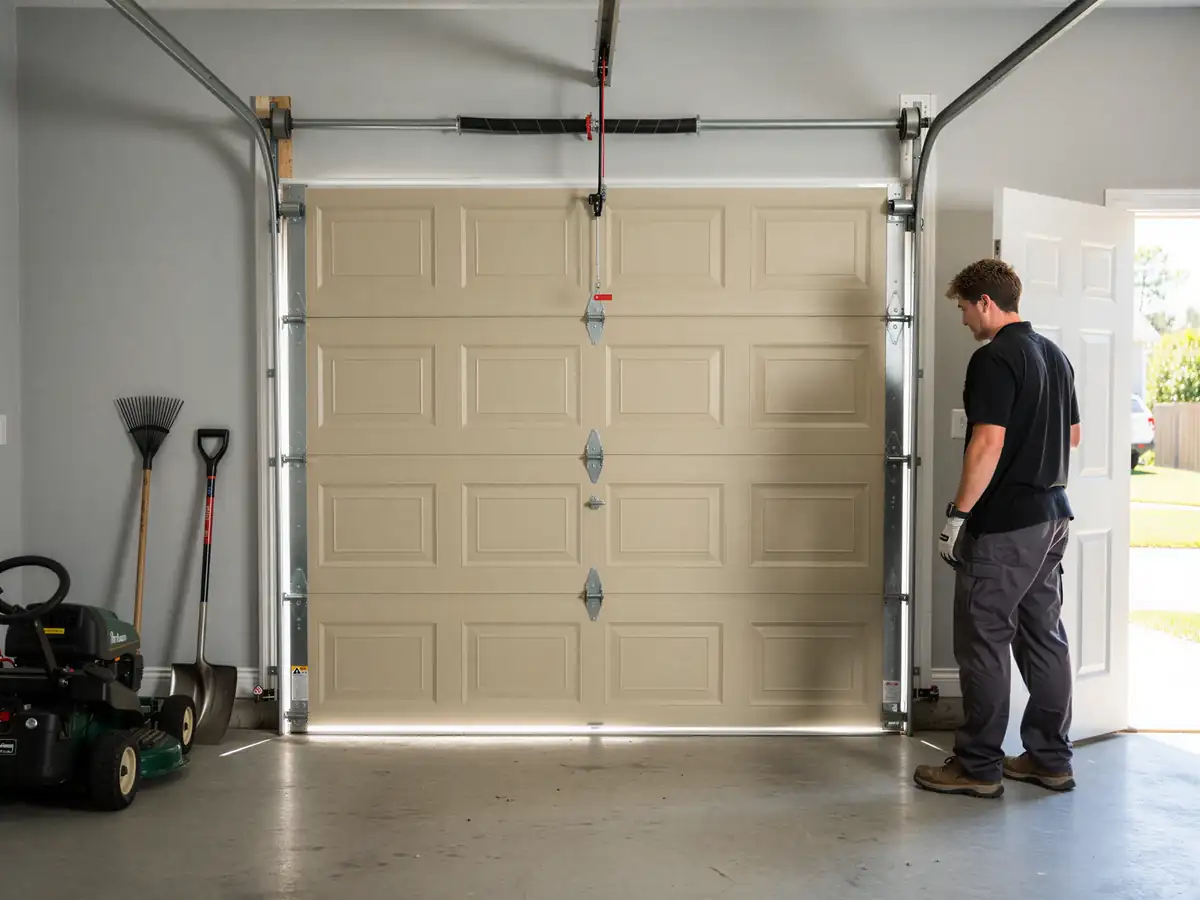
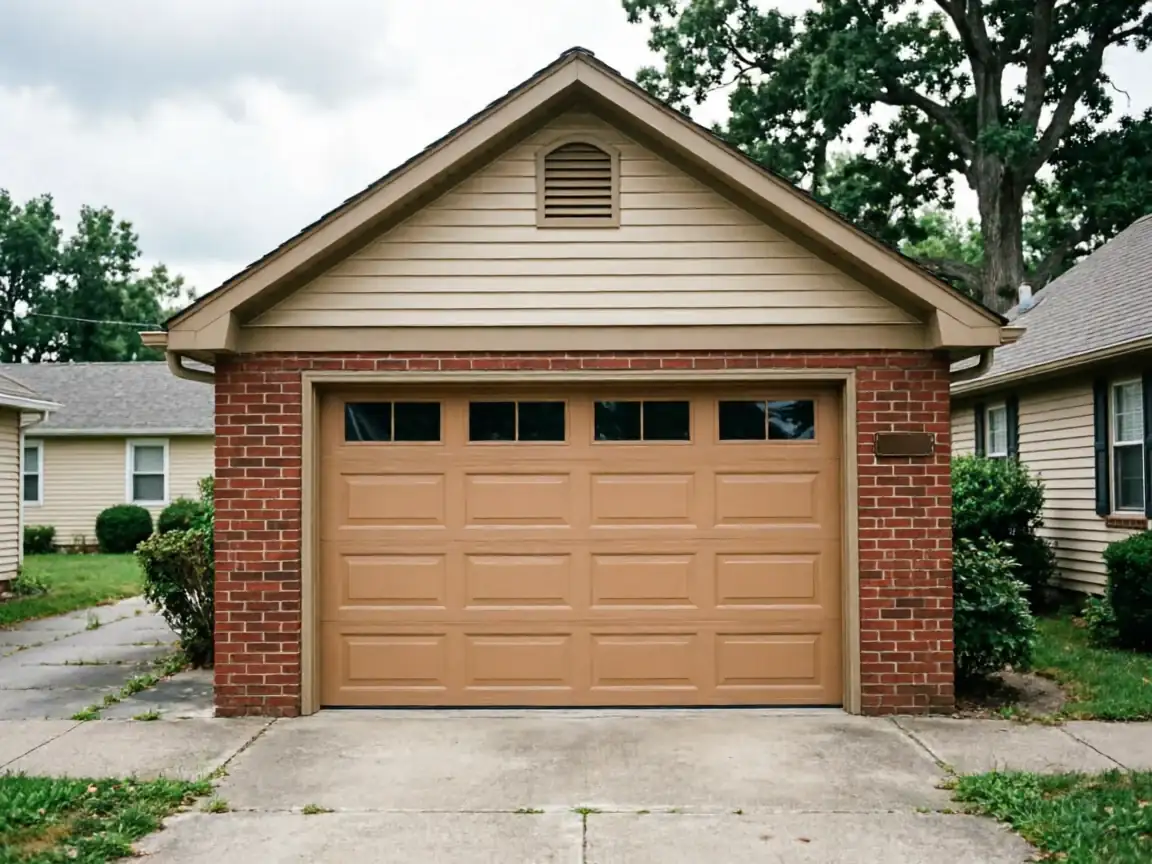
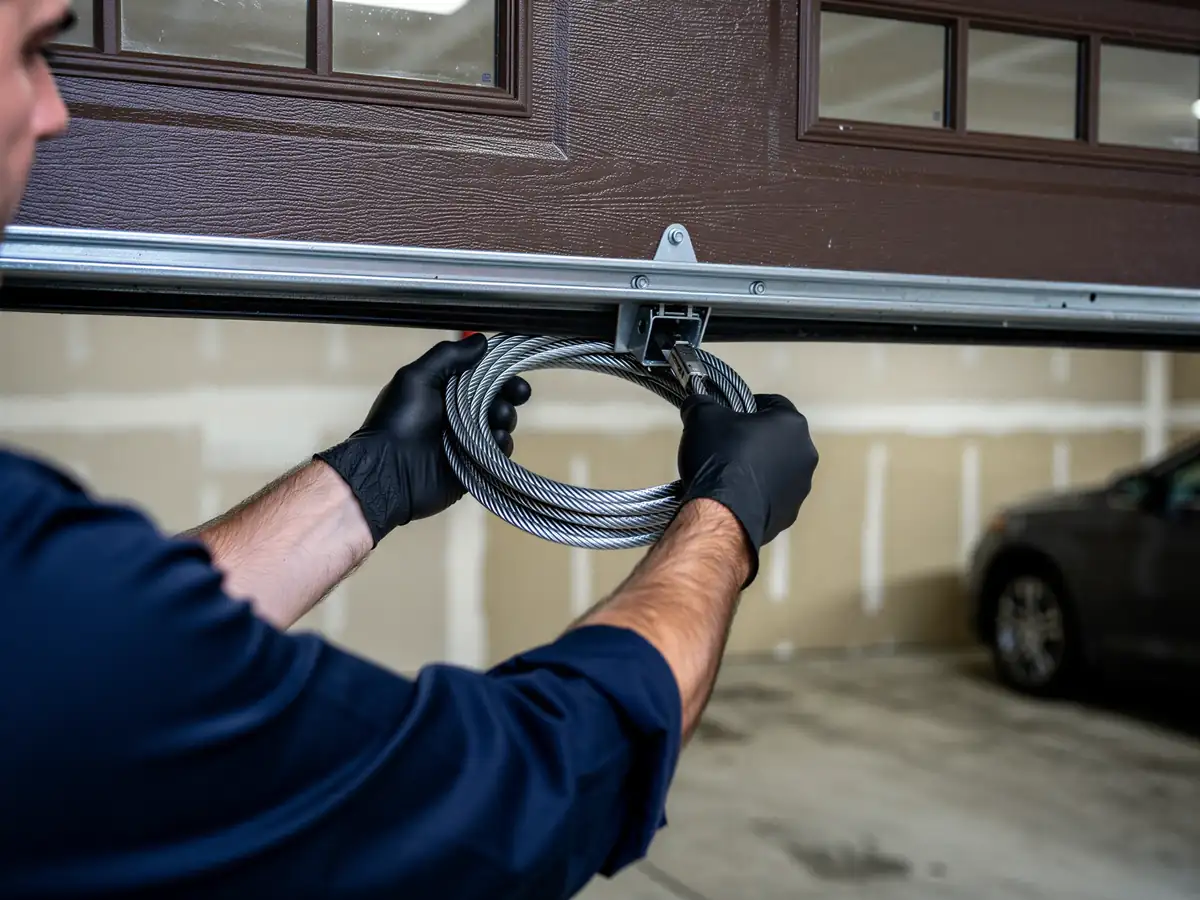
Start with the door itself, not the fault. Most garages on this side of Barberton went up around 1955, nearly two decades ahead of the 1972 median that describes the broader service area we cover out of Akron. A door built for a 1955 Barberton garage is usually a narrow single, sized for the one car most families owned at the time, not the double-wide openings builders added decades later elsewhere in the region. Many of these started as wood panel doors on extension springs, since torsion hardware wasn't standard on a budget single-car opening back then. Some got swapped for steel sectional doors at some point over the last seventy years, but the original narrow track and jamb hardware often stayed, because resizing an opening costs more than most owners want to spend. That mismatch between old framing and newer door weight is where a lot of these jobs start. Add Ohio's severe cold-climate swings, and steel panels on an undersized track flex more than they should, which loosens roller brackets and strains cable that was never rated for daily expansion-and-contraction cycling. None of this shows up on a service call until a spring finally lets go or a panel seam splits.
Where This Job Goes Sideways
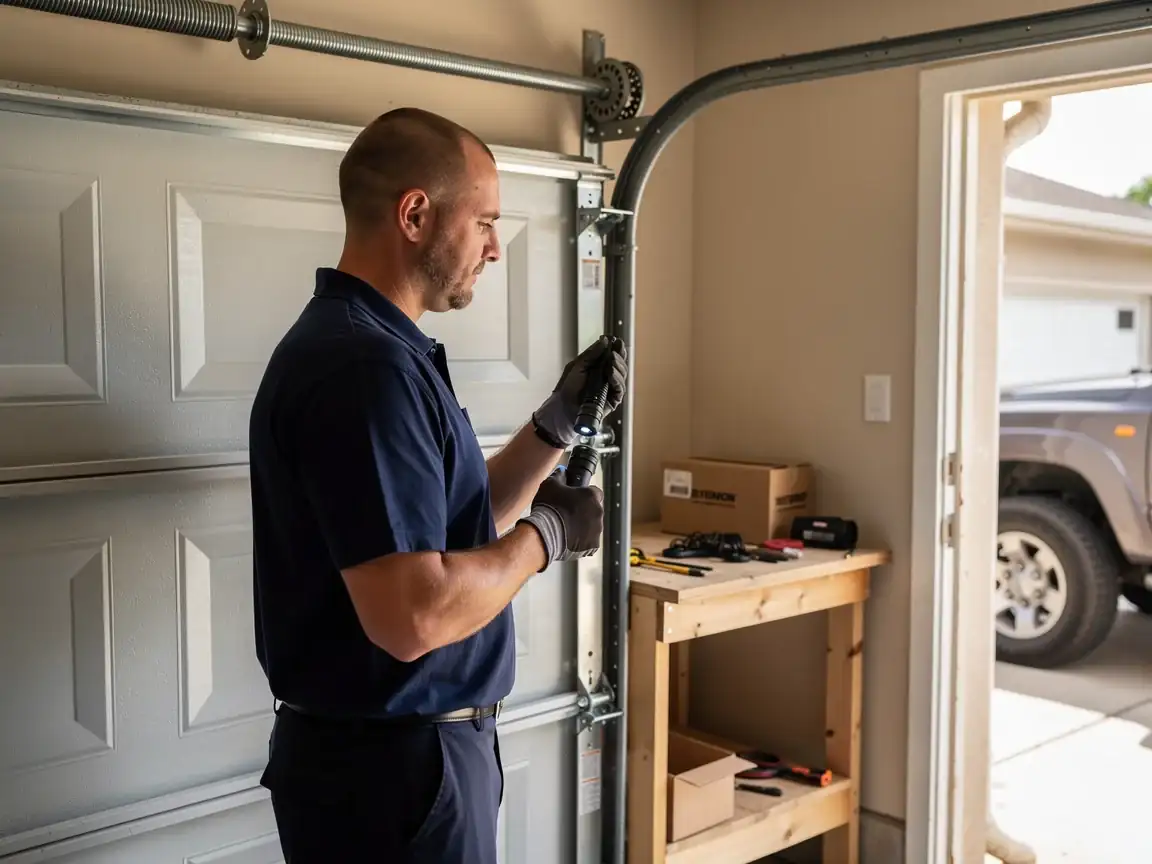
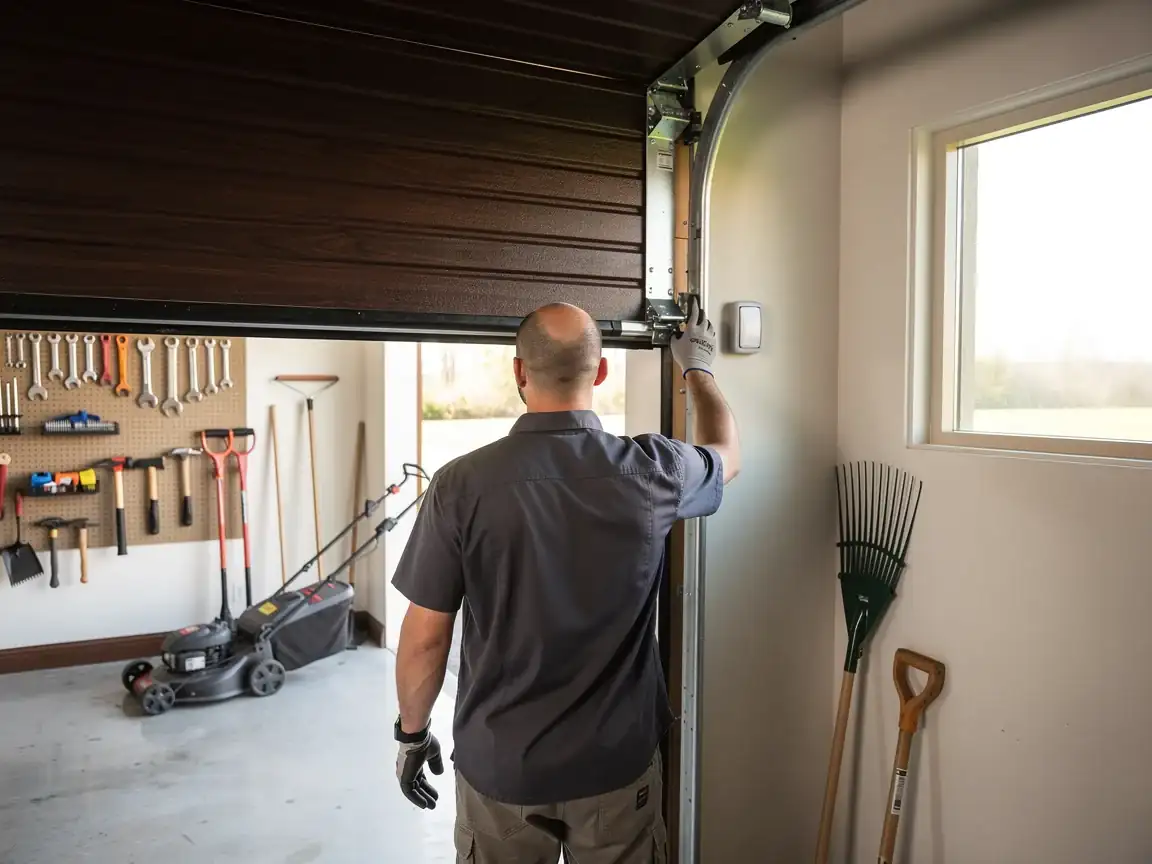
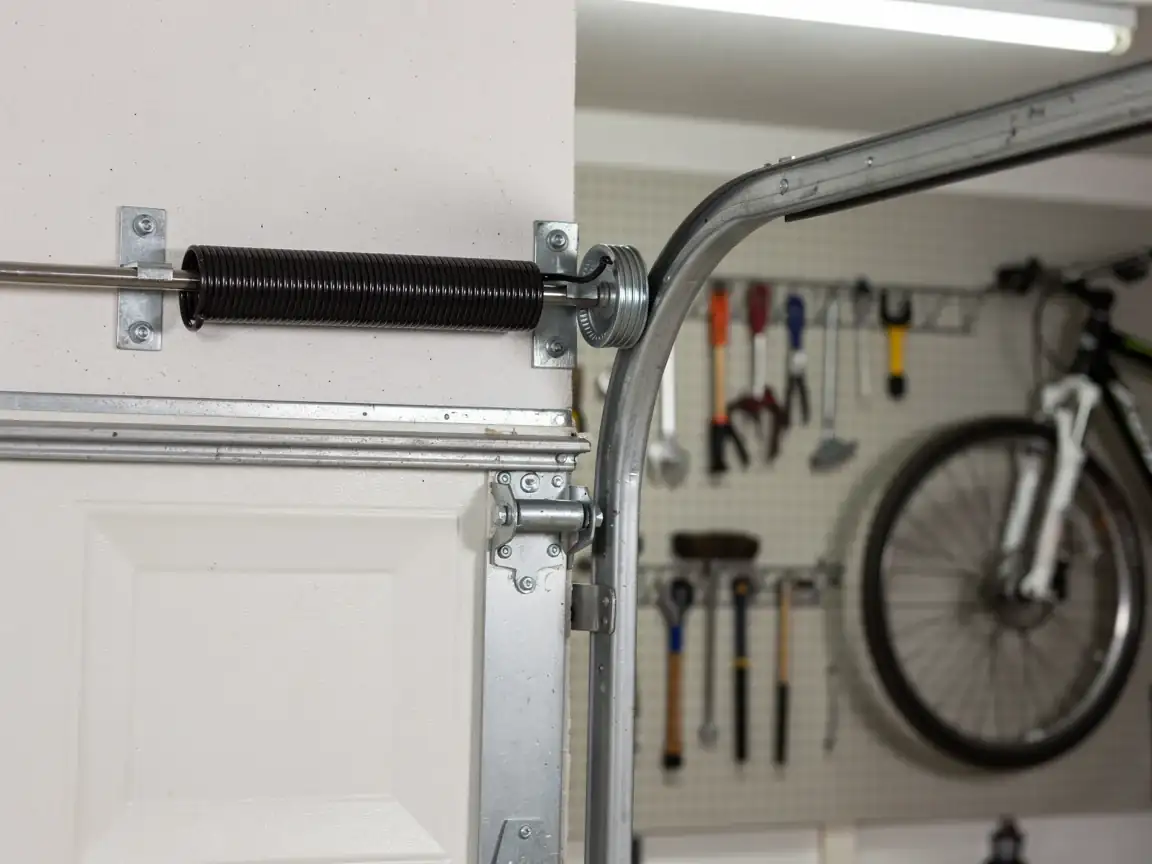
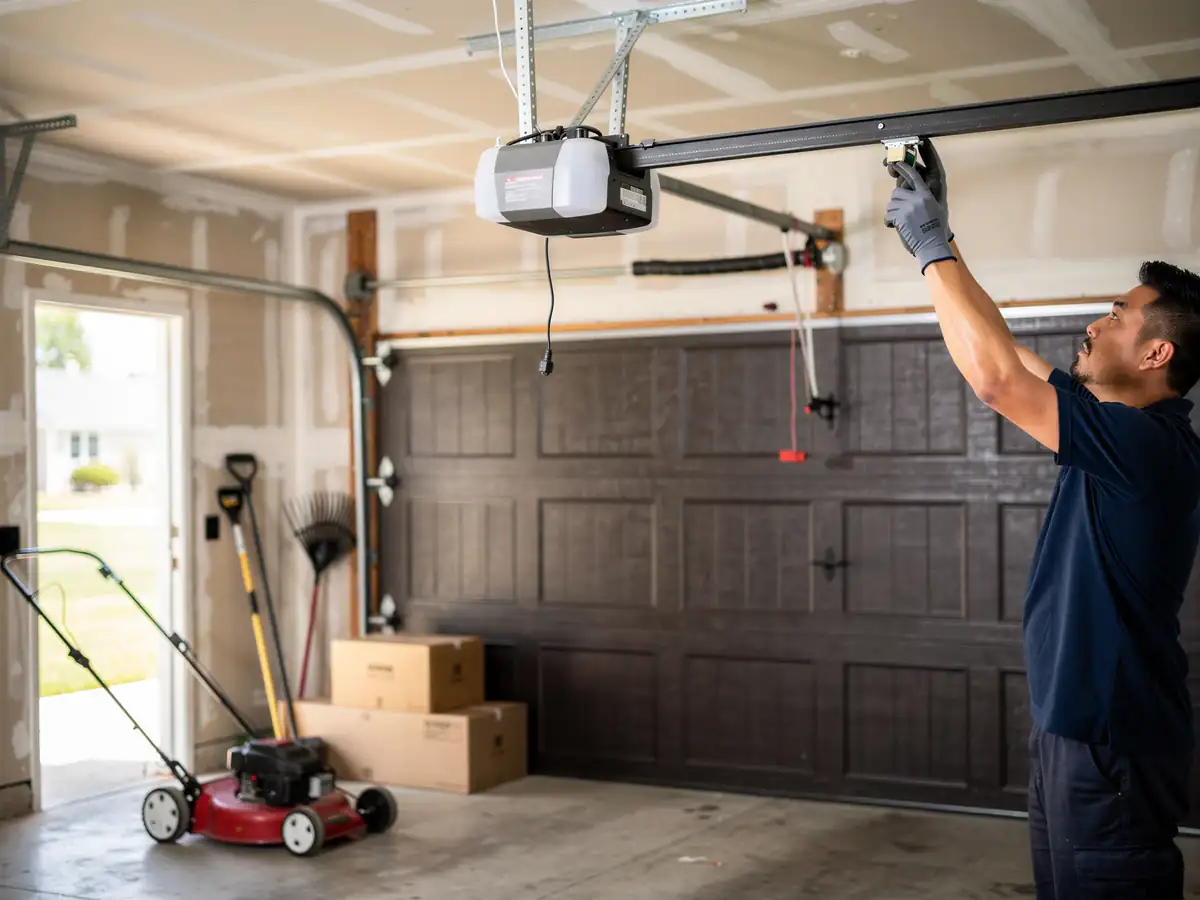
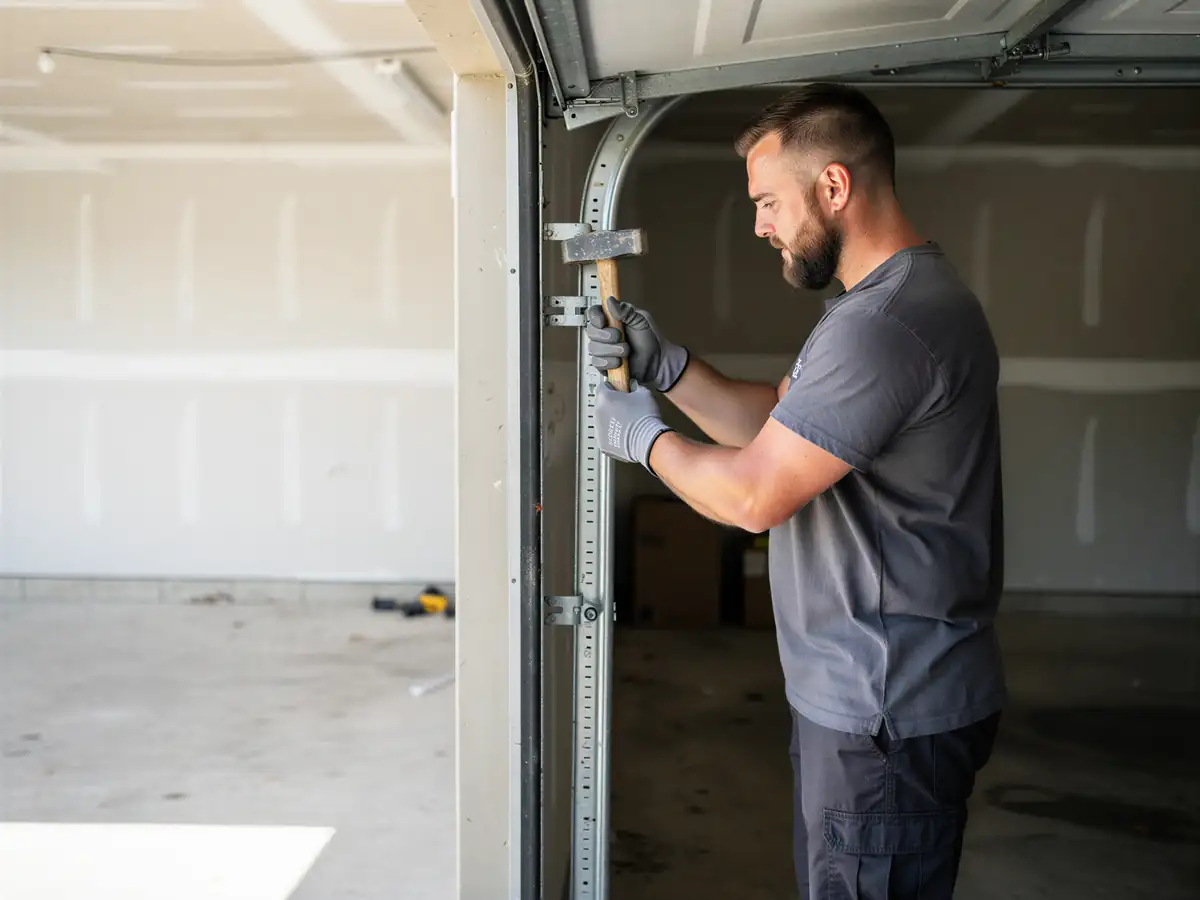
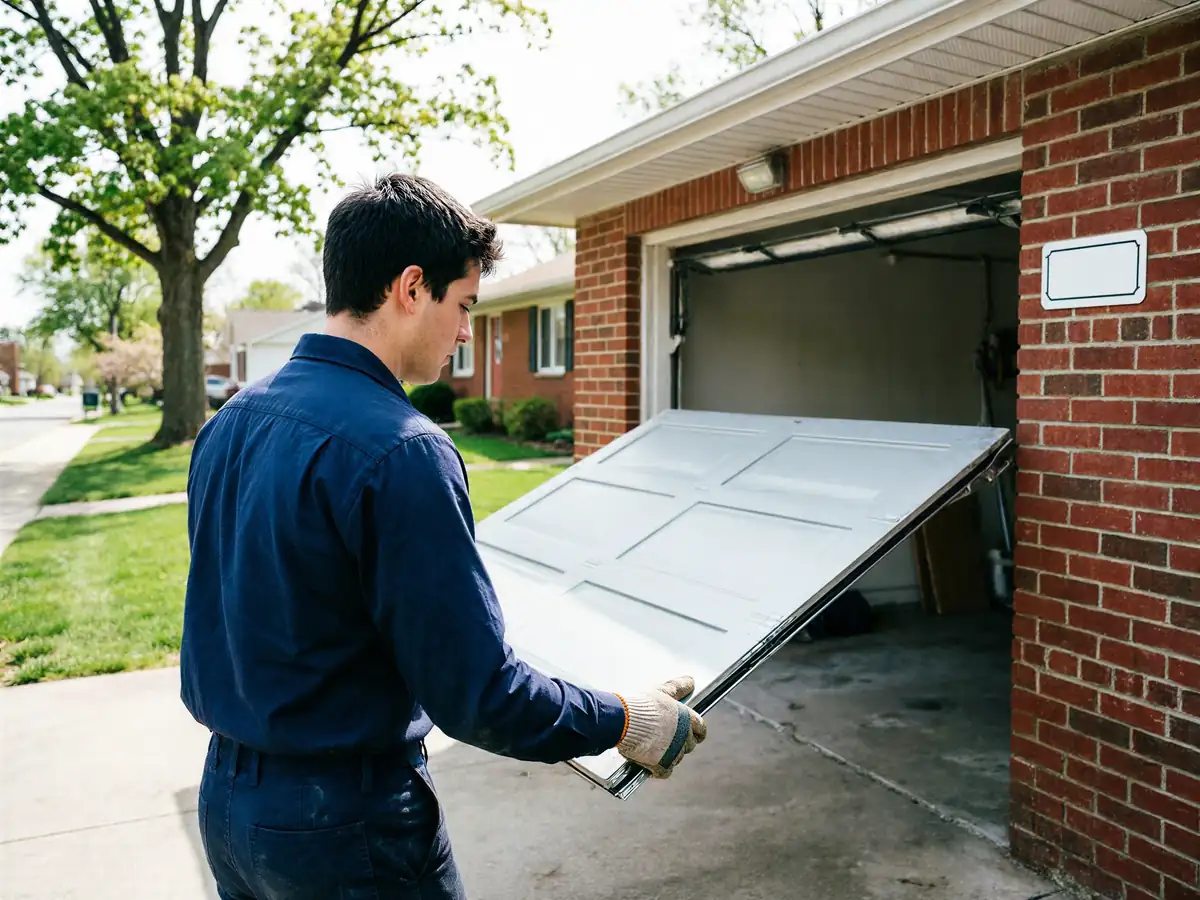
The spring call is rarely just the spring. On a door this age, the bracket it's mounted to has usually seen seventy years of expansion and contraction from Ohio's cold swings, and the fasteners holding it to a 1955 jamb are often undersized by current standards. We've opened up jobs expecting a ten-minute spring swap and found a track bent from years of a roller binding against a frame that was never quite square to begin with. Rust is the other one - steel panels installed as replacements decades ago don't always get sealed at the bottom edge, and freeze-thaw cycling works that seam open from the inside. The job goes sideways when we quote the spring and discover the track or the bottom panel needs attention too. We flag that before we start, not after, because nobody wants a surprise line item on a door that was already going to need a second trip for a custom part.
Time on the Job
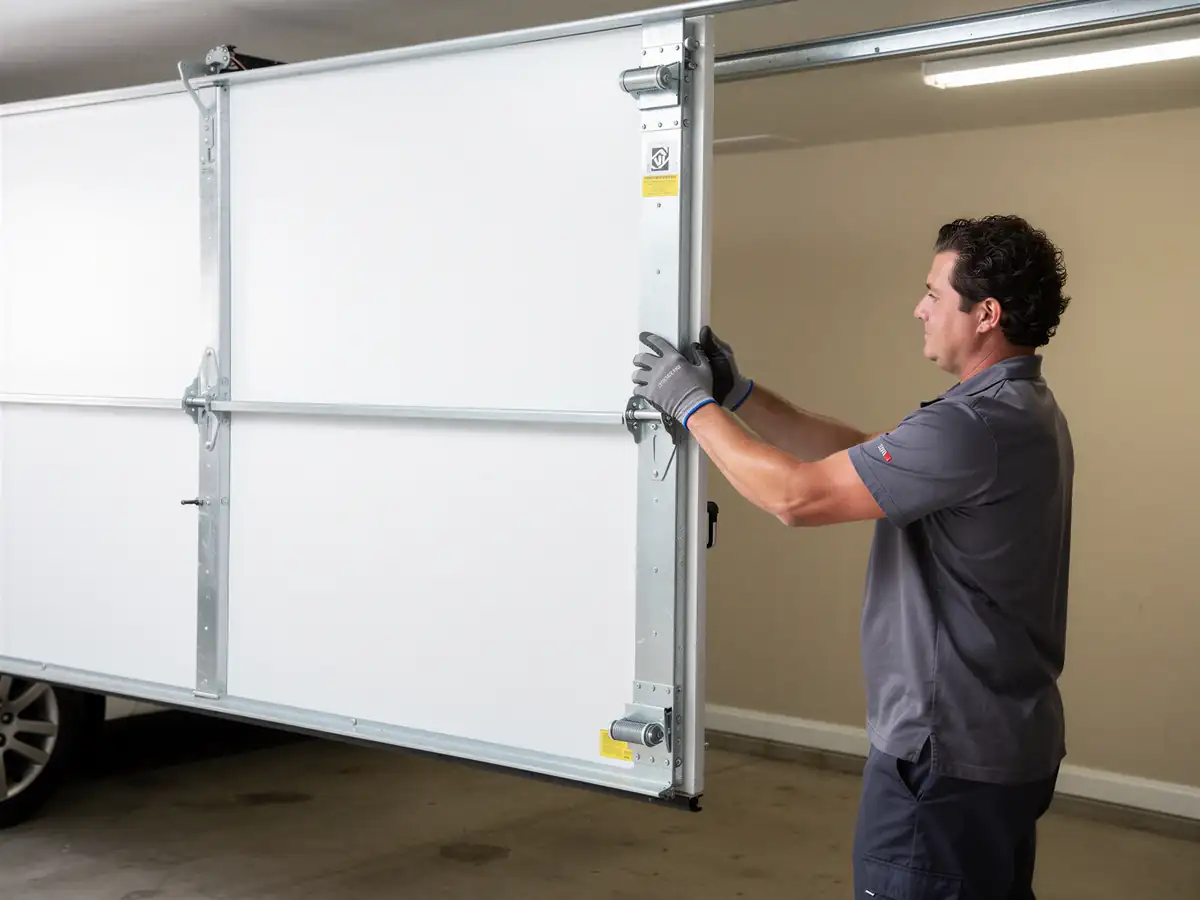
We travel the 7 miles from our Akron shop to reach Barberton, so we don't promise a same-hour response - that's a different kind of business, and we're not going to pretend otherwise. A straight spring or cable swap on a door this size usually runs under two hours once we're on site with the right parts in hand. Where it slows down is custom work: if the original 1955 opening needs a track rebuilt to match non-standard jamb spacing, or a panel has to be special-ordered because it's an odd width nobody stocks anymore, that's a second visit. We'd rather tell you that up front than guess at a one-trip fix and miss it. If you need the door operational that day for a car that's trapped inside, say so when you call - it changes which parts we bring, not how fast we can get there.
The Cost of This Job
We don't publish a flat price here, because a straight spring swap on a narrow single-car door costs differently than a job that turns into a track rebuild or a custom panel order. What we can say: Barberton's median household income, at $48,943, runs well below the $80,612 figure for the broader 42-area territory we serve out of Akron, and that context shapes the advice we give. On a door this age, repair is almost always the cheaper and more sensible route over full replacement, provided the frame and track are sound - we're not going to push a new door sale on hardware that still has useful life in it. Where replacement does make sense is when the original jamb is too far out of square to hold a new spring reliably, or when panel rust has gone past the surface. We'll tell you which situation you're in before we write up the job, not after.