Why This Fails Locally
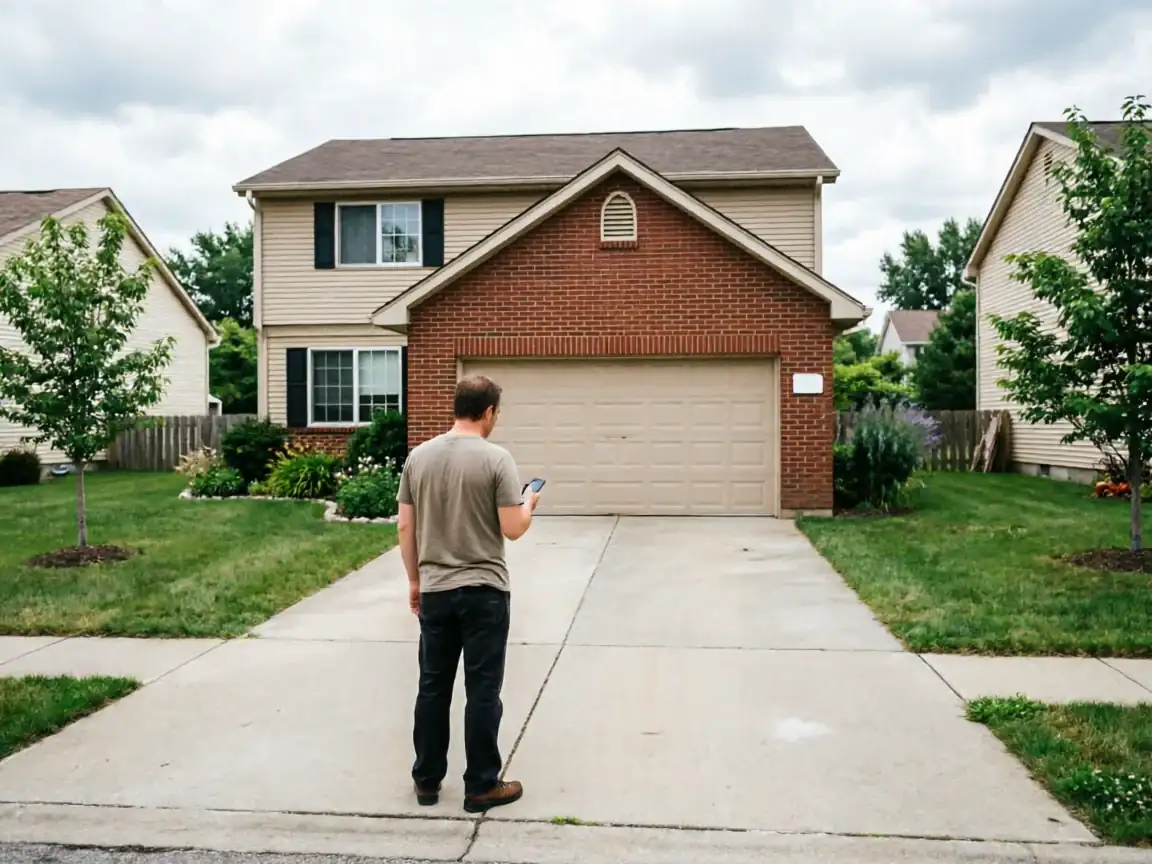
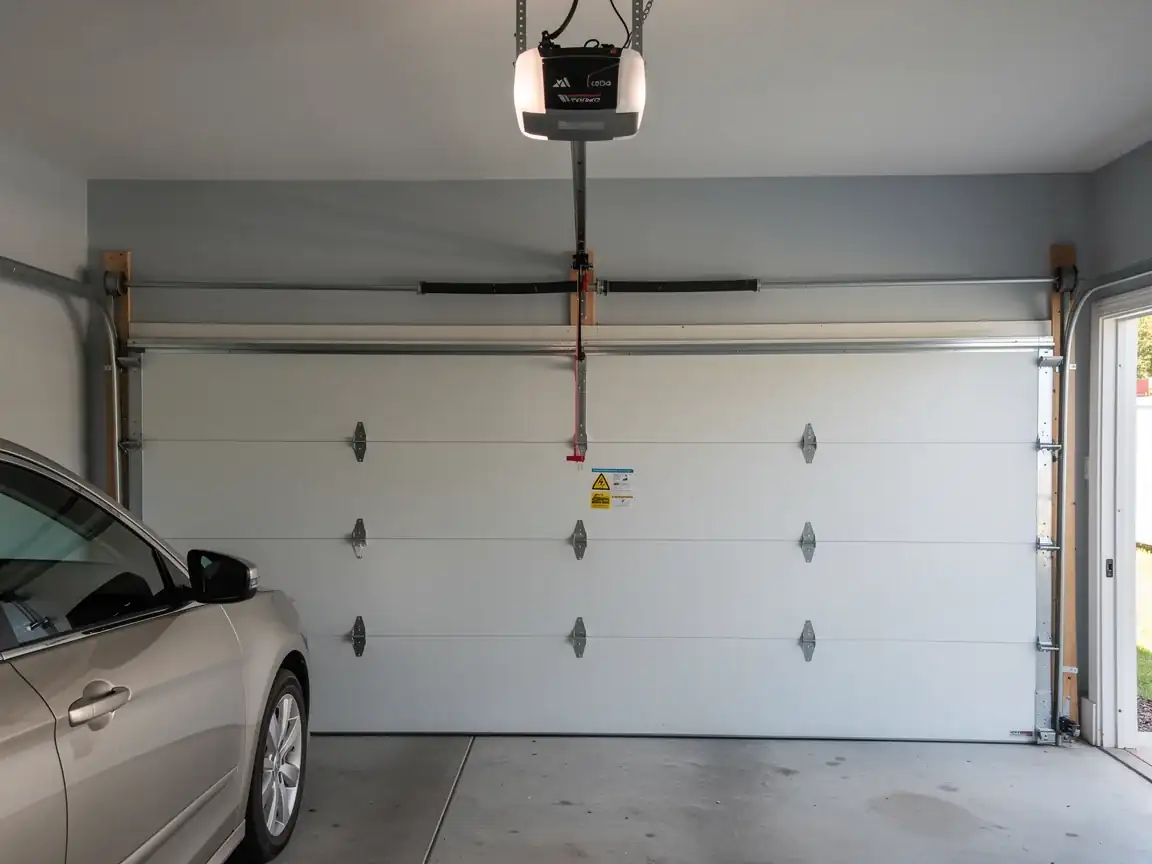
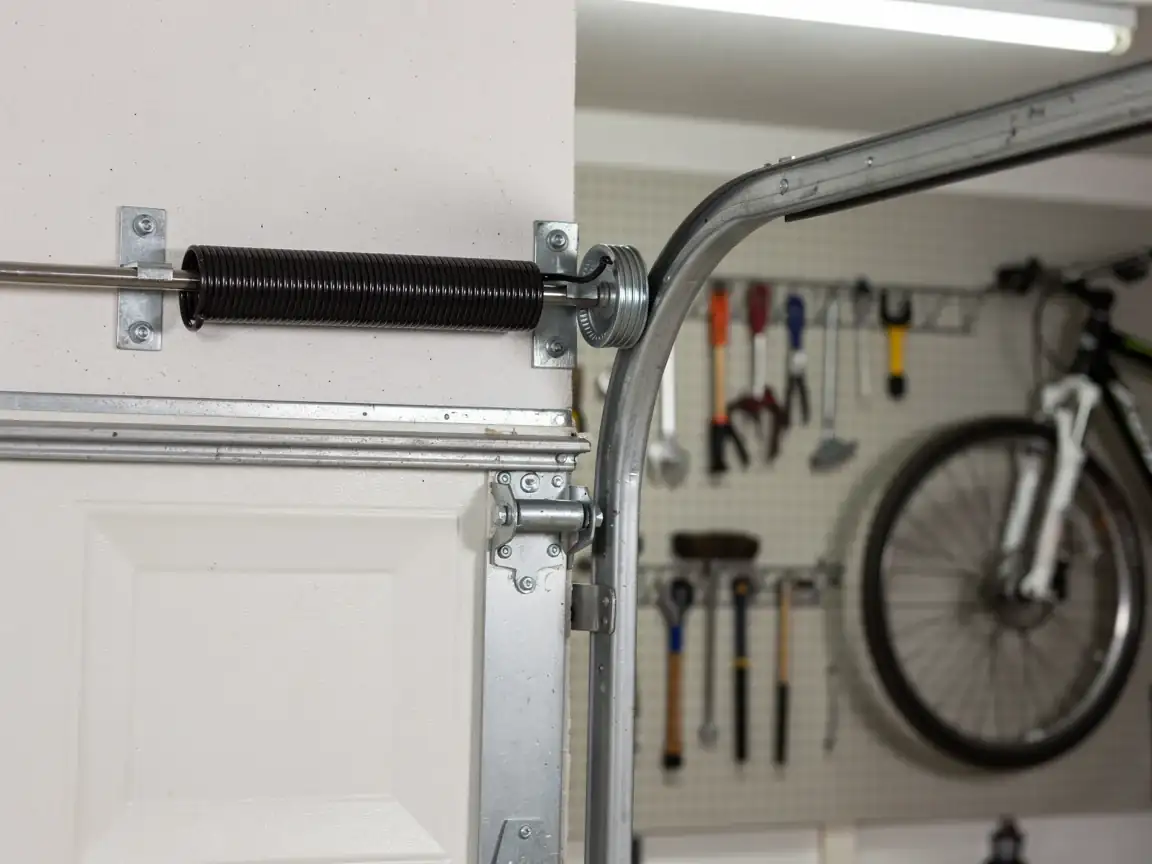
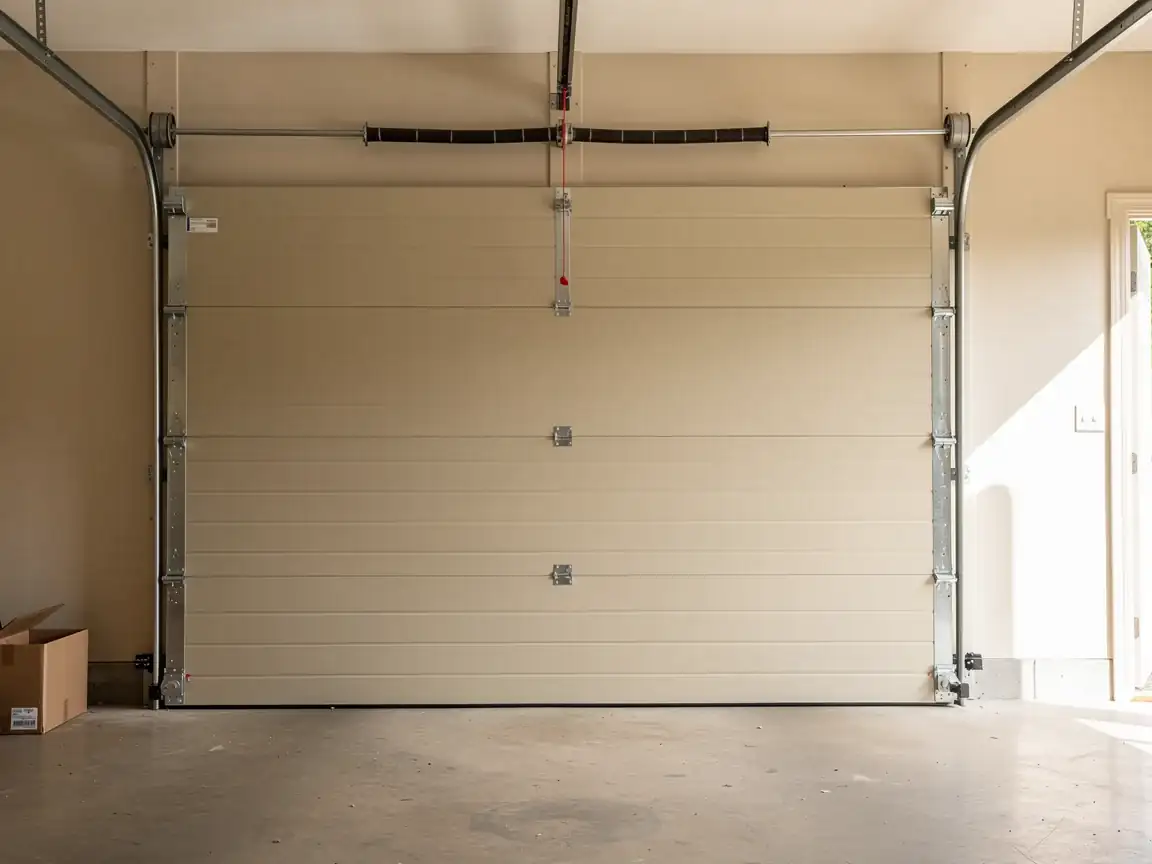
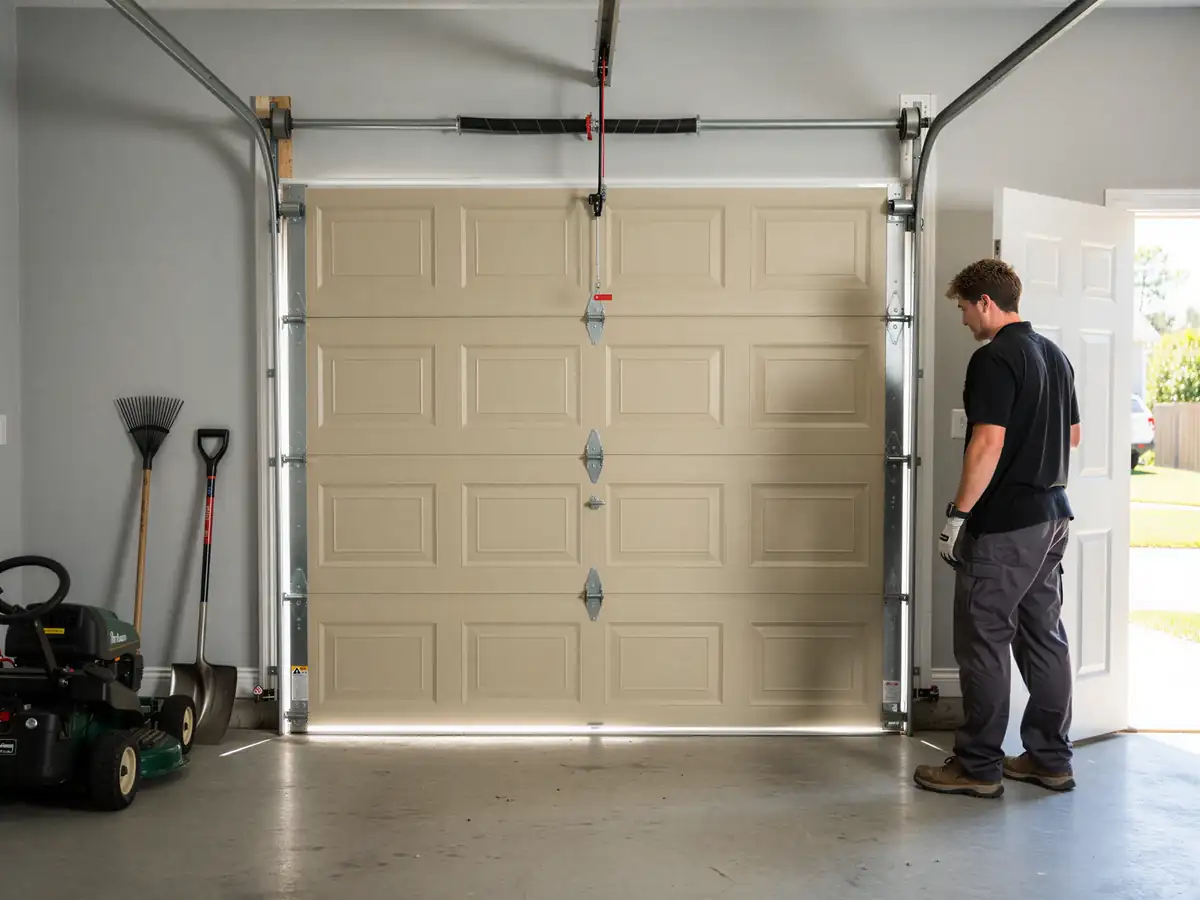
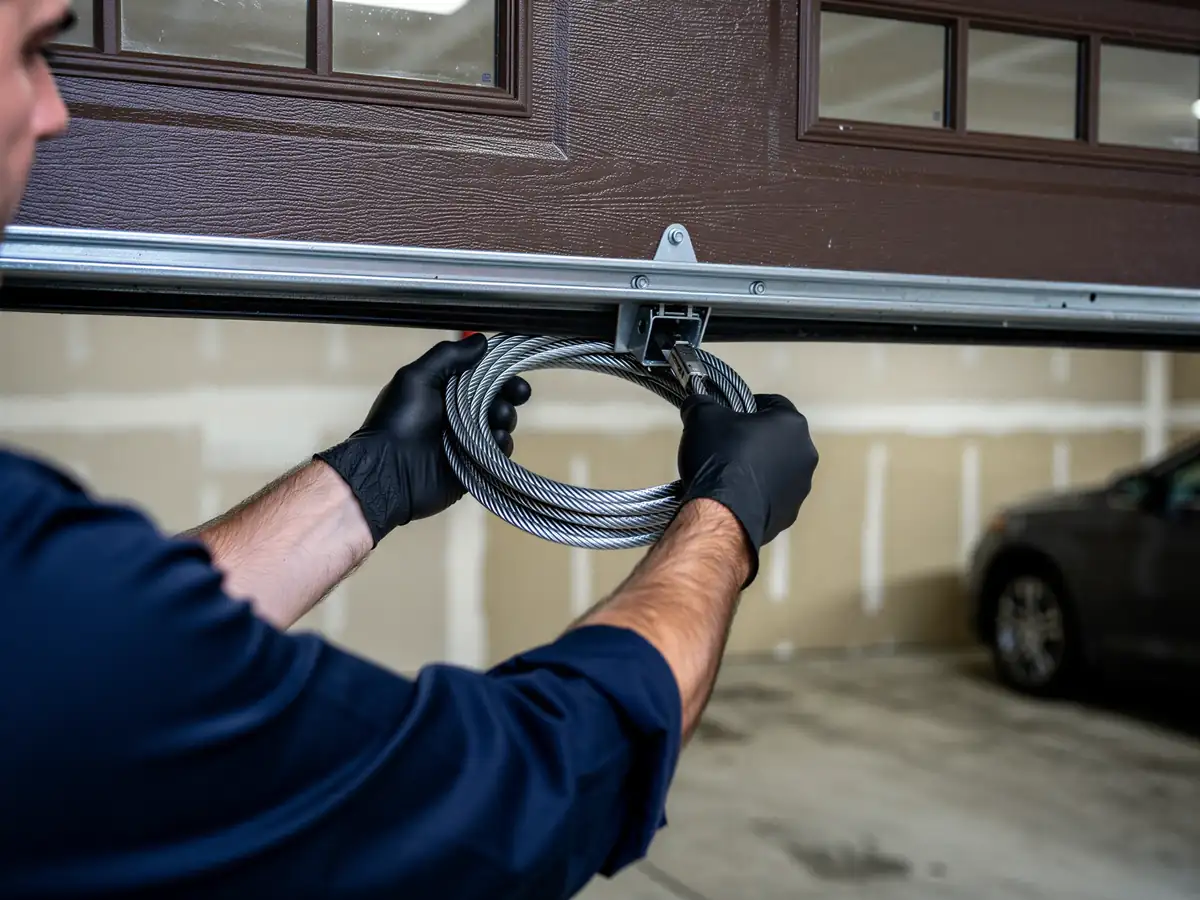
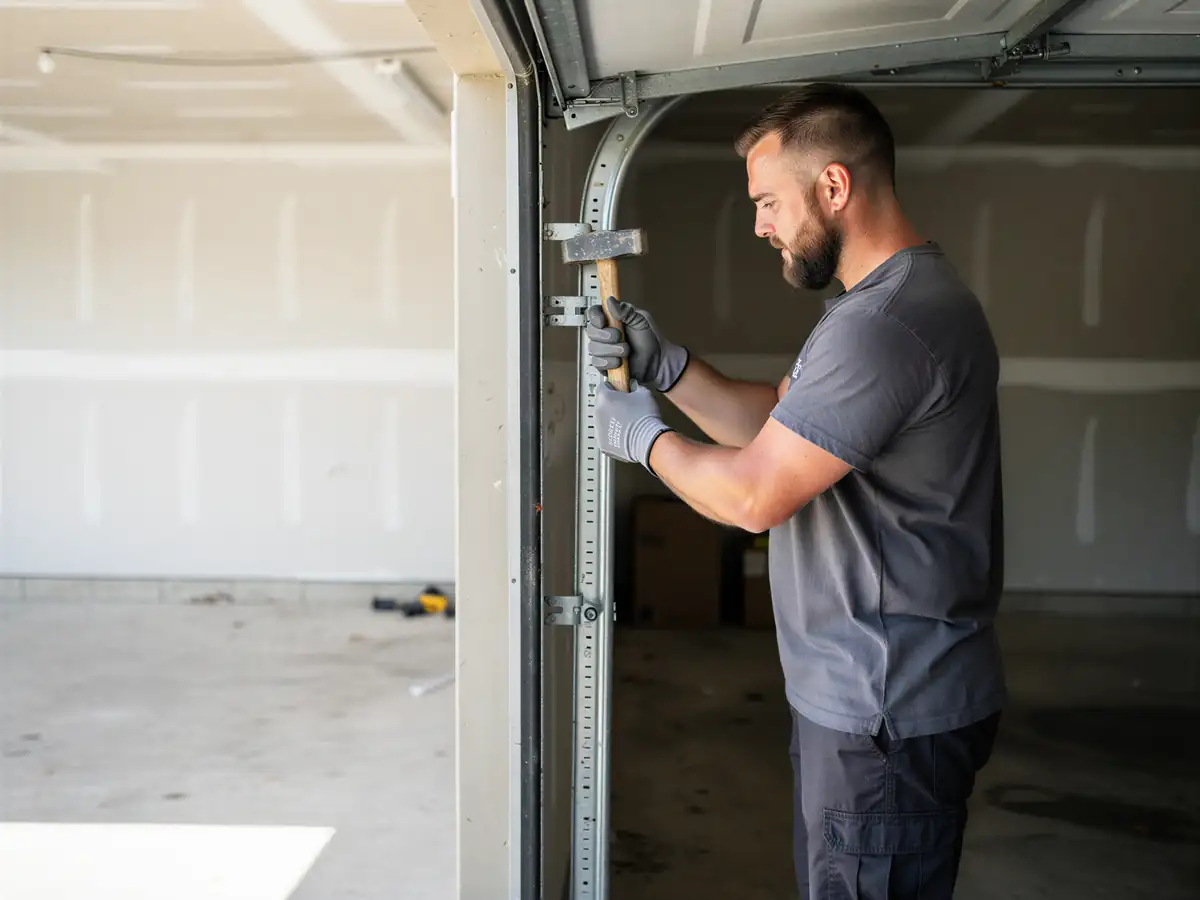
Barberton's housing stock centers on 1955, a good seventeen years older than the 1972 median across the rest of the Akron service area. Doors going up in the mid-1950s came with overhead extension springs mounted on raw track, no torsion bar, no safety cables running through the spring coil. That hardware was standard for the era and a lot of it is still hanging in these garages, outliving two or three openers bolted on after the fact. The fault pattern follows the hardware: a snapped extension spring that's been stretched past its rated cycles, a cable that frayed because nothing was ever there to catch it if it let go, or a door that drops hard and fast because the only thing holding it up just failed. Newer pockets of the service area with torsion-spring doors don't see this failure the same way - the spring there winds down and the door still sits, instead of free-falling. In a city built mostly before 1960, that's the job you're more likely calling about.
Where This Job Goes Sideways
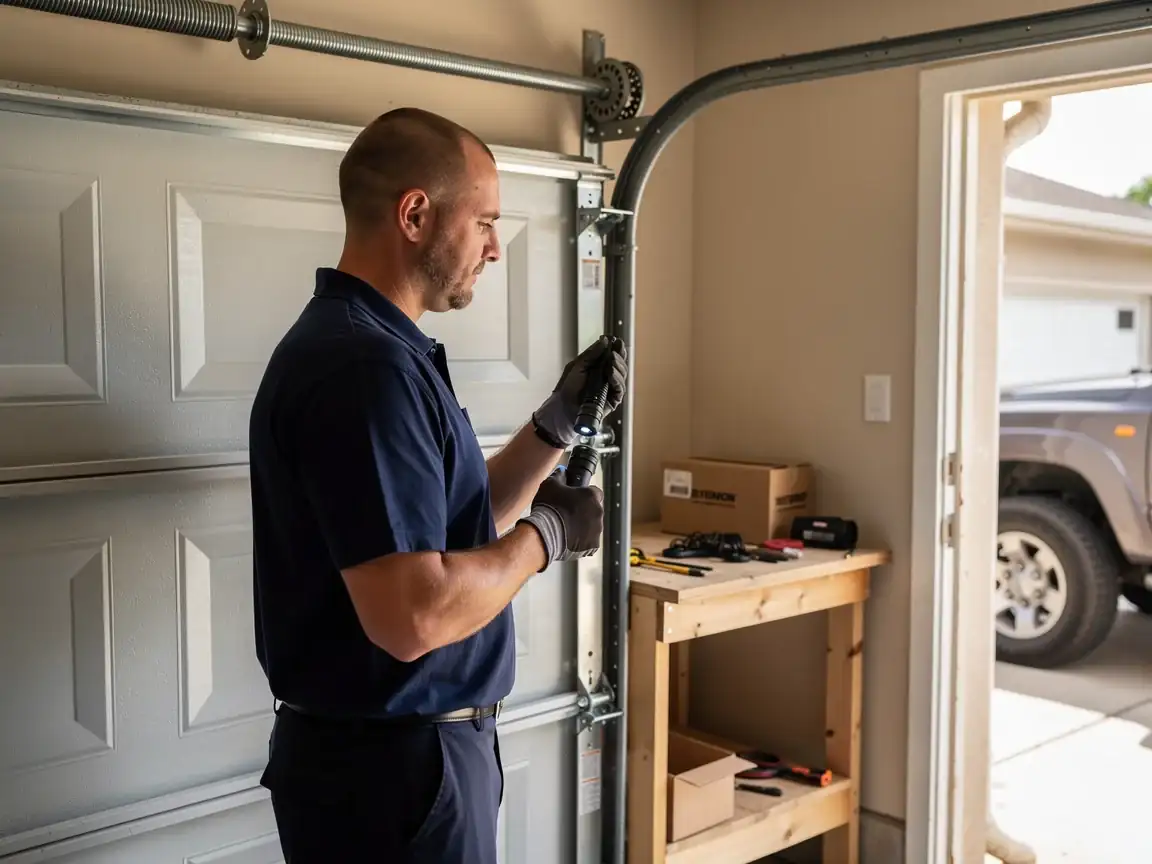
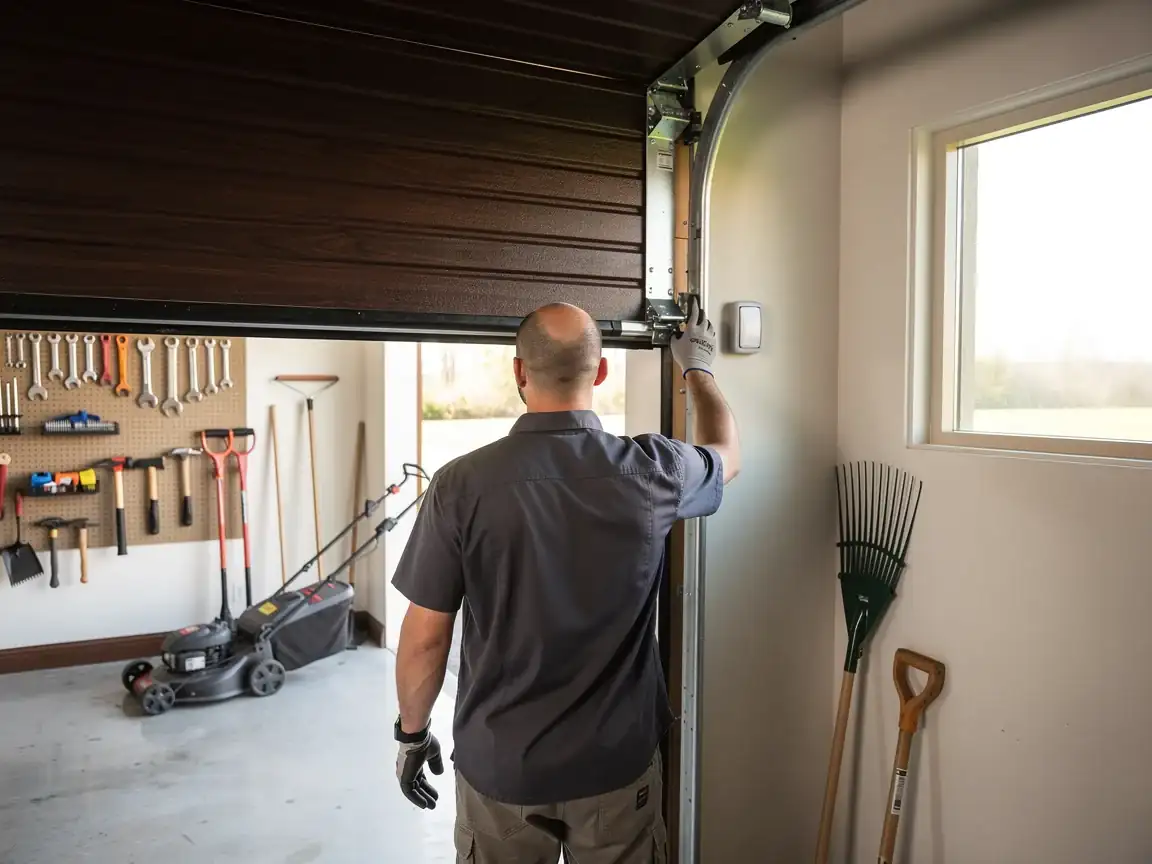
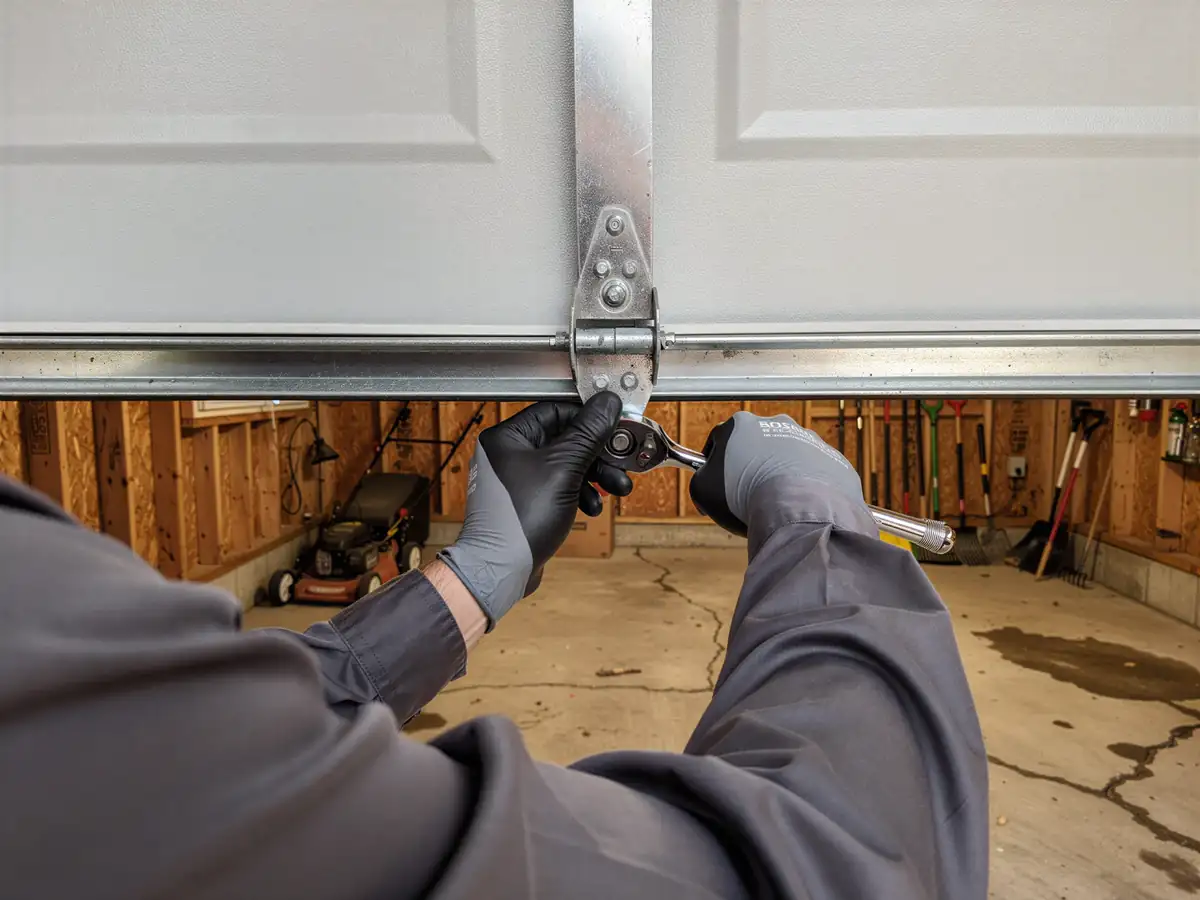
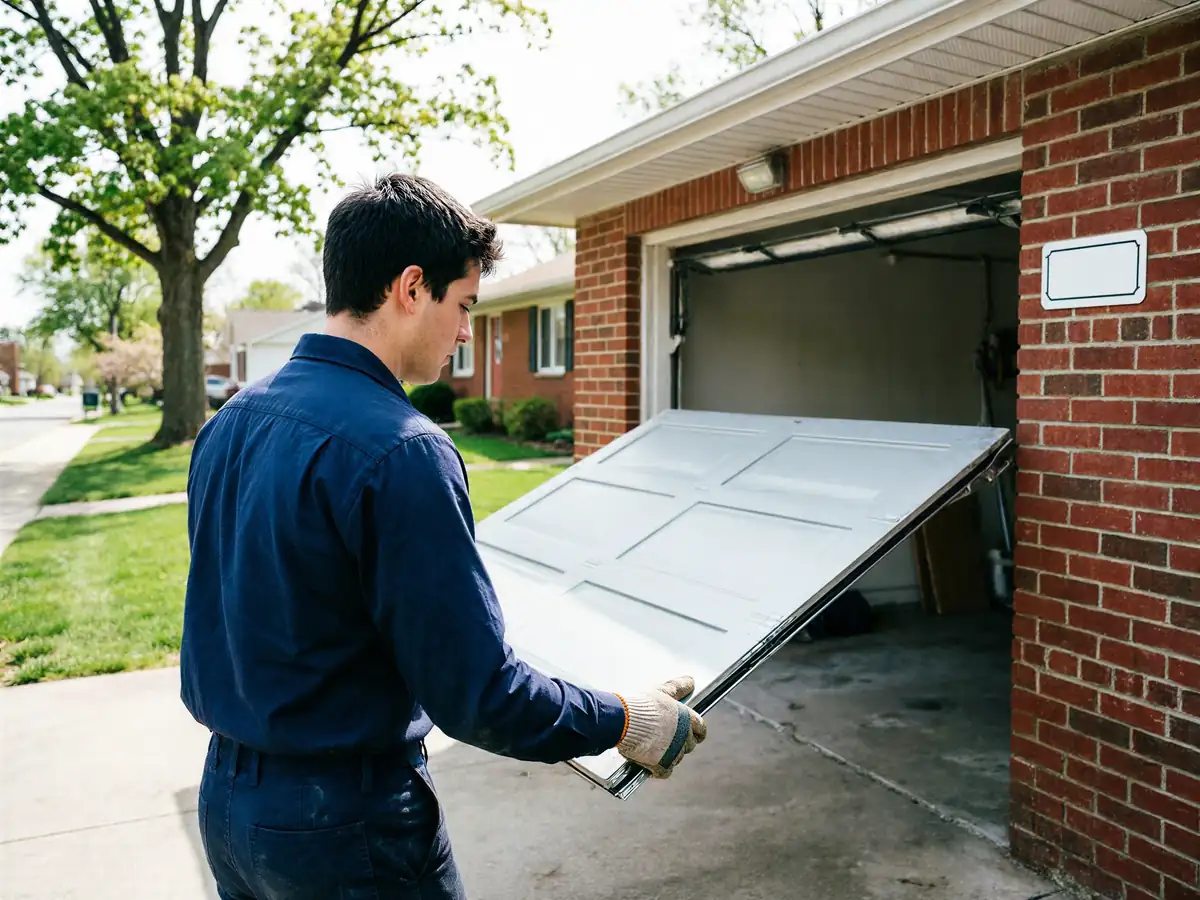
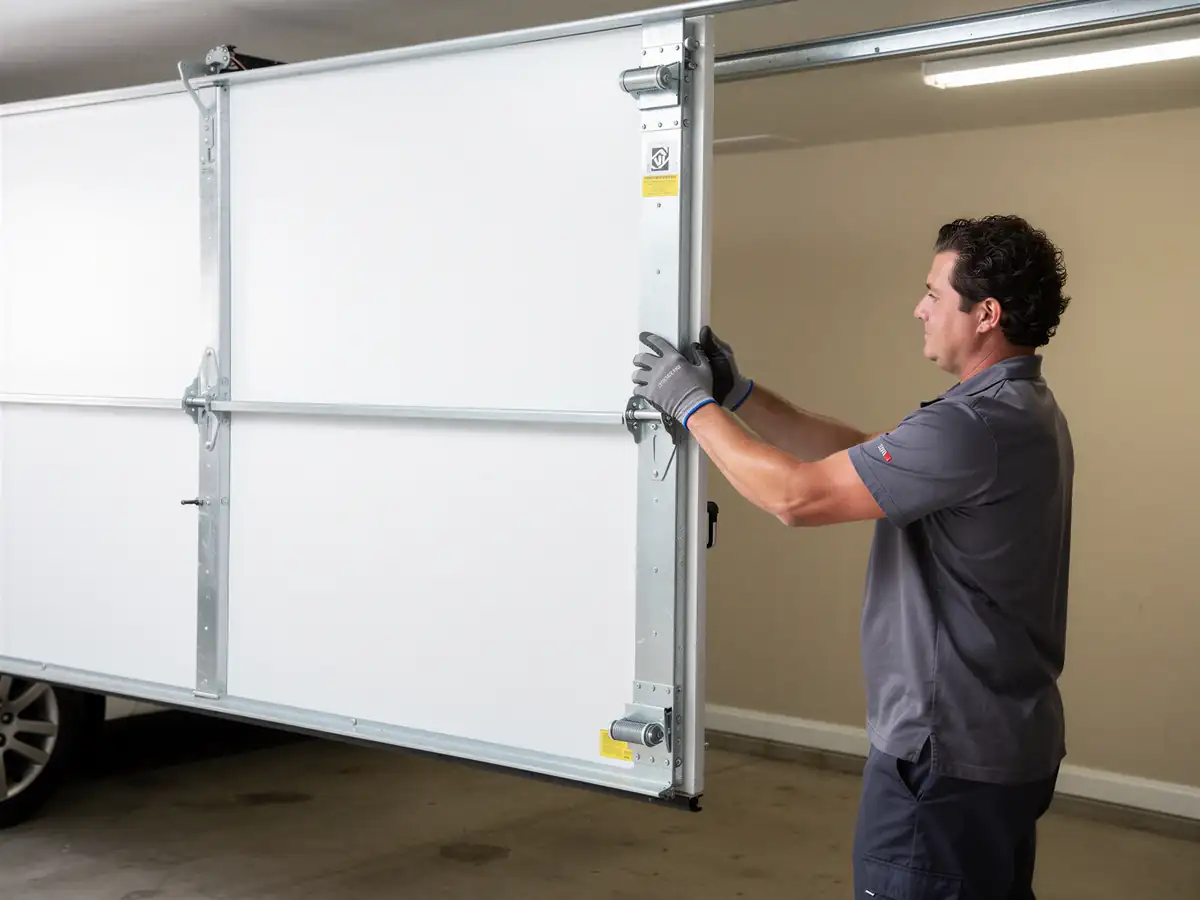
The trouble spots are mechanical, not cosmetic. An extension-spring door with no safety cable is the single most common reason a routine spring swap turns into a bigger job - once that spring lets go uncontained, it can take out a track bracket or dent a panel on the way down, and now you're fixing two problems instead of one. Framing on houses from this build era has also settled over seven decades, so a track that was plumb in 1955 isn't necessarily plumb now, and forcing a new door onto an out-of-square opening is how a repair turns into a callback. Add in the colder end of winter common across this part of the service area, and thin original-gauge steel panels from that period are more prone to oil-canning and seam separation than anything sold today. None of that means every job here is complicated - plenty are a straight spring swap - but it's worth knowing going in.
Time on the Job
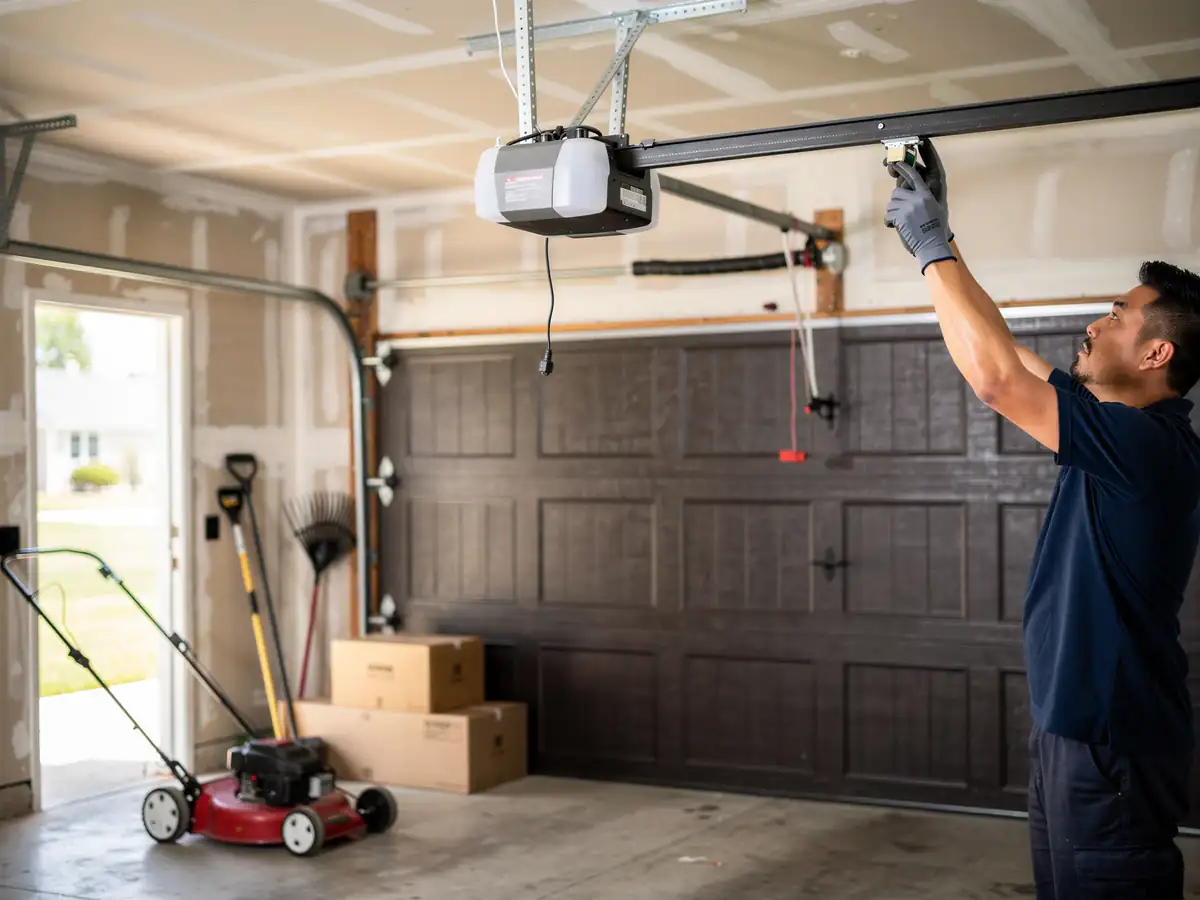
The crew comes from Akron, about seven miles out, so a Barberton call gets worked into the same route as other jobs in that direction rather than dispatched from a shop inside town. A straightforward spring or cable replacement on one of these older doors is usually a single visit. Jobs that involve sourcing a replacement panel for a non-standard 1950s opening, or swapping a full door and track assembly, take longer because that material isn't something kept on hand in bulk - it's ordered to match the opening once it's measured on site. We'll tell you up front which category your door falls into before any work starts.
The Cost of This Job
We don't have a flat number to quote here, because the range depends heavily on what's actually on the door - a standard spring and cable job on a door that already has safety hardware costs less than one where we're adding the cable system that was never there, or sourcing panel stock for an opening built before standard sizing existed. Given the median household income in Barberton runs well under the broader service area's, we lean toward repair-first recommendations where the hardware supports it, rather than pushing a full door replacement when the fix is a spring and a cable. Where a full replacement genuinely is the better call - a door rotted through or racked out of square - we'll say so plainly instead of running up a repair that won't hold.