Where This Job Goes Sideways
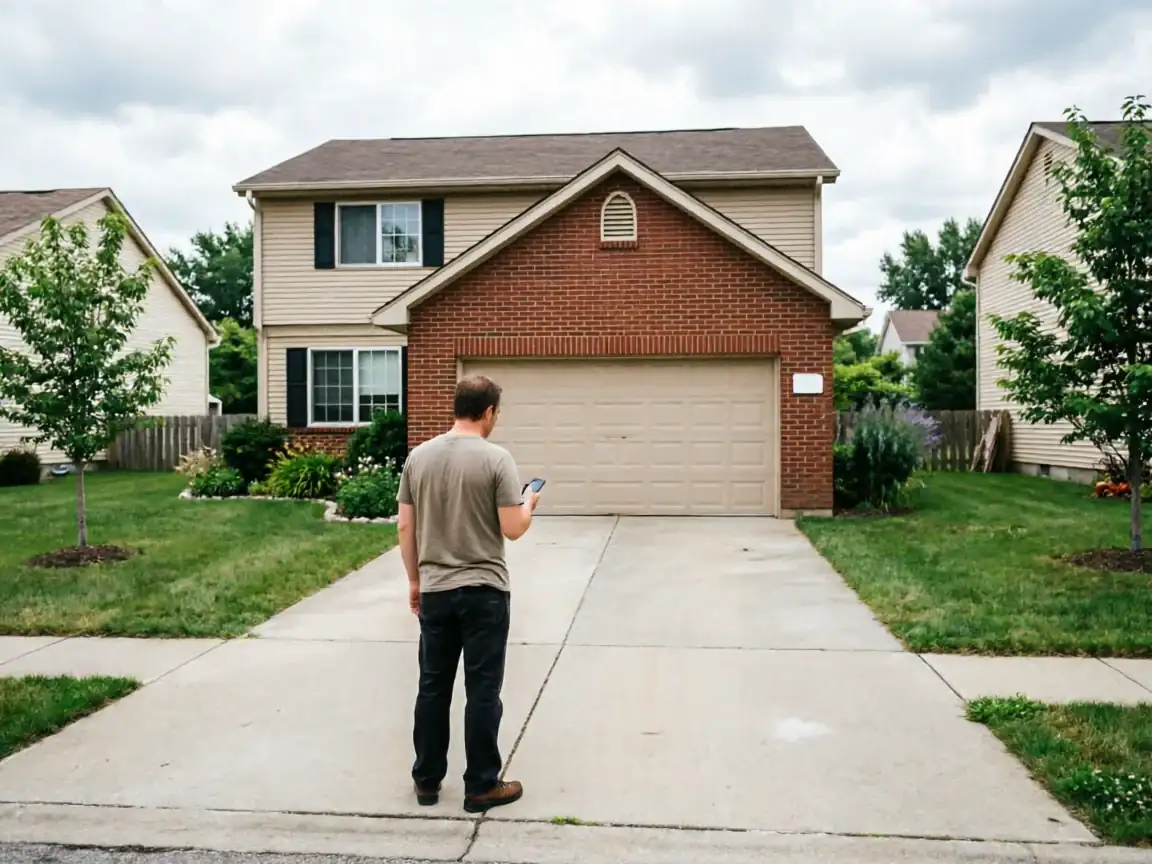
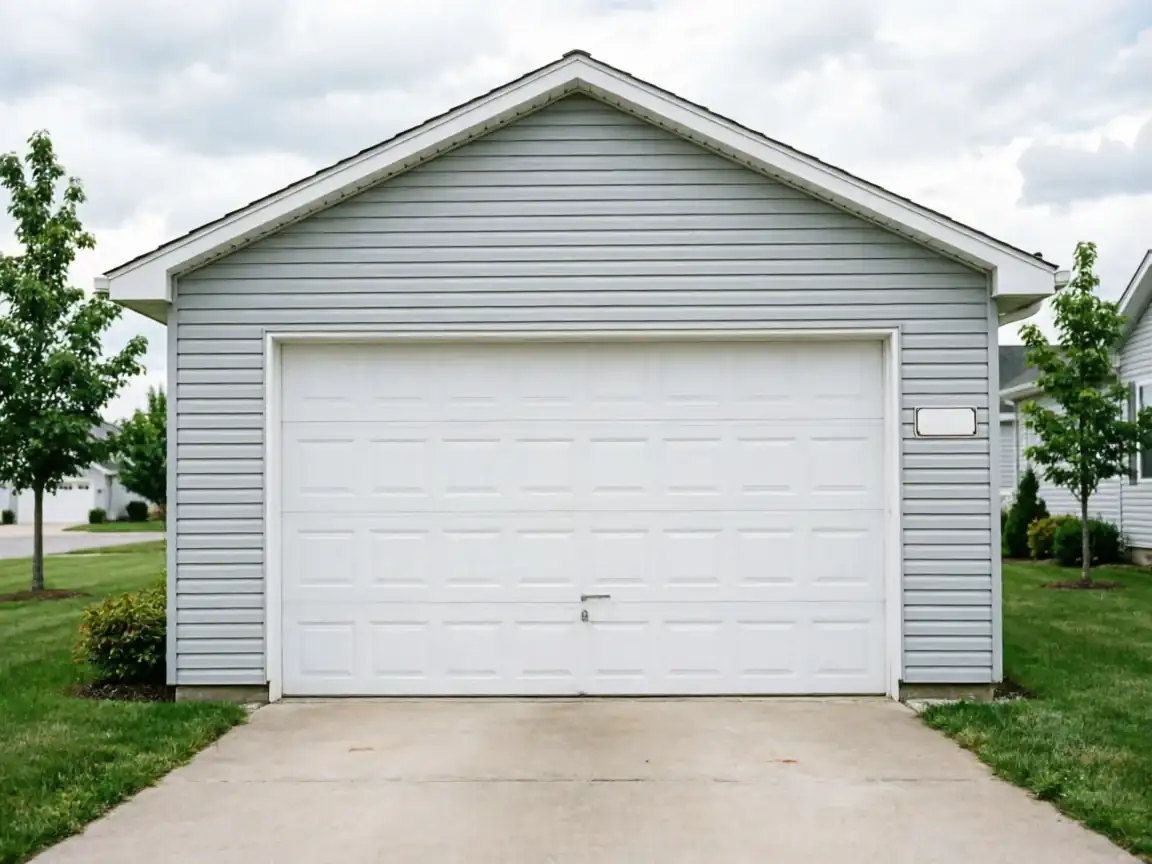
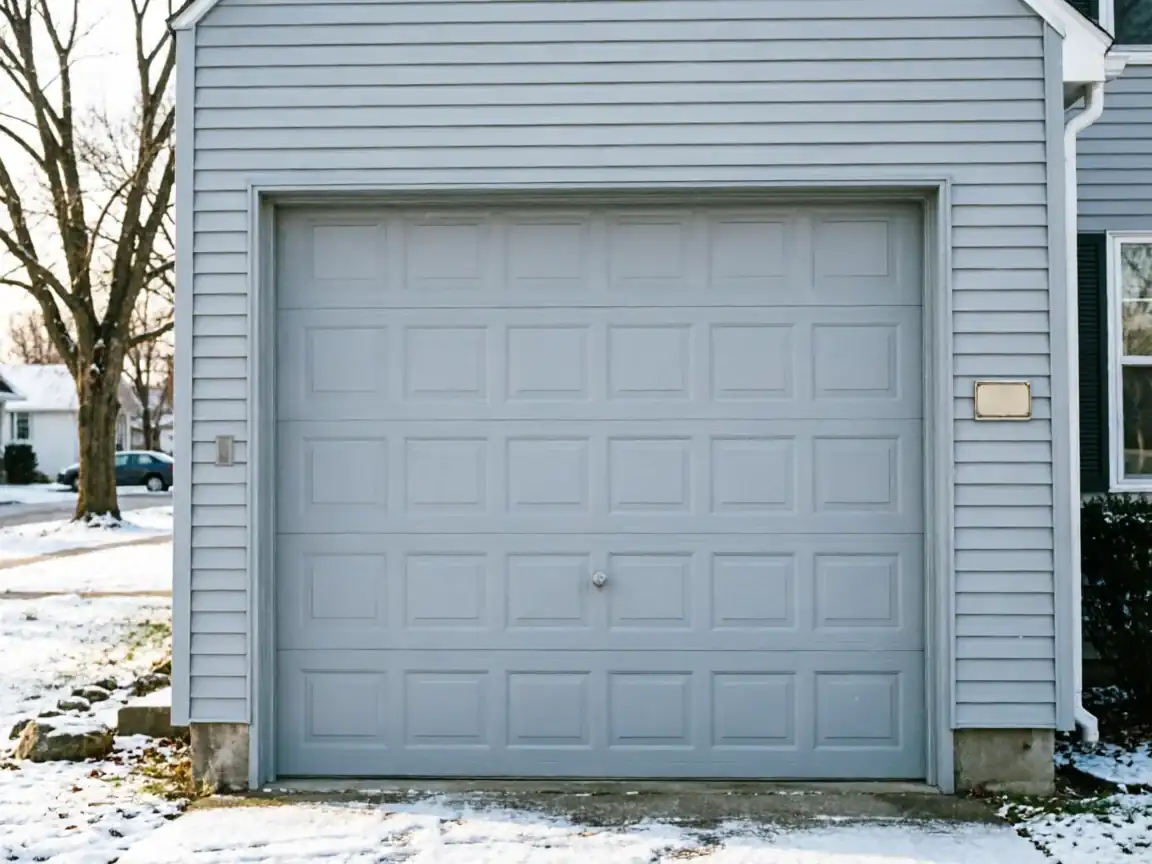
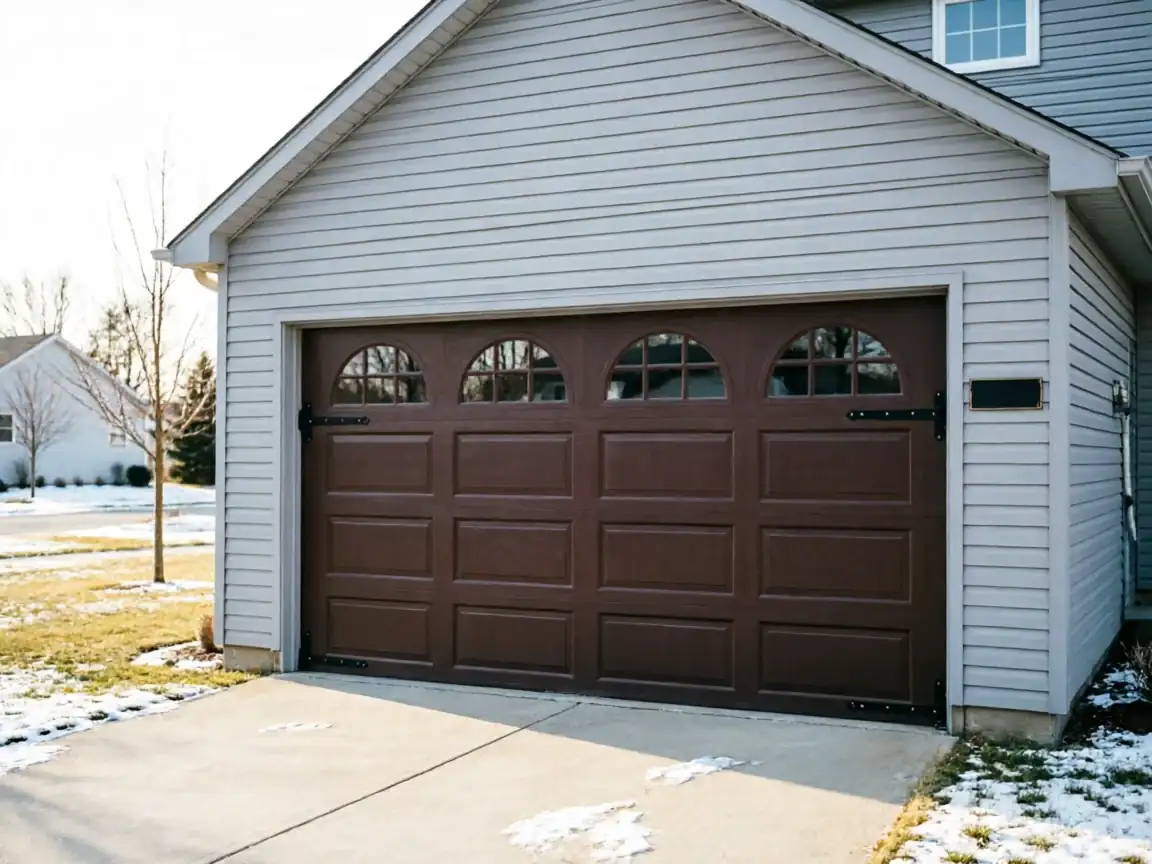
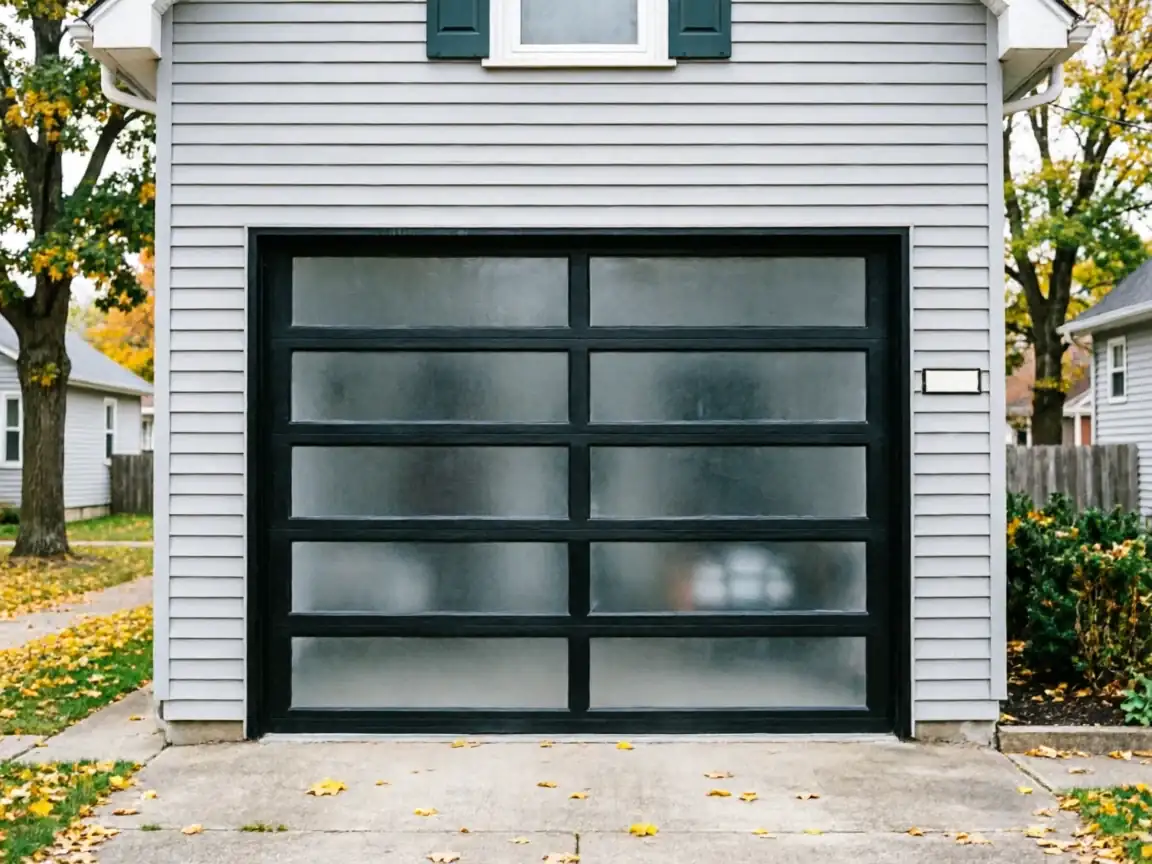
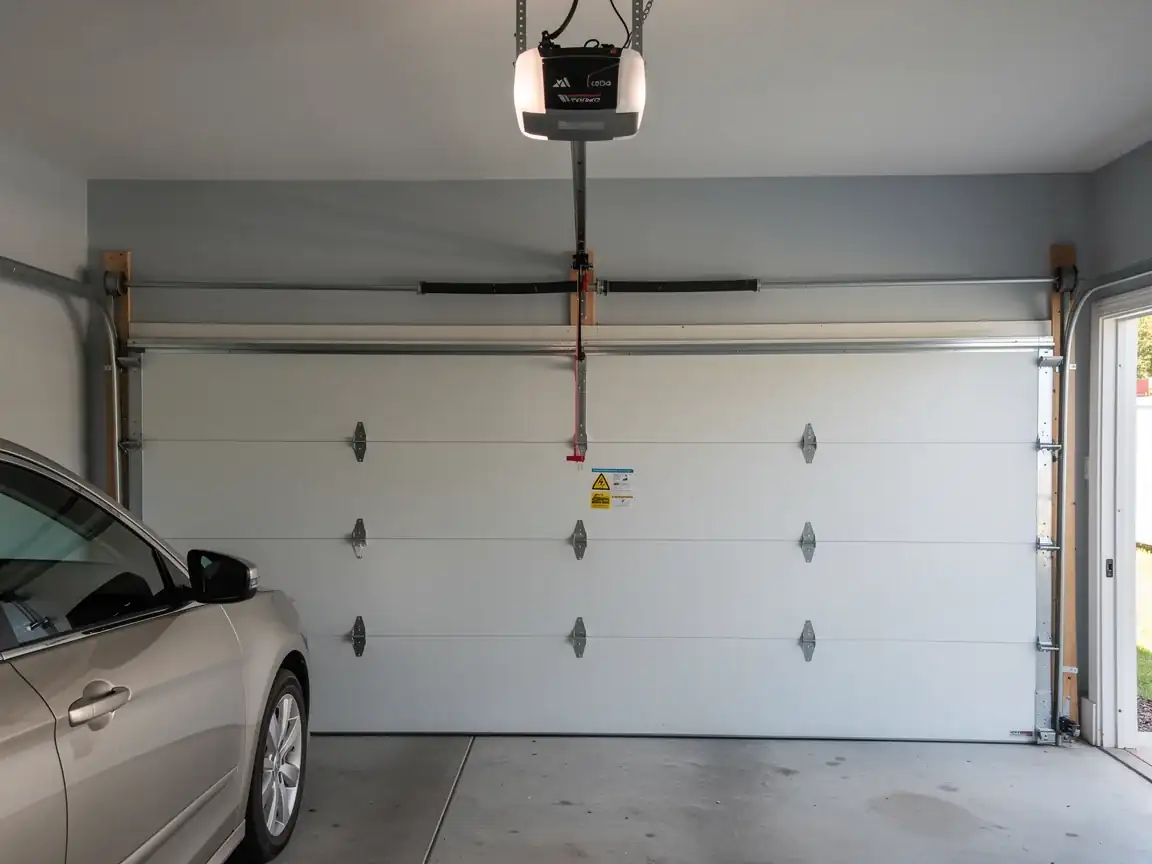
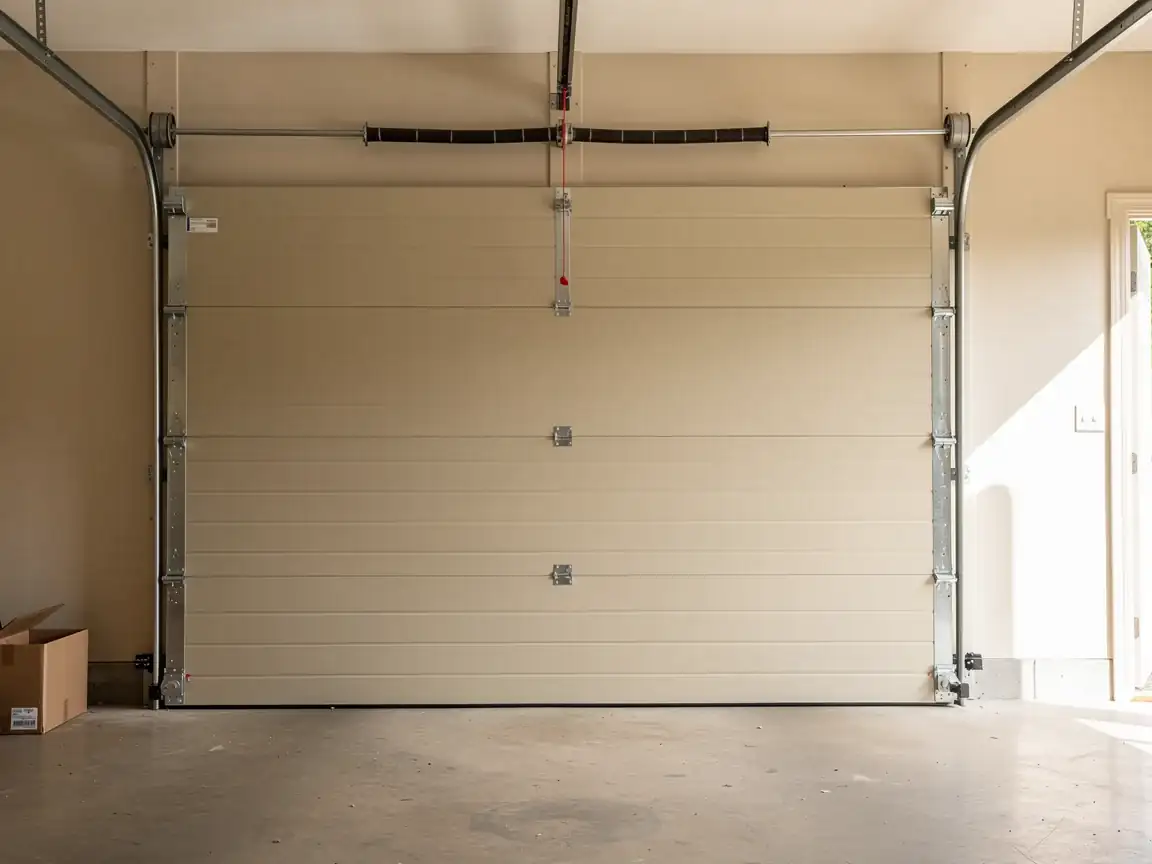
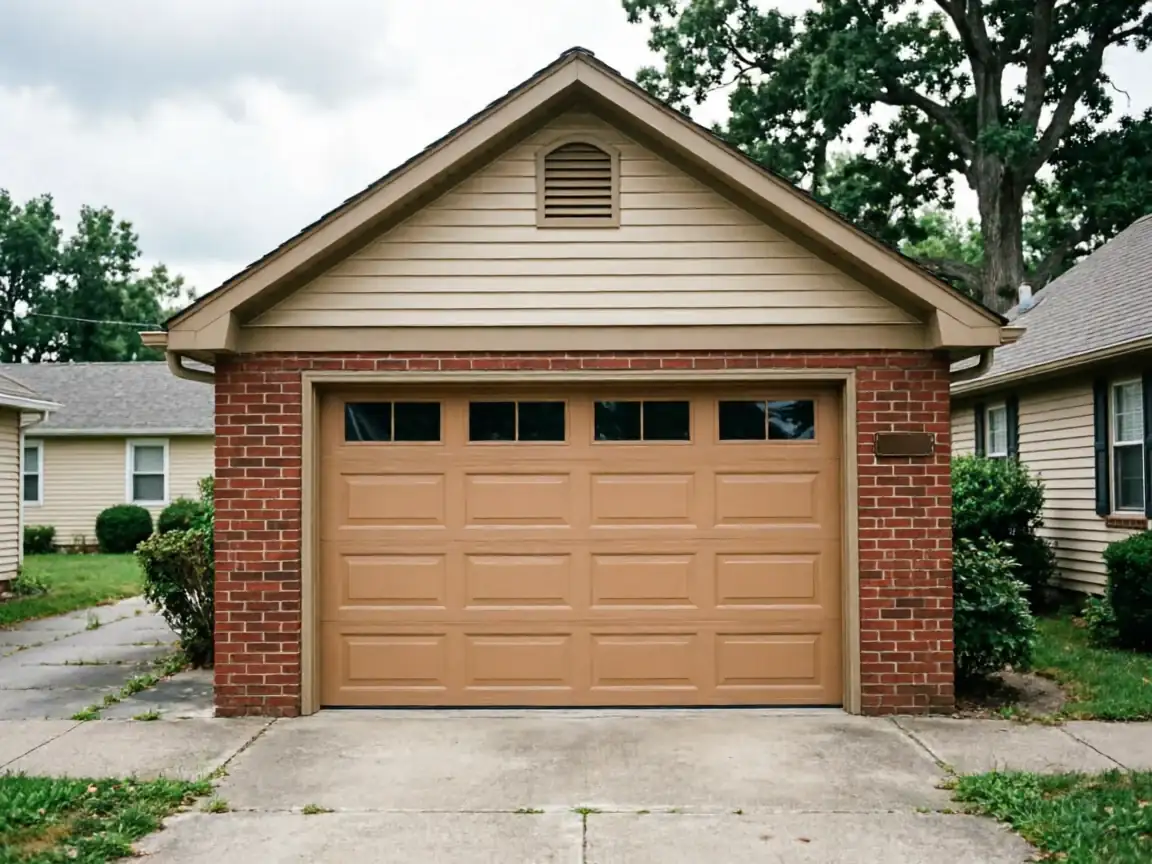
Most of the garage doors we open up in Tallmadge are still running hardware from the year the house went up, and that year is almost always somewhere in the 1970s. That's not a guess - it's the age band for this stretch of the Akron area, where the typical house dates to 1972, and Tallmadge sits right in that window. A door and opener from that era were built to a standard that nobody services anymore: single-point cable drums, galvanized but unlubricated hinges, and torsion springs wound for a steel door twice as heavy as the ones sold today. When a homeowner calls about a door that's suddenly loud, or won't seal at the bottom, we're usually not looking at a new problem - we're looking at fifty-year-old steel finally giving out. The failure doesn't look dramatic from the house side. It looks like a door that's slower than it used to be, or a spring that groans on the way up. Inside, it's a cable fraying on an original drum or a spring at the end of its wind count. This is the angle that matters before anything else on this page: what's original here, and what that means for the job.
The Symptom
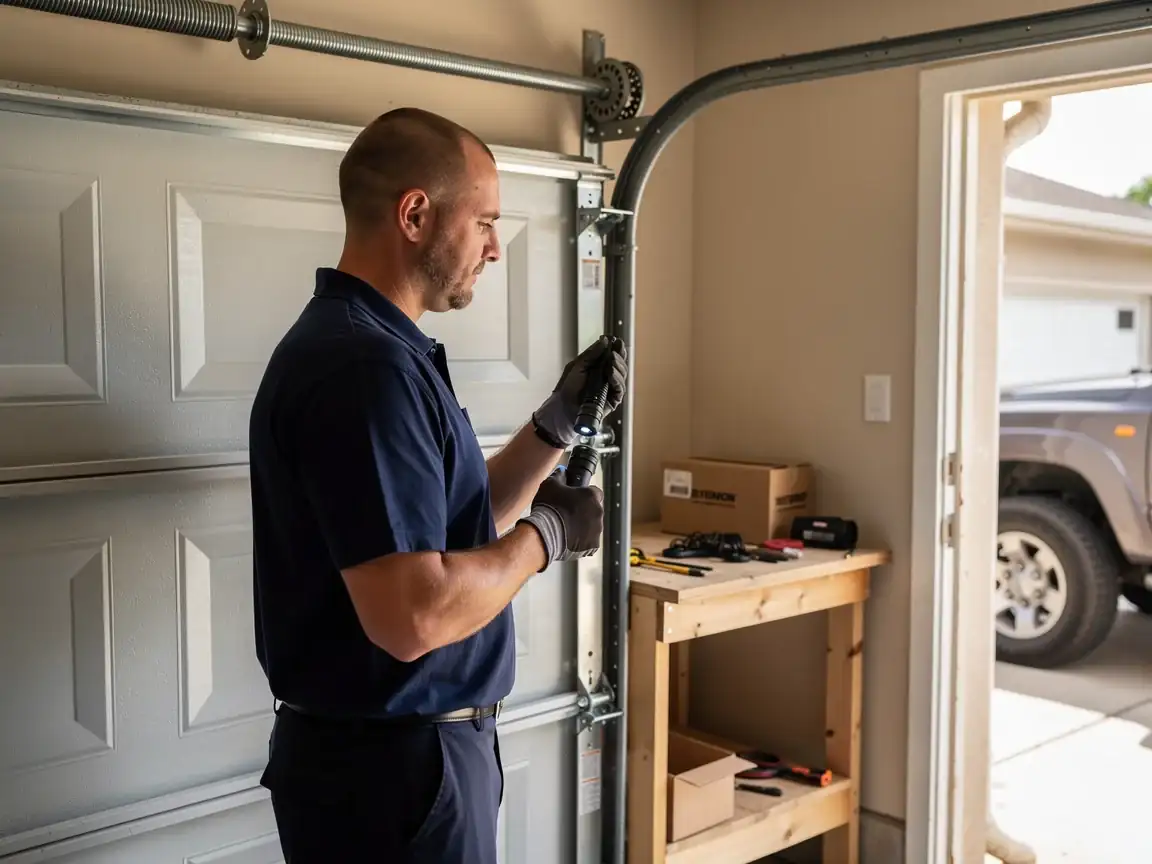
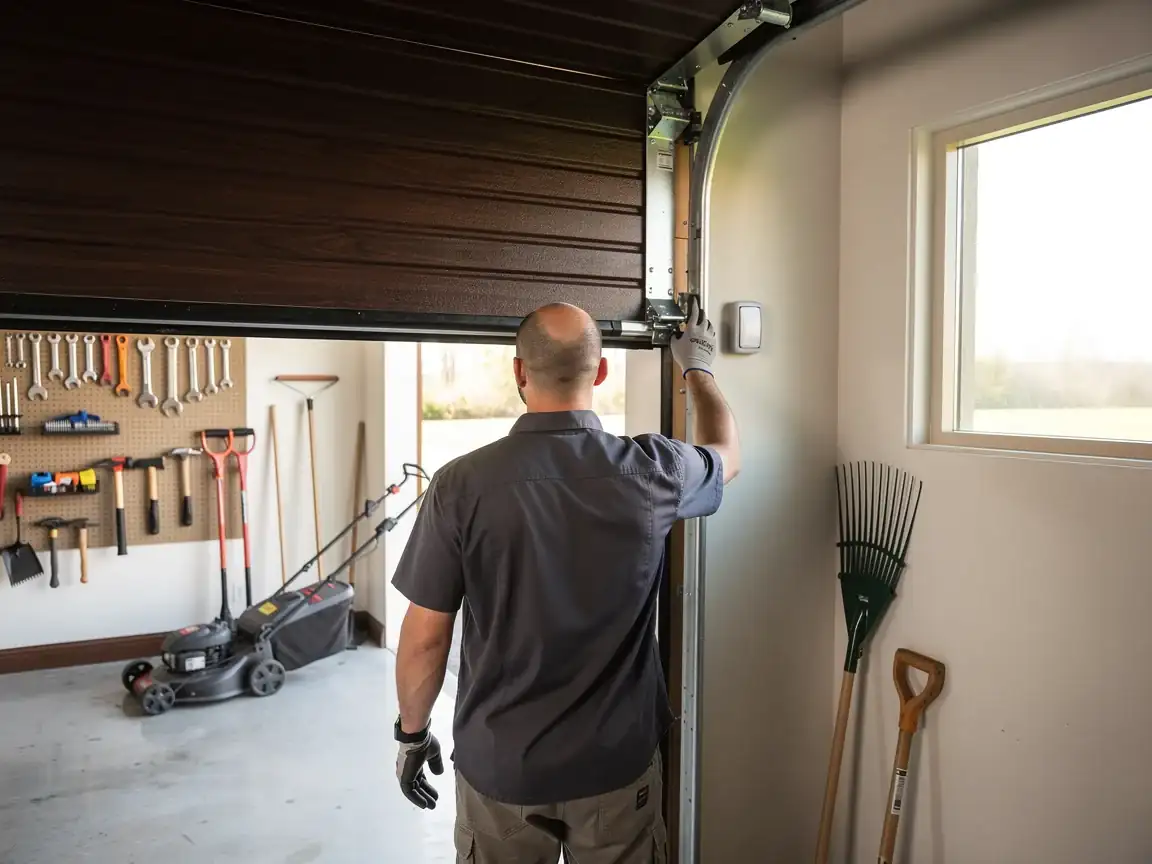
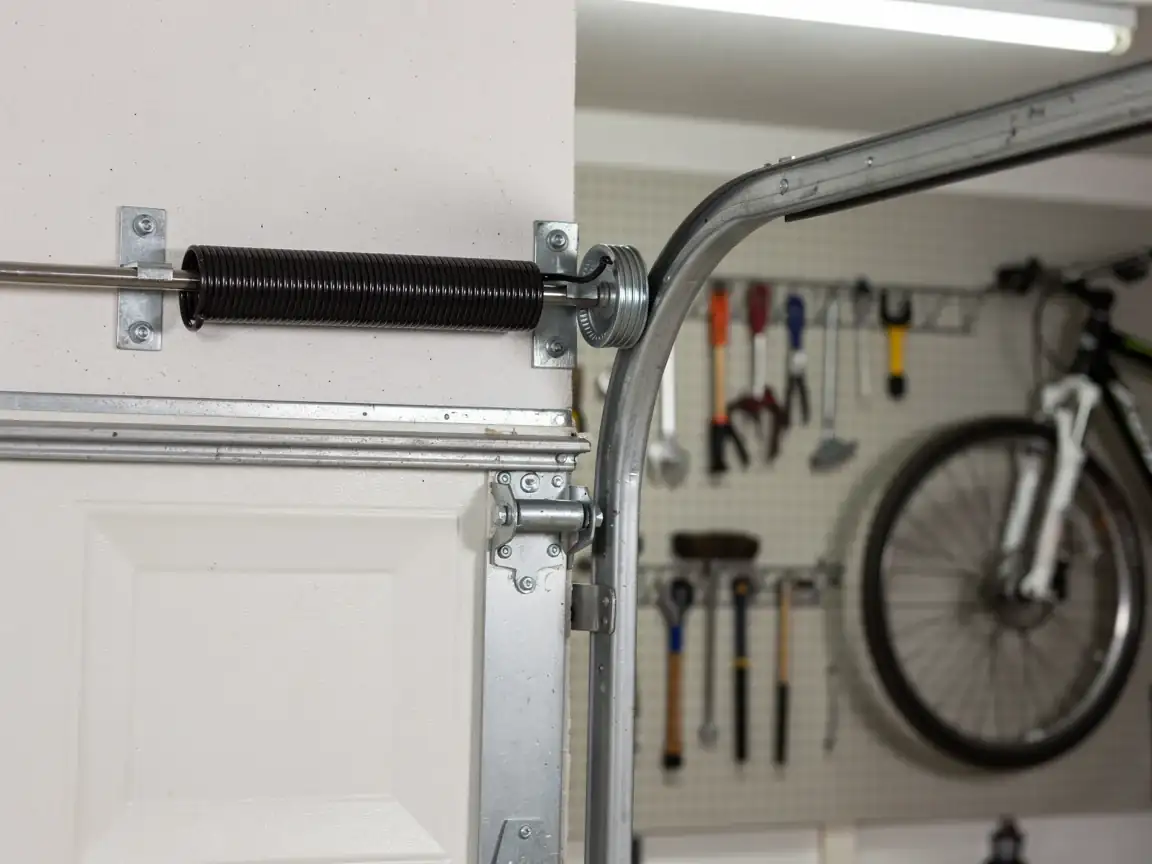
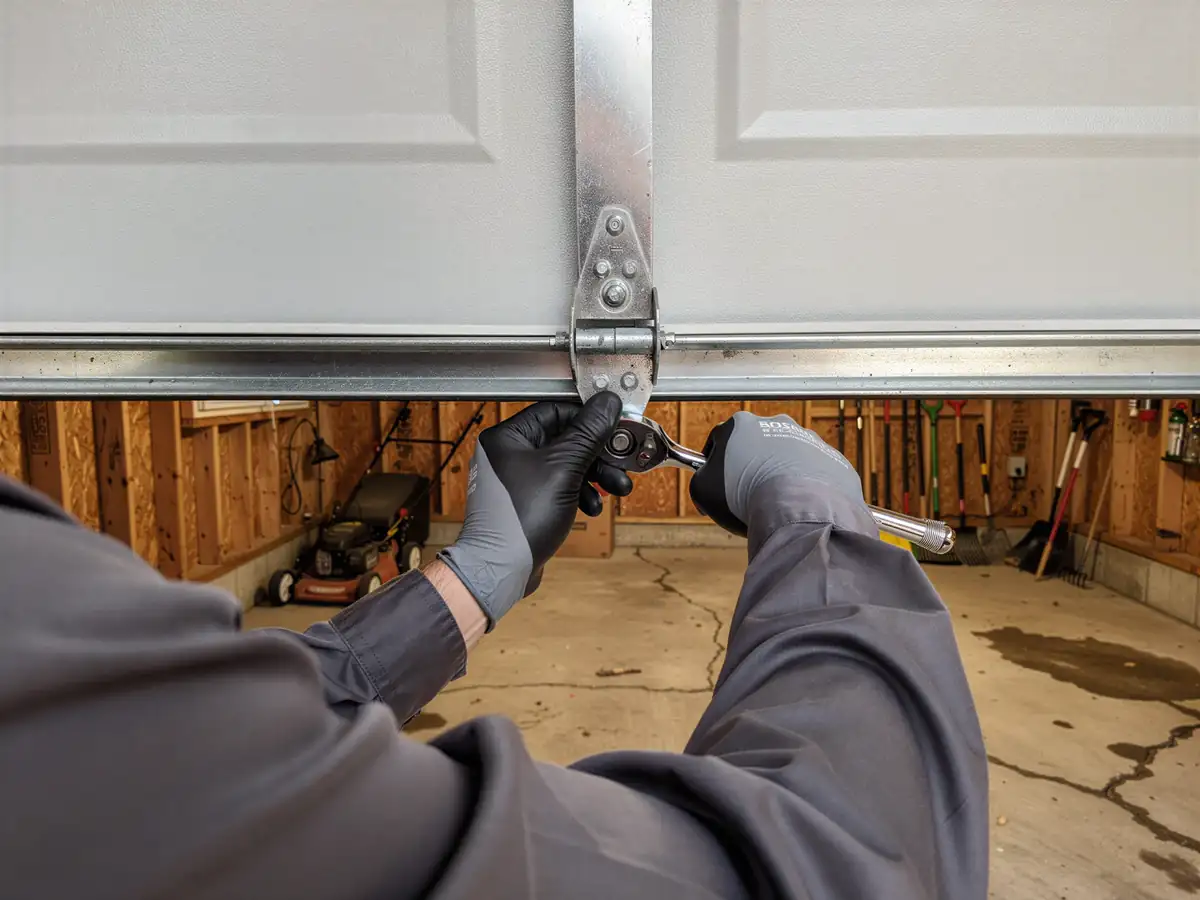
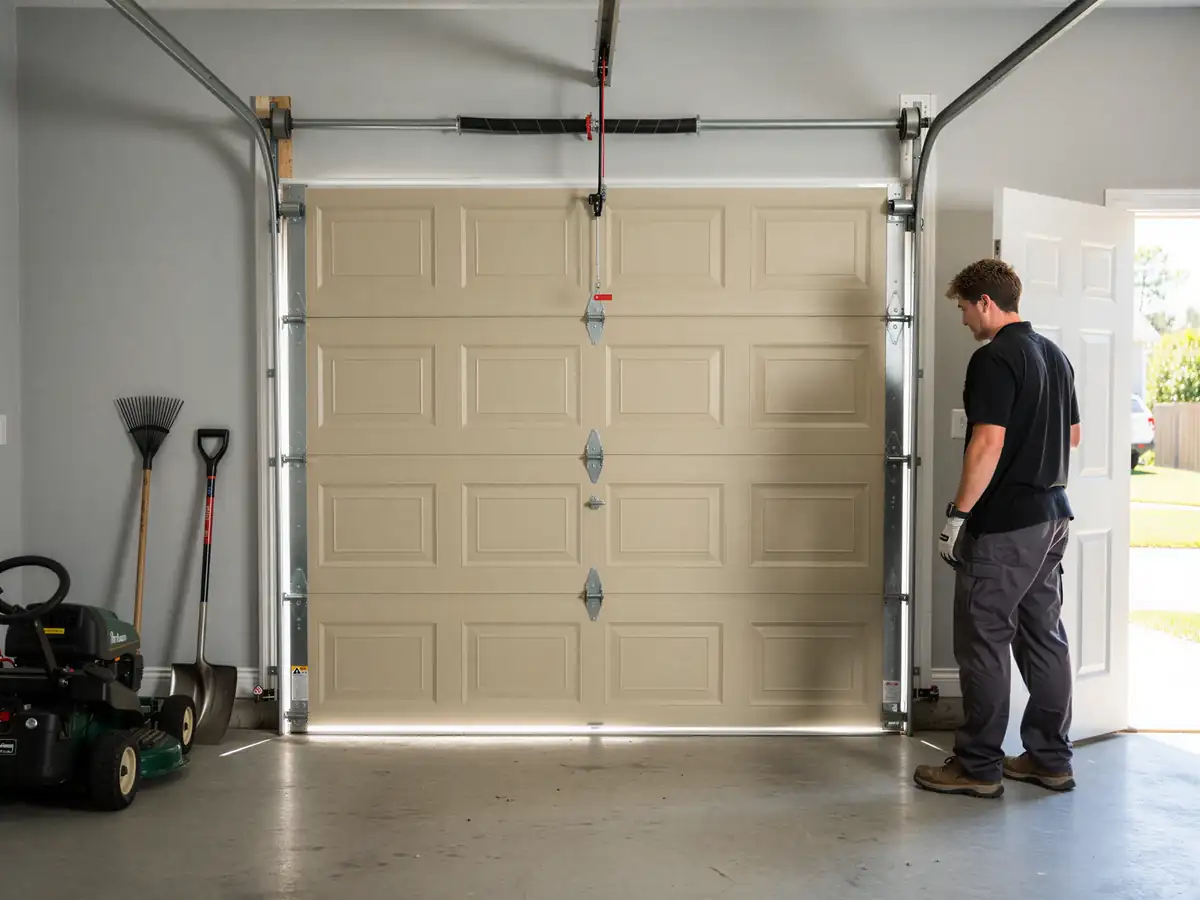
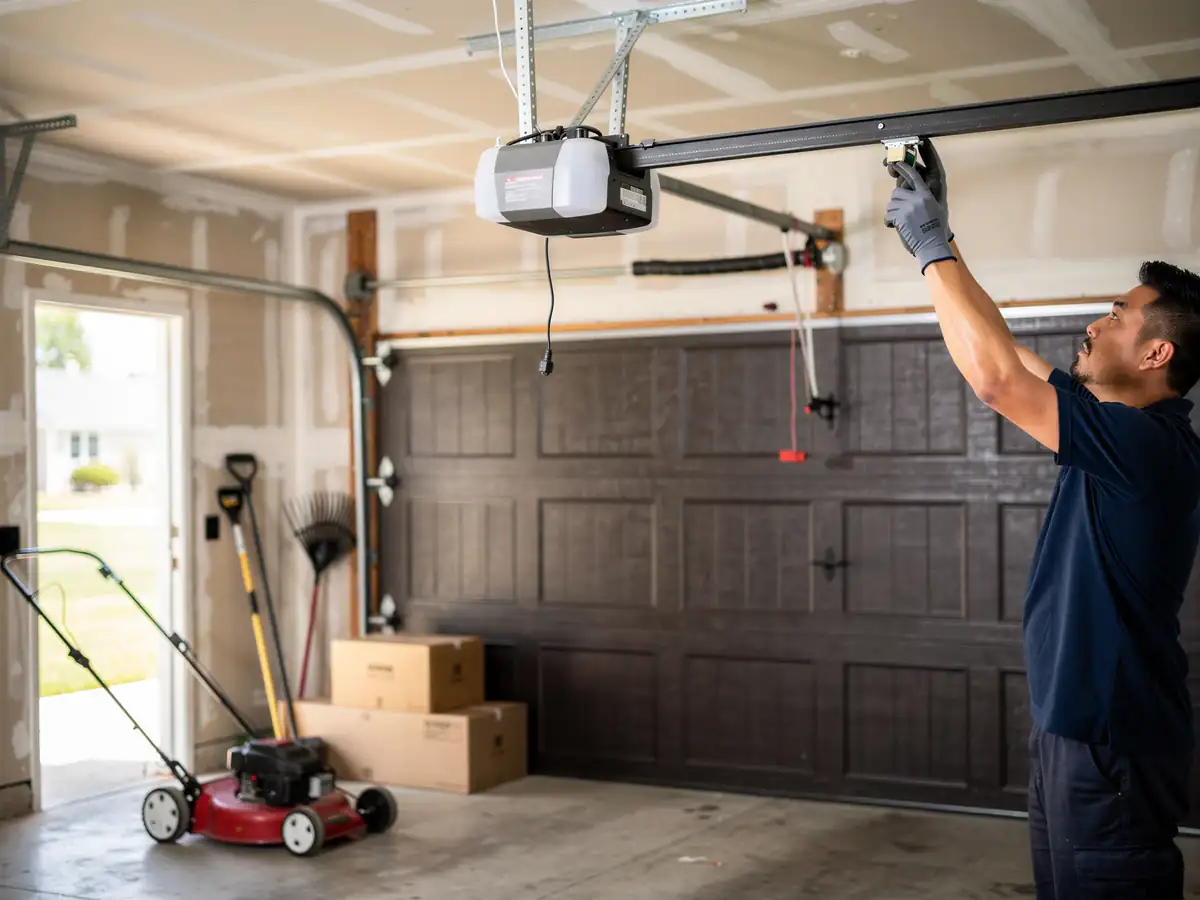
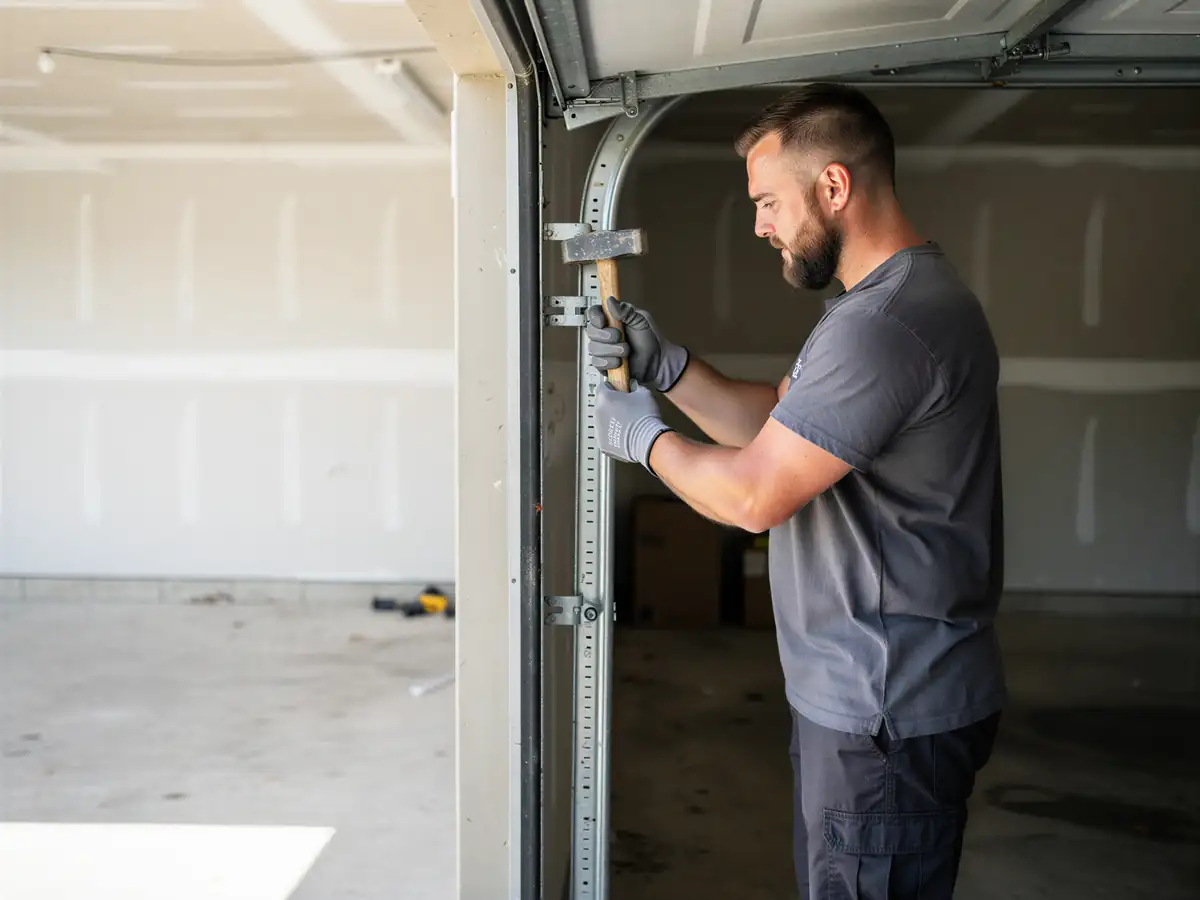
The call we get most from this part of town is a door that hesitates on the way up, then slams the last foot on the way down. That's a spring losing tension unevenly - common on doors still running one original torsion spring sized for 1970s steel, since most of those were never upgraded to a two-spring setup. Second most common: a horizontal track pulling away from the jamb on one side, which on a house this age usually traces back to lag bolts that were never meant to hold fifty years of thermal cycling in a cold-climate frame. Third: an opener that runs but doesn't fully close, which on original or early-replacement units is often a limit switch that was adjusted decades ago and never touched again.
Parts We Carry
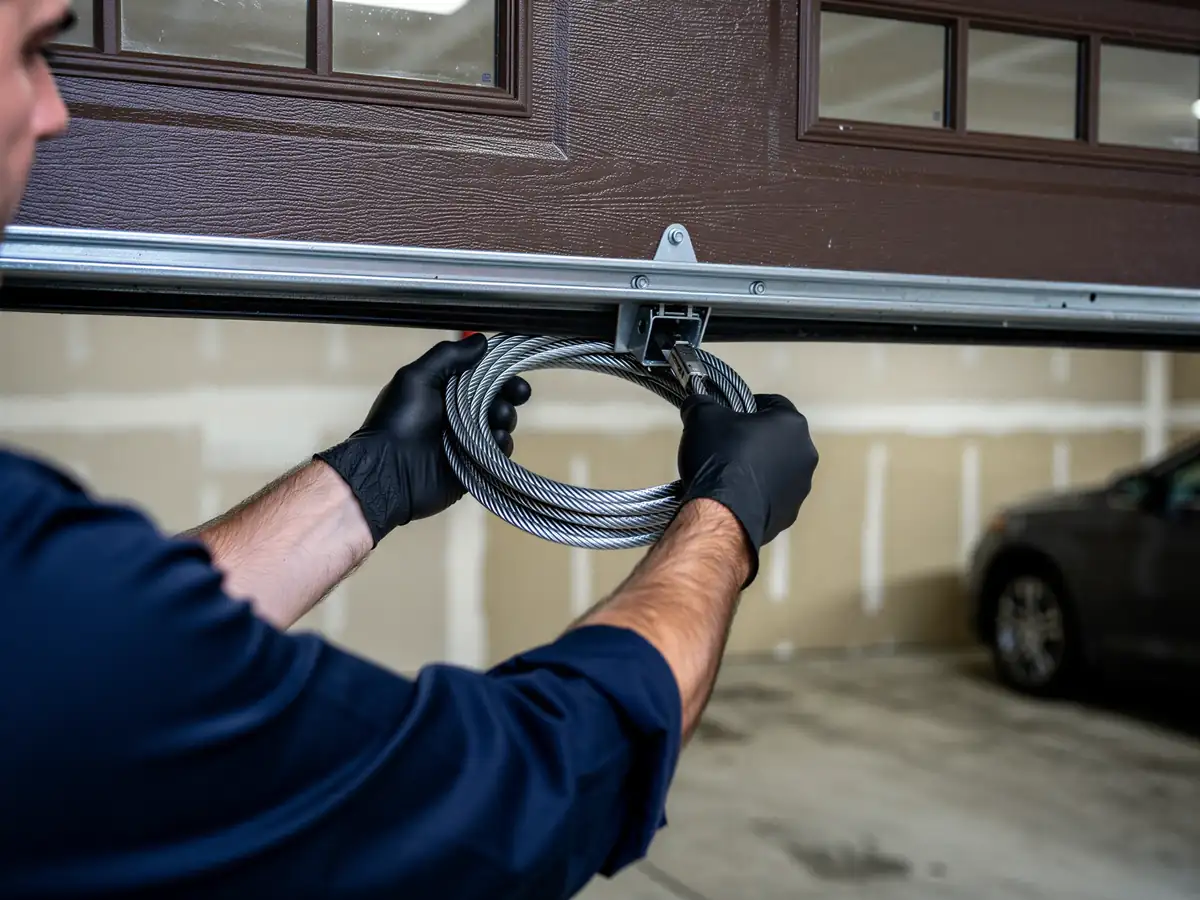
For doors from this build era we carry standard torsion springs in the common residential wind weights, galvanized rollers, and replacement cable in the gauge that fits older drums - the parts that fail first on hardware this old. What we don't stock on the truck is anything proprietary to a specific original manufacturer's bracket or a discontinued opener logic board; those can mean a lead time while we source the exact part, and we'll tell you that up front rather than make you wait on a truck that doesn't have it. If a repair means waiting on a part, we say so before we start, not after.
Booking a Visit
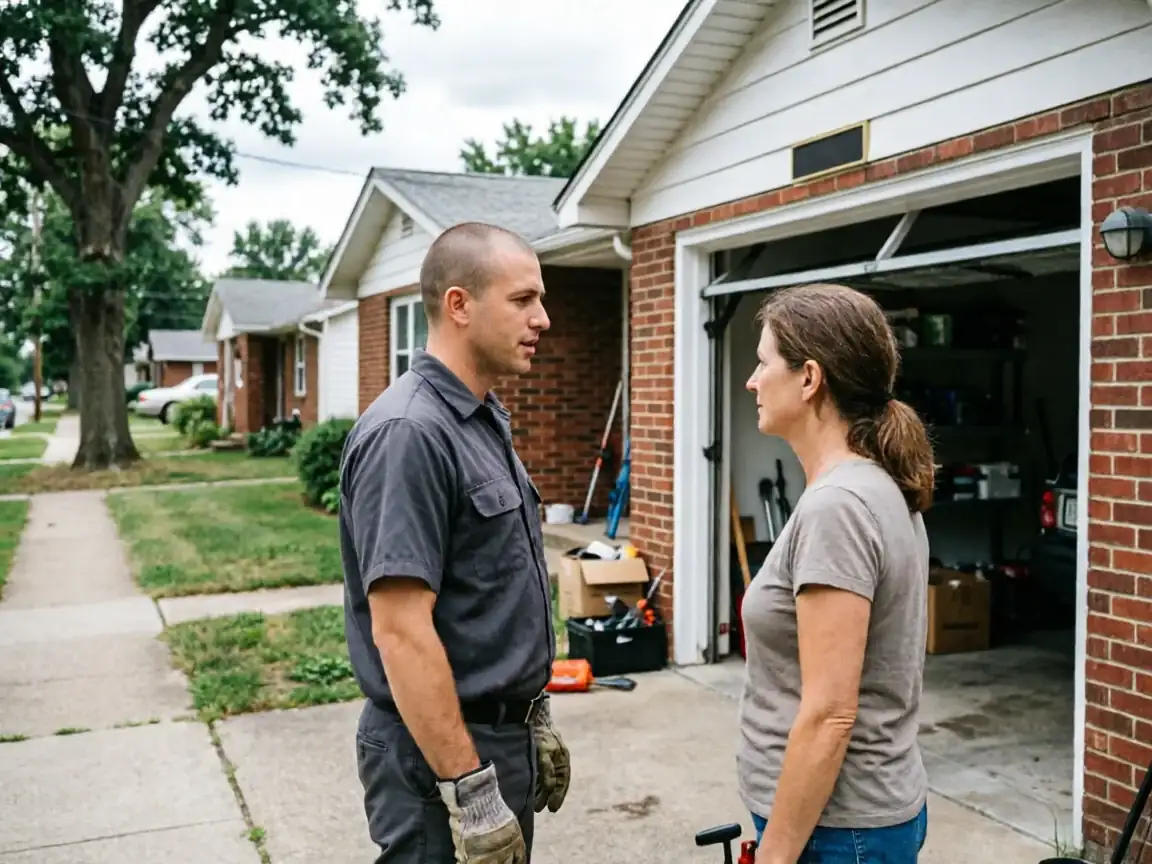
If your door is from the original build or hasn't been touched since, tell us that when you call - it changes what we bring on the truck. We run this call from Akron, about 5 miles from Tallmadge, so we ask for a description of the symptom up front to make sure the first trip out is the only one you need. See our Tallmadge page for the service area, or check garage door service in Akron for what we cover across the wider area.