Where This Job Goes Sideways
Tallmadge sits five miles from Akron, close enough that a maintenance call doesn't turn into a half-day trip, but far enough that we plan the route before we load the truck. That matters less for the drive itself and more for what it means scheduling-wise: a tech can swing through Tallmadge and still make two or three other stops the same morning, which is why we can keep maintenance visits on a regular cadence here instead of treating each one as a one-off.
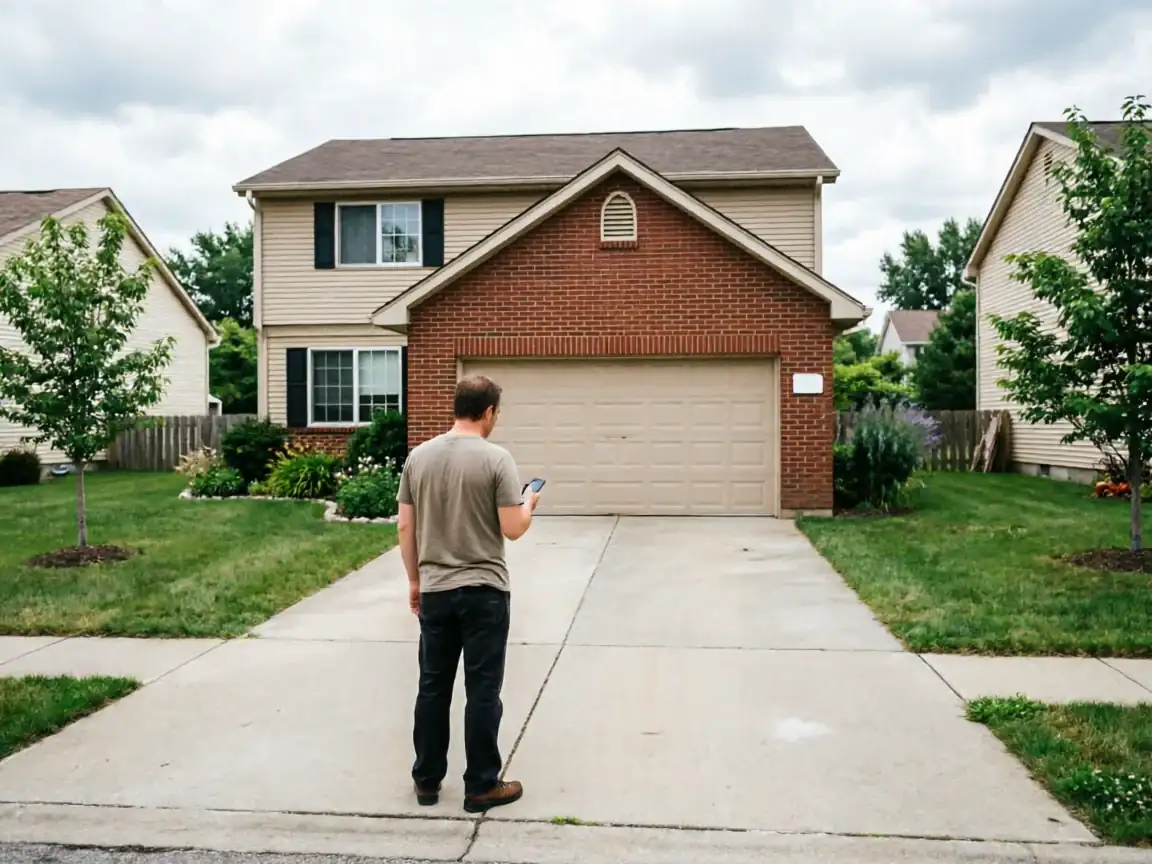
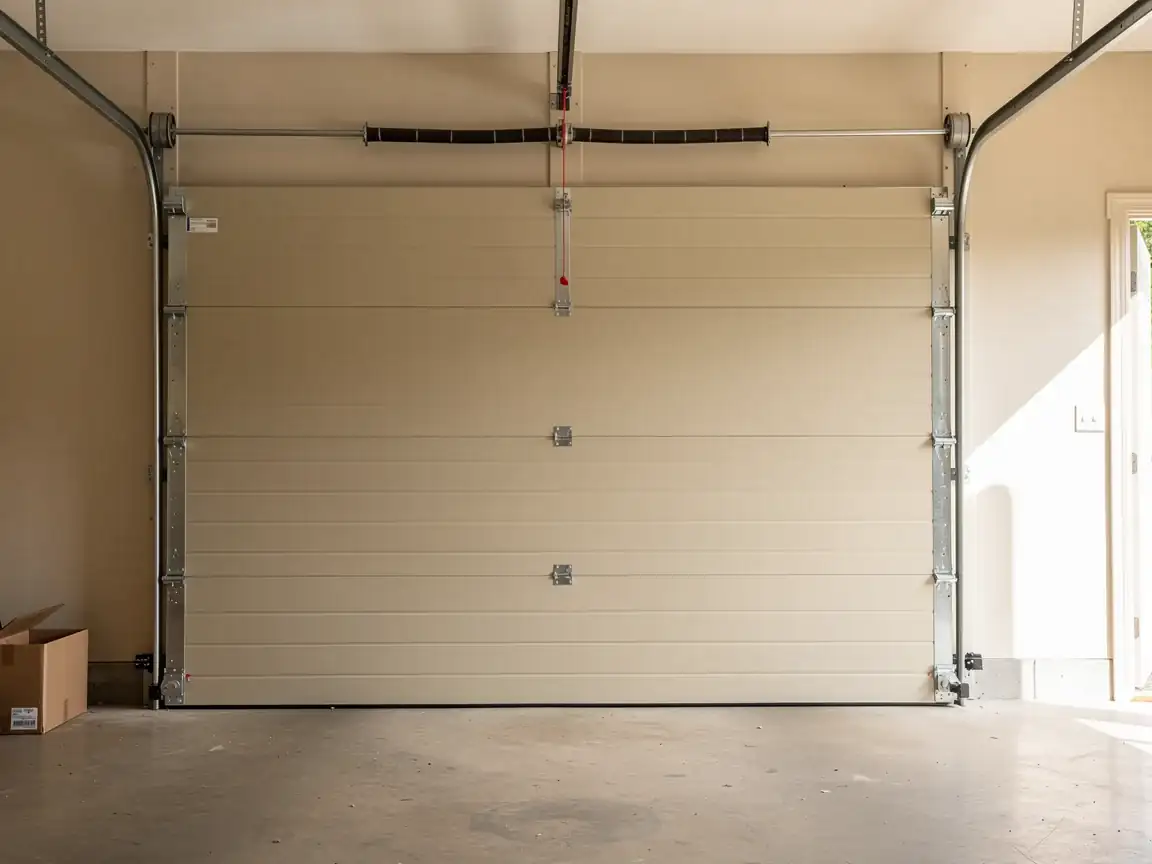
What actually goes sideways on these jobs isn't the travel, it's the assumption that a Tallmadge door is the same as one five miles the other direction. Most homes in this part of the service area were built around 1970, and that generation of garage door hardware has its own failure habits - lighter-gauge springs than what goes in today, galvanized cable that's been through fifty-plus Ohio winters, and openers that have already been swapped once or twice by a previous owner. A maintenance visit here starts with figuring out which era of hardware we're actually looking at, because the fix for a 1970 torsion setup isn't the fix for a door installed ten years ago.
Time on the Job
A straightforward maintenance visit on one of these older doors runs long enough to actually test the door under load
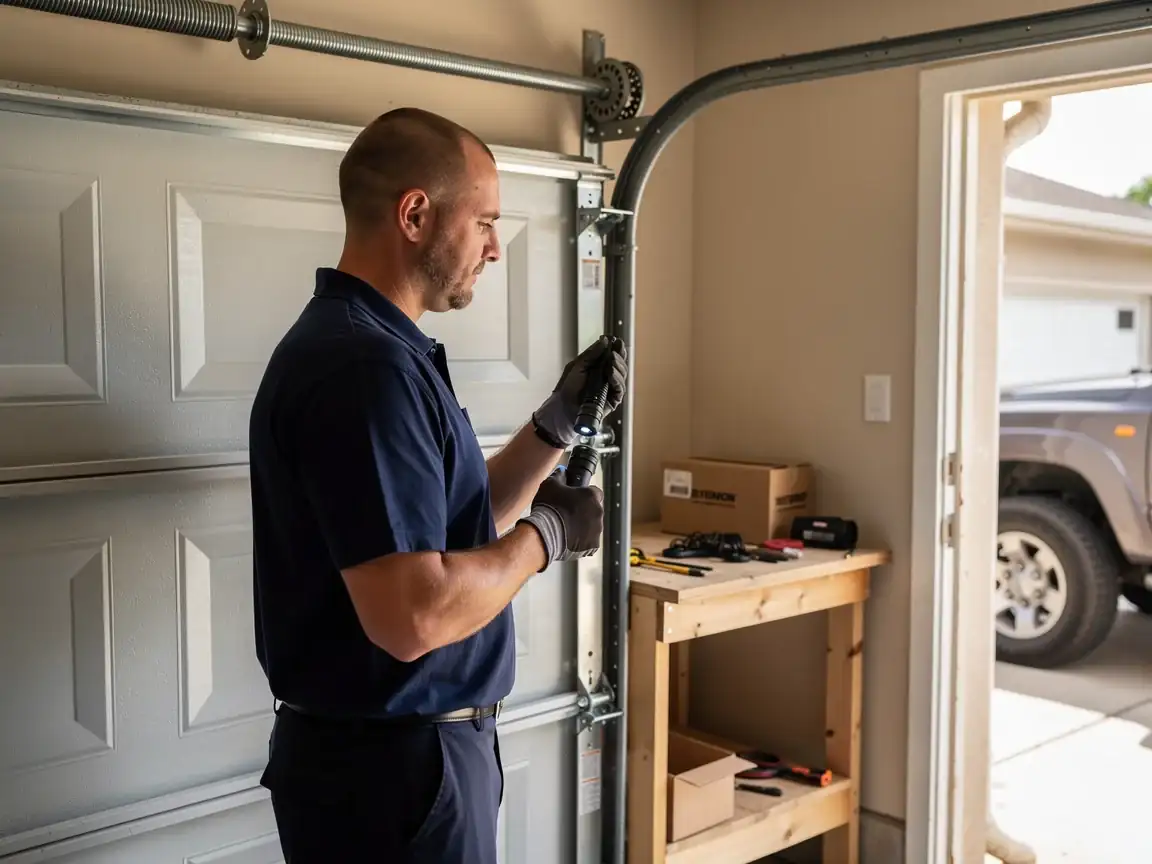
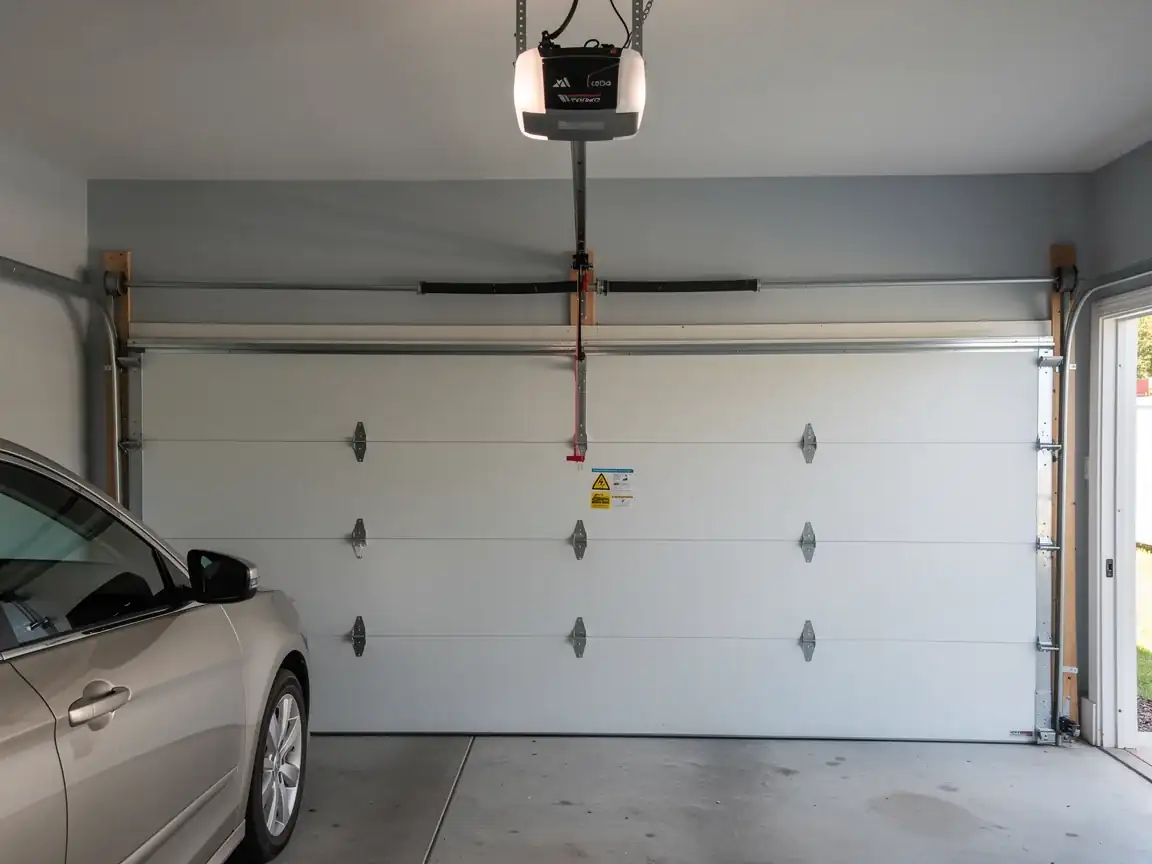
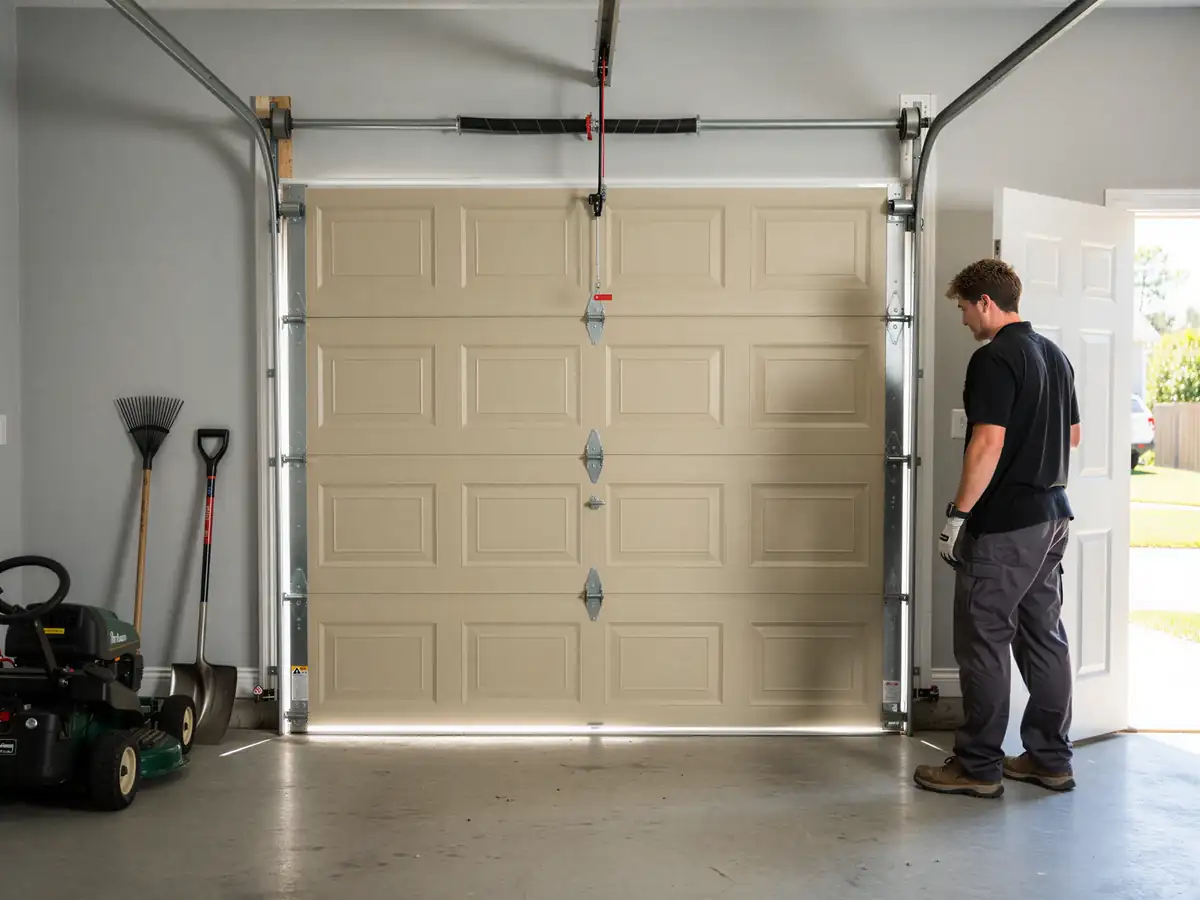
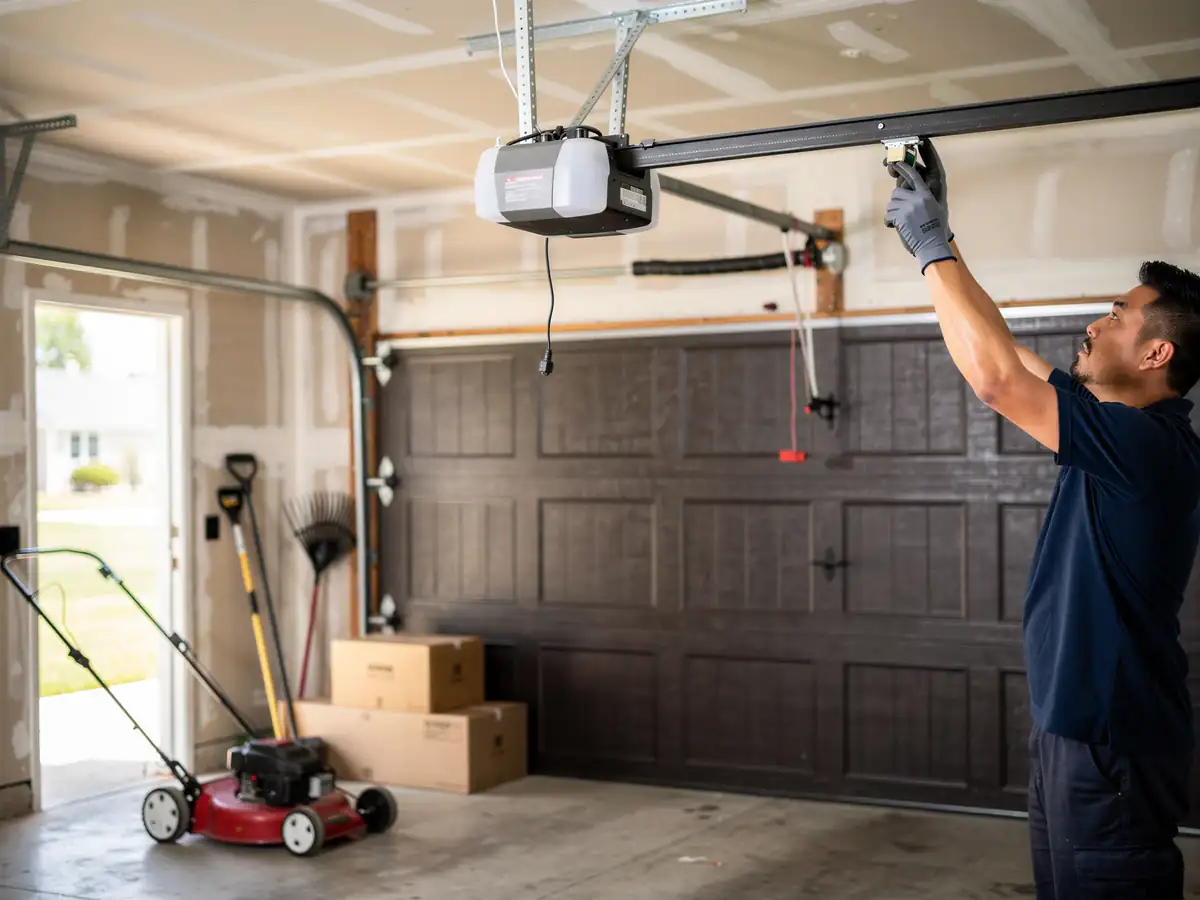
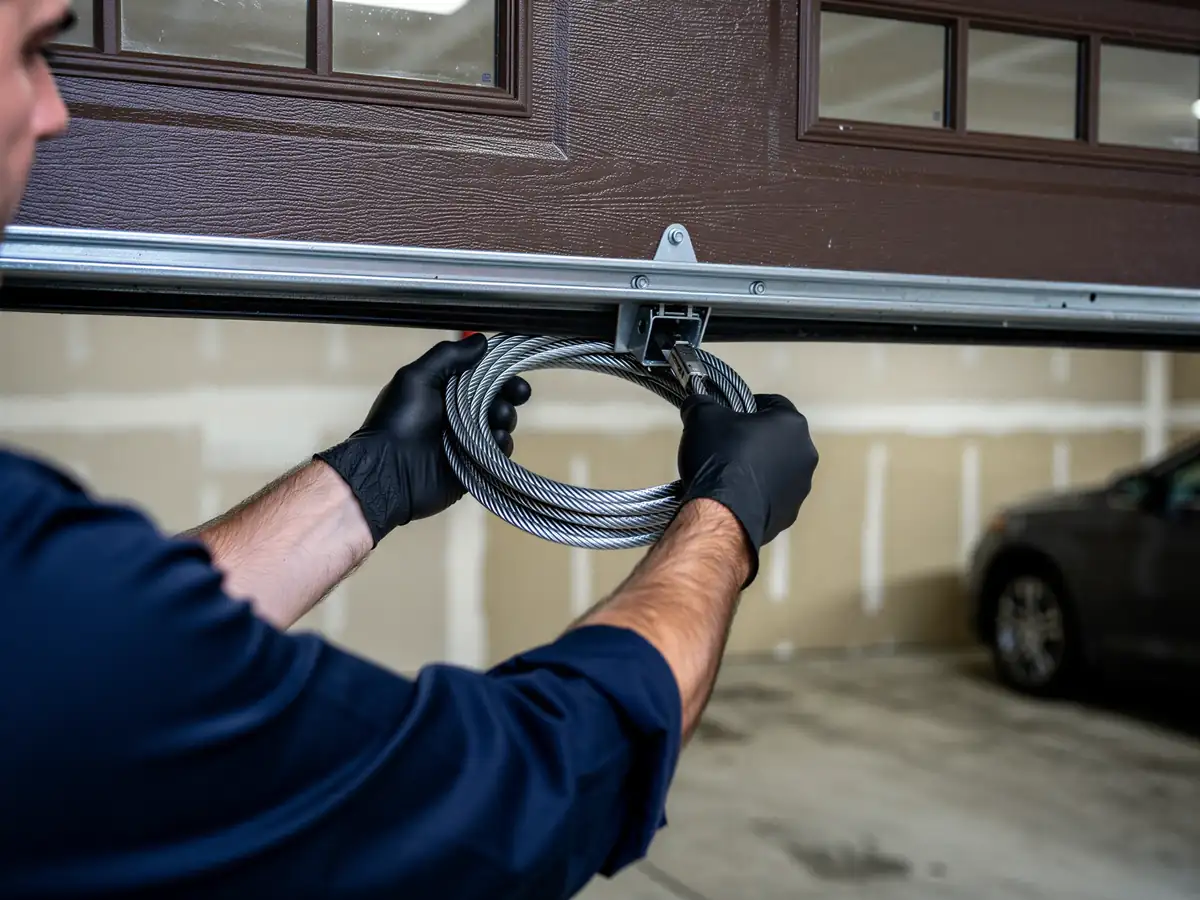
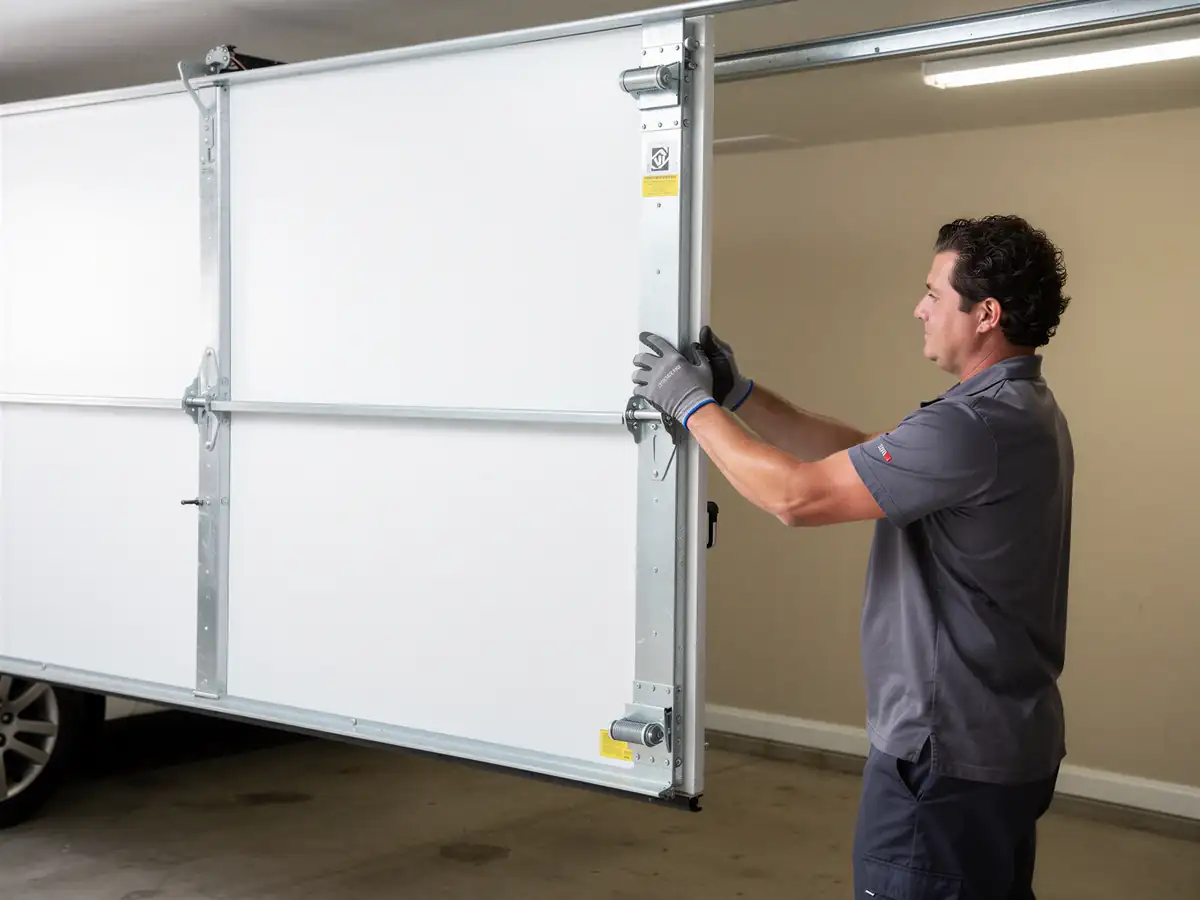
Not just eyeball it. We're checking spring tension, cable wear at the drum, roller condition, and opener force settings, then running the door up and down a few times to see how it behaves once it's warm versus cold - which matters in a severe cold climate zone where steel contracts and lubricant thickens overnight.
We don't pad the visit with upsells
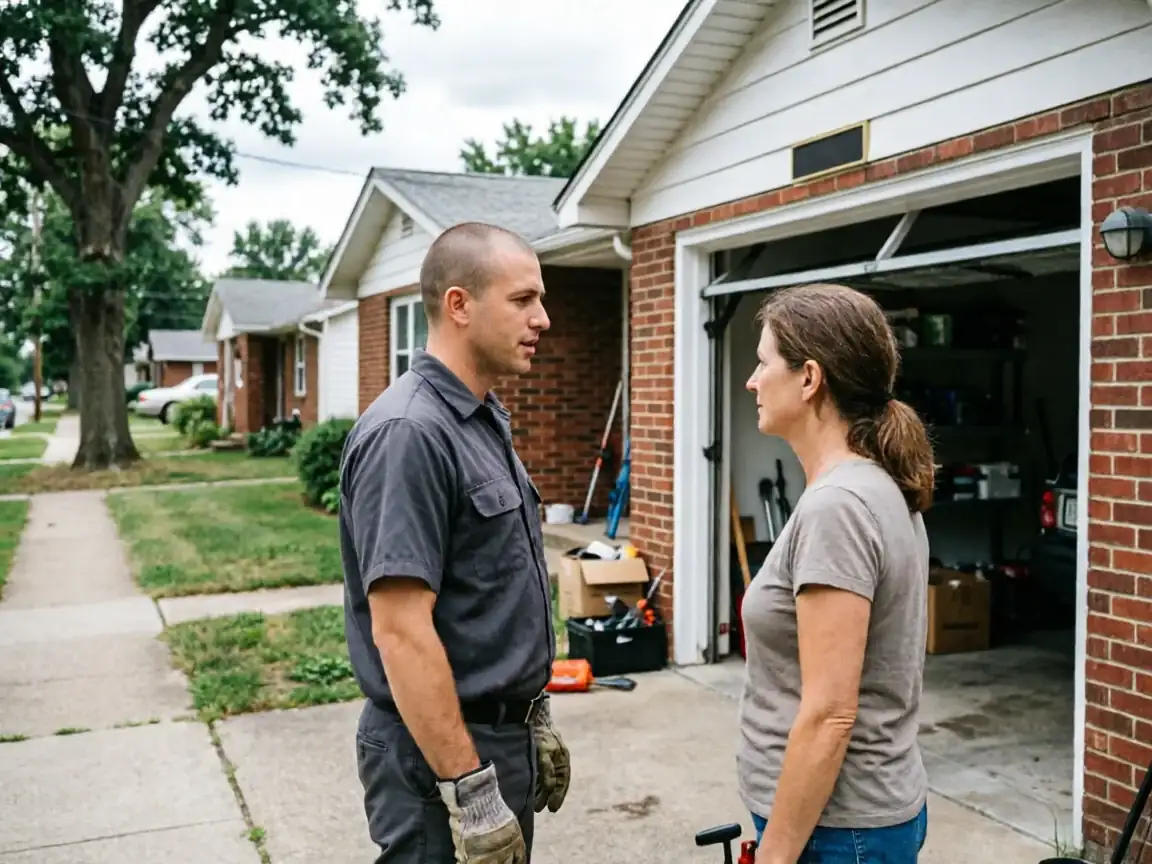
If the door's sound, we tell you it's sound and move on. If something's close to failing but not there yet, we'll flag it and let you decide on timing rather than pushing a repair you don't need yet.
The Symptom
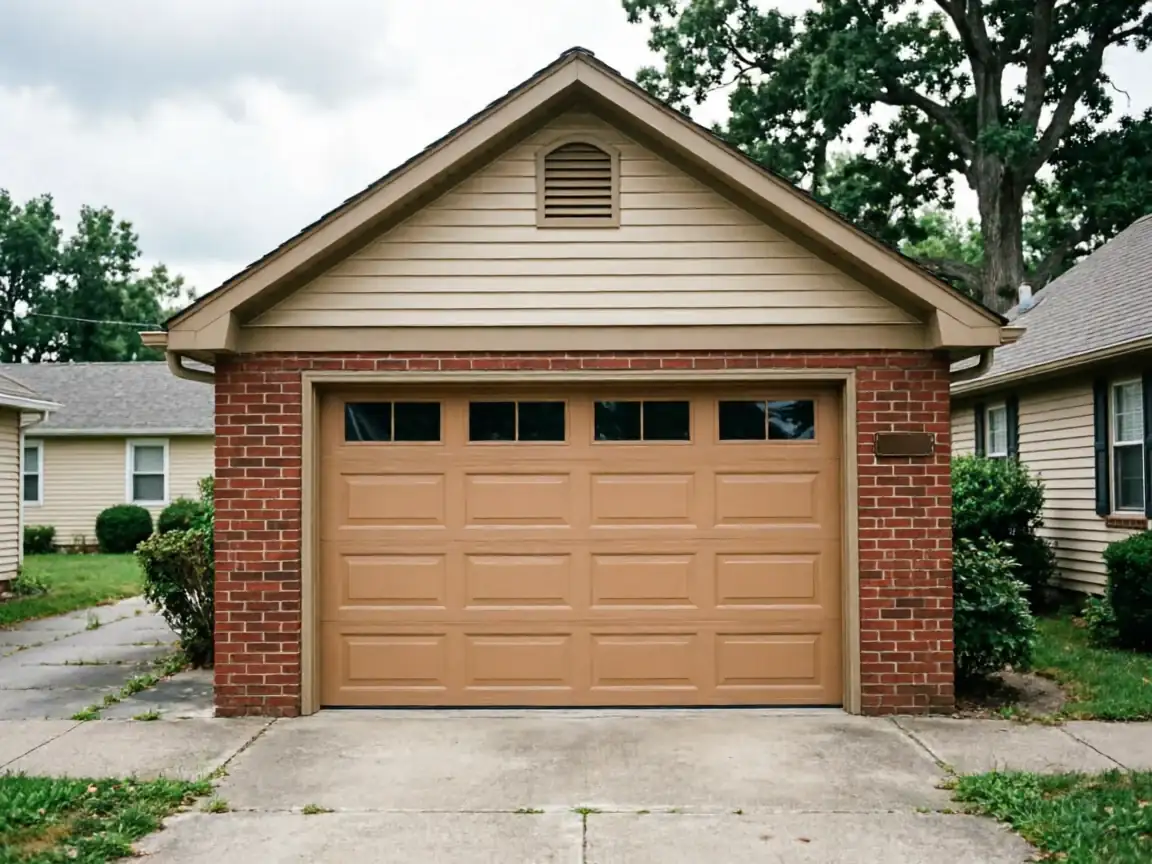
The complaint we hear most from this stretch of houses - built roughly between 1952 and 2004, with the bulk clustered around that 1970 median - is a door that's gotten noisy or slow to respond, especially on the first cold morning of the season. That's usually not the opener failing; it's original or early-replacement hardware that was never built for today's torque specs catching up with decades of use.
In a household budget with the area's median income around $91,273, most owners here aren't looking to replace a door that's still structurally sound - they want the hardware brought back to spec so it lasts another decade. That's the gap maintenance is meant to fill, and on 1960s-70s stock it's a bigger gap than on newer builds.
Parts We Carry
On the truck we carry the springs, rollers, and cable sizes that match what actually went into houses built in this window - not just current-year stock. That's deliberate: a lot of the roughly 7,470 households in Tallmadge are still running hardware original or close to original to the house, and showing up without the right spring gauge means a second trip nobody wants.
We don't stock every part for every door ever made, and we'll say so if your opener or track is an oddball we need to order in. That's the honest limit of what's on the truck - most days it covers what we find, but not always.
How We Fix It
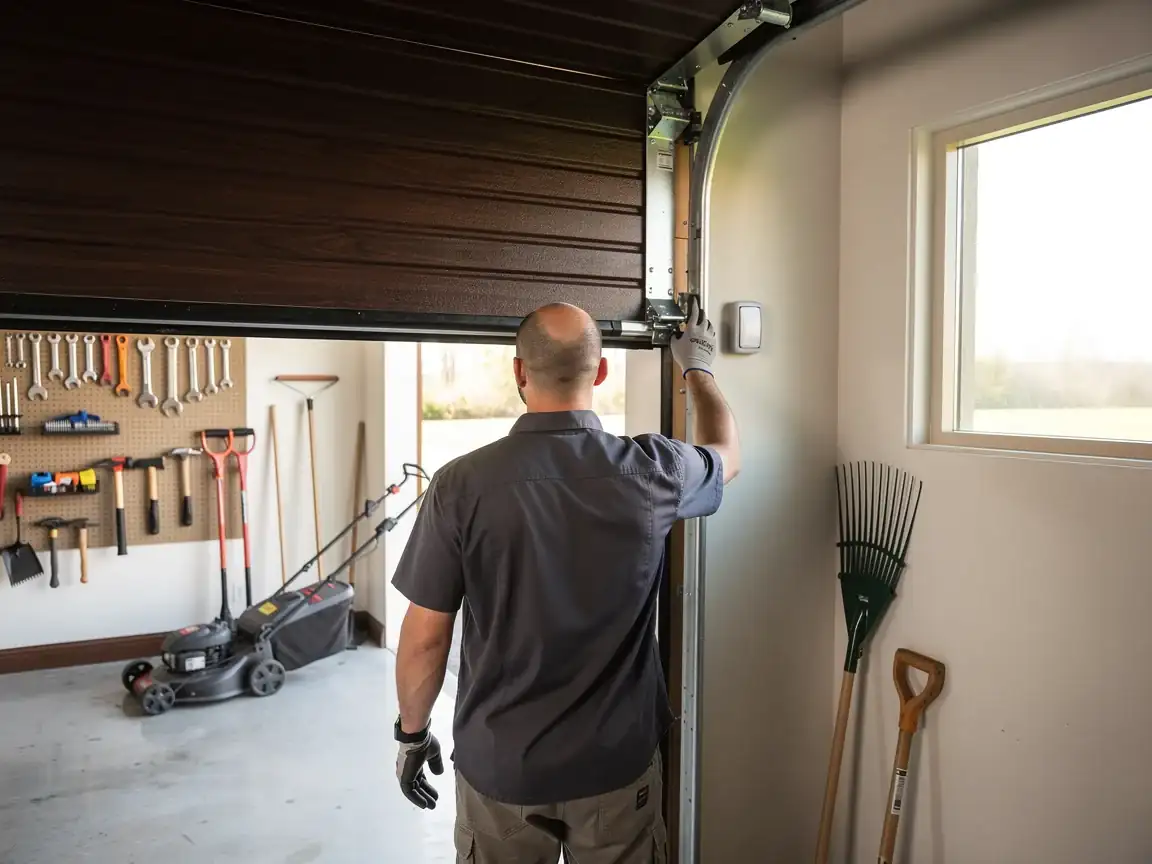
Maintenance here means lubricating and adjusting what's already installed before it becomes a repair call
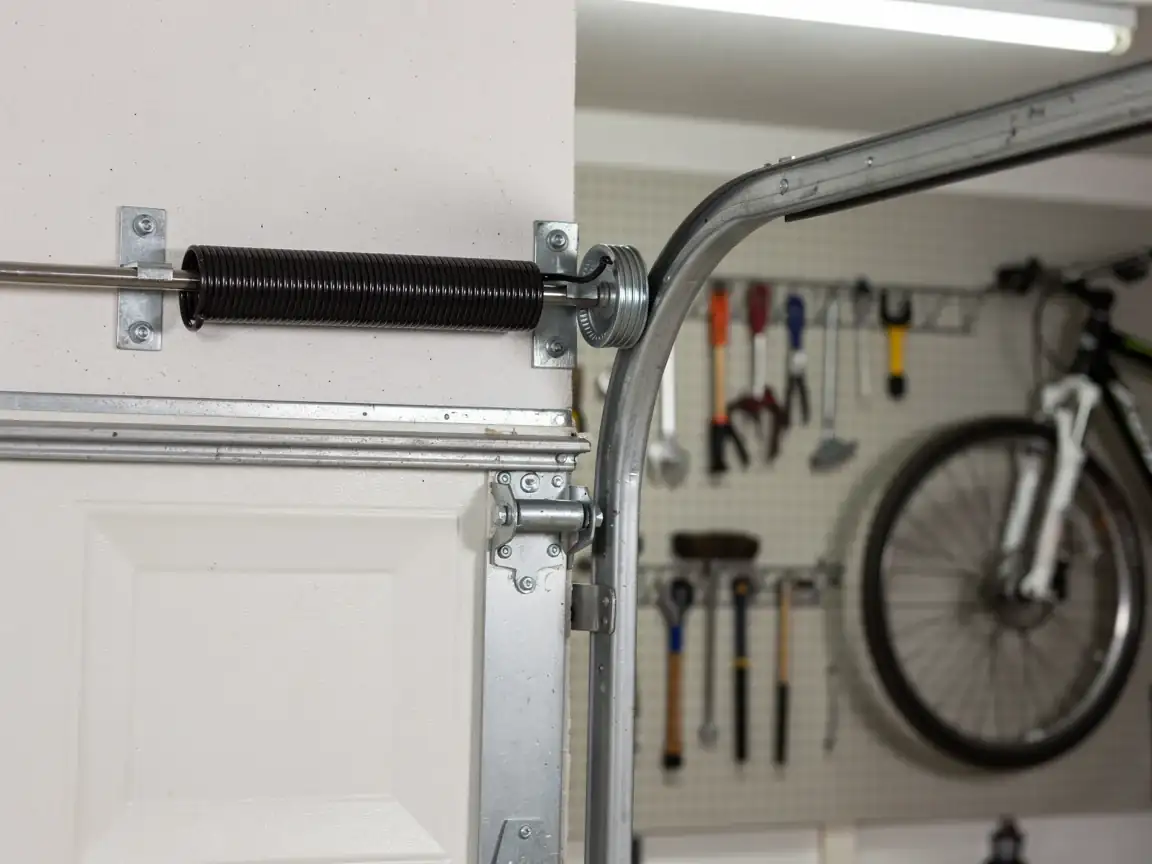
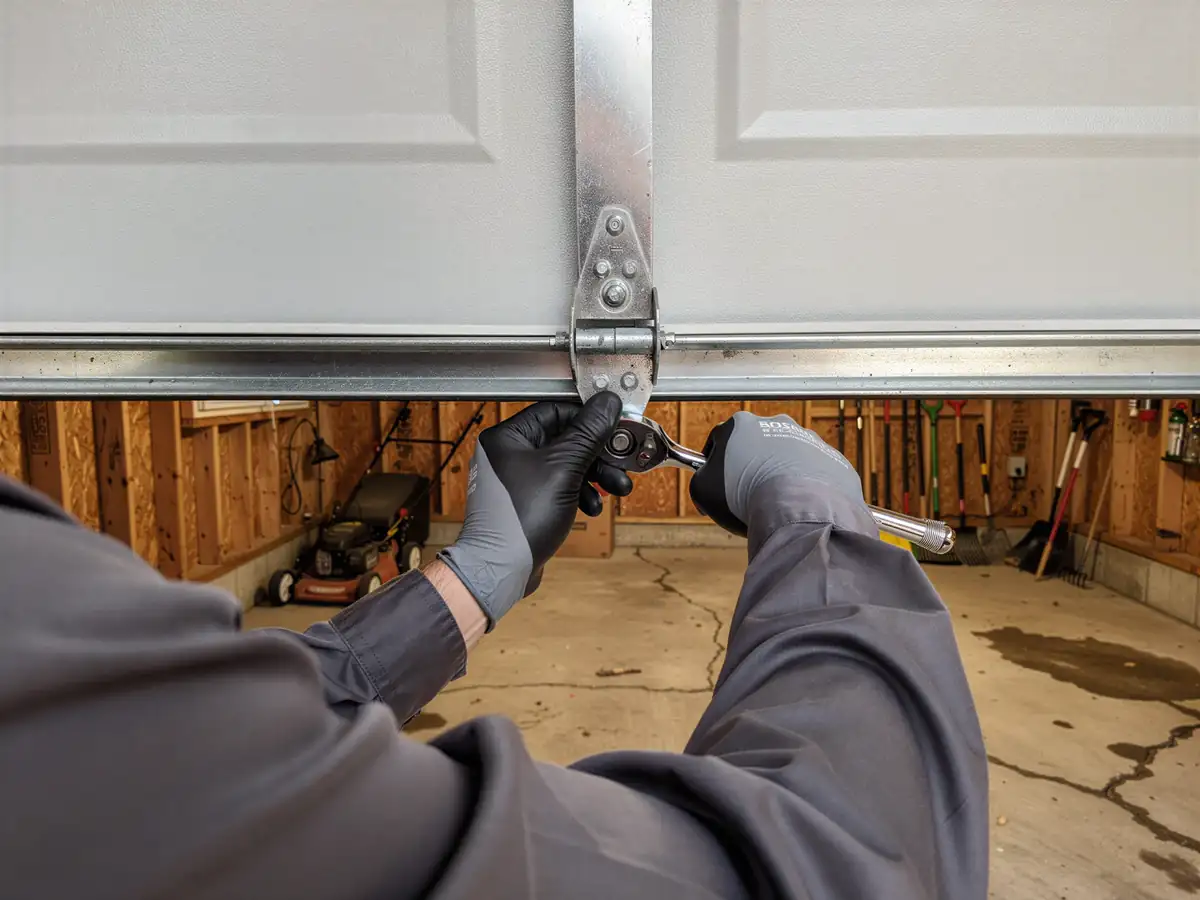
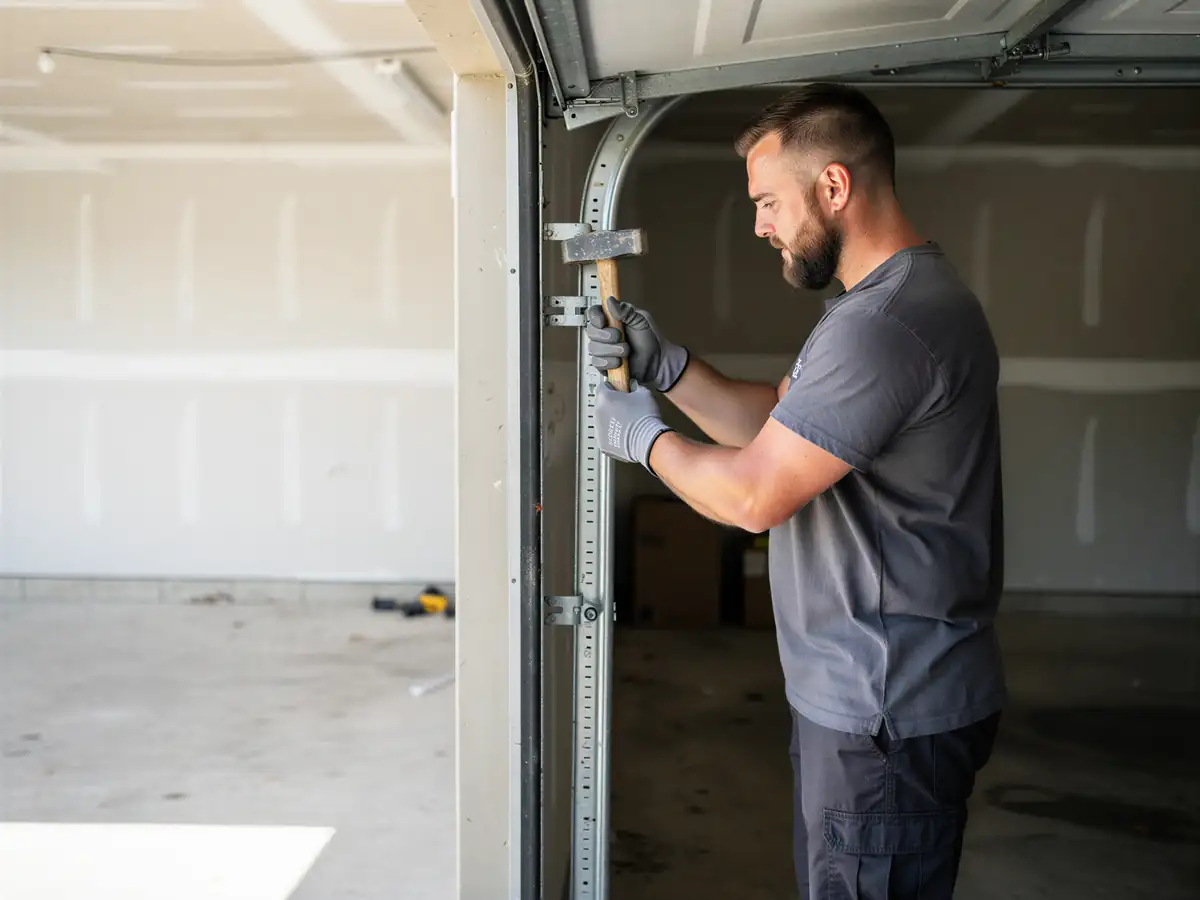
Tightening loose hardware, resetting travel limits on the opener, balancing spring tension so the door doesn't strain the motor, and replacing worn rollers before they start chewing up the track. On houses from the 1970 era, we pay particular attention to the torsion spring's wind count - undersized springs from that period are a common reason doors feel heavy by hand even when the opener is doing fine.
We test the auto-reverse safety feature every visit
Since that's one piece of hardware that genuinely should not be left to age quietly on an older door.
Booking a Visit
We cover Tallmadge from our base in Akron, five miles out, and we schedule maintenance visits as routine runs rather than emergency dispatches. If you're not sure whether your door needs a tune-up or an actual repair, start with our Tallmadge page for the full picture of what we handle in your area, or see the Akron maintenance page for what a standard visit covers across the service area.