Where This Job Goes Sideways
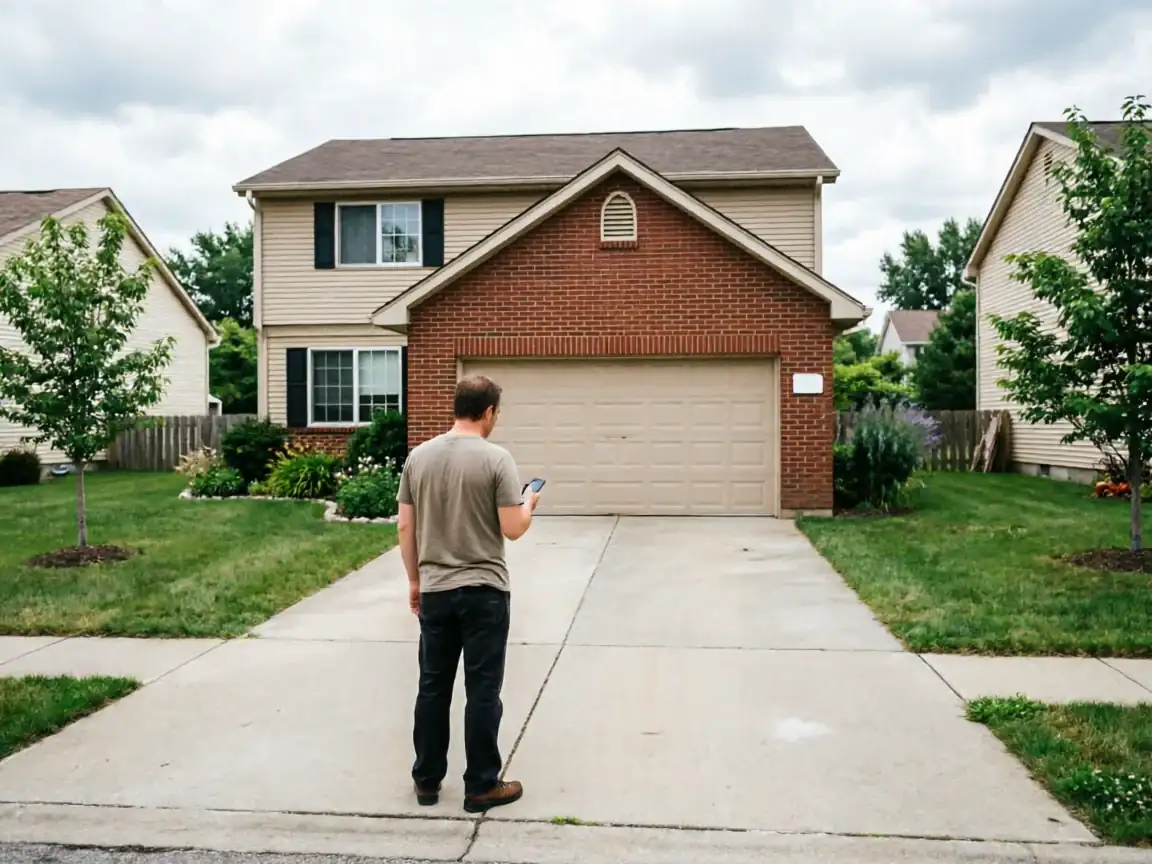
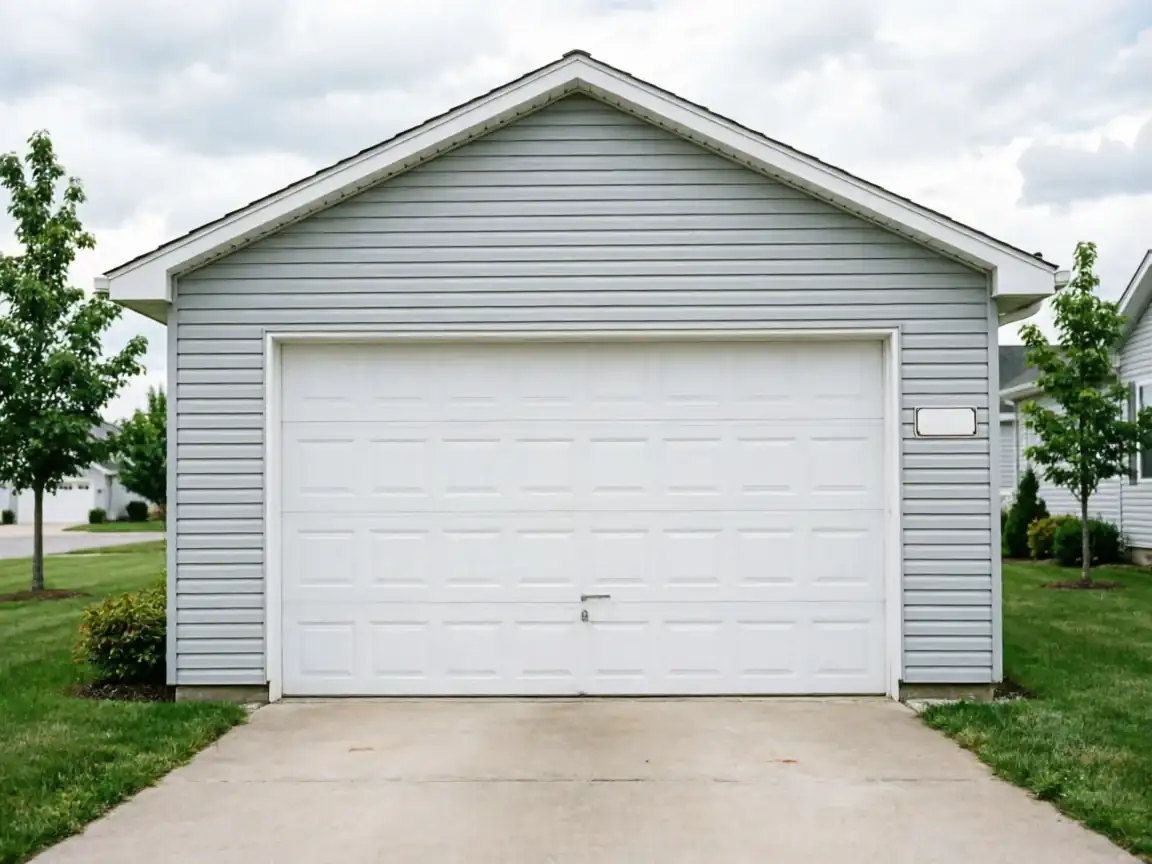
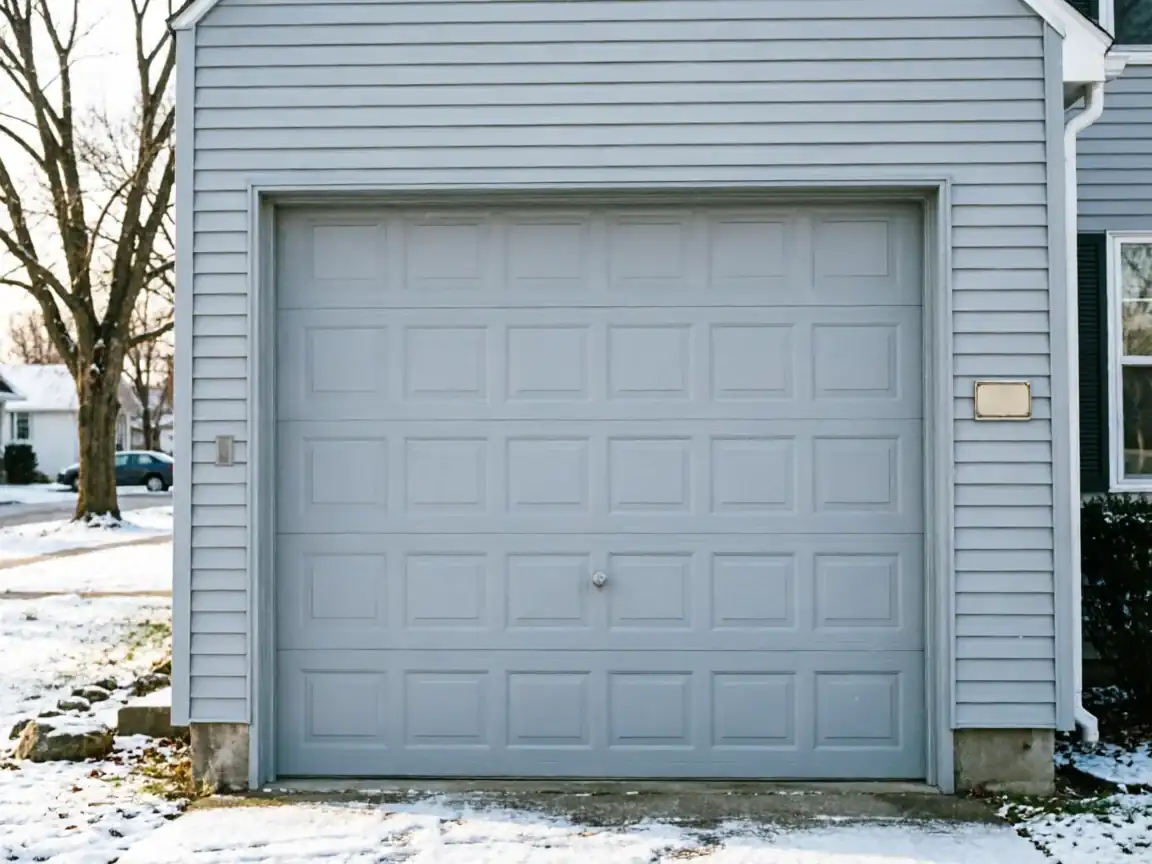
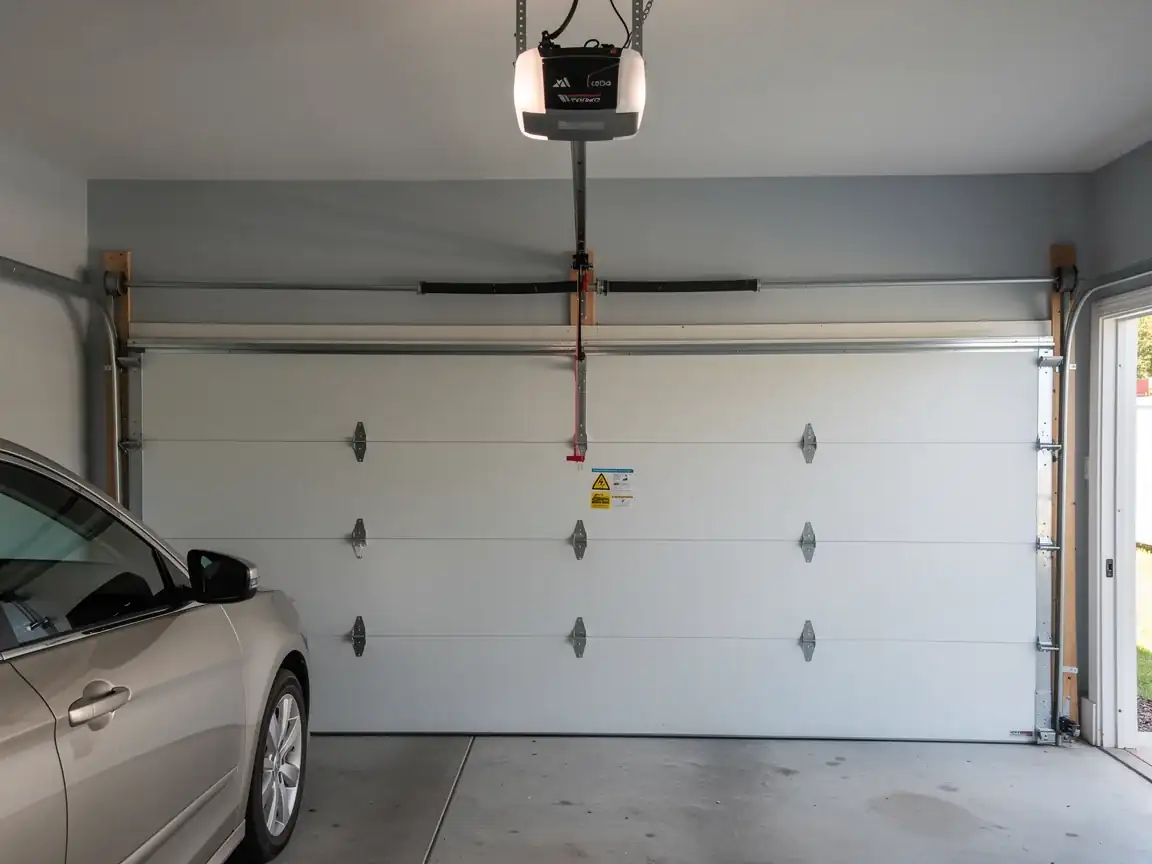
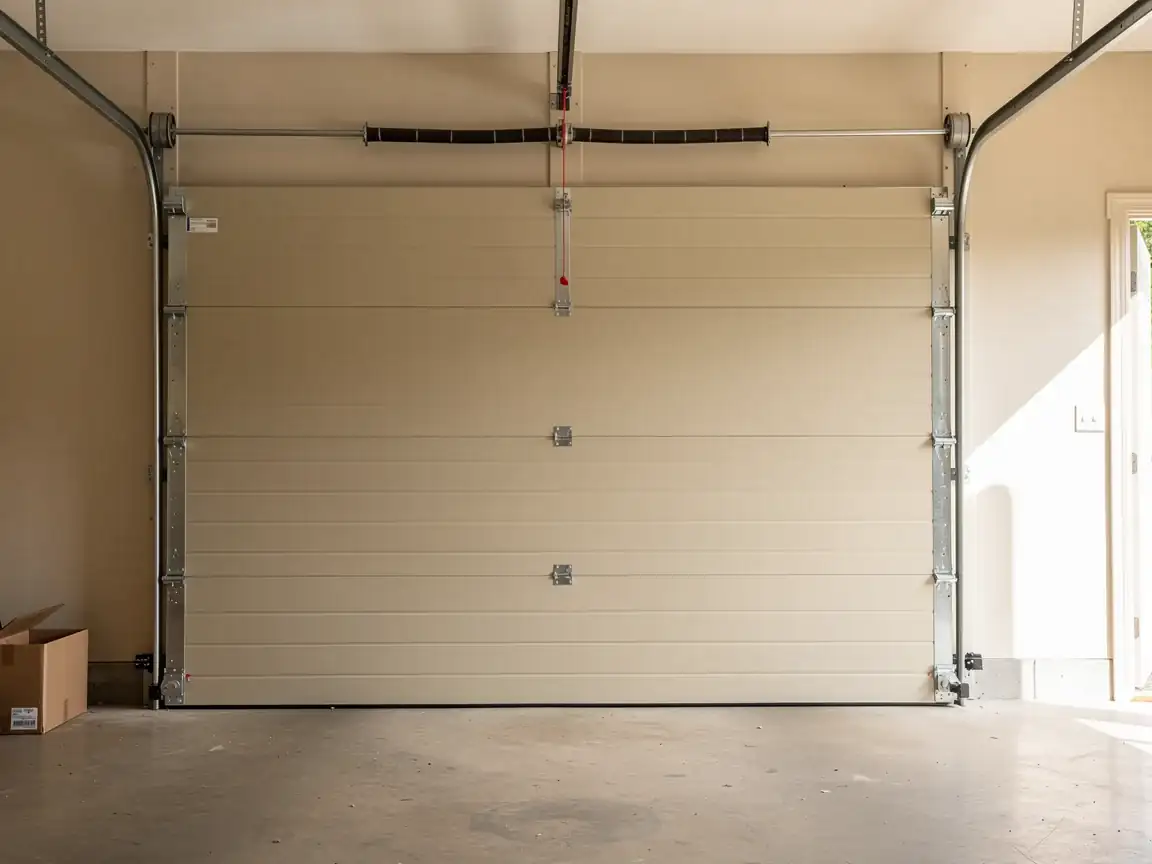
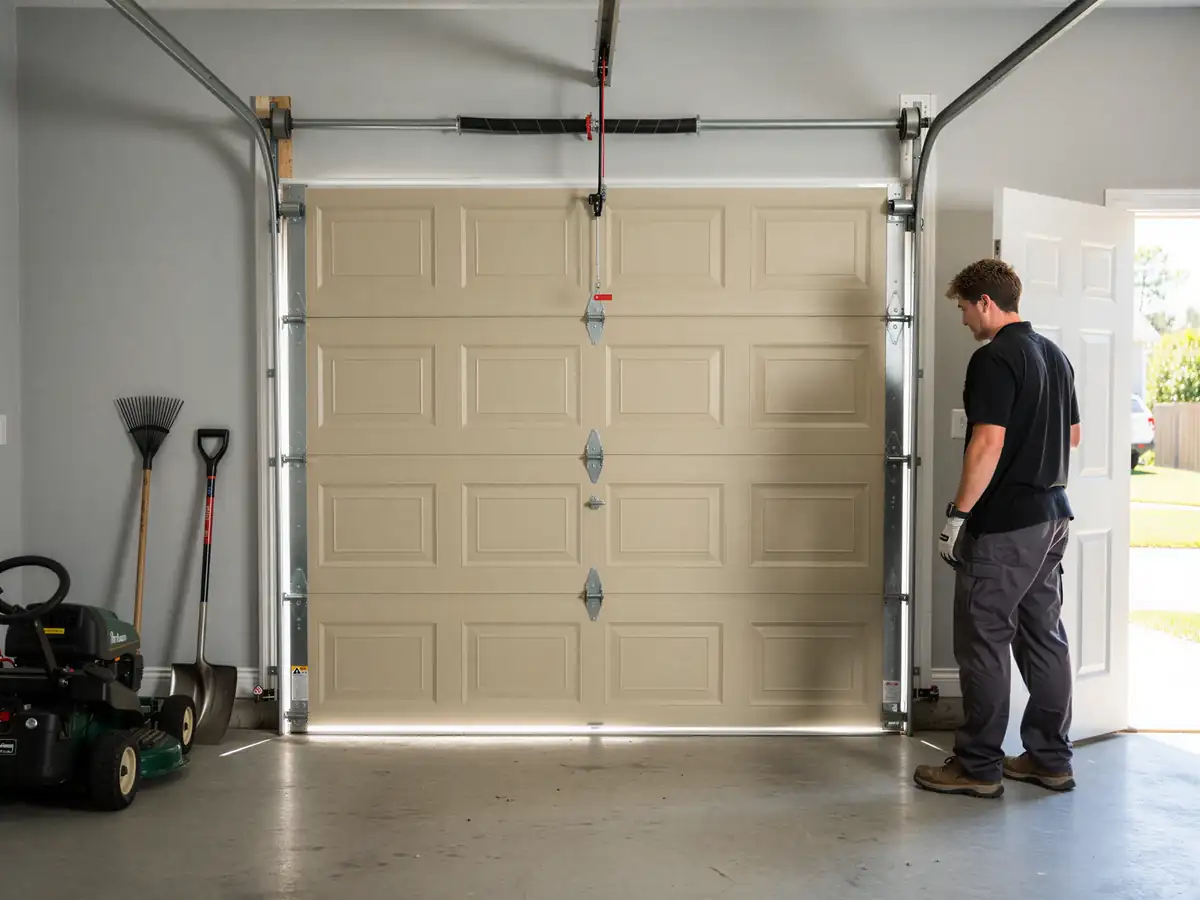
Most houses in Stow went up around 1979, which puts the typical door here a full generation newer than what you'll find closer to Akron's older neighborhoods. That matters for the install. A door from that era is almost always a steel sectional, usually 16x7 for a two-car opening, hung on a standard extension or torsion setup rather than the older one-piece or wood-panel doors still common in houses built before the 60s. The tracks and header framing were built to a fairly consistent code of the time, so swapping in a new door is usually a straight match rather than a rebuild.
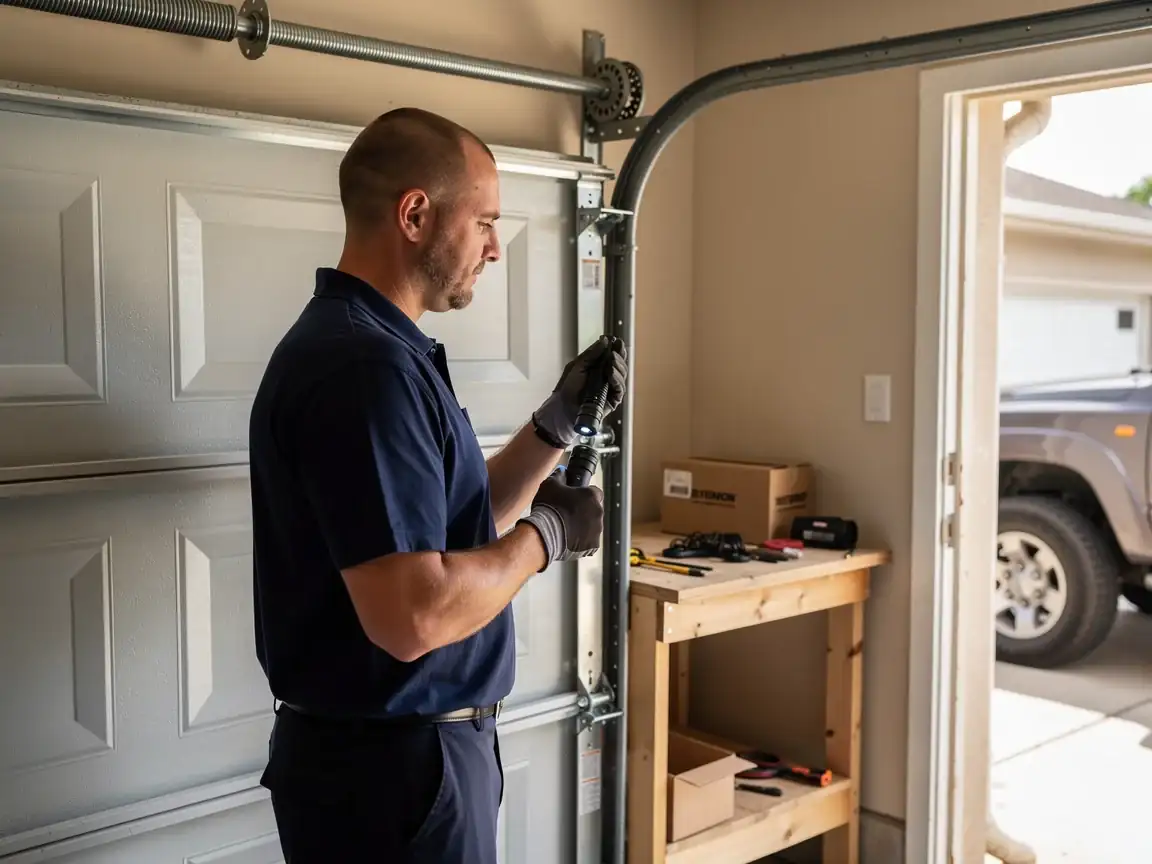
Where it goes sideways is the stuff behind the door you can't see from the driveway. Forty-plus years is long enough for a header to have settled a quarter inch, for weatherstrip channels to have been painted over, or for someone to have added insulation to the garage without touching the door opening. We've also found openers from a remodel that don't match the new door's weight. None of that shows up until we're standing there with the old door off the track, which is why a quote over the phone without a look at the opening is a guess, not a number.
The Cost of This Job
We don't post a flat price for new door installation because the door itself, the track condition, and whether the opener needs replacing too all move the number
What we can tell you is what shapes the estimate in a town like Stow specifically: median household income here runs close to $92,000, well above the roughly $80,600 median across the wider service area, and that tends to track with homeowners choosing insulated steel or heavier-gauge doors over the builder-grade option, which changes the material cost before labor is even figured.
The other factor is the opener
A door from the late 70s era often has had its opener swapped once or twice already, so matching a new door's weight and spring rating to whatever opener is currently mounted is part of the walkthrough, not an afterthought. We price the job after that walkthrough, not before it.
Booking a Visit
We run this job out of Akron, about 8 miles from Stow, so a visit means we schedule a time, load the truck with the door and hardware that matches what we found on the walkthrough, and drive out. There's no Stow branch and no separate dispatch for this town - it's the same crew and the same truck that covers the rest of the service area. If you want to see what else we handle in Stow beyond new installs, that's on our Stow page. For the installation service itself across the wider Akron area, the Akron installation page covers the general scope.
Parts We Carry
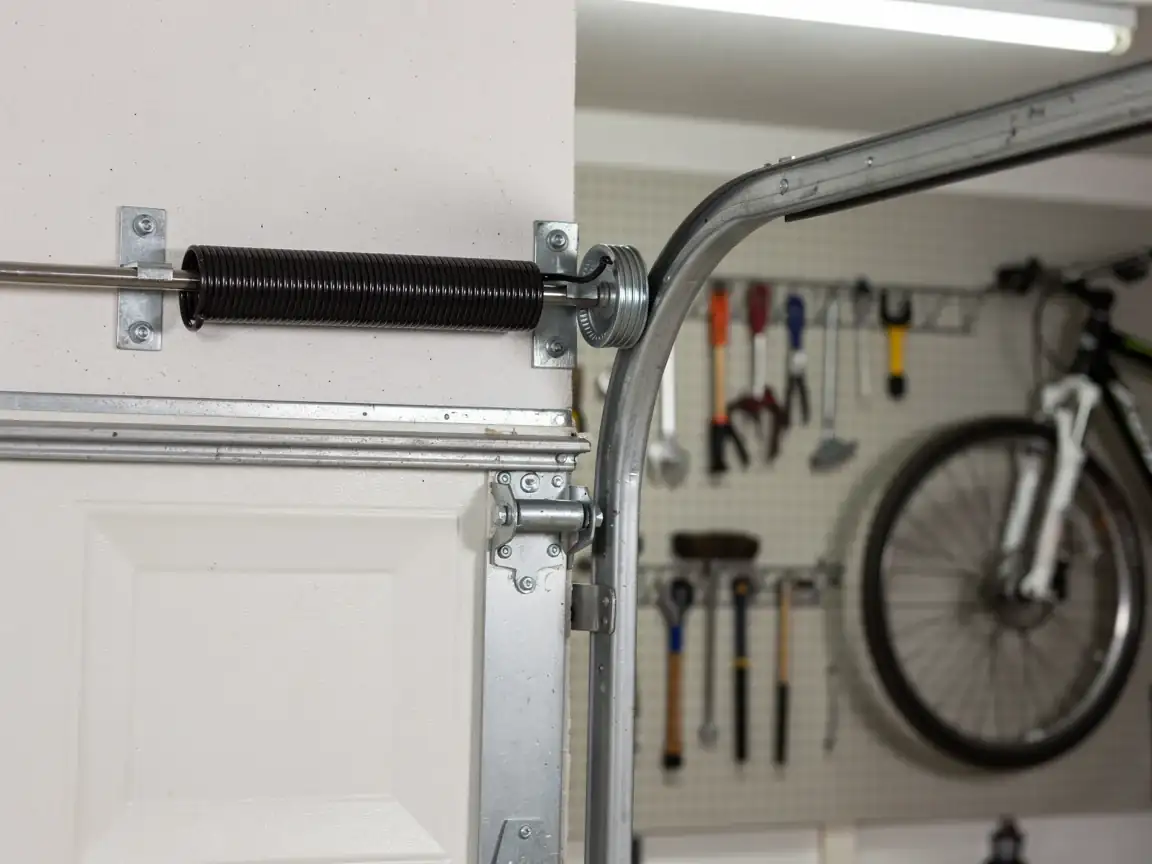
For a town built mostly in the late 70s, the parts picture is simpler than it is in older sections of the service area. Doors from that period almost all use standard torsion or extension springs sized to common residential weights, and the track widths match what's still manufactured today, so we're not hunting down discontinued hardware the way we sometimes do on a pre-1960 one-piece door. We stock standard 16x7 and 8x7 steel sectional doors, common torsion spring sizes, and the track and roller hardware that fits them.
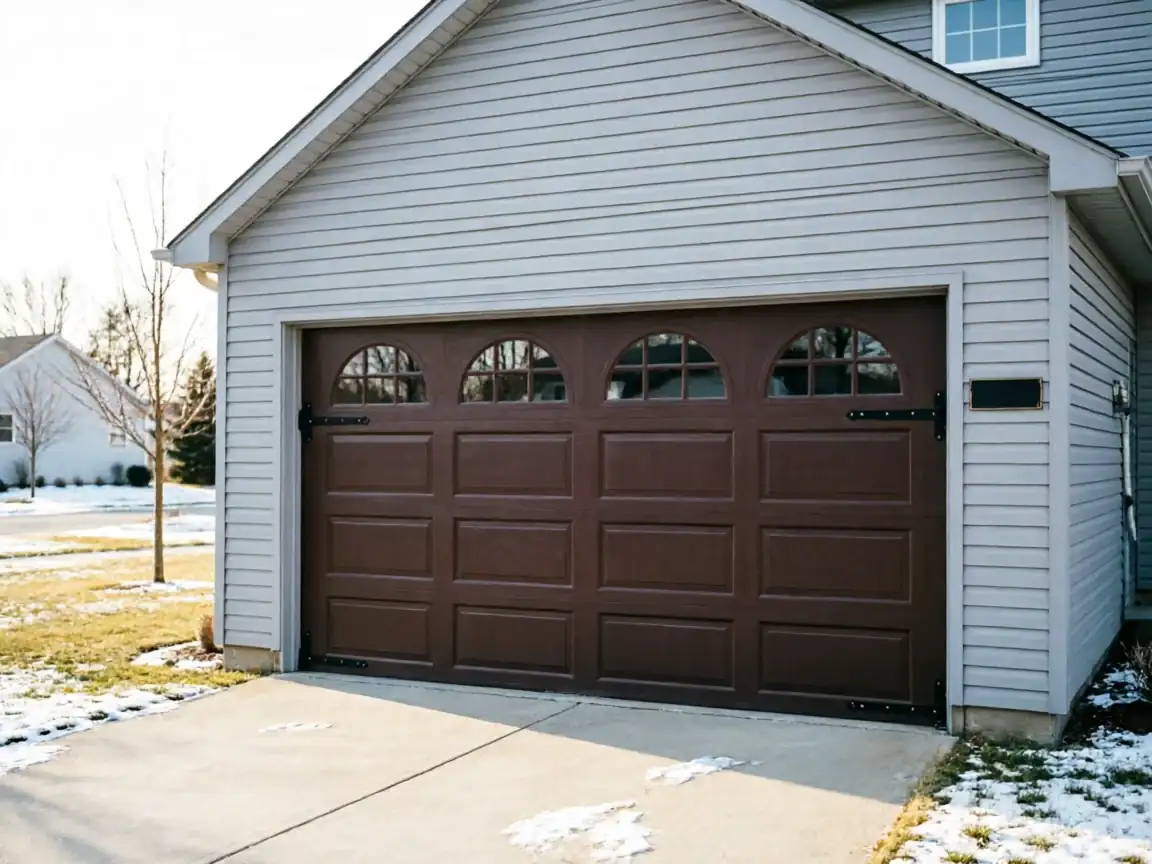
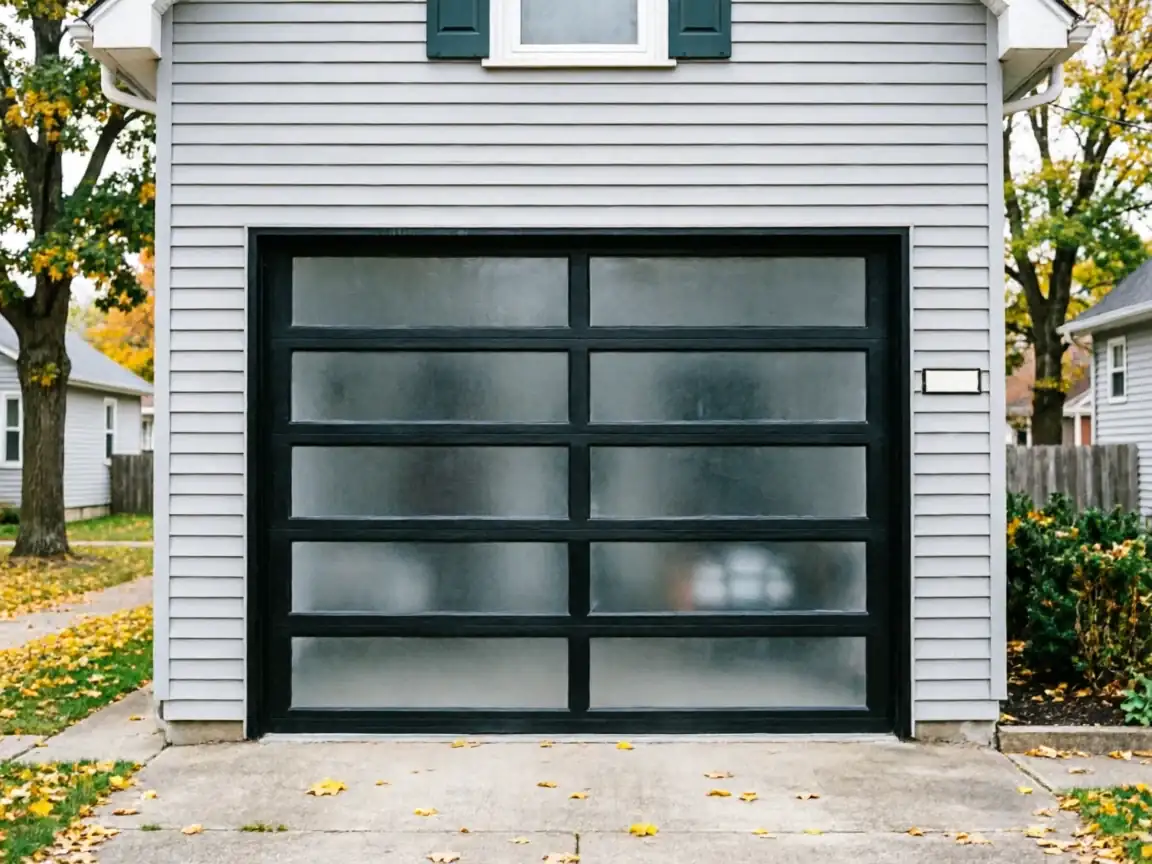
What we don't stock is anything custom - odd widths, carriage-style doors, or hardware for a door that was itself a non-standard replacement at some point. If your opening turns out to be one of those, we order it, and that adds lead time we can't shorten. We'll tell you up front if that's the case rather than quote a date we can't hit.
The DIY Question
Swapping a garage door yourself is possible if you've done it before
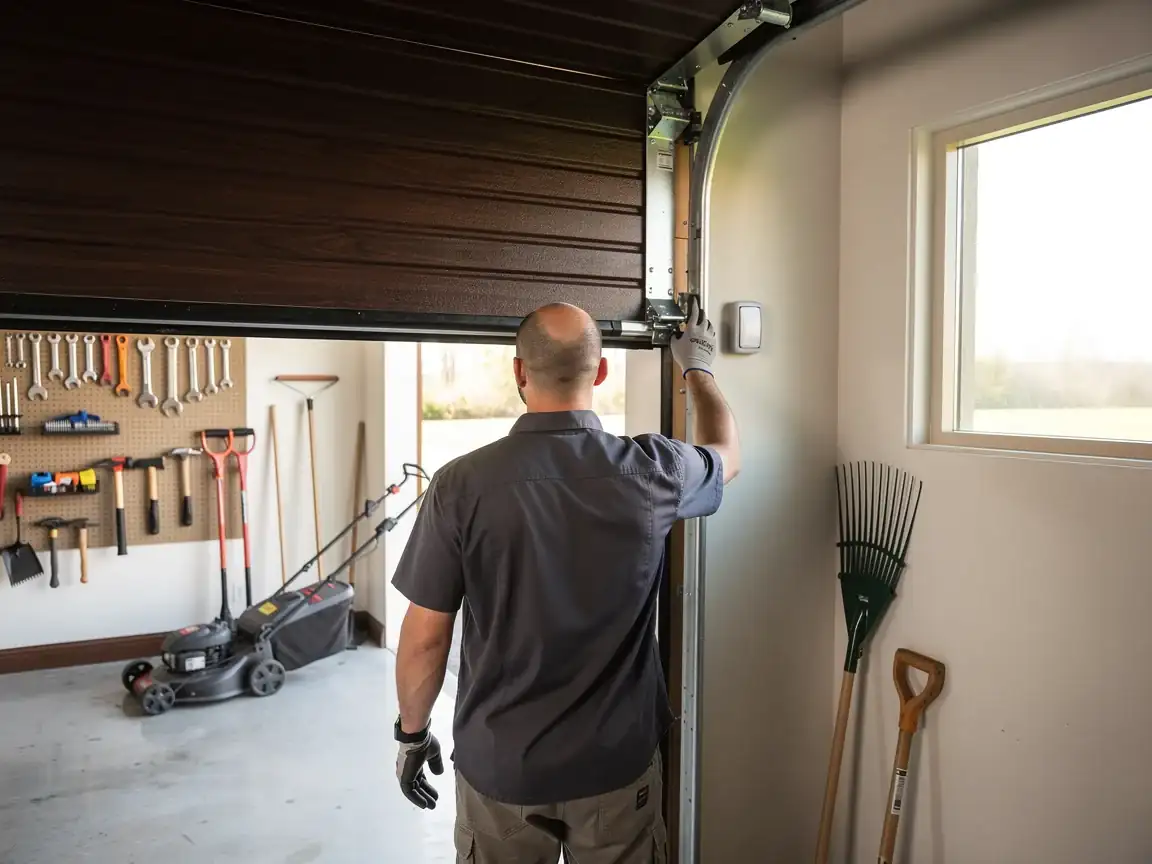
But a loaded torsion spring is not a place to learn. On a standard 16x7 double door, the spring is holding enough tension to cause a serious injury if it lets go while you're working on it, and that risk doesn't change because the house is newer or the door is a common size.
Where DIY makes sense is weatherstripping, hardware tightening, or replacing rollers
Jobs that don't involve the spring system. Where it doesn't is the door itself, the springs, or the opener's force settings. If you're only dealing with a dented panel on an otherwise sound 1979-era door, a panel swap is often cheaper than full replacement, and that's worth asking about before you assume the whole door needs to go.