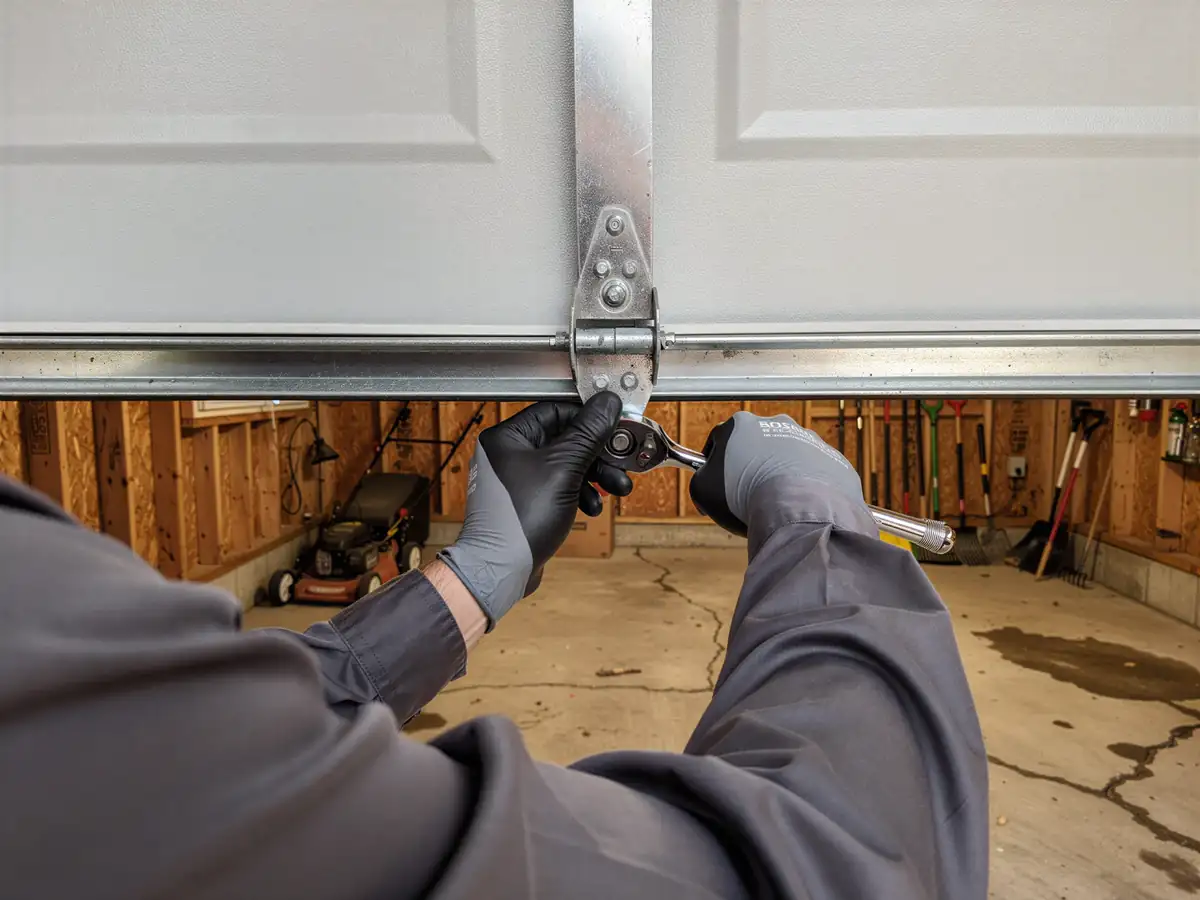
Where This Job Goes Sideways
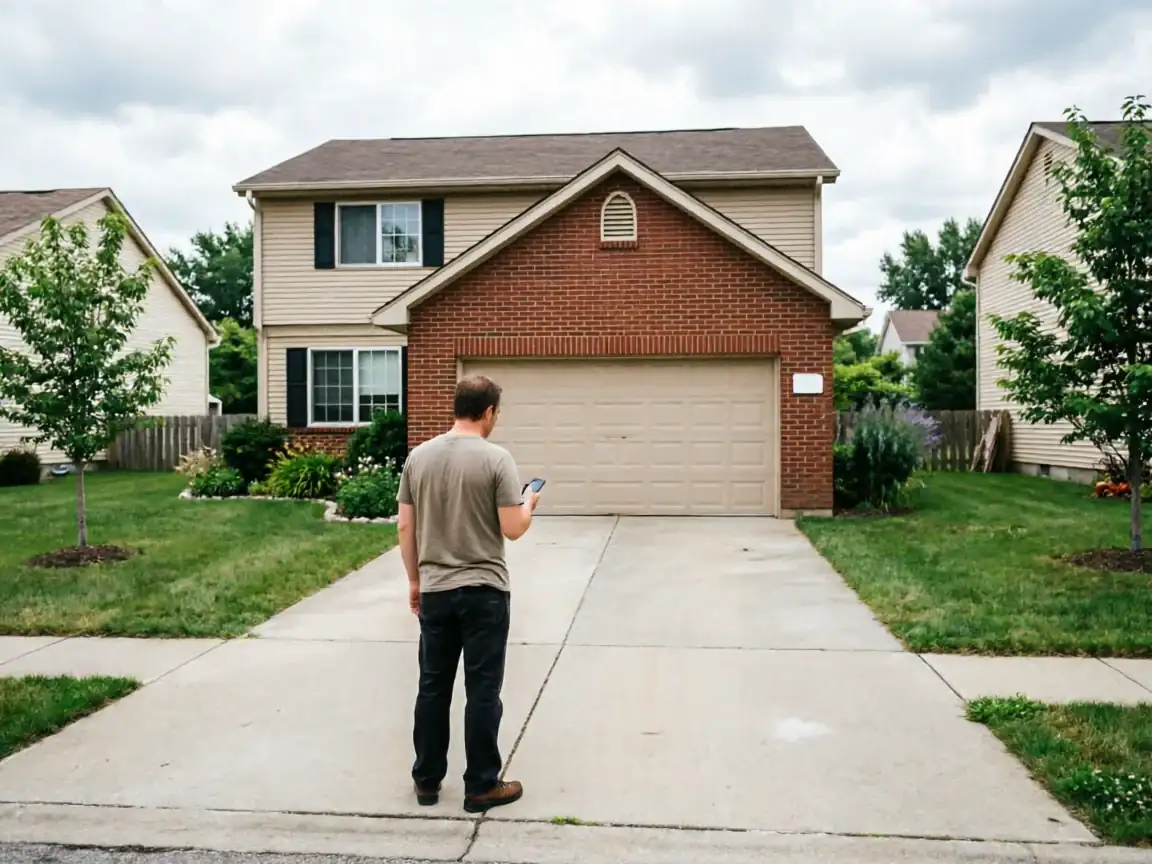
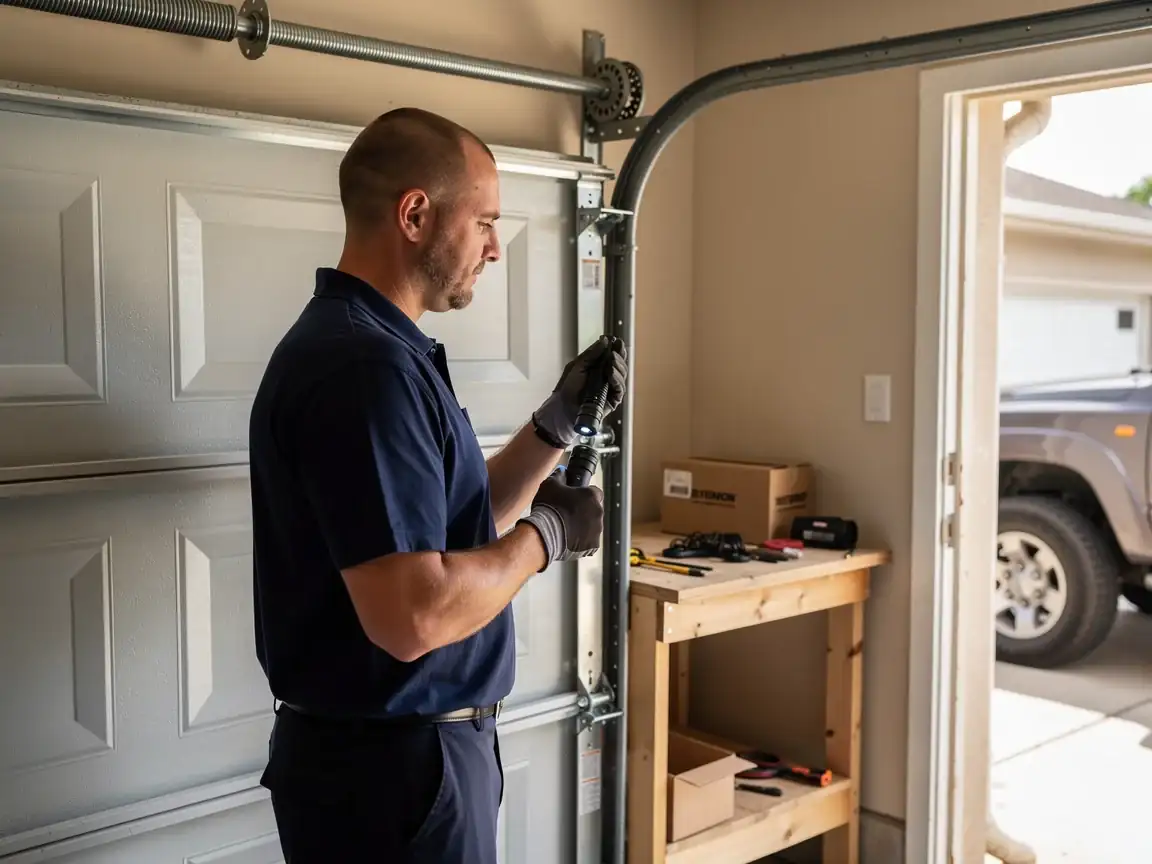
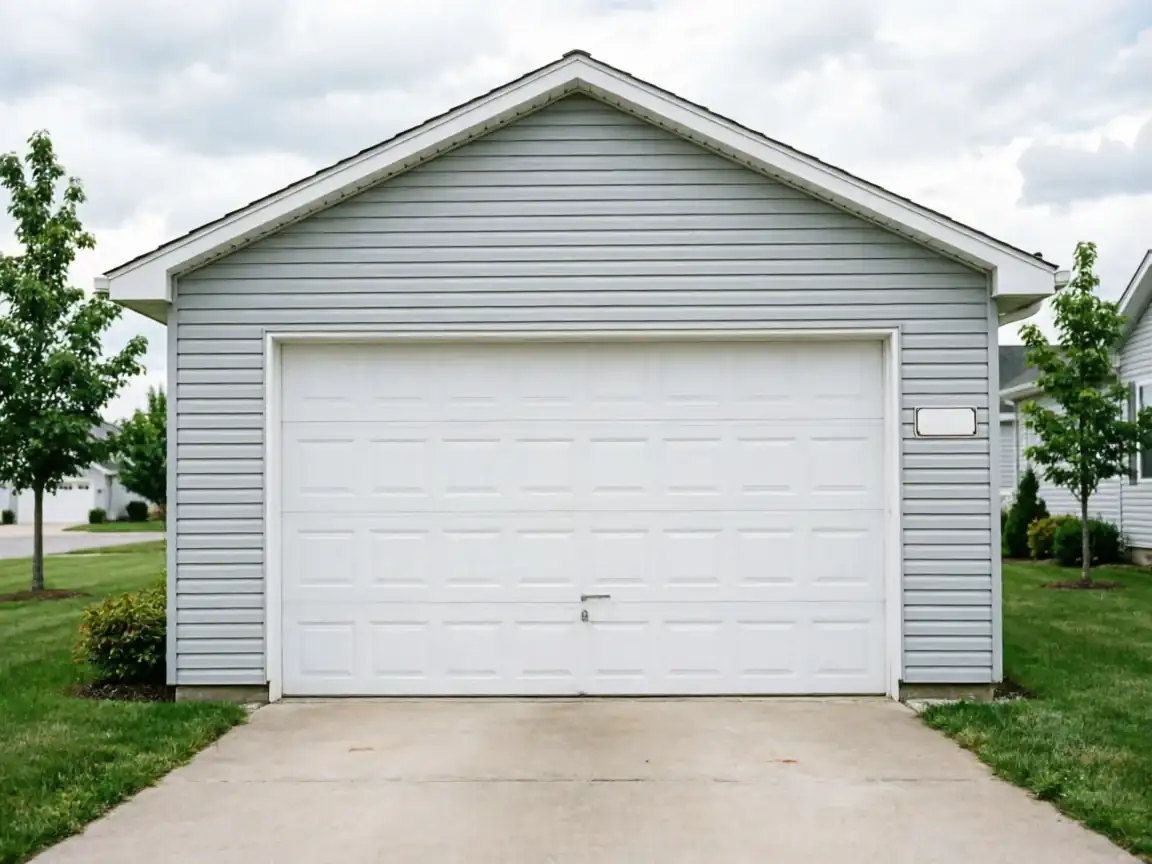
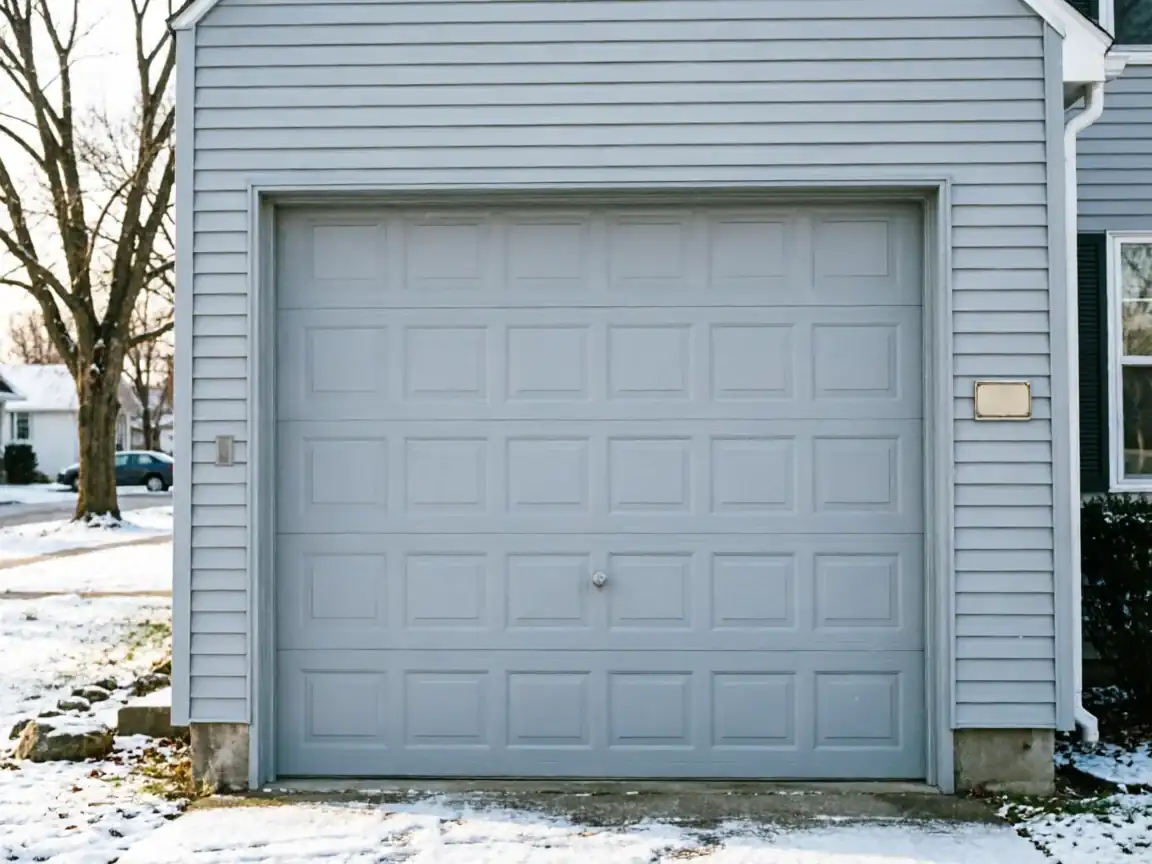
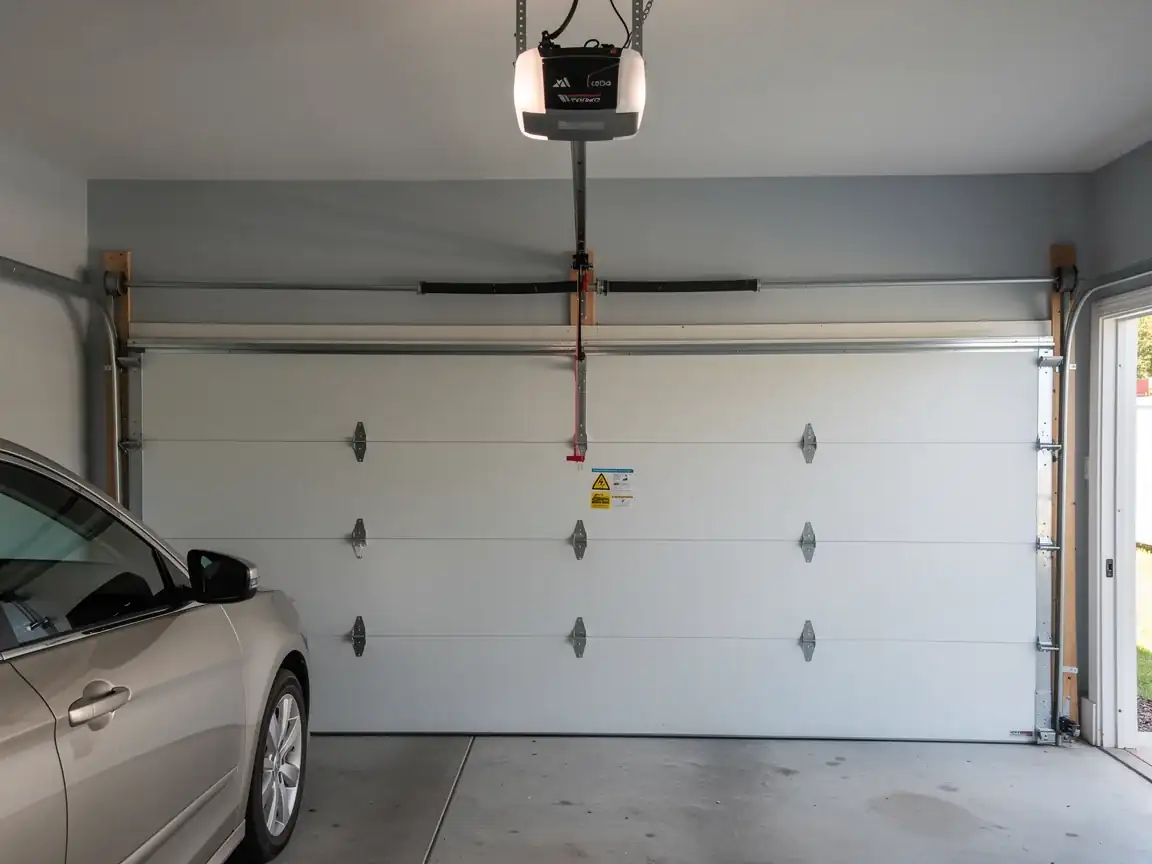
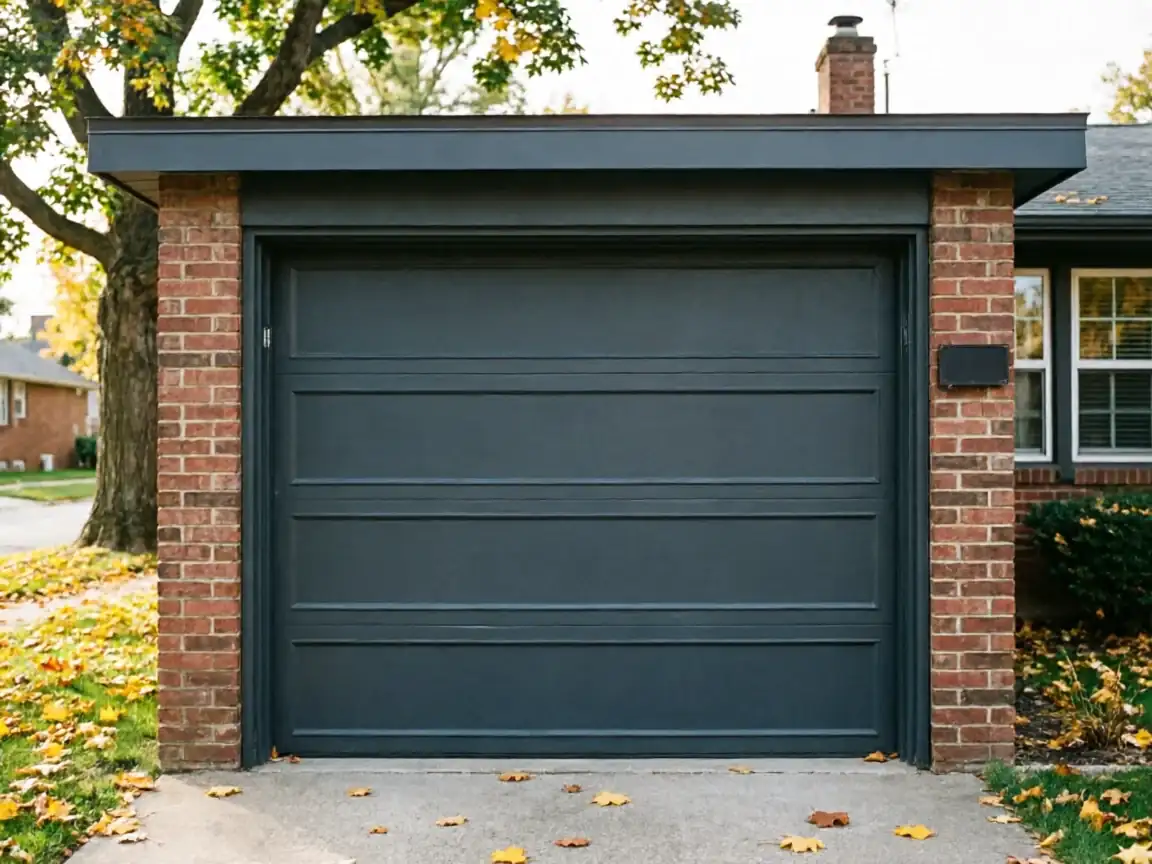
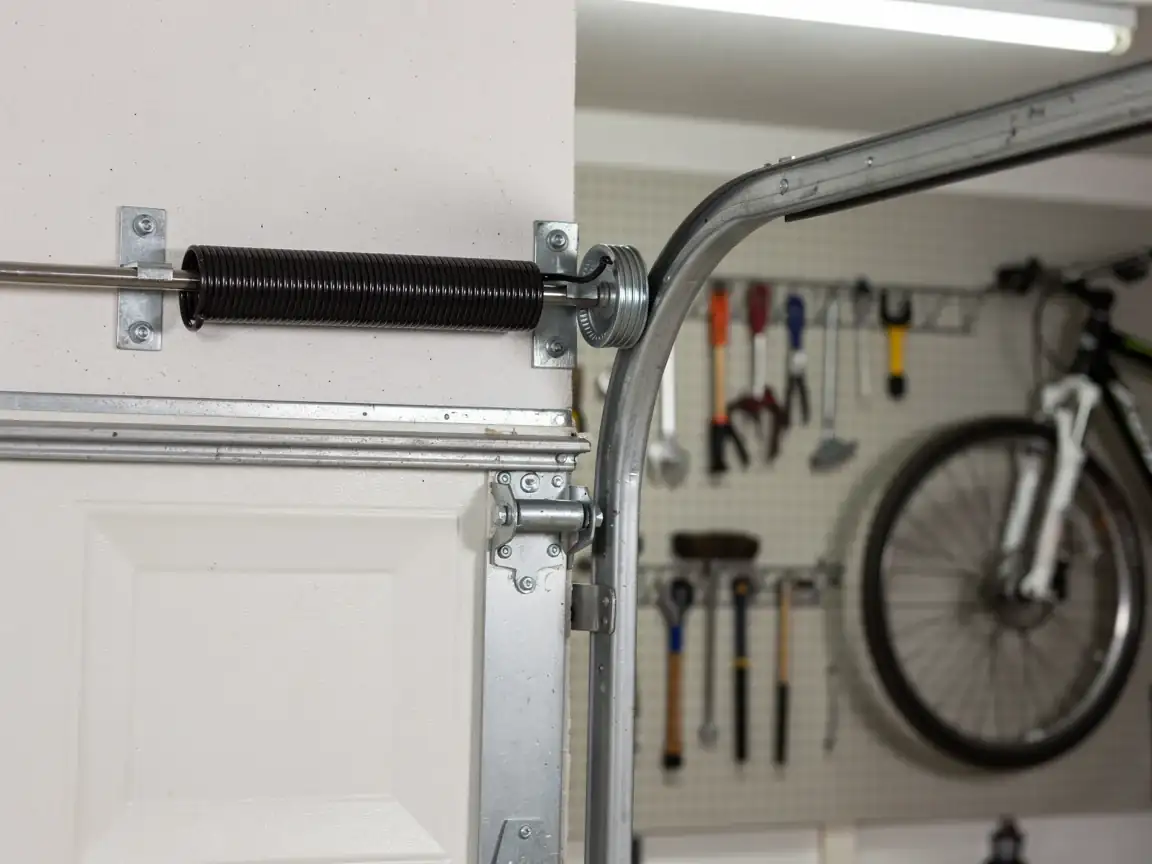
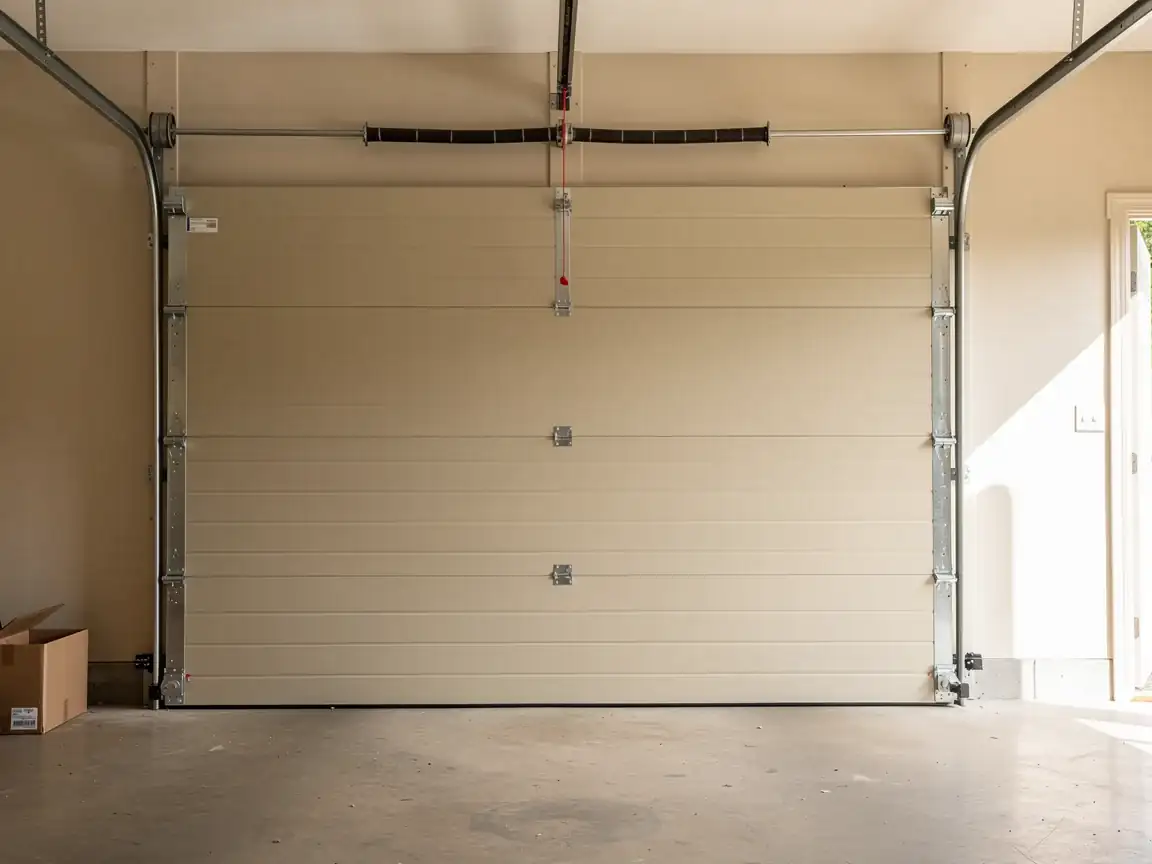
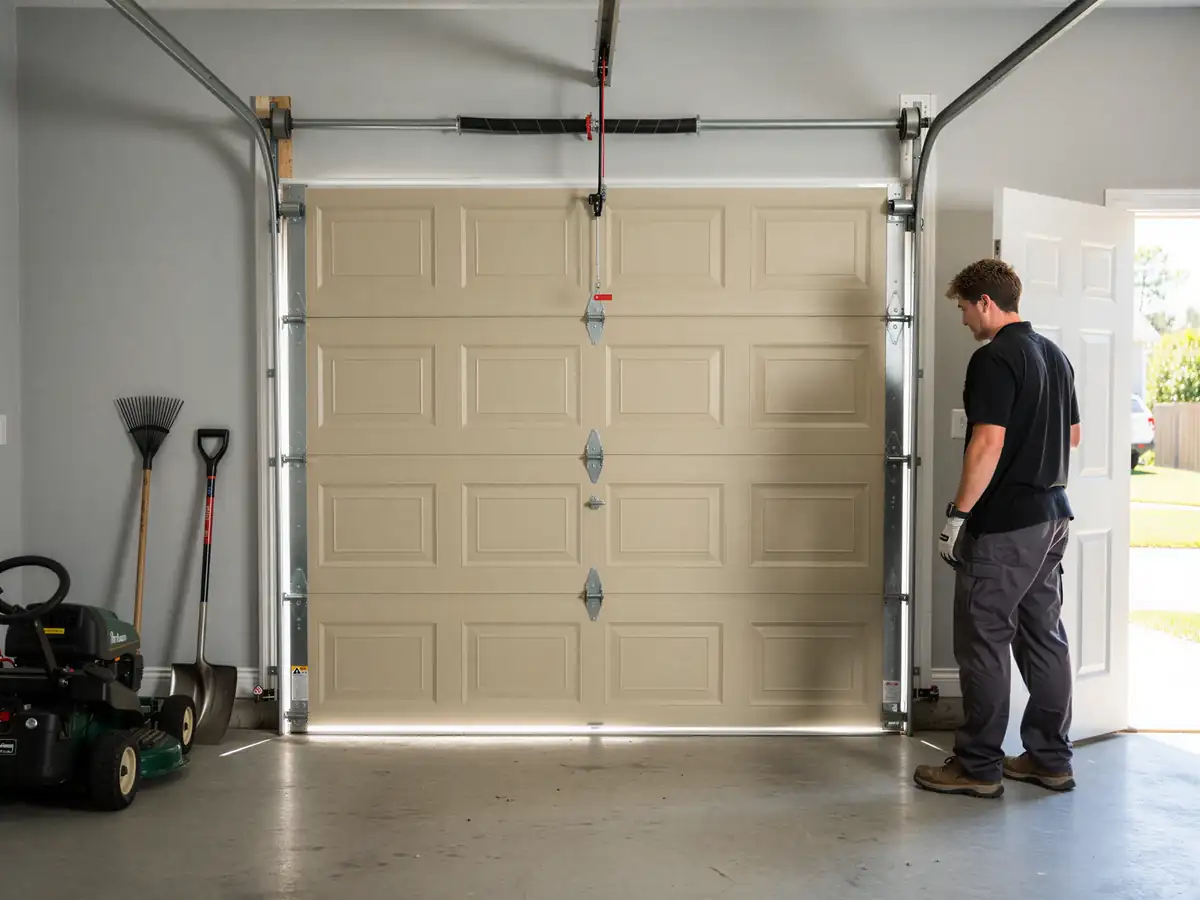
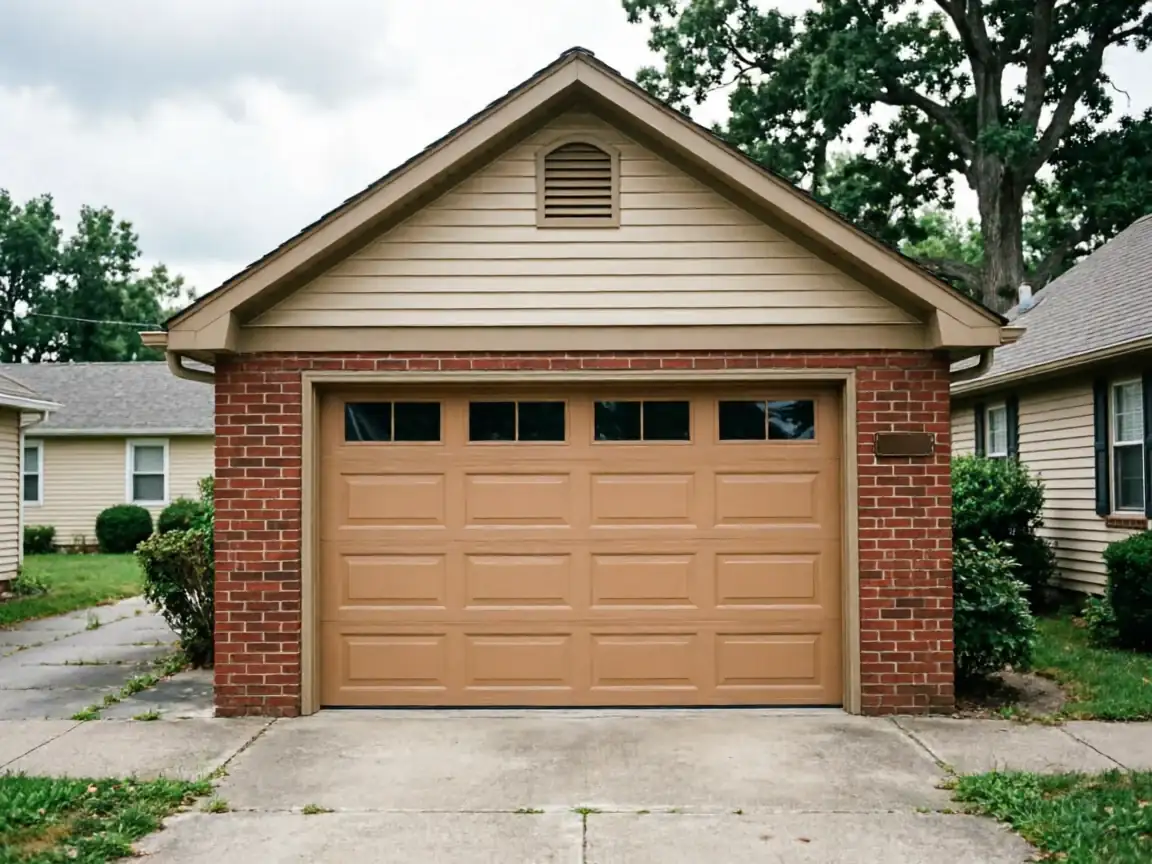
Stow's housing stock centers on 1979, a good decade later than the service-area median of 1972. That gap matters more than it sounds. Houses built in the late 1970s mostly came with steel sectional doors on torsion springs rather than the older one-piece or extension-spring setups you still find in some of the pre-1965 pockets closer to Akron. The failure we see most in Stow isn't a snapped cable or a stuck track - it's a torsion spring that's done its 10,000-ish cycles and finally lets go, usually on a cold morning.
That cold-morning detail isn't filler. The service area sits in a severe cold climate band, and steel contracts in winter the same way the grease in an old spring gets stiff and uneven. A spring that's been quietly losing tension for a year will often pick the first hard freeze to snap. If your door is from the Stow building boom of the mid-to-late '70s, that spring is original equipment or close to it, and original equipment from that era wasn't built for forty-plus winters.
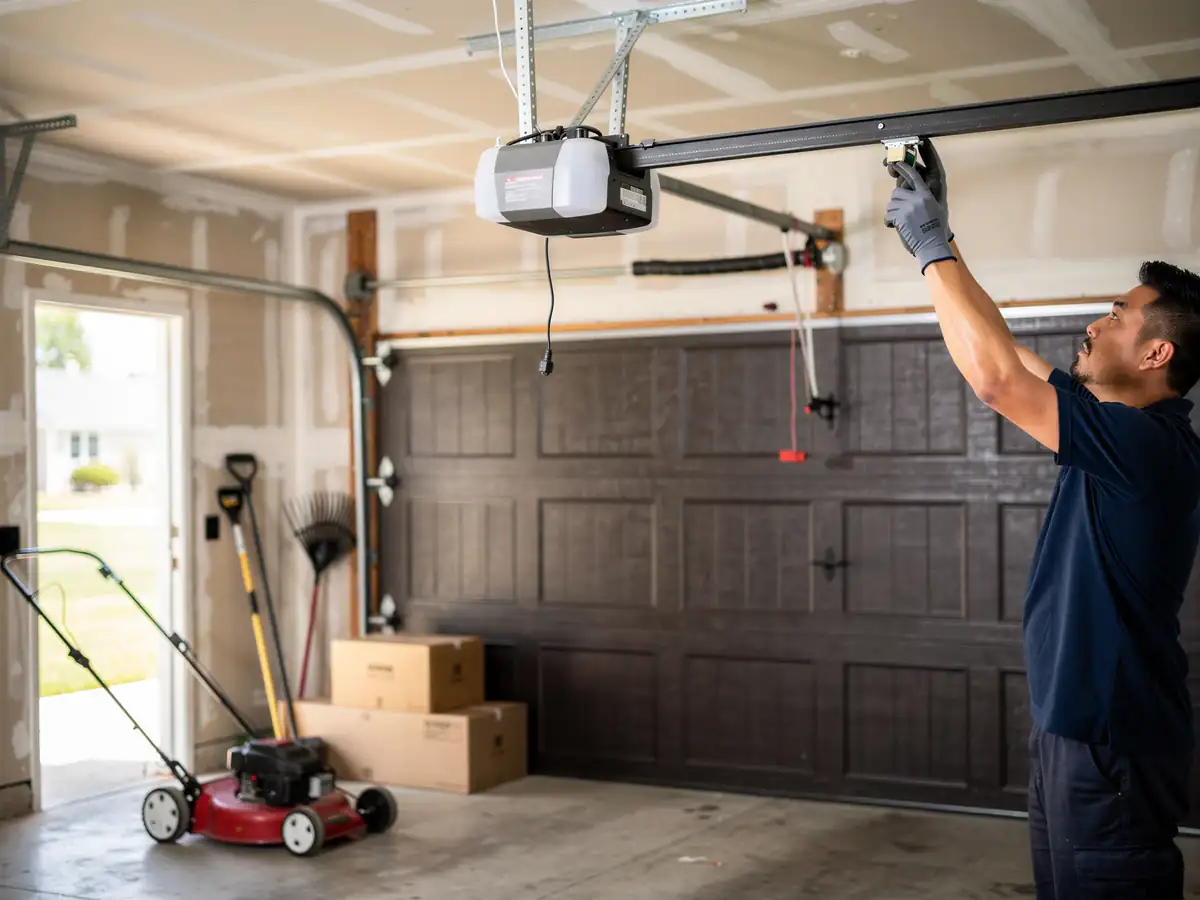
Openers from the same vintage add a second failure point: chain-drive units with worn sprockets that start skipping, especially once the cold tightens every moving part in the system. We see both faults together often enough that a spring call in Stow usually turns into an opener inspection too.
The Cost of This Job
We don't post a flat number here because spring size, door weight, and opener age all move the price
And we're not going to guess at a figure we can't back up for your specific door. What we can tell you is what drives the number up or down: whether it's one spring or a matched pair, whether the drums and cables need replacing alongside the spring, and whether the opener's worth saving or worth retiring.
Stow's median household income runs well above the wider service area's $80,612
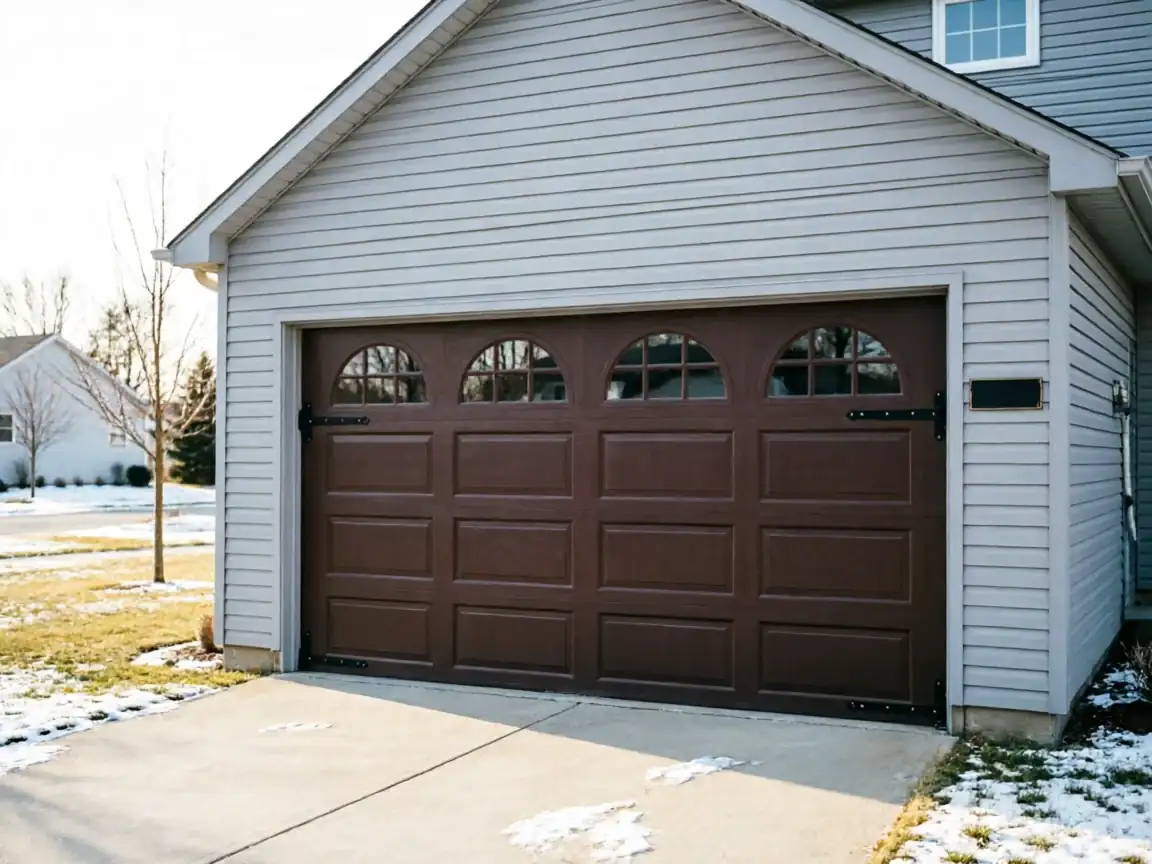
And we mention that only because it tends to mean homeowners here ask for the better-grade torsion spring and the quieter opener upgrade rather than the cheapest fix available. That's a choice, not a requirement - a standard replacement spring rated for your door's cycle count does the job either way.
The honest limitation
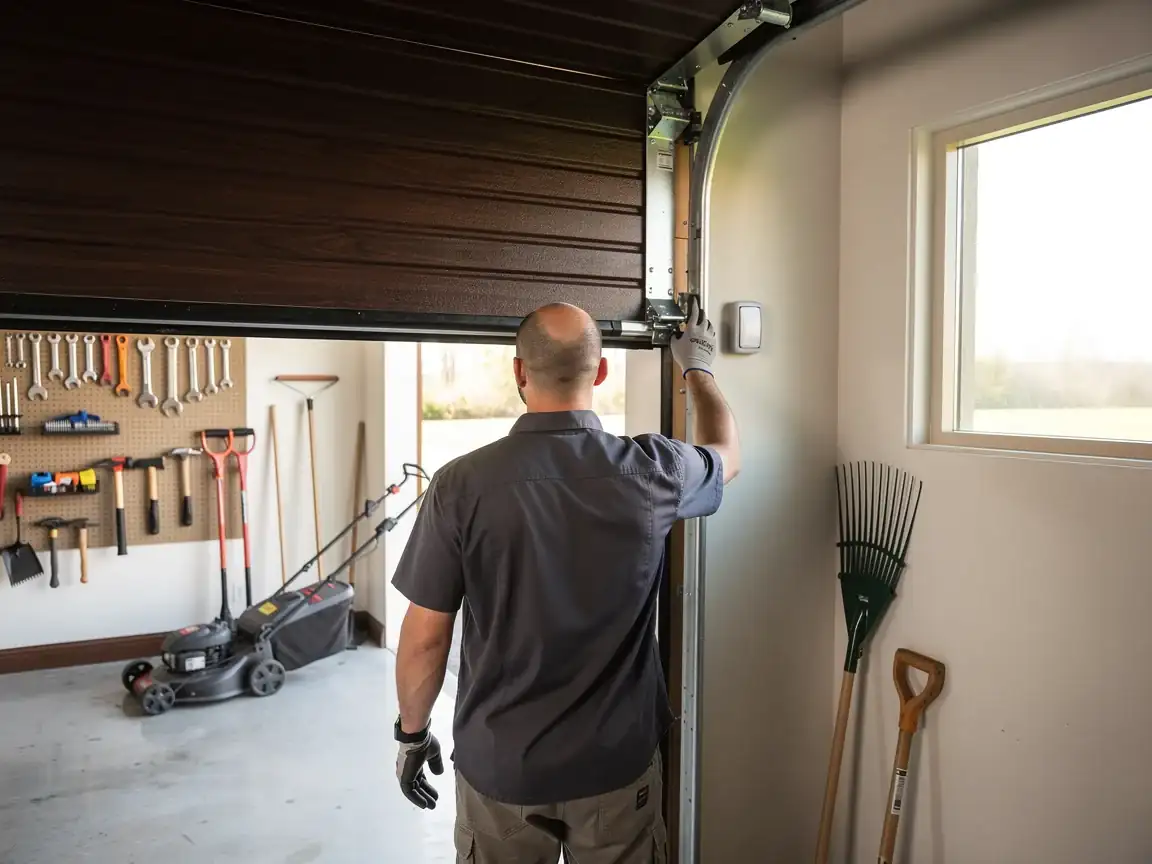
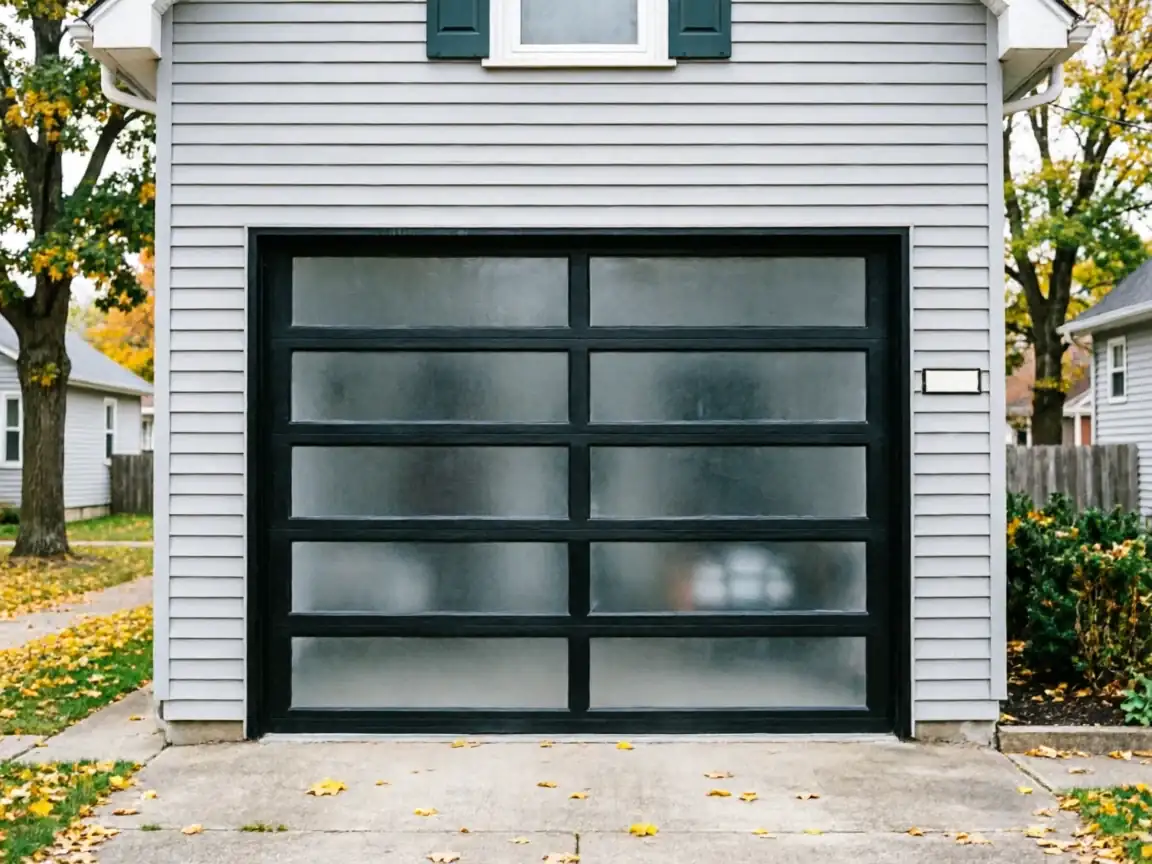
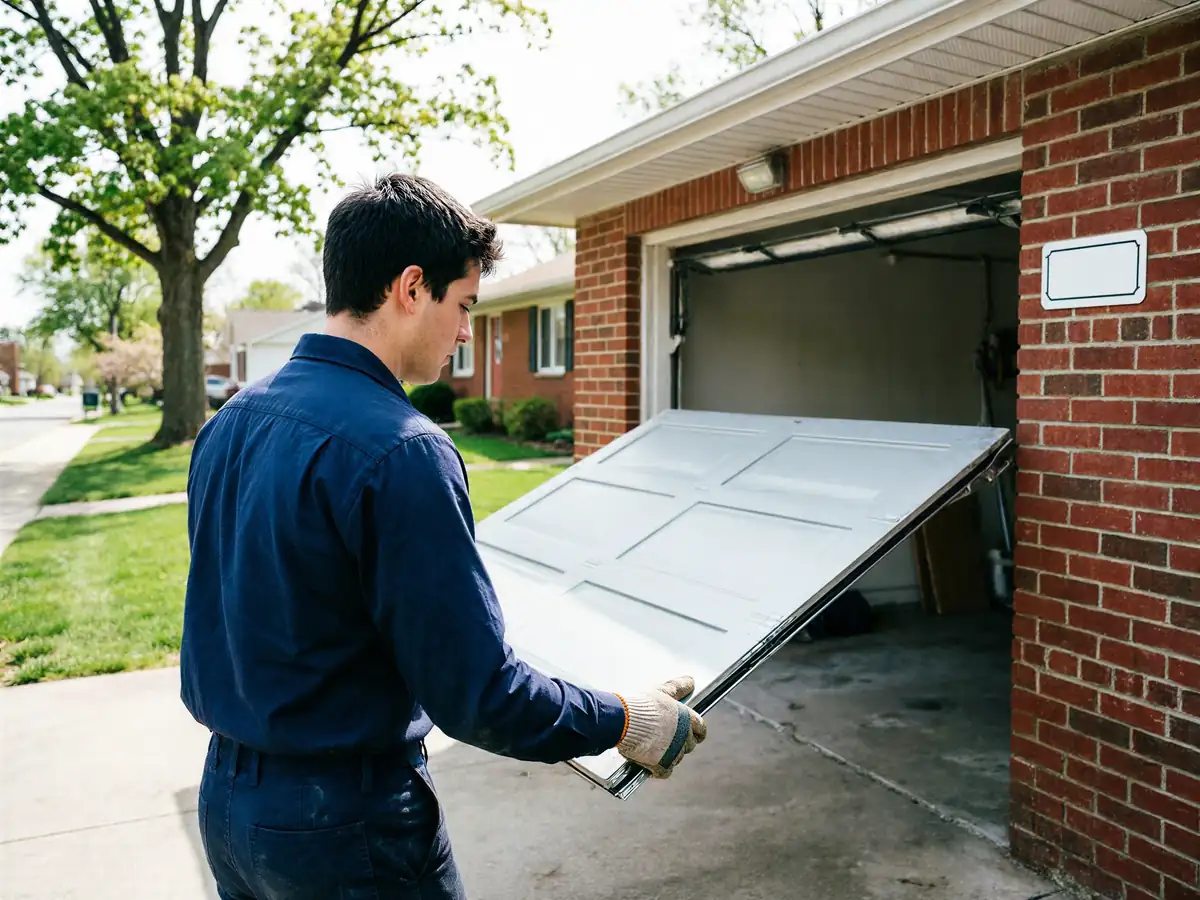
If your door is original from 1979 and the track or hinges have pitted or rusted from four decades of winters, a spring swap alone won't fix it. At that point you're often better off replacing the door section or the whole door rather than chasing one part at a time.
Booking a Visit
We run out of Akron, about 8 miles from Stow, so there's no local branch to call - the truck comes from the shop. When you book, have the door's rough age and a description of the noise or jam ready; for a house in Stow's build range, we're already thinking torsion spring and opener sprocket before we show up, which saves time once we're on site.
Stow sits among a cluster of towns we cover at similar distance - Tallmadge, Munroe Falls, Silver Lake - and we schedule routes through that stretch together where we can. See the Stow garage door page for the full range of work we do in town, or the Akron repair page if you're closer to the shop itself.
Parts We Carry
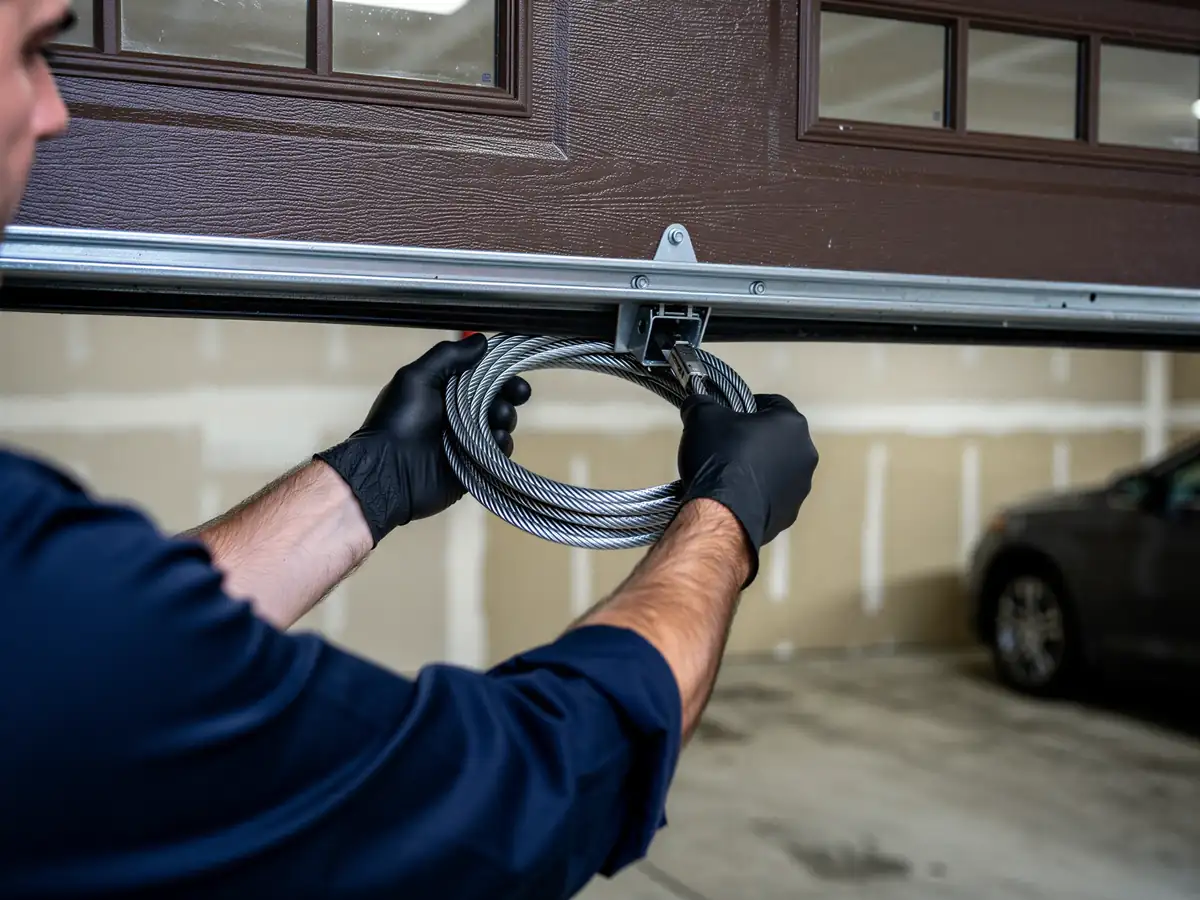
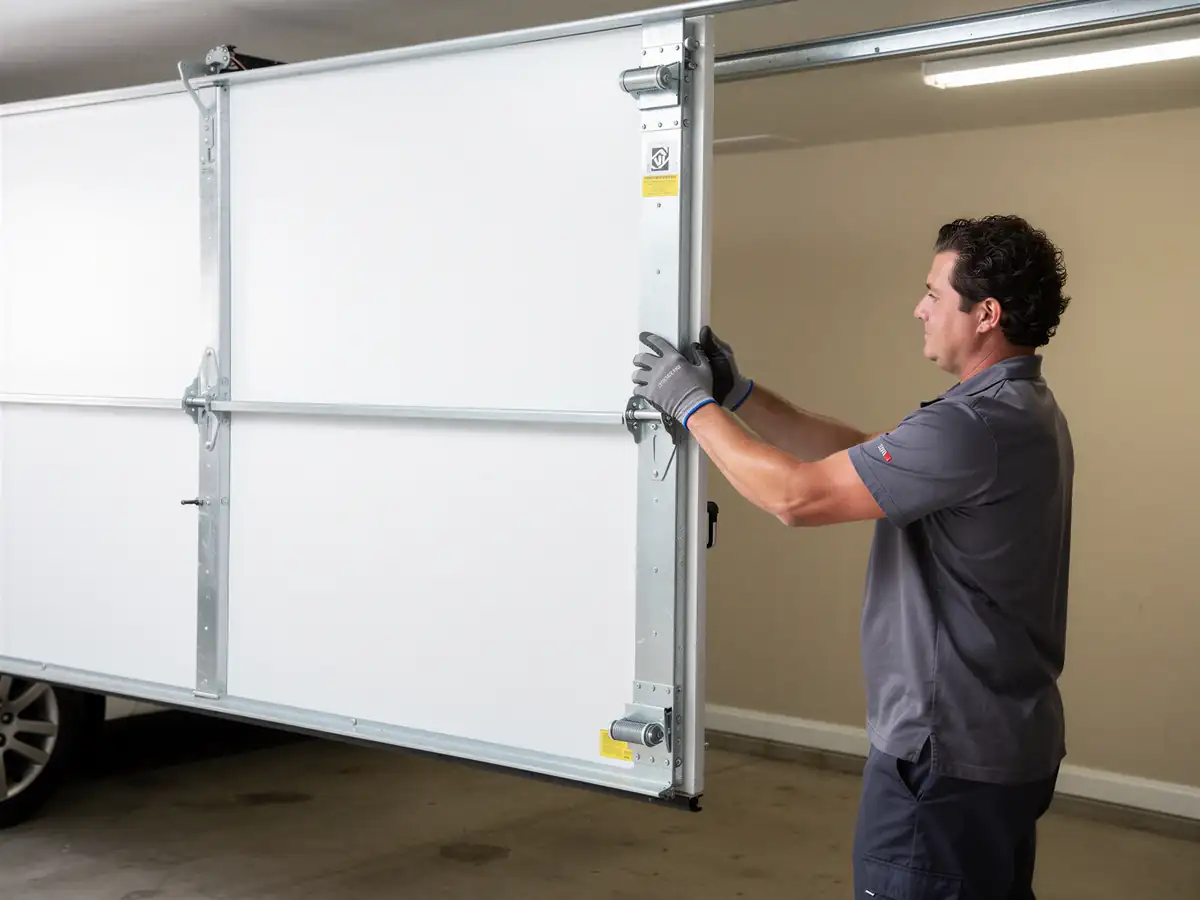
For a door built around 1979, the parts that matter are torsion springs sized to the door's actual weight (not a universal spring), steel drums and cable sets to match, and roller and hinge sets for galvanized steel sections - the standard material for that era's doors. We also carry chain-drive opener parts: sprockets, chains, and drive gears, since that's the opener type most common in homes from Stow's building years.
What we don't stock on the truck: parts for wood doors or for openers old enough to predate standard safety sensors. Those jobs sometimes mean a short wait on a special-order part rather than a same-visit fix, and we'll tell you that up front rather than pretend otherwise.
Given the severe cold band this area sits in, we also default to springs rated for the higher cycle count rather than the economy option, since cold makes a marginal spring fail sooner, not later.
The DIY Question
A torsion spring is not a DIY repair, full stop
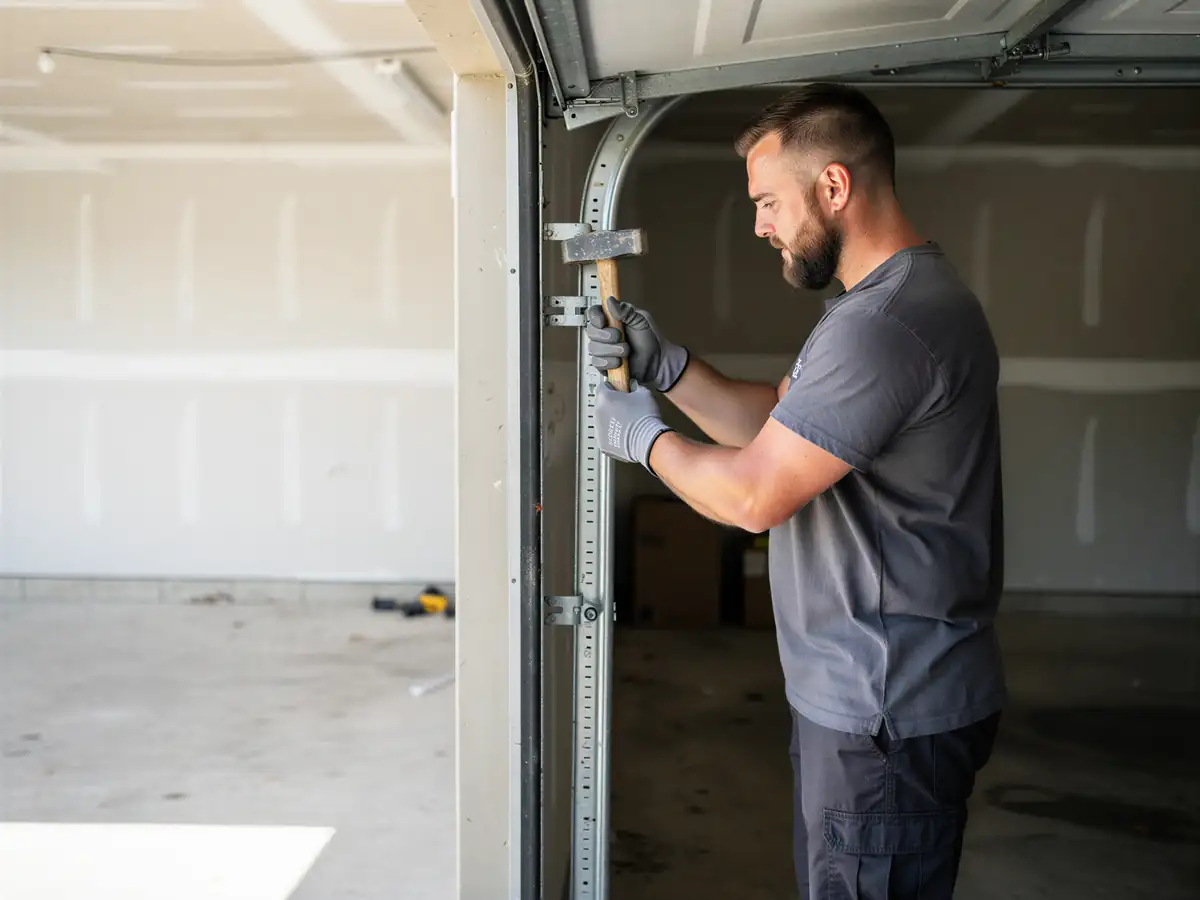
The spring is wound under enough tension to break bones, and that's true whether the door is five years old or forty. What a Stow homeowner can reasonably check without a truck visit: the weatherstripping at the bottom panel, which on a 1979-era door has usually been replaced once or twice already and is worth a look before winter; the track bolts, which loosen with age and vibration; and whether the opener's safety sensors still line up, since misalignment is a common, harmless-looking fault that mimics a bigger problem.
If the door won't budge and you hear a bang or a loud pop beforehand, that's almost always the spring
And the honest move is to leave the door alone and call it in rather than try to force it open.