Why This Fails Locally
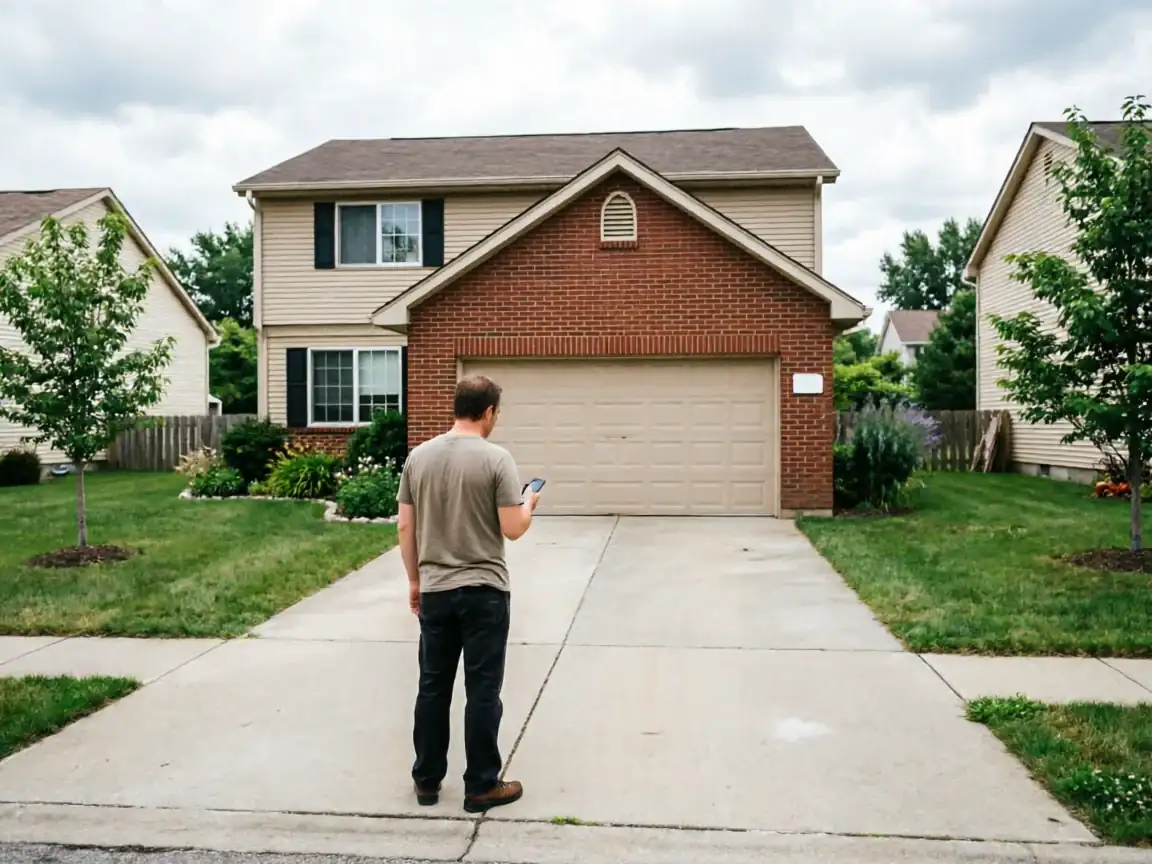
Green's median household income sits at $92,653, well above the $80,612 figure for the wider Akron service area, and that number matters here because it changes where the repair-or-replace line falls. A household at that income level can usually absorb a full door replacement without blinking, so the question on a cable call in Green isn't always "can we fix this" - it's "should we."
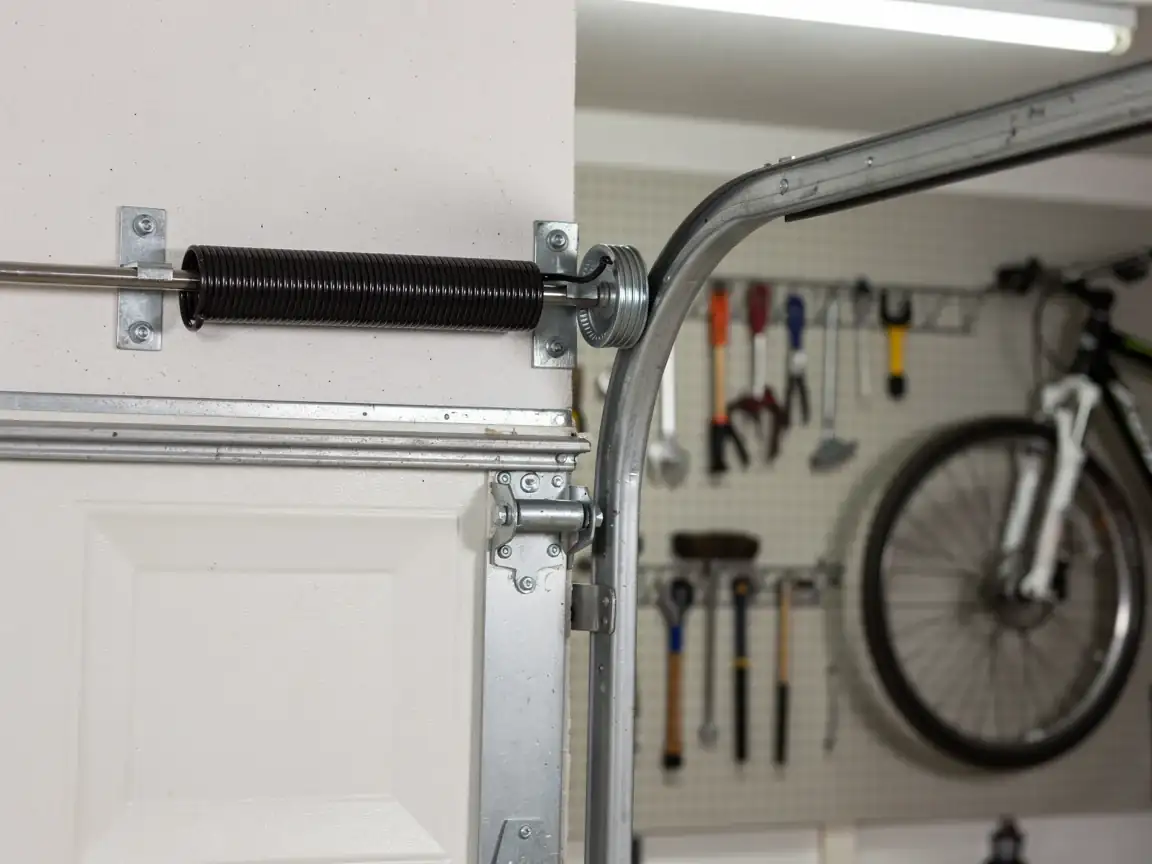
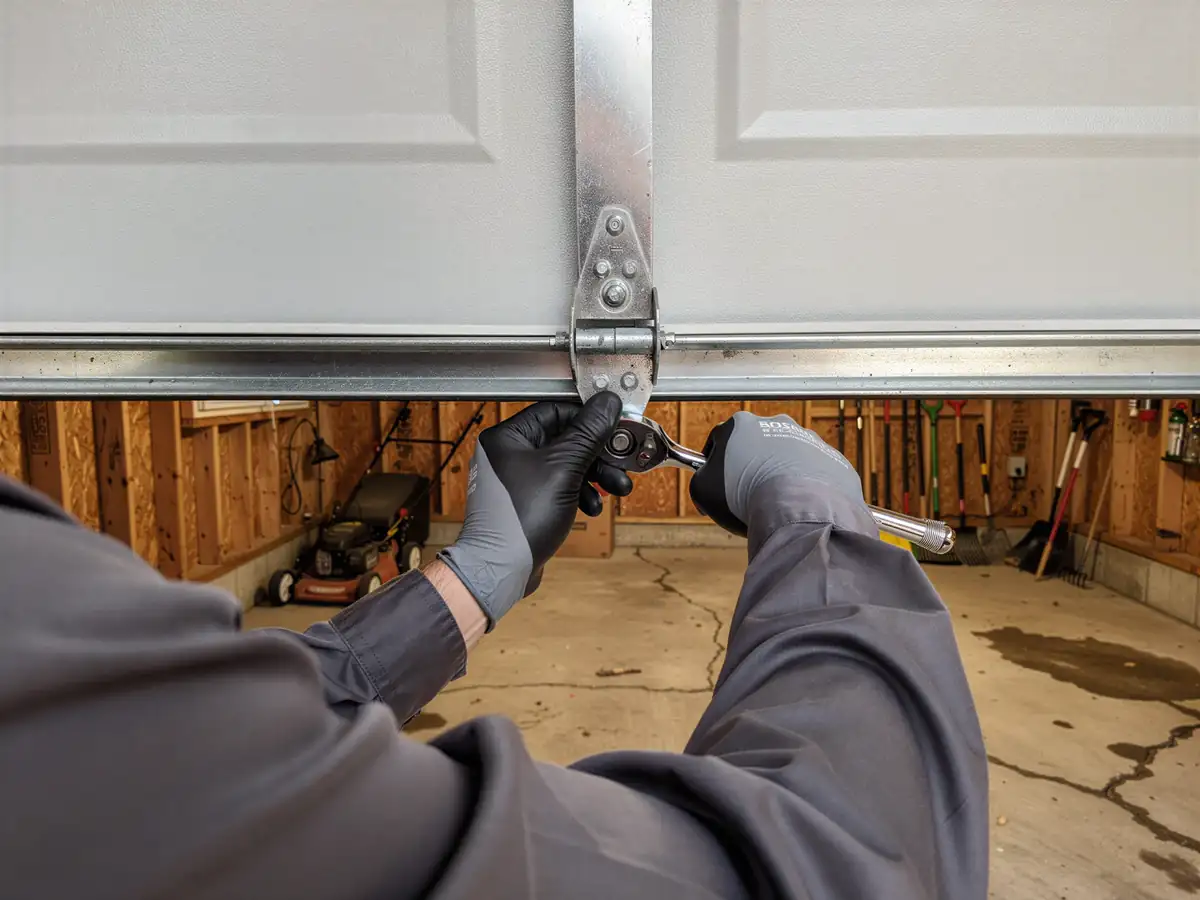
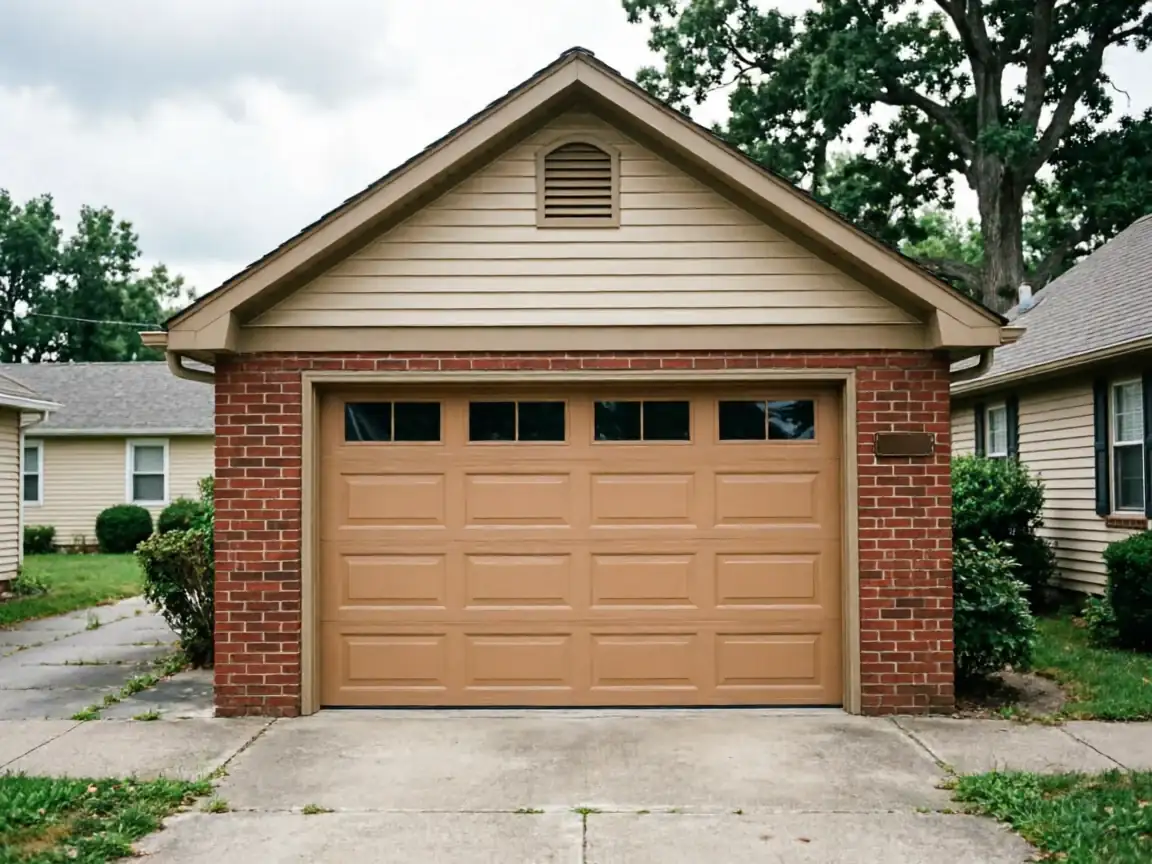
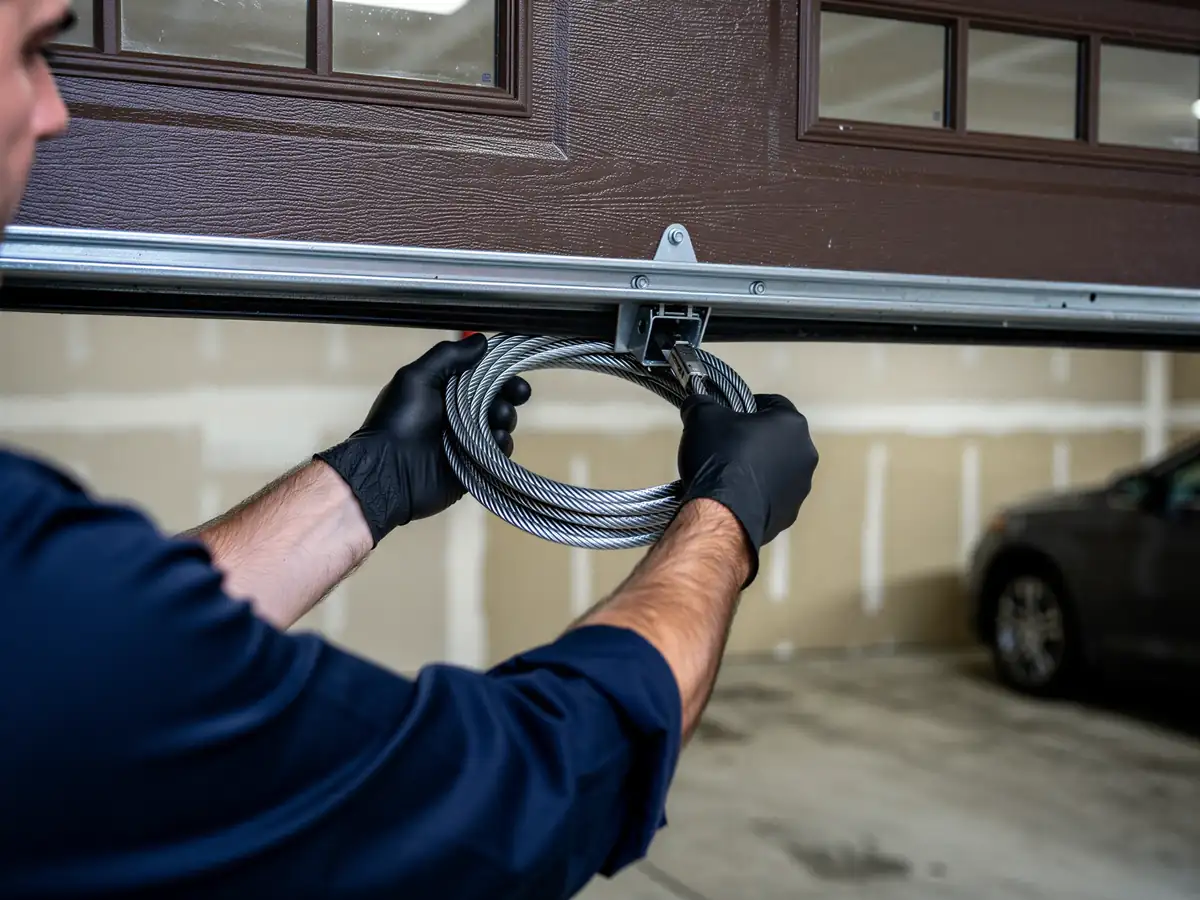
The housing itself points to a specific failure pattern. Green's homes center on a median build year of 1984, a decade or more newer than the 1972 median across the broader service area. Doors from that era shipped with lighter-gauge steel panels and thinner galvanized lift cables than the heavier doors on older Akron housing stock. Those thinner cables do the job fine for years, but they fray at the bottom roller bracket sooner, and once a strand pops, the whole cable goes quickly rather than slowly.
We also see a lot of broken cables here tied to a stripped or seized bottom fixture rather than cable fatigue on its own - the two failures get blamed on each other, and sorting out which failed first is half the job before any new cable goes on.
The Cost of This Job
We don't have a posted price for cable repair here
And we're not going to make one up to fill space. What we can tell you is how the decision usually plays out once we're on site. Given the income level in Green, most homeowners choose to replace both cables as a pair rather than patch the one that broke - a cable that's twelve years old on one side is close behind on the other, and a second trip out from Akron to fix the second cable a month later costs more in the long run than doing both now.
If the door is original to a mid-1980s build and the drum, bottom bracket, and hinges are showing matching wear
That's the point where we'll tell you straight that a new cable on an old door is a stopgap, not a fix. We'd rather say that up front than sell you a part that's fighting worn hardware around it.
Time on the Job
The service area sits in a severe cold climate band, and that affects cable work more than most homeowners expect. Thinner cable - the kind common on Green's 1980s and newer builds - gets brittle faster in cold weather than the heavier-gauge cable used on older Akron-area doors, which means winter cable breaks here tend to happen with less warning. A cable that looked fine in October can snap in a January cold snap because the steel lost flex it never had much of to begin with.
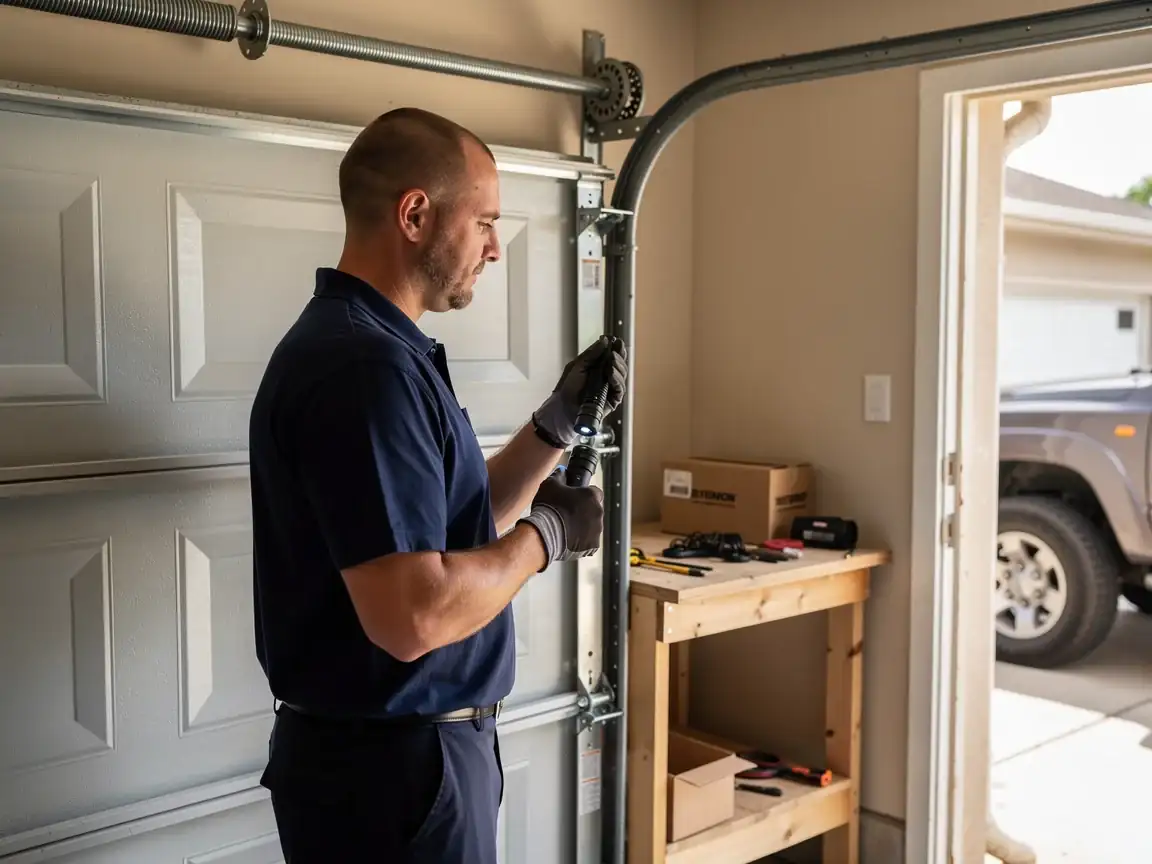
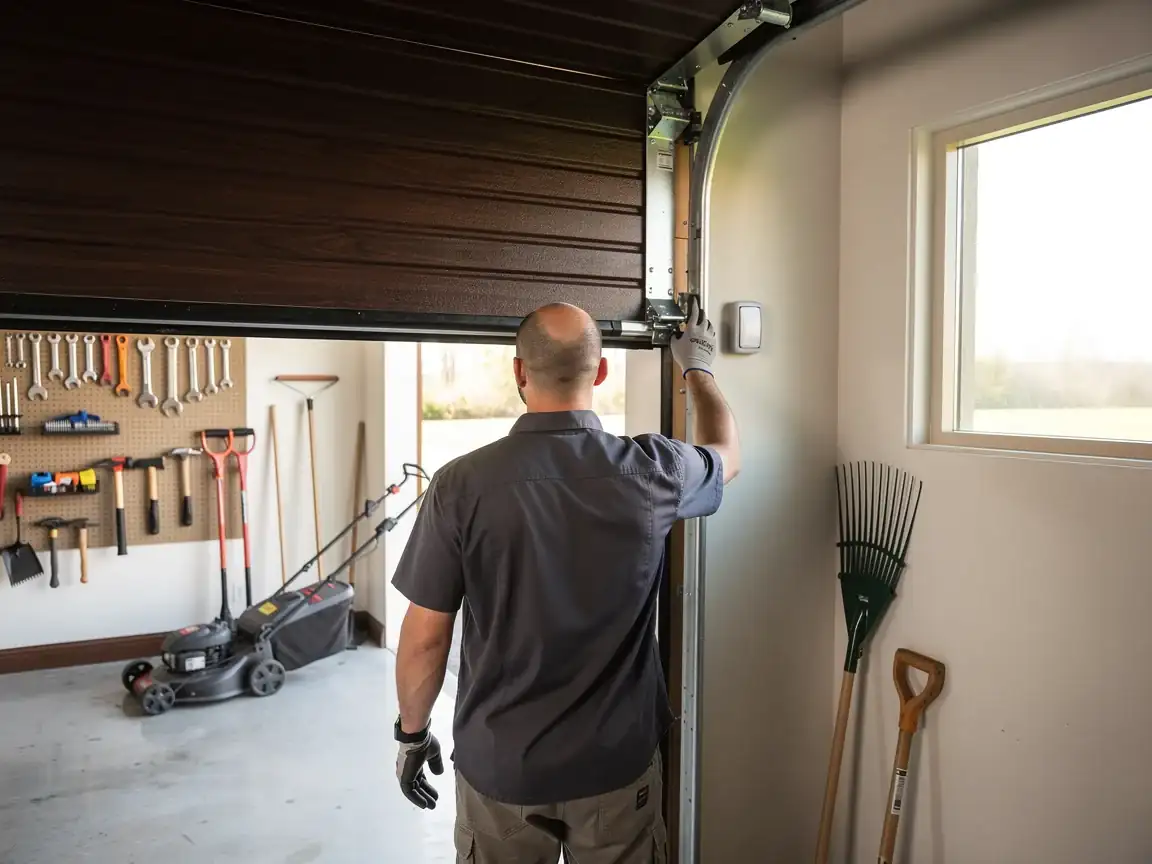
On site, a straightforward cable swap on a single door, once the spring tension is safely locked off, usually runs under two hours. Add time if the drum or bottom bracket needs replacing too, which is common on doors matching Green's housing age, or if the door's been run on a broken cable and the track's taken damage from the panel dropping unevenly.
Booking a Visit
We cover Green from our base in Akron, about nine miles out. There's no branch or local yard here - the truck comes from Akron, loaded with the cable gauges and drum sizes that match the door ages we see most often on this side of the service area. We don't promise a specific arrival window here that we haven't confirmed, but distance of nine miles is short enough that scheduling is rarely the bottleneck.
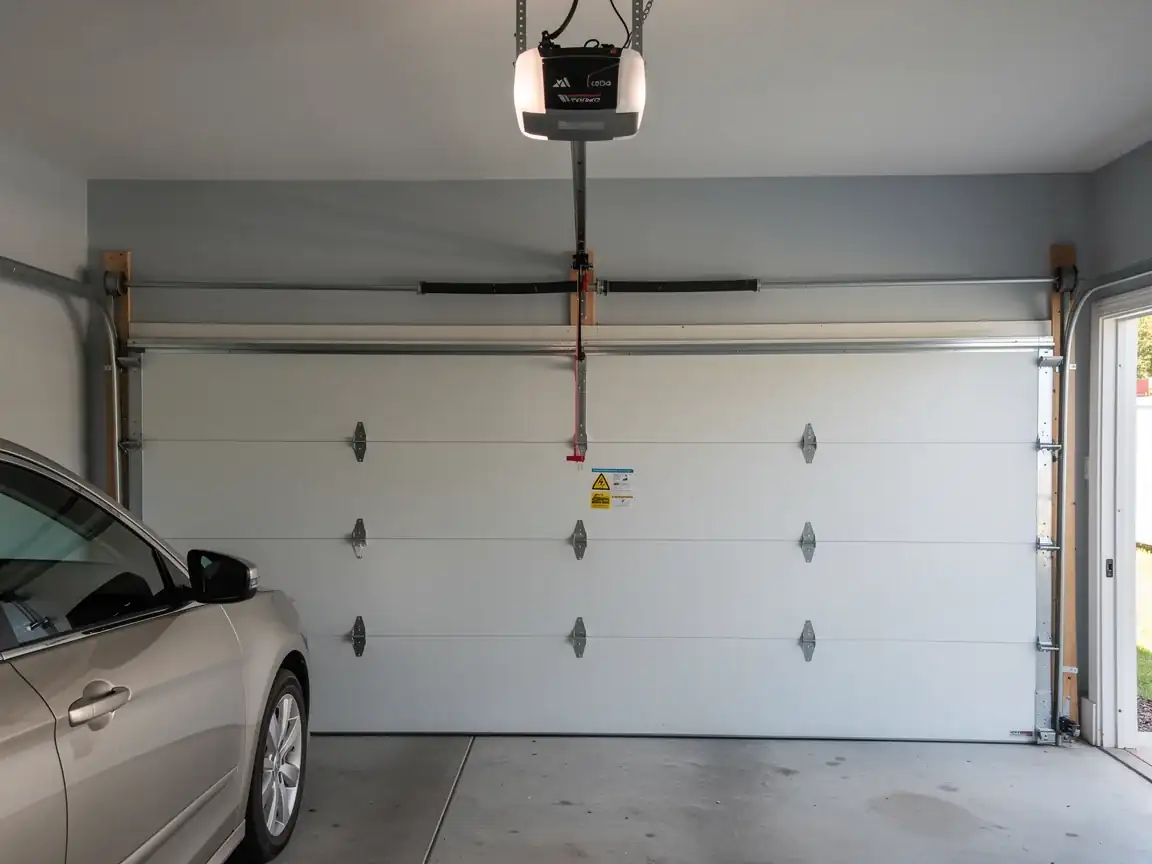
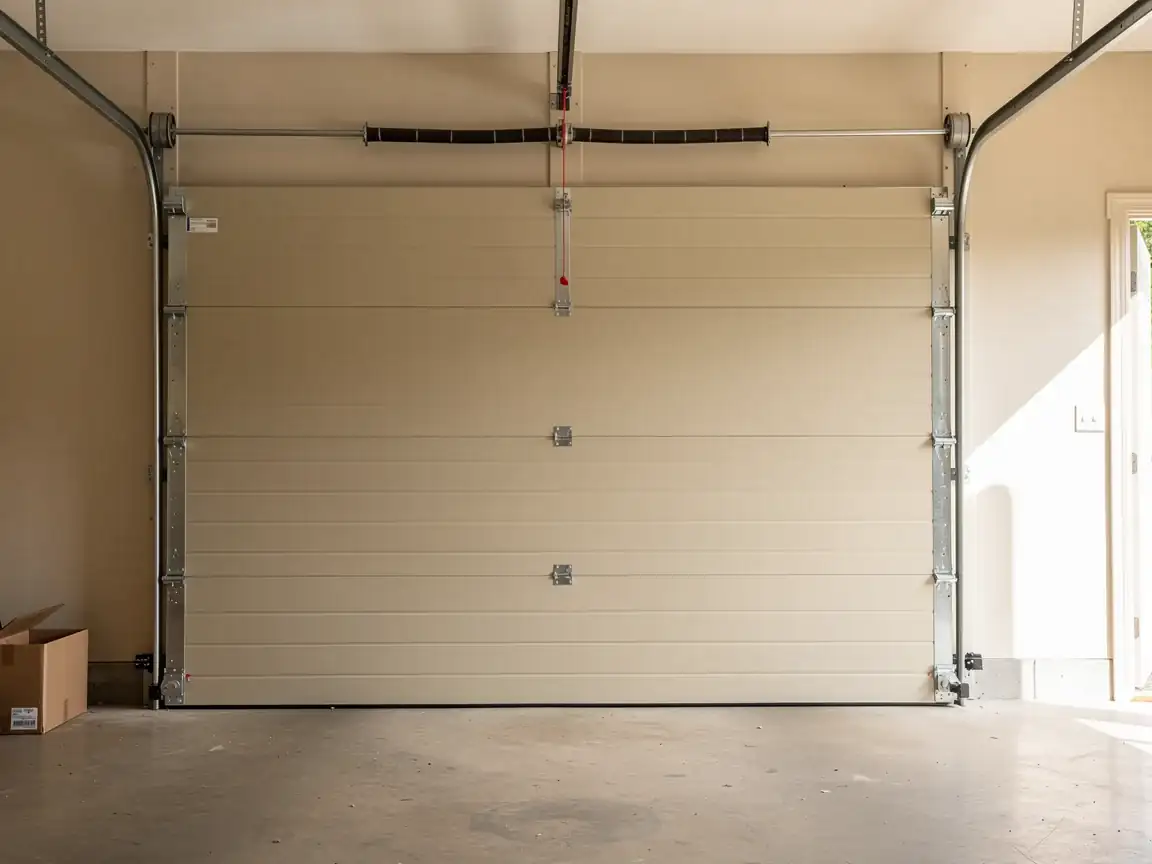
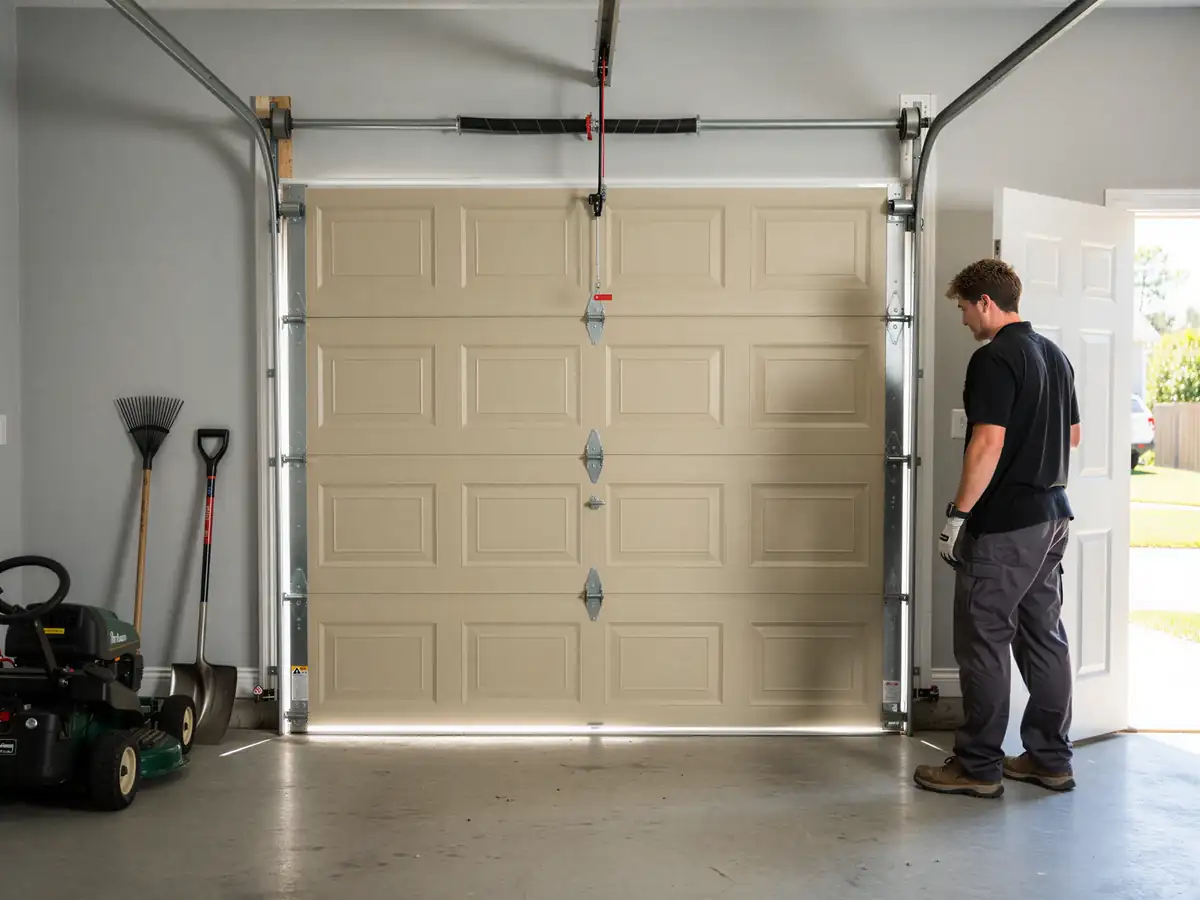
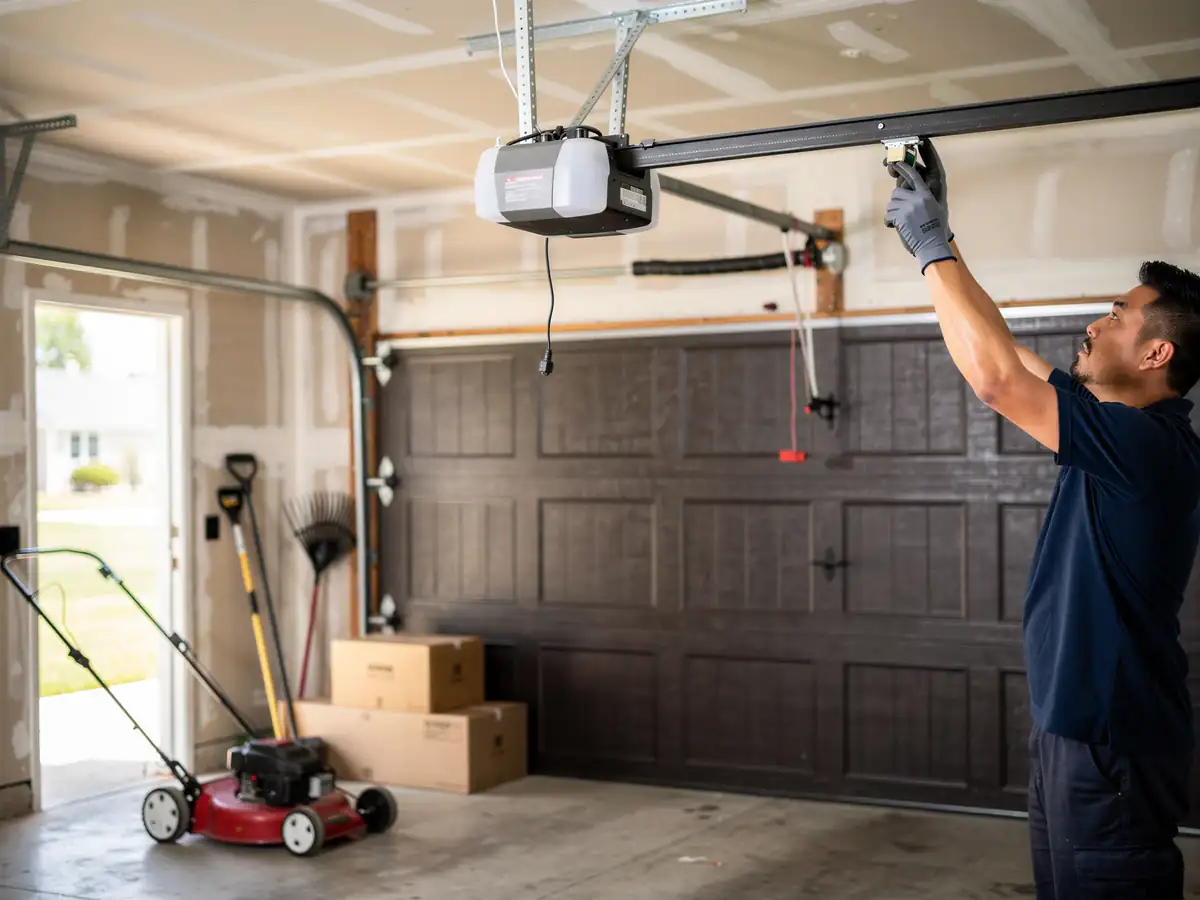
If you're not sure whether what you're looking at is a cable problem or something else - a spring, a bent track, an opener that's straining - tell us what you see and hear when you call. A door that drops unevenly on one side and makes a snapping or popping sound right before is almost always a cable. A door that won't lift at all with no sound first is more often a spring, and that's a different job with a different price.